The Casual Blog

Tag: wildlife

More on our South African safari and new discoveries on birds and plants
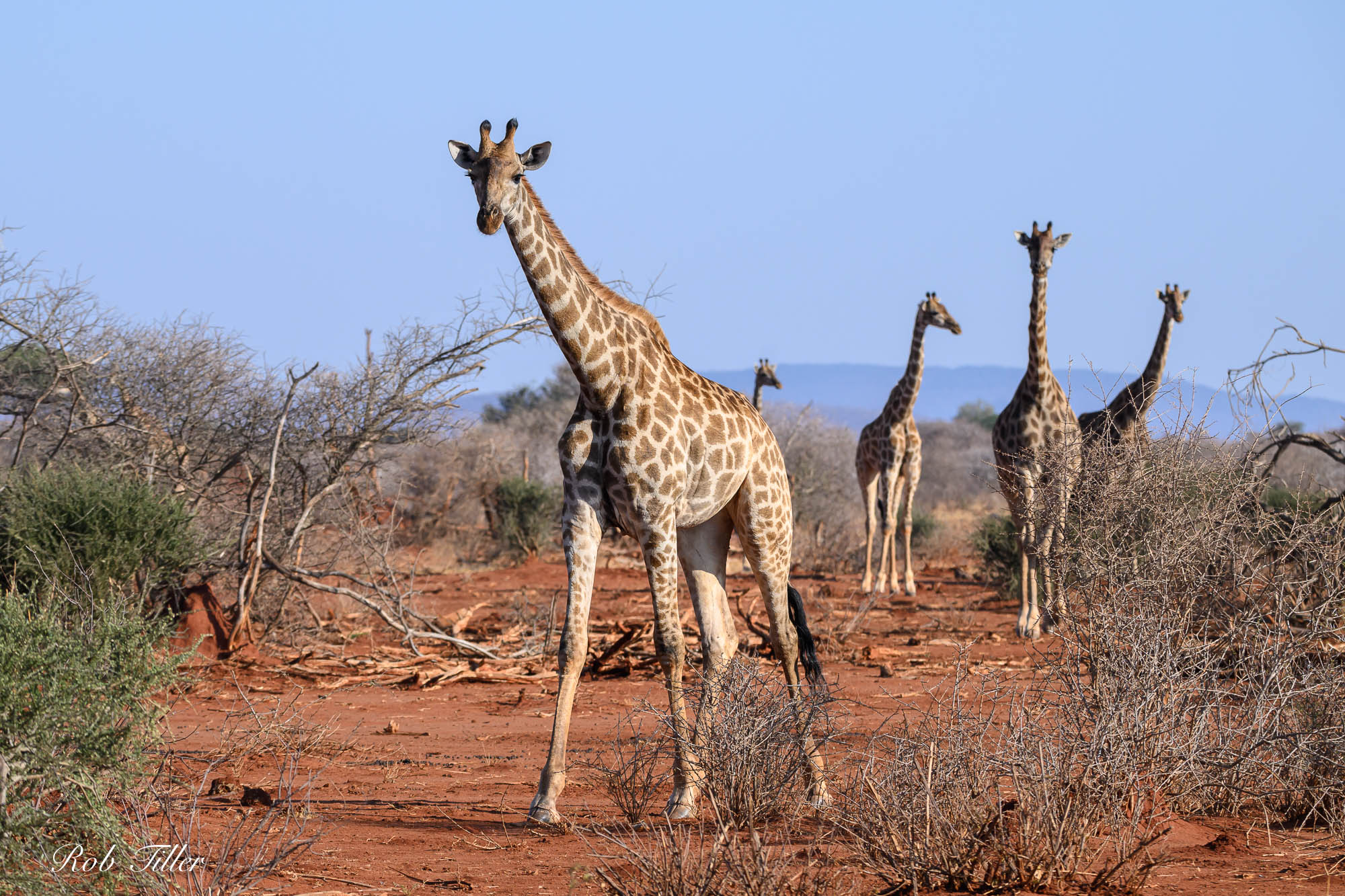
I finally finished going through the thousands of pictures I took during our South Africa safari, and found a few more I wanted to share. 
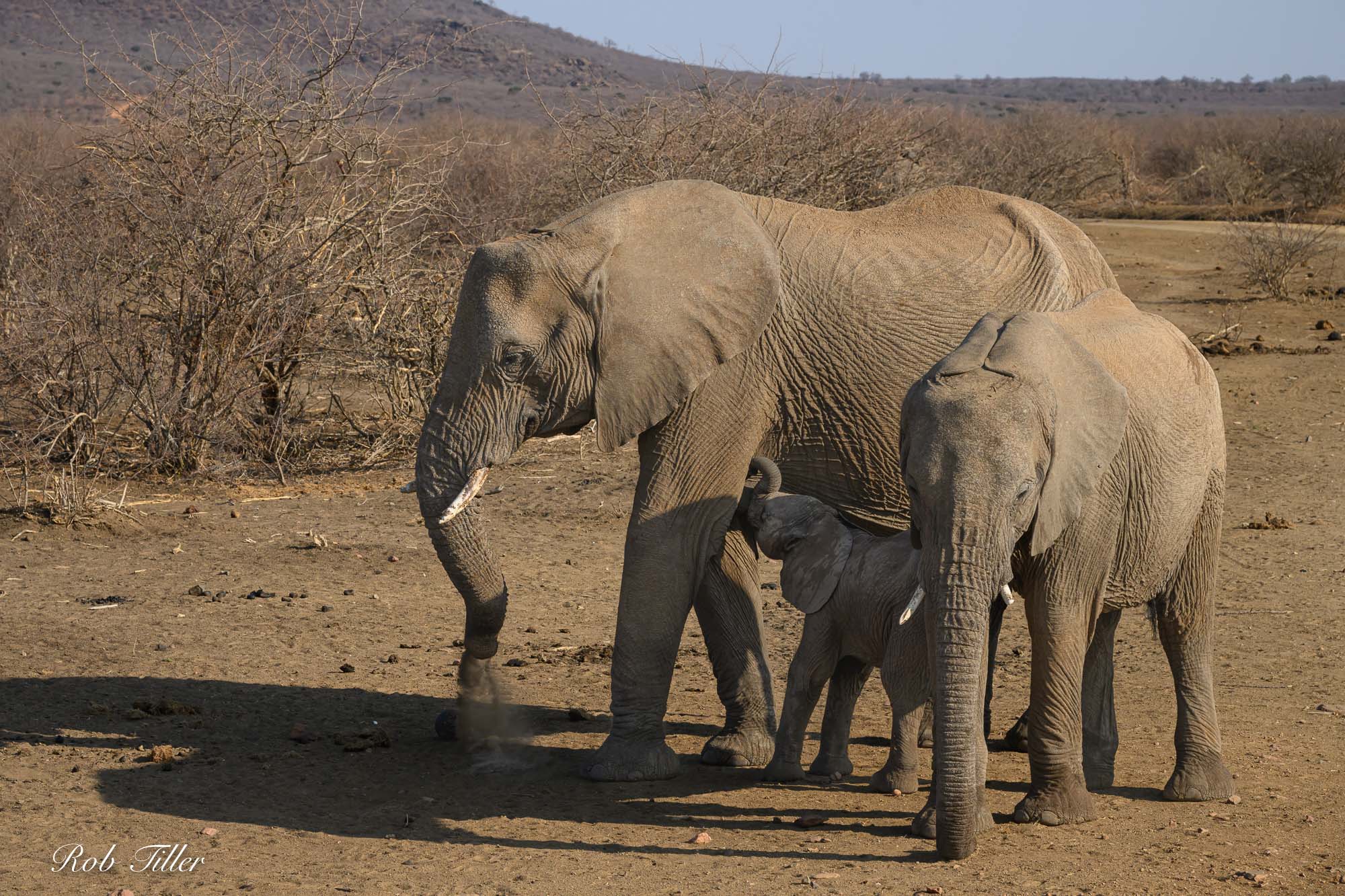
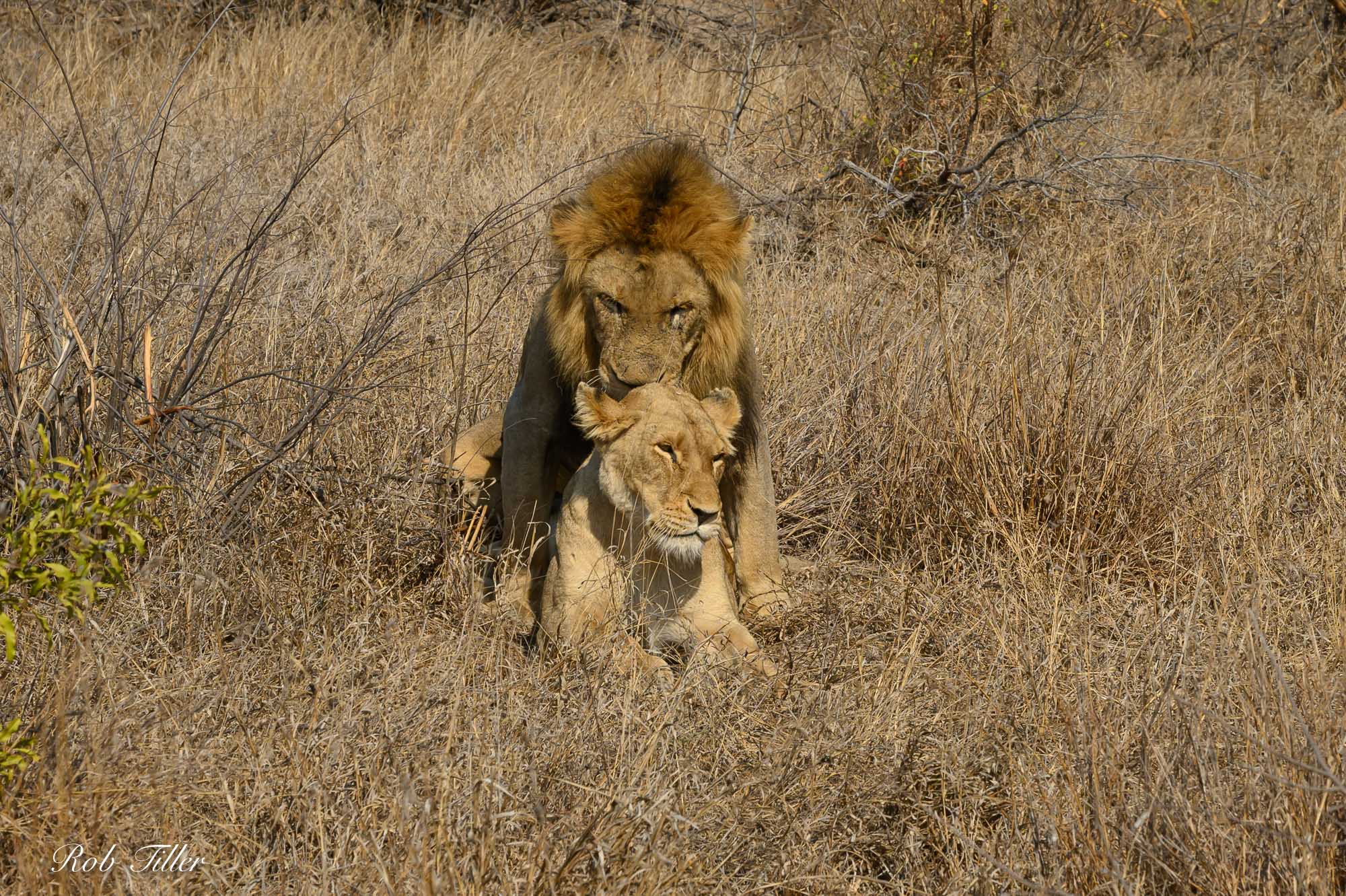
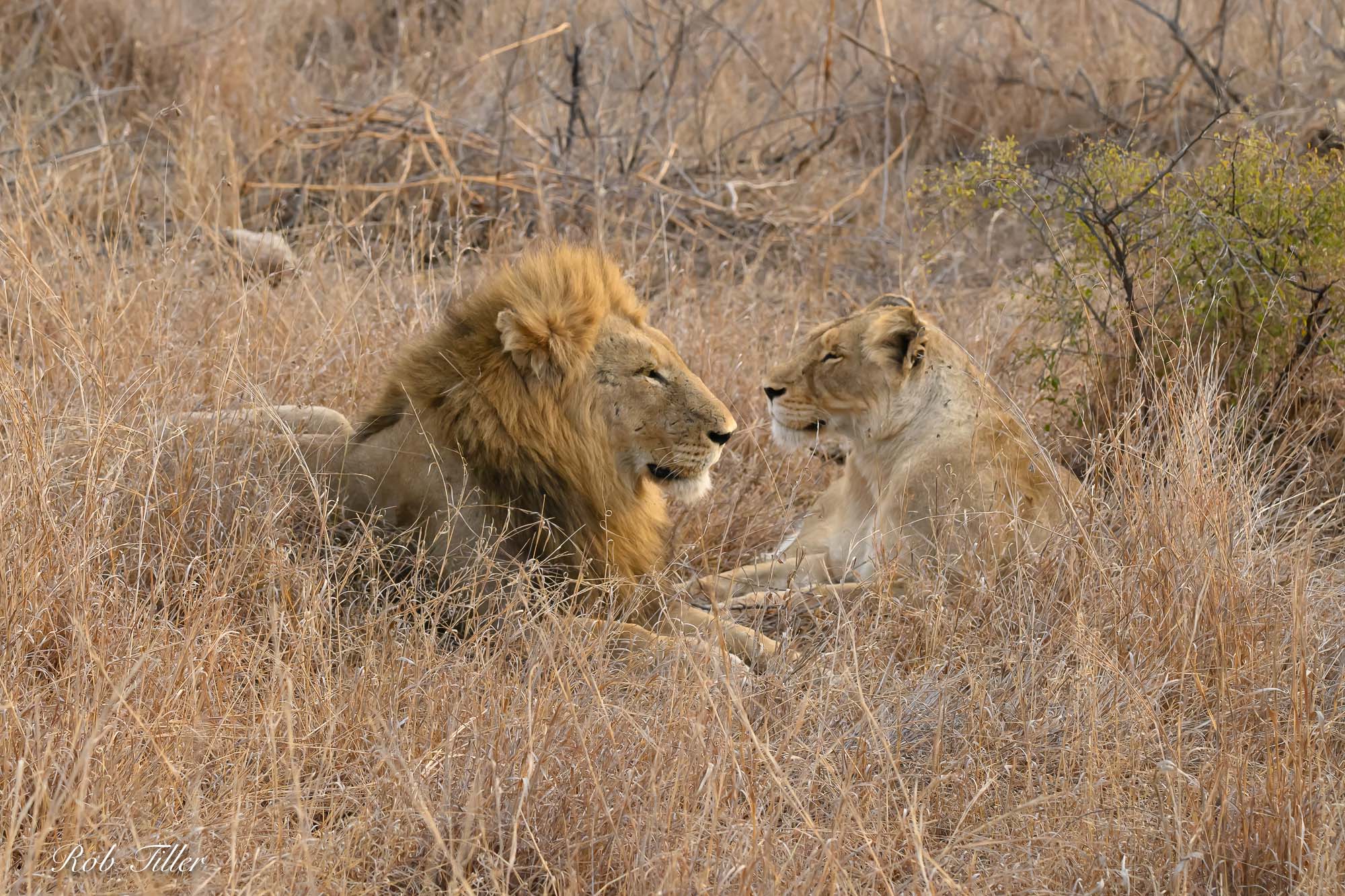
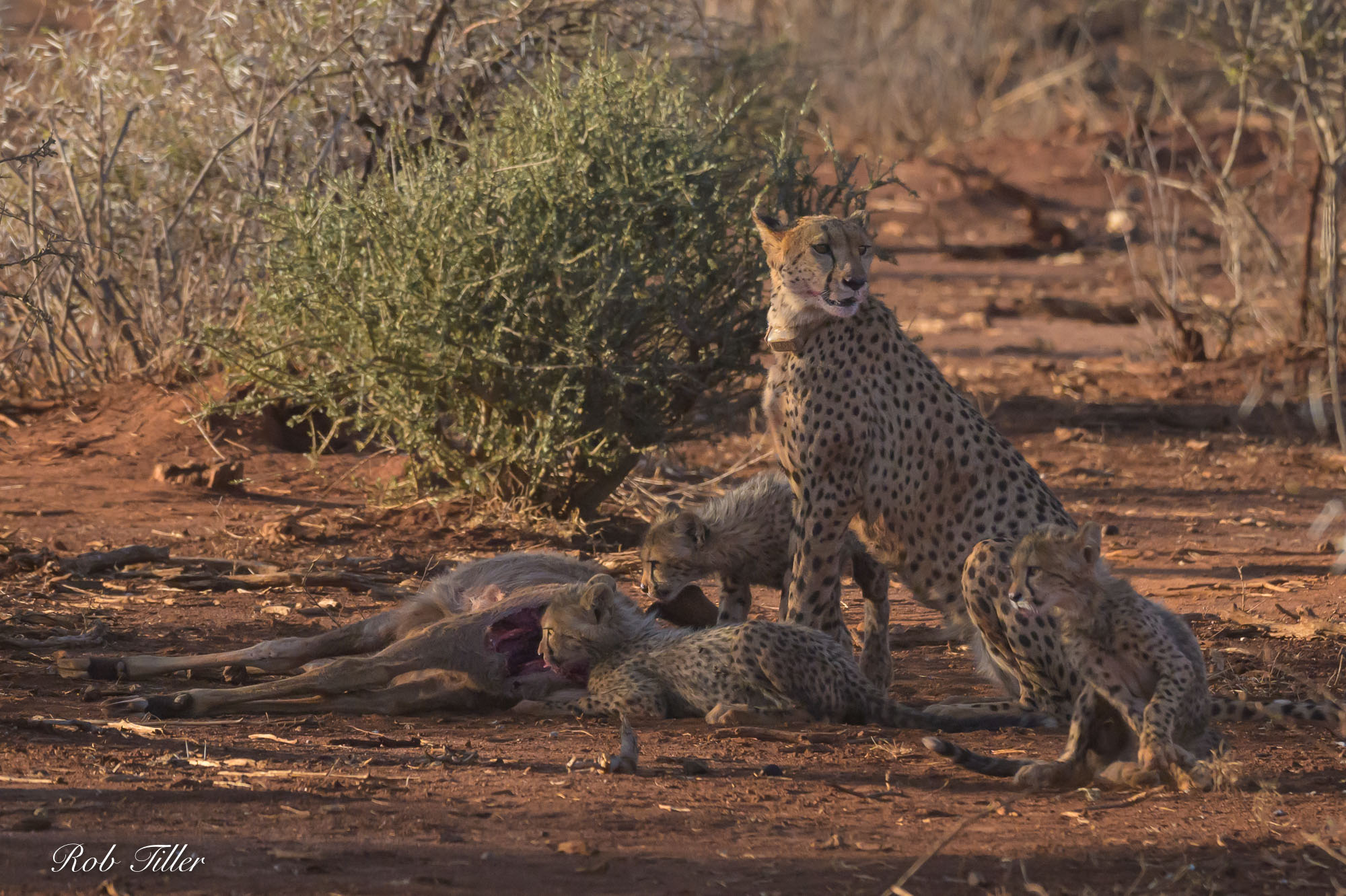
During the safari, we saw animals doing many of the things we know they have to do, like eating, drinking, bathing, teaching their young, and mating.  We didn’t see any actual kills, but we did see several big cats feeding on recent kills.   I debated whether to share photographs of those, since it’s unavoidably sad, and perhaps upsetting, to deal with the death of a beautiful creature like an impala.  But I also see an element of beauty in the predator and his or her success.  

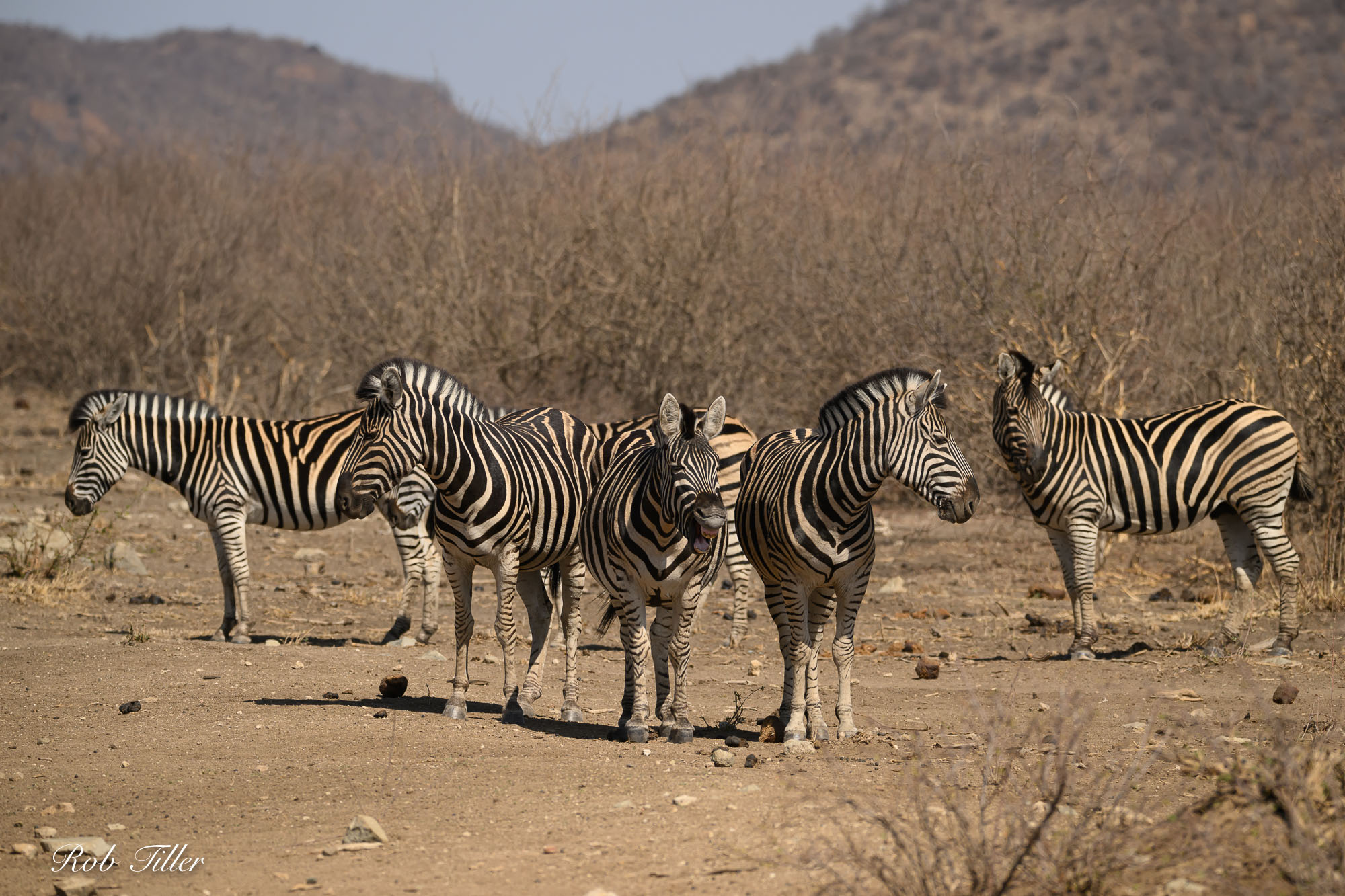
The lions, leopards, and cheetahs must kill to survive and to feed their young.  It’s just the way they’re made.  It turns out that it’s quite difficult for them to hunt successfully, and they often fail.  Grazing animals are highly sensitive to predator risks, and most of them are, when healthy, either faster or stronger than their predators.  On this trip, we watched a hidden lion lie in ambush for lengthy periods hoping, unsuccessfully, for an unwary zebra or impala.  
The grazing animals that the big cats catch are generally the old, young, or ill.  In fact, their hunting is important for the health of the grazing herds.  It  keeps diseases in check and prevents overpopulation and overgrazing that would lead to more death.  Nature generally manages to keep things remarkably well balanced among predators, prey, and plants, when there isn’t human interference.
There’s a vast amount that we do not know about nature, which is exciting, in a way:  there’s so much more to learn.  This week the New Yorker had a lively and interesting piece by Rivka Galchen about what scientists are learning about bird song. 

I’ve been interested in bird song for many years, but mainly as a way to identify birds that won’t allow themselves to be seen.  From watching flocks of big birds like tundra swans and Canada geese, I’d come to suspect that their vocalizations allowed them to coordinate their travels together.  Now researchers are confirming the suspicion that their sounds have a lot of communicative content.  
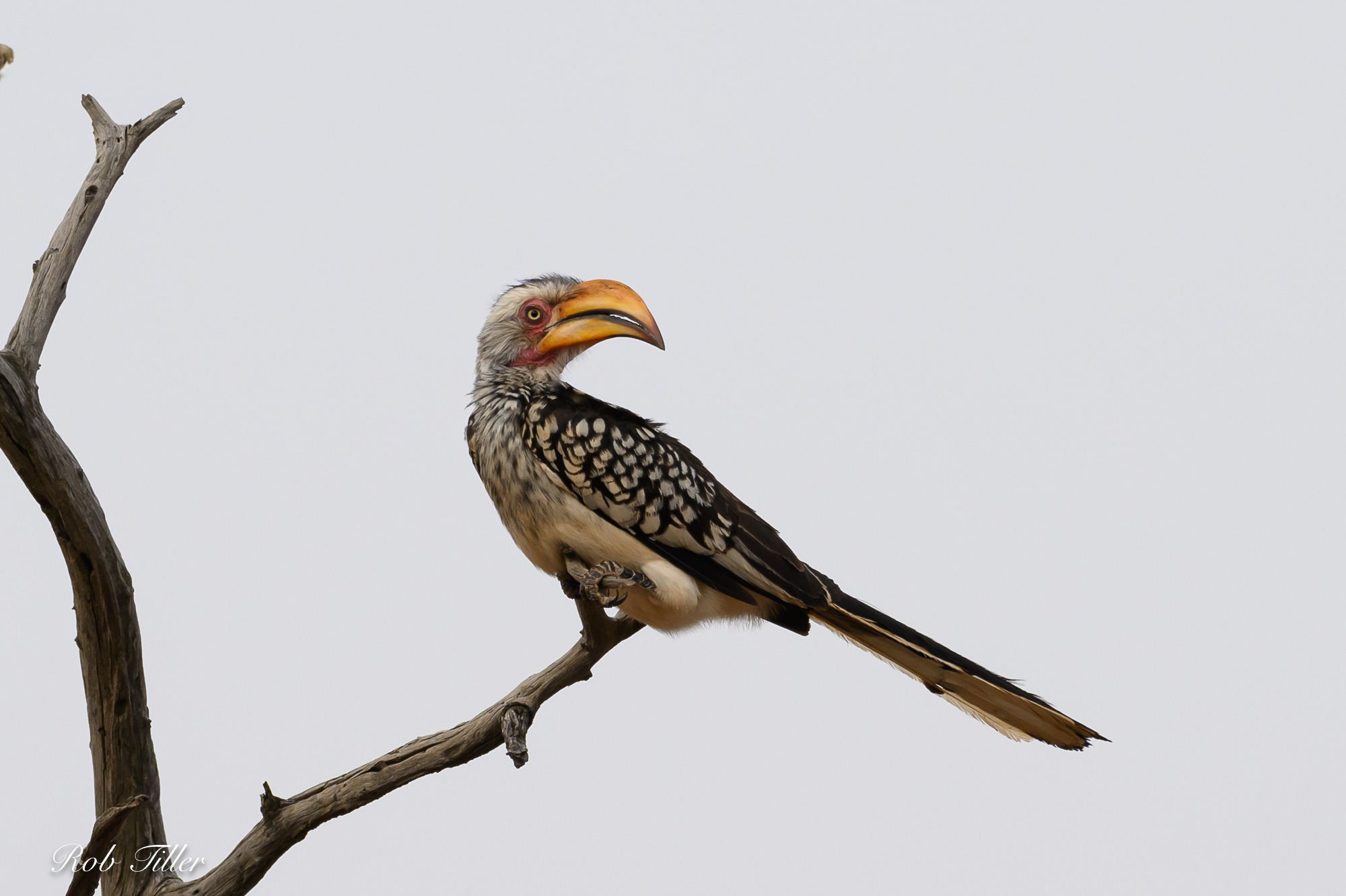
Scientists have long recognized that birds make specific alarm calls, and are learning that some of those calls differentiate the threats of, say, a hawk or a snake.  It turns out that bird parents make sounds while incubating their eggs that the developing baby bird learns.  We’re learning that bird communication is more complex than we thought, which indicates that their intelligence is more complex than we thought.  

With fall arriving, it’s gotten a bit chilly for me to have my morning tea on our deck, but when it’s mild I like to sit out there as the sun is rising and listen to the birds.  I’ve been using the Merlin app to identify calls and songs I don’t already know.  The app has gotten a lot better over the last couple of years, and is almost always accurate, at least as to the birds I’m familiar with.  
Speaking of the natural world, I’m in the midst of a remarkable book about plants:  The Light Eaters:  How the Unseen World of Plant Intelligence Offers a New Understanding of Life on Earth, by Zoe Schlanger.  Schlanger has reviewed the scientific literature and interviewed leading botany experts researching how plants sense the world and deal with their environments.  Her style is friendly and approachable, and her content is at times mind blowing.  

It turns out that plants are much more  proactive than we used to think.  There are species that modify their chemistry in response to predators to make themselves less appetizing.  There are ones that send out chemical signals to warn others of their kind of particular predators.  Some even send out chemical signals to summon insects that will prey upon the plants’ enemies.  
There is considerable evidence that plants respond to touch.   Some researchers have found that they respond to certain sounds, which we might call hearing.  They modify their behavior to avoid threats and to improve their nutrition.  The puzzle is that they lack a clear hearing organ, like an ear, or a centralized interpretive organ, like a brain.  How they do it is yet to be discovered.  

But it’s hard to avoid the thought that plants are in some sense conscious.  Schlanger recognizes that the idea of plant intelligence is still controversial in the botanical science world, and gives credit to scientists for being cautious and careful.  In this time of great anxiety about the human world of politics and war, her new book is a welcome reminder that, quite apart from humans, the world has been and continues to be full of wonders.   
Our safari in South Africa

Last week Sally and I got back from a two-week safari trip to South Africa.  The travel was grueling, but it was fantastic to see so many animals living there.  I took thousands of photos and haven’t had time to look through them all.  But I’ve taken a quick pass through the first few days’ worth, and found some I wanted to share, along with some thoughts related to the trip.

Nature is amazingly creative!  Seeing such a variety of its creations up close was, for me, a kind of religious experience – maybe a Taoist one.  It highlighted the fascinating web of relationships between animals, plants, microbes, soil, and water.  Over time, evolution keeps coming up with new designs and new solutions.  In a time of a lot of human misery and confusion, time in the South African bush helped me take a longer and more hopeful view.  

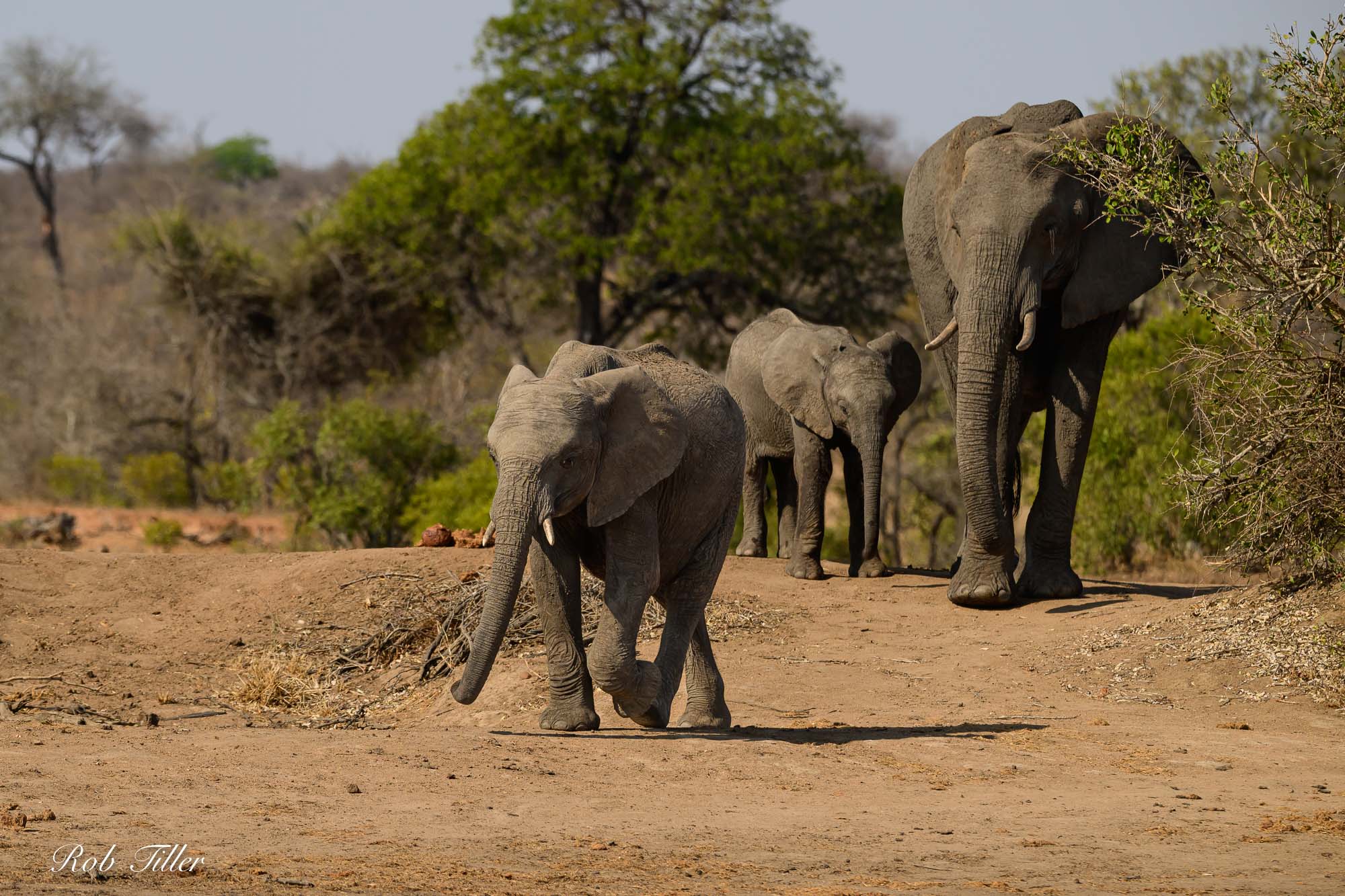
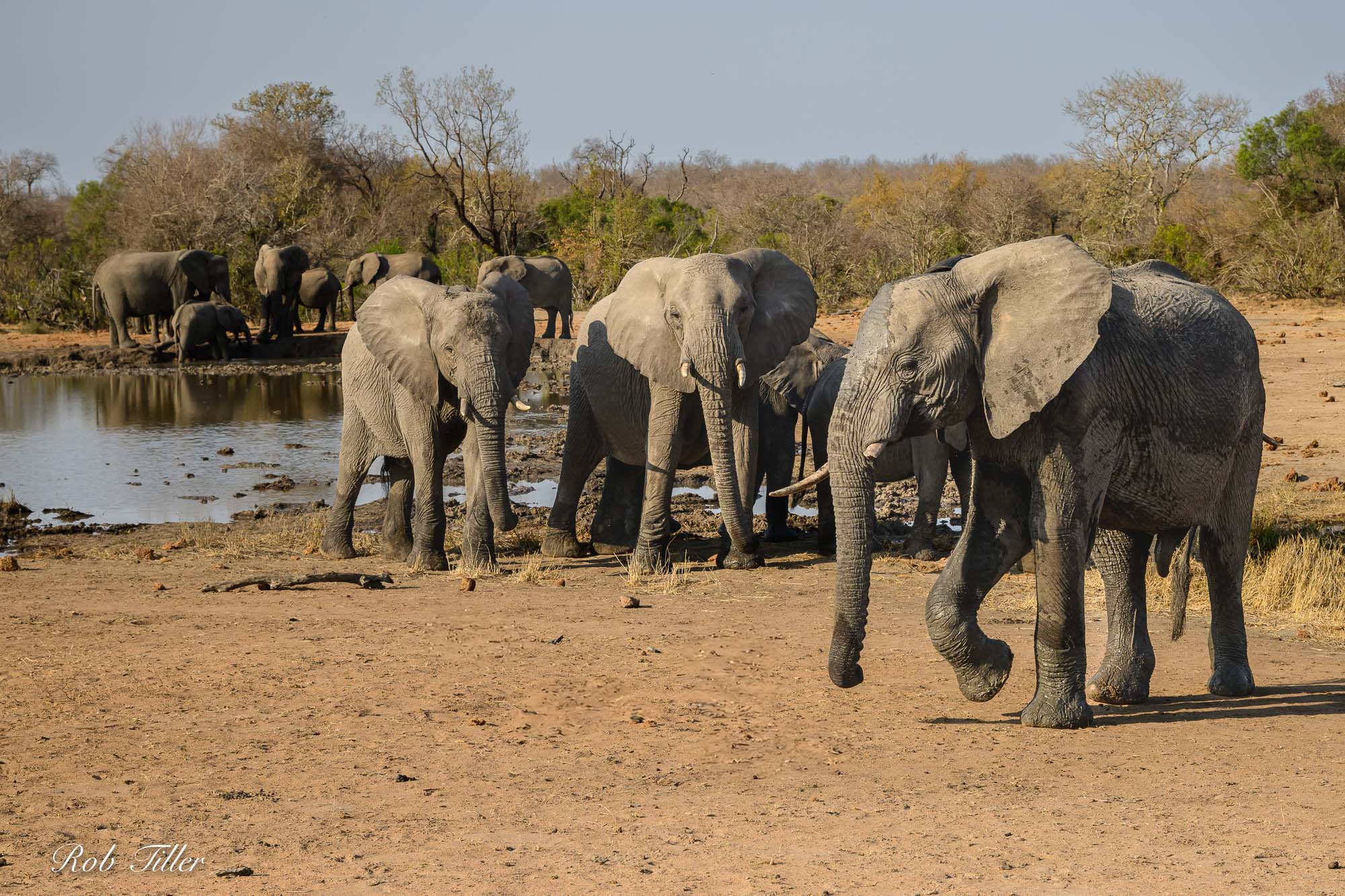
I especially enjoyed watching the animals’ relationships with their families and others.  Some species, like elephants, are very social, and seem to enjoy being with their families and herds.  An important part of their lives is working together to find nourishment and take care of the young ones. 

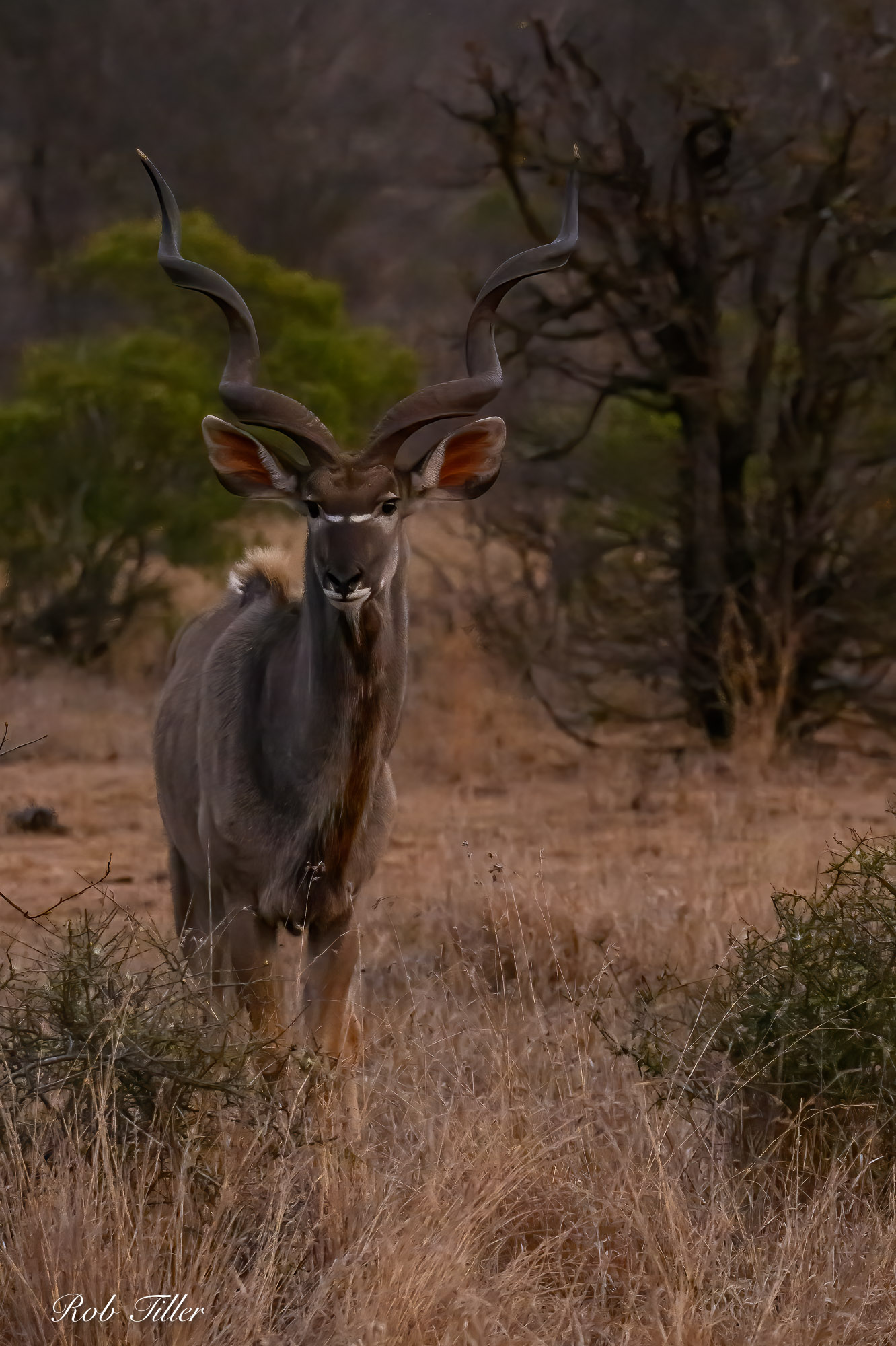
Kudu

 On this trip I was seeing the animals more as individuals, rather than just representatives of a species.  I started to see some differences in their personalities, such as that some were more wary than others.  Some like to be clean, and others less so.  Some of them were clearly curious about us humans, a species they might never have seen before.  

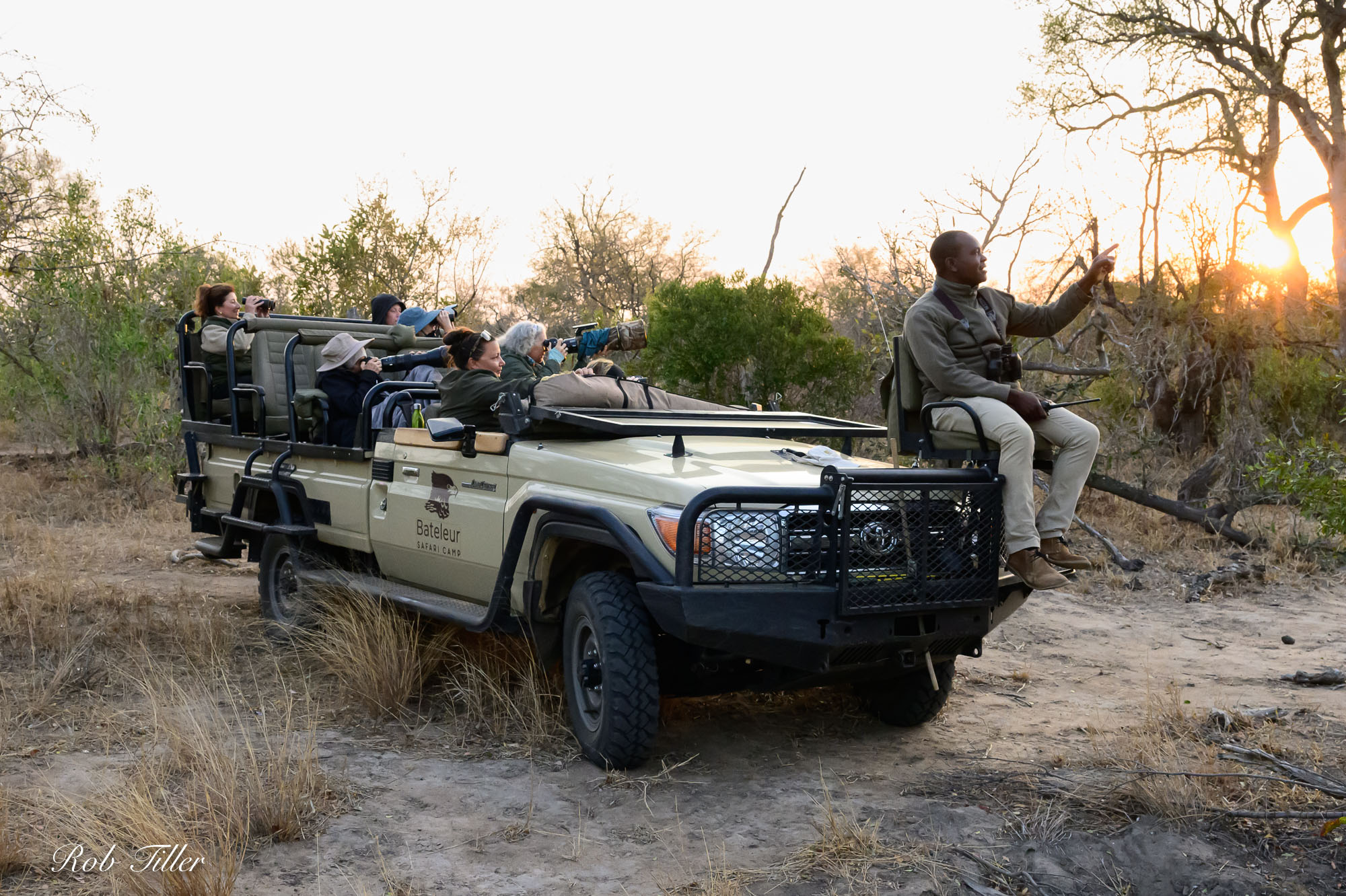
We  traveled with a small group of wildlife photographers organized and led by my friend Jennifer Hadley with Noelle van Muiden.  We spent five nights in the Timbavati Game Reserve, which is just to the northeast of Kruger National Park, and five nights in Mandikwe Game Reserve just south of Botswana.  Our Timbavati camp, Bataleur, was extremely comfortable, and Mandikwe Hills was truly luxurious.  We had friendly service and fine food.

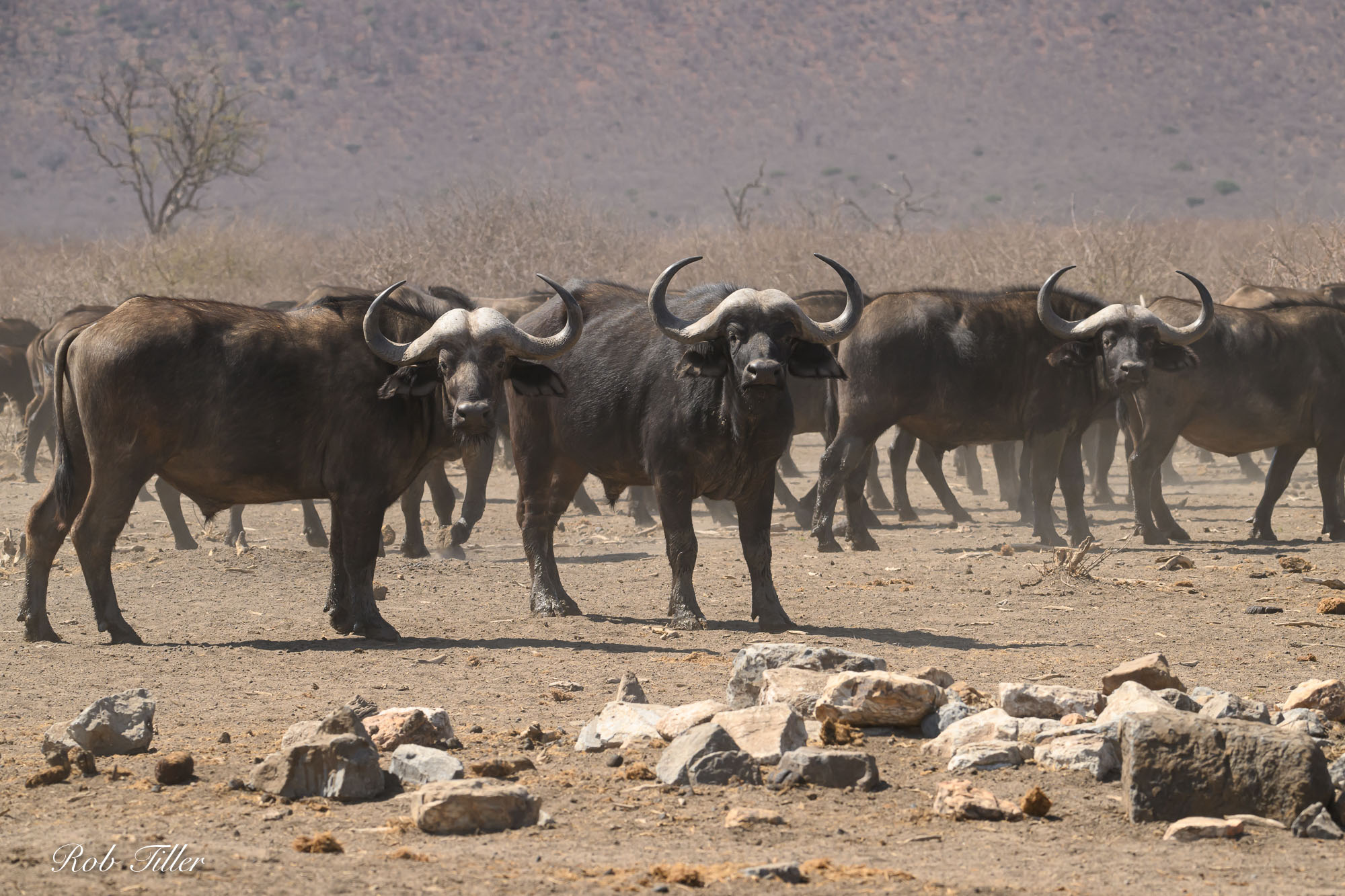
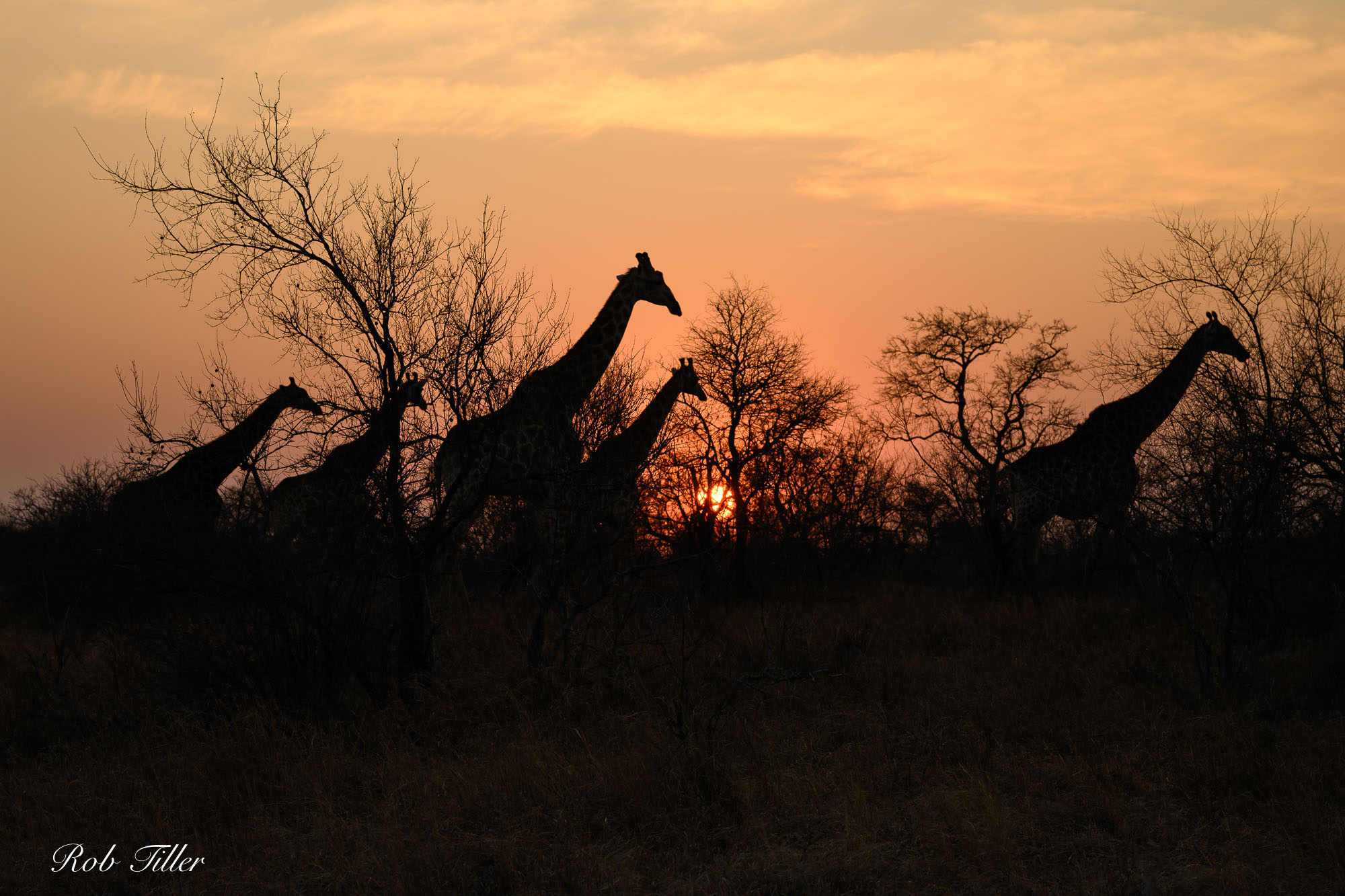
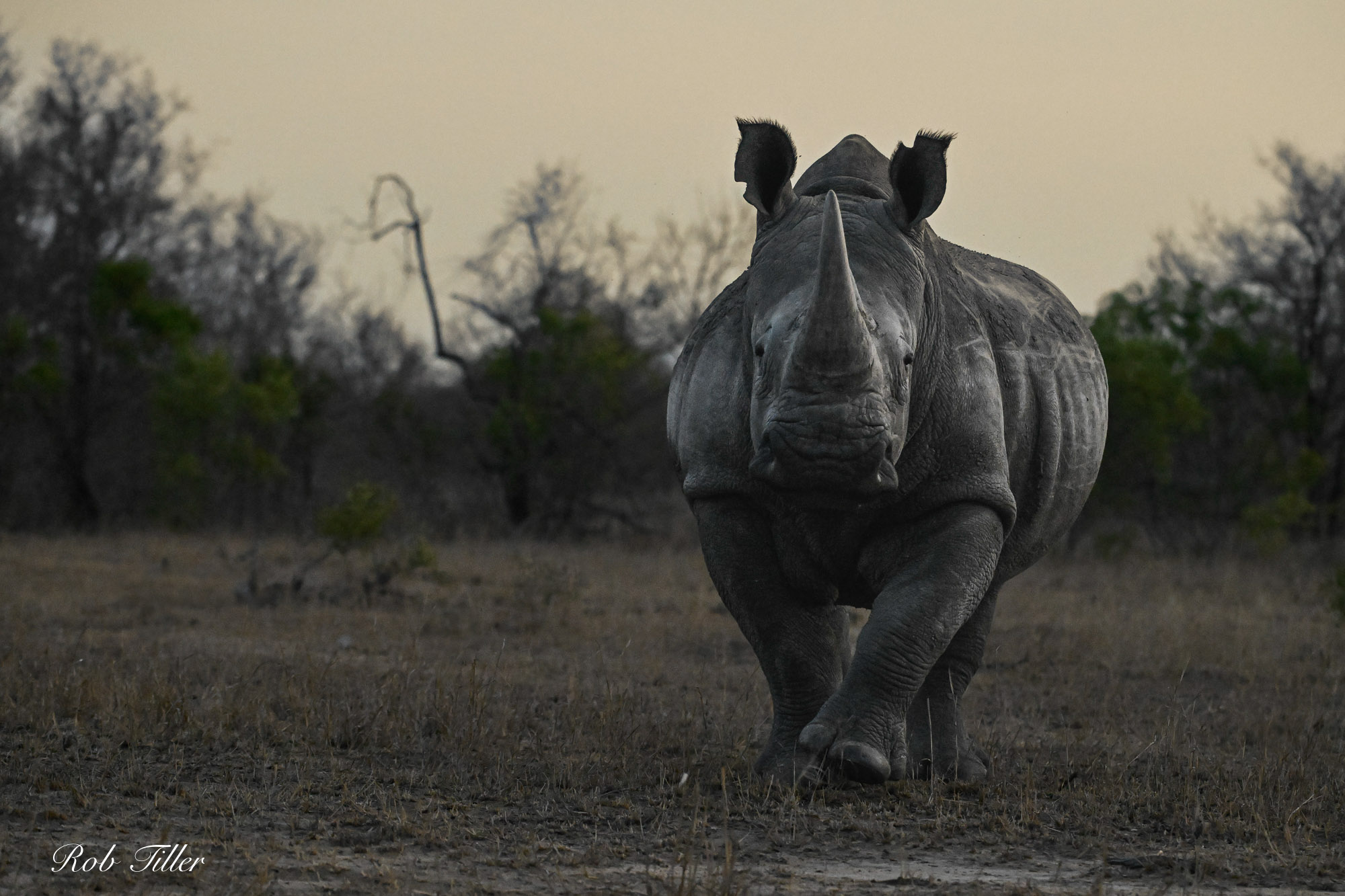
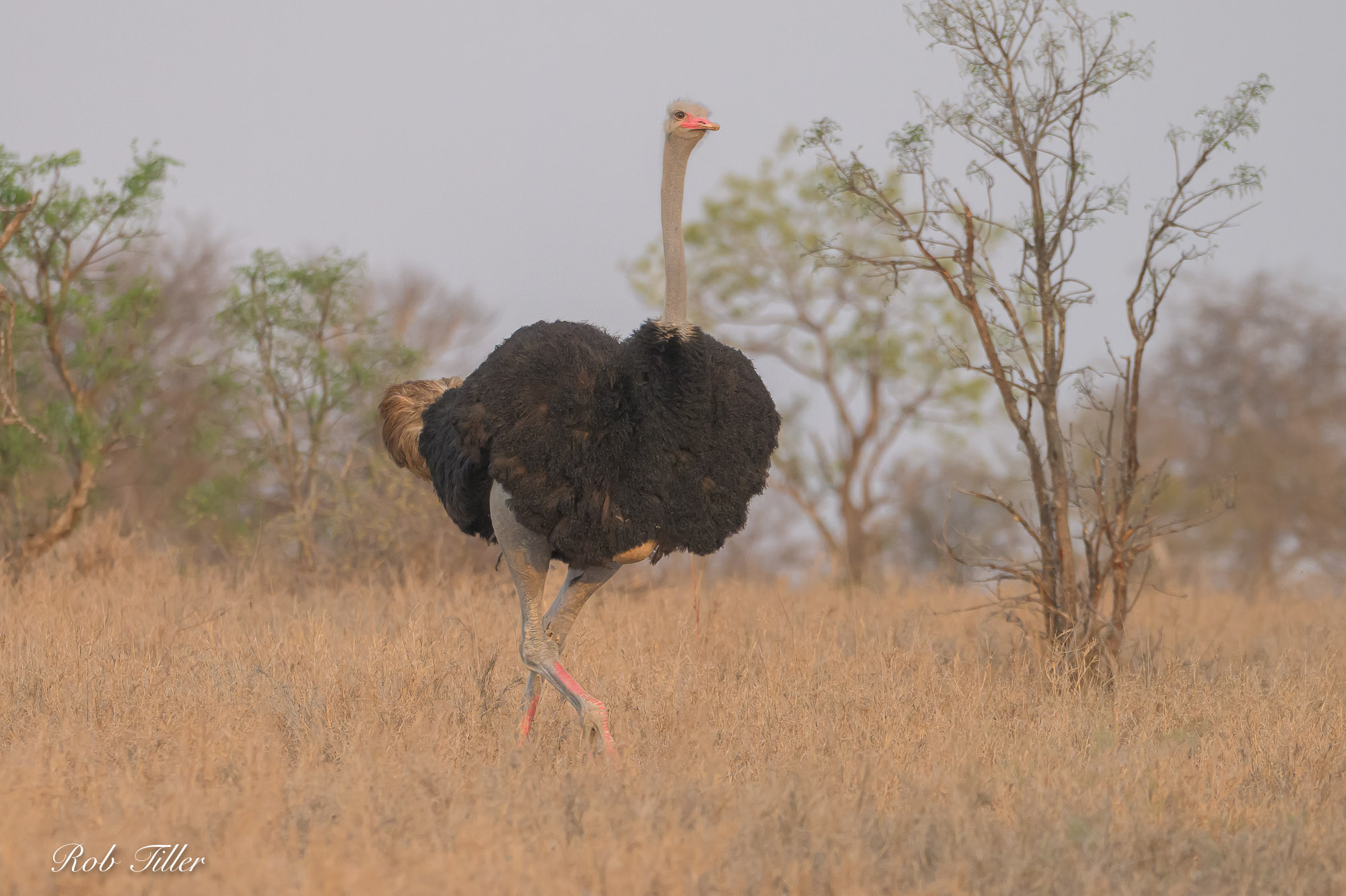
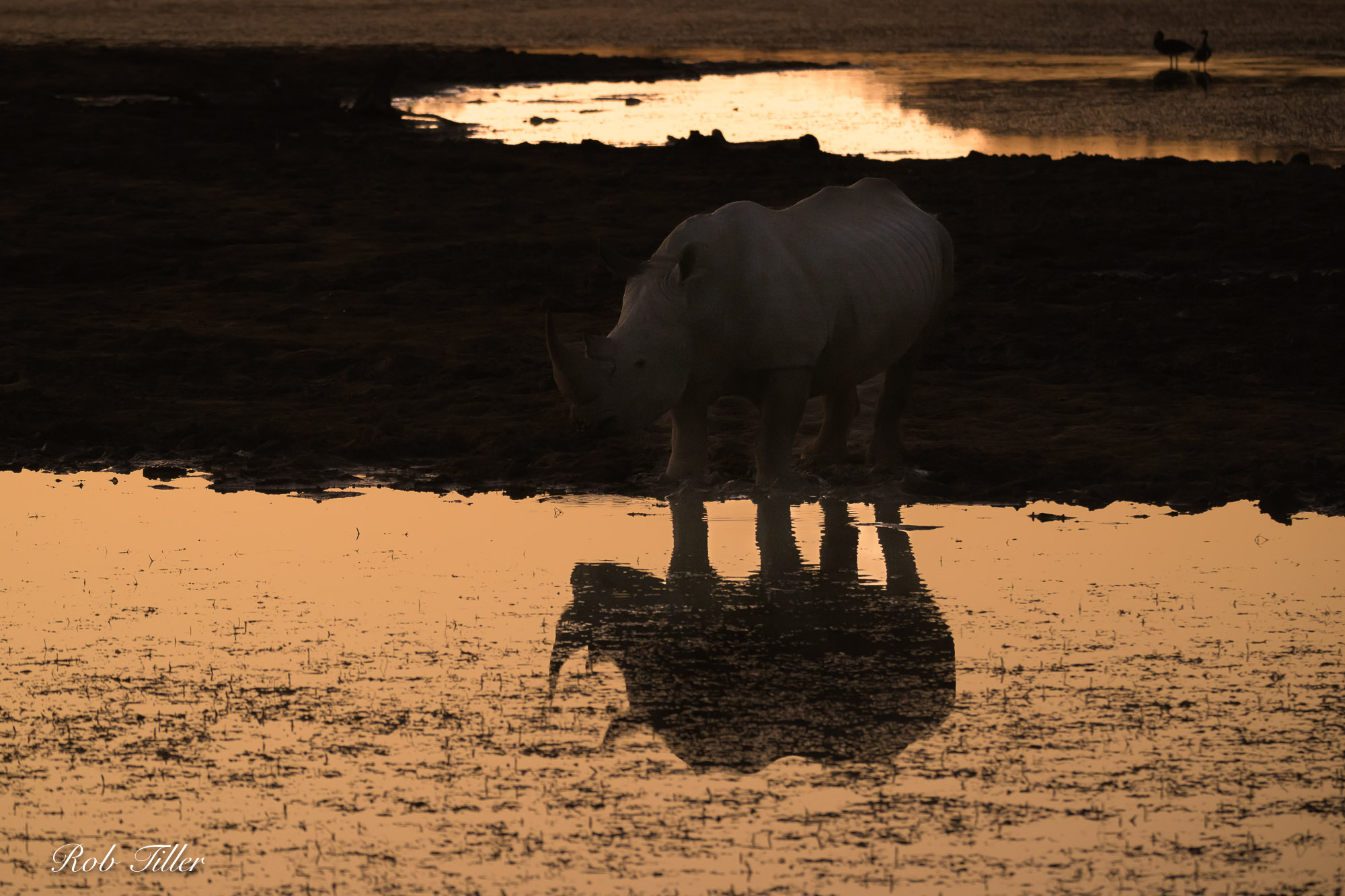
Best of all, there were big animals all around us.    We had numerous good views of the so-called big five (elephants, lions, leopards, rhinoceros, and buffalo) and many others just as remarkable, including cheetahs, giraffes, impalas, kudus, zebras, ostriches, warthogs, and wildebeests.  

Our days began when it was still dark.  After a quick snack, at 5:00 a.m. we loaded our gear and ourselves onto a big Toyota Land Cruiser.  The vehicle was topless, with three rows of bench seats behind the driver and a seat on the hood for our tracker.  

On the cold mornings, we stayed warm with blankets and hot water bottles.  When it warmed up, the blankets were useful for protecting our cameras from the dust.  We rode along over bumpy roads, and sometimes rugged off-road areas, for extended periods.  

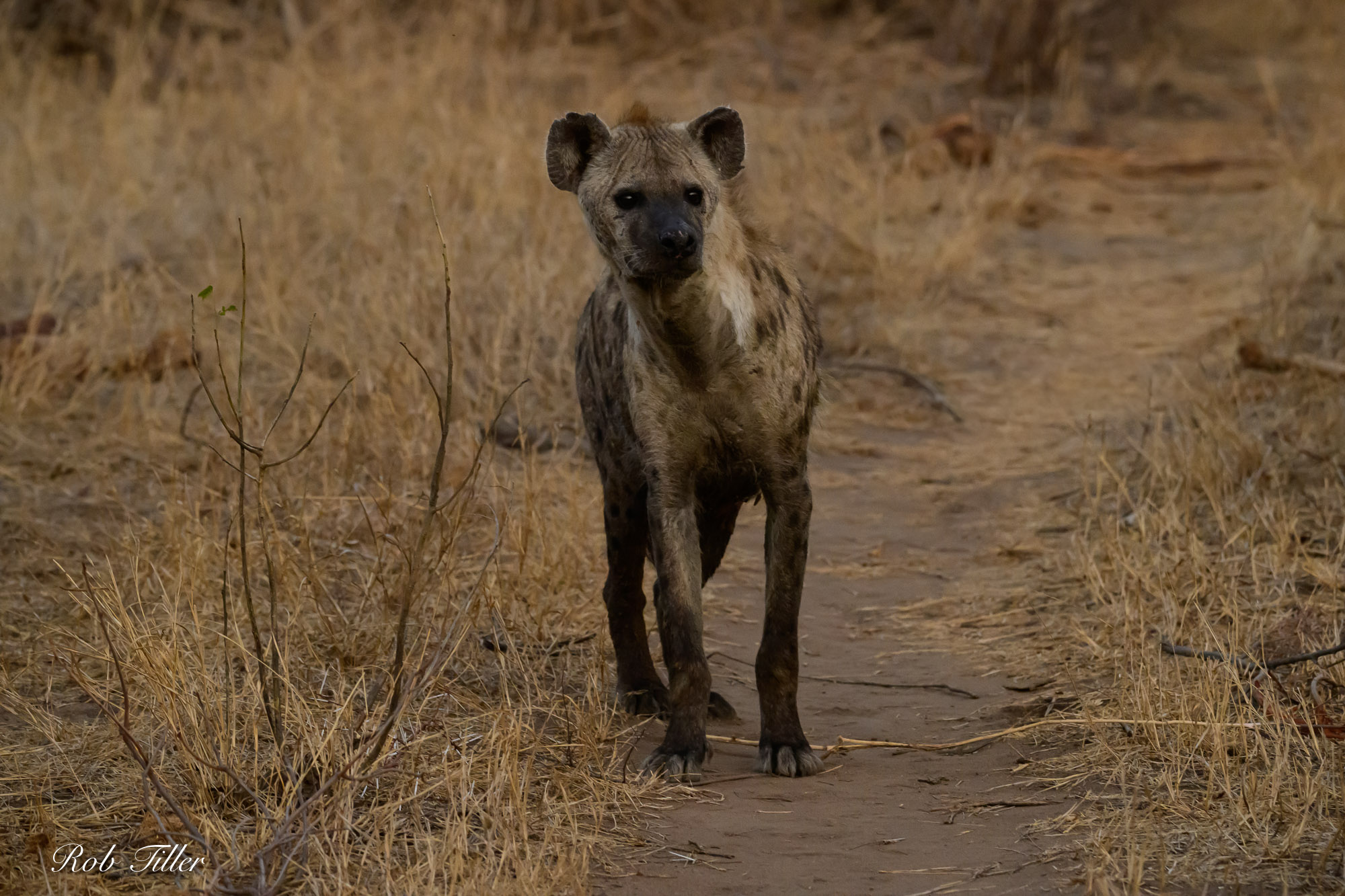
Our game drives generally started off heading towards an area where a rare species like a cheetah or rhino had recently been sighted.  But en route we almost always came across other interesting big things, like elephants and giraffes, or smaller ones, like hyenas and mongoose.  Sometimes we were quite close to the animals.  We took most of our photographs from inside the vehicle, but we also did a bit of trekking.    

When we were on foot, Noelle gave us some lessons in tracking, and did some actual tracking to locate lions, rhinos, and other creatures.  I had recently read The Tracker, by Tom Brown, and learned a bit about tracking as a skill set, but still, it was impressive to see Noelle and our tracker agreeing on estimates of the time the animals had passed and what they were likely up to.    

There are no bathrooms out in the bush, but there are limitless places to go when the need arises.  Once, after I’d stepped behind a tree, I heard Noelle say I should hurry along.  I took the time needed to do what I had to do, then returned to the vehicle.  It turned out I’d been about 25 yards from a sleeping lion.  Fortunately, he’d kept on sleeping.  

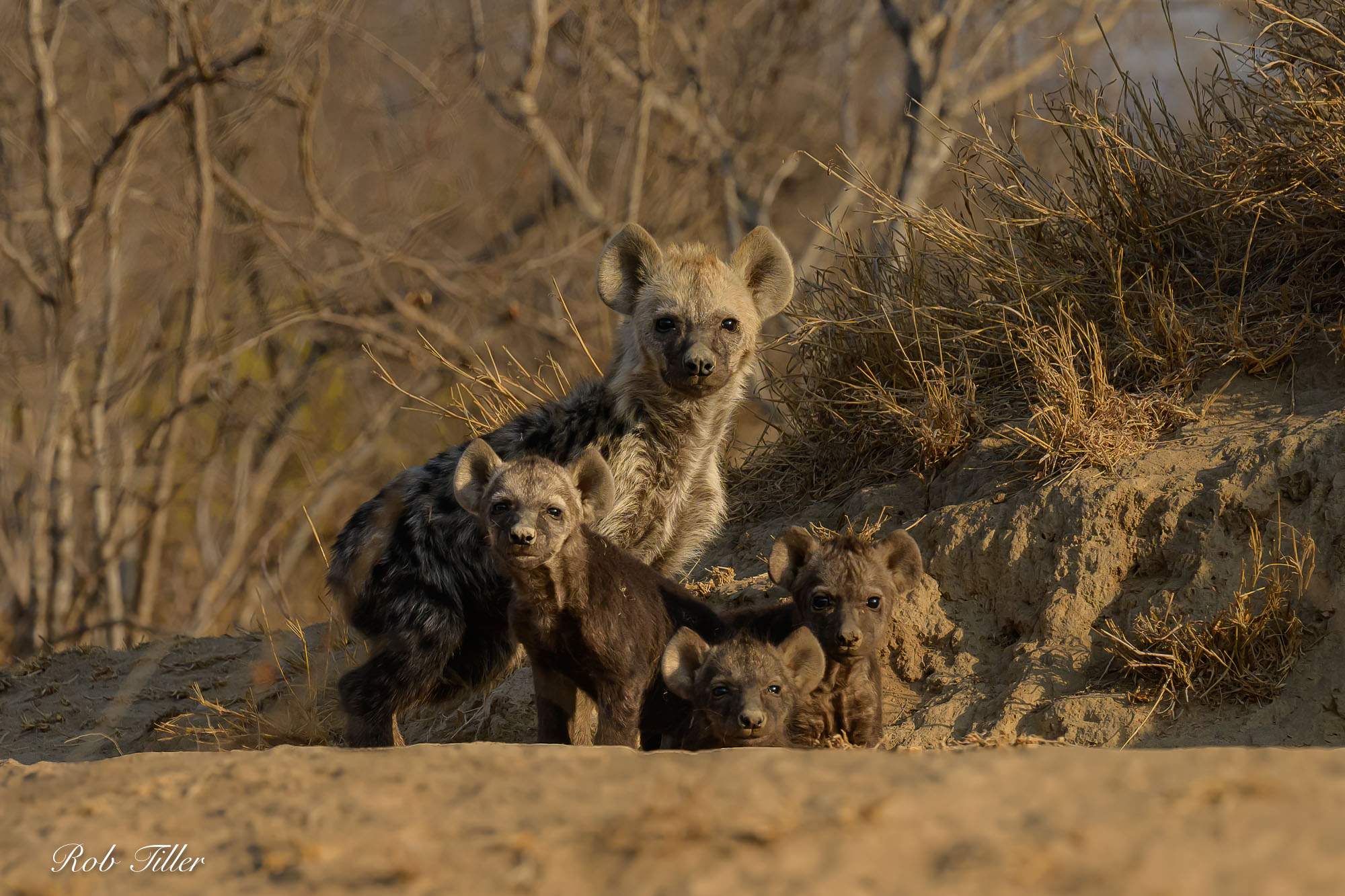
Hyena

We normally returned to camp in the late morning to eat and relax, and then went out again in mid-afternoon. At times we would sit and watch sleeping predators for a while in hopes they would get up, or exotic nesting birds in hopes they would fly.  We also enjoyed sitting at watering holes as various creatures came by to have a drink.  

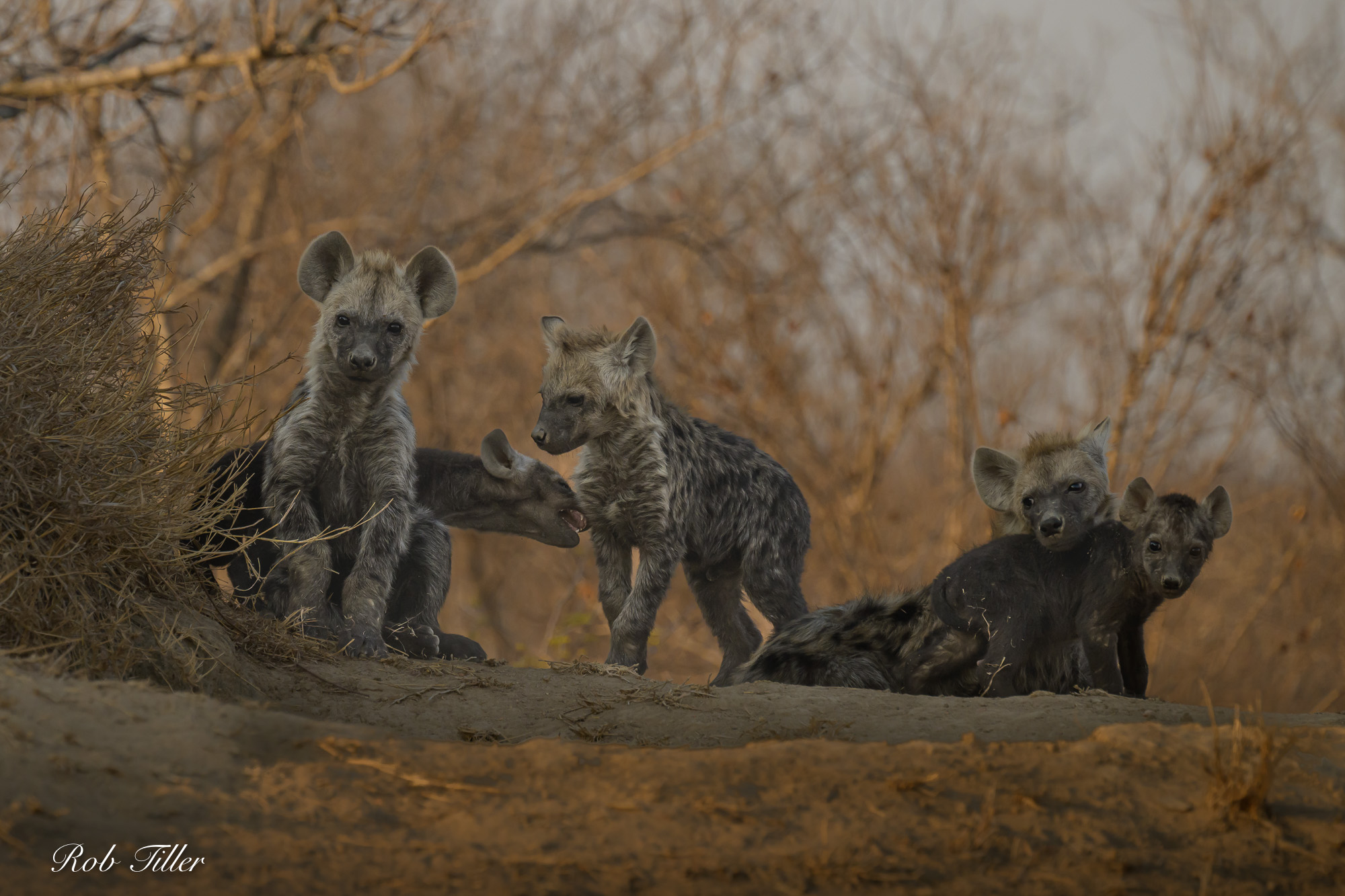
Hyena pups

The variety and beauty of the different animals continues to amaze me, as does the variety of complex systems within the ecosystem.  Every creature plays a role, whether it be spreading seeds, consuming dead creatures, or culling the herds.  The game reserves are a reminder of what is possible when humans give some room and respect to other species.   

Unfortunately, we’ve taken over much of the habitat that non-human animals once lived on, and animal populations continue to fall worldwide.  Per a new report from the World Wildlife Fund, over the past 50 years animal populations have declined by 73 percent.  The full Living Planet Report is available here

This decline has cascading effects.  According to the chief scientist of the World Wildlife Fund, “Vertebrate populations underpin ecosystem health and the services we get from ecosystems like stable climate, abundant and clean water, healthy soils to grow food, productive fisheries that supply people with protein…. If you have that kind of decline in vertebrate populations around the globe, you’re going to have troubles supporting and sustaining human health and well-being over time.”

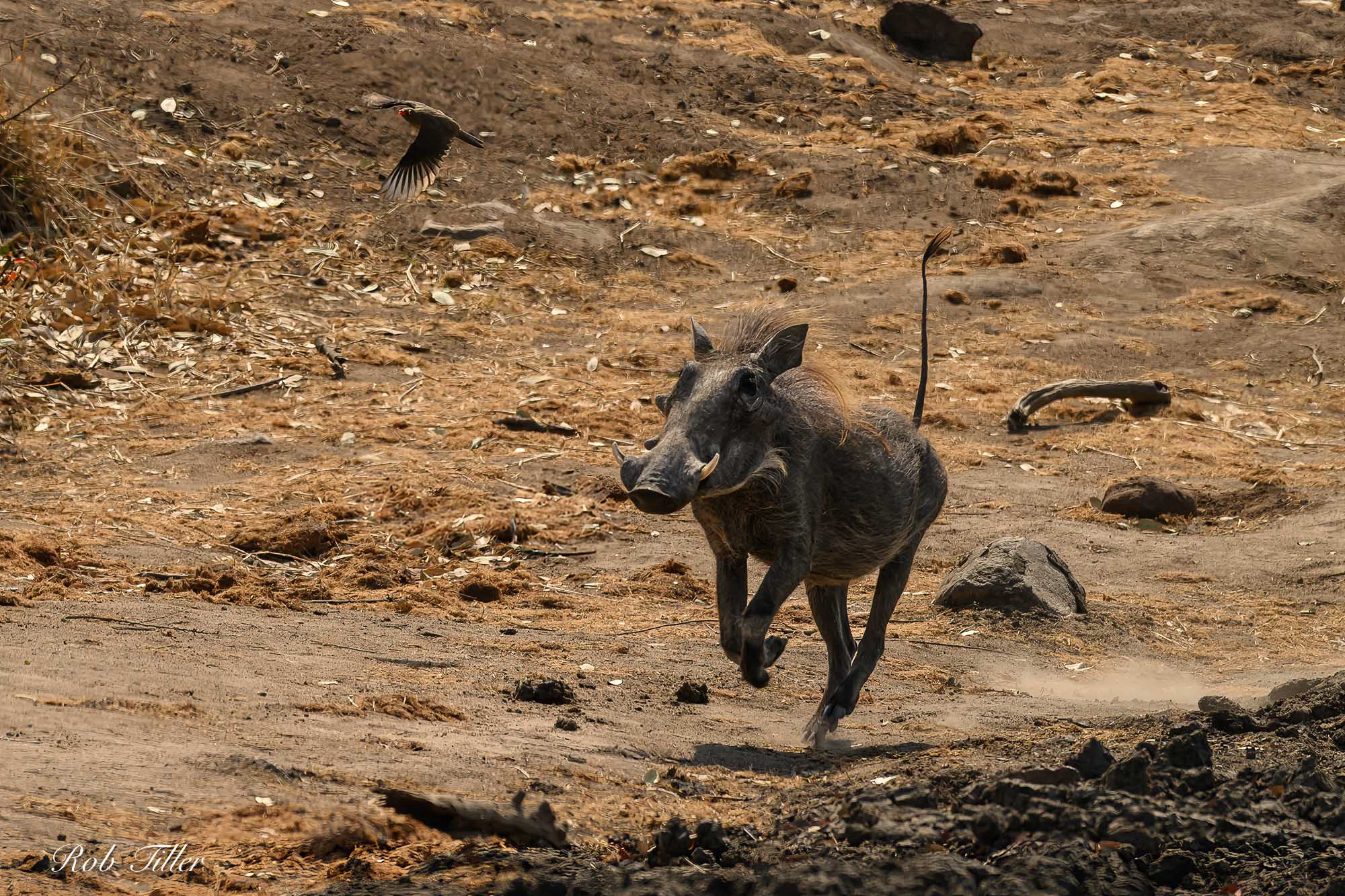
Warthog

The terrible loss of animals has a number of causes, but a major one is loss of habitat when wild areas are used to produce grain for animals raised as food for humans.  About 40 percent of habitable land is used for such purposes.  The report notes that one simple thing we can do to mitigate this problem is to eat less meat.  

One last note: this week I was cheered to learn that the Nobel Peace Prize went to Nihon Hidankyo, a Japanese group of atomic bomb survivors that has worked to raise awareness of the horrors of nuclear weapons. The Washington Post reported on this here.  

Somehow we’ve gotten used to the possibility that civilization could be destroyed in a few minutes with the enormous nuclear weapons currently deployed, and just don’t think about it.  Indeed, in the US, almost none of us know that we’re currently in the process of spending hundreds of billions on new nuclear weapons and facilities.  See this NY Times report

This issue is not on the political discussion agenda, and it should be.  To me, arms racing and rolling the dice on nuclear annihilation seems crazy, and it seems like simple sanity to work for arms control as a high priority.  Of course, others apparently disagree, but surely we should talk about it.  

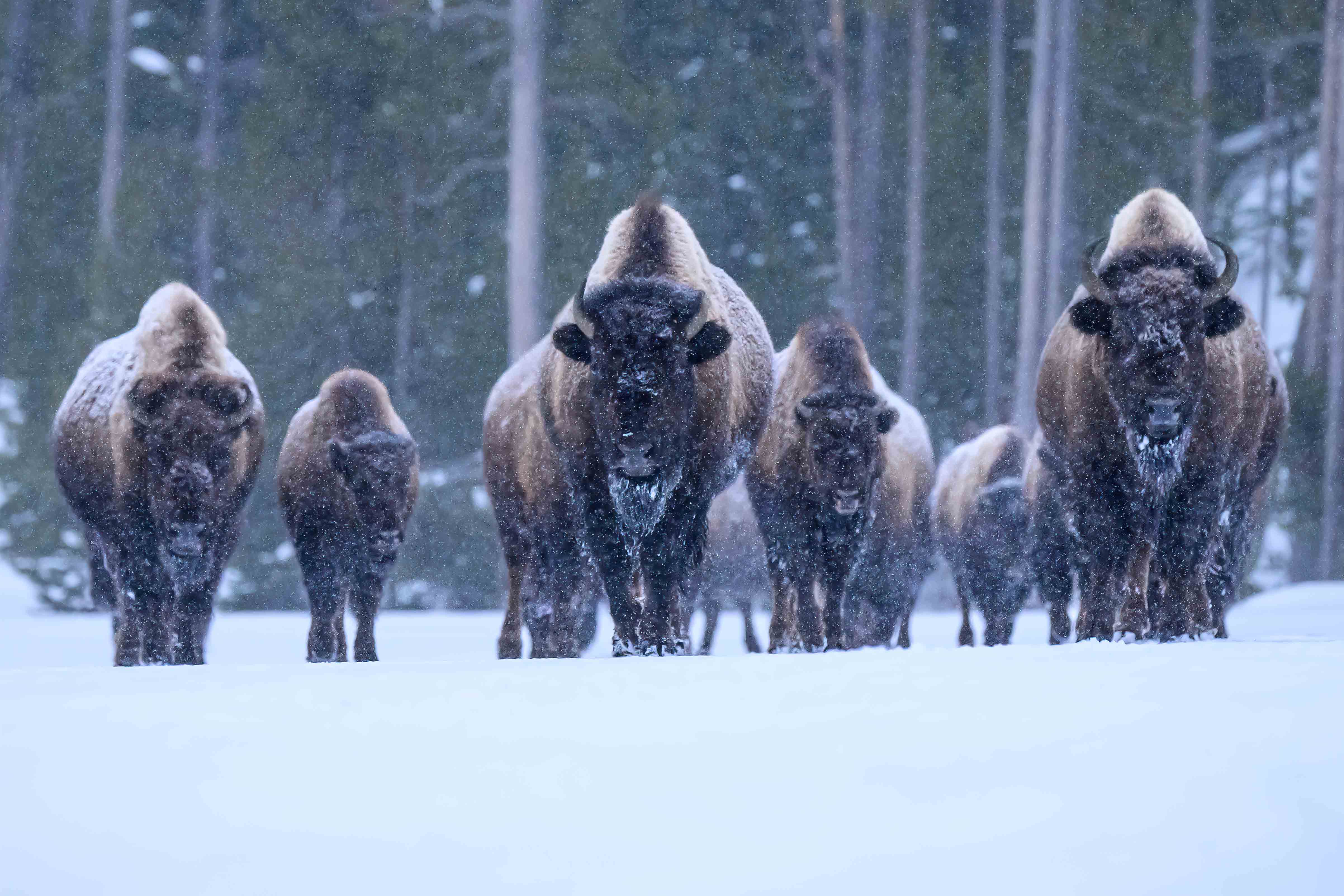
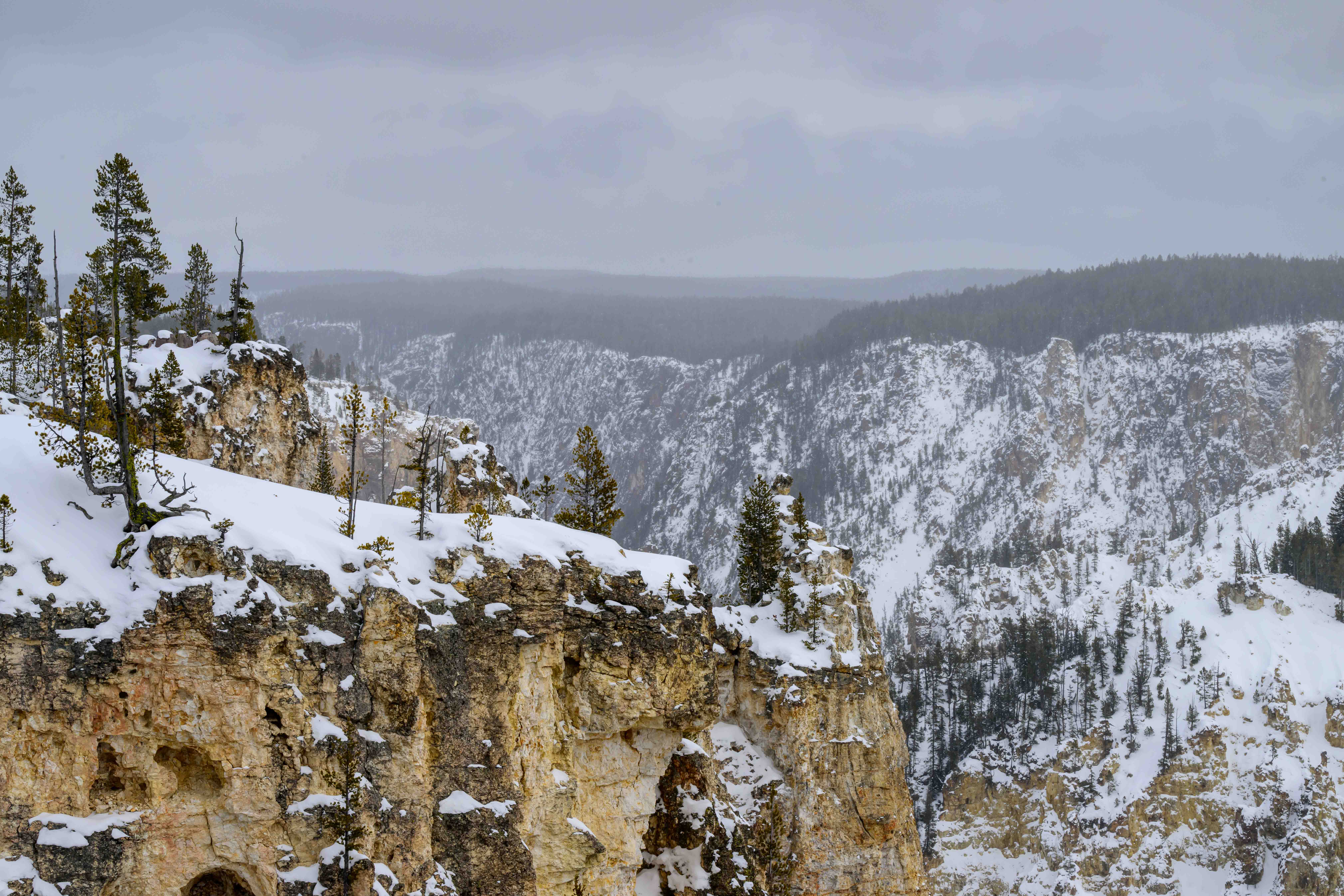
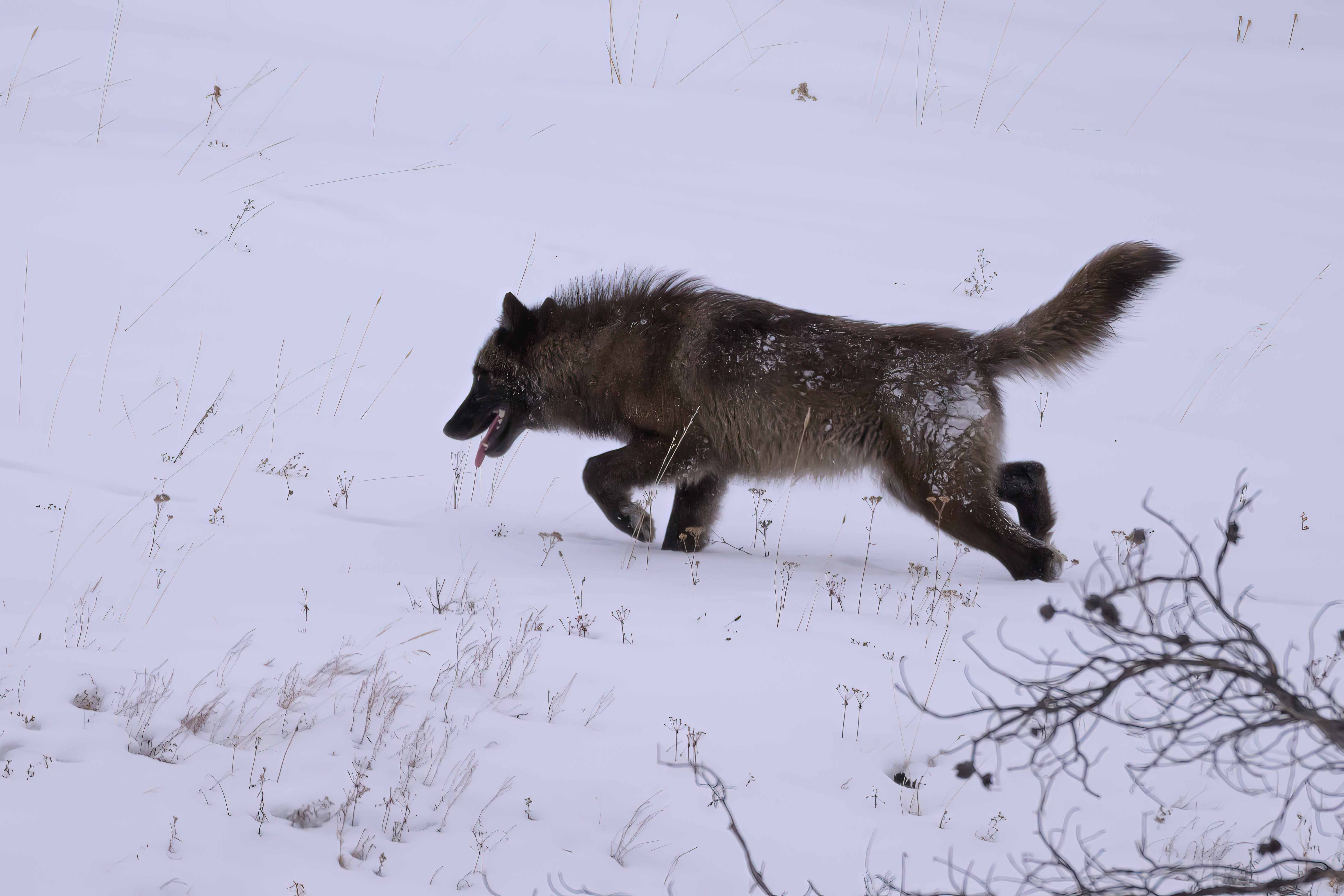
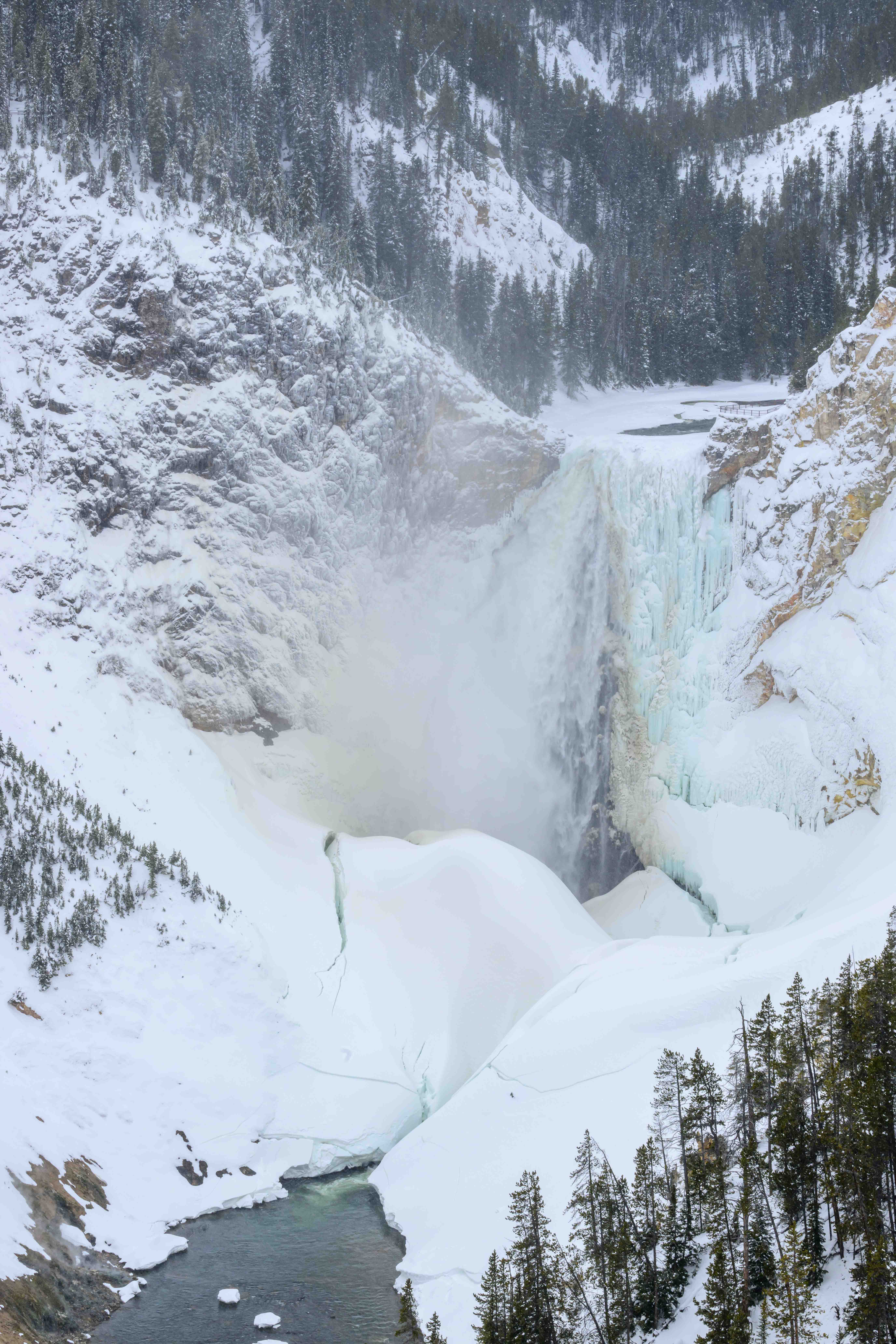
Winter wildlife in Yellowstone

Toward the end of January I was in Yellowstone National Park, where I saw quite a few animals and took a lot of photographs.  I’m still sorting and weeding them, but here are some I thought were worth sharing.  Looking at the images reminds me of what an amazing world we live in, and makes me want to get back out into nature.  

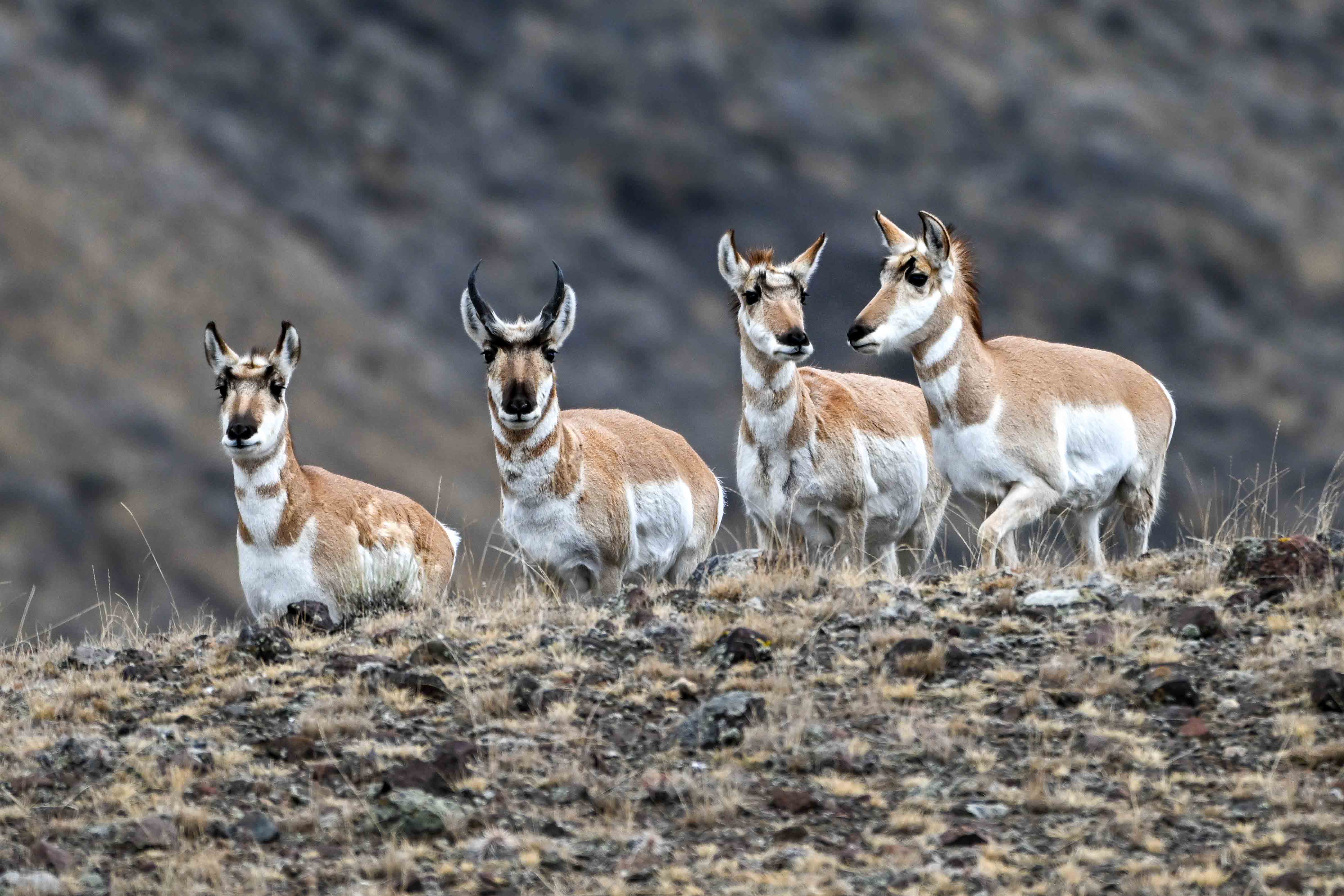
Yellowstone is a unique and beautiful place.  It’s centered on a dormant super volcano (a caldera) and has over half the world’s geysers.  It has high mountains, canyons, lakes, and waterfalls, as well as unusual hydrothermal features.  It is famous for its megafauna, including wolves, bison, coyotes, pronghorn, elk, and moose. 

Normally Yellowstone is very cold and snowy in January, but this year it wasn’t as cold and not so snowy.  This meant it wasn’t as physically tough on the photographer, but also not quite as beautifully otherworldly as most years.  

Still, I had a great time and had some excellent wildlife encounters.  For three days, I was with a group organized by NANPA venturing out of West Yellowstone, and then I went with my friend Barry W. for three more days based in Mammoth Hot Springs Lodge.  

Among the highlights were some close encounters with bison, which are numerous there.  These big, powerful icons of the West were usually grazing peacefully, but could be skittish.  And of course, they could be dangerous if provoked.  

At one point in the Lamar Valley, Barry and I were photographing a large herd, and didn’t notice until too late that some of them had gotten between us and our vehicle.  For a few minutes we were wondering about how to escape, but when another car came along, we jogged behind it as the bison got out of the way.  

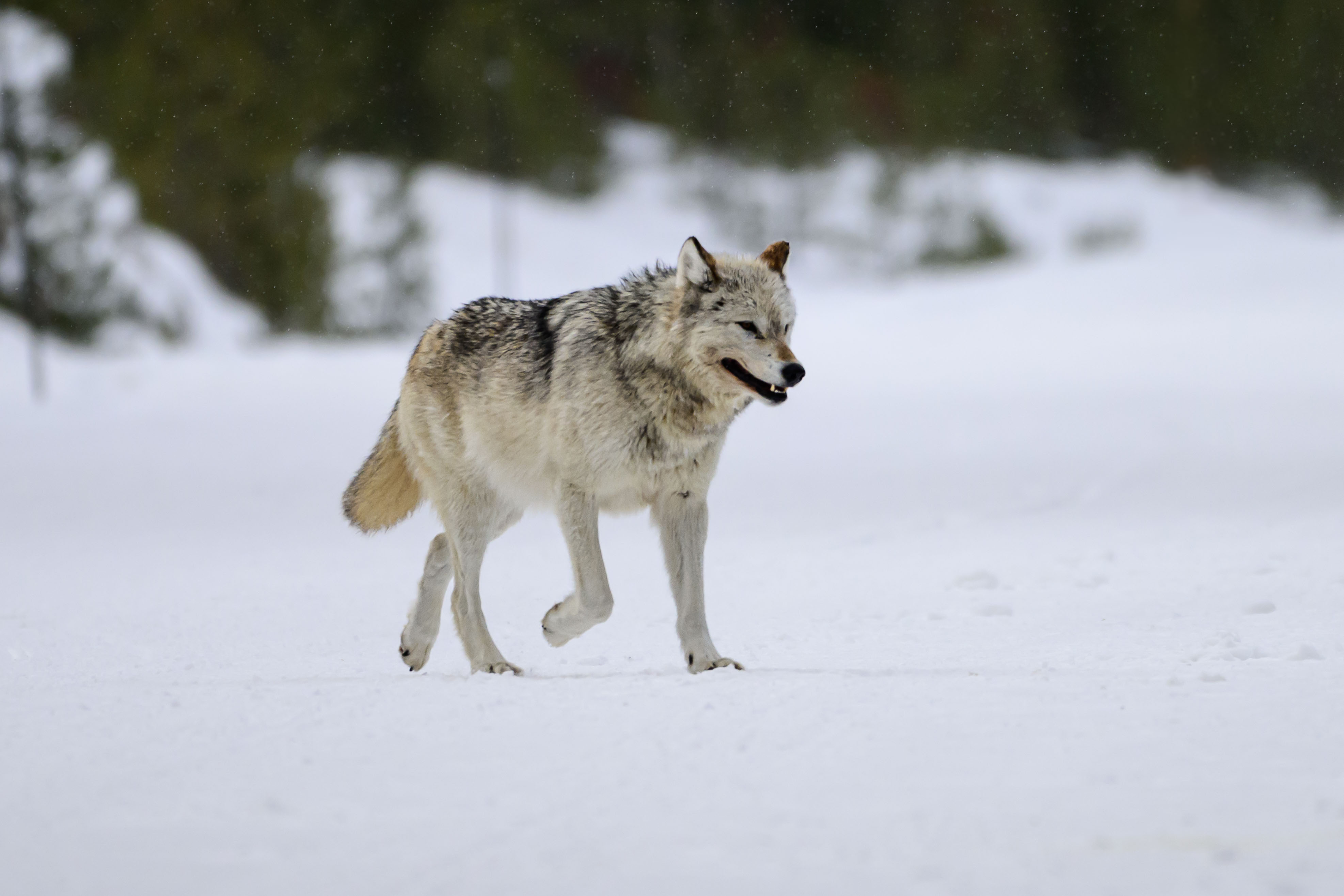
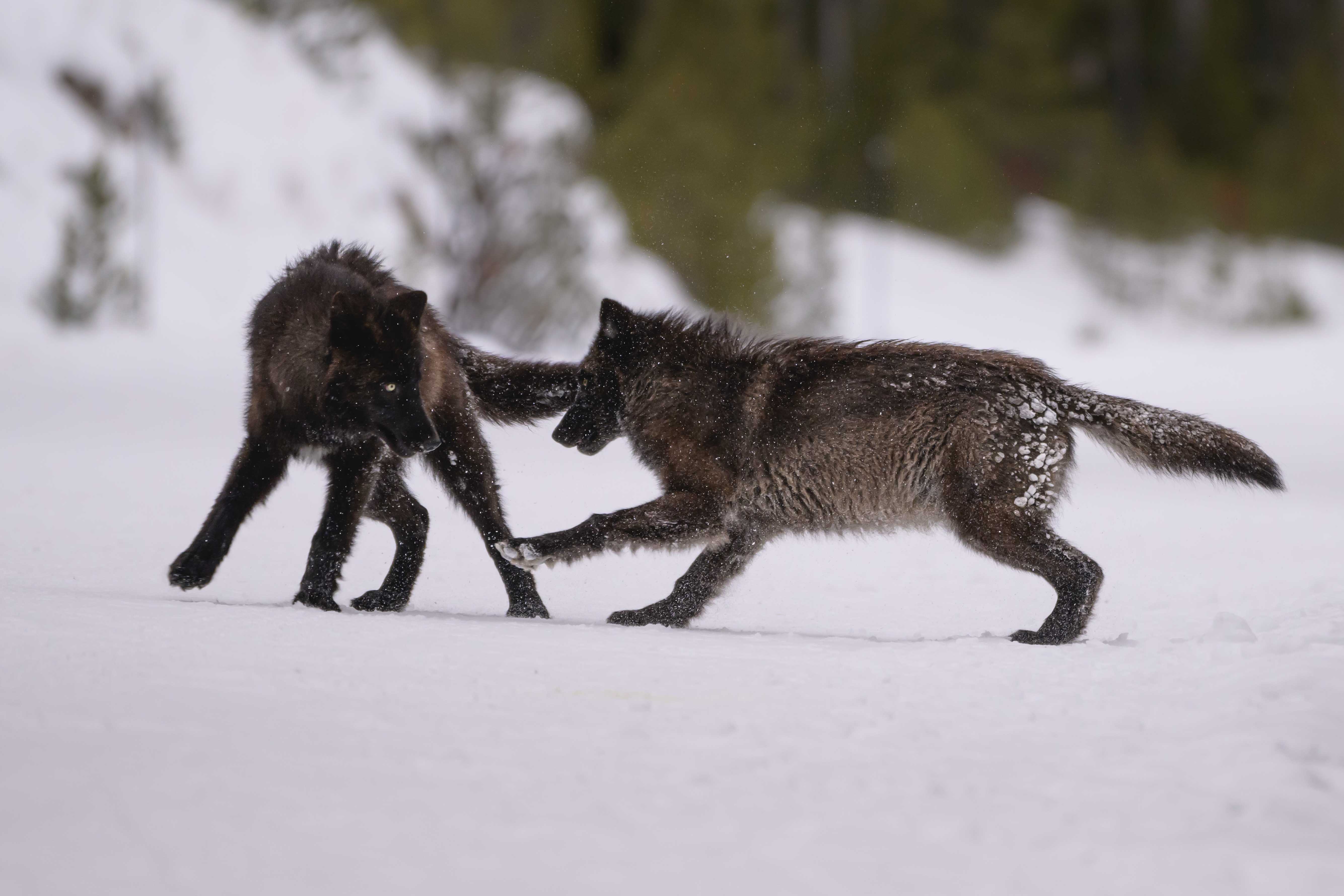
We were privileged to see a dozen or so of the resident gray wolves (some of which are black), which are usually not easy to find.  Wolves have a bad rap as scary beasts, drummed into us from childhood by stories like little red riding hood, the three little pigs, and the boy who cried wolf. In fact, wolf attacks on humans are very rare.  

On the other hand, humans are highly threatening to wolves.  We very nearly caused their extinction in the last century, and continue out of ignorance, perversity, or greed to kill them and destroy their habitats.  Still, there’s a wider understanding now that as apex predators, wolves are important contributors to their ecosystems.  For example, gray wolves keep elk, moose, and deer populations in check, preventing overgrazing by the ungulates and providing nourishment to other species.  

The NY Times had a good summary of the current controversies surrounding wolves.   The anti-wolf movement involves the interests of ranchers, who don’t like it when wolves kill their cattle.  One of the solutions to that problem is a program for the state to pay ranchers for animals killed by wolves, which apparently lessens the conflicts, but not perfectly.  

It seems to me self-evident that wolves are not just inconvenient objects to be subjugated, but sentient beings entitled to respect.  They have interests, families, and friends.  We have started to learn how to live alongside them and work out human-wolf conflicts, and I’m hoping we’ll continue that process, and continue enjoying their mysterious beauty.  

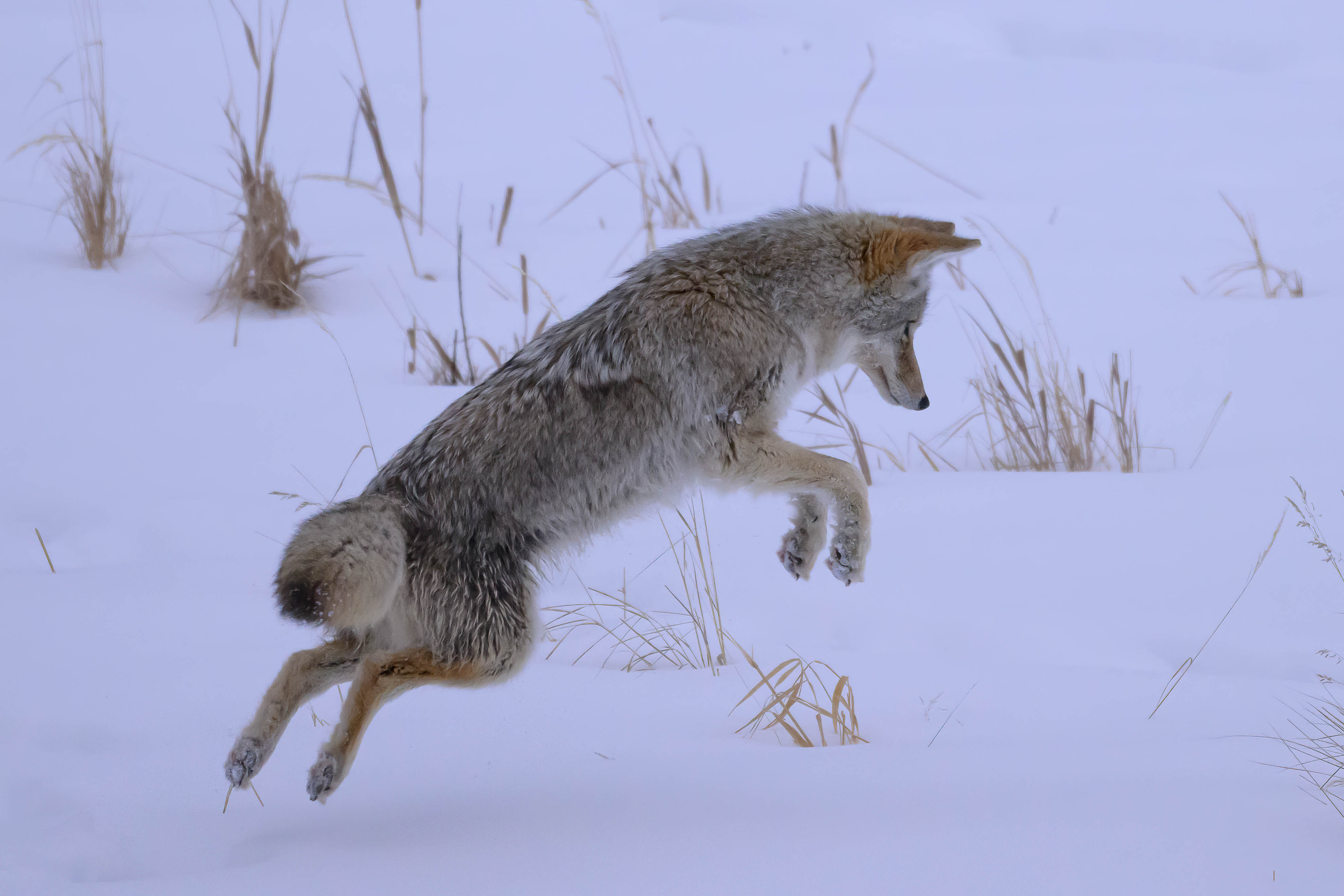
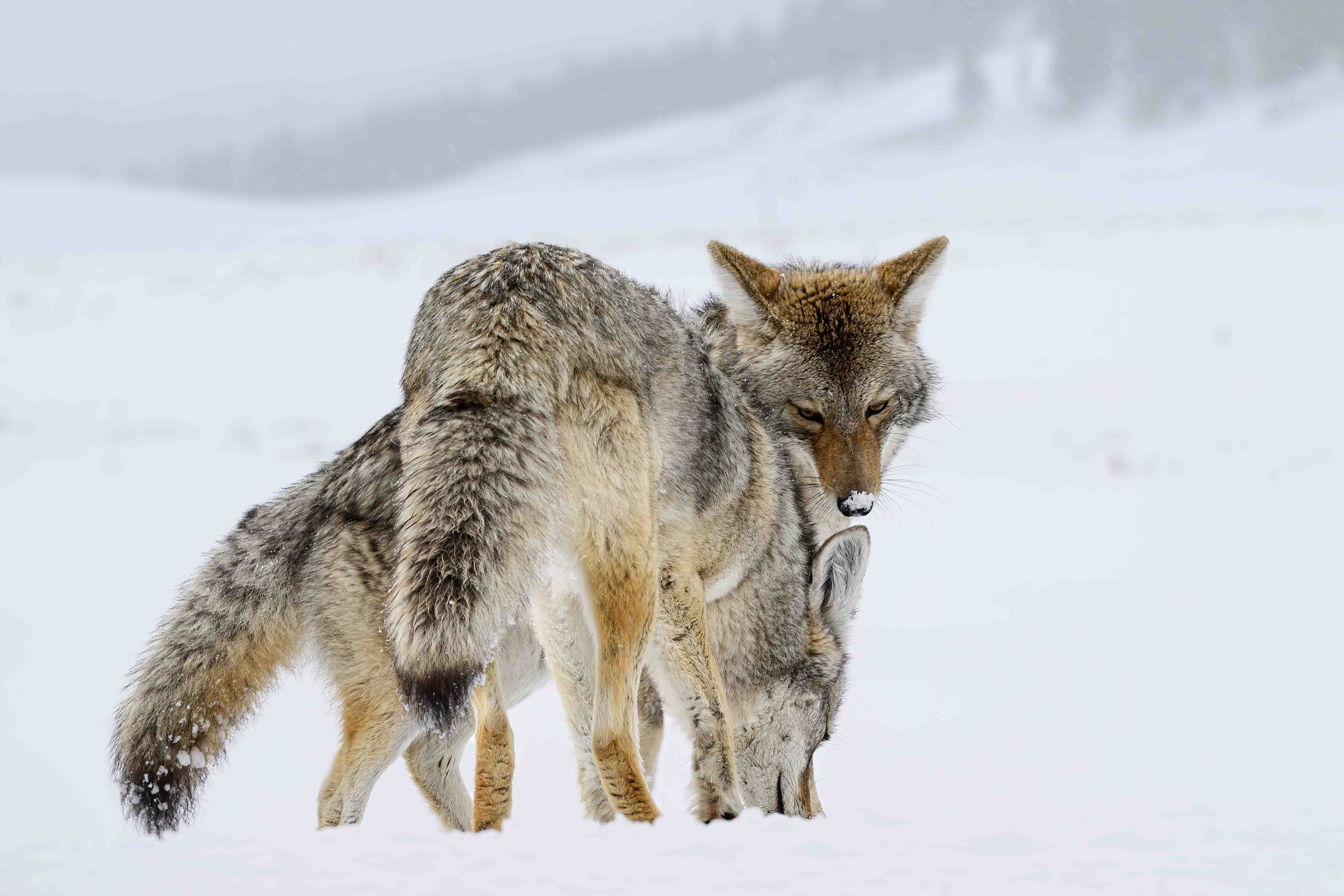
Among nature enthusiasts, coyotes don’t inspire as much excitement as wolves, but I was still excited to see several of them in Yellowstone.  They are close relatives to wolves and look a lot like them, but smaller, with narrower features and larger ears.  

It’s hard to argue they’re less pretty than wolves, so their poor PR probably has to do with their being relatively common.  Their prey includes mice, which they can hear tunneling under the snow, and catch by leaping on them.  I got one shot of a leap, which yielded no mouse, and also saw a pair of them flirting.  

One thing I like about a long trip is having a good block of time to read.  I’ve really been enjoying rereading the first few Aubrey-Matarin novels by Patrick O’Brian, and finished the fourth one in Yellowstone.  These are historical novels about life in the British Royal Navy around 1800, when Britain was fighting hard to rule the waves.  O’Brian was clearly passionate about getting the history right, but also brilliant in his depictions of navy life and the inner lives of his characters. 

In the twenty-five or so years since I first read O’Brian’s series, I’ve learned some things about the history of the British empire and its depredations, including violent exploitation of entire civilizations, slavery, piracy, and drug dealing.  These, though not discussed by O’Brian, were part of the mission of the Royal Navy.  But those sailors also embodied more admirable objectives and virtues, such as scientific research, artistic expression, decency, honor, and courage.  Like us, they were complicated.

Speaking of the arts, David Brooks recently had a good column in the NY Times making the case for reading literature and welcoming other cultural experiences.  He made a good argument for the liberal arts as vehicles for greater self understanding.  Great novels, for example, deepen our understanding of the inner lives of others and ourselves.  

“Artistic creation is the elemental human act. When they are making pictures or poems or stories, artists are constructing a complex, coherent representation of the world. That’s what all of us are doing every minute as we’re looking around. We’re all artists of a sort. The universe is a silent, colorless place. It’s just waves and particles out there. But by using our imaginations, we construct colors and sounds, tastes and stories, drama, laughter, joy and sorrow.

“Works of culture make us better perceivers. We artists learn from other artists. Paintings, poems, novels and music help multiply and refine the models we use to perceive and construct reality.”

These thoughts are particularly timely as universities across the U.S. are cutting their liberal arts programs, apparently on the theory that the only point of higher education is to prepare young folks to do a particular kind of job.  As a former liberal arts student myself, I have a bias, but I think treating education as purely instrumental is a disservice to students, both materially and spiritually. 

With advancing technology, including AI, many technical skills that are valuable today will be useless down the road, and students with only those skills will be in trouble.  They’ll need a broader base, including the meta skill of quickly learning new skills.  Meanwhile, without exposure to the world of the arts and ideas, they may miss so much that makes life meaningful and rewarding.    

Some rewards from encounters with bears and birds

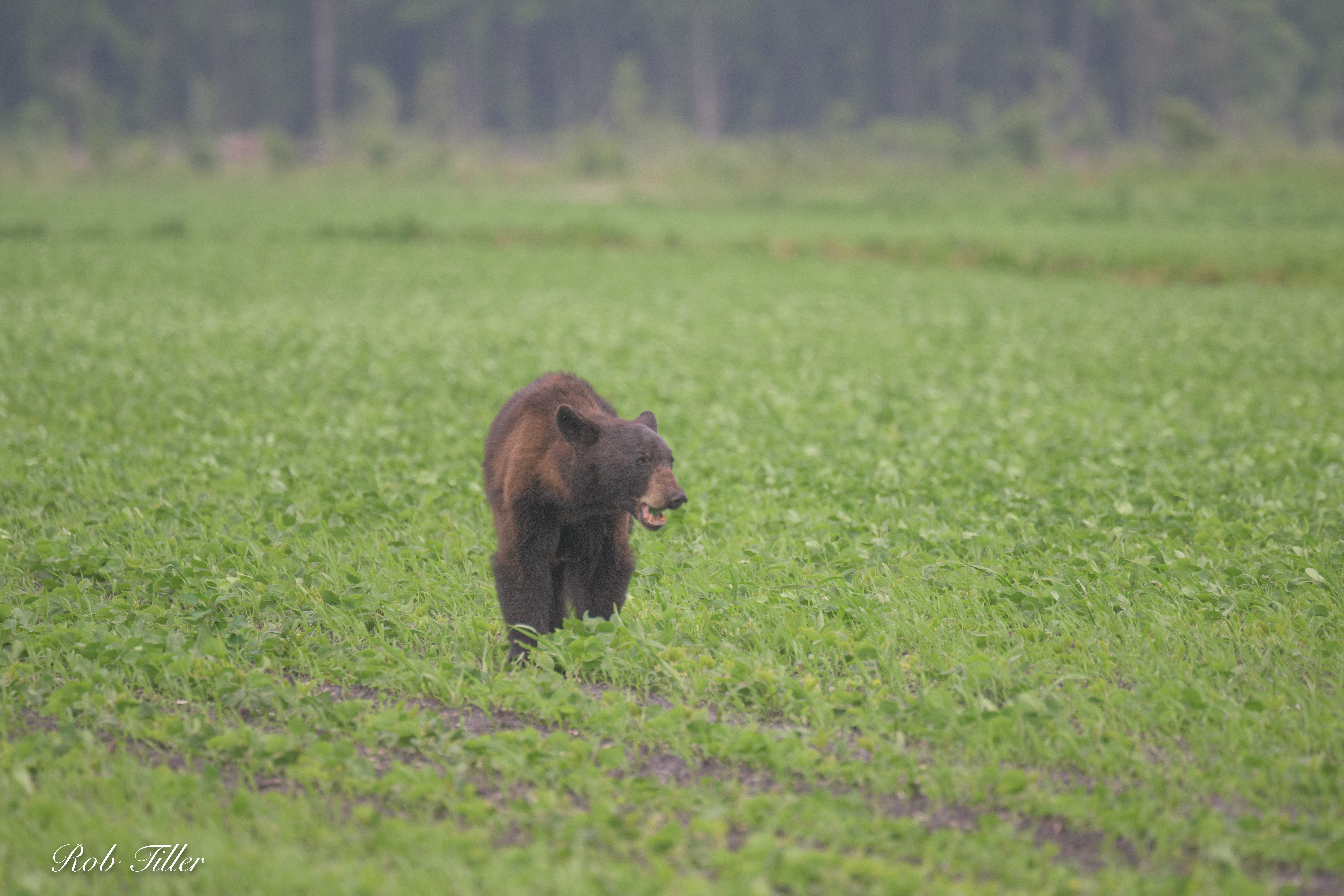
Last week I made a day trip to Alligator River Wildlife Refuge to look for bears.  Although this part of eastern North Carolina has a large population of black bears, I didn’t have great luck that day.  I saw just one.

But the bear was a handsome creature, grazing peacefully in a large field.  I was the only human there, and although she occasionally glanced at me, she seemed undisturbed.  She seemed to find the young leaves tasty.  I took pictures for twenty minutes or so, and then left her to look around for others, which I didn’t find.

Later, as I looked back over the pictures, I realized that I enjoyed the experience of being with the bear more than taking the pictures.  It takes practice to operate a sophisticated camera, and from time to time there are malfunctions or other surprises.  And I do find the technical challenges of wildlife photography interesting.  But the deeper satisfaction is connecting with animals and their environment.  

When I share pictures here or on Facebook, Instagram, or YouTube, I hope that something of that feeling comes through.  I try to select and process wildlife images in a way that communicates something of their experience and of mine.  Doing so often teaches me things I hadn’t realized before, by isolating a particular moment.  It also makes me more curious to learn more about the creatures.

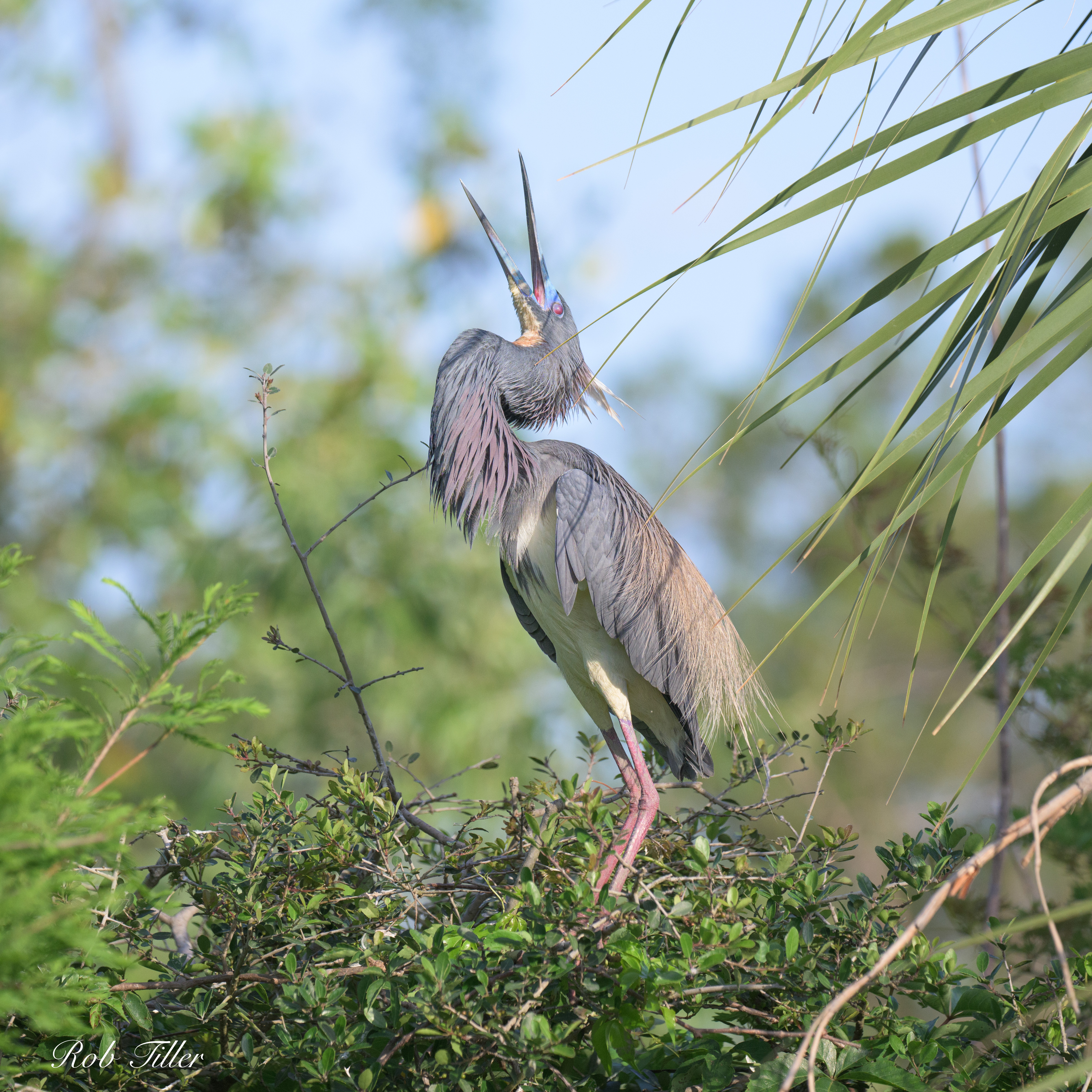
The non-bear pictures here are some of the birds I photographed in April at the St. Augustine Alligator Farm rookery.  I enjoyed seeing the birds in flight, but I was particularly interested in the birds working on their nests, grooming themselves, communing with their mates, and taking care of their chicks.  

These activities happen among many species in many places, but humans don’t usually get a close-up view.  Many of us don’t know what we’re missing, and it can matter.  

If we have little or no contact with non-human animals, we are unlikely to appreciate their beauty and even their basic existence.  Unless we make some effort, our world view narrows, and we think there isn’t much in the world of significance other than other humans and their activities. 

Wearing such blinders is unfortunate for us; we miss so much that can bring peace and joy.  It’s even more unfortunate for the non-humans.  Our ignorance of the lives of other creatures leads us to devalue those lives, and inflate our own significance.  When we think nothing matters but us, our worst tendencies, like greed, hatred, and fear, rein unchecked.

And so we commit or tolerate massive destruction of the natural world, including animal habitats, in the interest of profit for a few.  We can’t see the good alternatives to factory farming, which is a major contributor to global warming.  We manage not to think about the meat industry, with its enormous cruelty to animals.  

But this common mind set is not set in stone.  We already have the qualities that can change it.  That is, we have the capacity for greater curiosity and compassion.  Even those of us most indifferent to or fearful of nature have the capacity for empathy and love.  People change, and you can never tell what might touch them, or when.  And so I try to stay open and optimistic.  

Last week I uploaded my first YouTube slide show, a selection of favorite photos from our safari trip to South Africa and Botswana last March. It’s four minutes long, with music. Hope you like it!