The Casual Blog

Tag: Trump

Heat, horses, and Poverty

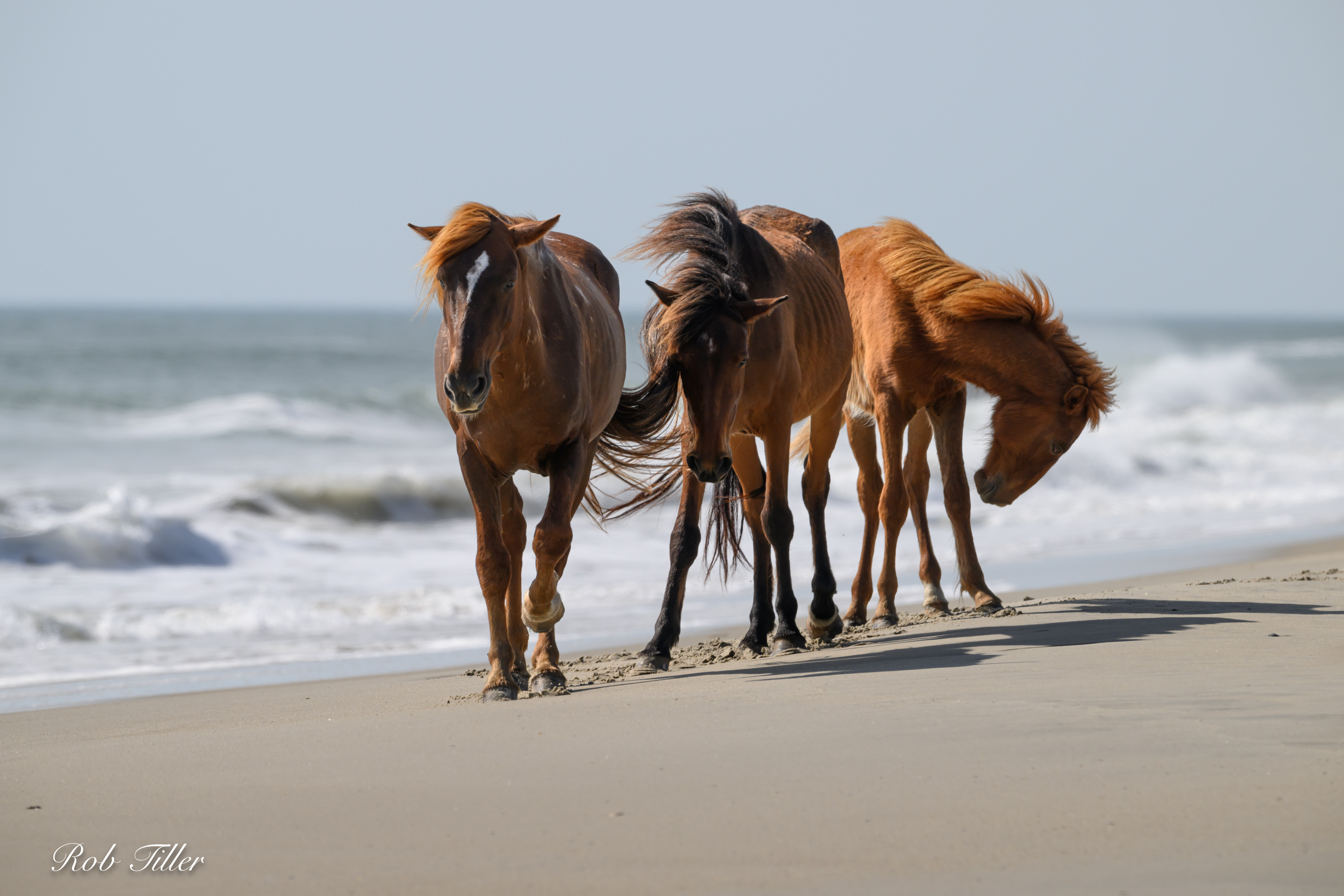
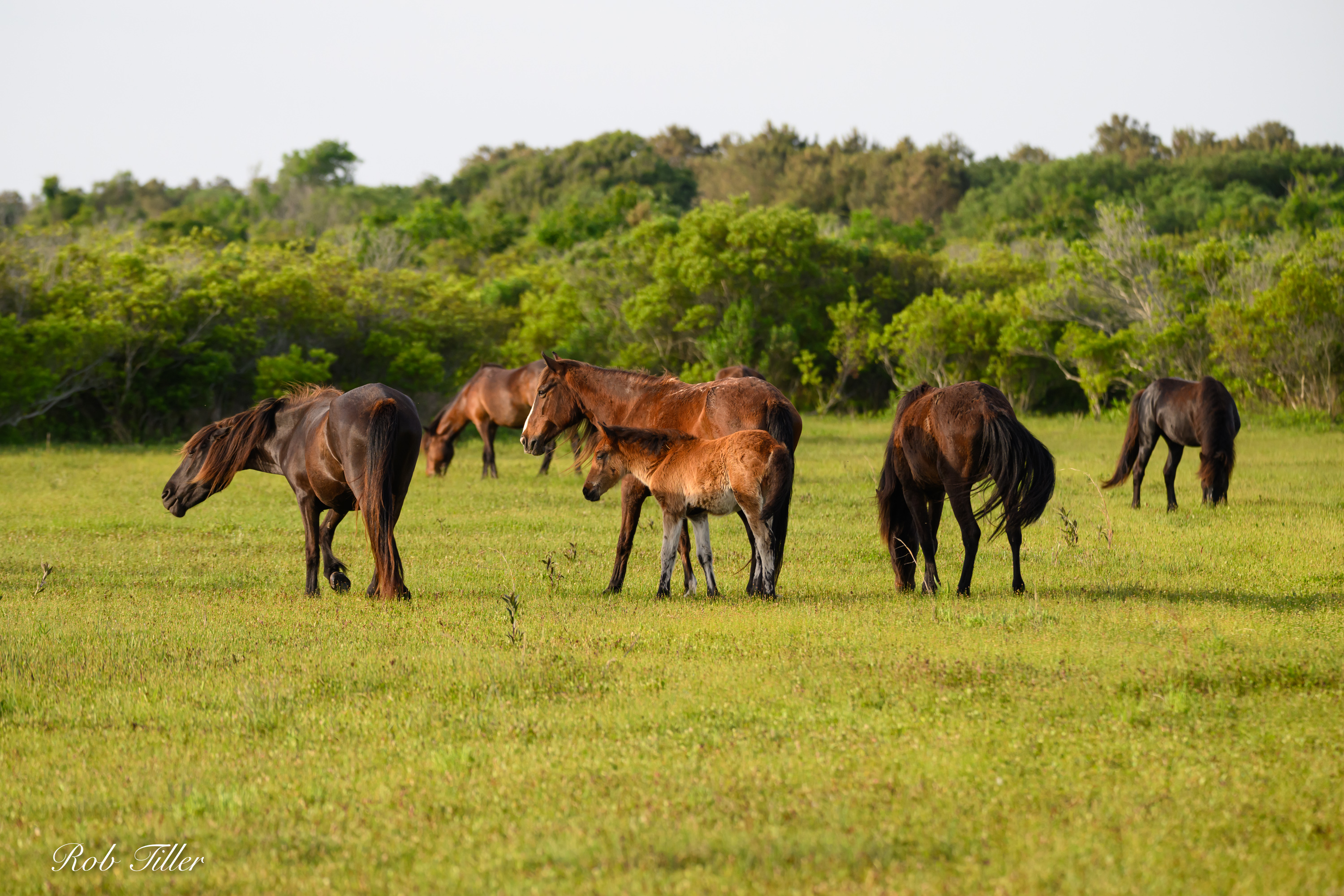
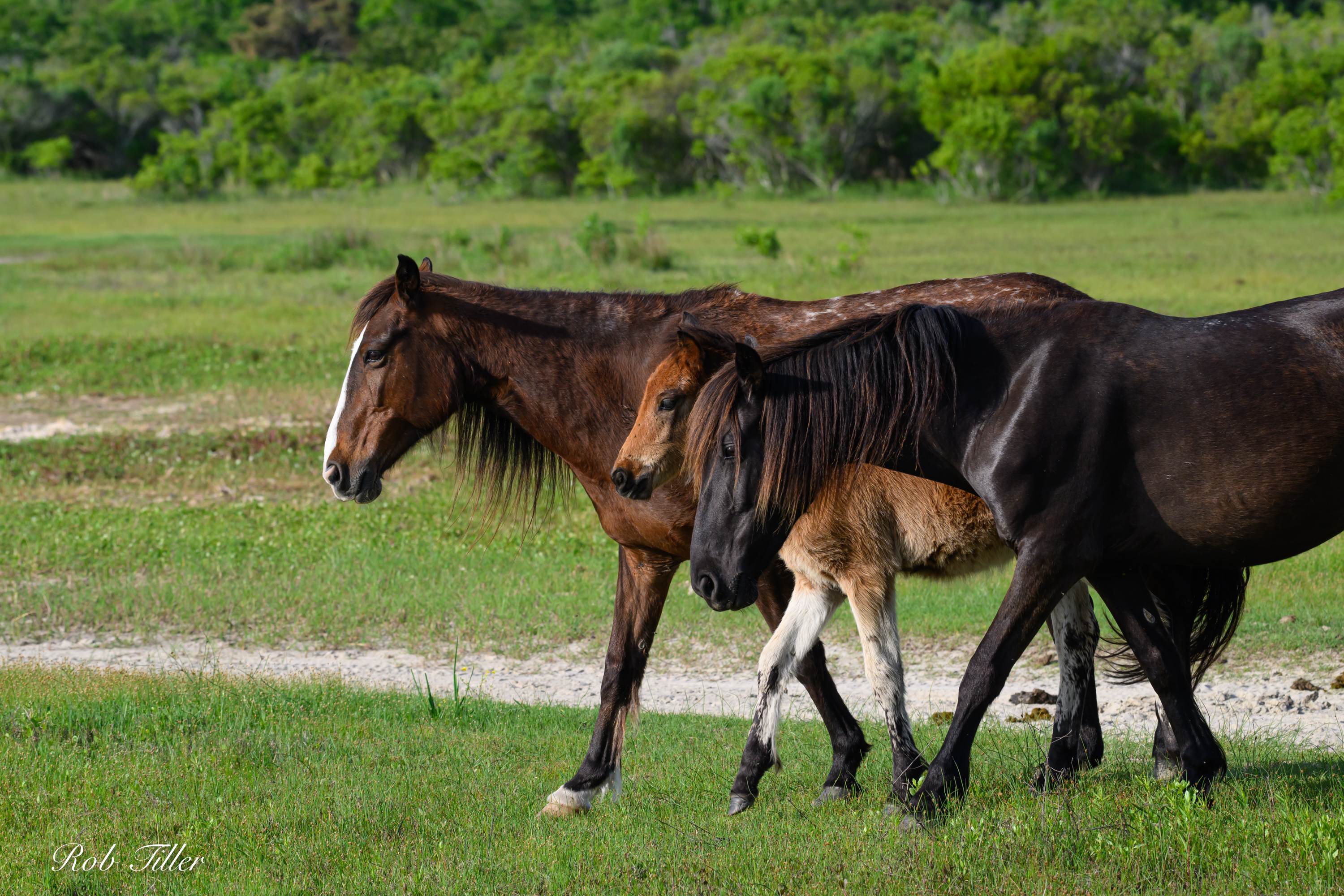
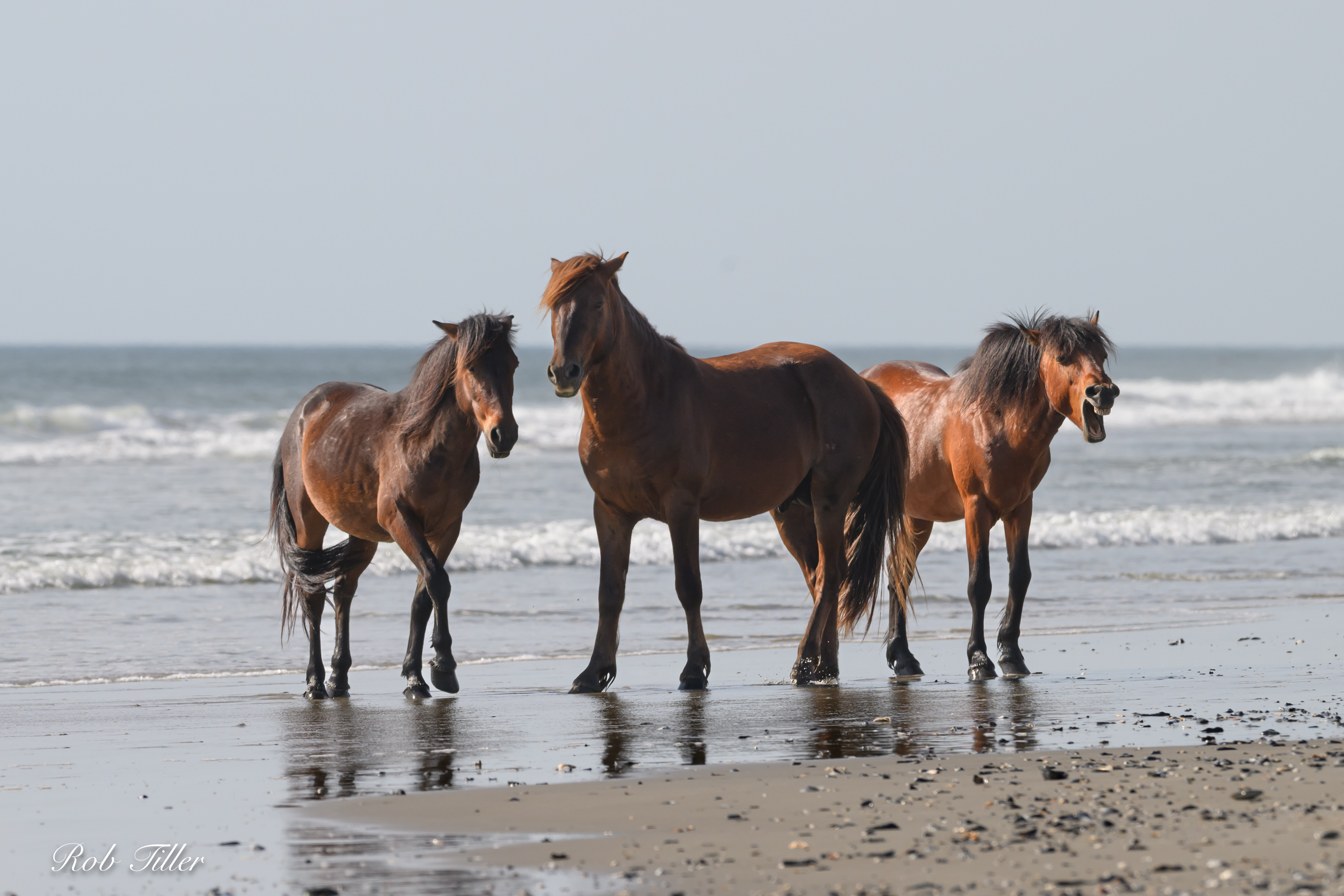
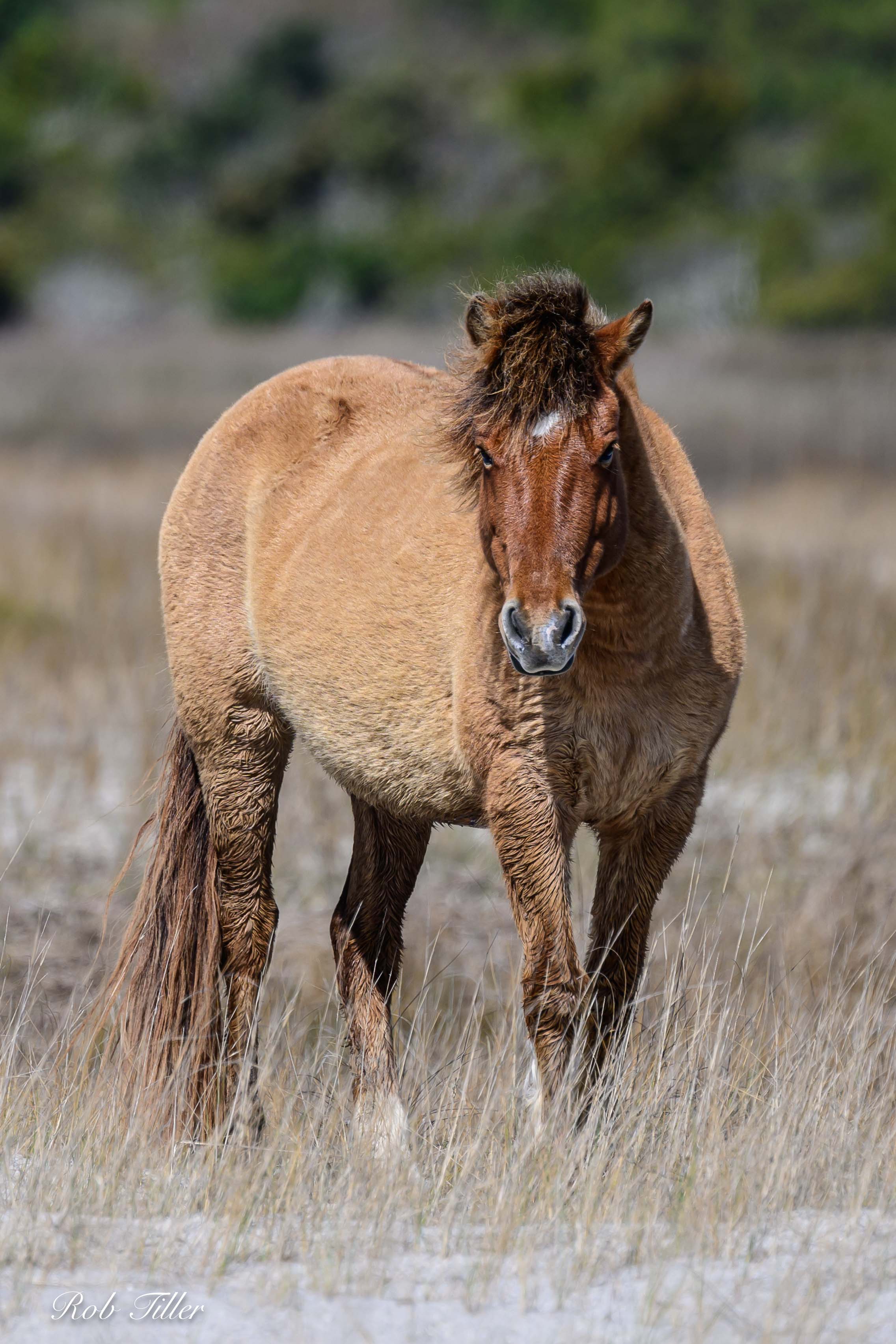
High temperatures and high humidity in Raleigh have made outdoor activities pretty miserable.  Stuck inside more,  I finally managed to sort through the pictures I took in May of the wild horses at Corolla, NC.  I saw thirty-some in one day in a pasture and on the beach.  

The horses had some disagreements between their family groups, which resulted in a few chases and kicks.  They could run very fast, but mostly they just grazed peacefully or enjoyed the ocean breeze.  They seemed to have a good attitude towards life.  

Again, about that heat:  we’re regularly setting new records for highs in these parts, as is the planet as a whole.  And of course, with the heat come other problems, like  floods, draughts, tornados, hurricanes, and wildfires, not to mention famines, water shortages, pandemics, failed economies, mass migration, and war.  It’s gotten harder and harder to deny we have a climate crisis that we created and we must address, although some still do.

Denialism is a core plank of the Trump movement.  One of the projects in Project 2025, the detailed list of policies proposed by Trump administration veterans and aspirants, includes the break up of the National Oceanic and Atmospheric Administration.  NOAA is the parent of the national Weather Service, which provides the raw data for most of the weather reporting that industry, the military, and you and me rely on.  According to Project 2025, NOAA is “one of the main drivers of the climate change alarm industry.”  Who knew?

Along with muzzling or dismembering NOAA, Project 2025 proposes downsizing agencies focusing on climate research, including the EPA, weakening environmental regulations, curtailing renewable energy support, and expanding fossil fuel development.  Trump told a group of oil execs that for $1 billion in contributions, he’d allow new oil drilling projects and reverse regulations that limited their profits.  

It’s shameful, but not surprising, that fossil fuel interests find it normal to put profits above all else, but it’s hard to understand why others not mad with greed would be willing to go along with a program to further degrade the environment.  The Trump-MAGA opposition to climate mitigation could be partly about wishful thinking, as in, we wish we didn’t have this terrible problem which will be hard to address, so let’s pretend we don’t.  And of course, Trumpists are inclined to oppose anything that non-Trumpists support, up to and including trying to save the planet.  

Anyhow, as most people surely know by now, our planet is in dire straits, and without strong measures the climate emergency will become an ever-widening disaster.  The Biden presidency took some meaningful steps toward addressing this emergency, including the Inflation Reduction Act, but much more is needed.  It’s a safe bet that a Harris administration will continue this work. If you are considering voting for Trump, I hope you will reconsider and instead support facing and fixing our climate crisis.  

If you can stand one more serious subject: I finished reading Poverty, by America, by Matthew Desmond, and recommend it.  I knew, as we all know, that we have poverty in the US, but in this short book Desmond brought it into better focus, in a way that was at once challenging and surprisingly hopeful.  

Poverty, by America helps us understand that poverty doesn’t just mean not having inadequate housing or other necessities.  It also means insecurity and anxiety, health problems, depression, addiction, and other personal difficulties. 

Desmond challenges the narrative that poverty is inevitable and the poor are mainly responsible for it. At the same time, he isn’t buying the idea that the wealthy are mainly responsible for their own good fortune, rather than the beneficiaries of lucky birth circumstances and government preferences.  The extreme inequality between rich and poor in America is deplorable, and indefensible.

It isn’t pleasant to realize that most of us who are not poor have acquiesced in this system, and are to some degree complicit in it.  We like having low prices, and adopt the narrative that that requires low-paid labor.  Most of us aren’t really opposed to government assistance.  Indeed, the non-poor are by far the greatest beneficiaries of government welfare, through such subsidies to the well-to-do as the mortgage interest deduction, favorable tax rates for capital gains, and student loans.  

This is a longstanding and chronic situation, but Desmond refuses to give up hope.  He points out both small and large reforms that would ameliorate poverty.  One main one is to quit tolerating tax cheating by the wealthy and raise their taxes to something closer to the historical and international norm.  The additional revenue could fund better schools, better housing, and better opportunities.  

Democracy on the ropes

Summer is definitely here in Raleigh:  uncomfortably hot and humid.  I’m spending more time indoors, and finally finished sorting through the photographs I took while traveling in the spring.  In this post, I wanted to share a few more of the photos I took in St. Augustine of roseate spoonbills, great egrets, snowy egrets, wood storks, and tricolored herons, and a few thoughts on recent political events. 

In less than a week, we’ve just had two extreme events in our national political life.  President Biden crashed and burned in his debate with Donald Trump, substantially increasing the chances that Trump will win the presidency in November.  And the Supreme Court almost completely immunized Trump from criminal liability for his effort to overthrow the government in 2021.  It decreed that the next president is free to commit crimes, heinous or otherwise, that are in any way related to his official duties.  

This Supreme Court decision (which I, as a former Supreme Court clerk, had the training to read, and did read) is truly shocking.  By holding that the president acting as president is not subject to criminal law, it fundamentally changes the nature of the presidency to something like a monarchy.  In view of the definite possibility that a convicted felon, an incorrigible career grifter without any apparent moral restraint, will be our next president, the decision seems wildly irresponsible.  

There was more than a whiff of corruption in the Trump White House, as Trump’s businesses raked in billions of dollars.  He has promised to use the Department of Justice to persecute political opponents.  He has proposed shooting peaceful protesters and shoplifters.  He sought IRS audits of his enemies.  He directed the persecution of tax-paying immigrants and the kidnapping of immigrant children.  Not least, he encouraged a violent attack on Congress in an attempt to nullify the 2020 election.  

Trump has shown no hint of moderating his inclinations.  In his first term, subordinates sometimes discouraged or resisted his most outrageous proposals, but that is much less likely to happen if he’s reelected.  Non-MAGA true believers will be excluded from significant roles.  The true believers will know that Trump can and does protect those who carry out his orders with pardons.  

Also, those collaborators will now understand that if they are accused of criminal activity ordered by Trump, the Supreme Court will probably be on their side.  The Court’s new theory of the need for extreme Executive power may mean protection for those who implement Executive crimes.  In sum, the new decision increases the already high risk that electing Trump as President will be a disaster for American democracy.  

One of the benefits of studying history is perspective; it can help us take a longer view of our current situation.  For example, it’s helpful to remember that our republic has survived crises in the past, like the Civil War, the corruption of the gilded age, the ascendance of the Ku Klux Klan, American Nazis during World War II, and the McCarthy red scare.  We also survived Trump I. At the moment, I feel more despairing than hopeful for American democracy, but I’m trying not to give up hope.  

Spring, wild horses, and some thoughts on immigration

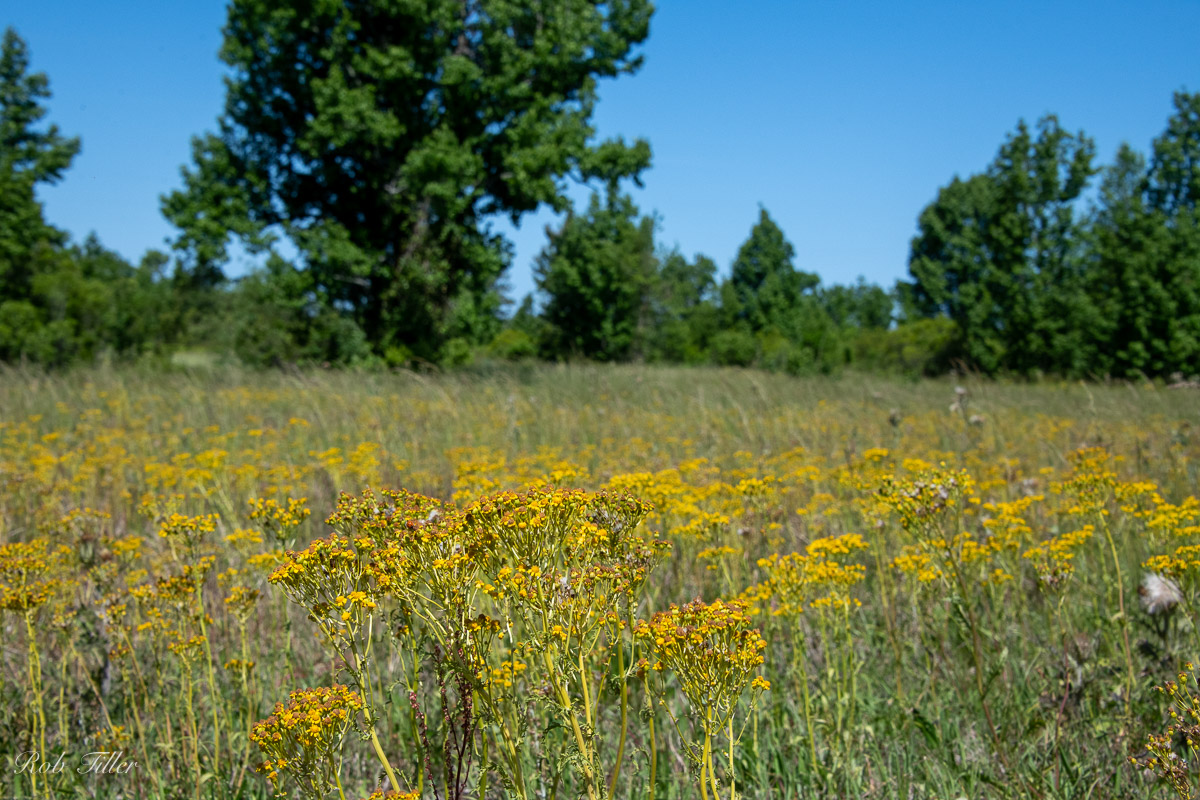
Spring is finally here, I’m happy to say.  We visited our loved ones at beautiful Beaufort, N.C., a couple of weeks ago and saw some of the wild horses there.  In Raleigh, the trees are starting to leaf in, and the early flowers have popped up, seemingly out of nowhere, with vivid colors.  I enjoy them every year, but this year is especially good.  The flowers below were from Raulston Arboretum, Fletcher Park, and the backyard of casa Tiller.  

This week we watched The Zone of Interest, which won the Oscar for Best Foreign Film and is now streamable on Prime.  I highly recommend it.  The story concerns a family living a normal happy life right next to the Auschwitz death camp.  It raises some tough and timely questions about human behavior and ethics.  I expect we’ll be thinking about it for a long time.    

Our immigration situation also raises some tough and timely questions.  These days it’s often referred to as the immigration crisis, which is certainly true from the perspective of people desperately fleeing violence and poverty.  But there’s a massive misunderstanding of the situation, as shown in a recent Gallup poll. Immigration was most frequently cited as America’s biggest problem, and the number of Americans who think that has gone up.  

This is both understandable and absurd.  Fear of foreigners is nothing new, and has long been exploited by leaders for political advantage .   But we truly are a nation of immigrants.  They are running some of our most successful corporations, as well as building our houses, manning our hospitals and factories, picking our crops, and taking care of our children.  If there’s energy and creativity required, we rely a lot on immigrants, just as we rely on them to do a lot of unpleasant work that we want to be sure is done well.  

It should be obvious, but apparently needs saying, that we’ve always been a multi-racial, multi-ethnic, multi-religious country.  The majority of us have ancestors that came from some other country not so long ago.  And we have friends, neighbors, and service providers who have different skin colors, different languages, and different customs.  We’ve got lots of problems, but our diversity is not a problem.  It’s a strength.   

With all the actual problems we’re facing, it’s really disturbing that the non-problem of immigration has become a central flash point of  our politics.  Whipping up more fear of immigrants was and is one of Trump’s main tactics; it’s hard to imagine his succeeding without it.  But even mainstream Democrats now believe we have a border crisis that is not of our own making, and that we somehow have to prevent more foreigners from getting in.

Franklin Roosevelt had a famous line in his inaugural address in 1933:  “The only thing we have to fear is fear itself.”  He probably meant to reassure a nation in the throes of a financial depression with the thought that fears weren’t themselves likely to be fatal, and economic problems were solvable.  

But Roosevelt’s words have a different resonance now.  We truly have good reason to be afraid of the current panic about immigrants, because it is perilous, both for ourselves and others.  I’m thinking of three serious risks.

First, it could lead to the end of democracy as we know it.  Hard as it is to believe, there is a real possibility that Donald Trump could become the next president.   Trump has proudly declared his intention to become a dictator, to persecute his political enemies, to shoot peaceful protesters, to take away rights from women and minorities, and to fundamentally alter the constitutional order.  He undermines the rule of law with his claims to be immune from prosecution for any crime and pardons for his convicted criminal pals.  Again, his appeal is based in large part on his demagoguery about immigrants, whom he viciously and groundlessly characterizes as criminals, rapists, and animals.  

Second, our draconian limitation on immigration is a self-inflicted wound, in that we need immigrant workers.  The idea that  immigrants cause harm by taking Americans’ jobs is mistaken.  They pay more in taxers than they use in services. Many of them start businesses and create new jobs.  As noted, they do a lot of the most important high-level work we have, as well as some of the most difficult and dangerous jobs.  For example, without them, our food supply chain doesn’t work, or our cutting edge AI tools.  We have a labor shortage, and with an aging population, that problem is getting worse.  We need more immigrants.

Third, there’s morality:  treating immigrants with disrespect and cruelty diminishes us.  Refusing to respond to the needs of desperate people fleeing war, violence, and grinding poverty is a stain on our own humanity.  It takes work to get rid of our natural compassion for people in need, but some of our political and thought leaders have pulled us along that path.  They whip up our ordinary caution about people we don’t yet know into anger, hatred, and panic.  

In considering what we owe immigrants, it’s worth noting that we in the U.S. bear substantial responsibility for some of the problems that are driving people from their countries of birth.  We’ve done more than our share to create the worldwide climate crisis, with the rising heat, drought, fires, and storms that make some areas inhospitable or uninhabitable.  

Driven by greed and fear of Communism, we’ve also played a role in creating the chronic violence that drives emigration out of some countries, including El Salvador, Nicaragua, Guatemala, Honduras, Venezuela, Haiti, and Cuba, not to mention the Middle East and Southeast Asia.  We have a lot to atone for.  

The solution is not simple.  The system we’ve constructed for our border is deeply flawed, and fixing it will not be easy.  We don’t have the necessary plans or resources in place to implement the current problematic laws.  More fundamentally, we need to rethink certain assumptions, including notions of what a great nation is and what borders are for, and that will take time.  

But it’s obvious that we need to stop panicking about immigrants.  We need to start seeing them as people and learning about their situations.  We need to have conversations about what the options are for helping them.   We need to rediscover our natural compassion, generosity, and love.  People in dire need offer us an opportunity to be more compassionate and generous.  Let us be thankful for that opportunity, and take it.  

More polar bears, and some comments on Trump, free will, Empire, and Life on Our Planet

I’m still processing my trip to northern Manitoba, and wanted to share a few more photographs from that extraordinary journey.  I also made a short YouTube slideshow of favorites. Recently I’ve been making a particular point of cultivating gratitude, having so much to be grateful for, and that expedition was especially worthy.

Alongside those good feelings, I’m feeling discombobulated about  what is happening in American politics.  At this point, it’s virtually certain that the Republican party, traditionally a cheerleader for conservatism, will nominate for President a most unconservative candidate:  Donald J. Trump.  And polls say there’s a reasonable possibility that Trump will win.  

This in spite of what by now it’s hard not to know about Trump:  his deep dishonesty, his ignorance, his cruelty, his contempt for others (other races, other nationalities, other gender identities), his indifference to the dire straits of our planet.  Plus his track record of crimes (including molesting women), inciting hatred, undermining the rule of law, encouraging thuggery, promoting deranged conspiracy theories, and threatening nuclear war.  Also, he made a determined attempt to overthrow the U.S. government and seize power.  Now he’s acknowledging his intention to act as a dictator and treat his opponents “like vermin.”  

A lot of people, including some that are dear to me, are not much put off by this appalling record.  This has given a hard shake to some of my long-held beliefs and assumptions.  What we take to be reality really seems to vary a lot from brain to brain.  There’s a lot less agreement than I thought about fundamental moral concepts like right and wrong.   

I am grateful, though, for this wake up call:  it’s good to reexamine our assumptions about how people work, individually and collectively.  We have a lot of deep-seated, pre-Trump systemic problems, such as inability to face up to climate change and the horrors of animal agribusiness, that suggest systematic brain malfunctions.  Maybe if we understood ourselves better, we could behave better.

Against this background I’ve been processing the ideas of Robert Sapolsky in his new book, Determined:  A Science of Life Without Free Will.  I read Sapolsky’s last book, Behave, but so far have only read reviews and listened to podcasts discussing Determined.  The most thought-provoking of these was Nikhil Krishnan writing in The New Yorker. 

Sapolsky contends that there is no such thing as free will, because our every action and thought is the result of causes outside of ourselves.  In his view, the only significant differences between people are physical and environmental.  Individuals deserve neither praise for their achievements nor blame for their failures, because both are the result of forces outside of themselves.  

Sapolsky recognizes that his view is hard to square with life as most of us live it.  It’s hard to imagine not being grateful for a kindness or resentful of a slight, and hard to think that serious crimes are not deserving of punishment.  But he marshals plenty of evidence for the position that we are at bottom the result of genes and environment, and our usual habits of mind fail to reckon with that reality.  

I’m a big proponent of trying to see our connectedness with everything – to each other, to animals, to sun, air, water, soil, and so on – and acknowledging that we can hardly exist as unconnected individuals.  I’m with Sapolsky as far as that.  But it seems paralyzing to hold that none of our decisions can fairly be called our own.  There wouldn’t be much point in trying to figure out the right thing to do and then doing it.  The very concept of the individual, which we seem to need in some contexts, seems to collapse.  

This is disturbing, and I’ve been struggling with what to make of it.  I don’t have a comprehensive response to Sapolsky, but I will note one big problem with his framework.  There’s plenty of evidence that human ideas, coming out of individual minds, affect the world.  

The way we think matters at every level, from how we care for ourselves to how we conduct our politics.  And guiding ideas change.  We’ve seen bad ideas that had terrible effects, and we’ve seen some of those get rejected and replaced over time.  We have good reasons for examining our own ideas, and those of others – including Sapolsky’s.

On a less philosophical note, I recently discovered a very fine history podcast called Empire.  The subject matter is various empires of history, with the initial episodes focussing on the British East India Company in (of course) India.  

The hosts are accomplished scholars but not at all stuffy.  Indeed, they are wonderfully human and quite witty.  Some of their subjects involve gruesome violence, but the hosts point up a better moral perspective than some of our forebears had.  A historical perspective can be helpful in these trying times.  

Finally, Sally and I just finished watching Life On Our Planet, a documentary series on Netflix, and I highly recommend it.  In eight episodes, it beautifully summarizes four billion years of evolution.  The dinosaur parts were especially impressive; the animations looked amazingly realistic.  Here again, when I worry about where we’re going, it’s helpful to get some perspective from the long history of life.  Species rise and fall, and new ones rise.  

Happy New Year! But there’s some bad news

Here are a few more shorebird pictures from our wonderful wedding celebration at Atlantic Beach, NC. Clark, our new daughter-in-law, exceeded all expectations!  I also enjoyed spending time on the beach with the birds, and interpreting these images. As noted below, I, and probably you, can definitely use more of the beauty and peace of nature.

As we start a brand new year, it’s hard not to feel overwhelmed with dire problems:  the resurgent pandemic, mass shootings, fires, tornadoes, droughts, melting ice caps, and the list goes on.  There’s a lot to deal with.  As part of my meditation practice, I try to make some time every day for conscious gratitude and compassion, including self-compassion.

Given all our other problems, it’s obviously not a great time to discuss the possible end of American democracy. We’re already exhausted.  But we need to buck up and find our second wind.  Our system has been much weakened and may fail entirely.  If we want to save it, we have to act soon.  

Besides worry overload, another reason I hesitate to raise the subject is that there is so much wrong with American-style democracy.  Its most valuable ideals – free elections, equality before the law, free speech and other civil liberties – have never been fully realized. Meanwhile, this system has given us extreme inequality, embedded racism, misogyny, homophobia, and xenophobia.  

We have the world’s largest rate of incarceration, and an endless war on drugs that keeps prisons full and sustains worldwide criminal organizations.  Our military brings death and chaos to remote areas of the globe, while maintaining hair-trigger readiness to end civilization in a nuclear war.  For many, there is not adequate food, housing, transportation, or medical care.  For non-human beings, it’s even worse.  In short, our political processes have not produced what we would reasonably expect of a wealthy, enlightened nation, and they’ve done a lot that we cannot be proud of.  

But for all our shortcomings and failures, American democracy still provides one thing that is extremely valuable:  the possibility of change.  We have a tradition of fair elections and peaceful transitions of power.  Our votes almost always get counted and determine the winner.  Exceptions are vanishingly rare.

If the governing party loses, it peacefully concedes and allows the business of government to continue.  The new government might improve things, and at any rate, it is generally agreed that it is entitled to take a shot.  This has been true for a long time, and it’s hard to conceive that it could be otherwise.  But it easily could.  

Now, more than a year after the last presidential election, a substantial majority of Republicans have been persuaded that the election was stolen, and that Joe Biden is not the legitimate president.  They reject the overwhelming weight of the authorities – court decisions, officials, scholars, and news media – that contradict that view.   

Republican leaders at the national and state level, with very few exceptions, continue to support the big lie that the true winner in 2020 was Donald Trump, and to refuse to support or cooperate with investigations into the illegal attempts to nullify the victory of President Biden.

Republican legislators in some 19 states have already passed laws to make future Democratic victories less likely by making it more difficult for some groups to vote.  Several Republican-dominated states are getting rid of their non-partisan election officials who refused to assist in overturning the last presidential election and installing supporters of the big lie.   

In other words, many states are putting in place a system to stack the deck against Democrats and then, if that doesn’t work, nullify election results. In addition, dozens of states have enacted new laws criminalizing various acts of protests, including ones that would likely occur after a stolen election. Meanwhile, the courts have been stacked with Republican judges.  

While all this is happening, repeating the big lie prepares the psychological ground.  If enough people are convinced, wrongly, that election fraud is common, they may also be convinced that their own cheating isn’t so bad.  Cynicism, apathy, and fear could be paralyzing, or at least keep many people from protesting.  

These forces could in short order leave us with an authoritarian, neo-fascist system.  That is, a system with all of our current problems, minus the machinery to allow for political change to address those problems, and minus long-standing institutional restraints on repressive violence and corruption.

I know this is no fun to think about, but fortunately, it’s not hard to understand intellectually.  The challenge is to fix it.  As to Republicans who understand the big lie and disapprove of it, they need to show some backbone, and tell the truth.   Democrats who understand it need to get to work educating others on what’s happening.  And they need to get involved, volunteering, making phone calls, watching the polls, and so forth – all the no-fun jobs that are part of free and fair elections.  

Although I think saving our democracy will be tough, our ancestors have won long-odds fights for rights before.  In the last century, women fought hard to win the right to vote, and African Americans won the right to be treated as full citizens.  The forces that have brought us to this point – fear, hatred, ignorance, greed – are nothing new, and we already have the tools to counter them:  kindness, compassion, and love.  But hope alone won’t get the job done.  We need to get to work.  

Gassing up and heading out, and the latest election fraud fraud

The Tiller ride at Pocosin Lakes National Wildlife Refuge

This week our gas stations had gas again, which was cheering for those of us with internal combustion engines.  I headed east to Alligator River and Pocosin Lakes looking for wildlife.  It was good to connect with animals again, though as always, I regretted my own greenhouse gas emissions.  Along the dirt roads it was pretty quiet.  I saw plenty of birds and one handsome (I think) young rattlesnake.    

On the drive out and back, I listened to various podcasts and audiobooks.  I strongly recommend a new podcast series called The Improvement Association.  The subject is election fraud in Bladen County, NC, where in 2018 they had one of America’s tiny number of actual election fraud incidents.  The podcast was put out by Zoe Chace and some of the same folks that made the podcast Serial.

The fraud involved improper ballots in support of the Republican congressional candidate and resulted in invalidation of the election.   During and after the scandal, Republicans in Bladen County claimed that Black politicians there had done much worse.  Zoe Chace decided to investigate.

Chace is not a showy personality, but she is an excellent journalist.  She asks reasonable questions, lets people have their say, and resists pat answers.  She recognizes that people often aren’t able to put things into words, including their own feelings about race, and that such feelings sometimes help account for how they see things. 


Much of her podcast focuses on the persistent accusations of white Republicans that Black organizers regularly committed election fraud, and she finds hardly any evidence that they did.  But she also examines the very interesting question of why white Republicans keep insisting the opposite.  She found both political opportunism and sincere racial fears, which sometimes hardened into an impossible-to-shake belief.  

In a way it’s a small story, but just now it has a lot of resonance.  Those of us not on the right are finding it difficult to comprehend how the majority of Republicans can continue to think, as they do, that Democrats committed election fraud that resulted in Joe Biden wrongfully becoming president.  

Chace’s podcast suggests part of the answer:  traditional racial attitudes have a psychological filtering effect, blocking out certain facts (like the nonexistence of evidence) and concentrating some assumptions (like Blacks are like [something]).  Confirmation bias and motivated reasoning can feel just like logical thinking.  

With some of the generosity and curiosity of Zoe Chace, I want to give Trump supporters the benefit of a doubt.  I’m willing to assume that they aren’t just gaslighting, and most aren’t specifically hoping to overthrow democracy and reinstitute legal white supremacy.  They may truly believe that America faces an existential threat from leftists who seek to institute radical socialism and outlaw Christianity, and the only defense is Trump or someone like him.  They may actually be unable to process the overwhelming evidence that none of this is true.    

As far as I know, there’s no easy way to assist folks perched on this perilous ledge to gently move back towards a more fact-based reality.  But unfortunately, it is quite easy to make them feel even more terrified,  confused, and in need of a powerful leader to defend them.  Opportunistic Republican leaders and right-wing networks, concerned with maintaining power and audience share, are currently doing so, with a vengeance.

A recent new ploy is instituting more recounts of the 2020 election votes.  As most people know, the presidential election has been officially completed and confirmed, with massive oversight by qualified specialists and courts.  But state legislators in Arizona and Georgia have decided to continue recounting.  This could, I guess, go on as long as they think, or want others to think, that there was a conspiracy and all the tallying so far is wrong.  That is, potentially, forever.

It may be that such shenanigans will keep the MAGA base energized and eager for the next election battle.  It’s at least as likely that it will slowly drain away belief in fair elections.  Big lies, like Trump’s gigantic lie about the 2020 election can work by fooling gullible people, but they can also have an even more insidious effect.  

Repeating unbelievable things while demanding they be believed works to erode belief in one’s own common sense.  The big liar implicitly says, belief and loyalty are more important than reality, and anyhow, it’s impossible to know what’s true.  Your only choices are uncritical belief or hopelessness and confusion.  The big lie can work by getting people to give up on the idea that political action may be a force for good, and make them both despondent and acquiescent to power.

This is a difficult moment in the American political experiment.  We’ve learned that there are malign forces at work that are more infectious than we thought, and there’s no vaccine at the moment.  But we’ve still got a lot of the good sense and good will that have sustained us in difficult times before.  

Attacking fact checking, and the big election lie emergency

Osprey and fish at Jordan Lake

I’d planned to head to eastern NC this week to look for black bears and other creatures.  Unfortunately, in Raleigh and elsewhere, there was a gas shortage.  For a few hours, drivers and cars waited in long lines to get into stations, and then, the lines disappeared, and all the stations that I checked were out of gas.  

The primary cause was a criminal hack of a major fuel pipeline company, with a secondary cause of a mass freak out (panic buying).  People will probably calm down eventually.  In the meantime, anyone taking a long road trip faced a good chance of getting stranded without gas, and so I sadly put off the bears.  These pictures are ones I took recently at Jordan Lake and Raulston Arboretum

I’d been looking forward to taking a break from the subject of Trump, elections, and democracy.  For a couple of weeks, it looked like we were heading towards normal, still with big problems, but having avoided a crash into full-on fascism.  Right now we’ve got a full plate of wars, diseases, and other miseries, and it would be good not to add to the to-do list.  So I’m sorry.  But this is an emergency:  our democracy is in a crisis.

Before I get to the crisis, a related development:  this week a state legislator in Michigan proposed a new law aimed at fact checkers.  As a former professional fact checker, I wondered what was up.  According to the Washington Post, the legislator in question was a supporter of “Stop the Steal” and opponent of Covid safety measures.  He proposed that fact checkers be required to register with the state, post a million dollar bond, and face fines and lawsuits for their mistakes.

As an ex-lawyer, I’m pretty confident that such a law would be struck down as unconstitutional, as long as we have anything resembling our current constitutional system.  But the proposed law is one more indication of the fragility of that system.  

It’s been four decades since I worked as a fact checker at The New Yorker, and through the years it never occurred to me that the government might try to put the lid on fact checking.  I assumed that almost everyone would prefer to have truthful, reliable information, as opposed to mistakes or lies.  Even though right-wing propaganda networks regularly play fast and loose with facts, the idea of making it a crime to try to get the facts right is something new.     

Here’s fact checking in a nutshell:  the job of the checker is to figure out whether statements purporting to be factual are accurate.  Sometimes this is straightforward, as with correctly spelling names and confirming addresses, but other times it requires more research and analysis.  On issues requiring expertise or first-hand knowledge, it requires consulting reliable experts or sources.  It requires judgment when, as happens, experts or sources disagree.  In such cases, the checker may add a note that there’s a disagreement.  

Like all humans, fact checkers sometimes make mistakes.  In such cases, they may be reprimanded, fired, or, in cases of libel, sued.  So the proposed Michigan law would seem pointless, if the point were to punish mistakes.  It makes sense, though, if the aim is to clear the way for big lies by discouraging checking.  For those whose careers depend on lies, facts are pesky things.

And so we come to the crisis.  This week Republican Congresswoman Liz Cheney was tossed out of the Republican leadership because she called out the big lie that Trump won the 2020 election and was denied the presidency because of fraud.  

This action resembled Republicans’ refusal to impeach Trump, but it was actually worse.  It’s the difference between quietly tolerating a lie and loudly shutting down those that oppose the lie. Instead of merely declining to hold Trump accountable for the January 6 attempt to overthrow the election, the Republicans are now effectively co-signing his lies about the election and endorsing the January 6 insurrection.  

In an almost-but-not-quite comic development, some congressional Republicans are now rechristening the mayhem of January 6 as a normal tourist visit unrelated to Trump and his supporters. 

For any who have forgotten, Trump supporters waving MAGA flags and sporting MAGA paraphernalia stormed the Capitol, shouting death threats, and vandalizing the premises as they searched for fleeing legislators who’d been about to complete certification of the election of Biden.  There were several deaths, dozens of injuries, and legislators and guards who feared for their lives. 

Meanwhile, having narrowly lost the last election, Republicans in 30-some states are moving forward with new voting laws designed to reduce the number of Democratic voters.  According to a new report in Mother Jones,  this effort has been organized with military precision by a right-wing dark money outfit associated with the Heritage Foundation.  

The quasi-clever cover story for these laws is that they are needed to address voter fears of election fraud.  There could be such fears, but in fact, there is no significant election fraud problem.  The fears are based on the outrageous lies propagated at high volume by Trump and his supporters in connection with their effort to overturn the last election.  

Senate Bill 1 could put a stop to the worst of the state level election rigging, but that legislation is opposed by Senate Republicans and can’t advance as long as the filibuster stays in place.  At the same time, state Republicans are getting rid of election officials who refused to go along with the Trump attempt to steal the 2020 election, and replacing them with Trump loyalists.  That is, they’re putting in place election officials who appear committed to stealing elections when directed.  

There are a lot of moving parts, but the direction is clear:  the end of our traditional system of transferring power peacefully based on fair elections.  Republicans are in the process of replacing it with a system in which elections are a sham used by the powerful to fool the gullible.  Such systems have a long history, but only in countries that we would not call democratic, such as China, Russia, and North Korea.  To put it plainly:  Republican leaders are now working on a large-scale effort to undermine the foundation of American democracy.

There are, of course, some principled Republicans who oppose this effort, and others who haven’t yet heard what’s happening, but would not support it.  But right now the Republican leaders at the national and state level are moving ahead to set up a system where only their candidates can win.  For many rank-and-file Republicans, persuaded by decades of right-wing lies that Democrats are evil socialists and otherwise very scary, changing the system to keep out Democrats may seem like a good idea.   

Possibly the Trump fever will break, and those with the illness will revert to traditional support for fair elections and facts over lies.  But I wouldn’t count on it.  It’s more likely that our democratic experiment will only survive if we fight for it (non-violently, of course).  We could start by junking the filibuster and moving ahead with Senate Bill 1.

Flowers, and the latest culture war battlefield: stopping anti-racism

Raulston Arboretum is a quiet refuge for plants, birds, and people.  Before the pandemic, I visited the big garden at N.C. State  a few times each spring to see the new blooms, and I really missed it last year.  Now it’s open again, and things are growing wonderfully.  The daffodils have gone and the irises are waning, but the roses have arrived in force.  

It’s really cheering to see our leaders working on some of our real problems, like climate change, infectious diseases, police violence, roads and bridges, jobs with fair wages, child care, health care,  voting rights, and education.    


Not so cheering is the latest culture war ploy to rouse the MAGA base:  attacking critical race theory and education on the legacy of slavery.  Outside of specialized scholars, few had heard of critical race theory until recently, and none had reason to worry about its undermining the social order.  Now Republicans in several states are working to ban it from classrooms, and McConnell and most GOP senators are characterizing anti-racism as “divisive nonsense.”

Critical race theory raises problems concerning race and the legal system.  McConnell, the Fox pundits, and their allies are promoting the view that this amounts to criticizing America as hopelessly evil.  Their position is that talking about our race problems is essentially traitorous, and should be stopped.

This is bizarre, but also makes a kind of sense.  For anyone just arriving from outer space:  Americans have been thoroughly socialized in a caste system that distinguishes between people and allocates privileges based on skin color, with the lighter people generally privileged over the darker people.  Understanding how this came to be, how it works now, and what can be done about it is complicated.  The background includes hundreds of years of history, as well as laws, schools, and customs.  

It hadn’t occurred to me until this week that a possible response from the right wing, or anyone, could be:  the racial caste system doesn’t exist.  That’s as delusional as saying the last election was stolen from Trump, or that we need to change our voting laws to prevent fraud by Democrats.  But here we are.  

Of course, some well meaning people believe that the best thing to do about our race problems is to try to treat all people the same and act like race does not exist.  In fact, it’s true in one sense that race is a fiction.  It’s a creation of culture, rather than of biology.  

But a key part of our culture rests on what we’ve learned to think of as differences in races.  We’ve been thoroughly schooled in those supposed differences, to the point that many of us mistakenly think they’re inherent in nature.  Becoming conscious of our own understanding of race and getting rid of the myths and fears we carry around is a big educational project.  It requires some long discussions, with good teachers and leaders. 

We have some such leaders working to correct unfairness in our system, but unfortunately, there are others, like McConnell and the Disgraced Former President, now proposing to lead in the opposite direction.    

On top of the spurious racial notions bequeathed to us by our forefathers, politicians have been using race as a political wedge issue for several generations.  Cynical politicians periodically organize by stoking groundless fears of attacks by violent erratic dark-skinned people, or (with no regard for consistency) of overly diligent dark-skinned people taking our jobs.  This lying strategy has often been successful in attracting votes, and has reinforced the caste system.

The right-wing attack on critical race theory is related to this, but with an interesting twist.  Instead of directly targeting dark-skinned people, it targets those who want to discuss the systemic problems of the caste system.  As part of this, in a classic Orwellian/Trumpian move, it tries to re-label anti-racism as racism.  

The right-wing objective is to prevent discussions that challenge the advantages of the privileged caste.  As a bonus, it provides a moral self-justification for silencing the discussion:  the privileged silencers can think of themselves as good people who oppose racial distinctions.  

As Americans, we’ve been taught to think of ourselves as on the whole good, well-meaning folks.  We’ve been steered away from learning much about the immoral and tragic forces that helped build our country (like slavery and expulsion of indigenous peoples) and the continuing brutality of our caste system (like widespread police violence and mass imprisonment).  

Our education system has been sadly deficient in equipping us to address such problems.   For a long time, many of us in the privileged castes barely noticed how the caste system disadvantaged the low caste folks.  With de facto segregation, we seldom saw them, except when they quietly worked for us.  Many of us accepted the system as on balance a pretty good one.  

But here we are.  We’re learning more about the legacy of slavery and Jim Crow, and the bloody resistance to the civil rights movement. We’re learning more about how we took the land of indigenous people through brutal violence and trickery.  We’ve started the discussion about fixing our caste system, which will not be easy.  Even ignoring the right wingers who view any such efforts as treason, there are still many who believe the stereotypes they were taught  Unpacking such ideas will take a lot of work.   

Ospreys, crock potting, and the Trumpist campaign against fair elections

Osprey at Jordan Lake in late afternoon

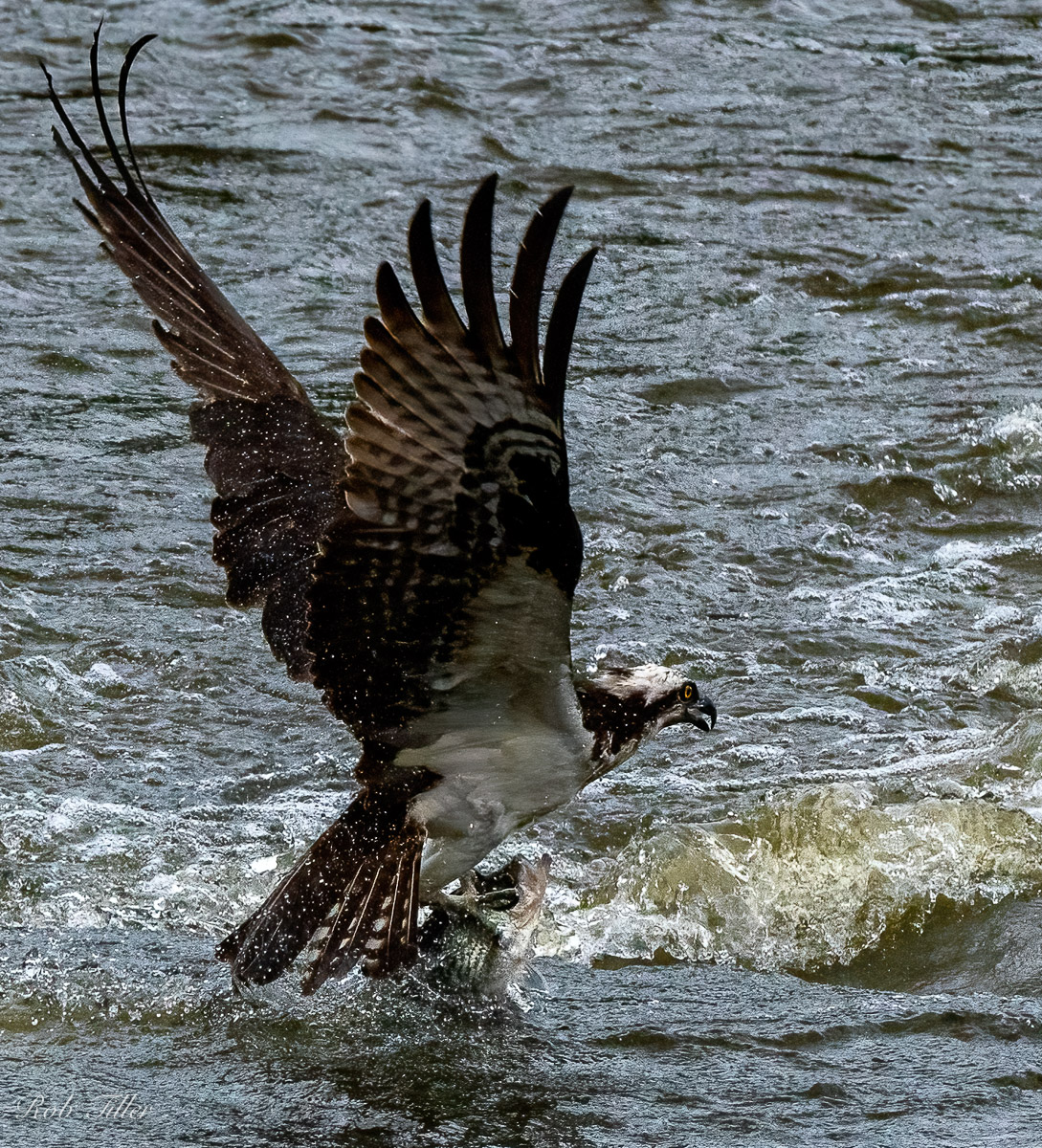
When I went out to Jordan Lake late Wednesday afternoon, I saw my first osprey of the year perched in a pine across the river.  I put my camera on the tripod and waited for it to fly before dark, but it didn’t.  However, when I went back on Friday afternoon, there were a couple of them patrolling, and in the last patch of sunset on the river, I caught one catching a fish.  I also saw many great blue herons, and one young bald eagle.  

I’ve been learning to cook with an old school crock pot, which has generally worked out fine, though this week I had a near disaster.  I tried to adapt a recipe for spinach lentil soup with lemon.  Crock potting is a good style for me.  It gets to the point without much fuss, but allows for improvisation, and after a long simmer, the result is usually surprisingly good.  

But I was well into adding a lot of chopped vegetables before I realized there wasn’t room in our crock pot for everything, and I had to start subtracting.  The lentils came along much slower than expected, and were not nearly ready by dinner time.  So we ordered  takeout falafel.  We had the lentil soup the next night, and it wasn’t bad.  In fact, Sally said she really liked it.    

Speaking of disappointments, I was hoping the Trump Show was over, but unfortunately, it’s not.  Since 2015, our Disgraced Former President (DFP) has taken up way too much of my brain space!  Whatever you think about the DFP, you have to admit, he is not a quitter.  Last weekend he recycled his patented mix of pomposity, ignorance, and fear mongering to a gathering of Republican leaders in Florida, and guess what?  They cheered him on.

It’s no surprise that the DFP won’t shut up (has he ever?), but I was surprised that the Republican establishment wouldn’t seize the opportunity to change course and dump him.  Surely most of them know perfectly well that his election fraud claims are absurd and despicable lies.  Don’t they?  Is it possible that these accomplished and privileged people have been infected by a mass delusion?

If so, it would not be a first.  Starting in the eighteenth century, American political movements were built on and amplified hysterical fears of Native Americans, Germans, Mexicans, Asians, Irish, Italians, Greeks, Poles, Croats, and the list goes on.  Not to mention movements against Catholics, Jews, Muslims, Mormons, and other non-mainstream religions.  And of course, witches.  Last and also first, there was and is the hateful ideology of white supremacy used to justify enslavement of Black people, and their continuing oppression.


Each of those sad chapters was partially driven by ignorance and fear, but there were also political opportunists who exploited such fears.  The current Republican leaders mostly look like opportunists.  Some of those now cheering the DFP truthfully acknowledged his leadership of the January 6 insurrection just weeks ago.  Last week they were not only supporting the outrageous lie of a stolen election, but were joining the attempt to blame the Trumpist insurrection on antifa and left wingers.  Have they no shame?

Apparently not, and so we’ve got some hard work ahead of us, with the next elections not far ahead.  The reliably incisive Charles Blow recently reported on work by the Brennan Center for Justice finding that state lawmakers have legislation in the works to restrict voting access — meaning suppressing voting by minorities to maintain power by mostly white elites — in 43 states    That’s a lot of states — 86 percent!  As Blow notes, similar voter suppression happened after the Civil War, and subverted democracy.  The current Republicans appear to have decided there is only one way for them to win a fair election:  not to have it.

Fortunately, their efforts to further unlevel the elections playing field are now out in the open, and defensive measures are in process.  The House has passed H.R. 1 with much needed election reform going in the fairness direction, and it is conceivable that the Senate will modify the filibuster and do likewise.  Maybe someday we’ll go further with a commitment to fair elections by simplifying the process and incentivizing participation with paid leave and cash.  

Along with the big challenge of having fairer elections, we also have the separate challenge of how to fashion a government that better serves ordinary people, rather than tilting in favor of corporations and plutocratic elites.  This week I heard a podcast introduction to the proposal of Helen Landemore, a political scientist at Yale.  She sounded brilliant and unafraid to experiment with new ideas for practical improvements to democracy.  

Landemore proposes setting up counsels of randomly selected ordinary citizens to work on important problems.  In an interview by Ezra Klein, Landemore explained that even at its best, our existing system systematically excludes minority and other voices, and that including these voices would improve decision making.  Landemore had some real world examples suggesting how to move forward along this line, including experiments in Iceland, France, and Switzerland.  I’ve got a bit of a reading log jam at the moment, but I’m thinking her book, Open Democracy, could be worth reading.  

Getting through spine surgery and the impeachment trial

Get well flowers

It’s been an eventful week.  I had to get through both spine surgery and the Trump impeachment trial, and by golly, I did!  These photos show my get well flowers from Jocelyn and Kyle, which smell wonderful.  Here’s what happened.  

Last Wednesday at 5:15 a.m., I checked into Rex UNC hospital for an operation on the upper part of my spine called a cervical discectomy.  My neurosurgeon, Dr. Koeleveld, had determined that the disc between vertebrae C3 and C4 was deteriorated and pressing on the adjacent spinal nerves, and thought this explained the persistent tingling in my hands.  His proposed solution was basically to remove the damaged disc and bolt in a replacement.  

Dr. K was kind, smart, and very experienced, but even so, I  considered the possibility that he was mistaken, or that something completely unexpected could go wrong in surgery and make me a lot worse.  After learning what I could about the relevant biology and technology, I still wasn’t sure I knew the right answer.  But I had a reasonable basis for trusting the doc.  On the theory that that’s about the best you can do, trusting is what I did.

Of course, I was completely unconscious during the actual surgery, but I was groggily conscious not long afterwards.  The nurses and aides were cheerful, kind, and competent.  Dr. K said the operation had gone beautifully, but he wanted me to stay overnight in the hospital for observation.

I had a room to myself with a lot of machines and a painting of a flower.  My bed had lots of buttons to control the position and call for help, and it automatically adjusted when I moved one way or another.  There was also a TV.

It was about as good a day as possible to be stuck in a hospital room — cold and gloomy outside, and with some absorbing reality TV:  the historic second impeachment proceeding against Donald J. Trump, the disgraced former President (DFP).  Watching the  footage of the invasion of the Capitol gave me a new perspective on last January 6th.  At the time, I’d wondered why the Capitol police and others didn’t seem to be putting up much of a defense, but I learned that inside the building, they were plenty busy.  It looked like the battle scenes in Braveheart or Gangs of New York.  Kudos to those brave officers who protected lawmakers and showed remarkable restraint.  If they had not, and had instead used their firearms, there would have been many more deaths.

As a former lawyer, as I watched the video and listened to the lawyers’ explanations, I kept thinking of how the case was being presented, and whether I would have done it differently.  I thought the House Managers’ team was amazingly good — clear, concise, and powerful.  After years of Trump’s craziness and chaos, I was reassured that such competent and caring people were now helping lead our country.  

The DFP’s lawyers were like him:  loud, smug,  disorganized, angry, and apparently shameless.  They showed no hesitation in lying, even when it was completely obvious they were lying.  

As odious as the ex-President’s lawyer’s were, they raised a couple of interesting points.  As part of their hand waving attempts to distract from what the DFP had done, they showed a video montage of Democrats who had said things like “We’ve got to fight.”  Although it was obvious that the DFP’s statements about fighting were in quite a different context and led to serious violence, it was interesting to see how the same words could mean entirely different things.

In recent months I’ve been doing some reading on structuralism and deconstruction, and getting new insights into how language works and how it doesn’t.  The ambiguity of language is, it seems, an inherent property.  We may think we all know what we mean when we talk about fighting, but we actually mean many different things at different times.  If we keep talking, and observing each other’s activities in relation to the words, the degree of ambiguity may lessen, though it probably never disappears.

The DFP’s lawyers also argued that under the Constitution, only current, and not past, presidents could be impeached.  Although the great weight of scholarly opinion goes against this argument, I still thought it had some force.  If the lawyers hadn’t covered it up with layers of bogus arguments and slimey lies, it would have been easier to swallow.

In a way, I hoped that the DFP’s lawyers could give Senate Republicans a reasonable basis to vote for acquittal, which it appeared from the outset they were determined to do.  It’s depressing to think that most of the most powerful Republican politicians in the country are still in thrall to Donald J. Trump and his base.  Whatever their motives (probably including fear, opportunism, and tribalism), it is hard to understand their countenancing a deadly attack on Congress, including on themselves.  

Anyhow, we all owe a debt of gratitude to the House Managers and to the Senate majority who voted to convict the DFP, including seven brave Republicans.  Trump’s shameful betrayal of his office and our country is now clear beyond any reasonable doubt and a matter of public record.  With any luck, any future Trump headlines will be about his business failures and criminal liability.  Perhaps this will be the beginning of the end of our Trump political fiasco, and the start of a saner, more compassionate chapter for addressing our big challenges.

Last night we saw Time, a new documentary on Prime.  It’s about a Black family in which the father is in prison and the mother is determined to get him out.  It’s an intimate and moving story of strength and heroism that opened a new window on the tragedy of our mass incarceration system.  We liked it a lot.