The Casual Blog

Tag: travel

To Southeast Asia with love, and reading Goliath’s Curse

Victoria Harbour in Hong Kong

It’s now two weeks since we got back from a two-week trip to Southeast Asia.  The travelling was tough, but worth it.  There was lush tropical beauty, ancient culture, and vibrant trade. Once I got over the severe jet lag, I felt changed in a good way.  
We flew from Raleigh to Seattle, and then to Seoul, and then to Hong Kong, where we boarded the Viking ship Orion.  After a day of sight-seeing in Hong Kong, we set sail for Vietnam, Cambodia, and Thailand.  

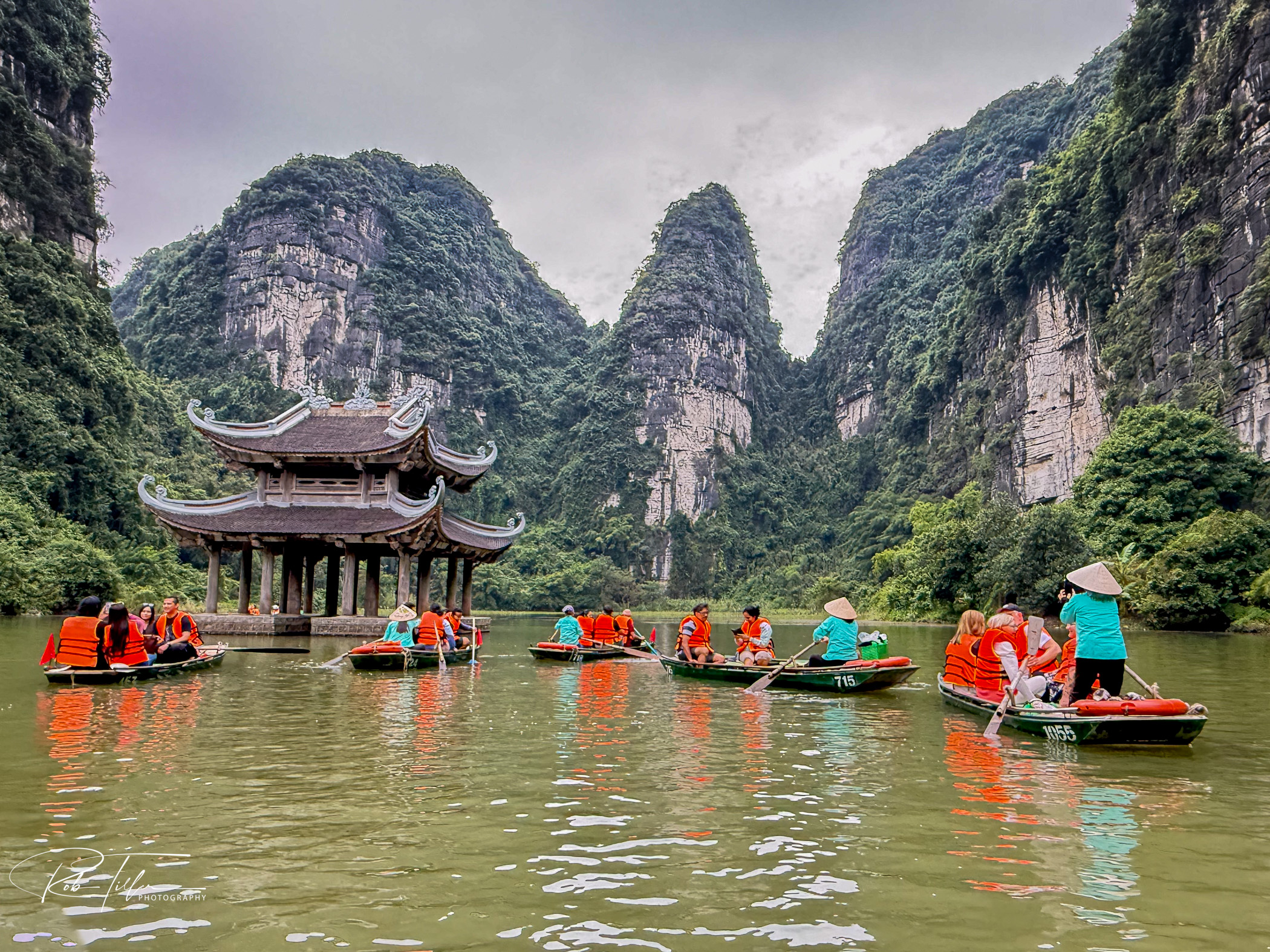
On the river at Hao Lu, Vietnam

Trip highlights included Ha Long Bay, Vietnam, where there are hundreds of dramatic limestone islands; Hoa Lu, an ancient capital where we visited a temple and took a lovely row boat trip; Hoi An, where we saw the grimier aspects of the country, a traditional medicine shop, silk manufacturing, and temples; Ho Chi Minh City (a/k/a Saigon) with modern high rises, teeming markets, and waves of hundreds of motorbikes; Siem Reap, Cambodia and the enormous temples of Angkor Wat, Thom Wat, and Ta Prohm; and the huge, modern city of Bangkok.  The Orion was like a first class hotel, beautifully appointed and serviced, and Viking provided good tour guides.

Ha Long Bay, Vietnam

Based on our short encounters, we found the Vietnamese people to be generally friendly and helpful, but business-like and hardworking.  Cambodians seemed more relaxed and laid back, though the street vendors were surprisingly aggressive.  For Bangkok we were mostly touring by bus, so we didn’t have many close personal encounters.

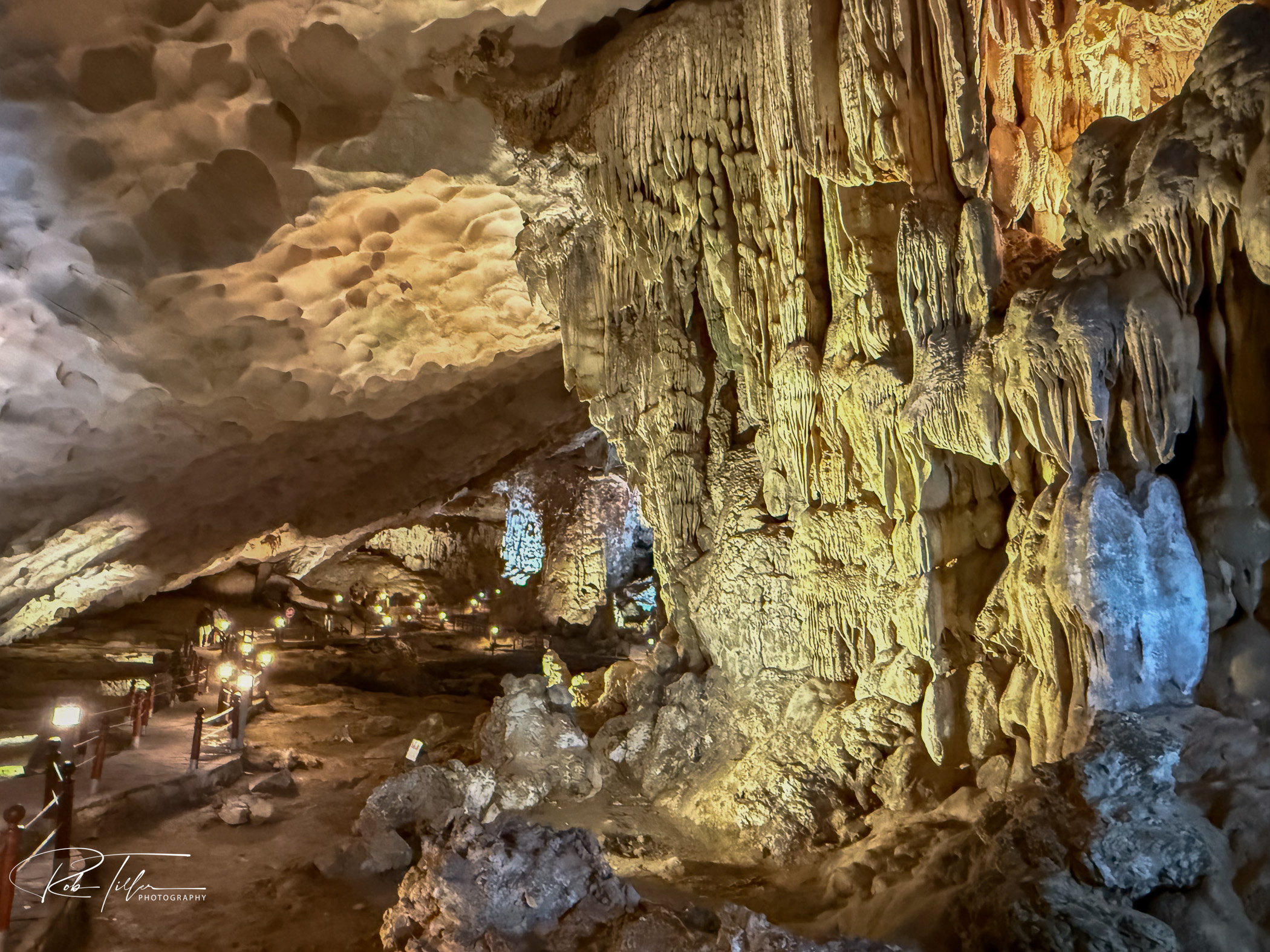
Surprise Cave in Ha Long Bay

I was interested in learning about the local religions.  I’ve long been interested in Buddhism, but I quickly figured out that Buddha’s original teachings, as they’d come to me, were barely recognizable in the religion as practiced in Southeast Asia today.  The local versions seemed to combine worship of Buddhist icons with elements of other traditions, including Taoism, Confucianism, Hinduism, and animism.  The temples, with their elaborate ornamentation, seemed undogmatic and undemanding.  

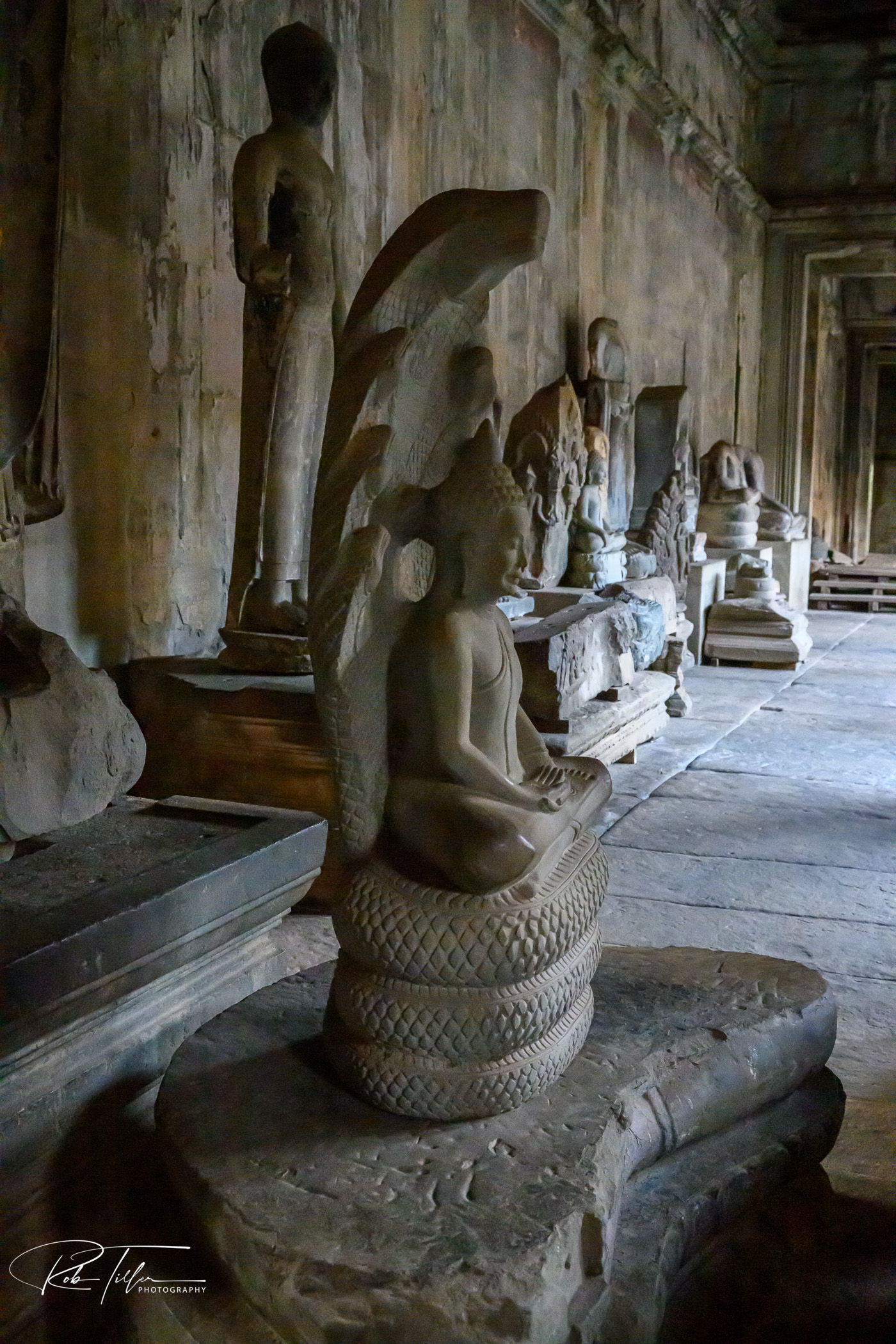
This was less true of Angkor Wat, which is the largest religious complex on Earth.  Built in the 12th century, it’s now mostly a ruin, but enough is left to show that its builders were highly serious about their religion as well as their armies.  A later generation of Hindus destroyed many of the icons, and most recently many statues of Buddha were decapitated by looters and the heads sold abroad. 

A pedalcab tour of Saigan,

During the trip I read Saigan, a historical novel by Anthony Grey.  (Thanks to my friend J, an old Vietnam hand, for recommending it.)  It resembled a James Michener novel in good ways, with a broad overview of Vietnam’s history in the 20th century woven together with some interesting characters.  Grey taught me some new things about the brutality of the French colonial regime, and brought key battles of the American war to life.  As with Michener, the prose was not especially beautiful, but I still found the book quite worthwhile.

Angkor Wat, in Cambodia

I learned a bit about the current Vietnamese system of government, which is managed by the Communist Party of Vietnam.  Opposing political parties and criticism of the CPV is not permitted.  But much economic activity is indistinguishable from the mostly free markets of the West.  At street level, it doesn’t look particularly unfree.  In fact, in places it looks highly energetic and dynamic.   

During the trip, I also delved into an important and fascinating new book, Goliath’s Curse:  The History and Future of Societal Collapse, by Luke Kemp.  Kemp, who is affiliated with Cambridge, examines the archaeological evidence of earlier large states and empires (“Goliaths”) looking for the factors that led to their collapse.  Like Graeber and Wengrow in The Dawn of Everything, Kemp challenges the conventional narrative of orderly human progress beginning with agriculture, and the assumption that increasing size and complexity of government is natural and unavoidable.    

Kemp finds that a key predictor of societal collapse across the centuries is extreme inequality.  Increasing inequality generally arises from domineering elites extracting resources (such as minerals, crops, and taxes).  Elite domination and corruption results in resentment and rebellion.  Combined with other factors, such as exhaustion of natural resources, war, disease, or climate change, extreme inequality can result in societal collapse.  

Goliath’s Curse is a timely book.  If Kemp is right, the extreme inequality in the U.S. and many other countries is a flashing red danger sign.  Dissatisfaction with this inequality has already begun to undermine our traditional democratic institutions by ushering in the age of Trump.  Kemp suggests that there is a possible path out of our current crisis:  reducing inequality and increasing democracy.  

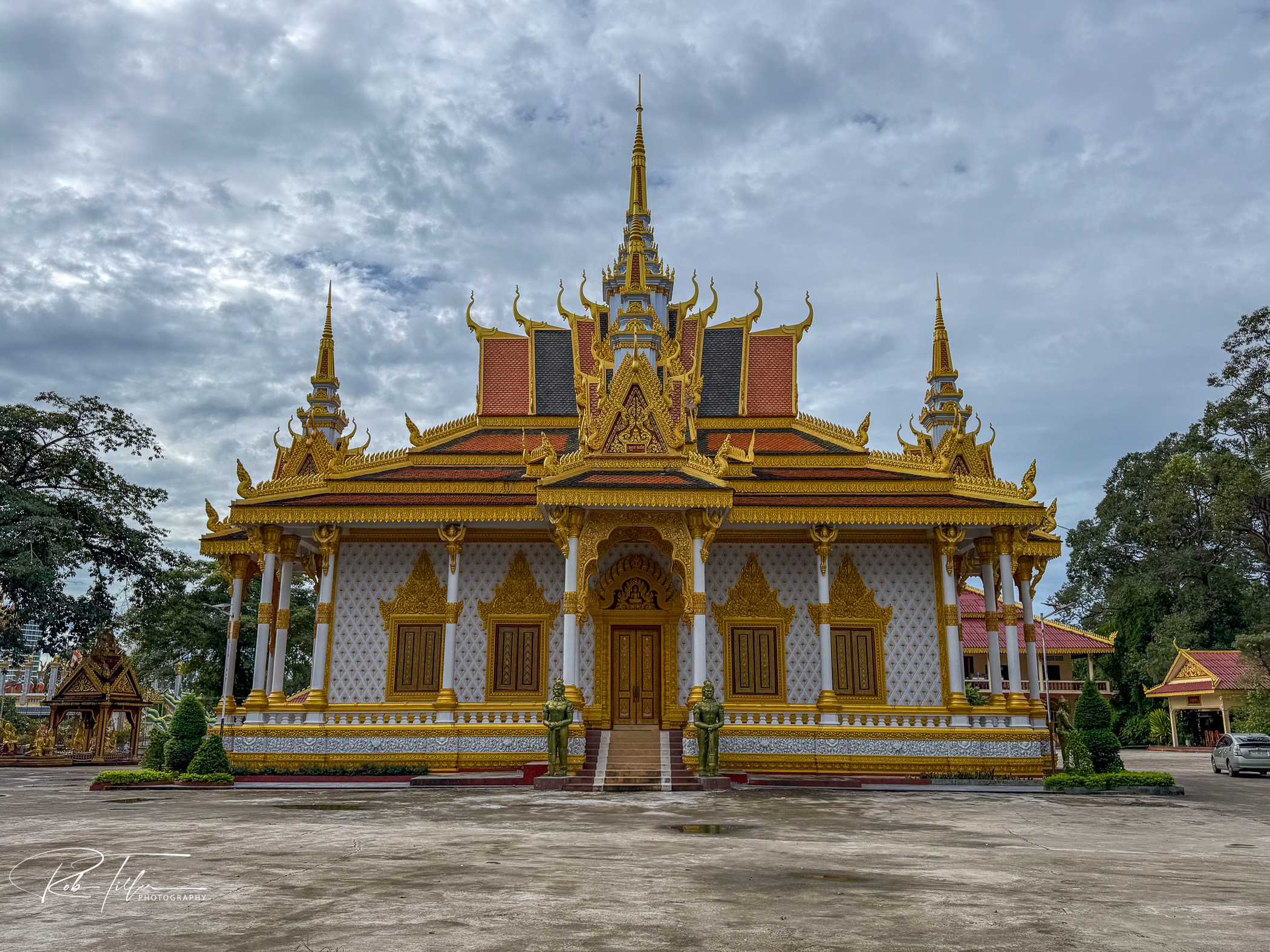
Temple at Sihanoukville

On the long (31 hour) trip home, among other things, I watched for the second time Don’t Look Up (2021), the dark satire about two astronomers (Leonardo DiCaprio and Jennifer Lawrence) trying to warn of a comet on a collision course with the planet.  Merryl Streep is a hoot as a Donald-Trumpish president who tries to profit from and divert attention from the coming catastrophe.   As Trump continues to lead the insane battle against addressing climate change, the movie remains very much of the moment. 

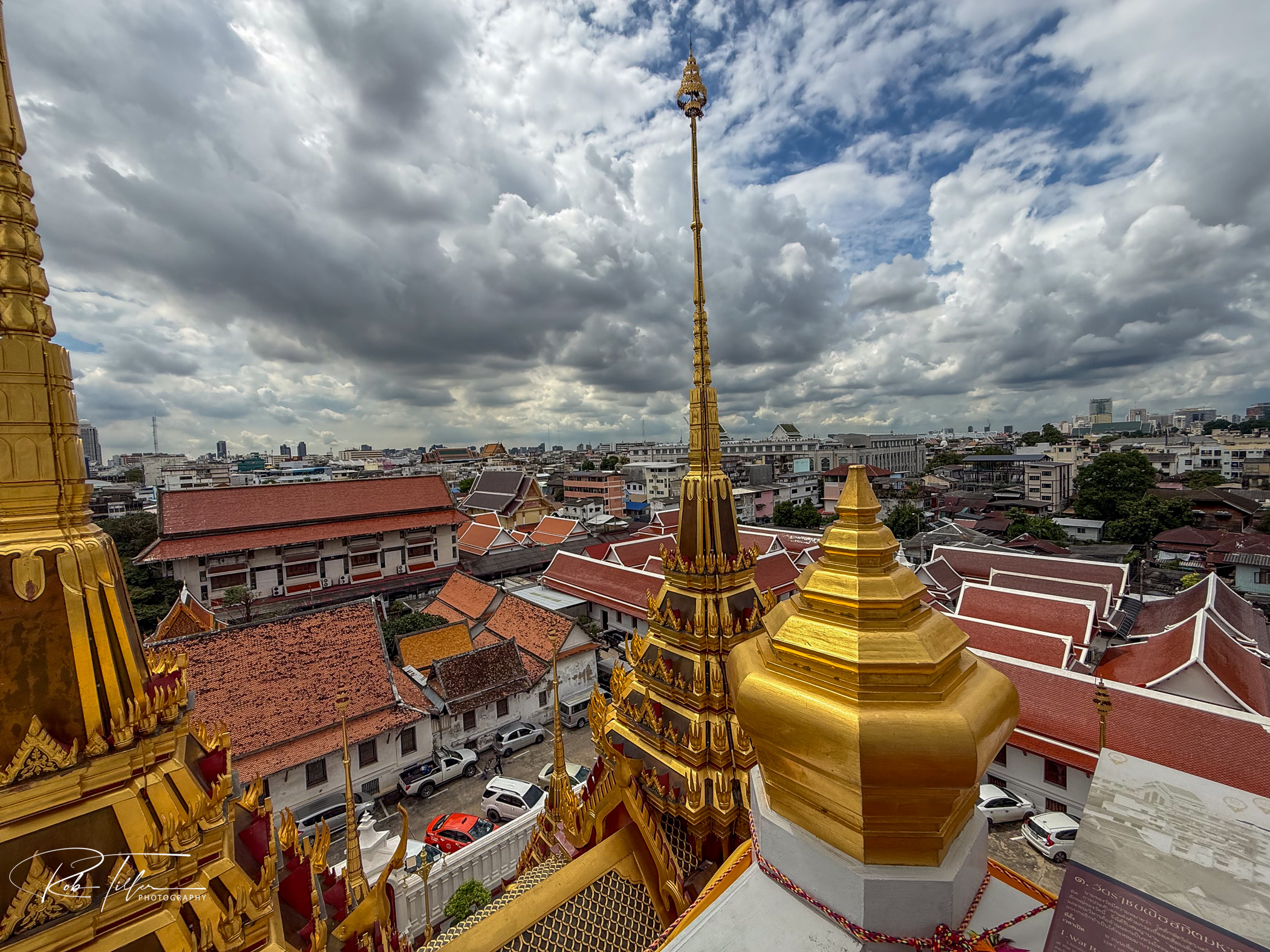
Temple in Bangkok

Alaskan brown bears, and a few thoughts on history

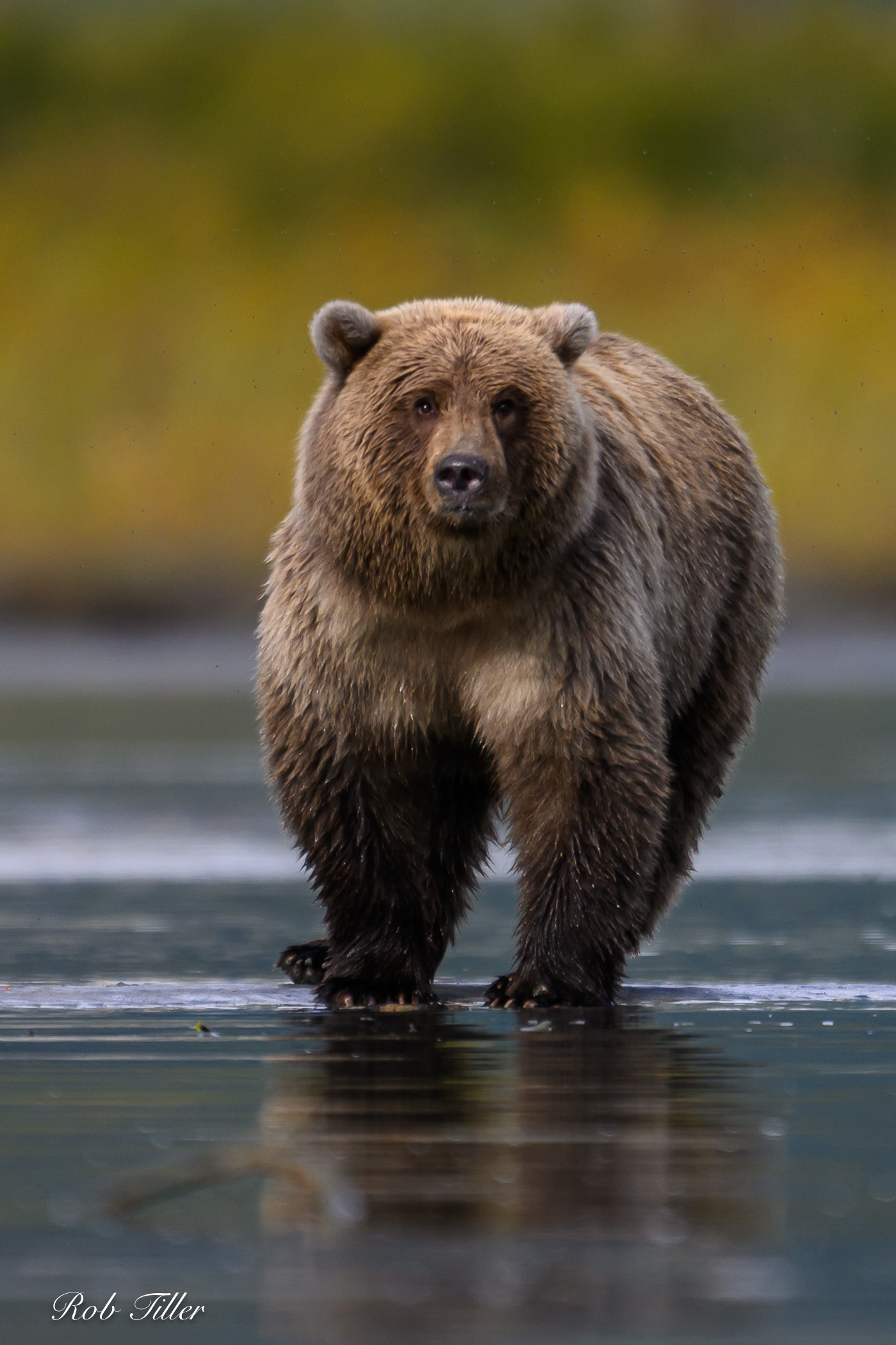
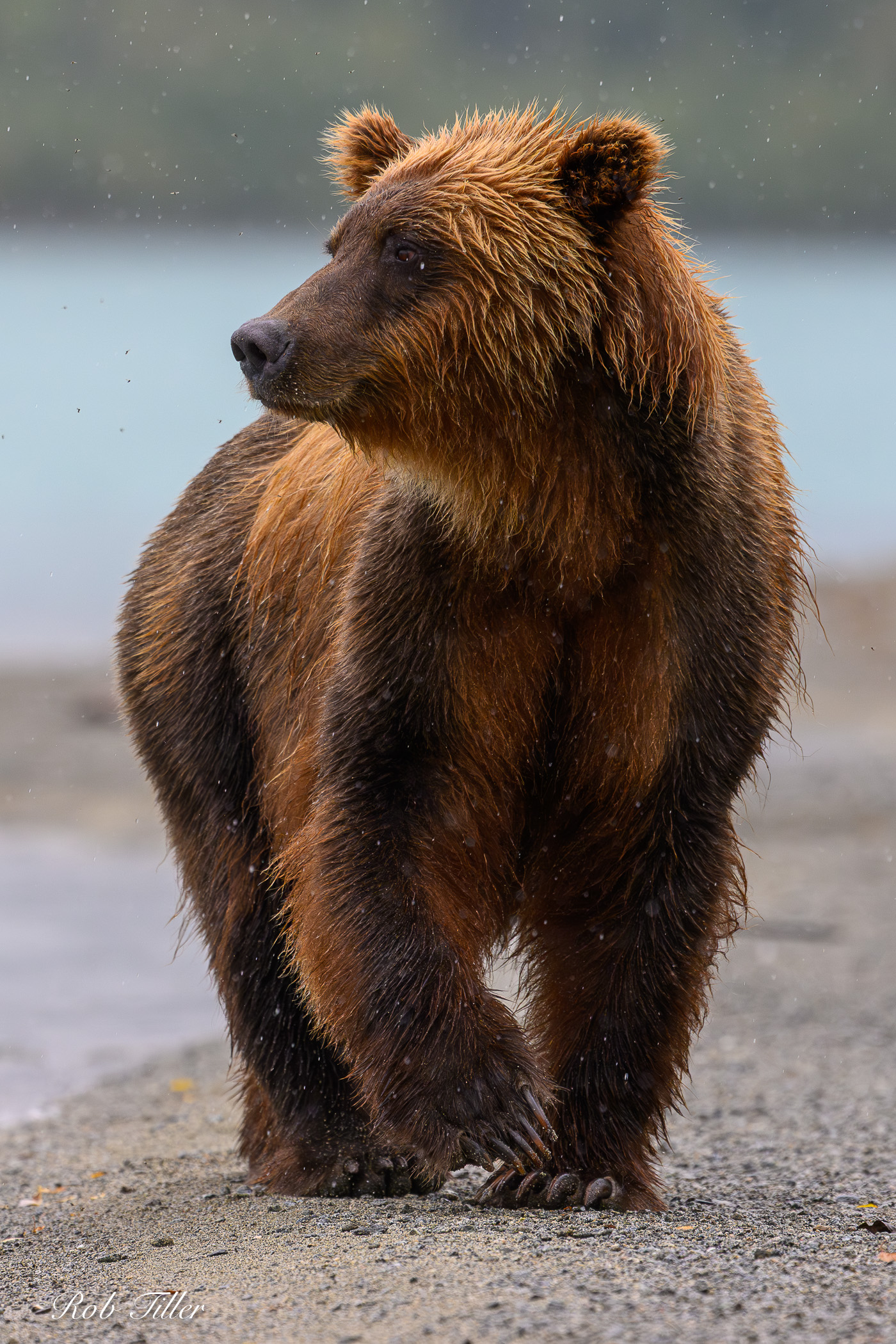
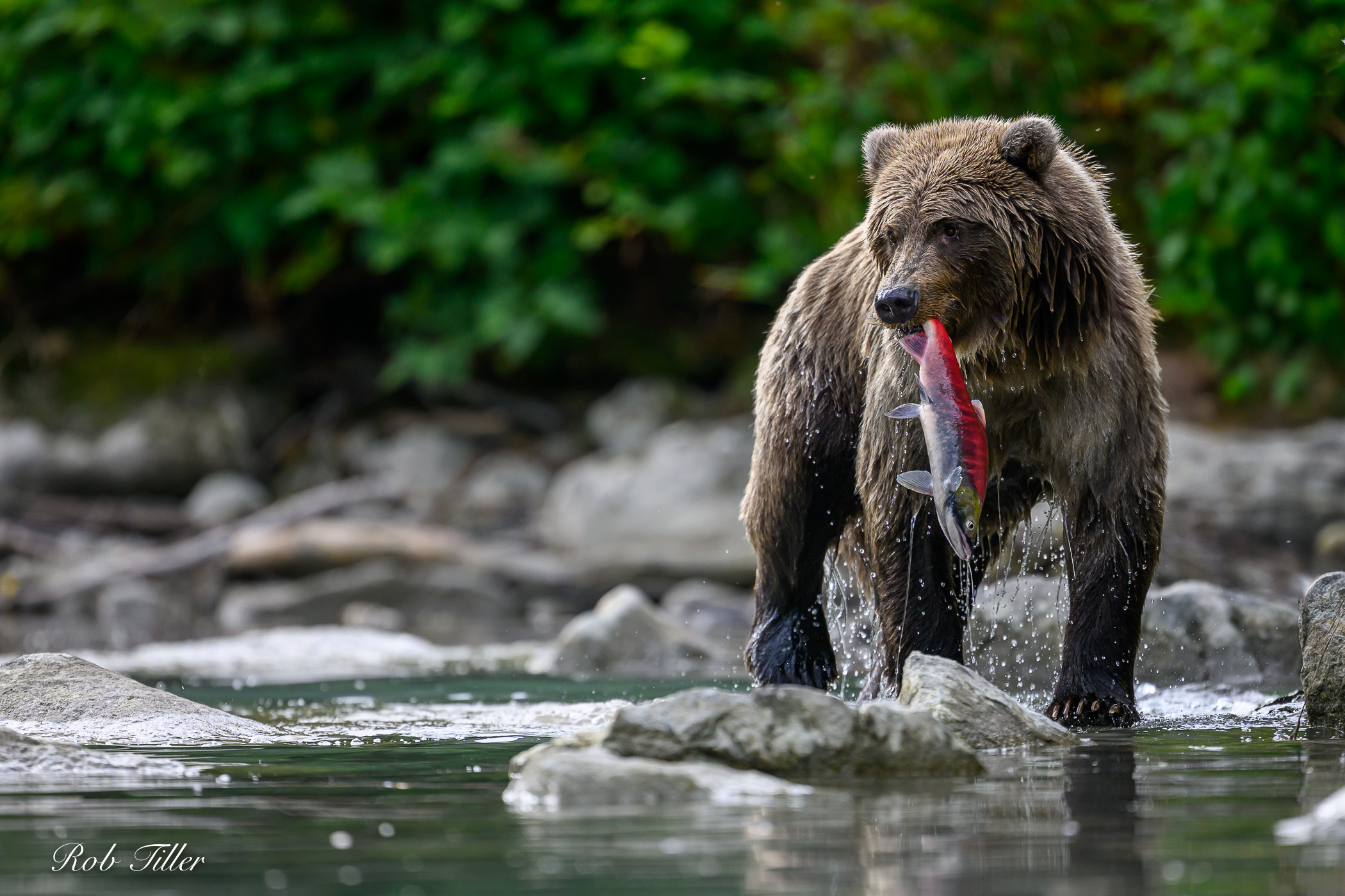
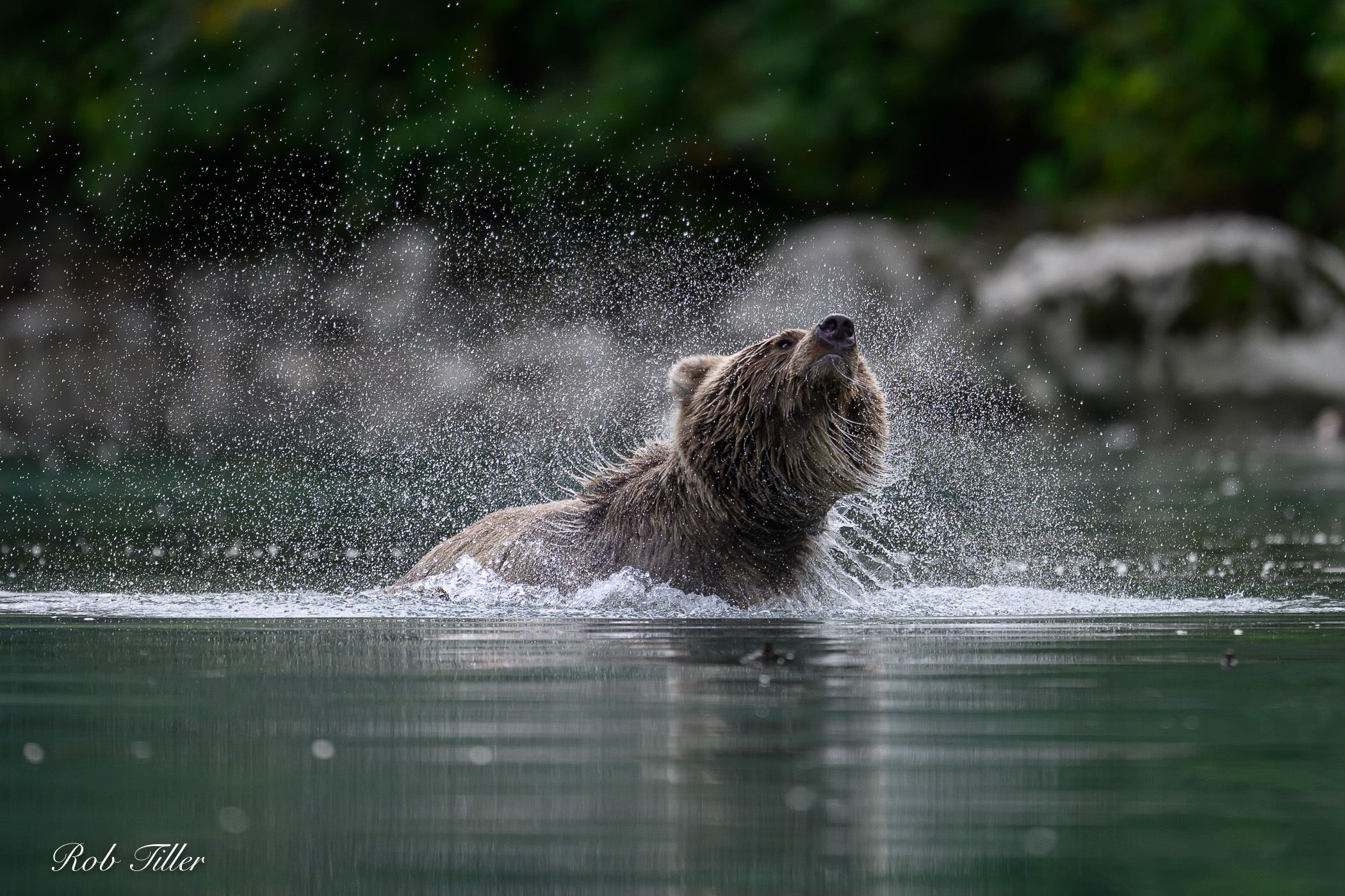
A couple of weeks ago I went back to Alaska for a week to photograph brown bears.  It was an epic trip, and I came back with several thousand images to sort through.  After a first pass, these are some of my favorites.   I made a short slide show with a few others, which is here.

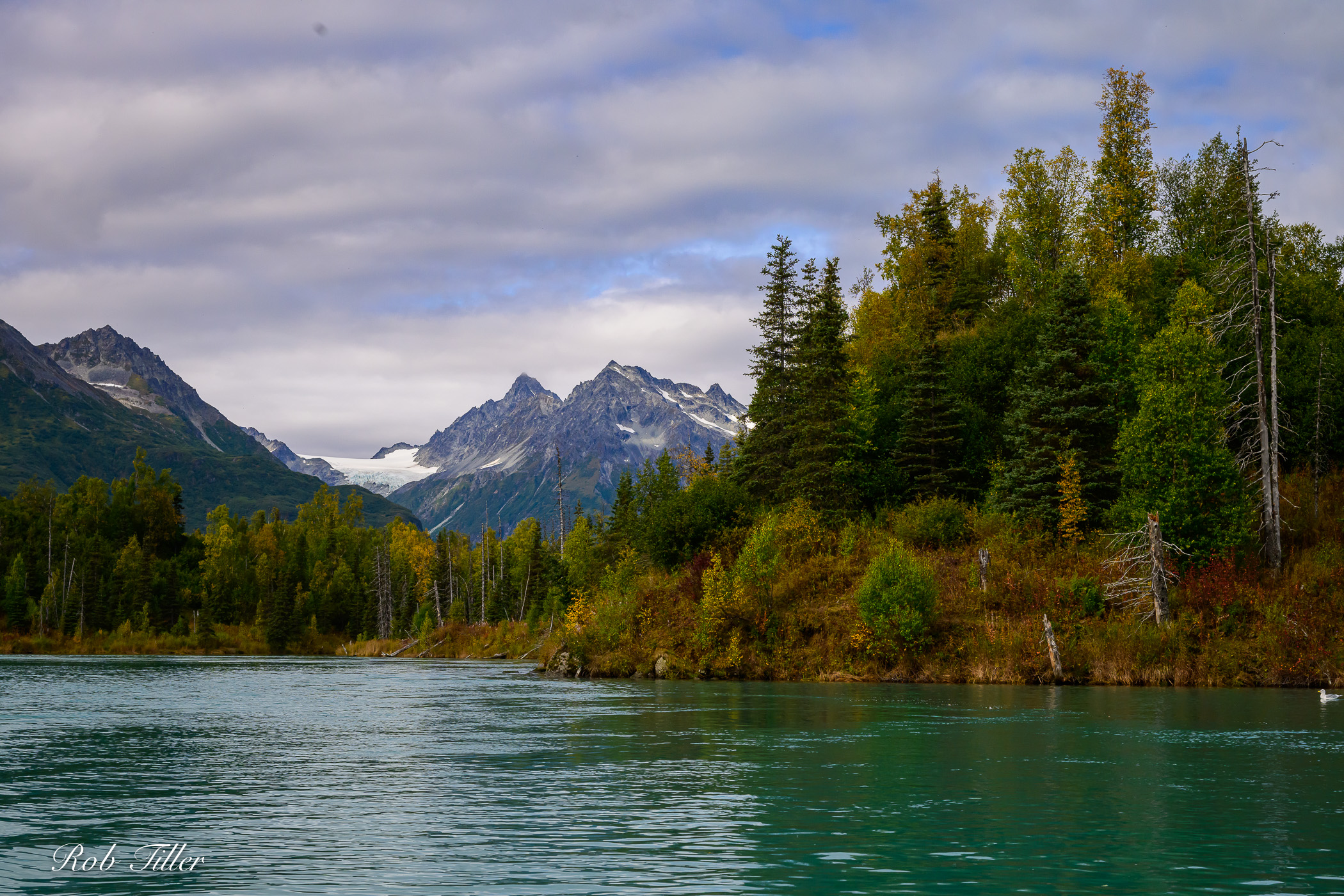
The trip was led by Jared Lloyd and Annalise Kaylor, world class photographers, teachers, and naturalists.  We were based on the Kenai Peninsula in the town of Soldatna.  Each morning, weather permitting, we flew out by float plane to Lake Clark National Park, where we landed on a beautiful glacial lake with luminous green water surrounded by forest and jagged mountains.  Off the plane, we loaded onto a skiff and went out to look for bears.

Part of what’s interesting to us about bears is that they are so big and strong.  They’re also agile and graceful, and can run almost as fast as race horses.  They have unbelievably keen senses of smell, very good hearing, and eyesight about like ours.  They’re smart, with good memories, and they’re talented at figuring out bear-proof containers and other puzzles.  And, obviously, they’re smart enough to thrive in harsh environments without the help of grocery stores, hospitals, pharmacies, houses, electricity, etc.

I loved seeing the bears at Crescent Lake, though there were some rough episodes.  I got there a day after the rest of the group, and on my first day it rained almost nonstop.  As we cruised on the boat or stood in the shallow water wearing waders, I managed to keep my camera equipment dry enough, but my body was totally soaked and shivering by the end.  Back at the airport, I found that the key for my rental car had also got soaked and wouldn’t work, and I had to get a ride back to Soldatna and get another rental car hauled up from Anchorage.

The weather improved the next day, but the day after that it was too stormy to fly to the lake.  I had some other tough moments, including getting stuck in quick sand and needing some help to get loose.  And some fun moments, like riding in the co-pilot’s seat of a De Havilland Otter float plane.    

Anyhow, it was great to have some quality time with the bears.  This time of year they’re in hyperphagia mode, trying to put on as much weight as they can before hibernating for the winter.  There were, however, fewer around than we’d expected.  Jared’s theory was that some of them were gorging on newly ripe berries instead of the salmon in the lake.  Most of the ones we saw were females, including several with first or second year cubs.  There were plenty of fish for them to eat.

On my way home, I drove along the beautiful Seward Highway through mountains and valleys to Anchorage.  After I turned in the rental car, I had a few hours before my night flight, so I visited the Anchorage Museum.  I found the exhibits of crafts of the First Nations moving.  Several different cultures were thriving in Alaska when Europeans arrived, and then those cultures were nearly destroyed.  But not entirely.  Some still maintain their languages and customs.

Those First Nations people surely had and have their problems, but they lived and live more in harmony with nature.  From what I could learn, their value system at its best involves respecting the natural world and taking from it only what they need to live.  This system is quite different from the one most of us inherited, which encourages ever more consumption and exploitation of nature.  We could learn some useful lessons from them.

It’s a long way from Anchorage to Raleigh.  Long trips are tough, but one of the things I like about them is the chance for some nonstop reading.  On this trip, I made good progress in The Fate of the Day, the second volume of Rick Atkinson’s new history of the Revolutionary War, which I highly recommend.  Atkinson is both a scholar and an engaging writer, and brings to life key actors and actions on both the American and British sides of the conflict.  

The death and destruction that brought the American republic into being were worse than I realized.  But Atkinson reminds us that war is not just carnage.  He writes about trying to recruit, arm, and train an army, then trying to find enough food and clothing for it.  Shoes, it turned out, were a big problem.  A lot of continental soldiers, who did some long marches, didn’t have any.   

One reason to learn about history is to better understand and care for ourselves.  When I went to get the latest flu and covid vaccines this week, I had to answer a few questions about my medical history.  It struck me that not knowing anything about that history could lead to bad treatment decisions.

So Trump’s program to rewrite American history is not very smart.  His idea seems to be that we’ll suppress unflattering and uncomfortable information and just keep the episodes that make us feel good and reinforce our prejudices.  Thus he and his minions have pushed the Smithsonian museums, the National Park Service, and other institutions to get rid of references to slavery and racism, as well as gender and LGBTQ+ issues and other social injustices.

But just as we can’t take proper care of ourselves if we don’t know about our past serious health problems, we can’t address our current social problems without knowing about our past ones.  Without knowing something of our history, a new visitor would have a hard time understanding the American racial caste system, which is a product of hundreds of years of legal slavery and the Jim Crow apartheid system. 

There are no doubt some people in MAGA-land who look back fondly on the slave system and view oppression of minorities as a good thing.  But I think that most Republicans would agree that we should have equal treatment under the law for everyone.  Surely many would agree that our tolerance and acceptance of diversity – racial, religious, cultural, sexual – is a source of our vitality, creativity, and strength.  They might also agree that we still have some room for improvement in the areas of tolerance and respect for all.

Will that change?  I admit, I’m worried.  Even without the Trump anti-history program, a lot of us aren’t well informed about our own history.  Our major news organizations, which create the first draft of history, are becoming less resistant to Trumpism – paying him millions of dollars to settle his absurd lawsuits, altering their editorial policies, and silencing leading voices of dissent.  

Trump’s new program could make us more ignorant, and more accepting of exploitation and oppression.  We’ll likely have to work harder to learn what is going on, and to communicate with each other about it.   

Our safari in South Africa

Last week Sally and I got back from a two-week safari trip to South Africa.  The travel was grueling, but it was fantastic to see so many animals living there.  I took thousands of photos and haven’t had time to look through them all.  But I’ve taken a quick pass through the first few days’ worth, and found some I wanted to share, along with some thoughts related to the trip.

Nature is amazingly creative!  Seeing such a variety of its creations up close was, for me, a kind of religious experience – maybe a Taoist one.  It highlighted the fascinating web of relationships between animals, plants, microbes, soil, and water.  Over time, evolution keeps coming up with new designs and new solutions.  In a time of a lot of human misery and confusion, time in the South African bush helped me take a longer and more hopeful view.  

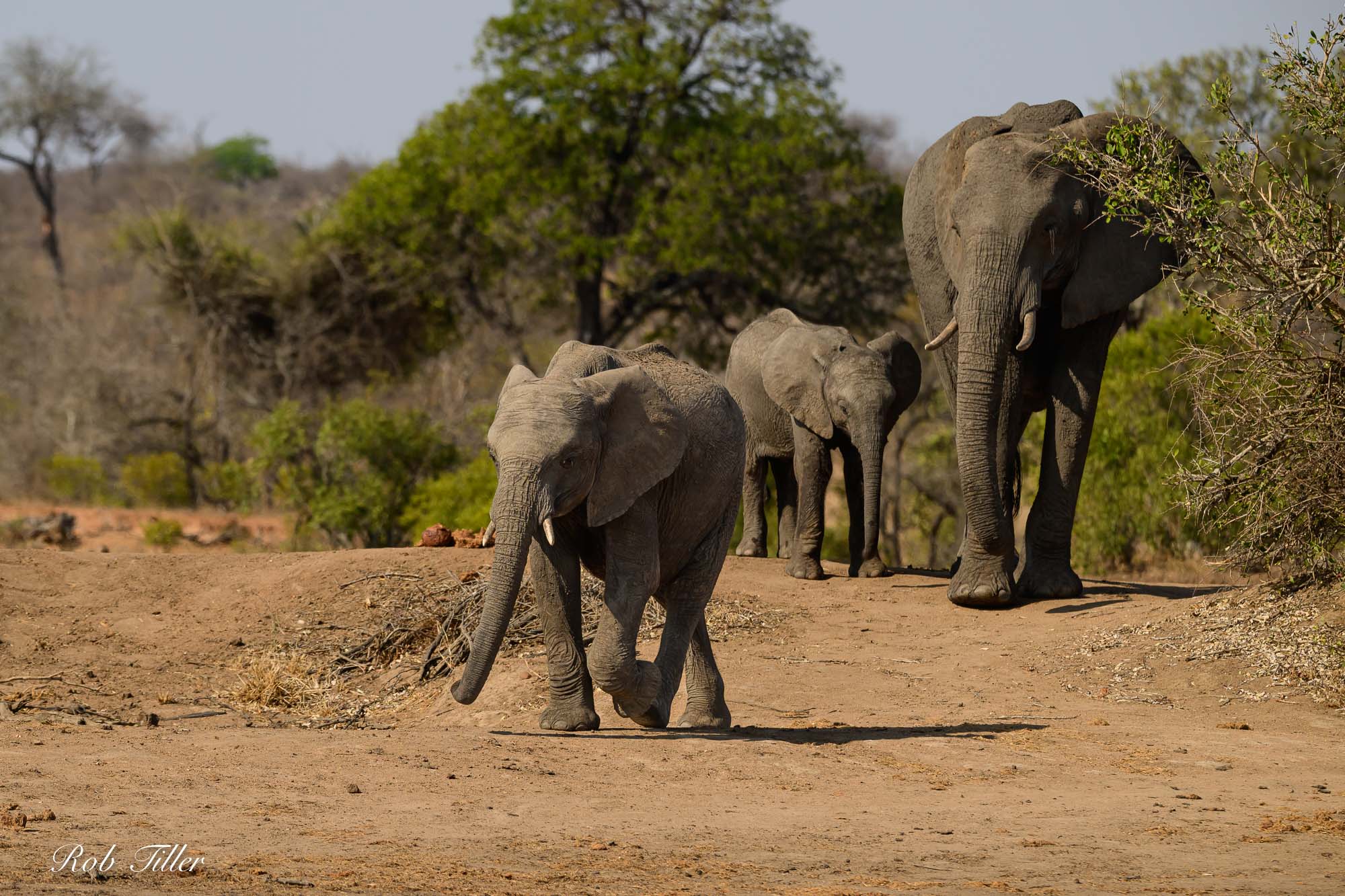
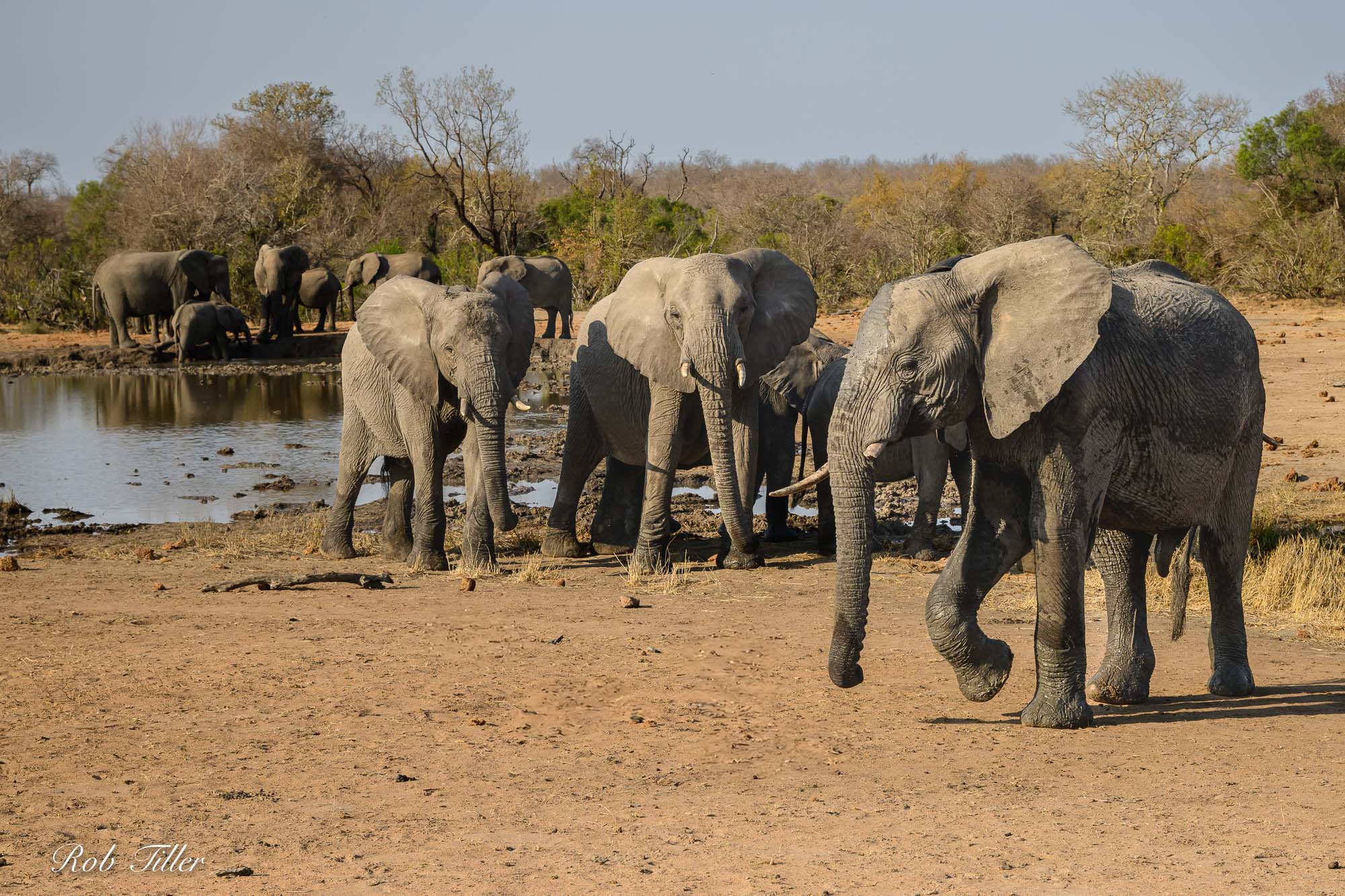
I especially enjoyed watching the animals’ relationships with their families and others.  Some species, like elephants, are very social, and seem to enjoy being with their families and herds.  An important part of their lives is working together to find nourishment and take care of the young ones. 

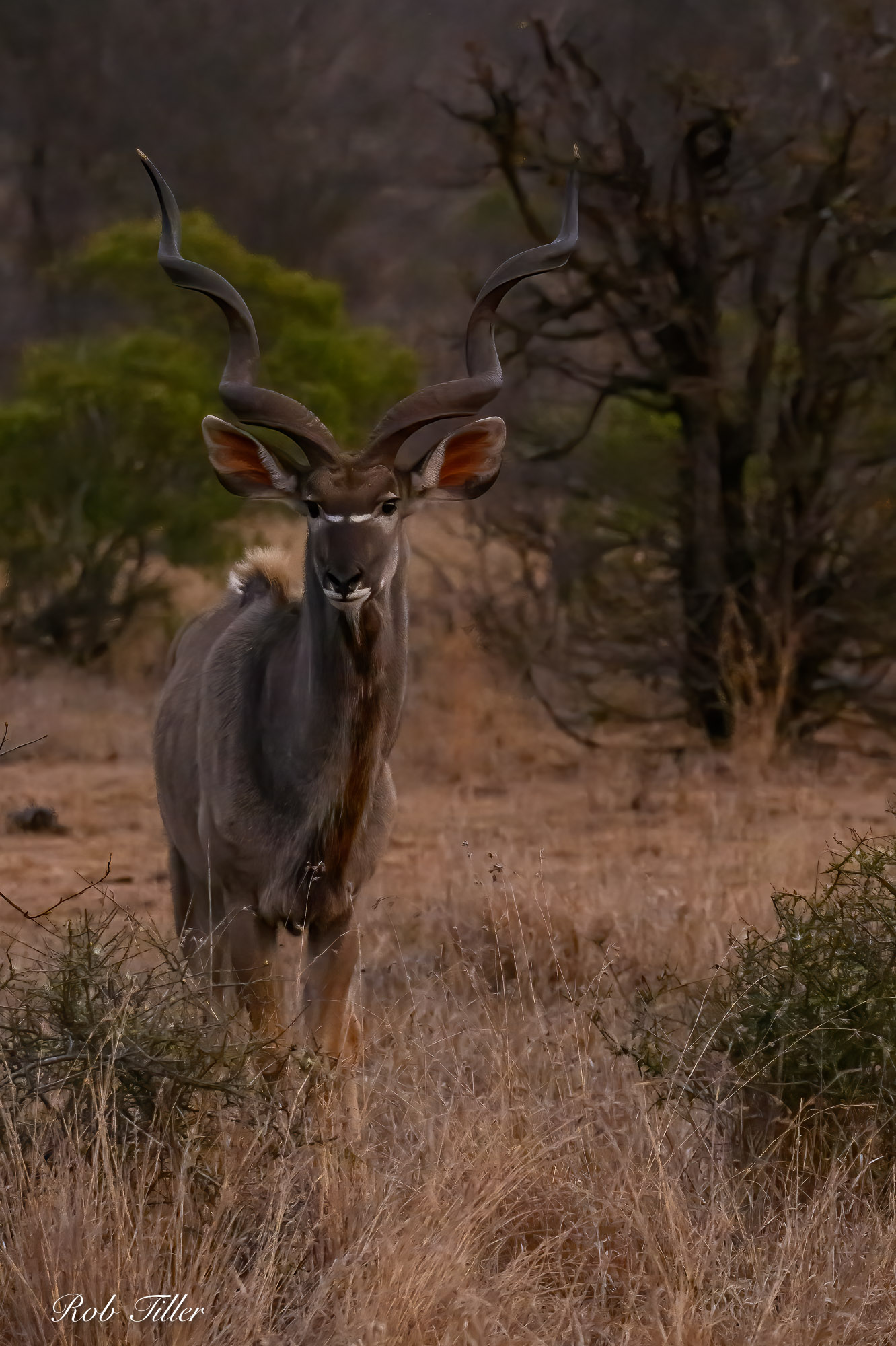
Kudu

 On this trip I was seeing the animals more as individuals, rather than just representatives of a species.  I started to see some differences in their personalities, such as that some were more wary than others.  Some like to be clean, and others less so.  Some of them were clearly curious about us humans, a species they might never have seen before.  

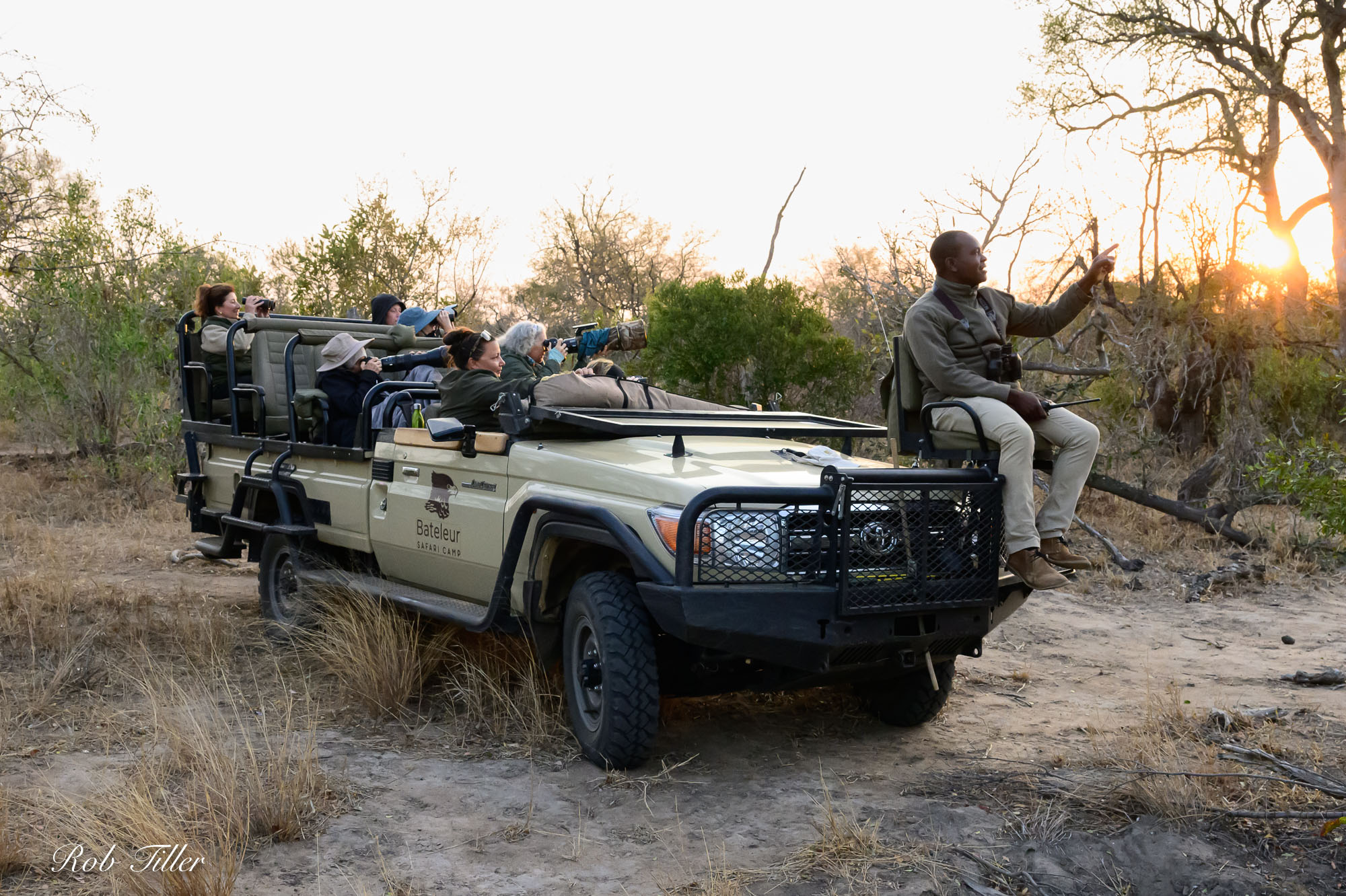
We  traveled with a small group of wildlife photographers organized and led by my friend Jennifer Hadley with Noelle van Muiden.  We spent five nights in the Timbavati Game Reserve, which is just to the northeast of Kruger National Park, and five nights in Mandikwe Game Reserve just south of Botswana.  Our Timbavati camp, Bataleur, was extremely comfortable, and Mandikwe Hills was truly luxurious.  We had friendly service and fine food.

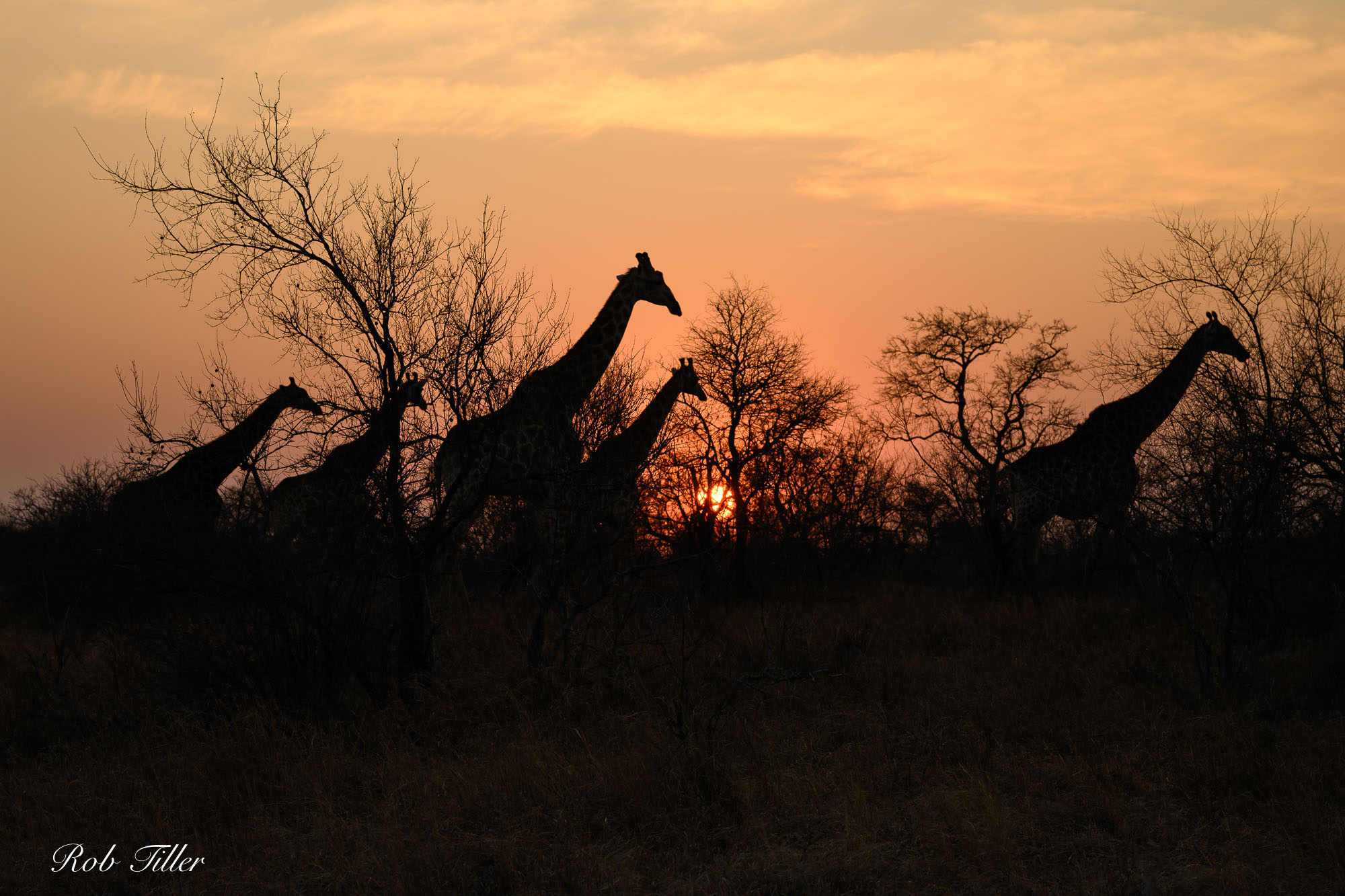
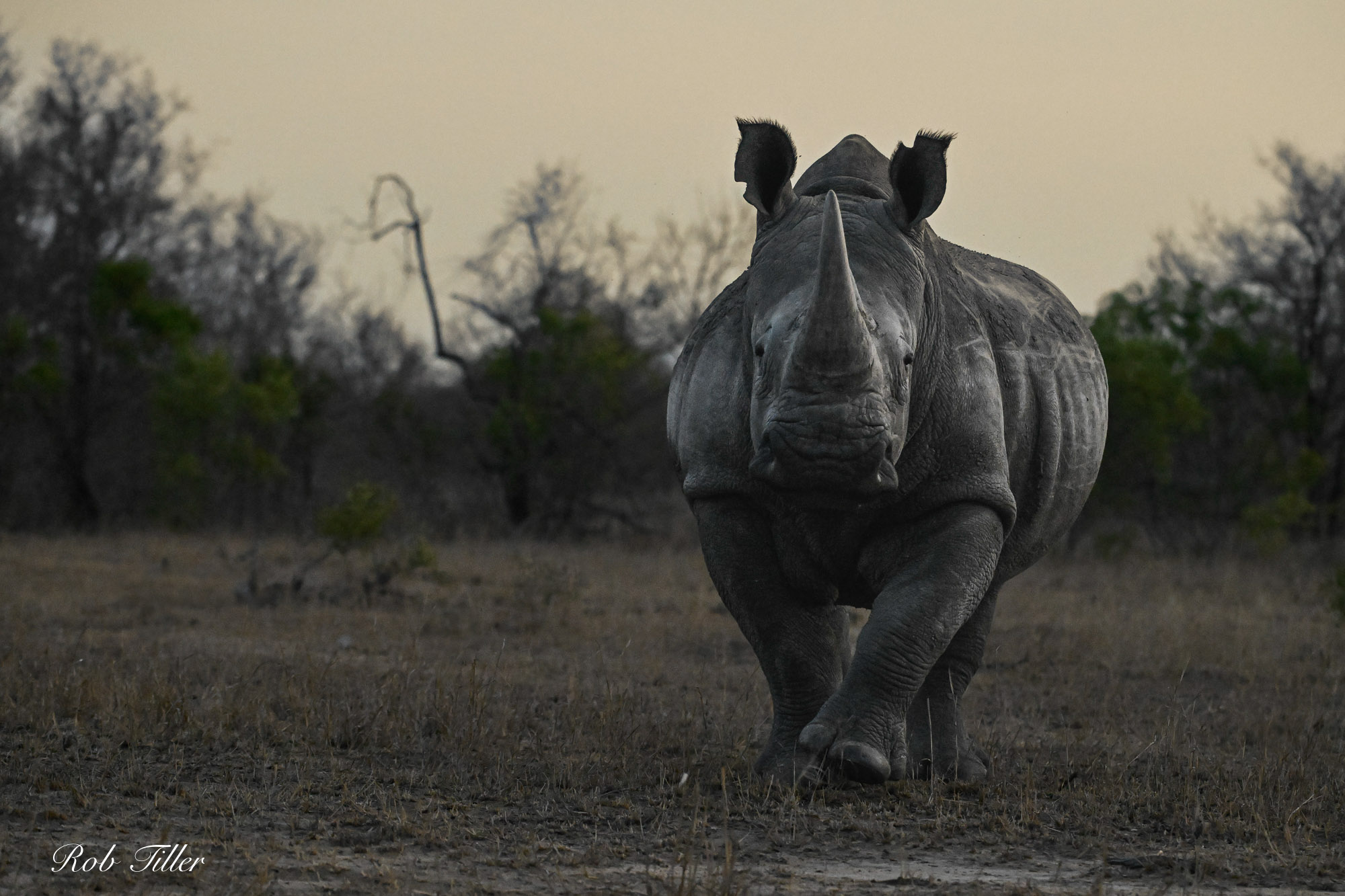
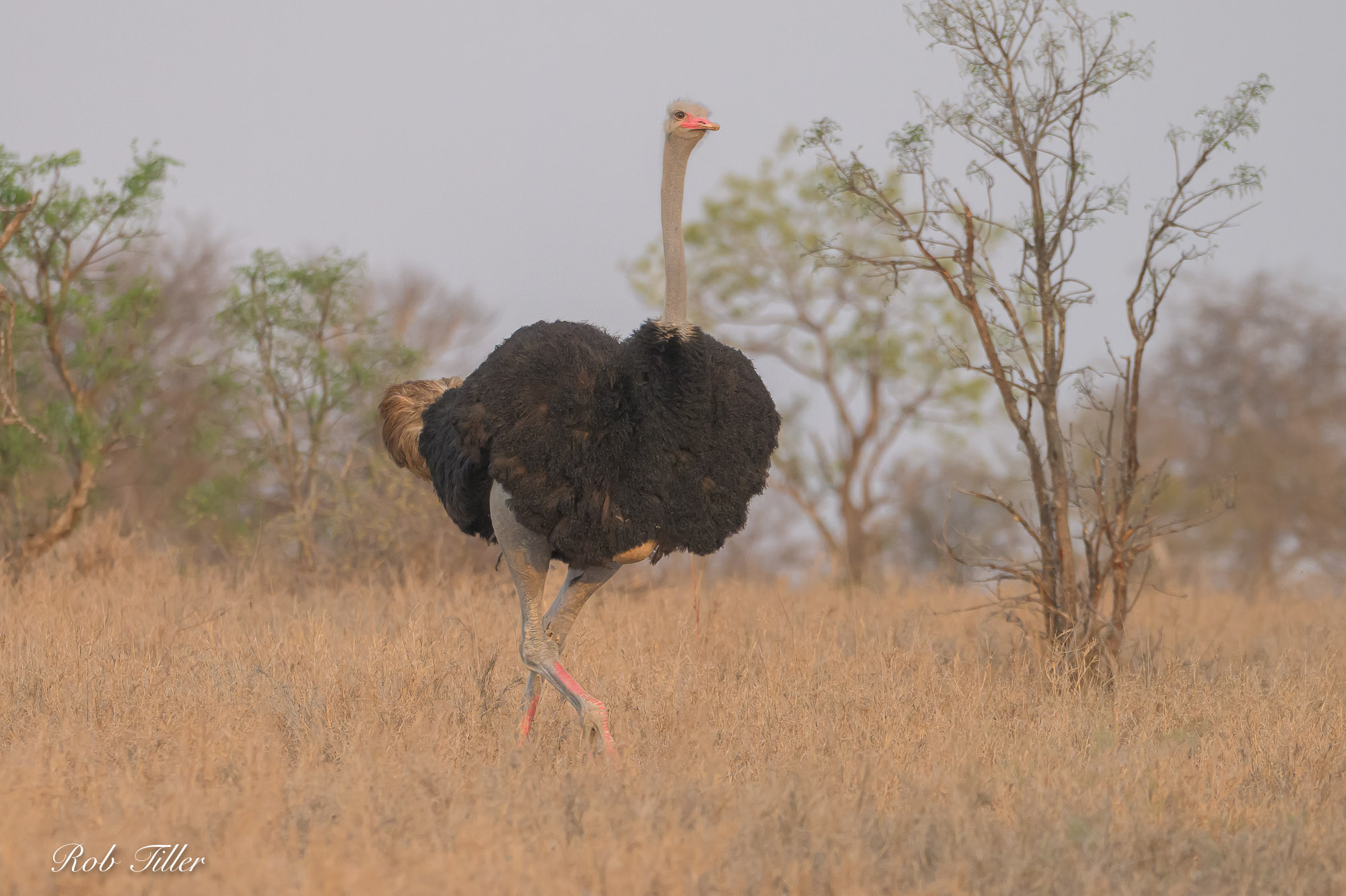
Best of all, there were big animals all around us.    We had numerous good views of the so-called big five (elephants, lions, leopards, rhinoceros, and buffalo) and many others just as remarkable, including cheetahs, giraffes, impalas, kudus, zebras, ostriches, warthogs, and wildebeests.  

Our days began when it was still dark.  After a quick snack, at 5:00 a.m. we loaded our gear and ourselves onto a big Toyota Land Cruiser.  The vehicle was topless, with three rows of bench seats behind the driver and a seat on the hood for our tracker.  

On the cold mornings, we stayed warm with blankets and hot water bottles.  When it warmed up, the blankets were useful for protecting our cameras from the dust.  We rode along over bumpy roads, and sometimes rugged off-road areas, for extended periods.  

Our game drives generally started off heading towards an area where a rare species like a cheetah or rhino had recently been sighted.  But en route we almost always came across other interesting big things, like elephants and giraffes, or smaller ones, like hyenas and mongoose.  Sometimes we were quite close to the animals.  We took most of our photographs from inside the vehicle, but we also did a bit of trekking.    

When we were on foot, Noelle gave us some lessons in tracking, and did some actual tracking to locate lions, rhinos, and other creatures.  I had recently read The Tracker, by Tom Brown, and learned a bit about tracking as a skill set, but still, it was impressive to see Noelle and our tracker agreeing on estimates of the time the animals had passed and what they were likely up to.    

There are no bathrooms out in the bush, but there are limitless places to go when the need arises.  Once, after I’d stepped behind a tree, I heard Noelle say I should hurry along.  I took the time needed to do what I had to do, then returned to the vehicle.  It turned out I’d been about 25 yards from a sleeping lion.  Fortunately, he’d kept on sleeping.  

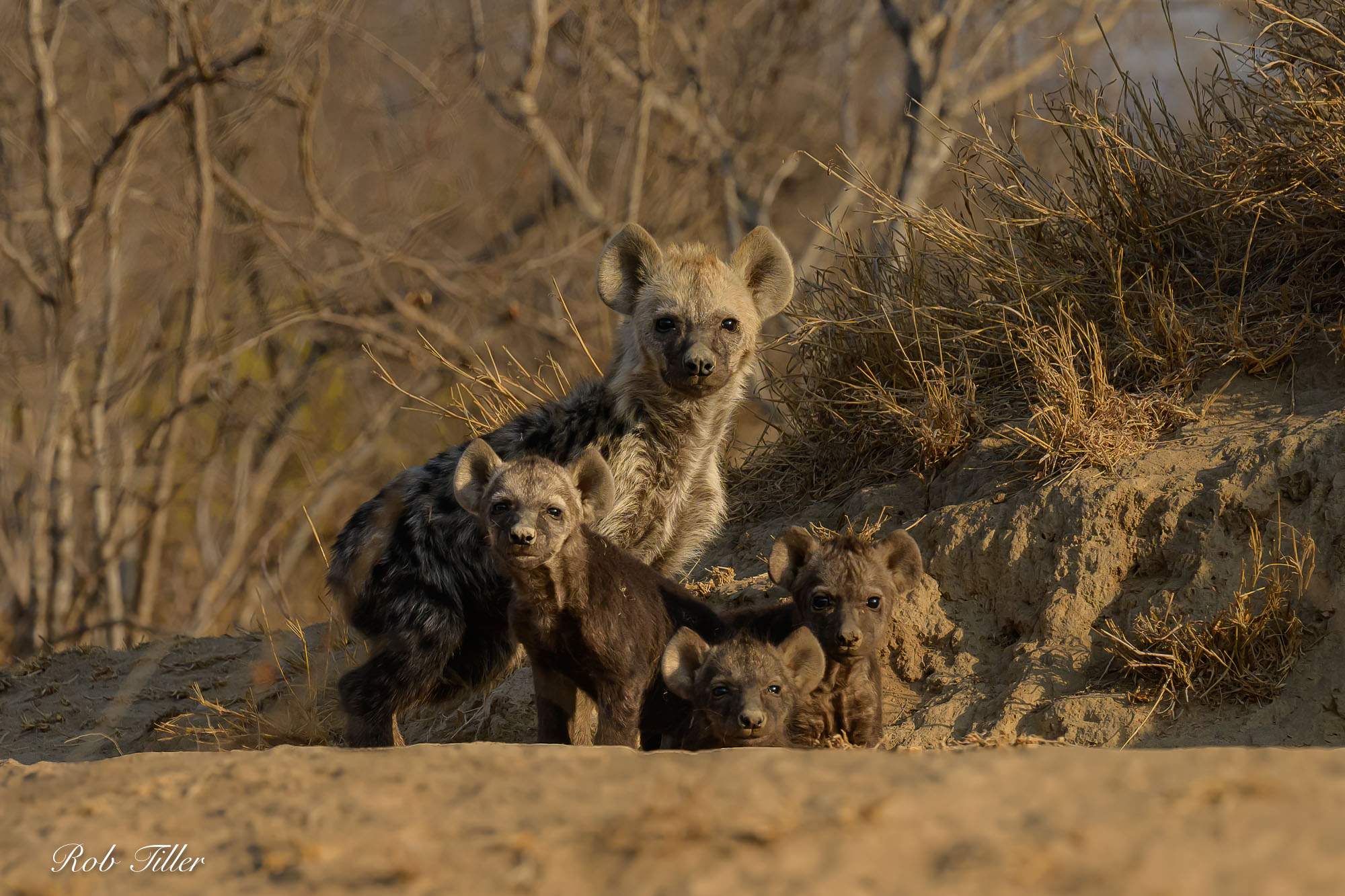
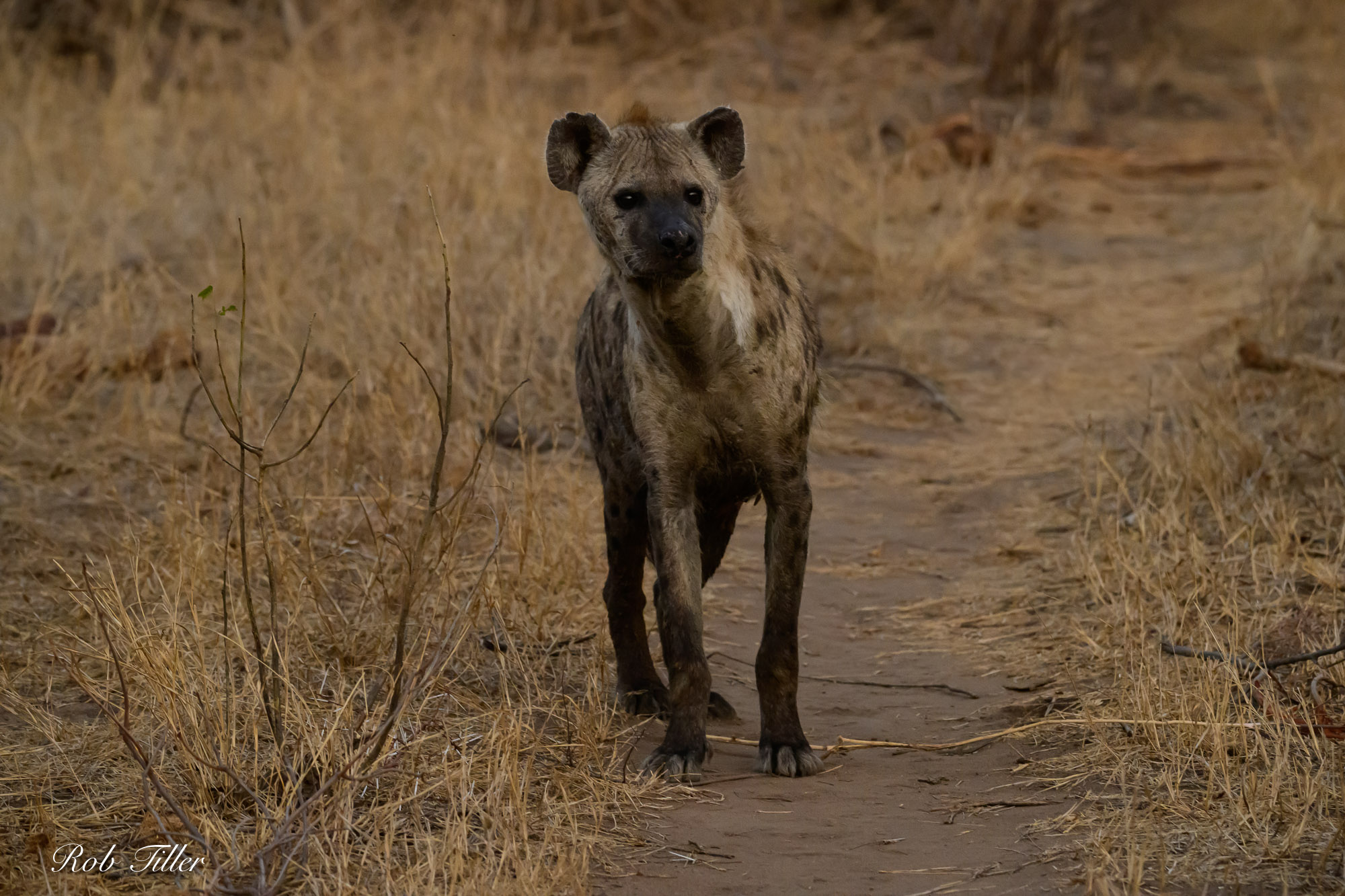
Hyena

We normally returned to camp in the late morning to eat and relax, and then went out again in mid-afternoon. At times we would sit and watch sleeping predators for a while in hopes they would get up, or exotic nesting birds in hopes they would fly.  We also enjoyed sitting at watering holes as various creatures came by to have a drink.  

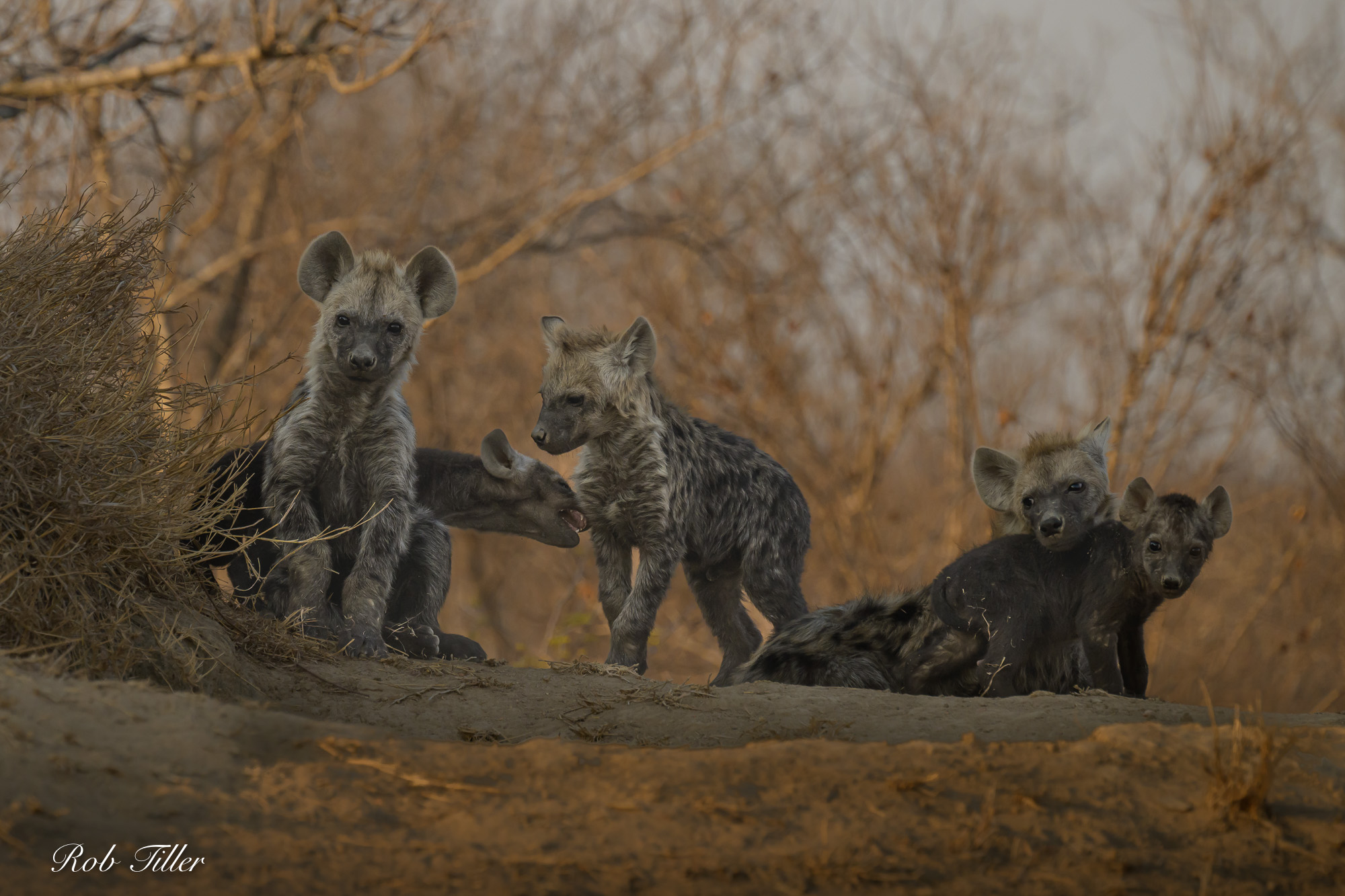
Hyena pups

The variety and beauty of the different animals continues to amaze me, as does the variety of complex systems within the ecosystem.  Every creature plays a role, whether it be spreading seeds, consuming dead creatures, or culling the herds.  The game reserves are a reminder of what is possible when humans give some room and respect to other species.   

Unfortunately, we’ve taken over much of the habitat that non-human animals once lived on, and animal populations continue to fall worldwide.  Per a new report from the World Wildlife Fund, over the past 50 years animal populations have declined by 73 percent.  The full Living Planet Report is available here

This decline has cascading effects.  According to the chief scientist of the World Wildlife Fund, “Vertebrate populations underpin ecosystem health and the services we get from ecosystems like stable climate, abundant and clean water, healthy soils to grow food, productive fisheries that supply people with protein…. If you have that kind of decline in vertebrate populations around the globe, you’re going to have troubles supporting and sustaining human health and well-being over time.”

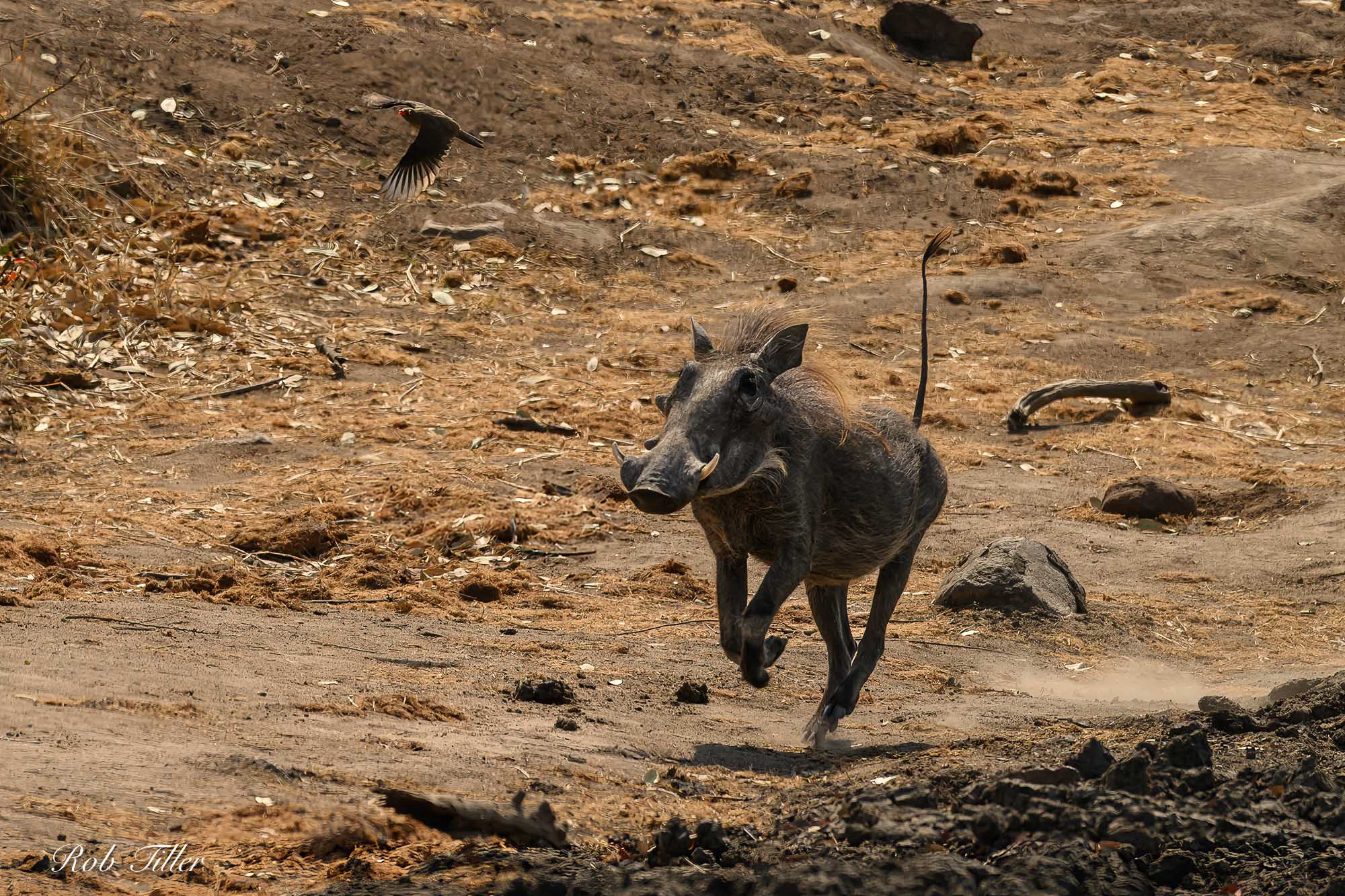
Warthog

The terrible loss of animals has a number of causes, but a major one is loss of habitat when wild areas are used to produce grain for animals raised as food for humans.  About 40 percent of habitable land is used for such purposes.  The report notes that one simple thing we can do to mitigate this problem is to eat less meat.  

One last note: this week I was cheered to learn that the Nobel Peace Prize went to Nihon Hidankyo, a Japanese group of atomic bomb survivors that has worked to raise awareness of the horrors of nuclear weapons. The Washington Post reported on this here.  

Somehow we’ve gotten used to the possibility that civilization could be destroyed in a few minutes with the enormous nuclear weapons currently deployed, and just don’t think about it.  Indeed, in the US, almost none of us know that we’re currently in the process of spending hundreds of billions on new nuclear weapons and facilities.  See this NY Times report

This issue is not on the political discussion agenda, and it should be.  To me, arms racing and rolling the dice on nuclear annihilation seems crazy, and it seems like simple sanity to work for arms control as a high priority.  Of course, others apparently disagree, but surely we should talk about it.  

Skiing at Vail

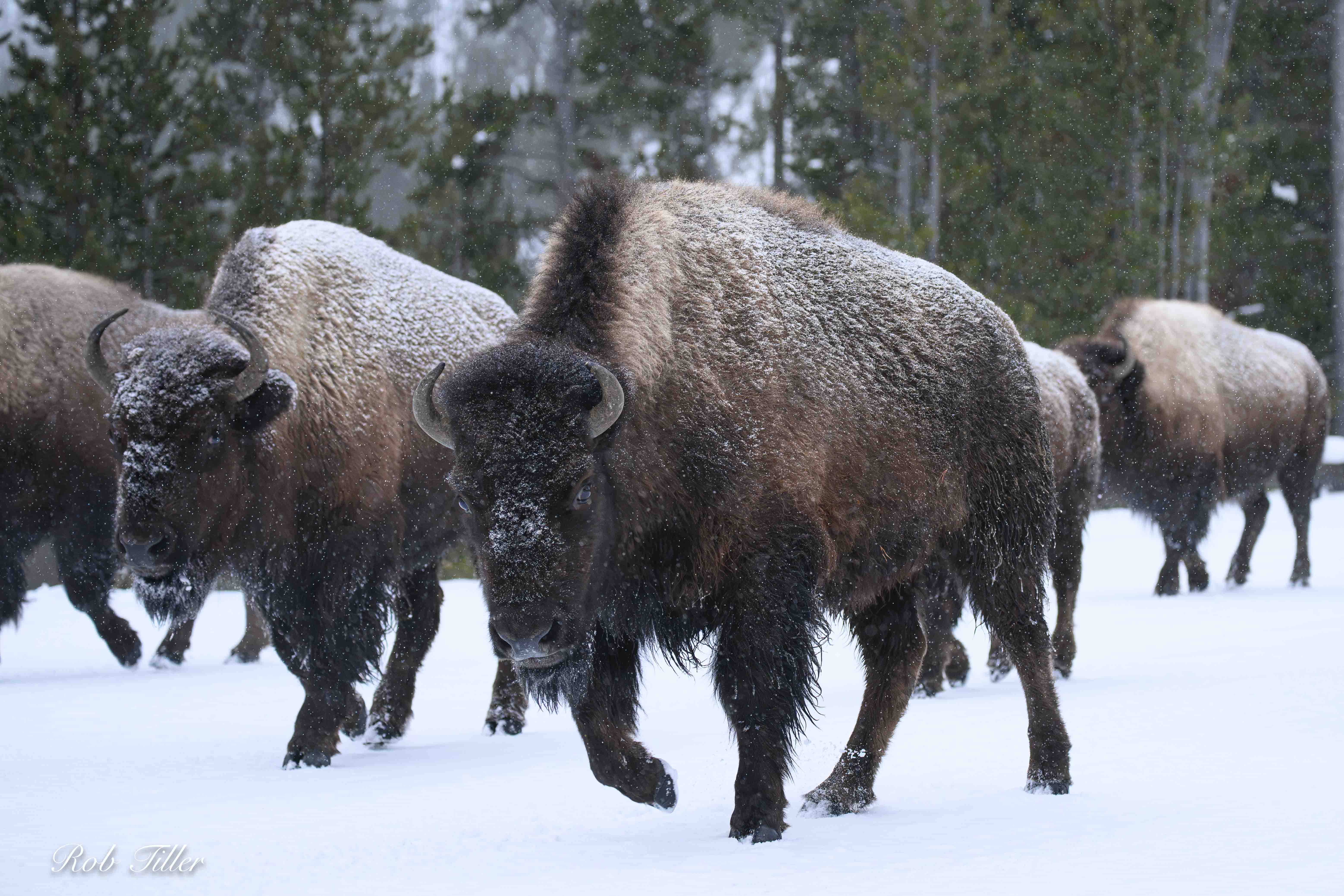
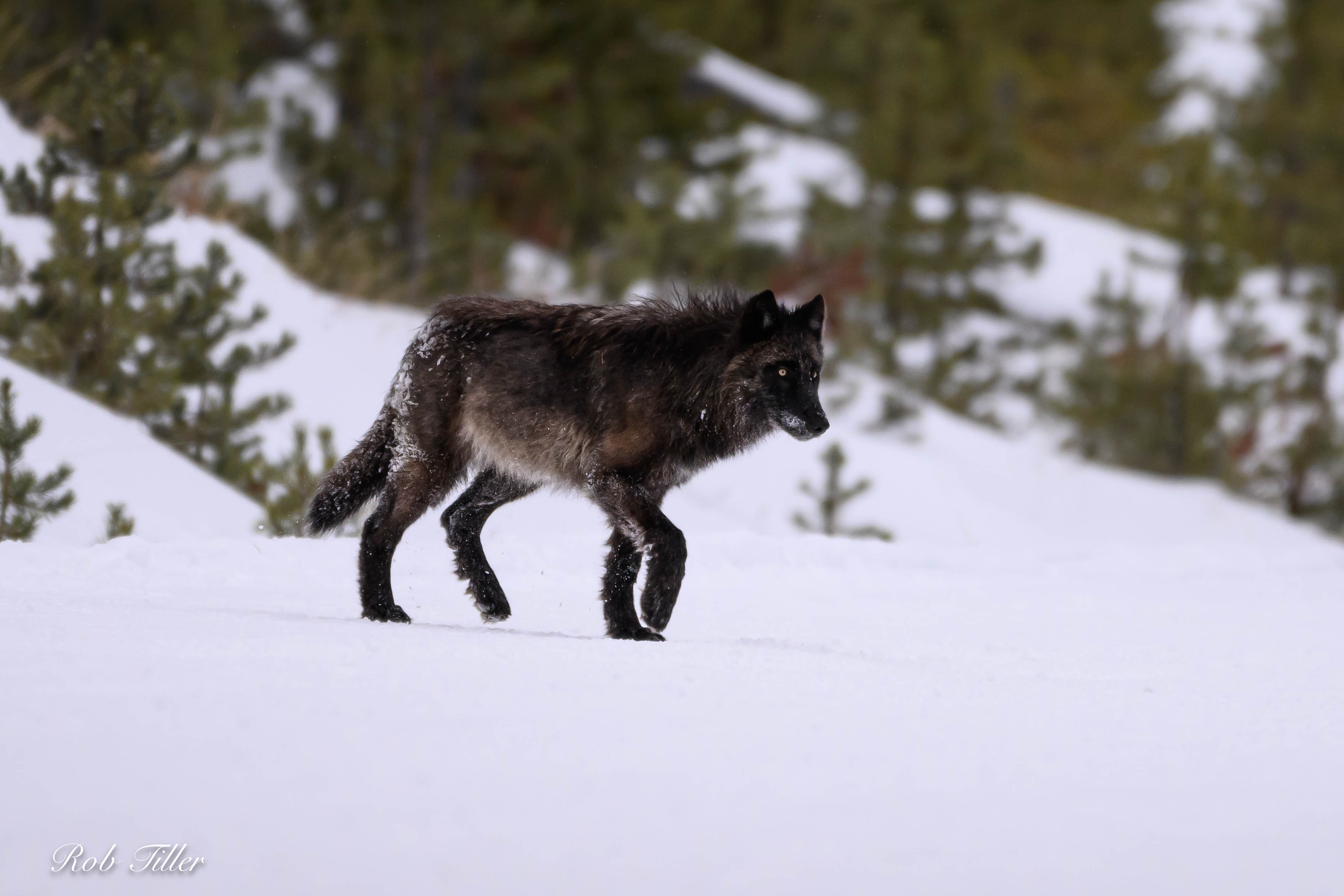
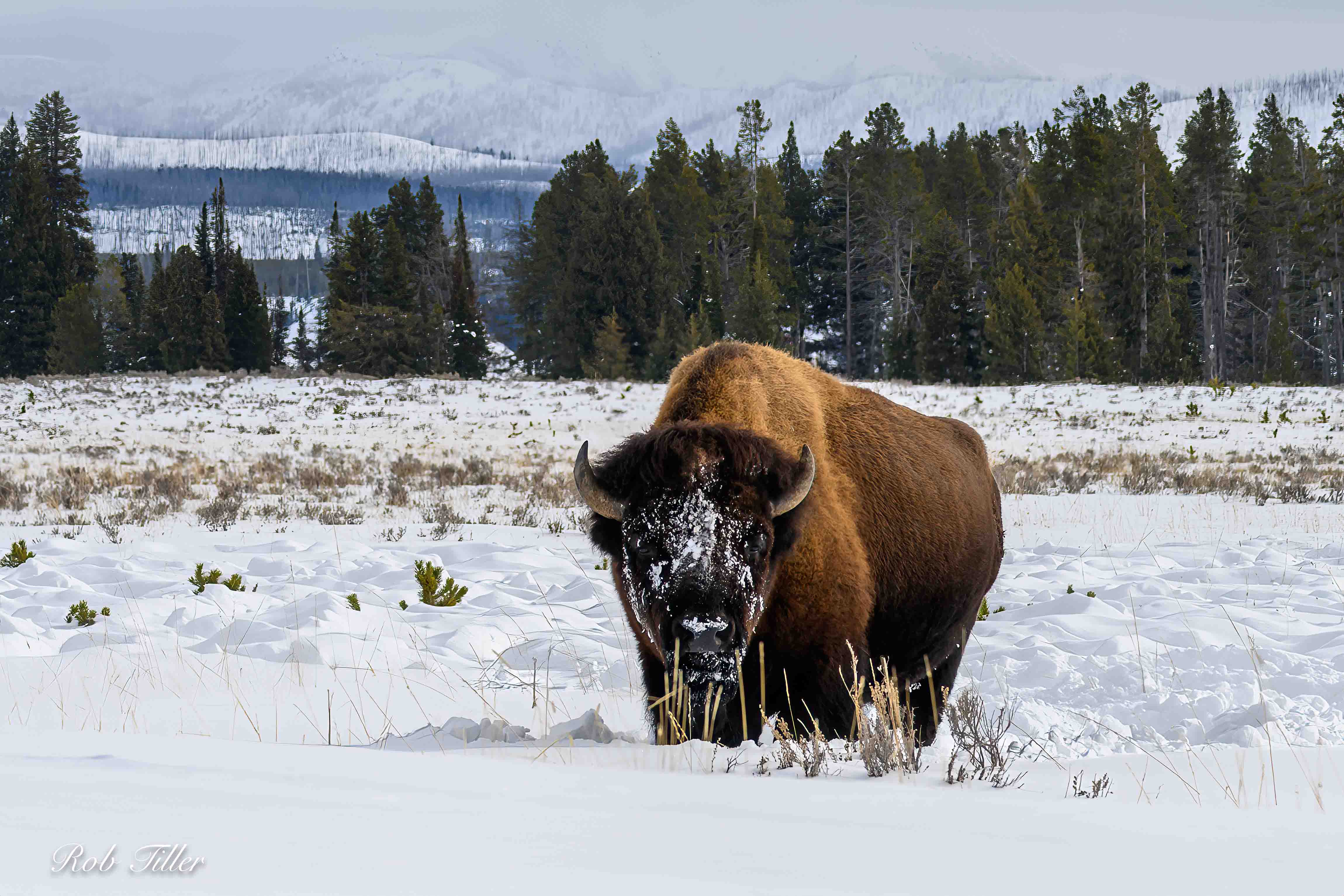
I thought I’d share a few more pictures from my Yellowstone trip in January, and a brief account of my trip last week in Vail, Colorado, where I took no pictures but did a lot of skiing.

Vail is enormous:  5,317 acres and 3,450 feet of vertical.  The longest run is four miles.  There are some 26 lifts, and navigating the area is demanding.  They don’t hand out maps any more, so you need to get their app with the layout and learn to use it.  

I met my old friend John A. out there, and we stayed at the Grand Hyatt in West Vail. The hotel was attractive and comfortable, and had its own ski shop and a ski lift just outside the back door. I brought my own boots, but rented skis –Volkyl Mantra XXs, a good, versatile ski, but a bit stiffer than my ideal.  It snowed the night I arrived.   

It continued to snow all that day, which was exciting, but visibility was very limited.  At one point I fell while going down a steep mogul field that I hadn’t realized was a steep mogul field.  I was exhausted by the time I got down to the lift, and then I realized I’d lost my goggles somewhere up the mountain.  I’d forgotten to bring my contact lenses, and my glasses iced up, making it hard to see anything.  My legs got tired.  It was a tough day.  

But the next two days were sunny and clear, with just the right chilliness for the snow.  I got some new goggles. What a joy skiing is when everything clicks! We cruised on the cruiser runs and worked the less difficult black runs in the back bowls. It wasn’t crowded, and it was beautiful. Happiness!

John and I ate well and had some good arguments.  It seems like these days many of us are afraid of arguments, and hesitate to express ourselves when there could be conflict.  But it really is a good idea to talk with people who don’t agree with you about everything.  Sometimes you learn things!  

When I wasn’t skiing, eating, or talking, I did some reading, including an interesting new book, The Case for Open Borders, by John Washington.  The southern U.S. border has been the subject of much alarm and controversy recently, and I thought it would be good to get a new perspective on the issue.  

Washington proposes that we rethink the whole subject of borders, which he argues are artificial constructs that do more harm than good.  He presents evidence that immigration is a positive force for the receiving country, both economically and morally.  

It’s unfortunate that a lot of people are fearful of people who look different, speak another language, or have different customs.  That common fear has been made much worse by some cynical politicians, who characterize them as dangerous criminals and thieves stealing jobs.  In fact, the opposite is closer to the truth. 

In fact, the NY Times had an article last week about the positive economic contributions of immigrants.  They helped our economy recover from the pandemic quicker than expected by filling necessary jobs. They continue to help us get work done, and help support their relatives back home.

As climate change makes it harder to grow food in some areas and causes floods, fires, and other disasters, there will continue to be a lot of people who have no choice but to flee.  America is still a land of opportunity, and there’s an opportunity here for us:  to be more compassionate and to help those who desperately need help.

I’ll mention one other thing that isn’t usually a welcome dinner table topic:  the increasing risk of nuclear war.  I’ve long thought that our unwillingness to look squarely at what a nuclear conflict would mean increases the chance it will happen.  With arms racing again picking up speed and war in Europe raging, it’s high time to think again about how to lower this terrifying risk. The Times started a series this week on this topic, and the first piece was appropriately arresting. I hope a lot of people will read it.

Travel, randomness, and good fortune

Last week I spent a couple of days in San Jose and Palo Alto at meetings of the Linux Foundation counsel group.  I did three presentations myself and heard talks on virtualization, open source license enforcement, trademarks and open source, patent troll lawsuits, and other topics of professional interest.  I had a chance to socialize with some very bright and knowledgeable open source legal people and catch up on industry news and gossip.  The days were lively, but long, starting with a working breakfast and ending with a working dinner, and I was ready to head home on Thursday.

The flight from San Jose took me to Dallas.  As chance would have it, Dallas experienced its heaviest snowfall in history that day.  Across the eastern U.S., tens of thousands of flights were cancelled in what was described as the worst travel day since 9/11.  My flight into DFW landed on time, but sat on the runway for almost an hour.  By the time I made it to the gate for the connecting flight, which was due to leave at 3, it was 3 sharp, and too late.  The next flight was in 5 hours.  I claimed a spot at stall with a bar stool and free electricity, plugged in my laptop, and got some work done.

Eventually I came to a stopping place, gave up my precious electrical connection, and looked about for coffee and something to eat.  For some reason, people were more than usually chatty.  I normally keep chats with strangers during air travel to a minimum, primarily because I’m trying to get other things done. Also, with a tendency toward the introvert side of the personality scale, I tend to see the cost-benefit analysis of a one-time talk as more on the cost side.  But in the various lines and pauses on Thursday, I met a photographer from Dallas, a defense department weapons system specialist from Dayton, and a salesperson for highway building equipment from San Diego, all interesting and pleasant.

The snow continued to come down throughout the afternoon, and I kept expecting to hear that the Raleigh flight was cancelled.  Instead, AA loaded up in a timely manner, and closed the door.  My seatmate had the Wall Street Journal, and agreed to share it.  Things were looking good, and then they froze.  We eventually spent more than 4 hours on the runway waiting for de-icing, being de-iced, and taking off.  I finally got home about 4:15 am.  The total travel time was 17.5 hours.   Happy as I was to be home, it took me another couple of hours to get to sleep.  I was late for my 9 am interview with a prospective intern.

On the trip I finished The Drunkard’s Walk:  How Randomness Rules Our Lives, by Leonard Mlodinow.  It is an account for non-mathematicians of the history and meaning of the great ideas of probability and statistics.  Mlodinow explains that without an appreciation for probability and statistics, people have an overwhelming tendency to find patterns and meaning where there is none, and greatly overestimate the amount of control they have over their own fate.  This is almost certainly true, but it’s a bit depressing.  It’s therefore possible that people who understand it generally don’t care to talk about it.  One positive point Mlodinow makes late in the book:  success and happiness are more likely if we take more chances.  That is, you can’t win the coin toss if you don’t toss the coin.

A scuba voyage of discovery

Sally and I got back late last night from a four-day trip to Ambergris Caye, Belize.  We accomplished our primary objective of scuba diving the beautiful coral reefs, and had several unexpected pleasures in addition.

Travel consumes a lot of physical and emotional resources.  Even when things are going well, they may at any moment suddenly stop going well and require swift and decisive action.  There are many ups and downs. I’ve gradually refined by baseline holiday travel model, so I usually remember to bring the essentials, anticipate the common annoyances, avoid the greatest risk of infectious diseases, and leave reasonable space for some relaxation and reflection.  Especially when travelling, I love my iPod and noise-canceling headphones.  Lately on the road, I’ve been listening to Mozart operas, which I find at once nourishing, comforting, and exhilarating, and I’m happy to have the time to listen.  I always carry at least a couple of books, and appreciate a chunk of uninterrupted time for reading.  But it isn’t completely relaxing; there’s always some residual vigilance.  I generally notice if the plane, or another passenger, starts making strange noises.  I always note the location of the nearest exit.

We flew from Belize City to Ambergris Caye in a single-engine plane in which I was able to read the pilot’s instruments (we flew at 2100 feet).  We stayed at the Mayan Princess, a clean, unfancy, and convenient hotel in San Pedro, a bustling little town with hotels, restaurants and bars along a narrow beach.  San Pedro has an interesting stew of cultures — Hispanic, English, Indian, West Indian, creole, and of course tourists from all over.  At first, I thought that everyone who greeted us in a friendly manner was hustling to sell something, but I soon figured out that that many people were just being friendly (though others were hustling).  The streets were narrow with few sidewalks, and at times we had to dodge heavy traffic of golf carts and minivan cabs.  We saw more people who seemed to be working for a living than we did tourists.  As Sally observed, the local vibe was very casual.  All the men’s shirt  tails were out.  The buildings were bright but many could have used a new coat of paint.  Over all, it seemed a little down at the heels, but full of life.

We did all our diving with Amigos del Mar, which was located about 50 yards from our room.  On the first and last diving days, we did short boat trips to local reef hot spots.  They did not disappoint.  The coral was abundant and varied, and the wall and canyon topography was fascinating.  We saw several nurse sharks at close hand, and at one point were in the midst of a dozen of them in a feeding frenzy.  Like many people, from long socialization I’ve inherited some fear of sharks, but very quickly I felt comfortable with the sharks swimming close enough to touch.  They seemed curious about us.  I suspect part of the explanation is that some dive operators feed them.   At least these particular sharks seemed a lot like our cats, except much bigger and with more teeth.  We also saw swimming green moray eels, sting rays, barricudas, a scorpion fish, and many gorgeous smaller species.  We also encountered a couple of lionfish, which are poisonous and highly destructive, and which our guide captured.

Our biggest adventure was a trip to the Blue Hole, a circular reef formation that is about 60 miles from Ambergris Caye.  On the trip out, it was drizzly and windy, and the seas were very choppy.  It was even choppier coming back, and we were wet.  All told, we had around 8 tough hours on the water.   We did not get sick, though others were not so fortunate.

The main draw of the Blue Hole is stalactite formations, which are about 130 feet down.  There was not much except the divers swimming at that depth.  We had better luck seeing fish at 60-80 feet at Half Moon Caye and West Point Wall at Long Caye.  At lunch time, we also visited an observation deck at tree top level where there were hundreds of roosting magnificent frigatebird pairs, with males displaying enormous bright red inflatable throats.  There were also many roosting red-footed boobies.

At dinner after the Blue Hole trip, I asked Sally to explain how it is possible that some people do not care for scuba diving.  Her theory was that it does not suffice simply to have a love of nature, the absence of certain phobias, and a modicum of courage.  As she said, you have to be a trooper.  Put another way, you must have some fortitude.  I suddenly realized that fortitude is a necessary but seldom discussed virtue that makes scuba, and other adventures, possible, and makes them richer.  WIthout fortitude, a significant part of the experience could be counted as unfun.  But developing and exercising fortitude is part of the satisfaction of the thing.