The Casual Blog

Tag: The Atlantic

Some backyard birds, and a few words on our energy policy

Blue jay

Last week I drove down to Clemson, SC, for a nature photography weekend sponsored by the Carolina Nature Photography Association. My main interest was to take some pictures at The Nut House, a marvelous birding oasis created by Carl Ackerman.  It has three blinds where photographers can sit concealed and watch birds come to various tasty attractions.  

The weather was chilly, and the birds were neither uncommon nor numerous.  Still, it was fun to watch those that appeared, as well as the scurrying squirrels and chipmunks.    I also enjoyed meeting some nice CNPA members.

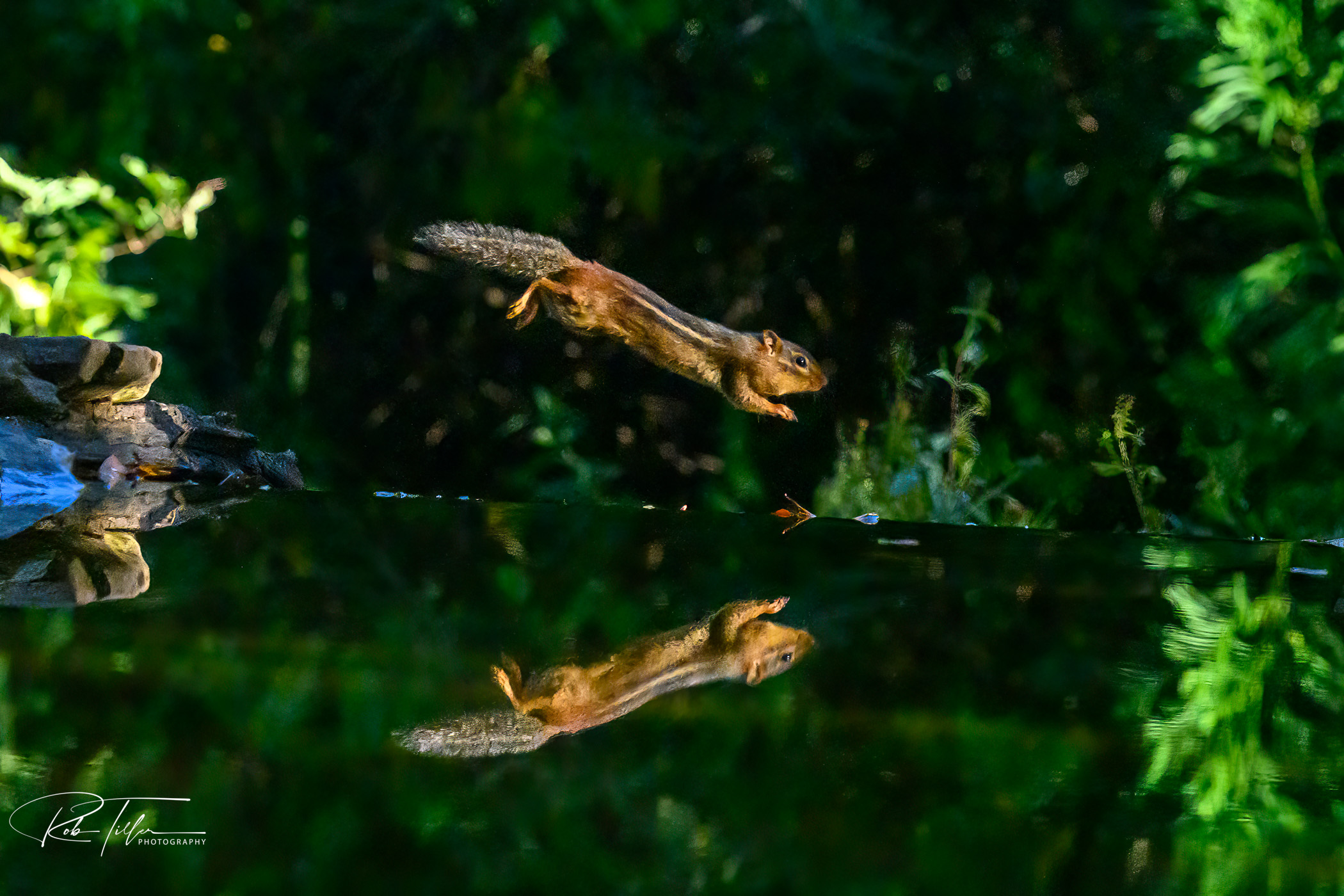
Eastern chipmunk

As usual, it was a bizarre week in Trumpworld, with too many terrible things happening to think carefully about them all.  It was particularly terrible that Trump called for death by hanging of members of Congress who’d pointed out that armed services members should obey the law and the Constitution.  

Who knows how many Trump believers might take this seriously as a call to action?  We learned from the January 6 insurrection that such people exist.  But thankfully there are still responsible Republicans who support free speech and oppose political violence.  May their numbers and their voices increase.

Red-bellied woodpecker

In other news, Trump staged an elaborate fawning tribute to a murderous Saudi Arabian tyrant, Mohammed Bin Salman.  This was, on its face, shameful and disgusting.  Why, I wondered, did he do it? 

In an interesting piece in the NY Times, Noah Shactman proposed some interesting possible explanations.  Shactman says that Trump has long viewed with envy the Persian Gulf petrostates, with their great luck in having lots of oil and their autocracy.  Now, he’s collecting billions in crypto and other business deals from the Middle Eastern autocrats, which is another reason for trying to please them.  
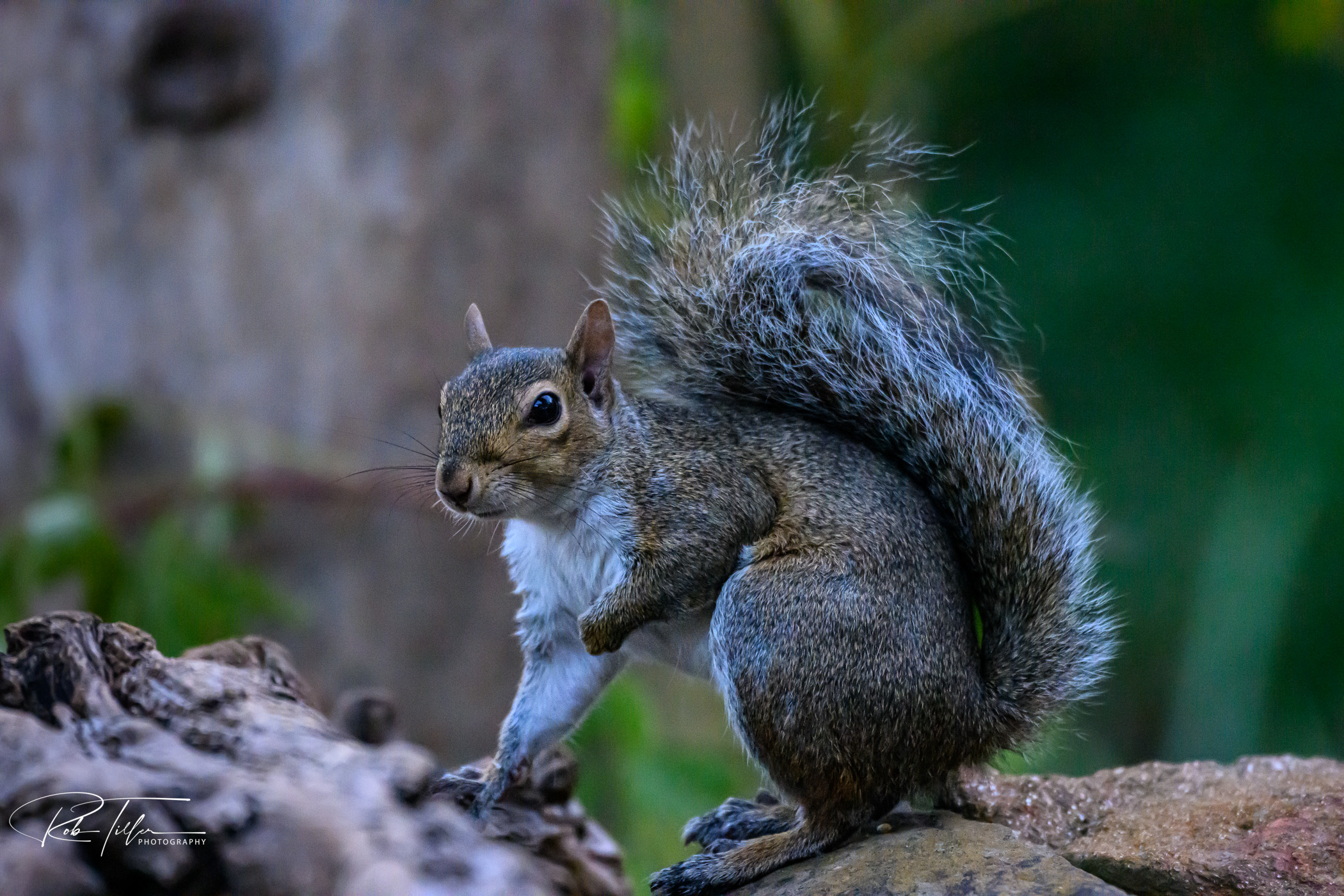
Eastern gray squirrel

On top of all that, or underneath it, is Trump’s view of fossil fuel as a source of power and means of domination.  As a historical matter, this is not crazy; oil and coal powered the major industries of the 20th century.  

But it’s crazy now.  Renewable energy (solar and wind power) have dropped so much in cost that in many places they are now as cheap or cheaper than fossil fuels.  And the CO2 from burning fossil fuels is on course to destroy the world economy and upend human civilization.  

Northern cardinal

As most people now know, climate change is not hypothetical – it’s here.  Average temperatures are hitting new highs, with disasters occurring as predicted – huge storms, floods, fires, droughts, eroding coastlines, along with failing farm systems, economies, and governments.  
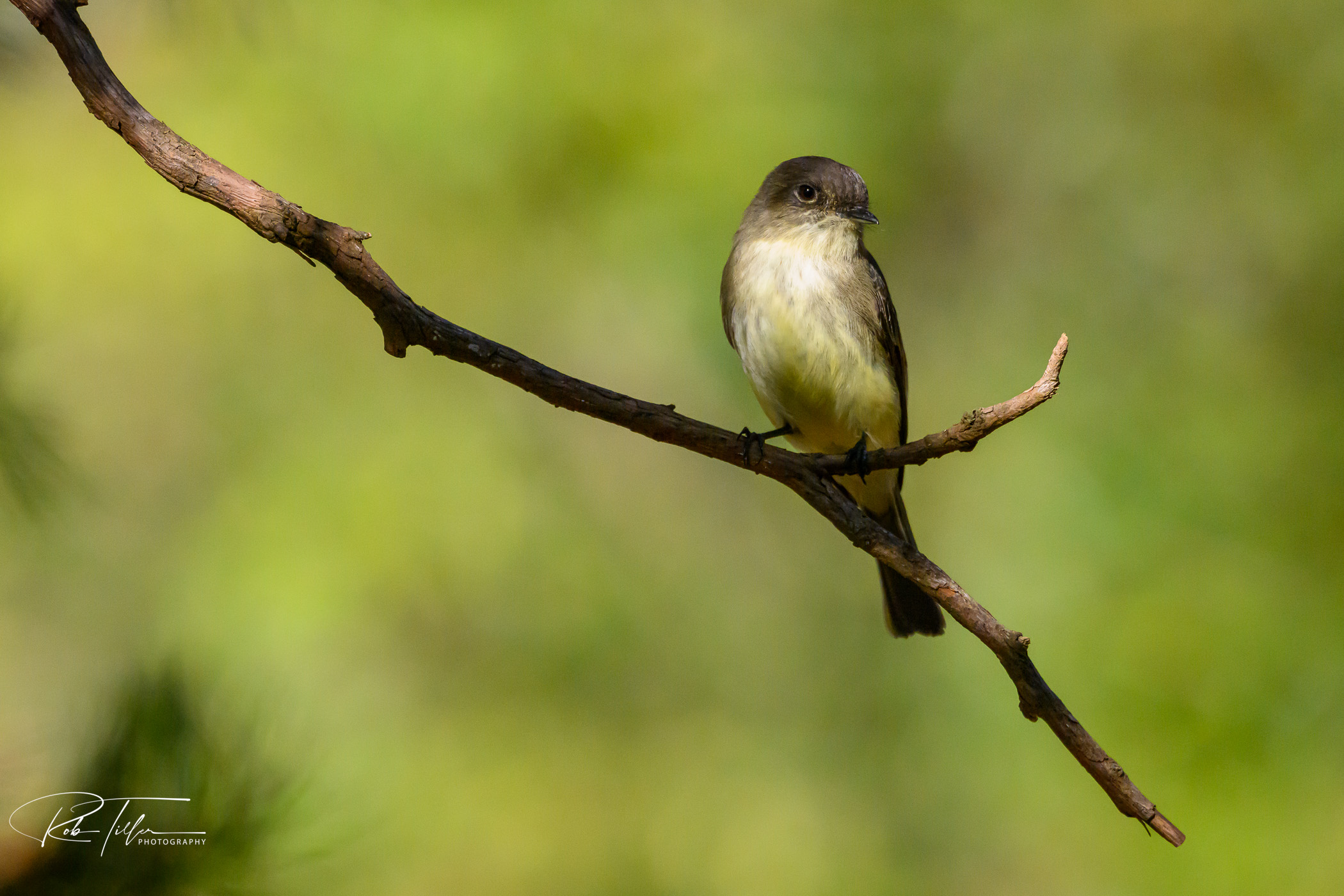
Eastern phoebe

But Trump still claims that climate change is a hoax, and that efforts to address it are scams.  He proposes instead to increase the very programs that are root causes of climate change – more burning of coal, oil, and gas – while trying to undermine renewable energy alternatives that would mitigate the catastrophe.  
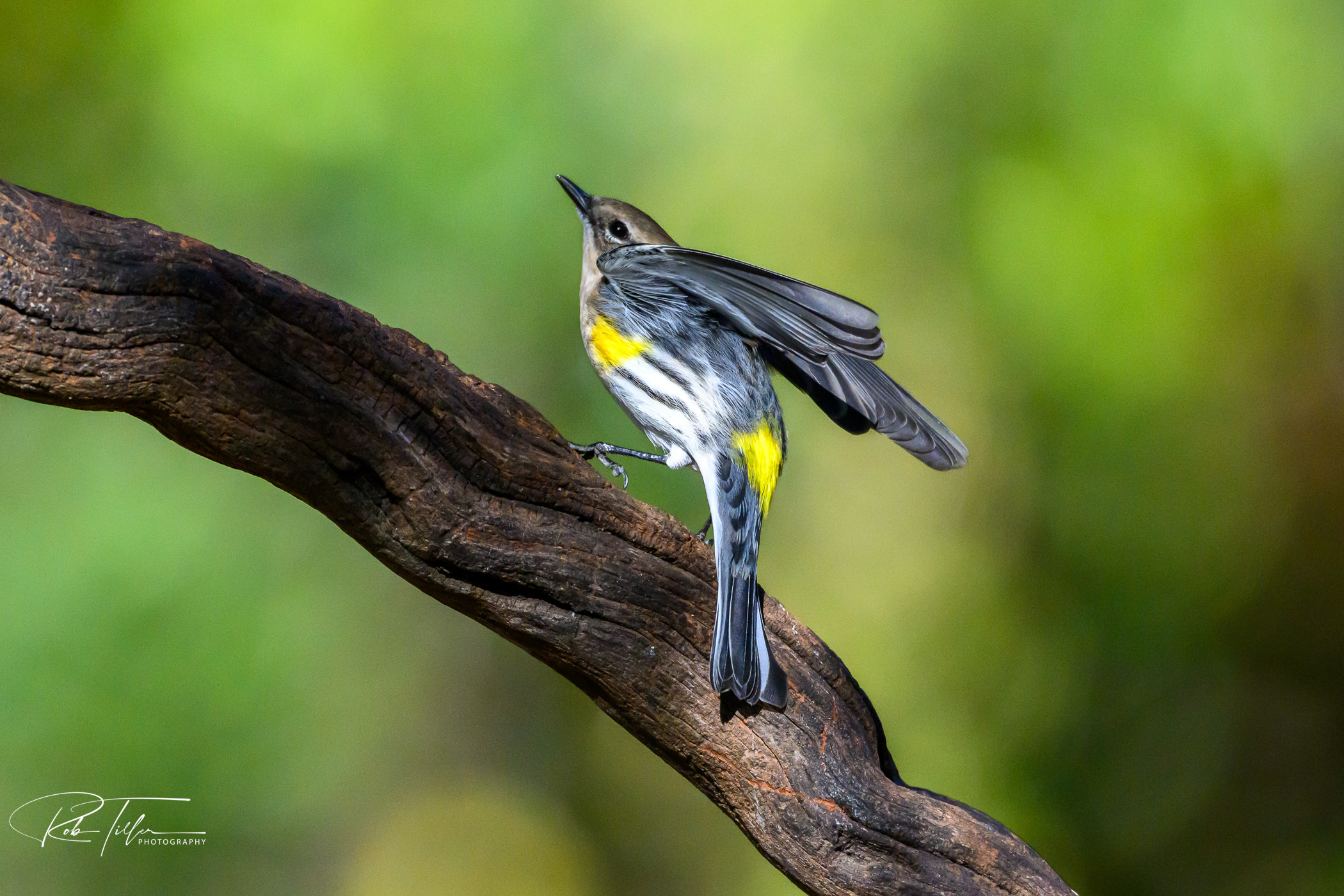
Yellow-rumped warbler

Through tax breaks and subsidies, Trump has conferred huge windfalls on the oil and gas industries, while the costs of electricity have gone up substantially.  And absent a change in course, there’s worse to come.  A recent study ound that Trump’s energy program, if pursued until 2055, could result in 340,000 premature deaths and $6.7 trillion in additional healthcare and energy costs.  
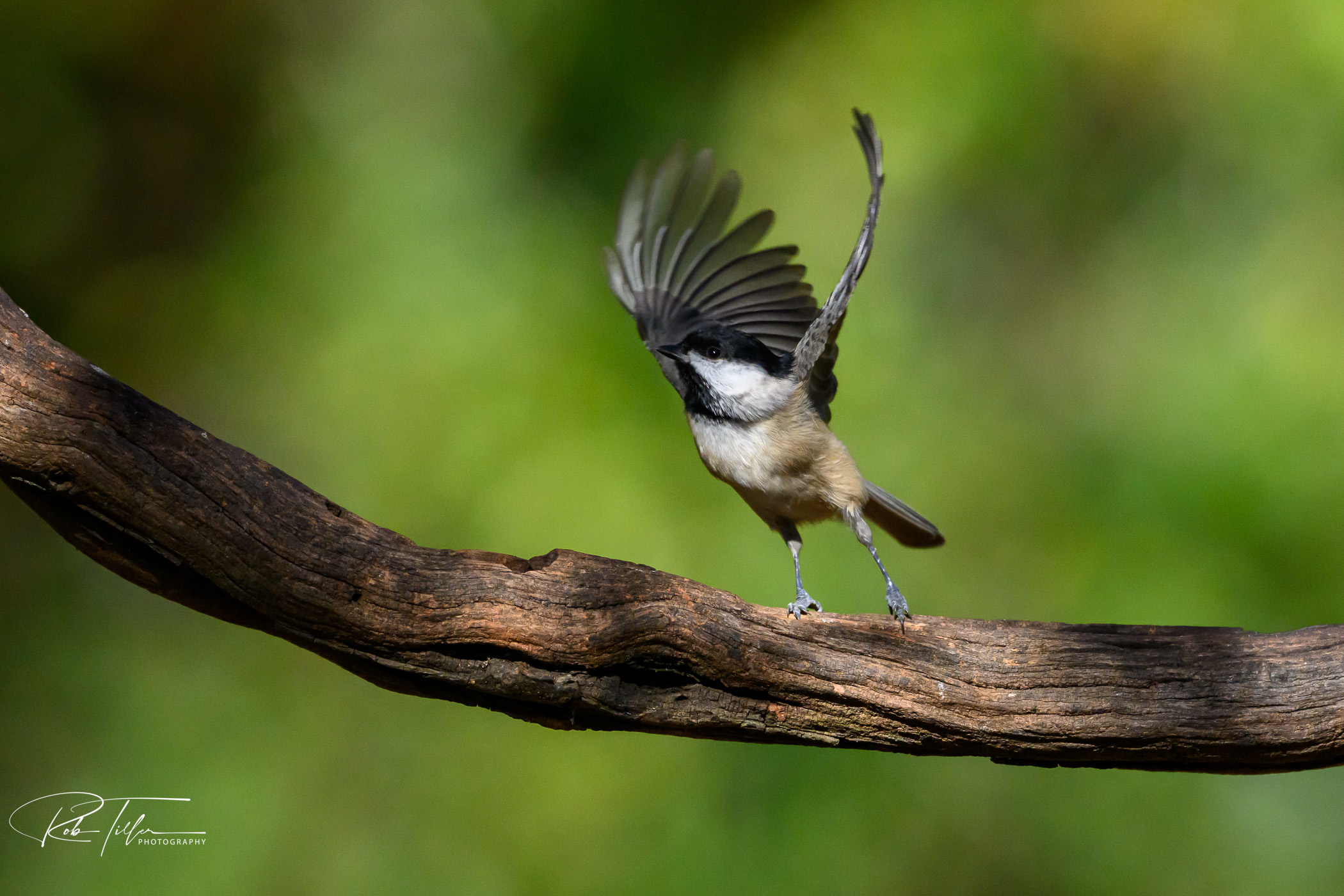
Chickadee

Somehow Trump’s horrific climate policy is still not high on the public’s discussion agenda.  But that too may be about to change, as climate change hits the housing market.  In a recent piece in the December issue of the Atlantic, Vann R. Newkirk II reports that insurers are pricing in rising climate risks, and so homeowner’s insurance in some areas is becoming prohibitively expensive. 

If insurance becomes too expensive or unavailable, homes become unmarketable.  See also this NY Times report on this same issue. Where homes become unmarketable, a cascade of problems follow – retirements undone, generational wealth eroded, community businesses closed, public services ended, and ghost towns.  
With all the risks we now face, Newkirk reminds us that all is not lost: we may yet wake up and take action. In ringing tones, he finds hope.

[P]erhaps Trump, through his very extremity, has provided a galvanizing opportunity. In his reflexive culture-warrior rejection of climate change, he has backed into a climate policy of his own, and has linked that policy to his power. With his single-minded, bullying determination to reverse course on renewables—which are part of life now for many people of all political stripes—and to dismantle programs people rely on, Trump has essentially taken ownership of any future climate disruptions, and has more firmly connected them to oil and gas. In advancing this climate-accelerationist policy alongside an antidemocratic agenda, he has sealed off fantasies of compromise and raised the political salience of dead zones, where devastation and exclusion go hand in hand. Trump’s intertwining of climate policy and authoritarianism may beget its own countermovement: climate democracy.

Climate democracy would be aided by the gift of simplicity. At present, the only way to ensure that America avoids the future outlined here will be to win back power from its strongman leader, or possibly his successors. The places facing existential climate risks—especially those in the Deep South—are mostly in states that have long been considered politically uncompetitive, where neither party expends much effort or money to gain votes. But they could form a natural climate constituency, outside the normal partisan axis. Poor and middle-class white communities in coastal Alabama, Mexican American neighborhoods in Phoenix, and Black towns in the Mississippi Delta might soon come to regard climate catastrophe as the greatest risk they face, not by way of scientific persuasion, but by way of hard-earned experience. Some of them might form the cornerstone of a new movement.

With the right message, plenty of other people may be persuadable: those upset by higher electric bills, or poorer storm forecasts, or the coziness of Trump with the oil and gas industry, or weather-related disruptions in everyday life. To paraphrase Theodore Roosevelt, Americans learn best from catastrophe, and they will learn that the help they once took for granted after disasters might now be harder to come by. Autocracy takes time to solidify, and building popular support in opposition to it takes time as well. But in the reaction needed to build climate democracy, perhaps heat is a catalyst.
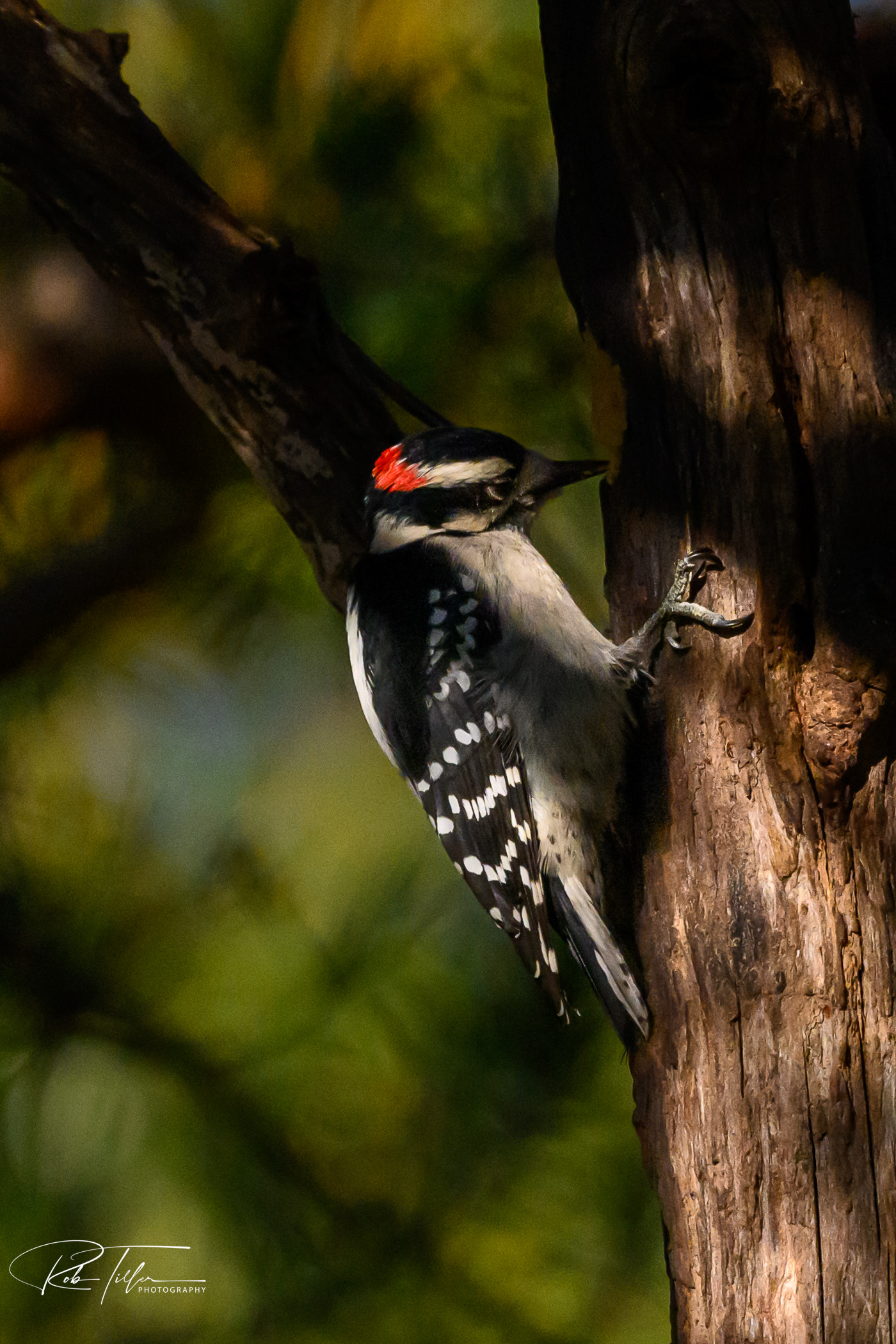
Downy woodpecker

Purity, the Montrose Trio, Gore, and Gates

Tiller6Bug 1
It’s been a foggy, drizzly week in Raleigh, which tends to lower high spirits, but is good for introspection. I finished Jonathan Franzen’s new novel, Purity. The book offers several interesting characters, including social activists who think about the big issues like out-of-control surveillance and global warming. Mostly, though, the book is about close family and romantic relationships, and shame and guilt. There’s enough that’s closely observed and honest here to be affecting, and I found myself hypnotically absorbed in some sections. As I neared the end, though, it, or I, lost steam, and I was glad to be done with it.

Saturday night we went over to Durham for dinner at Watt’s Grocery with friends and a concert. It turns out Watt’s is more vegetarian friendly than shown on the menu, willing to create a custom plate of the non-meat offerings, and mine was good. At Duke’s Baldwin auditorium, we heard the Montrose Trio, a new group made up of two former members of the Tokyo Quartet and pianist Jon Kimura Parker. They performed works of Turina, Beethoven and Brahms. Turina was new to me — Spanish, 1882-1949 – and reminded me pleasantly of Ravel, while the other pieces were old friends. Montrose was truly excellent – musicianship of the highest order, applied to great music.

The November issue of the Atlantic has an interesting piece on Al Gore and his involvement with Generation Investment Management, a global equity fund. The company has significantly out-performed the market since 2005 by investing in companies that are not only well-managed compared to their competition but conscious and responsible in their social and environmental actions. This approach runs counter to the conventional wisdom that successful capitalists must place profits ahead of values. The theory of Generation is that long-term profits require long-term thinking, including thinking about sustainability.

The same Atlantic has an interview with Bill Gates on his new endeavor to address climate change. He’s of the view that we’ve got to make major technological breakthroughs relating to energy to prevent or mitigate disastrous environmental changes, which will require research to go into overdrive, and he’s committing $2 billion of his money to the effort. He’s obviously studied up on the subject, and he hasn’t lost all hope or become hysterical. As he points out, either we focus our resources on finding a solution, or we run the experiment of what happens when the planet’s temperature rises by two degrees – and then three degrees and then four.

Our amazing safety, veggie restaurants, blossoms, golfing hopes, and ISIS

Daffodil, Raulston Arboretum, March 21, 2015 Daffodil, Raulston Arboretum, March 21, 2015

Spring is here, with some good, and perhaps surprising, news: “America is safer than it has ever been and very likely safer than any country has ever been.” Writing in this month’s Atlantic, Jonathan Rauch drily sums up the gap between our perceptions of terrorist threats and reality: “American are about four times as likely to drown in their bathtub as they are to die in a terrorist attack.”

“Given how safe we are, and how frightened people nonetheless feel, it seems unlikely that Americans’ threat perception has ever before been quite as distorted as it is today. Never have so many feared so little, so much.” Rauch notes, “The United States faces no plausible invader or attacker. All we are really talking about, when we discuss threats from Iran or North Korea or ISIS, is whether our margin of safety should be very large or even larger.”

Why are we so scared? Rauch cites evolutionary biology, which equipped our ancestors to be hyperalert to the possibility of predators or enemies, and programmed them and us to err on the side of overreacting to threats. Part of it is also probably opportunistic politicians and sensationalistic media. Whatever it is, the cost is enormous. See, e.g., budgets of Defense Department, Justice Department, CIA, NSA, TSA, FBI, etc.
_DSC8588_edited-1

A new veggie-friendly restaurant. We tried Pho Pho Pho Noodle Kitchen, a new Vietnamese restaurant within walking distance of us on Glenwood Avenue this week. Our pho (noodle soup, basically) with tofu was tasty, and the place was lively, with a neo-Buddhist vibe. Our server must have been new, since she was a bit over eager – checking in on how we liked everything every 4.5 minutes or so – but we still liked her. Although there was only one vegetarian offering on the menu, we verified that there were several other items that could be done meatlessly. We’ll go back.

As Sally noted recently, we’ve been vegetarians now for 20 years. It’s gotten easier. There are a lot more fun vegetarian friendly restaurants these days, and we consciously try to support them. These are now quite a few good places with more than one veggie option, and vegetarians are clearly not second class citizens. My current favorites in downtown Raleigh are Fiction Kitchen, Capital Club 16, Buku, Sitti, Blue Mango, Kim Bop, and Bida Manda.
_DSC8566_edited-1

Saturday. On Saturday morning I did a sunrise five-mile run up Hillsborough Street, had a quick bowl of cereal, and went to an 8:30 yoga class with Yvonne across the street at Blue Lotus. My recent classes with Yvonne have been more about stretching and deep breathing than heavy working out, which works well after a run. Then I drove up Hillsborough to Raulston Arboretum for a slow walk with my camera.

It was a bit muddy from rain the day before, but things were quickly emerging. And also decaying: the beautiful blooms do not last long. The daffodils I saw last week were mostly gone, though there were some pretty new ones. Several oriental magnolias had particularly gorgeous blossoms. The birds were singing brightly.

In the afternoon, I practiced the piano, and then went over to RCC for some golf practice. As usually happens as spring arrives, I start thinking this could be my golf breakthrough year. Last year was pretty much a lost one for golf, due to eye, hand, and shoulder injuries, but I’ve been pretty healthy lately. And I’ve got some of the elements of a bona fide game. The thing is with golf, it’s remarkably hard to put it all together and make it happen on a consistent basis. Anyhow, I enjoy watching the little white ball fly up and away. Practice is fun.

We had delicious Thai food for dinner at Sawasdee on Glenwood Avenue, and went to the Raleigh Grande to see a documentary called Red Army. It tells the story of the Soviet hockey team that dominated the world in the 70s and 80s. The Soviet system was brutal, but they played brilliant hockey. I thought the subject was interesting, but the ex-players were not very expressive or insightful, and the analysis didn’t get much below the surface.

_DSC8585_edited-1
More on ISIS. I mentioned last week that we don’t know much about ISIS, but thanks to Graeme Wood I now know a good deal more. Wood wrote a piece for the Atlantic titled What ISIS Really Wants, which is well worth reading in its entirety. In a nutshell, ISIS takes the Koran completely literally, including the parts about militarily establishing and expanding a caliphate that applies Sharia law. It believes in requiring the allegiance of all Muslims, killing apostates, and enslaving non-believers.

Unlike Al Qaeda, they have no current interest in attacking western nations, but rather want the west to attack them. This would both help recruitment and gibe with their end-of-days theology. In fact, they don’t get along with Al Qaeda, which they view as insufficiently Islamic. As with other fervid fringe religious movements, for whatever reason this appeals to some, but a majority of Muslims and everyone else reject it as nutty, and the atrocities will always limit its appeal. Also, the ISIS ideology rules out cooperating or having diplomatic dealings with any who disagree even slightly with their views. Thus they can never have allies, which limits the possibilities for expansion.

Clearly, ISIS is a serious, and perhaps existential, threat for people who live within its range and disagree with it. But we should distinguish between possible terrorist threats to our lives and property, and the humanitarian concerns relating to the people of Iraq and Syria.
_DSC8607_edited-1