Birds at The Nuthouse, and reading The Arrogant Ape
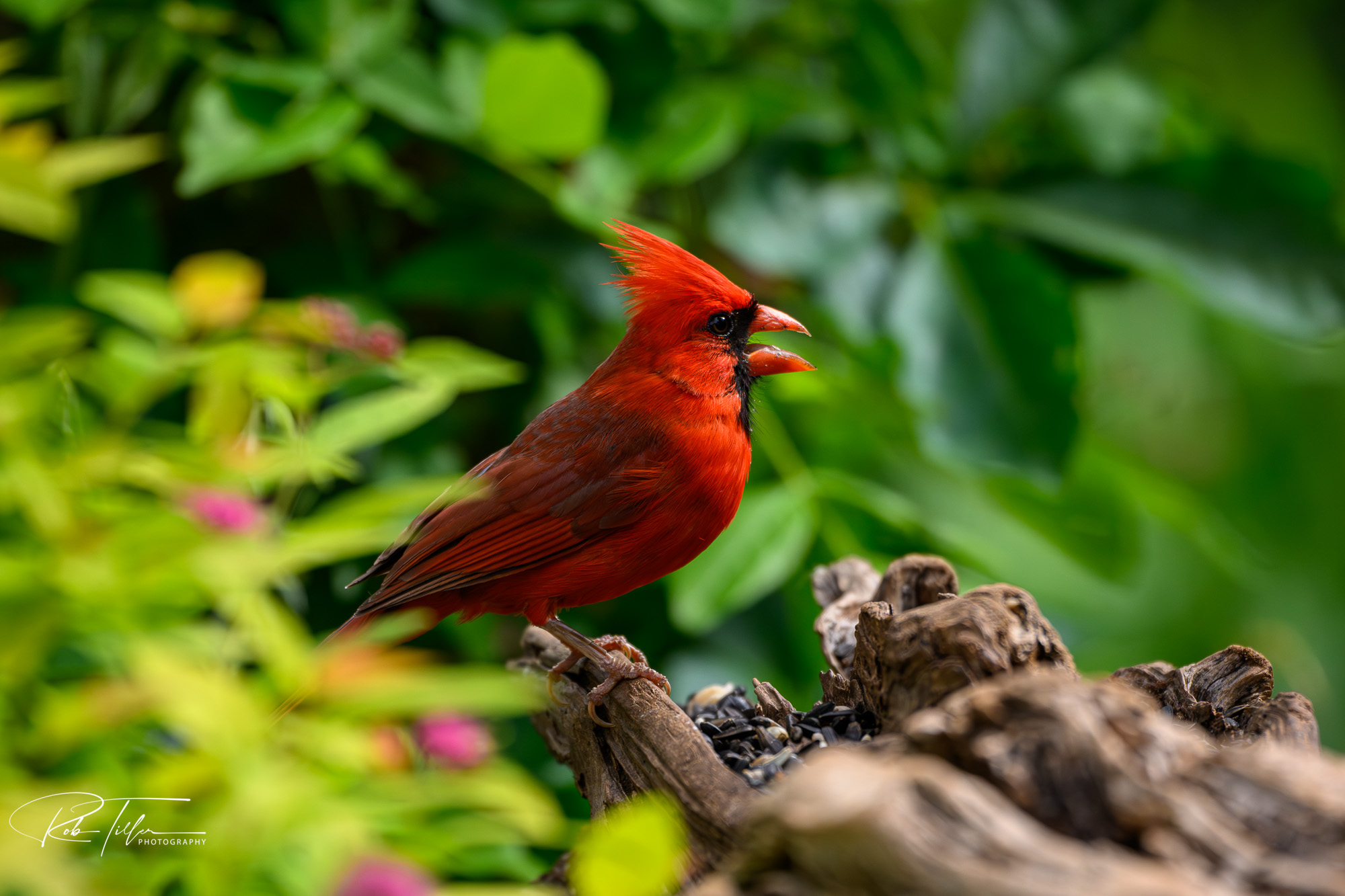
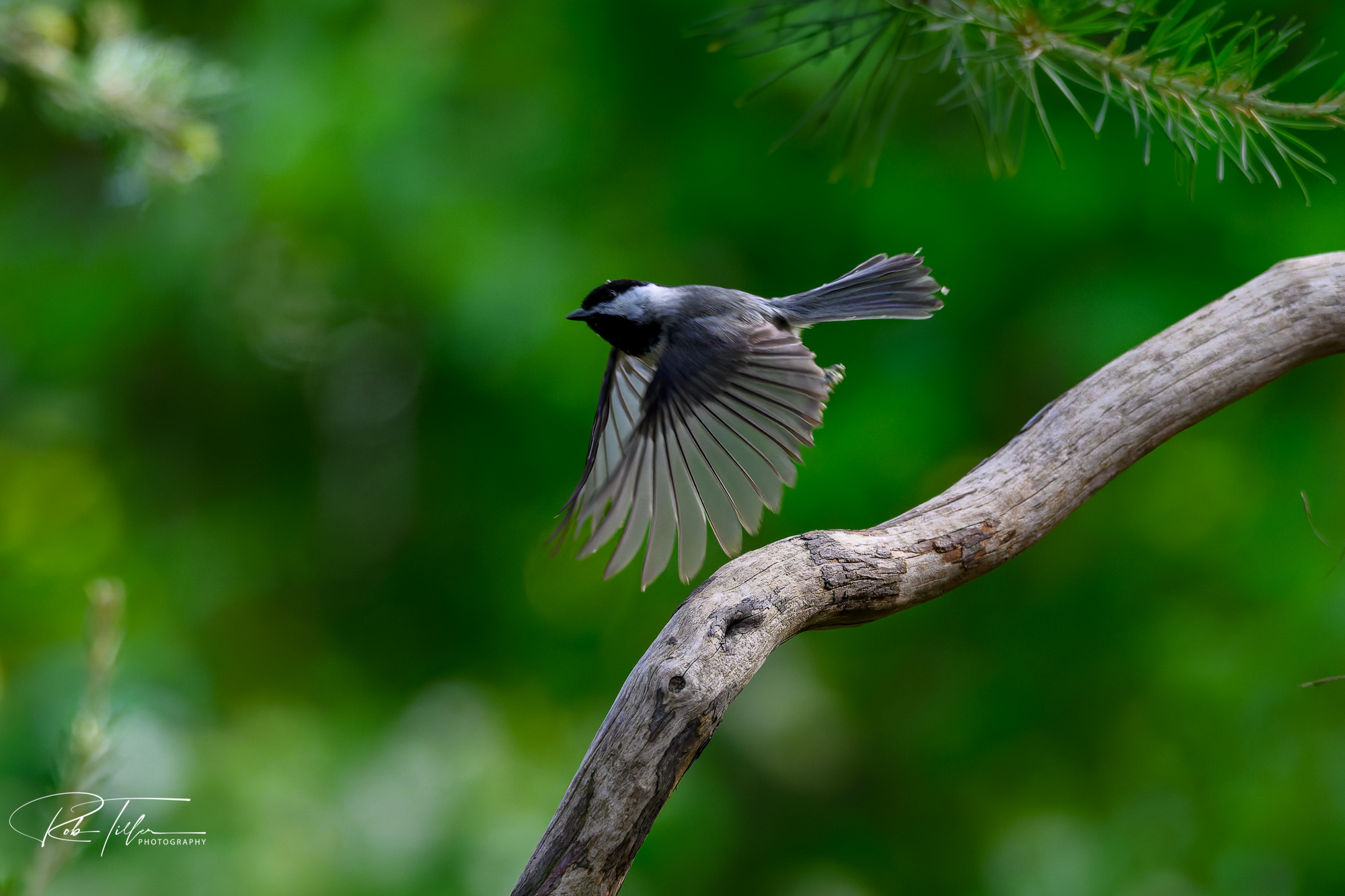
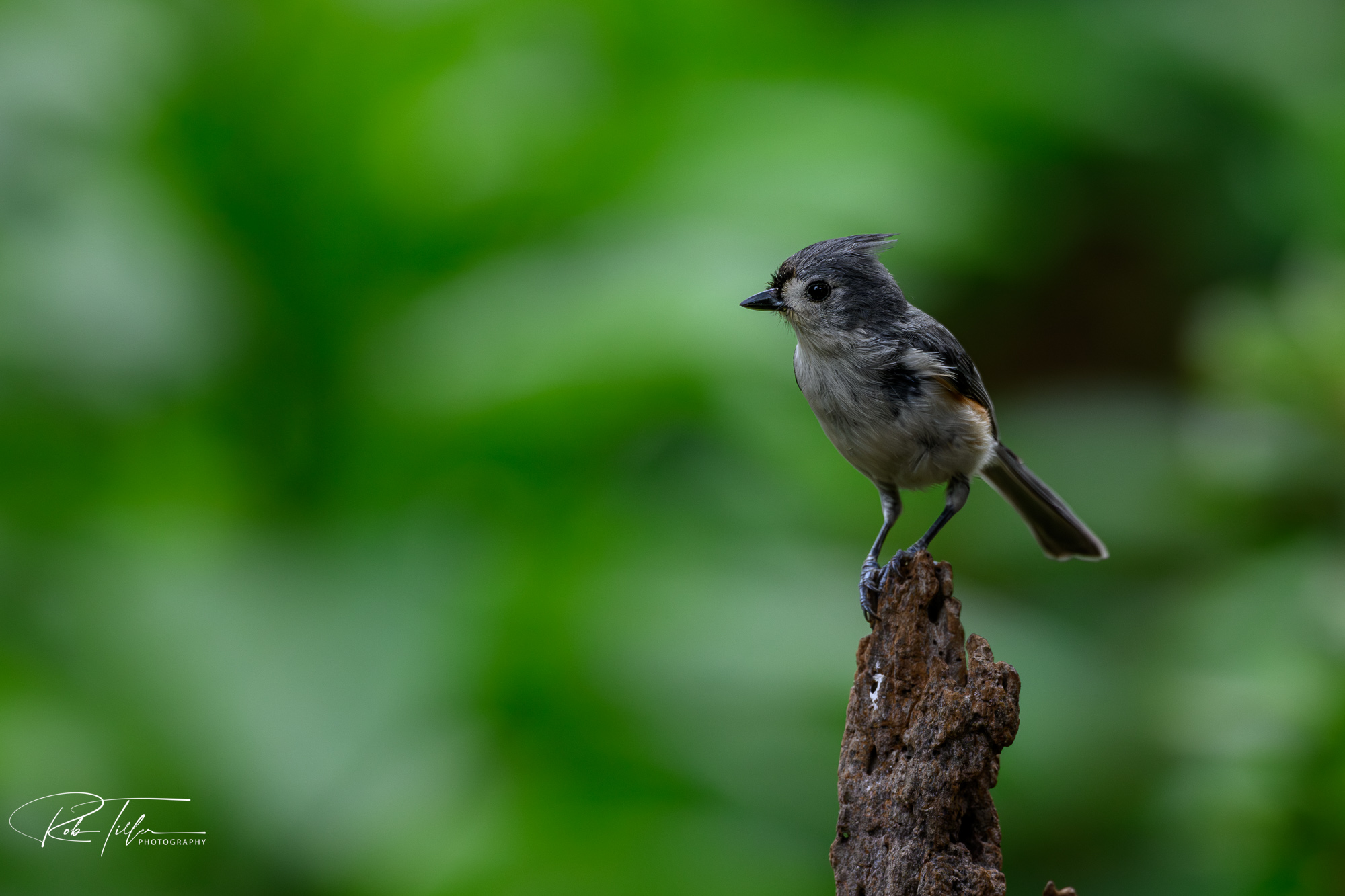
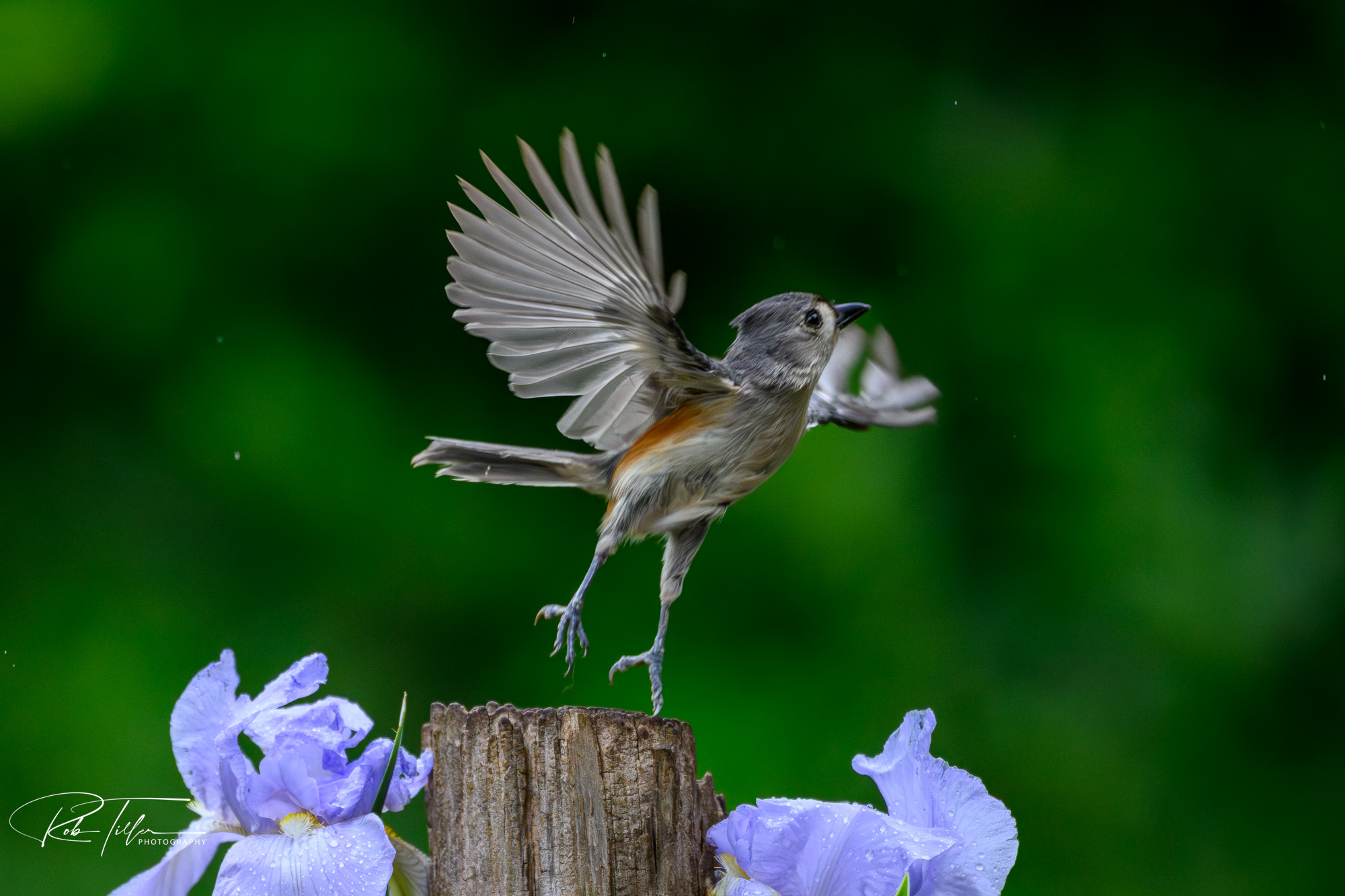
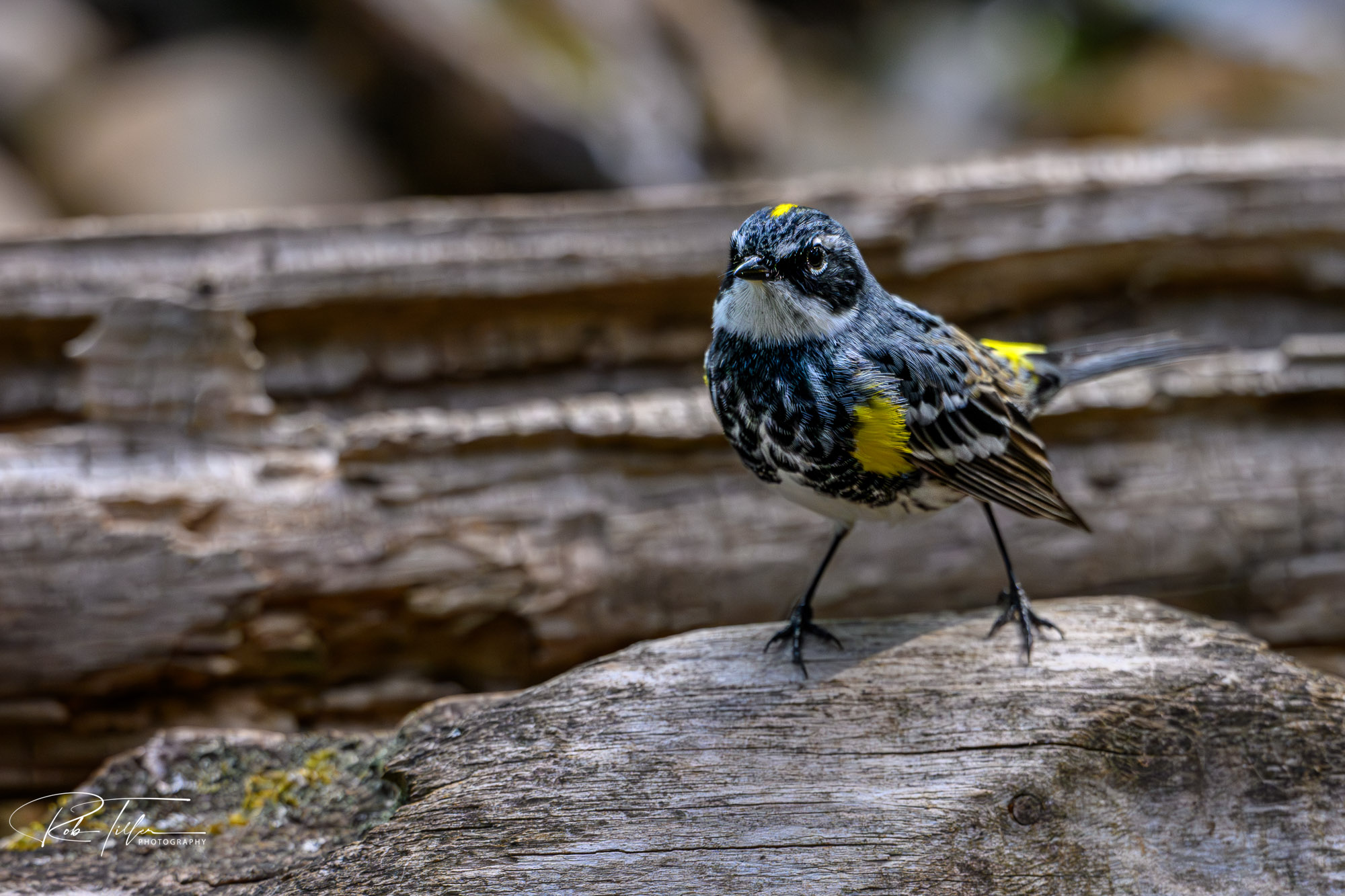
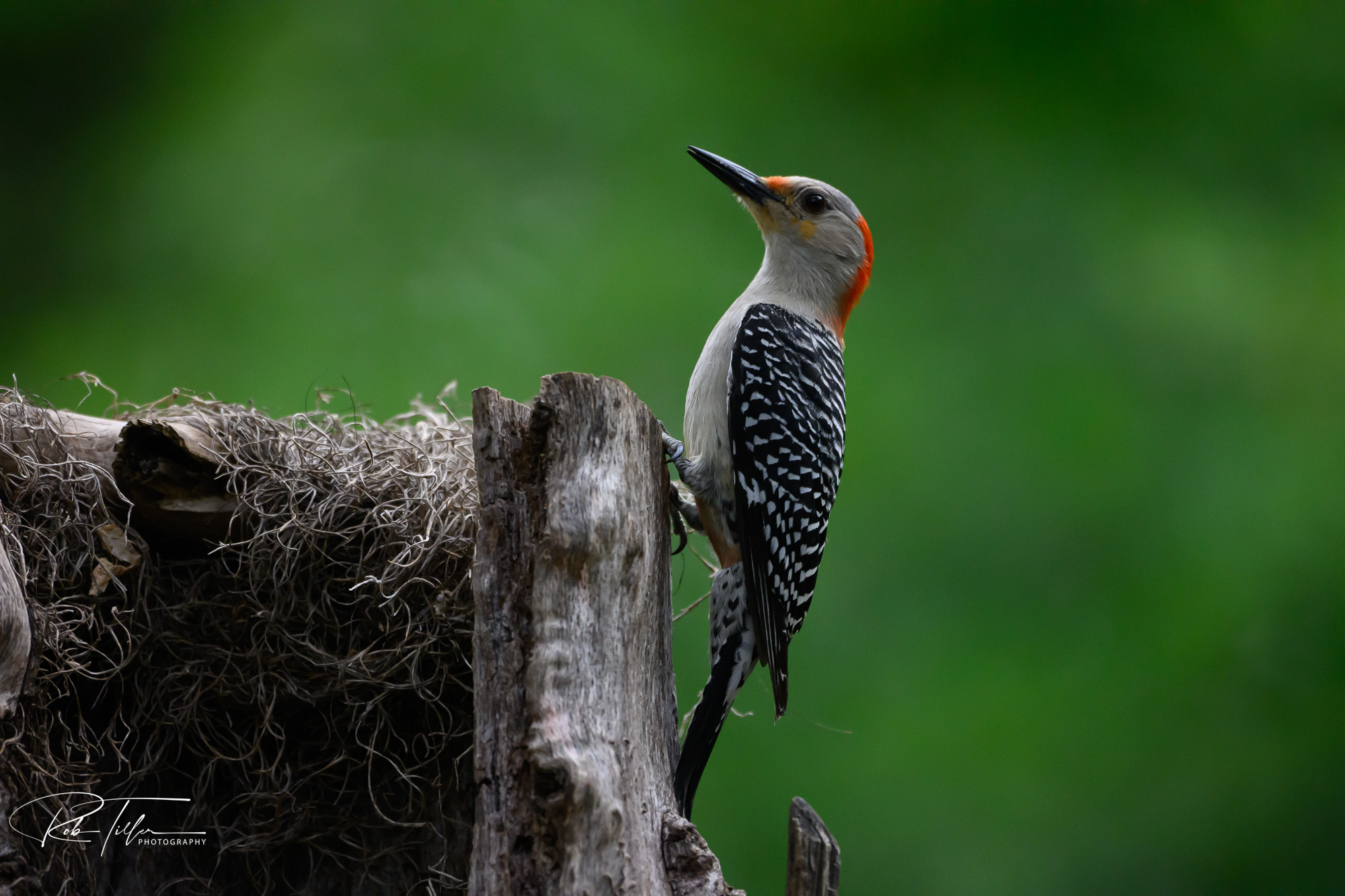
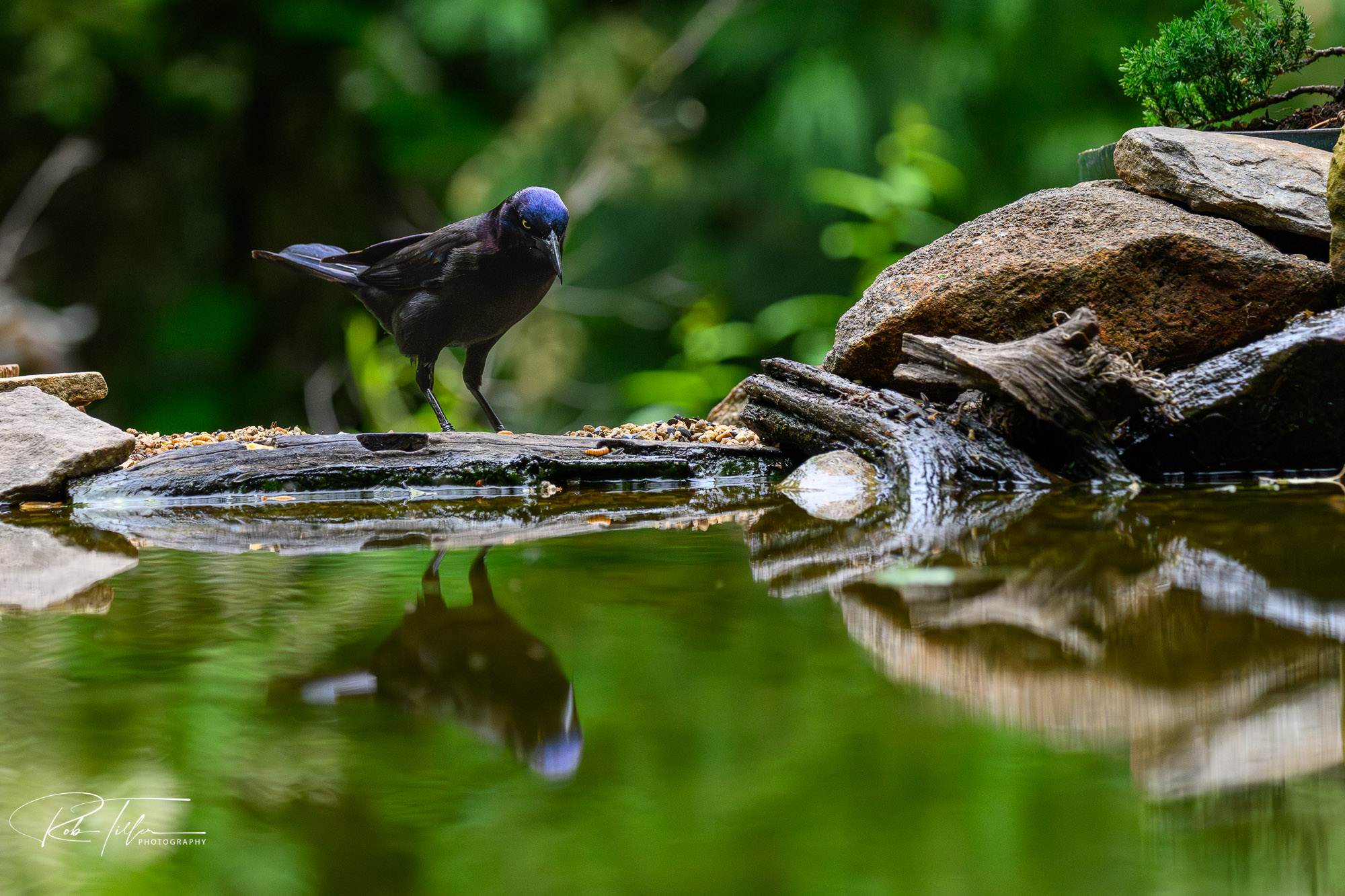
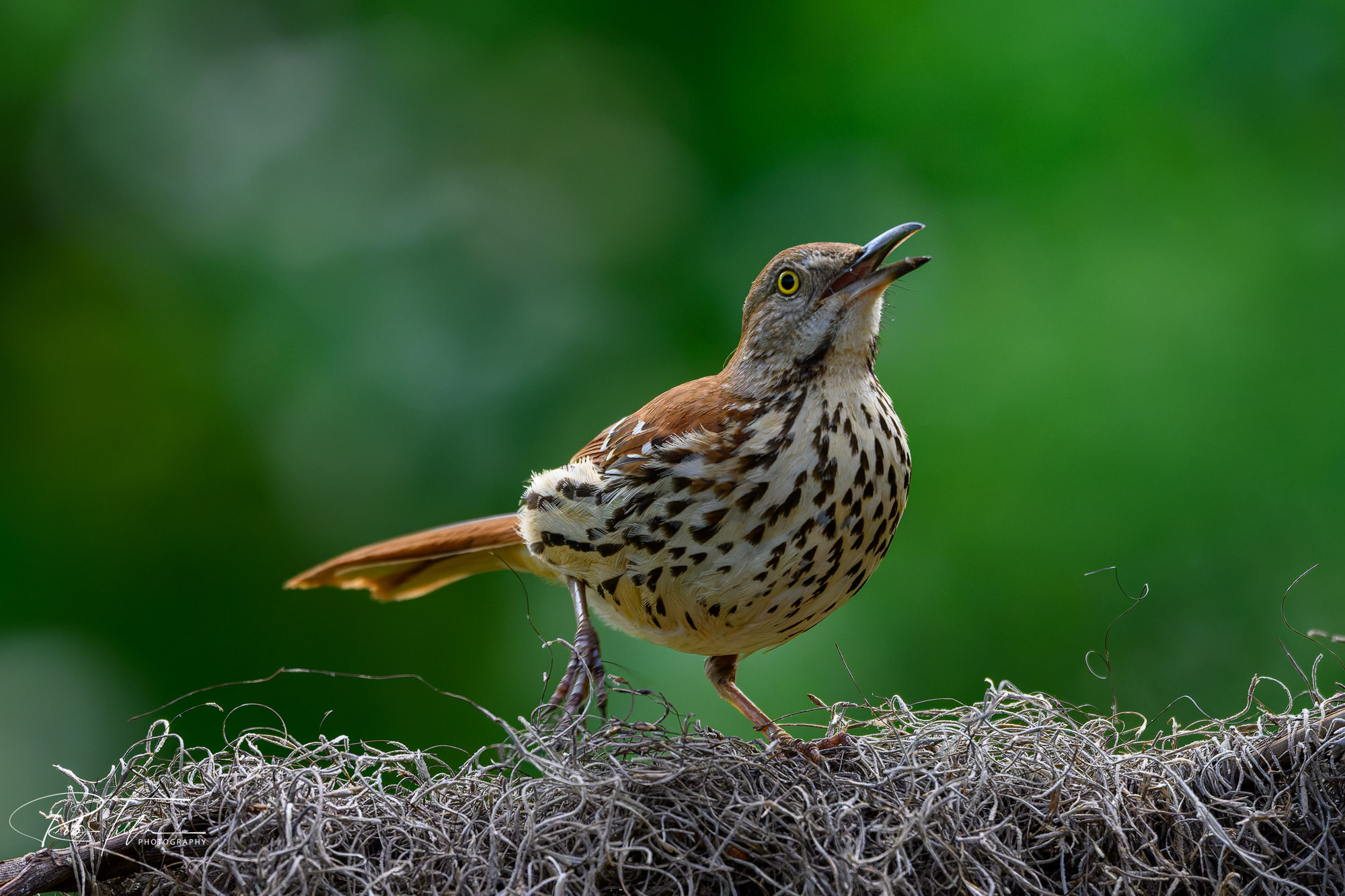
In April I drove down to Clemson, SC, to visit The Nuthouse. It’s a remarkable place: a big yard that’s been turned into a paradise for visiting birds, and those who enjoy observing them. There are lovely trees, flowers, and ponds, and many excellent places for birds to perch. There are also blinds where you can sit comfortably with your camera without disturbing the avian visitors.
The drive down involved heavy traffic, as did the drive back. But I enjoyed talking with my friend BW about the state of the world and the meaning of life, and we made it.
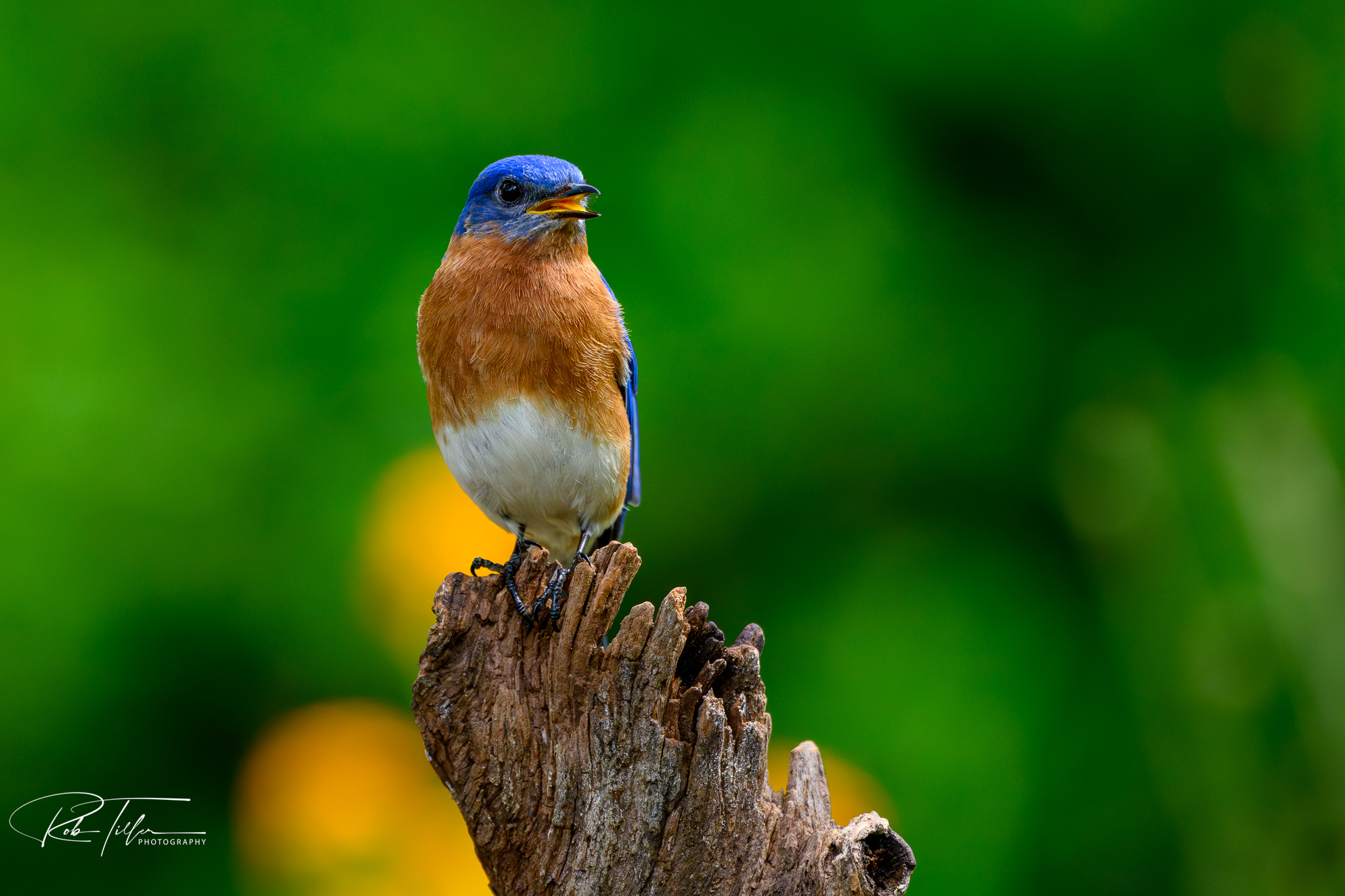
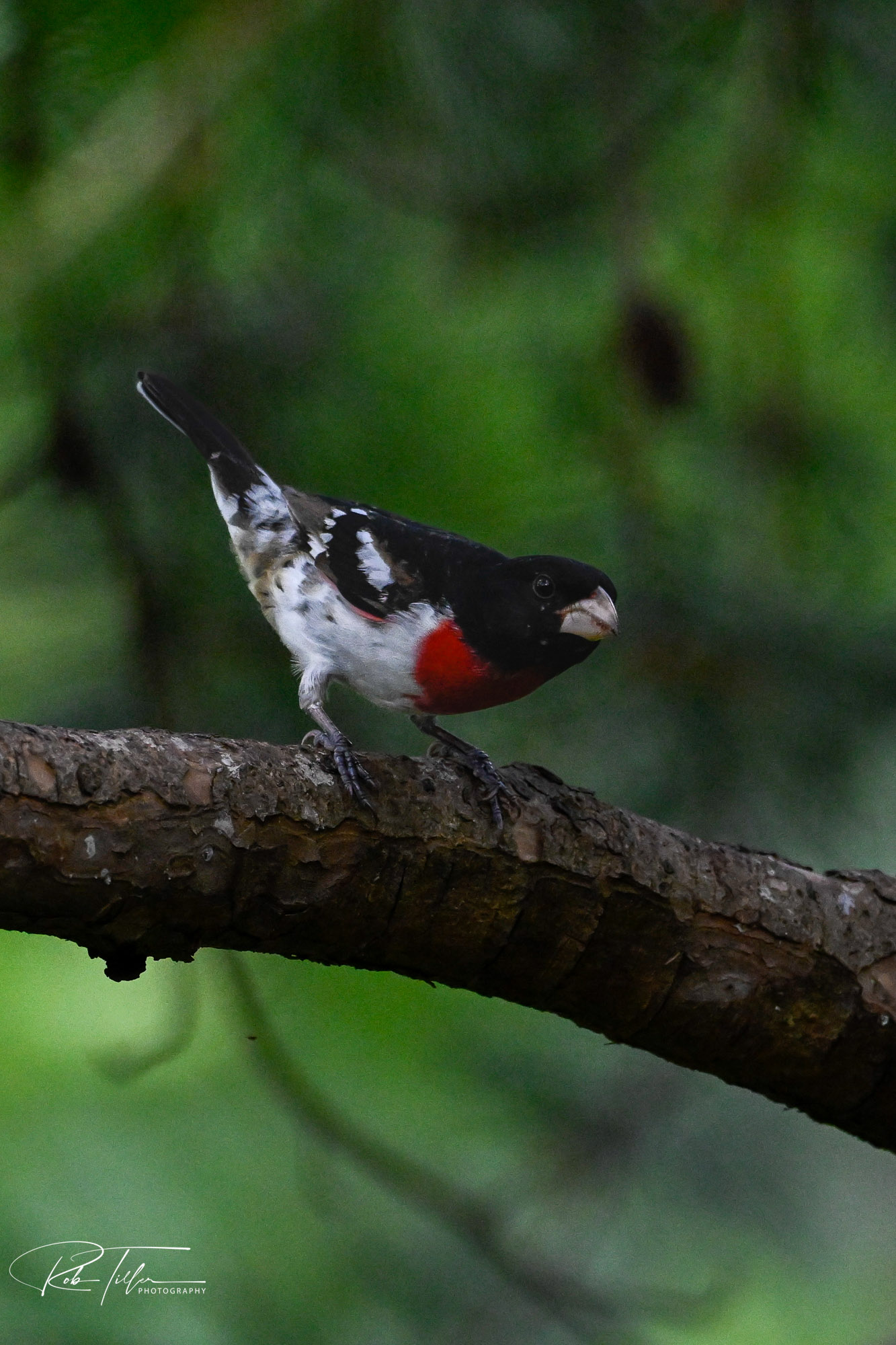
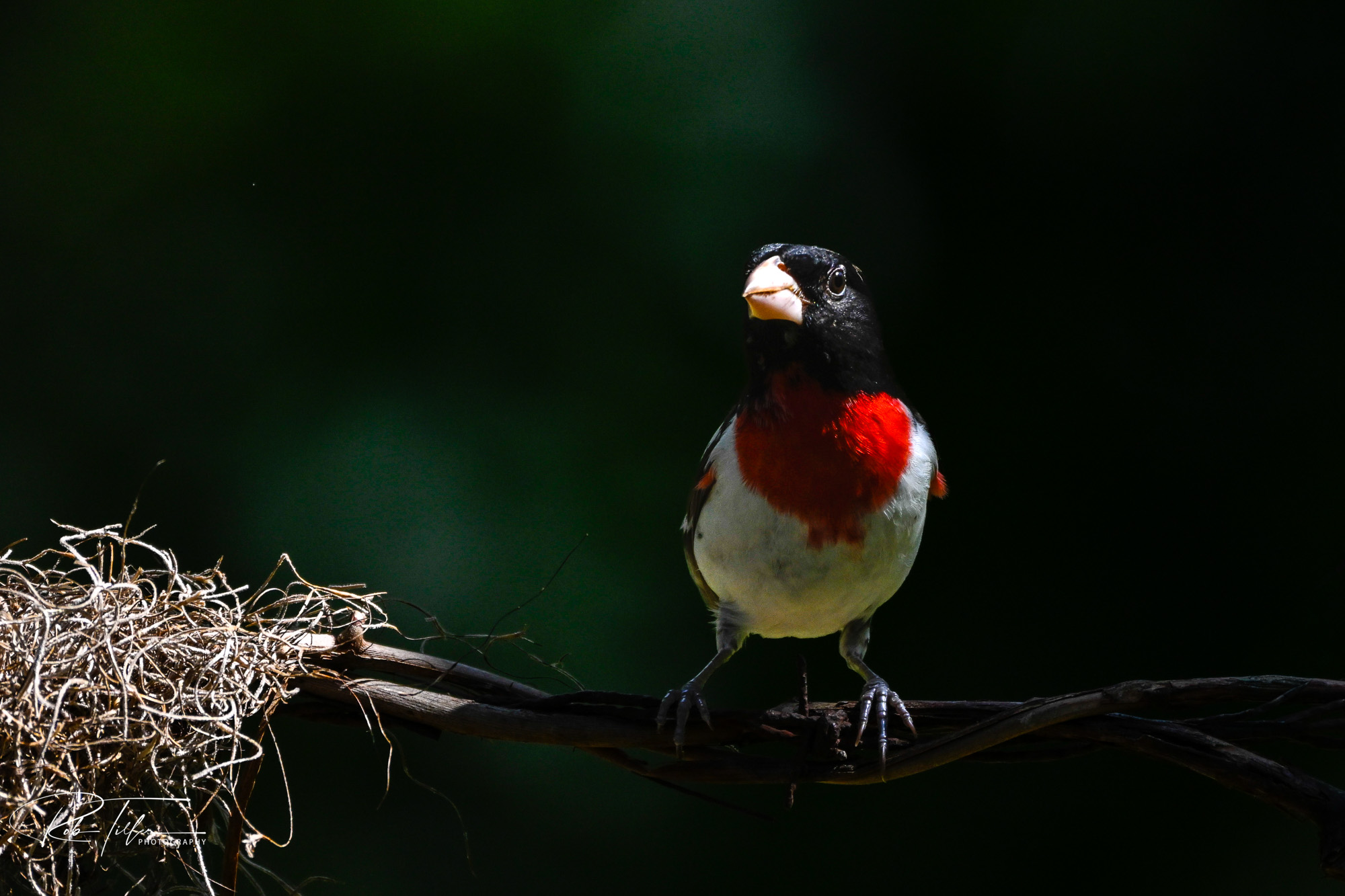
I was hoping to see a lot of migratory songbirds, but it seems we were too early for them this year. The only particularly notable visitors were a couple of rose-breasted grosbeaks. Even so, it was fun to see the local residents, and to try to get good photos of these quick little creatures.
Lately I’ve been having my morning coffee on our back deck and listening more closely to the birds in our backyard. For songs and calls I’m not familiar with, I use the wonderful Merlin app. I’m working on learning the difference between a pine warbler and a chipping sparrow. With Merlin’s help, I’ve identified several interesting migrants in our back yard, including a summer tanager, a scarlet tanager, a common yellowthroat, a redstart, a parula, and a worm-eating warbler.
I’ve found that spending time bathing in nature is conducive to happiness, though I’ve never known just why. Last week the Washington Post reported on a new study that shed some light on this –
Decades of research suggests there are many positive mental and physical health effects of spending time outdoors, from boosting mood to improving blood pressure. Now, a new study published in Environment International found a potential new benefit: Contact with the natural world seems to be linked to higher levels of life satisfaction, in part because it helps people develop a more positive body image.
I suppose a more positive body image is generally a good thing, though nature clearly does a lot more than that. It provides the air we breathe, the water we drink, and the food we eat. At the same time, it is a refuge, a place to become more human, even as we come to appreciate our connections to other living things. The natural world is a wonderful, precious thing that can fill us with gratitude and reverence.
In recent times, humans have caused terrible damage to the non-human world, including driving the populations of many species sharply down and some to extinction. Bird populations, for example, have declined in North America by 3 billion since 1970. Loss of habitat, climate change, pollution, and pesticides have all played a role in this ongoing disaster.
Perhaps, before it’s too late, we’ll realize that we can’t live without nature, and we’ve got to stop destroying it. Unfortunately, recent news is not encouraging. One of the characteristic programs of Trumpworld is the war on nature. Trump seems to despise everything that’s green (other than golf courses) and everything that moves (other than rich white humans). He’s targeted the Endangered Species Act, and various endangered species. He’s tried to derail cheap green energy programs and to promote extraction and greater use of expensive, dirty fossil fuels. This while promoting the idea that climate change is a “hoax.” It’s insane!
But Trump, stupid, cruel, and corrupt as he is, is not so much the problem as a symptom of the problem. He embodies a mindset that underlies much of our culture’s alienation from the natural world. His selfishness and greed are an extreme example of what got us into our current existential crisis.
I’ve been reading The Arrogant Ape, a recent book by Christine Webb, which develops the thesis that humans generally have a systematically distorted view of the natural world. Webb, a primatologist and professor at New York University, challenges the common view that humans are superior to all other life forms. She cites evidence from many disciplines to illustrate the talents and complexity of non-human lives, and the interconnectedness of all life.
Webb contends that the notion that humans can and should dominate nature is mistaken and destructive. She proposes instead a more curious and compassionate mindset that recognizes our kinship with other living things. She highlights the brilliance of nature, and suggests it might teach us many things.
I think Webb is right. Getting into a closer relationship with nature would help us both as individuals and as societies. Appreciating nature would make us happier, calmer, more clear-sighted, and better able to think about and address some of our big social problems.