The Casual Blog

Tag: sunflowers

Sunflowers, and reconsidering nuclear war

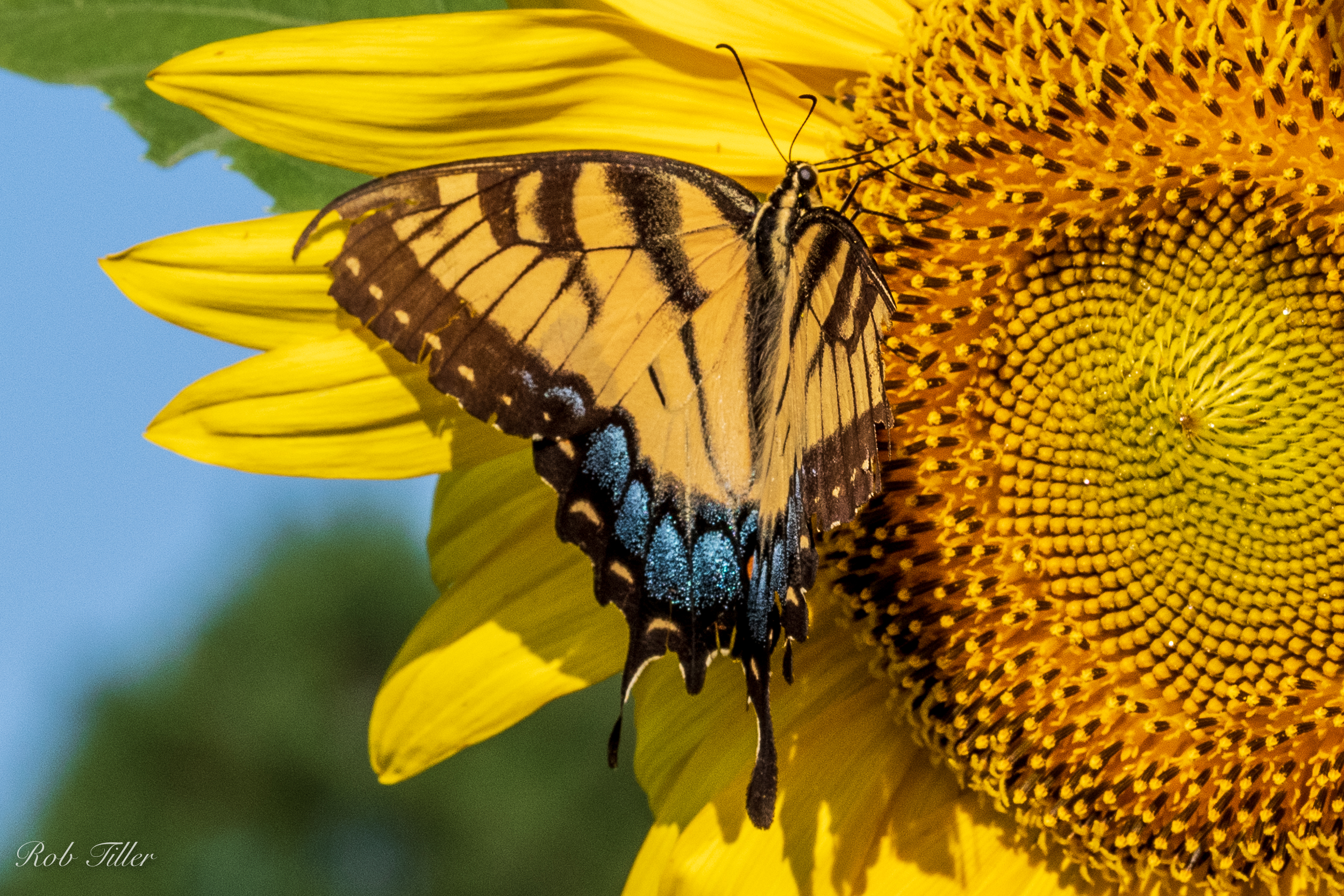
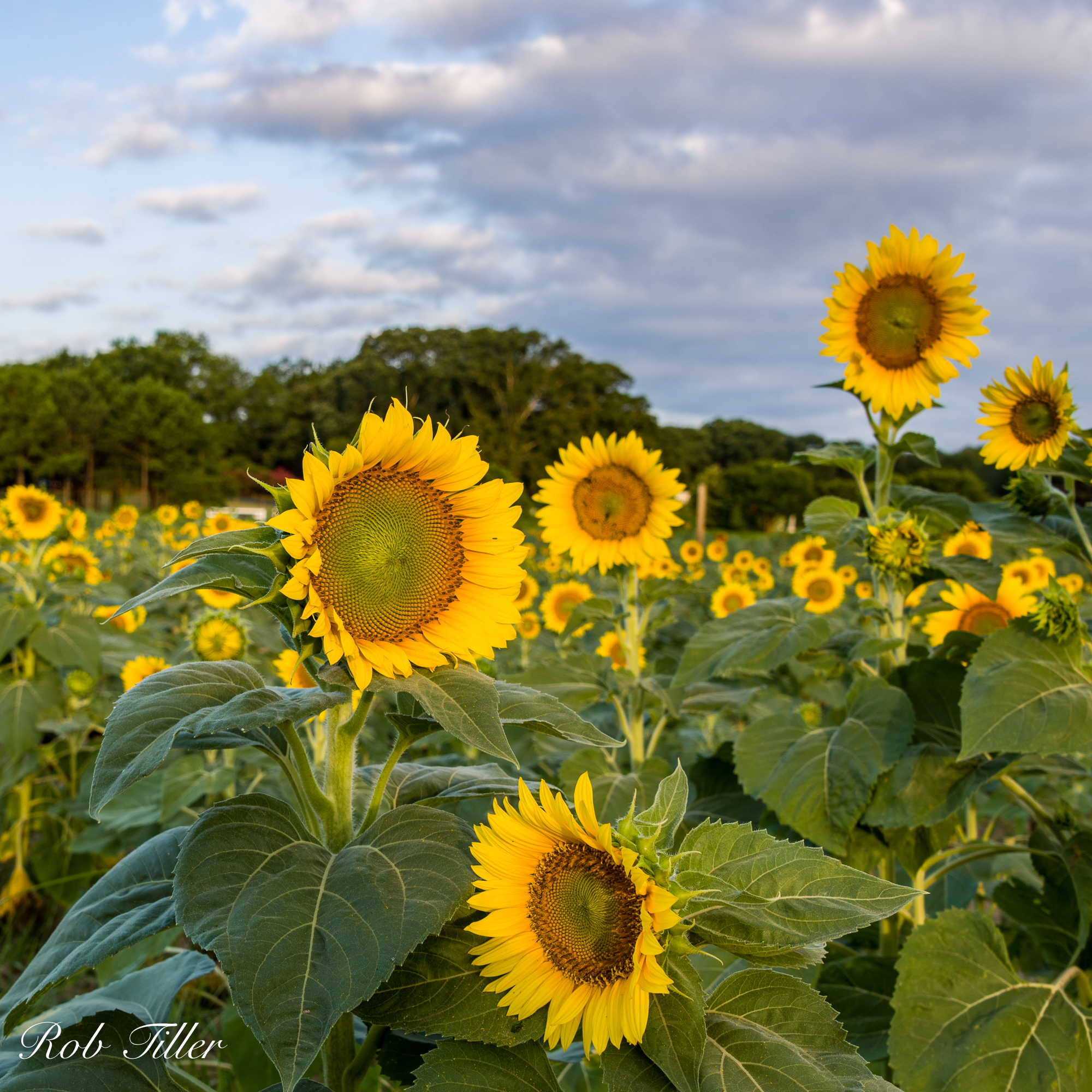
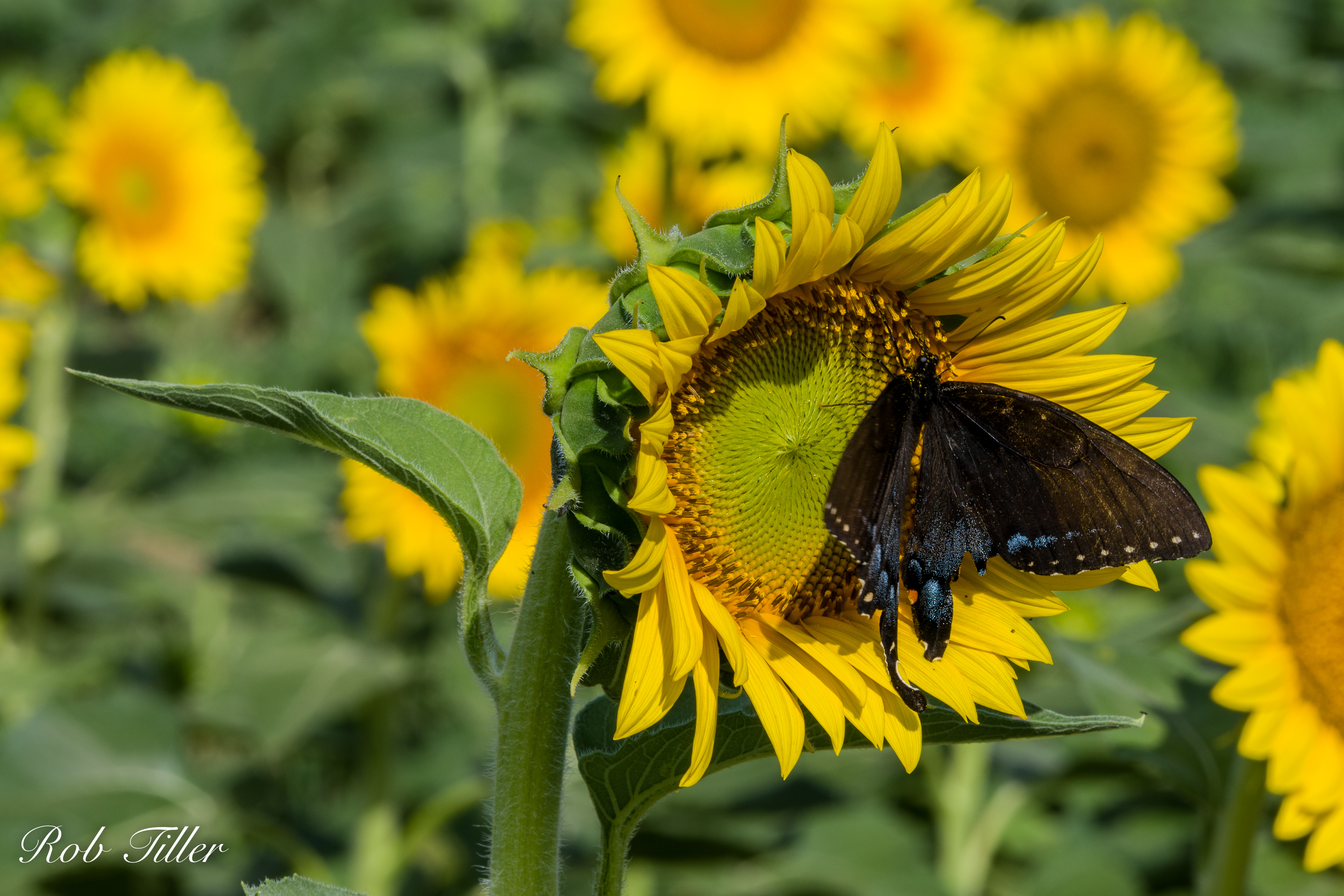
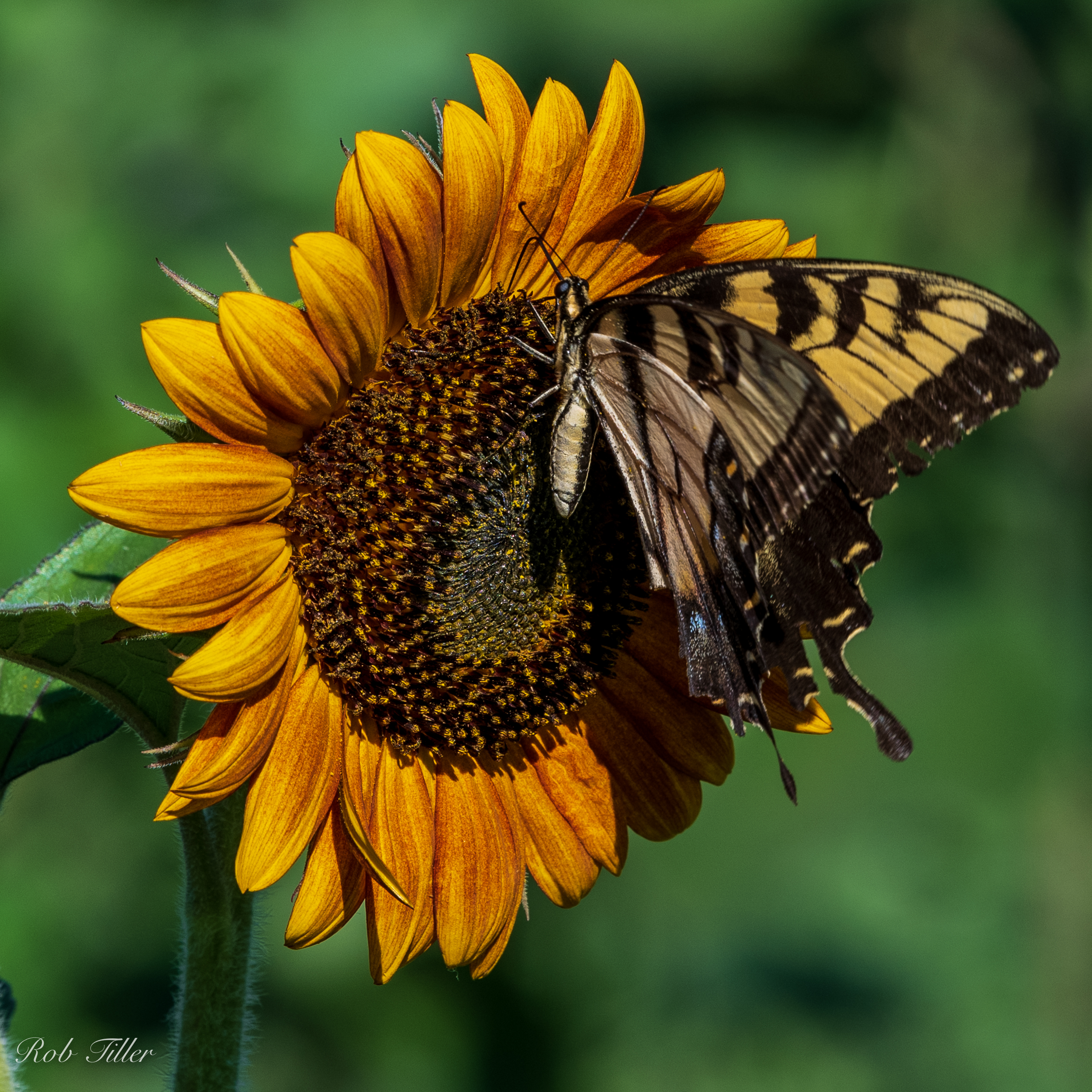
A couple of weeks ago, I spent some time with the sunflowers at Dix Park.  It’s been ungodly hot in Raleigh, so I went early in the morning to avoid the heat.  Even then, I worked up a good sweat just walking around and taking pictures.  Happily, the sunflowers and a cooperative tiger swallowtail butterfly cheered me up.  

In other news, I finally published my first novel.  The title is The Book of Bob, the author is Rob Tiller (unaided by either other human or artificial intelligence), and it’s available on Amazon as an ebook.  It’s a semi-autobiographical novel in the form of short essays, which is to say it is not easy to categorize by genre.  I hesitate to recommend it to the world at large, because some will find parts of it disturbing.  But you might like it.   It’s intended to be engaging, funny, easy to read, and meaningful.  

Among other things, my book reexamines some bad ideas that have big impacts.  Since today is the 80th anniversary of the world’s first attack with a nuclear weapon (the US attack on Hiroshima), it seems like a good time to think about an existentially bad idea of our age:  the need to stand ready for nuclear war.  

We live in a world where there are some 12,000 nuclear warheads – many more than enough to end the world as we know it.  Nations with those weapons are now  building still more, and some without weapons are working to join them.  The nuclear powers are not visibly working on continuing and expanding arms control agreements.  Last week, the President took offense at a Tweet from a Russian politician and threatened Russia with a nuclear attack by submarine.  Almost certainly Russia raised its defcon threat level in response, bringing us that much closer to World War III.  

The prevailing theory for having these weapons is known as mutually assured destruction.  The basic idea is that our enemies won’t use them against us because we might reciprocate by incinerating their entire populations.  We would take this horrific step even though it would likely be followed by their revenge – incineration of our entire population.  That is, across much of the planet, entire populations, including citizens of the US, are forced to serve their own governments as hostages and human shields.  The objective of our balancing on this narrow precipice is – guess what?  Preventing nuclear war.  

There are, to be sure, some other ideas about nuclear warfare that are slightly less crazy.  Nuclear powers sometimes imagine that their weapons will allow them to dominate lesser powers.  But that never works.  The initial US monopoly on nuclear weapons didn’t stop the Soviet Union from taking control of eastern Europe for decades.  

More recently, Russia thought that the threat of nuclear annihilation would bring Ukraine to heel.  Of course, it didn’t.  Israel’s nuclear weapons have not subjugated its enemies.  India’s and Pakistan’s nuclear weapons have not prevented their continuing conflicts. The massive nuclear arsenal of the United States didn’t prevent us from losing wars in Korea, Vietnam and Afghanistan, or discourage our adversaries in Cuba, Iran, Iraq, Serbia, Syria, or any other of our military actions since WWII.   

So, it’s doubtful whether nuclear weapons have ever achieved any realpolitik objectives.  What is not doubtful is that, even assuming the humans managing them are sensible, moral, and careful, accidents will happen.  There have been several widely reported incidents of mistaken reports of nuclear attacks, communications breakdowns, plane crashes, submarine collisions, and other events that could have caused a massive disaster.  Unless we can find our way to nuclear deescalation, a disastrous accident is all too likely.

Finally, if our situation weren’t already dire enough, the control of the US nuclear arsenal is in the sole and complete control of a single individual – the President.  Without getting into the inadequacies of the current President, we can probably agree that even the best of us are subject to intellectual and moral failures.  We all make mistakes, especially under intense pressure.  In the event of a nuclear crisis, the President would have as little as 15 minutes to make a decision on whether to end the world.       

A tiny bit of good news:  There has been some good journalism on our nuclear peril recently, including in the Washington Post, which published this good overview and a description of a hypothetical nuclear crisis.  There’s even been activity in Congress.  Bills have been introduced in the House that, even if they aren’t likely to become law, show that some people are working on the problem.  

H.R. 1888 is titled “A bill to direct the United States to sign the Treaty on the Prohibition of Nuclear Weapons and convert nuclear weapons industry resources and personnel to purposes relating to addressing the climate crisis, and for other purposes.”  As the title indicates, this bill would have the US would join the dozens of nations that have already agreed to the prohibition treaty, and would spend the vast resources now wasted on nuclear weapons to mitigate the climate crisis.

In addition, there’s H.R. 669, titled the “Restricting First Use of Nuclear Weapons Act of 2025.”   This one addresses the problem of a runaway president by restricting his or her ability to authorize a first-use nuclear strike.  It would require a declaration of war by Congress before such an action can be taken.   

Finally, House Resolution 317 “calls on the President to … actively pursue a world free of nuclear weapons as a national security imperative; and … lead a global effort to move the world back from the nuclear brink, halt and reverse a global nuclear arms race, and prevent nuclear war ….”  Trump seems like an unlikely guy to do this, but he really wants a Nobel Peace prize, and accomplishing this would surely put him in the running.  So who knows?

H.R. 1888, H.R. 669, and H. Res. 317  are all pending in House committees.  If you’re in touch with your Congressperson, please consider him or her them to support these measures.


Some good changes — a new house, and new ways of thinking about animals

For quite a while, I’ve wanted to organize and share some of my favorite photographs.  Finally, it has happened:  my son, Gabe Tiller, built a website for me, and it’s now live.  Along with nature photography, it has links to my Instagram, YouTube, and Casual Blog communications, and information on buying prints.  If you’re interested in having a look, the address is robtillerphotography.com.  

In other news, last week we moved from our twelfth floor condo downtown (see view above) to a ranch house in north Raleigh.  We’d been in the condo for fourteen years, and were mostly happy there, but ready for a change.  The new place is closer to our sweet baby granddaughter, and convenient to other things we like to do.  We’ve got more space inside and out.  We’re particularly excited to have big trees all around, with lots of songbirds, and deer that come by to munch the grass in the backyard.

Of course, moving is a pain.  It took me two days of opening and sorting through boxes to find the book I’d been reading with enthusiasm – Justice for Animals, by Martha Nussbaum.  Nussbaum takes on a difficult subject that I’ve thought a lot about – how humans can better relate to other animals.  The way we do it now mostly ranges from indifference to unspeakable cruelty.  It’s a big step to start seeing non-human animals as beings worthy of respect and concern, but after that, there are still many uncertainties as to how to think about and change our longstanding practices.

Nussbaum is an eminent university philosopher, but fortunately, her book is intended for a wider audience.  Her central idea is what she calls the Capabilities Approach, which proposes that we treat all animals (including humans) so as to enable them to flourish.  This means understanding a creature’s inherent capacities, such as their perceptual abilities, and striving to allow them to have opportunities to do the things that are important to them, like eating food they like and socializing.

Under Nussbaum’s approach, it is clearly wrong to cause animals to suffer, whether in factory farms, laboratories, or neglectful homes.  She offers a helpful way of thinking about how to correct some of our worst practices.  At the same time, she reminds us of the awe and wonder of the natural world.  If that sounds interesting, you might enjoy her book.

Speaking again of photography and nature, I wanted to flag a fine short essay  by Lewis Hyde from last week in the New York Times.  His subject is nature viewed through the prism of his lifelong passion for butterflies.  He explains that carrying a butterfly net, even though he no longer kills the insects, leads to a more intense quality of attention.  I suspect that this is much the same as carrying a camera into the field for nature photography.   

Hyde observes,

But the pleasure of hunting derives from something more subtle than the congruence of image and fact. By virtue of looking for butterflies, you are differently aware of everything that is not butterfly. Once the eyes adjust, many wonders are illuminated by the halo of your search image. To see that there are no butterflies on the bark of a tree, you must see the bark of the tree and, by a curious inversion, the thing not hunted suddenly is freshly revealed. The search image is wholly mental, after all, and all that fails to match it is strikingly not. There it is, the bark of a tree! Vividly it is not in the mind. Often I find myself staring in a seizure of wonder at some simple thing — a disc of moss on the path, a column of ants in a crack of dried mud, deer scat in sunlight — that I would never have seen so clearly or with such surprise if I were not hunting for something that is not those things and is not there.

I’ve had much the same experience in the field doing nature photography.  As much as I enjoy finding animals and trying to make  good photographs, a big part of my enjoyment is something that is unphotographable – perceiving and appreciating the larger natural world. 

Sunflowers, galaxies, and Liszt

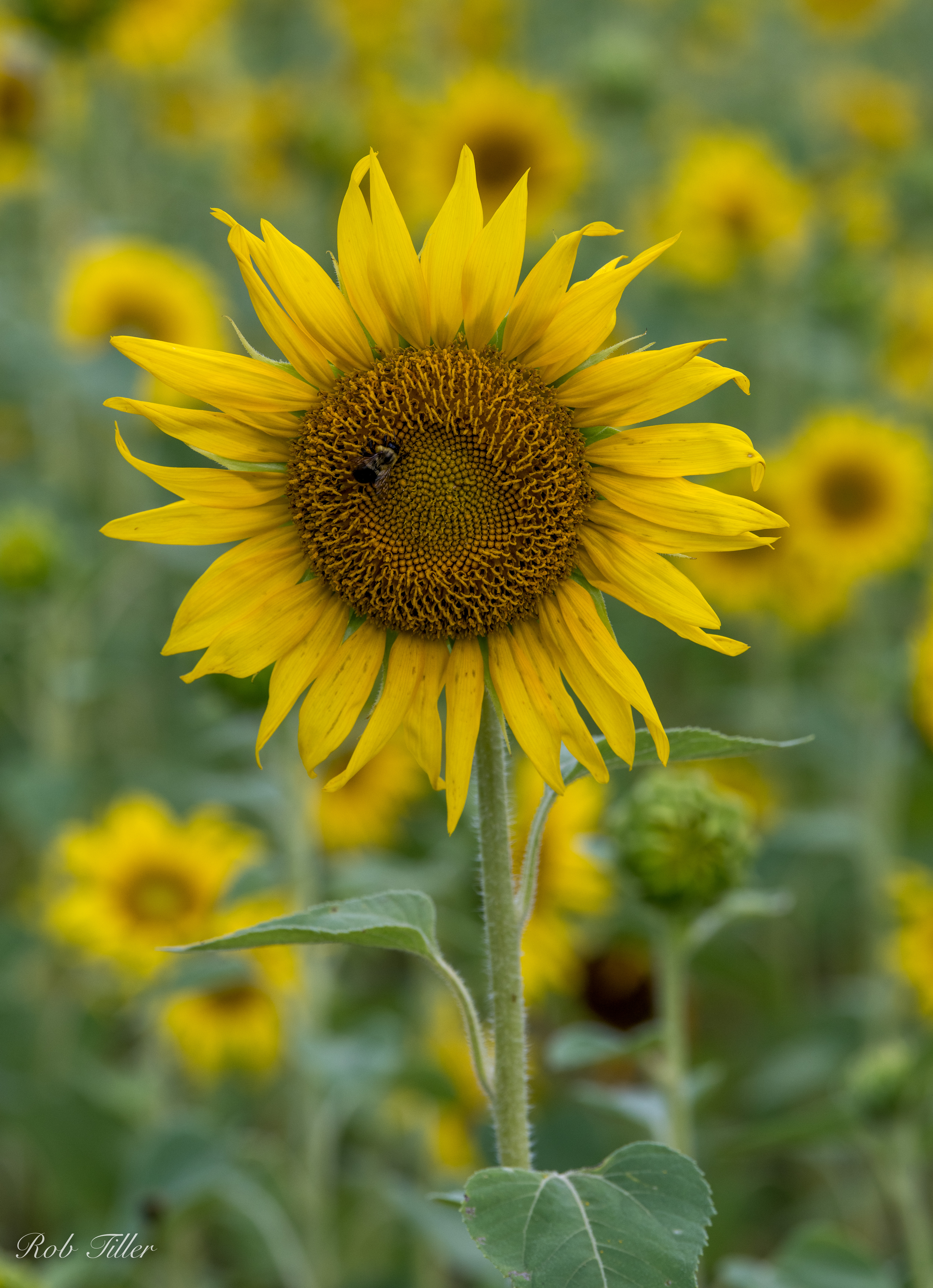
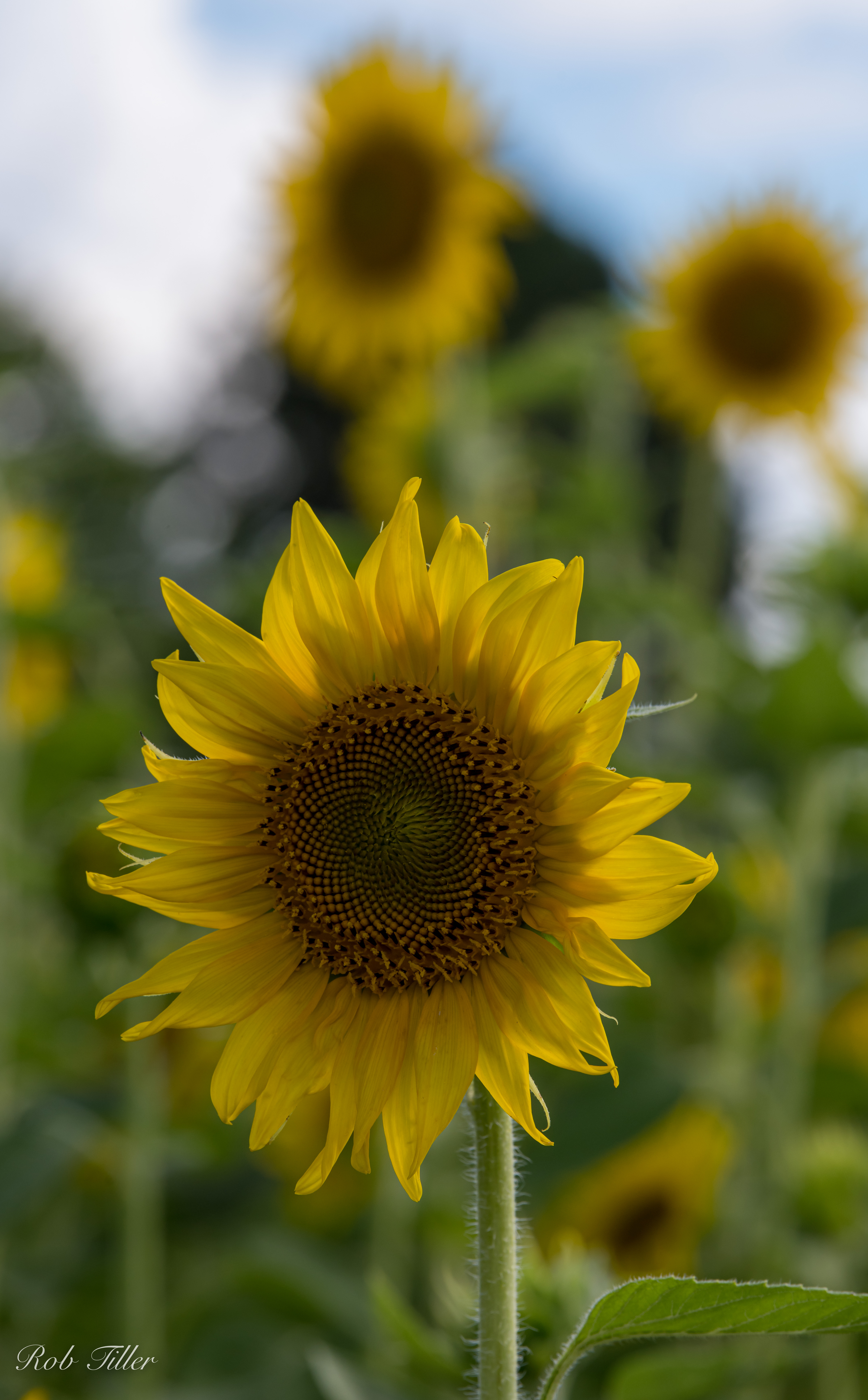
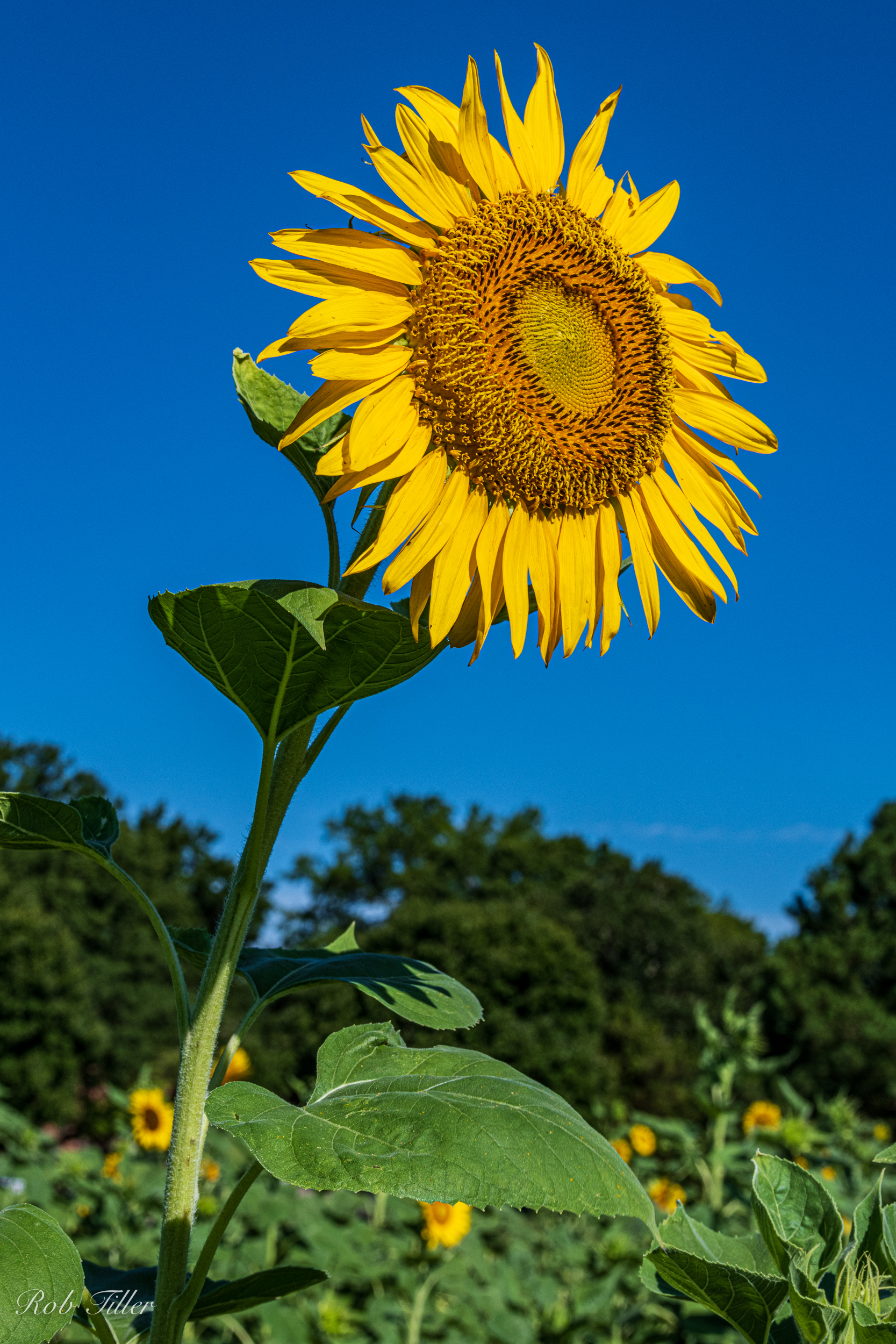
The sunflower field at Dix Park looked fantastic this week!  I visited there several times to bask in their sweetness, and also to test out my new camera.  I tried to look at them in different ways, and thought a few of the images were worth sharing.

Speaking of pictures, it was cheering to see the new shots  from the Webb Space Telescope showing the early universe.  It is truly mind boggling to think of the size and age of the universe (more than two trillion galaxies, each with hundreds of billions of stars, stretching back about 13.8 billion years), and to think we have the technology to look back in time almost that far.  There is a lot to regret about humans, but this is one thing I really like about them – at times they are full of unselfish curiosity and wonder.

I’ll admit I’ve been feeling a bit low lately from discouraging news on multiple fronts – environmental, legal, social, economic, military, meteorological, medical, ethical, etc.  It’s tempting to vent about some of these, but I’m thinking that’s unlikely to be helpful just now for me or  others. 

Instead I’m trying to take special note of positive events, big and small, and cultivating compassion.  

Granddaughter Gus, almost 10 months old, just started crawling, and is getting really good at it.  She can pull herself up on the window sill and have a look out at the back yard.  She’s usually cheerful, and eager to see what each new thing she can grab tastes like.

I played Liszt’s Liebestraum No. 3 for my piano club friends last week.  This is a famous piece of music, for good reason, with gorgeous melodies and dramatic modulations.  There are some exciting virtuosic flourishes, which are at the edge of or just beyond my ability level, depending on the day.  I made a few mistakes, but I felt it was musical.   Playing the piano for me is primarily about therapy (self care), but I’m glad when I can share with others some of the beauty and joy.

Liszt had a long (1811-1886) and interesting life.  I’ve been reading Alan Walker’s very fine biography of him, and am now in the second of the three volumes.  He was a towering musical figure in his time, but recent generations have tended to underappreciate his achievements.  I’ve been struck not only with his brilliance, but also his remarkable generosity.  

I got two of the volumes used, sold by college libraries, where it appeared they’d been checked out either once or never.  It pained me a little that they couldn’t find readers, but at least they found me!

Liszt and his great contemporaries, including Chopin, Schumann, and Brahms, continue to inspire me.  In addition to absorbing their musical messages, I’m making more use of their discoveries in my jazz playing.  Some of their harmonic ideas have already been thoroughly incorporated into the jazz standards that I’ve made my own, but there are always new possibilities.  

Getting through the pandemic, no thanks to Trump

Sunflowers at Odom Farm in Goldsboro, NC

After several months of trying to avoid Covid-19 virus by minimizing human contact, I’m not quite myself, and I suspect that’s true of many others.  I’m not a particularly social person, but it turns out I’m more social than I thought.  I miss those little human contacts, even the ones that were never going anywhere, like the friendly smile of a stranger that will always be a stranger.  

I’ve gotten to be a big believer in masks to slow the spread of the virus, but they are not fun.  I don’t so much mind the personal discomfort, but I do mind not seeing the faces of others.  We communicate a lot with our uncovered faces, and lose a lot when they’re covered.  Perhaps we’ll eventually develop new capacities to distinguish people and their emotions from just their eyes, the way sightless people can do with sound.  For the time being, it seems like we’re going blind with regard to other faces.   

We’re now in uncharted psychological territory.  I’m guessing that there’s more anxiety and depression across the land.  There have been reports of more domestic violence and suicide.  Though staying home may reduce anxieties for some, and even lead to new inner pathways.  

In any case, it looks like we’re going to be here for a while.  Whatever our current anxieties or anxiety solutions, they will likely be changing as time goes on, because that’s how things work — they change.  I’d like to think they could only get better, but I see no good reason to be confident of that.  Though they might.

It would be unfair to blame Trump and Trumpism for the pandemic.  But it seems completely fair to note that T&T have made a bad situation a lot worse.  By minimizing the seriousness of the health threat and discouraging sensible and practical responses, Trump and those who enable him have been responsible for many deaths, with more to come.

Most everyone now knows that Trump is thoroughly incompetent, unqualified not only to be president, but for even the most minor position of responsibility.  No reasonable person would engage him to water their houseplants, because he would almost certainly let them die.  Then he would blame their death on the family dog.

Most of us recognize that when we have a big problem, we need a smart expert to help.  But not Trump.  This week he and his minions conducted a mudslinging campaign against the leading expert on the pandemic in his administration, Dr. Anthony Fauci.  Dr. F is the rarest of birds in Trumpland:  a person who is qualified for his position and tells the truth.  So why did the Trumpists try to discredit him?  Dr. F declined to follow the T line of pretending the pandemic was a minor matter and well under control, and instead acknowledged the likelihood that it wasn’t just about to go away.  

Trump’s ordinary playbook for dealing with a crisis involves various combinations of pretending there is no crisis, blaming someone else for it, and creating some other crisis to distract from the first one.  He’s tried all of those with the pandemic, with predictable results (that is, persuading only those Fox News viewers who will believe anything).  So of course, he blames Dr. Fauci.  

As Trump’s poll numbers keep going down, he keeps trying his old playbook, including fear mongering directed against minorities, foreigners, and liberals.  But I noted a new element this week.  The Times reported that “tensions with China are rising,” with “some” thinking that a new cold war may be developing.

I wondered, who is feeling those tensions and doing this thinking?  I’ll speak for myself:  not I.  I’m feeling no such tension.  I do not feel directly threatened by China, and don’t observe any threats to my neighbors.  

If I lived in Hong Kong or India, of course, it would be quite another matter. China has a brutal authoritarian government that has expansionist ambitions, so it behooves us to watch it closely and oppose it non-violently.   But I’ve seen no evidence that China wishes to have a war with us.  

Although I am not tense about China itself, I am somewhat tense because of the possibility that the Trumpists may think a conflict with China would be beneficial to the president, for the same reason that racism and xenophobia are beneficial:  they distract from other problems.  

The pandemic has demonstrated anew that Trump views the only point of his presidency as getting reelected.  That is, he doesn’t think he has a duty to protect the public, the troops, or anyone, other than himself.  He’s prepared to let vast numbers of people die from Covid-19 if it helps his reelection chances.  So, although it would be disastrous, it would not be out of character for him to try to get reelected by staging a wag-the-dog war with China or someone else.

But I’m hopeful that if he starts down that path, the top generals and other officials will take their Constitutional oath seriously and decline to follow unlawful orders.  We may survive, with Hurricane Trump moving out to sea.  We soon may be able to start the hard work of cleaning up the damage and starting to address our real problems.

I visited these sunflowers last week at Odom Farming Company in Goldsboro, NC.  They have a lot of lovely flowers, and are happy to have visitors, if you check ahead.

Considering sunflowers, and a proposal for survival: population control

Sunflowers--2

This week I spent some more time with the sunflowers at Dix Park.  There were a lot of pretty ones, including some at least eight feet tall, and others that had passed their prime.  I learned from signs there that sunflowers are the only flowers with flower in their name, and that they point themselves toward the sun during the day.  

Dix Park was formerly the site of Dorothea Dix Hospital, North Carolina’s first institution for the mentally ill, which was progressive when it was opened in 1856 and not so much so when it was finally closed in 2012.  The sunflower field is on top of a former garbage dump (officially, a “landfill”). The sunflowers are grown as an industrial crop that provides fuel for city vehicles.  

Sunflowers-0320

The connections between mental illness, institutions, garbage, and urban transport take us in one direction, but sunflowers take us in another.  They stand up tall and shine, and without any effort, cheer us up.  I put one on my phone for a new screen saver.

Sunflowers-0330

Last night Sally and I watched The Inventor, a documentary about Elizabeth Holmes and her company, Theranos.  Holmes recruited investors with promises of revolutionizing medical testing with new technology. It turned out that the technology was not actually in existence.  There were hundreds of employees, including some trying to build a testing machine that corresponded to Holmes’s idea, but they never made a successful model.  

In the documentary, we see Holmes presenting herself and her idea, and she’s undeniably attractive and impressive.  It’s easy to see how a lot of successful and sophisticated people believed in her.  It isn’t altogether clear what she herself was thinking. The human mind has an amazing capacity for self delusion, so Holmes may have believed a lot of her own baloney.  It may be that she started out as a cockeyed big dreamer and, as the impossibility of the dream became clear, ended up as a wanton fraudster.    It’s an interesting psychological puzzle.Sunflowers-0431Speaking of puzzles, I finished Christine Korsgaard’s important  but sometimes difficult book, Fellow Creatures: Our Obligations to the Other Animals.  Korsgaard is a brave soul. She challenges the almost-never-questioned assumption that humans have a right to do whatever they want to non-human life.  If there is no such right, what humans are doing to non-human life is monstrously evil.  For example, we kill more than 50 billion farm animals a year.  It’s not an easy subject.

Korsgaard suggests that the earth would be much better off without so many humans, which is almost certainly true.  I was surprised, though, that she doesn’t press more on the issue of restraining population growth as a bridge to a less broken world.  

Sunflowers-0293

Our politicians’ ridiculous fearmongering over immigrant invasions is a distorted-mirror reflection of a real problem:  there are too many people on the earth, and many more are coming soon. There are not enough natural resources to sustain all the people that are here with their existing and hoped for consumption patterns.  Those consumption patterns are already disrupting non-human life on a massive scale, including widespread extinction of entire species. At the same time, resource conflicts are disrupting various countries, creating millions of refugees, and undermining governments.

And the problems are getting worse.  The population, which is now around 7 billion, is still growing.  For all our current global population to have the American level of consumption would require the resources of 4 earths.  And we’re expecting 4 billion more humans by the end of this century, so we’ll be needing almost two additional earths.  

But we only have the one.  Climate change and other environmental problems, such as air pollution, fresh water loss, and soil erosion are all exacerbated by increasing populations in a negative feedback loop.  

Sunflowers-4374

Here’s a simple example:  as there are more people who need more food, a changing climate and environmental degradation will make it harder or impossible to grow enough food for all.  And industrialized agriculture, already a major contributor to climate change, in attempting to produce more food, will likely further degrade the environment.  For a fuller accounting of very possible near term environmental destruction mechanisms, read The Uninhabitable Earth, by David Wallace-Wells.

At present, our default mode for addressing this population problem is to pretend it doesn’t exist.  There is, to be sure, a sense in which it could take care of itself: people in excess of the earth’s carrying capacity will likely die by the millions or billions.  However, adopting this solution would be horrible, not only for humans, but for all the non-human life that the desperate humans would extinguish in their losing struggle to survive.  

Sunflowers-0466

Beginning with better education on family planning, we could slow the pace of population growth, and eventually arrive at a population that could exist without irreversible planetary destruction.  Korsgaard suggests the possibility that reproduction might be regulated with some sort of licensing scheme. As she notes, we don’t let people drive cars without demonstrating the necessary skill set, but we have no skills requirement for parenting.  

Any change like that would be controversial, of course, and perhaps we’d conclude that’s not a good approach.  But if we’re hoping to avoid horrendous destruction of human and non-human life,  we need to get creative and get to work; there’s no time to waste.  At present, our governments aren’t working on the population problem, or even talking about working on it.  How can that be OK?


My new Trailhawk, sandcrabs, sunflowers, and busing

Yates-4271

My new slightly used ride down the hill from the sunflowers at Dorothea Dix park

When I was in Maine at the and of June, I had a rental car I really liked:  a 2019 Jeep Cherokee Trailhawk. It was about the same size as my Mazda CX-5, and drove similarly on the highway.  But there were things I liked more about the Trailhawk: its seats, which fit me well, and its instrumentation, including a big touchscreen.  I liked its off-road capabilities, including a locking rear differential and towhooks to get pulled out of the mud. Also, I really liked the color:  velvet red pearlcoat. 

So I read some reviews and did some market research, and the day after I got home I traded in my Mazda for a red Trailhawk.  Later that week we took it to the Outer Banks to visit sister Jane and her family. We watched the 4th of July fireworks at the Currituck lighthouse from their deck, and shot off a few Roman candles.  I got up before sunrise with a plan to take pictures of sanderlings and other shorebirds at first light, but didn’t find the necessary birds.  

Yates-3286

Sandcrabs at Corolla, NC

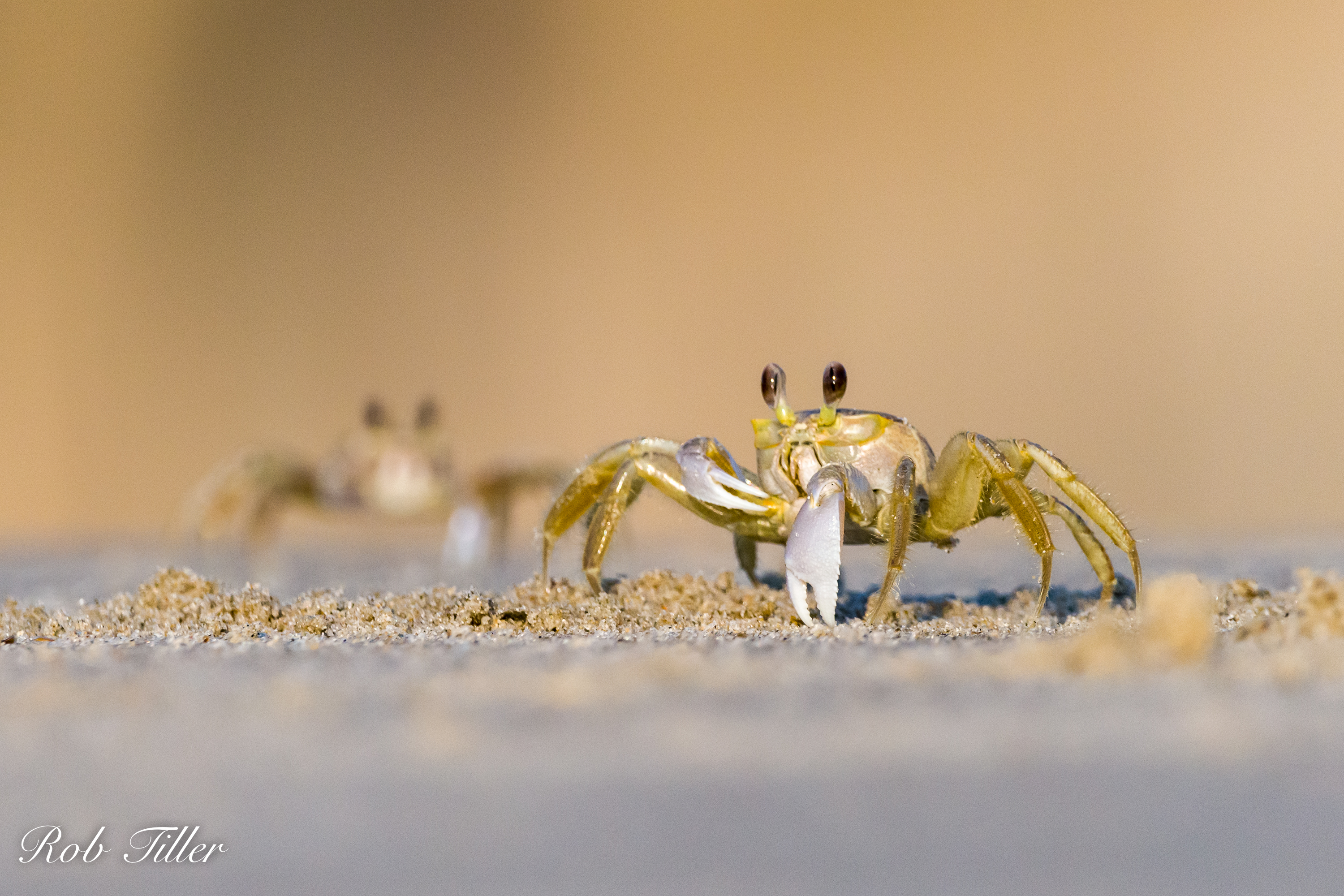
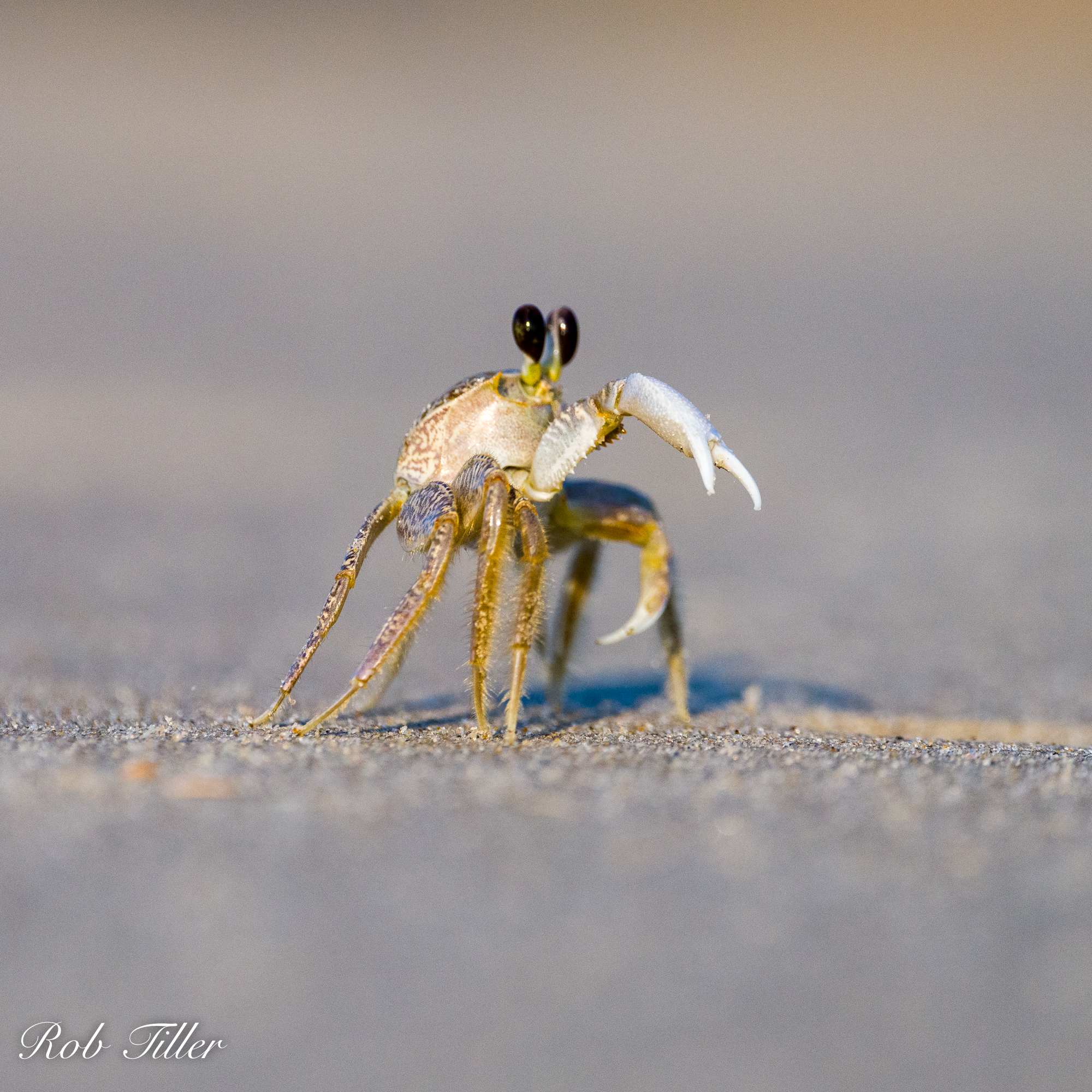
I did, however, see a lot of sandcrabs.  They’re small and well camouflaged, and they can skitter quickly.  In places where I glimpsed a couple, I got down on my belly with my large zoom, and waited for them to get comfortable with me.   

Yates-3271

I’m sure the families walking by  on the beach thought I was a strange bird as I lay there.  But it was worth it. Eventually the tiny crabs came out of their holes, and I saw them working on different projects, like finding food and scaring off their enemies.  Though I wouldn’t call them beautiful, they are fascinatingly complex.  

Yates-3300.jpg

I was reminded of a sweet essay in the Times a few weeks ago my Margaret Renki titled Praise Song for the Unloved Animals.  Renki writes of the hard work by some of nature’s relatively unphotogenic pest controllers and garbagemen, like opossums, vultures, bats, and field mice.  She even finds a kind word for mosquitoes who are food for chimney swifts and tree swallows. She appreciates the complex interconnectedness of life. I’m sure she’d be happy to add sandcrabs into her list.  Yates-3812.jpg

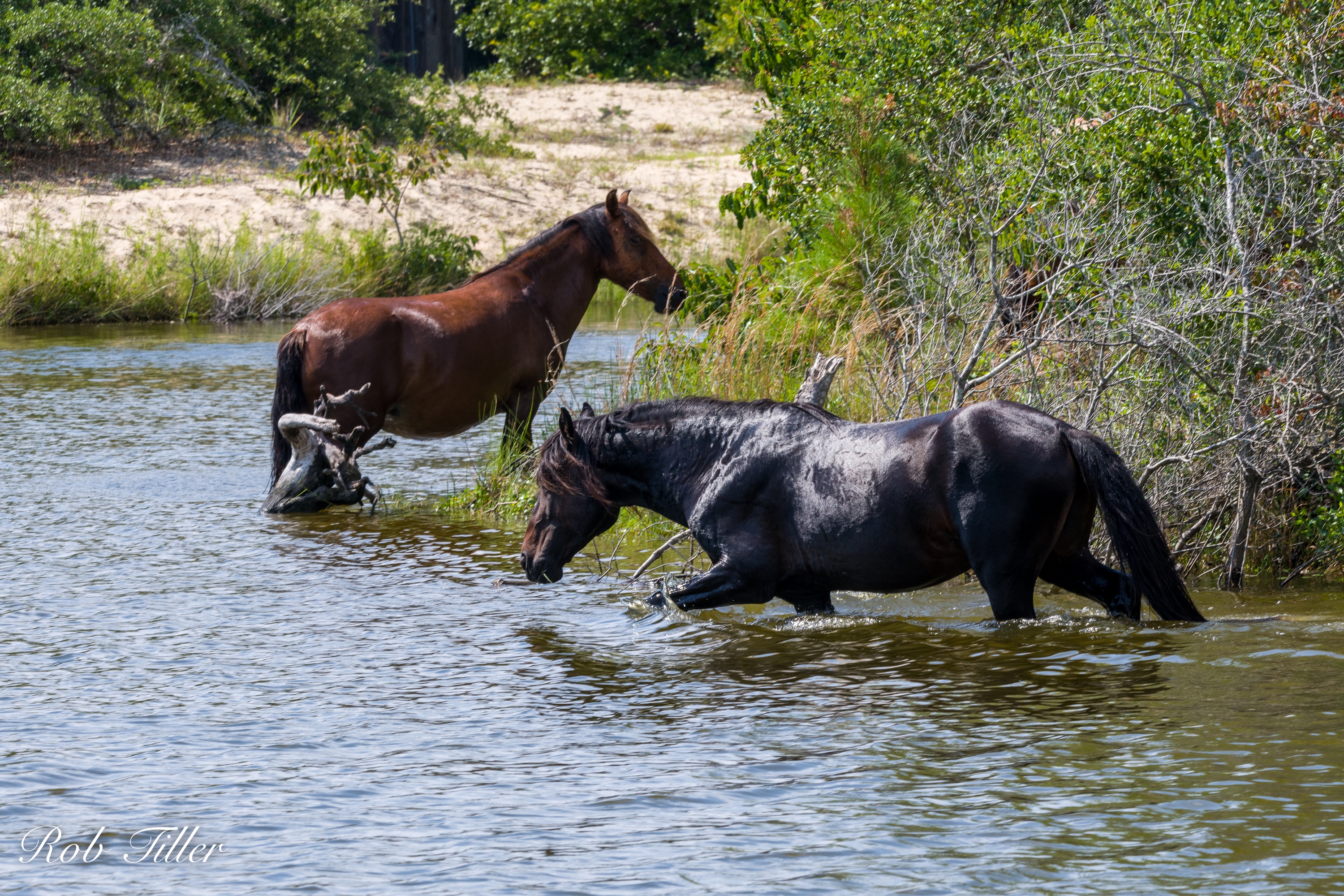
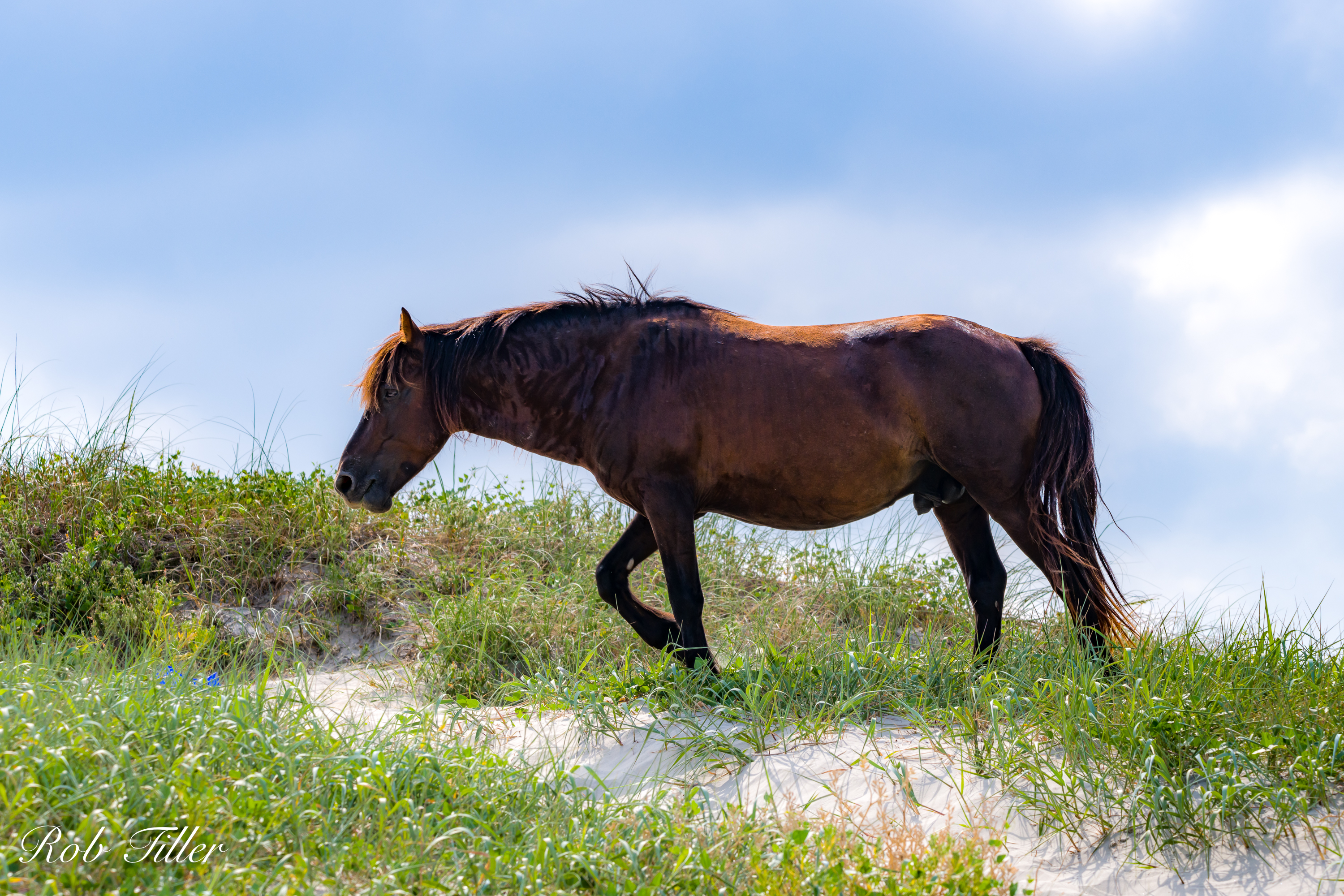
We took the Trailhawk up to the beach area where cars are permitted, and verified that it will go on the sand without getting stuck.  We hunted for the wild horses that live there, and managed to spot eight of them.  

Yates-3878.jpg

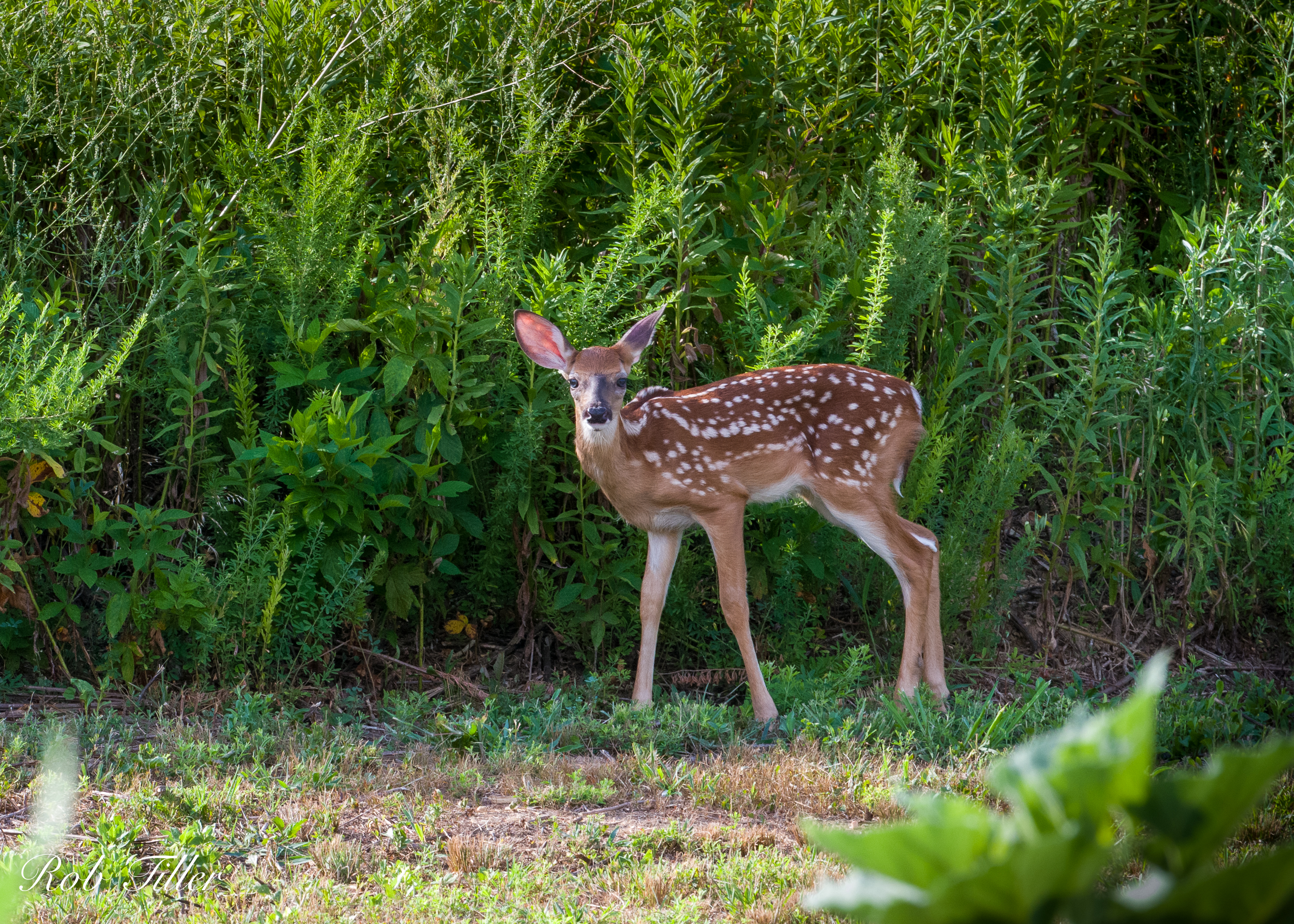
Back in Raleigh, I got up early three mornings this week to check on the sunflowers at Dorothea Dix park.  There were many of them! I tried to look at them in different ways. These pictures were my favorites.   I also got a shot of a little fawn on the edge of the sunflower field.  It was bleating loudly for its mommy.   It watched me for a long moment, then started to run towards me, perhaps thinking I could help find her.  I waved my arms and told it I didn’t know where mommy was, and the fawn turned and ran into the woods.  

Yates-4066

I never particularly thought of myself as a sunflower person.  And definitely never thought of myself as a Jeep person, or a person who liked red cars.  But if we’re attentive, we sometimes discover things about ourselves we didn’t know, and get past our prejudices.  

Yates-4343.jpg

Speaking of prejudices, there was a very fine essay in the Times yesterday  by Nikole Hannah-Jones about school busing.   Hannah-Jones has a great short summary of US system of separating black kids from white ones in our schools, which we still haven’t fixed.  She also decodes the political language. Back in the sixties, and now, Instead of saying, we don’t want our white kids going to school with black ones, we said, we don’t like school busing.  Using the language of “busing” allowed us to conceal from ourselves our racial prejudice, of which we are — and should be — ashamed.

Yates-4260.jpg

Hannah-Jones points up that busing was pretty effective in places and at times in undoing some of our legacy of segregation.  I think schools are only one part of repairing the damage of that system. Facing up to extreme inequality in income, jobs, housing, and health care are still on the to-do list.  But desegregating our schools is important, and doable. It is likely to involve buses.   

Yates-4209.jpg