The Casual Blog

Tag: South Africa

More on our South African safari and new discoveries on birds and plants
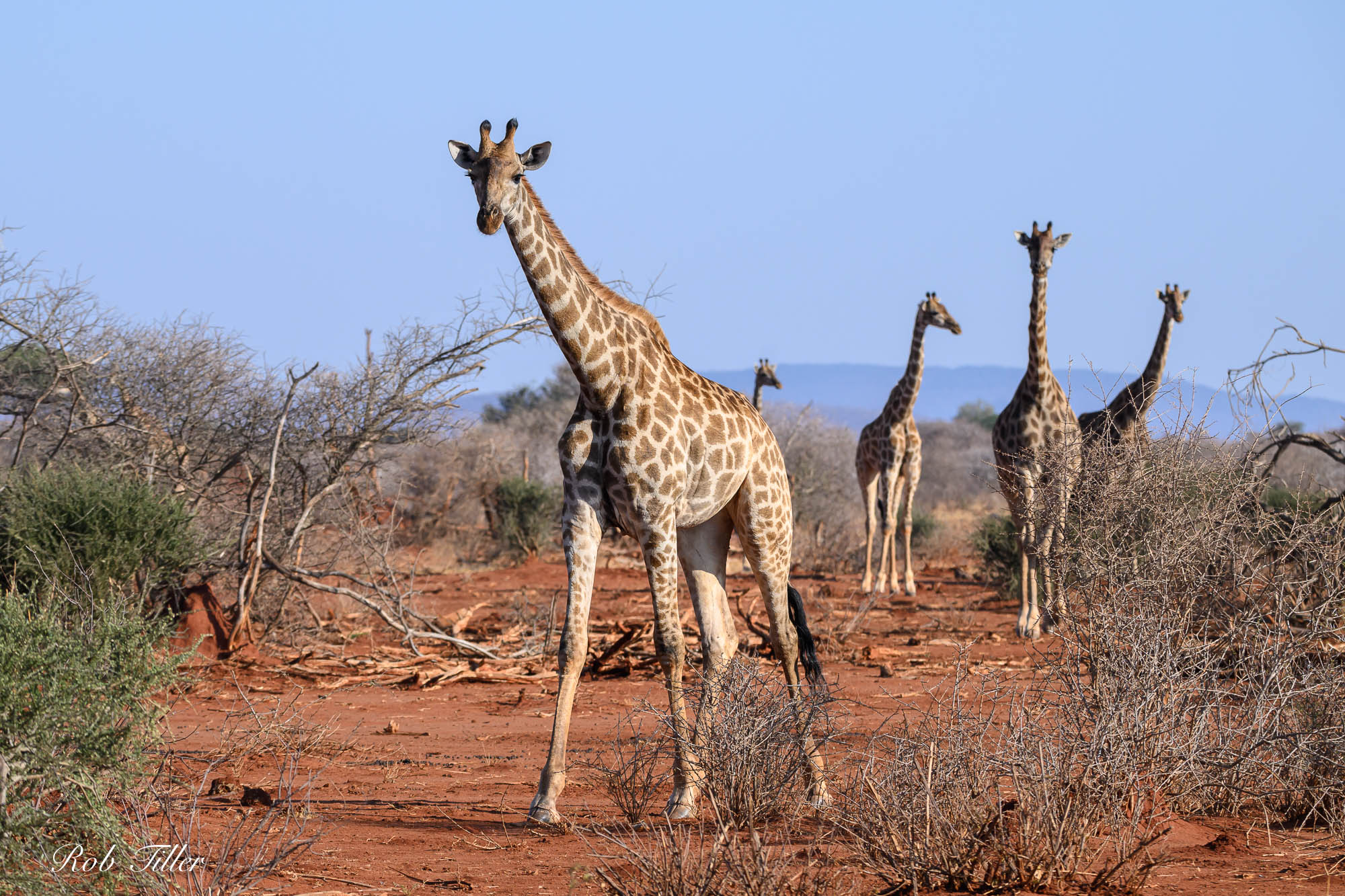
I finally finished going through the thousands of pictures I took during our South Africa safari, and found a few more I wanted to share. 
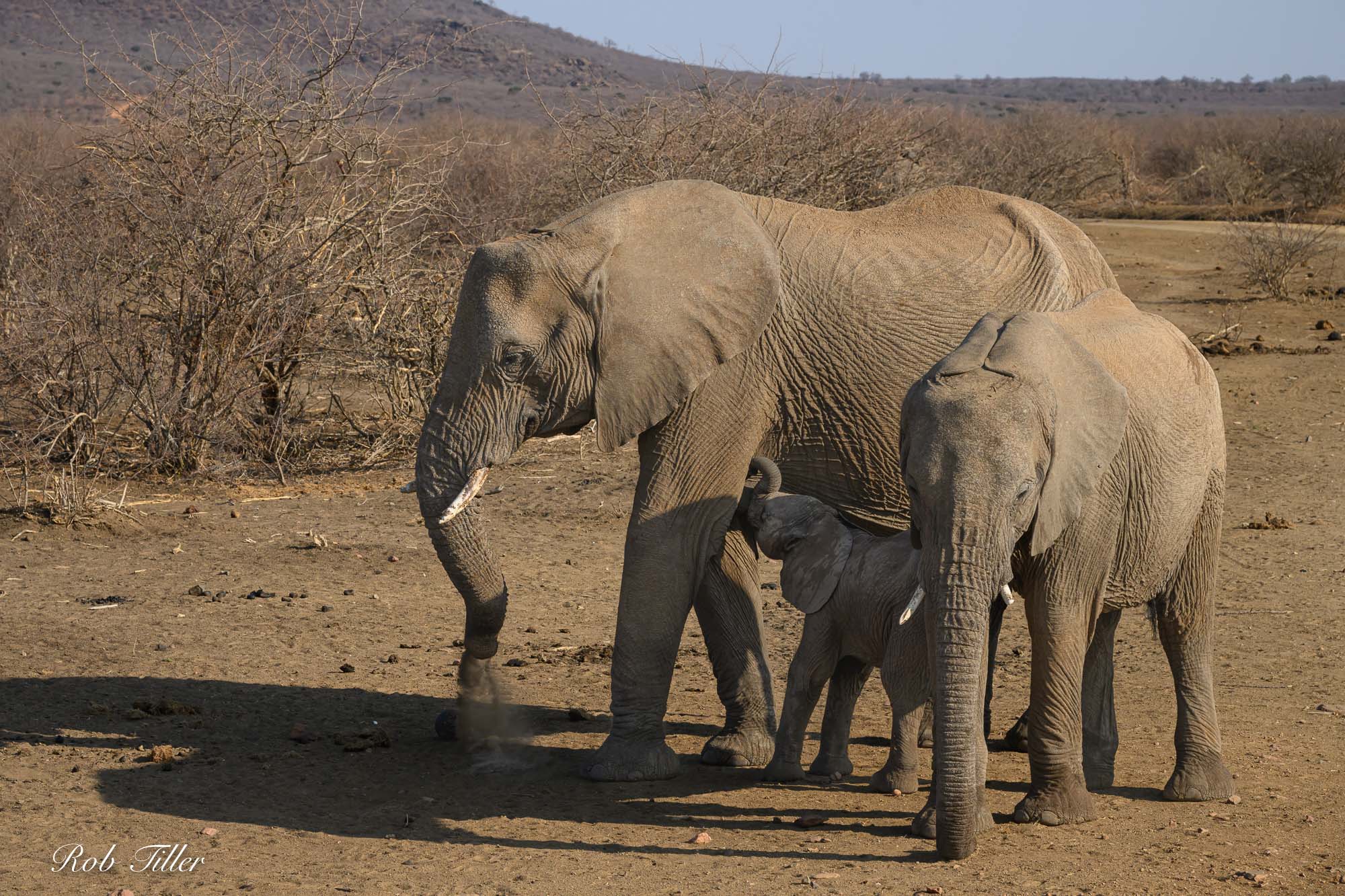
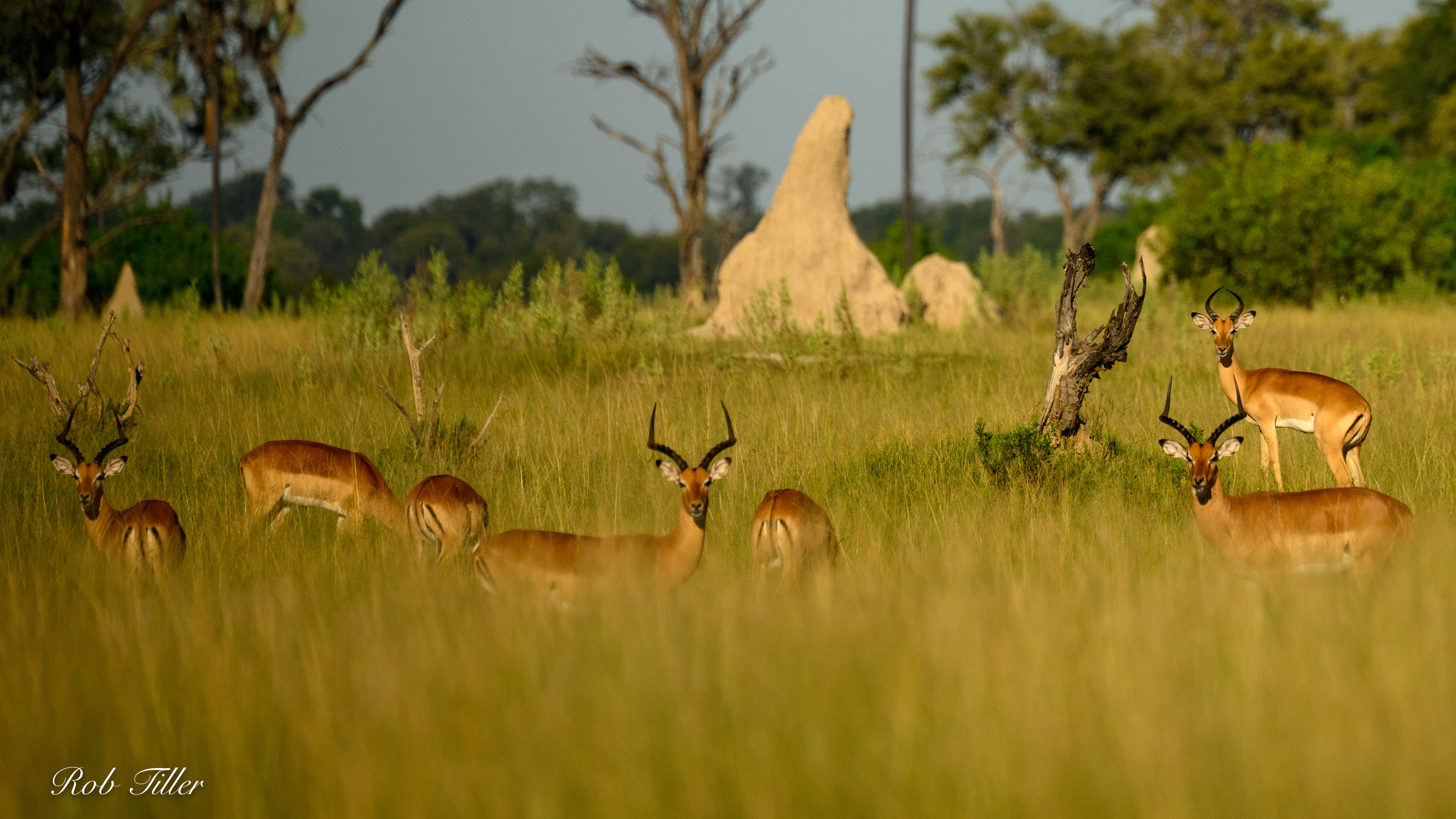
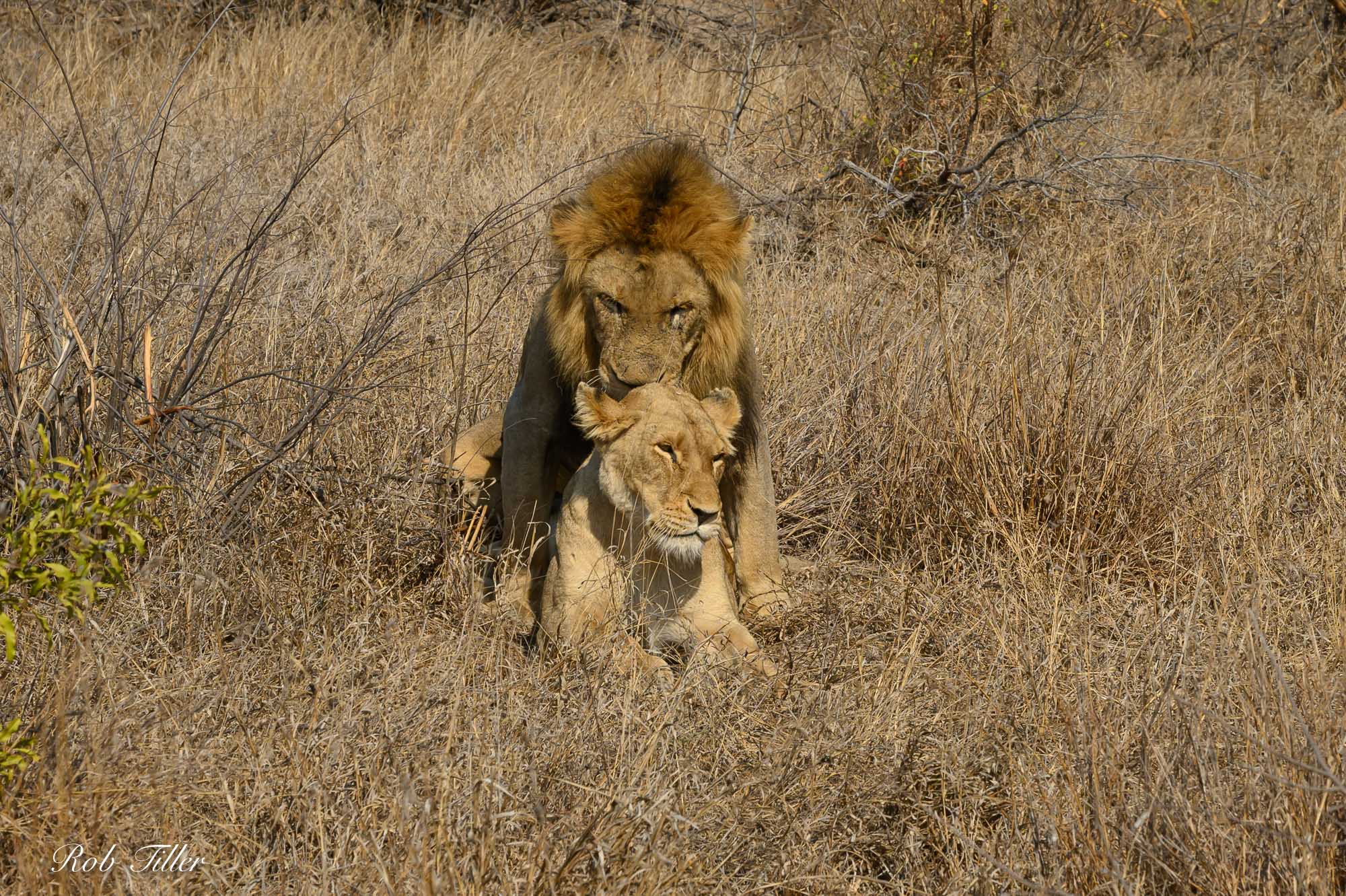
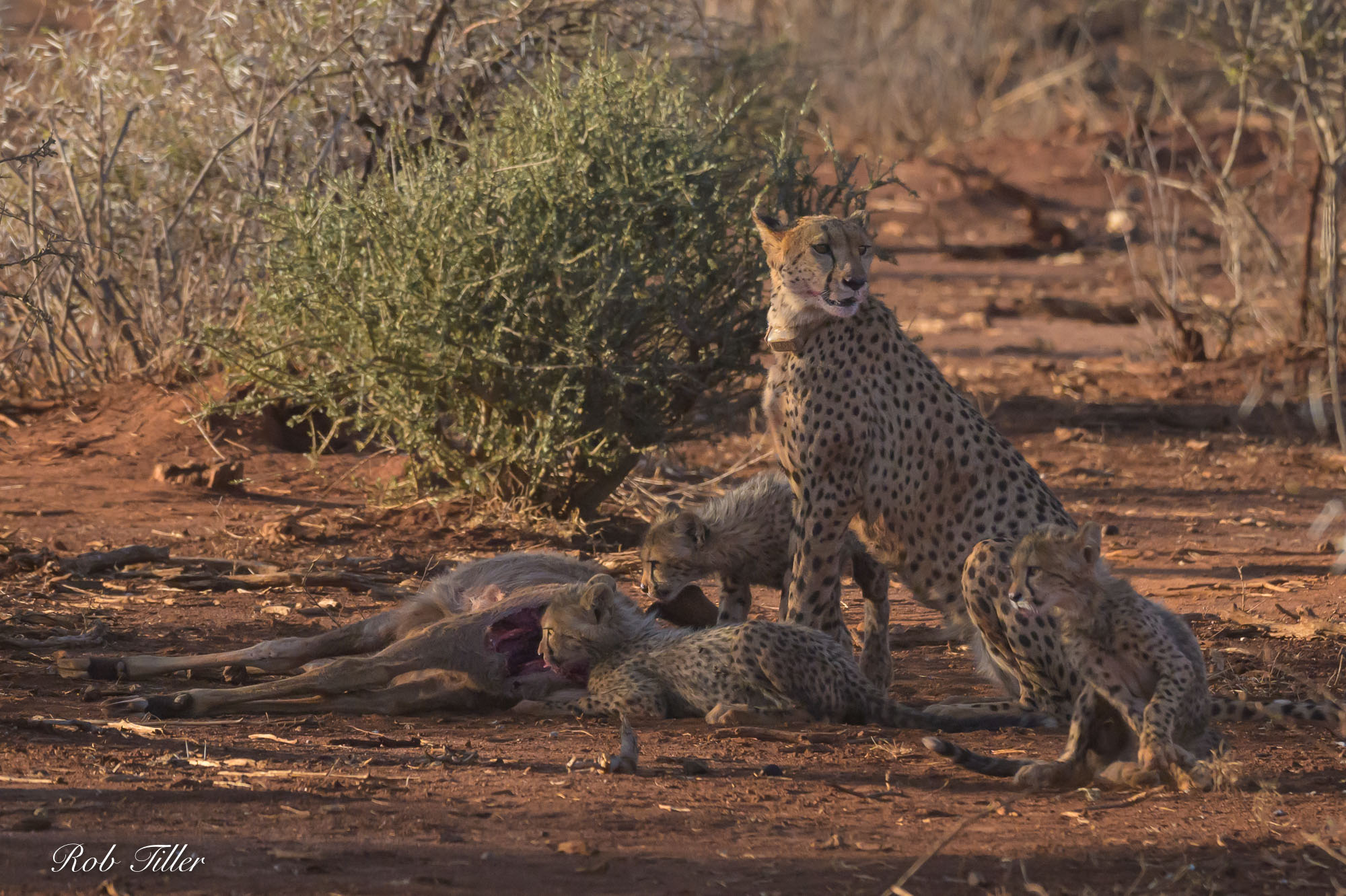
During the safari, we saw animals doing many of the things we know they have to do, like eating, drinking, bathing, teaching their young, and mating.  We didn’t see any actual kills, but we did see several big cats feeding on recent kills.   I debated whether to share photographs of those, since it’s unavoidably sad, and perhaps upsetting, to deal with the death of a beautiful creature like an impala.  But I also see an element of beauty in the predator and his or her success.  

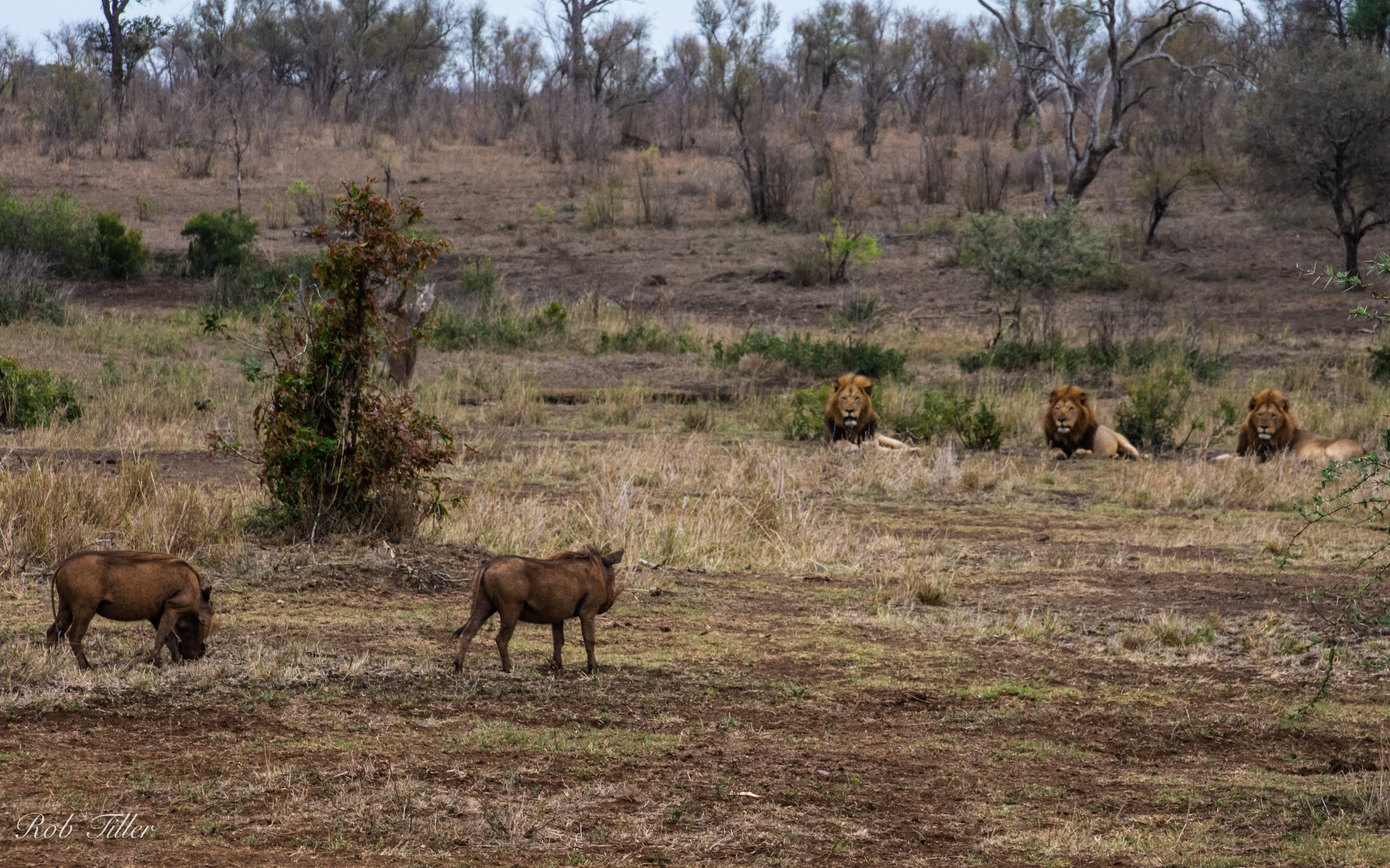
The lions, leopards, and cheetahs must kill to survive and to feed their young.  It’s just the way they’re made.  It turns out that it’s quite difficult for them to hunt successfully, and they often fail.  Grazing animals are highly sensitive to predator risks, and most of them are, when healthy, either faster or stronger than their predators.  On this trip, we watched a hidden lion lie in ambush for lengthy periods hoping, unsuccessfully, for an unwary zebra or impala.  
The grazing animals that the big cats catch are generally the old, young, or ill.  In fact, their hunting is important for the health of the grazing herds.  It  keeps diseases in check and prevents overpopulation and overgrazing that would lead to more death.  Nature generally manages to keep things remarkably well balanced among predators, prey, and plants, when there isn’t human interference.
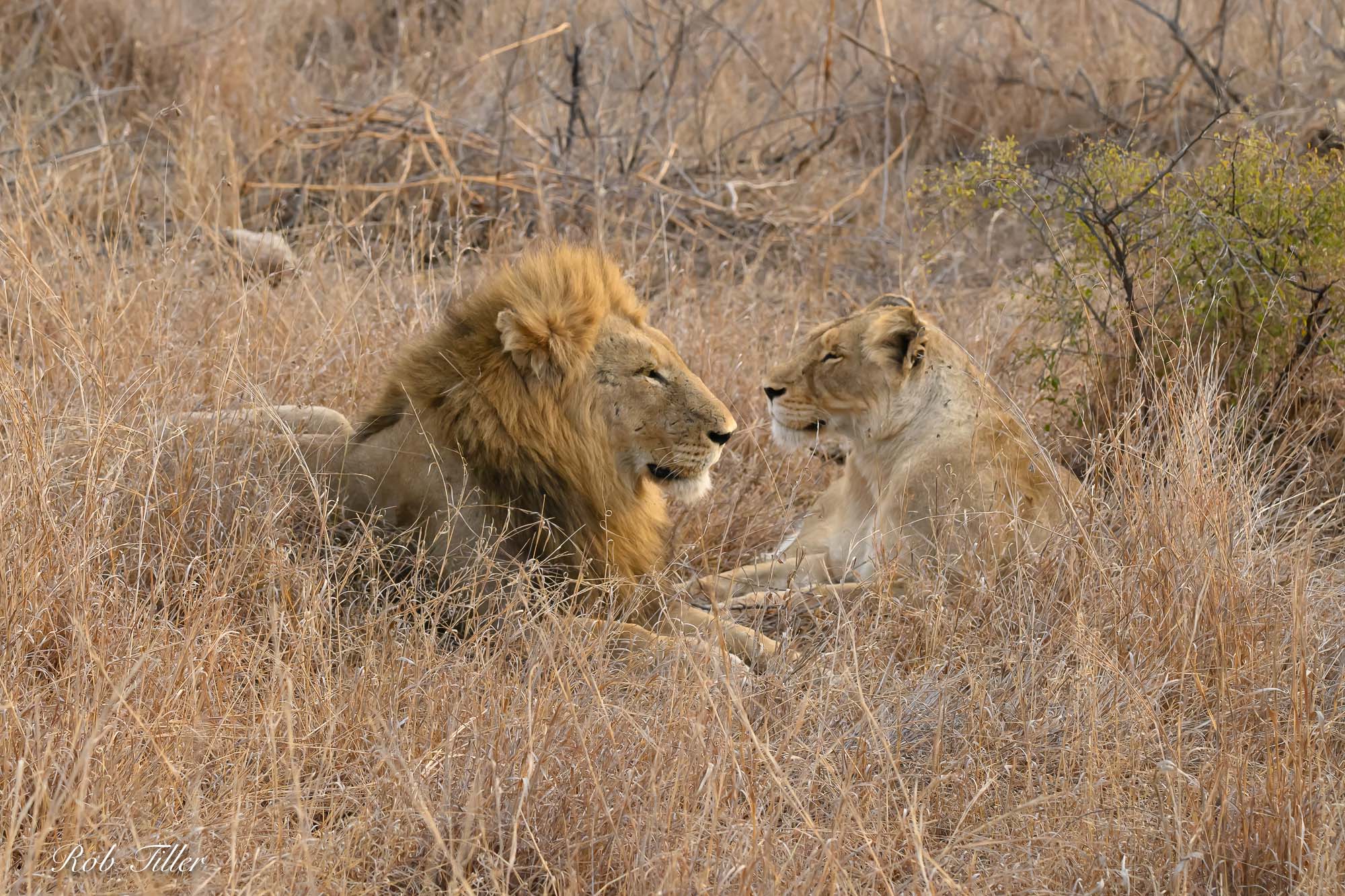
There’s a vast amount that we do not know about nature, which is exciting, in a way:  there’s so much more to learn.  This week the New Yorker had a lively and interesting piece by Rivka Galchen about what scientists are learning about bird song. 

I’ve been interested in bird song for many years, but mainly as a way to identify birds that won’t allow themselves to be seen.  From watching flocks of big birds like tundra swans and Canada geese, I’d come to suspect that their vocalizations allowed them to coordinate their travels together.  Now researchers are confirming the suspicion that their sounds have a lot of communicative content.  
Scientists have long recognized that birds make specific alarm calls, and are learning that some of those calls differentiate the threats of, say, a hawk or a snake.  It turns out that bird parents make sounds while incubating their eggs that the developing baby bird learns.  We’re learning that bird communication is more complex than we thought, which indicates that their intelligence is more complex than we thought.  

With fall arriving, it’s gotten a bit chilly for me to have my morning tea on our deck, but when it’s mild I like to sit out there as the sun is rising and listen to the birds.  I’ve been using the Merlin app to identify calls and songs I don’t already know.  The app has gotten a lot better over the last couple of years, and is almost always accurate, at least as to the birds I’m familiar with.  
Speaking of the natural world, I’m in the midst of a remarkable book about plants:  The Light Eaters:  How the Unseen World of Plant Intelligence Offers a New Understanding of Life on Earth, by Zoe Schlanger.  Schlanger has reviewed the scientific literature and interviewed leading botany experts researching how plants sense the world and deal with their environments.  Her style is friendly and approachable, and her content is at times mind blowing.  

It turns out that plants are much more  proactive than we used to think.  There are species that modify their chemistry in response to predators to make themselves less appetizing.  There are ones that send out chemical signals to warn others of their kind of particular predators.  Some even send out chemical signals to summon insects that will prey upon the plants’ enemies.  
There is considerable evidence that plants respond to touch.   Some researchers have found that they respond to certain sounds, which we might call hearing.  They modify their behavior to avoid threats and to improve their nutrition.  The puzzle is that they lack a clear hearing organ, like an ear, or a centralized interpretive organ, like a brain.  How they do it is yet to be discovered.  

But it’s hard to avoid the thought that plants are in some sense conscious.  Schlanger recognizes that the idea of plant intelligence is still controversial in the botanical science world, and gives credit to scientists for being cautious and careful.  In this time of great anxiety about the human world of politics and war, her new book is a welcome reminder that, quite apart from humans, the world has been and continues to be full of wonders.   
Our safari in South Africa

Last week Sally and I got back from a two-week safari trip to South Africa.  The travel was grueling, but it was fantastic to see so many animals living there.  I took thousands of photos and haven’t had time to look through them all.  But I’ve taken a quick pass through the first few days’ worth, and found some I wanted to share, along with some thoughts related to the trip.

Nature is amazingly creative!  Seeing such a variety of its creations up close was, for me, a kind of religious experience – maybe a Taoist one.  It highlighted the fascinating web of relationships between animals, plants, microbes, soil, and water.  Over time, evolution keeps coming up with new designs and new solutions.  In a time of a lot of human misery and confusion, time in the South African bush helped me take a longer and more hopeful view.  

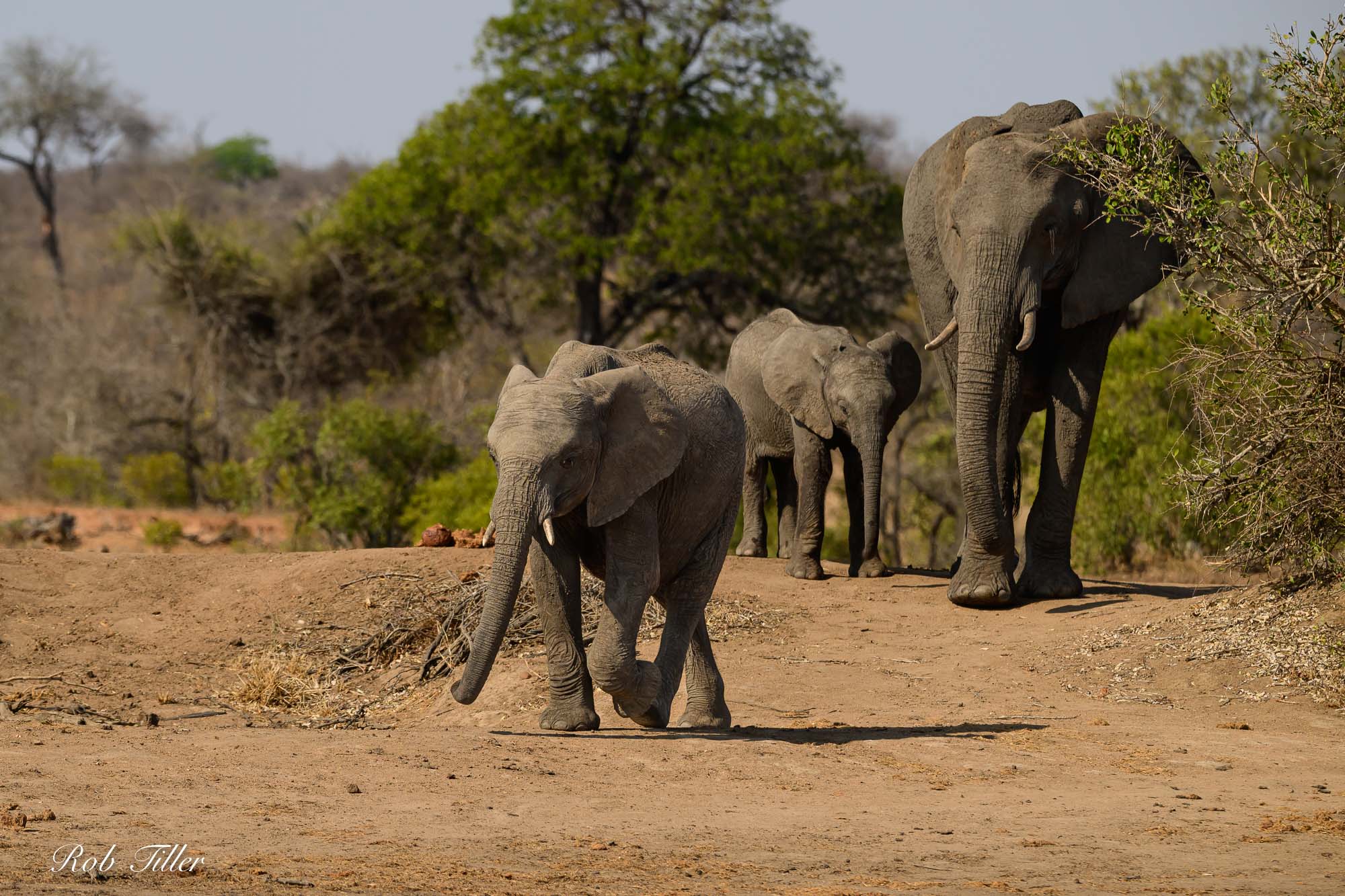
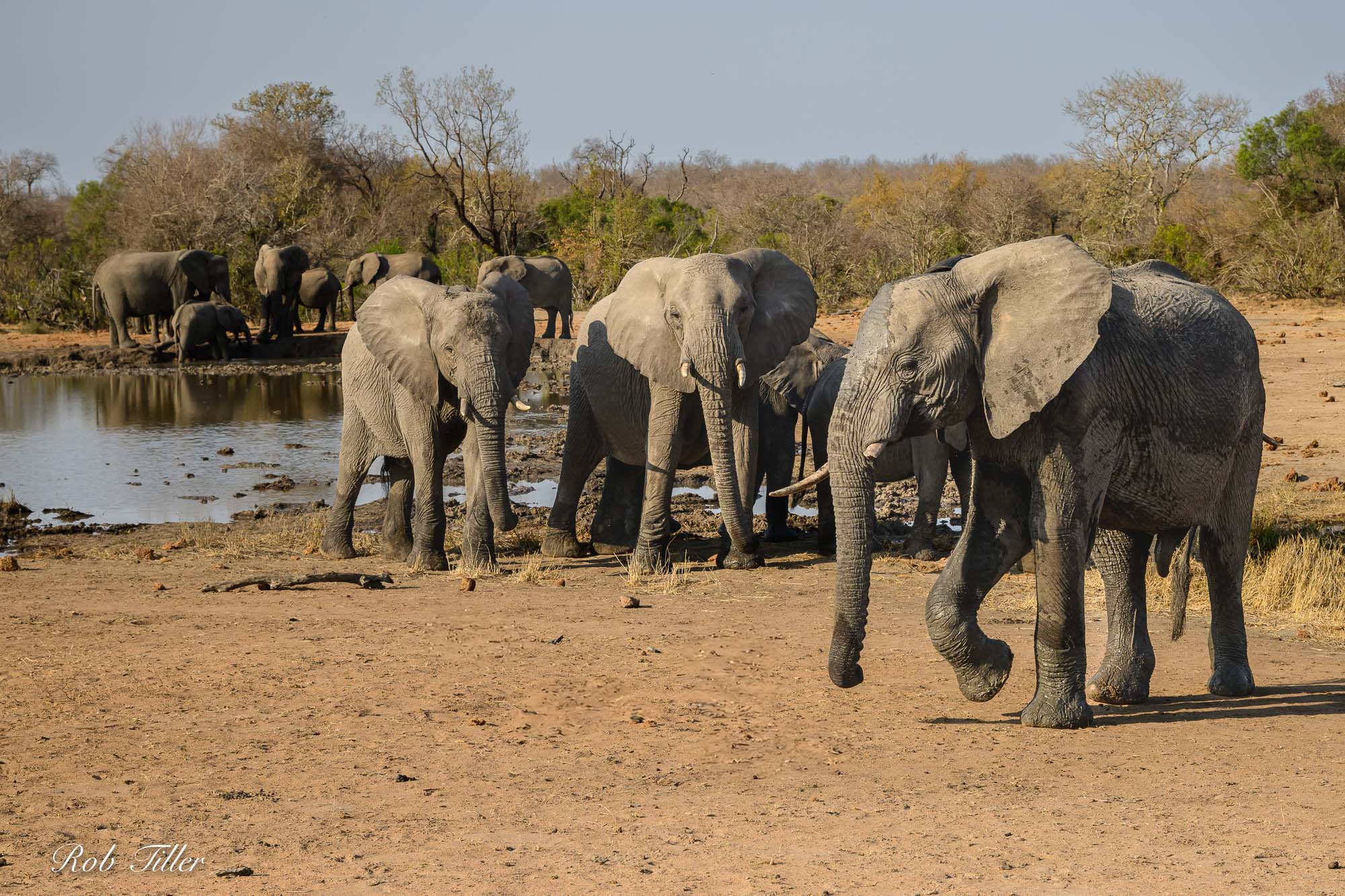
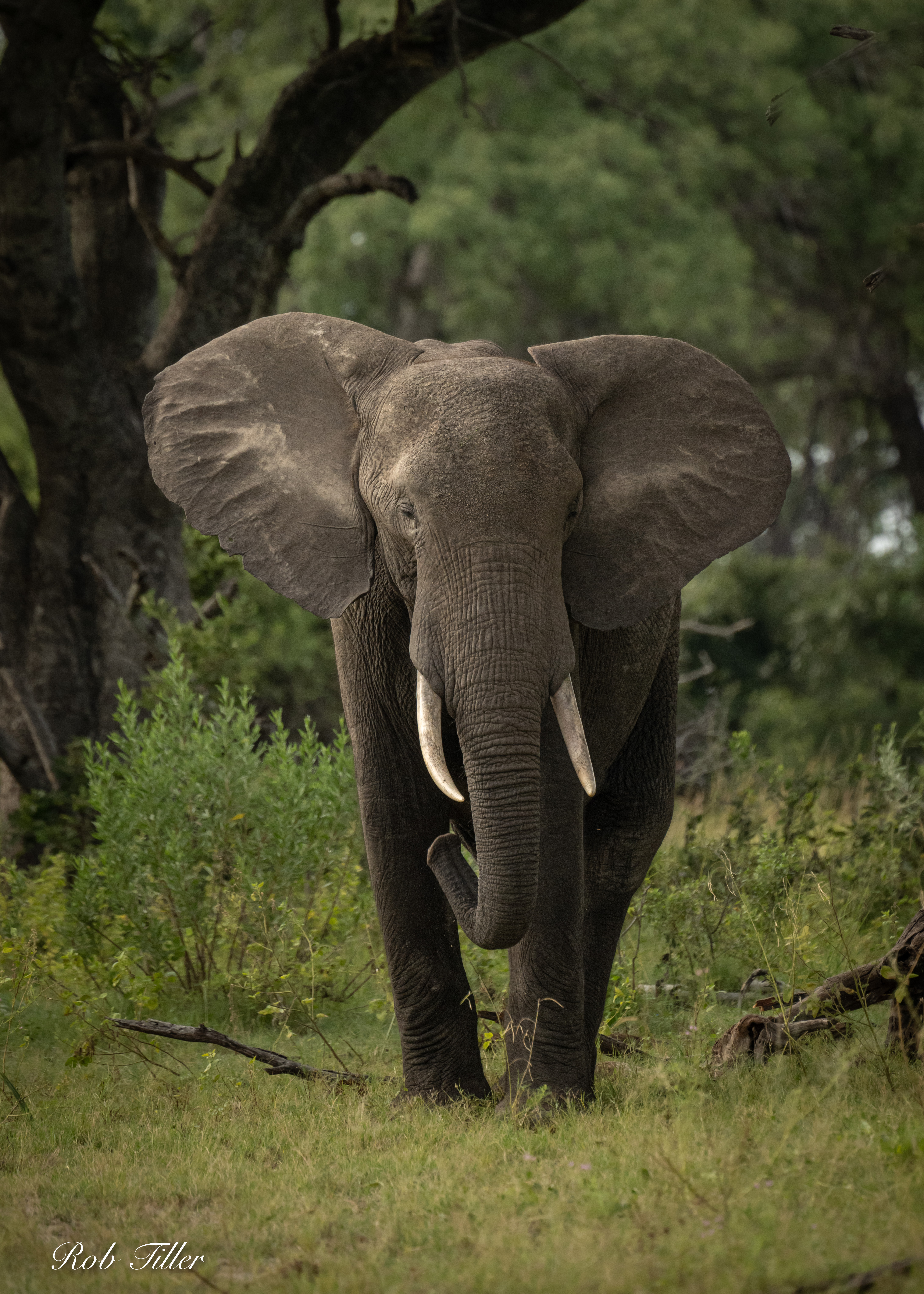
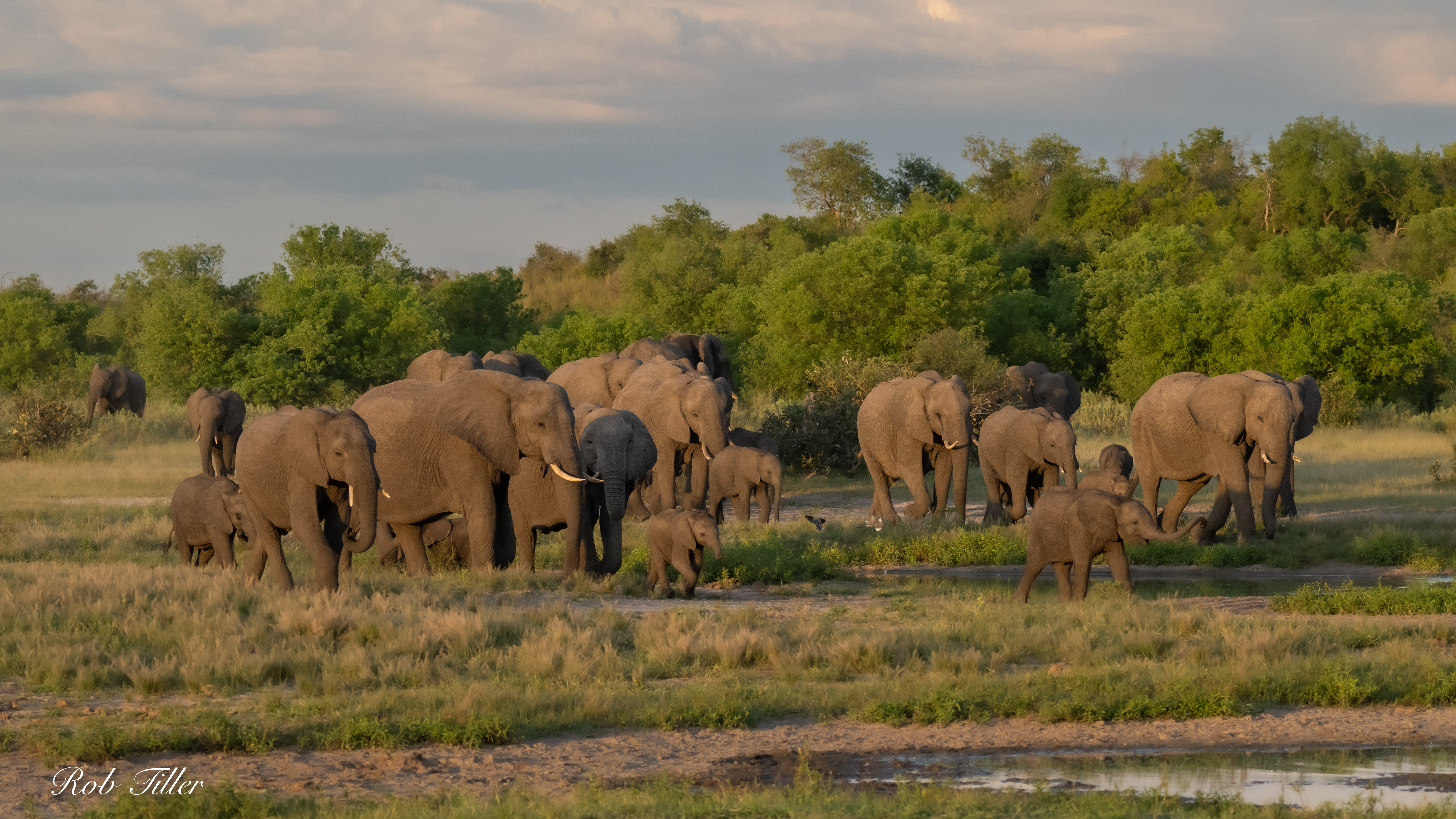
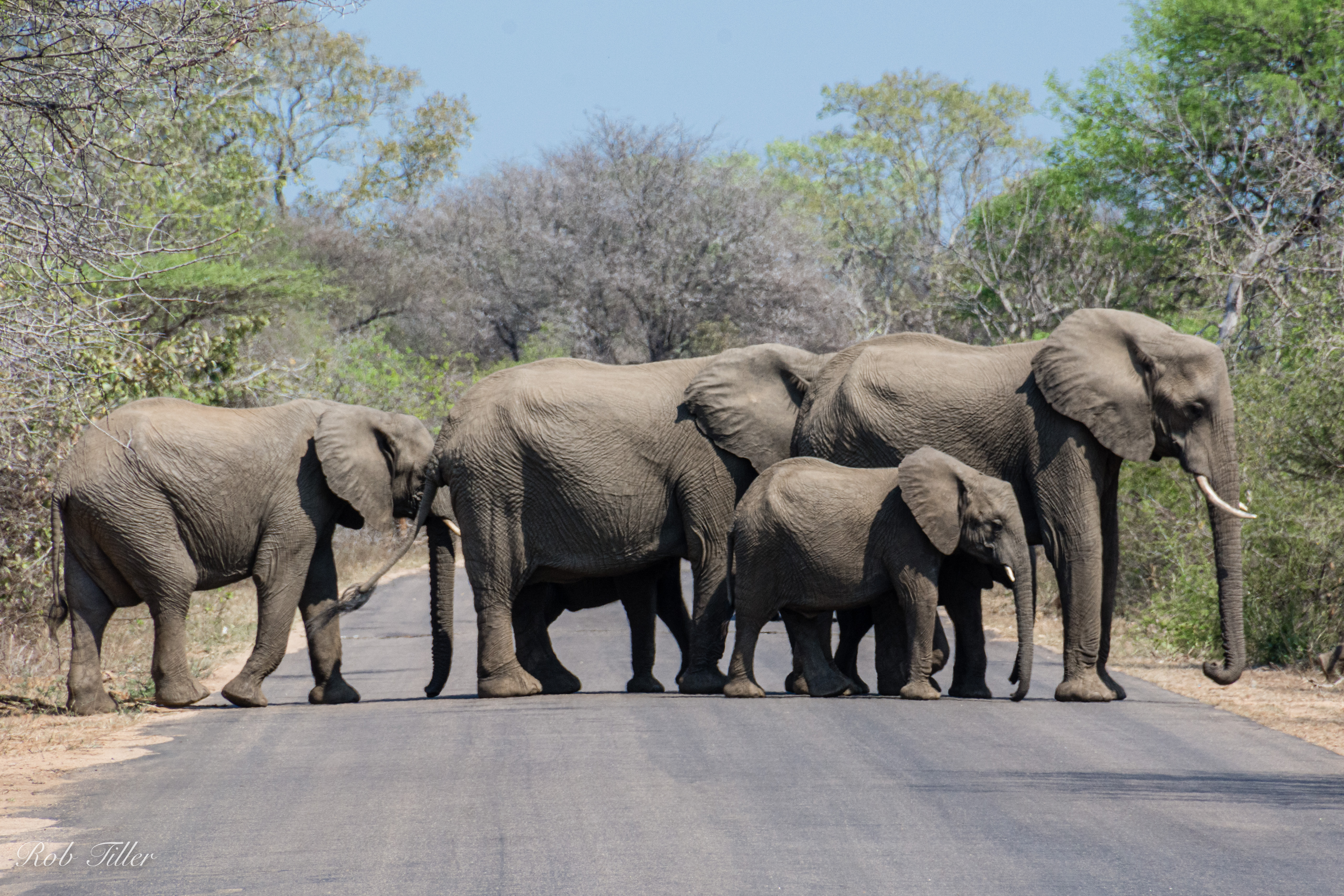
I especially enjoyed watching the animals’ relationships with their families and others.  Some species, like elephants, are very social, and seem to enjoy being with their families and herds.  An important part of their lives is working together to find nourishment and take care of the young ones. 
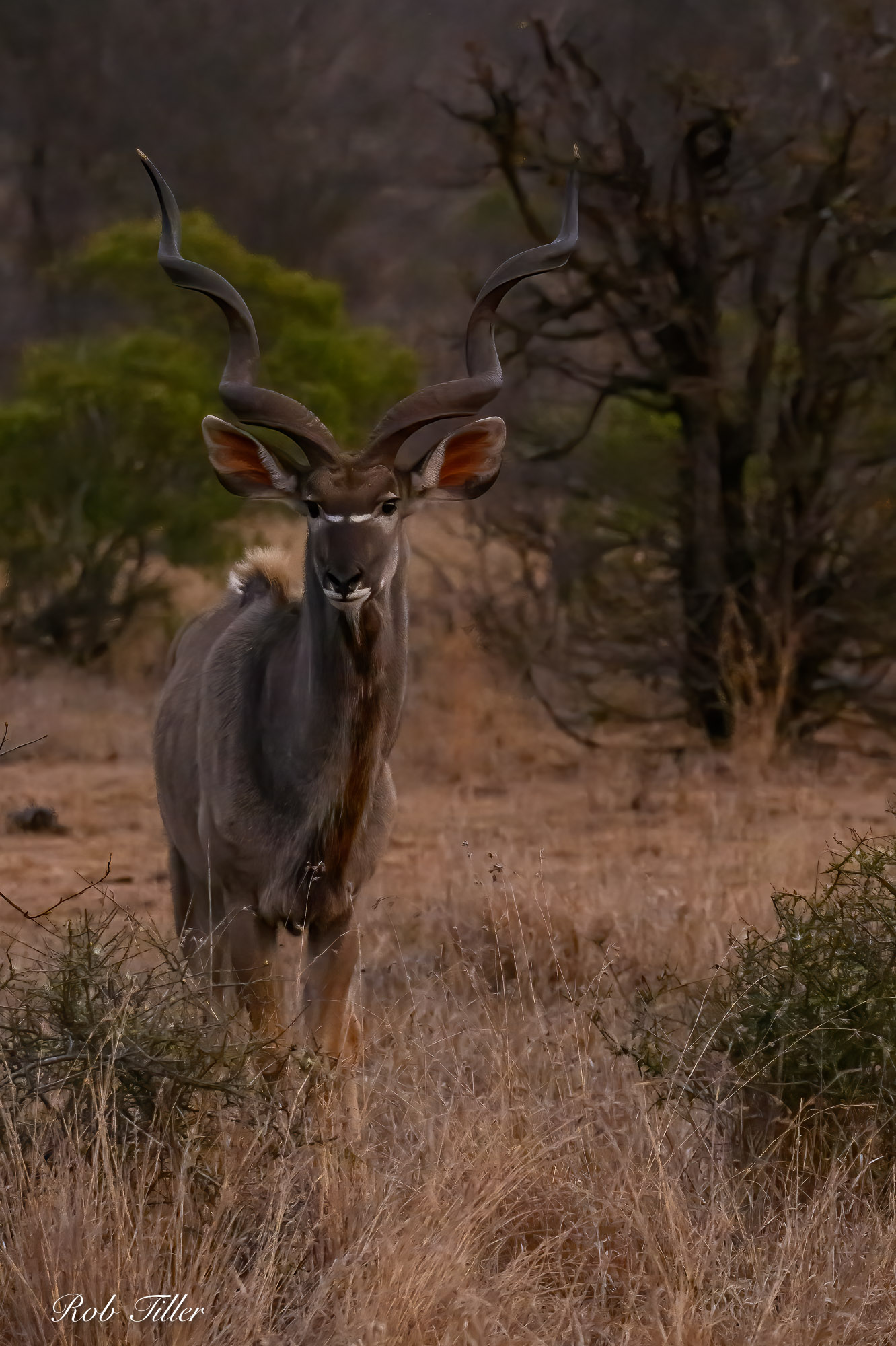
Kudu

 On this trip I was seeing the animals more as individuals, rather than just representatives of a species.  I started to see some differences in their personalities, such as that some were more wary than others.  Some like to be clean, and others less so.  Some of them were clearly curious about us humans, a species they might never have seen before.  

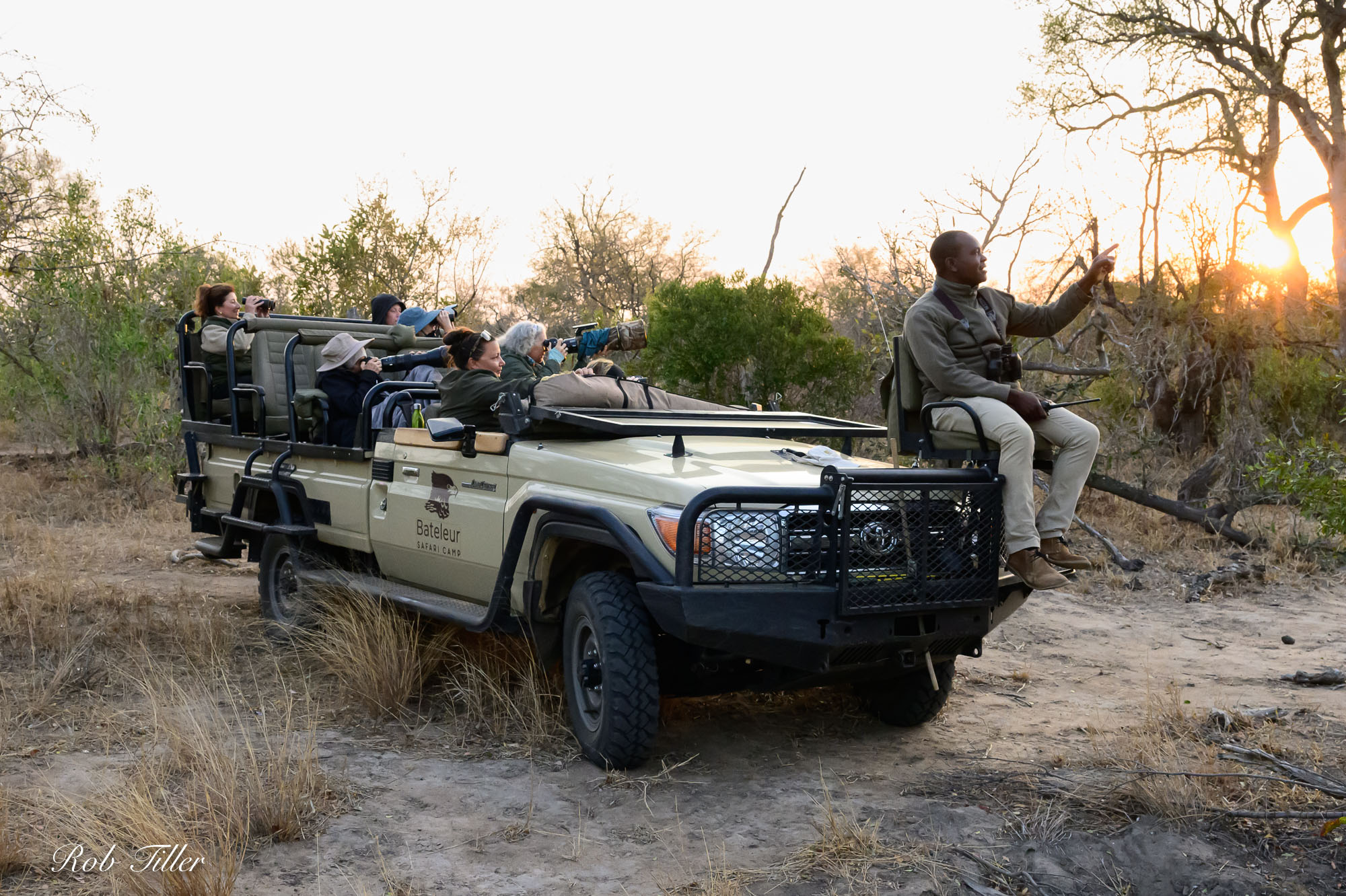
We  traveled with a small group of wildlife photographers organized and led by my friend Jennifer Hadley with Noelle van Muiden.  We spent five nights in the Timbavati Game Reserve, which is just to the northeast of Kruger National Park, and five nights in Mandikwe Game Reserve just south of Botswana.  Our Timbavati camp, Bataleur, was extremely comfortable, and Mandikwe Hills was truly luxurious.  We had friendly service and fine food.
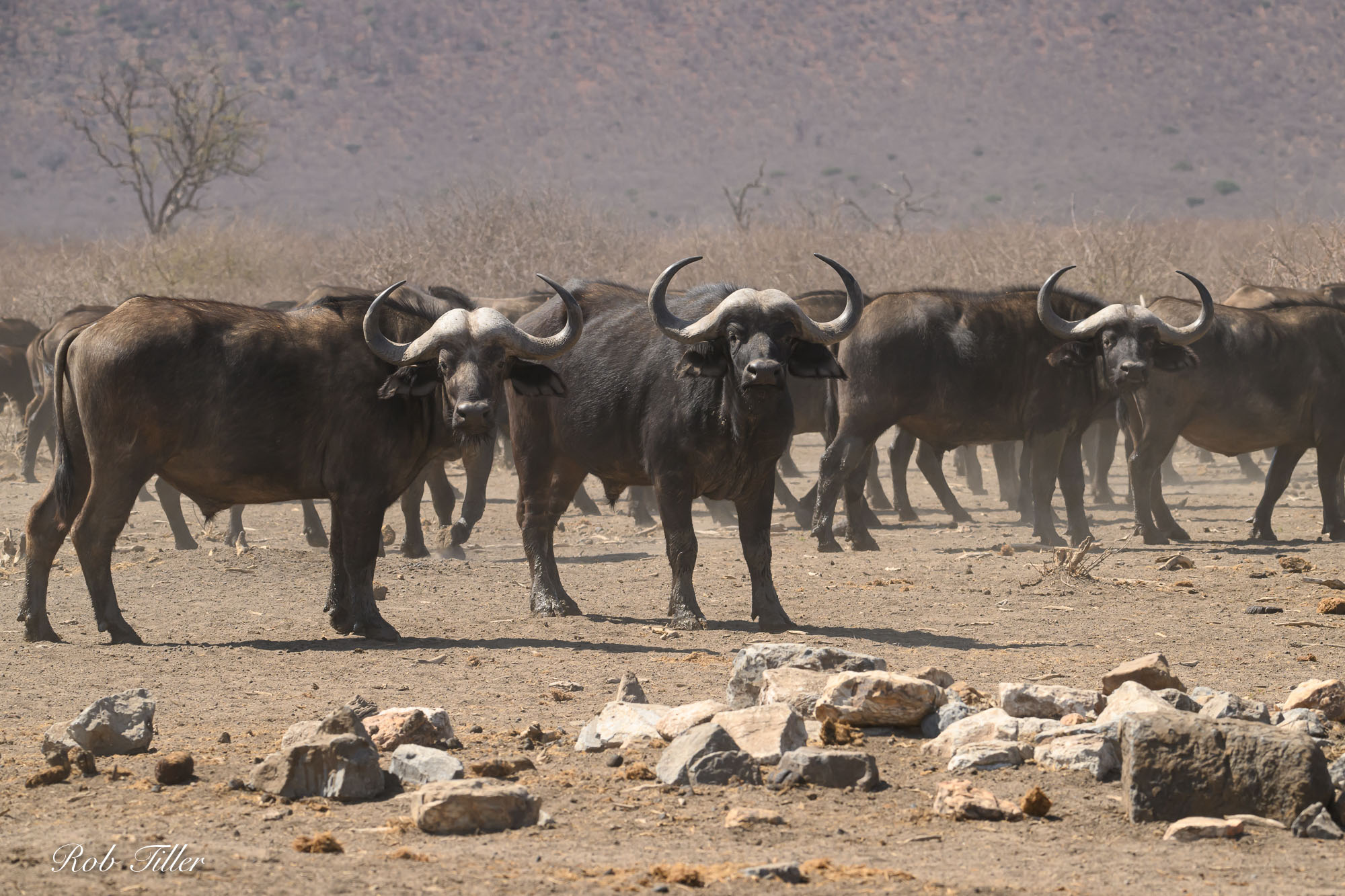
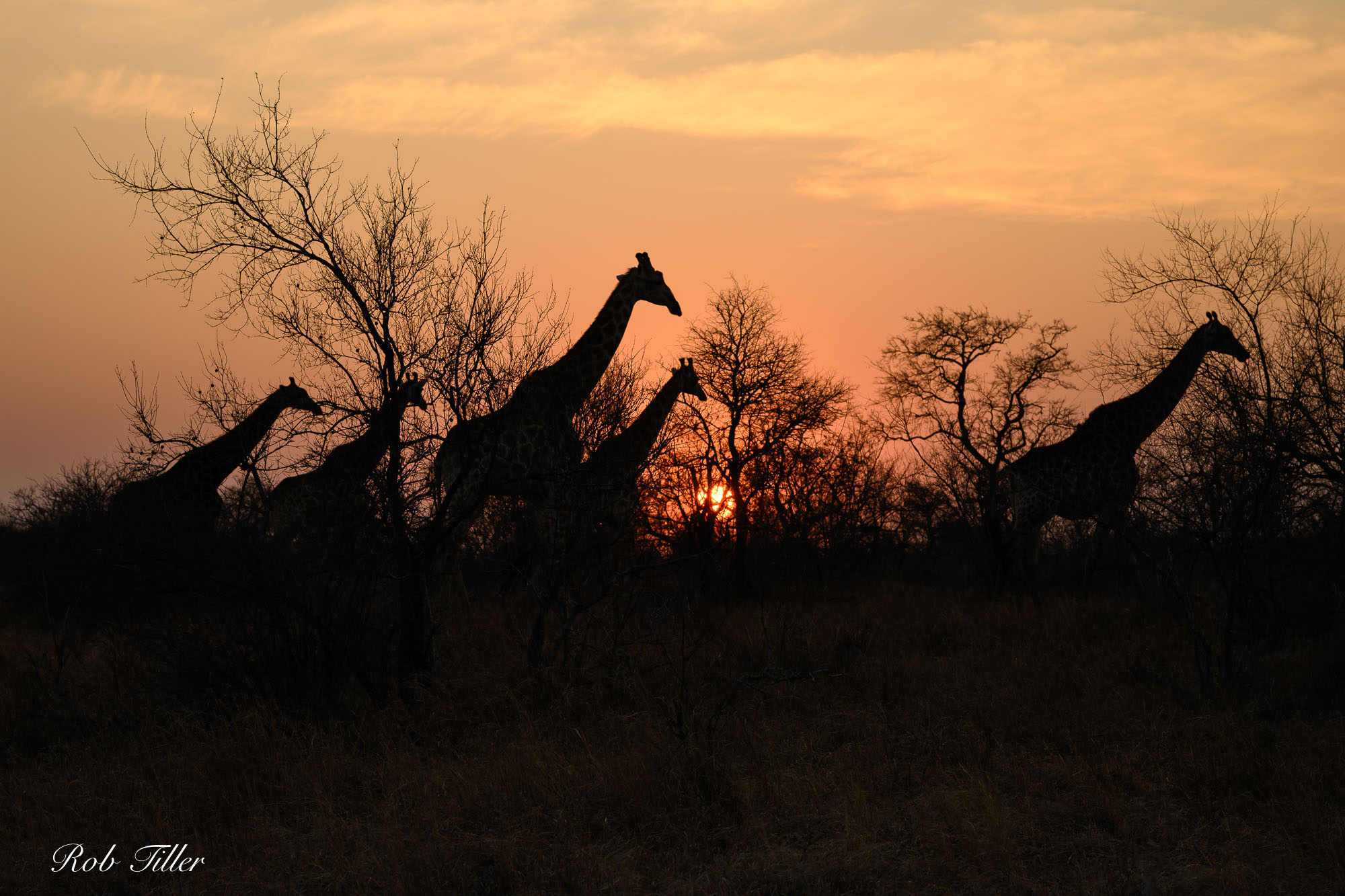
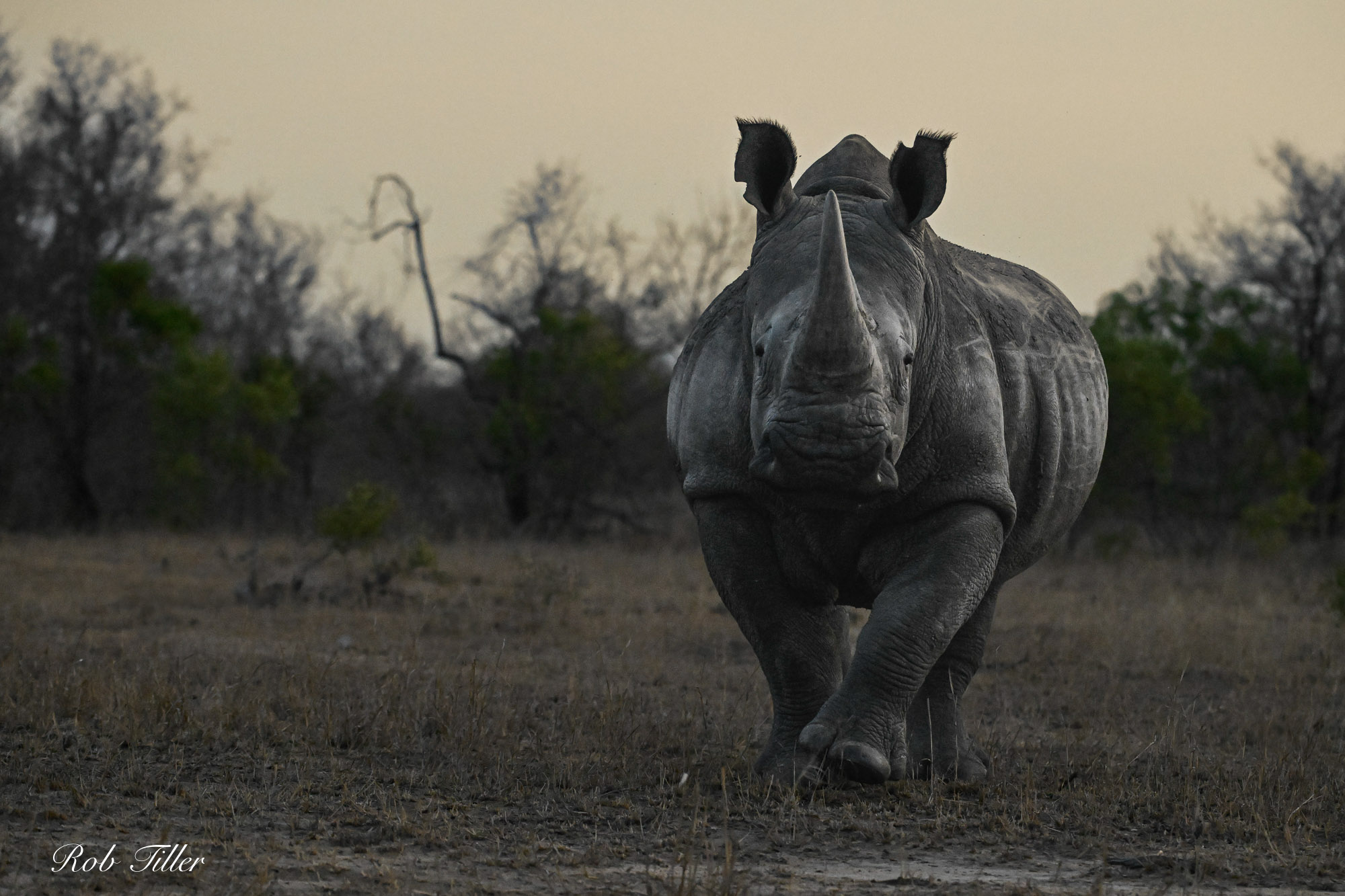
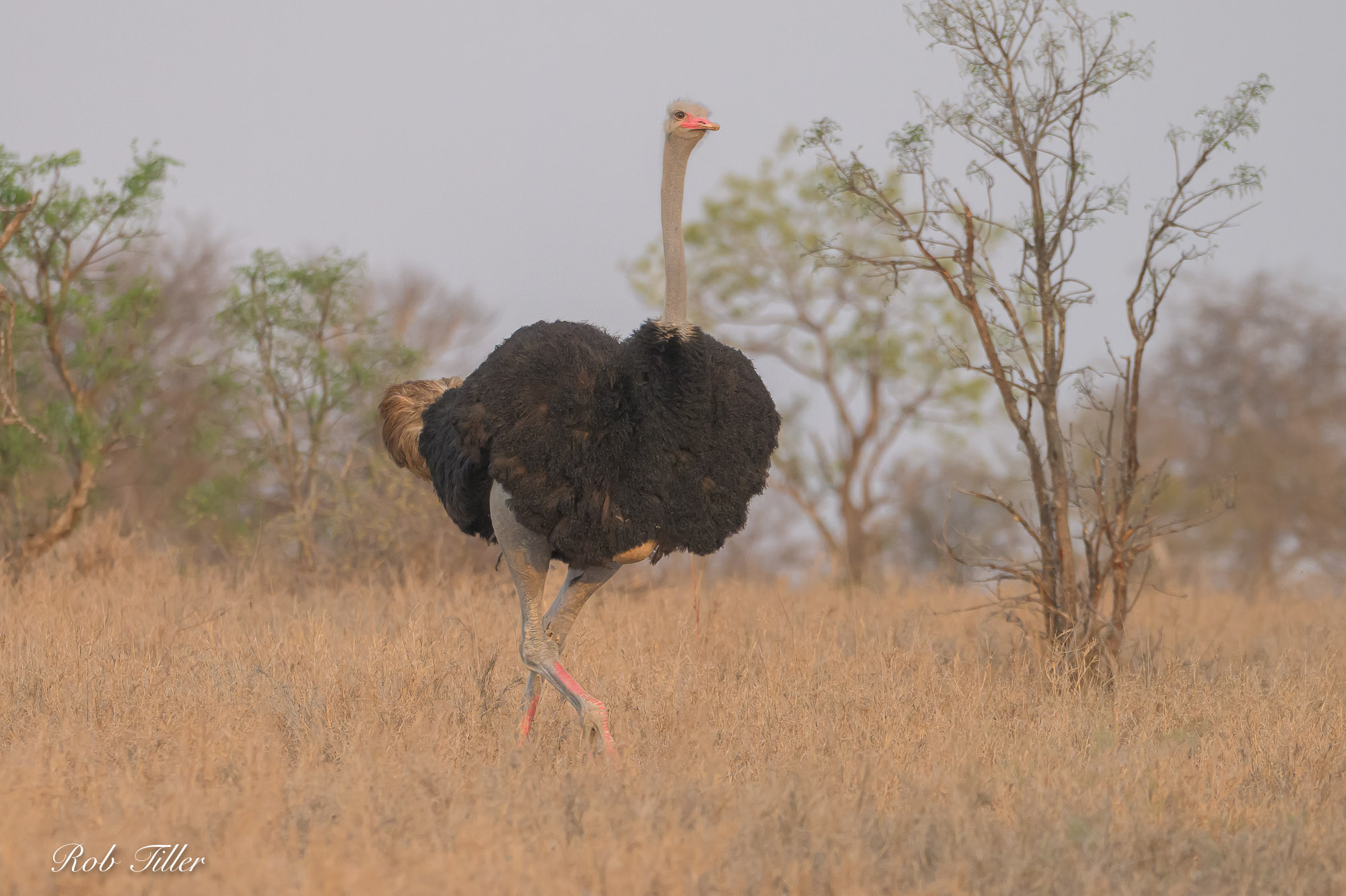
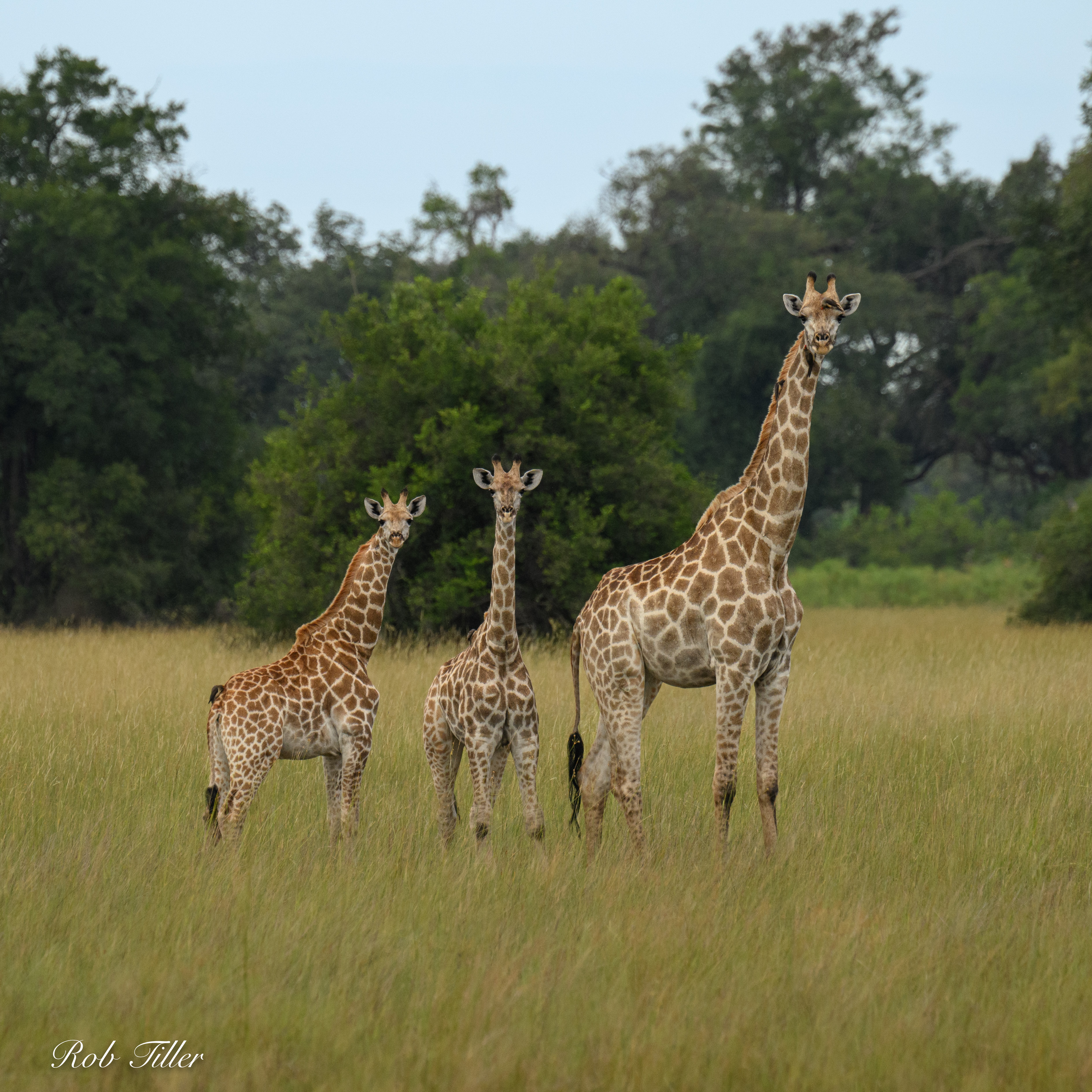
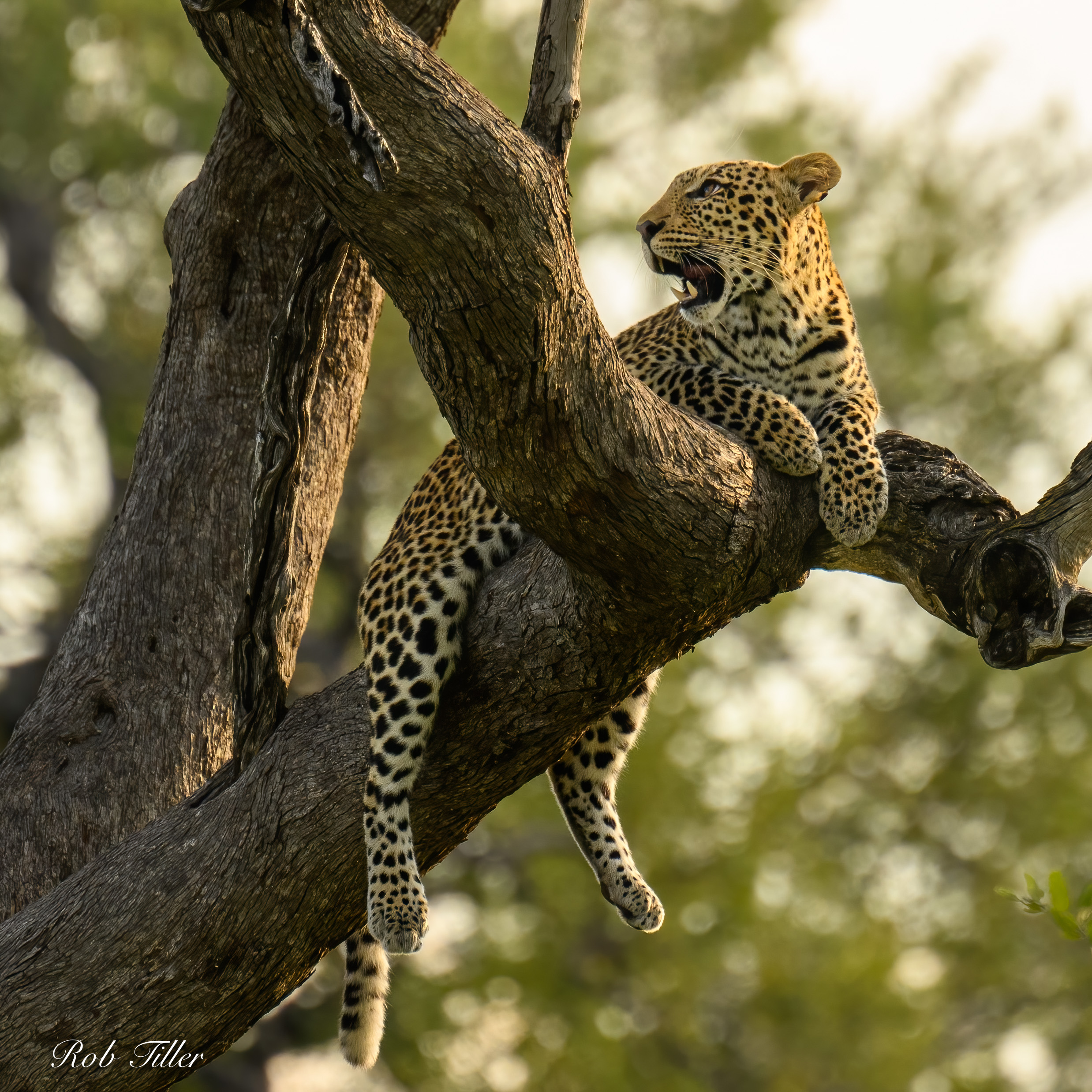
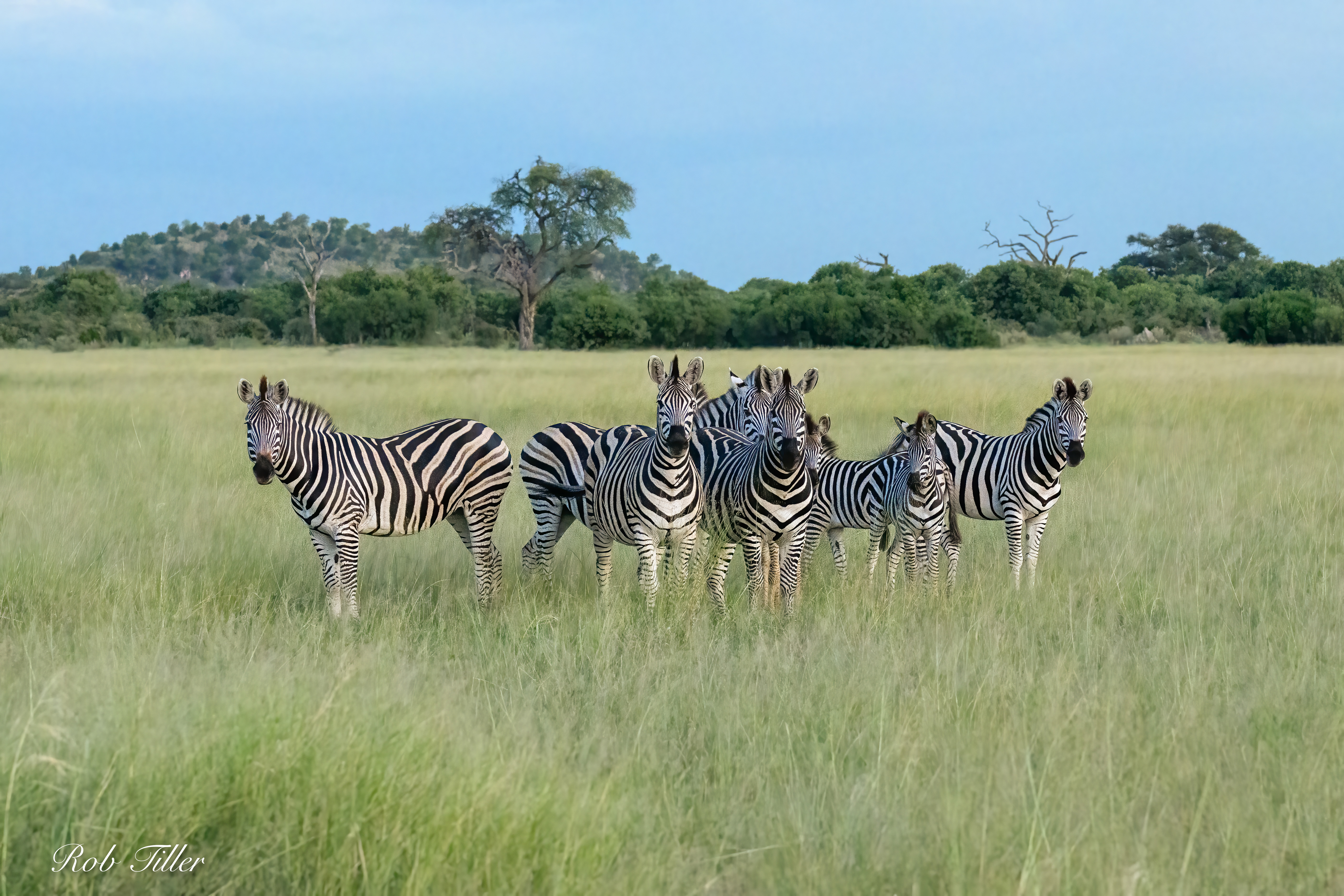
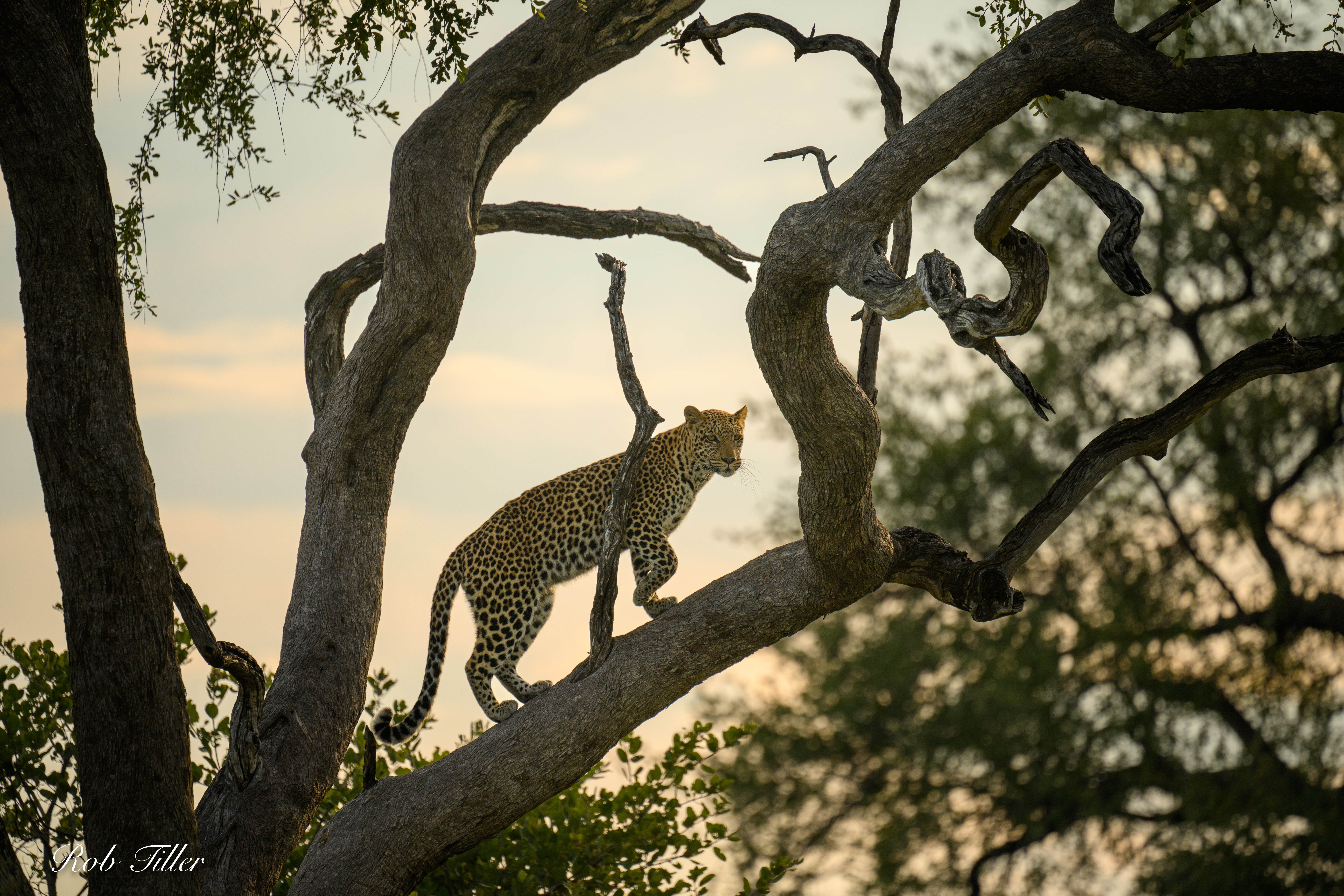
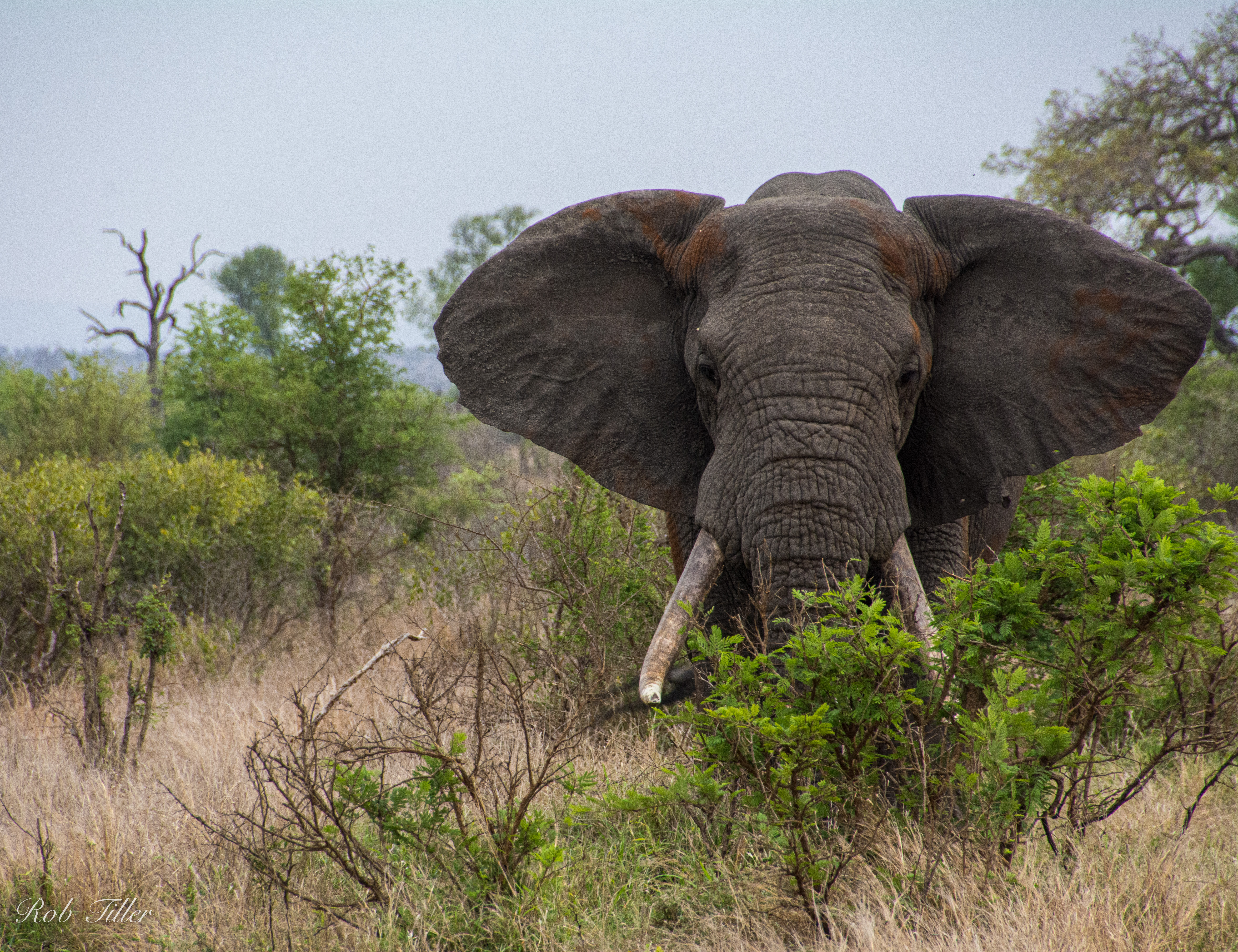
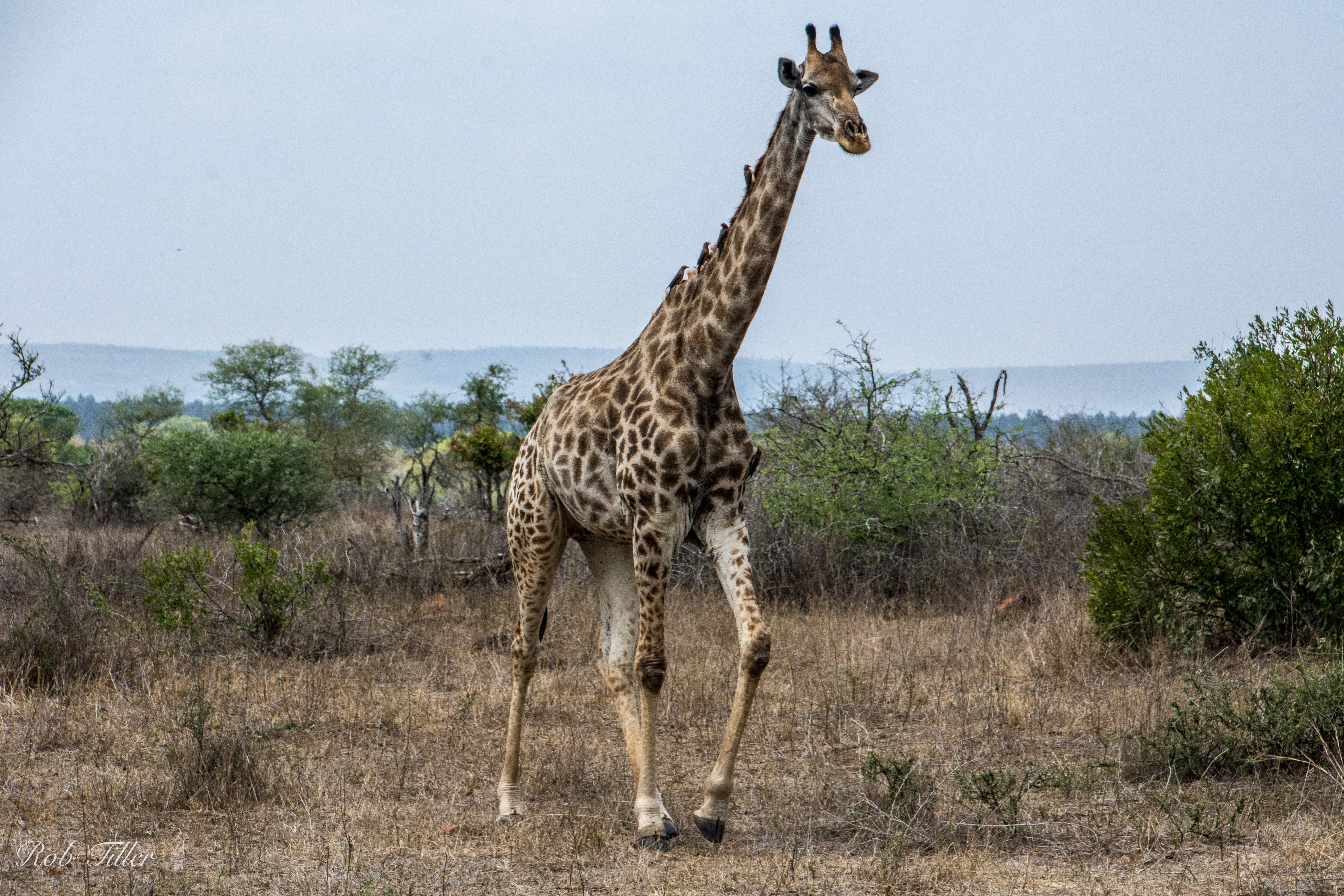
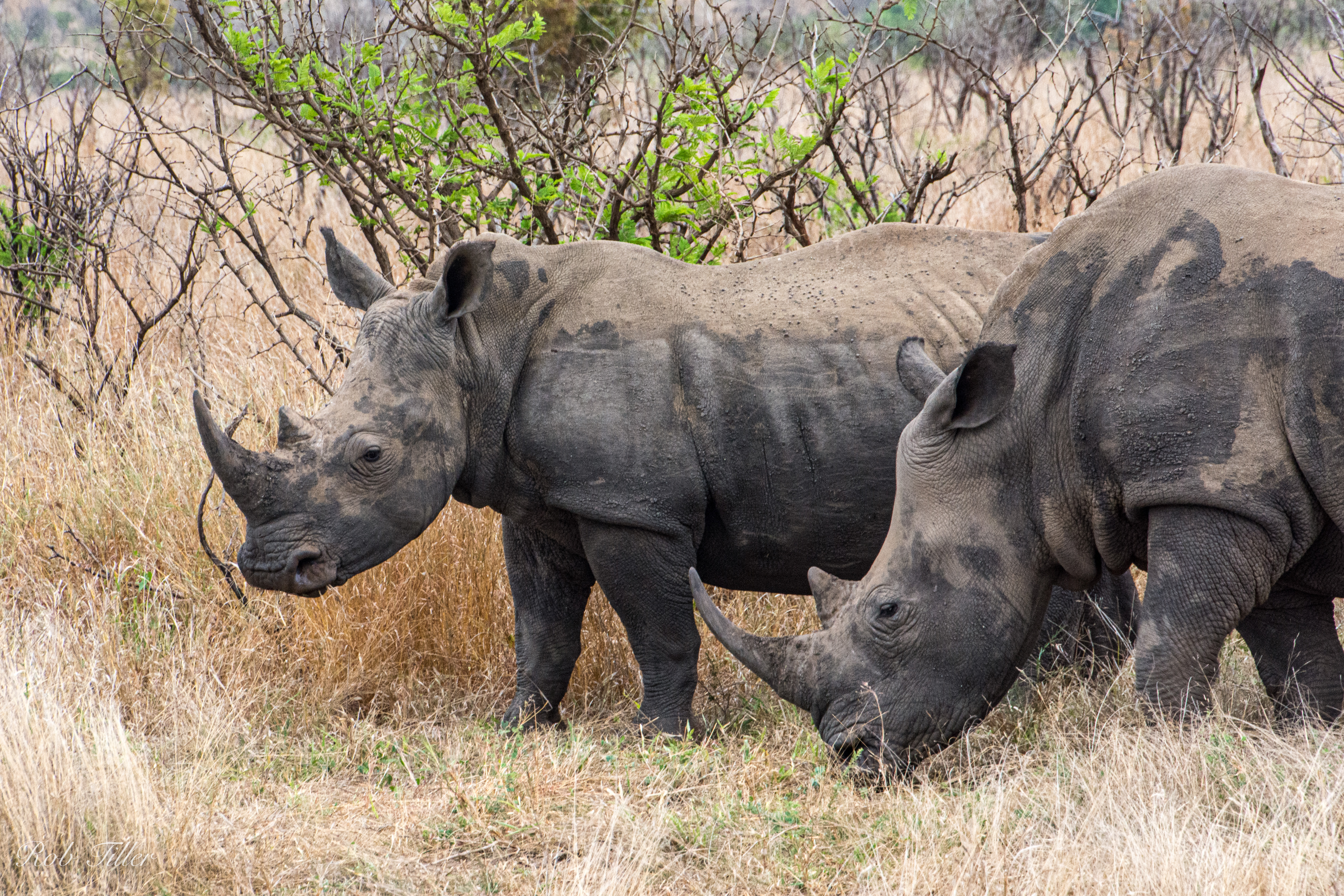
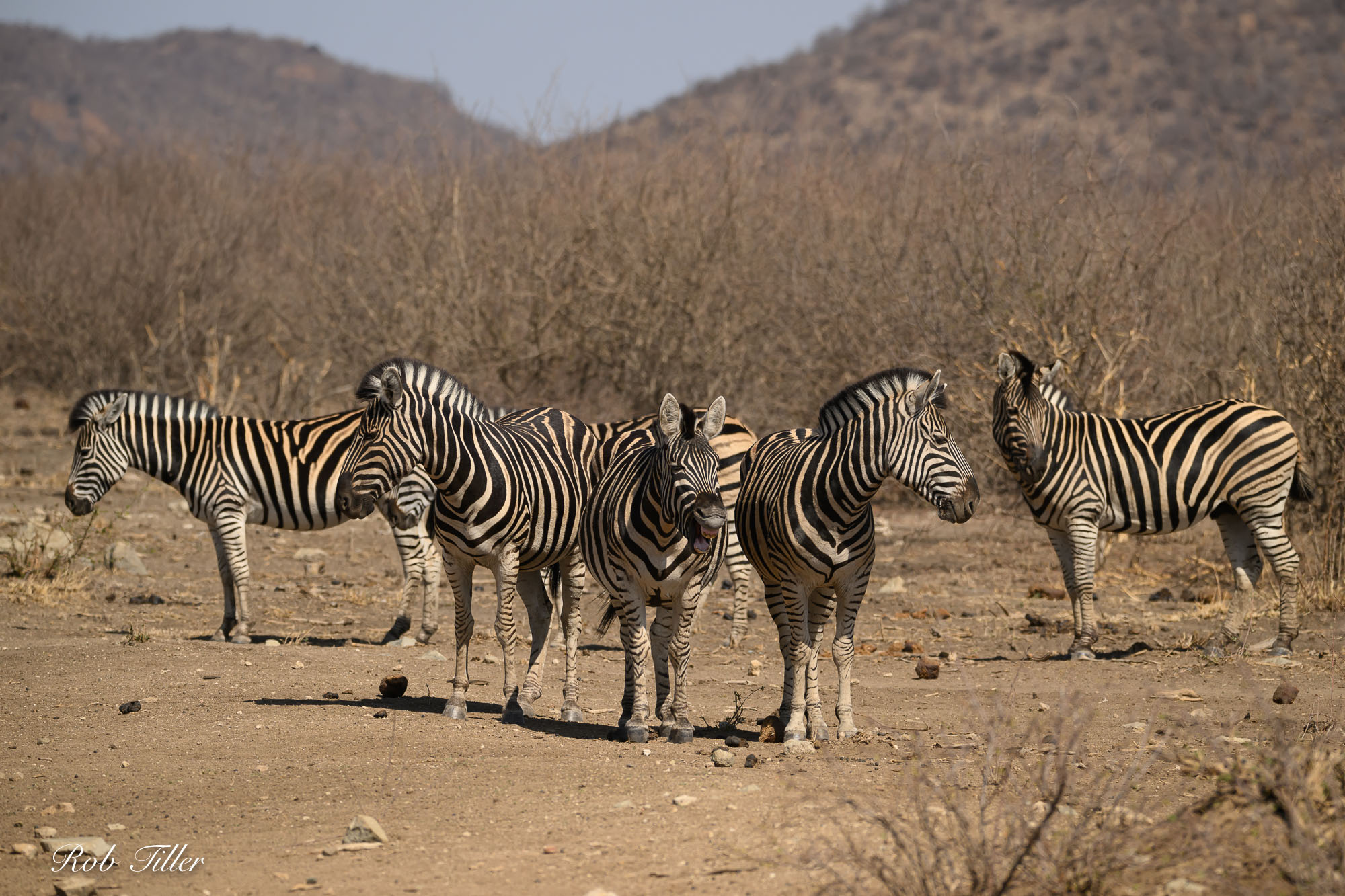
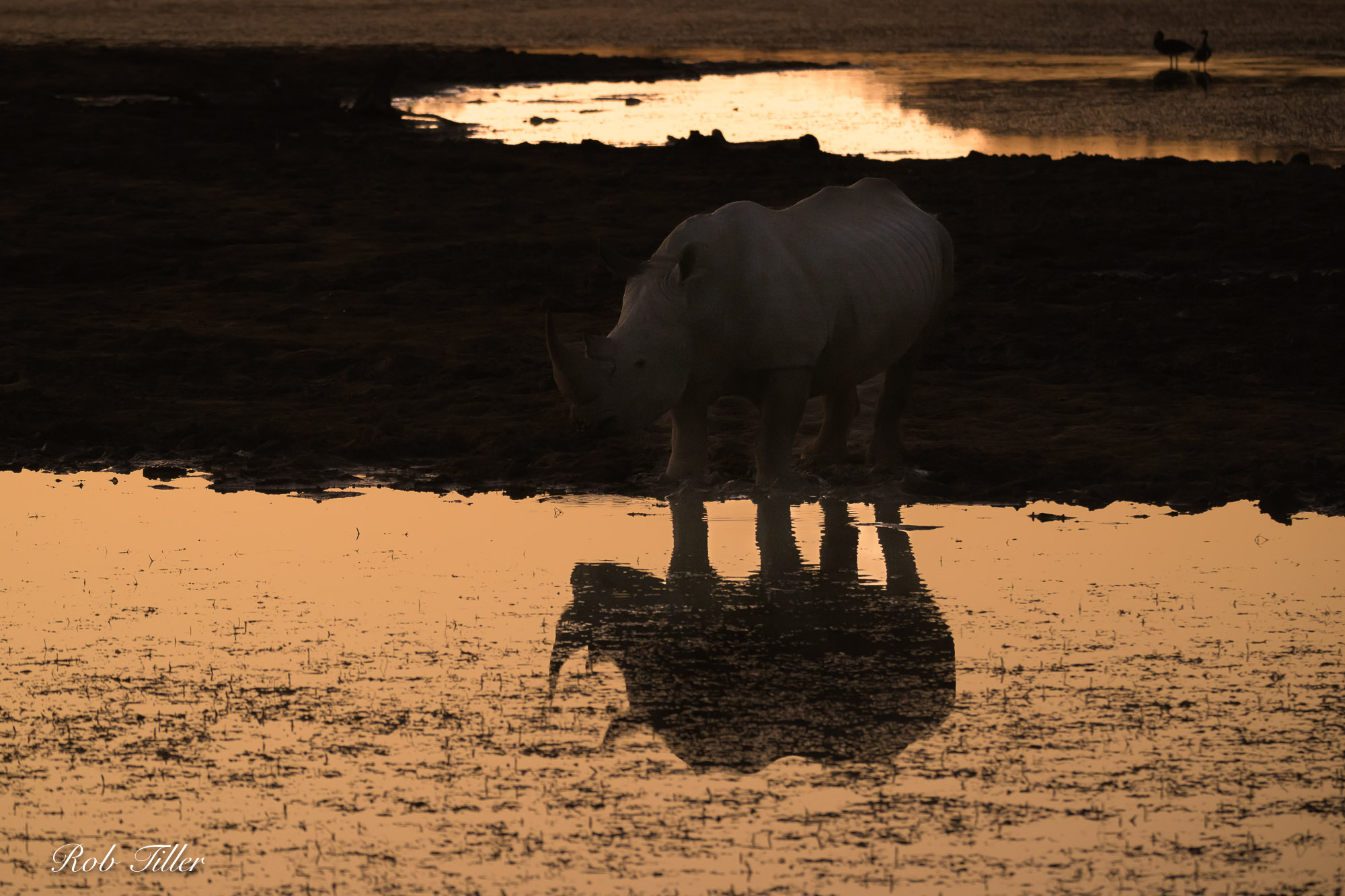
Best of all, there were big animals all around us.    We had numerous good views of the so-called big five (elephants, lions, leopards, rhinoceros, and buffalo) and many others just as remarkable, including cheetahs, giraffes, impalas, kudus, zebras, ostriches, warthogs, and wildebeests.  

Our days began when it was still dark.  After a quick snack, at 5:00 a.m. we loaded our gear and ourselves onto a big Toyota Land Cruiser.  The vehicle was topless, with three rows of bench seats behind the driver and a seat on the hood for our tracker.  

On the cold mornings, we stayed warm with blankets and hot water bottles.  When it warmed up, the blankets were useful for protecting our cameras from the dust.  We rode along over bumpy roads, and sometimes rugged off-road areas, for extended periods.  

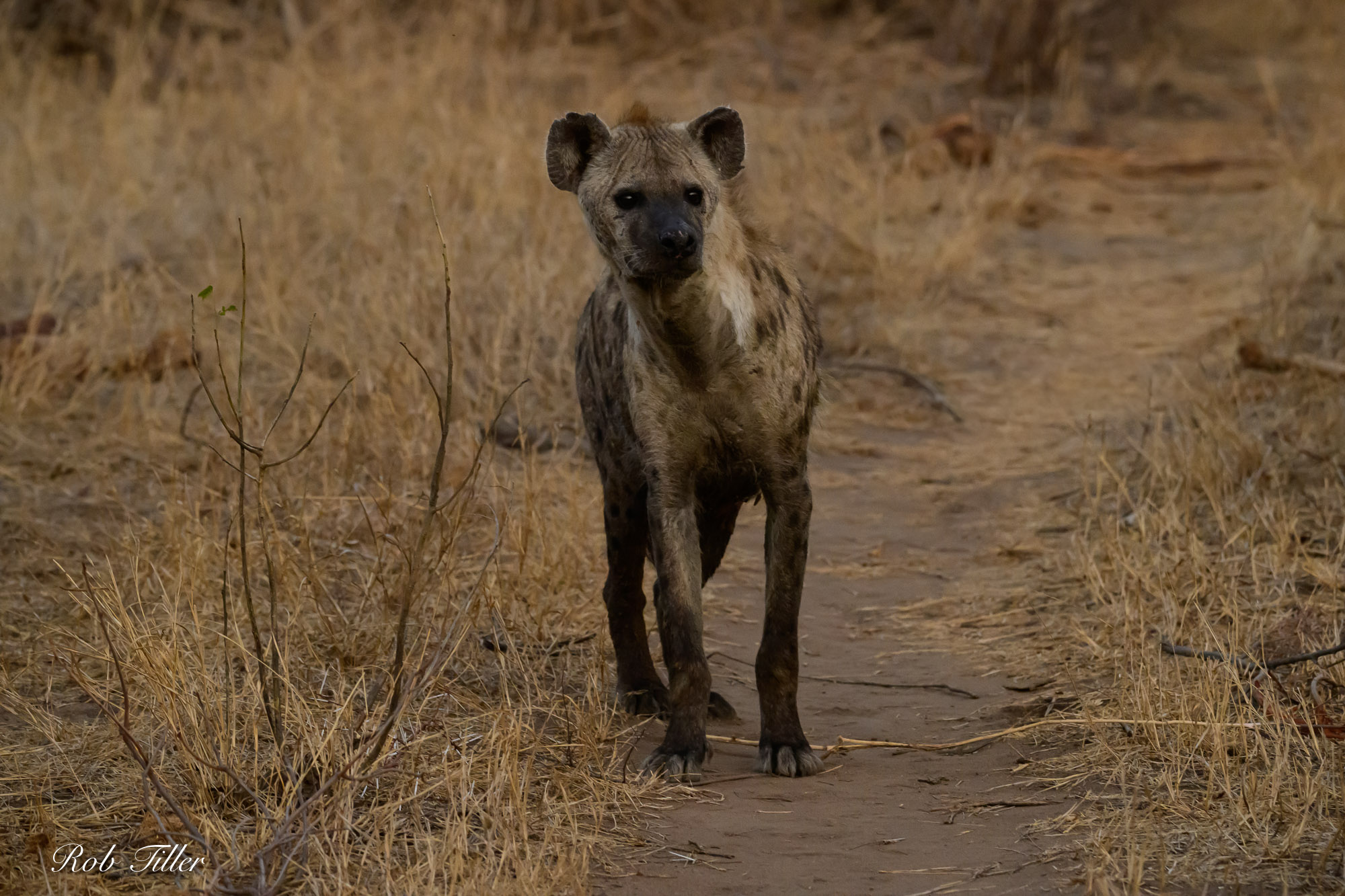
Our game drives generally started off heading towards an area where a rare species like a cheetah or rhino had recently been sighted.  But en route we almost always came across other interesting big things, like elephants and giraffes, or smaller ones, like hyenas and mongoose.  Sometimes we were quite close to the animals.  We took most of our photographs from inside the vehicle, but we also did a bit of trekking.    

When we were on foot, Noelle gave us some lessons in tracking, and did some actual tracking to locate lions, rhinos, and other creatures.  I had recently read The Tracker, by Tom Brown, and learned a bit about tracking as a skill set, but still, it was impressive to see Noelle and our tracker agreeing on estimates of the time the animals had passed and what they were likely up to.    

There are no bathrooms out in the bush, but there are limitless places to go when the need arises.  Once, after I’d stepped behind a tree, I heard Noelle say I should hurry along.  I took the time needed to do what I had to do, then returned to the vehicle.  It turned out I’d been about 25 yards from a sleeping lion.  Fortunately, he’d kept on sleeping.  

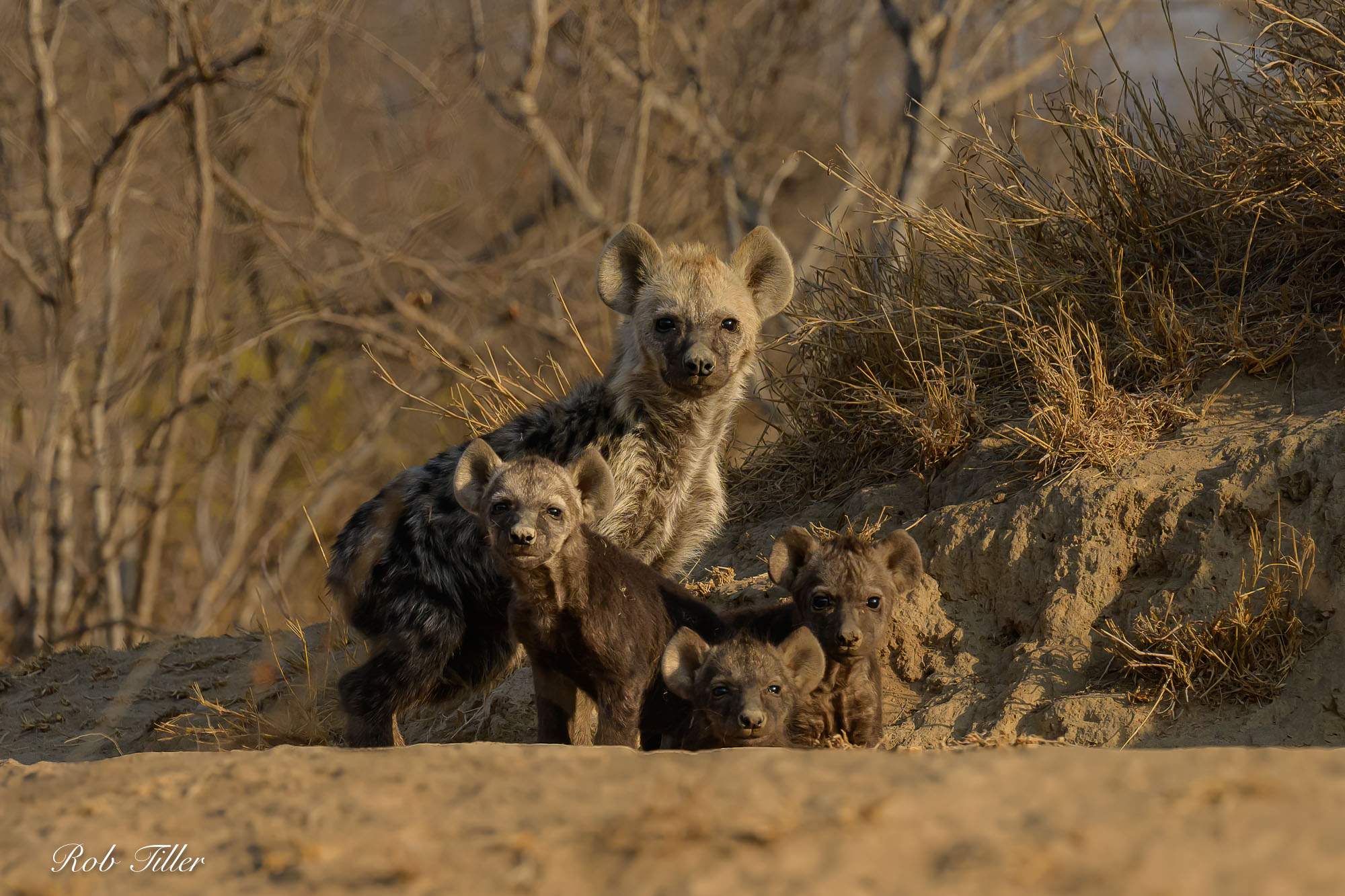
Hyena

We normally returned to camp in the late morning to eat and relax, and then went out again in mid-afternoon. At times we would sit and watch sleeping predators for a while in hopes they would get up, or exotic nesting birds in hopes they would fly.  We also enjoyed sitting at watering holes as various creatures came by to have a drink.  

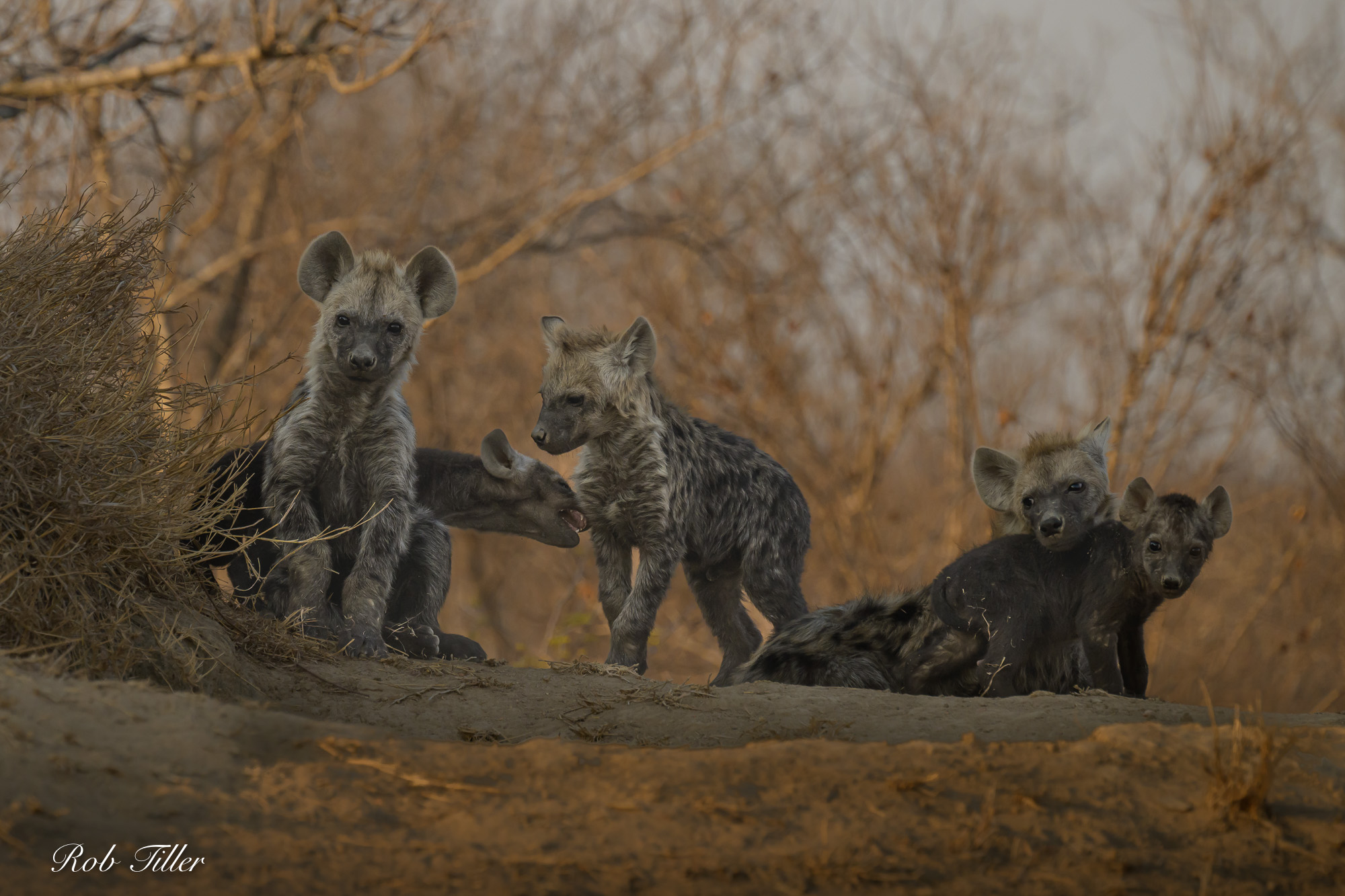
Hyena pups

The variety and beauty of the different animals continues to amaze me, as does the variety of complex systems within the ecosystem.  Every creature plays a role, whether it be spreading seeds, consuming dead creatures, or culling the herds.  The game reserves are a reminder of what is possible when humans give some room and respect to other species.   

Unfortunately, we’ve taken over much of the habitat that non-human animals once lived on, and animal populations continue to fall worldwide.  Per a new report from the World Wildlife Fund, over the past 50 years animal populations have declined by 73 percent.  The full Living Planet Report is available here

This decline has cascading effects.  According to the chief scientist of the World Wildlife Fund, “Vertebrate populations underpin ecosystem health and the services we get from ecosystems like stable climate, abundant and clean water, healthy soils to grow food, productive fisheries that supply people with protein…. If you have that kind of decline in vertebrate populations around the globe, you’re going to have troubles supporting and sustaining human health and well-being over time.”

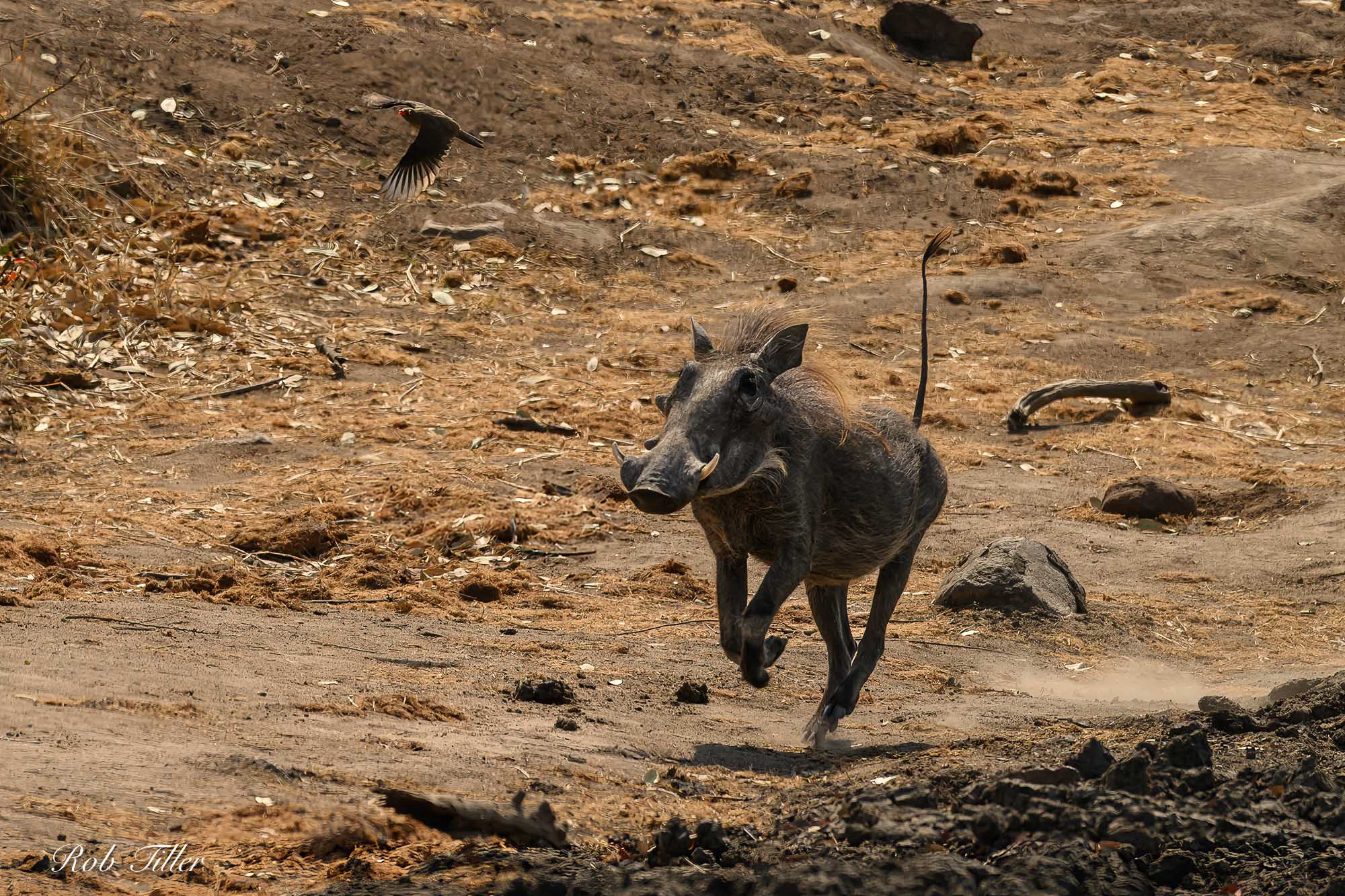
Warthog

The terrible loss of animals has a number of causes, but a major one is loss of habitat when wild areas are used to produce grain for animals raised as food for humans.  About 40 percent of habitable land is used for such purposes.  The report notes that one simple thing we can do to mitigate this problem is to eat less meat.  

One last note: this week I was cheered to learn that the Nobel Peace Prize went to Nihon Hidankyo, a Japanese group of atomic bomb survivors that has worked to raise awareness of the horrors of nuclear weapons. The Washington Post reported on this here.  

Somehow we’ve gotten used to the possibility that civilization could be destroyed in a few minutes with the enormous nuclear weapons currently deployed, and just don’t think about it.  Indeed, in the US, almost none of us know that we’re currently in the process of spending hundreds of billions on new nuclear weapons and facilities.  See this NY Times report

This issue is not on the political discussion agenda, and it should be.  To me, arms racing and rolling the dice on nuclear annihilation seems crazy, and it seems like simple sanity to work for arms control as a high priority.  Of course, others apparently disagree, but surely we should talk about it.  

Our vegan safari trip to southern Africa

I

In March Sally and I went to South Africa and Botswana for a safari adventure.  It was a great trip in many ways, though the air traveling was grueling.  I wanted to share some of the photographs I made, and an overview of the experience.

The trip was organized by World Vegan Travel (WVT), which puts together novel and elegant trips with vegan dining.  For years, we’ve struggled to match our plant-based eating preferences with our adventure travels.  It was wonderful to find that problem was solved:  the vegan meals ranged from very good to amazing.  Our fellow travelers were mostly vegans who had interesting life stories.  Seb and Brighde of WVT were excellent leaders — thoughtful, cheerful, well organized, and resourceful. The trip photographer was Jennifer Hadley, a friend from Raleigh, who shared a lot of good ideas on how to make better images, and was generous in helping solve equipment and other problems.

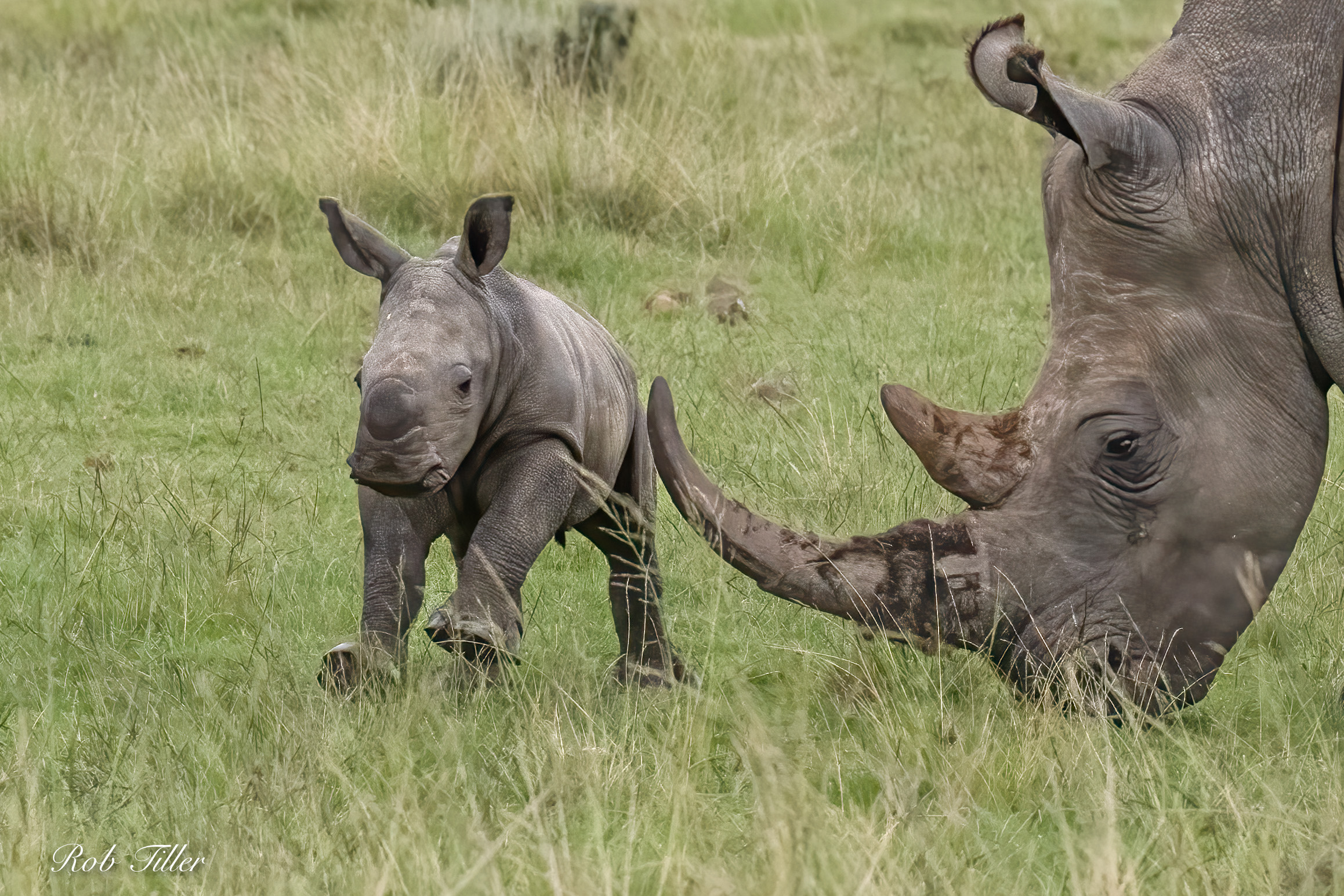
Our trip involved two segments:  1.  the Garden Route of South Africa, which runs along the coast east from Cape Town, and 2. safaris at two camps in Botswana.  We found Cape Town lively and beautiful, and enjoyed exploring the Garden Route to the east of it by bus.  One of the highlights was a two-day safari at the Gondwana Reserve, where we saw a cheetah and a two-week-old rhinoceros.  The baby rhino was about the size of a pig, and frisked about like a new puppy.  

After returning to Cape Town, we flew to Botswana and stayed at a camp in the Savuti area of Chobe National Park.  We traveled in Toyota Land Cruisers and saw all the iconic species – lions, leopards, elephants, giraffes, zebras, buffalo, impalas – and quite a few others.  We had our own spacious and pleasant cabin with all the modern conveniences (shower, toilet, electricity) except internet.  It turned out to be therapeutic to get off the net for a while.  

After Chobe, we flew in a small plane to the Okavango Delta, where we walked from the grass airfield on a raised boardwalk through the forest to our camp.  Here, too, we had a pleasant cabin, and nice common areas for dining and relaxing.  As in Chobe, we were strongly encouraged not to walk by ourselves in the camp at night, but instead to get a staff member to escort us, in case of animal encounters.  Also as in Chobe, the hospitality of the staff was outstanding. In addition to great service, they shared with us singing and dancing.

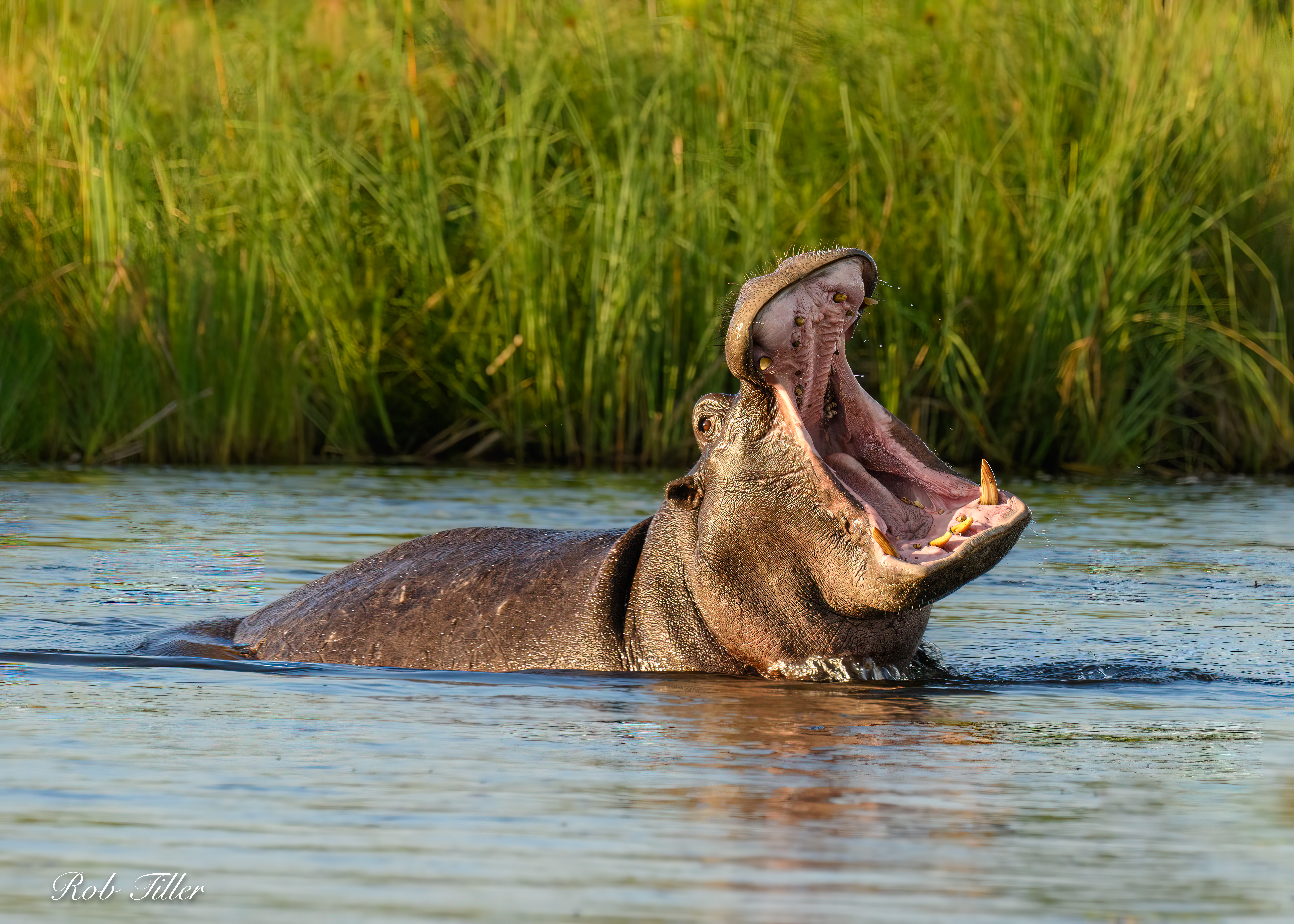
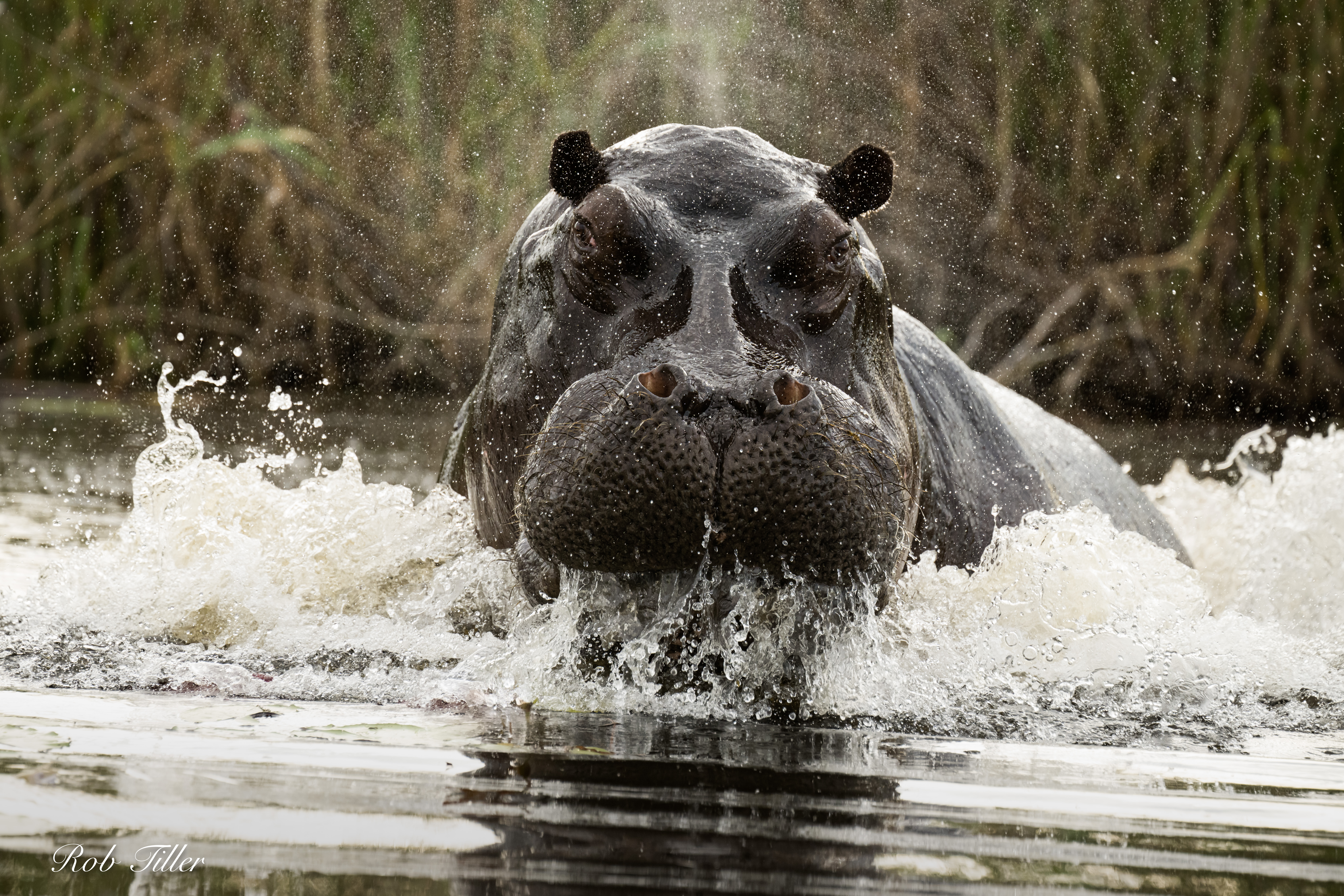
The highlight at Okavango were boat trips in the channels, where there were a lot of hippopotami.  These huge and strange animals can be aggressive, and kill more humans than any other large animal in Africa.   We kept a respectful distance, and drew back a few times when they approached us.  

We also did walking safaris on a couple of the islands, where we saw elephants, buffalo, impalas, and beautiful birds.  One morning on a walk our guide saw fresh lion tracks.  We were in tall grass, sometimes as high as our necks, and the guide began carrying his rifle with more purpose.  I realized the lion could be a few feet away and invisible to us.  We didn’t locate the lion, though it was the most exciting non-sighting ever.  

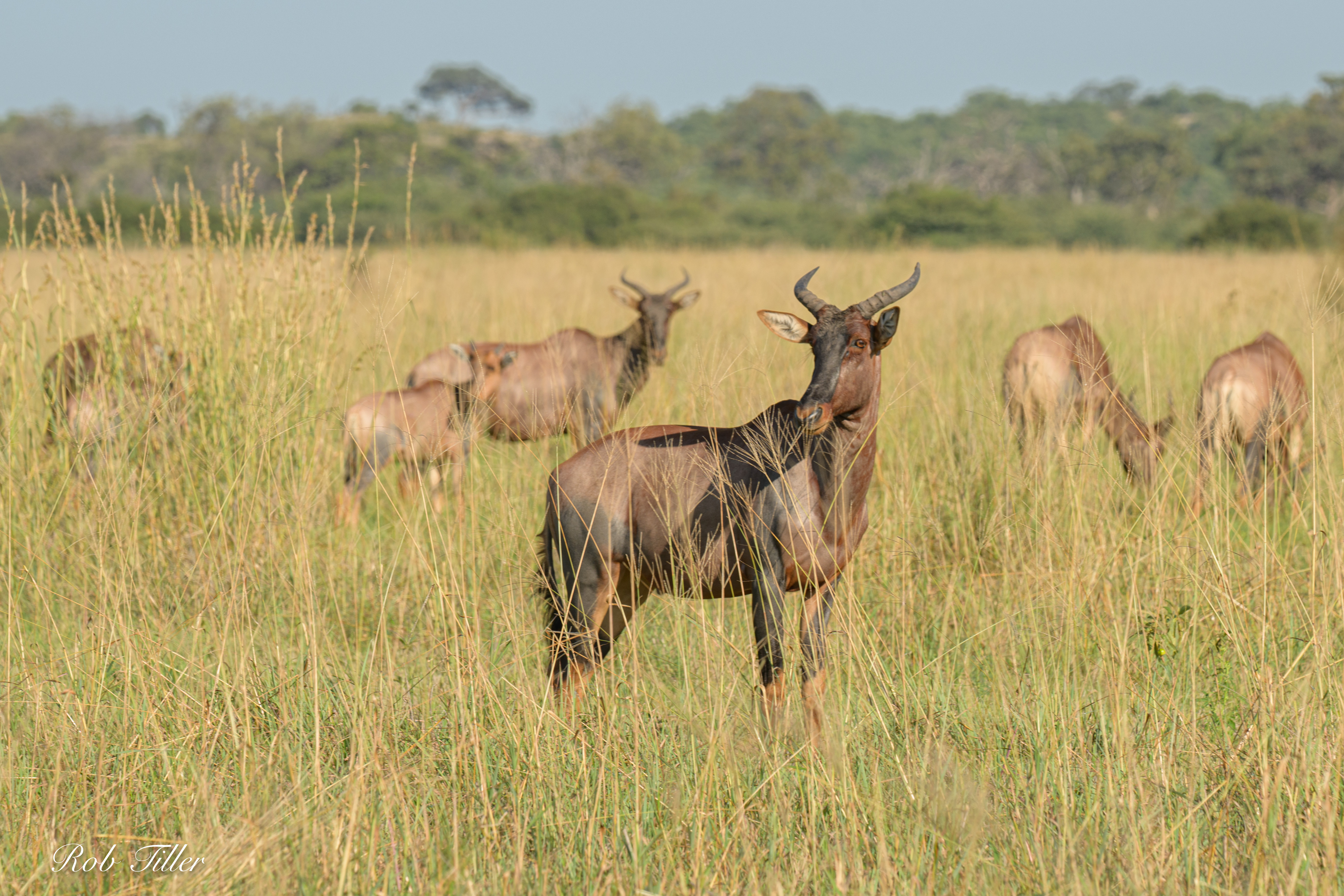
On this trip, I became more conscious of grass.  There were vast grassy areas, with many grass species.  I finally understood why there were so many animals, like impalas, springboks, waterbucks, kudus, wildebeests, zebras, and buffalo, that subsist mainly on grass: there’s a lot of it!  We saw most of those species in sizable herds.  Grazing is a successful survival strategy. (By contrast, there are only a few species that eat other animals, and there aren’t very many of those.)   

Of course, it’s exciting to see the rare animals, like leopards and cheetahs; they’re beautiful.  But a lot of the joy I got from our safari experiences was watching the more common grazing animals living their lives.  It seemed like the most natural thing in the world to be an impala or a zebra, eating some grass when hungry and hanging with the herd.  

I particularly loved the elephants, who are also plant eaters, and who generally live with family members.  The herds we saw always included little ones, who were very cute.  I realized that a lot of what gives the elephants purpose is taking care of the young.  That’s true of many species, including us.  

Being with so many remarkable animals can be a life-changing experience.  It gives a different perspective on what life is for and about.  It is more varied and vibrant than we usually see.  

I’m planning to share a few more pictures from the trip soon, along with some stories of our air travel challenges. But first, I’m heading to St. Augustine for Florida’s Bird and Photo Fest. I’m hoping to get some good photographs of the big birds at the rookery there.

Missing Africa, and pulling for the protesters in Portland

We’d planned to be on safari in Tanzania this week, but with the pandemic, obviously that didn’t work out.  So I spent some time looking at pictures, including ones I took when we visited Kruger National Park in South Africa in 2015.  I just loved those animals and Africa!  We’re hoping we can get to Tanzania in 2021.

But I’m less confident than usual that I’ll still be here in three weeks.  Although I seem healthy enough, the pandemic and other risks have affected my outlook.  Things seem much more unstable and prone to failure.  At the same time, it seems like a historic moment, with things about to change dramatically, for better or worse.

The situation in Portland has gotten dramatic.  Trump has decided that the Black Lives Matter protests need to be put down, and has sent in federal storm troopers to do so.  The protests have been mostly peaceful, though as in every crowd there are some idiots, like the ones who broke windows, set off recreational fireworks, and marked walls with graffiti.

Contrary to the President’s rhetoric, the protesters are not violent thugs bent on destroying the city.   This lie disguises what for him is the real problem:  the protesters’ messages.  Their central message is that police violence and racial discrimination need to stop.  For Trump and his supporters, this threat to the status quo is intolerable.

Part of the political dynamic is Trump’s declining popularity.  In response, he’s rebranded his usual fear mongering as “law and order,” which seems to resonate with the Fox News demographic.  The right wing media continues to play along, presenting the federal storm troopers in Portland as defenders of our traditional values.  

I have to admit, for all Trump’s incompetence and stupidity, he’s got a kind of genius for pressing people’s emotional buttons so they can’t think straight.  A lot of white Americans are fearful of black people, and suppressing them has been one of our traditions.  Video showing storm troopers attacking protesters with tear gas and rubber bullets can be made to look like forces of order defending civilization against anarchy.  

It may be that Portland is a test run for federal attacks in other cities, as Trump suggested this week.  This raises the possibility of escalating storm trooper violence, new and more vicious attacks on the free press, expansion of mass incarceration for dissidents, and the suspension of free elections.  The President has claimed to have unlimited powers, and it now seems possible that he’ll put that to the test.    

I hope I’m wrong on all that, but seriously, I’m worried.  The outcome in Portland may have far reaching consequences.  So far the Portland protesters have stood firm, and their numbers are growing.  It may be that they’ll succeed in shining light on the lawlessness and lies behind Trump’s storm trooper attacks, and save our democracy. 

I’m hopeful that most people will see through Trump’s fraudulent “law and order” ploy, but I’m not certain.  With clouds of tear gas obscuring the view, people can get confused.

Trump’s interview with Chris Wallace last week provided a rare bit of comedy in these difficult times.  Wallace was surprisingly direct in calling out some of Trump’s recent shocking lies regarding the pandemic, and Trump was visibly sweating.  When Trump bragged that he aced a mental competence test, Wallace noted dryly that the test was not that difficult.

When Wallace noted that the test required counting backward from 100 by 7s, I realized, it’s quite unlikely that Trump actually aced the test.  In any case, his claim that the test showed his intelligence is an especially entertaining type of Trump lie:  a self-refuting one.  Thinking that a mental competence test is the same as an intelligence test demonstrates a clear mental deficit.

In the interview, Trump foolishly challenged Biden to a test competition, which I thought would be an excellent way to resolve our political crisis.  We wouldn’t need anything as challenging as the SAT, or even a high school equivalency test.  Any questioning at the fifth grade level would suffice.  

It would save us a lot of money and anxiety, and provide some laughs, to have these two as single combat warriors on Are You Smarter than a Fifth Grader.  The winner would be declared our new president.  I would bet the house that Trump would fail hilariously.      

Hitting the little white ball, the appalling debate, ocean concerns, and reading Hamilton

At Raulston Arboretum, September 18, 2015

At Raulston Arboretum, September 18, 2015

On Wednesday after work, I went over to Raleigh Country Club and practiced on the range for a bit. Lately I’ve been trying to get out to practice a couple of times a week, with a view to making prettier and longer parabolas. It looks so much easier than it is. The late afternoon was peaceful and mild.

Sally was waiting on the terrace looking out on hole number 10 when I finished, and we had dinner there. It was overcast, and looking west we couldn’t see the sun directly as it was setting. But suddenly the clouds lit up a bright orange-pink, and for a few minutes the colors were amazing.
Tiller1

After dinner, Sally had to go to her mom’s apartment to take care of Diane’s two greyhounds, and so I watched the Republican presidential debate alone. It was, of course, appalling, though also by moments fascinating. The eleven candidates were all, in their various ways, intelligent and well spoken, and also in varying degrees bizarre or utterly benighted. I watched a good chunk of the three-hour spectacle, and kept waiting for a serious treatment of the serious issue of climate change. From press accounts, it appears I missed a few brief comments on the subject, to the effect that either it’s a liberal conspiracy or there’s just nothing to be done about it, so there’s no point in thinking or talking about it. Appalling.

I read most of the World Wildlife Fund’s report this week on the state of the world’s oceans, and recommend it. The news, of course, is not good. About half the population of creatures that live in, on, and over the oceans have disappeared since 1970. Coral reefs, on which much ocean life depends, have likewise diminished, and may disappear by 2050. But the report presses the point that the situation is not hopeless. There are ways we can address the over fishing and climate change problems that largely account for the crisis.
Tiller4

Through diving dive on some of the world’s most beautiful coral reefs, I’ve developed a deep love for reef ecosystems, and will be seeing another one next week. Sally and I are leaving next Friday for a trip to see the reefs and animals of Mozambique. We’re hoping to see whale sharks, manta rays, humpback whales, and many other remarkable creatures. We’ll also be doing a land based photo safari in Kruger Park in South Africa. This trip has been a big dream, and has taken a lot of planning, but it should be amazing. Anyhow, I expect to be offline for a couple of weeks, but hope to have some good stories and pictures to post after that.

For this long trip, I’ll need some good books to read, and I’d expected I’d be working my way through Ron Chernow’s Hamilton, a biography of the Founding Father who was our first Secretary of the Treasury. But I’ve been so fascinated by the book that I may finish it before the trip. The Times review is here.

Hamilton, it turns out, was a brilliant, energetic, and passionate person, who accomplished an amazing amount in his short life. Among other things, he helped win the Revolutionary War as Washington’s most trusted aide-de-camp, played a primary role in fashioning the Constitution, wrote most of the Federalist to win passage of the Constitution, established a financial system for the new republic, and served as President Washington’s primary advisor. And he was handsome and well-liked by the ladies, and also the gentlemen. Of course, he had his flaws of character, and his enemies, including the sainted Thomas Jefferson and James Madison. The politics of the time were at least as ungentle as now. This is a remarkable and remarkably relevant book, which I highly recommend.
Tiller3