The Casual Blog

Tag: skiing

Whistler skiing, Invisibilia, and Oliver Sacks’s farewell
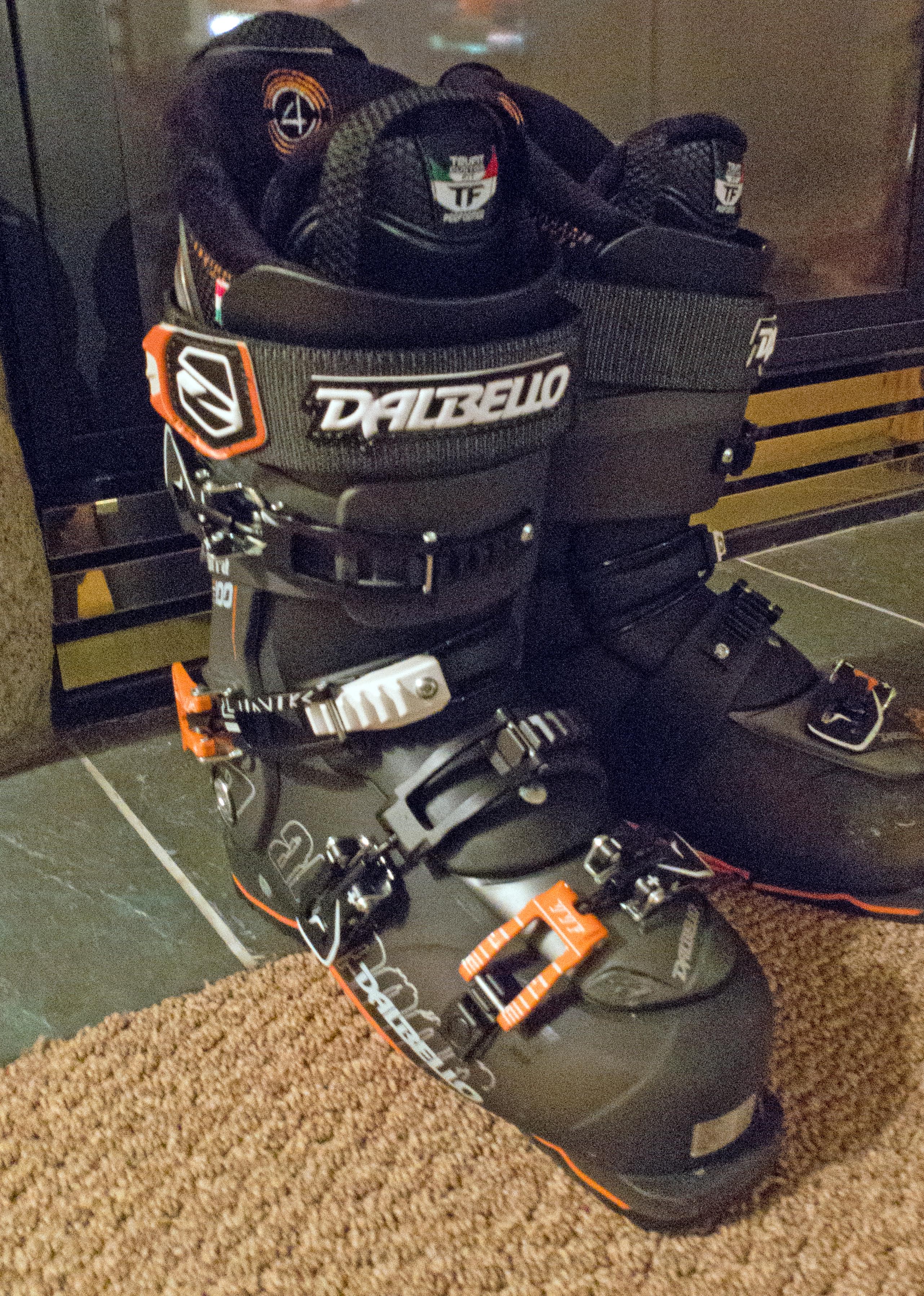
The new boots, after day one at Whistler

The new boots, after day one at Whistler

Early Friday morning we flew to Dallas, where we changed planes and continued on to Vancouver, where we got a car and drove to Whistler to do some skiing. The flying part of the trip was uneventful, though sitting in an economy seat for seven hours takes its toll. It’s good to have some uninterrupted time to read, listen, and think, but in the last couple of hours my bottom started to ache and my legs wanted to move.

The traffic getting out of Vancouver was terrible. With only brief prior exposure, I’d thought of Vancouver as a friendly and modern mid-size city, all of which it may be, but the traffic was more like Sao Paulo. We watched traffic lights change two and three times to progress one block. It took an hour and a half to get clear of the city, which was especially frustrating after a long flight.

The coastal road north to Whistler was curvaceous and lovely, wooded with evergreens and islands to the east. It would have been an excellent stretch of road to drive with Clara. We finally made it to Whistler Village in late afternoon, and checked in and got the key code to our condo in the upper village. We dropped our gear, picked our bunks, and went out to rent necessary equipment. I’d bought my own boots, newly purchased, but needed to rent skis and poles. By the time this got done, we were very tired and hungry, and ate at the first place we could find.

Skiing on Saturday was, ultimately, fun, though I was disappointed at first. It hadn’t snowed for some weeks, and the coverage was not good — almost nonexistent at the lower lower elevations. Higher up, there was snow, but a lot of it was very hard. Still, we found areas of good snow, and enjoyed the long runs and varied terrain. Gabe led the way, and I raised my game just by trying to keep up. The vistas were stunningly beautiful.
IMG_0193_edited-1

During the trip out, I listened more to a marvelous podcast called Invisibilia. It’s an NPR-based show with a style that resembles Serial in tone and mindset, anchored by Alix Spiegel and Lulu Miller, two very smart, funny, curious women. Each episode takes on a question or oddity of human psychology or behavior. Without seeming either overly technical or overly simplistic, it manages the neat trick of being at once entertaining and thought-provoking.

The episode I listened to en route was about categories. We all have to have lots of them, and usually give them no thought. But as the show pointed out, it would be a huge problem if every time we saw a couch, we had to figure out what it was for, whether it was potentially dangerous, etc. It’s a very good thing that we recognize couches, not to mention other categories of furniture.

Much of the show concerned gender categories, and specifically a transgender person who reported the experience of switching between male and female orientations often. It focused mainly on the challenges this presented to the individual in terms of relationships and emotions, but it also pointed up how the male-female categorization affects the way we interact with the world.

I was also thinking about Oliver Sacks, who revealed in an op-ed piece in the NY Times this week that he will soon die of liver cancer. Sacks, a distinguished neurologist, has written many fascinating books and articles about psychological oddities. Now 81, he noted that he’s written 5 books since he turned 65. I was saddened to hear he wouldn’t be with us much longer, but also inspired by the courage and calmness with which he addressed the subject of dying.

He wrote:

I cannot pretend I am without fear. But my predominant feeling is one of gratitude. I have loved and been loved; I have been given much and I have given something in return; I have read and traveled and thought and written. I have had an intercourse with the world, the special intercourse of writers and readers.

Above all, I have been a sentient being, a thinking animal, on this beautiful planet, and that in itself has been an enormous privilege and adventure.

I’m hoping I’ll be able to say the same when the time comes.

A down home ski trip

15 01 11_4879_edited-1
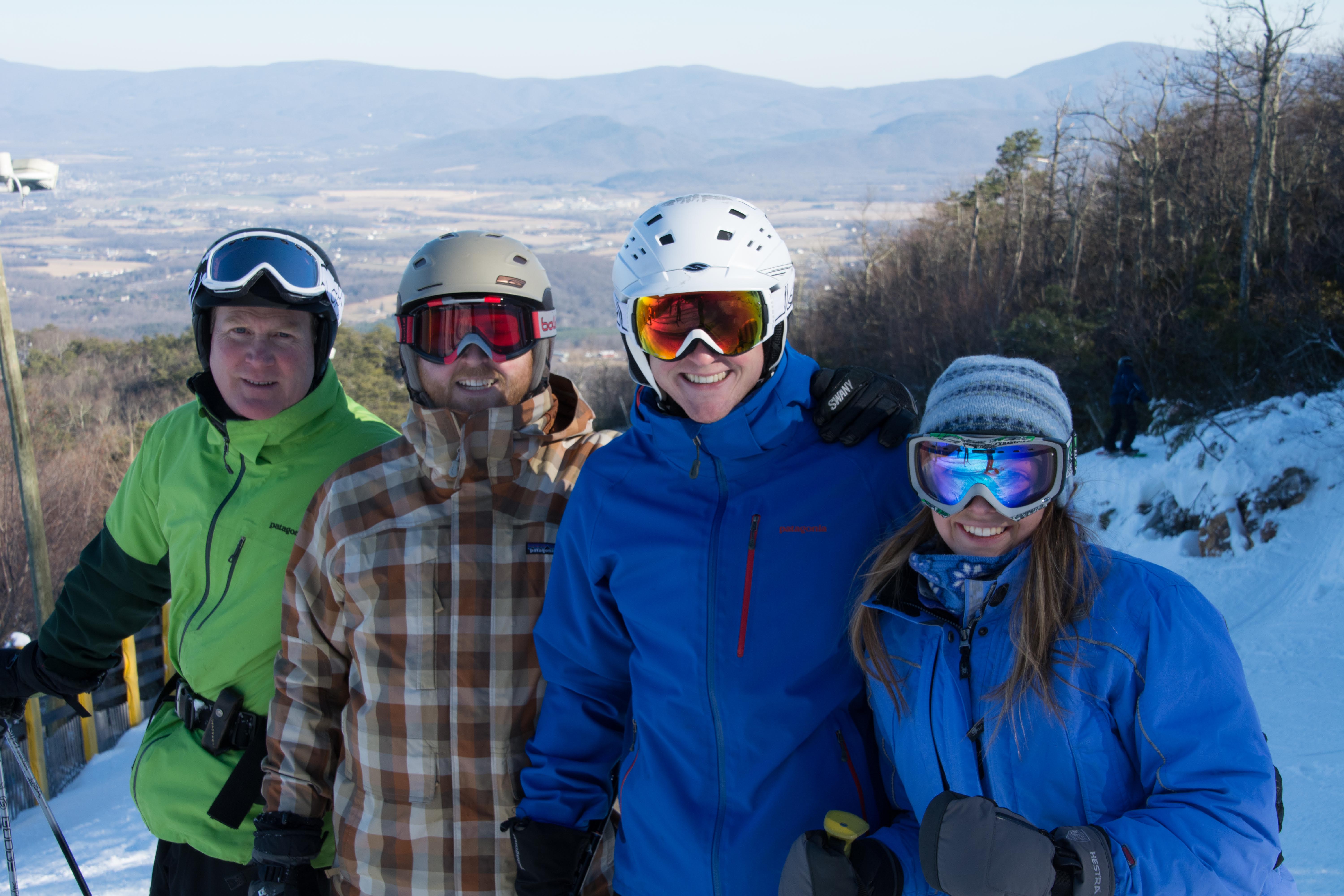
Last weekend I drove up to Massanutten, Virginia for a down home ski trip. Brother Paul is in his twenty-sixth year as a volunteer ski patroller there, and we’ve had many happy times on this unfancy mountain. This trip was especially happy, in that his three kids, my niece and nephews, were all there, with spouses and a spouse-to-be, little ones, and friends.

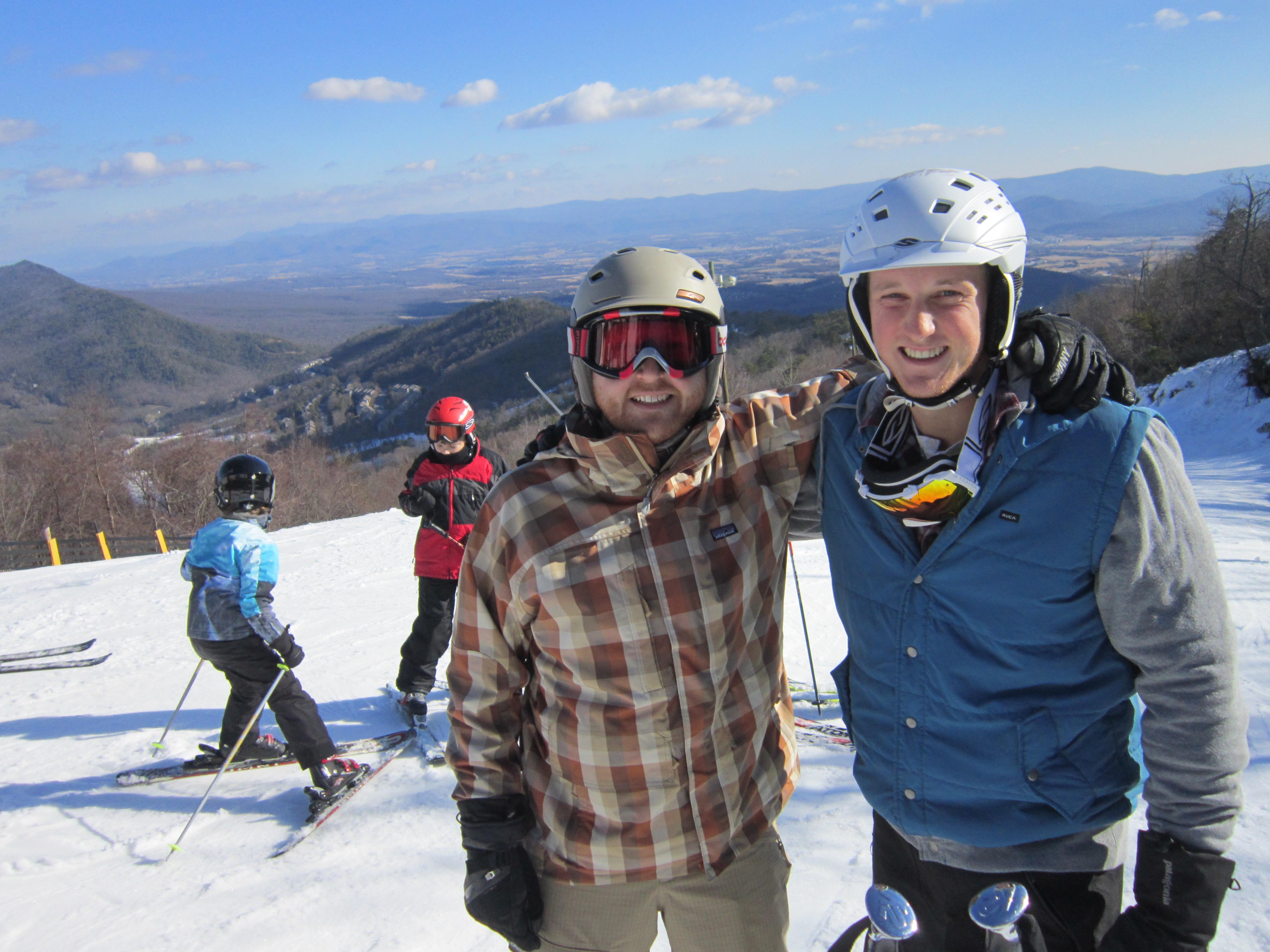
My nephews Josh and Adam are strong boarders/skiers (turns out both can do both). (Niece Lauren is also a good skier, but is expecting and so sat this one out.) We had a blast shooting down the steep places. It was sunny and cold, and the snow was good.
15 01 10_4858

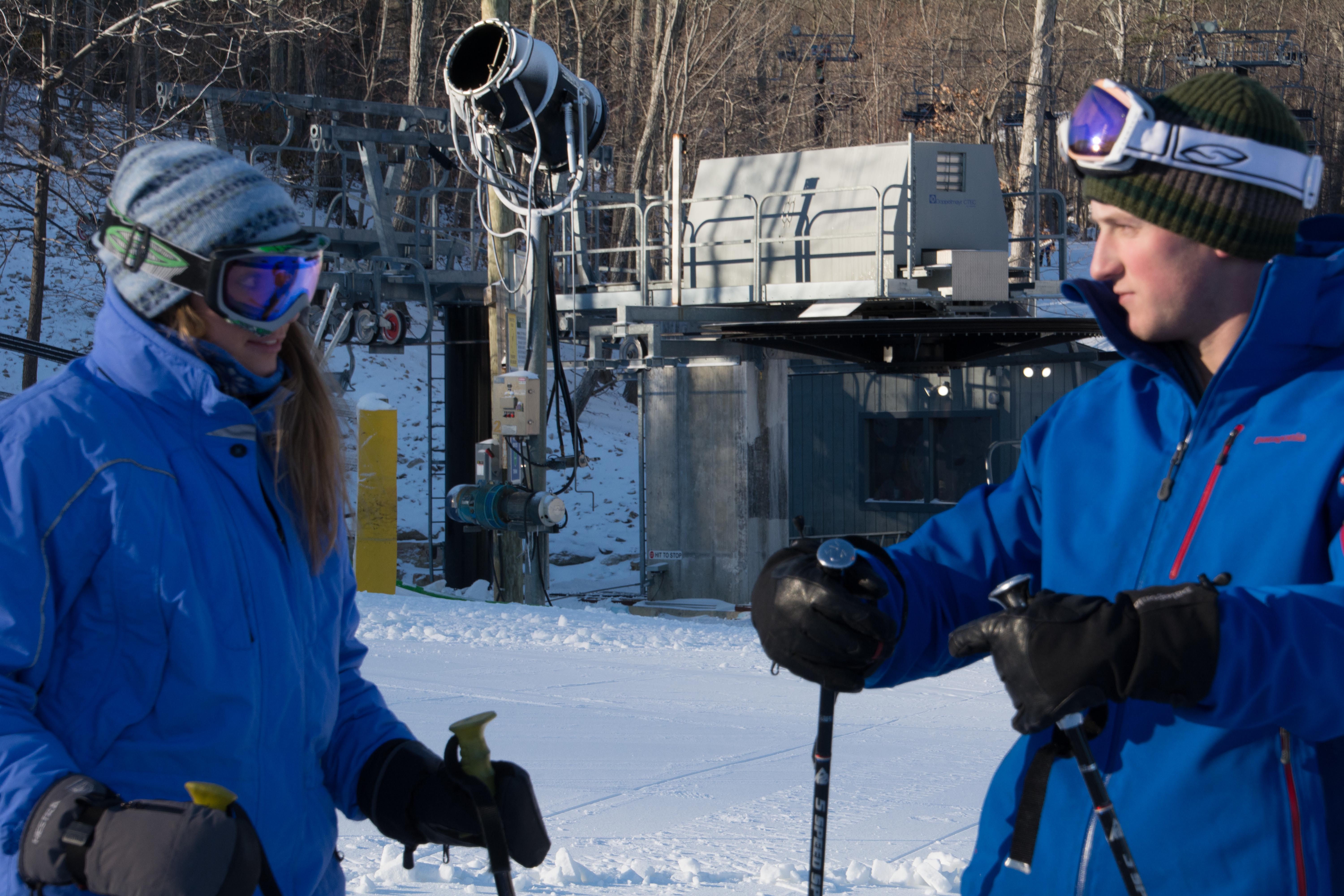
We also spent some time helping a couple of beginners in the group. Paul has helped a lot of people learn to ski or improve (including me, come to think of it), and has a really kind, encouraging way of getting across the basic concepts.
15 01 10_4848
There’s no getting around the fact that being a beginner is hard. There are various specialized physical skills that you’ve got to grasp. Then there’s the fear of falling. And a certain amount of actual falling. It takes some gumption. It was great to see our newbies progressing quickly. When hanging with them on the gentler slopes, I practiced skiing on one ski (trying to work the counterintuitive outside edge) and skiing backwards.
15 01 10_4844

On the drive back, I listened to podcasts. I’m a recent convert to this technology/medium, which I got started loving after Jocelyn recommended Serial (now the most popular podcast in the history of – podcasts). I listened to several episodes of a BBC production called A History of the World in 100 Objects. Each show discusses an object from the British Museum, and uses it as a jumping off place for probing the society in which it was created. Some are very ancient (a hand ax 1.6 million years old) and some are just ancient (Clovis points 13,000 years old). I got up to 700 B.C., found most of it fascinating.

Bluebird skiing in Telluride, a brief briefing, and reading The Second Machine Age

14 02 26_7309
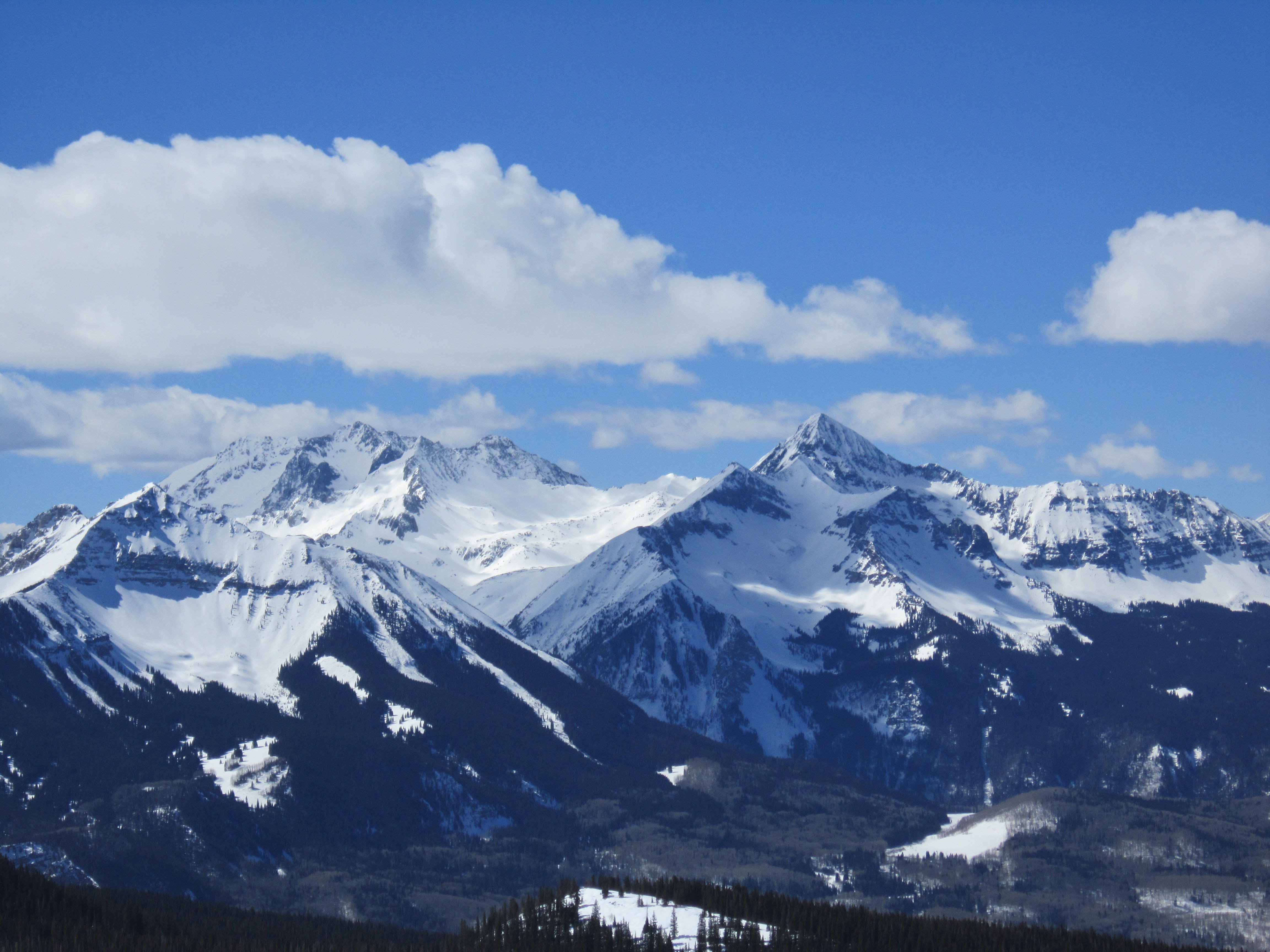
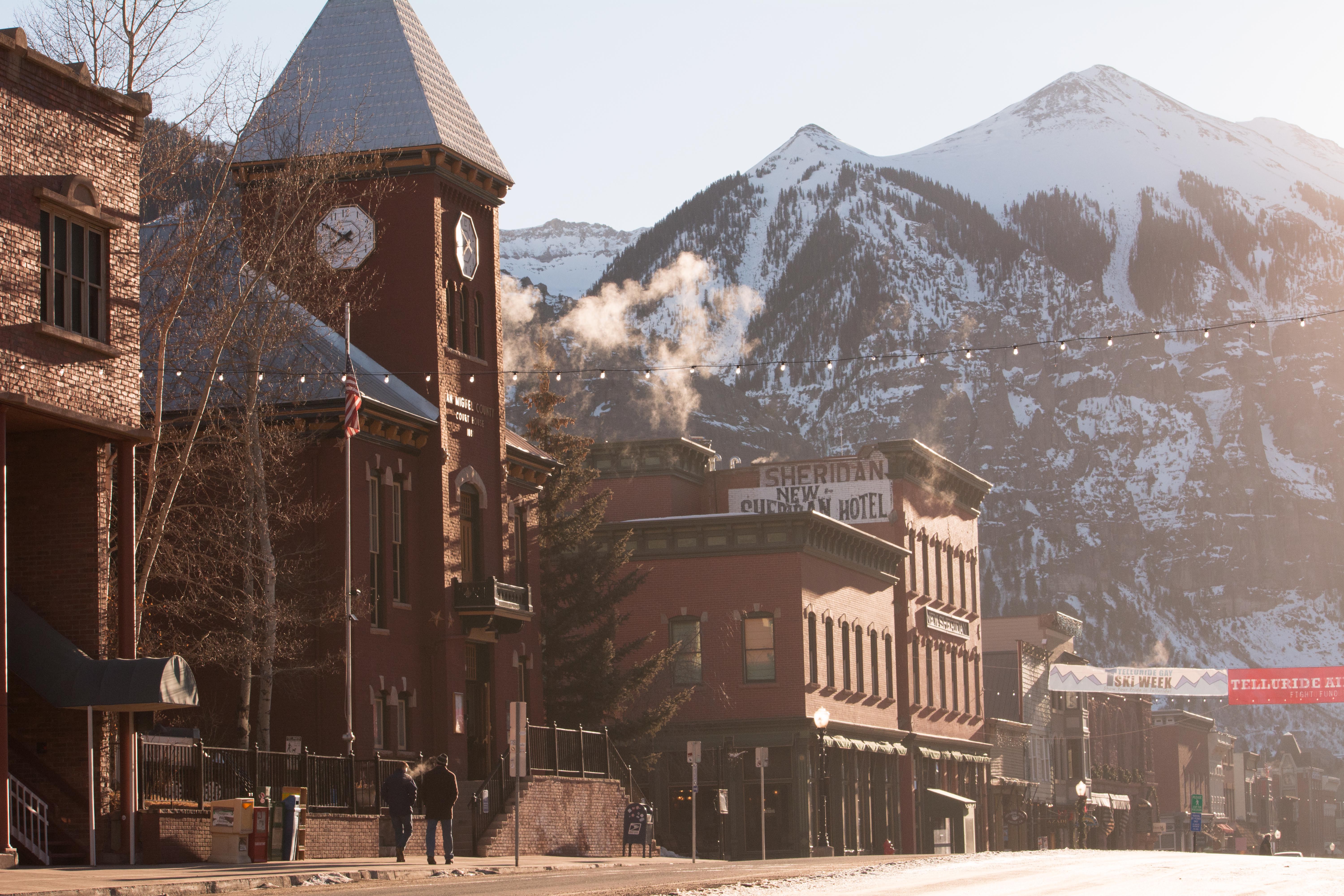
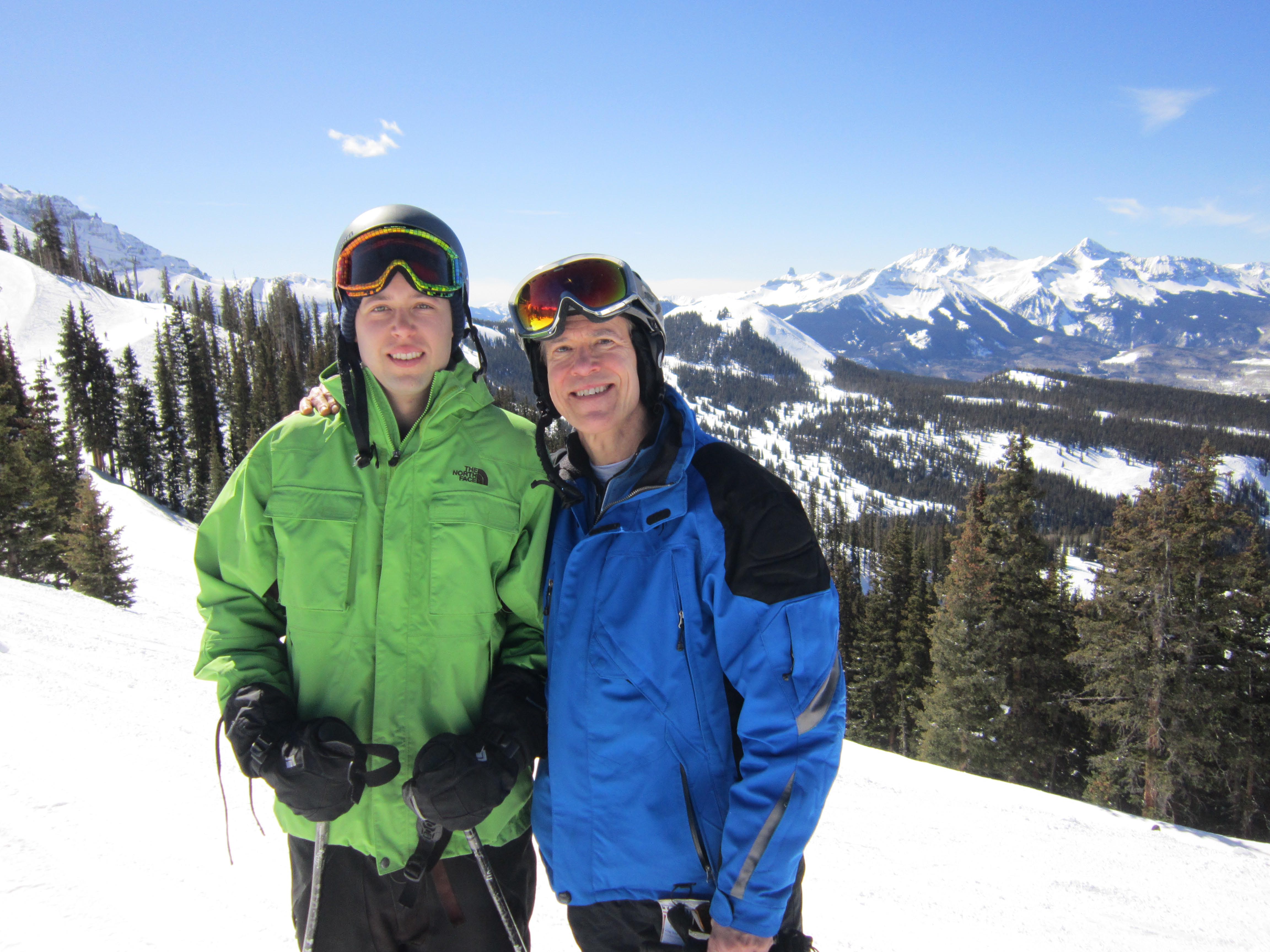
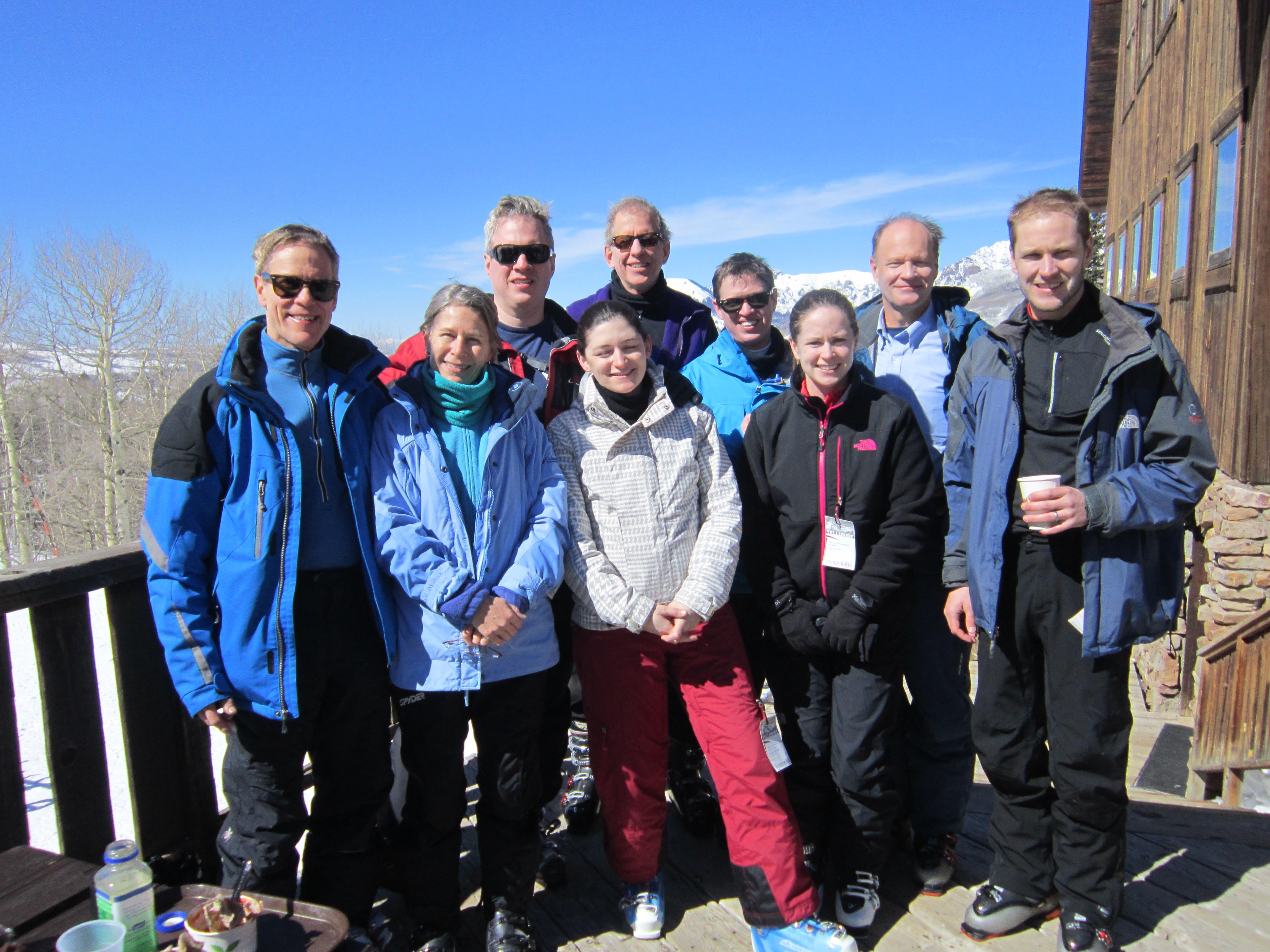
Last week Sally and I joined Gabe and several friends in Telluride, Colorado, for a few days of skiing, eating, and talking. When I describe Telluride, I always mention how beautiful it is, but when I got there, I realized I’d forgotten how massive and magnificent the mountains are. The craggy alpine vistas surround you, regal and timeless. And the town itself has a friendly, unassuming charm. I tried to capture some of these feelings, but was uncomfortable taking my D7100 onto the slopes, and so used my little Canon point-and-shoot up there.
14 02 25_7422_edited-1

Telluride has a lot of challenging terrain, and the question always is, can you handle it? Gabe Tiller has been living here five years, and he can answer that question with a yes. On our first day, he took me down a double black diamond mogul run called spiral stairs, which, once we were committed, he told me was “really steep.” He wasn’t kidding! He also led me into a tree run called Log Pile. These were pressing the outer edge of the envelope for me. Getting through in one piece was a great happiness!
14 02 26_7307
14 02 23_7352

Moguls — aka bumps, or areas of irregular snow that form in steep areas — are terrifying for beginners, frustrating for intermediates, and challenging in varying degrees for those more advanced. If you want to ski the steep wild places, you just need to figure out moguls, and there’s no simple solution. It’s like three-dimensional chess – or make that speed chess. We complimented Gabe on how smooth and strong he looked in the tough mogul runs, and he noted, with admirably humility, that it only took him five years of work.

There is no way I’ll ever reach Gabe’s level, but I got a bit stronger and more stylish this week. I averaged three falls a day, which I take as an indicator that I’m still pushing my limits and improving. I also found new joy in the gladed runs – basically moguls with trees. These require creativity and intense concentration. We did on called Captain Jack’s, which Gabe told me would get “kind of loggy.” Indeed. I had only one scary crash, after I saw Gabe flash by doing hyperspeed turns, and was inspired to give chase. I made the first three turns, but missed the fourth and ran into a tree. I did some minor damage to my left shoulder, but I think it will heal up OK. My worst injury was sunburn on my lips. I got everything except the lips protected with sunblock – a rookie mistake.
14 02 24_7340

Our four ski days were all remarkably clear and sunny, with pleasant ski temperatures in the mid-30s. The snow was generally good – not too hard and not too soft – Goldilocks snow. Of course, it’s always a treat to get fresh light powder, but if it doesn’t happen, I’ll take bluebird days and Goldilocks. We were on the lifts almost as soon as they opened at nine and went at it hard until 3:30 or so. Then hot tub, relaxing, cocktails, and dinner. We particularly enjoyed eating at the Telluride Bistro, Siam, 221, and Hongas.
14 02 25_7312

I had one important work project: an amicus brief in the U.S. Supreme Court in the case of Alice Corp. v. CLS Bank. The case involves a patent concerning financial intermediation, and presents the question of when software is patent eligible under 35 U.S.C. Section 101. I’ve thought about the paradox of software patents for a long time: how a system meant to foster innovation ends up hindering it. I was happy to take on the out-of-ordinary-course assignment of writing the brief myself, but the due date fell in the middle of the ski trip. With hard work, I got most of the writing done before the trip, and while my colleagues took care of cite checking and filing mechanics, I took responsibility for the needless worrying. In the end, I was reasonably happy with the brief, which I hope will help move the debate in the right direction. It can be downloaded here.
14 02 24_7333

For leisure reading, I made it most of the way through Brynjolfsson & McAfee’s new book , The Second Machine Age: Work, Progress, and Prosperity in a Time of Brilliant Technologies. Their subject is how robots and automation are dramatically changing the world. Technology tends to provide more and more extraordinary wealth for the lucky few and the risk of redundancy for the rest. It’s a good introduction to the subject. They explain with clarity and verve why technological change is accelerating, point up examples of the disruptive technologies just starting to take over human work, and play out some of the economic implications.

They seem determined to be optimistic about the future, with examples of how humans and machines can each complement the other. I didn’t think some of their policy prescriptions (e.g. improved education, improve infrastructure, immigration reform, IP reform ) matched up very well with the long-term risks they identified (that is, machines becoming better than humans at almost everything and destroying the labor market). They give some weight to the idea of a guaranteed basic income, which would serve the purpose of preventing mass starvation, but they worry that it might result in dysfunctional communities. The identify employment as a social good, and like the idea of a negative income tax, because it would subsidize and encourage employment. This seems worth thinking about.

Skiing in Virginia, and considering, has the NSA ended privacy as we know it?

My nephews Josh and Adam, humoring me with a short pause on Sunday

My nephews Josh and Adam, humoring me with a short pause on Sunday

Last weekend I went skiing at Massanutten Resort, near Harrisonburg,l Virginia. I thought it would be good to see my brother and nephews, and have a little ski tune up before our Colorado trip in February. The drive up on Friday night was five and a half hours through fog and rain, and the ski conditions were far from optimal, but it was still well worth it.

On Saturday the weather report was for rain, and it did rain a bit, but the snow was pretty good. It was fun skiing with my nephews, both in their twenties and fast. They decided at lunch time to go to the movies, but my brother had ski patrol duty, and I decided to keep skiing with him on the advanced slope (number 6).

He had to leave for a period, and it got very foggy, with perhaps 50 feet of visibility. It rained a little. On the first run on my own, I noted that I didn’t see a single skier on the mountain. The same was true on the second, third – and fifth. It was the better part of an hour before a few other hardy souls ventured out.

Despite the fog, I enjoyed the skiing. I focused on sensing more of the ski edges, and making smooth, graceful turns. And I enjoyed the solitude of the trips up the mountain in the chair lift.

It occurred to later, though, that my smartphone was still sending out signals of my movements. My perception of privacy has been changing with the Snowden revelations, and I suspect I’m not alone. (LOL) Is it real so bad? I think it is, and have a concrete example.

A few weeks back, I wrote an email letter to the President. The gist of it was to commend him for commuting the sentences of some non-violent drug offenders, and to recommend that he expand that effort to help more of the thousands serving lengthy prison terms for minor drug crimes. As I prepared to send the email, I paused, thinking that this communication could easily mean a new NSA or other agency file would be opened on me, with unpredictable consequences.

Paranoid? Maybe. I sent the email anyway. But I expect that many citizens, now knowing how easily they can be monitored and how committed the spy bureaucracy is to expansive monitoring, might decide that expressing a political view just isn’t worth the risk of becoming a target.

There was a good piece in the New Yorker of a few weeks back by Ryan Lizza on the history of the NSA’s domestic metadata collection program, including efforts to establish a legal basis for it. It wasn’t surprising that a spy agency would tend to conceal its work, but it was surprising that agency representatives repeatedly lied to Congress and the FISA (special secret programs) court.

It raises the question, is this agency unconstrained by law? I expect most people involved in massive electronic surveillance are patriotic and well-intentioned, and not personally seeking world domination. But what if an agency with effectively unlimited resources and powers came within the control of a megalomaniac sociopath?Impossible? Remember J. Edgar Hoover?

If we’re lucky, we won’t become a police state in the Big Brother sense. But just knowing we’re subject to constant surveillance will probably change us. The interesting question is how much.

If the government forbade curtains on windows, we’d quit doing certain things within sight lines of the street. Maybe, without much discussion, we’ll get more guarded or stop discussing controversial topics using our electronic devices. Once that habit develops, it could extend to our face-to-face exchanges, or even our interior monologues. It wouldn’t happen all at once, but little by little. We might not even notice the change.

The justification for the government’s massive technology surveillance programs, of course, is prevention of terrorism. It’s hard to argue with that, since anything that grows the database of human activity could also increase information about terrorism. But is it possible that we’ve gone a little overboard with this fear-of-terrorism thing? Does it remind you a little of people preparing to end the world as we know with a nuclear conflagration it to prevent a takeover by communism?

There was a very interesting piece in Slate last week on the national hysteria over alleged sexual abuse and Satanic rituals in preschools back in the 80s. There were several of these cases in which little children testified that their preschool teachers molested them and also engaged in ritual murders and other bizarre and horrifying conduct.

Based almost exclusively on the testimony of the children, juries sent a number of these teachers to jail for lengthy terms. It slowly emerged that the abuse stories were fabrications produced by so-called therapists who essentially planted false memories in the children’s heads. Most of the teacher-victims eventually were freed.

In retrospect, the children’s stories seem way too bizarre to be believed – yet most of us believed. It’s a reminder of how our powers of reason and critical thinking are limited, and how they can be overwhelmed and defeated by sensational media and groupthink.

P.S. Needless to say, I paused again before publishing this post. But I think the danger of silence and retreat from dialog is even greater than the danger of surveillance run amok.

Utah skiing, a relaxing massage, and The Righteous Mind

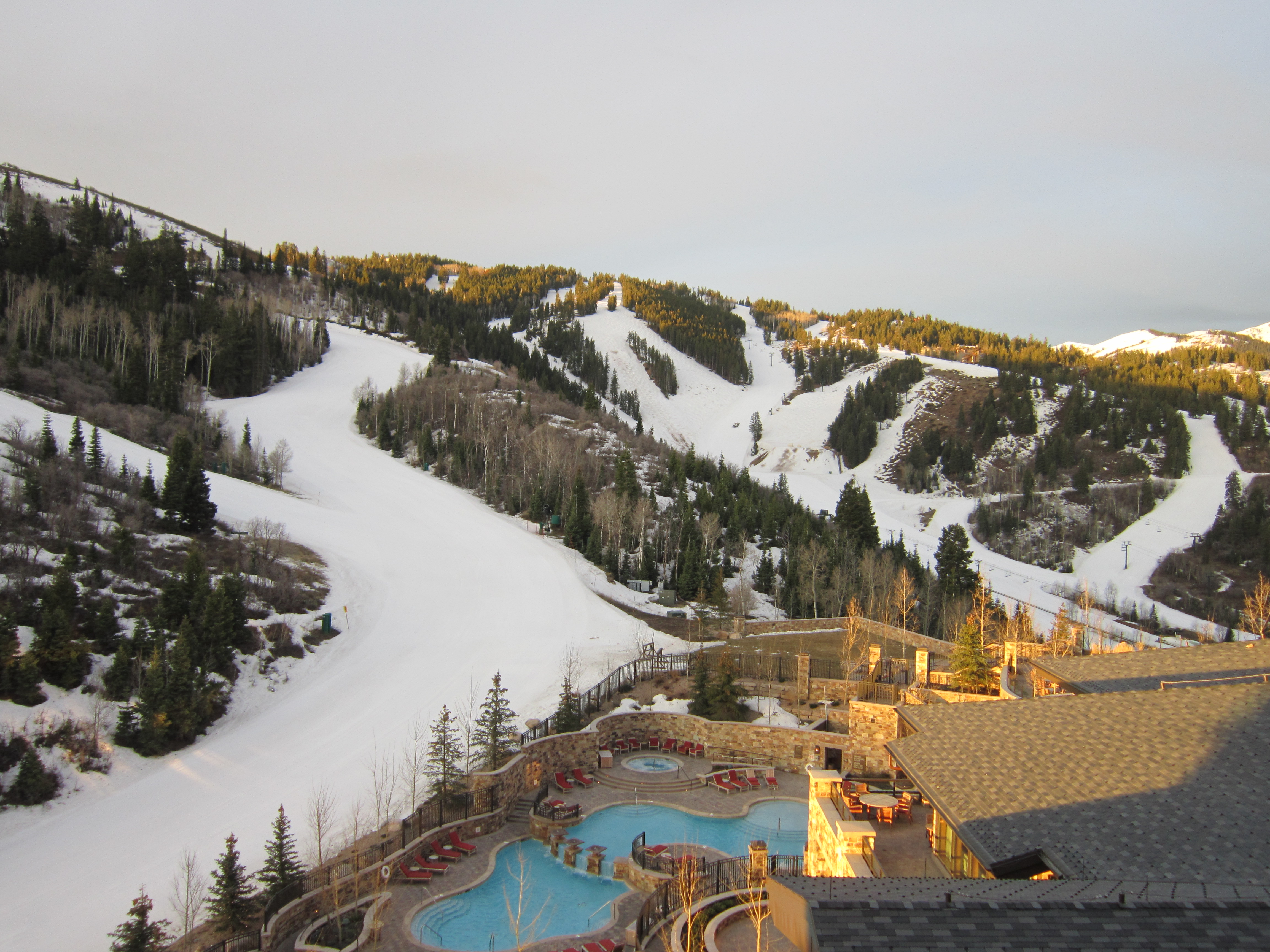
The view from room at Deer Valley, Utah

Last week I had some meetings in Deer Valley, Utah, and also managed to get in one last bout of skiing for the season. Deer Valley is famous for coddling a high-end clientele with personal service and carefully groomed slopes. This doesn’t sit well with my personal skiing value system, which is more about rugged natural beauty, self-reliance, adventure, and transcendence. But I have to say, particularly in variable spring conditions, Deer Valley was pretty sweet.

At my hotel, there was friendly, attentive service. A personable young people offered to help you get boots on and off (to which I said no thank you), and carried your skis on and off the slopes. I rented Volkyl Mantra skis, which Gabe had recommended last year. They turned out to be a good choice – a very versatile all mountain ski that performed well in powder, packed powder, crud, and mush, all of which I eventually experienced. It was reasonably quick edge to edge, stable when carving at higher speeds, and workable in bumps and trees.

My rented Volka Mantras (the red and white ones on the end)

It’s been a disappointing year for snow over most of the U.S. Could global warming be to blame? Utah had not had snow for some time, and the mountains looked much more brown than white on the drive from the SLC airport. I had my doubts as to whether skiing would be worth the pain, but in the end, it was.

On Wednesday I skied with business friends and did mostly blue cruisers, with a few bump runs. It was a beautiful, sunny day, with temperatures in the 40s. The snow got soft and mushy in the afternoon, but it was still skiable. Spring skiing, as they say.

Thursday I had work to do, but Friday I got over to Park City to do some skiing by myself. It snowed most of the day, but only lightly, and visibility was limited. The winds were so strong in the morning that only half the lifts were operating. The only double black terrain open in the morning was off the McConkey lift. There were swatches of powder, but much of the skiable area was hard, rutted ice, or worse, ice with a deceptive thin dusting of snow – ice that looked like powder. On one lift ride, I chatted with a couple who’d lived there ten years. They wanted to apologize to visitors for the conditions, which were the worst they’d ever seen. But it got better in the afternoon. The Jupiter lift opened after lunch, and I found some fun steeps that hadn’t been skiied. The bumps were crusty. There were some interesting looking gladed areas that were, unfortunately, closed for lack of snow.

On Saturday it was another chilly bluebird day, which I spent at Deer Valley. The packed powder stayed good until mid-afternoon. I spent most of the time working the Empire and Lady Morgan lifts, both high speed quads that I generally had to myself, and listened to Mahler symphonies on my iPod. I particularly liked the Lady Morgan bowl, where I saw only a handful of other skiers. The lower part of the run is gladed, and after following the tracks of others, I began composing my own routes. It went well, except for one collision between my left ski and a pine tree.

After lunch, I did some carving on the cruisers off the Northside and Silverstrike lifts. After watching one kid catch some good air on a small jump, I tried to follow suit, but figured out a beat too late that the jump was canted to one side. I came down hard on my right hip, lost the right ski, and sprained my left thumb. It hurt! I’ve hurt that thumb the same way before, and it took a long time to heal. But I regrouped and pressed on.

Late in the afternoon, I treated myself to a massage at the Remede spa. Although I’ve become a big fan of deep tissue massage as therapy, I’ve assume that spa massage was mostly about relaxing, which is something I tend to regard as time-wasting. A sad legacy of my Calvinist heritage, no doubt, and I’m working on it. Anyhow, the Swedish massage was wonderful. It was a bit rougher in places than I expected, but also more sweet and sensual. My masseuse put hot was bags on my feet, which made no logical sense yet somehow worked. Over the course of the hour, my little fears melted away. Afterwards, I soaked for a bit in the hot tub, cooled off in the shower, and then sweated for a few minutes in the steam room. I felt a bit limp, and thoroughly relaxed.

On the way home I finished reading The Righteous Mind: Why Good People Are Divided by Politics and Religion, by Jonathan Haidt. In this new book, Haidt, a psychology professor at University of Virginia, offers a theory of the origins of morality and an explanation of the divide between liberals and conservatives. It’s ambitious, and he’s not kidding. I found it easy to accept his view that most human activity is driven primarily by emotion and intuition rather than reason. He was also persuasive in arguing that moral philosophy is primarily instrumental – a tool in service of other social goals, rather than a disinterested search for truth. He sees it as a vital instrument for human communities, and therefore for progress.

I was less persuaded, but still intrigued, by his idea that conservatives had a richer array of moral values than liberals. He argues that liberals define morality primarily in terms of reducing harm and increasing fairness, whereas conservatives also place significant weight on values such as loyalty, authority, and sacredness. That seems possible, but it doesn’t seem to connect up to the truly goofy aspects of conservative ideology, like demonization of liberals and discounting of science. I’ll go along with his idea that we need to figure out how to engage with ideas we don’t necessarily agree with if we’re to overcome our dysfunctional politics. I found the book thought provoking, and especially considering the density and breadth of the ideas, a surprisingly lively read.

Watson, human games, and the twilight of the gods

Sally and I flew out to Telluride, CO yesterday for a late winter ski adventure. On the flight from Raleigh were our good friend Charles and Chuck, and we looked forward to meeting up with Gabe and Jocelyn. The flights took off on time and progressed in an orderly way. I made some progress getting through back issues of The New Yorker, Scientific American and Golf Digest, listened to Mozart and Debussy. And as often happens when I travel at 35,000 feet, I found myself in a contemplative mood. As Garrison Keillor says of his private eye character: one man’s still trying to find the answer to life’s eternal questions.

What is the meaning of play? When humans have taken care of the essentials — food, clothing, shelter, sex — it is a large part of what they do. I suspect the same is true of all animals, based on the birds, squirrels, fish, cats, dogs, and other creatures I’ve observed. They all love to play. Children love to play. Put a random group of four-year olds together and a game will almost always develop.

The games people play vary widely according to their age, traditions, fitness, intelligence, financial resources, and moxy. Some like skiing, some prefer bowing. Some go for chess, and others like checkers. The arts are unquestionably a form of play; we even refer to musical activity as playing music. A lot of our verbal activity has little to do with survival and qualifies as mostly play.

Smarter-than-normal people tend to like games requiring a good memory and a quick tongue, and to view success in those games as a badge of honor. Before this week, we mostly felt confident that, whatever our weaknesses and failings, we were superior to all other known beings at such activities. After Watson’s triumphant performance at Jeopardy this week, that’s over.

I didn’t see the entire three Jeopardy sessions, but I saw enough to get the idea. The gifted engineers at IBM have taken artificial intelligence to a whole new level. (By the way, congratulations, guys.) Watson has incredible facility with language and memory. The humans never had a chance. I was reminded of the song about John Henry, the great swinger of the hammer, who drove himself to death but couldn’t beat the machine. (Bruce Springstein does a great high-energy version of the song.). Admittedly, Watson’s abilities don’t extend to the entire range of human intelligence. For example, it isn’t good at creative reasoning — yet. But the day when it will be considered hopelessly romantic to think that humans could be more intelligent than machines is well within view.

So where does that leave us as a species? Consciously or subconsciously, we justify a lot of atrocities on the theory that we’re superior as a species to all others, Could Watson make us just a bit more humble? Could it inspire a bit of self-examination? If intelligence isn’t our greatest achievement, if compared to our computers we’re not really very bright, perhaps we’ll come to view our most important defining characteristics as other human qualities, like love and kindness. What if we consciously cultivated those qualities?

Starting the weekend with some exercise and music

Late Friday afternoon I returned some phone calls, cleaned out my e-mail queue, checked my to-do list one last time, jammed some weekend work in my book bag, and did the short drive home. Sally had left for a tennis tournament, but had first fed the animals, so they were sleepy. I played the piano for a few minutes and moved to a different mind zone — a Chopin nocturne (D flat major), a Debussy prelude (La cathedrale engloutie), Liszt’s Sonneto del Petrarca 47. I also played J. Strauss’s Blue Danube waltzes in honor of the poor Danube, currently under assault by toxic sludge. I filled a small plate with some leftover pepper casserole and brown rice, warmed it in the microwave, poured a glass of pinot gris, and had a quiet, delicious dinner.

Then I walked over to hear the N.C. Symphony do the first fall concert of our series. It was a lovely fall evening, mild and clear, and I savored the walk. This is one of the pleasant things about living in downtown Raleigh. There were two new buildings going up along the way, and people on Fayetteville Street eating dinner at sidewalk tables or walking about.

I had an unusually strong sense of physical well being. It was a good week for exercising — no travel or serious time crunches at work — so I’d gotten up at 5:30 a.m. every day to either swim a freestyle mile (2x), do a yoga class, or take a spinning class (2x). Spinning is still new to me, and I’m still enthusiastic — it’s an amazing aerobic workout. The basic idea of stationary bike plus music, rhythmic movement, group activity, and a cheerleading coach previously struck me as not at all my style, but it is remarkably effective in (a) raising my heartrate, (b) making me sweat, and (c) leaving me feeling pleasantly endorphinized.

With fall in the air, I’m looking forward to winter, and skiing in Colorado, and I’m using ski thoughts for extra workout motivation. Last year the hour-long climb in the snow at over 12,000 feet up the narrow ridge to Highlands Bowl at Aspen Highlands taught my body a brutal lesson it won’t soon forget. I was, in truth, too whipped to attack the long double black diamond run from the top, but there was no alternative way down. I survived, but next year I hope to do more than merely survive such situations — to exult! That may be too much to hope for. It will always be difficult to go from a few hundred feet above sea level one day to vigorous activity at several thousand feet the next, but I’m looking to be in better shape next season and bettering my odds.

At a leisurely pace, it took 23 minutes to walk to the concert hall. (Afterwards I picked up the pace and got home in under 20.) I was interested to hear Rachmaninoff’s first piano concerto. The composer was still a student when he made it, but it has the seeds of the more familiar and almost too gorgeous second concerto. It is certainly a virtuoso showpiece, and Jean-Philippe Collard played it with power and authority. I was mainly interested in the second half of the concert, a performance of Sibelius’s Fifth Symphony, a piece I was not familiar with. It was strange and beautiful, with novel and varied textures, and diverging moods. It approached the richness of Mahler. There were good loud places, where the brass expressed themselves fully, and a fine solo for the bassoon. I plan to get a recording and listen to it some more.

Skiing at Telluride with love and fear

We went to Telluride, CO lasts week in part because of it jagged mountainous beauty,in part to be together with Gabe and Jocelyn, and in no small part to ski.  The town is a repurposed Western mining town with squared-off storefronts and Queen Ann style houses, and has part of the vibe of  a college town, with a wholesome, natural charm.

The ski resort is famous for its rocky alpine beauty and high level of challenge.  The stats are impressive:  4,425 of vertical (3,845 served by lifts), base elevation 8,725, lift served elevation 12,570, maximum elevation 13,150, longest run 4.6 miles, 2,000 skiable acres.  The significant percentage slopes are classified as double black diamond, and a few double black slopes have the further warning EX, which stands for extreme.   The place gets about 300 inches of snow a year, and we had about 17 inches arrive in the middle of our stay.  It was extremely light — snow champagne.

Gabe led us on some substantial journeys down the double blacks.  We did one “hike to” — Genevieve — and felt we earned our turns.  In the deep fresh snow of our  last two days there , we did, among other runs, Dynamo (“EX”), Electra (“EX”), Genevieve again, the Rose, Apex Glade (3 times), Northern Chute, and Locals, the last of which is a fairly tight glade run that does not appear on the official trail map.  Sal and I also had memorably challenging runs down Allai’s Alley, Kant-Make-M, Mammoth, and Lower Plunge.

As we followed Gabe, I hoped he had not overestimated our experience level.    Hiking up Genevieve, Sal was heard to say “Holy God,” which appeared to relate not only to the beauty of the sheer walls around us, and the rigors of the hike, but also to the question whether the very steep and  narrow way down was going to kill us.  Skiing with Gabe, I was reminded that I was not 25 years old, but I also noted that I was skiing fantastic deep powder with new authority, which made me cheerier.  Sally also raised her game to a new level, taking on more mountain at higher speeds.

One afternoon we met up with Jocelyn and her friend Britt for lunch yesterday in Mountain Village.  At 1:00 pm every eatery was jammed, and there was no possibility of a seat inside.  Although it was too cold to take off hats and gloves, we ended up eating deli sandwiches at a table outside while it was snowing.  At least we had food.

We skied one run with Jocelyn after lunch, after which she said she was calling it a day for reasons of tiredness.  At dinner that night, she acknowledged that fear was a significant issue for her skiing.  I said that this is true for most people.  Those that end up loving it are those who overcome some of their fears.  But as Gabe noted, good skiers are continually seeking a new level of challenge, which means a new confrontations with fear.

It is one of the satisfactions of skiing to confront and overcome personal fears, but there’s much more to it than that.  At times it’s hard —  cold fingers and toes, weary thighs, fogged goggles, wind blowing snow.  But at times the struggles fade, and there is something pure and clean remaining.  On demanding slopes, there is no faking.  It’s time for truth.  Everything is in sharp focus.  There is kinetic harmony, turns perfectly suited for a particular stretch of rock and the snow, the human body synchronized with the moment, the season, and geologic time.