Meeting penguins in the Falkland Islands, reading Trollope, and Trump’s downward trend
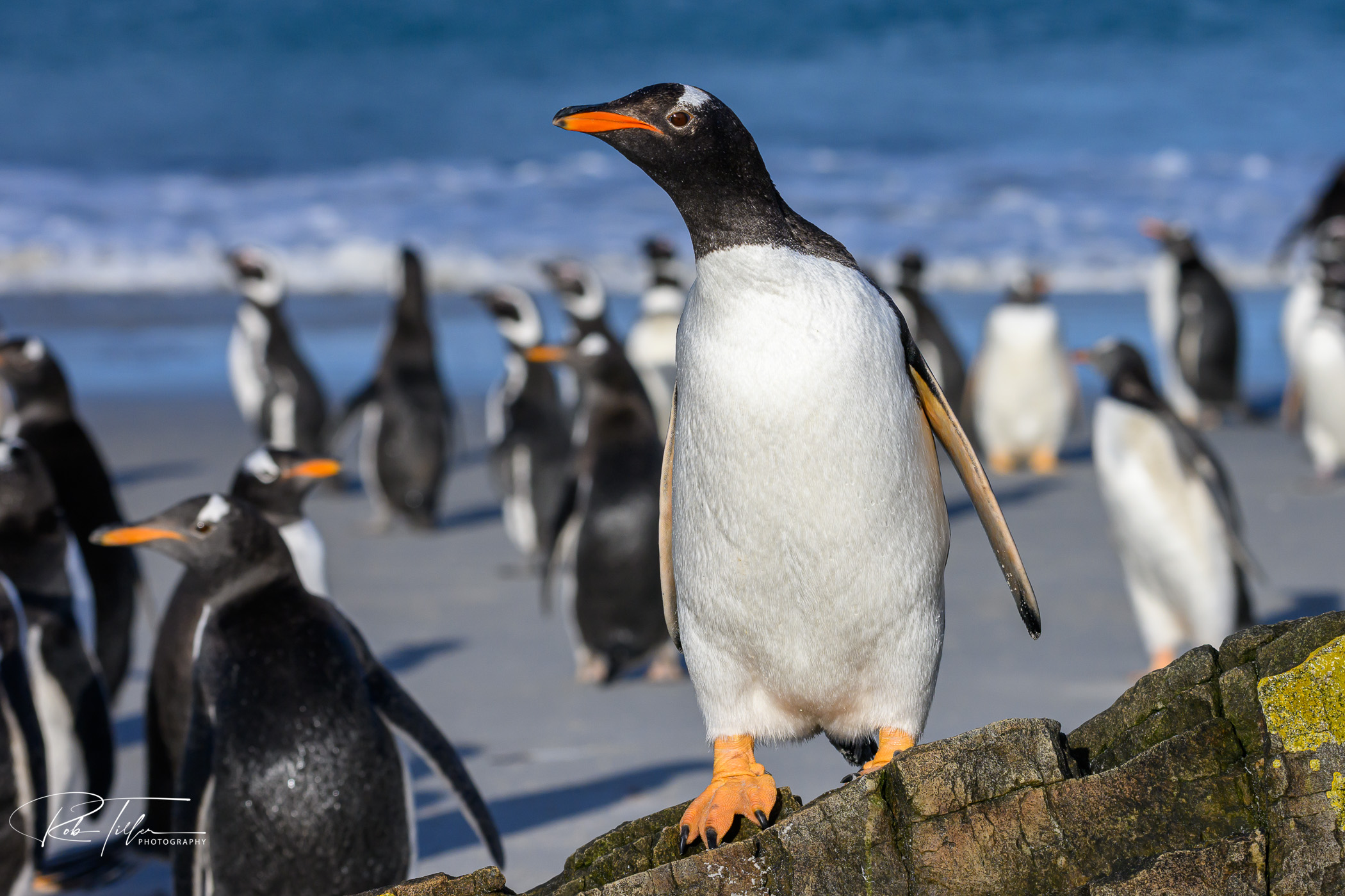
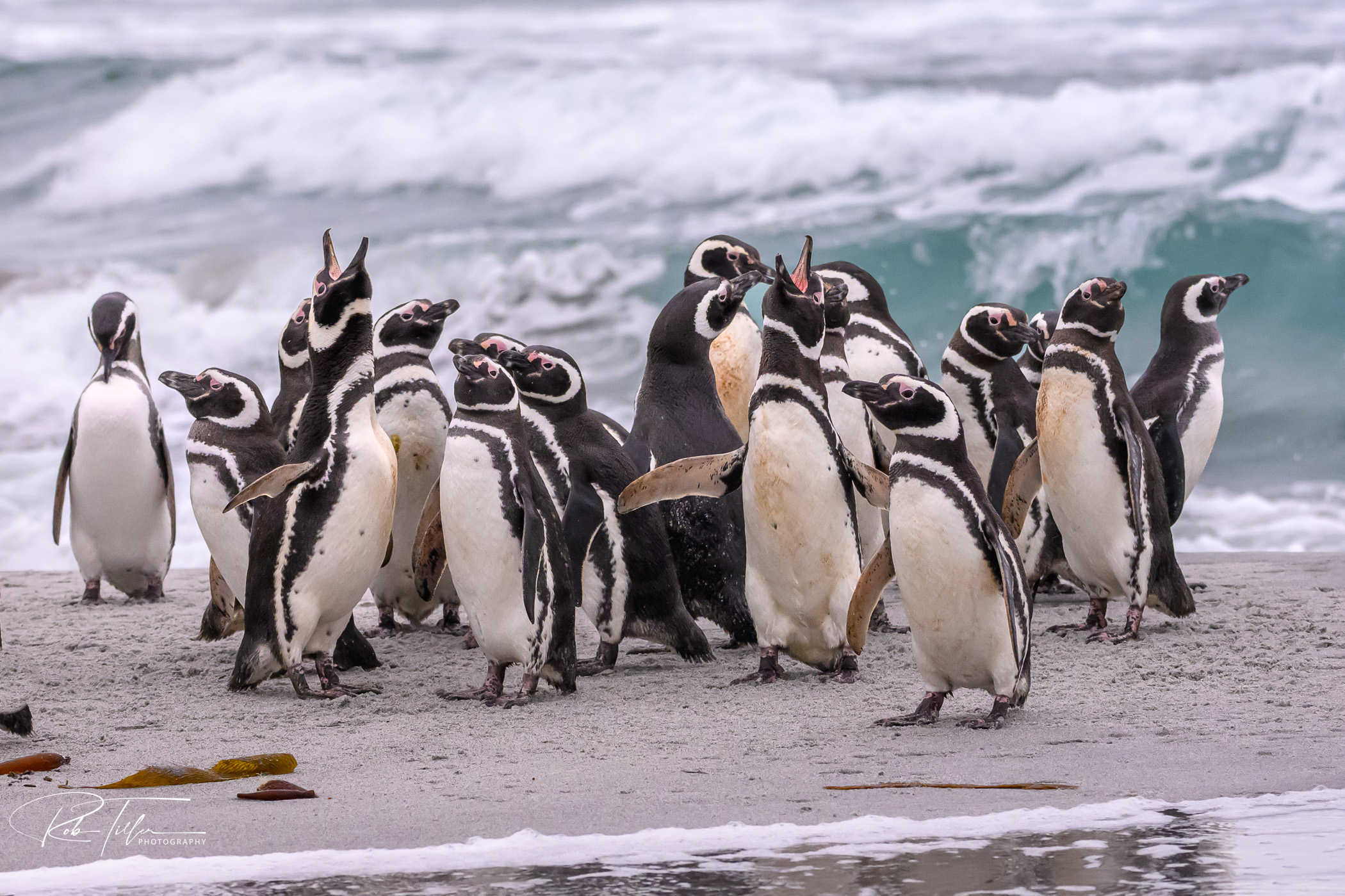
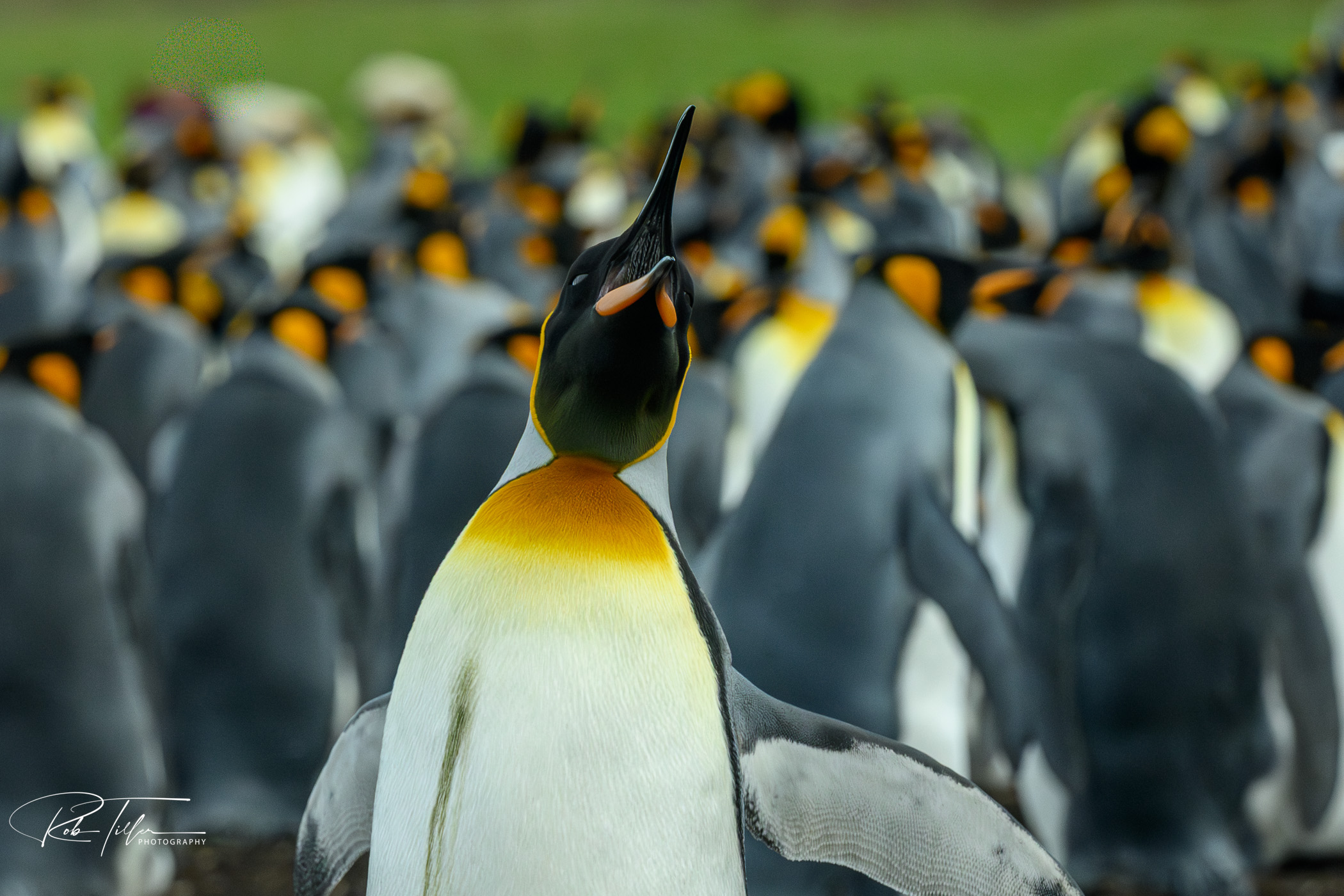
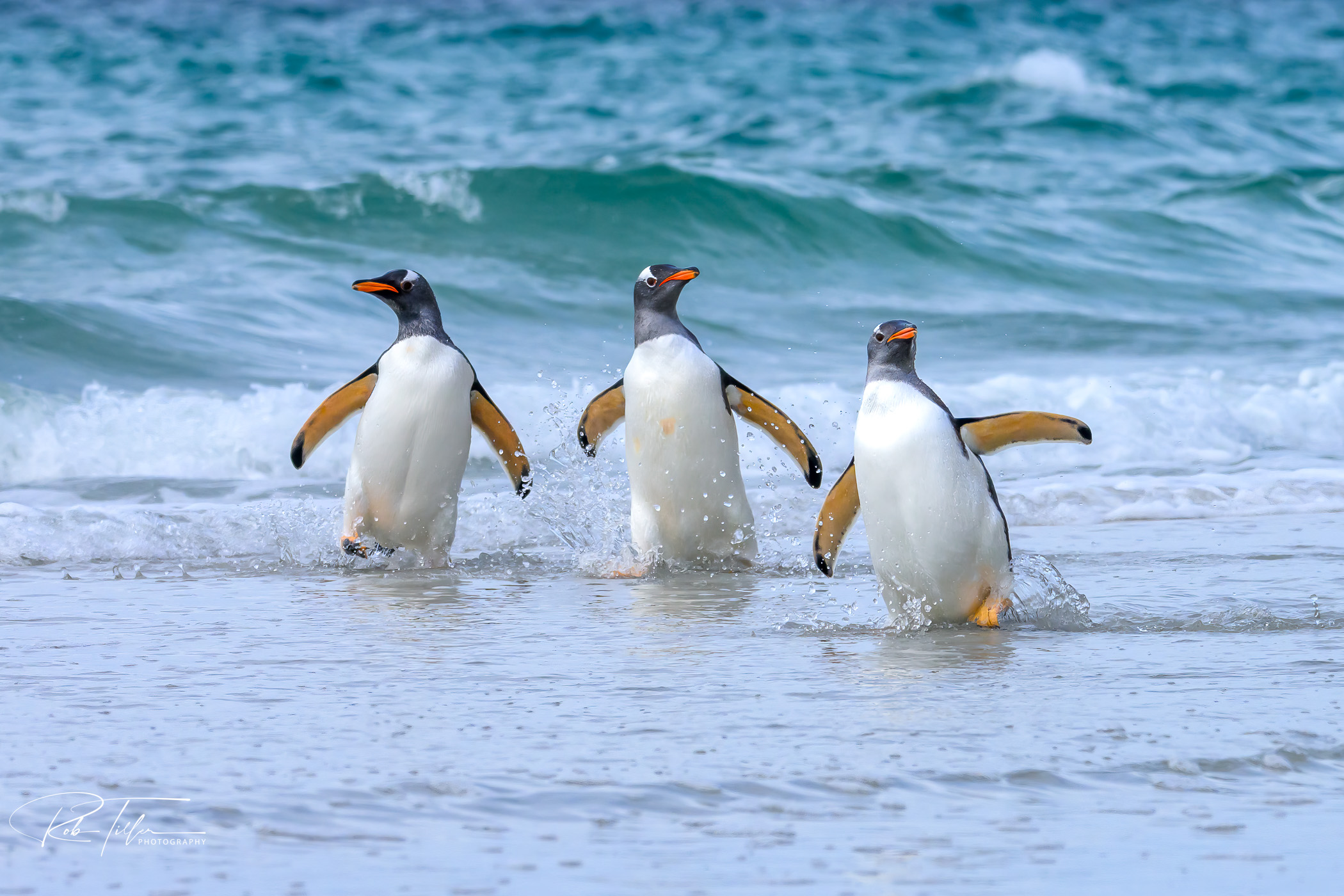
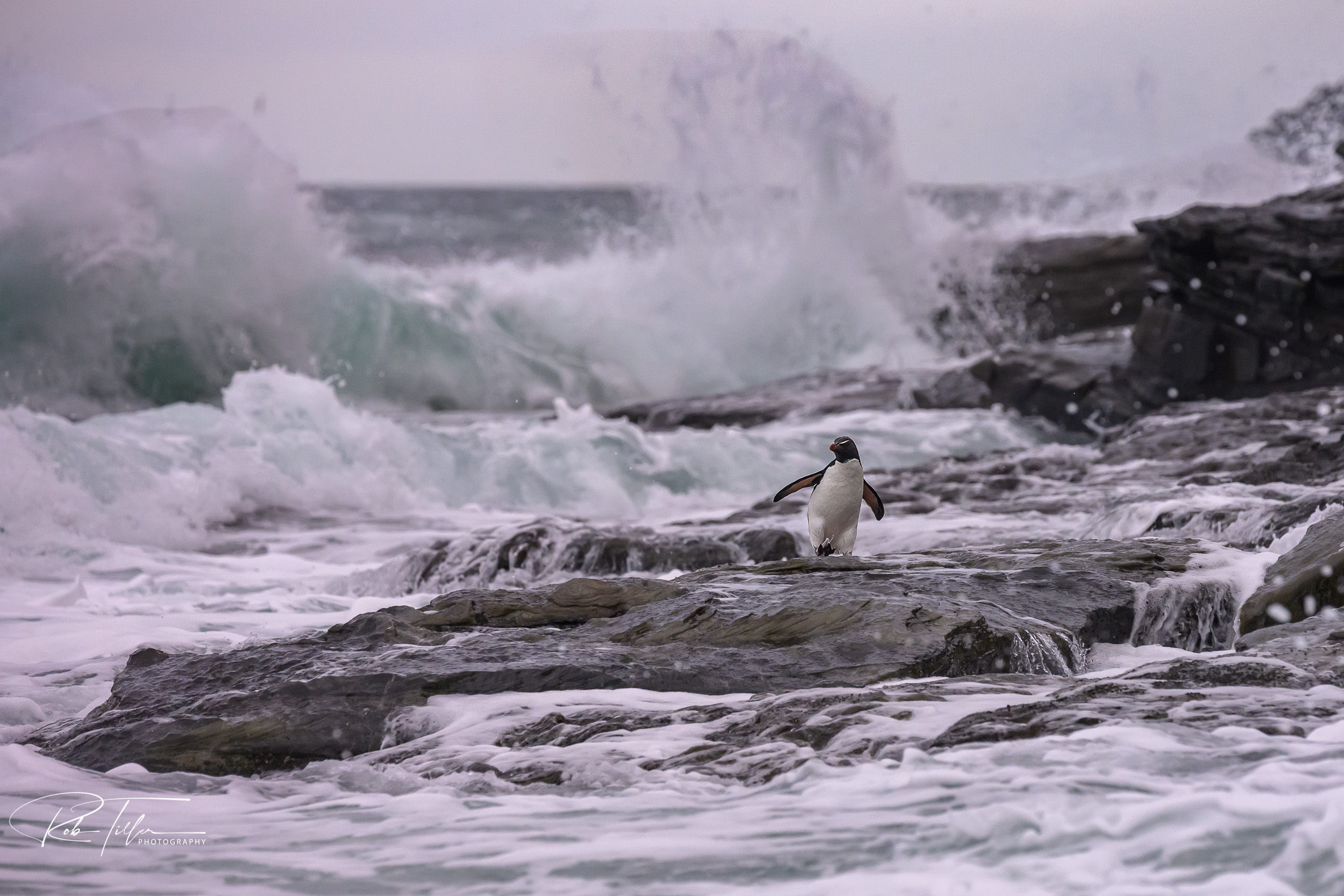
In December I made a three-week trip to the Falkland Islands. The Falklands are in the Atlantic east of the bottom of South America. There are two main islands and more than 700 others, of which we spent time on five: Saunders, Pebble, Sea Lion, Bleaker, and Carcass, as well as Volunteer Point on East Falkland. The photos here are from this trip.
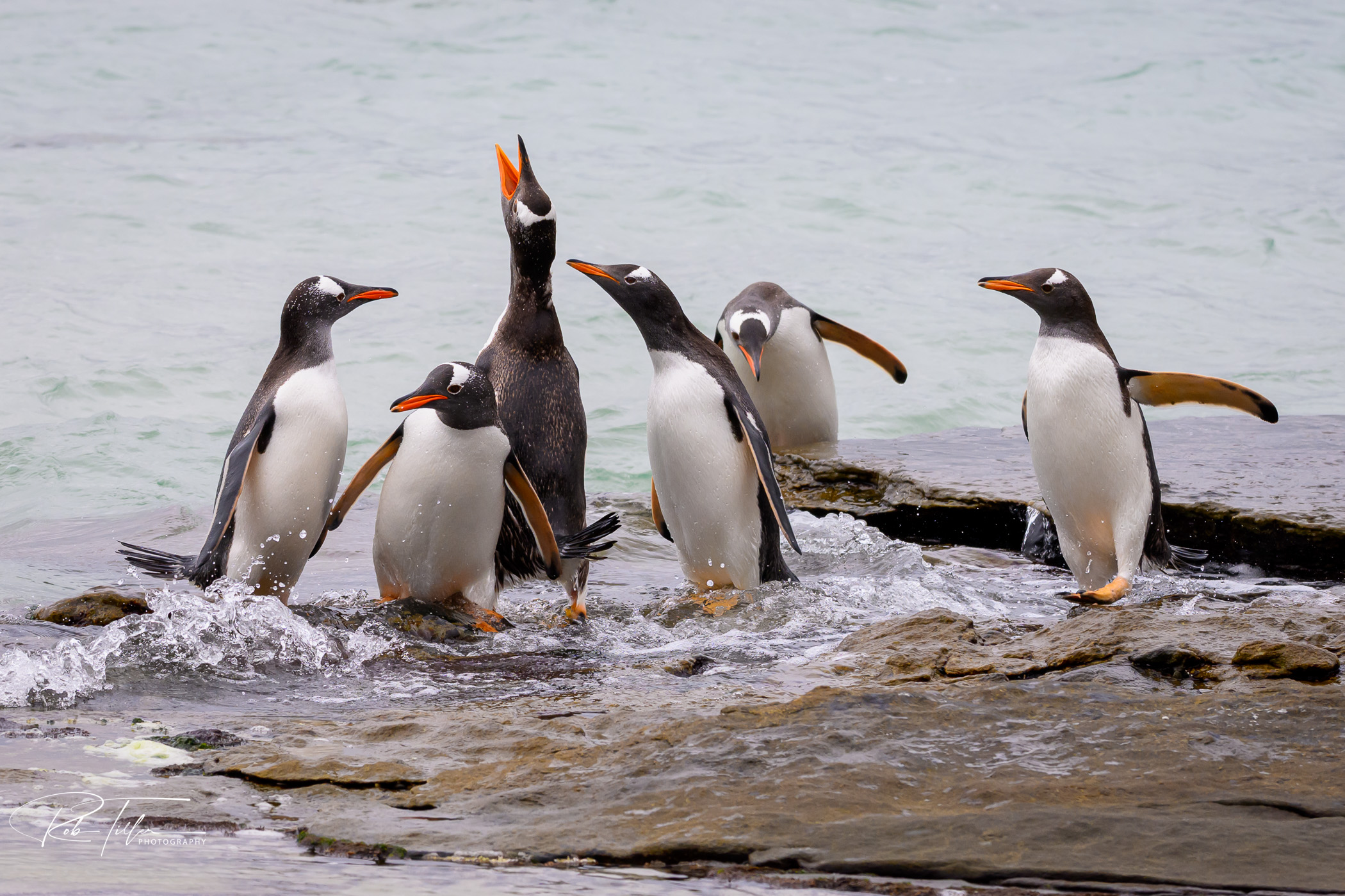
My group of six skilled photographers was led by master photographer Chas Glatzer. Chas has mentored me in the craft for several years now, and he’d made many trips to this remarkable place. Falkland Islands Holidays assisted with travel and lodging arrangements. We saw thousands of penguins, as well as sea lions, elephant seals, whales, orca, dolphins, caracaras, black-browed albatrosses, imperial cormorants, giant petrels, upland geese, and many smaller birds. There were also a lot of sheep.

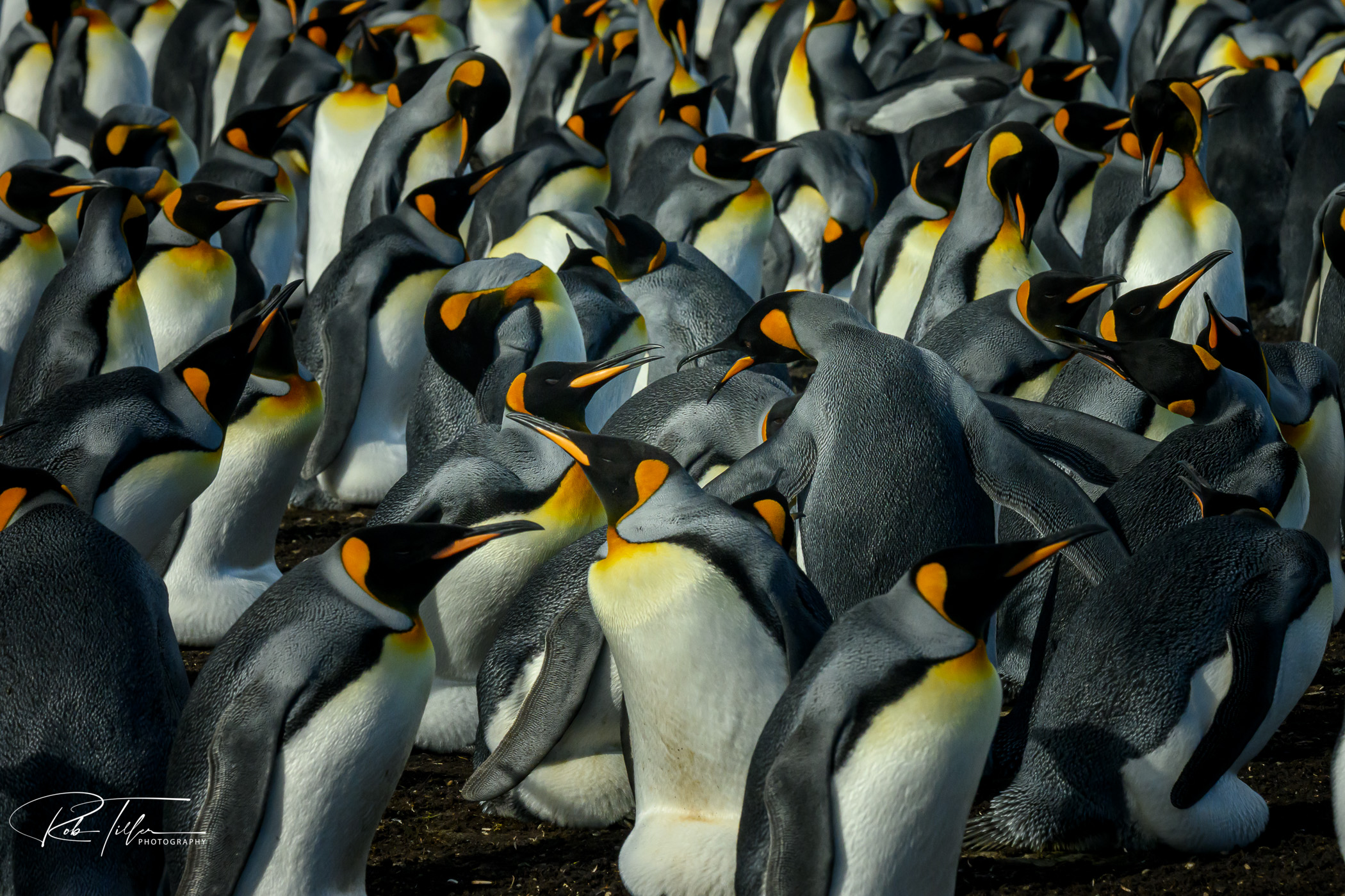
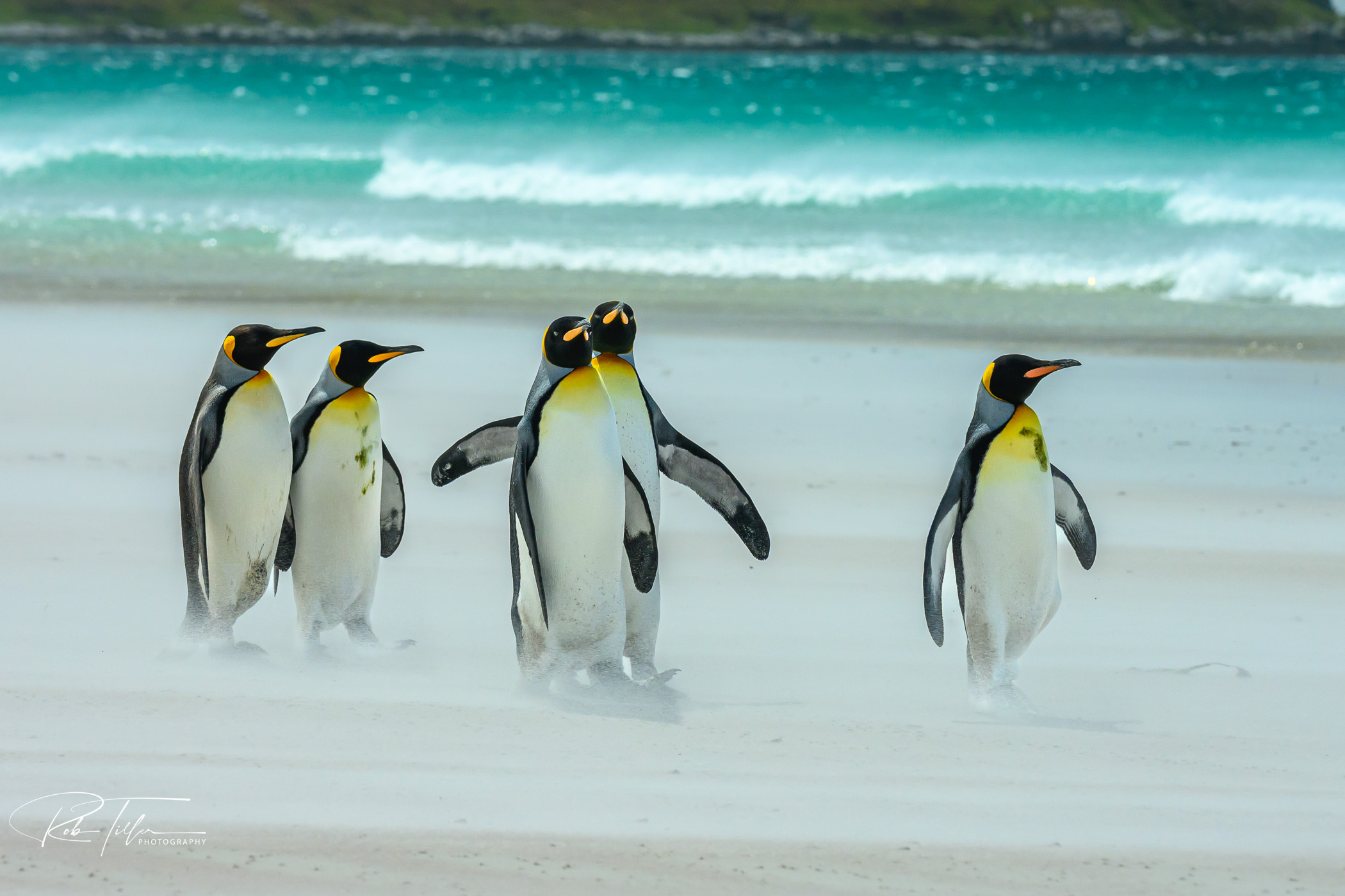
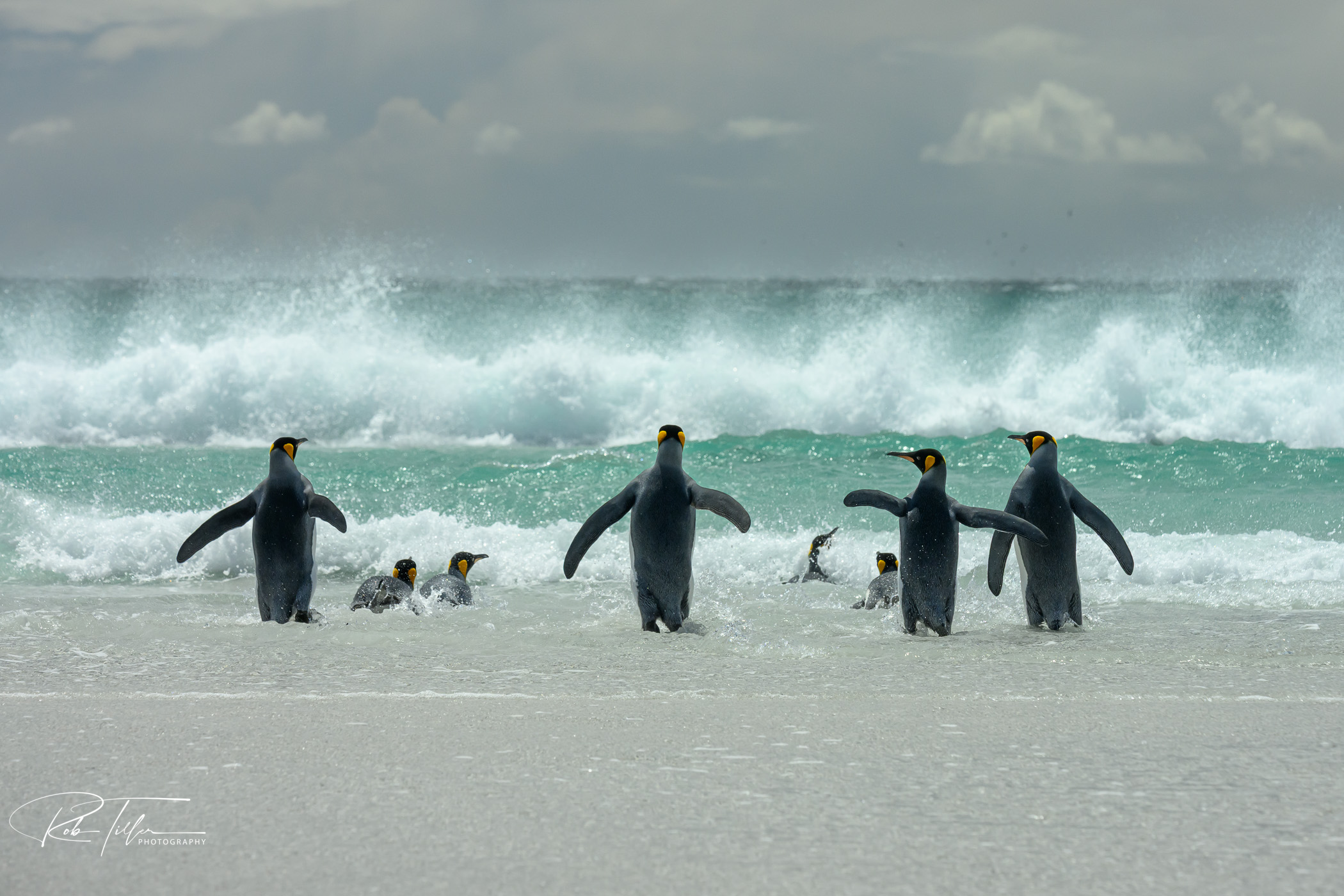
The penguins were my favorites, and so I’m sharing them here first. They look very cute, of course, especially when they waddle or hop. But they have other intriguing qualities. I liked their curiosity and their sociability. I admired their bravery as they headed out to hunt in the dark cold sea where orcas and other predators lurk. I respect their loyalty to their mates and colonies, and their devotion to their chicks.
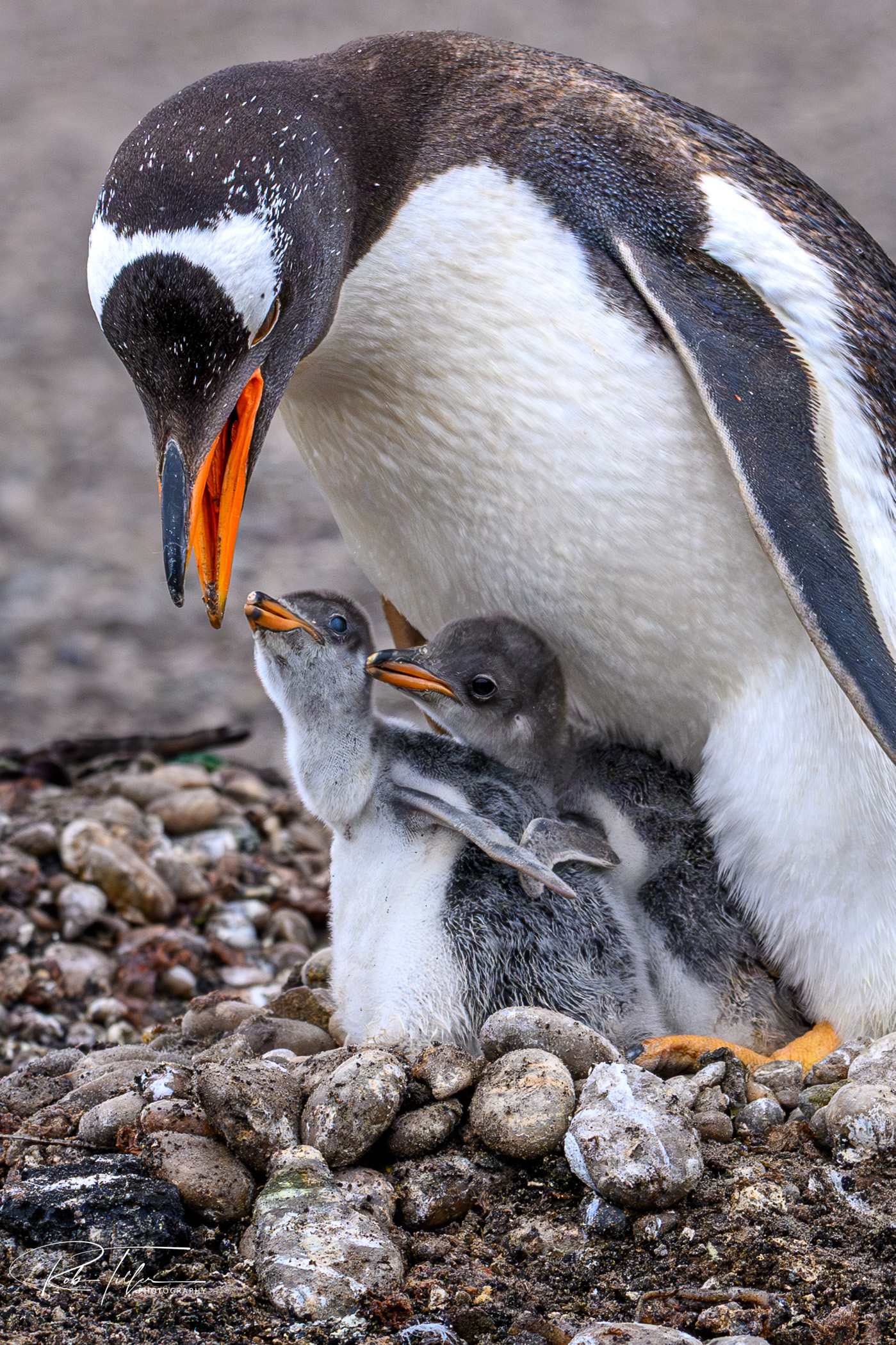
We saw penguin groups get organized and waddle down to the beach, then launch themselves into the surf. Some of them would fish for hours, and others for many days before returning to the colony. I also was amazed at their athleticism. Those little birds can jump out of the driving surf onto rocks and climb up and down cliffs. We saw five penguin species: gentoos, magellanics, southern rockhoppers, macaronis, and kings. The macaronis were the rarest – I saw only three individuals.

Most of the penguins had no fear of humans, and some were quite curious about us. We were able to watch in their large colonies as they incubated eggs and nursed chicks, chased off predatory birds,and cleaned their feathers. When their mate returned from a fishing expedition, they’d screech with joy and gesture excitedly. There were friends, and there were rivals. The birds squealed and pecked at others who violated their space. They were quite noisy.

We traveled between islands in small planes of the national airline, FIGAS, which adjusted their schedules according to the weather. It was sometimes rainy, and usually very windy – we did some of our photography in winds of 50 MPH. Some of the trips involved long and very bumpy off-road rides.
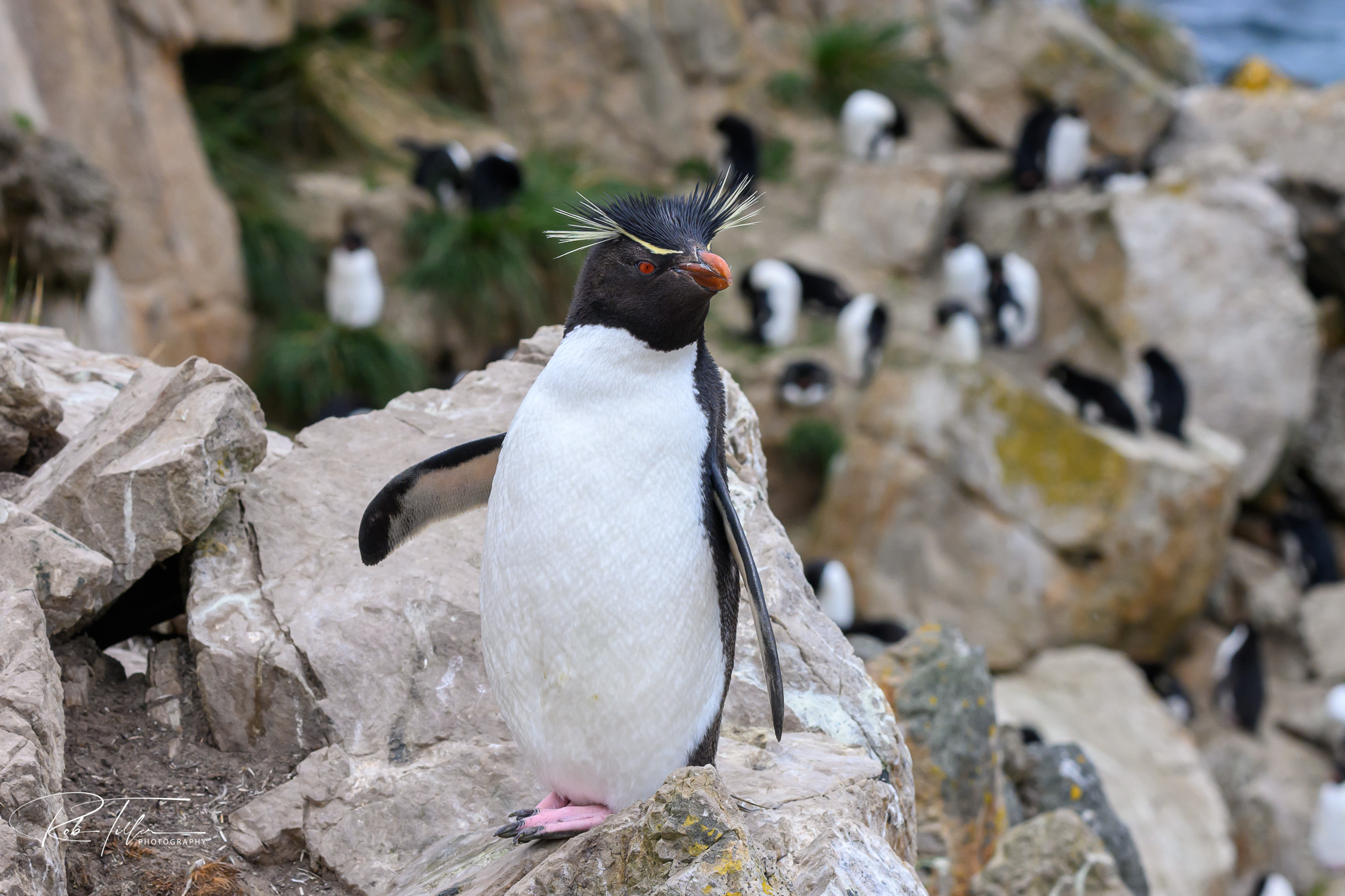
Although the penguin population of the Falklands numbers in the hundreds of thousands, the human population is about 3,700. On some of the islands we visited, the permanent residents numbered in the single digits. We found all our guides and hosts very supportive and friendly.

I did have one unfriendly bird encounter. Early one morning on Sea Lion Island on the way to the beach to look for orcas I managed to get lost in tall tussock grass. As I worked my way out, I got a blow to the back of the head. It felt like a coconut hit me, but there were no trees. A minute later, it happened again, and I got a glimpse of the attacker: a striated caracara. I figured I might have gotten near its nest, and hastened along, but it hit me again. And again — six times in total. I eventually made it to the beach, where the caracara left off the attack, but there I nearly tripped on a young elephant seal.

When not in the field and not eating, sleeping, or editing photos, I re-read The Way We Live Now, by Anthony Trollope. It was a great pleasure! Published in 1875, the story takes place in London and various English country houses and revolves around a financial scam about shares in a new railroad.
At the center is a fraudster who manages to insinuate himself into upper-crust society and take gobs of their money, and even gets elected to Parliament. Trollope refrains from moralizing, but he reflects the importance of values in social and political life. Some of the story is comic, but the drama of flagrant lying and corruption resonates powerfully with our time.

As we come to the end of year one of the last (I hope!) Trump presidential term, I’ve been reflecting on the educational value of the MAGA experience. It strikes me that Trump might have unintentionally taught us some valuable lessons.
Trump’s value system is hardly unique – it’s deeply embedded in the American psyche – but he is a vivid and extreme example of it. The core belief is simple: greed is good. That is, the point of life is acquisition and domination. Lies, cruelty, and corruption are acceptable, and even laudable, in the service of gaining ever more money, luxury goods, and fawning followers.

Because Trump’s dishonesty, greediness, and corruption are so extreme, he makes it easier to see how empty and ultimately unsatisfying this system is. No matter how many billions he gets, he needs more. No matter how much flattery he gets, he needs more. And it’s a moral certainty that further huge additions to his extreme wealth will never make him happy and content. He’ll want more.
Many of us are prone to the illusion that more wealth and power would make us happier. But most of us aren’t completely selfish and amoral, and our dreams of wealth are tempered with other values. We value family and community. We value justice and fairness. We value honesty and integrity. We try to treat others with respect and compassion.
I probably don’t need to prove that these values are good ones, since we already generally teach them to our children, and all societies have always had them to some degree. But Trump and MAGA are proof positive that lacking them is a huge problem. Running a government suffused with corruption and cruelty is a recipe for disaster.

Almost daily, we get reports of more governmental incompetence. As the MAGA leaders have fired experts and experienced bureaucrats, the normal business of government is becoming more and more confused and error prone. Whether it’s sending out Social Security checks, collecting taxes, or investigating serious crime, we count on the federal government to take its job seriously and get things right.

Our federal justice system is a shambles, and our health department is assuring more death from preventable diseases. The economy works well only for the well-off; for everyone else, affordability is a problem. Trump and his minions are not only morally bankrupt – they’re failures at just taking care of business.

Today we learned that Trump ordered US forces to invade Venezuela and abduct its President. This drama has just started unfolding, but one thing we know already: it’s a clear violation of US and international law. Like other lawless invasions by the US and other countries around the world, it will probably result in a lot of misery and death.
The justifications for this, as stated by Trump, keep changing. First it was a continuation of the absurd and never ending war on drugs, no longer in metaphorical terms. Then it was about seizing the oil resources of the country. It’s impossible to take seriously Trump’s claim that these resources are rightfully ours. This is about as raw as criminality by a sovereign state can get.
One other thing that is a virtual certainty: this war may be popular with oil industry executives, but if it goes forward almost everyone else is going to oppose it. Even the MAGA base will not be keen on sending American kids to die to enrich the oil industry. It may be that this will further erode Trump’s waning popularity, and hasten the end of the MAGA regime. We can hope.


 The Casual Blog