The Casual Blog

Tag: Robert Frost

Chilling with Robert Frost and a new camera
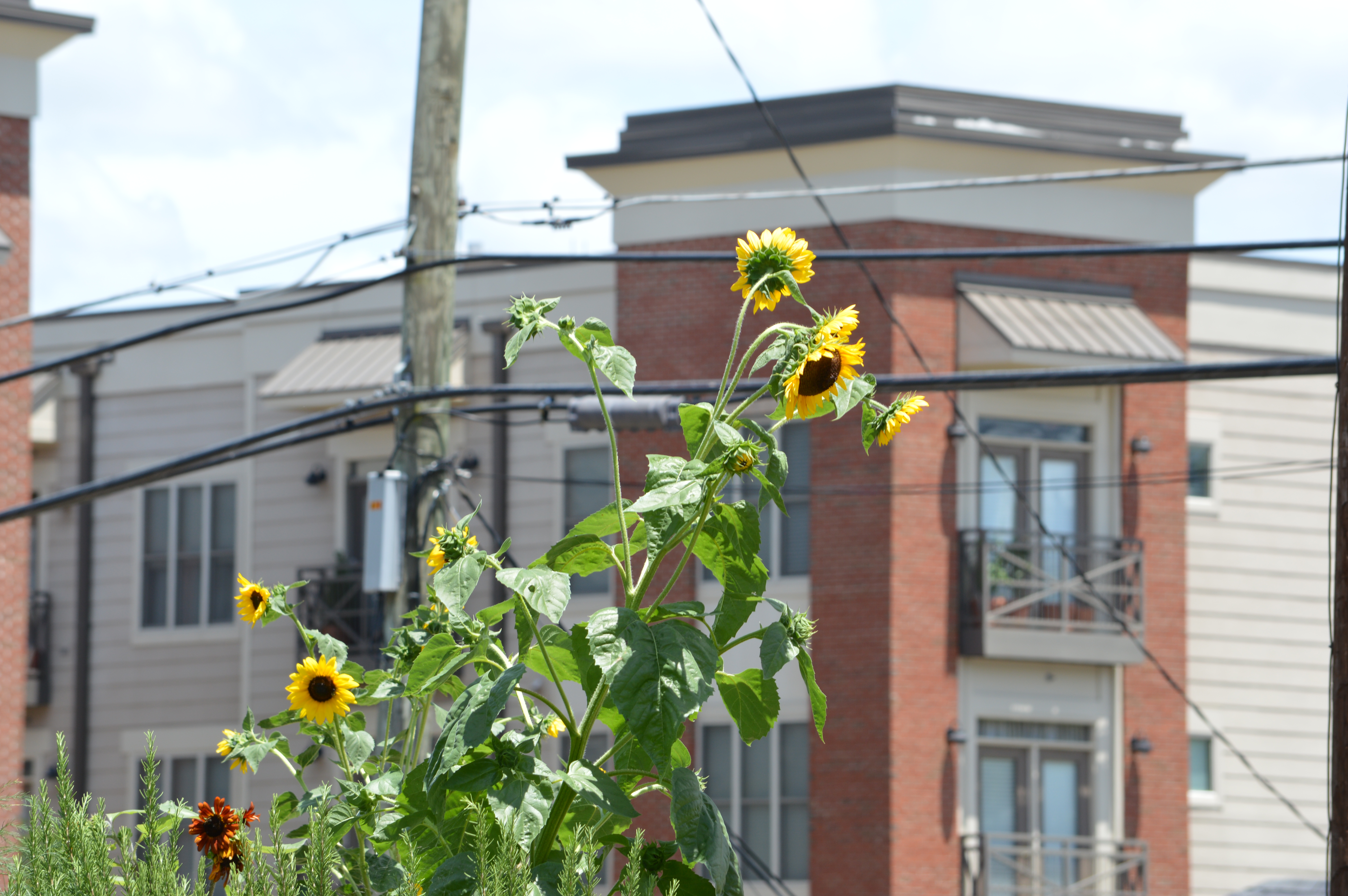
The hot weather finally broke last week, after setting a temperature record here in Raleigh for most consecutive days over 100 (6) and tying the all time high of 105. Most of the time, I’m in air-conditioned environments, but still, I usually try to spend some time in unprocessed air. During the recent heat wave, though, the idea of communion with the natural world seemed rash. The brutality of nature was in full display.
To cool off mentally, I refreshed on The Wood-Pile, a poem by Robert Frost. I memorized this chilly thing a while back for no good reason other than its stark strangeness. It begins, “Out walking in the frozen swamp one gray day, I …” The narrator at first sees nothing but “tall slim trees.” It seems matter of fact, but it’s completely strange! Who goes walking in a frozen swamp? Especially when the sky is gray and gloomy?

As with other great poems by Frost, what seems at first to be simple factual reporting turns out to raise question after question. The nominal focus of the poem is on a well-formed cord of wood incongruously left in the middle of the snowy swamp. The narrator has personal knowledge of the hard work required to cut so much maple with an ax, and is baffled and offended that anyone could invest such effort in a fine wood pile and leave it “far from a useful fireplace.” He speculates that such a person must be someone who “lived in turning to fresh tasks.” This is, from the narrator’s viewpoint, a strange and disturbing thing. And so we wonder more about the flinty narrator.

A woodchuck near the Buckeye Trail

Is it a bad thing to turn to fresh tasks? The poem make us wonder, but still I think, generally not. New challenges are, more often than not, good. I undertook one last week and bought my first digital SLR camera with the thought that I’d like to engage with the visual world a little differently and take better pictures. I’ve been drawn by photography since I was a kid, but in the pre-digital era was discouraged by the difficulty of working with film (dark rooms, chemicals, and so forth) and the expense.
I also worried about that the camera sometimes shuts off the photographer from experience. Think of gaggles of tourists taking snaps of the Grand Canyon — and forgetting to look at it. Direct experience of beautiful things, or even not-so-beautiful things, is a terrible thing to waste.

Balancing that risk, though, is the possibility of finding a different way of seeing, and also a different pathway for communication. I’ve enjoyed using my little point-and-shoot to share images with friends, and noticed that at times taking a picture created an interesting shift in my own visual perspective. A photograph is an abstraction from a larger visual reality, but being conscious of this can focus attention on the larger reality. Deciding whether something is worth snapping and how to snap can open things up.

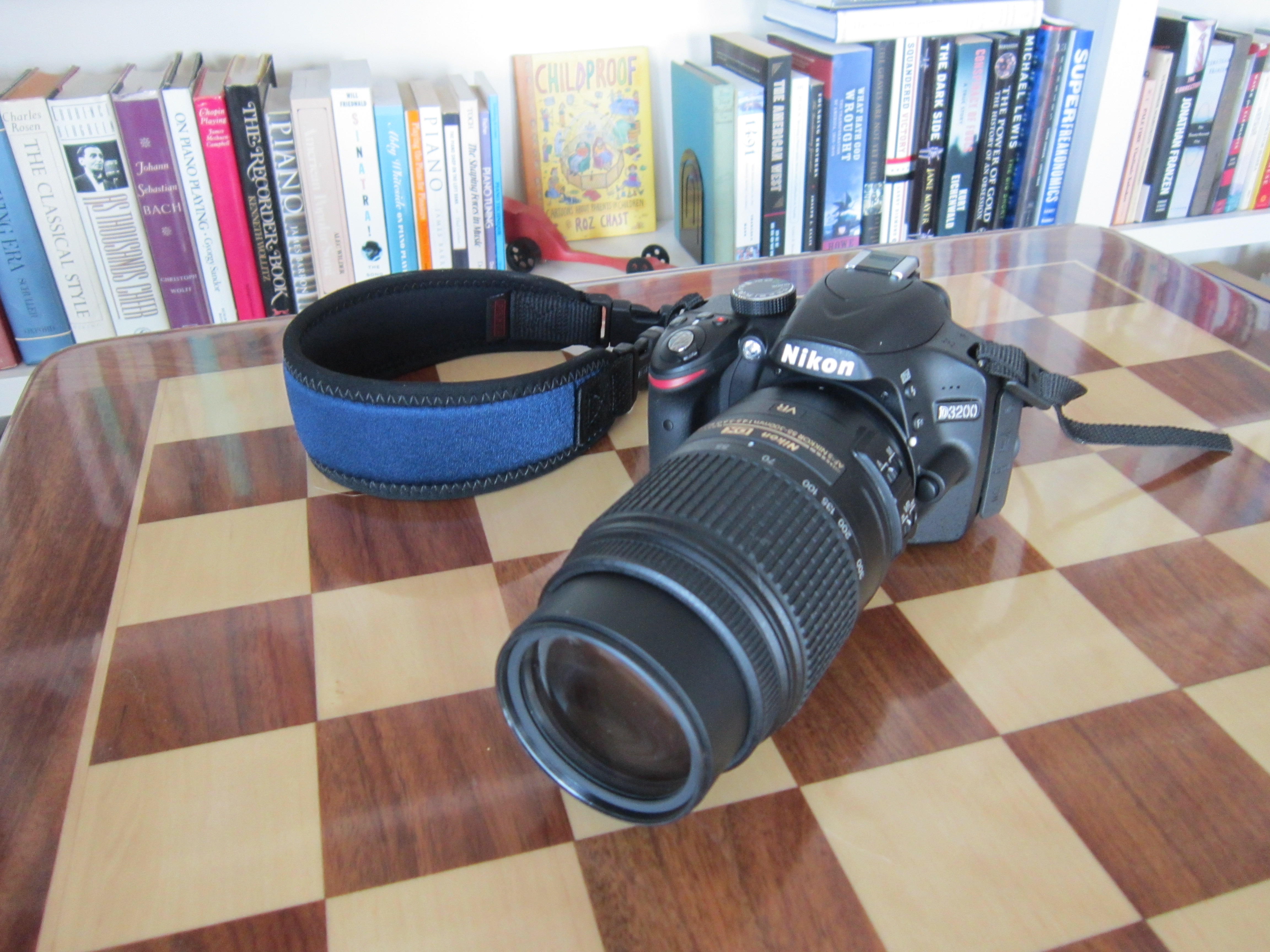
Anyhow, I got a Nikon D3200 with two Nikon lenses (an 18-55 zoom and a 55-300 zoom). Although the D3200 is an entry-level SLR, it is, to me, amazing technology. 24 million pixels! Four shots per second! ISO 100-6,400! Fast autofocus! A vibration reduction system! HD video with sound! And it fits my hands perfectly. All that it requires is knowledge, experience, and creativity.

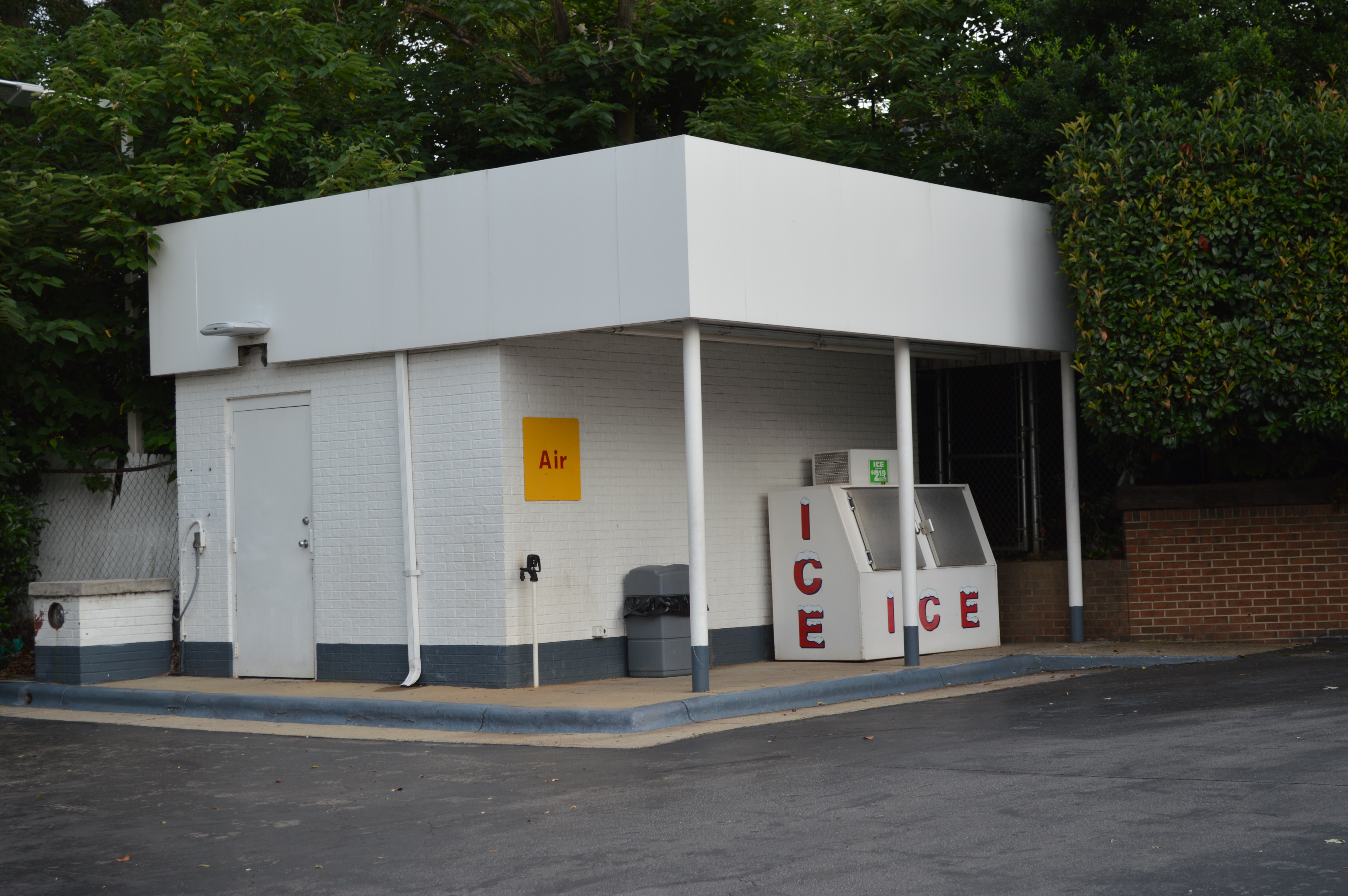
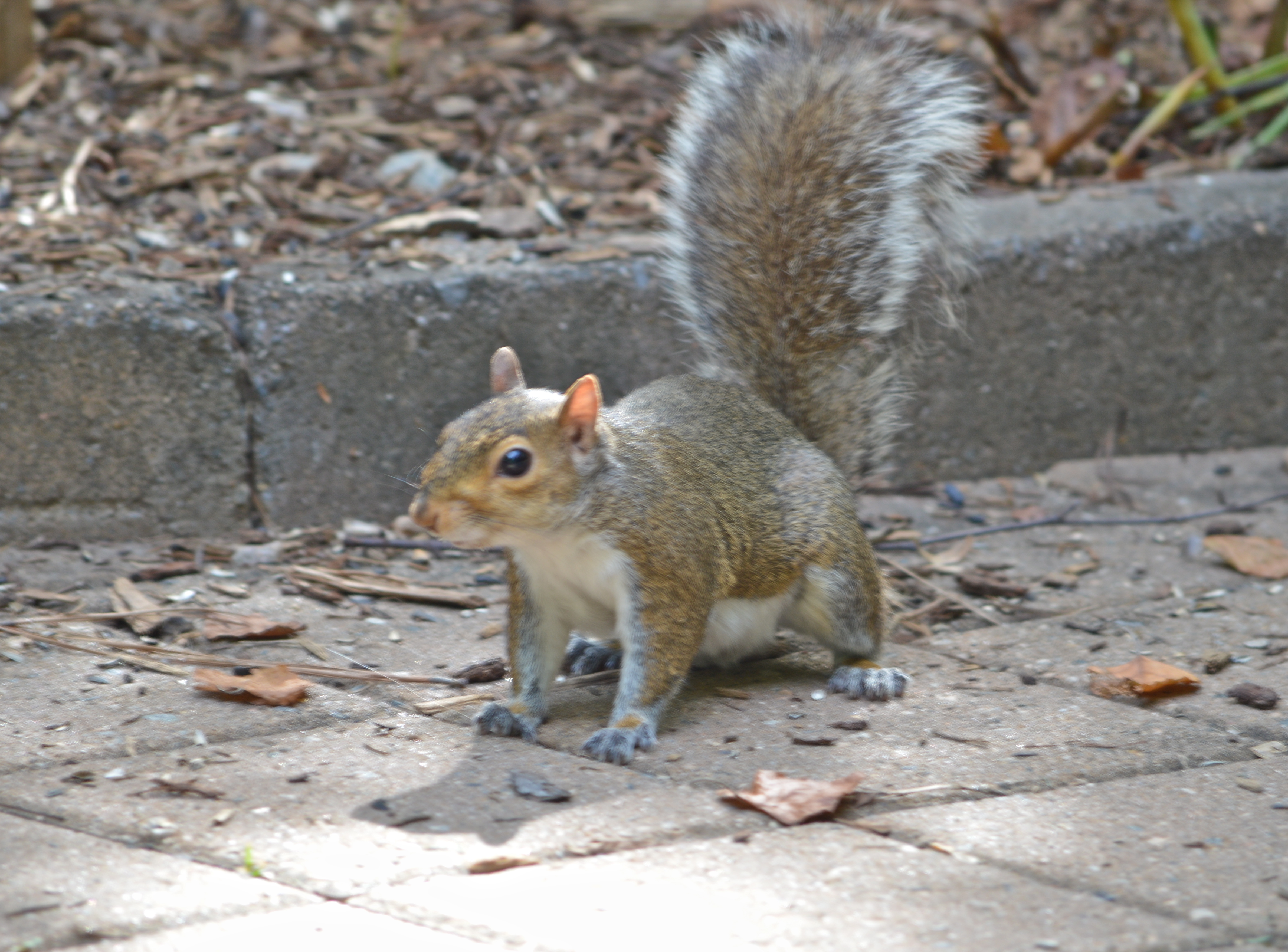
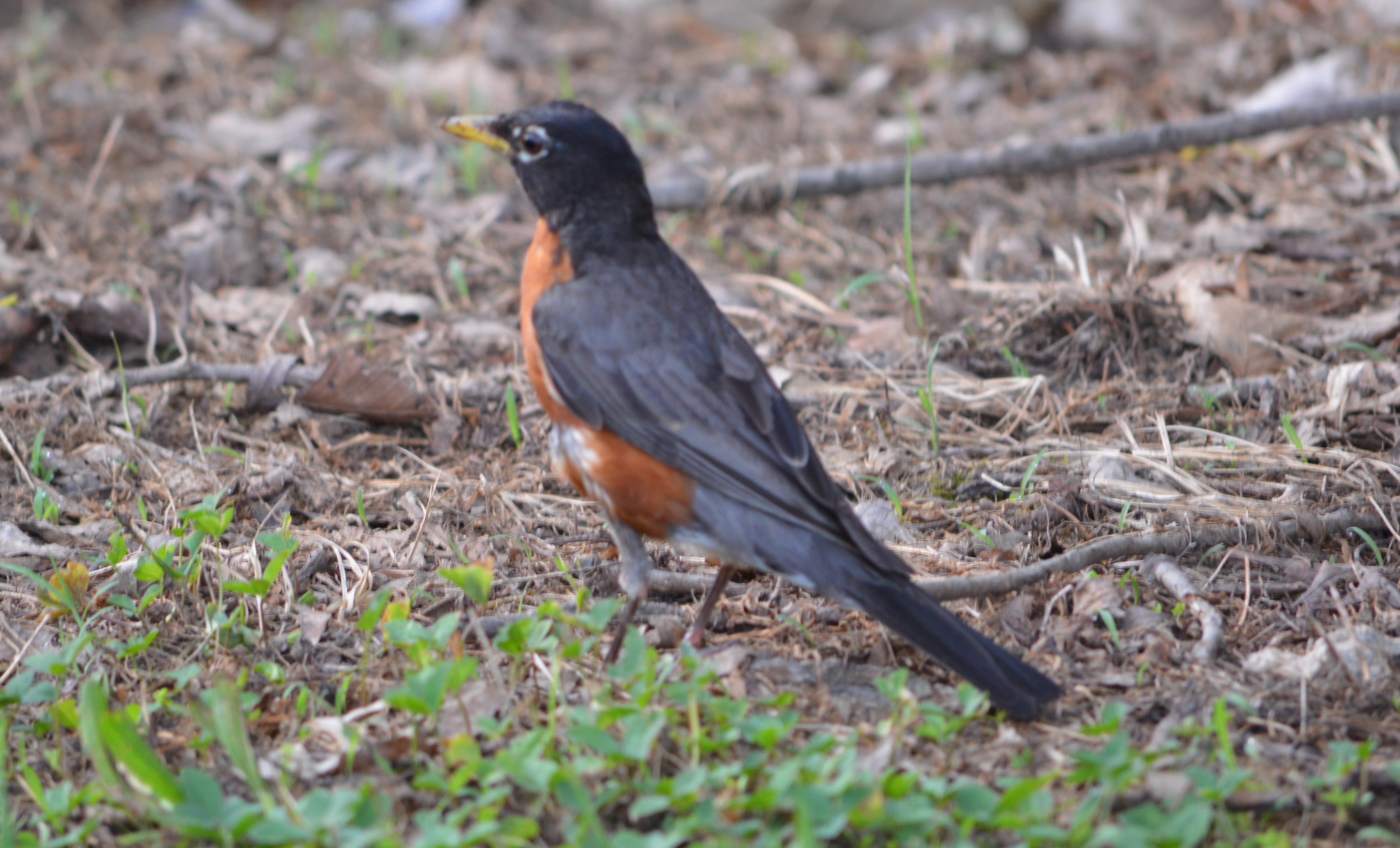
I was thinking that it would be fun to photograph wildlife, and especially birds. I’m also interested in trying to look at human-built places that are not intended for show, places that happen as a by-product of other objectives, to see what we might be missing. Above and below are some of my first efforts.
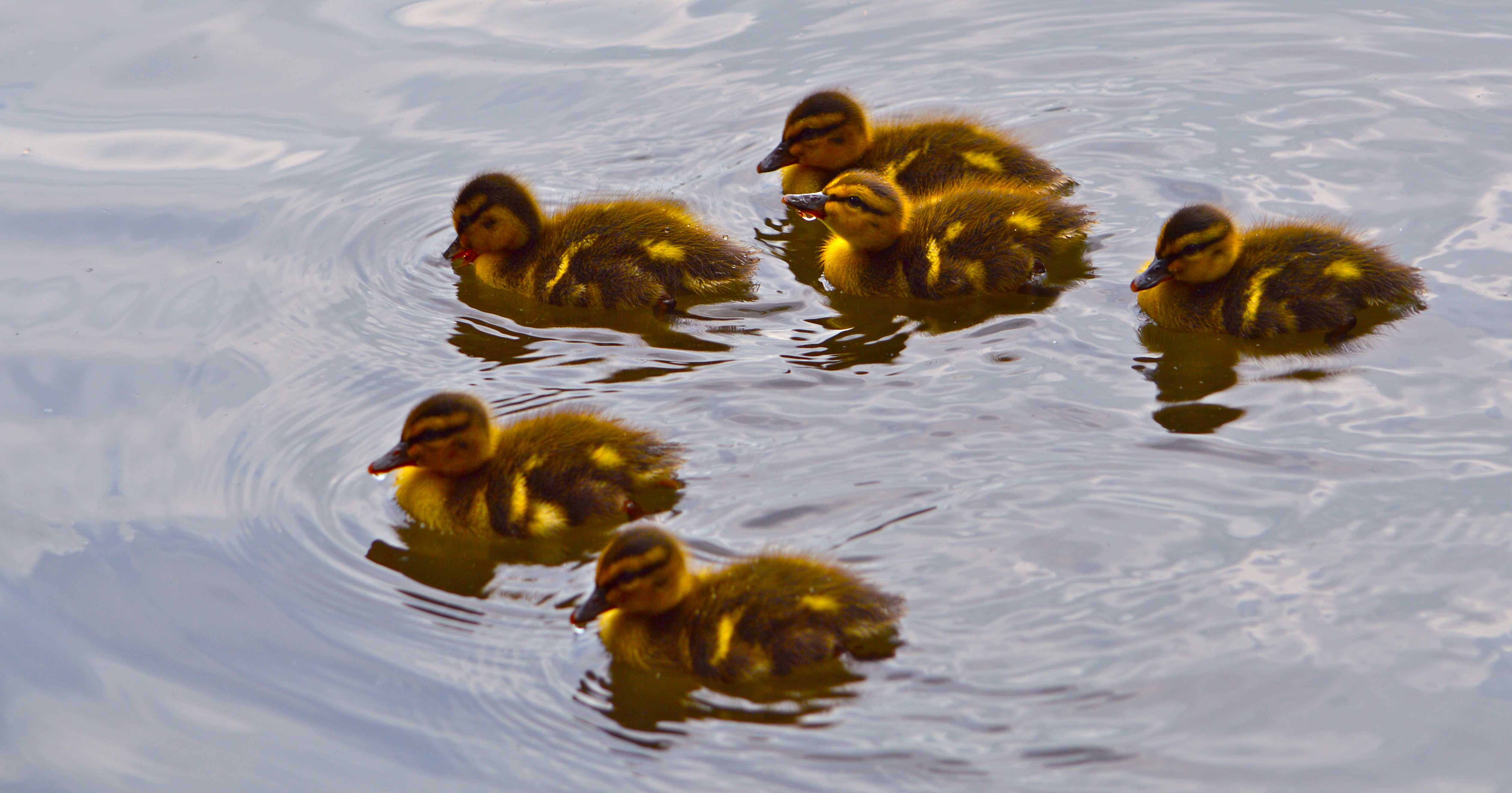
Mallard ducklings at Lake Johnson
Robert Frost and my new iPad

I’ve finally managed to memorize The Wood Pile, by Robert Frost. http://tiny.cc/zlasu It’s a strange, bleak poem, about walking through a frozen swamp and not seeing very much, except snow, trees, a bird and a decaying wood pile. Just as the narrator doesn’t really know why he keeps walking deeper into a frozen swamp, I’m hard put to explain why I went to the considerable trouble of memorizing this poem. It’s difficult to picture an ordinary situation in which anyone would voluntarily listen to a recitation with pleasure. But memorizing it entailed many many readings with close examination of every word, and through that process the poem gradually revealed a stark startling beauty.

At the end of the poem, the narrator wonders at the isolated decaying wood pile, and remarks that the person who made it must be “someone who lived in turning to fresh tasks” so as to “forget his handiwork on which he spent himself, the labor of his ax.” It may be that the laboriously created, carefully measured, woodpile is one of Frost’s poems, and that Frost is pointing up the minor tragedy of art that fails to reach its audience. He also seems to be saying that remembering can be harder than creating. It isn’t hard to see that we all constantly live in eagerly turning to fresh tasks and also, without realizing it, forgetting other valuable things.

Yesterday I turned to the fresh task of learning how to work my new iPad. It is a very pleasing little device both in form and function — light, sleek, quick, uncomplicated, but sophisticated. I got it mainly to use as a reader and a web surfer, though it may turn out that other functions, like the video viewer or some game, will turn out to be useful to me. To get started, I put some of my favorite poetry on the Kindle reader, including W.B. Yeats, Wallace Stevens, Emily Dickinson, Walt Whitman, and Frost, thinking it would be a comfort to have them along in my travels. I also felt it would be worthwhile to always have handy some Proust, and downloaded Swann’s Way.

Within a few minutes I’d figured out how to make the Kindle reader application do some interesting things, like go to the table of contents, jump to a given page, highlight text, make a note on the text, and change the typeface of the work. This was mainly a matter of touching the screen in various ways, some of which were not immediately obvious. Experimenting with it was fun.

It’s remarkable how learning how to work new devices (sometimes hardware, but most often software) is now a constant feature of modern high tech life. In days gone by, a new device might come into my life every few months, but now it’s more like every few hours. The concept of the iPhone, and probably the iPad, includes encouraging the constant addition of more and more apps. Each app has at least a small learning curve, which consumes some amount of human energy.

Other than causing fatigue, do the apps do anything? The best thing they do is speed up information gathering. Whether the subject is world politics, scientific research, movies, or restaurants, it’s possible to get information faster. This could lead to better decisions. The problem is that our brains can only go so fast and only hold so much. Like John Henry racing to put down rails against the steam hammer, we can’t possibly keep up with the pace of our powerful computers.

So we have to figure out when to say, basta! On any given day, we have to be careful about turning to too many fresh tasks and forgetting what is really valuable. We have to quit downloading apps all the time and read something beautiful and profound, like Frost or Proust. Small, slow, and error-prone as our brains are, we need to protect and care for them and nourish them well.