The Casual Blog

Tag: resistance

Birding at the Nuthouse, and some benefits of reading

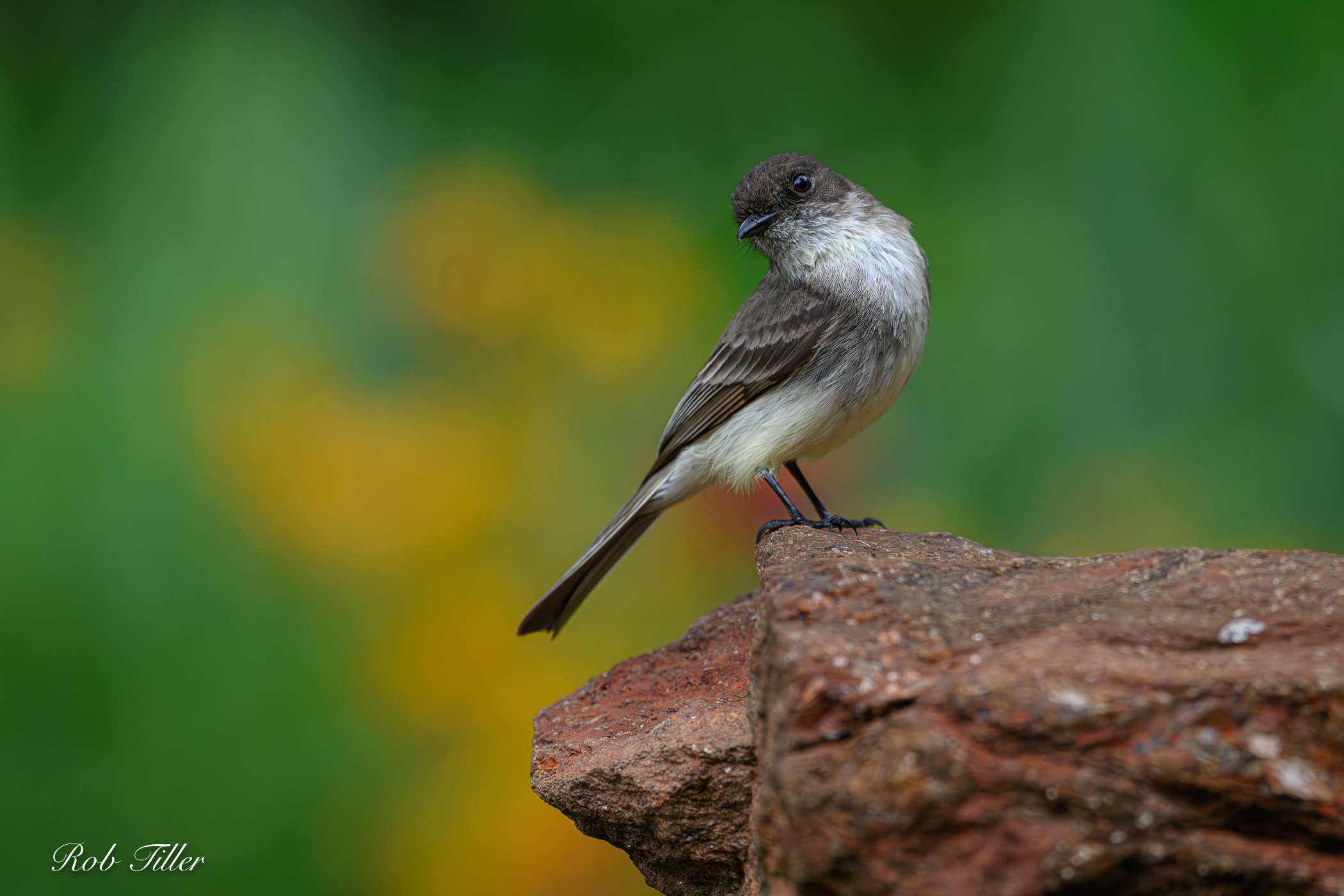
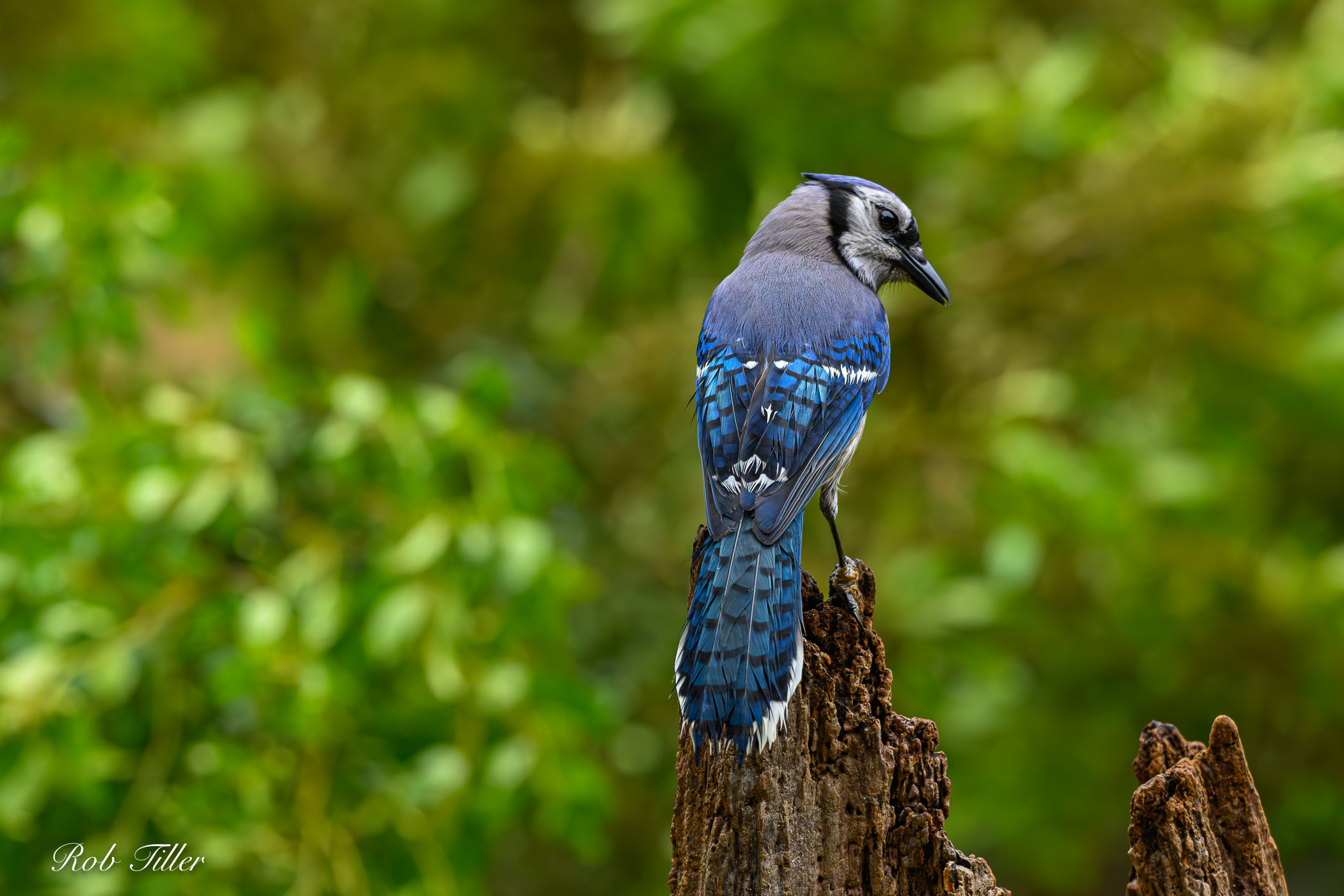
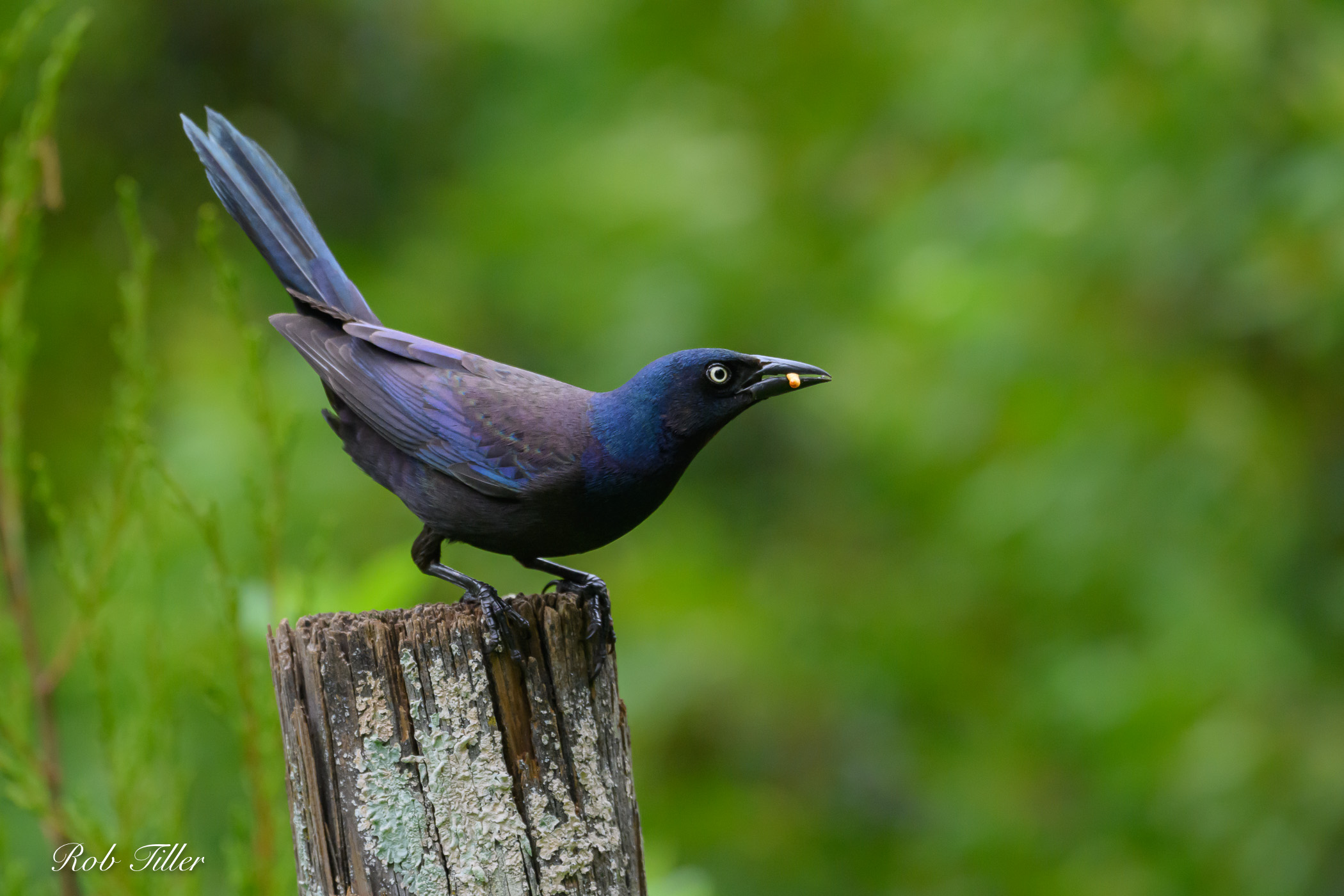
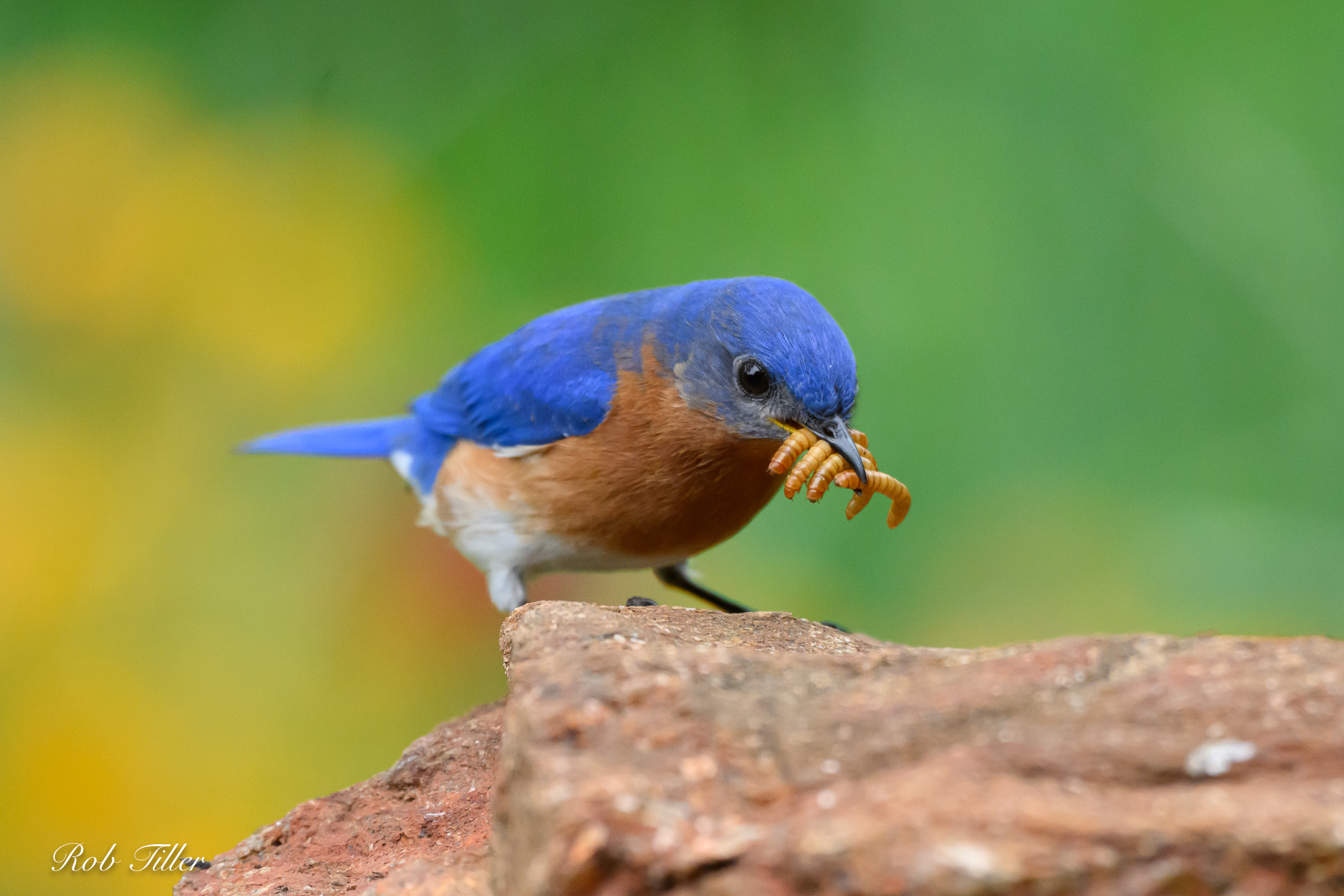
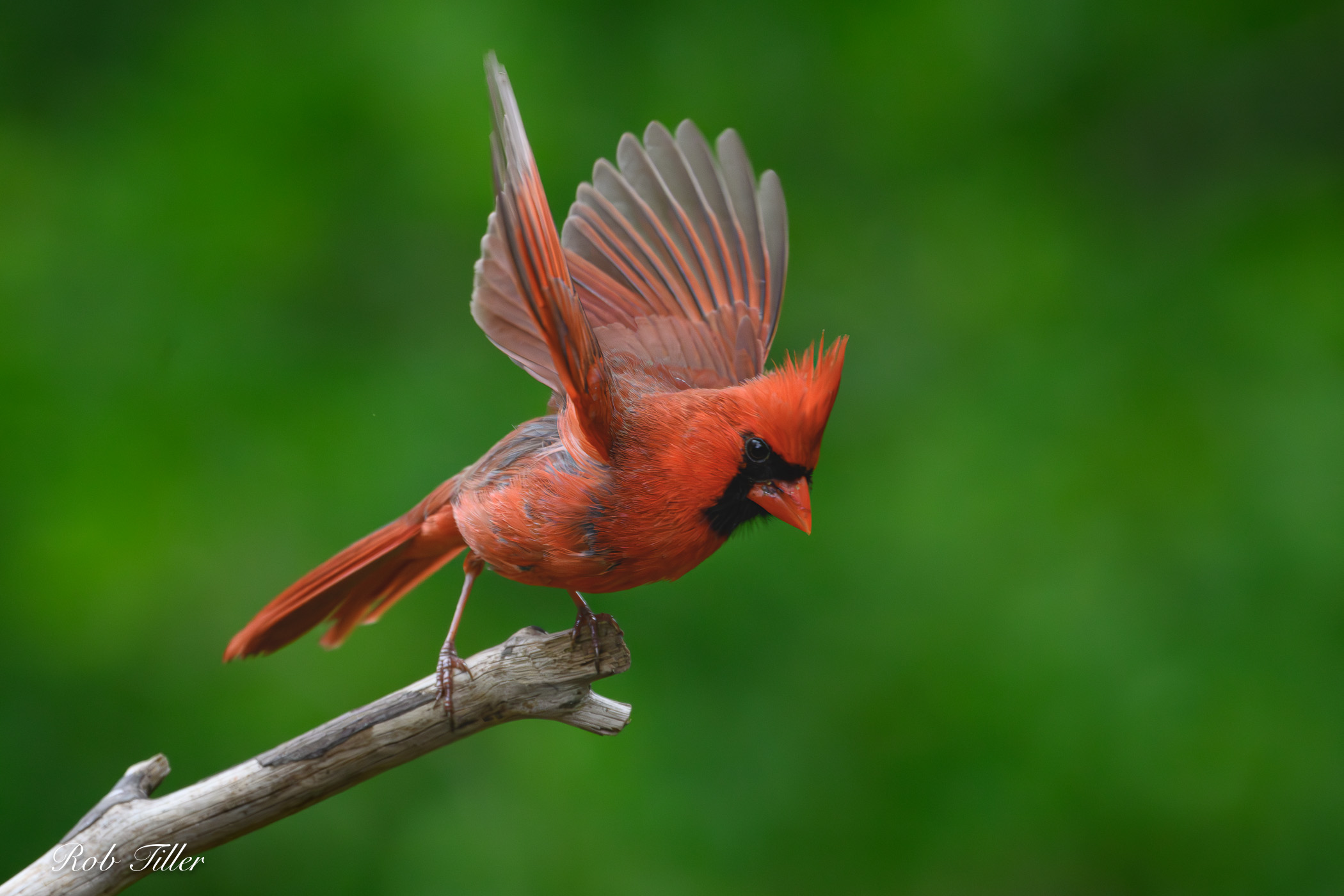
Last week I drove down to Clemson, SC to do some bird photography.  I spent a day and a half at The Nuthouse, where owner Carl Ackerman has created the ultimate backyard birding destination.  There are three blinds for sitting, watching, and photographing birds in different settings.  Carl provides meal worms and other treats for the birds, and there are a lot of them that clearly appreciate it.  

I’d hoped to see lots of migrating songbirds.  Although a good number had come through earlier in the week, my timing wasn’t in alignment with theirs.  But it was really a joy to spend a good block of time with common resident birds.  Even though I was very familiar with all the species that came by, I saw them in new ways – eating, gathering food for the chicks, bathing, and investigating.  I also saw a lot of chipmunks, squirrels, and a groundhog.  
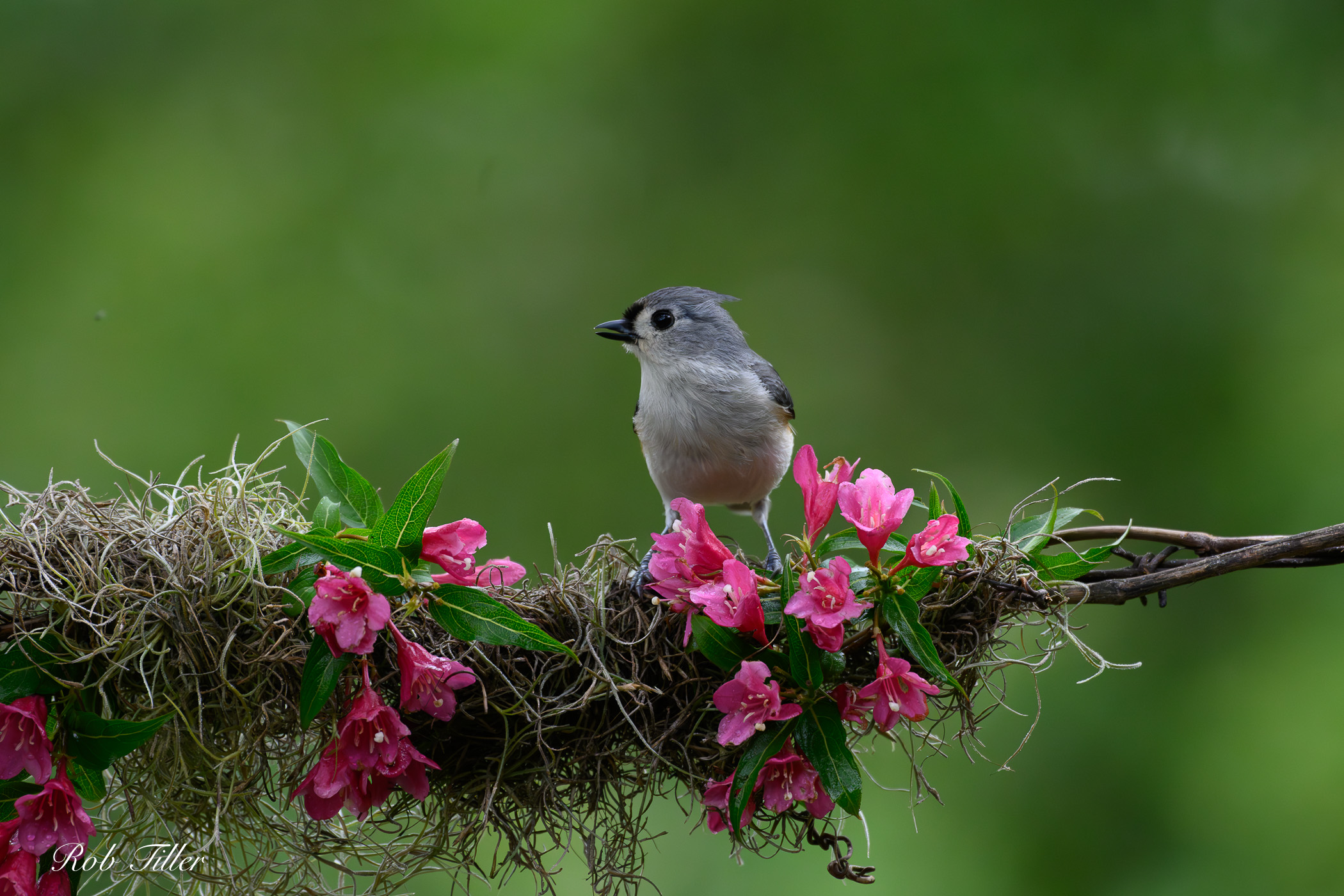
It was both peaceful and exciting.  Giving nature some respectful observation can be spiritually nourishing.  Especially in these fraught times, I take peace and serenity where I can find it. 

I’ve also been getting a lot of pleasure out of revisiting some great literature of the 19th and 20th centuries.  My ability to read and delight in literature, which I cultivated as a young person, went downhill in my middle years, as work and family responsibilities took so much time.  But I’ve got it back!  All it took was some practice.  

I recently finished re-reading the Aubrey-Maturin novels by Patrick O’Brian about the British Royal Navy in the early 19th century.  I was once again totally captivated.  O’Brian was a master novelist and also a historian who delved deeply into ancient archives and other sources for his material.  His main characters, officers on British warships, were multi-faceted and engaging, and their adventures were epic.  

I’m now about halfway through David Copperfield.  Charles Dickens said that this was his favorite of his books.  My edition has the ultimate cover blurb:  Leo Tolstoy (a pretty good novelist) said it was the greatest novel by the greatest novelist.  The story has significant autobiographical elements, richly rendered.  There’s a huge canvas, but I’ve been especially struck by Dickens’s respect and sympathy for mentally ill and otherwise struggling people.  If you read this book as a young person, you might want to consider reading it again.  I can almost guarantee you’ll get more out of it the second time.  
Along with literature, I’ve been reading a lot of current journalism.  I used to think most everyone must be doing this, trying to keep abreast of so much rapid change.  An essay in the NY Times by Rob Flaherty this week pointed out that this is quite wrong.  

Today’s culture is no longer a creation of executives in New York City and Los Angeles. Thanks to algorithms and an endless set of media choices, what you see, read and hear is a personalized reflection of your own interests. It’s like a city with a lot of different neighborhoods. . . .So if you don’t care about politics — or more precisely, don’t trust our politics — you don’t have to hear about it at all. A voter can turn on, tune in or opt out.

It was these voters — opt-out voters — who decided the 2024 election. It’s the same voters Democrats are struggling to reach today.

At their core, opt-out voters generally don’t trust politicians or the mainstream media. Many assume the system is rigged, the media is biased and neither party is actually fighting for them.
Flaherty contends that most of those who aren’t in the educated elite get their news from social media and friends, which seems to come at them in friendly random snippets.  He sees the right as much more successful in building alternative communication channels and creating appealing narratives, while Democrats are still trying, not very effectively, to reach the public through traditional media.  He recommends revising this strategy to be more social-media savvy.
This might help, but it also might help to help people improve their reading abilities.  According to a recent report, most Americans read at a 6th grade level or less.  Think about that!  Standardized test results show reading levels of school children getting worse.  College professors report that their students can no longer read as much or as well as they used to.  This all begs the question, how many people just aren’t capable of reading a newspaper with a fair level of comprehension?  

What is the Trump administration doing about all this?  It’s dismantling the Education Department and threatening to cut federal funding for public schools. It’s also attacking universities by threatening them with huge funding cuts and loss of tax-exempt status, and threatening foreign students with deportation.  It has pulled the plug on scientific research in health and the environment.  

Just as worrying, Trump is increasing his attacks on traditional media.  He’s forever inciting his followers against fake news, which is any news he doesn’t like, and insufficiently obsequious journalists.  He’s barring certain journalists from access, bringing baseless lawsuits against journalists, and threatening broadcast licenses.  He’s dismantling Voice of America and this week ordered that federal funding be canceled for NPR and PBS.  

The Trump program seems designed to worsen our illiteracy and ignorance.  Perhaps he’s thinking that by lowering our competence in reading and critical thinking, he’ll reduce our resistance to his domination.  If reliable news sources can be weakened or eliminated, his epic dishonesty may go unexposed. 

There are so many Trumpian disasters-in-progress that it’s hard to keep track of them all.  But there was some good news this week:  Trump’s poll numbers are at historic lows and trending down.  There’s a real chance that the next midterm election will diminish his power, and the next presidential election will allow for a new beginning.  
In the meantime, there are increasing signs of courage and resistance.  Although the natural world hasn’t been at the forefront of the battle, it still has its champions.  Per the NY Times, Trump, continuing his war on nature, recently scuttled the National Nature Assessment.  The Assessment was an effort “ to measure how the nation’s lands, water and wildlife are faring, how they are expected to change, and what that means for people.”  Some 150 scientists and other experts had spent thousands over hours on the project.

But some of those experts are working on continuing their work and publishing it outside of government channels.  They view their work as too important to the country to give up on.

Blessings to those experts, and the other scientists, politicians, educators, lawyers, judges, federal workers, journalists, non-profits, unions, businesspeople, and ordinary folks who are showing courage in this dark moment.  They remind the rest of us that Trumpism is not invincible, but it must be actively resisted.
Skiing in Canada, and trying to articulate some of the problems with Trump

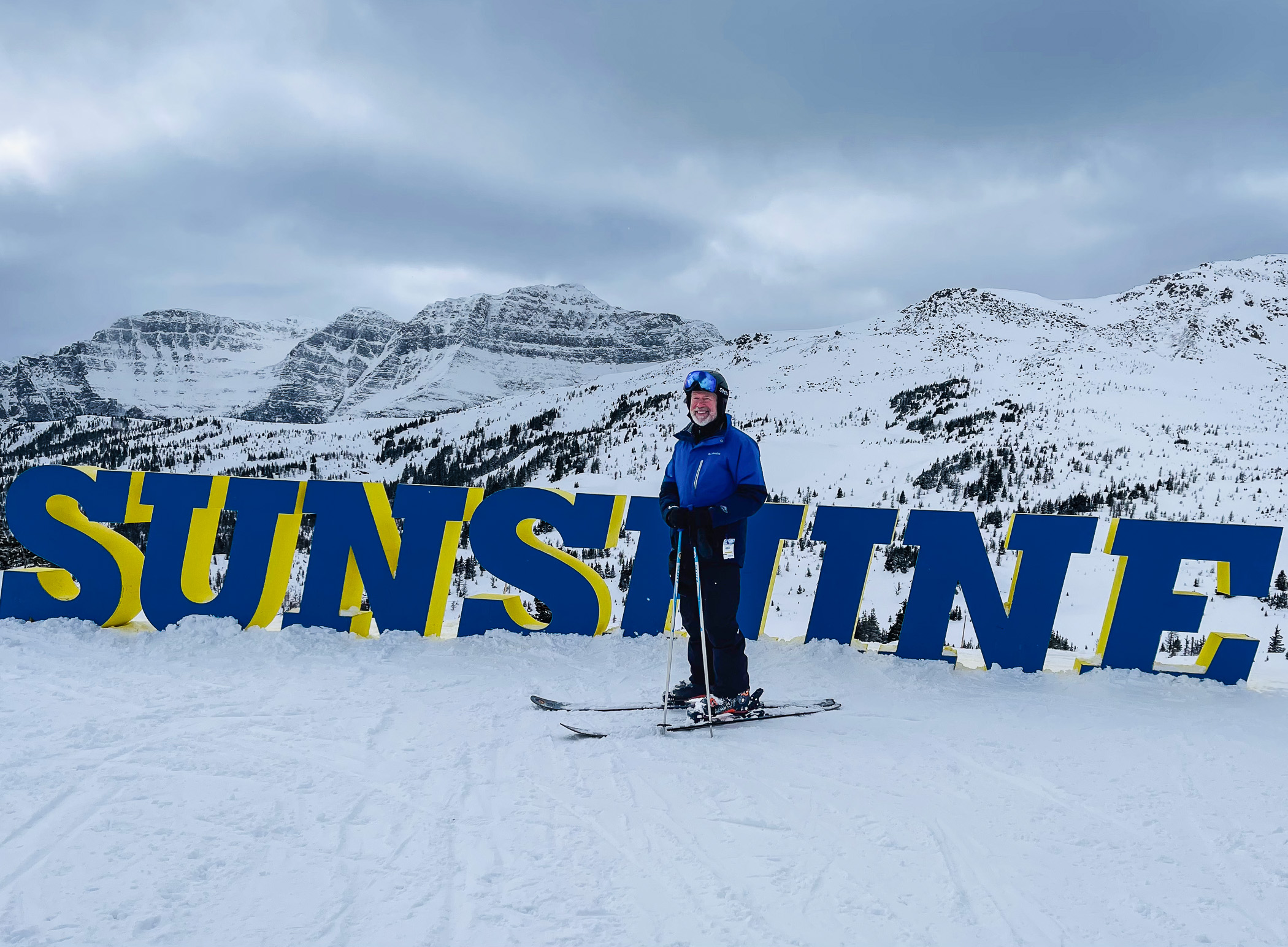
Last week I got to ski in Banff National Park in Alberta, Canada.  It was amazingly beautiful there, with vistas that rivaled the Alps.  There had been less-than-average snowfall, but there was enough coverage for many excellent runs through varied and challenging terrain.  I sampled the Lake Louise area, and spent the majority of my time at the Sunshine resort.

The trip was organized by the Raleigh Ski and Outing Club, which I recently joined.  As a new member, I found the group friendly and welcoming.  There were quite a few very good skiers, and it helped my skiing to hang with them.  

I was a little worried that the Canadians would be upset with American visitors, because of the recent threats by Trump to punish the country economically and possibly take it over.  Happily, the Canadians we met were nice as could be, though I’m sure that a lot of them are distressed at the new Trump policies.  

Since returning to the USA, I’ve been spending a lot of time with the news, trying to understand what’s happening to my country.  There’s so much to process that it can be overwhelming.  

It feels as though we’ve had a coup, with a small group seizing power and upending the existing order.  This is not extraordinary, in the sense that it has happened in many countries before.  What’s unusual is that we (that is, a bare majority of us) elected the coup instigators, and this is the USA, which has a long history of political stability.

The new Trump administration has moved with lightning speed to dismantle the existing framework of government and put in place values and policies antithetical to our laws and traditions.  Recent polls show that a lot of these initiatives are not supported by the majority, but there’s still a substantial minority that continues to approve of Trump. 

The remaining support for Trump confirms that, despite being stupid in many ways, he has a remarkable talent for propaganda.  He labels his ideas very simply and keeps repeating them.  It matters not if his labels distort or reverse the original meaning of words.  The constant repetition, like water on rock, tends to erode critical thought.

To successfully resist the new Trump program, we resistors need to call out the distortions, and also to communicate better by simplifying our language.   Where possible, we need to be direct and uncomplicated.  With that in mind, I’m offering the following seven-question quiz to highlight a few of the most alarming new initiatives, including some words in boldface that might serve as touchstones.

QUIZ – ARE YOU OK WITH TRUMP?

  1. Are you in favor of tanking the economy?  Prices of groceries and other necessities are going up, as Trump is driving us toward an economic disaster with his bizarre tariffs.  The stock market has dropped like a rock.  Business leaders are scared of what he’s doing and scared to object.  
  1. Do you support corruption in government?  Trump has fired officials who served as watchdogs for government misconduct and has declared a non-enforcement policy for anti-bribery laws.  This makes sense if one intends to loot the state and reward cronies by allowing them to do likewise, as authoritarian regimes often do.  Likewise, Trump is encouraging business fraud and corruption by shuttering the Consumer Finance Protection Board.  See Sen. Murphy’s recent speech for more on this:  https://youtu.be/hycoCYenXls?si=CJqnRPXx5OUaqw6J
  1. Are you opposed to free speech?   Trump is threatening and punishing traditional media that displease him.  Media outlets are writing him checks to settle his baseless lawsuits (see previous question on corruption) and toning down their critical coverage.  He’s previously proposed to shoot peaceful protestors.  His people have just arrested a foreign-legal resident for protesting the Israeli slaughter of Palestinians.  He has promised there will be more arrests to come.  
  1. Are you in favor of white supremacy?  The Trump initiative to suppress diversity, equity, and inclusion is simply a rebranding of old-fashioned racism, misogyny, and xenophobia.  Repeat:  his anti-DEl program is really barely disguised pro-racism, pro-misogyny, and pro-xenophobia.  Trump’s DEI bans, blaming airline disasters on DEI, and his firing of accomplished black and female military leaders shows that this initiative is both serious and crazy.  
  1. Do you prefer cruelty to decency and kindness?  Trump has cut off aid to starving children.  He’s stopping medical care for HIV and other patients.  He is gutting agencies that serve those less fortunate.  He is imprisoning migrants who have lived productive lives here for years or decades.  He is denying the humanity – indeed, the very existence – of transgender people.  
  1. Do you think it is better to address serious problems based on ignorance or science?  Trump is declining to endorse vaccines to prevent preventable serious diseases.  He’s shutting down scientific research into fundamental health issues.  He denies the reality of climate change that threatens civilization.  Indeed, he is pushing for producing and using more fossil fuels that will accelerate global warming.  
  1. Do you support brutal autocrats and the betrayal of democratic allies?  Trump has withdrawn support for Ukraine and threatened to withdraw from NATO.  He’s threatened to seize territory in Canada, Panama, and Greenland.  Meanwhile, he expresses continued affection for kleptocratic war criminal Vladimir Putin.  

END   

Pencils down.  How did you do?  Of course, this list doesn’t hit every Trump disaster currently in progress, but you get the idea – the indecency and outrageousness of a lot of the Trump initiatives can be stated in pretty simple terms.  

There are also some Trump initiatives that are harder to simplify, like upending the constitutional order by refusing the directives of Congress and the courts, undermining the rule of law through baseless pardons and baseless prosecutions, and decimating the federal workforce that’s foundational to our system of justice, our defense, protection of our environment, and many basic services.  But for those too, simpler is better, at least as a starting point.  

Admittedly, it will probably never be possible to persuade committed MAGA-ites that Trump’s program is disastrous.  There are those whose minds are made up, and sadly for them, they’re likely to be among the first to face serious adverse consequences from their leader.  But there are still plenty of folks who voted for him who will consider changing horses at the next opportunity.  Let’s see if we can improve our communications to help them see that changing is a good idea.  

Dragonflies, On Tyranny, and the strange reverence for Putin


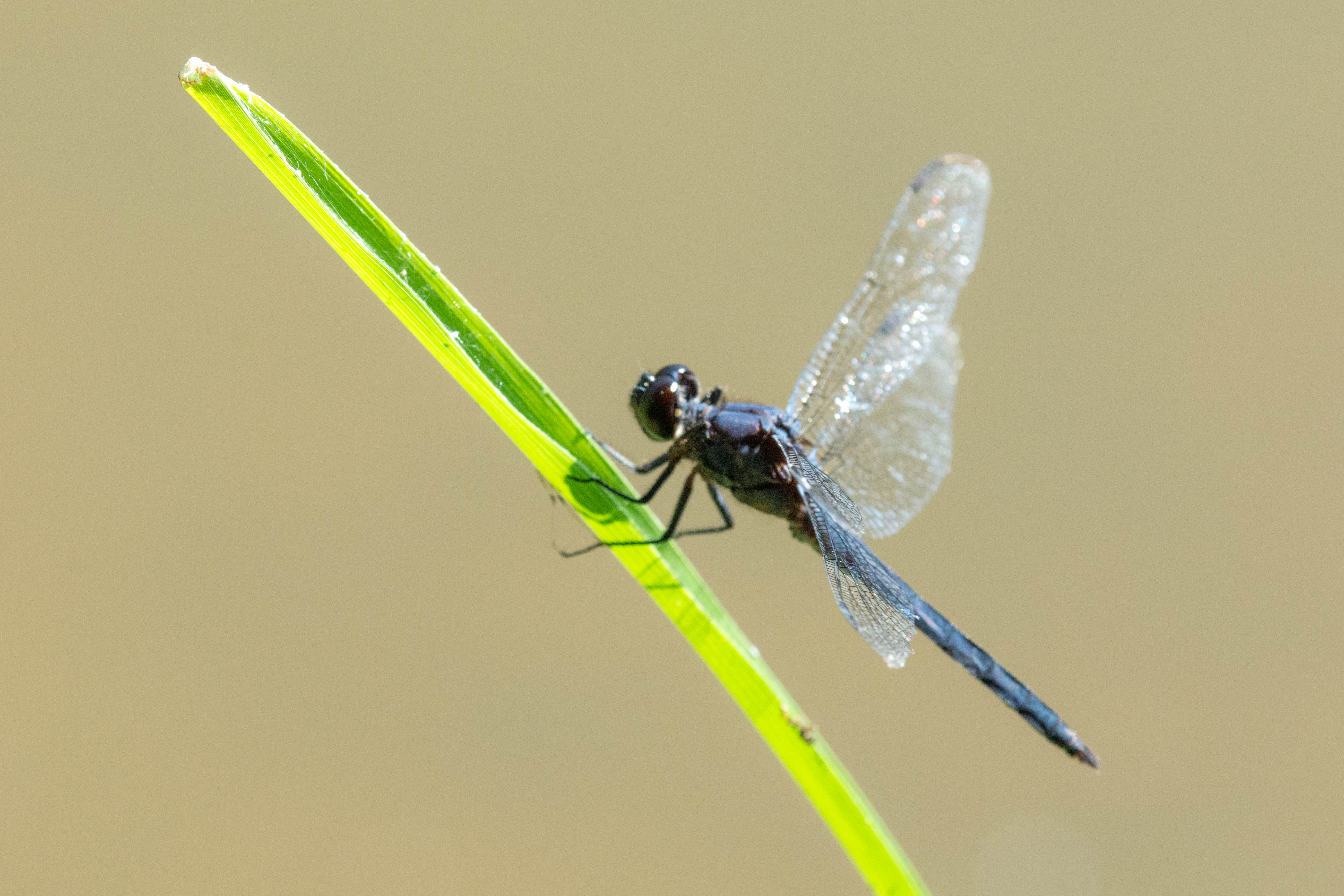
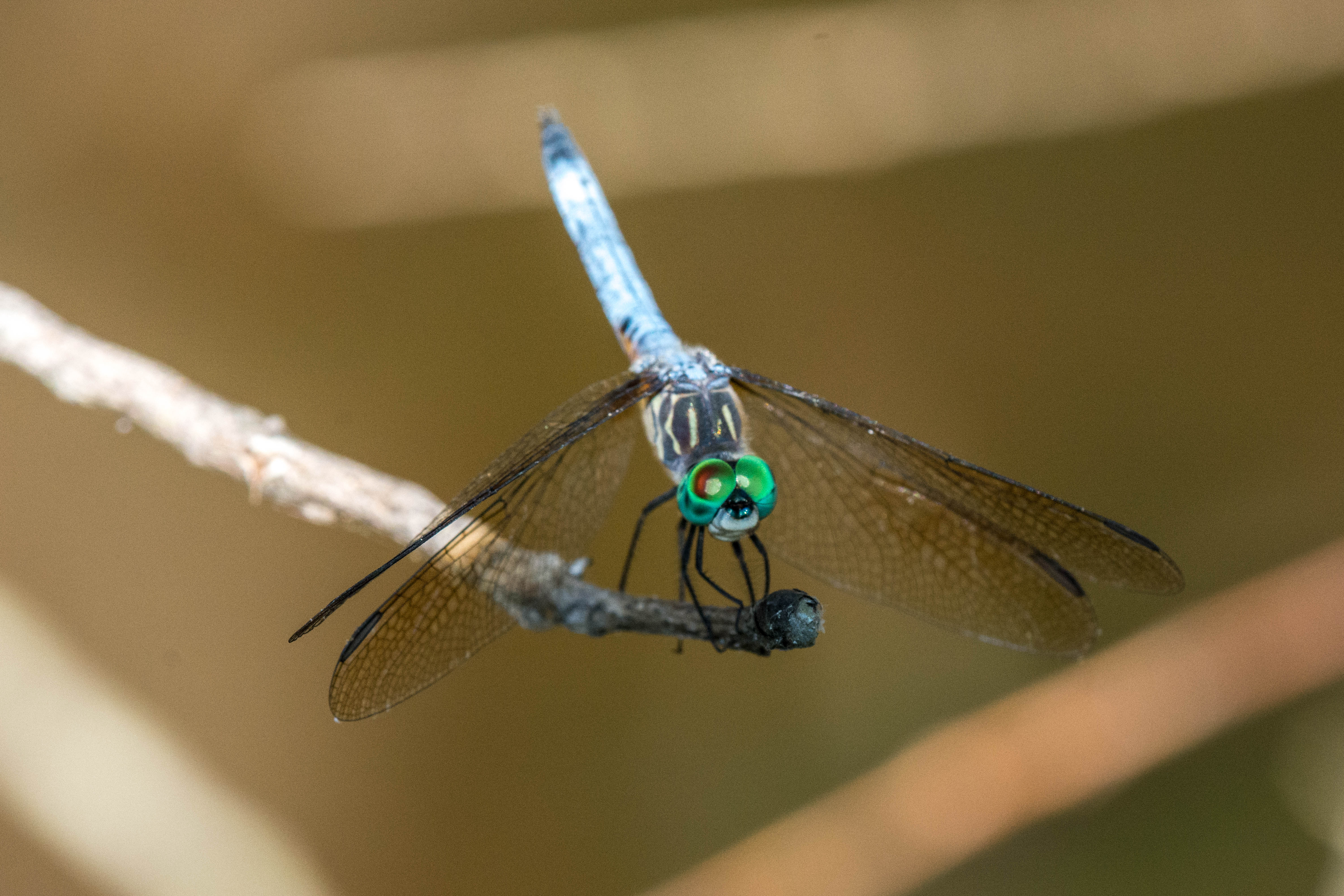
A dragonfly at Apex Community Park

On Saturday morning I had to drive out to Apex for a haircut with Ann, who’s been cutting my hair ever since we lived there.  I asked Sally if she had any good ideas for nearby places to hike and look for dragonflies, and she suggested the reservoir at Apex Community Park.  I spent an hour and a half there before my haircut, and took these pictures.  It was quite hot and muggy, and with my 180 mm lens and tripod, I managed to work up a considerable sweat, as Ann noted.  


This week I read On Tyranny, Timothy Snyder’s latest book.  Snyder, a history professor at Yale, has  a deep knowledge of the authoritarian regimes of the twentieth century, and perspectives on how they bring civic life to an end.  He points up that these developments have been the product of many individual choices, including choices to quietly compromise, let go of moral principles, obey orders,  and submit.  His book is short and unsystematic, but full of sparky insights and practical advice on opposing authoritarianism.

Do we need such advice?  Yes.  I’d been starting to think once again that Trump was more a disturbed clownish bumbler than a genuine threat to our democracy.  But even after several months of failures, embarrassments, and scandals, he’s still popular with conservative Republicans (90 percent of them approve, according to one poll last week), which is making me wonder.  

I felt a cold chill when I read in the NY Times yesterday that there’s a prominent branch of conservative Republicans that are aligned with  Trump in admiring Vladimir Putin.  The Times cited several high-profile ideologues like Rush Limbaugh, Sarah Palin, Rudy Giuliani, and Pat Buchanan as viewing Putin as the kind of leader it would be nice to have here.  Apparently they admire his “Christian” values (such as criminalizing homosexuality) and manly aura, and aren’t much bothered by his murdering of opponents, military invasions of neighbors, looting of his own country, or his subverting of elections here and elsewhere.  I somehow had missed that this point of view existed, and found it shocking.  

Snyder’s book shows how the personal is related to the political:  authoritarian systems invade the personal realm and then undermine it.  Accordingly, there is a political aspect to maintaining personal integrity and ordinary human relationships.  Eye contact, smiles, and small talk have a deeper meaning  and value when the government is unleashing attacks on minorities or suppressing dissent.  Part of resisting is maintaining human contact.  

Snyder observes that constant grandiose lying is a common thread of the successful authoritarian regimes in Germany, Russia, and elsewhere.  But we now have a related problem never seen before:  the internet echo chamber, filled with bots, which create and amplify illusions, and make it hard to distinguish true from false.  The very concept of truth is at risk.  For some, facts seem to be irrelevant.  It is both ironic and scary that Trump and his minions have repurposed the term “fake news” to mean news they dislike.   Part of resisting is serious reading, evaluating evidence, and applying reason.  

Of course, it’s still possible that our institutions will work as intended and our traditional liberties will survive without permanent damage.  The recent demonstrations of the weaknesses in our systems could teach us some lessons, and we might even emerge stronger and wiser.  But it’s a good idea to do some contingency planning and worst case modeling.  We may  need all of our courage.

Resisting the torrent of lies

Lake Mattamuskeet

Lake Mattamuskeet

This has been a Black Mirror week, starting as seeming comedy and then becoming terrifying.  It’s been discombobulating to hear a President of the United States issue a nonstop barrage of falsehoods and shameless lies. It’s hard to know how to react to the proliferating falsehoods with no connection to reality, and lies so transparent they hardly seem intended to deceive.  

It’s not that I’m a truth and honesty absolutist.  The border areas of truth are sometimes fuzzy,  and most of us sometimes bend it about a bit.  But most of us recognize honesty as a core value, and truth as a meaningful ideal.  People known to show no concern for truth or to intentionally deceive with lies are not ordinarily given positions of trust and authority.  They are regarded with suspicion and contempt.  

So we’re in unknown territory, and it’s hard to get your bearings.  Do some people actually believe the Administration’s outrageous falsehoods? Perhaps supporters regard them more  as pleasing and harmless works of fiction.  This would be understandable, but unwise.  As pleasant as it may be to disconnect from reality, there are life and death problems that must be addressed.

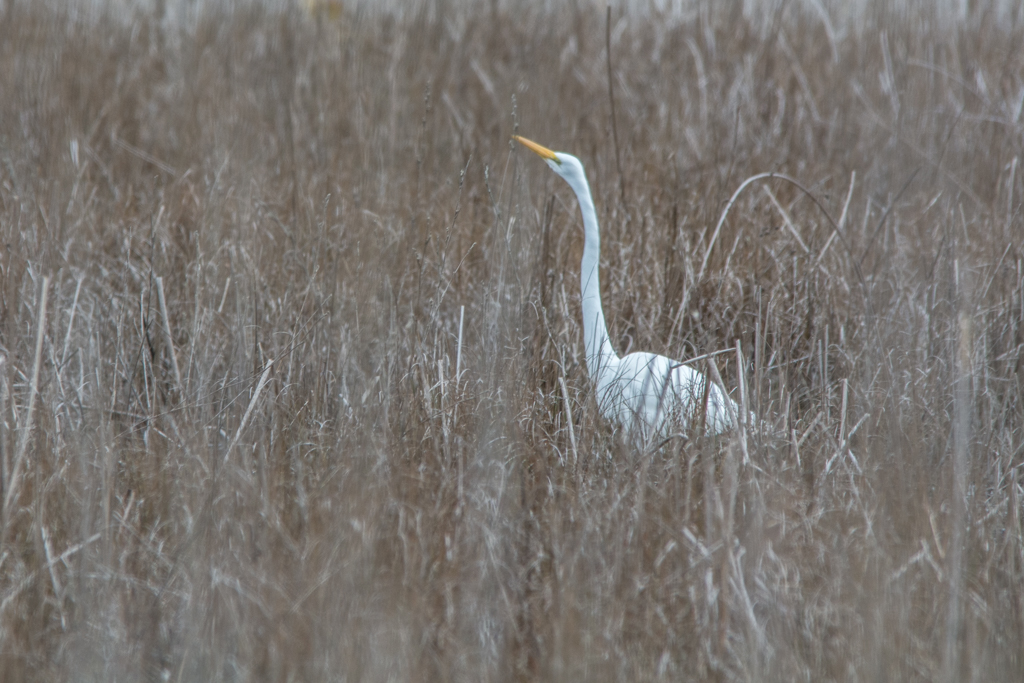
a great egret

A great egret

Part of what’s frightening here is the sheer quantity of the falsehoods and lies. They’ve been coming in a torrent.  Before we’ve processed one, there’s another, and then another.  You’d hope that such constant lying would lead quickly to a loss of credibility and effectiveness.

But the torrent is exhausting.  Trying to unpack all the lies takes too much time. There is no craft in these lies, no careful calculation of how to conceal reality, so they can be generated very quickly.  It takes much longer to fact check them than to make them.  So we can’t catch up.  And it’s exhausting to try.  The effort takes lots of brainpower, and leaves us with not enough time or energy to think deeply about real problems.  It gets harder to think critically.  Our brains get muddled.

It could be a brilliantly evil strategy to subjugate us, though more likely, there is no strategy.  Either way, it’s dangerous.  We could easily find ourselves losing our bearings, more and more confused, less and less sure of our facts and our values, depleted, disheartened, and unable to resist.

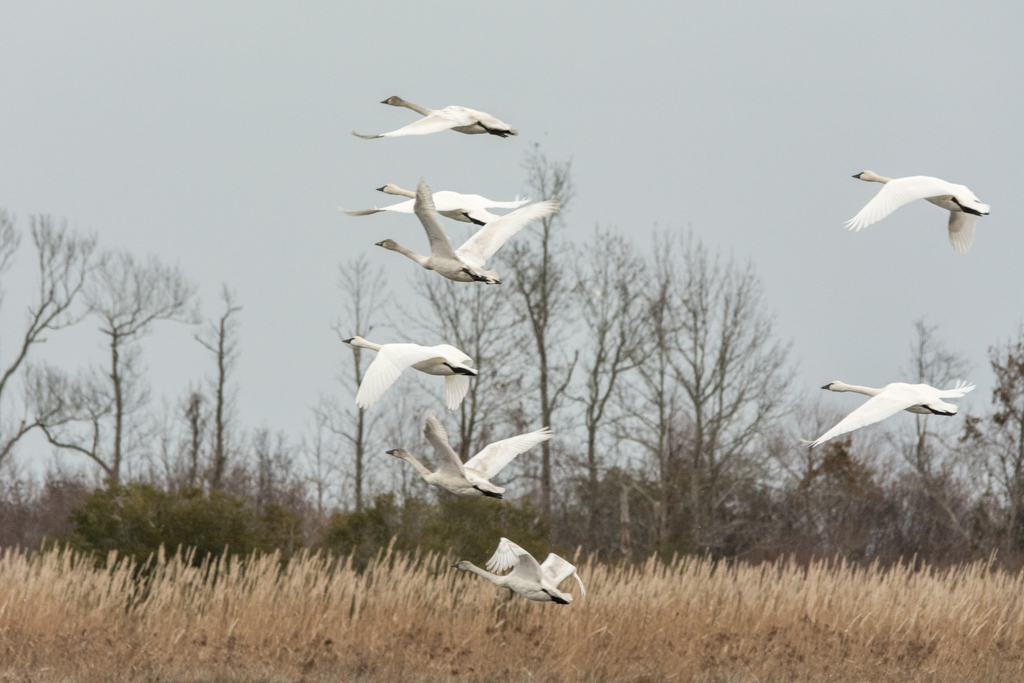
Tundra swans

Tundra swans

So, we’ll need  fortification as we prepare for the resistance.  I’m trying to stay healthy and looking out for old and new sources of strength and wisdom.  For me, friends, books, and music help. In these dark times, I particularly treasure encounters with generous spirits.  

Apropos, this week I listened to an interview of Maria Popova on the podcast On Being hosted by Christa Tippett.  Popova (pronounced pa-POE-va) is the creator of BrainPickings,  where she shares thoughts on her wide-ranging reading.  I don’t find all of her subjects equally interesting, but she’s amazingly curious, creative, and thoughtful —  full of ideas and reflections.  She also seemed like a person with a really good heart.    

This week I’m departing from my usual custom of posting my favorite photographs from the previous week.  Instead, these are ones I took a couple of weeks ago iat Lake Mattamuskeet and nearby areas in eastern N.C.  As I’ve learned more about how to make  a digital image sing with Lightroom and Photoshop, my standards for considering an image adequately finished have risen, and it takes more time to get there.  

If you enjoy nature photography, you might like 500px.com.  It’s a site where professional photographers and skilled enthusiasts use the site to share  amazing images from all over the planet.  I’ve been spending more time there lately just looking, quietly absorbed and getting inspired.

blogpicbug-1-8