My Alaska trip — enjoying the grizzlies and enduring the airlines
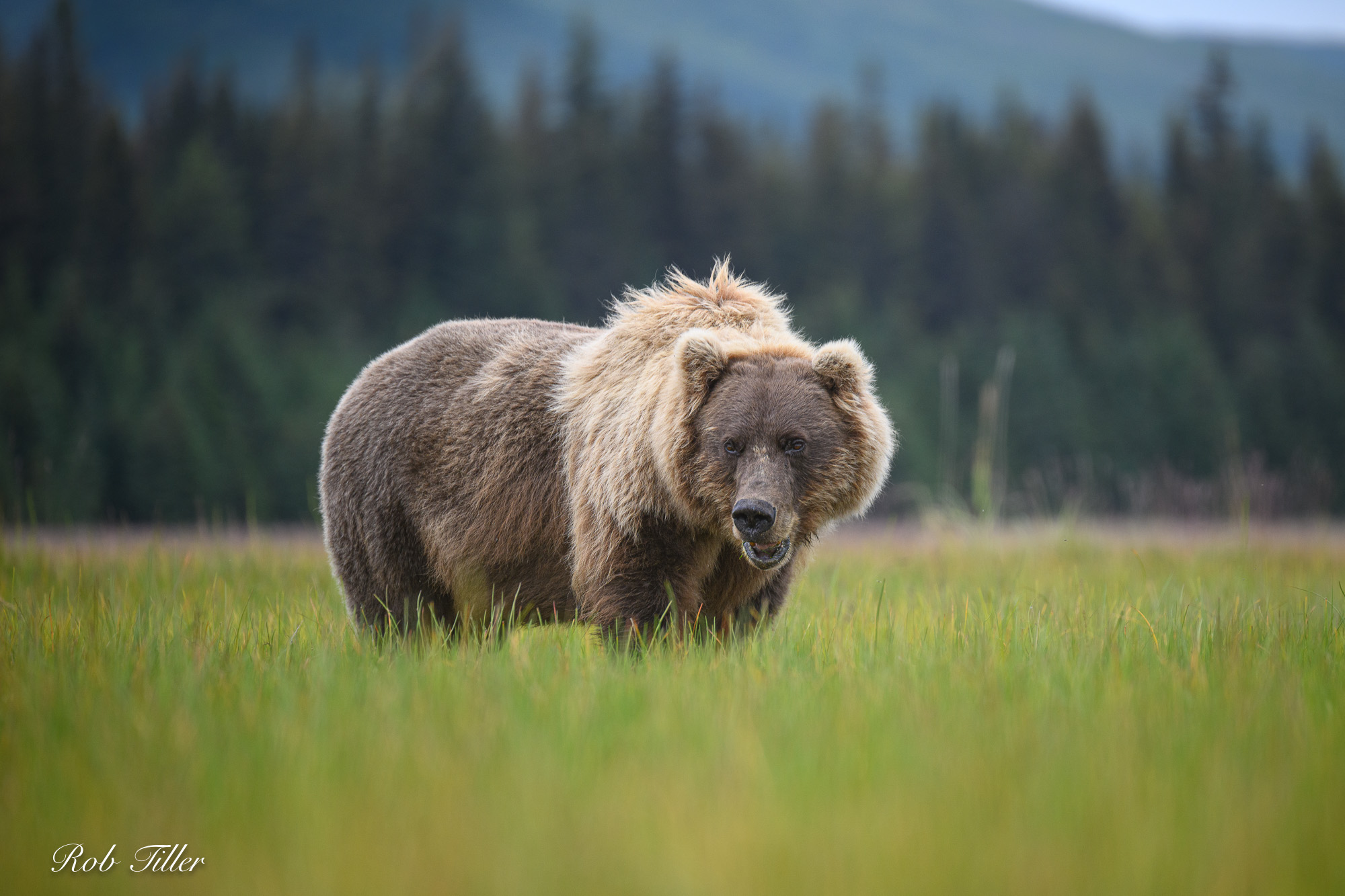
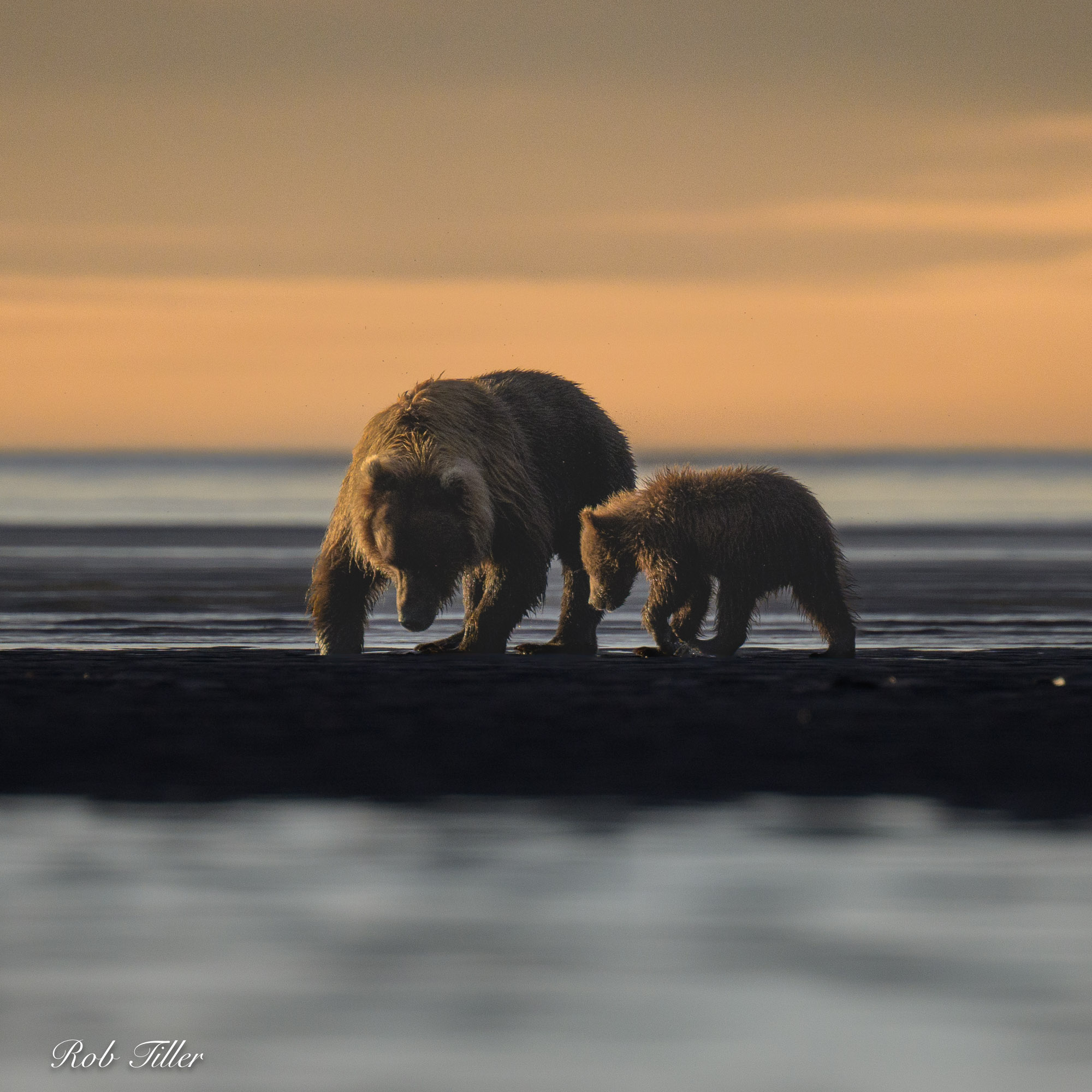
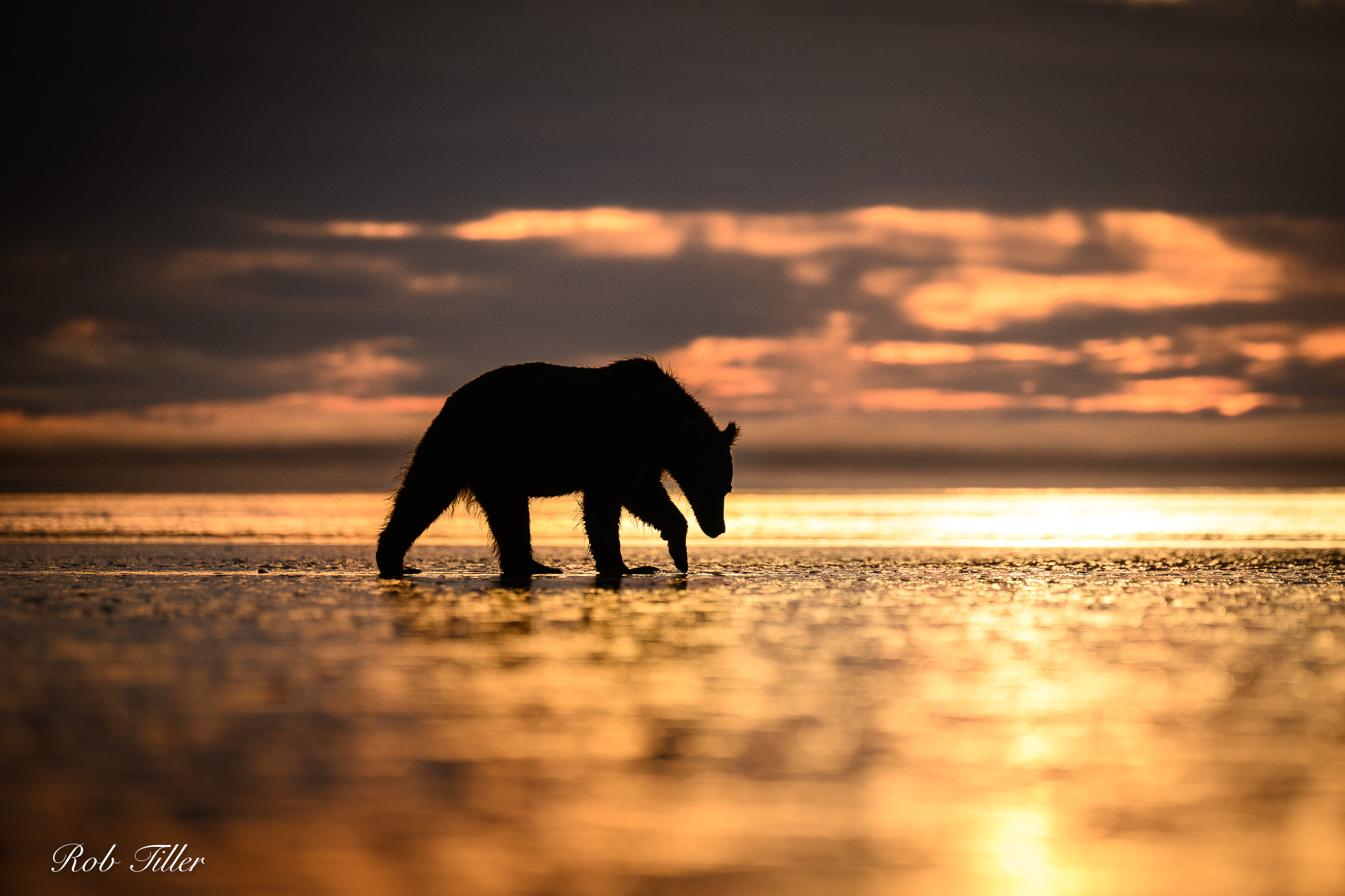
I took these pictures last week in Alaska at Lake Clark National Park. I got thousands of pictures of grizzly bears and other creatures, and it will take some time to sort out the best ones. I wanted to share a few that immediately struck me, and also to share a few thoughts about the animals.

But first, a word about the misery of modern air travel. It is just remarkable how, in the course of my lifetime, commercial flying has gone from being kind of a romantic adventure to a grim endurance test. I appreciate that the airlines operate with a good safety record, and more often than not get you where you want to go. And I’m grateful that airline employees usually work hard to solve problems and help as best they can.
Still, the cold-heartedness of our airline system is deplorable! Take, for example, the walk of shame. If, like me, you resist paying a lot of money to sit in the small group of comfortable seats at the front of the plane, you must wait for those of greater means to board first. When your boarding group is finally called (most recently for me, group 7), you must with lowered eyes shuffle past the well heeled folks sipping their drinks, signaling your pathetic lower status in the flight and in life in general.
For a long time, I thought this humiliation ritual was an unfortunate accident, but I’ve come to think it must be part of the larger plan. The airlines seem prepared to take any measure that might drive me to spend more for a ticket. Thus economy seats have gone from uncomfortable to torturous, and food service has gone from minimal to ludicrous.
On my photography trips, I have a particular dread at getting a high boarding group number, because I’m toting expensive camera gear in a backpack that is not armored against rough baggage handling. Escalating fees for baggage have driven everyone toward carry on bags, and there are often not enough storage bins for all those bags. Late boarding folks are just out of luck. So as big groups of my higher status flight mates board, I get pretty worried about what’s going to happen to my gear.
On my recent trip with American Airlines, their automated kiosk offered to let me have an earlier boarding group for thirty some dollars. Reluctantly, I agreed, since I wanted to offload the worry about getting a spot in the overhead bins. But it turned out that the fee was only good for the first of my two flights, and I was still in group 7 for the second. Arrrgh!
I’ll call out American for one other bit of callousness: lack of food. My flight back left Anchorage at 8:30 p.m. and was to take 6.5 hours to get to Dallas. I figured there’d surely be a meal, but no. In fact, I got offered the choice of a tiny bag of pretzels or a little cookie. I asked the attendant if I could have both, and the answer was no. So, hungrily, I took the pretzels.
Is there anyone who’s content to spend hundreds of dollars only to be treated to ritualized humiliation, anxiety, and starvation? We know it doesn’t have to be like this, because other rich and not-so-rich countries have much better air travel. Indeed, years ago it was better right here.

There are a lot of problems stemming from the US’s brutal version of capitalism (including deficient health care, public transportation, public housing, etc.), and air travel is not the most urgent. But still, it’s bad, and it would be relatively easy to make it a lot better.
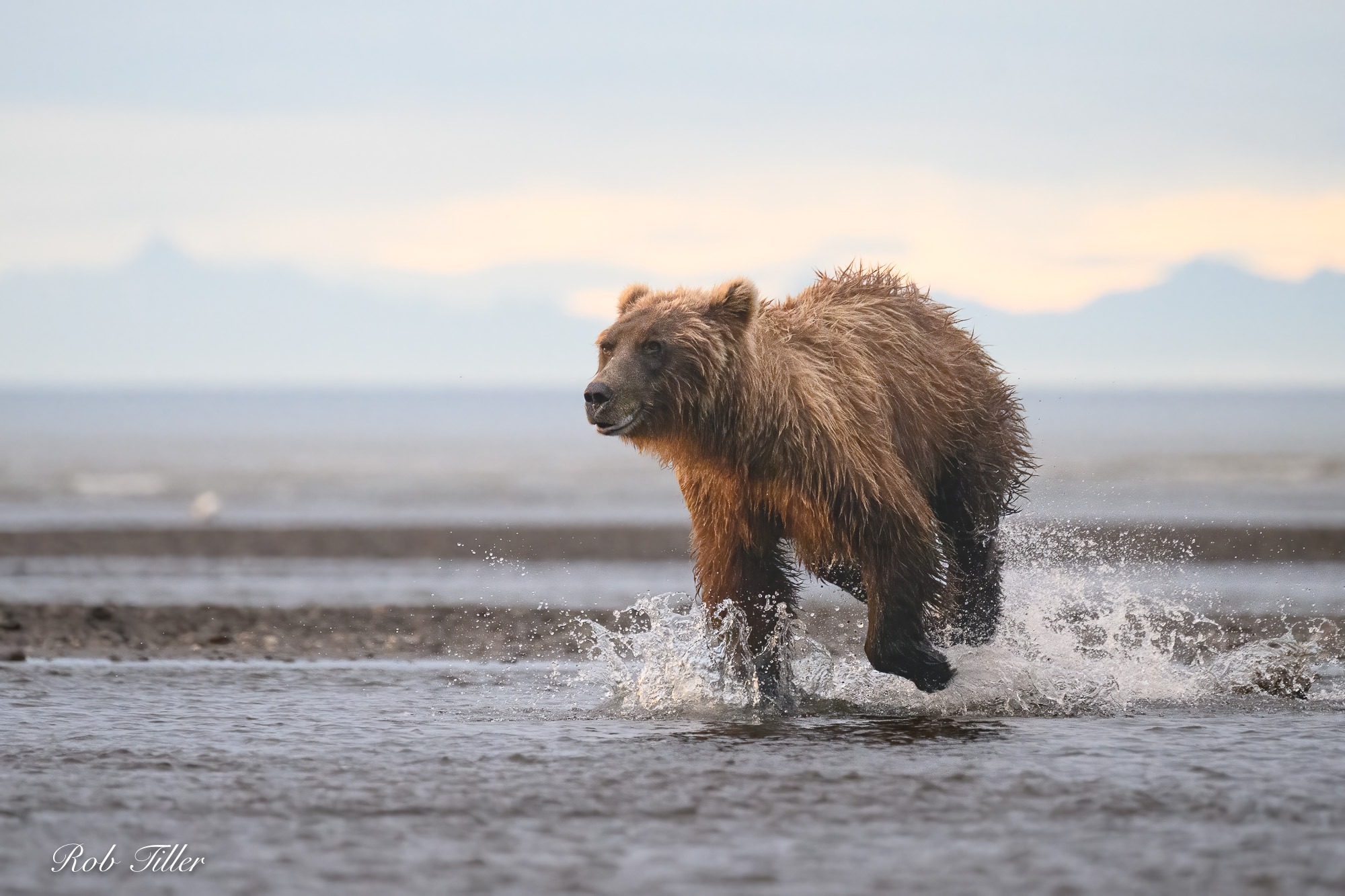
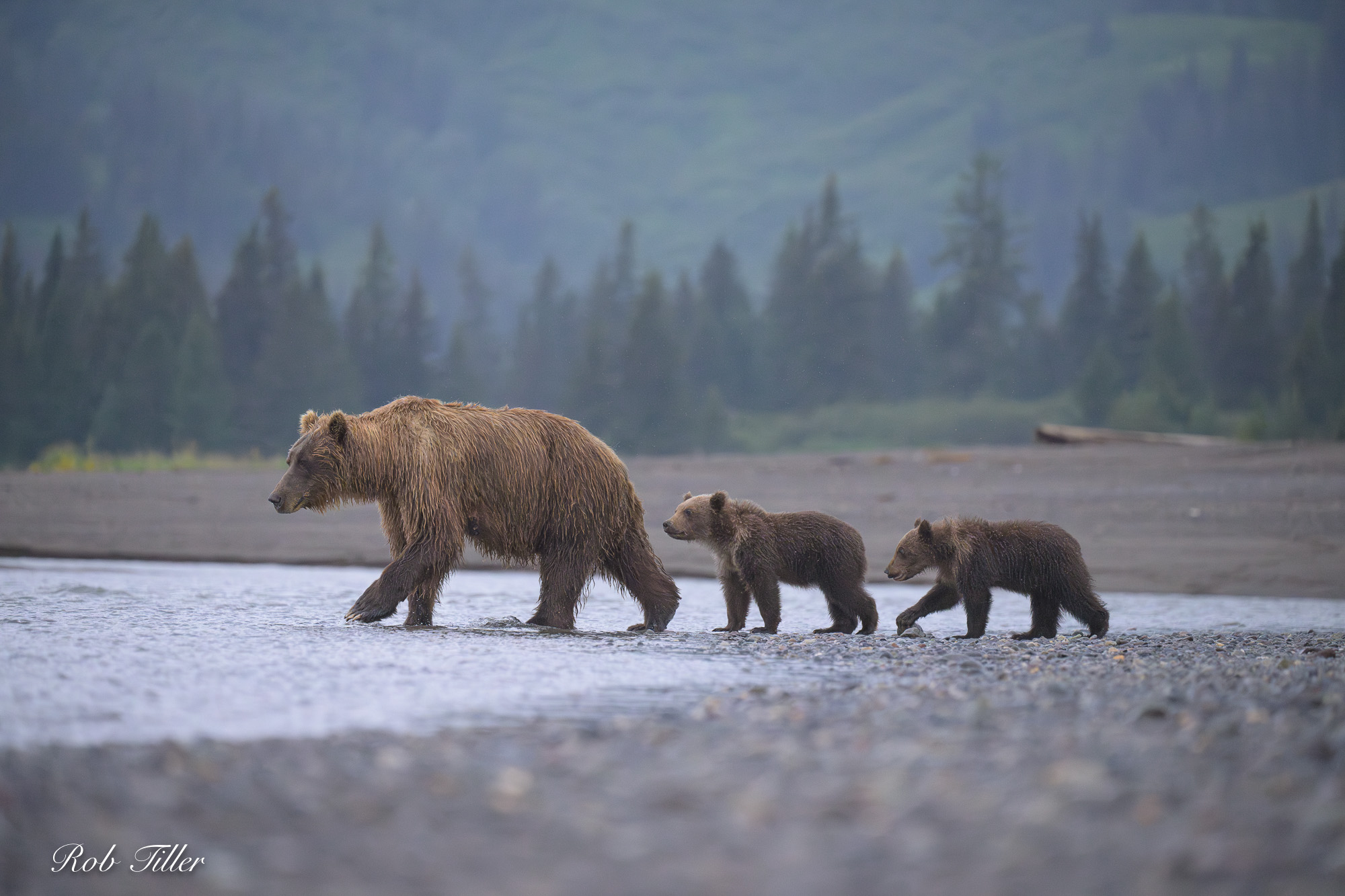
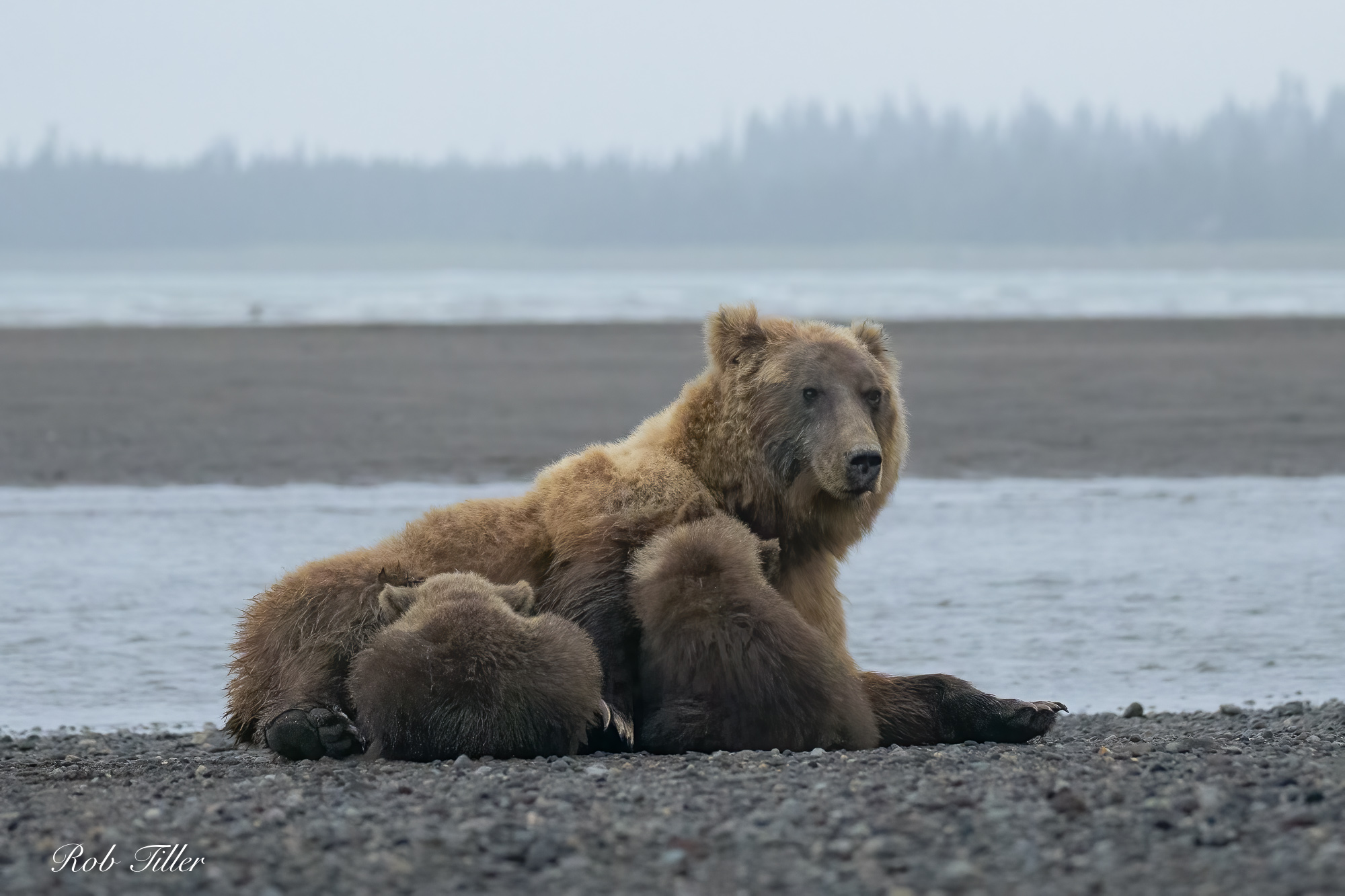
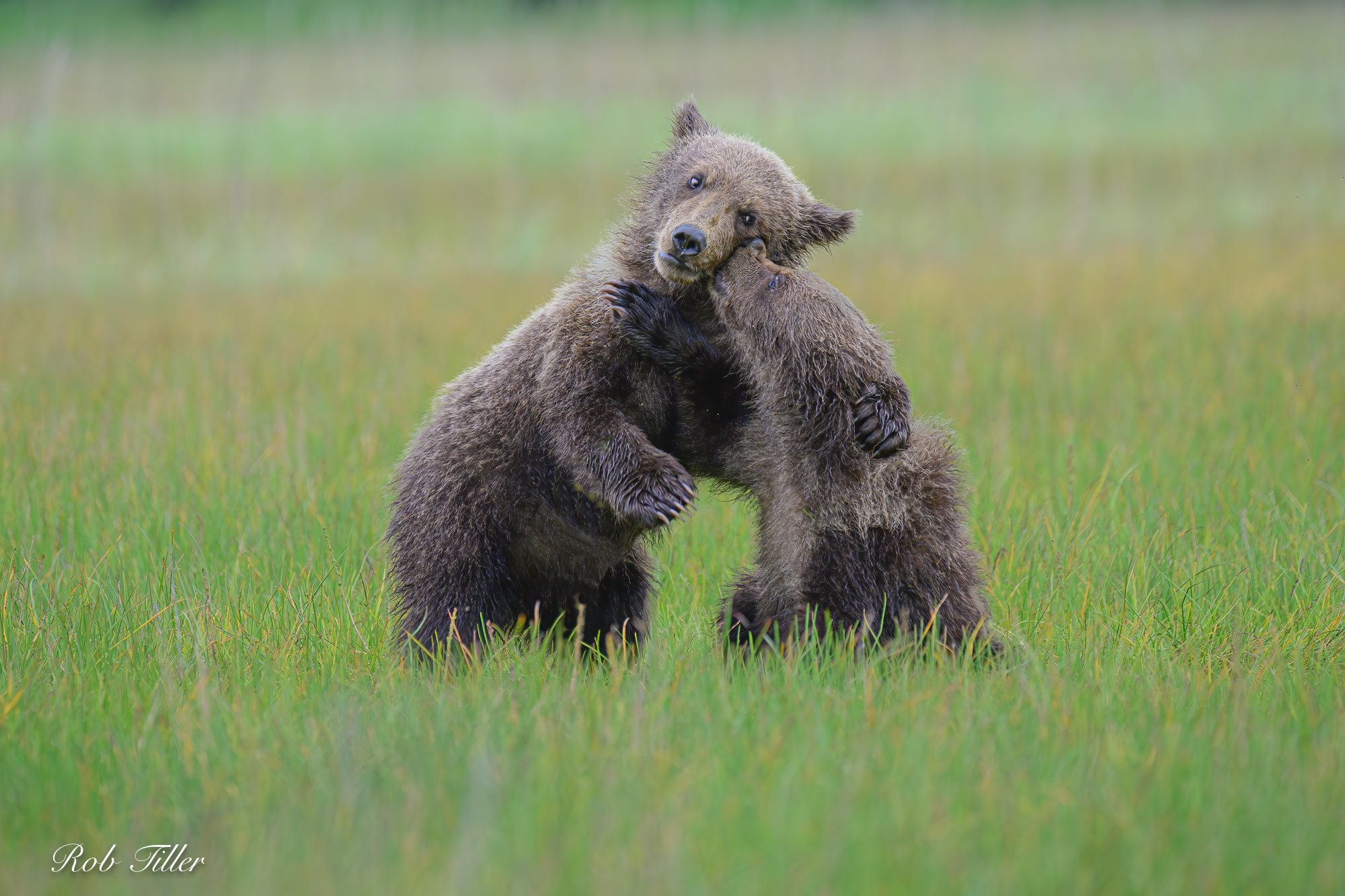
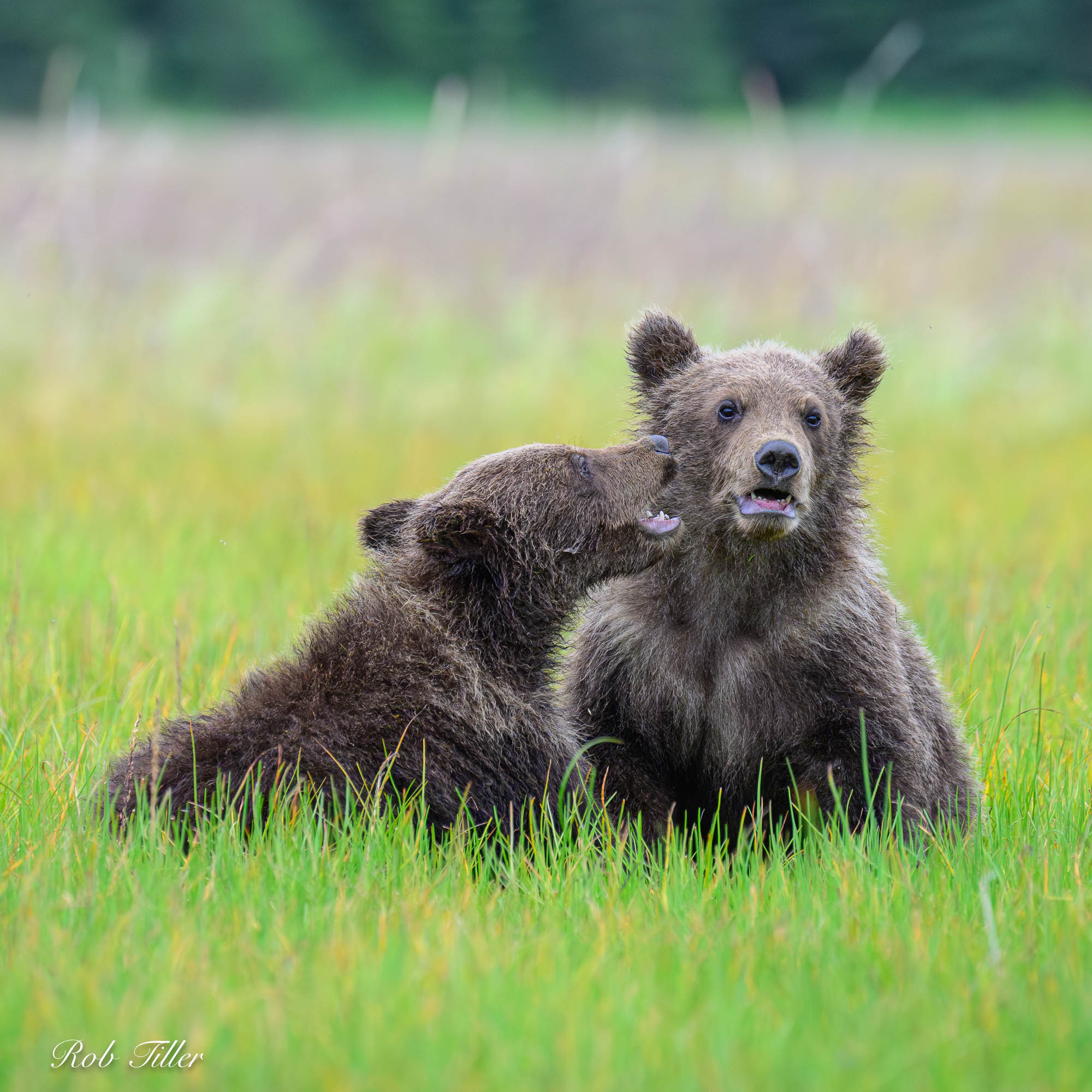
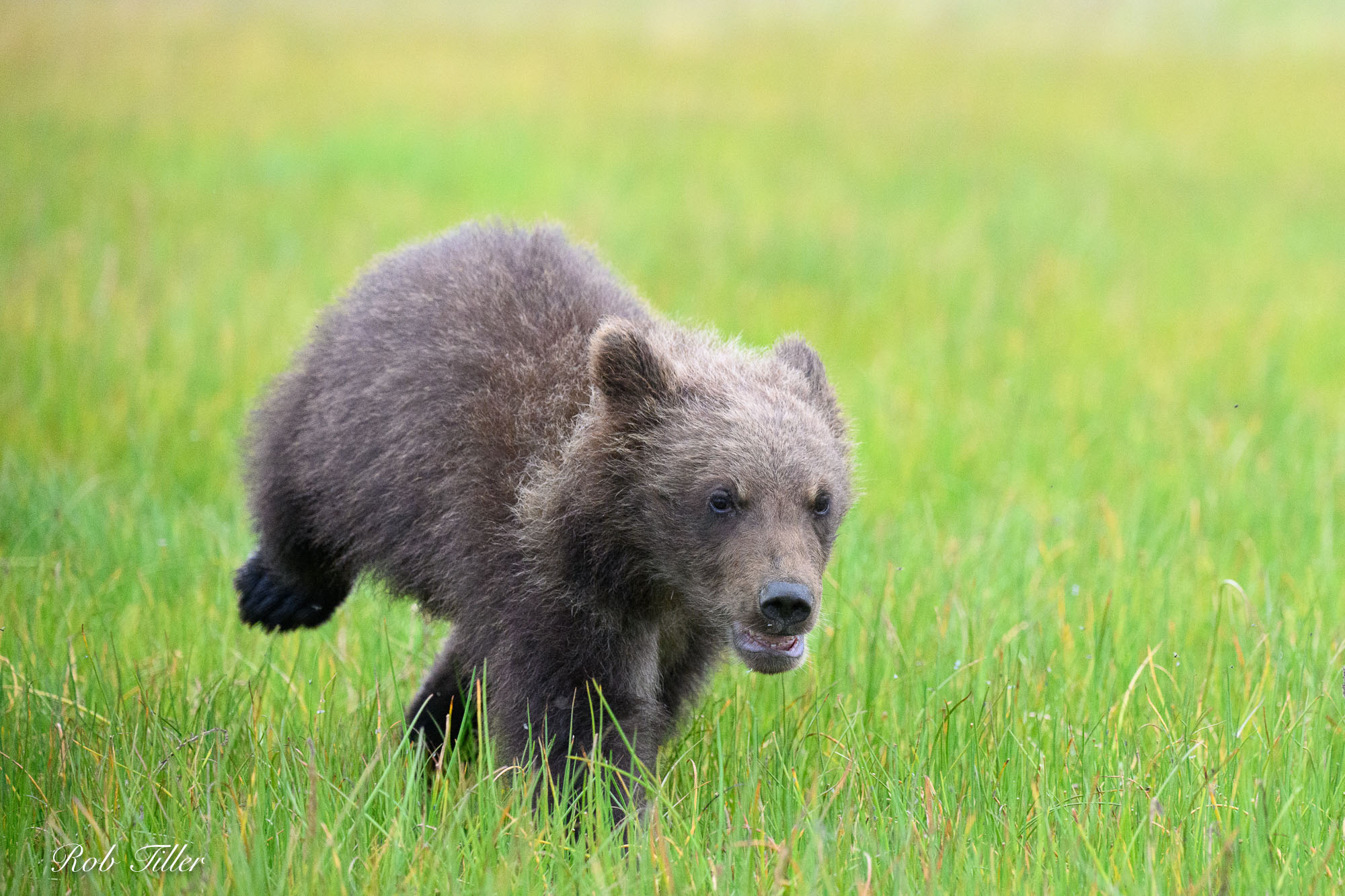
How different it is with the bears! Coastal brown bears, a/k/a grizzlies, are numerous at Lake Clark. I especially enjoyed seeing the new cubs, some of which were very playful. Some of the bears grazed peacefully in the grasslands, and others dug for clams in the tidal flats. They were waiting for the salmon to arrive in numbers, which was a bit behind schedule this year.
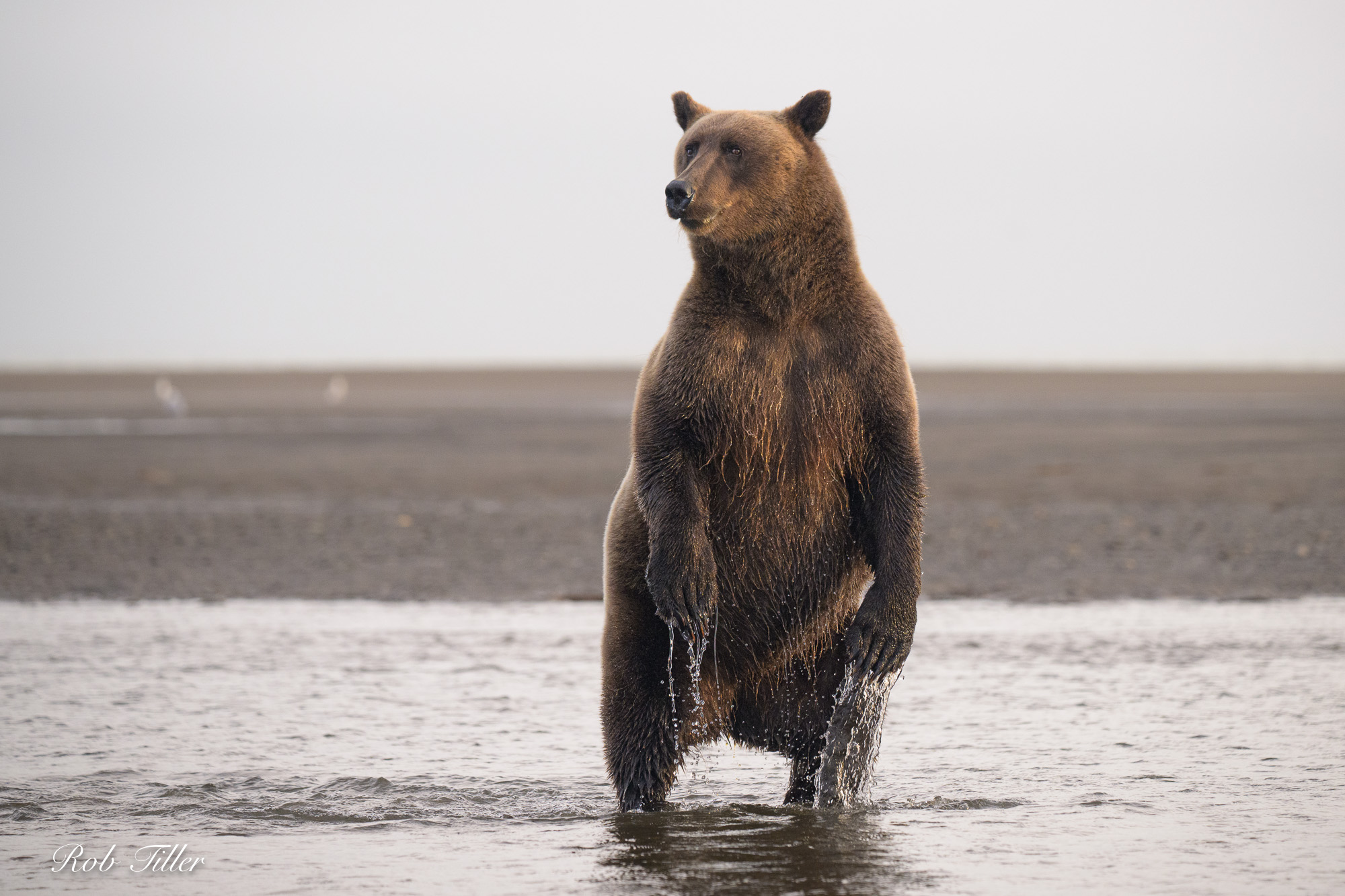
After spending some time close to these animals, it seems amazing that they have a reputation as remorseless killers. The ones we saw were peacefully going about their business of getting fat and taking care of the young. Of course, they are very powerful, and if provoked can be dangerous. But in Lake Clark, many bears are used to humans, and those that don’t like them normally just keep out of their way.
At times we’d watch a bear eating grass or seafood, and then see it flop down to take a nap. And we’d wait a while for it to wake up. Of course, I was most interested in photographing bears in motion, but I also enjoyed relaxing and watching them relaxing.

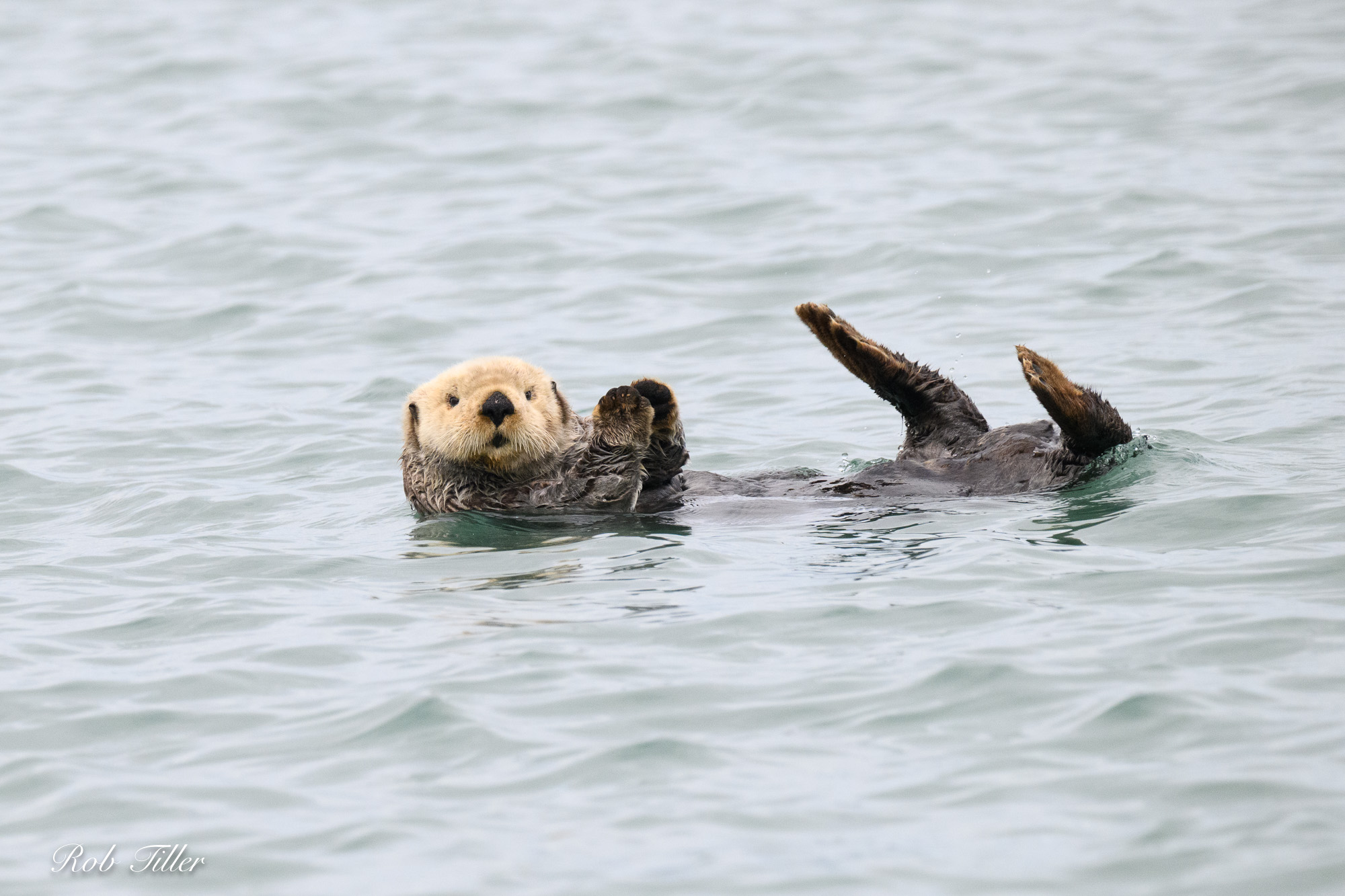
An unexpected treat was a boat trip to Duck Island, a small craggy island with nesting puffins. I’d never seen horned puffins before, and was excited to get close to them. I also saw my first sea otter, which looked very mellow.
I was part of a workshop at Silver Salmon Creek Lodge led by Jared Lloyd and Annalise Kaylor. I was happy to finally meet Jared, whose photography and writing have inspired me for several years. He was a very fine teacher and leader, and I really enjoyed working with him. Likewise with Annalise; she was a highly accomplished photographer and had many good suggestions. Our guide, Dave R, was also a pro – very experienced with the bears, and he worked hard to help us get good images and keep us safe.
The staff at Silver Salmon Creek was friendly and hardworking. I want to give a special shout out to chef Andrew Maxwell, who pleased everyone while creating consistently delicious plant-based food especially for me.

 The Casual Blog