The Casual Blog

Tag: poverty

Heat, horses, and Poverty
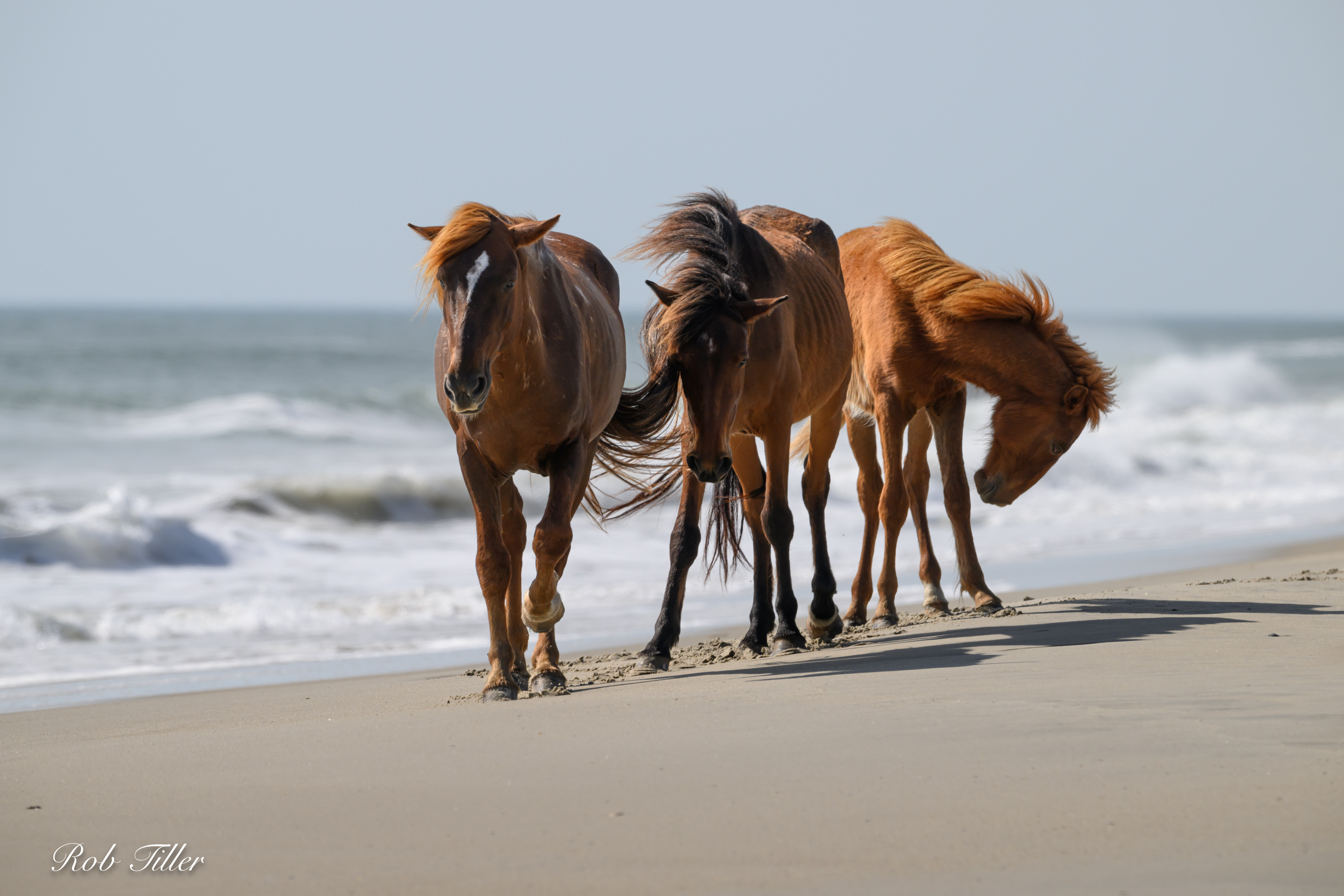
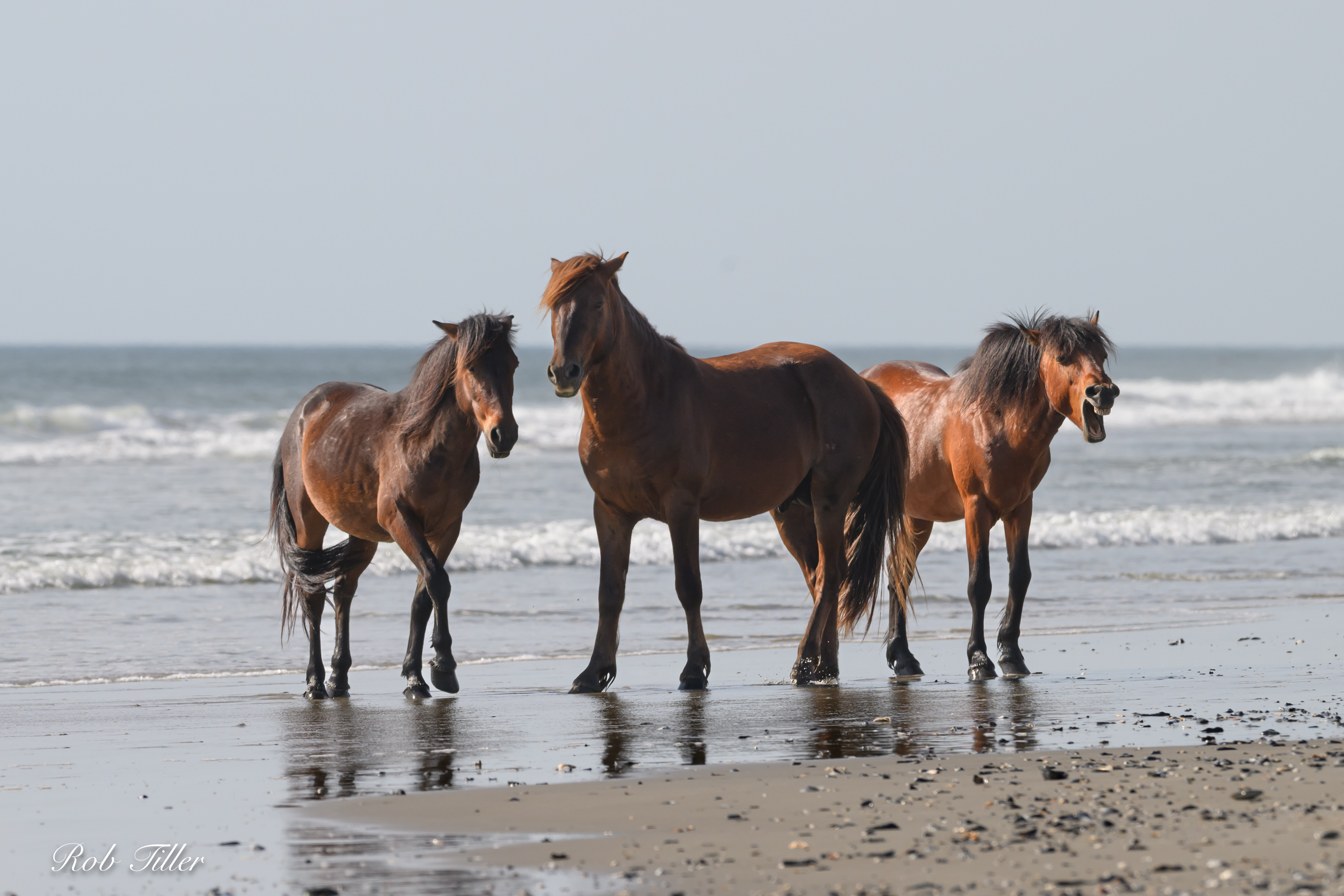
High temperatures and high humidity in Raleigh have made outdoor activities pretty miserable.  Stuck inside more,  I finally managed to sort through the pictures I took in May of the wild horses at Corolla, NC.  I saw thirty-some in one day in a pasture and on the beach.  
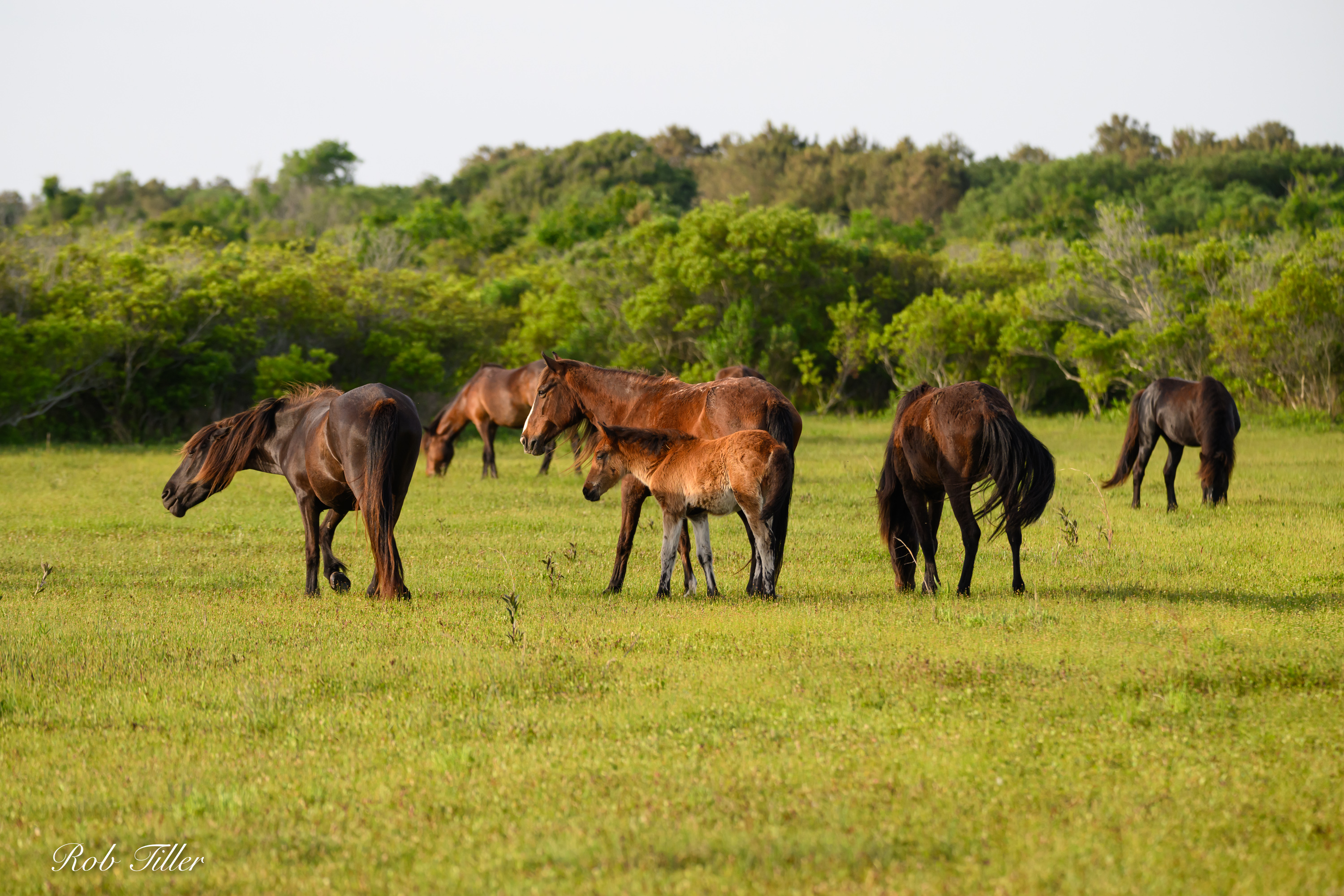
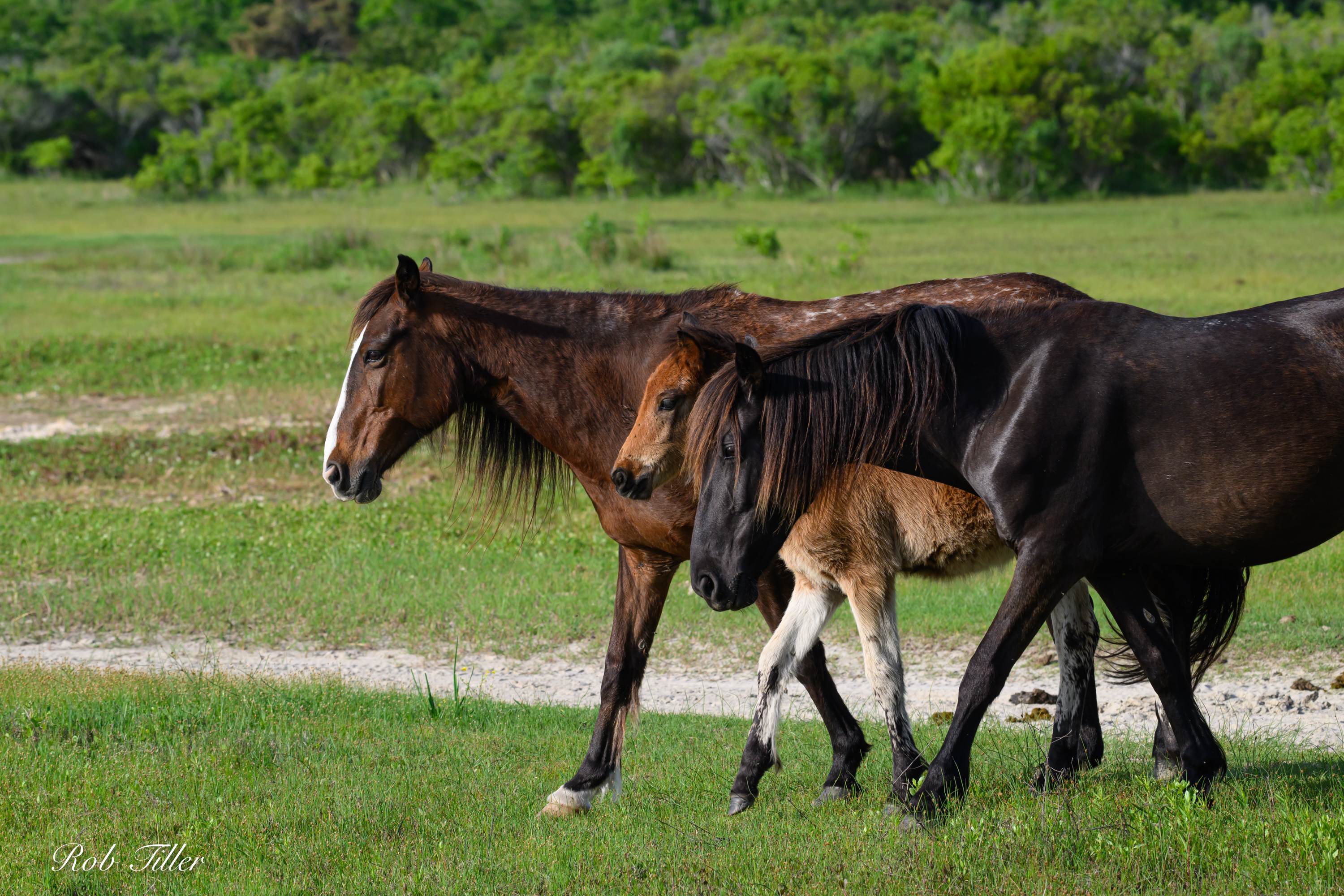
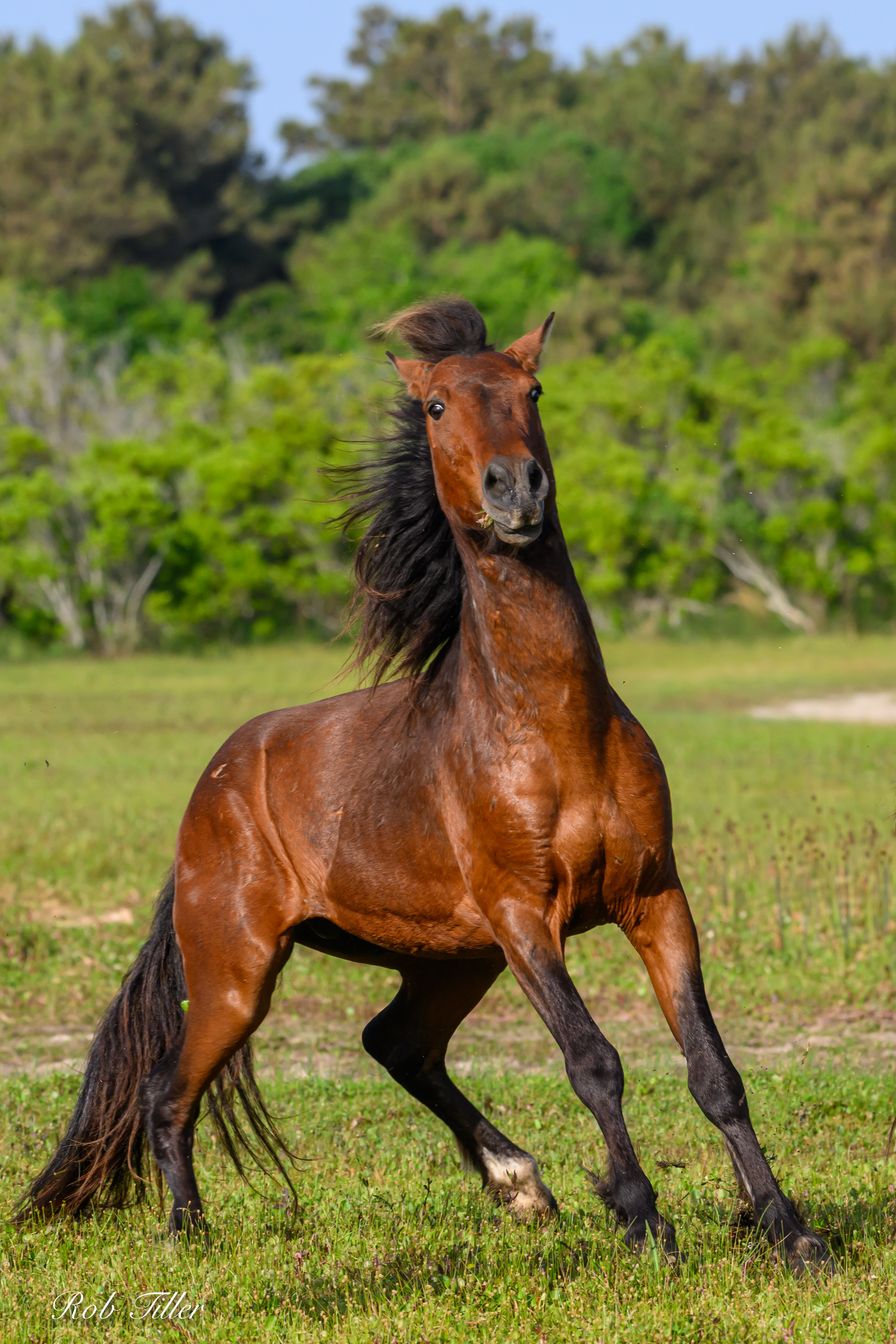
The horses had some disagreements between their family groups, which resulted in a few chases and kicks.  They could run very fast, but mostly they just grazed peacefully or enjoyed the ocean breeze.  They seemed to have a good attitude towards life.  

Again, about that heat:  we’re regularly setting new records for highs in these parts, as is the planet as a whole.  And of course, with the heat come other problems, like  floods, draughts, tornados, hurricanes, and wildfires, not to mention famines, water shortages, pandemics, failed economies, mass migration, and war.  It’s gotten harder and harder to deny we have a climate crisis that we created and we must address, although some still do.

Denialism is a core plank of the Trump movement.  One of the projects in Project 2025, the detailed list of policies proposed by Trump administration veterans and aspirants, includes the break up of the National Oceanic and Atmospheric Administration.  NOAA is the parent of the national Weather Service, which provides the raw data for most of the weather reporting that industry, the military, and you and me rely on.  According to Project 2025, NOAA is “one of the main drivers of the climate change alarm industry.”  Who knew?
Along with muzzling or dismembering NOAA, Project 2025 proposes downsizing agencies focusing on climate research, including the EPA, weakening environmental regulations, curtailing renewable energy support, and expanding fossil fuel development.  Trump told a group of oil execs that for $1 billion in contributions, he’d allow new oil drilling projects and reverse regulations that limited their profits.  

It’s shameful, but not surprising, that fossil fuel interests find it normal to put profits above all else, but it’s hard to understand why others not mad with greed would be willing to go along with a program to further degrade the environment.  The Trump-MAGA opposition to climate mitigation could be partly about wishful thinking, as in, we wish we didn’t have this terrible problem which will be hard to address, so let’s pretend we don’t.  And of course, Trumpists are inclined to oppose anything that non-Trumpists support, up to and including trying to save the planet.  

Anyhow, as most people surely know by now, our planet is in dire straits, and without strong measures the climate emergency will become an ever-widening disaster.  The Biden presidency took some meaningful steps toward addressing this emergency, including the Inflation Reduction Act, but much more is needed.  It’s a safe bet that a Harris administration will continue this work. If you are considering voting for Trump, I hope you will reconsider and instead support facing and fixing our climate crisis.  

If you can stand one more serious subject: I finished reading Poverty, by America, by Matthew Desmond, and recommend it.  I knew, as we all know, that we have poverty in the US, but in this short book Desmond brought it into better focus, in a way that was at once challenging and surprisingly hopeful.  

Poverty, by America helps us understand that poverty doesn’t just mean not having inadequate housing or other necessities.  It also means insecurity and anxiety, health problems, depression, addiction, and other personal difficulties. 
Desmond challenges the narrative that poverty is inevitable and the poor are mainly responsible for it. At the same time, he isn’t buying the idea that the wealthy are mainly responsible for their own good fortune, rather than the beneficiaries of lucky birth circumstances and government preferences.  The extreme inequality between rich and poor in America is deplorable, and indefensible.
It isn’t pleasant to realize that most of us who are not poor have acquiesced in this system, and are to some degree complicit in it.  We like having low prices, and adopt the narrative that that requires low-paid labor.  Most of us aren’t really opposed to government assistance.  Indeed, the non-poor are by far the greatest beneficiaries of government welfare, through such subsidies to the well-to-do as the mortgage interest deduction, favorable tax rates for capital gains, and student loans.  

This is a longstanding and chronic situation, but Desmond refuses to give up hope.  He points out both small and large reforms that would ameliorate poverty.  One main one is to quit tolerating tax cheating by the wealthy and raise their taxes to something closer to the historical and international norm.  The additional revenue could fund better schools, better housing, and better opportunities.  

Pope Francis’s vision

_DSC8732
It’s been ungodly hot in Raleigh this week, with a record high of Fahrenheit 99 on Tuesday. Humid, too. So instead of running on Saturday, I settled in to read some of Pope Francis’s new encyclical, Laudito Si. From newspaper reports, I’d expected a sort of primer on the perils of global warming, but it turned out to be much more than that, and I felt enriched and inspired by the experience. It’s available online here.

Even though I’m a thorough-going non-believer, I’m a big fan of Francis. He seems to be a genuinely warm, caring, and thoughtful person. What are the odds? How daunting and disorienting to be considered by many as infallible, and fully realize you aren’t. (Remember his famous words,“Who am I to judge?”) How dissonant to live amid Vatican magnificence and rock-star adulation and try to focus on the problems of the poor. And who would volunteer to be in charge of cleaning up pedophile priest networks, bishop cover ups, money laundering holy bankers, and God knows what other crimes and misdemeanors? And after all that, who would have the courage and drive to speak truths that implicitly threaten the world’s wealthiest, most powerful interests on what are, for them, as well as us, issues of existential importance? That’s right: my man Francis.

I was hoping that Laudito Si would have an executive summary, but it does not. Still, I kept reading. The prose is lucid and emphatic, with an animating passion. Francis leaves no doubt that he agrees with the scientific consensus that man-made greenhouse gases like carbon dioxide are responsible for much of the global warming crisis. He states that there is an urgent need to reduce such emissions and develop renewable energy. If he accomplished nothing more than calling more attention to this issue and inspiring high level discussion and action, that would be a lot. But Laudito Si does more than that, persuasively articulating a powerful ethical vision that calls for reforming both societies and our selves.
_DSC8728

Francis calls on the people of the world to recognize that we are in an ecological crisis, and need to expand our dialog and work together to address this crisis. The dimensions of the crisis include air and water pollution, fresh water shortages, rising oceans that threaten large cities, and increasing extreme weather events. Not to mention the extinction of many species. He states, “Each year sees the disappearance of thousands of plant and animal species which we will never know, which our children will never see, because they have been lost forever. The great majority become extinct for reasons related to human activity. Because of us, thousands of species will no longer give glory to God by their very existence, nor convey their message to us. We have no such right.”

At the same time, Francis reminds us of the vibrant beauty of the natural world. He has sections on rainforests and other wonders. On a topic particularly close to my heart, he writes of “the immense variety of living creatures” in our oceans which are threatened by uncontrolled fishing and the coral reefs that have been harmed by pollution and rising temperatures.

Early on, Francis rejects the reading of the Bible that entitles humans to dominate and exploit all earthly resources. He writes instead that humans are meant to be careful stewards of those resources, and regard them with awe and wonder, and recognize our essential connection to animals, vegetables, and minerals. “Because all creatures are connected, each must be cherished with love and respect, for all of us as living creatures are dependent on one another.” He returns a number of times to the theme of our interconnectedness to each other and the world.

An aspect of this theme is concern for both the poor and for other living creatures. He writes, “We should be particularly indignant at the enormous inequalities in our midst, whereby we continue to tolerate some considering themselves more worthy than others. We fail to see that some are mired in desperate and degrading poverty, with no way out, while others have not the faintest idea of what to do with their possessions, vainly showing off their supposed superiority and leaving behind them so much waste which, if it were the case everywhere, would destroy the planet. In practice, we continue to tolerate that some consider themselves more human than others, as if they had been born with greater rights.”
_DSC8735

Similarly, Francis draws connections between our treatment of animals and our basic humanity. Recently I’ve been feeling indignant about the new North Carolina ag gag law, which among other things protects industrial agriculture operations from those who propose to publicize their cruelty to animals. Let me just say, this is so wrong! This excerpt is apropos: “When our hearts are authentically open to universal communion, this sense of fraternity excludes nothing and no one. It follows that our indifference or cruelty towards fellow creatures of this world sooner or later affects the treatment we mete out to other human beings. We have only one heart, and the same wretchedness which leads us to mistreat an animal will not be long in showing itself in our relationships with other people. Every act of cruelty towards any creature is ‘contrary to human dignity.’”

Part of the ambition of Laudito Si is to reset our relationship to technology. “Ecological culture cannot be reduced to a series of urgent and partial responses to the immediate problems of pollution, environmental decay and the depletion of natural resources. There needs to be a distinctive way of looking at things, a way of thinking, policies, an educational programme, a lifestyle and a spirituality which together generate resistance to the assault of the technocratic paradigm. . . . To seek only a technical remedy to each environmental problem which comes up it to separate what is in reality interconnected and to mask the true and deepest problems of the global system.” Francis envisions a world where the capitalism and technological progress are no longer allowed to drive increasing inequality and alienation, but instead are put in the service of human needs.

Of course, I don’t mean to endorse all of Francis’s views. I read the sections on God’s acts and intentions in much the spirit that I read the poetry of Milton. I think he’s quite mistaken about the value of building a market for carbon credits, which would creative incentives to reduce emissions. I also regret that he dismisses the serious risks of overpopulation, which needs to be moved way up on our list of priorities. But I’m finding the work inspiring, and hope many will read it and think about it.