The Casual Blog

Tag: polar bears

More polar bears, and some comments on Trump, free will, Empire, and Life on Our Planet
I’m still processing my trip to northern Manitoba, and wanted to share a few more photographs from that extraordinary journey.  I also made a short YouTube slideshow of favorites. Recently I’ve been making a particular point of cultivating gratitude, having so much to be grateful for, and that expedition was especially worthy.

Alongside those good feelings, I’m feeling discombobulated about  what is happening in American politics.  At this point, it’s virtually certain that the Republican party, traditionally a cheerleader for conservatism, will nominate for President a most unconservative candidate:  Donald J. Trump.  And polls say there’s a reasonable possibility that Trump will win.  

This in spite of what by now it’s hard not to know about Trump:  his deep dishonesty, his ignorance, his cruelty, his contempt for others (other races, other nationalities, other gender identities), his indifference to the dire straits of our planet.  Plus his track record of crimes (including molesting women), inciting hatred, undermining the rule of law, encouraging thuggery, promoting deranged conspiracy theories, and threatening nuclear war.  Also, he made a determined attempt to overthrow the U.S. government and seize power.  Now he’s acknowledging his intention to act as a dictator and treat his opponents “like vermin.”  

A lot of people, including some that are dear to me, are not much put off by this appalling record.  This has given a hard shake to some of my long-held beliefs and assumptions.  What we take to be reality really seems to vary a lot from brain to brain.  There’s a lot less agreement than I thought about fundamental moral concepts like right and wrong.   
I am grateful, though, for this wake up call:  it’s good to reexamine our assumptions about how people work, individually and collectively.  We have a lot of deep-seated, pre-Trump systemic problems, such as inability to face up to climate change and the horrors of animal agribusiness, that suggest systematic brain malfunctions.  Maybe if we understood ourselves better, we could behave better.

Against this background I’ve been processing the ideas of Robert Sapolsky in his new book, Determined:  A Science of Life Without Free Will.  I read Sapolsky’s last book, Behave, but so far have only read reviews and listened to podcasts discussing Determined.  The most thought-provoking of these was Nikhil Krishnan writing in The New Yorker. 

Sapolsky contends that there is no such thing as free will, because our every action and thought is the result of causes outside of ourselves.  In his view, the only significant differences between people are physical and environmental.  Individuals deserve neither praise for their achievements nor blame for their failures, because both are the result of forces outside of themselves.  
Sapolsky recognizes that his view is hard to square with life as most of us live it.  It’s hard to imagine not being grateful for a kindness or resentful of a slight, and hard to think that serious crimes are not deserving of punishment.  But he marshals plenty of evidence for the position that we are at bottom the result of genes and environment, and our usual habits of mind fail to reckon with that reality.  

I’m a big proponent of trying to see our connectedness with everything – to each other, to animals, to sun, air, water, soil, and so on – and acknowledging that we can hardly exist as unconnected individuals.  I’m with Sapolsky as far as that.  But it seems paralyzing to hold that none of our decisions can fairly be called our own.  There wouldn’t be much point in trying to figure out the right thing to do and then doing it.  The very concept of the individual, which we seem to need in some contexts, seems to collapse.  

This is disturbing, and I’ve been struggling with what to make of it.  I don’t have a comprehensive response to Sapolsky, but I will note one big problem with his framework.  There’s plenty of evidence that human ideas, coming out of individual minds, affect the world.  

The way we think matters at every level, from how we care for ourselves to how we conduct our politics.  And guiding ideas change.  We’ve seen bad ideas that had terrible effects, and we’ve seen some of those get rejected and replaced over time.  We have good reasons for examining our own ideas, and those of others – including Sapolsky’s.

On a less philosophical note, I recently discovered a very fine history podcast called Empire.  The subject matter is various empires of history, with the initial episodes focussing on the British East India Company in (of course) India.  

The hosts are accomplished scholars but not at all stuffy.  Indeed, they are wonderfully human and quite witty.  Some of their subjects involve gruesome violence, but the hosts point up a better moral perspective than some of our forebears had.  A historical perspective can be helpful in these trying times.  

Finally, Sally and I just finished watching Life On Our Planet, a documentary series on Netflix, and I highly recommend it.  In eight episodes, it beautifully summarizes four billion years of evolution.  The dinosaur parts were especially impressive; the animations looked amazingly realistic.  Here again, when I worry about where we’re going, it’s helpful to get some perspective from the long history of life.  Species rise and fall, and new ones rise.  

Encountering polar bears

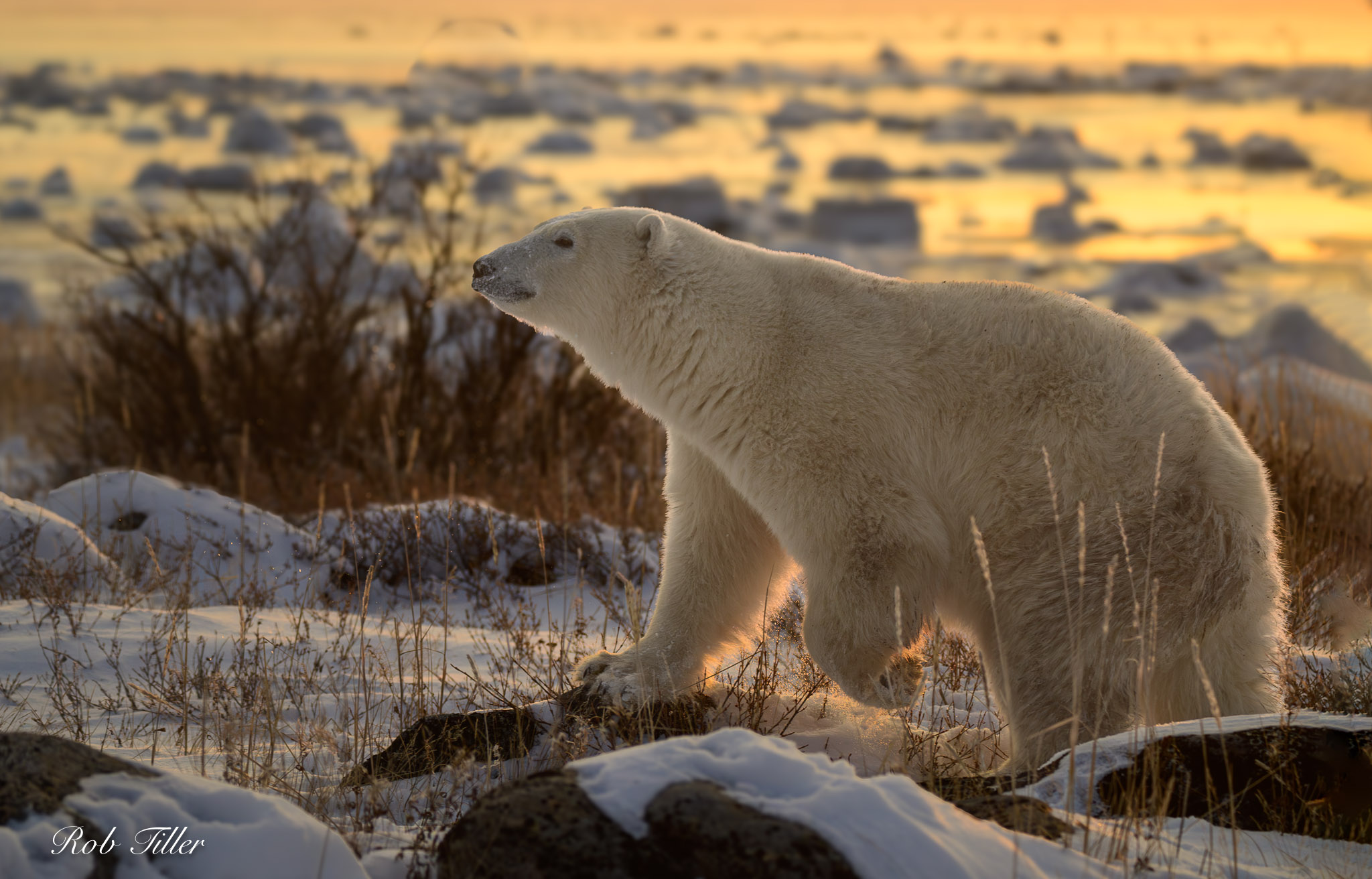
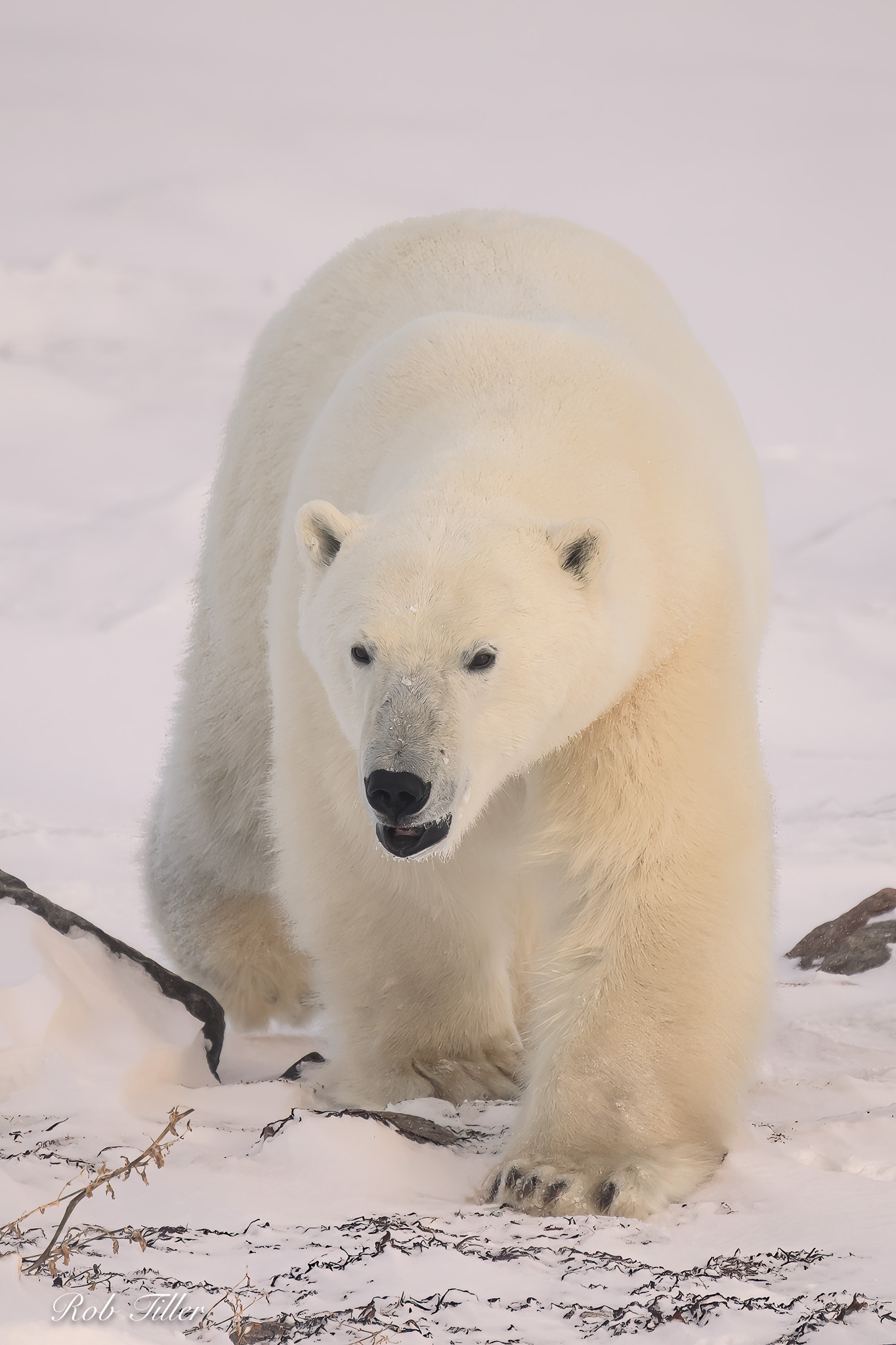
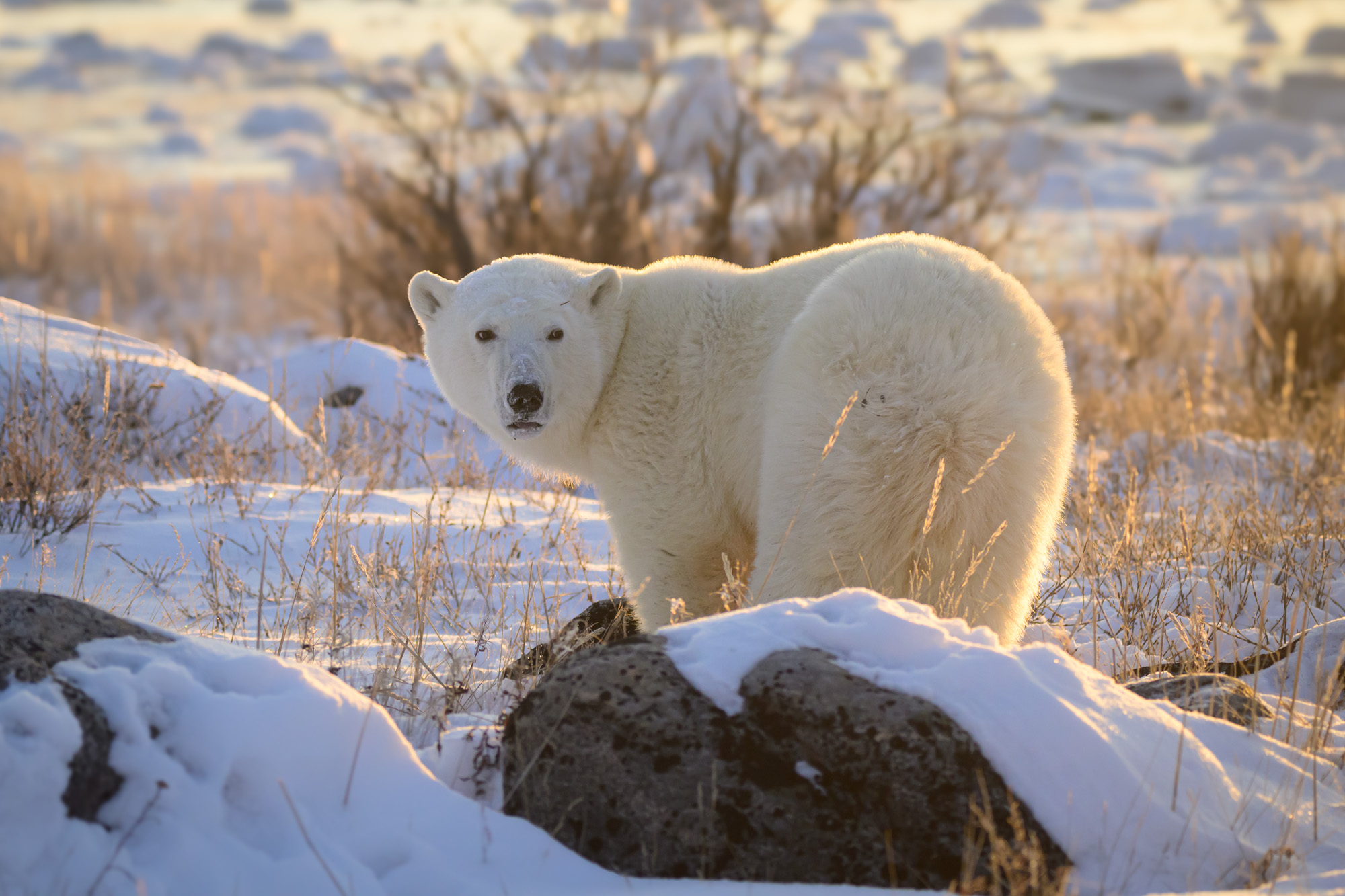
In the first half of November I went to northern Manitoba to see some Arctic creatures, including especially polar bears.  It was a huge thrill to spend some time with these amazing animals.  I’m still sorting through the thousands of photographs I took, but the ones here are some of my favorites so far.  

Polar bears are Earth’s largest land-based carnivores.  An average adult weighs around a thousand pounds and stands about eight feet tall.  There aren’t a lot of them left in the world – about 25,000.  About two-thirds of these are in Canada, and the southern Hudson Bay population that I visited is Canada’s largest.  

Polar bears’ primary food is seals, which they capture on the ice.  When I was there, the bears were waiting for the Hudson Bay to freeze, which was a bit behind schedule, with warmer temperatures than normal.  The bears hadn’t eaten a substantial meal for some months, but most of them looked healthy. 

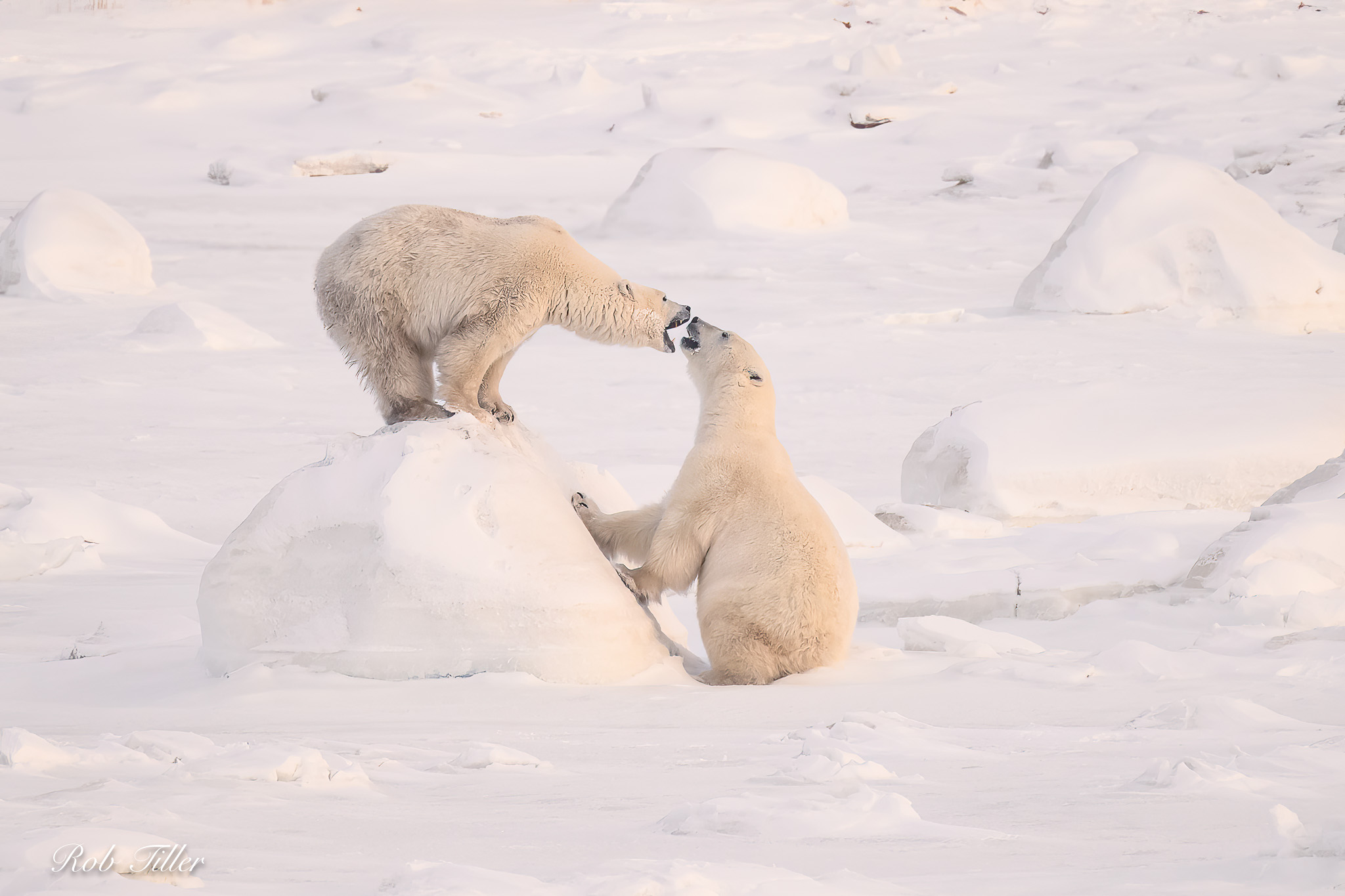
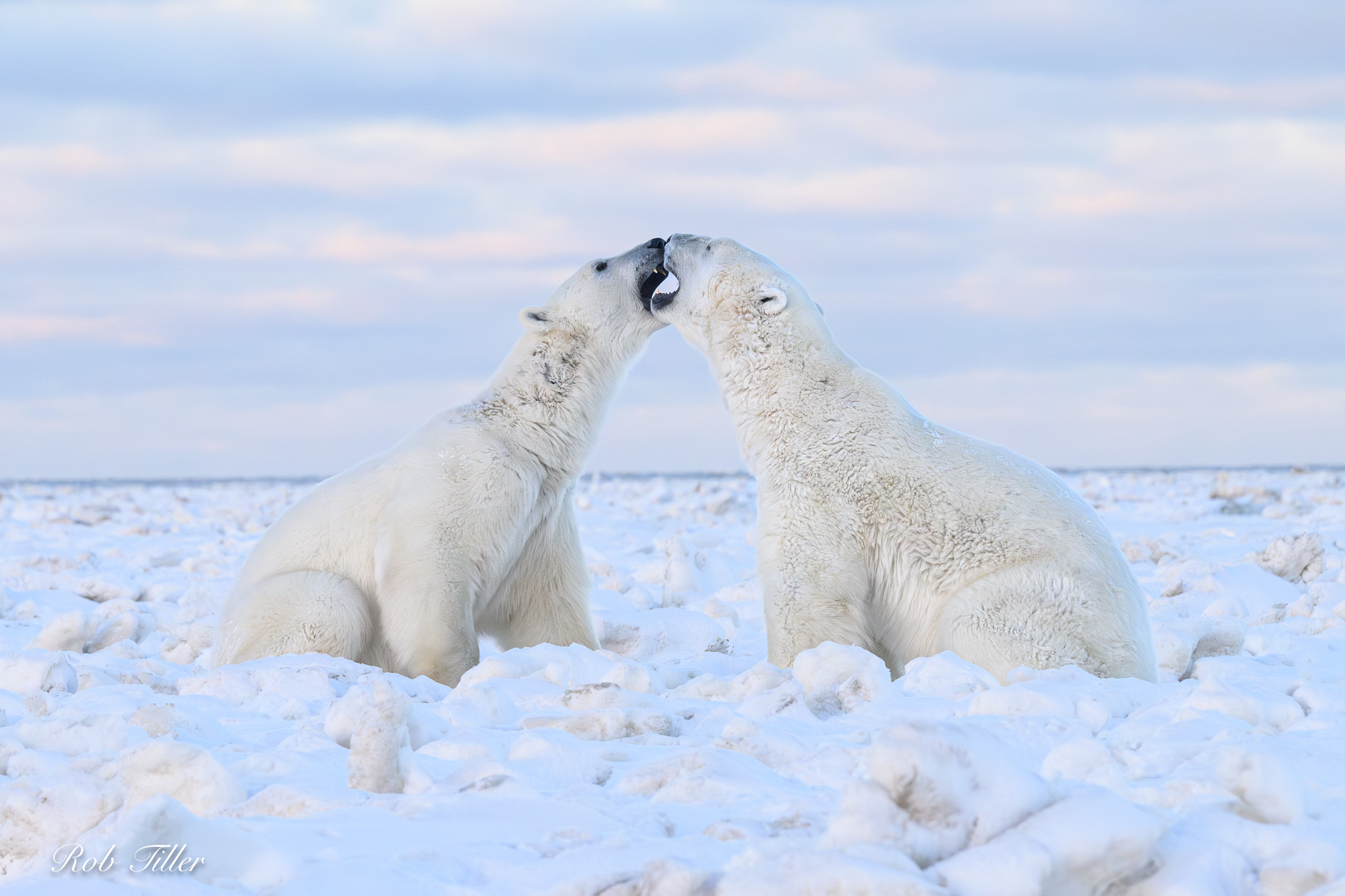
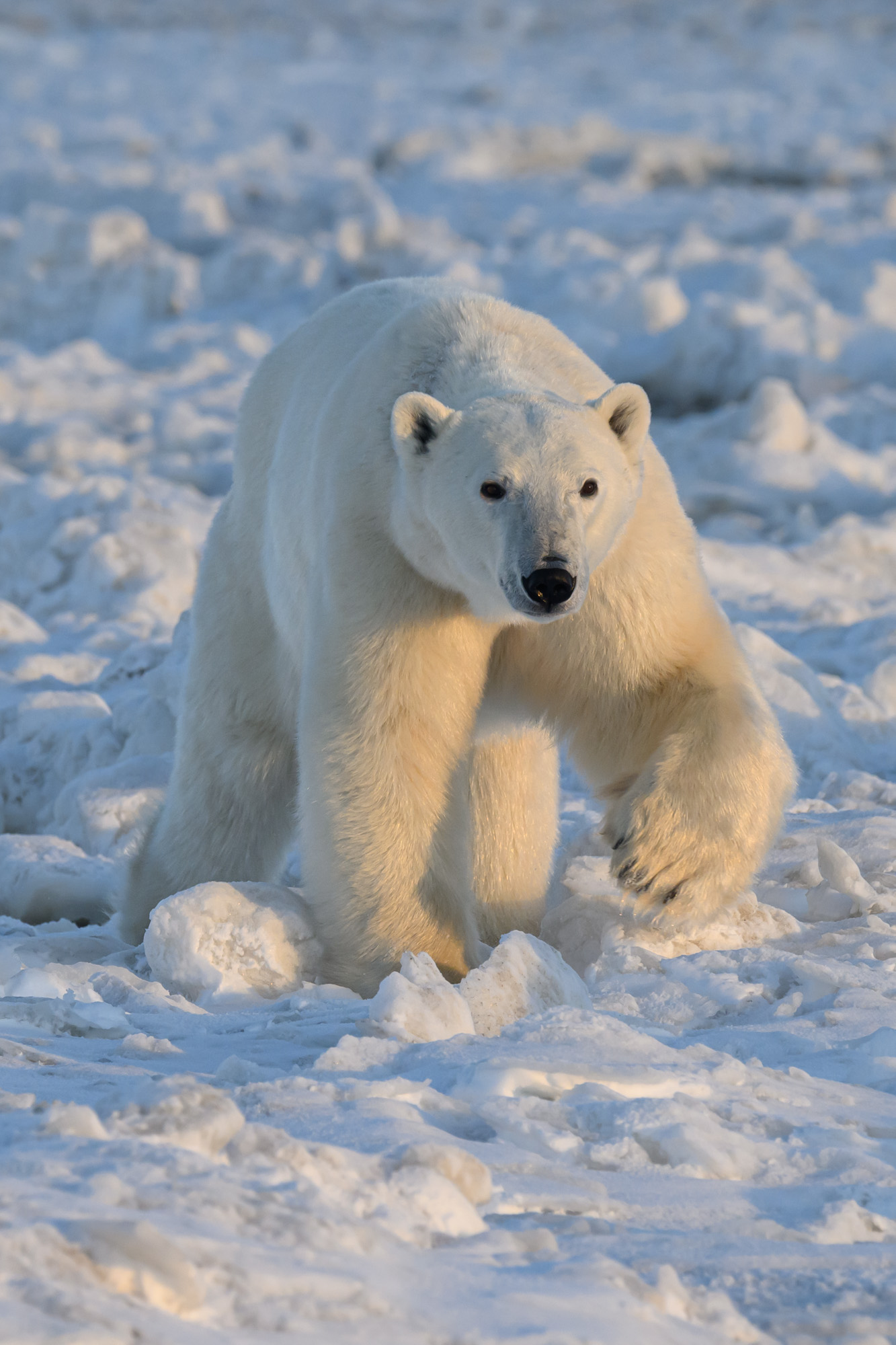
Although the bears are usually solitary, we saw a few pairs of them playing and sparring. They paused and seemed to think carefully when they encountered us.  Of course, they can be very dangerous, though the ones we saw usually seemed curious, rather than threatening.  

Of course, it’s hard to be sure; maybe they want us to think that.  There’s a lot about them that we don’t know, since they spend most of their lives in a harsh environment far from humans.  We do know they are very strong, and very stealthy.  They are well insulated against the arctic cold, and good swimmers.  Their sense of smell is orders of magnitude better than ours, and they use it to detect prey from great distances.  They are superbly adapted for their environment.

Global warming is particularly bad news for polar bears, whose seal-hunting livelihood depends on cold and ice.  I was glad to hear that the southern Hudson Bay population is holding steady for now, though elsewhere the bears are seriously threatened by warming and habitat loss.  These unique creatures are another good reason we need to get more serious about getting off fossil fuels and mitigating climate change.  

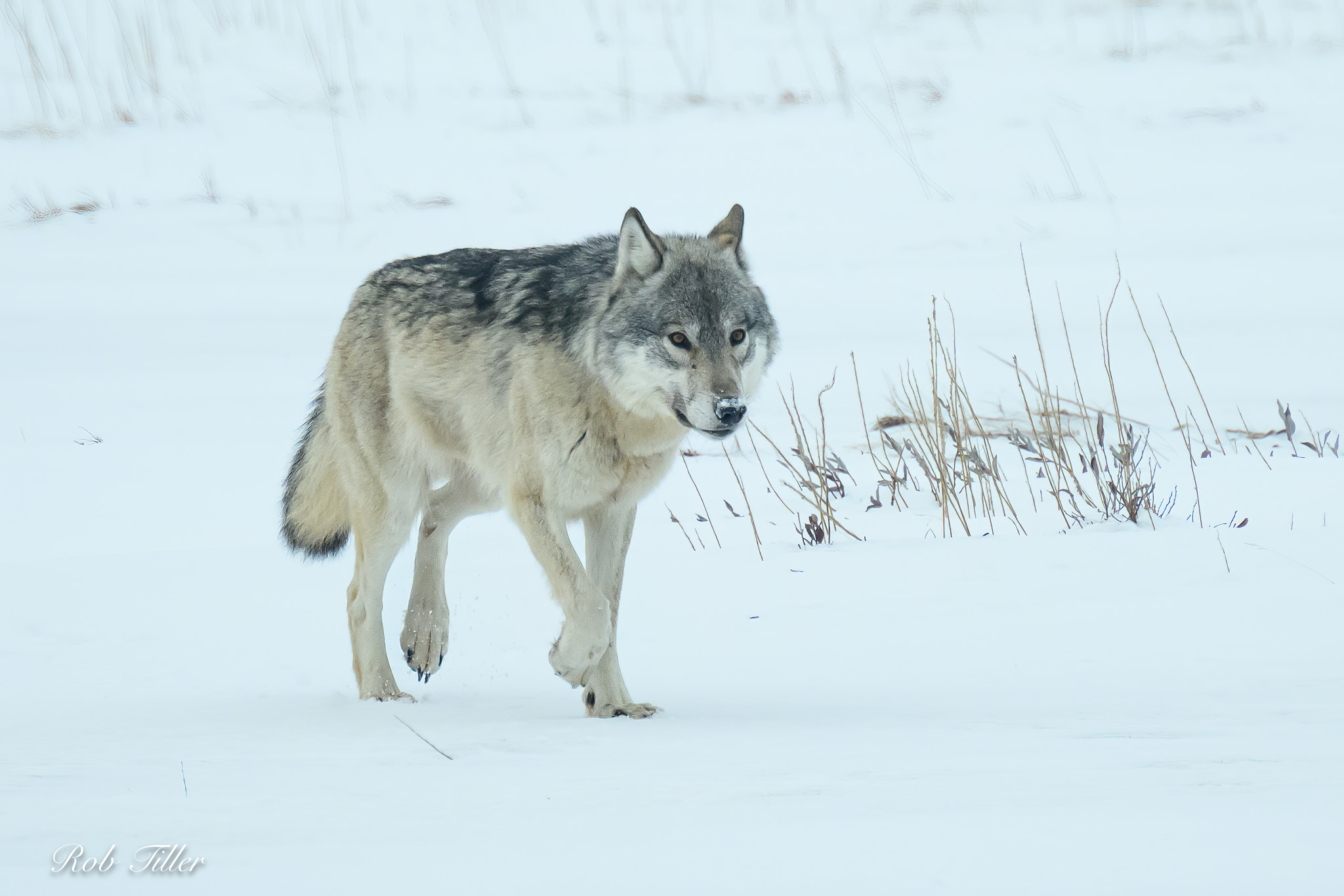
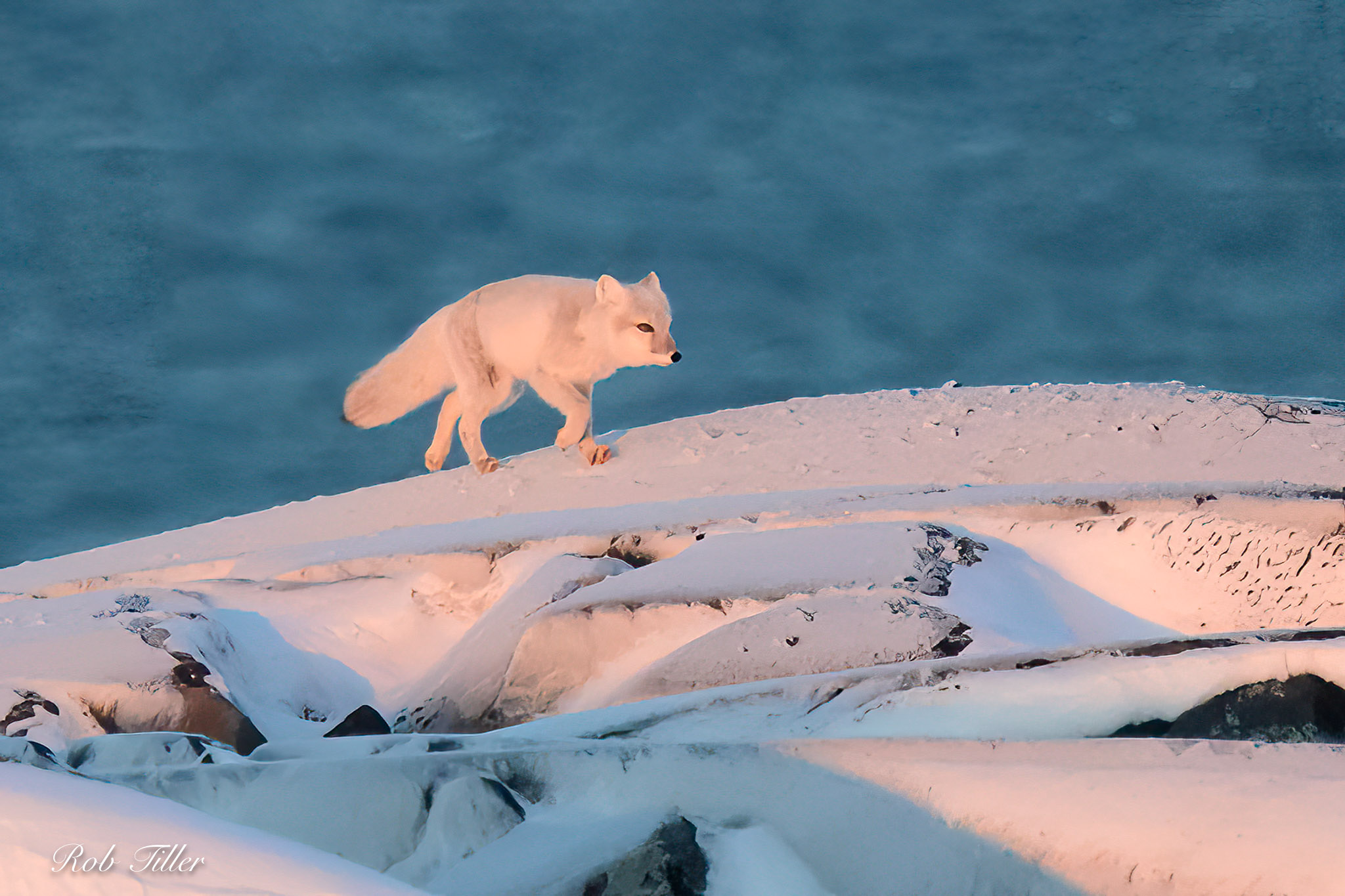
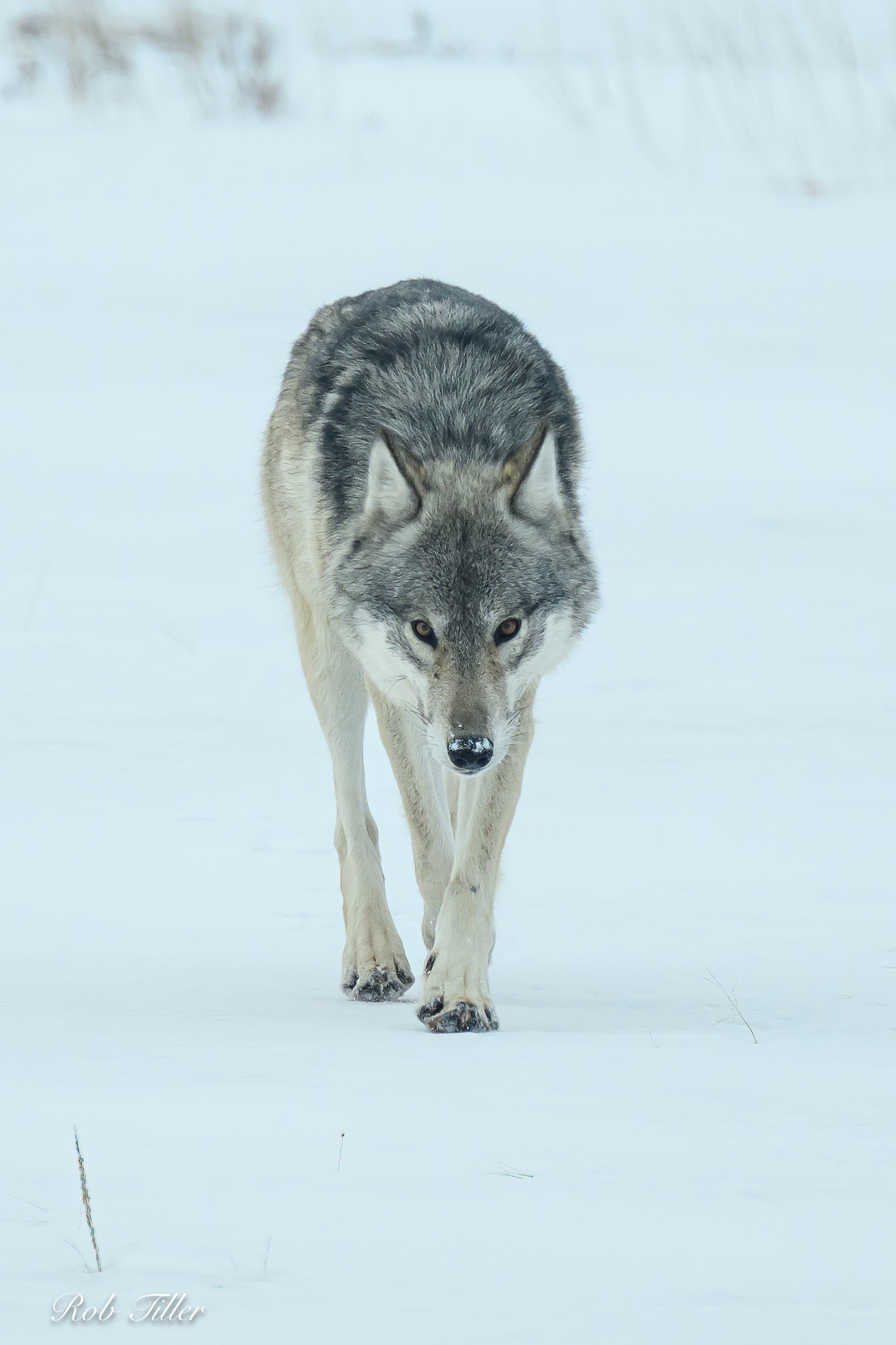
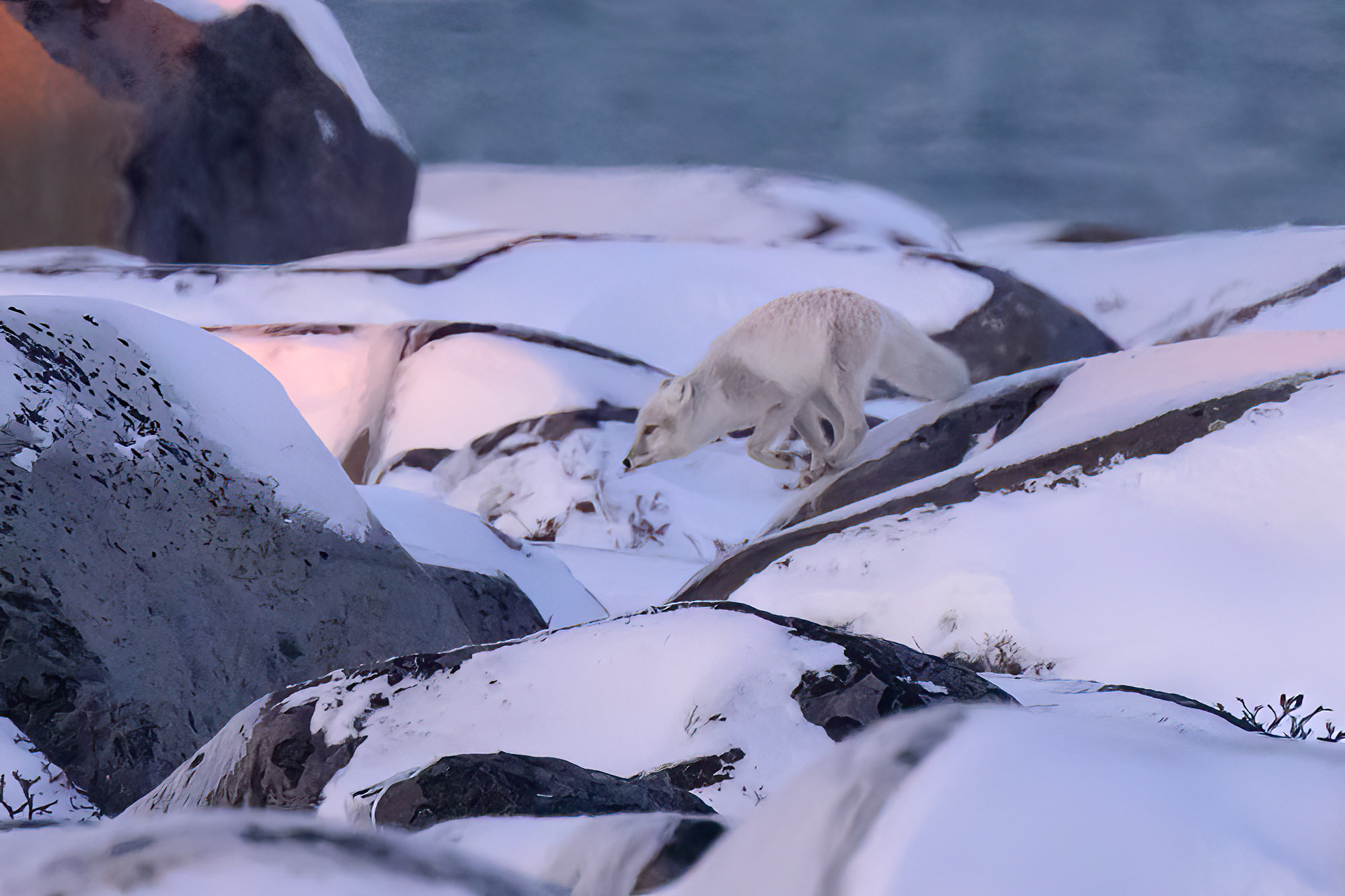
The southern Hudson Bay is also home to other iconic creatures, including wolves.  These usually keep well clear of humans, but we were privileged to have a couple of close encounters.  We also saw an Arctic fox in Churchill.

The trip was organized and led by Chas Glatzer, a master wildlife photographer and gifted teacher.  We stayed at two lodges on the Hudson Bay that we reached by small plane from Churchill – Seal River and Nanuk – run by Churchill Wild.  Both lodges were comfy and served delicious food, including options for the plant-based eaters like me.  

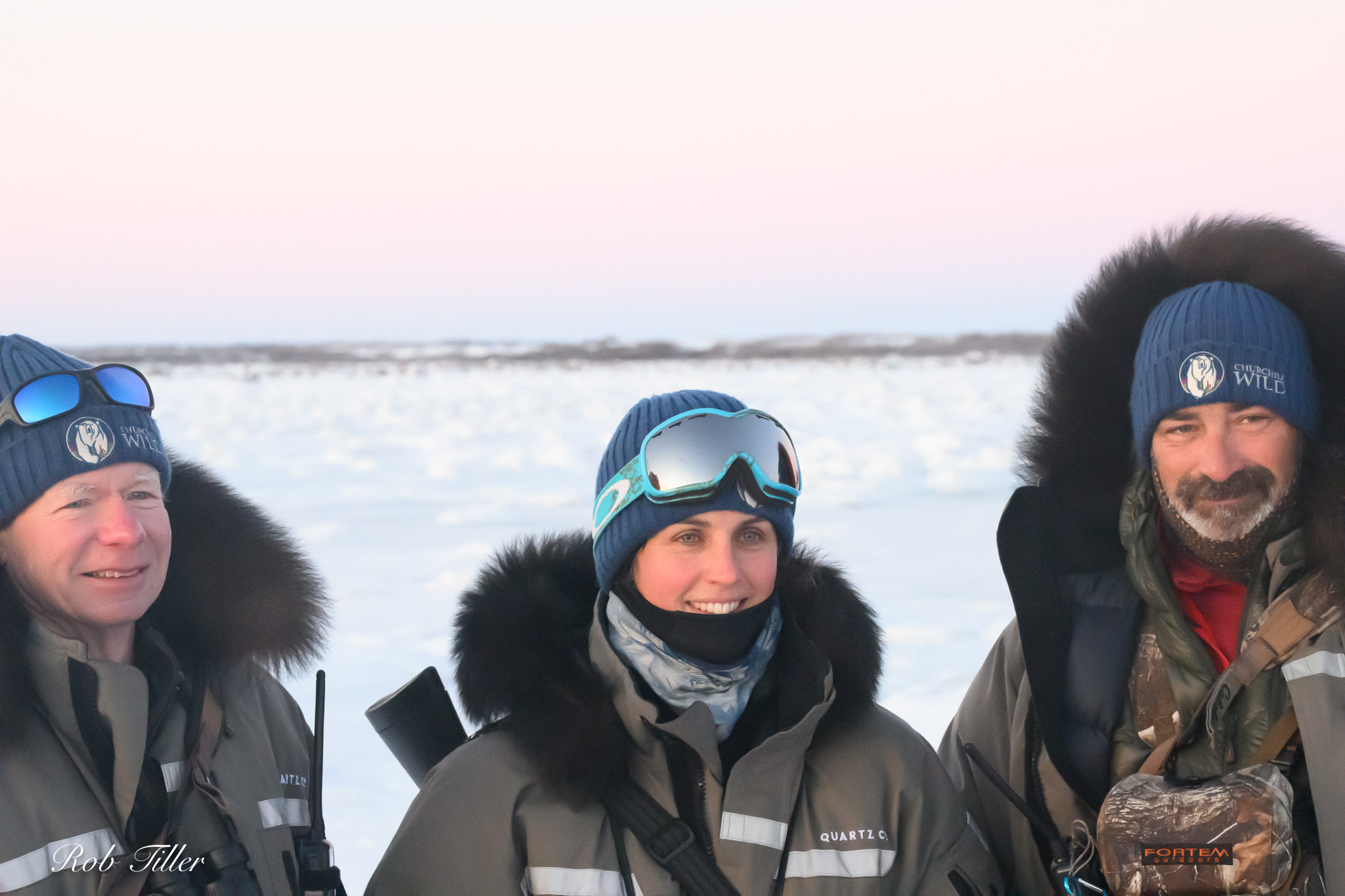
Our guides at Seal River were Jess, Boomer, and Marco, and at Nanuk we had Michael, Emri, and Adam.  All of them were experienced, and had amazing talents, like spotting a polar bear asleep on the ice half a mile away and talking with them.  

At Seal River the guides explained the safety procedures for walking in bear territory, which included staying close together so as to present ourselves as a bigger creature.  When bears approached us too closely, the guides would speak firmly to them, and usually quickly persuaded them to turn around.  

A couple of times they had to escalate by throwing a rock, which got the bears headed the other way.  If the rocks hadn’t worked, they had louder noises to make, including a starter pistol.  If all else failed, they had shotguns, though happily none of them had ever had to shoot a bear.

Throughout our stay, bears frequently came right up to the fence around the lodges.  The guides spoke firmly to discourage them from chewing on the fence wire.  They also spoke firmly to us about not standing right next to the fence when we had bear visitors.  

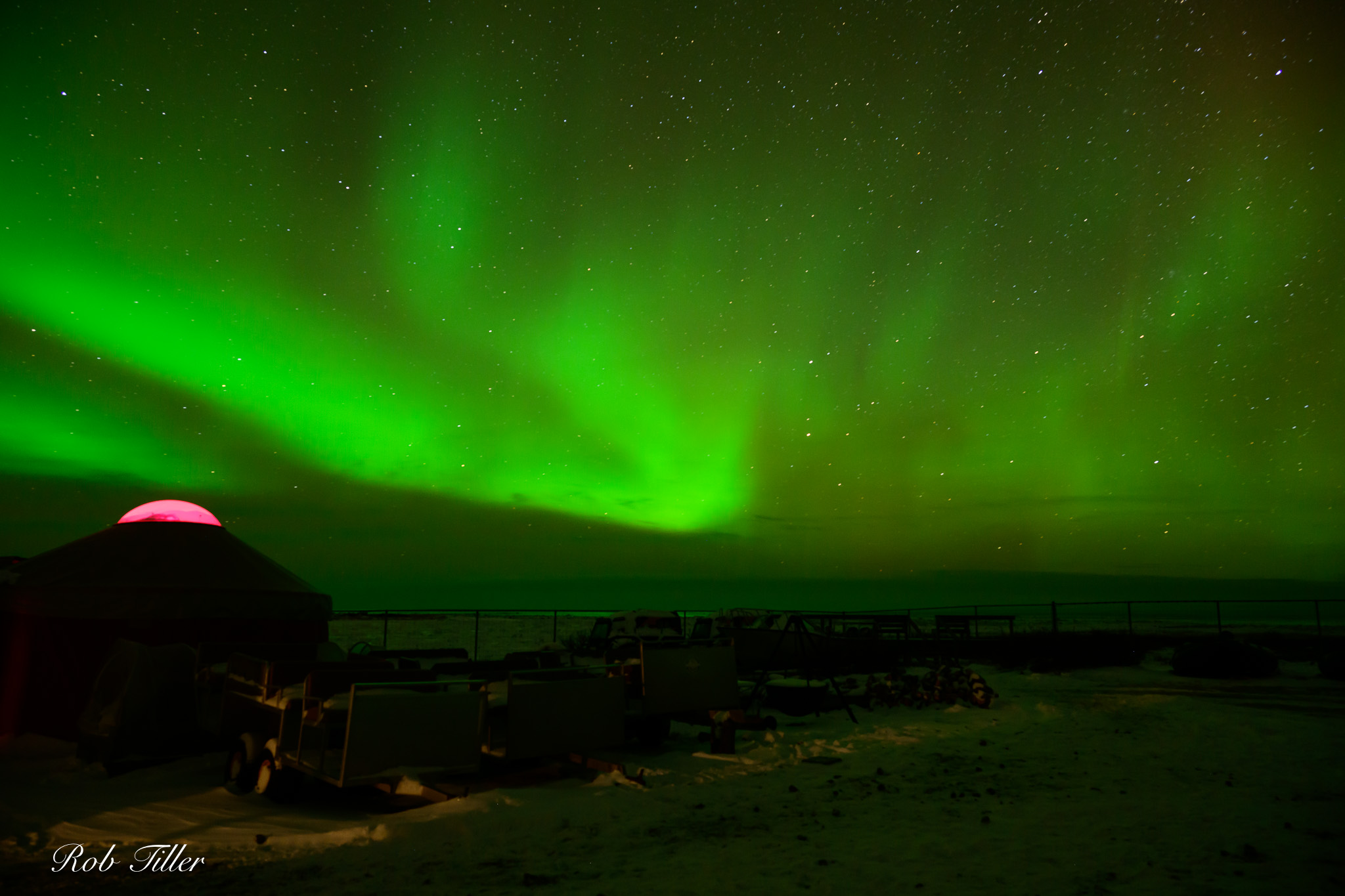
I’d looked forward to seeing the northern lights for the first time.  It was cloudy most nights, but we did have a couple of mostly clear nights, and I got to see what they were about.  They were not strong enough to excite the locals, but I was still happy.  

My main anxiety ahead of the trip was the possibility of frostbite, since I need good nerves in my fingers for piano playing.  Churchill Wild furnished me with a very warm parka, insulated pants, and boots, and my own Heat gloves-inside-mittons combo, with a chemical hand warmer, worked well.  On windy days, I wore a balaclava mask and ski goggles to protect my face.  

I also dreaded the commercial flights, though they mostly went smoothly.  (The low flying small-plane segments were fun.) The only serious glitch was on our flight out of Churchill, which, after loading us up, had an equipment problem, and had to unload us.  We had to stay an extra night in Churchill and get new plane tickets.  

I booked my new flight with Delta, which had only one possibility for me – Winnipeg to Atlanta, and Atlanta to Raleigh.  The connection in Atlanta was 46 minutes, which I expected would be impossible to make in that large airport.  We arrived 20 minutes behind schedule, in Terminal A, and my Raleigh flight was boarding in far off Terminal D.  

I rushed down Terminal D to the train, and up the length of A as fast as I could, but the gate for the Raleigh flight had closed when I got there.  I could see that the plane had not departed, but things did not look good. I knew the usual rule was, once the gate closes, it doesn’t open again.  

This time, though, the gate agent, observing it was the holiday season, opened this one up and sent me aboard.  A flight attendant, seeing my heavy camera backpack, suggested I put it in an open overhead bin in first class!   As I prepared to wedge in a center seat in row 32, another flight attendant said she had an open aisle seat I was welcome to!  Wow!  Thanks a lot to that kind and helpful Delta crew.