The Casual Blog

Tag: pigs

A week at the beach, dogs vs pigs, and the communist menace

Last week we rented a house at the Outer Banks and had a family gathering.  We walked on the beach, played in the pool, rode bikes, read books, watched the Olympics, and enjoyed each other’s company.  I also took some pictures of wild horses at Carova and shore birds at Corolla, a few of which are here.

In photographing the wild horses, I generally try to catch them in natural-looking settings, and avoid showing roads and structures.  But that’s misleading, in a way.  A lot of the time the horses are grazing in front yards and walking along the sandy roads.  They’re really part of everyday human life in that part of the Outer Banks.  It was good to see most of them looking healthy, and some had new foals. 

Some mornings I walked on the Corolla beach looking for sanderlings and other shore birds.  In places there were good-sized flocks of the little sandpipers running away from the waves, then speeding back and probing for edibles with their sharp beaks.  Some of them were not at all shy of me.  But they’d fly off when a jogger got too close, or a dog came bounding toward them.  

Speaking of dogs, Nicholas Kristof had a thought-provoking column recently about dogs and pigs.  He noted how much we love our dogs, which is great, but also odd, considering how cruel we are to farm animals.  The similarities between these mammals seems pretty obvious – indeed, pigs are smarter than dogs – but somehow we’ve worked them into disconnected ethical categories.  We would never eat our dogs, but many of us are quite comfortable eating pigs.  

Kristof put it bluntly:

Just as today we wonder how people like Thomas Jefferson could have been so morally obtuse as to own and abuse slaves, our own descendants will look back at us and puzzle over how 21st-century humans could have tolerated factory farming and the systematic abuse of intelligent mammals, including hogs.


“Farmed animals are just as capable of experiencing joy, social bonds, pain, fear and suffering as the animals we share our homes with,” Leah Garcés, the president of Mercy for Animals, told me.

This is a lot more that could be said about this issue, but I’ll leave it there for now.  Except for noting, I used to think people mostly agreed on the key differences between right and wrong.  But Kristof reminds us that, at least in some important areas, such as animal rights, people differ amazingly in their basic morality.  Another example of surprising differences on basic morality concerns human rights and the rule of law. 

I used to take it for granted that almost everyone in the U.S. had high regard for our traditional constitutional rights (like privacy and freedom of speech and religion), fair elections, and equality under the law.  The various authoritarian alternatives that empower a charismatic strongman leader and silence dissent, such as fascism and Soviet-style communism, were, I assumed, generally viewed as bad.

But with the ascendance of Trump, this assumption is now highly questionable.  Trump has boldly declared his support for measures that are characteristic of authoritarian systems.  These include his intention to pervert the legal system to reward friends and punish enemies, to use the military to quash political protests, vilifying minorities, dehumanizing immigrants, otherizing gender non-typicals, and attacking women’s bodily autonomy.  

His support in the presidential election is currently around 50 percent.  I’m hopeful that some of that 50 percent have not got round to examining what he actually stands for and will reconsider their support.  But a significant portion plainly have no problem with his racism, his xenophobia, his transphobia, his rejection of fair elections, and his calls for violence.  They may be fine people in certain regards, but they have very surprising views on right and wrong.  

I just finished listening to a recent podcast series called Ultra (season 2) that puts our situation in a helpful perspective.  Produced and narrated by Rachel Maddow, it concerns the aftermath of WWII, and focuses on the rise of Joe McCarthy and his movement.  

Most of us were taught that McCarthyism was centered around an exaggerated fear of communism and false claims that communists were taking over the country.  We might know that in the mid 1950s McCarthy as a U.S. Senator rose to power by leading an effort to persecute ordinary people for sympathizing with communism, and in fact destroyed careers and lives.  But McCarthyism seemed relatively short lived.   We, or at least I, didn’t know, before listening to Ultra, that it was a mass movement that was driven in part by Nazi sympathizers and ideology, and its spirit is still with us.

McCarthy was a corrupt politician, a compulsive liar, and a remorseless bully, and his dishonesty and brutality were plain to see at the time.  But there were apparently millions who didn’t mind any of that.  They considered him a great leader and supported his looniest ideas.  Shortly before he died, a project began to move him into the presidency through subverting the election of 1956.  

Ultra doesn’t bother pointing up the parallels between McCarthy and Trump, presumably because they’re so obvious (the lies, the corruption, the sedition).  It is particularly striking that Trump and his team have been trying to label the Harris team as communists.  Alarmist and baseless name-calling is standard operating procedure in Trumpworld, and sometimes, as in McCarthy’s time, it works.  

But somehow I doubt it will work this time.  For anyone not already deeply infected with the Trump virus, any acquaintance with  Harris and Walz will put the lie to Trump’s attempt to label them as communists or otherwise wildly radical.  It remains to be seen whether the great start of their campaign will hold up.  It’s by no means clear that they will win.  But things look more hopeful than they have for a long time. 

Polar creatures and some of their problems

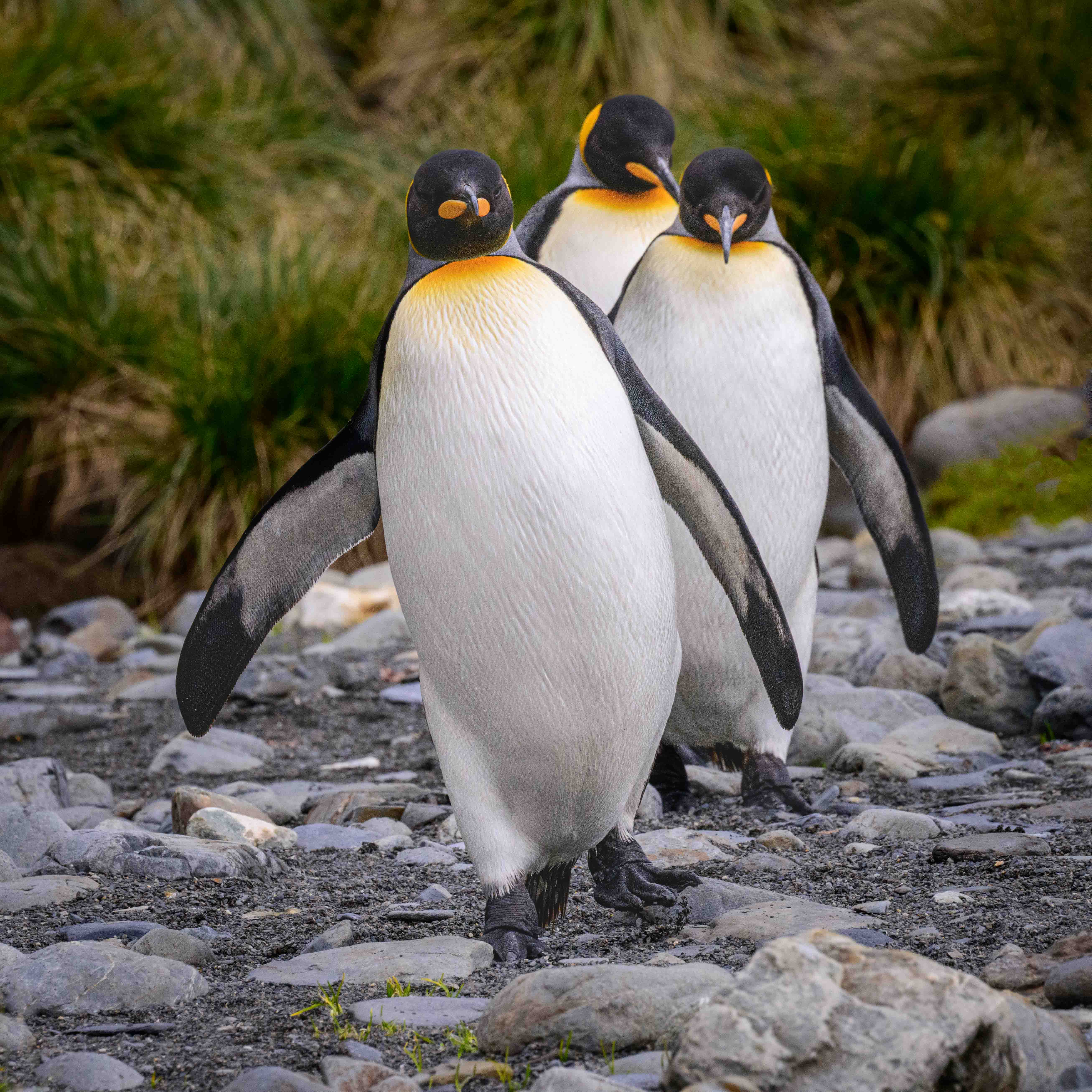
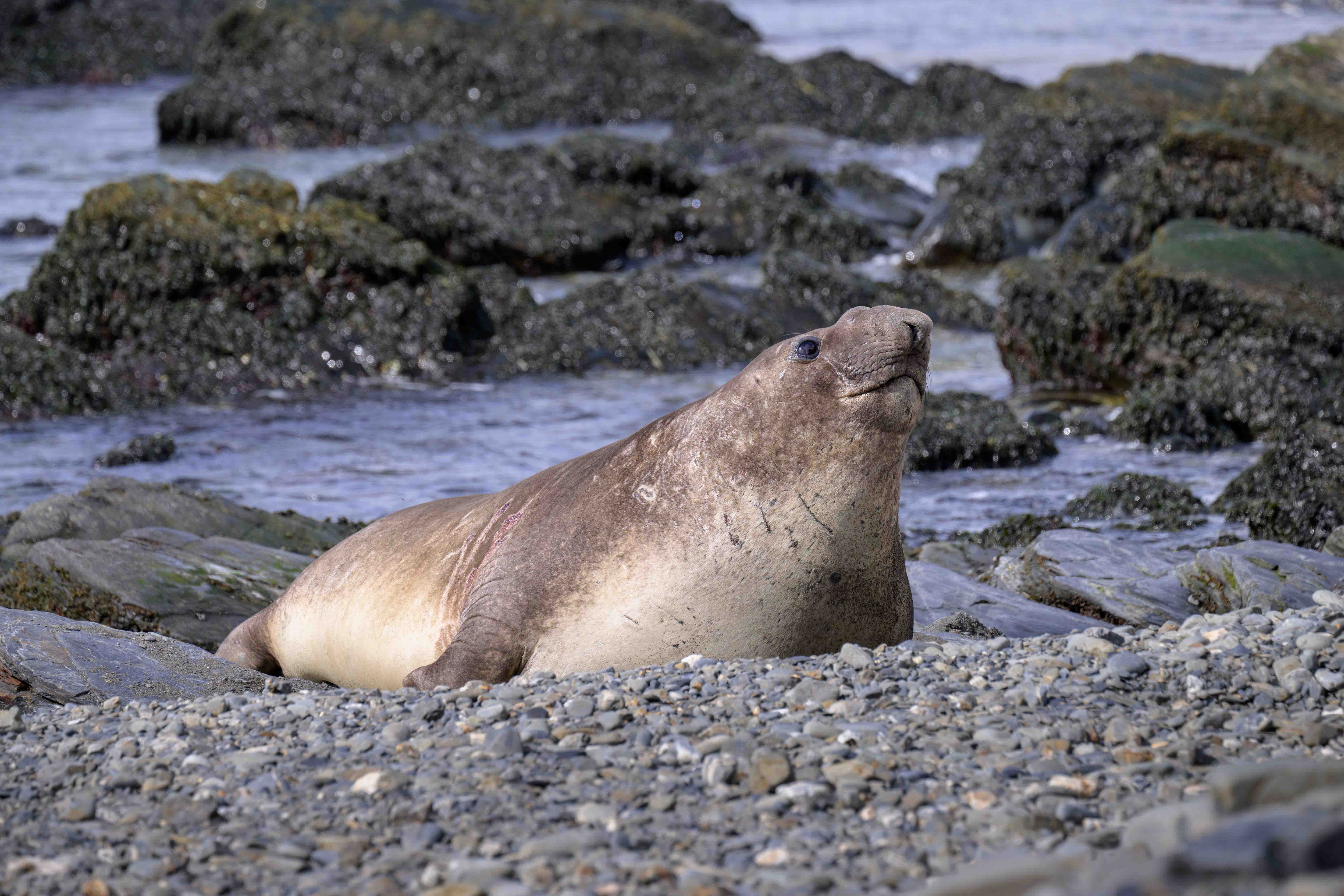
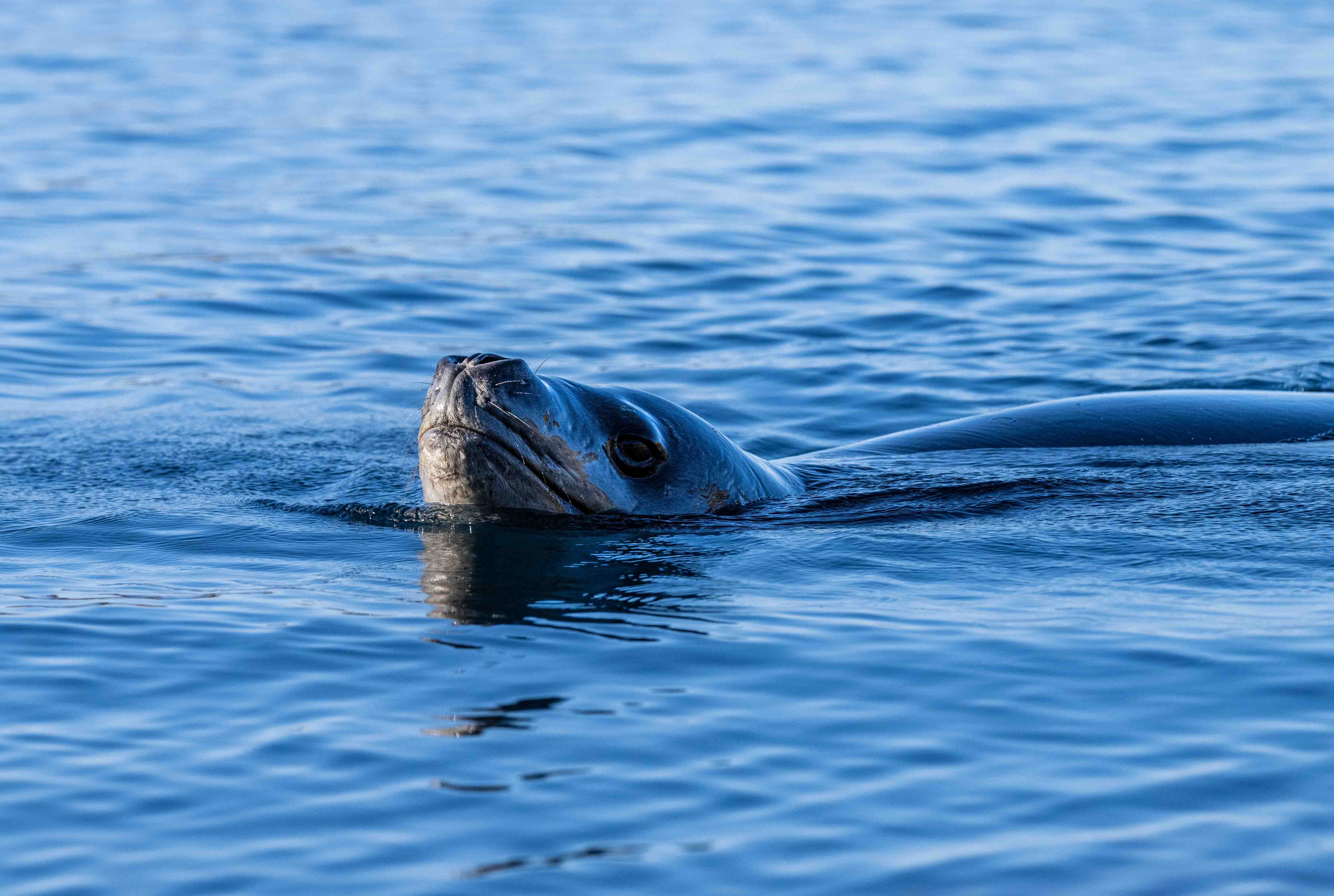
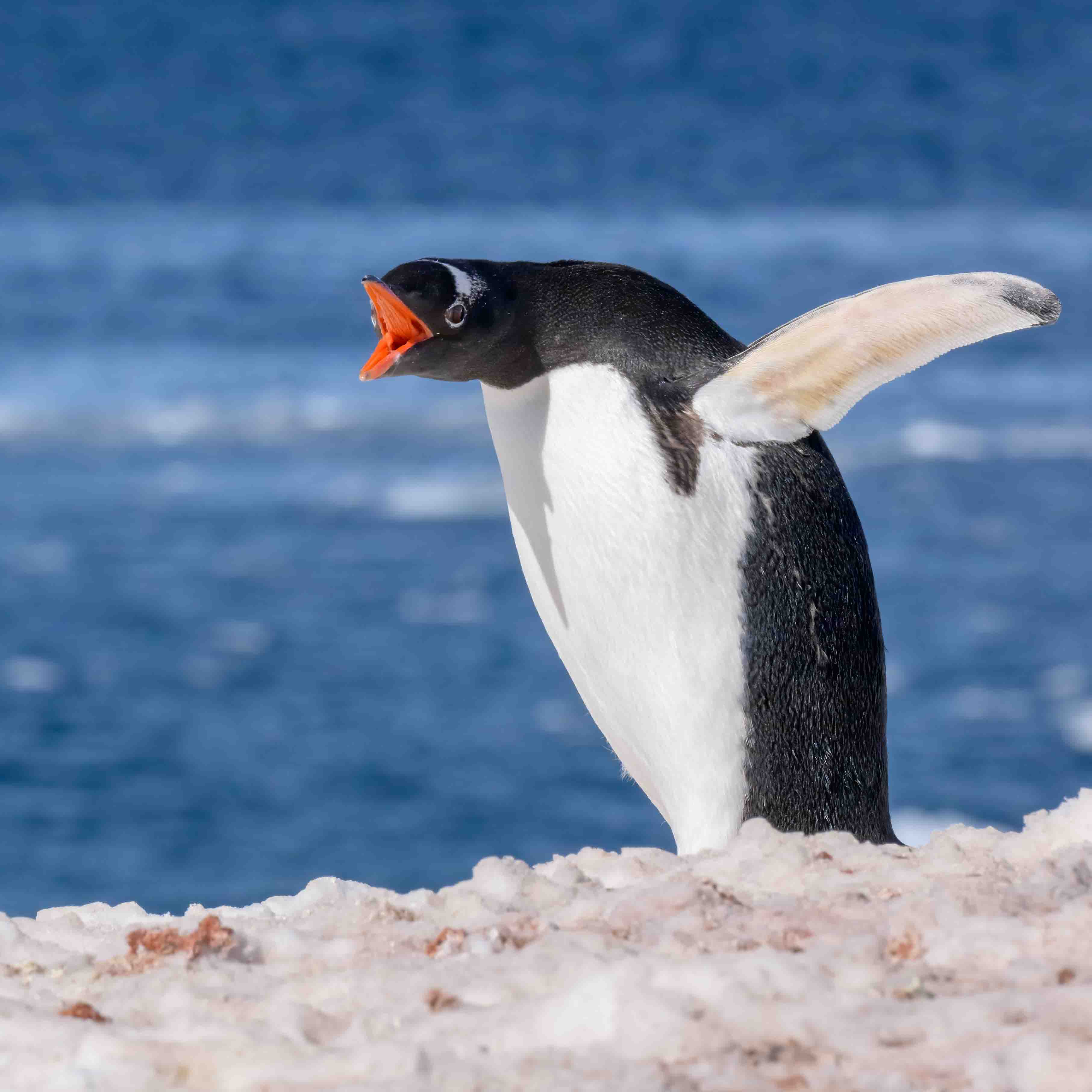
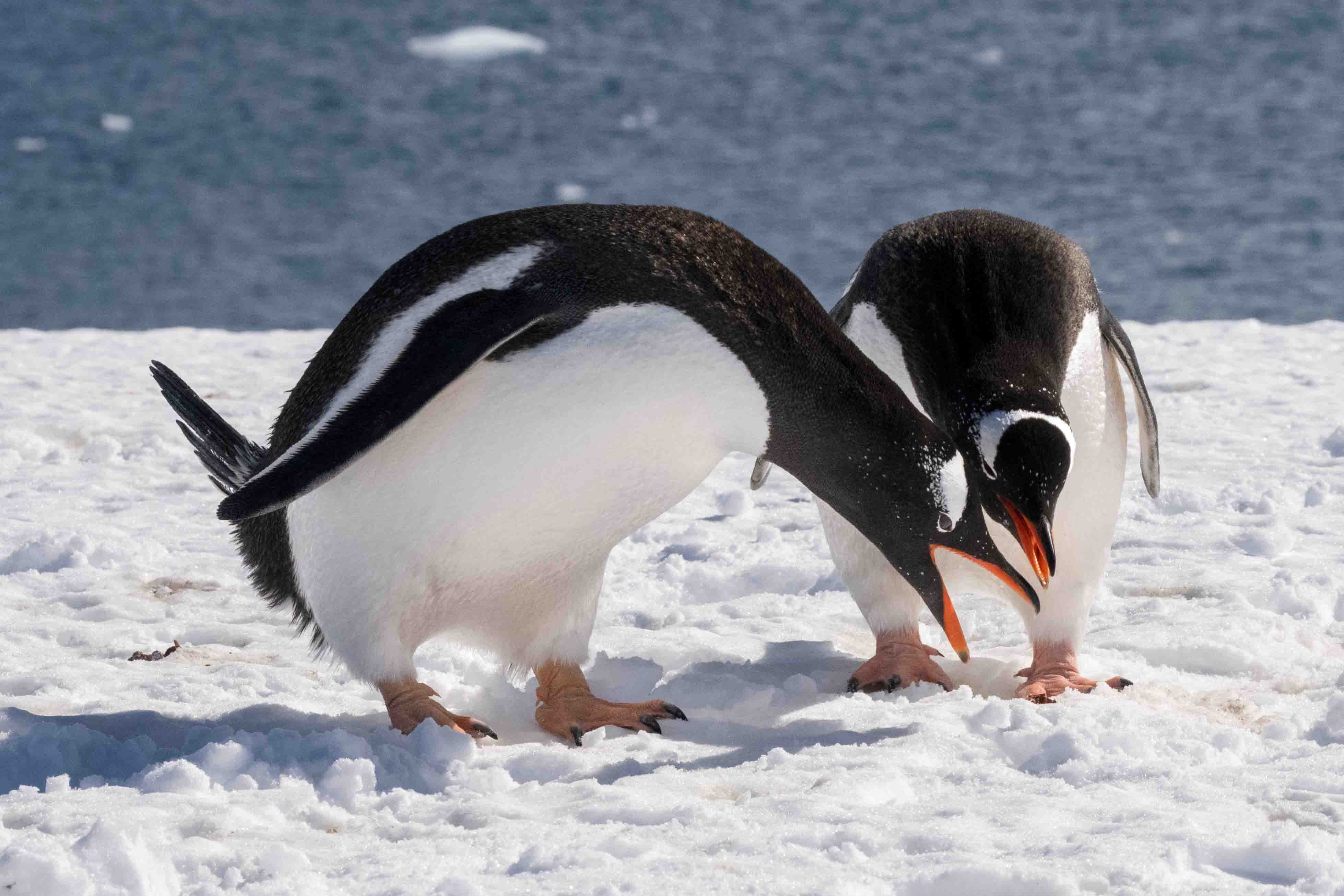
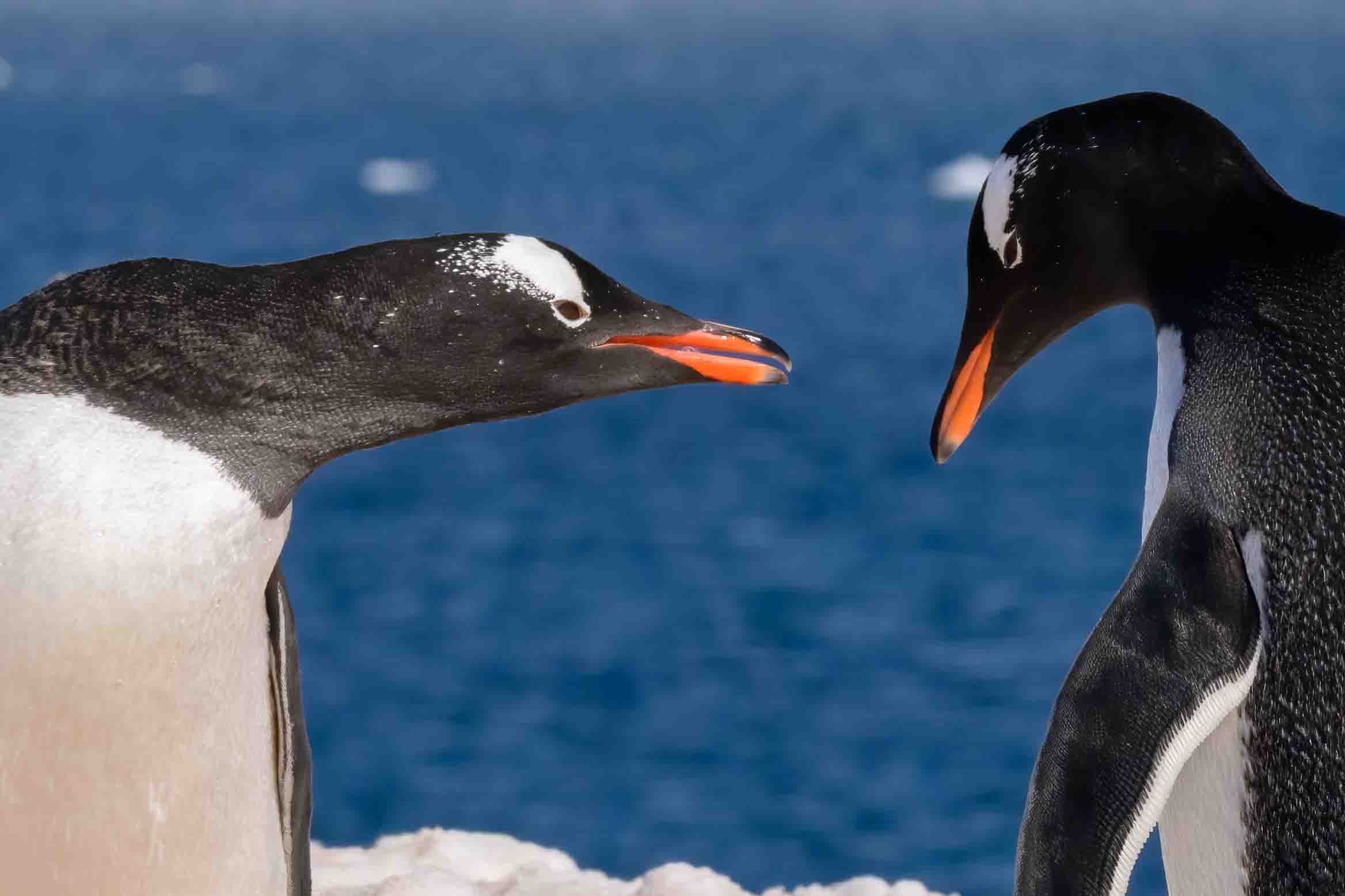
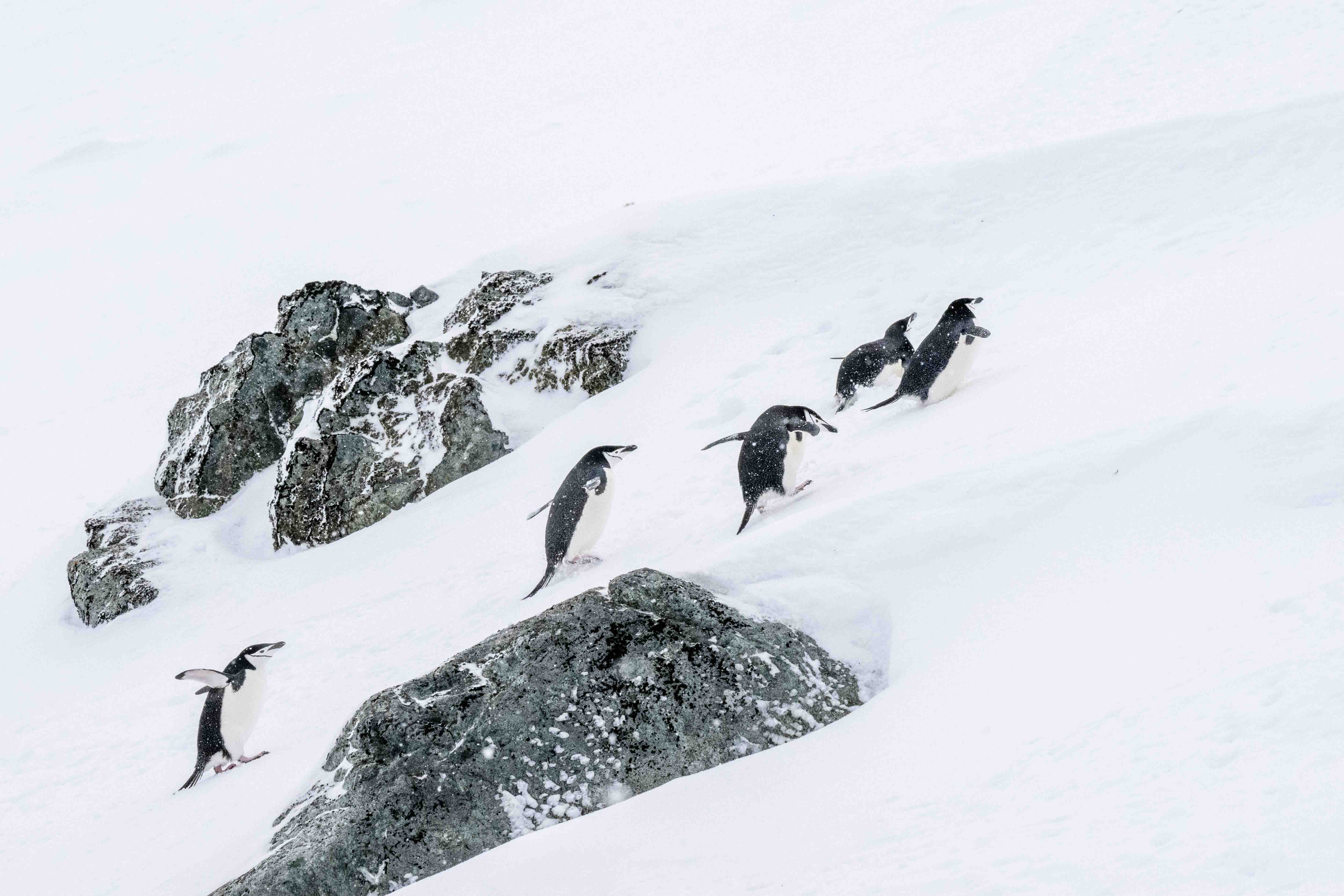
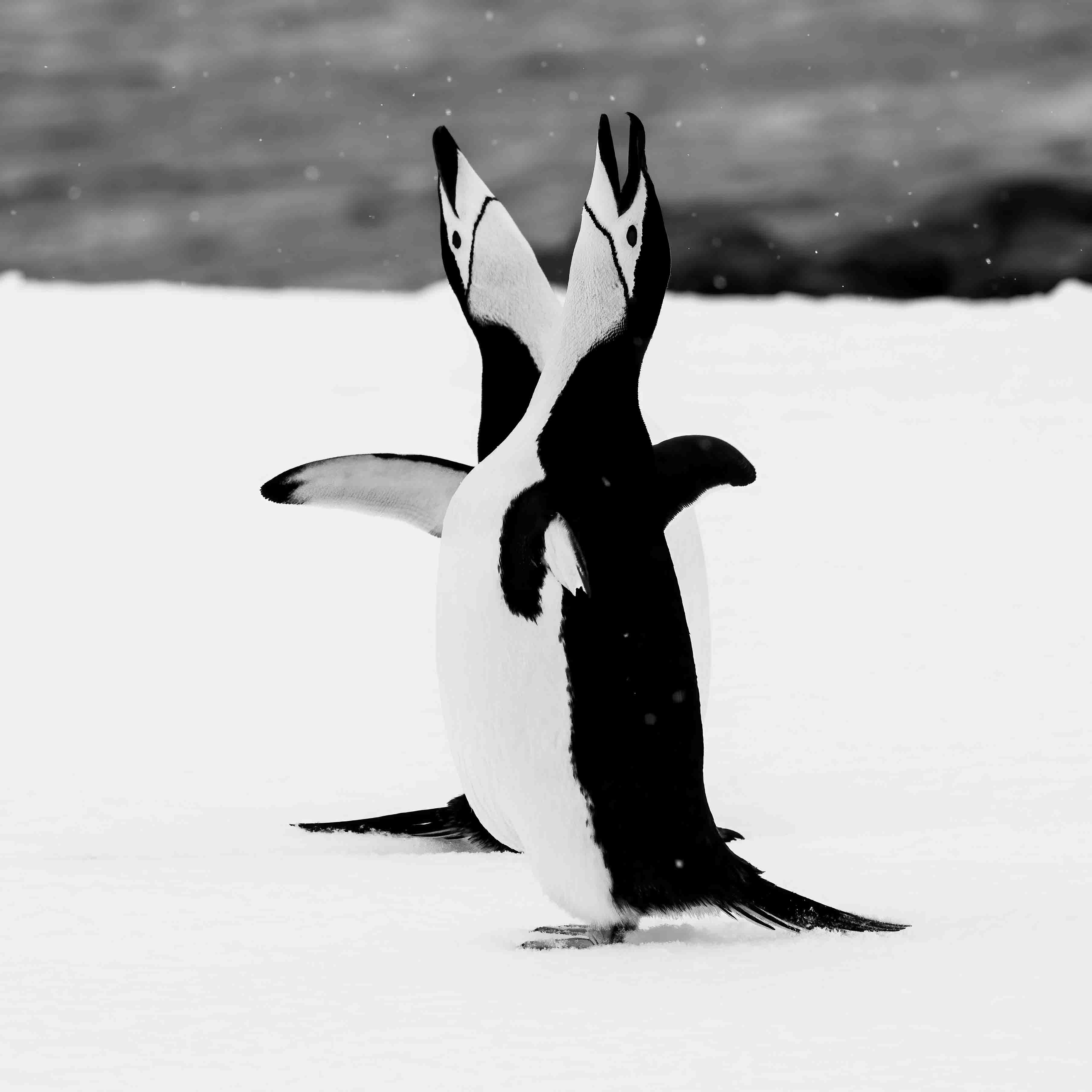
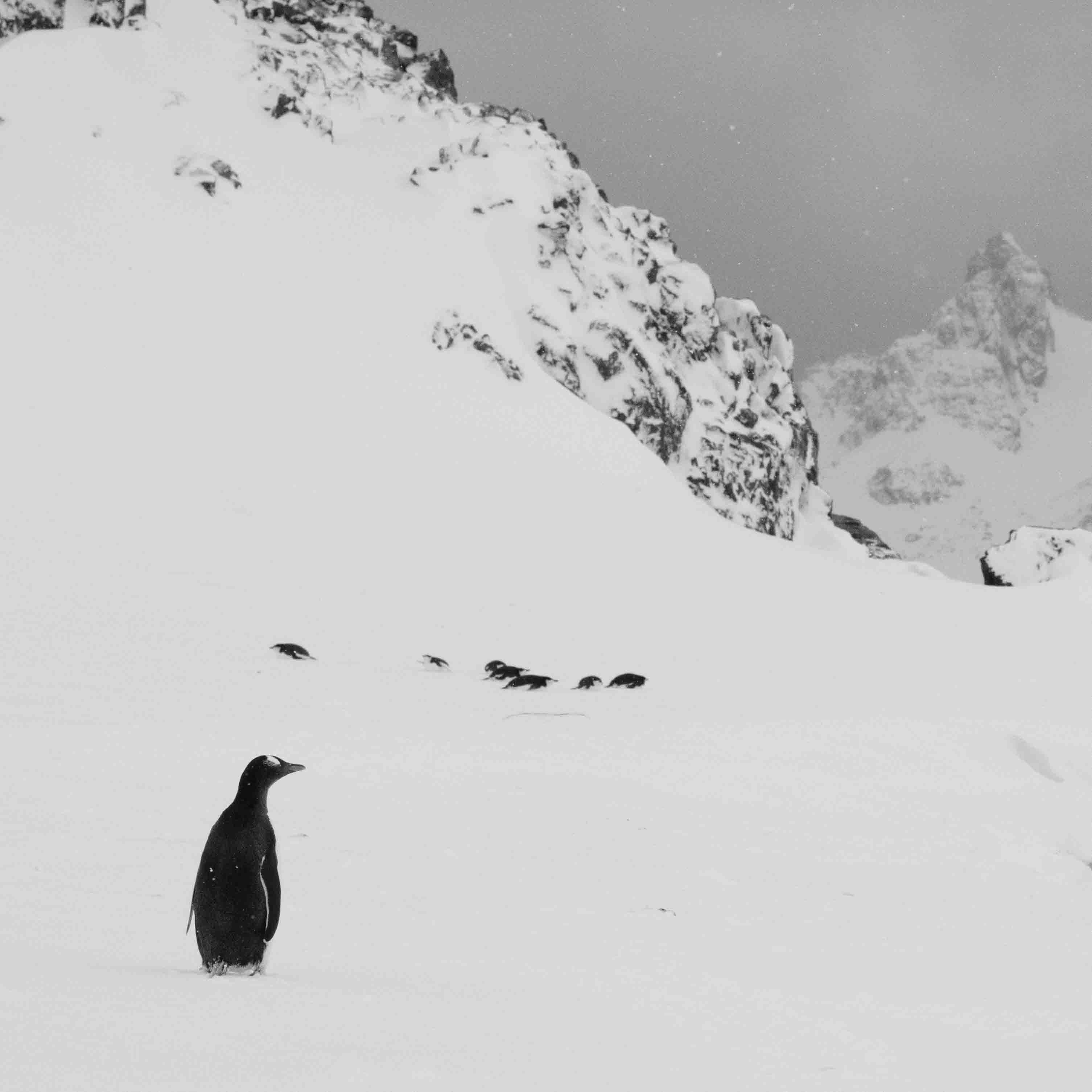
When I got home from Antarctica, I felt like I’d aged about 30 years.  I was very tired and weak for more than a week.  But I’m happy to say, I’m feeling back to normal, and maybe even better.  In fact, I’m starting to think about another trip there to see these beautiful creatures and their unique habitat. Anyhow, I wanted to share a few more pictures I made of penguins, an elephant seal, fur seals, and a leopard seal. I was trying to capture aspects of their personalities, customs, and environments.

As you may know, but many people don’t, Antarctica is in  big trouble from climate change.  Higher temperatures there are changing the habitats of the animals that live on and around the continent, and the collapse of giant ice shelves and melting glaciers are lifting sea levels.  The situation is dire, and has global implications.

But I’ve really been trying to stay positive, and given so many sources of fear and anxiety, would like to avoid making your and my fear and anxiety still worse.  Getting depressed is not going to help.  But it’s tough to keep learning more about what is happening to our planet and not be tempted to throw in the towel.

And so I almost skipped a couple of podcasts on climate change last week that I’m glad I didn’t.  I recommend both as antidotes for hopelessness put out by respected and trustworthy journalists.

David Wallace-Wells wrote what may well be the most detailed and gory account of what’s in store if we don’t change course in burning fossil fuels, The Uninhabitable Earth, in 2017,  But in an interview on Fresh Air last week, he explained that technology and market forces have made the worst-case scenarios he described back then much less likely.  We still stand a chance of putting in place the green energy infrastructures that would greatly mitigate disaster.  He made these same points in a recent NY Times magazine piece

Likewise, Bill McKibben has been a path-breaking writer on climate change, authoring among other things The End of Nature.  (Long ago, I worked with McKibben when he was a young reporter and I was a fact checker at the New Yorker.)   In an interview with Ezra Klein, McKibben said the long history of humans surviving by burning things will, one way or another, come to a conclusion, and it may be not be as terrible as we were recently expecting.  

McKibben explained that the lower cost of solar panels and storage technologies is changing the energy equation, as the persistence of climate activists has finally gotten through to more people.  The cost of renewables has fallen hugely, and is now lower than fossil fuels.  Now it doesn’t make economic sense not to switch to green technology.  L

Unfortunately, the fossil fuel companies aren’t admitting this and they’re not giving up, so there’s still a lot of work to be done.  McKibben continues to encourage activism, including in a new initiative called Third Act especially for those over 60.  He thinks we should continue to press for fossil fuel divestment by their biggest bankers, which unfortunately, are all banks I do or have done business with:  Bank of America, Citi, JP Morgan Chase, and Wells Fargo.  He also articulated these points in a New Yorker piece

Before my Antarctic journey, I started rereading Bleak House, the epic novel by Charles Dickens.  The hard back edition I had was a brick, at more than a thousand pages.  To save weight while traveling, I tried switching to a free e-book version.  This edition was full of bizarre errors, which I assume arose from relying on non-human editorial bots.  

Anyhow, I resumed making my way through my paper copy when I got home.  This year I’ve discovered, or rediscovered, that rereading can be extremely rewarding.   In many cases, I took on heavy duty literature when I was young that I was ill-equipped to understand.  The ordinary experiences of growing up — learning things, making a living, having friends and family, and everything else were transformative for me (as they are for everyone).  I’m now 67 (almost the age when my father died), and a different person in many ways  than I was at 15, or 25, or 35.  Or 55, for that matter.

Certainly I’m much better equipped for the adventure of reading a masterpiece like Bleak House.  On this, my fourth reading, I got much more from it, even as I better understood some of its shortcomings.  I easily grasped Dickens’s great love for humanity, his humor, and his anger at injustice.

Now, after having had a career in the American legal system and experience with the British, French, Indian, Argentinian, and other legal systems, I can better appreciate Dickens’s bitter critique of the English courts of equity of his time.  I now know a lot more about the history of colonialism and imperialism, and have a better frame of reference for the military and commercial struggles that happen offstage in his story.

Dickens was knowledgeable and critical of the ravages of early capitalism and industrialization, including extreme inequalities of wealth.  He had a wonderful flair for sniffing out and satirizing hypocrisy and moral posing, including poorly thought out philanthropy.  

Yet he was  oblivious to problems with various other hierarchies, like race, gender, and species.  The book has some of his most gorgeous writing, and also passages that feel like they were recycled on a tight deadline.  Some of his characters are memorable and touching (I still adore Esther Summerson) or comic (Old Turveydrop), though others, like John Jarndyce, are more generous than any known human.  

Apropos of climate change, Bleak House is also about what industrialization means for the environment, such as horrific and deadly pollution.  His description of London fog and iron factory emissions are fascinating and disturbing.  He also can be brutally honest in describing the struggles of enslaved animals, such as horses who fall while trying to pull a coach through the snow and mud.  

Apropos of non-human animals and efforts to better understand their lives, I wanted to pass along a link to a thought-provoking story about pigs, which humans generally greatly underestimate and devalue as a species. Research reported by Leo Sands in the Washington Post indicated that pigs’ social lives have surprising dimensions. For example, when two pigs have a serious fight, a third pig will sometimes help resolve the dispute by nuzzling or similar touching. That is, some pigs are concerned about the unhappiness of other pigs, and know how to calm anger and increase happiness. Of course, humans also sometimes try to defuse tensions and resolve disputes, though we could do a lot better. Perhaps the pigs’ nuzzling approach would help.