Birding at the Nuthouse, and some benefits of reading

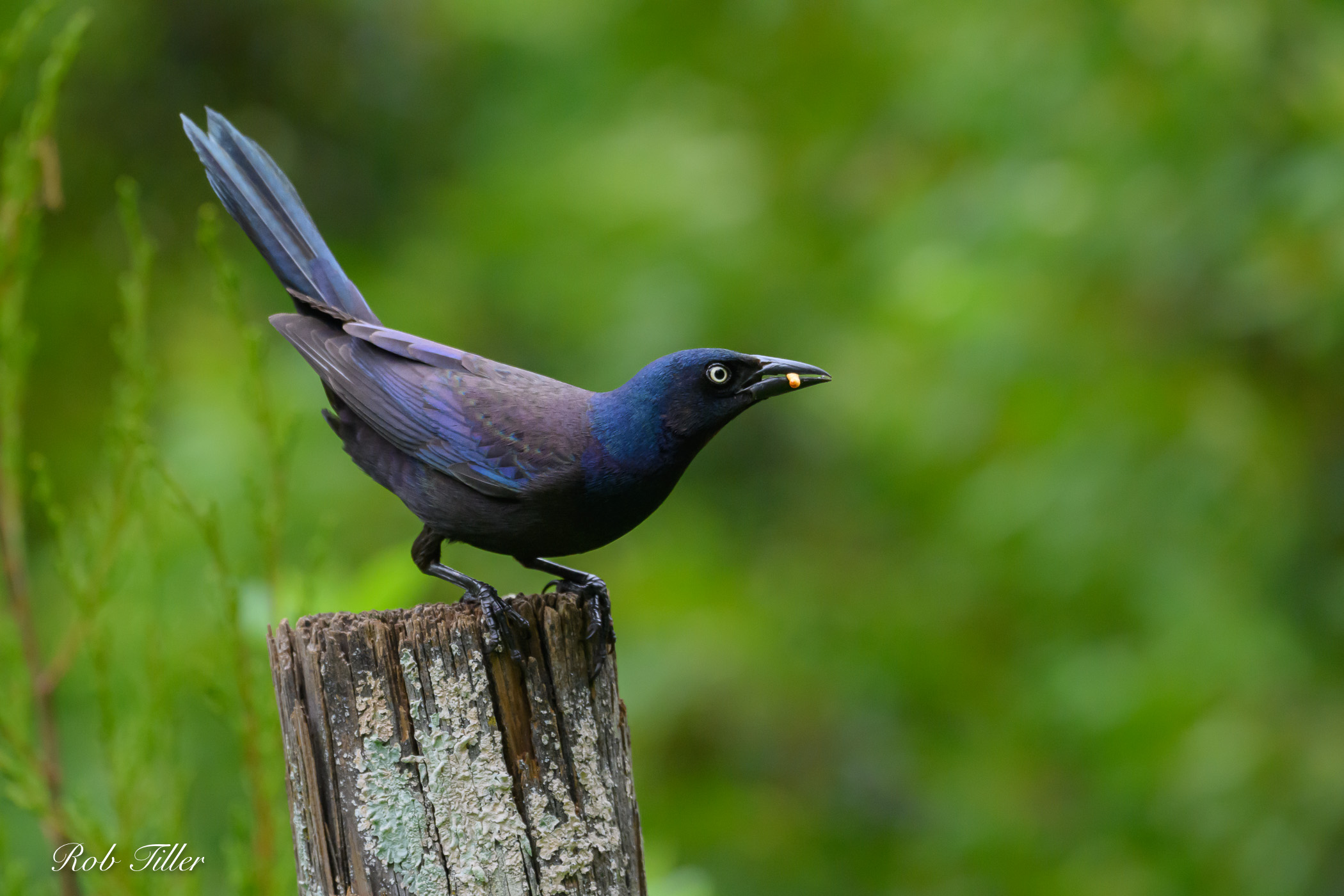
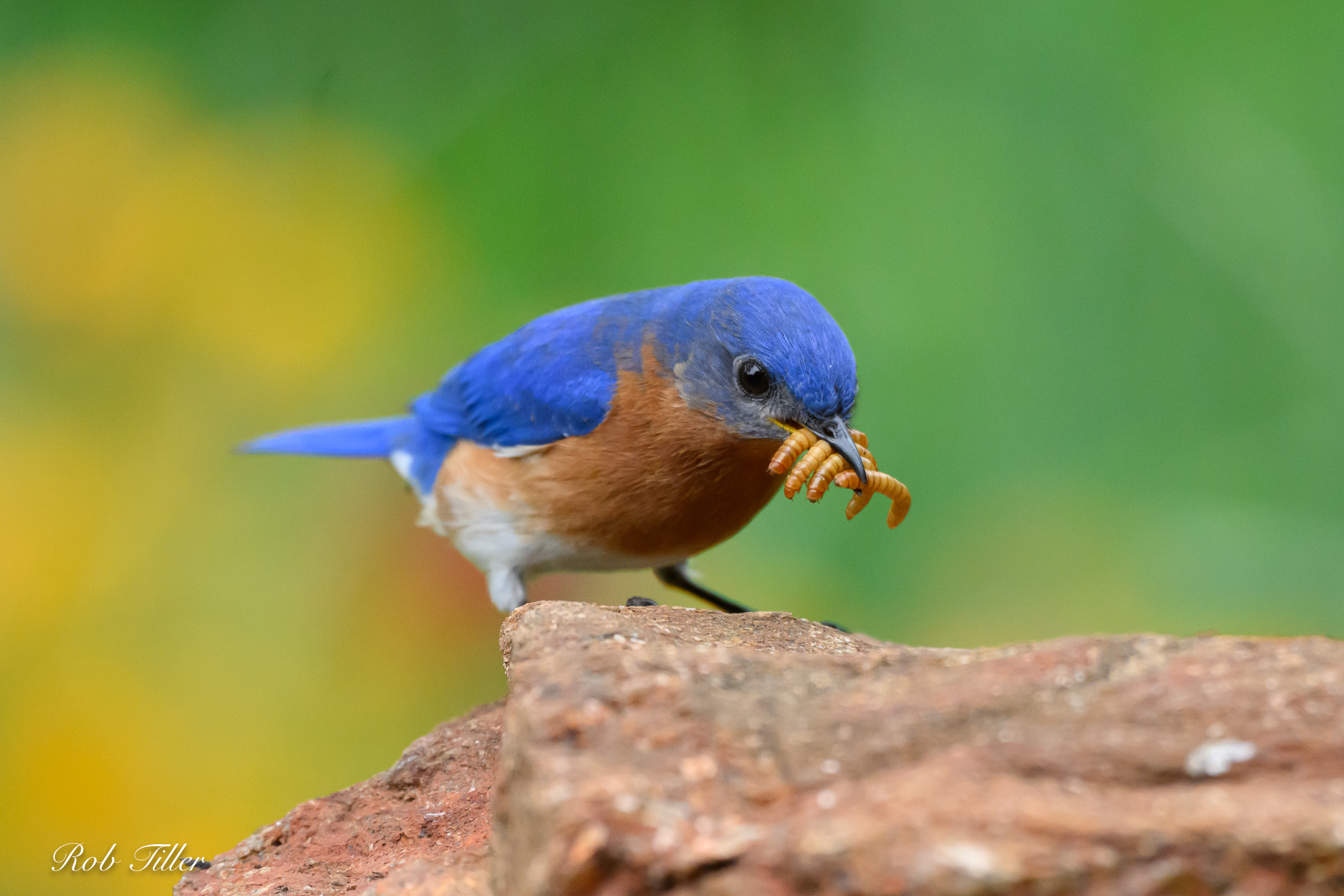
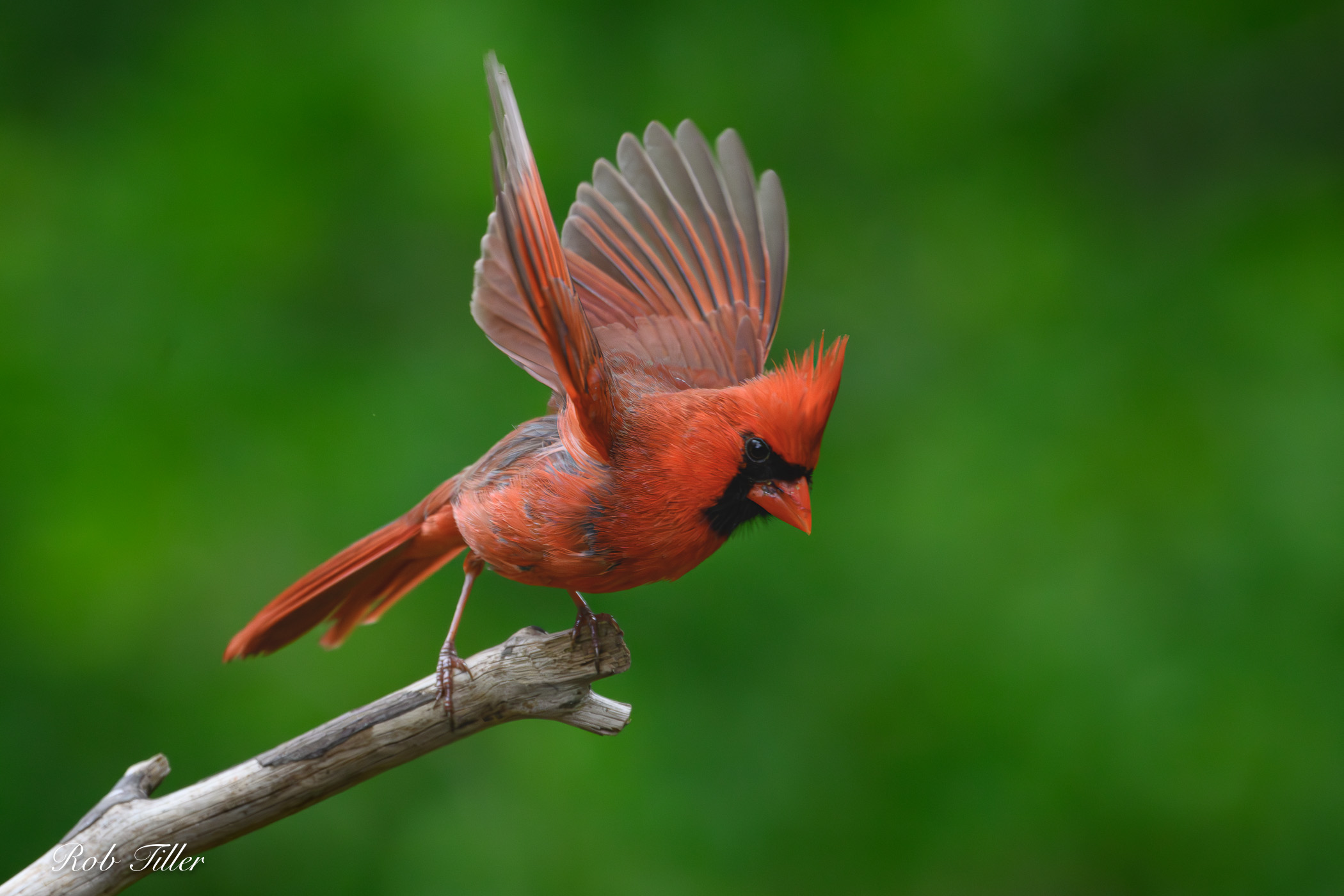
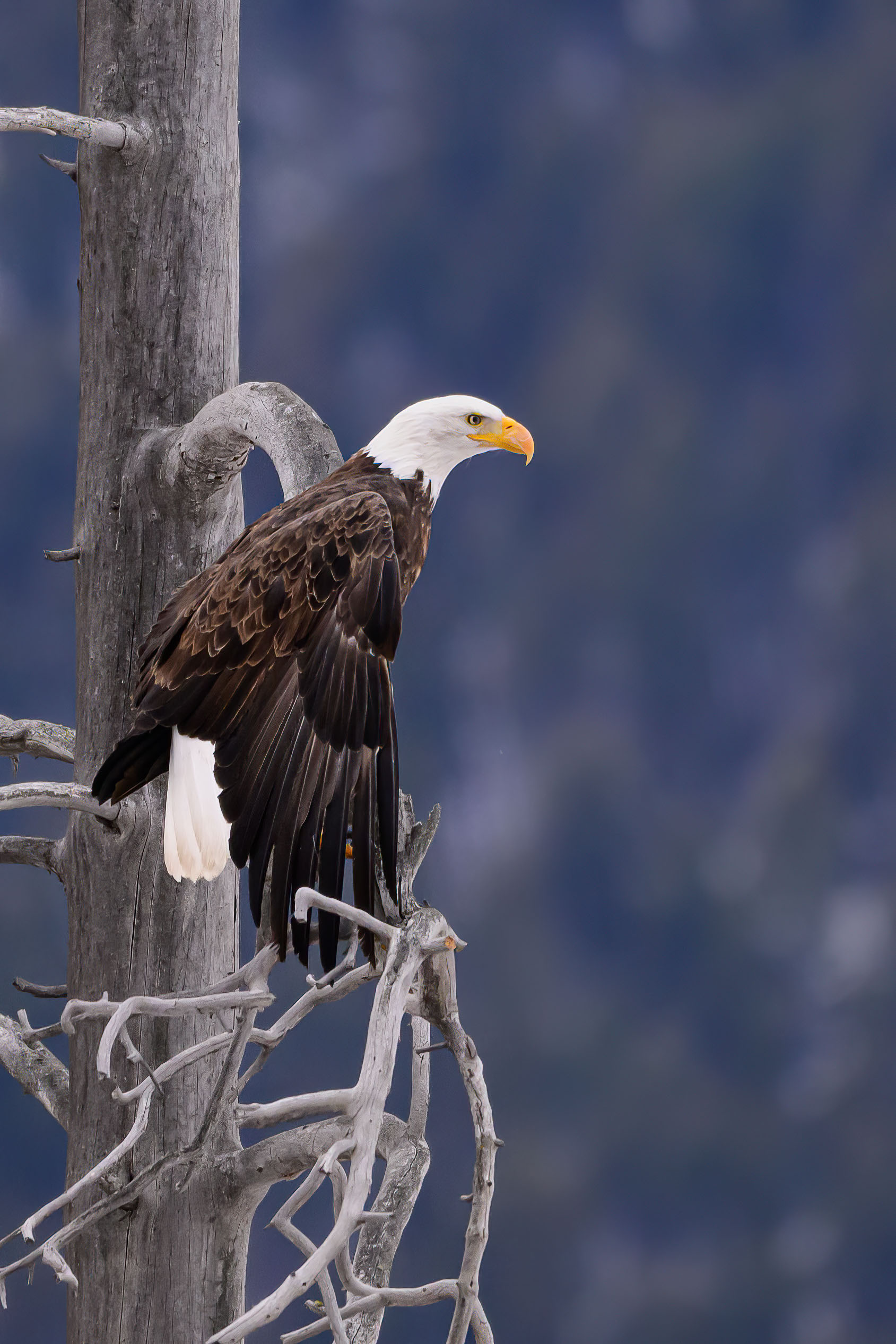
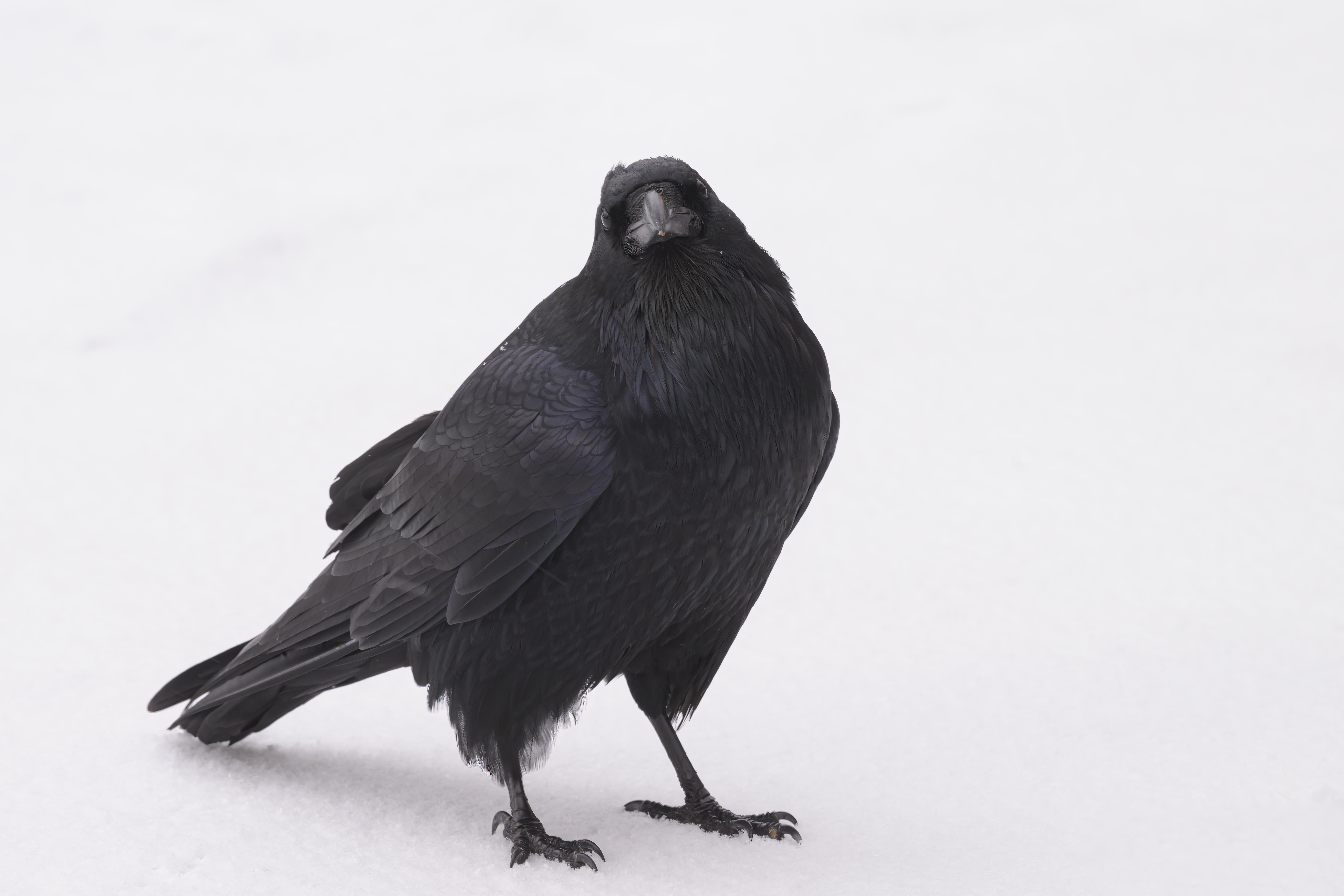
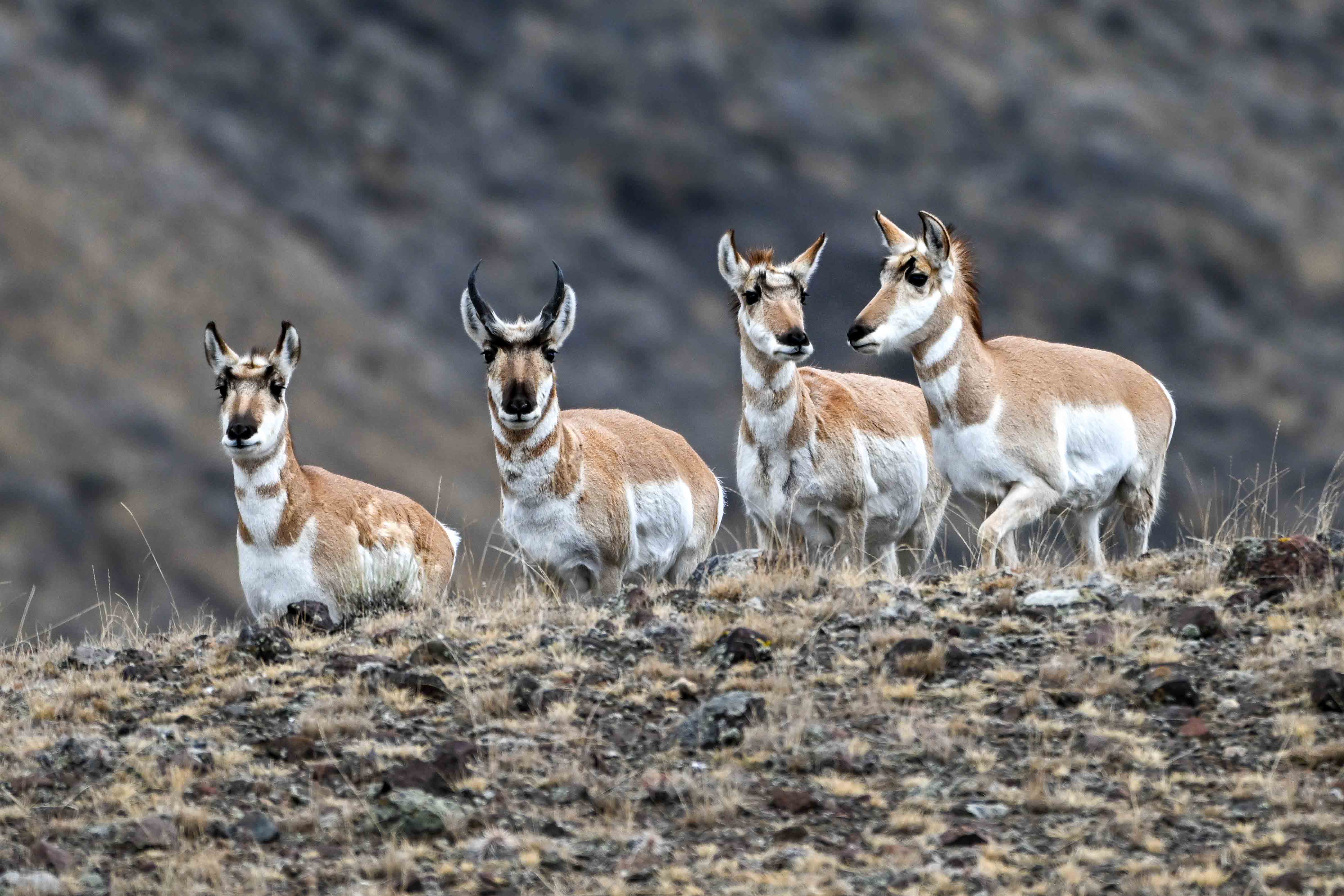
Last week I drove down to Clemson, SC to do some bird photography. I spent a day and a half at The Nuthouse, where owner Carl Ackerman has created the ultimate backyard birding destination. There are three blinds for sitting, watching, and photographing birds in different settings. Carl provides meal worms and other treats for the birds, and there are a lot of them that clearly appreciate it.
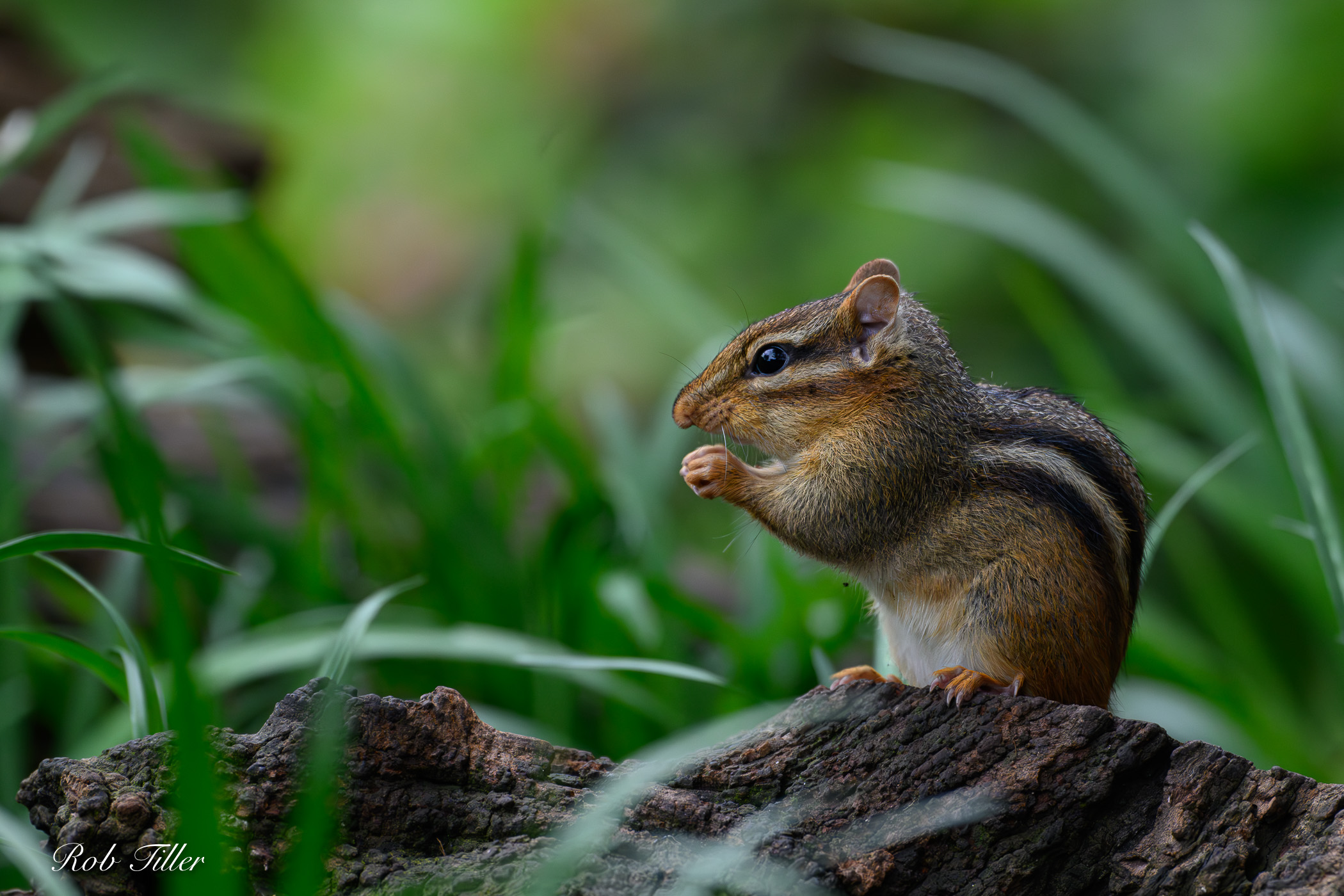
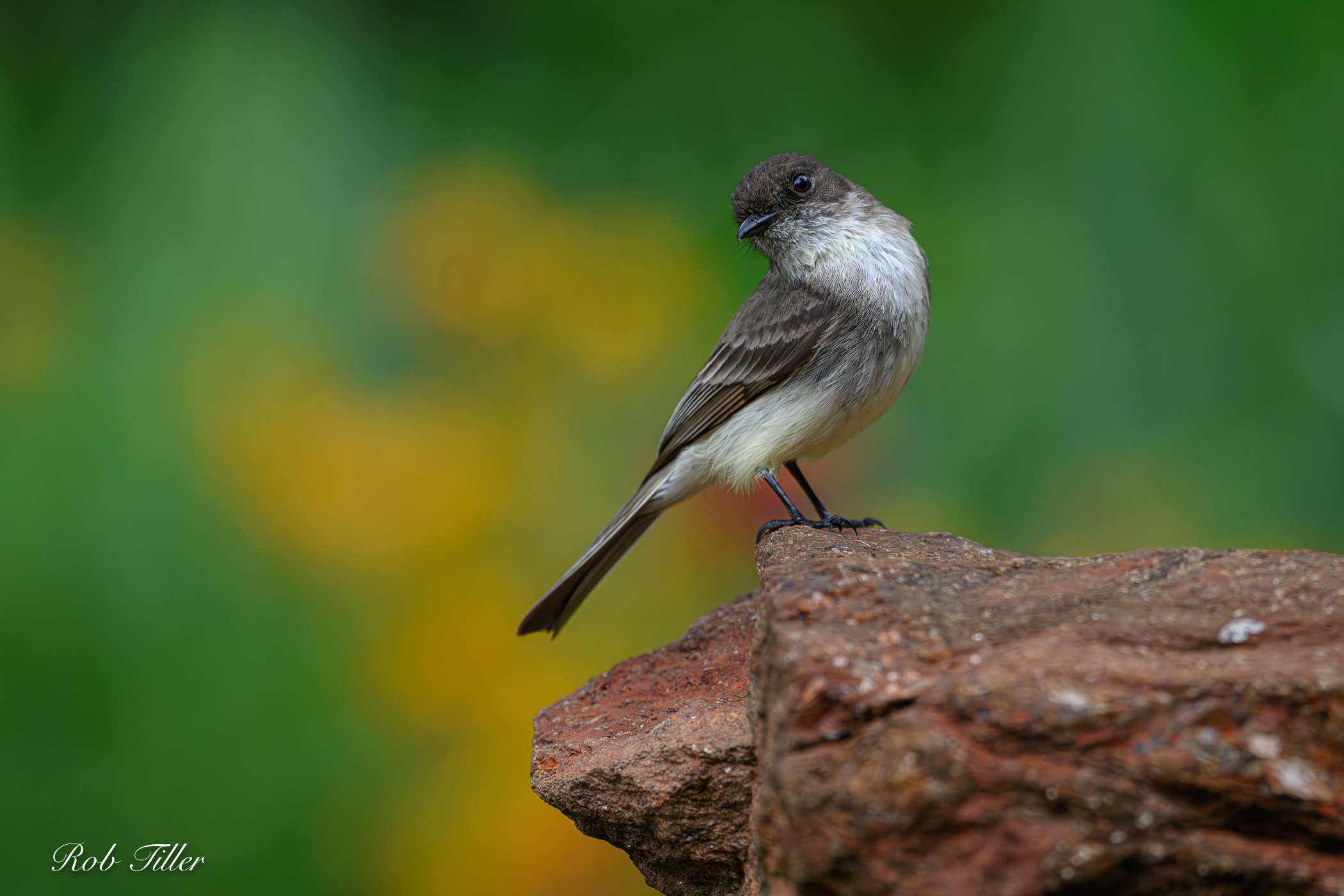
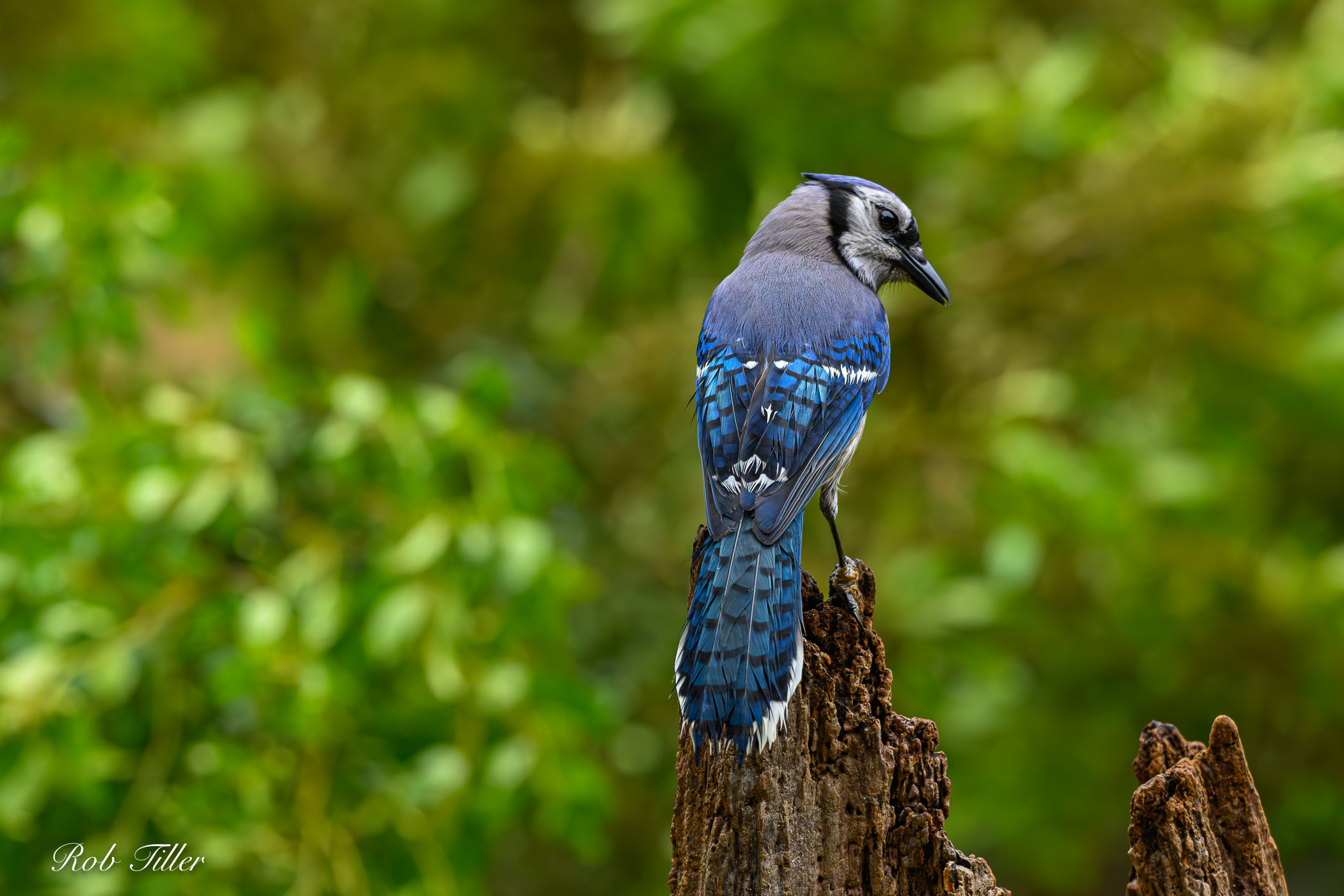
I’d hoped to see lots of migrating songbirds. Although a good number had come through earlier in the week, my timing wasn’t in alignment with theirs. But it was really a joy to spend a good block of time with common resident birds. Even though I was very familiar with all the species that came by, I saw them in new ways – eating, gathering food for the chicks, bathing, and investigating. I also saw a lot of chipmunks, squirrels, and a groundhog.
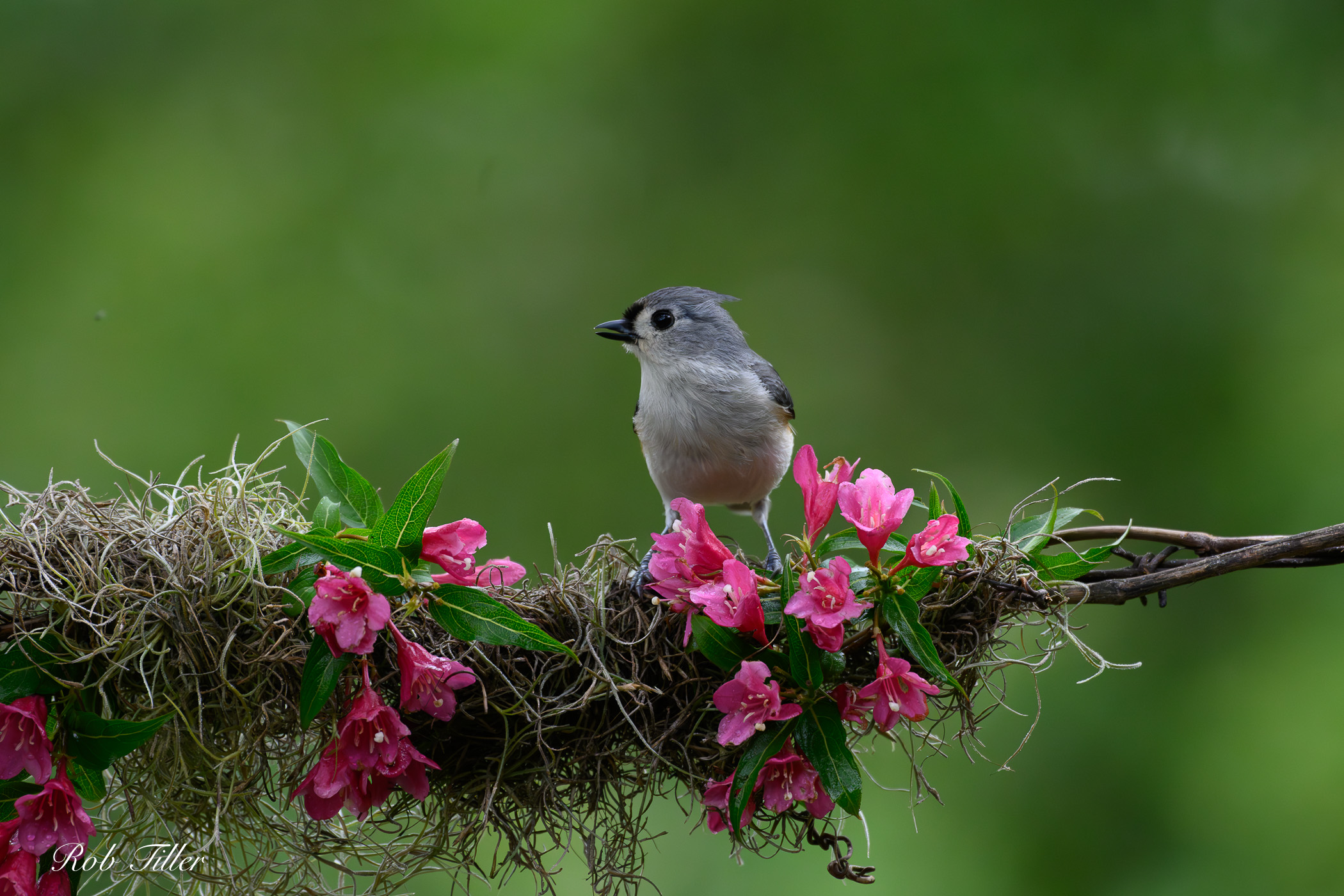
It was both peaceful and exciting. Giving nature some respectful observation can be spiritually nourishing. Especially in these fraught times, I take peace and serenity where I can find it.
I’ve also been getting a lot of pleasure out of revisiting some great literature of the 19th and 20th centuries. My ability to read and delight in literature, which I cultivated as a young person, went downhill in my middle years, as work and family responsibilities took so much time. But I’ve got it back! All it took was some practice.

I recently finished re-reading the Aubrey-Maturin novels by Patrick O’Brian about the British Royal Navy in the early 19th century. I was once again totally captivated. O’Brian was a master novelist and also a historian who delved deeply into ancient archives and other sources for his material. His main characters, officers on British warships, were multi-faceted and engaging, and their adventures were epic.
I’m now about halfway through David Copperfield. Charles Dickens said that this was his favorite of his books. My edition has the ultimate cover blurb: Leo Tolstoy (a pretty good novelist) said it was the greatest novel by the greatest novelist. The story has significant autobiographical elements, richly rendered. There’s a huge canvas, but I’ve been especially struck by Dickens’s respect and sympathy for mentally ill and otherwise struggling people. If you read this book as a young person, you might want to consider reading it again. I can almost guarantee you’ll get more out of it the second time.
Along with literature, I’ve been reading a lot of current journalism. I used to think most everyone must be doing this, trying to keep abreast of so much rapid change. An essay in the NY Times by Rob Flaherty this week pointed out that this is quite wrong.
Today’s culture is no longer a creation of executives in New York City and Los Angeles. Thanks to algorithms and an endless set of media choices, what you see, read and hear is a personalized reflection of your own interests. It’s like a city with a lot of different neighborhoods. . . .So if you don’t care about politics — or more precisely, don’t trust our politics — you don’t have to hear about it at all. A voter can turn on, tune in or opt out.
It was these voters — opt-out voters — who decided the 2024 election. It’s the same voters Democrats are struggling to reach today.
At their core, opt-out voters generally don’t trust politicians or the mainstream media. Many assume the system is rigged, the media is biased and neither party is actually fighting for them.
Flaherty contends that most of those who aren’t in the educated elite get their news from social media and friends, which seems to come at them in friendly random snippets. He sees the right as much more successful in building alternative communication channels and creating appealing narratives, while Democrats are still trying, not very effectively, to reach the public through traditional media. He recommends revising this strategy to be more social-media savvy.
This might help, but it also might help to help people improve their reading abilities. According to a recent report, most Americans read at a 6th grade level or less. Think about that! Standardized test results show reading levels of school children getting worse. College professors report that their students can no longer read as much or as well as they used to. This all begs the question, how many people just aren’t capable of reading a newspaper with a fair level of comprehension?

What is the Trump administration doing about all this? It’s dismantling the Education Department and threatening to cut federal funding for public schools. It’s also attacking universities by threatening them with huge funding cuts and loss of tax-exempt status, and threatening foreign students with deportation. It has pulled the plug on scientific research in health and the environment.
Just as worrying, Trump is increasing his attacks on traditional media. He’s forever inciting his followers against fake news, which is any news he doesn’t like, and insufficiently obsequious journalists. He’s barring certain journalists from access, bringing baseless lawsuits against journalists, and threatening broadcast licenses. He’s dismantling Voice of America and this week ordered that federal funding be canceled for NPR and PBS.

The Trump program seems designed to worsen our illiteracy and ignorance. Perhaps he’s thinking that by lowering our competence in reading and critical thinking, he’ll reduce our resistance to his domination. If reliable news sources can be weakened or eliminated, his epic dishonesty may go unexposed.

There are so many Trumpian disasters-in-progress that it’s hard to keep track of them all. But there was some good news this week: Trump’s poll numbers are at historic lows and trending down. There’s a real chance that the next midterm election will diminish his power, and the next presidential election will allow for a new beginning.
In the meantime, there are increasing signs of courage and resistance. Although the natural world hasn’t been at the forefront of the battle, it still has its champions. Per the NY Times, Trump, continuing his war on nature, recently scuttled the National Nature Assessment. The Assessment was an effort “ to measure how the nation’s lands, water and wildlife are faring, how they are expected to change, and what that means for people.” Some 150 scientists and other experts had spent thousands over hours on the project.

But some of those experts are working on continuing their work and publishing it outside of government channels. They view their work as too important to the country to give up on.

Blessings to those experts, and the other scientists, politicians, educators, lawyers, judges, federal workers, journalists, non-profits, unions, businesspeople, and ordinary folks who are showing courage in this dark moment. They remind the rest of us that Trumpism is not invincible, but it must be actively resisted.




 The Casual Blog