The Casual Blog

Tag: news

Some butterflies, and an idea for improving our democracy

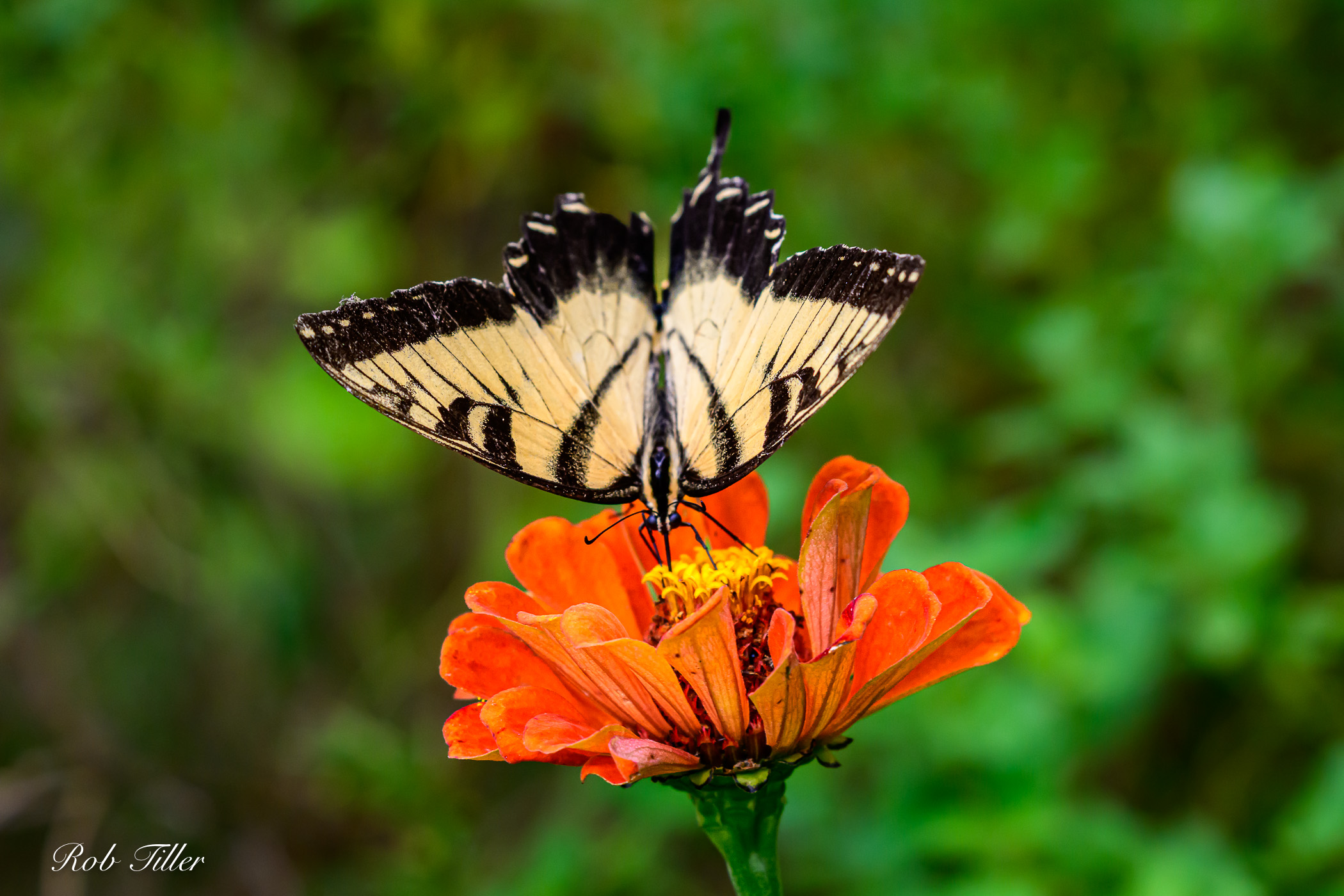
The first thing I’ll note is, no matter how many problems we have in America, there are still a lot of beautiful things, including flowers and insects.  I enjoyed taking these pictures last week in Ernie B’s garden, and hope you enjoy them, too.

Otherwise, it was a difficult week.  There’s a lot going on with Trump, so it’s challenging to get a grip on, and that may be part of the design: the sheer mass is exhausting and numbing.  

According to a recent Pew poll, it seems that a majority of Republicans don’t see any big problems with Trump’s major initiatives.  It’s possible nowadays to live in an impermeable information bubble, with unwelcome information blocked out, and I assume that accounts for some of the differences in our worldviews.  Anyhow, especially for my Republican friends and loved ones, here’s some of what I’m seeing.

At the start of the Trump presidency, the new initiatives made some sense, even if they were deplorable.  It seemed mainly about fearmongering and cruelty toward immigrants and minorities, while favoring the rich by dismantling business regulation and other laws.  Then new, weirder initiatives came into view, including cutting agencies performing basic governmental functions.  With no clear explanation, Trumpists began undermining federal law enforcement, military readiness, public health, education, disaster relief, environmental protection, legal procedures and courts, foreign aid, foreign intelligence, diplomacy, and revenue production.   

Meanwhile, we started to see corruption on a scale never seen before, with billions of dollars flowing from those who needed favors to the coffers of Trump Inc.  Wealthy donors, like oil and gas companies and crypto magnates, started getting the goodies they’d requested.  We also began seeing a barrage of policies that seemed plain crazy, like attacks on wind and solar power, threats to take over other countries, self-destructive trade wars with former allies, abandoning health research, and cutting holes in the social safety net that protects, among others, the MAGA faithful.  

This all seems terrible for those tens of thousands who have lost their freedom, hundreds of thousands who lost their jobs, those millions who lost nutrition and health care, and hundreds of millions indirectly affected, as well as sad for us all.  But that’s not all.   

Some things that we thought couldn’t happen here have already happened.  Kidnappings in broad daylight by masked government men in unmarked vans, military troops turning out in force to intimidate protestors in key blue cities, raids of the houses and workplaces of regime opponents, establishment of new torture detention centers, blatant defiance of court orders, and open promises of rigged elections.   And now President Trump is darkly teasing, “Maybe we would like a dictator.”  

I’m pretty sure that that’s not true for the majority of us.  We can see that, contrary to Trump’s crazytalk, we are in most respects not in any crisis or emergency, other than ones he’s creating.  We can see that immigrants are not subhuman animals, and opponents of Trumpism are not evil traitors.  The values that animate the MAGA-verse, like greed, willful ignorance, hatred, and cruelty, are not the values most of us want to see defining our culture, or want to cultivate in our lives.

What are the values we prefer?  Kindness and compassion, for starters.  Generosity and honesty, too.  Tolerance.  Curiosity.  Rationality.  All these are foundational to American culture.  We all, or almost all, learned them as children, and teach them to our children.  

But MAGA has put the alternative values into sharp relief, and we need to make some choices:  kindness or cruelty, generosity or greed, tolerance or hatred, rationality or ignorance.  We can also choose courage or fear.  We definitely need to find our courage.

One good thing Trump has done by undermining and exploiting American democracy is to highlight longtime problems in the system that badly need fixing.  For example, over generations, we’ve allowed too much power to accumulate in the presidency.  We’ve allowed Congress to become less and less representative, and more and more dysfunctional.  Our Supreme Court has become highly politicized.  Our government has become oligarchical, with little consideration or support for ordinary working people.

Now is a good time to start working on an alternative vision for our democracy – perhaps a Project 2029.  It would be sort of like Project 2025, but in the public interest, rather than the kooky kleptocrats’ interest.  It’s a big job, but we can start simply, by deciding what direction we want to go.  I suggest that we agree to make the objective of our government this: helping others.  

That is, instead of designing a government primarily to help the rich exploit everyone else, we should design it to serve the common good, and to help those who need help.  Our system should be oriented toward giving, rather than extracting.  Does this sound impossible?  It’s not a new idea.  Jesus, Muhammad, and Buddha would all support it. JFK seemed to be for it, when he said, we should ask what we can do for our country.

Visiting Yosemite, and some thoughts on lies in America

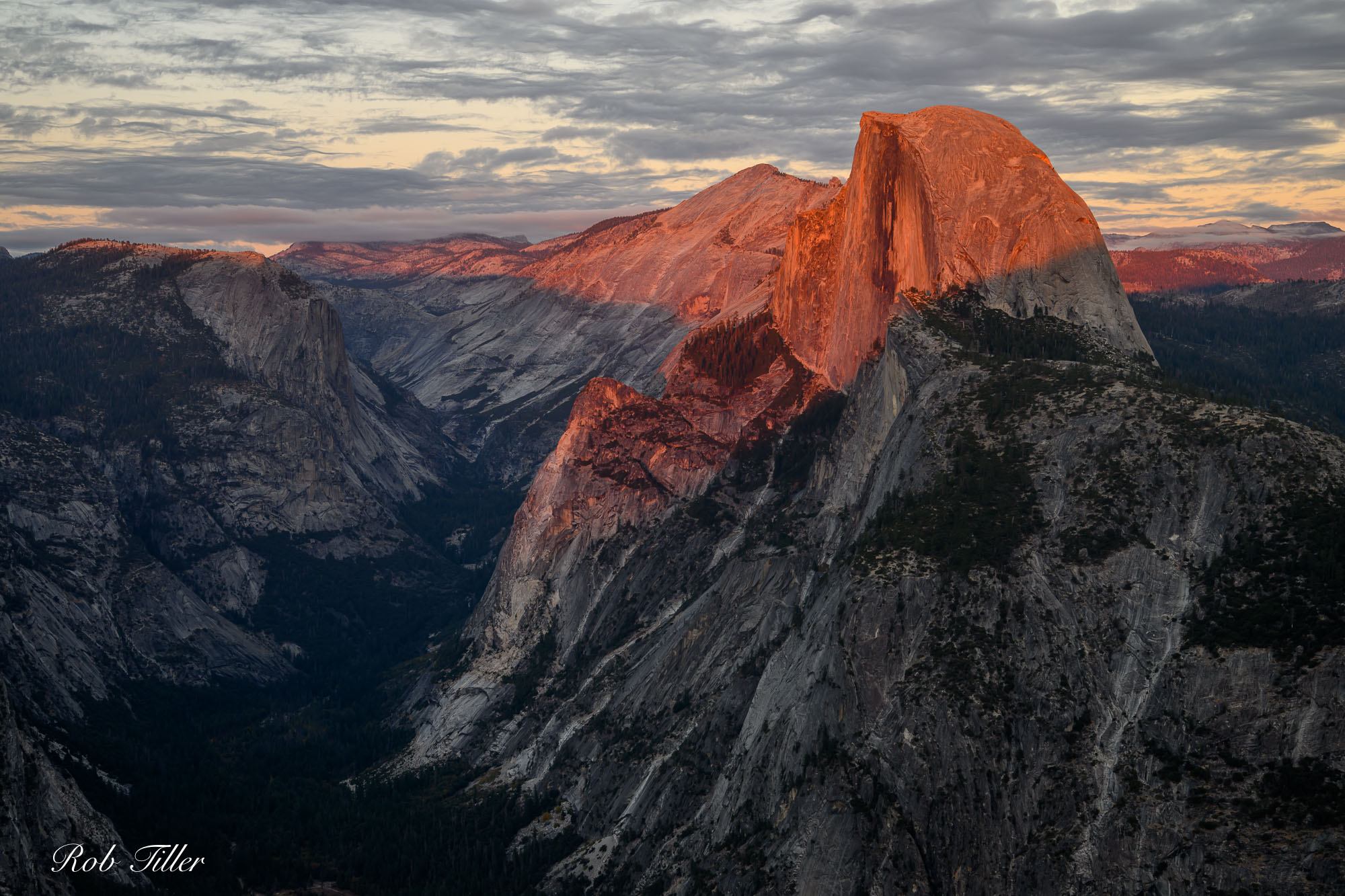
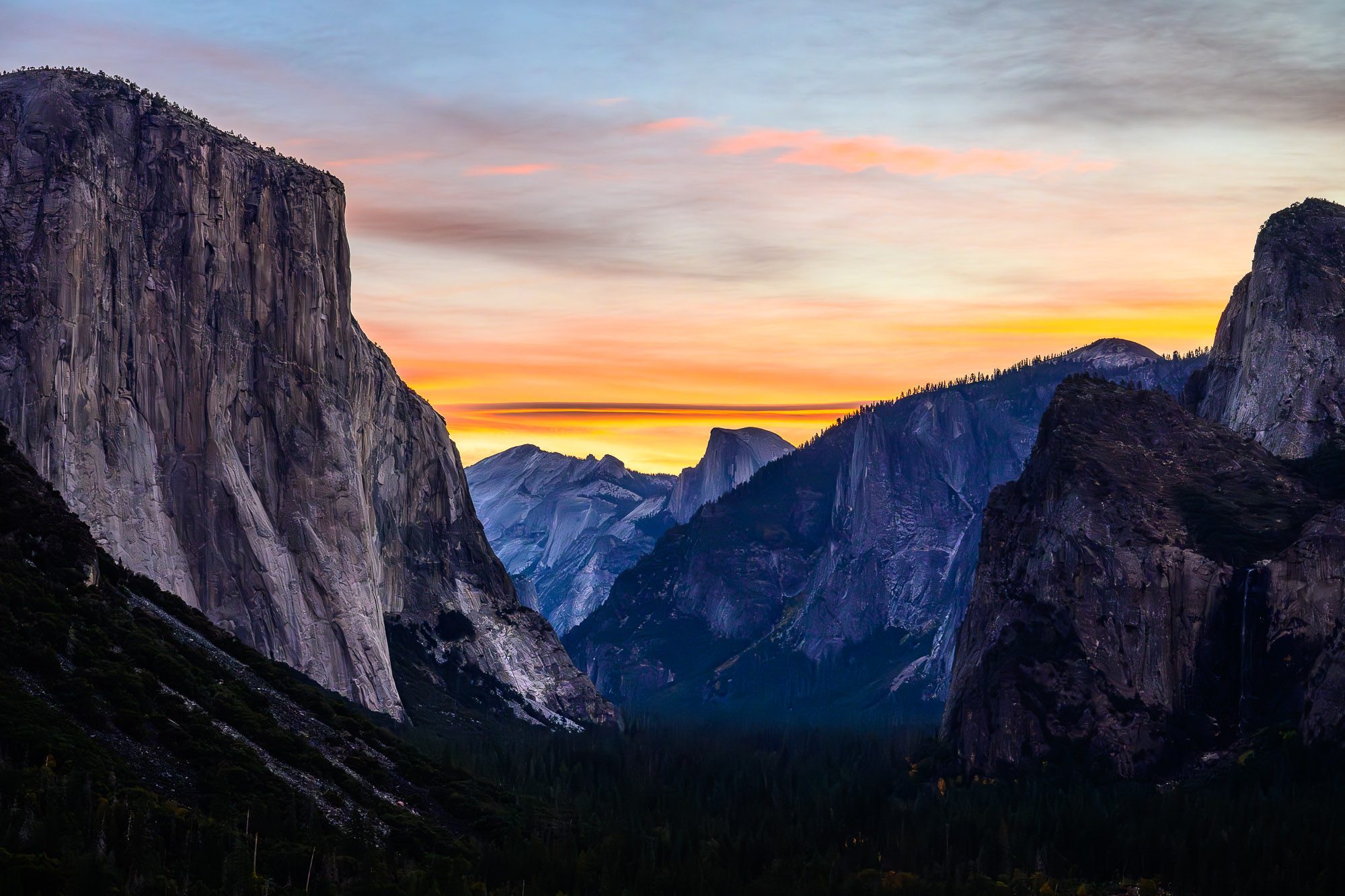
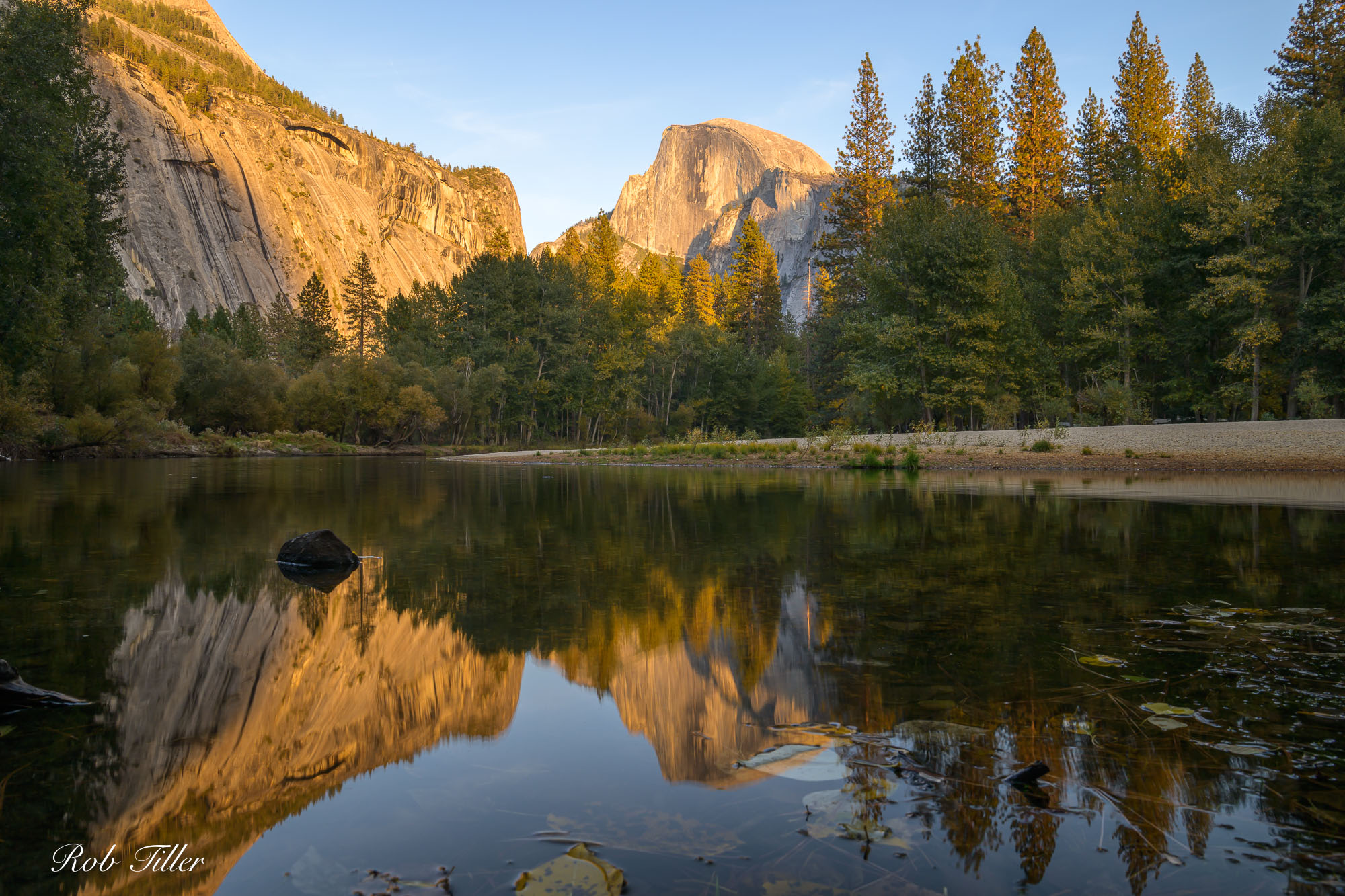
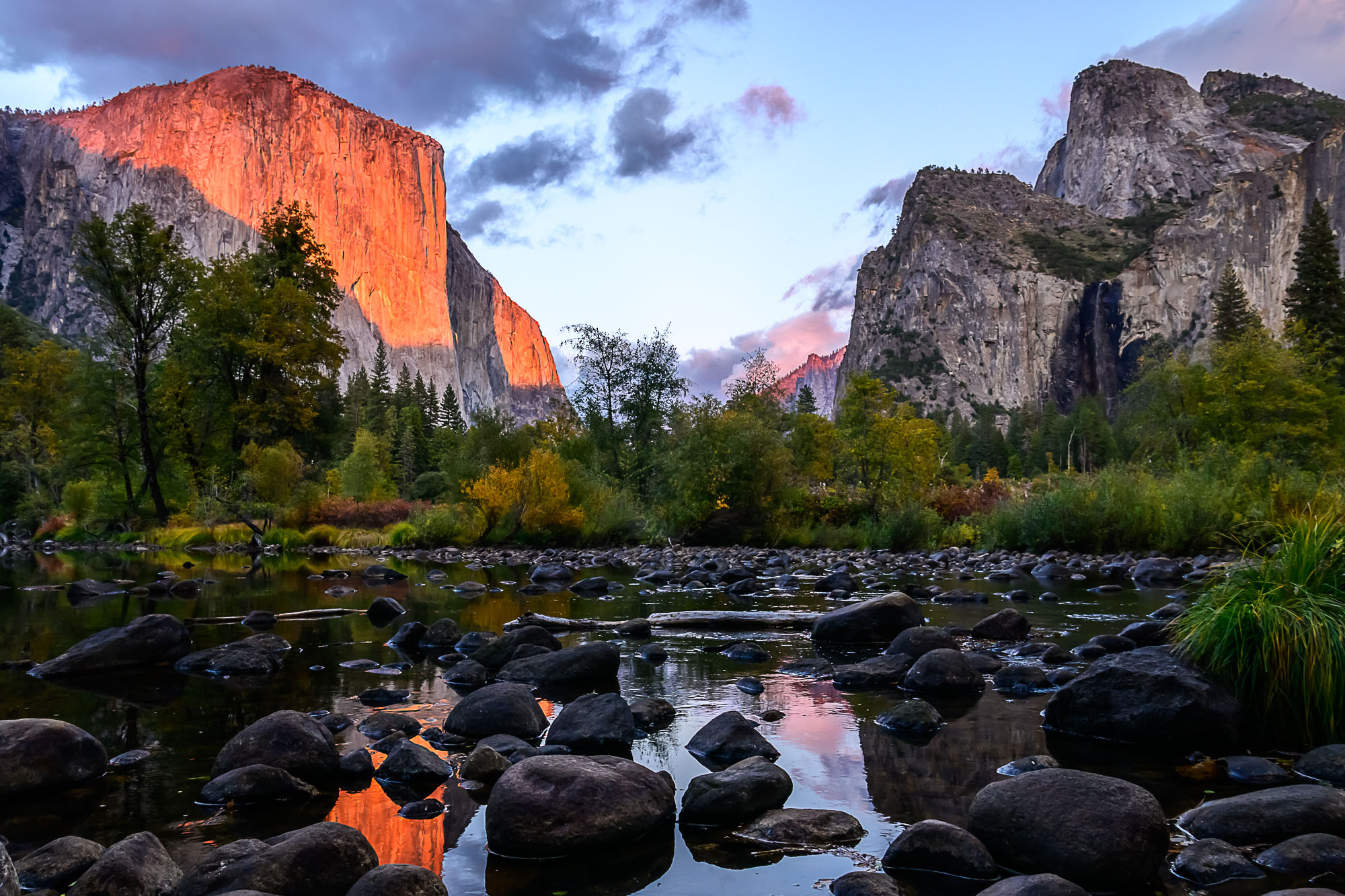
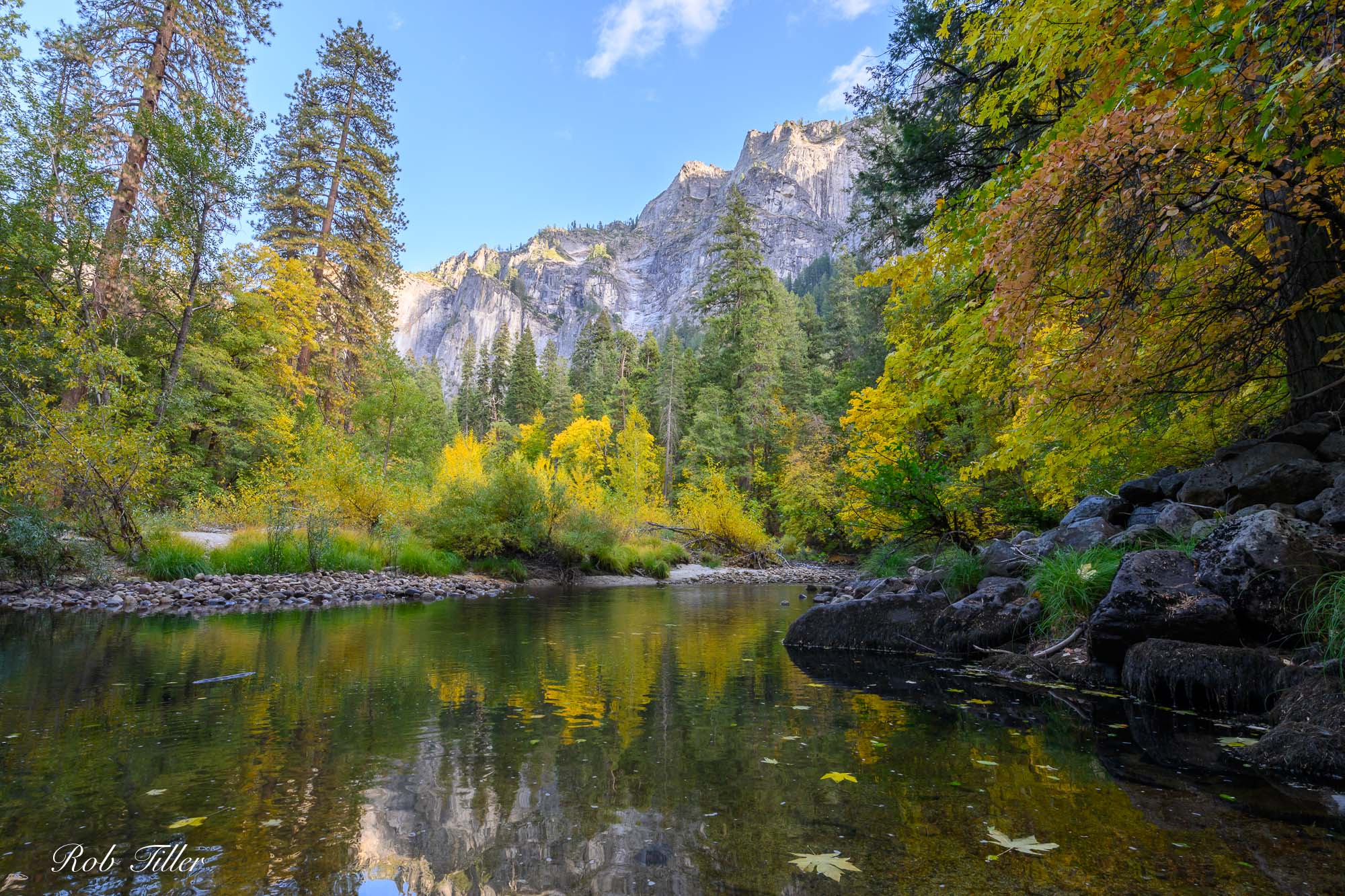
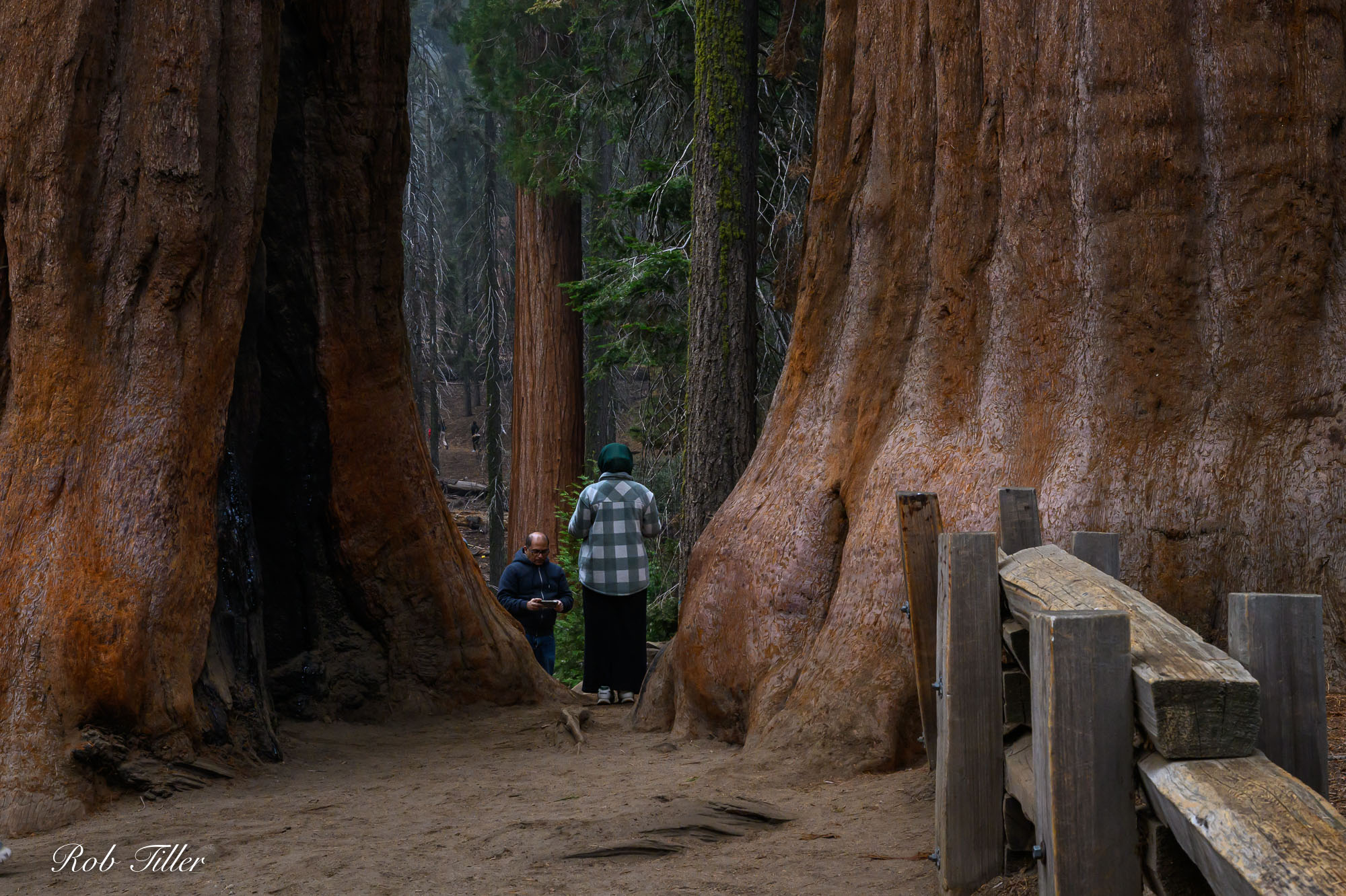
Last week I visited Yosemite National Park, which had resplendent fall colors beneath its towering granite peaks. There I was part of a photography group led by Gary Hart.  Gary was the nicest guy, and he did a great job directing us to some beautiful places and helping us improve our work.  Then I went by myself to Sequoia National Park and Kings Canyon to see the giant sequoia trees and mountain vistas.  The pictures here are a few of the ones I liked.  

My flight from Los Angeles to Raleigh was a red eye that arrived the morning of election day.  I was tired and jet lagged, and underprepared for the election of Trump.  I’d done some phone-bank work for Harris, and managed to convince myself that most likely she would win.  But, of course, she didn’t.  It was a painful disappointment.

The pain is still raw, but I’m trying to be mindful and curious as to how a majority of American voters could have decided that Trump was the better choice.  The pundits I’ve been reading and hearing have various theories, and no doubt there are many factors at play.  But so far I haven’t heard much about what looks to me like the most important one.

There seems to be general agreement that a big part of the Trump success was serious dissatisfaction with the current establishment.  The price of groceries, gas, and housing made people unhappy.  It wasn’t surprising that people wanted those problems addressed.

But why would anyone think that Trump would be the guy to do it?  His prior handling of the economy and other real world problems was erratic and inept.  His policy statements in this campaign were either extremely vague or kooky.  His mental capacity, never great, showed signs of major deterioration.  He was not only untrustworthy; he was constantly and shamelessly dishonest.  

Amazingly, though, Trump’s shameless dishonesty accounted for much of his success. His lack of any sense of shame made him immune to criticism, and willing to lie on a massive scale that overwhelmed all efforts at rational thought.  

Of course, some people felt insecure and frustrated about their economic circumstances.  But Trump managed to turn those understandable feelings into fear and rage.  He relentlessly presented the message that America was a hellscape of economic failure and crime.  Just as relentlessly, he blamed those supposed problems on invading immigrants, whom he characterized as criminals and rapists.  

This was all a preposterous lie.  Crime rates are down from the Trump years, and the economy has by most measures improved.  Immigrants are not invading en masse, and those who are here are more law-abiding than the native born.  Indeed, immigrants are a big part of our economic success story, and that has been true throughout our history.  

So how did the lie work?  Most of us are suspicious of those who look and sound different from us.  Our natural suspicion as to differences in skin color, language, and customs is usually manageable.  After all, we live in a multi-racial, multi-cultural society which in many regards works well.  But Trump stoked normal anxieties into a raging fire of  xenophobia and racism, and proposed a wonderfully simple solution to all those unpleasant feelings – get rid of the scapegoats.

This was certainly not a new idea.  Through the last five hundred years, Jews have been treated as scapegoats by various demagogues.  And of course, various other out groups have been treated as sacrificial victims to solve political problems.  

Indeed, Trump made clear enough that immigrants were not his only scapegoats.  There were scapegoats to fit with a potpourri of resentments and prejudices:  people of color, Jews, Muslims, women, gays, journalists, scientists, lawyers, teachers, liberals, government bureaucrats, and anyone who opposed him were attacked directly or indirectly as enemies of the state.  

Possibly the saddest and most ridiculous scapegoating was on our tiny minority of trans people.  Could anyone actually believe that trans folks were a serious threat?  The Trump people clearly thought so, since they spent many millions of dollars on anti-trans political advertising.  Watching those ads playing over and over, I assumed that most people would see through them as cruel and absurd.  I’m afraid, though, that a lot of people didn’t.  

We live in an age of misinformation that we haven’t yet understood how to correct for.  A great many of our traditional newspapers are no longer in business.  Right-wing media, such as Fox News, the Sinclair Broadcast Group, certain podcasts, and talk radio in the vein of Rush Limbaugh have become the primary news sources for many.  By and large, they amplify Trumpist lies and stay silent as to the truth.

At the same time, social media such as Twitter/X, TikTok, and Facebook are virulent sources of conspiracy theories and confusion.  Traditional, fact-based journalism has a hard time competing.  It’s hard for unwelcome truths to compete with exciting lies.  

Trump’s people appear to have grasped the value of these new opportunities for spreading big lies.  They also learned from twentieth century fascist movements that even obvious and transparent lies may come to be seen as true if repeated often enough.  

To begin to address Trumpism, we can start by calling out the big lies, rather than pretending that all this is normal and acceptable.  It was disheartening that the Harris campaign failed to do this with Trump’s dystopian immigration narrative, and instead adopted a dialed down version of that narrative.  Perhaps they concluded that correcting that scapegoat narrative couldn’t be done in the short time before the election.  In any case, there’s no doubt that it would have been difficult.  Big lies are powerful.   

Now we’ve got a large population infected with the culture of Trumpian lies.  They view actual journalism as fake news, and Trump opponents as Satanist pedophiles.  Arguing with them probably won’t help.  We can and should give them respect, compassion, and kindness.  We should gently and gradually reassure them that we are not Satanists or pedophiles.  Will that, plus measured doses of actual truth, be enough?  

We won’t know for a while.  Given that Trump lies about everything, it’s possible he won’t follow through on his deportation program, locking up his enemies, and the other Project 2025 ideas that would likely crash the economy and cause enormous misery.  If he does, it’s nearly certain that MAGA folks will experience bitter disillusion and massive voters’ remorse.  Perhaps a new and better politics will emerge from the ashes.   

Democracy on the ropes

Summer is definitely here in Raleigh:  uncomfortably hot and humid.  I’m spending more time indoors, and finally finished sorting through the photographs I took while traveling in the spring.  In this post, I wanted to share a few more of the photos I took in St. Augustine of roseate spoonbills, great egrets, snowy egrets, wood storks, and tricolored herons, and a few thoughts on recent political events. 

In less than a week, we’ve just had two extreme events in our national political life.  President Biden crashed and burned in his debate with Donald Trump, substantially increasing the chances that Trump will win the presidency in November.  And the Supreme Court almost completely immunized Trump from criminal liability for his effort to overthrow the government in 2021.  It decreed that the next president is free to commit crimes, heinous or otherwise, that are in any way related to his official duties.  

This Supreme Court decision (which I, as a former Supreme Court clerk, had the training to read, and did read) is truly shocking.  By holding that the president acting as president is not subject to criminal law, it fundamentally changes the nature of the presidency to something like a monarchy.  In view of the definite possibility that a convicted felon, an incorrigible career grifter without any apparent moral restraint, will be our next president, the decision seems wildly irresponsible.  

There was more than a whiff of corruption in the Trump White House, as Trump’s businesses raked in billions of dollars.  He has promised to use the Department of Justice to persecute political opponents.  He has proposed shooting peaceful protesters and shoplifters.  He sought IRS audits of his enemies.  He directed the persecution of tax-paying immigrants and the kidnapping of immigrant children.  Not least, he encouraged a violent attack on Congress in an attempt to nullify the 2020 election.  

Trump has shown no hint of moderating his inclinations.  In his first term, subordinates sometimes discouraged or resisted his most outrageous proposals, but that is much less likely to happen if he’s reelected.  Non-MAGA true believers will be excluded from significant roles.  The true believers will know that Trump can and does protect those who carry out his orders with pardons.  

Also, those collaborators will now understand that if they are accused of criminal activity ordered by Trump, the Supreme Court will probably be on their side.  The Court’s new theory of the need for extreme Executive power may mean protection for those who implement Executive crimes.  In sum, the new decision increases the already high risk that electing Trump as President will be a disaster for American democracy.  

One of the benefits of studying history is perspective; it can help us take a longer view of our current situation.  For example, it’s helpful to remember that our republic has survived crises in the past, like the Civil War, the corruption of the gilded age, the ascendance of the Ku Klux Klan, American Nazis during World War II, and the McCarthy red scare.  We also survived Trump I. At the moment, I feel more despairing than hopeful for American democracy, but I’m trying not to give up hope.  

Spring, wild horses, and some thoughts on immigration

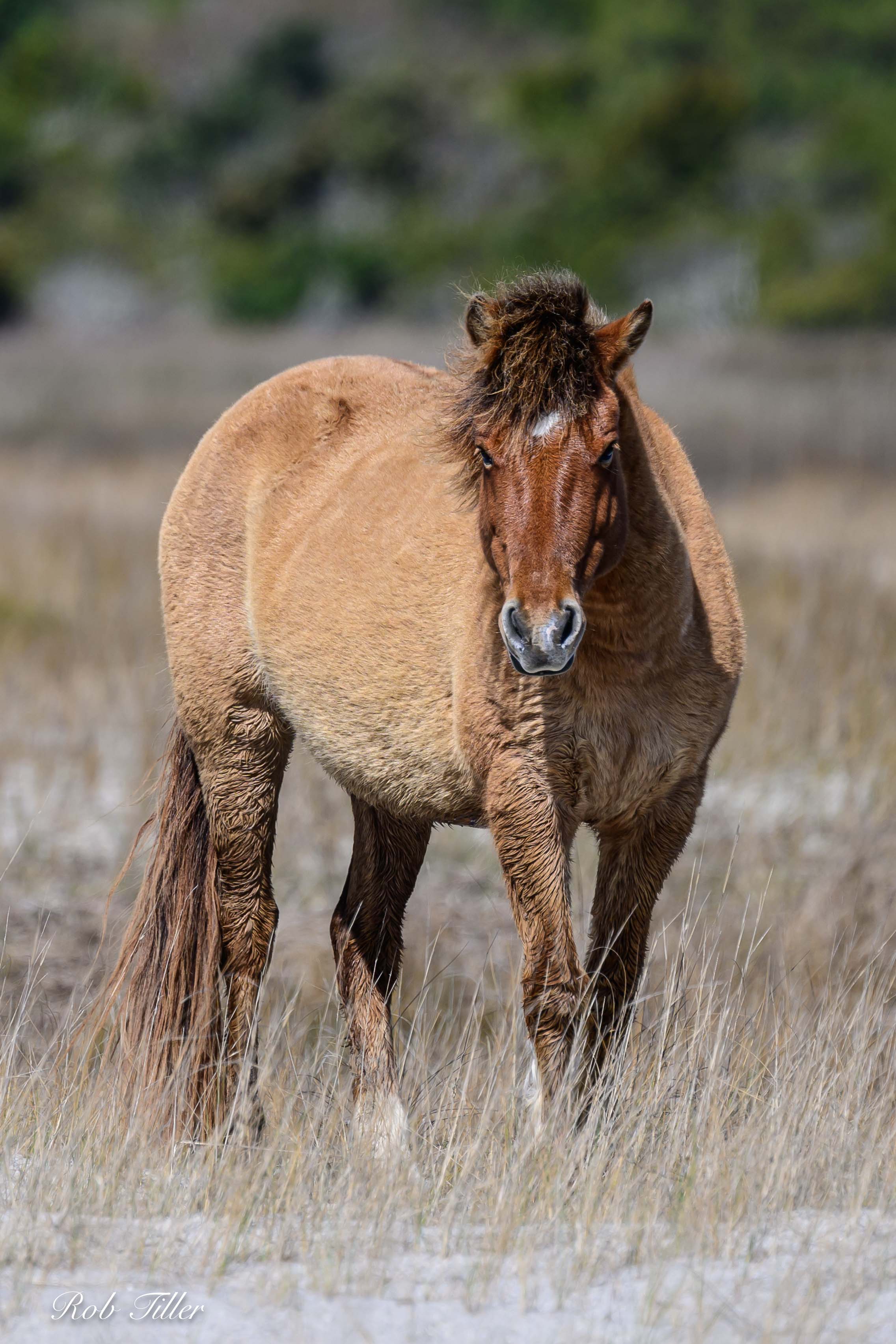
Spring is finally here, I’m happy to say.  We visited our loved ones at beautiful Beaufort, N.C., a couple of weeks ago and saw some of the wild horses there.  In Raleigh, the trees are starting to leaf in, and the early flowers have popped up, seemingly out of nowhere, with vivid colors.  I enjoy them every year, but this year is especially good.  The flowers below were from Raulston Arboretum, Fletcher Park, and the backyard of casa Tiller.  

This week we watched The Zone of Interest, which won the Oscar for Best Foreign Film and is now streamable on Prime.  I highly recommend it.  The story concerns a family living a normal happy life right next to the Auschwitz death camp.  It raises some tough and timely questions about human behavior and ethics.  I expect we’ll be thinking about it for a long time.    

Our immigration situation also raises some tough and timely questions.  These days it’s often referred to as the immigration crisis, which is certainly true from the perspective of people desperately fleeing violence and poverty.  But there’s a massive misunderstanding of the situation, as shown in a recent Gallup poll. Immigration was most frequently cited as America’s biggest problem, and the number of Americans who think that has gone up.  

This is both understandable and absurd.  Fear of foreigners is nothing new, and has long been exploited by leaders for political advantage .   But we truly are a nation of immigrants.  They are running some of our most successful corporations, as well as building our houses, manning our hospitals and factories, picking our crops, and taking care of our children.  If there’s energy and creativity required, we rely a lot on immigrants, just as we rely on them to do a lot of unpleasant work that we want to be sure is done well.  

It should be obvious, but apparently needs saying, that we’ve always been a multi-racial, multi-ethnic, multi-religious country.  The majority of us have ancestors that came from some other country not so long ago.  And we have friends, neighbors, and service providers who have different skin colors, different languages, and different customs.  We’ve got lots of problems, but our diversity is not a problem.  It’s a strength.   

With all the actual problems we’re facing, it’s really disturbing that the non-problem of immigration has become a central flash point of  our politics.  Whipping up more fear of immigrants was and is one of Trump’s main tactics; it’s hard to imagine his succeeding without it.  But even mainstream Democrats now believe we have a border crisis that is not of our own making, and that we somehow have to prevent more foreigners from getting in.

Franklin Roosevelt had a famous line in his inaugural address in 1933:  “The only thing we have to fear is fear itself.”  He probably meant to reassure a nation in the throes of a financial depression with the thought that fears weren’t themselves likely to be fatal, and economic problems were solvable.  

But Roosevelt’s words have a different resonance now.  We truly have good reason to be afraid of the current panic about immigrants, because it is perilous, both for ourselves and others.  I’m thinking of three serious risks.

First, it could lead to the end of democracy as we know it.  Hard as it is to believe, there is a real possibility that Donald Trump could become the next president.   Trump has proudly declared his intention to become a dictator, to persecute his political enemies, to shoot peaceful protesters, to take away rights from women and minorities, and to fundamentally alter the constitutional order.  He undermines the rule of law with his claims to be immune from prosecution for any crime and pardons for his convicted criminal pals.  Again, his appeal is based in large part on his demagoguery about immigrants, whom he viciously and groundlessly characterizes as criminals, rapists, and animals.  

Second, our draconian limitation on immigration is a self-inflicted wound, in that we need immigrant workers.  The idea that  immigrants cause harm by taking Americans’ jobs is mistaken.  They pay more in taxers than they use in services. Many of them start businesses and create new jobs.  As noted, they do a lot of the most important high-level work we have, as well as some of the most difficult and dangerous jobs.  For example, without them, our food supply chain doesn’t work, or our cutting edge AI tools.  We have a labor shortage, and with an aging population, that problem is getting worse.  We need more immigrants.

Third, there’s morality:  treating immigrants with disrespect and cruelty diminishes us.  Refusing to respond to the needs of desperate people fleeing war, violence, and grinding poverty is a stain on our own humanity.  It takes work to get rid of our natural compassion for people in need, but some of our political and thought leaders have pulled us along that path.  They whip up our ordinary caution about people we don’t yet know into anger, hatred, and panic.  

In considering what we owe immigrants, it’s worth noting that we in the U.S. bear substantial responsibility for some of the problems that are driving people from their countries of birth.  We’ve done more than our share to create the worldwide climate crisis, with the rising heat, drought, fires, and storms that make some areas inhospitable or uninhabitable.  

Driven by greed and fear of Communism, we’ve also played a role in creating the chronic violence that drives emigration out of some countries, including El Salvador, Nicaragua, Guatemala, Honduras, Venezuela, Haiti, and Cuba, not to mention the Middle East and Southeast Asia.  We have a lot to atone for.  

The solution is not simple.  The system we’ve constructed for our border is deeply flawed, and fixing it will not be easy.  We don’t have the necessary plans or resources in place to implement the current problematic laws.  More fundamentally, we need to rethink certain assumptions, including notions of what a great nation is and what borders are for, and that will take time.  

But it’s obvious that we need to stop panicking about immigrants.  We need to start seeing them as people and learning about their situations.  We need to have conversations about what the options are for helping them.   We need to rediscover our natural compassion, generosity, and love.  People in dire need offer us an opportunity to be more compassionate and generous.  Let us be thankful for that opportunity, and take it.