The Casual Blog

Tag: MAGA

Alaskan brown bears, and a few thoughts on history

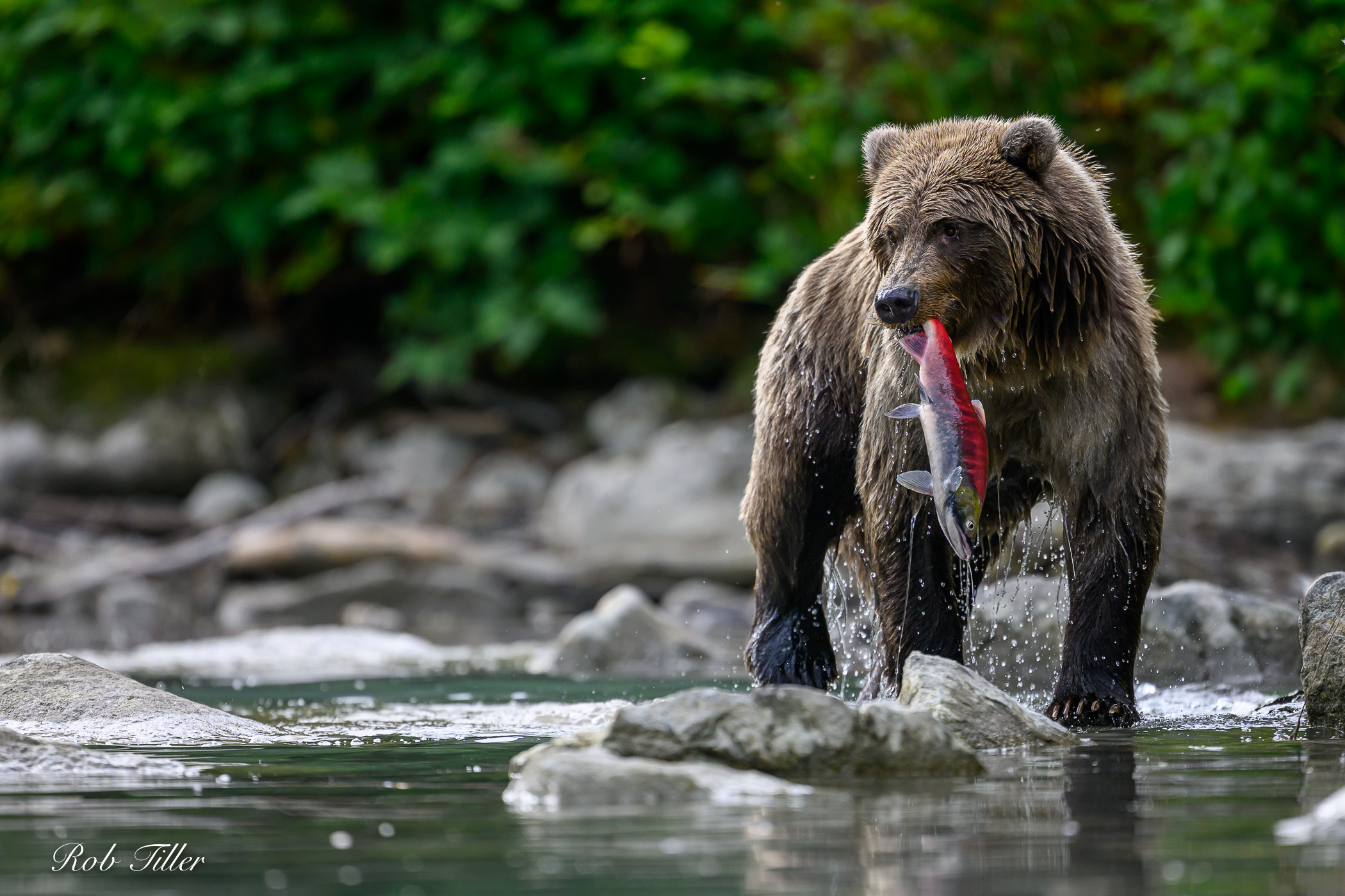
A couple of weeks ago I went back to Alaska for a week to photograph brown bears.  It was an epic trip, and I came back with several thousand images to sort through.  After a first pass, these are some of my favorites.   I made a short slide show with a few others, which is here.

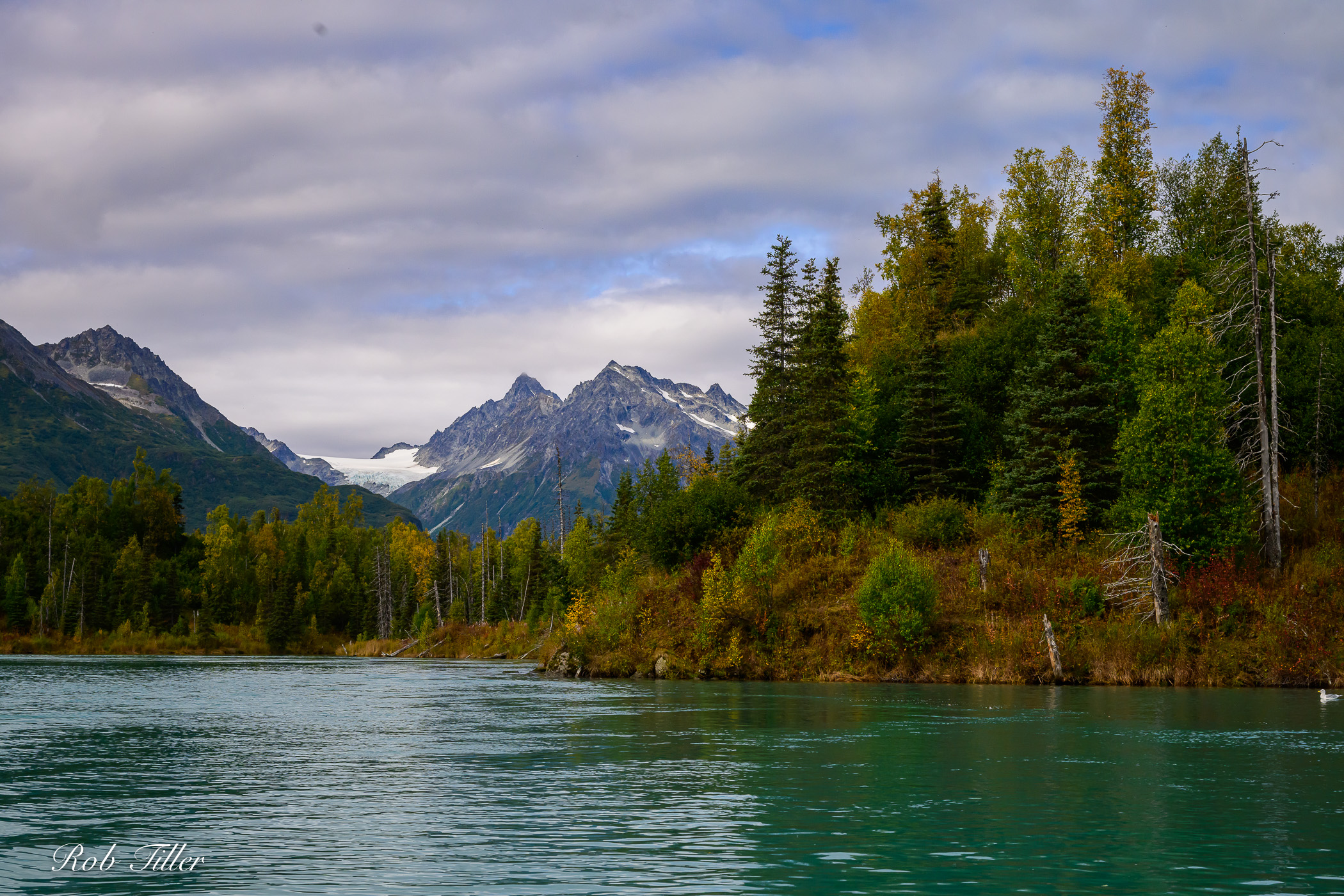
The trip was led by Jared Lloyd and Annalise Kaylor, world class photographers, teachers, and naturalists.  We were based on the Kenai Peninsula in the town of Soldatna.  Each morning, weather permitting, we flew out by float plane to Lake Clark National Park, where we landed on a beautiful glacial lake with luminous green water surrounded by forest and jagged mountains.  Off the plane, we loaded onto a skiff and went out to look for bears.

Part of what’s interesting to us about bears is that they are so big and strong.  They’re also agile and graceful, and can run almost as fast as race horses.  They have unbelievably keen senses of smell, very good hearing, and eyesight about like ours.  They’re smart, with good memories, and they’re talented at figuring out bear-proof containers and other puzzles.  And, obviously, they’re smart enough to thrive in harsh environments without the help of grocery stores, hospitals, pharmacies, houses, electricity, etc.

I loved seeing the bears at Crescent Lake, though there were some rough episodes.  I got there a day after the rest of the group, and on my first day it rained almost nonstop.  As we cruised on the boat or stood in the shallow water wearing waders, I managed to keep my camera equipment dry enough, but my body was totally soaked and shivering by the end.  Back at the airport, I found that the key for my rental car had also got soaked and wouldn’t work, and I had to get a ride back to Soldatna and get another rental car hauled up from Anchorage.

The weather improved the next day, but the day after that it was too stormy to fly to the lake.  I had some other tough moments, including getting stuck in quick sand and needing some help to get loose.  And some fun moments, like riding in the co-pilot’s seat of a De Havilland Otter float plane.    

Anyhow, it was great to have some quality time with the bears.  This time of year they’re in hyperphagia mode, trying to put on as much weight as they can before hibernating for the winter.  There were, however, fewer around than we’d expected.  Jared’s theory was that some of them were gorging on newly ripe berries instead of the salmon in the lake.  Most of the ones we saw were females, including several with first or second year cubs.  There were plenty of fish for them to eat.

On my way home, I drove along the beautiful Seward Highway through mountains and valleys to Anchorage.  After I turned in the rental car, I had a few hours before my night flight, so I visited the Anchorage Museum.  I found the exhibits of crafts of the First Nations moving.  Several different cultures were thriving in Alaska when Europeans arrived, and then those cultures were nearly destroyed.  But not entirely.  Some still maintain their languages and customs.

Those First Nations people surely had and have their problems, but they lived and live more in harmony with nature.  From what I could learn, their value system at its best involves respecting the natural world and taking from it only what they need to live.  This system is quite different from the one most of us inherited, which encourages ever more consumption and exploitation of nature.  We could learn some useful lessons from them.

It’s a long way from Anchorage to Raleigh.  Long trips are tough, but one of the things I like about them is the chance for some nonstop reading.  On this trip, I made good progress in The Fate of the Day, the second volume of Rick Atkinson’s new history of the Revolutionary War, which I highly recommend.  Atkinson is both a scholar and an engaging writer, and brings to life key actors and actions on both the American and British sides of the conflict.  

The death and destruction that brought the American republic into being were worse than I realized.  But Atkinson reminds us that war is not just carnage.  He writes about trying to recruit, arm, and train an army, then trying to find enough food and clothing for it.  Shoes, it turned out, were a big problem.  A lot of continental soldiers, who did some long marches, didn’t have any.   

One reason to learn about history is to better understand and care for ourselves.  When I went to get the latest flu and covid vaccines this week, I had to answer a few questions about my medical history.  It struck me that not knowing anything about that history could lead to bad treatment decisions.

So Trump’s program to rewrite American history is not very smart.  His idea seems to be that we’ll suppress unflattering and uncomfortable information and just keep the episodes that make us feel good and reinforce our prejudices.  Thus he and his minions have pushed the Smithsonian museums, the National Park Service, and other institutions to get rid of references to slavery and racism, as well as gender and LGBTQ+ issues and other social injustices.

But just as we can’t take proper care of ourselves if we don’t know about our past serious health problems, we can’t address our current social problems without knowing about our past ones.  Without knowing something of our history, a new visitor would have a hard time understanding the American racial caste system, which is a product of hundreds of years of legal slavery and the Jim Crow apartheid system. 

There are no doubt some people in MAGA-land who look back fondly on the slave system and view oppression of minorities as a good thing.  But I think that most Republicans would agree that we should have equal treatment under the law for everyone.  Surely many would agree that our tolerance and acceptance of diversity – racial, religious, cultural, sexual – is a source of our vitality, creativity, and strength.  They might also agree that we still have some room for improvement in the areas of tolerance and respect for all.

Will that change?  I admit, I’m worried.  Even without the Trump anti-history program, a lot of us aren’t well informed about our own history.  Our major news organizations, which create the first draft of history, are becoming less resistant to Trumpism – paying him millions of dollars to settle his absurd lawsuits, altering their editorial policies, and silencing leading voices of dissent.  

Trump’s new program could make us more ignorant, and more accepting of exploitation and oppression.  We’ll likely have to work harder to learn what is going on, and to communicate with each other about it.   

Some butterflies, and an idea for improving our democracy

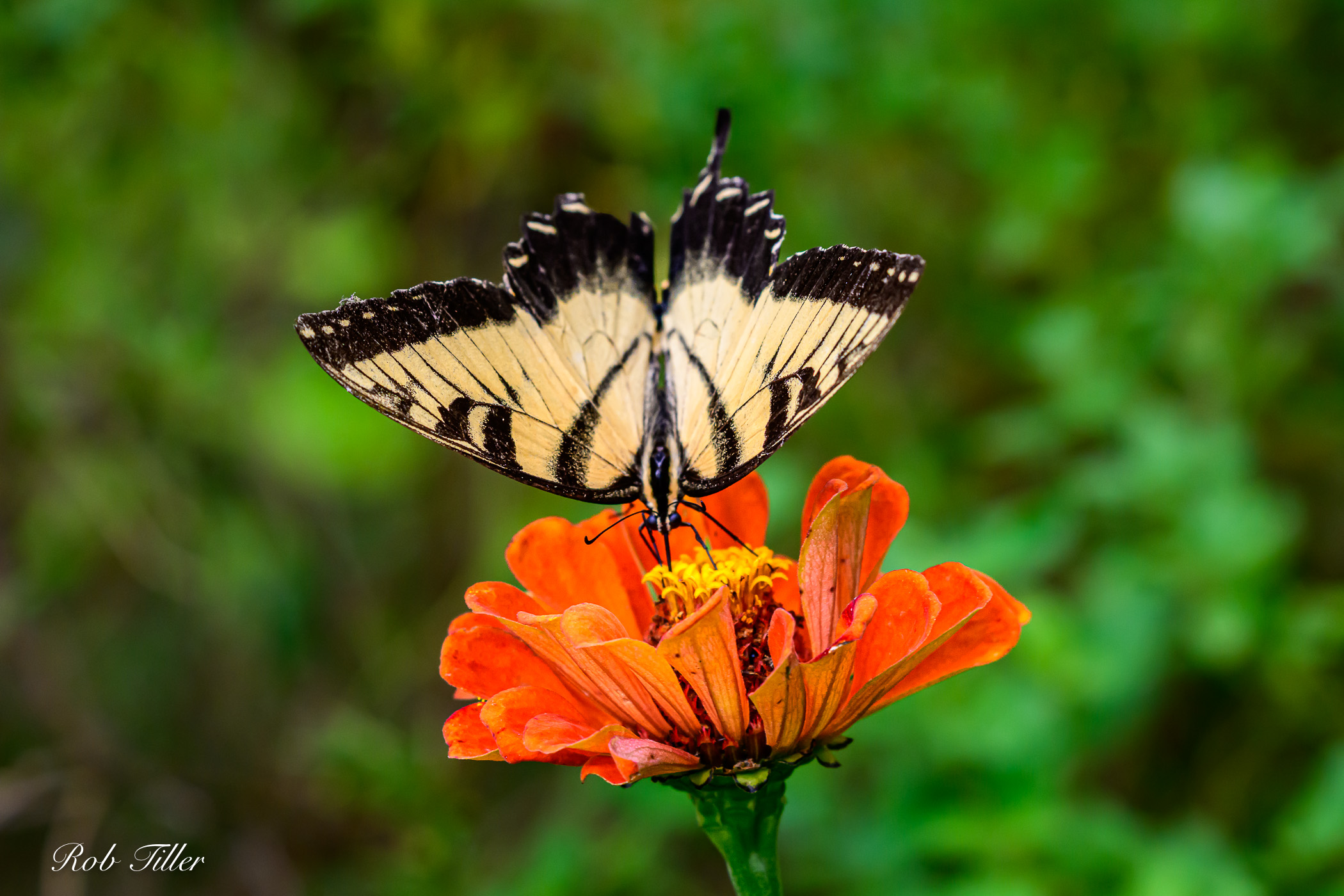
The first thing I’ll note is, no matter how many problems we have in America, there are still a lot of beautiful things, including flowers and insects.  I enjoyed taking these pictures last week in Ernie B’s garden, and hope you enjoy them, too.

Otherwise, it was a difficult week.  There’s a lot going on with Trump, so it’s challenging to get a grip on, and that may be part of the design: the sheer mass is exhausting and numbing.  

According to a recent Pew poll, it seems that a majority of Republicans don’t see any big problems with Trump’s major initiatives.  It’s possible nowadays to live in an impermeable information bubble, with unwelcome information blocked out, and I assume that accounts for some of the differences in our worldviews.  Anyhow, especially for my Republican friends and loved ones, here’s some of what I’m seeing.

At the start of the Trump presidency, the new initiatives made some sense, even if they were deplorable.  It seemed mainly about fearmongering and cruelty toward immigrants and minorities, while favoring the rich by dismantling business regulation and other laws.  Then new, weirder initiatives came into view, including cutting agencies performing basic governmental functions.  With no clear explanation, Trumpists began undermining federal law enforcement, military readiness, public health, education, disaster relief, environmental protection, legal procedures and courts, foreign aid, foreign intelligence, diplomacy, and revenue production.   

Meanwhile, we started to see corruption on a scale never seen before, with billions of dollars flowing from those who needed favors to the coffers of Trump Inc.  Wealthy donors, like oil and gas companies and crypto magnates, started getting the goodies they’d requested.  We also began seeing a barrage of policies that seemed plain crazy, like attacks on wind and solar power, threats to take over other countries, self-destructive trade wars with former allies, abandoning health research, and cutting holes in the social safety net that protects, among others, the MAGA faithful.  

This all seems terrible for those tens of thousands who have lost their freedom, hundreds of thousands who lost their jobs, those millions who lost nutrition and health care, and hundreds of millions indirectly affected, as well as sad for us all.  But that’s not all.   

Some things that we thought couldn’t happen here have already happened.  Kidnappings in broad daylight by masked government men in unmarked vans, military troops turning out in force to intimidate protestors in key blue cities, raids of the houses and workplaces of regime opponents, establishment of new torture detention centers, blatant defiance of court orders, and open promises of rigged elections.   And now President Trump is darkly teasing, “Maybe we would like a dictator.”  

I’m pretty sure that that’s not true for the majority of us.  We can see that, contrary to Trump’s crazytalk, we are in most respects not in any crisis or emergency, other than ones he’s creating.  We can see that immigrants are not subhuman animals, and opponents of Trumpism are not evil traitors.  The values that animate the MAGA-verse, like greed, willful ignorance, hatred, and cruelty, are not the values most of us want to see defining our culture, or want to cultivate in our lives.

What are the values we prefer?  Kindness and compassion, for starters.  Generosity and honesty, too.  Tolerance.  Curiosity.  Rationality.  All these are foundational to American culture.  We all, or almost all, learned them as children, and teach them to our children.  

But MAGA has put the alternative values into sharp relief, and we need to make some choices:  kindness or cruelty, generosity or greed, tolerance or hatred, rationality or ignorance.  We can also choose courage or fear.  We definitely need to find our courage.

One good thing Trump has done by undermining and exploiting American democracy is to highlight longtime problems in the system that badly need fixing.  For example, over generations, we’ve allowed too much power to accumulate in the presidency.  We’ve allowed Congress to become less and less representative, and more and more dysfunctional.  Our Supreme Court has become highly politicized.  Our government has become oligarchical, with little consideration or support for ordinary working people.

Now is a good time to start working on an alternative vision for our democracy – perhaps a Project 2029.  It would be sort of like Project 2025, but in the public interest, rather than the kooky kleptocrats’ interest.  It’s a big job, but we can start simply, by deciding what direction we want to go.  I suggest that we agree to make the objective of our government this: helping others.  

That is, instead of designing a government primarily to help the rich exploit everyone else, we should design it to serve the common good, and to help those who need help.  Our system should be oriented toward giving, rather than extracting.  Does this sound impossible?  It’s not a new idea.  Jesus, Muhammad, and Buddha would all support it. JFK seemed to be for it, when he said, we should ask what we can do for our country.

Kayaking at Robertson Mill Pond, in a warming world, with our new “energy emergency”

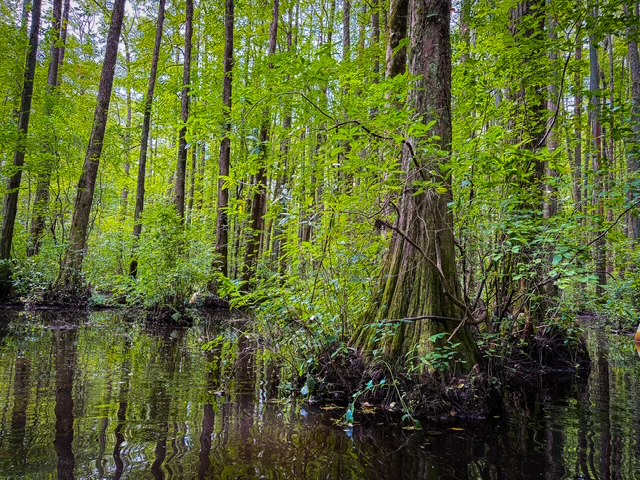
Last Monday I took my kayak to Robertson Mill Pond Preserve, which is just east of Raleigh.  The park is basically a swamp shaded by cypress and other trees, with a kayaking course laid out with numbered buoys.  I was the only person there.  I paddled gently in the shallow water and listened to the birds singing.  It was very peaceful and soothing, except when I couldn’t find the next guide buoy and got lost for a bit.

I didn’t take my big Nikon camera, which I’d hate to drop in the water, but I made a few snaps with my iPhone.  It wasn’t too hot that day, and it didn’t rain while I was paddling.  But the heat has made it tough to do very much outdoors on a lot of days this summer.  I played golf on Wednesday afternoon, when the temperature was in the low 90s, and was sweating profusely after walking hole number 1.

Global warming has been on my mind this summer, because it seems to be coming at us hard.   Hotter and hotter weather, more intense storms, floods, fires, and other climate-related disasters are a fact of life.  I’d have thought that there could be no denying it for anyone who can’t always stay in the air conditioning. 

Large populations are already facing droughts, crop failures, wars, displacements, and other disasters related to higher temperatures.  At the micro level, hotter temperatures cause increases in crime and domestic violence.  All the science tells us that unless we take action, all these problems are going to get a lot worse.  

So why aren’t we doing everything we can to mitigate our crisis?  Well, part of the answer is, follow the money.  It’s no secret that those who profit from the fossil fuel system are always keen to make more money, and highly resistant to having less.  President Trump promised the fossil fuel moguls that he would be their boy if they gave him enormous campaign contributions.  They did, and in at least this one instance, he kept his promise.  See this article.

Climate experts are being fired or sidelined and agencies organized to protect public health are being dismantled. Rules discouraging fossil fuel emissions and encouraging EVs are being dropped.  Subsidies for green energy have been undone, and new subsidies for fossil fuels enacted.  The endangerment finding that is foundational for EPA regulation is being reversed.  There’s even a plan to shut down satellites that measure CO2.   

This is truly perverse.  How could it be justified?  Why of course:  just say there’s a national emergency!  As with other Trumpian outrages (like militarization of the border and starting a trade war with tariffs), the President, with no factual basis, declared a national energy emergency

Like autocrats before him, Trump cynically exploits the blind spots and weaknesses of the citizenry.  One of his trademark moves is to sound the alarm:  we have everything to fear!  By raising the panic level, he lessens the chance that people will be able to engage in critical thought.  Thus we learned that immigrants are generally rapists and killers, that peer nations are deadly drug dealers, and that Democratic leaders are Satanic pedophiles.  And now, he says we have an energy crisis — not too much fossil fuel usage, but too little!

None of these claims has a grain of truth, but that hasn’t stopped them from propagating on right wing media.  And the flood of truly frightening things, like widespread cruelty to immigrants, imposing militarization in our cities, attacking our universities, betraying our allies, undermining the rule of law, fomenting stagflation, and halting vaccine and other scientific research, is exhausting.  There’s hardly enough time to get up to speed on one outrage before there’s a new one.  

So even for a well educated and dedicated progressive, it’s tough to keep up with the news, and with everything there is to worry about, to stay engaged on climate change.  But the consequences of not doing so could be disastrous, as in, the end of civilization as we know it.  

One other aspect of this problem, and then I’ll stop:  most Americans are not well educated.  Fewer than half have more than a high school degree.  More than half read at below a sixth grade level.  This is not a bug for MAGA; it’s a feature.  Ignorance is a key enabler of the Trumpian movement.  This partially explains the attacks on universities and public education.  

So it’s not surprising that a lot of people have trouble processing the science of climate change, or even understanding what science is.  And it’s not surprising that they’re preoccupied with the price of gas and other daily necessities.  Most don’t have enough money for a major health emergency, and many can’t fund a car breakdown emergency.  Climate change is, for them, not the most immediately pressing issue.  

The widening of the income gap between the well off and everyone else over the last several decades is a big part of the explanation for Make America Great Again.  Working class people really were better off, relatively speaking, in the mid-twentieth century.  There were more unionized jobs, and more respect for such jobs.  Various institutions, like unions, churches, social clubs, and sports, gave a sense of community and connectedness.  We’ve lost a lot of that.  It’s understandable that working people feel they’ve gotten a bad deal, and it’s not fair.

As many others have noted, it’s truly ironic that a make-believe-super-rich-guy-failed-businessman-grifter like Donald J. Trump could successfully win the love of masses of the not well off.  Yet he did, by acknowledging their anxiety and sense that the system was unfair, as well as by appealing to their prejudices.  Can he keep their love as he makes sure the economy worsens, the housing crisis worsens, the health care system worsens, and the planet heats up?   Probably not.  

In any case, we’re all here together on our one precious, fragile planet.  We need to keep talking to each other, with patience, with respect, but also with urgency. 

Birding at the Nuthouse, and some benefits of reading

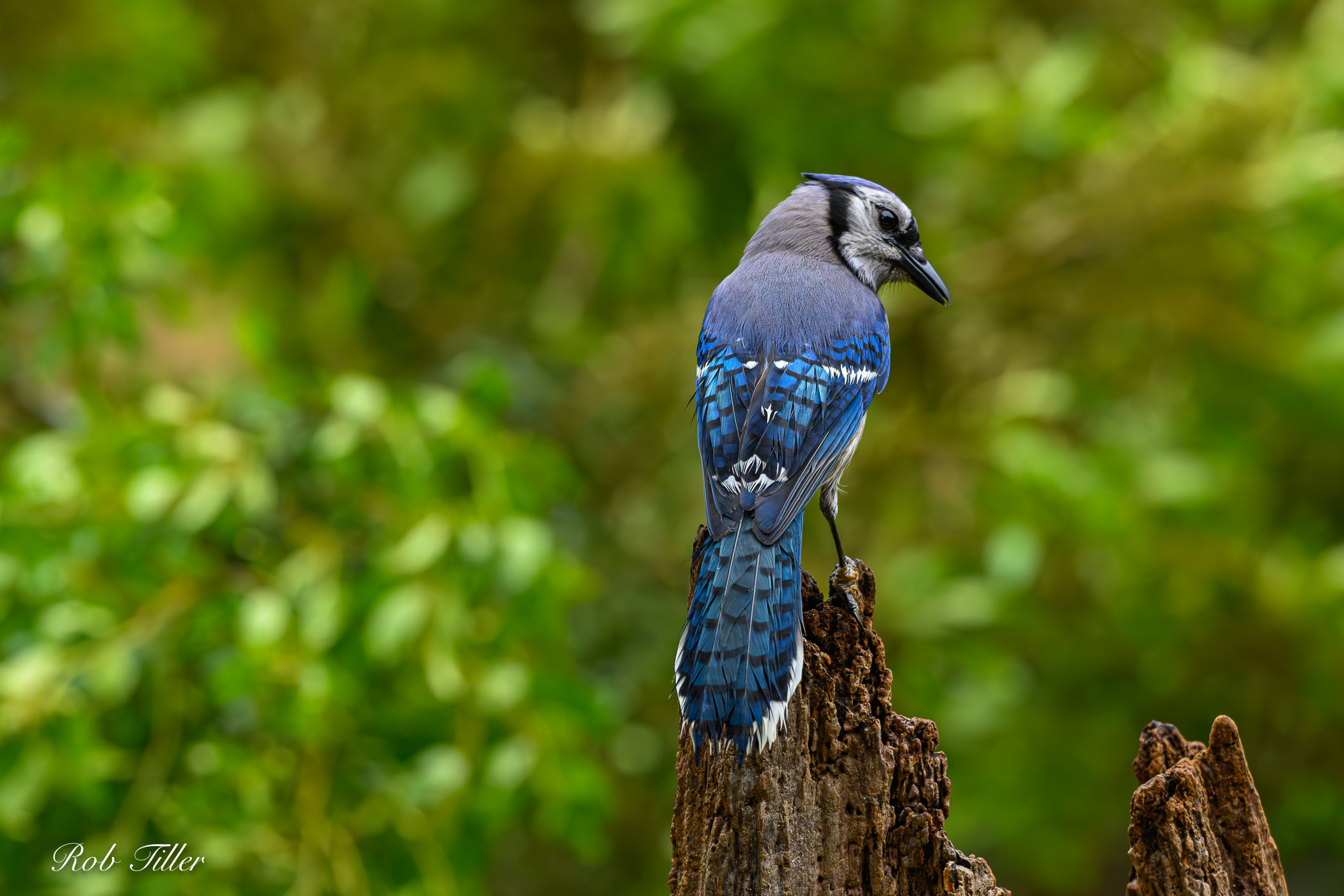
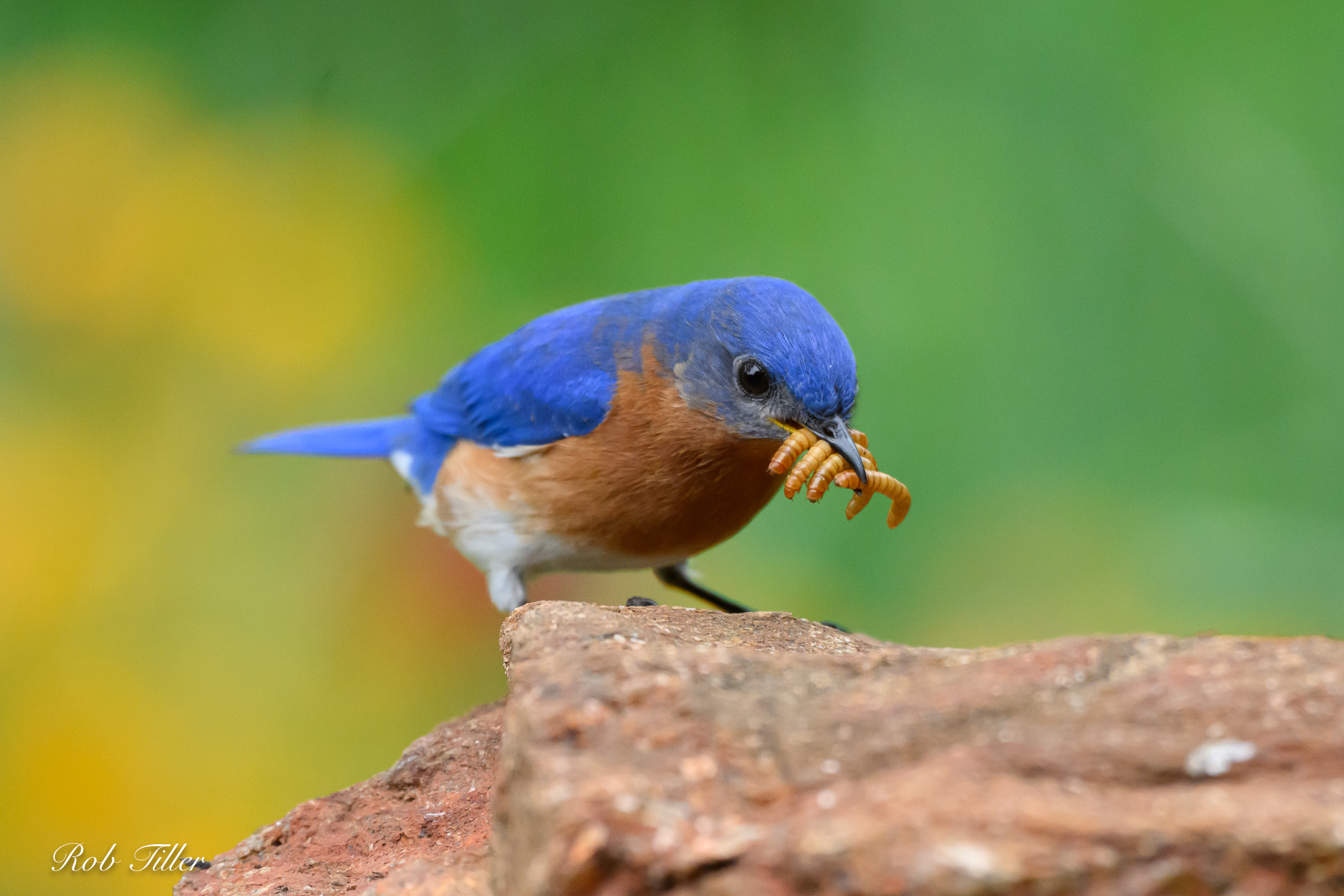
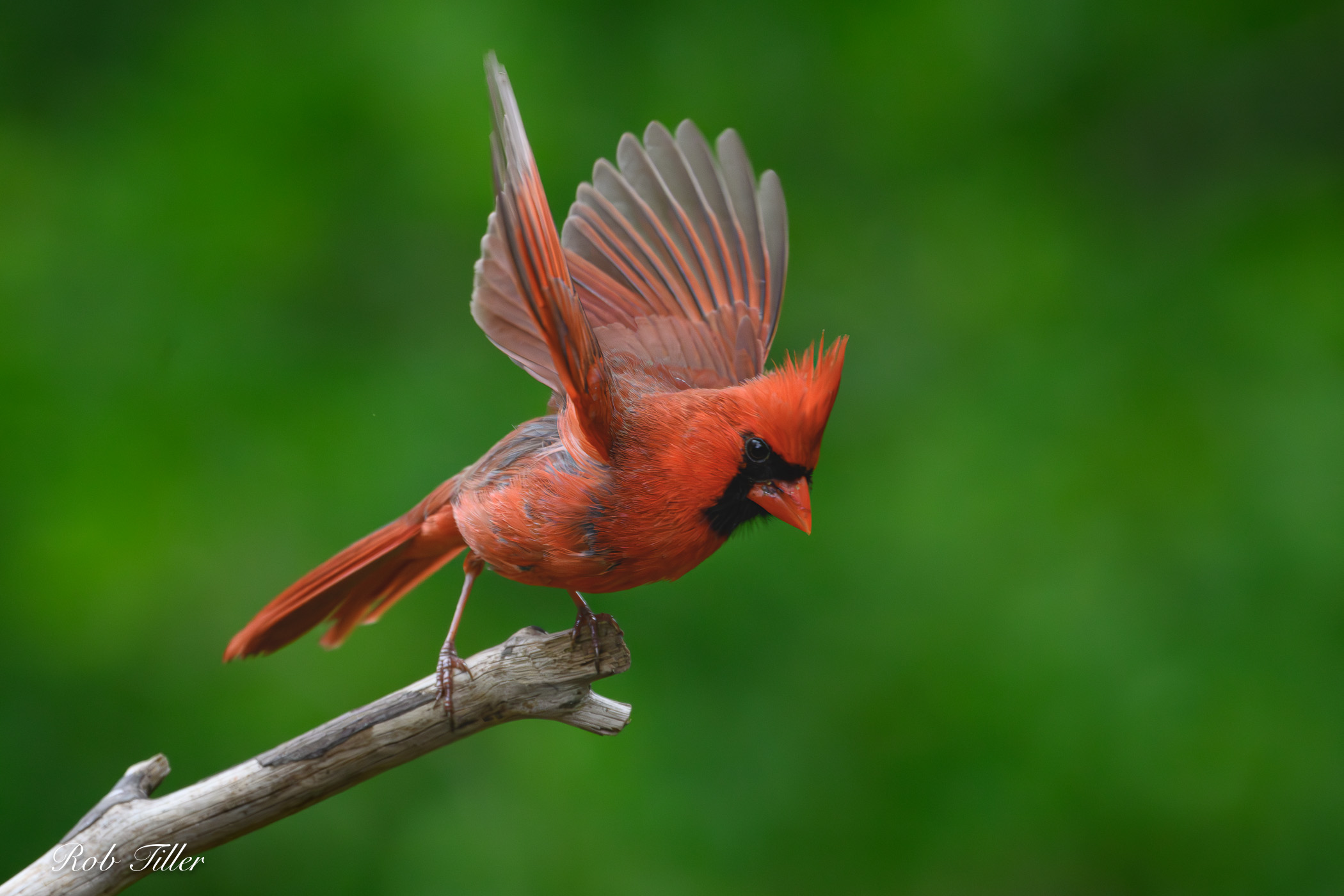
Last week I drove down to Clemson, SC to do some bird photography.  I spent a day and a half at The Nuthouse, where owner Carl Ackerman has created the ultimate backyard birding destination.  There are three blinds for sitting, watching, and photographing birds in different settings.  Carl provides meal worms and other treats for the birds, and there are a lot of them that clearly appreciate it.  

I’d hoped to see lots of migrating songbirds.  Although a good number had come through earlier in the week, my timing wasn’t in alignment with theirs.  But it was really a joy to spend a good block of time with common resident birds.  Even though I was very familiar with all the species that came by, I saw them in new ways – eating, gathering food for the chicks, bathing, and investigating.  I also saw a lot of chipmunks, squirrels, and a groundhog.  

It was both peaceful and exciting.  Giving nature some respectful observation can be spiritually nourishing.  Especially in these fraught times, I take peace and serenity where I can find it. 

I’ve also been getting a lot of pleasure out of revisiting some great literature of the 19th and 20th centuries.  My ability to read and delight in literature, which I cultivated as a young person, went downhill in my middle years, as work and family responsibilities took so much time.  But I’ve got it back!  All it took was some practice.  

I recently finished re-reading the Aubrey-Maturin novels by Patrick O’Brian about the British Royal Navy in the early 19th century.  I was once again totally captivated.  O’Brian was a master novelist and also a historian who delved deeply into ancient archives and other sources for his material.  His main characters, officers on British warships, were multi-faceted and engaging, and their adventures were epic.  

I’m now about halfway through David Copperfield.  Charles Dickens said that this was his favorite of his books.  My edition has the ultimate cover blurb:  Leo Tolstoy (a pretty good novelist) said it was the greatest novel by the greatest novelist.  The story has significant autobiographical elements, richly rendered.  There’s a huge canvas, but I’ve been especially struck by Dickens’s respect and sympathy for mentally ill and otherwise struggling people.  If you read this book as a young person, you might want to consider reading it again.  I can almost guarantee you’ll get more out of it the second time.  

Along with literature, I’ve been reading a lot of current journalism.  I used to think most everyone must be doing this, trying to keep abreast of so much rapid change.  An essay in the NY Times by Rob Flaherty this week pointed out that this is quite wrong.  

Today’s culture is no longer a creation of executives in New York City and Los Angeles. Thanks to algorithms and an endless set of media choices, what you see, read and hear is a personalized reflection of your own interests. It’s like a city with a lot of different neighborhoods. . . .So if you don’t care about politics — or more precisely, don’t trust our politics — you don’t have to hear about it at all. A voter can turn on, tune in or opt out.

It was these voters — opt-out voters — who decided the 2024 election. It’s the same voters Democrats are struggling to reach today.

At their core, opt-out voters generally don’t trust politicians or the mainstream media. Many assume the system is rigged, the media is biased and neither party is actually fighting for them.

Flaherty contends that most of those who aren’t in the educated elite get their news from social media and friends, which seems to come at them in friendly random snippets.  He sees the right as much more successful in building alternative communication channels and creating appealing narratives, while Democrats are still trying, not very effectively, to reach the public through traditional media.  He recommends revising this strategy to be more social-media savvy.

This might help, but it also might help to help people improve their reading abilities.  According to a recent report, most Americans read at a 6th grade level or less.  Think about that!  Standardized test results show reading levels of school children getting worse.  College professors report that their students can no longer read as much or as well as they used to.  This all begs the question, how many people just aren’t capable of reading a newspaper with a fair level of comprehension?  

What is the Trump administration doing about all this?  It’s dismantling the Education Department and threatening to cut federal funding for public schools. It’s also attacking universities by threatening them with huge funding cuts and loss of tax-exempt status, and threatening foreign students with deportation.  It has pulled the plug on scientific research in health and the environment.  

Just as worrying, Trump is increasing his attacks on traditional media.  He’s forever inciting his followers against fake news, which is any news he doesn’t like, and insufficiently obsequious journalists.  He’s barring certain journalists from access, bringing baseless lawsuits against journalists, and threatening broadcast licenses.  He’s dismantling Voice of America and this week ordered that federal funding be canceled for NPR and PBS.  

The Trump program seems designed to worsen our illiteracy and ignorance.  Perhaps he’s thinking that by lowering our competence in reading and critical thinking, he’ll reduce our resistance to his domination.  If reliable news sources can be weakened or eliminated, his epic dishonesty may go unexposed. 

There are so many Trumpian disasters-in-progress that it’s hard to keep track of them all.  But there was some good news this week:  Trump’s poll numbers are at historic lows and trending down.  There’s a real chance that the next midterm election will diminish his power, and the next presidential election will allow for a new beginning.  

In the meantime, there are increasing signs of courage and resistance.  Although the natural world hasn’t been at the forefront of the battle, it still has its champions.  Per the NY Times, Trump, continuing his war on nature, recently scuttled the National Nature Assessment.  The Assessment was an effort “ to measure how the nation’s lands, water and wildlife are faring, how they are expected to change, and what that means for people.”  Some 150 scientists and other experts had spent thousands over hours on the project.

But some of those experts are working on continuing their work and publishing it outside of government channels.  They view their work as too important to the country to give up on.

Blessings to those experts, and the other scientists, politicians, educators, lawyers, judges, federal workers, journalists, non-profits, unions, businesspeople, and ordinary folks who are showing courage in this dark moment.  They remind the rest of us that Trumpism is not invincible, but it must be actively resisted.

Heat, horses, and Poverty

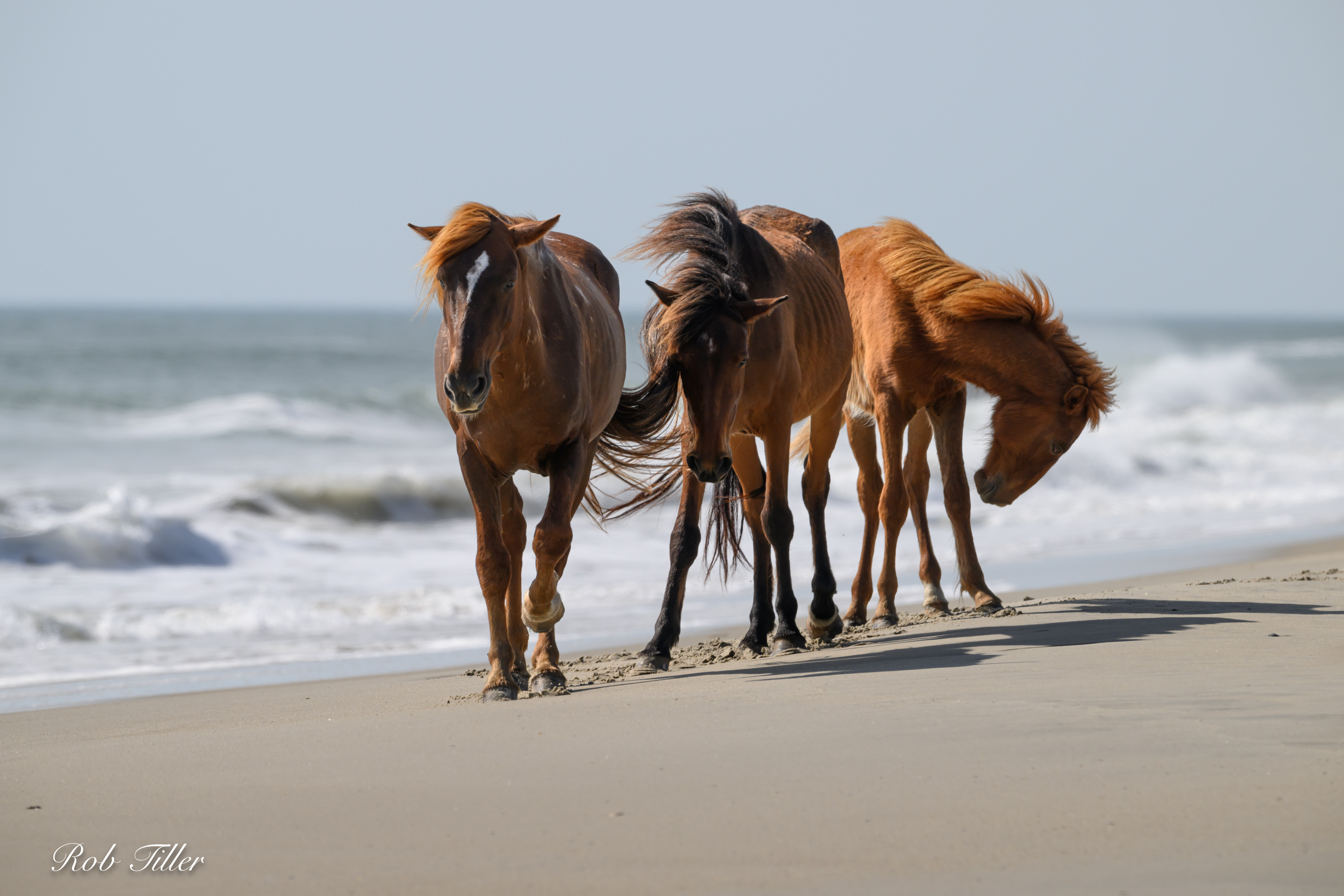
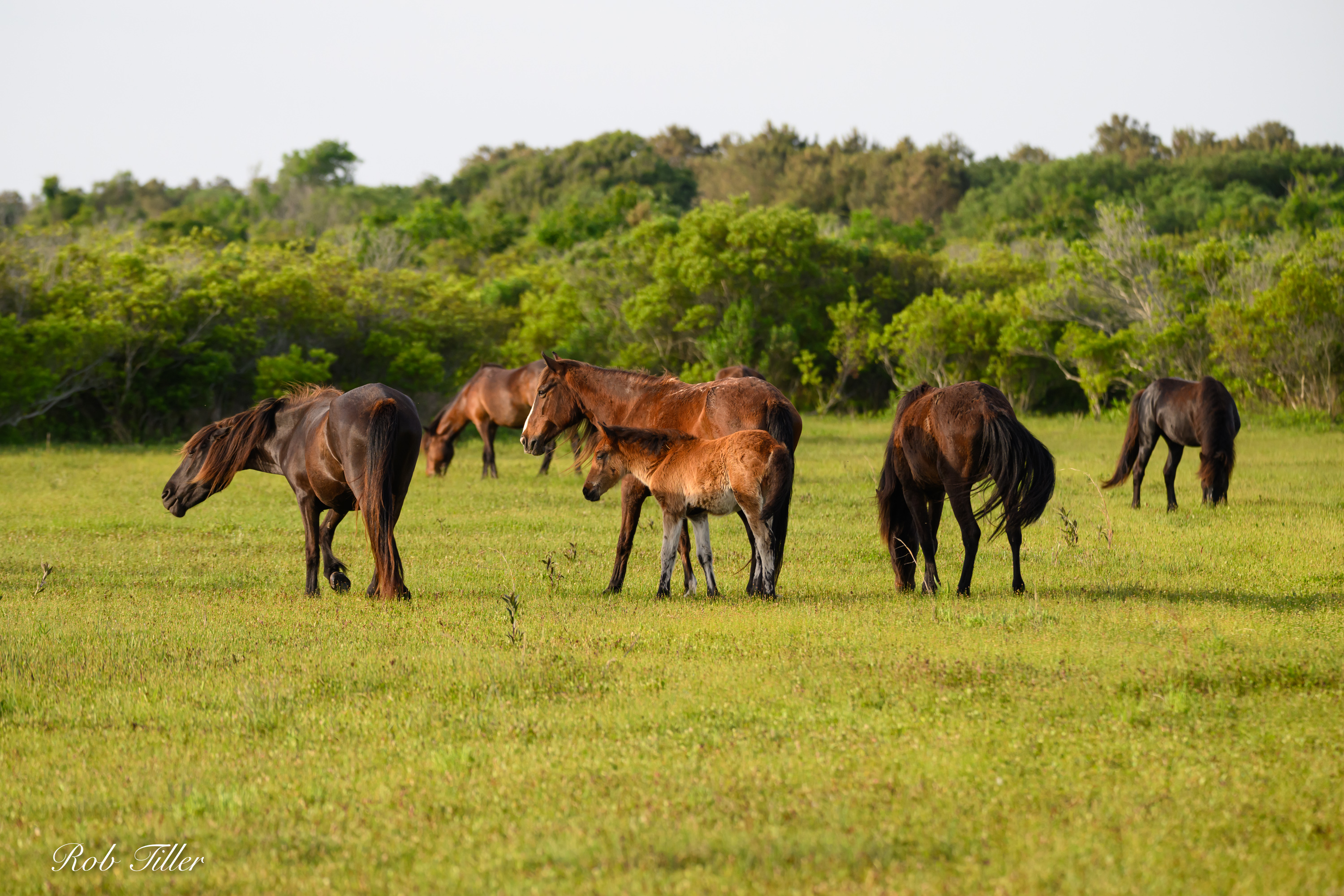
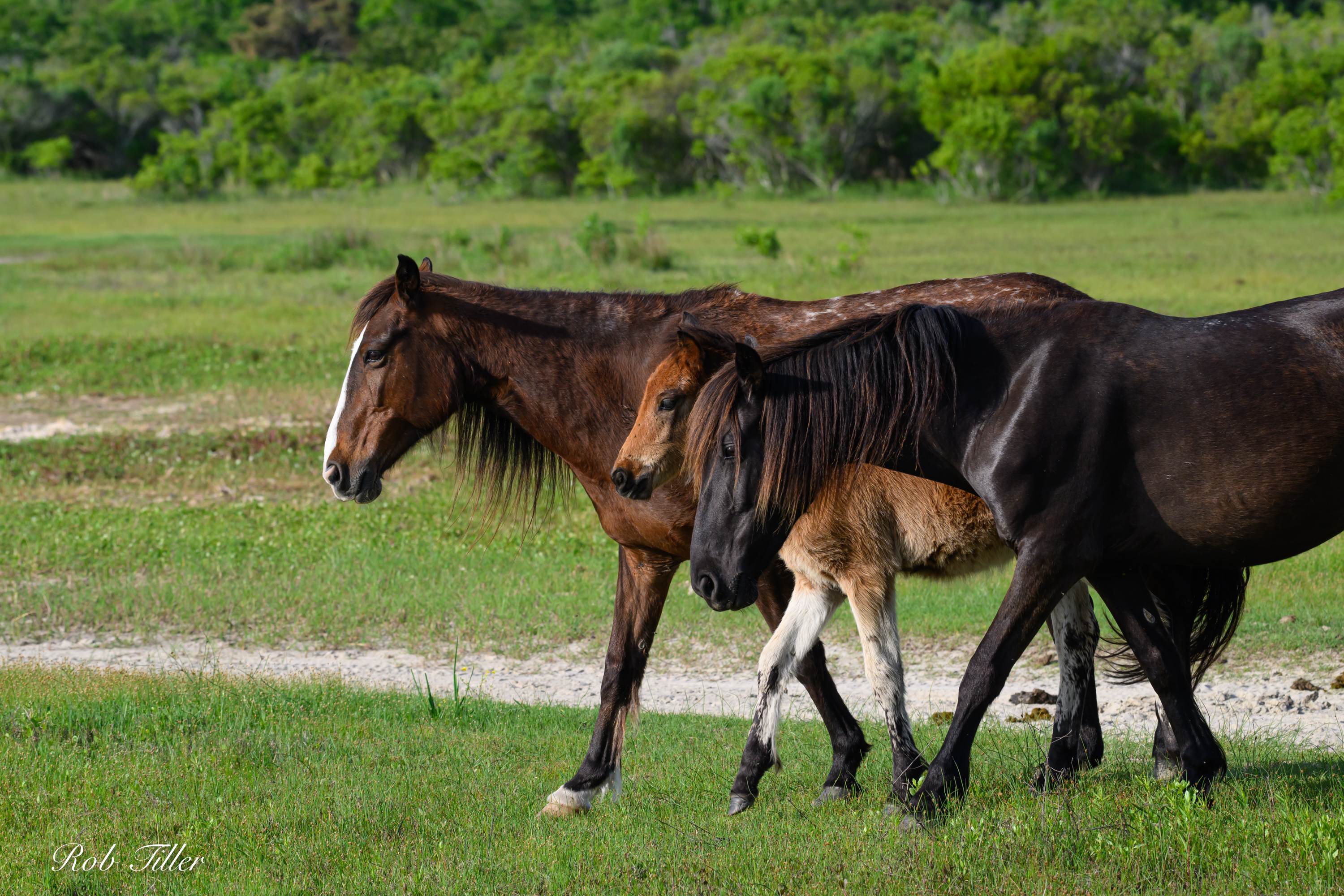
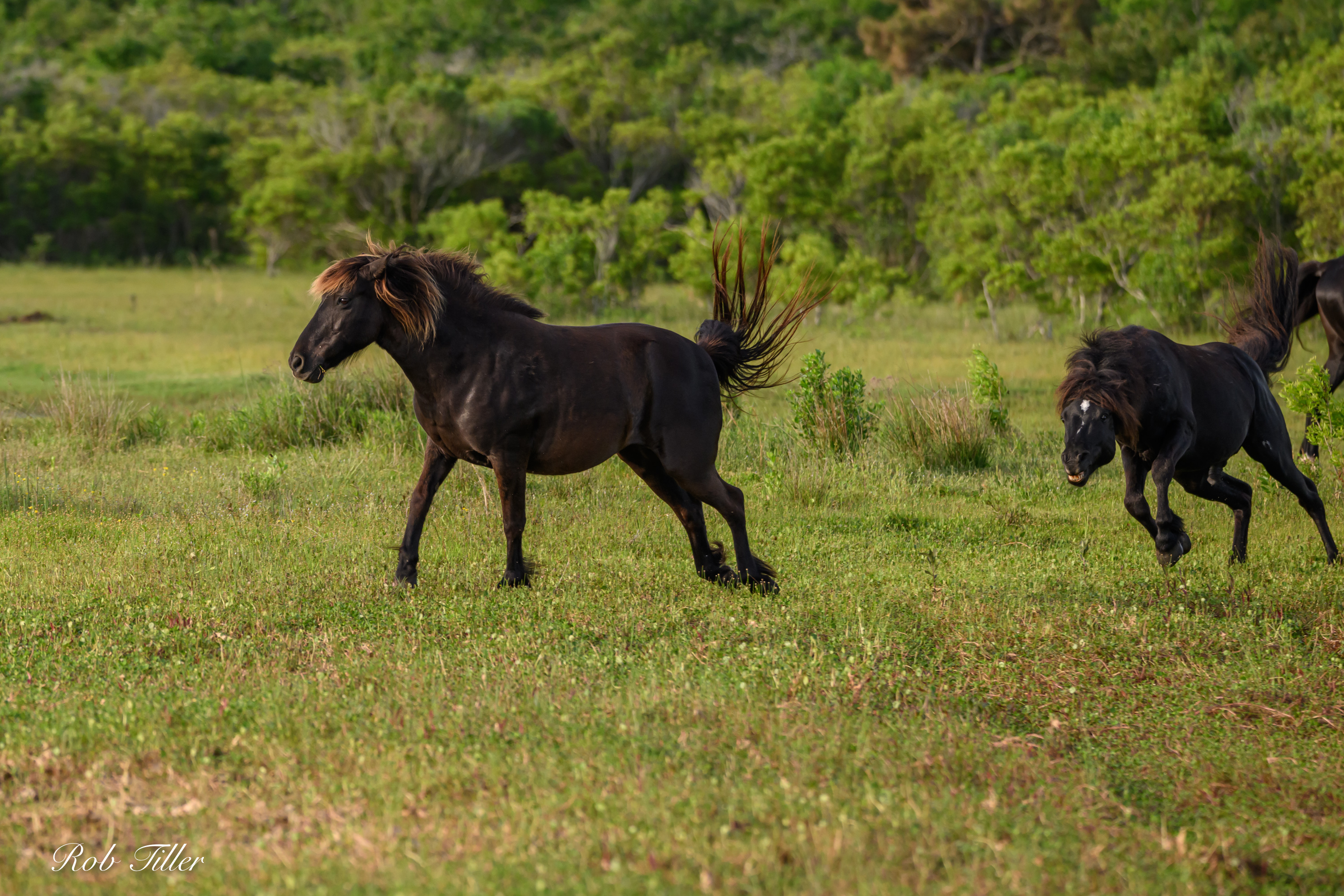
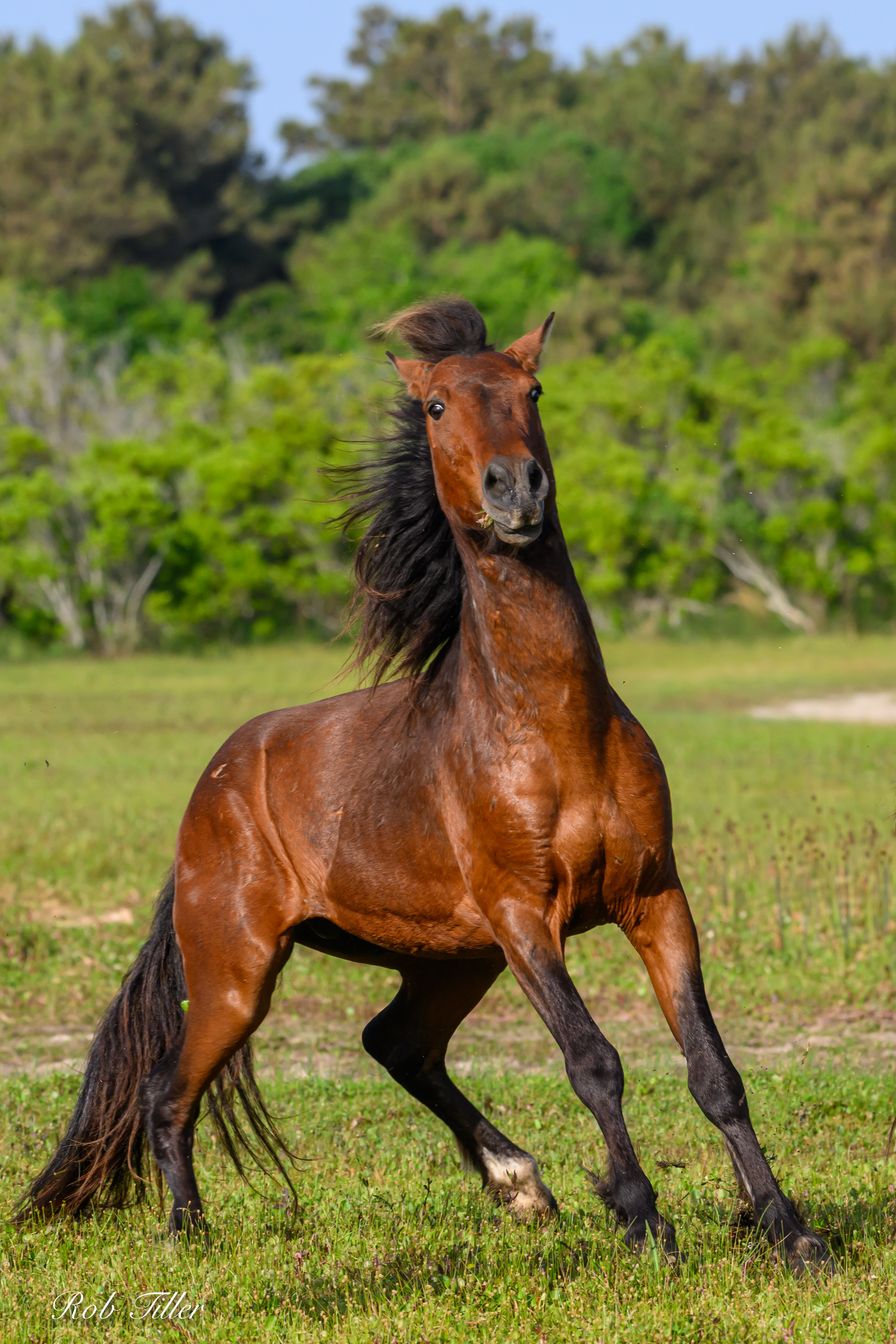
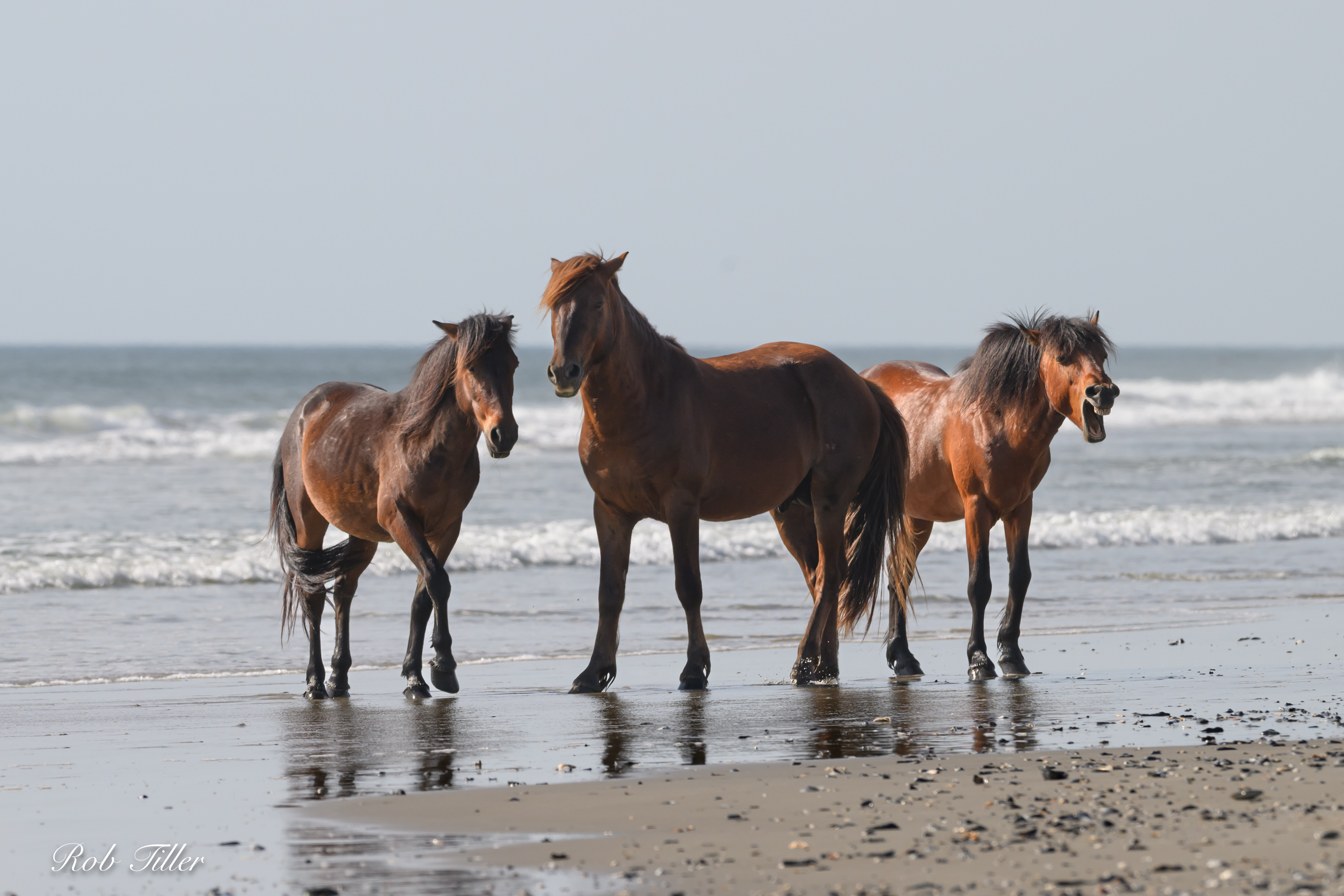
High temperatures and high humidity in Raleigh have made outdoor activities pretty miserable.  Stuck inside more,  I finally managed to sort through the pictures I took in May of the wild horses at Corolla, NC.  I saw thirty-some in one day in a pasture and on the beach.  

The horses had some disagreements between their family groups, which resulted in a few chases and kicks.  They could run very fast, but mostly they just grazed peacefully or enjoyed the ocean breeze.  They seemed to have a good attitude towards life.  

Again, about that heat:  we’re regularly setting new records for highs in these parts, as is the planet as a whole.  And of course, with the heat come other problems, like  floods, draughts, tornados, hurricanes, and wildfires, not to mention famines, water shortages, pandemics, failed economies, mass migration, and war.  It’s gotten harder and harder to deny we have a climate crisis that we created and we must address, although some still do.

Denialism is a core plank of the Trump movement.  One of the projects in Project 2025, the detailed list of policies proposed by Trump administration veterans and aspirants, includes the break up of the National Oceanic and Atmospheric Administration.  NOAA is the parent of the national Weather Service, which provides the raw data for most of the weather reporting that industry, the military, and you and me rely on.  According to Project 2025, NOAA is “one of the main drivers of the climate change alarm industry.”  Who knew?

Along with muzzling or dismembering NOAA, Project 2025 proposes downsizing agencies focusing on climate research, including the EPA, weakening environmental regulations, curtailing renewable energy support, and expanding fossil fuel development.  Trump told a group of oil execs that for $1 billion in contributions, he’d allow new oil drilling projects and reverse regulations that limited their profits.  

It’s shameful, but not surprising, that fossil fuel interests find it normal to put profits above all else, but it’s hard to understand why others not mad with greed would be willing to go along with a program to further degrade the environment.  The Trump-MAGA opposition to climate mitigation could be partly about wishful thinking, as in, we wish we didn’t have this terrible problem which will be hard to address, so let’s pretend we don’t.  And of course, Trumpists are inclined to oppose anything that non-Trumpists support, up to and including trying to save the planet.  

Anyhow, as most people surely know by now, our planet is in dire straits, and without strong measures the climate emergency will become an ever-widening disaster.  The Biden presidency took some meaningful steps toward addressing this emergency, including the Inflation Reduction Act, but much more is needed.  It’s a safe bet that a Harris administration will continue this work. If you are considering voting for Trump, I hope you will reconsider and instead support facing and fixing our climate crisis.  

If you can stand one more serious subject: I finished reading Poverty, by America, by Matthew Desmond, and recommend it.  I knew, as we all know, that we have poverty in the US, but in this short book Desmond brought it into better focus, in a way that was at once challenging and surprisingly hopeful.  

Poverty, by America helps us understand that poverty doesn’t just mean not having inadequate housing or other necessities.  It also means insecurity and anxiety, health problems, depression, addiction, and other personal difficulties. 

Desmond challenges the narrative that poverty is inevitable and the poor are mainly responsible for it. At the same time, he isn’t buying the idea that the wealthy are mainly responsible for their own good fortune, rather than the beneficiaries of lucky birth circumstances and government preferences.  The extreme inequality between rich and poor in America is deplorable, and indefensible.

It isn’t pleasant to realize that most of us who are not poor have acquiesced in this system, and are to some degree complicit in it.  We like having low prices, and adopt the narrative that that requires low-paid labor.  Most of us aren’t really opposed to government assistance.  Indeed, the non-poor are by far the greatest beneficiaries of government welfare, through such subsidies to the well-to-do as the mortgage interest deduction, favorable tax rates for capital gains, and student loans.  

This is a longstanding and chronic situation, but Desmond refuses to give up hope.  He points out both small and large reforms that would ameliorate poverty.  One main one is to quit tolerating tax cheating by the wealthy and raise their taxes to something closer to the historical and international norm.  The additional revenue could fund better schools, better housing, and better opportunities.  

Wildebeests in various states, querying MAGA, doubting Artemis, and getting curious about animal communication

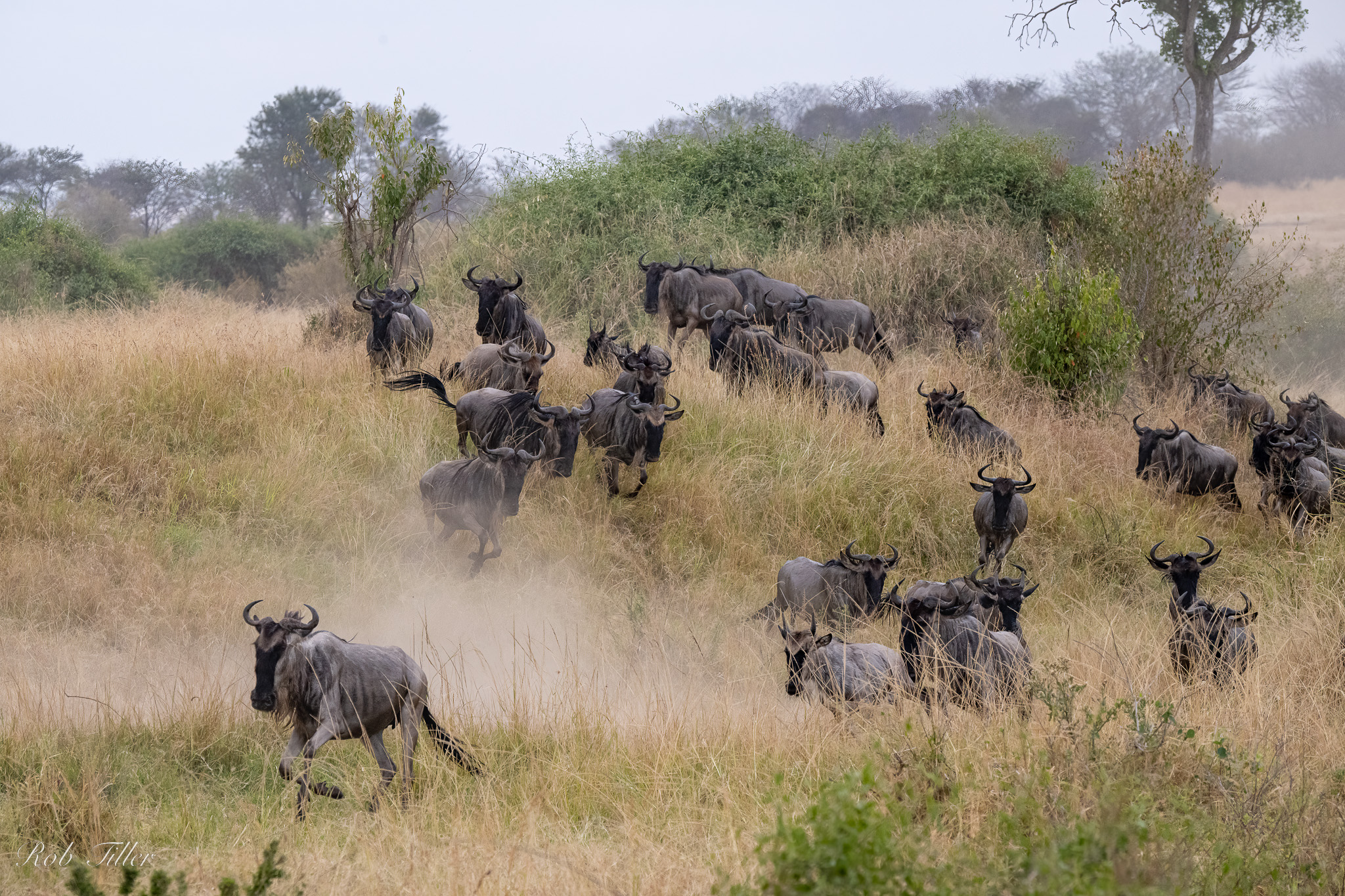
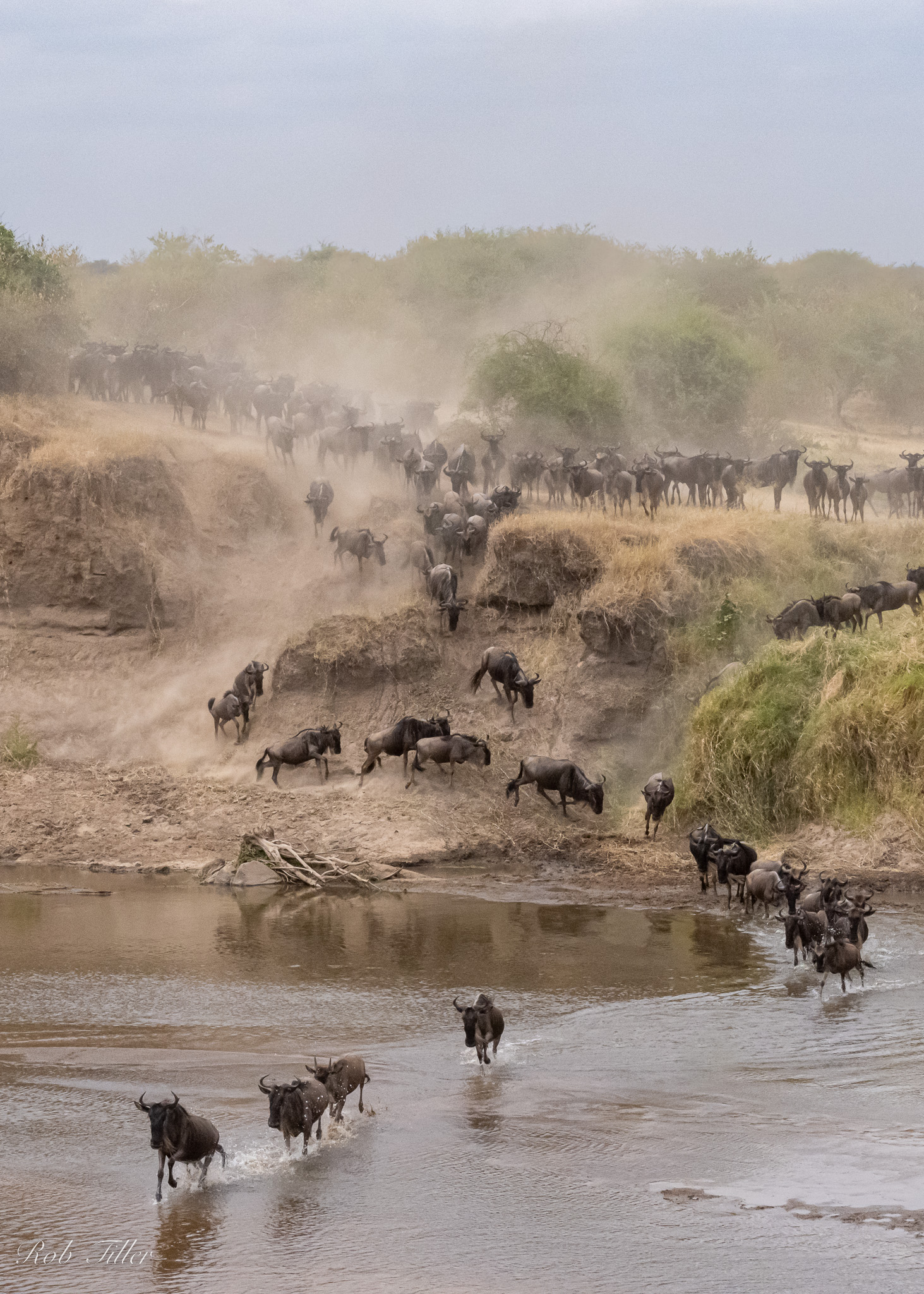
Wildebeests in Serengeti National Park, Tanzania

Working through the big pile of my pictures from Tanzania has been absorbing, but also exhausting.  I’ve been trying to remember how things looked, and figuring out how to interpret the images.  In the process, I’ve been learning new things about my processing software – Lightroom, Photoshop, and Topaz AI products.

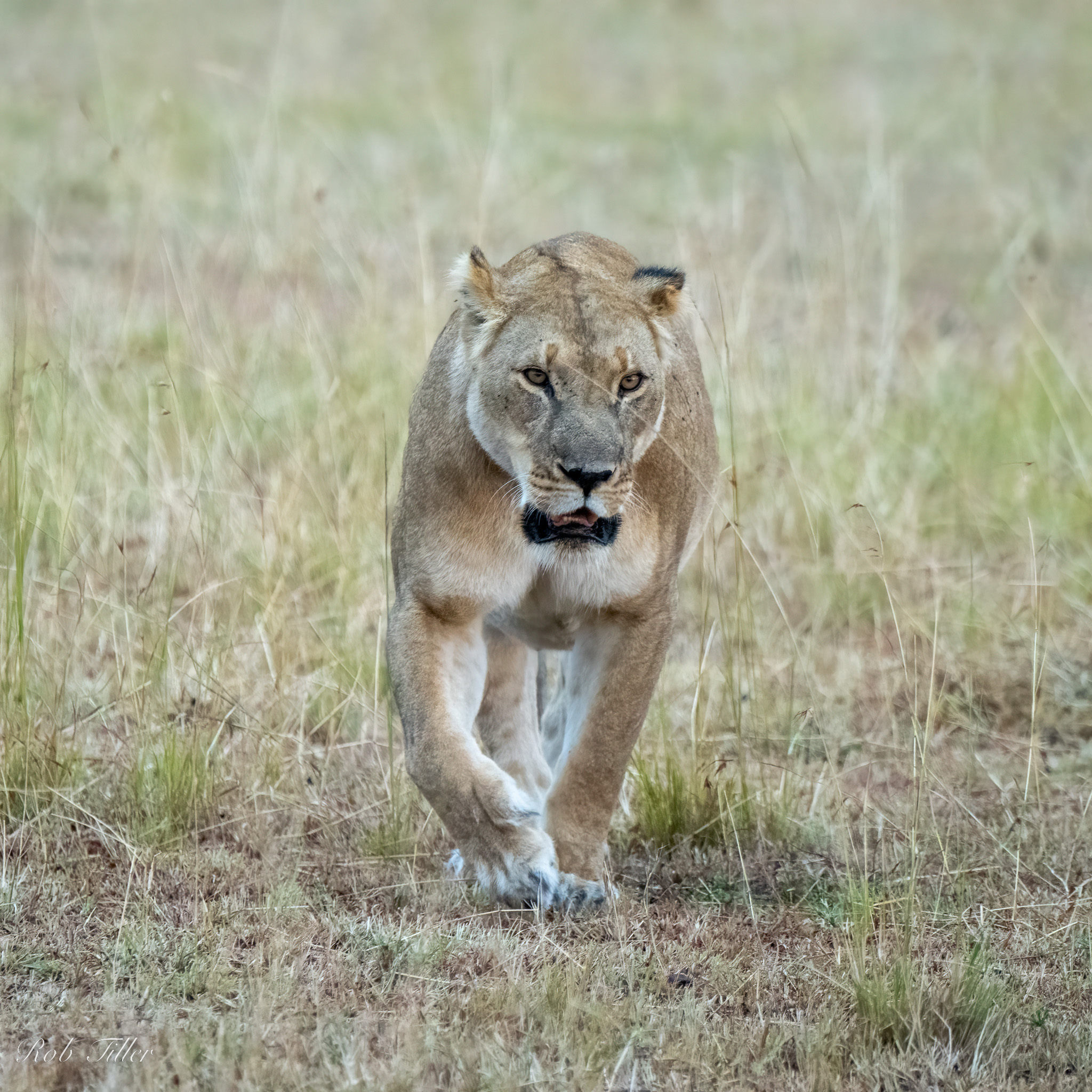
One of our prime objectives in Tanzania was to see some of the large herds of wildebeests that annually cross the Mara River.  It’s challenging to convey the power and raw beauty of these crossings, but I tried.  I also am sharing some photos of large predators.  Warning: there is a picture of lions on a recently killed zebra that might not be suitable for all readers. 

Artificial intelligence is once again a buzzword, but let me just say first, the new versions of Topaz DeNoise AI and Sharpen AI are amazing.  There are clearly important advances going on in AI, which could soon surpass our ability to understand them, if they haven’t already.  It’s far from impossible that our intelligent software could go from helpful to dangerous, if it hasn’t already. 

It’s surprising that tech journalists ordinarily focus on the question of if AI can equal human intelligence.  It has already equaled or surpassed what humans can do in some domains (playing complex games, using correct grammar) and is rapidly moving into areas we’ve thought of as artistic (composing music, making paintings, writing fiction).  But people continue to believe there is some unique and valuable quality in human thinking that can never be equaled.   However that may be, we have no shortage of evidence that human thinking has some systematic glitches.

A prime example:  MAGA Republicans, who have decided to believe and/or promote a wild and enormous lie – that Trump was not defeated in the last election, but was rather the victim of a vast fraudulent conspiracy.  There are, of course, Republicans who understand that this is nonsense and continue to support American democracy.  But most of those traditional Republicans have become very quiet, and acquiesced in the takeover of the GOP by the Trump faction.

So what is wrong with MAGA folks?  Of course, there are many individual stories, but the big drivers seem to be fear of the Others (those with different skin tones, religions, languages, genders, etc.), loss of traditional status (relative to the Others and to the wealthy), bewilderment and frustration at changing social norms, and economic anxiety.  Whatever the causes, there are clearly strong feelings causing MAGA folks to detach themselves from ordinary reality and swear allegiance to a comical-but-dangerous charlatan.

Leopard in Serengeti

One thing that struck me recently which I’m trying to keep in mind:  almost no one thinks they are a bad person, or doing things for an evil reason.  Almost everyone thinks they are a good person, or at least, no worse than average.  MAGA believers are no exception.  They view their principles as well aligned with all that is right and good.  

In this sense, MAGA people mean well.  As individuals, they may have many good qualities, and like all sentient beings, they are entitled to affection and respect.  But as aggregated political actors, they have gone off the deep end, and threaten us with disaster.        

Cheetah in Serengeti

For quite a while after the election, I expected the MAGA fever to break and our normal far-from-perfect politics to resume.  But recently it’s gotten worse.  Republican leaders and candidates vie to stake out the most extreme positions favored by the MAGA element, and some are promoting violence against political enemies and even civil war.  This is definitely not American politics as usual.  

As President Biden recently pointed out, most Americans do not share this mindset, and it’s still possible we can avoid joining the league of repressive authoritarian nations.  The question is not whether MAGA Republicans will change:  they are, at least for now, fully committed to the end of fair elections, equal rights, and other key features of our democracy.  The question is whether those who thought they could safely be ignored will wake up and passionately oppose them in the coming elections.

Lion in Serengeti

As if that weren’t enough to worry about!  But, with apologies, I’m going to give one more timely example of what looks to me like a mass delusion.  My excuse is that since it recently became a big news story, I haven’t noticed anyone else raising the issue of its essential craziness.  I’m referring to the Artemis Project, which, we’re told, is a vital effort to put people back on the moon.  As of this writing, two much-hyped launch attempts have been canceled for technical reasons.

I’m a longtime fan of science and technology, including the amazing new Webb space telescope, and was as excited as anyone at the first moon landing in 1969.  But I felt no great sorrow after we discontinued the Apollo program in 1972.  We’d been there and done that.  Even then, it wasn’t clear whether anything of lasting value had been accomplished.

As the years passed without more moon missions, I thought perhaps the lesson had quietly sunk in that the billions of dollars spent on going to the moon (around $25B) could have been used better – perhaps on climate change mitigation, preventing species’ extinction,  improving health care, education etc. (the list of underfunded serious projects is long).  Then, out of the blue (at least to me), came Artemis – which has already cost $41 billion, and is expected to eventually cost $93 billion.

This is a lot of money, even by U.S. government budget standards.  You might suppose that it involves cutting edge technology employed for some vital purpose.  But no, not really.  The rocket technology is decades old, and not even close to state of the art.  And as best I can tell, no one is even trying to argue that it is likely to achieve important scientific advances.

The accounts I’ve heard refer vaguely to the possibility that Artemis is a step towards setting up colonies on the moon, which would be a step towards colonies on Mars.  Perhaps there’s hope that a few corporations can make good money extracting valuable minerals, and a  worry that Earth will become uninhabitable.  Thanks to Artemis, a few ultrawealthy folks might try to mount rockets and flee the planet, as in the underappreciated dark comedy Don’t Look Up.  

Anyhow, the whole idea is ridiculous.  No matter how badly we spoil the Earth, it’s unlikely to ever get more desolate than the moon, or Mars.  

Is there any other possible justification for this bizarre project?  It could well be driven by corporate welfare for big military contractors and the legalized corruption of our political funding process.  And of course, there is always the combination of nationalism and chauvinism that wants to be or at least seem superior to other peoples and nations. 

Anyhow, Artemis looks to be yet another example of how our minds’ reasoning powers can fail on a mass basis – thinking we’re creating something to be proud of when we’re actually wasting precious resources, money, and time.  At this point, despite the huge costs and repeated failures to launch, junking the project is not on the table for political discussion.  

Still, this fiasco could do one positive thing: make us feel a little more conscious and humble about the flaws in our reasoning powers.  Even our smartest rocket scientists, physicists, and philosophers can lose their bearings.  As our teachers used to say, we need to double check our work.

On a more cheerful tech note, the NY Times’s Emily Anthes reports that scientists are using deep learning and other technologies to start decoding the communications of various non-human animals.    Various programs are looking at creatures like rodents, lemurs, and whales, and discovering that social groups even have different dialects.  

Some of us have long suspected that there’s a lot of communication going on among non-human animals, and wondered why more humans haven’t been more curious about those interchanges.  The received wisdom has been that only humans have language, which was one of the questionable ideas used to justify  domination and cruel exploitation of all other animals.  Maybe the latest AI will help us understand animals differently.

Impala family in Tarangire National Park

Gassing up and heading out, and the latest election fraud fraud

The Tiller ride at Pocosin Lakes National Wildlife Refuge

This week our gas stations had gas again, which was cheering for those of us with internal combustion engines.  I headed east to Alligator River and Pocosin Lakes looking for wildlife.  It was good to connect with animals again, though as always, I regretted my own greenhouse gas emissions.  Along the dirt roads it was pretty quiet.  I saw plenty of birds and one handsome (I think) young rattlesnake.    

On the drive out and back, I listened to various podcasts and audiobooks.  I strongly recommend a new podcast series called The Improvement Association.  The subject is election fraud in Bladen County, NC, where in 2018 they had one of America’s tiny number of actual election fraud incidents.  The podcast was put out by Zoe Chace and some of the same folks that made the podcast Serial.

The fraud involved improper ballots in support of the Republican congressional candidate and resulted in invalidation of the election.   During and after the scandal, Republicans in Bladen County claimed that Black politicians there had done much worse.  Zoe Chace decided to investigate.

Chace is not a showy personality, but she is an excellent journalist.  She asks reasonable questions, lets people have their say, and resists pat answers.  She recognizes that people often aren’t able to put things into words, including their own feelings about race, and that such feelings sometimes help account for how they see things. 


Much of her podcast focuses on the persistent accusations of white Republicans that Black organizers regularly committed election fraud, and she finds hardly any evidence that they did.  But she also examines the very interesting question of why white Republicans keep insisting the opposite.  She found both political opportunism and sincere racial fears, which sometimes hardened into an impossible-to-shake belief.  

In a way it’s a small story, but just now it has a lot of resonance.  Those of us not on the right are finding it difficult to comprehend how the majority of Republicans can continue to think, as they do, that Democrats committed election fraud that resulted in Joe Biden wrongfully becoming president.  

Chace’s podcast suggests part of the answer:  traditional racial attitudes have a psychological filtering effect, blocking out certain facts (like the nonexistence of evidence) and concentrating some assumptions (like Blacks are like [something]).  Confirmation bias and motivated reasoning can feel just like logical thinking.  

With some of the generosity and curiosity of Zoe Chace, I want to give Trump supporters the benefit of a doubt.  I’m willing to assume that they aren’t just gaslighting, and most aren’t specifically hoping to overthrow democracy and reinstitute legal white supremacy.  They may truly believe that America faces an existential threat from leftists who seek to institute radical socialism and outlaw Christianity, and the only defense is Trump or someone like him.  They may actually be unable to process the overwhelming evidence that none of this is true.    

As far as I know, there’s no easy way to assist folks perched on this perilous ledge to gently move back towards a more fact-based reality.  But unfortunately, it is quite easy to make them feel even more terrified,  confused, and in need of a powerful leader to defend them.  Opportunistic Republican leaders and right-wing networks, concerned with maintaining power and audience share, are currently doing so, with a vengeance.

A recent new ploy is instituting more recounts of the 2020 election votes.  As most people know, the presidential election has been officially completed and confirmed, with massive oversight by qualified specialists and courts.  But state legislators in Arizona and Georgia have decided to continue recounting.  This could, I guess, go on as long as they think, or want others to think, that there was a conspiracy and all the tallying so far is wrong.  That is, potentially, forever.

It may be that such shenanigans will keep the MAGA base energized and eager for the next election battle.  It’s at least as likely that it will slowly drain away belief in fair elections.  Big lies, like Trump’s gigantic lie about the 2020 election can work by fooling gullible people, but they can also have an even more insidious effect.  

Repeating unbelievable things while demanding they be believed works to erode belief in one’s own common sense.  The big liar implicitly says, belief and loyalty are more important than reality, and anyhow, it’s impossible to know what’s true.  Your only choices are uncritical belief or hopelessness and confusion.  The big lie can work by getting people to give up on the idea that political action may be a force for good, and make them both despondent and acquiescent to power.

This is a difficult moment in the American political experiment.  We’ve learned that there are malign forces at work that are more infectious than we thought, and there’s no vaccine at the moment.  But we’ve still got a lot of the good sense and good will that have sustained us in difficult times before.  

Flowers, and the latest culture war battlefield: stopping anti-racism

Raulston Arboretum is a quiet refuge for plants, birds, and people.  Before the pandemic, I visited the big garden at N.C. State  a few times each spring to see the new blooms, and I really missed it last year.  Now it’s open again, and things are growing wonderfully.  The daffodils have gone and the irises are waning, but the roses have arrived in force.  

It’s really cheering to see our leaders working on some of our real problems, like climate change, infectious diseases, police violence, roads and bridges, jobs with fair wages, child care, health care,  voting rights, and education.    


Not so cheering is the latest culture war ploy to rouse the MAGA base:  attacking critical race theory and education on the legacy of slavery.  Outside of specialized scholars, few had heard of critical race theory until recently, and none had reason to worry about its undermining the social order.  Now Republicans in several states are working to ban it from classrooms, and McConnell and most GOP senators are characterizing anti-racism as “divisive nonsense.”

Critical race theory raises problems concerning race and the legal system.  McConnell, the Fox pundits, and their allies are promoting the view that this amounts to criticizing America as hopelessly evil.  Their position is that talking about our race problems is essentially traitorous, and should be stopped.


This is bizarre, but also makes a kind of sense.  For anyone just arriving from outer space:  Americans have been thoroughly socialized in a caste system that distinguishes between people and allocates privileges based on skin color, with the lighter people generally privileged over the darker people.  Understanding how this came to be, how it works now, and what can be done about it is complicated.  The background includes hundreds of years of history, as well as laws, schools, and customs.  

It hadn’t occurred to me until this week that a possible response from the right wing, or anyone, could be:  the racial caste system doesn’t exist.  That’s as delusional as saying the last election was stolen from Trump, or that we need to change our voting laws to prevent fraud by Democrats.  But here we are.  

Of course, some well meaning people believe that the best thing to do about our race problems is to try to treat all people the same and act like race does not exist.  In fact, it’s true in one sense that race is a fiction.  It’s a creation of culture, rather than of biology.  

But a key part of our culture rests on what we’ve learned to think of as differences in races.  We’ve been thoroughly schooled in those supposed differences, to the point that many of us mistakenly think they’re inherent in nature.  Becoming conscious of our own understanding of race and getting rid of the myths and fears we carry around is a big educational project.  It requires some long discussions, with good teachers and leaders. 

We have some such leaders working to correct unfairness in our system, but unfortunately, there are others, like McConnell and the Disgraced Former President, now proposing to lead in the opposite direction.    

On top of the spurious racial notions bequeathed to us by our forefathers, politicians have been using race as a political wedge issue for several generations.  Cynical politicians periodically organize by stoking groundless fears of attacks by violent erratic dark-skinned people, or (with no regard for consistency) of overly diligent dark-skinned people taking our jobs.  This lying strategy has often been successful in attracting votes, and has reinforced the caste system.

The right-wing attack on critical race theory is related to this, but with an interesting twist.  Instead of directly targeting dark-skinned people, it targets those who want to discuss the systemic problems of the caste system.  As part of this, in a classic Orwellian/Trumpian move, it tries to re-label anti-racism as racism.  

The right-wing objective is to prevent discussions that challenge the advantages of the privileged caste.  As a bonus, it provides a moral self-justification for silencing the discussion:  the privileged silencers can think of themselves as good people who oppose racial distinctions.  

As Americans, we’ve been taught to think of ourselves as on the whole good, well-meaning folks.  We’ve been steered away from learning much about the immoral and tragic forces that helped build our country (like slavery and expulsion of indigenous peoples) and the continuing brutality of our caste system (like widespread police violence and mass imprisonment).  

Our education system has been sadly deficient in equipping us to address such problems.   For a long time, many of us in the privileged castes barely noticed how the caste system disadvantaged the low caste folks.  With de facto segregation, we seldom saw them, except when they quietly worked for us.  Many of us accepted the system as on balance a pretty good one.  

But here we are.  We’re learning more about the legacy of slavery and Jim Crow, and the bloody resistance to the civil rights movement. We’re learning more about how we took the land of indigenous people through brutal violence and trickery.  We’ve started the discussion about fixing our caste system, which will not be easy.  Even ignoring the right wingers who view any such efforts as treason, there are still many who believe the stereotypes they were taught  Unpacking such ideas will take a lot of work.