Our new leaves, art, and white supremacy
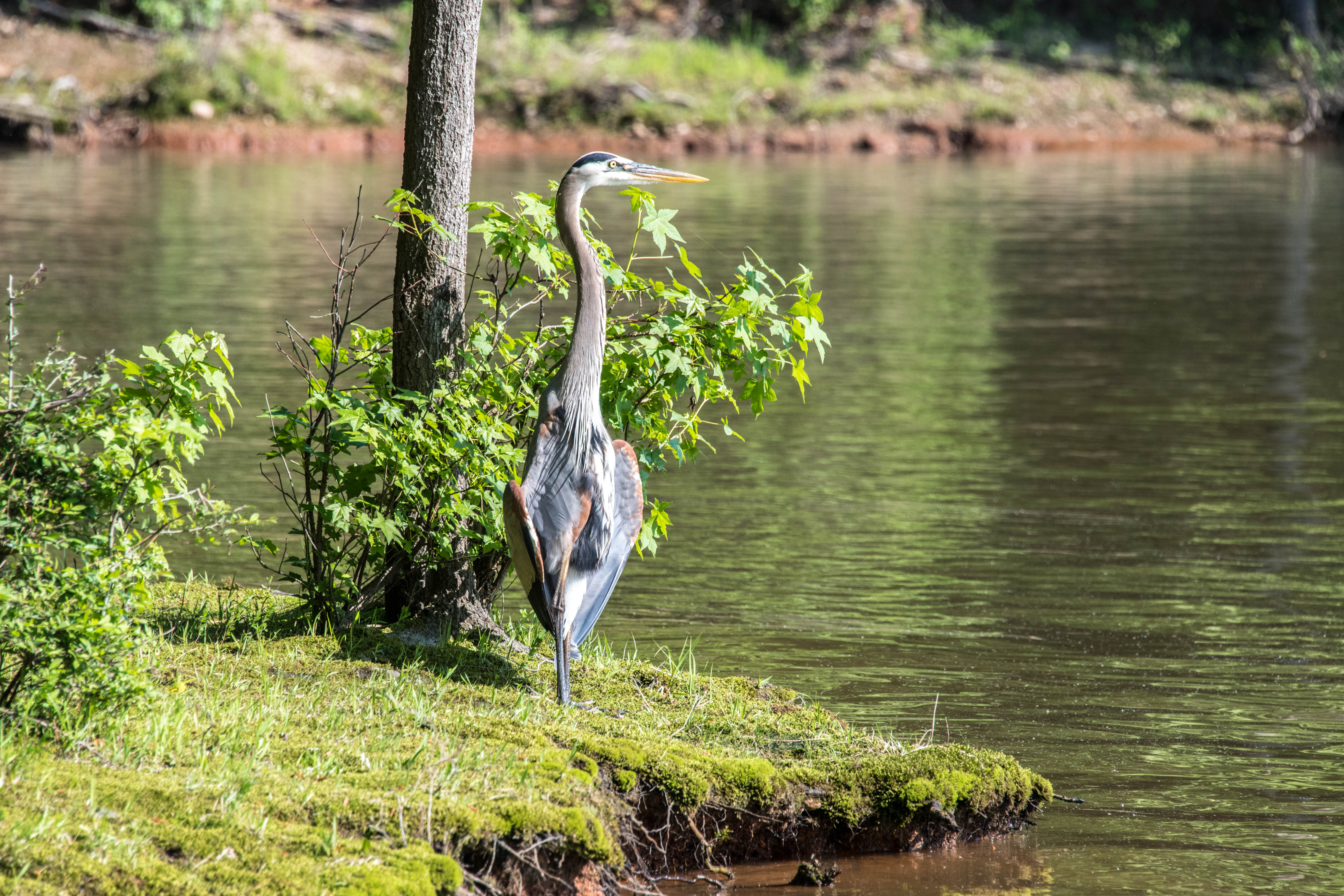
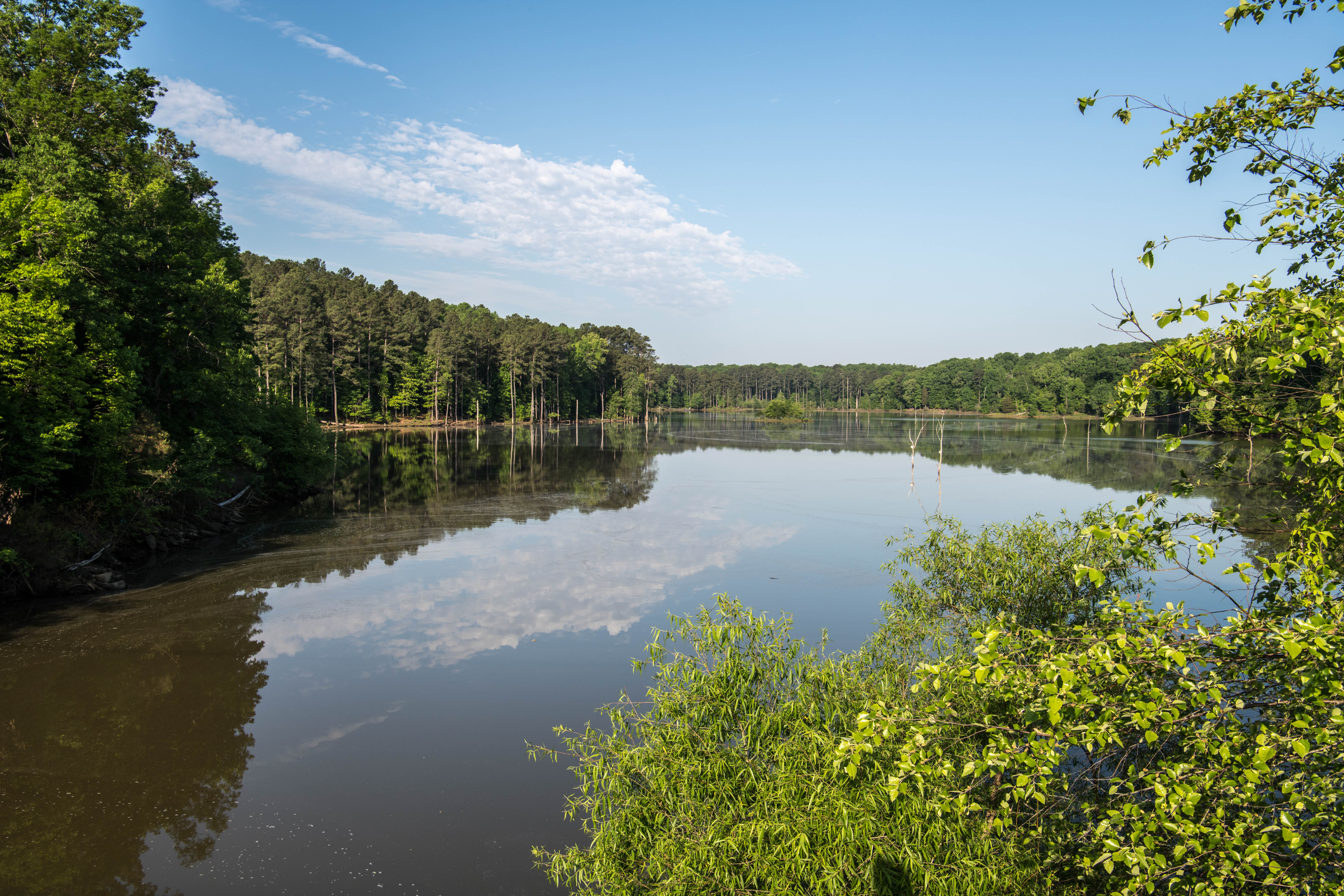
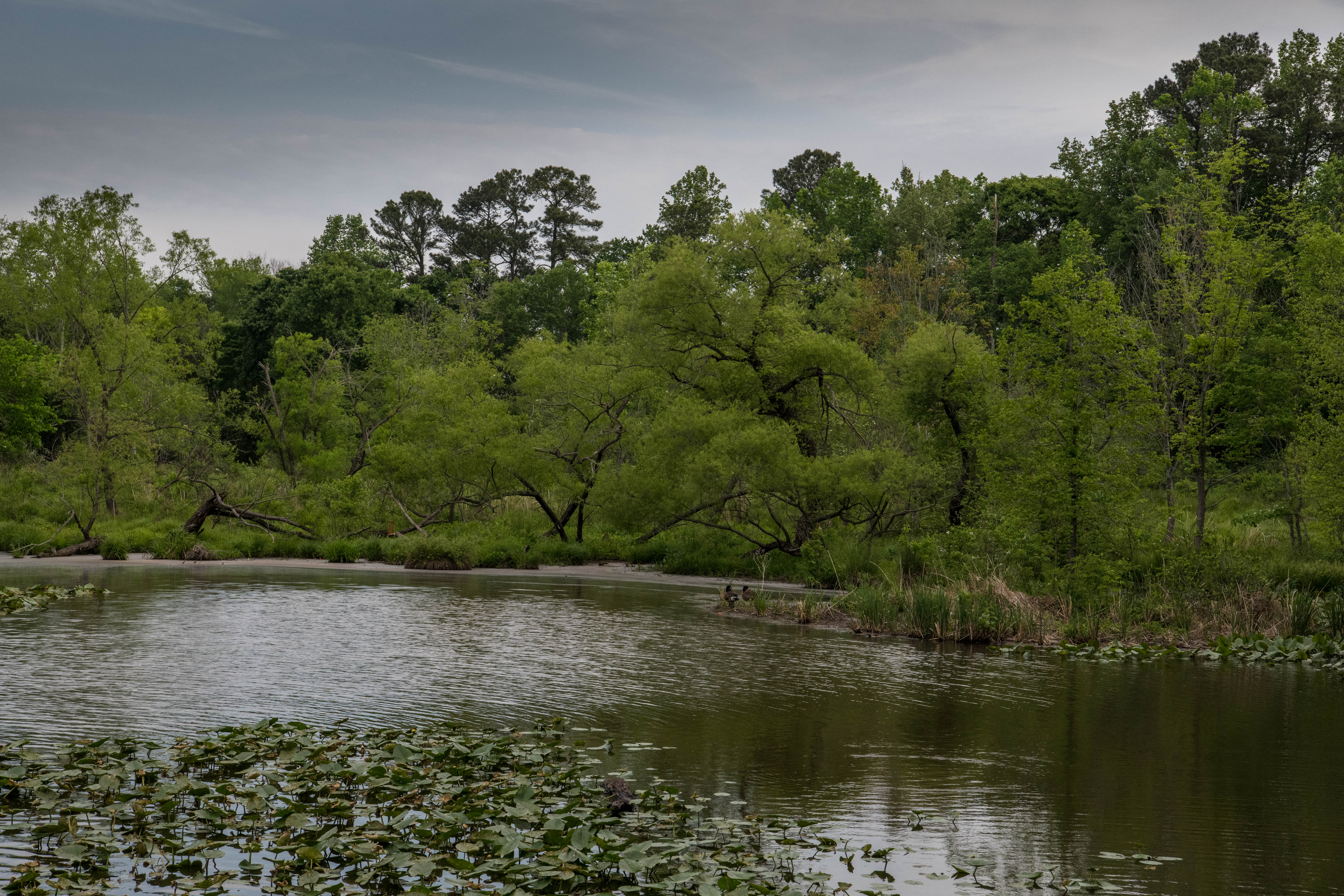
In the last couple of weeks, the trees around Raleigh (“the city of oaks”) have leafed in, and the new leaves are really bright. It’s a dazzling moment, and passes quickly. I took these pictures at Yates Mill Pond and Blue Jay Point.
I also got in some golfing with Gabe. He’s been working hard on his game, and making amazing progress. His tee shots are sailing high and long, and his short game is showing judgment and maturity. He’s starting to look like a real golfer. It makes me want to play better, too!
Sally and I are so happy that he just started a promising new job got at Kalisher, which provides art and design services for hotels and restaurants (think Hiltons, Marriotts, Four Seasons, and Hyatts, as well as less established establishments) all around the world. They have a lot of artists, and he’s the senior graphic designer.
Speaking of art, we bought a new Meural Canvas, which is basically a slim, high-resolution monitor with a matte and a simple wood frame. Meural offers a huge library of old masters and contemporary art to go in it, which is easy to access with a tablet device, and easy to change, with a wave of the hand. The images look really good, and it’s fun to sample new art.

Yates Mill Pond
We’ve been talking recently about the white supremacy art near us, including monuments on the Capitol grounds to “our Confederate dead.” I had a closer look at them this week, and determined they were put up in 1895, 1912, and 1914 — one or two generations after the “War Between the States” (as it’s called on the largest monument). These were probably not designed to help remember heroes, but to reinforce white supremacism and remind black people of their place.
Last week I heard an interview on WUNC with Maya Little, a UNC grad student who protested Silent Sam, a Jim Crow statue at the University. She poured some of her own blood and red paint on Sam, and is facing jail time for her protest. That’s activist art. Maya Little’s got courage.
I learned this week about another subgenre of white supremacy art — picture postcards of lynchings. On Fresh Air, the wonderful NPR show, Terry Gross interviewed James Allen about his book about the postcards, which were popular souvenirs. I’d thought lynchings were relatively rare, and done relatively quickly and secretly, but that’s wrong. In some cases they were advertised in advance in local newspapers, with hundreds or thousands of white people watching for hours as black victims got tortured, then killed, and their bodies were mutilated. Local law enforcement did nothing to intervene. Starting after the Civil War, there were more than 4,000 documented lynchings. About 100 of those were in my beloved state of North Carolina.
It would be nice to think that we’ve put white supremacist violence behind us. But we hear every week or so about another police shooting of an unarmed young black man. Chris Rock, in his recent comedy special, manages to cause both a laugh and a stab of pain when he suggests that we could use some equality here, by having the police shoot more white teenagers.
The NC Historical Commission recently had a public hearing on whether our Confederate memorial statues should be moved. Most of the people who showed up and spoke were in favor of leaving them in place, which is disheartening. With avowed white supremacists getting praise and encouragement from our highest government official, things may get worse before they get better. Those of us who oppose racism and bigotry (still the majority, I think) have some work to do.



 The Casual Blog