Heat, horses, and Poverty
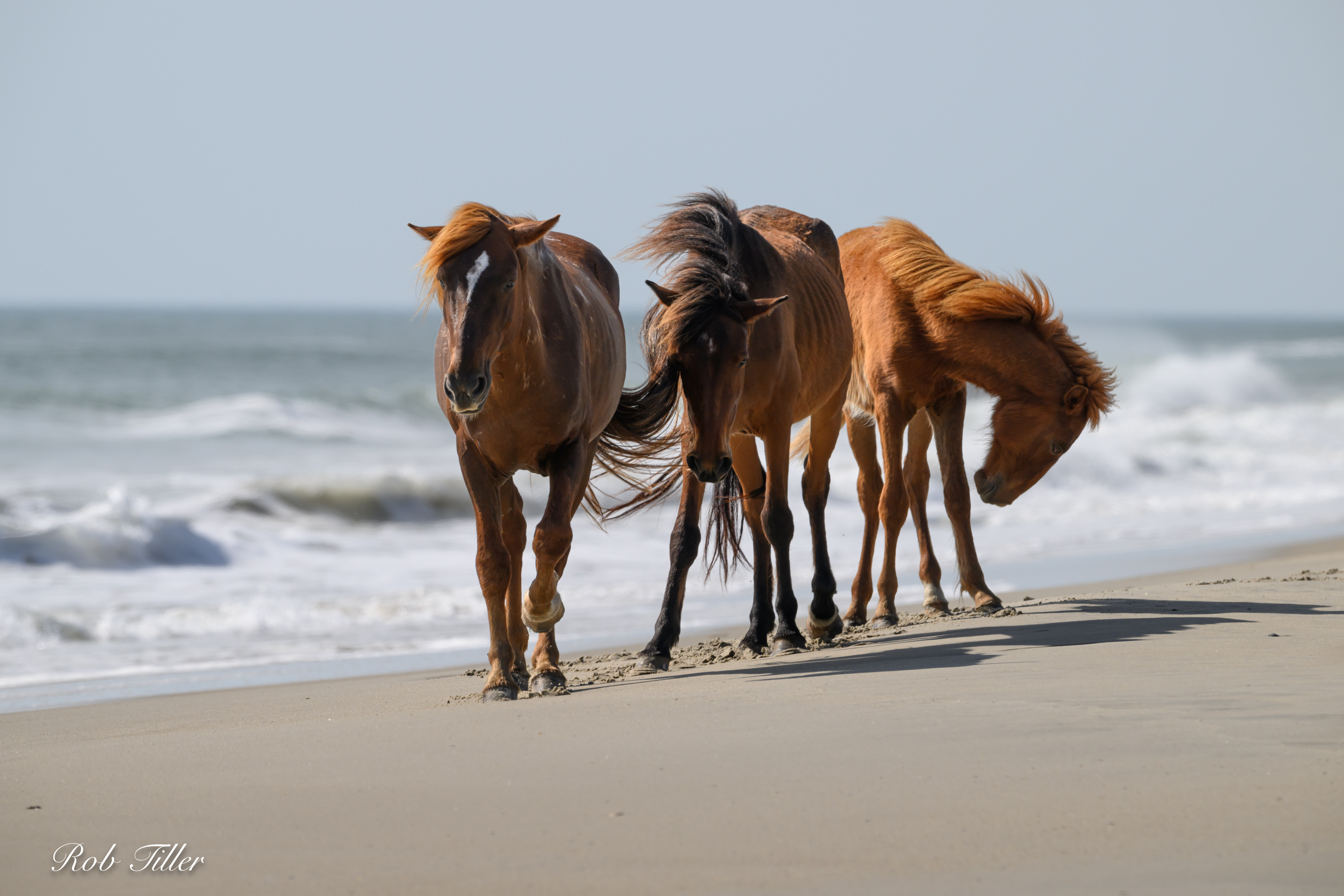
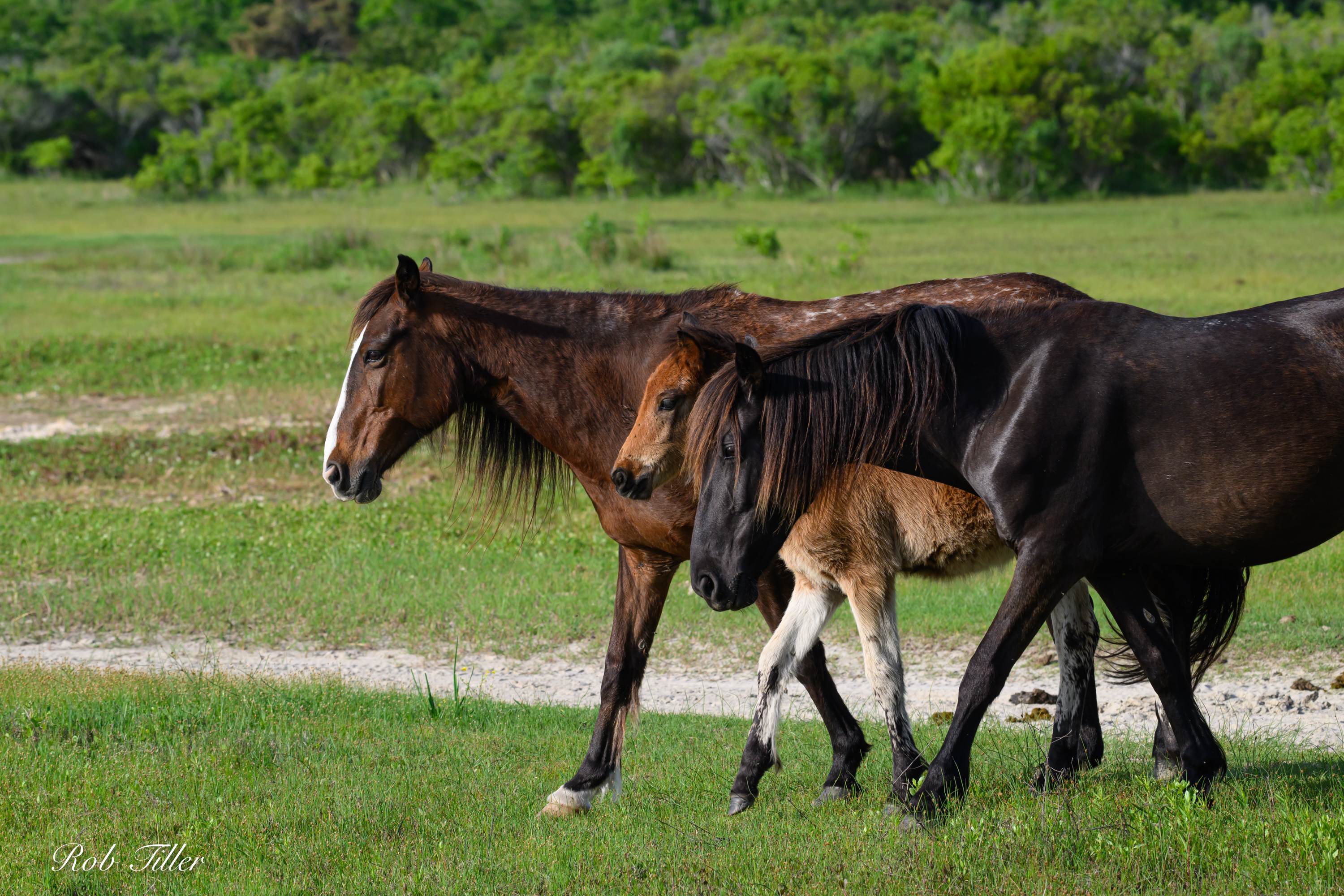
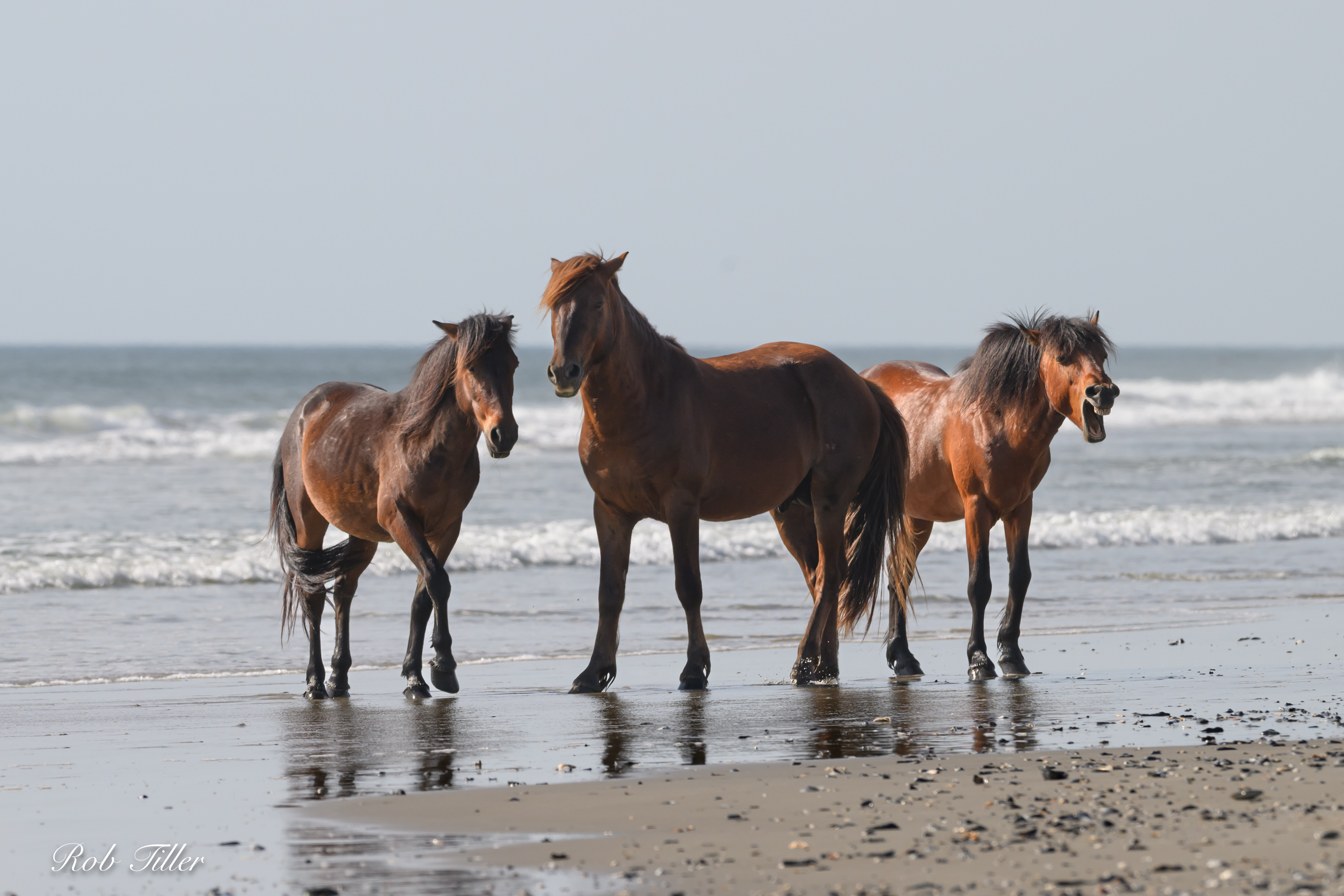
High temperatures and high humidity in Raleigh have made outdoor activities pretty miserable. Stuck inside more, I finally managed to sort through the pictures I took in May of the wild horses at Corolla, NC. I saw thirty-some in one day in a pasture and on the beach.
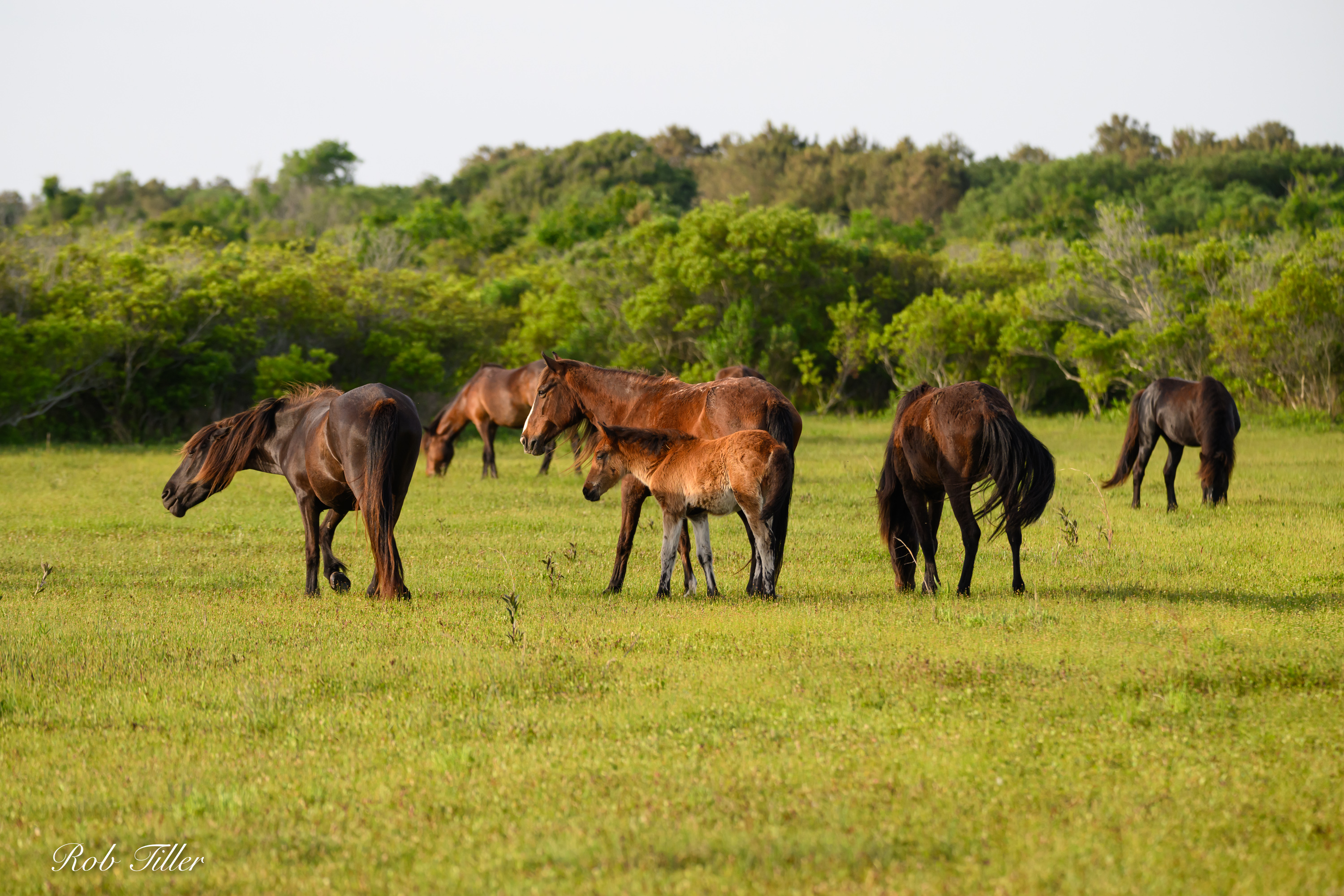
The horses had some disagreements between their family groups, which resulted in a few chases and kicks. They could run very fast, but mostly they just grazed peacefully or enjoyed the ocean breeze. They seemed to have a good attitude towards life.

Again, about that heat: we’re regularly setting new records for highs in these parts, as is the planet as a whole. And of course, with the heat come other problems, like floods, draughts, tornados, hurricanes, and wildfires, not to mention famines, water shortages, pandemics, failed economies, mass migration, and war. It’s gotten harder and harder to deny we have a climate crisis that we created and we must address, although some still do.
Denialism is a core plank of the Trump movement. One of the projects in Project 2025, the detailed list of policies proposed by Trump administration veterans and aspirants, includes the break up of the National Oceanic and Atmospheric Administration. NOAA is the parent of the national Weather Service, which provides the raw data for most of the weather reporting that industry, the military, and you and me rely on. According to Project 2025, NOAA is “one of the main drivers of the climate change alarm industry.” Who knew?
Along with muzzling or dismembering NOAA, Project 2025 proposes downsizing agencies focusing on climate research, including the EPA, weakening environmental regulations, curtailing renewable energy support, and expanding fossil fuel development. Trump told a group of oil execs that for $1 billion in contributions, he’d allow new oil drilling projects and reverse regulations that limited their profits.
It’s shameful, but not surprising, that fossil fuel interests find it normal to put profits above all else, but it’s hard to understand why others not mad with greed would be willing to go along with a program to further degrade the environment. The Trump-MAGA opposition to climate mitigation could be partly about wishful thinking, as in, we wish we didn’t have this terrible problem which will be hard to address, so let’s pretend we don’t. And of course, Trumpists are inclined to oppose anything that non-Trumpists support, up to and including trying to save the planet.

Anyhow, as most people surely know by now, our planet is in dire straits, and without strong measures the climate emergency will become an ever-widening disaster. The Biden presidency took some meaningful steps toward addressing this emergency, including the Inflation Reduction Act, but much more is needed. It’s a safe bet that a Harris administration will continue this work. If you are considering voting for Trump, I hope you will reconsider and instead support facing and fixing our climate crisis.

If you can stand one more serious subject: I finished reading Poverty, by America, by Matthew Desmond, and recommend it. I knew, as we all know, that we have poverty in the US, but in this short book Desmond brought it into better focus, in a way that was at once challenging and surprisingly hopeful.
Poverty, by America helps us understand that poverty doesn’t just mean not having inadequate housing or other necessities. It also means insecurity and anxiety, health problems, depression, addiction, and other personal difficulties.

Desmond challenges the narrative that poverty is inevitable and the poor are mainly responsible for it. At the same time, he isn’t buying the idea that the wealthy are mainly responsible for their own good fortune, rather than the beneficiaries of lucky birth circumstances and government preferences. The extreme inequality between rich and poor in America is deplorable, and indefensible.
It isn’t pleasant to realize that most of us who are not poor have acquiesced in this system, and are to some degree complicit in it. We like having low prices, and adopt the narrative that that requires low-paid labor. Most of us aren’t really opposed to government assistance. Indeed, the non-poor are by far the greatest beneficiaries of government welfare, through such subsidies to the well-to-do as the mortgage interest deduction, favorable tax rates for capital gains, and student loans.
This is a longstanding and chronic situation, but Desmond refuses to give up hope. He points out both small and large reforms that would ameliorate poverty. One main one is to quit tolerating tax cheating by the wealthy and raise their taxes to something closer to the historical and international norm. The additional revenue could fund better schools, better housing, and better opportunities.





 The Casual Blog