The Casual Blog

Tag: inequality

To Southeast Asia with love, and reading Goliath’s Curse

Victoria Harbour in Hong Kong

It’s now two weeks since we got back from a two-week trip to Southeast Asia.  The travelling was tough, but worth it.  There was lush tropical beauty, ancient culture, and vibrant trade. Once I got over the severe jet lag, I felt changed in a good way.  

We flew from Raleigh to Seattle, and then to Seoul, and then to Hong Kong, where we boarded the Viking ship Orion.  After a day of sight-seeing in Hong Kong, we set sail for Vietnam, Cambodia, and Thailand.  

On the river at Hao Lu, Vietnam

Trip highlights included Ha Long Bay, Vietnam, where there are hundreds of dramatic limestone islands; Hoa Lu, an ancient capital where we visited a temple and took a lovely row boat trip; Hoi An, where we saw the grimier aspects of the country, a traditional medicine shop, silk manufacturing, and temples; Ho Chi Minh City (a/k/a Saigon) with modern high rises, teeming markets, and waves of hundreds of motorbikes; Siem Reap, Cambodia and the enormous temples of Angkor Wat, Thom Wat, and Ta Prohm; and the huge, modern city of Bangkok.  The Orion was like a first class hotel, beautifully appointed and serviced, and Viking provided good tour guides.

Ha Long Bay, Vietnam

Based on our short encounters, we found the Vietnamese people to be generally friendly and helpful, but business-like and hardworking.  Cambodians seemed more relaxed and laid back, though the street vendors were surprisingly aggressive.  For Bangkok we were mostly touring by bus, so we didn’t have many close personal encounters.

Surprise Cave in Ha Long Bay

I was interested in learning about the local religions.  I’ve long been interested in Buddhism, but I quickly figured out that Buddha’s original teachings, as they’d come to me, were barely recognizable in the religion as practiced in Southeast Asia today.  The local versions seemed to combine worship of Buddhist icons with elements of other traditions, including Taoism, Confucianism, Hinduism, and animism.  The temples, with their elaborate ornamentation, seemed undogmatic and undemanding.  

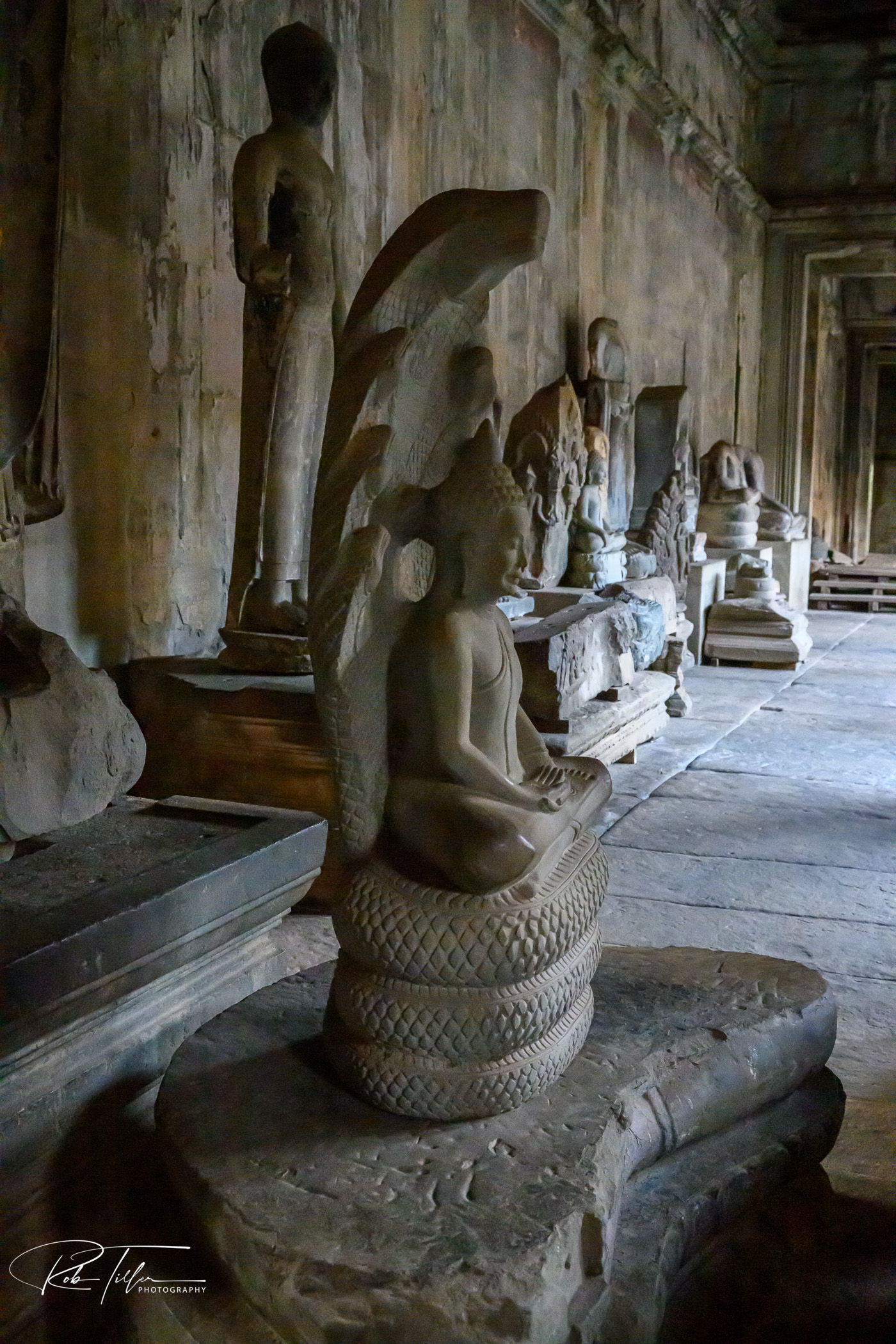
This was less true of Angkor Wat, which is the largest religious complex on Earth.  Built in the 12th century, it’s now mostly a ruin, but enough is left to show that its builders were highly serious about their religion as well as their armies.  A later generation of Hindus destroyed many of the icons, and most recently many statues of Buddha were decapitated by looters and the heads sold abroad. 

A pedalcab tour of Saigan,

During the trip I read Saigan, a historical novel by Anthony Grey.  (Thanks to my friend J, an old Vietnam hand, for recommending it.)  It resembled a James Michener novel in good ways, with a broad overview of Vietnam’s history in the 20th century woven together with some interesting characters.  Grey taught me some new things about the brutality of the French colonial regime, and brought key battles of the American war to life.  As with Michener, the prose was not especially beautiful, but I still found the book quite worthwhile.

Angkor Wat, in Cambodia

I learned a bit about the current Vietnamese system of government, which is managed by the Communist Party of Vietnam.  Opposing political parties and criticism of the CPV is not permitted.  But much economic activity is indistinguishable from the mostly free markets of the West.  At street level, it doesn’t look particularly unfree.  In fact, in places it looks highly energetic and dynamic.   

During the trip, I also delved into an important and fascinating new book, Goliath’s Curse:  The History and Future of Societal Collapse, by Luke Kemp.  Kemp, who is affiliated with Cambridge, examines the archaeological evidence of earlier large states and empires (“Goliaths”) looking for the factors that led to their collapse.  Like Graeber and Wengrow in The Dawn of Everything, Kemp challenges the conventional narrative of orderly human progress beginning with agriculture, and the assumption that increasing size and complexity of government is natural and unavoidable.    
Kemp finds that a key predictor of societal collapse across the centuries is extreme inequality.  Increasing inequality generally arises from domineering elites extracting resources (such as minerals, crops, and taxes).  Elite domination and corruption results in resentment and rebellion.  Combined with other factors, such as exhaustion of natural resources, war, disease, or climate change, extreme inequality can result in societal collapse.  

Goliath’s Curse is a timely book.  If Kemp is right, the extreme inequality in the U.S. and many other countries is a flashing red danger sign.  Dissatisfaction with this inequality has already begun to undermine our traditional democratic institutions by ushering in the age of Trump.  Kemp suggests that there is a possible path out of our current crisis:  reducing inequality and increasing democracy.  

Temple at Sihanoukville

On the long (31 hour) trip home, among other things, I watched for the second time Don’t Look Up (2021), the dark satire about two astronomers (Leonardo DiCaprio and Jennifer Lawrence) trying to warn of a comet on a collision course with the planet.  Merryl Streep is a hoot as a Donald-Trumpish president who tries to profit from and divert attention from the coming catastrophe.   As Trump continues to lead the insane battle against addressing climate change, the movie remains very much of the moment. 
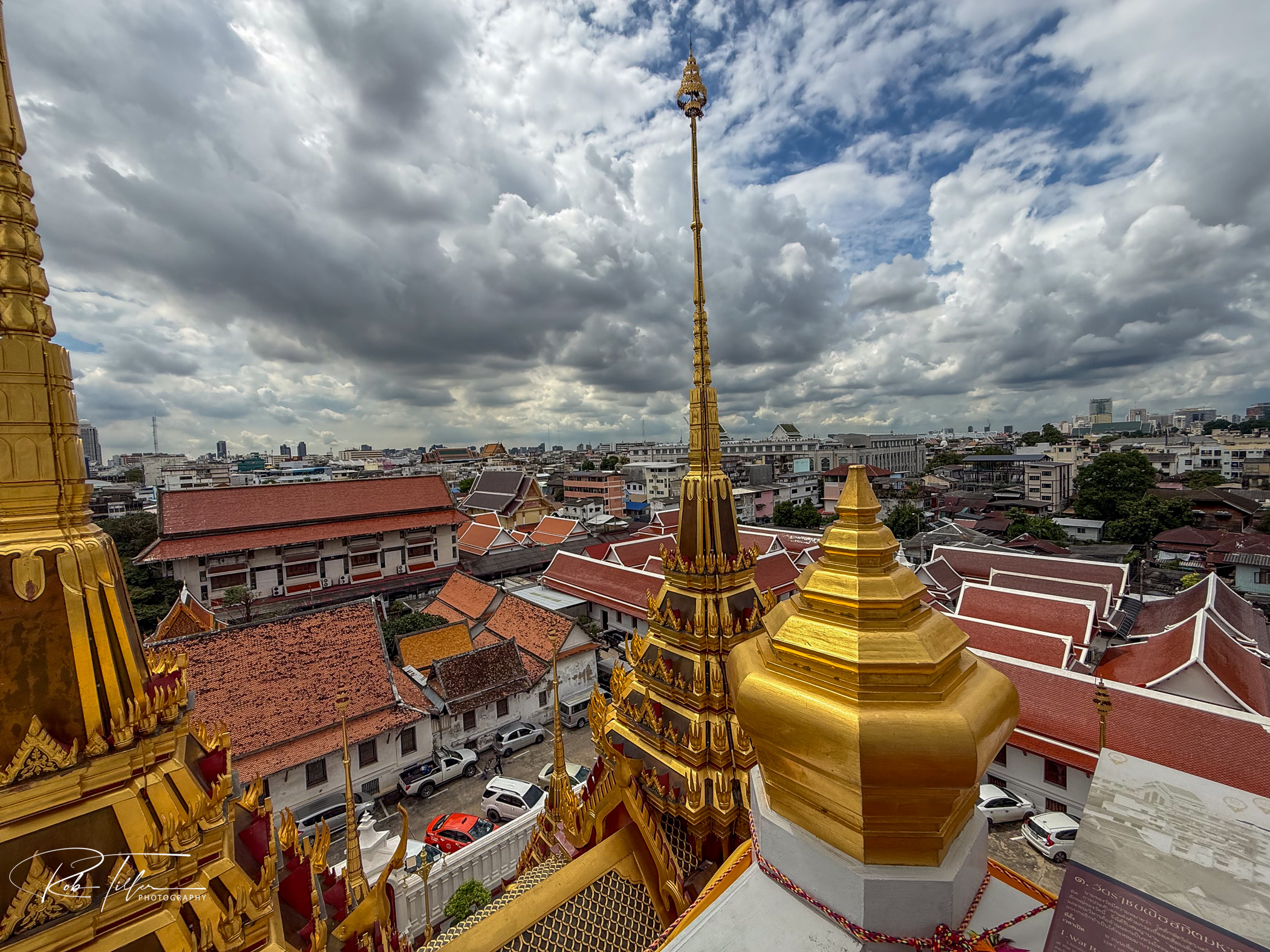
Temple in Bangkok

Heat, horses, and Poverty

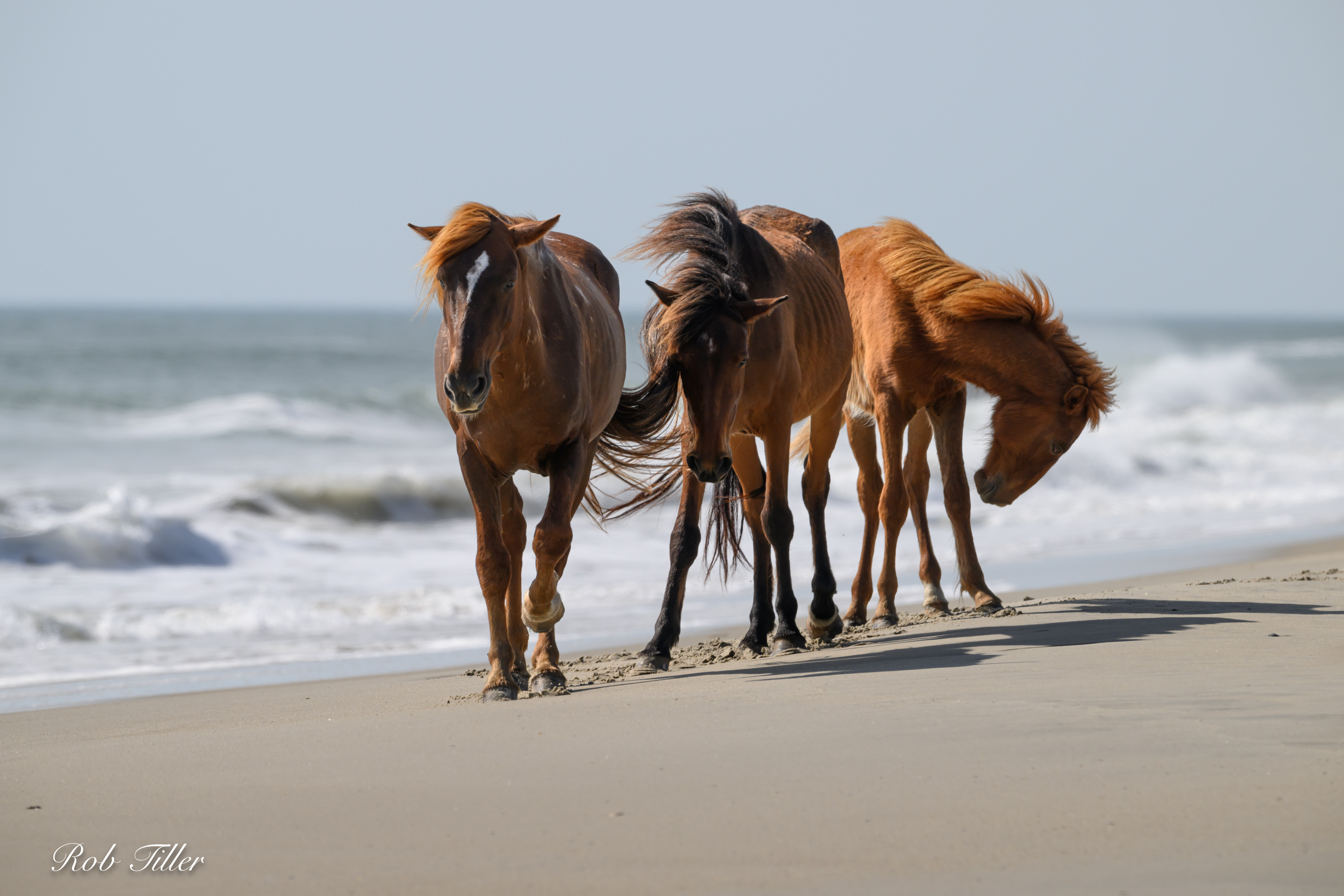
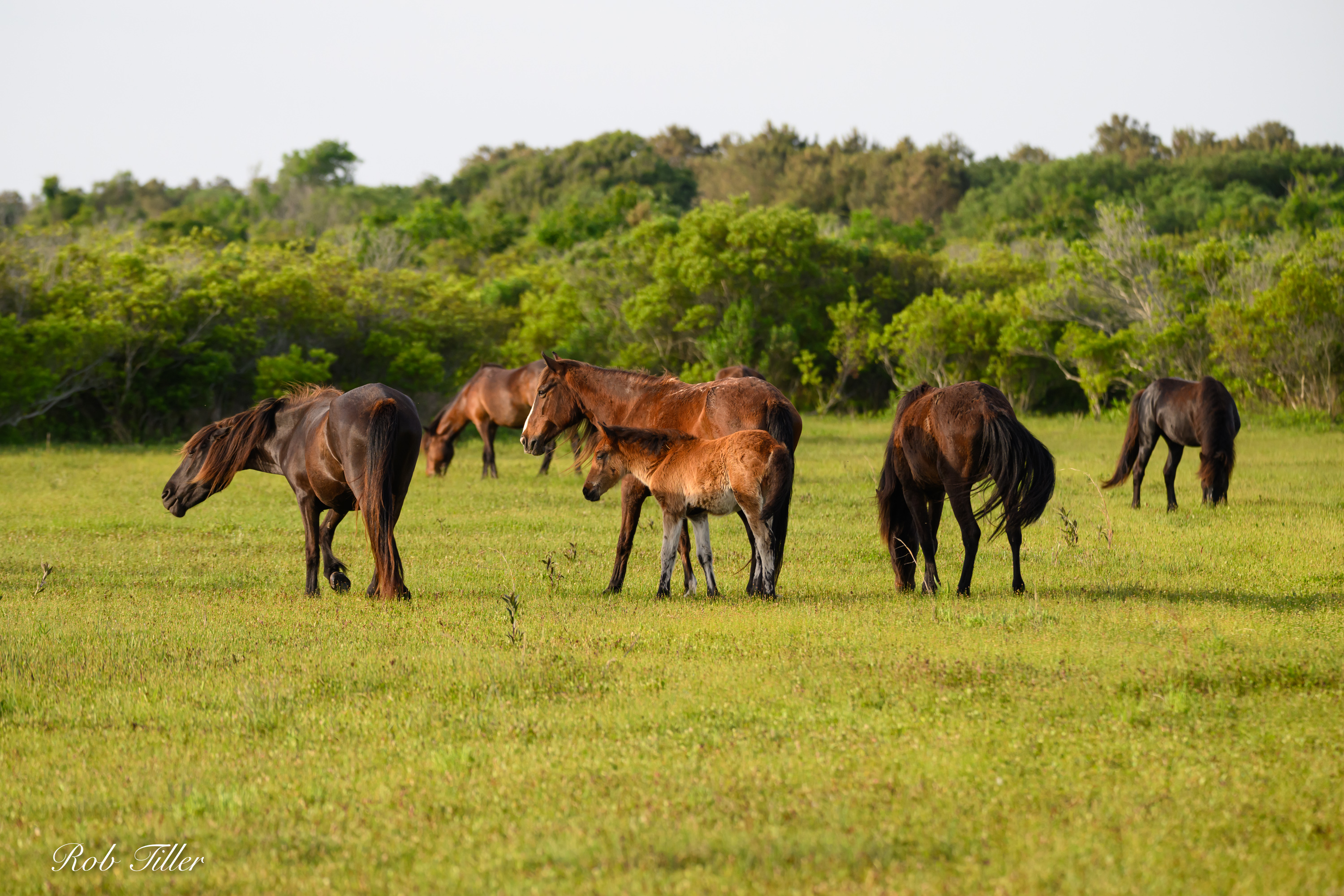
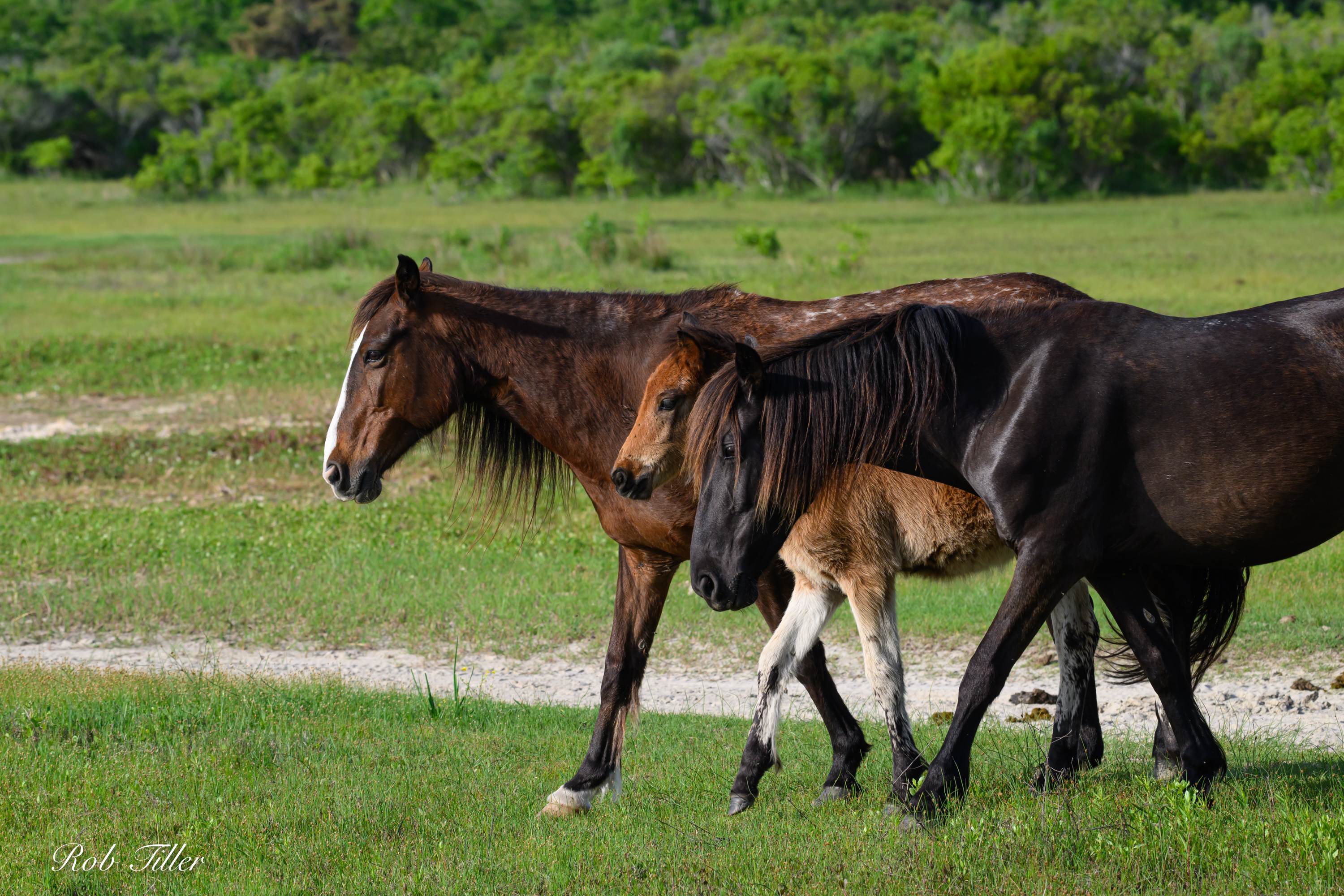
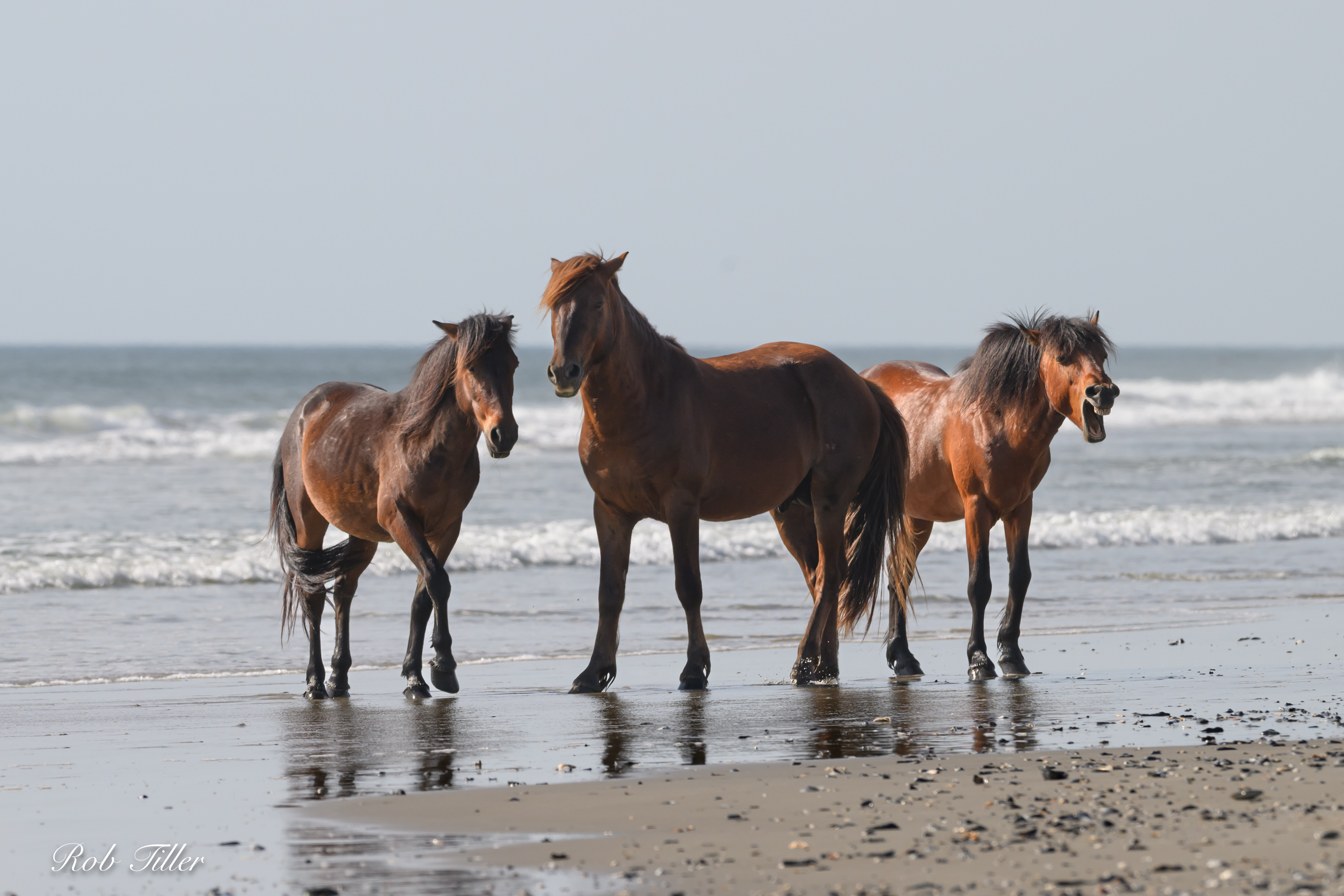
High temperatures and high humidity in Raleigh have made outdoor activities pretty miserable.  Stuck inside more,  I finally managed to sort through the pictures I took in May of the wild horses at Corolla, NC.  I saw thirty-some in one day in a pasture and on the beach.  

The horses had some disagreements between their family groups, which resulted in a few chases and kicks.  They could run very fast, but mostly they just grazed peacefully or enjoyed the ocean breeze.  They seemed to have a good attitude towards life.  

Again, about that heat:  we’re regularly setting new records for highs in these parts, as is the planet as a whole.  And of course, with the heat come other problems, like  floods, draughts, tornados, hurricanes, and wildfires, not to mention famines, water shortages, pandemics, failed economies, mass migration, and war.  It’s gotten harder and harder to deny we have a climate crisis that we created and we must address, although some still do.

Denialism is a core plank of the Trump movement.  One of the projects in Project 2025, the detailed list of policies proposed by Trump administration veterans and aspirants, includes the break up of the National Oceanic and Atmospheric Administration.  NOAA is the parent of the national Weather Service, which provides the raw data for most of the weather reporting that industry, the military, and you and me rely on.  According to Project 2025, NOAA is “one of the main drivers of the climate change alarm industry.”  Who knew?

Along with muzzling or dismembering NOAA, Project 2025 proposes downsizing agencies focusing on climate research, including the EPA, weakening environmental regulations, curtailing renewable energy support, and expanding fossil fuel development.  Trump told a group of oil execs that for $1 billion in contributions, he’d allow new oil drilling projects and reverse regulations that limited their profits.  

It’s shameful, but not surprising, that fossil fuel interests find it normal to put profits above all else, but it’s hard to understand why others not mad with greed would be willing to go along with a program to further degrade the environment.  The Trump-MAGA opposition to climate mitigation could be partly about wishful thinking, as in, we wish we didn’t have this terrible problem which will be hard to address, so let’s pretend we don’t.  And of course, Trumpists are inclined to oppose anything that non-Trumpists support, up to and including trying to save the planet.  

Anyhow, as most people surely know by now, our planet is in dire straits, and without strong measures the climate emergency will become an ever-widening disaster.  The Biden presidency took some meaningful steps toward addressing this emergency, including the Inflation Reduction Act, but much more is needed.  It’s a safe bet that a Harris administration will continue this work. If you are considering voting for Trump, I hope you will reconsider and instead support facing and fixing our climate crisis.  

If you can stand one more serious subject: I finished reading Poverty, by America, by Matthew Desmond, and recommend it.  I knew, as we all know, that we have poverty in the US, but in this short book Desmond brought it into better focus, in a way that was at once challenging and surprisingly hopeful.  

Poverty, by America helps us understand that poverty doesn’t just mean not having inadequate housing or other necessities.  It also means insecurity and anxiety, health problems, depression, addiction, and other personal difficulties. 

Desmond challenges the narrative that poverty is inevitable and the poor are mainly responsible for it. At the same time, he isn’t buying the idea that the wealthy are mainly responsible for their own good fortune, rather than the beneficiaries of lucky birth circumstances and government preferences.  The extreme inequality between rich and poor in America is deplorable, and indefensible.

It isn’t pleasant to realize that most of us who are not poor have acquiesced in this system, and are to some degree complicit in it.  We like having low prices, and adopt the narrative that that requires low-paid labor.  Most of us aren’t really opposed to government assistance.  Indeed, the non-poor are by far the greatest beneficiaries of government welfare, through such subsidies to the well-to-do as the mortgage interest deduction, favorable tax rates for capital gains, and student loans.  

This is a longstanding and chronic situation, but Desmond refuses to give up hope.  He points out both small and large reforms that would ameliorate poverty.  One main one is to quit tolerating tax cheating by the wealthy and raise their taxes to something closer to the historical and international norm.  The additional revenue could fund better schools, better housing, and better opportunities.  

Justice Scalia’s passing, Beethoven quartets, and Reich on the problem of extreme inequality

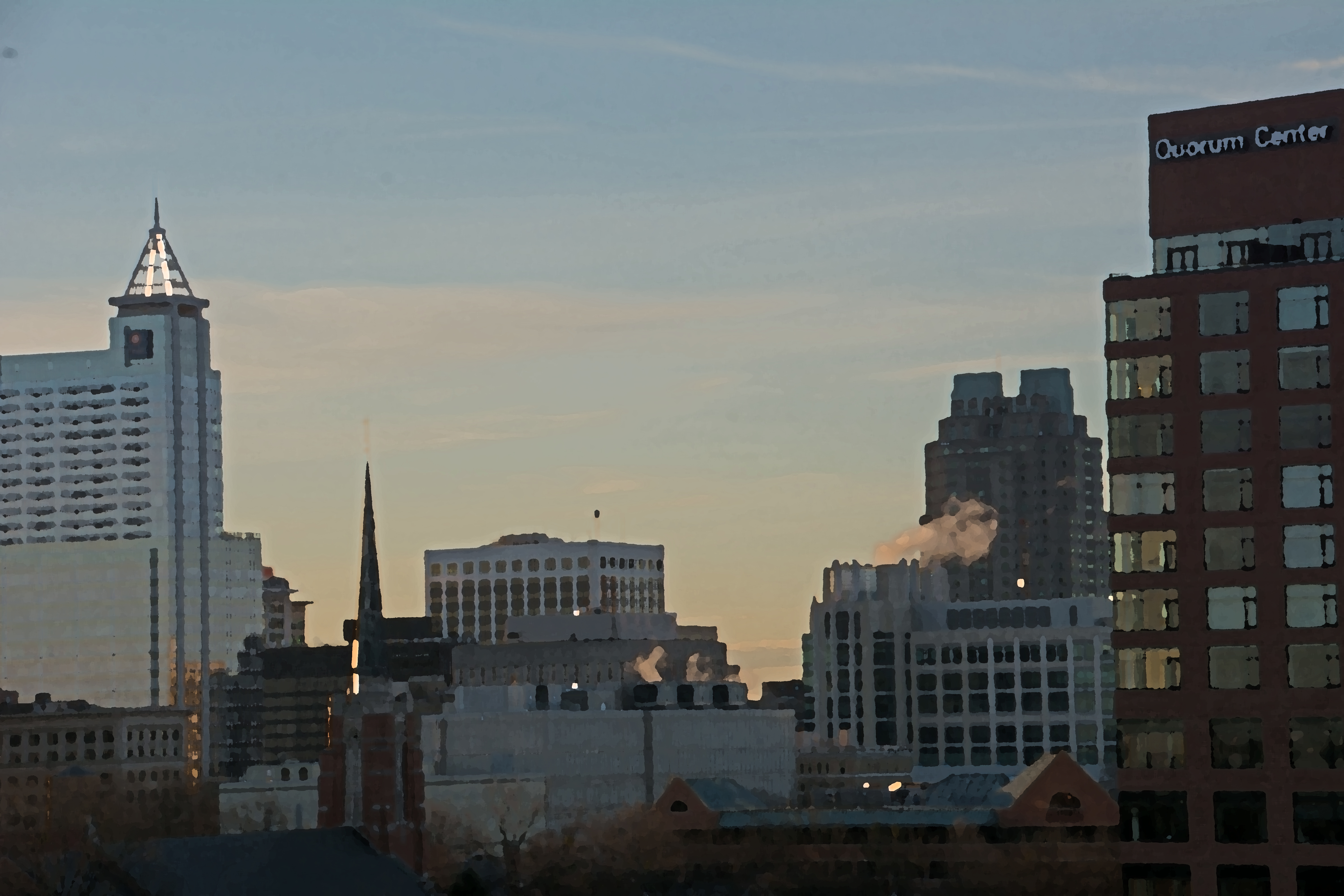
Raleigh at sunrise

Raleigh at sunrise

Yesterday we were getting ready to head for Durham for dinner and a concert when I learned that Justice Scalia had died. The news was unexpected, and disorienting. I spent an intense year working a few steps away from him as one of his clerks, and felt close to him in a way. He was a good boss and mentor. Despite our very different political orientations, I admired his intelligence, energy, and humor. He demonstrated (including by hiring non-conservative clerks) that engaging with people who disagreed with one’s views was not a thing to avoid, but rather to embrace — stimulating and potentially creative. I disagreed with him vigorously on many things, but I liked him, and will miss him. This will take some time to process.

We met our friends John and Laurie for dinner at Dos Perros, a stylish Mexican restaurant, where we had good food and conversation. Then we went over to Duke’s Baldwin Auditorium to hear the Danish String Quartet, three young Danish guys, and one Norwegian one. They played an all Beethoven program, including two famous late quartets (Op. 131 and 135). This is challenging, craggy music, which the Scandinavians played with fearless commitment, embracing all the extremes of angularity and the subtlety. I thought the sound of violist Asbjorn Norgaard was particularly beautiful.

Zürich at sunset

Zurich at sunset

There’s been a lot in the press recently about the extreme inequality in the U.S., and frequent references to such facts as the top .1 percent own almost as much wealth as the bottom 90 percent. This seems disturbing on its face, but I got a much better grasp of its implications from reading Saving Capitalism: For the Many, Not the Few, by Robert Reich. Reich is a former Secretary of Labor (Clinton administration) and a professor of public policy at Berkeley. In Saving Capitalism, he argues that the increasing concentration of economic and political power in the hands of very wealthy individuals and corporations threatens the fabric of our society. Dramatic inequalities of wealth and opportunity strike the majority as deeply unfair, undermining the trust that’s essential for social order. Without redress, the system could fail.

Reich contends that the arguments over whether the free market is preferable to the government are based on a false premise, inasmuch as the market is created by human beings and is subject to modification, for better or worse, by those same beings. At various times in American history, the rules have been dramatically changed (the Jacksonian era, the Progressives in the late 19th and early 20th centuries, the New Deal), and they can be changed again. Only relatively recently have corporations been viewed as limited to serving shareholders, without regard to other stakeholders (employees, consumers, the public at large). The system can be fixed.

Reich is primarily focused on identifying the problems, rather than proposing solutions, but he does offer some preliminary thoughts on fixes. He notes that we need to get big money out of politics. Campaign finance reform is surely an important step. A more equitable tax system is another. We need to fix the rule system that applies to intellectual property, along with other legal reforms. Reich also favors a basic minimum income that guarantees everyone a minimally decent standard of living. He recognizes that automation and artificial intelligence are going to cost many more jobs, and we have to help those who get hurt. This is a timely book, well worth reading.