The Casual Blog

Tag: immigration

Discovering Japan, and reimagining politics and immigration

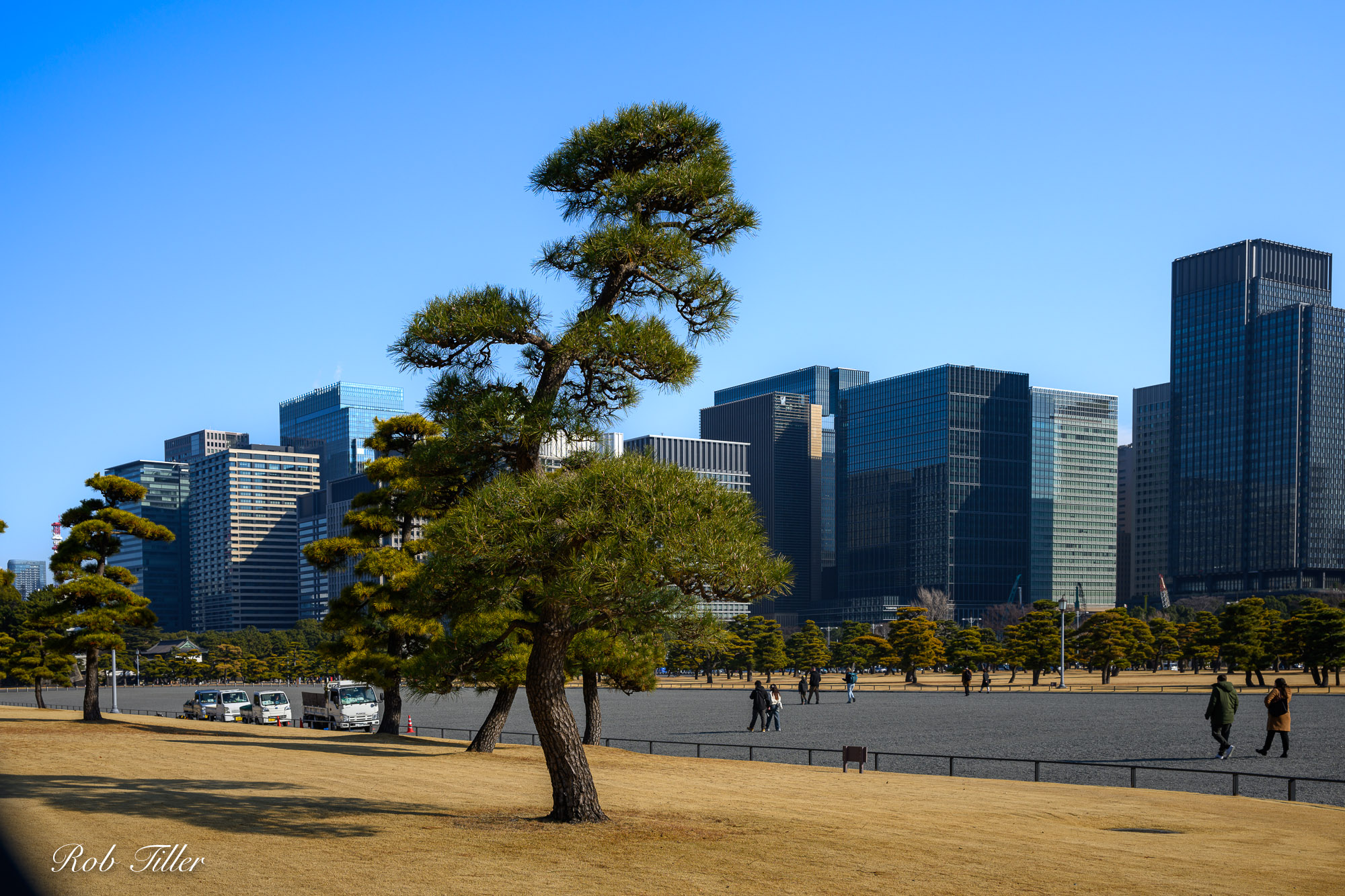
Tokyo from the Grand Hyatt hotel

I’m finally getting over jet lag from our two-week trip to Japan.  Sally and I covered a lot of territory to get there, and a lot while there – Tokyo, Shuzenji (a small hot springs town), Kyoto, and Niseko in the north for a few days of skiing.  We used the Tokyo subway, an amazing bullet train, and local taxis.  There were, as always, a few travel glitches, but I really loved Japan.

Of course, the Japanese are a lot like us, and western culture has had a big impact on their culture.  Tokyo is the largest city in the world (with 37 million people) and very modern.  But we focused particularly on traditional Japanese places and activities, like older neighborhoods, gardens, castles, Buddhist temples, and Shinto shrines.  At Shuzenji, we stayed at Asaba, a beautiful traditional inn, or ryokan, and tried hot spring bathing and traditional food served in our room.  We got a quick look at a geisha in Kyoto.   

Everywhere, we found the people to be kind and respectful.  We did not know Japanese, and some of the people we dealt with knew very little English.  But this was not a big problem.  We always managed to get the essential matters worked out with gestures and expressions.  I’d planned to rely on Google Translate, but actually never needed it.  

Traditionally the Japanese are more oriented toward cooperation than people in the US.  They generally try to avoid conflict, and are very considerate.  People were wonderfully quiet on the subway.  We found that even the cars were quieter than here.  

They seemed to be very proud of their culture and its achievements.  The people we met were very pleased to hear that we drove Japanese cars, used Japanese electronics, and loved Japanese cameras.  But everywhere people bowed a lot, expressing respect.  

This was even true in Hokkaido, the northernmost island of Japane, where we skied four days at Niseko and one at Rusutsu.  Hokkaido is famously snowy, and draws a very international clientele.  Although we didn’t get fresh snow, there was plentiful snow of fine quality – light and dry.  The slopes were a bit crowded, and the runs a bit shorter than we’d have liked, but there was plenty of good terrain. The lift attendants bowed as we got on and off, which was charming.  

Getting introduced to Japan was inspiring.  We enjoyed the beauty of the art, the gardens, the temples, and traditional clothing.  But for me, the most thought provoking aspect was the Japanese system of values, with its emphasis on respect and kindness.  
As the new Trump regime is coming online, it’s clear that these are not its animating values.  Greed, selfishness, and cruelty seem to be its defining characteristics, and it seems almost naive to hope for compassion and generosity.  But the Japanese (who, of course, have their problems and their bad eggs) reminded me that there are workable alternatives for a successful society.

I’m trying to stay positive, and keep in mind that Trump’s program might not result in total catastrophe.  There are a lot of people – probably a majority – who are not in favor of cruelty to immigrants, persecuting political opponents, denying women their bodily autonomy, vilifying sexual minorities, encouraging racial discrimination, accelerating climate change, attacking biodiversity, banning books, encouraging political violence, firing competent government employees, suppressing opposition media, discouraging vaccines, denying food to starving children, betraying allies, encouraging bribery, and so on.  The worst case Trump agenda will have a lot of opposition, and might not work out.  

Along with opposition, we can also start the hard process of working out a better system.  We now know that the system we thought was stable and good enough was not.  Our checks and balances have not effectively checked and balanced, and aren’t making much progress in solving  our pressing problems.  People want change.  We need to step back and be more imaginative with regard to our political possibilities.  

For example, instead of our usual bare-bones political involvement and barely there representation, we might try ranked choice voting and projects by citizens chosen by lottery.  We might get dark money out of politics.  We might limit Supreme Court power with term limits.  We could even define some new constitutional objectives, like ensuring that everyone has decent housing, food, and healthcare.  We might try politics based not on fear and demagoguery, but rather on courage and compassion.      

There was an interesting short article in the Economist of January 25 about recent developments in Somalia.  Somalia is desperately poor, and its government barely works.  But it has developed a good cellphone network, and people are solving a lot of practical problems with WhatsApp groups.  Online groups organize courts to resolve conflicts and raise money for insurance systems.  Who’d have thought WhatsApp could be politically transformative?  It’s a reminder that new solutions to problems can emerge unexpectedly.

One final note: immigration seems to be the issue with the most resonance for Trump, who frightens people with his braying about a non-existent invasion of foreign criminals. Softer versions of this false narrative have been accepted across the political spectrum. Thankfully, a new piece by Lydia Polgreen in the NY Times effectively counters this narrative. Polgreen makes clear that the US and other countries are shooting themselves in the foot with ill-conceived immigration restrictions. With falling birthrates, the rich world needs more workers. History shows that past immigration restrictions have hampered economic growth and innovation, and relaxing such restrictions has accomplished the opposite.

In her insightful piece, Polgreen concludes,

In our vastly more interconnected world, hard borders and iron-fisted control is a fantasy. Migration has always involved great sacrifice, especially for those who leave home. But it also requires the people in the places migrants alight to see beyond the immediate shock of living alongside new people from different places and conceive the long-term possibilities such arrivals always bring.

Visiting Yosemite, and some thoughts on lies in America

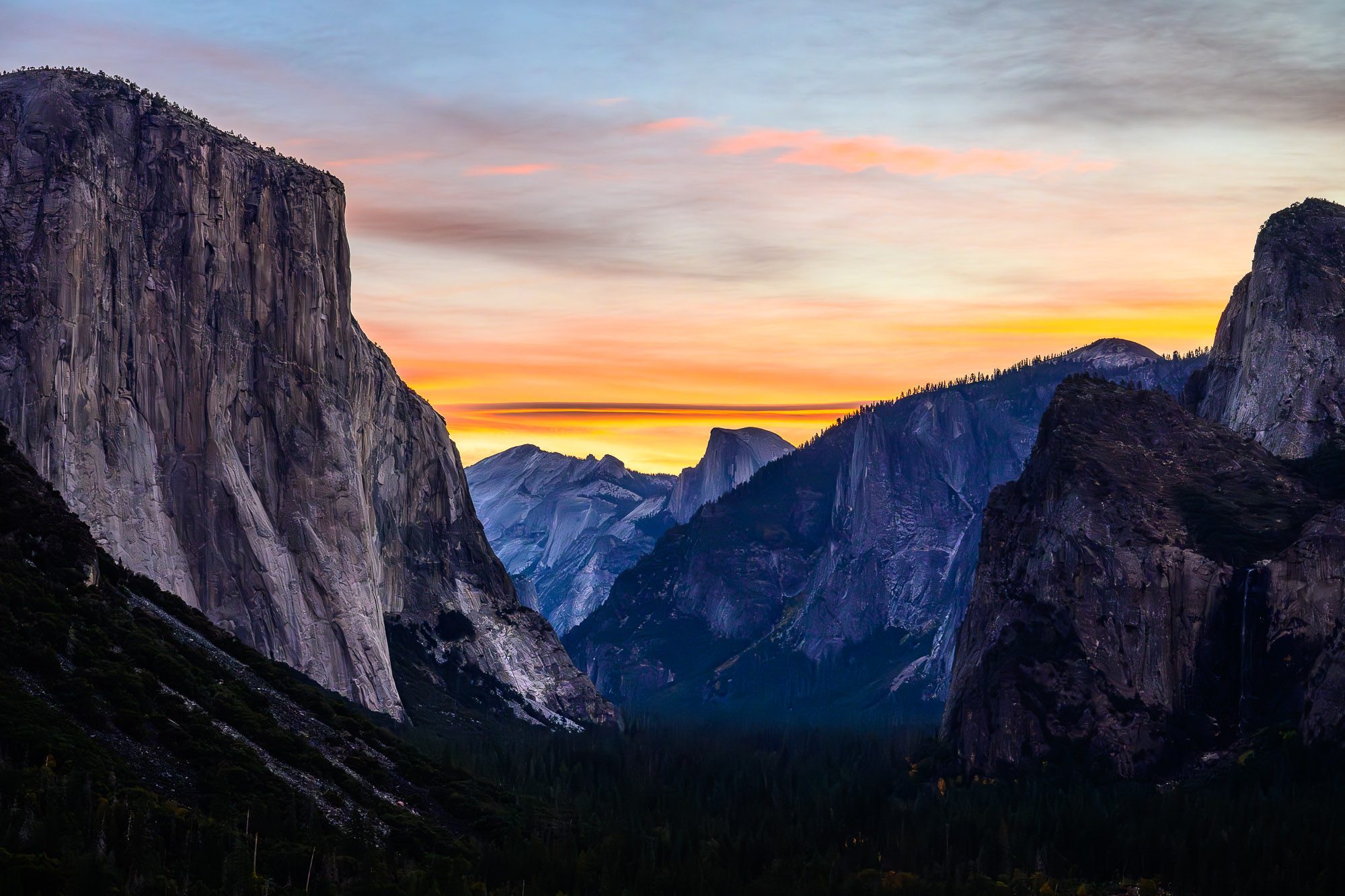
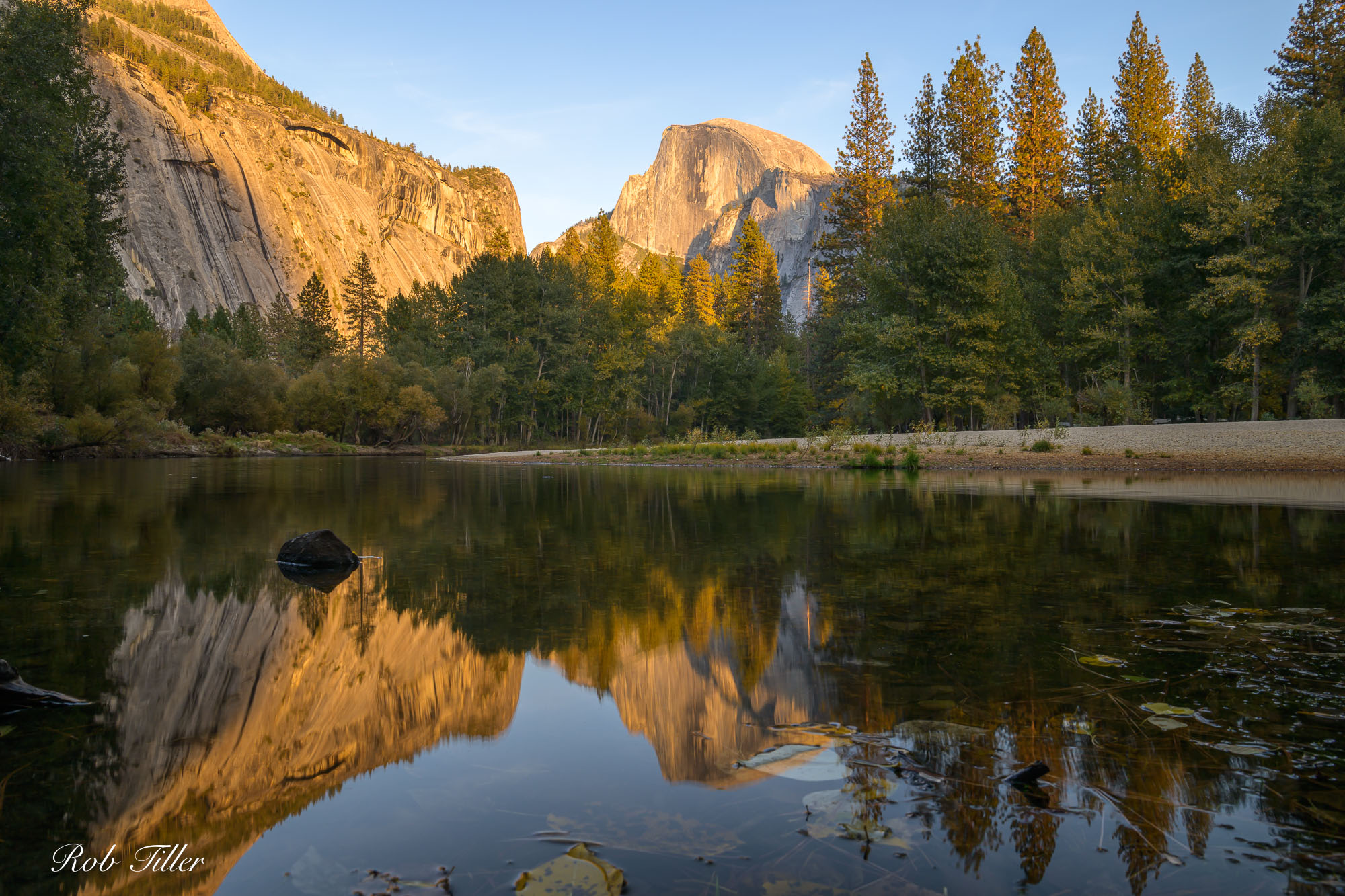
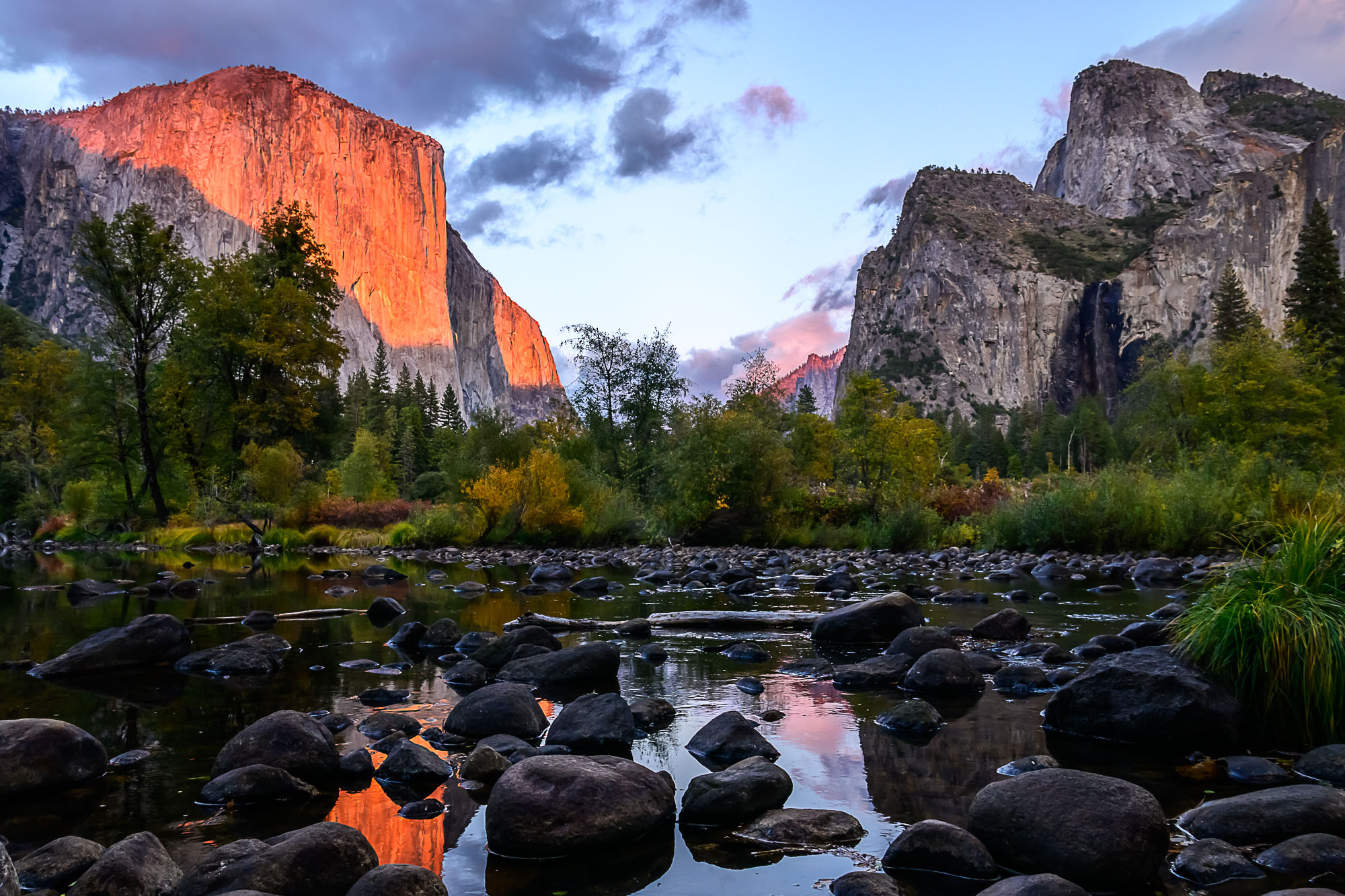
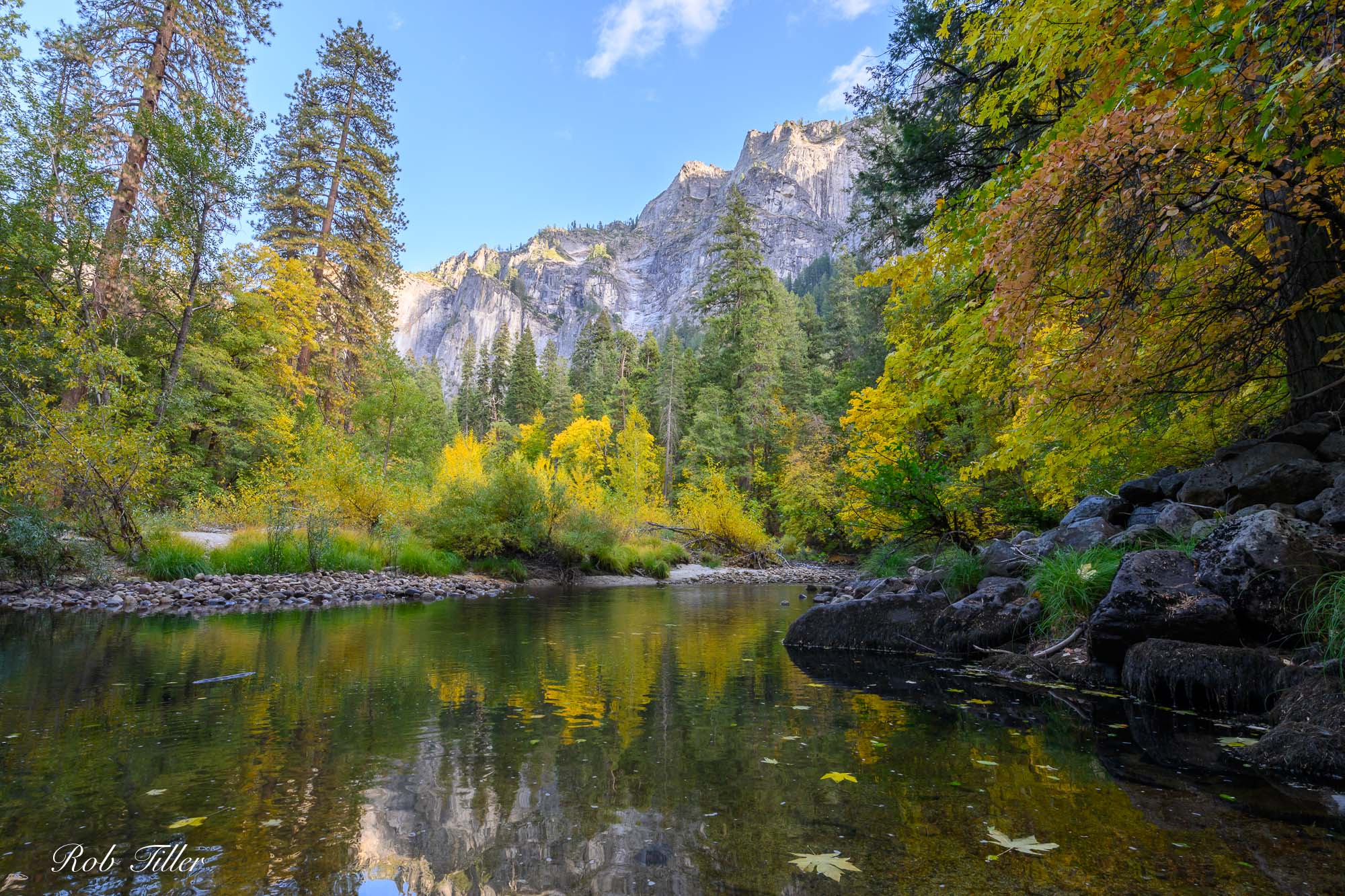
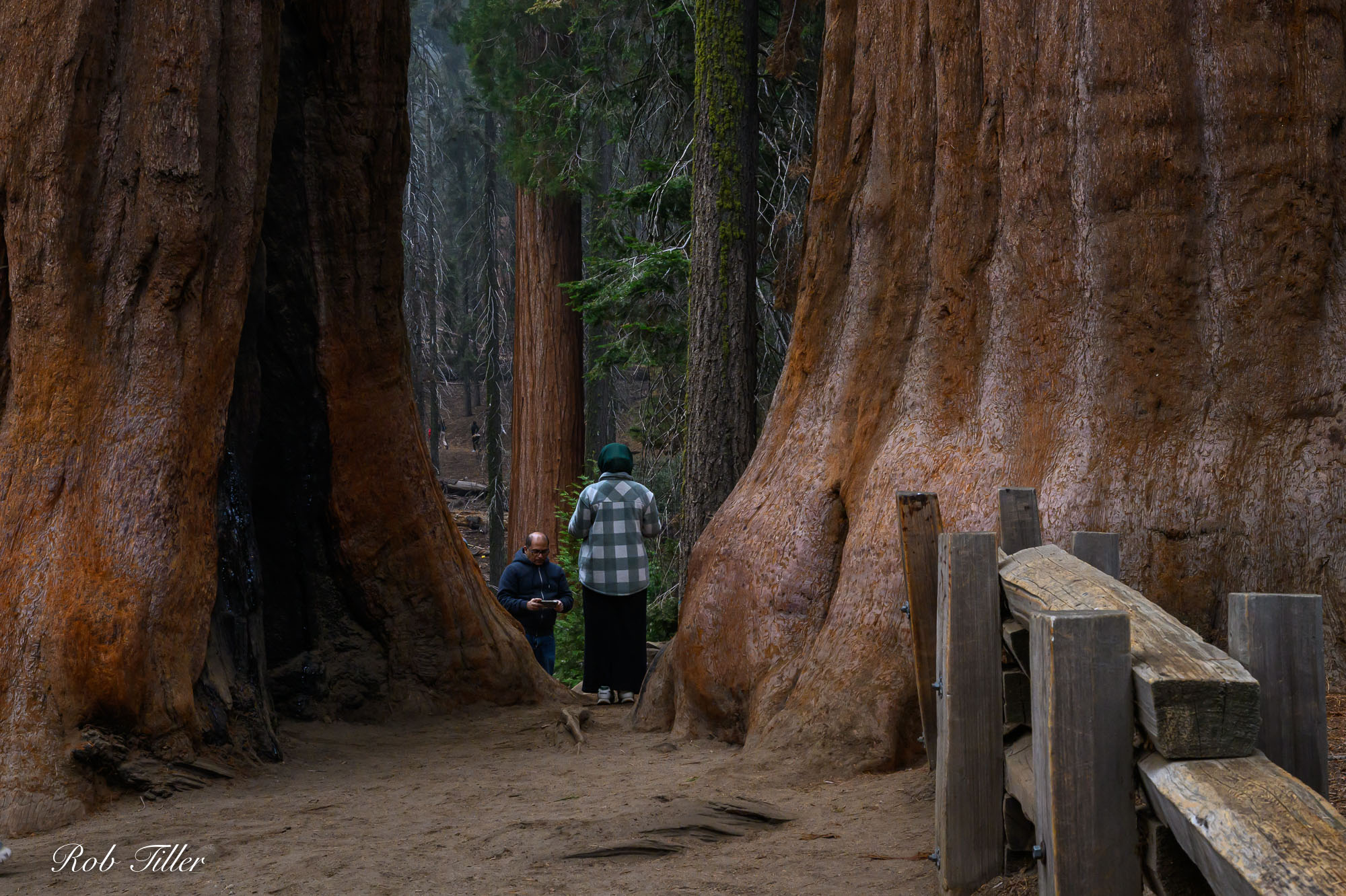
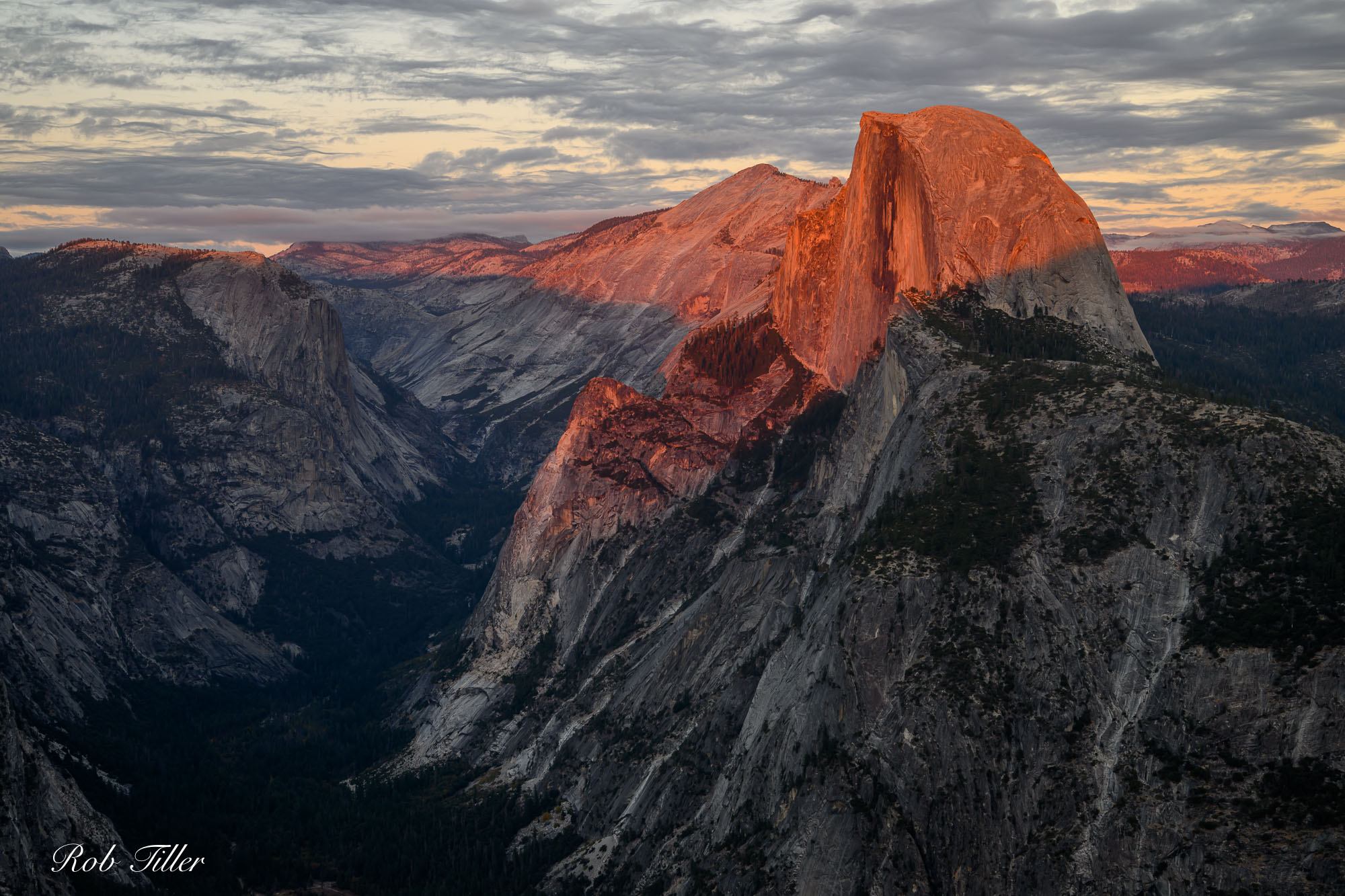
Last week I visited Yosemite National Park, which had resplendent fall colors beneath its towering granite peaks. There I was part of a photography group led by Gary Hart.  Gary was the nicest guy, and he did a great job directing us to some beautiful places and helping us improve our work.  Then I went by myself to Sequoia National Park and Kings Canyon to see the giant sequoia trees and mountain vistas.  The pictures here are a few of the ones I liked.  

My flight from Los Angeles to Raleigh was a red eye that arrived the morning of election day.  I was tired and jet lagged, and underprepared for the election of Trump.  I’d done some phone-bank work for Harris, and managed to convince myself that most likely she would win.  But, of course, she didn’t.  It was a painful disappointment.

The pain is still raw, but I’m trying to be mindful and curious as to how a majority of American voters could have decided that Trump was the better choice.  The pundits I’ve been reading and hearing have various theories, and no doubt there are many factors at play.  But so far I haven’t heard much about what looks to me like the most important one.

There seems to be general agreement that a big part of the Trump success was serious dissatisfaction with the current establishment.  The price of groceries, gas, and housing made people unhappy.  It wasn’t surprising that people wanted those problems addressed.

But why would anyone think that Trump would be the guy to do it?  His prior handling of the economy and other real world problems was erratic and inept.  His policy statements in this campaign were either extremely vague or kooky.  His mental capacity, never great, showed signs of major deterioration.  He was not only untrustworthy; he was constantly and shamelessly dishonest.  

Amazingly, though, Trump’s shameless dishonesty accounted for much of his success. His lack of any sense of shame made him immune to criticism, and willing to lie on a massive scale that overwhelmed all efforts at rational thought.  

Of course, some people felt insecure and frustrated about their economic circumstances.  But Trump managed to turn those understandable feelings into fear and rage.  He relentlessly presented the message that America was a hellscape of economic failure and crime.  Just as relentlessly, he blamed those supposed problems on invading immigrants, whom he characterized as criminals and rapists.  

This was all a preposterous lie.  Crime rates are down from the Trump years, and the economy has by most measures improved.  Immigrants are not invading en masse, and those who are here are more law-abiding than the native born.  Indeed, immigrants are a big part of our economic success story, and that has been true throughout our history.  

So how did the lie work?  Most of us are suspicious of those who look and sound different from us.  Our natural suspicion as to differences in skin color, language, and customs is usually manageable.  After all, we live in a multi-racial, multi-cultural society which in many regards works well.  But Trump stoked normal anxieties into a raging fire of  xenophobia and racism, and proposed a wonderfully simple solution to all those unpleasant feelings – get rid of the scapegoats.

This was certainly not a new idea.  Through the last five hundred years, Jews have been treated as scapegoats by various demagogues.  And of course, various other out groups have been treated as sacrificial victims to solve political problems.  

Indeed, Trump made clear enough that immigrants were not his only scapegoats.  There were scapegoats to fit with a potpourri of resentments and prejudices:  people of color, Jews, Muslims, women, gays, journalists, scientists, lawyers, teachers, liberals, government bureaucrats, and anyone who opposed him were attacked directly or indirectly as enemies of the state.  

Possibly the saddest and most ridiculous scapegoating was on our tiny minority of trans people.  Could anyone actually believe that trans folks were a serious threat?  The Trump people clearly thought so, since they spent many millions of dollars on anti-trans political advertising.  Watching those ads playing over and over, I assumed that most people would see through them as cruel and absurd.  I’m afraid, though, that a lot of people didn’t.  
We live in an age of misinformation that we haven’t yet understood how to correct for.  A great many of our traditional newspapers are no longer in business.  Right-wing media, such as Fox News, the Sinclair Broadcast Group, certain podcasts, and talk radio in the vein of Rush Limbaugh have become the primary news sources for many.  By and large, they amplify Trumpist lies and stay silent as to the truth.

At the same time, social media such as Twitter/X, TikTok, and Facebook are virulent sources of conspiracy theories and confusion.  Traditional, fact-based journalism has a hard time competing.  It’s hard for unwelcome truths to compete with exciting lies.  

Trump’s people appear to have grasped the value of these new opportunities for spreading big lies.  They also learned from twentieth century fascist movements that even obvious and transparent lies may come to be seen as true if repeated often enough.  

To begin to address Trumpism, we can start by calling out the big lies, rather than pretending that all this is normal and acceptable.  It was disheartening that the Harris campaign failed to do this with Trump’s dystopian immigration narrative, and instead adopted a dialed down version of that narrative.  Perhaps they concluded that correcting that scapegoat narrative couldn’t be done in the short time before the election.  In any case, there’s no doubt that it would have been difficult.  Big lies are powerful.   

Now we’ve got a large population infected with the culture of Trumpian lies.  They view actual journalism as fake news, and Trump opponents as Satanist pedophiles.  Arguing with them probably won’t help.  We can and should give them respect, compassion, and kindness.  We should gently and gradually reassure them that we are not Satanists or pedophiles.  Will that, plus measured doses of actual truth, be enough?  

We won’t know for a while.  Given that Trump lies about everything, it’s possible he won’t follow through on his deportation program, locking up his enemies, and the other Project 2025 ideas that would likely crash the economy and cause enormous misery.  If he does, it’s nearly certain that MAGA folks will experience bitter disillusion and massive voters’ remorse.  Perhaps a new and better politics will emerge from the ashes.   

Visiting big birds in Florida, healthy eating, and some thoughts on Nazism

I went down to St. Augustine, Florida, a couple of weeks ago to photograph some of the big wading birds there.  I took a lot of photos at the Alligator Farm, where there’s a rookery of nesting great egrets, snowy egrets, cattle egrets, little blue herons, tricolored herons, wood storks, white ibises, and (my favorite) roseate spoonbills.  The birds hatch their chicks in trees over a big pond area full of alligators.  Apparently the birds feel safe and protected from tree-climbing predators there.

It really was quite wonderful to see all these creatures flying, fighting, mating, working on their nests, and feeding the chicks.  I haven’t had time to go through all the thousands of pictures I took, but I did make one pass through the ones from April 26, when we had some beautiful light.  These ones were all taken that day.  

At times I feel a bit of an odd duck for caring about birds, but I was reassured by a great little essay in the NY Times on how birding can change your life.  The essay is by Ed Yong, who wrote An Immense World, a fine book about the sensory worlds of non-human animals.  

Yong describes describes some of the nuts and bolts of learning how to identify birds.  But the really interesting discussion was how he found himself changed by birding.  He discovered a new connection to nature and new appreciation for the small wonders of life.  He found himself living more in the present, and with a greater appreciation for his own life, just as it is.  

I’m not as serious a birder as Yong – I don’t keep a life list or take on arduous travel to see one new species.  But I’m still studying up on resident species when I go to a new place, and working to identify birds I’m not familiar with.  I heartily endorse Yong’s view that birds make life better.

Speaking of animals, we saw a recent documentary series on Netflix that I recommend:  You Are What You Eat.  It centers on a nutrition study at Stanford University of identical twins.  The idea was to discover how much different diets affected genetically identical people.  

The big takeaway was that a plant-based diet was generally much more healthy than other options.  The series also notes, without hammering on, how animal agriculture is terrible for the climate and for both farmed and wild animals.  Despite the serious content, the filmmakers managed to leaven their presentation with some humor.   

Finally, I want to recommend a good podcast series called The Rest Is History. The format is a conversation between two Brits, Tom Holland and Dominic Sandbrook, about a historical period or incident that they’ve gotten interested in.  They are funny and smart, and some of the subjects are fascinating.  

I found their series on the rise of German Nazism particularly interesting.  Holland and Sandbrook investigated how an ideology that they (and most of us) regard as bizarre and inhuman could have seemed exciting and completely valid to many Germans of that time. 

Discussing Nazism is a delicate business, since it understandably arouses strong emotions.  It’s uncomfortable, and we tend to think it’s not worth the bother, assuming that we know everything worth knowing about it anyway.  Of course, that’s unlikely, since like all mass movements, it was complicated.  But it’s possible to be clear that the systematic mass murder of Jews and other groups by the Nazis was horrific, while also wondering about what German leaders and ordinary Germans were thinking as crimes against humanity took shape.  

As Holland and Sandbrook note, the Nazis believed they were acting based on science, and were addressing an existential threat to their nation.  Some of such thinking is still with us.  Eugenics, the “science” of superior and inferior races, was integral to their thinking, and it was then considered actual (rather than crackpot) science in many other places, including the US.   

The Germans of the 1920s and 30s feared for their future, based on widespread poverty and the postwar economic crisis.  They sought to explain their problems by identifying scapegoats, including especially the Jews.  Their anger and fear of supposedly inferior races and cultures is not so different from the hostility towards immigrants that is now a central feature of politics in the US and Europe.  

The Nazi leadership effectively used the modern media of the time, including radio and film, to amplify their message. Holland and Sandbrook point up a program to get a radio within earshot of every German so that they could not avoid hearing Hitler’s speeches.  The incessant repetition of lies about Jews and others made it hard to keep contrary views in mind.  Our social media is different, but likewise tends to create information bubbles that can separate us from reality.  

Holland and Sandbrook suggest that the impulses of Germans who supported Nazism, like the desire for excitement and hostility to out groups, is pretty normal.  Humans are social animals, and our behavior is powerfully influenced by those around us.  Once Nazism attained a degree of popular support, doubters were more inclined to go along with the crowd, as people normally do.  And once the movement was strong enough, dissenters were either squashed or silenced themselves.

From time to time, I’ve wondered what I would have done if I’d been a German in the 1930s as the Nazis rose to power and took over the country. We know from studying Germany’s experience that most people were swept along without dissenting, and it’s possible that I would have been one of that herd.  Of course, I like to think I’d have been unusually independent and courageous, but it’s hard to be sure.  

Anyhow, the Rest Is History podcast series on Nazism is thought provoking and timely.  We know from Germany’s experience that facism can happen to countries populated by people who are generally sane and decent.  I dearly hope the US is not headed in such a direction, but it’s clearly not impossible.  It’s worth taking the time to look closer at Germany’s history, and do everything we can to go in a better direction.

Spring, wild horses, and some thoughts on immigration

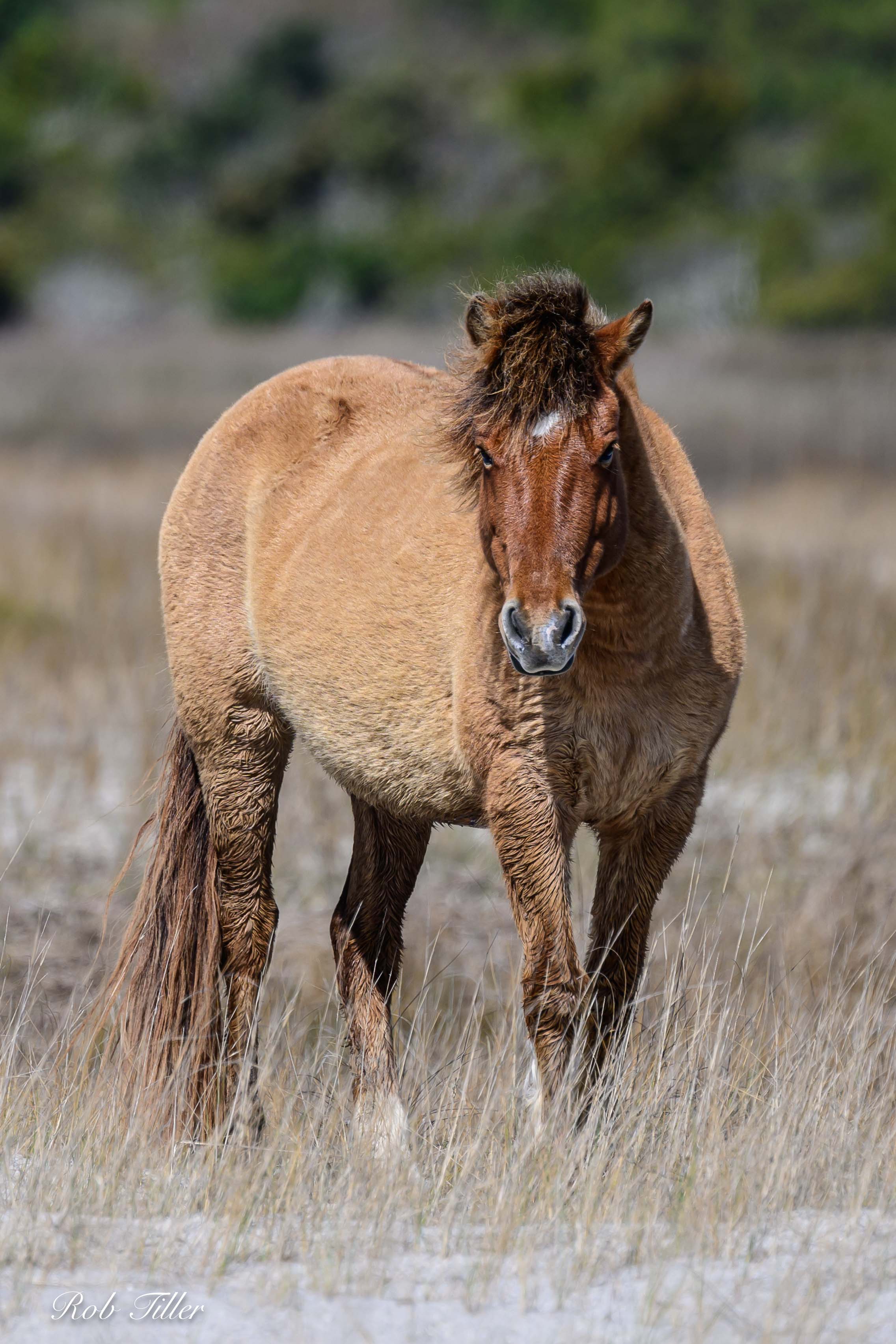
Spring is finally here, I’m happy to say.  We visited our loved ones at beautiful Beaufort, N.C., a couple of weeks ago and saw some of the wild horses there.  In Raleigh, the trees are starting to leaf in, and the early flowers have popped up, seemingly out of nowhere, with vivid colors.  I enjoy them every year, but this year is especially good.  The flowers below were from Raulston Arboretum, Fletcher Park, and the backyard of casa Tiller.  

This week we watched The Zone of Interest, which won the Oscar for Best Foreign Film and is now streamable on Prime.  I highly recommend it.  The story concerns a family living a normal happy life right next to the Auschwitz death camp.  It raises some tough and timely questions about human behavior and ethics.  I expect we’ll be thinking about it for a long time.    

Our immigration situation also raises some tough and timely questions.  These days it’s often referred to as the immigration crisis, which is certainly true from the perspective of people desperately fleeing violence and poverty.  But there’s a massive misunderstanding of the situation, as shown in a recent Gallup poll. Immigration was most frequently cited as America’s biggest problem, and the number of Americans who think that has gone up.  

This is both understandable and absurd.  Fear of foreigners is nothing new, and has long been exploited by leaders for political advantage .   But we truly are a nation of immigrants.  They are running some of our most successful corporations, as well as building our houses, manning our hospitals and factories, picking our crops, and taking care of our children.  If there’s energy and creativity required, we rely a lot on immigrants, just as we rely on them to do a lot of unpleasant work that we want to be sure is done well.  

It should be obvious, but apparently needs saying, that we’ve always been a multi-racial, multi-ethnic, multi-religious country.  The majority of us have ancestors that came from some other country not so long ago.  And we have friends, neighbors, and service providers who have different skin colors, different languages, and different customs.  We’ve got lots of problems, but our diversity is not a problem.  It’s a strength.   

With all the actual problems we’re facing, it’s really disturbing that the non-problem of immigration has become a central flash point of  our politics.  Whipping up more fear of immigrants was and is one of Trump’s main tactics; it’s hard to imagine his succeeding without it.  But even mainstream Democrats now believe we have a border crisis that is not of our own making, and that we somehow have to prevent more foreigners from getting in.

Franklin Roosevelt had a famous line in his inaugural address in 1933:  “The only thing we have to fear is fear itself.”  He probably meant to reassure a nation in the throes of a financial depression with the thought that fears weren’t themselves likely to be fatal, and economic problems were solvable.  

But Roosevelt’s words have a different resonance now.  We truly have good reason to be afraid of the current panic about immigrants, because it is perilous, both for ourselves and others.  I’m thinking of three serious risks.

First, it could lead to the end of democracy as we know it.  Hard as it is to believe, there is a real possibility that Donald Trump could become the next president.   Trump has proudly declared his intention to become a dictator, to persecute his political enemies, to shoot peaceful protesters, to take away rights from women and minorities, and to fundamentally alter the constitutional order.  He undermines the rule of law with his claims to be immune from prosecution for any crime and pardons for his convicted criminal pals.  Again, his appeal is based in large part on his demagoguery about immigrants, whom he viciously and groundlessly characterizes as criminals, rapists, and animals.  

Second, our draconian limitation on immigration is a self-inflicted wound, in that we need immigrant workers.  The idea that  immigrants cause harm by taking Americans’ jobs is mistaken.  They pay more in taxers than they use in services. Many of them start businesses and create new jobs.  As noted, they do a lot of the most important high-level work we have, as well as some of the most difficult and dangerous jobs.  For example, without them, our food supply chain doesn’t work, or our cutting edge AI tools.  We have a labor shortage, and with an aging population, that problem is getting worse.  We need more immigrants.

Third, there’s morality:  treating immigrants with disrespect and cruelty diminishes us.  Refusing to respond to the needs of desperate people fleeing war, violence, and grinding poverty is a stain on our own humanity.  It takes work to get rid of our natural compassion for people in need, but some of our political and thought leaders have pulled us along that path.  They whip up our ordinary caution about people we don’t yet know into anger, hatred, and panic.  

In considering what we owe immigrants, it’s worth noting that we in the U.S. bear substantial responsibility for some of the problems that are driving people from their countries of birth.  We’ve done more than our share to create the worldwide climate crisis, with the rising heat, drought, fires, and storms that make some areas inhospitable or uninhabitable.  

Driven by greed and fear of Communism, we’ve also played a role in creating the chronic violence that drives emigration out of some countries, including El Salvador, Nicaragua, Guatemala, Honduras, Venezuela, Haiti, and Cuba, not to mention the Middle East and Southeast Asia.  We have a lot to atone for.  

The solution is not simple.  The system we’ve constructed for our border is deeply flawed, and fixing it will not be easy.  We don’t have the necessary plans or resources in place to implement the current problematic laws.  More fundamentally, we need to rethink certain assumptions, including notions of what a great nation is and what borders are for, and that will take time.  

But it’s obvious that we need to stop panicking about immigrants.  We need to start seeing them as people and learning about their situations.  We need to have conversations about what the options are for helping them.   We need to rediscover our natural compassion, generosity, and love.  People in dire need offer us an opportunity to be more compassionate and generous.  Let us be thankful for that opportunity, and take it.  

Skiing at Vail

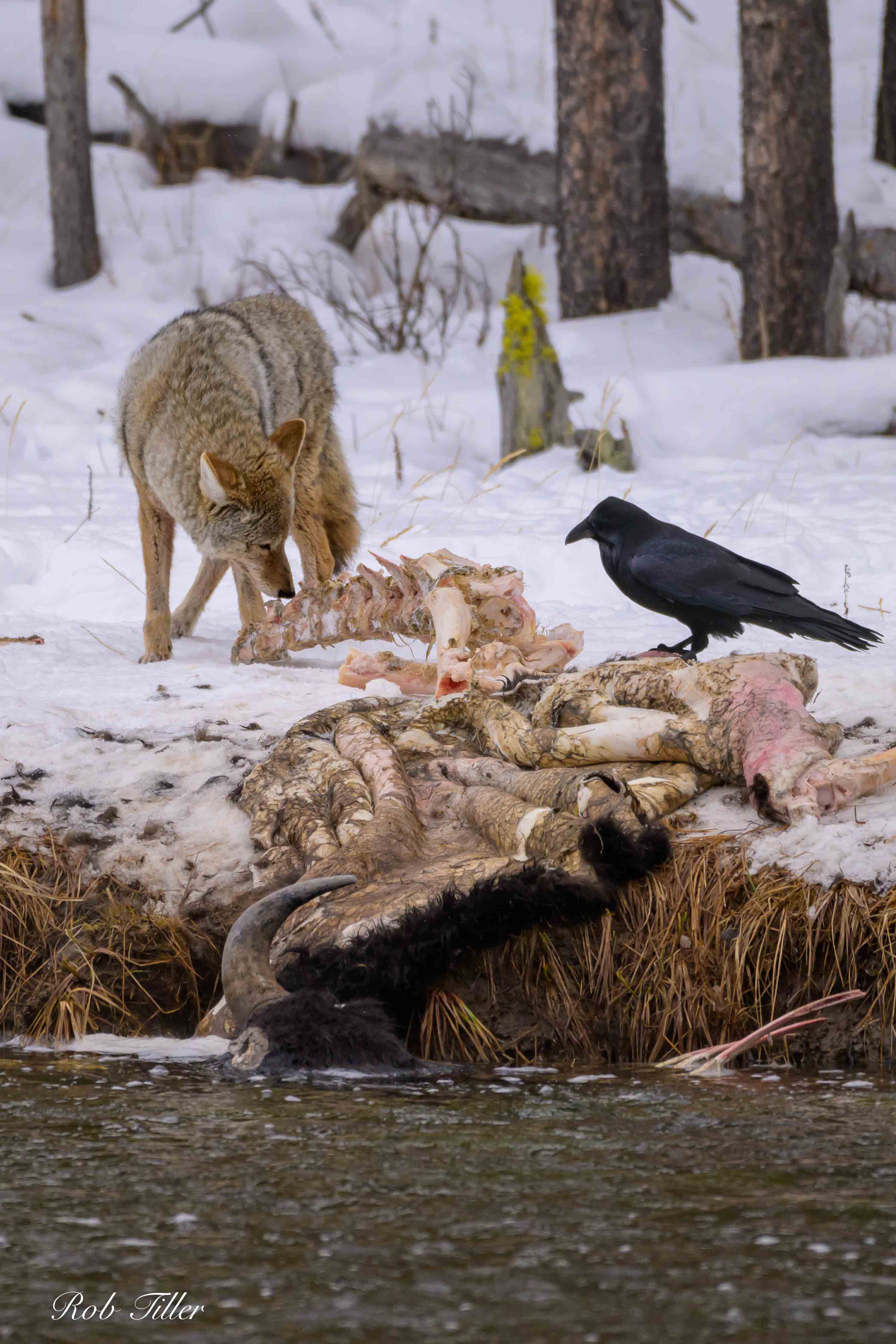
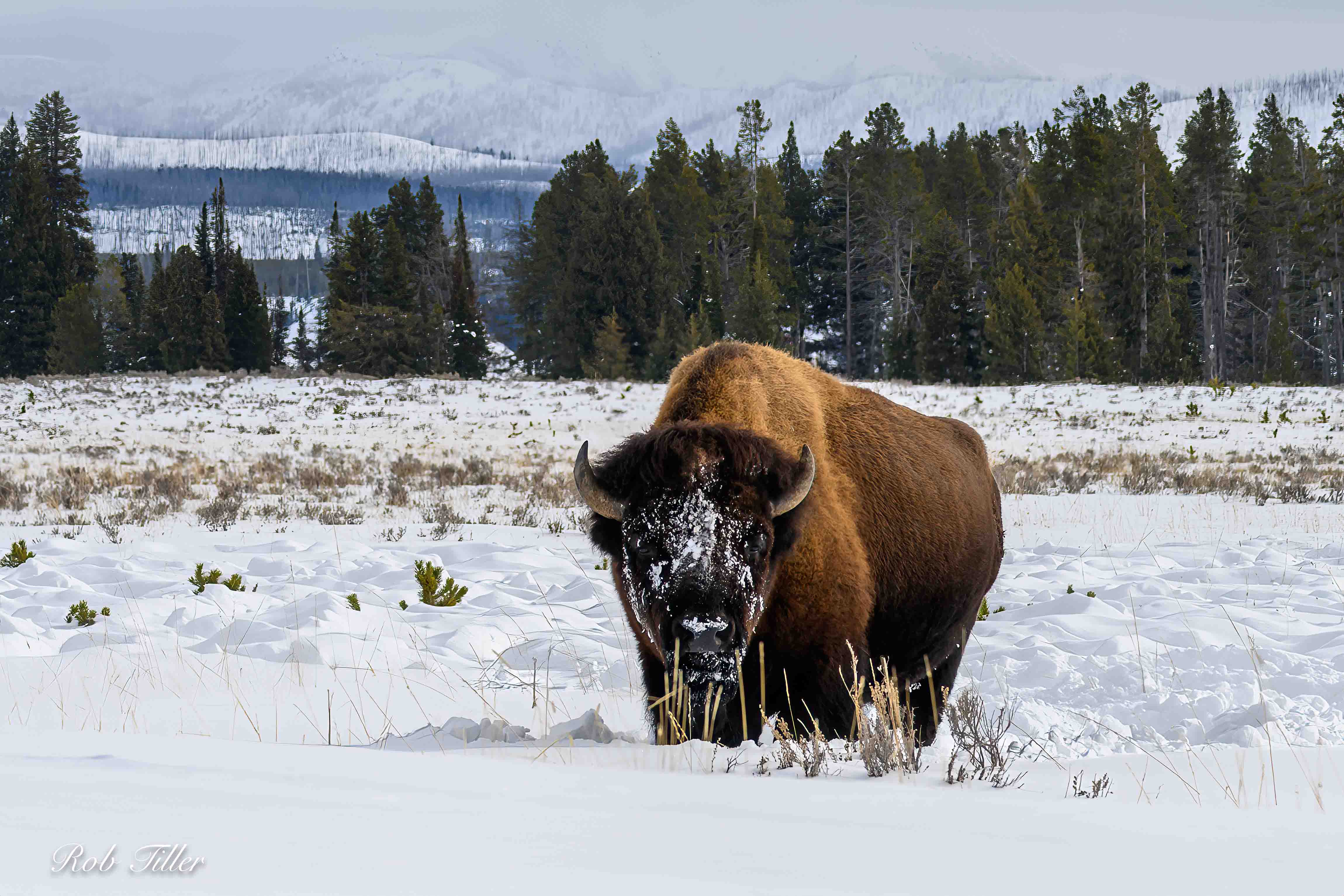
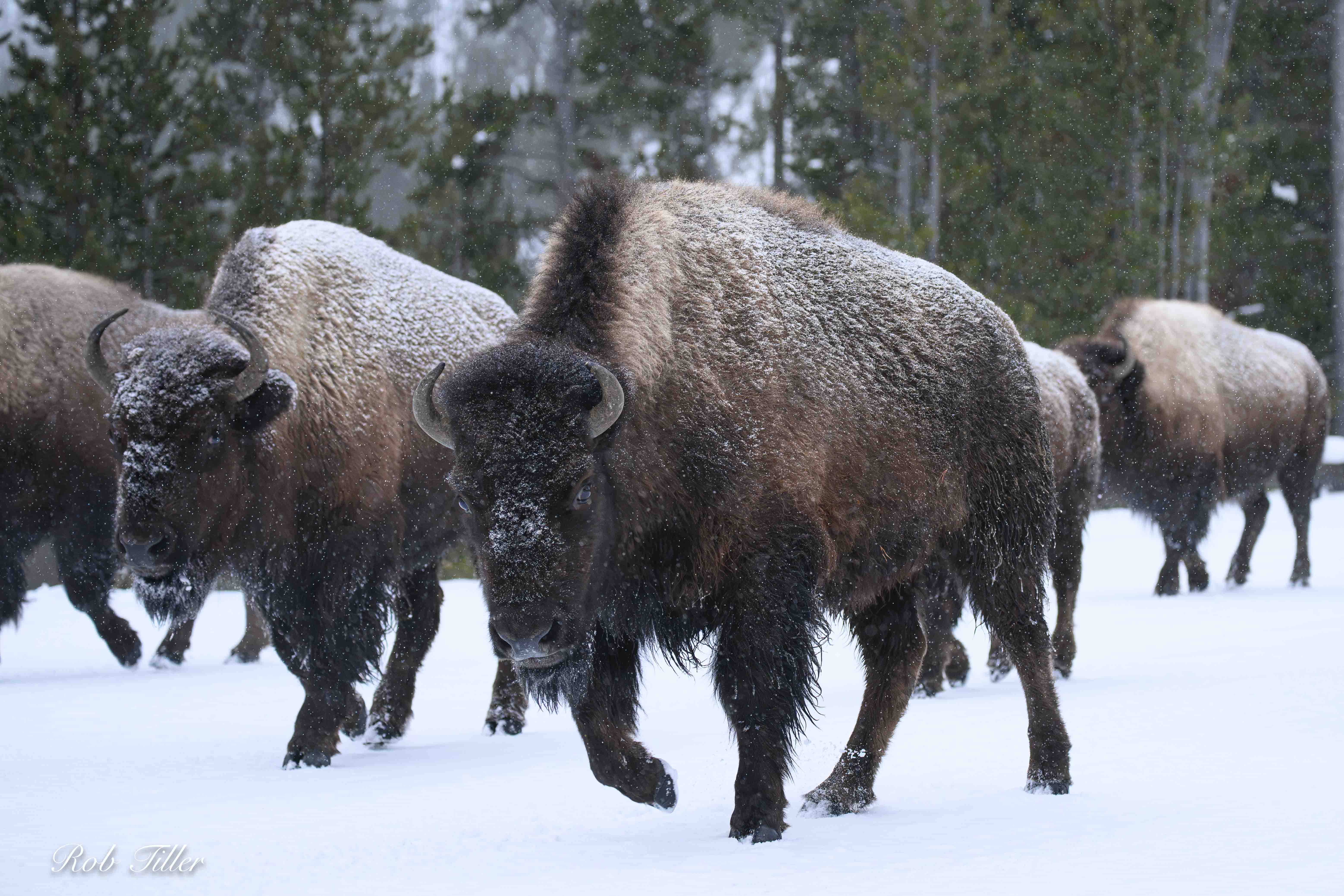
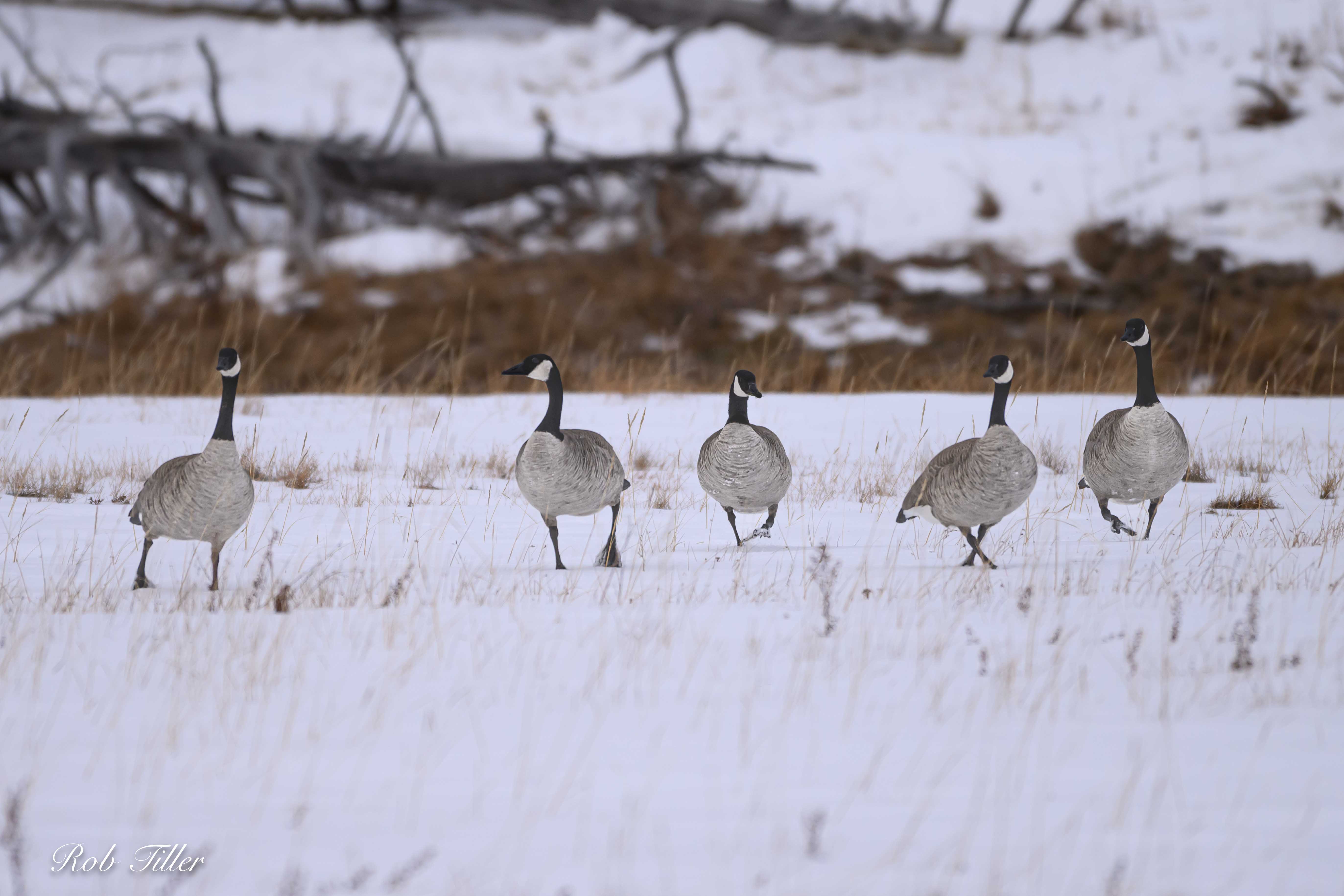
I thought I’d share a few more pictures from my Yellowstone trip in January, and a brief account of my trip last week in Vail, Colorado, where I took no pictures but did a lot of skiing.

Vail is enormous:  5,317 acres and 3,450 feet of vertical.  The longest run is four miles.  There are some 26 lifts, and navigating the area is demanding.  They don’t hand out maps any more, so you need to get their app with the layout and learn to use it.  

I met my old friend John A. out there, and we stayed at the Grand Hyatt in West Vail. The hotel was attractive and comfortable, and had its own ski shop and a ski lift just outside the back door. I brought my own boots, but rented skis –Volkyl Mantra XXs, a good, versatile ski, but a bit stiffer than my ideal.  It snowed the night I arrived.   

It continued to snow all that day, which was exciting, but visibility was very limited.  At one point I fell while going down a steep mogul field that I hadn’t realized was a steep mogul field.  I was exhausted by the time I got down to the lift, and then I realized I’d lost my goggles somewhere up the mountain.  I’d forgotten to bring my contact lenses, and my glasses iced up, making it hard to see anything.  My legs got tired.  It was a tough day.  

But the next two days were sunny and clear, with just the right chilliness for the snow.  I got some new goggles. What a joy skiing is when everything clicks! We cruised on the cruiser runs and worked the less difficult black runs in the back bowls. It wasn’t crowded, and it was beautiful. Happiness!

John and I ate well and had some good arguments.  It seems like these days many of us are afraid of arguments, and hesitate to express ourselves when there could be conflict.  But it really is a good idea to talk with people who don’t agree with you about everything.  Sometimes you learn things!  

When I wasn’t skiing, eating, or talking, I did some reading, including an interesting new book, The Case for Open Borders, by John Washington.  The southern U.S. border has been the subject of much alarm and controversy recently, and I thought it would be good to get a new perspective on the issue.  

Washington proposes that we rethink the whole subject of borders, which he argues are artificial constructs that do more harm than good.  He presents evidence that immigration is a positive force for the receiving country, both economically and morally.  

It’s unfortunate that a lot of people are fearful of people who look different, speak another language, or have different customs.  That common fear has been made much worse by some cynical politicians, who characterize them as dangerous criminals and thieves stealing jobs.  In fact, the opposite is closer to the truth. 

In fact, the NY Times had an article last week about the positive economic contributions of immigrants.  They helped our economy recover from the pandemic quicker than expected by filling necessary jobs. They continue to help us get work done, and help support their relatives back home.

As climate change makes it harder to grow food in some areas and causes floods, fires, and other disasters, there will continue to be a lot of people who have no choice but to flee.  America is still a land of opportunity, and there’s an opportunity here for us:  to be more compassionate and to help those who desperately need help.

I’ll mention one other thing that isn’t usually a welcome dinner table topic:  the increasing risk of nuclear war.  I’ve long thought that our unwillingness to look squarely at what a nuclear conflict would mean increases the chance it will happen.  With arms racing again picking up speed and war in Europe raging, it’s high time to think again about how to lower this terrifying risk. The Times started a series this week on this topic, and the first piece was appropriately arresting. I hope a lot of people will read it.