The Casual Blog

Tag: ICM

Some ICM photos, and news about animal languages

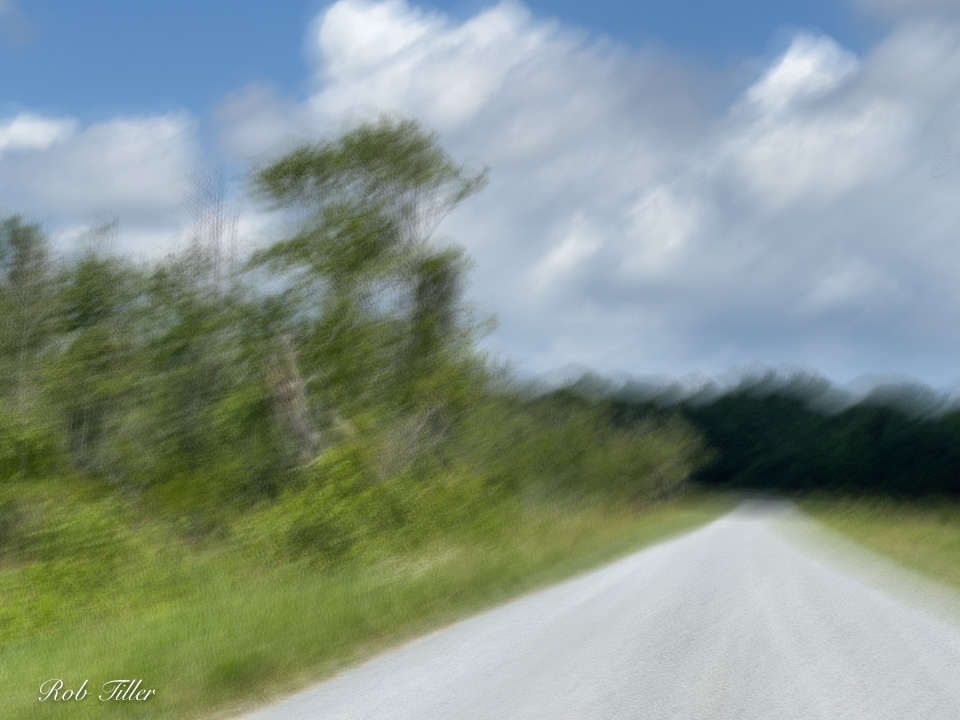
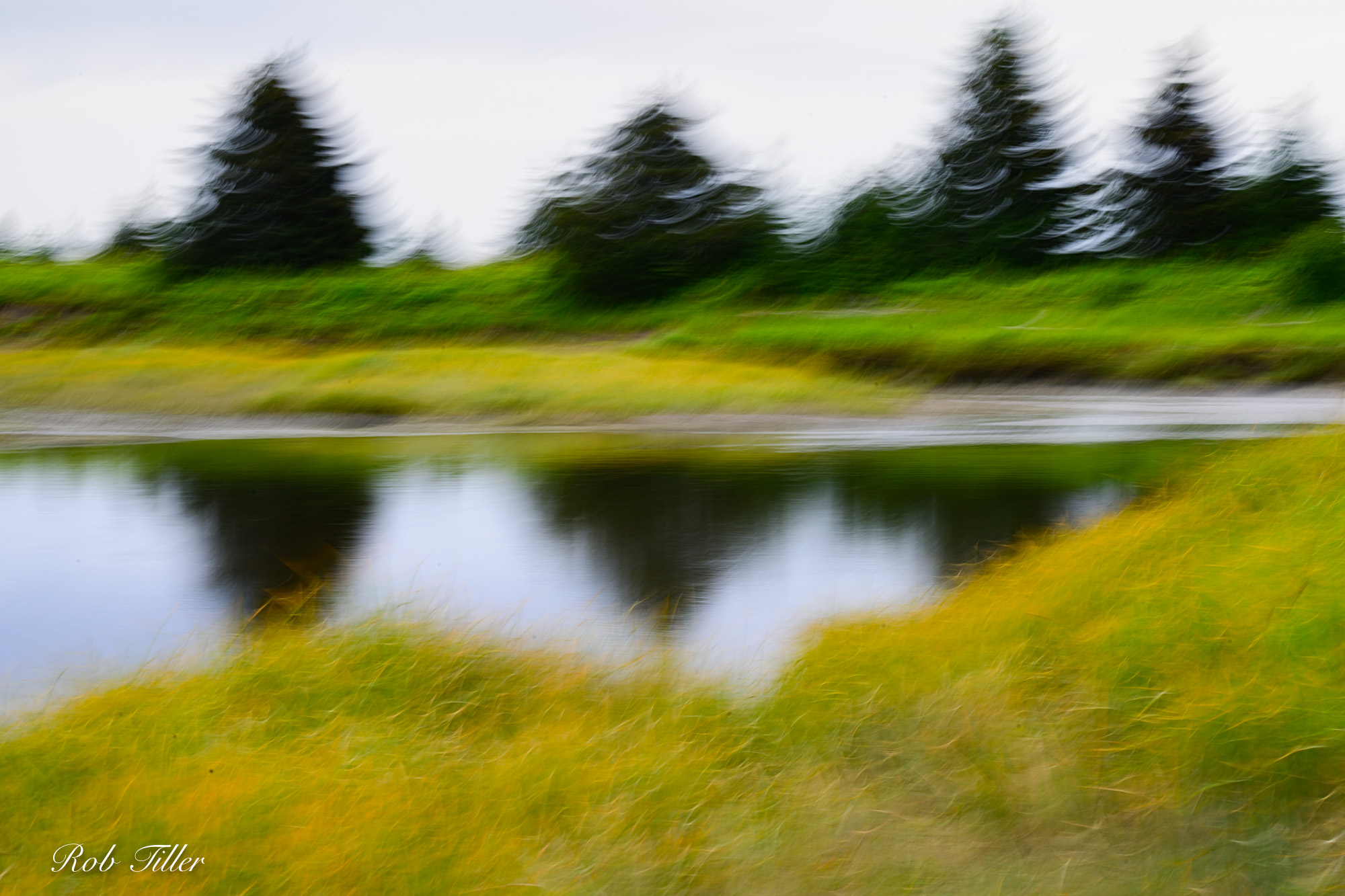
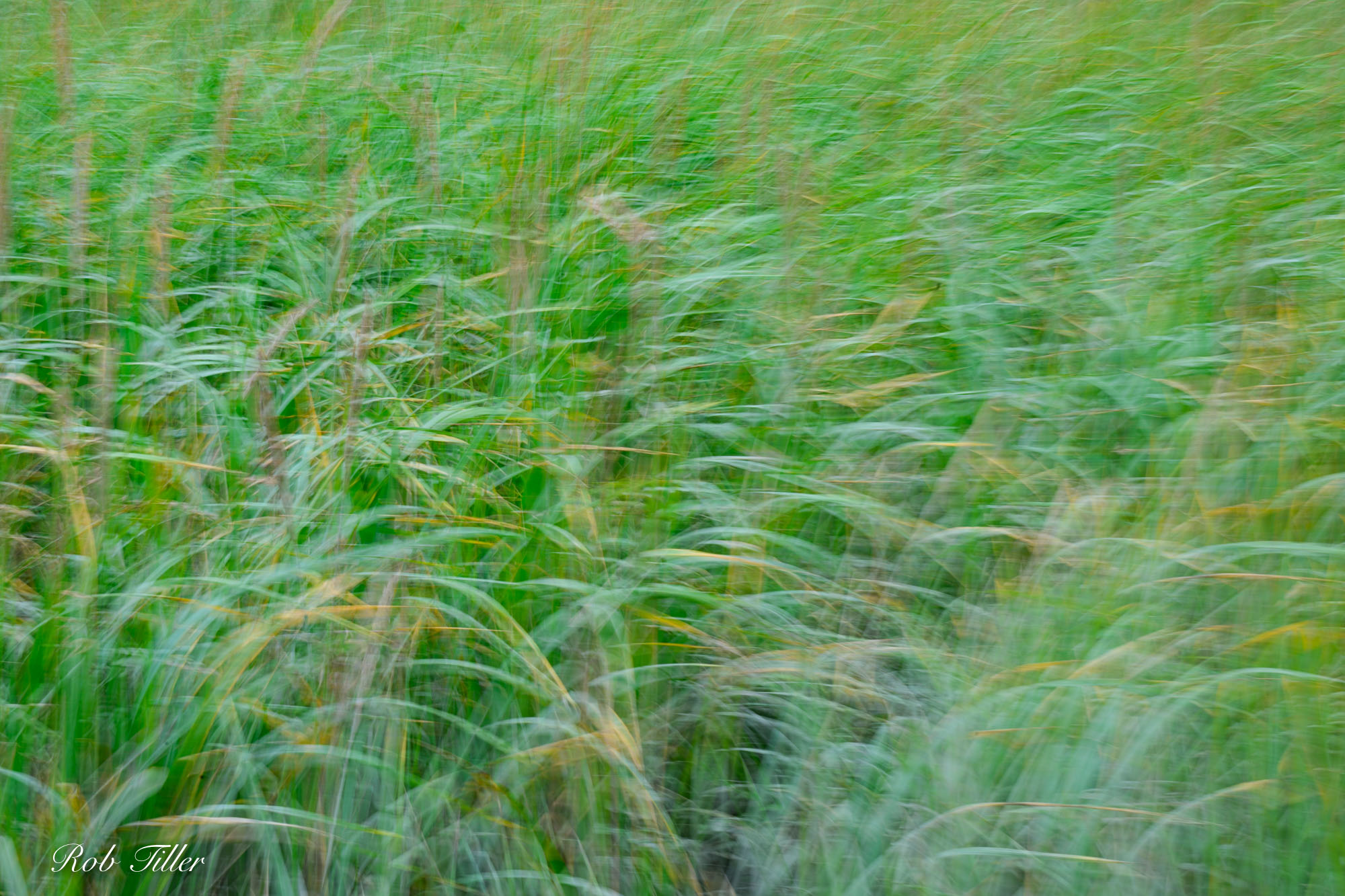
The photographs here (except for this barred owl) are ones I made using intentional camera movement, or ICM, in eastern North Carolina and Alaska.  I was inspired to try this technique when my local photo club had a program on it.  The results remind me of nineteenth-century impressionist painting, sometimes with more abstraction.  It’s hard to say how far I can get using a camera and software in this way, but it’s fun to try something new.  

We’ve been busy with getting the new house furnished and otherwise organized.  This week I’ve been assembling book cases, which turned out to be a lot more work than expected.  Every time I had to make a guess as to what the directions were trying to say, I seemed to guess wrong, but wouldn’t discover the mistake until quite a few screws were in that had to be unscrewed.  

But I guess it was a learning experience.  Elsewhere on the learning front, I’ve been continuing my language studies, concentrating on Spanish and German.  Lately I’ve been using the Duolingo app, which is surprisingly fun.  The lessons are short and game-like, and it seems like I’m making progress.  The process is absorbing, and afterwards I feel a pleasant sense of having used my brain in a good way.  

There was a fascinating piece by Sonia Shah in the NY Times last week about language and animals.  Shah describes several research efforts that are showing that various animals have communications systems that are much more elaborate than we’ve imagined.  

For those of us with an interest in this, we know that there’s been some progress in appreciating that quite a few species have communications systems, and some of those systems are complex.  Shah notes work with, among others, elephants, birds, dolphins, monkeys, chimpanzees, gorillas, seals, whales, and mice.  (The work with mice involved rendering a group of them deaf, which, unfortunately, Shah seemed to consider normal and reasonable.)

But we’re still a long way from decoding in depth any of these communications systems.  Perhaps we’re worried about what we might find out.  Understanding more animal languages might undermine our traditional ideas about the superiority of humans as compared to other animals.  We might rather not know whether the animals we torture, eat, and otherwise exploit have complex inner and social lives.  It could make us uncomfortable, and might even require us to change our behavior.  

It’s encouraging, though, that research is going forward.  One of the most interesting points from Shah is that examining animals’ languages is giving us new ideas about how human languages evolved and the function they play.  She points out the possibility of a continuum of language, ranging from the signaling of plants being attacked by insects to the gestural communication of chimps to opera.  This was a thought-provoking piece, and I made a note to keep an eye out for the book Shah is now working on.  

I’ve suggested before that recent advances in artificial intelligence might help us toward a richer understanding of animal communication, and I was pleased to learn that this is in fact happening.  Elizabeth Kolbert has a piece in a recent New Yorker describing research on the communication systems of sperm whales.  These creatures are the world’s largest predators, with primary prey being squid.  They are social animals that migrate at least twenty thousand miles a year and can dive downward a mile. 

The main research effort Kolbert described was in the waters of the Caribbean island nation of Dominica.  Sally and I did a diving trip to that beautiful country a few years back and were privileged to get some views of the whales.  We also spent an afternoon cruising with a whale researcher who was recording their clicks, which are called codas, and which the whales seem to exchange in a conversational way.   
Work is ongoing to collect more examples of these codas.  In theory, an app like ChatGPT could decode them, as it has human speech, but it would require many more examples for training.  It doesn’t sound like this is around the corner, but it also doesn’t sound impossible. 
Bears, bees, Renkl, and Bach

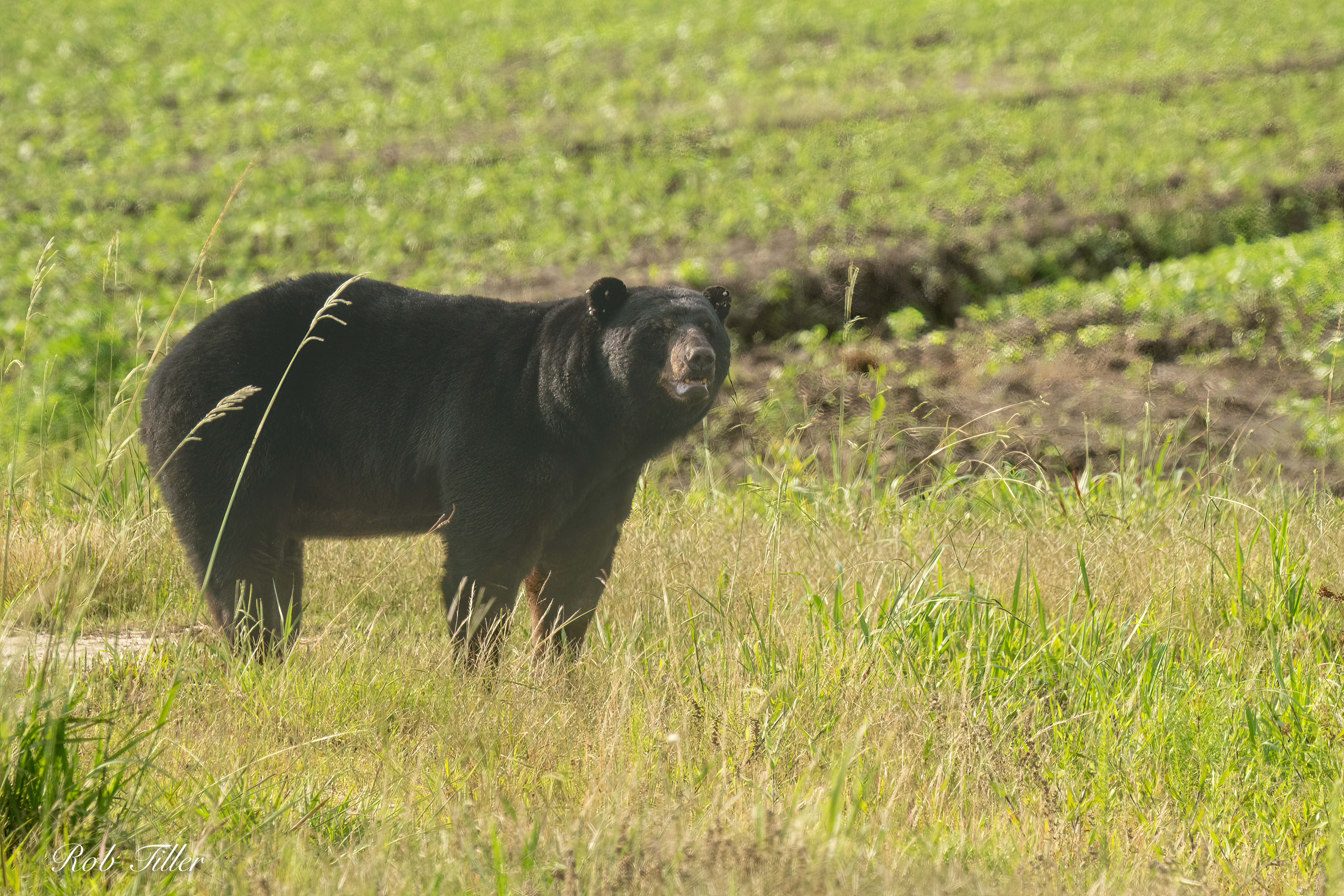
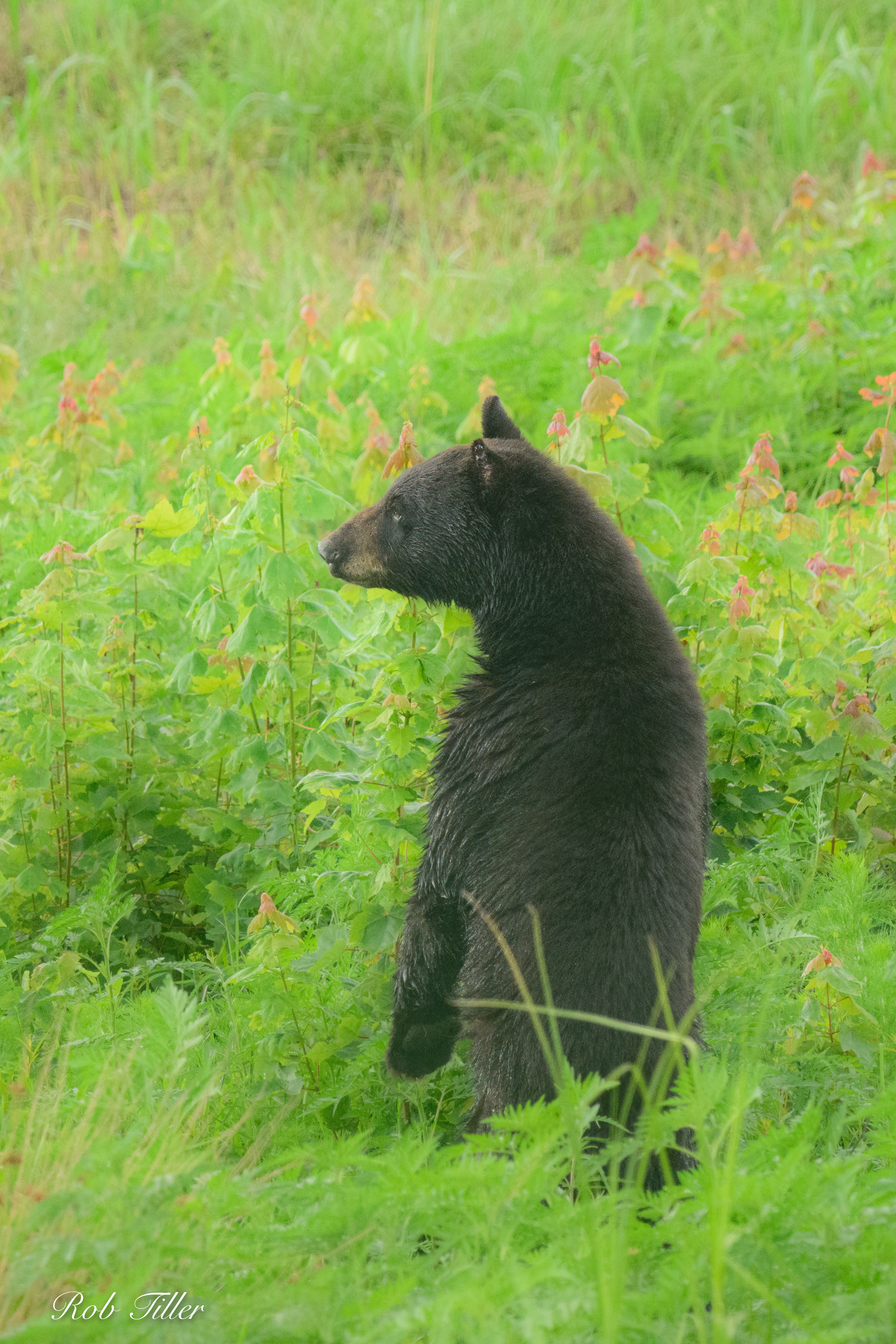
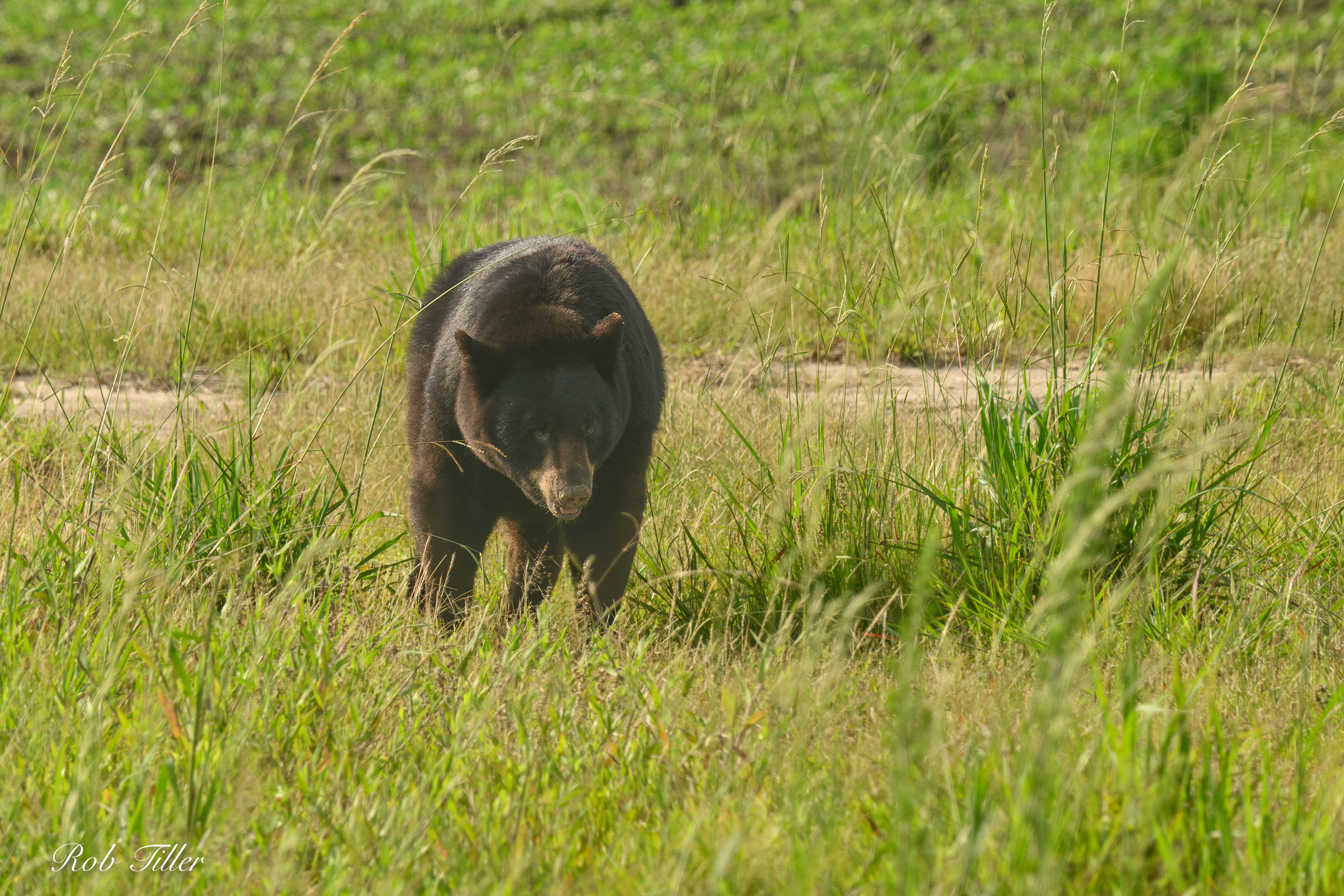
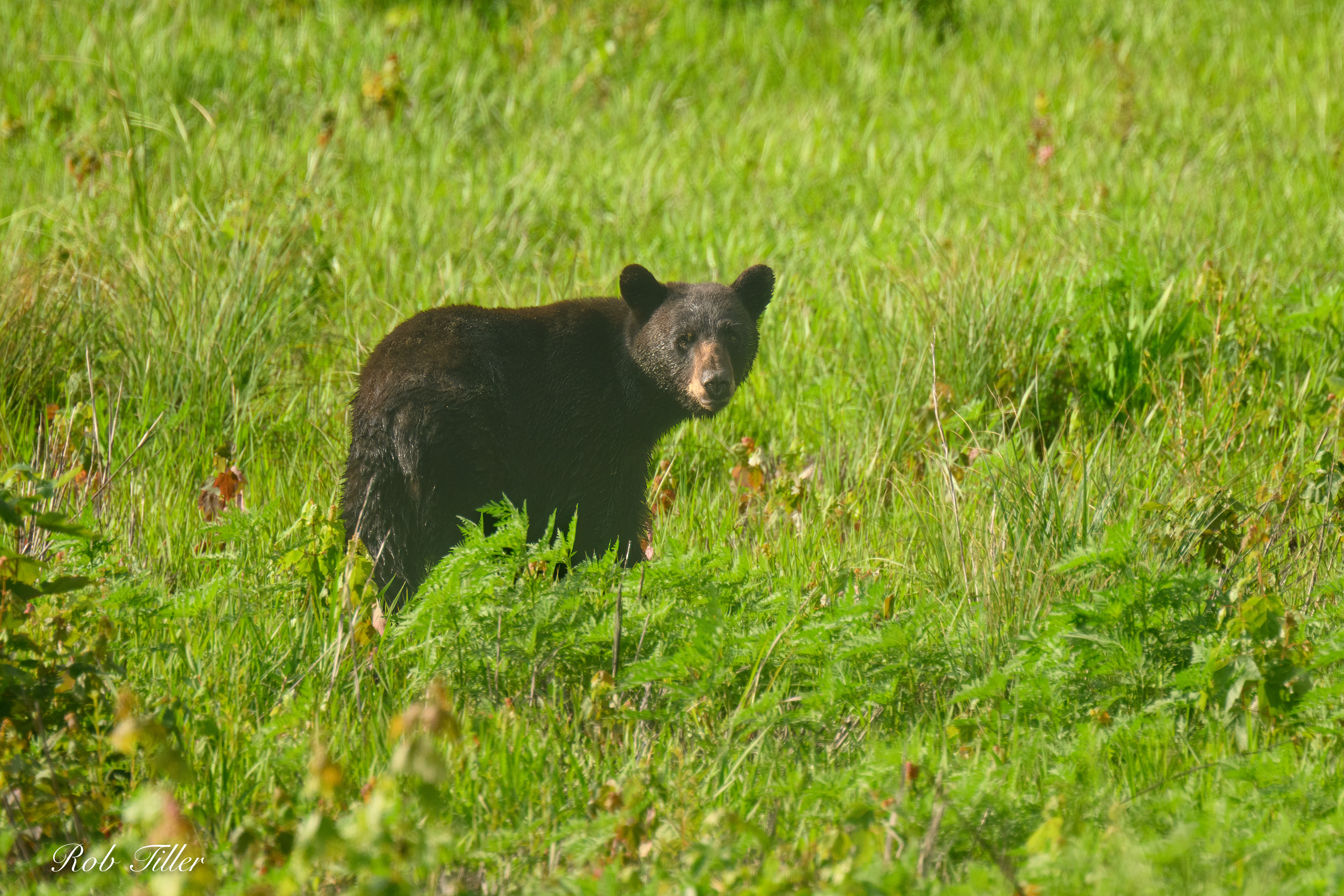
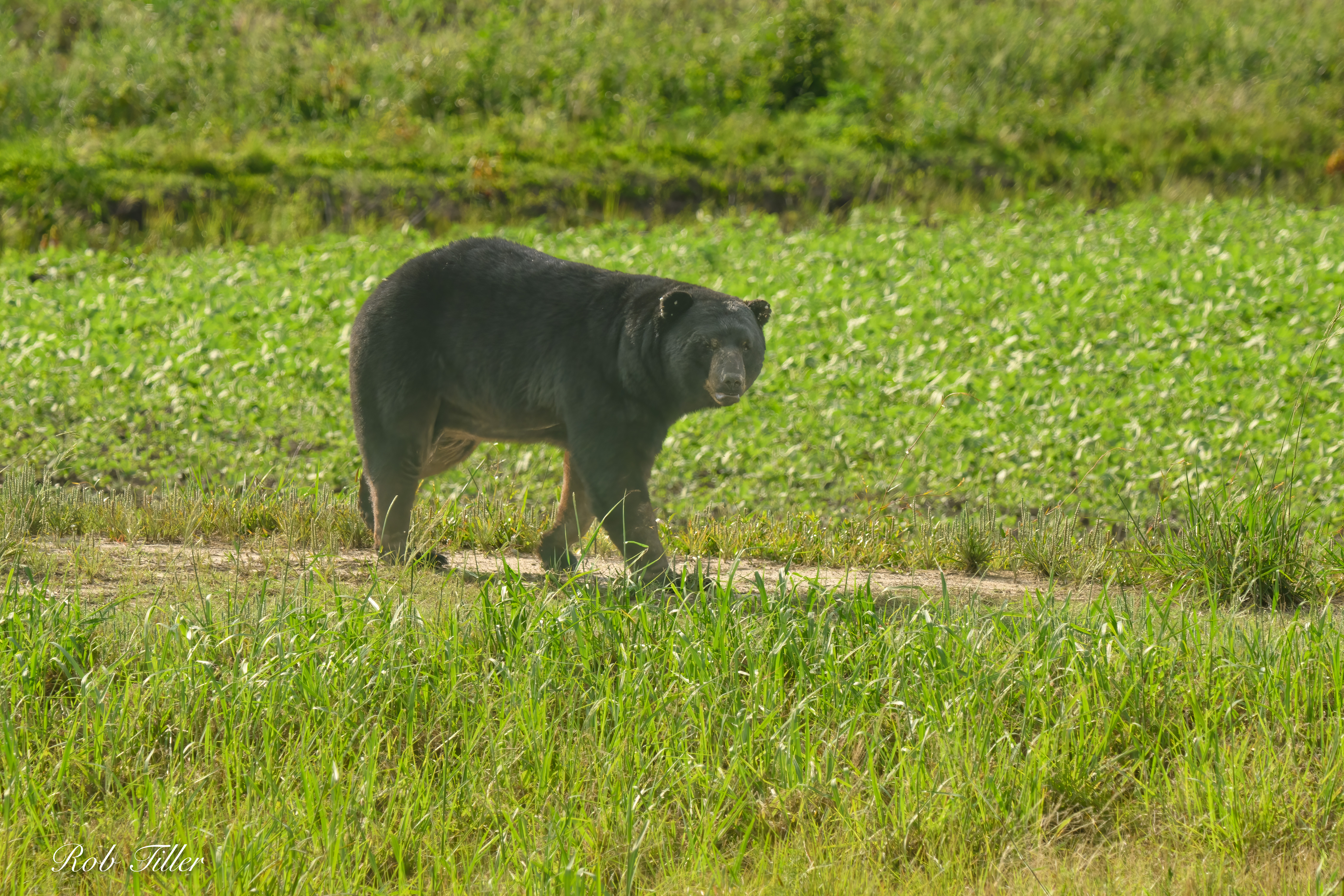
Last weekend I went to eastern North Carolina to look at the natural world there, and especially the black bears.  The Alligator River National Wildlife Refuge and Pungo Lake have a lot of resident bears, but earlier in the spring, I had a hard time finding them.  

This time, though, I found several.  The photos here are from that trip. I’m also sharing a few photos I made of the terrain using intentional camera movement, or ICM.  It’s a new technique for me, and I’m finding it expressive and fun.

I like bears for a lot of reasons.  First of all, they’re big and strong.  They’re rugged and resourceful.  They have hearing that is several times as acute as human’s, and a sense of smell thousands of times better.  

Usually when I see them, they are calmly eating, resting, or walking. It’s exciting to see them, but also relaxing in a way.  They live in the moment, and take me into the moment.  

They get a bad rap, though. Many people think of them as inherently menacing and dangerous.  Bear attacks on humans are very rare, and those rare attacks usually involve a human making the bear feel threatened for itself or its cubs.  A lot of our fears are exaggerated.

That said, it’s wise to treat bears with a lot of caution.  I’m continuing to study their habits, including body language and noises, to anticipate when they might be unhappy and to keep in mind what to do in case of a rare attack.    

For example, on this last trip I watched a couple of young bears amble through a field and into the woods fairly close to me, but on the other side of a canal.  In the woods, I heard what sounded like scratching on trees and belches.  I got a little closer, and heard a loud snorting sound that I wasn’t familiar with.  I thought it could be a warning, so I went on my way.  

As I bumped along the sandy road looking for wildlife, I noticed some wildlife that seemed to be interested in me – insects.  When there are a lot of bugs, I usually keep the windows closed.  But since I wanted to listen for birds and other creatures, I decided to risk opening them, and sure enough, the bugs buzzed in.  Most were bees, which I was glad to see in a way, since they are not doing so well as a species.  Once they explored the car, they flew out again, and I got no stings or bites.  I realized I’d been carrying around some unjustified anti-bug prejudice.

More and more, I find reading a lot of the news is not conducive to my mental good health.  Much of ordinary journalism seeks to attract attention with the unusual and alarming, and often leaves me feeling unsettled and unhappy.  Happily, there are exceptions, and the wonderful Margaret Renkl is one.  She writes a regular column in the New York Times about, among other things, the flora and fauna in her backyard.

Renkl’s column this week was particularly fine.  She focused on the joy of watching young animals as they enjoy their lives.  In concluding, she wrote,

I’m not anthropomorphizing here. To understand that we all exist in a magnificent, fragile body, beautiful and vulnerable at once, is not to ascribe human feelings to nonhuman animals. It is only to recognize kinship. We belong here, possum and person alike, robin and wren and rabbit, lizard and mole and armadillo. We all belong here, and what we share as mortal beings is often more than we want to let ourselves understand. We all have overlapping scars.

I think the ever-present threat my wild neighbors live with must tell us something about the nature of joy. The fallen world — peopled by predators and disease and the relentlessness of time, shot through with every kind of suffering — is not the only world. We also dwell in Eden, and every morning the world is trying to renew itself again. Why should we not glory in it, too?

In addition to the joy of being in nature, I’ve been enjoying being in my Subaru Forester Wilderness, which I’ve named Goldie.  This is good, because these trips involve a lot of driving.  I’ve been listening to audio books, and have recently found some that are engaging.  I’ll mention just one:  Bach and the High Renaissance, by Robert Greenberg.

Greenberg’s work is part of the Great Courses, which are college-level lectures on various subjects.  I get them through a subscription to Audible, which keeps the otherwise high cost manageable.  I’m about two-thirds through Greenberg’s Bach course, and it is exceptionally good.

The music of J.S. Bach (1685-1750) has been a treasured part of my life since I was a young fellow, and I’ve explored it both as a pianist and a listener.  But Greenberg has helped me understand it in much greater depth.  His lectures include interesting biographical facts, but the real meat of them is explaining what Bach was trying to do, and how he went about doing it.

For example, Greenberg views Bach in part as a brilliant synthesizer of various national styles, including Italian, French, and German.  He highlights Bach’s own study of the music of others, including both contemporaries and prior generations.  He also shows how Bach’s innovations influenced music into the nineteenth century.

Greenberg’s lectures are lively and leavened with humor.  He shares recordings of some of this great music, and explains what is happening, and why it works.  I found some of the recordings not so great in sound quality and interpretation, but in a way they illustrate the point that this music is practically indestructible.  

Anyhow, I know that Bach and classical music are not everyone’s cup of tea.  But for anyone with some interest, Greenberg is an excellent point of entry.  I wish I’d had it when I was getting started – it would have made my appreciation of this great music even greater.