The Casual Blog

Tag: history

Alaskan brown bears, and a few thoughts on history

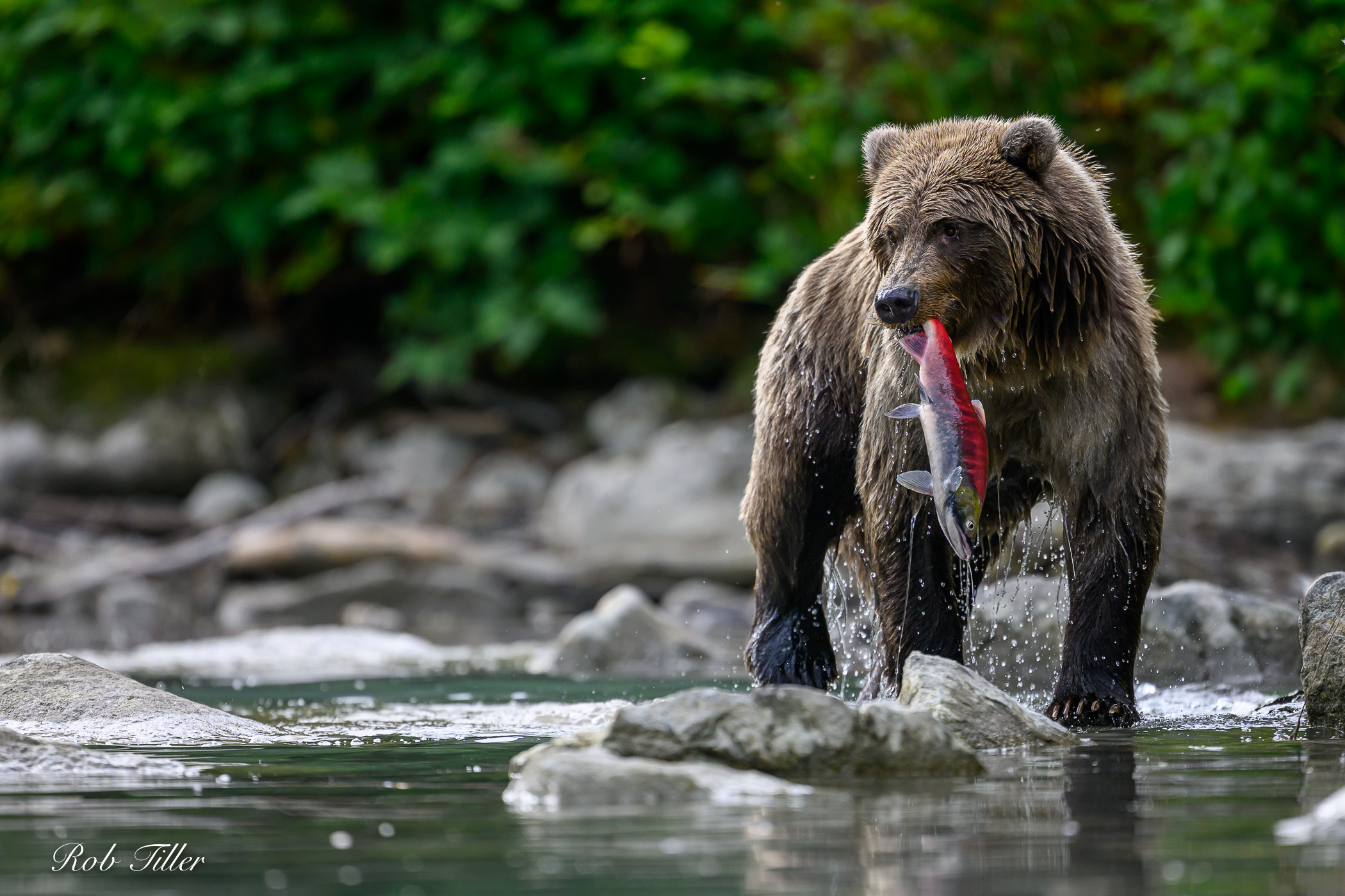
A couple of weeks ago I went back to Alaska for a week to photograph brown bears.  It was an epic trip, and I came back with several thousand images to sort through.  After a first pass, these are some of my favorites.   I made a short slide show with a few others, which is here.

The trip was led by Jared Lloyd and Annalise Kaylor, world class photographers, teachers, and naturalists.  We were based on the Kenai Peninsula in the town of Soldatna.  Each morning, weather permitting, we flew out by float plane to Lake Clark National Park, where we landed on a beautiful glacial lake with luminous green water surrounded by forest and jagged mountains.  Off the plane, we loaded onto a skiff and went out to look for bears.

Part of what’s interesting to us about bears is that they are so big and strong.  They’re also agile and graceful, and can run almost as fast as race horses.  They have unbelievably keen senses of smell, very good hearing, and eyesight about like ours.  They’re smart, with good memories, and they’re talented at figuring out bear-proof containers and other puzzles.  And, obviously, they’re smart enough to thrive in harsh environments without the help of grocery stores, hospitals, pharmacies, houses, electricity, etc.

I loved seeing the bears at Crescent Lake, though there were some rough episodes.  I got there a day after the rest of the group, and on my first day it rained almost nonstop.  As we cruised on the boat or stood in the shallow water wearing waders, I managed to keep my camera equipment dry enough, but my body was totally soaked and shivering by the end.  Back at the airport, I found that the key for my rental car had also got soaked and wouldn’t work, and I had to get a ride back to Soldatna and get another rental car hauled up from Anchorage.

The weather improved the next day, but the day after that it was too stormy to fly to the lake.  I had some other tough moments, including getting stuck in quick sand and needing some help to get loose.  And some fun moments, like riding in the co-pilot’s seat of a De Havilland Otter float plane.    

Anyhow, it was great to have some quality time with the bears.  This time of year they’re in hyperphagia mode, trying to put on as much weight as they can before hibernating for the winter.  There were, however, fewer around than we’d expected.  Jared’s theory was that some of them were gorging on newly ripe berries instead of the salmon in the lake.  Most of the ones we saw were females, including several with first or second year cubs.  There were plenty of fish for them to eat.

On my way home, I drove along the beautiful Seward Highway through mountains and valleys to Anchorage.  After I turned in the rental car, I had a few hours before my night flight, so I visited the Anchorage Museum.  I found the exhibits of crafts of the First Nations moving.  Several different cultures were thriving in Alaska when Europeans arrived, and then those cultures were nearly destroyed.  But not entirely.  Some still maintain their languages and customs.

Those First Nations people surely had and have their problems, but they lived and live more in harmony with nature.  From what I could learn, their value system at its best involves respecting the natural world and taking from it only what they need to live.  This system is quite different from the one most of us inherited, which encourages ever more consumption and exploitation of nature.  We could learn some useful lessons from them.

It’s a long way from Anchorage to Raleigh.  Long trips are tough, but one of the things I like about them is the chance for some nonstop reading.  On this trip, I made good progress in The Fate of the Day, the second volume of Rick Atkinson’s new history of the Revolutionary War, which I highly recommend.  Atkinson is both a scholar and an engaging writer, and brings to life key actors and actions on both the American and British sides of the conflict.  

The death and destruction that brought the American republic into being were worse than I realized.  But Atkinson reminds us that war is not just carnage.  He writes about trying to recruit, arm, and train an army, then trying to find enough food and clothing for it.  Shoes, it turned out, were a big problem.  A lot of continental soldiers, who did some long marches, didn’t have any.   

One reason to learn about history is to better understand and care for ourselves.  When I went to get the latest flu and covid vaccines this week, I had to answer a few questions about my medical history.  It struck me that not knowing anything about that history could lead to bad treatment decisions.

So Trump’s program to rewrite American history is not very smart.  His idea seems to be that we’ll suppress unflattering and uncomfortable information and just keep the episodes that make us feel good and reinforce our prejudices.  Thus he and his minions have pushed the Smithsonian museums, the National Park Service, and other institutions to get rid of references to slavery and racism, as well as gender and LGBTQ+ issues and other social injustices.

But just as we can’t take proper care of ourselves if we don’t know about our past serious health problems, we can’t address our current social problems without knowing about our past ones.  Without knowing something of our history, a new visitor would have a hard time understanding the American racial caste system, which is a product of hundreds of years of legal slavery and the Jim Crow apartheid system. 

There are no doubt some people in MAGA-land who look back fondly on the slave system and view oppression of minorities as a good thing.  But I think that most Republicans would agree that we should have equal treatment under the law for everyone.  Surely many would agree that our tolerance and acceptance of diversity – racial, religious, cultural, sexual – is a source of our vitality, creativity, and strength.  They might also agree that we still have some room for improvement in the areas of tolerance and respect for all.

Will that change?  I admit, I’m worried.  Even without the Trump anti-history program, a lot of us aren’t well informed about our own history.  Our major news organizations, which create the first draft of history, are becoming less resistant to Trumpism – paying him millions of dollars to settle his absurd lawsuits, altering their editorial policies, and silencing leading voices of dissent.  

Trump’s new program could make us more ignorant, and more accepting of exploitation and oppression.  We’ll likely have to work harder to learn what is going on, and to communicate with each other about it.   

Visiting big birds in Florida, healthy eating, and some thoughts on Nazism

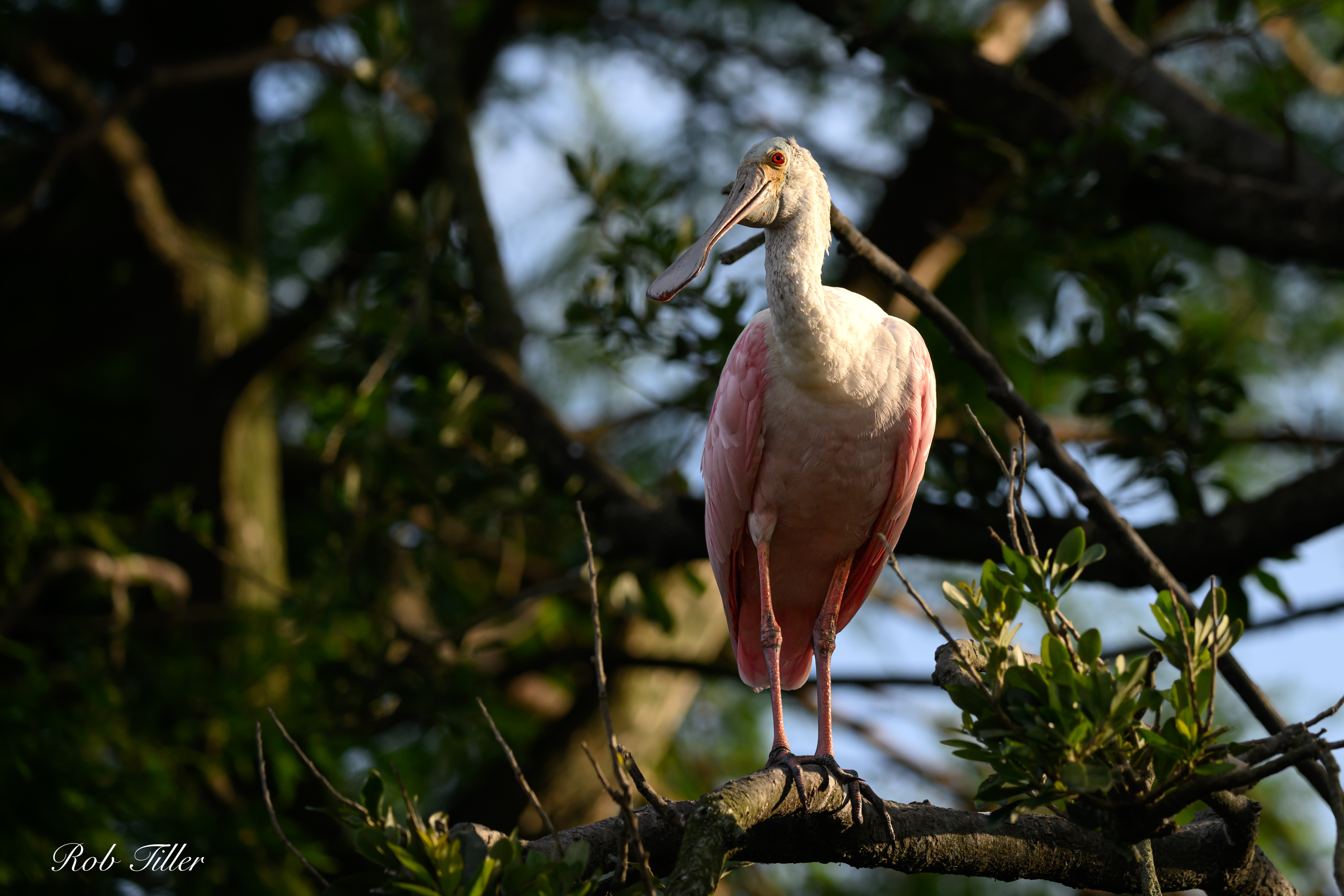
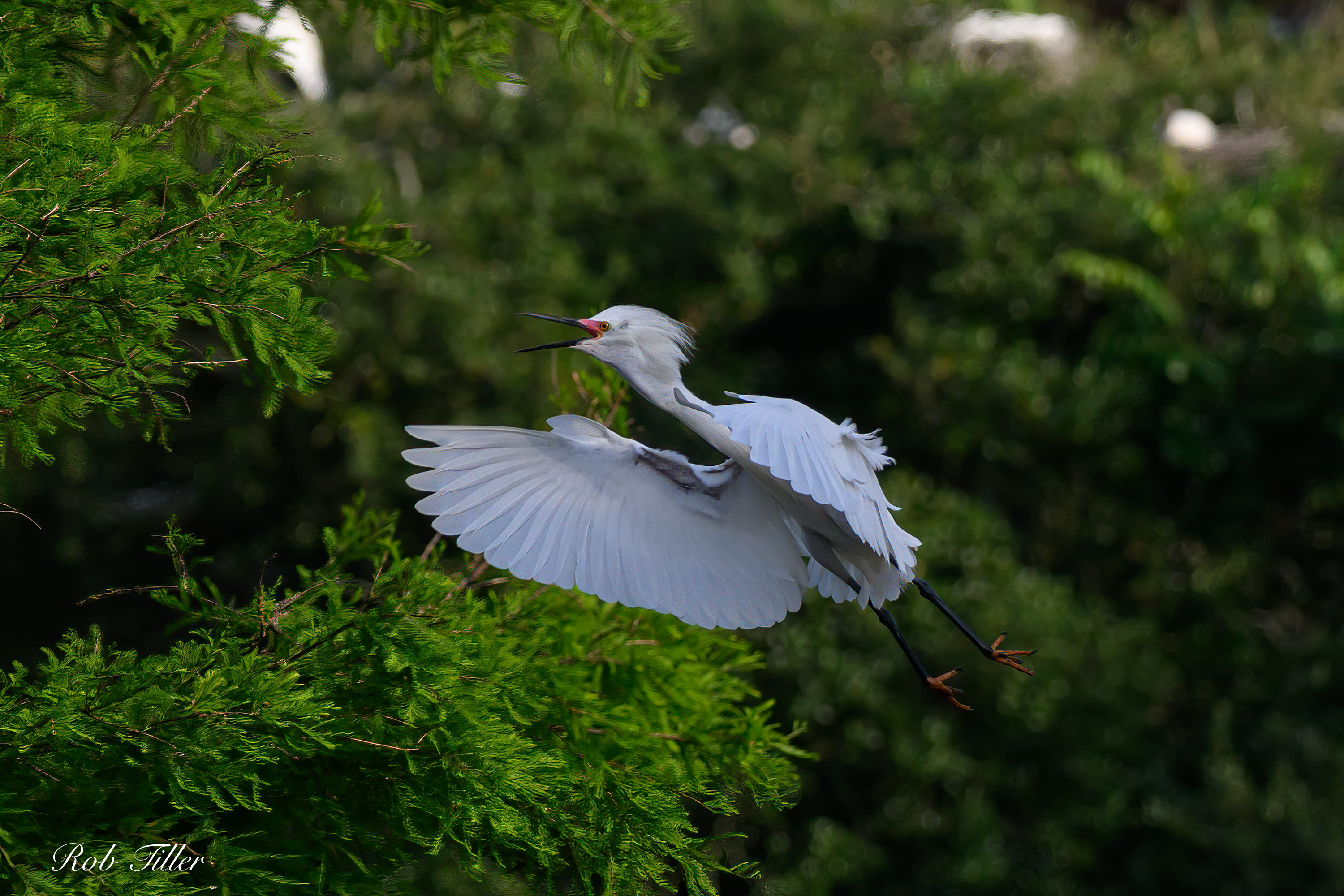
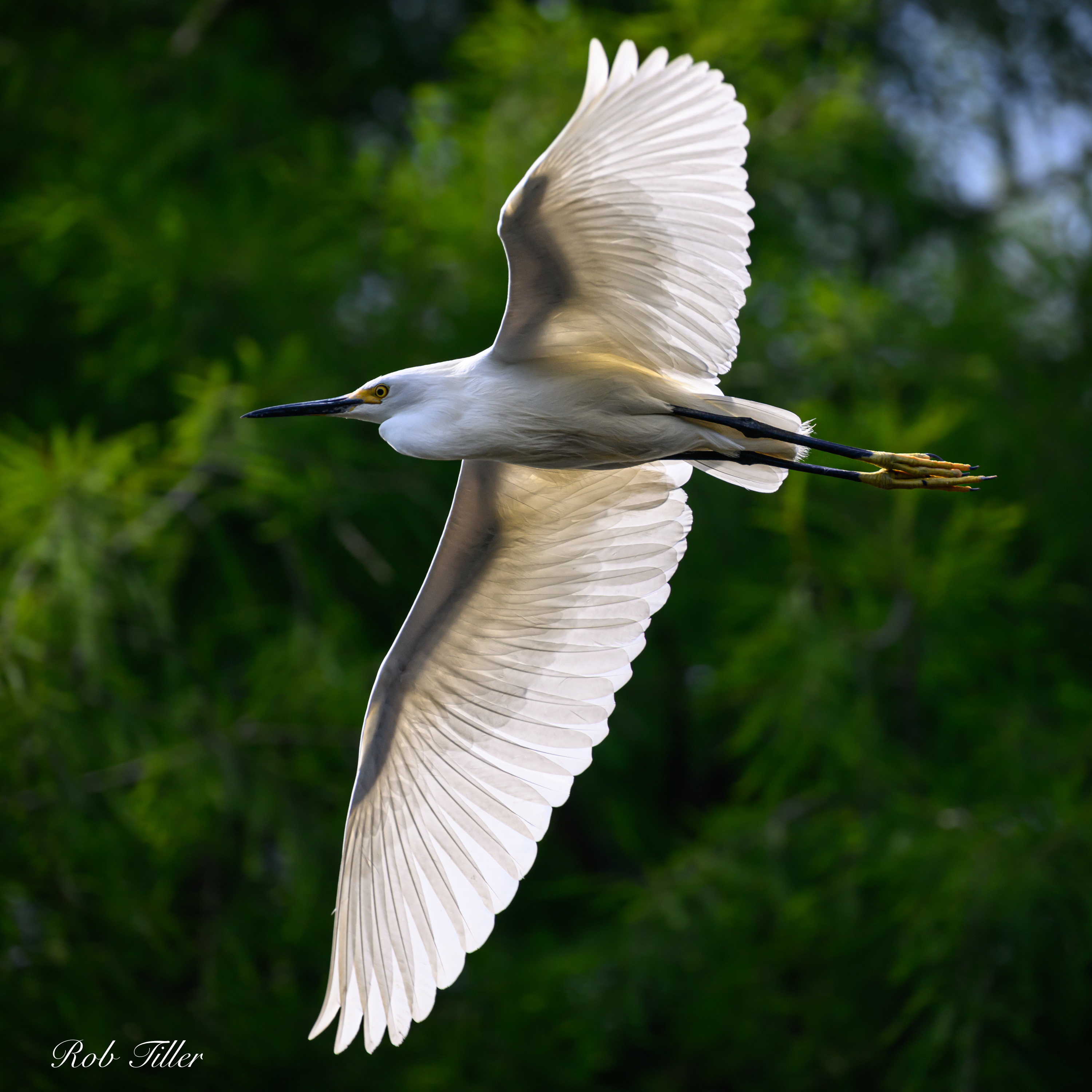
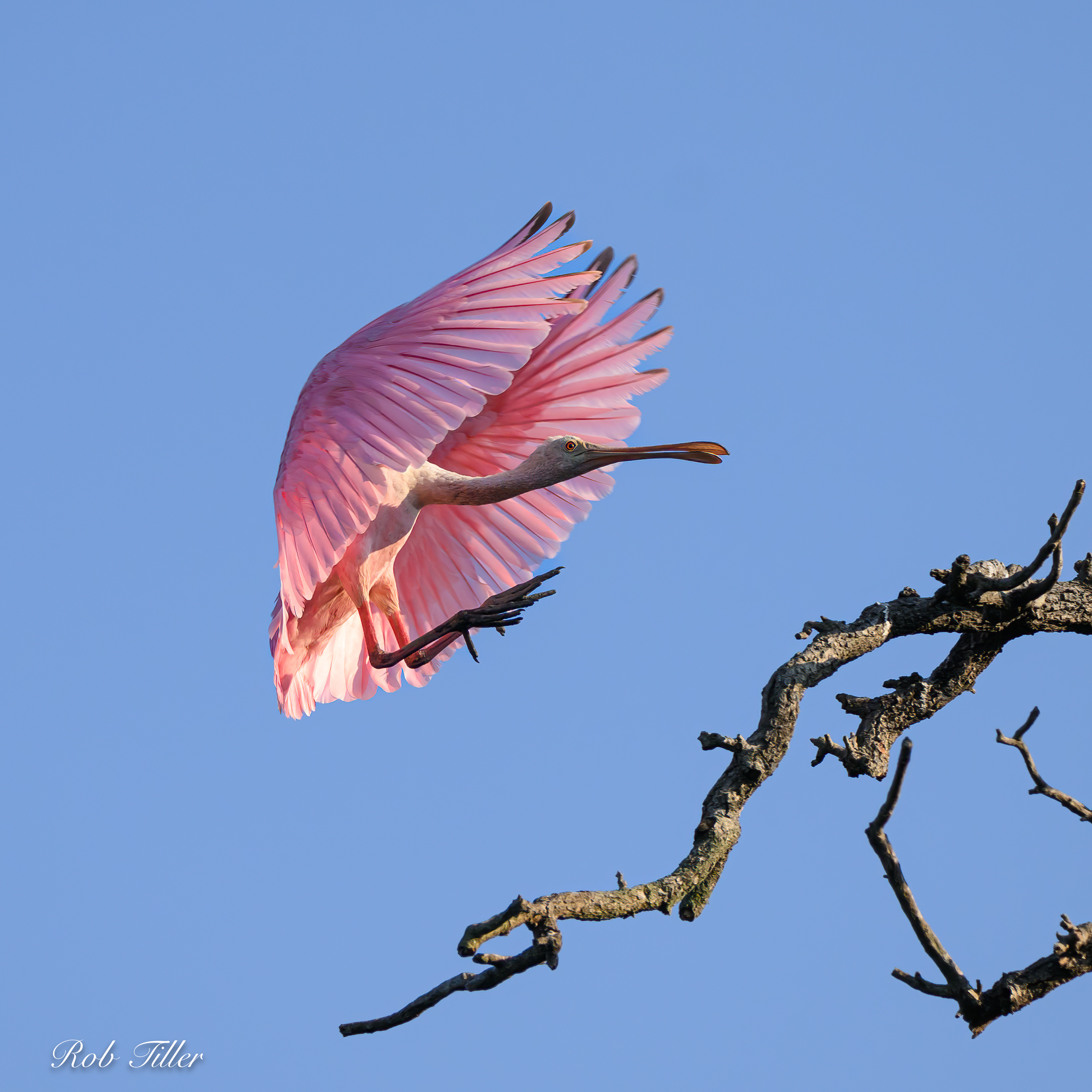
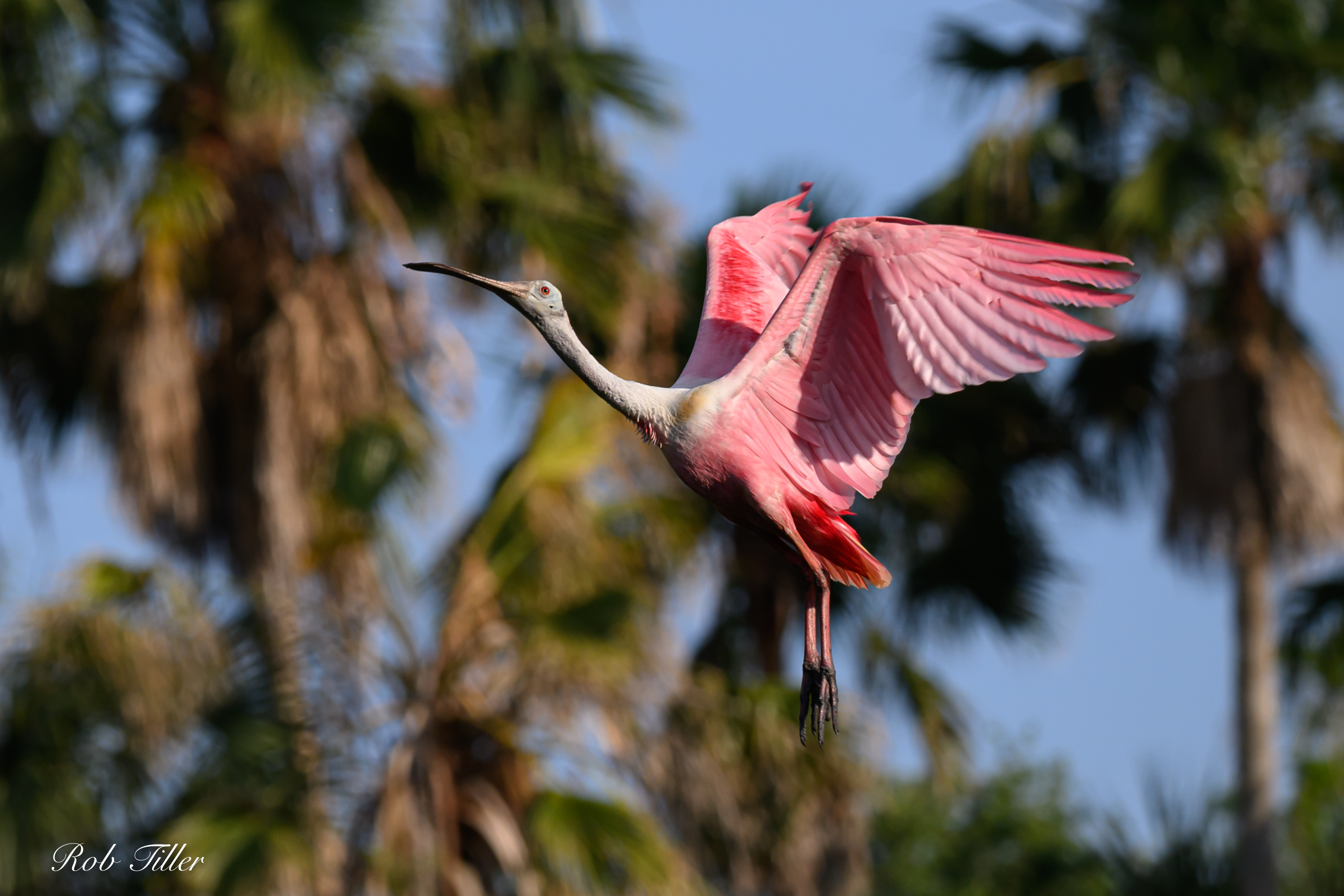
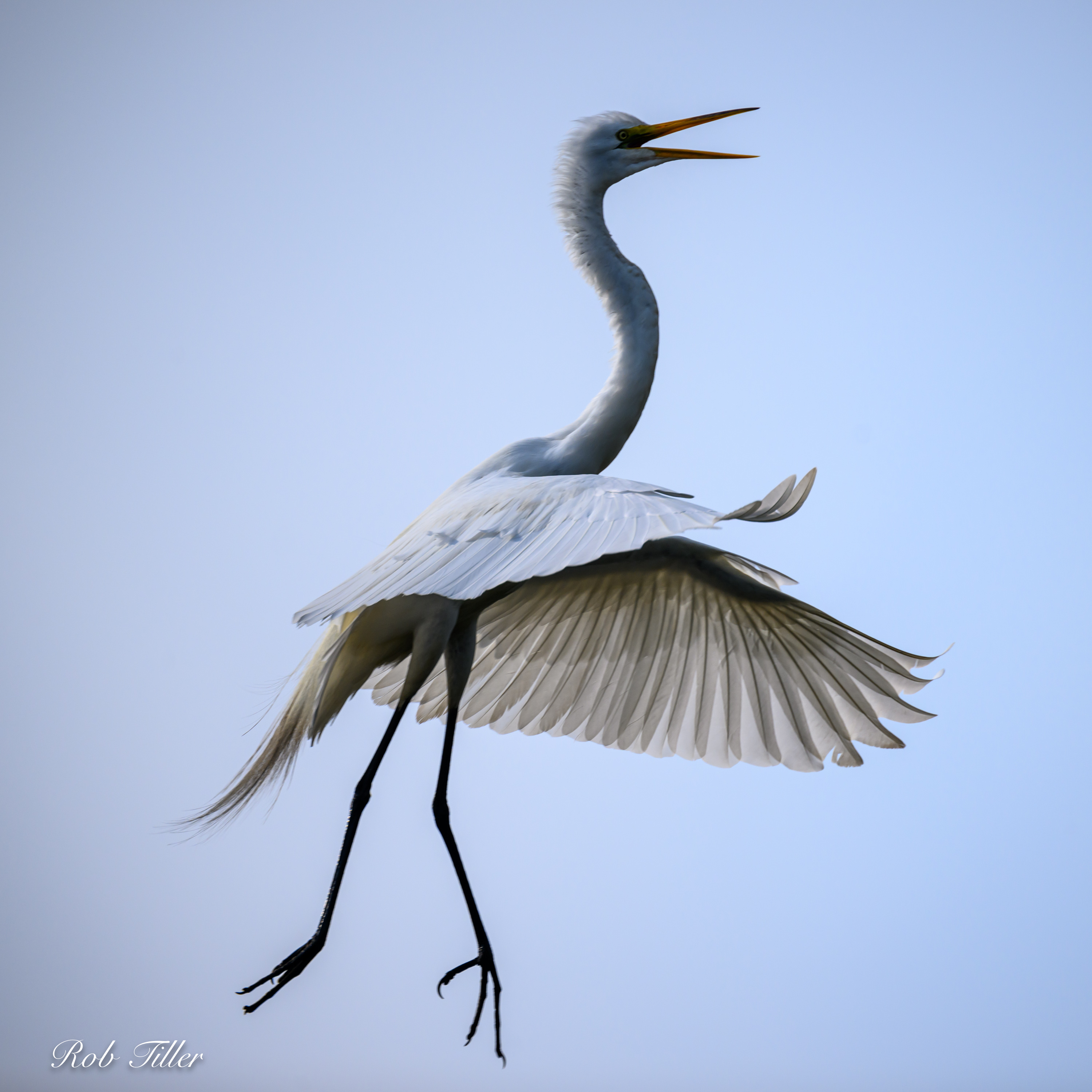
I went down to St. Augustine, Florida, a couple of weeks ago to photograph some of the big wading birds there.  I took a lot of photos at the Alligator Farm, where there’s a rookery of nesting great egrets, snowy egrets, cattle egrets, little blue herons, tricolored herons, wood storks, white ibises, and (my favorite) roseate spoonbills.  The birds hatch their chicks in trees over a big pond area full of alligators.  Apparently the birds feel safe and protected from tree-climbing predators there.

It really was quite wonderful to see all these creatures flying, fighting, mating, working on their nests, and feeding the chicks.  I haven’t had time to go through all the thousands of pictures I took, but I did make one pass through the ones from April 26, when we had some beautiful light.  These ones were all taken that day.  

At times I feel a bit of an odd duck for caring about birds, but I was reassured by a great little essay in the NY Times on how birding can change your life.  The essay is by Ed Yong, who wrote An Immense World, a fine book about the sensory worlds of non-human animals.  

Yong describes describes some of the nuts and bolts of learning how to identify birds.  But the really interesting discussion was how he found himself changed by birding.  He discovered a new connection to nature and new appreciation for the small wonders of life.  He found himself living more in the present, and with a greater appreciation for his own life, just as it is.  

I’m not as serious a birder as Yong – I don’t keep a life list or take on arduous travel to see one new species.  But I’m still studying up on resident species when I go to a new place, and working to identify birds I’m not familiar with.  I heartily endorse Yong’s view that birds make life better.

Speaking of animals, we saw a recent documentary series on Netflix that I recommend:  You Are What You Eat.  It centers on a nutrition study at Stanford University of identical twins.  The idea was to discover how much different diets affected genetically identical people.  

The big takeaway was that a plant-based diet was generally much more healthy than other options.  The series also notes, without hammering on, how animal agriculture is terrible for the climate and for both farmed and wild animals.  Despite the serious content, the filmmakers managed to leaven their presentation with some humor.   

Finally, I want to recommend a good podcast series called The Rest Is History. The format is a conversation between two Brits, Tom Holland and Dominic Sandbrook, about a historical period or incident that they’ve gotten interested in.  They are funny and smart, and some of the subjects are fascinating.  

I found their series on the rise of German Nazism particularly interesting.  Holland and Sandbrook investigated how an ideology that they (and most of us) regard as bizarre and inhuman could have seemed exciting and completely valid to many Germans of that time. 

Discussing Nazism is a delicate business, since it understandably arouses strong emotions.  It’s uncomfortable, and we tend to think it’s not worth the bother, assuming that we know everything worth knowing about it anyway.  Of course, that’s unlikely, since like all mass movements, it was complicated.  But it’s possible to be clear that the systematic mass murder of Jews and other groups by the Nazis was horrific, while also wondering about what German leaders and ordinary Germans were thinking as crimes against humanity took shape.  

As Holland and Sandbrook note, the Nazis believed they were acting based on science, and were addressing an existential threat to their nation.  Some of such thinking is still with us.  Eugenics, the “science” of superior and inferior races, was integral to their thinking, and it was then considered actual (rather than crackpot) science in many other places, including the US.   

The Germans of the 1920s and 30s feared for their future, based on widespread poverty and the postwar economic crisis.  They sought to explain their problems by identifying scapegoats, including especially the Jews.  Their anger and fear of supposedly inferior races and cultures is not so different from the hostility towards immigrants that is now a central feature of politics in the US and Europe.  

The Nazi leadership effectively used the modern media of the time, including radio and film, to amplify their message. Holland and Sandbrook point up a program to get a radio within earshot of every German so that they could not avoid hearing Hitler’s speeches.  The incessant repetition of lies about Jews and others made it hard to keep contrary views in mind.  Our social media is different, but likewise tends to create information bubbles that can separate us from reality.  

Holland and Sandbrook suggest that the impulses of Germans who supported Nazism, like the desire for excitement and hostility to out groups, is pretty normal.  Humans are social animals, and our behavior is powerfully influenced by those around us.  Once Nazism attained a degree of popular support, doubters were more inclined to go along with the crowd, as people normally do.  And once the movement was strong enough, dissenters were either squashed or silenced themselves.

From time to time, I’ve wondered what I would have done if I’d been a German in the 1930s as the Nazis rose to power and took over the country. We know from studying Germany’s experience that most people were swept along without dissenting, and it’s possible that I would have been one of that herd.  Of course, I like to think I’d have been unusually independent and courageous, but it’s hard to be sure.  

Anyhow, the Rest Is History podcast series on Nazism is thought provoking and timely.  We know from Germany’s experience that facism can happen to countries populated by people who are generally sane and decent.  I dearly hope the US is not headed in such a direction, but it’s clearly not impossible.  It’s worth taking the time to look closer at Germany’s history, and do everything we can to go in a better direction.

Reconsidering racism

A water lilly at Frank Schwartz’s Water and Garden Creations

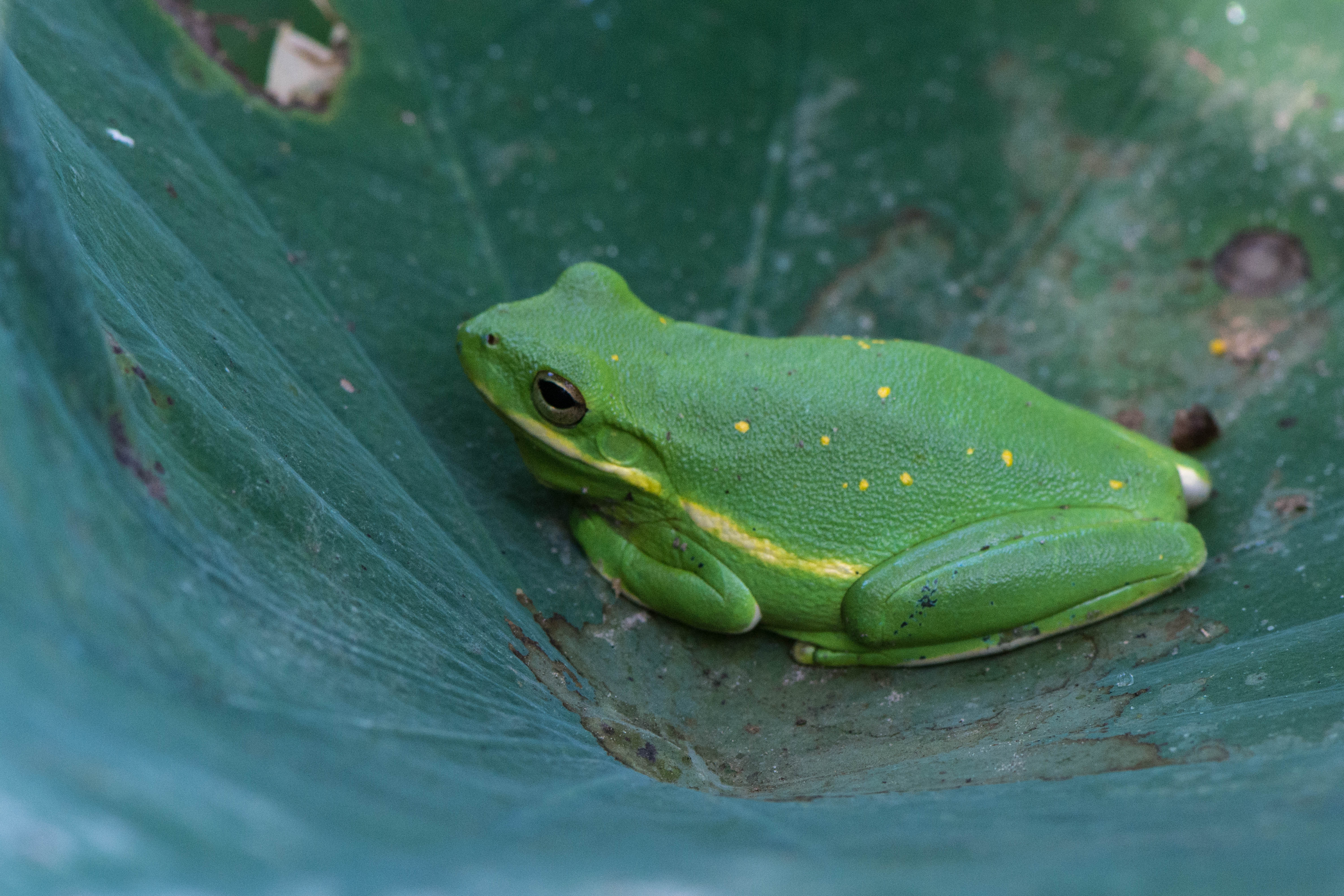
On Saturday I visited a water lily garden in southern Wake County.  The outing was organized by the Carolina Nature Photographers’ Association, and there were some nice people there who had good cameras.  Along with the lilies and other flowers, there was a little green frog.  

As regular readers of The Casual Blog know, from time to time I express myself on political subjects, but recently I’ve had some trouble doing so. There are so many issues worthy of closer examination and critical thought.  But that’s also the problem — it’s hard to know where to start.  Issues are proliferating. Before you’ve got one terrible problem in focus, there are two more even worse.  

You can wear yourself out with fear and outrage, while accomplishing nothing.   While it’s very easy to get depressed about the state of the union and various real world problems, that doesn’t help anything.  I’ve been trying to develop a perspective that’s connected to what we know of reality, but that isn’t hopeless.  Admittedly, it’s a challenge.

Lately my non-work long-form reading has been mostly history, which I find both calming and stimulating.  It helps to take a longer view.  Stories of tyrants, like the Roman emperors who were insane and murderously sadistic, are interesting in themselves, but also put our problems in a bit of perspective — that is, there have been worse heads of state.  

I used to think of history as facts collected in history textbooks that could be known with certainty.  It turns out, though, that history is far from fixed.  It changes.  Historians can be completely blind to aspects of their subjects which later historians bring to light.  It’s a safe bet that our vision also is clouded and incomplete.  But it’s capable of improvement.  

Alan Taylor’s latest book, American Revolutions, reframes the revolutionary war from one of united American colonists against England into a multifaceted and lengthy civil war with international aspects.  It was in significant part a war between groups of colonists, many of whom favored England and were uprooted, tortured, and killed for their loyalism.  It was in part a war to maintain slavery and to seize native American lands.  The level of blood and gore was high, and the level of idealism and integrity not as high as we thought.  

I’ve also been reading Carrie Gibson’s Empire’s Crossroads:  A History of the Caribbean from Columbus to the Present Day.  I came to the book with a vague idea that the islands of the Caribbean were useful as stopover points for explorers transiting the Atlantic in the age of sail.  It turns out that beginning in the sixteenth century and for hundreds of years, they were wildly successful in generating wealth for Europe.  The English considered their islands more valuable than the American colonies, and gave up those colonies in part because they thought it better to use their navy to defend the islands.  

Empire’s Crossroads tells the story of the development of hugely successful sugar plantations, which is also the story of the development of the African slave trade.  The extreme brutality of Caribbean slavery was not well understood in Europe at the time, and probably not well understood by many people today.  Gibson observes that slavery wasn’t caused by racism, but rather racism was created to justify slavery.      

It would be nice to think we’re over racism.  But we noticed quite a few Confederate flags when we were on the Outer Banks last week.  There are numerous reports from around the U.S. of displays of hangman’s nooses and swastikas.  New laws are limiting voting rights of minorities and freedom of movement of immigrants.  And of course, not all the violence is symbolic.  There seems to be a stream of racist attacks and murders, which are somehow recognized as “terrorism.”  

One good thing about the Trump presidency is that it has brought a virulent racist element of  America  into the light.  I’d thought it was almost gone, but now there’s no mistaking, it’s still there.  Encouraged by the regime, the racist minority has felt emboldened.  I suspect that explains in part Trump’s rise.  His rallies, with coded messages giving permission and encouragement to prejudices that had been held in check as shameful, sparked an enthusiasm that lots of us didn’t take seriously enough.  Now we know this racist minority are highly motivated, and they won’t give up their hateful ideology without a fight.  

But history can be inspiring.   Our ancestors, black, white, and other, finally, after hundreds of years, did away with legalized slavery.  They eventually ended the legalized racism of Jim Crow, and the housing regulations that prevented black people from buying houses in white neighborhoods. There are still living some who risked their lives in the struggle for voting rights for blacks and school desegregation.  We stand on the shoulders of moral giants, who pointed the way forward.  But there’s still some hard work to be done.