The Casual Blog

Tag: great egrets

Democracy on the ropes

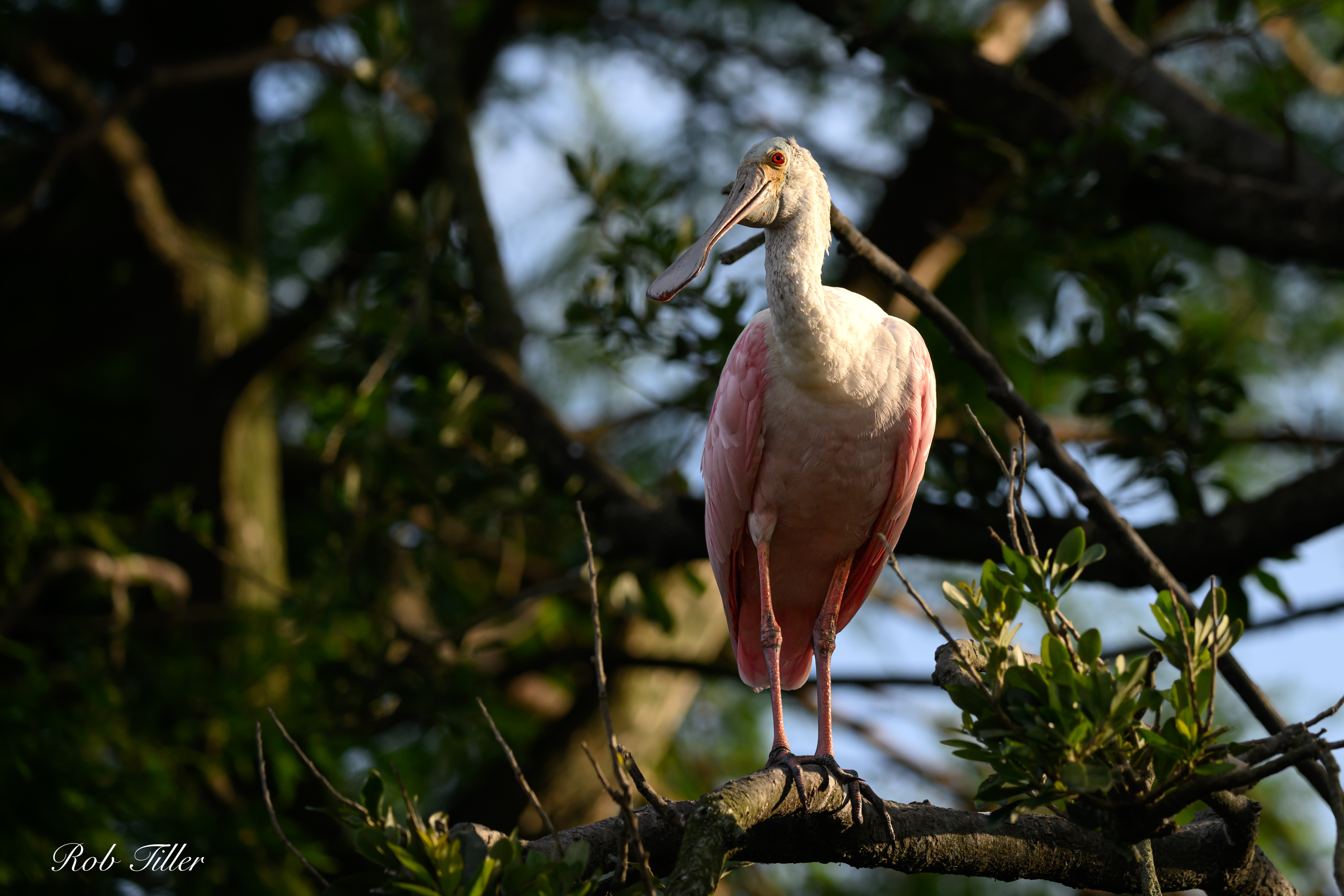
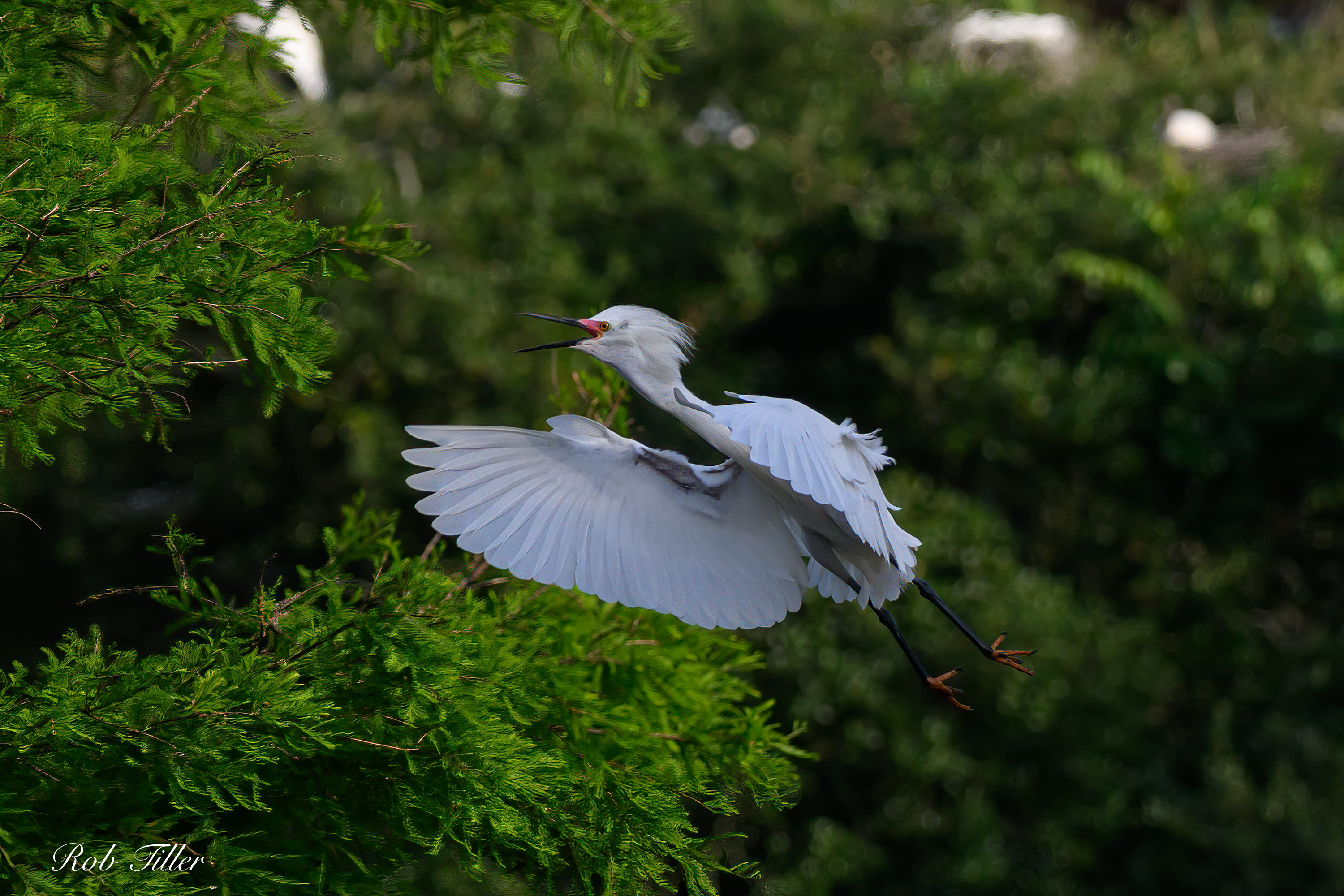
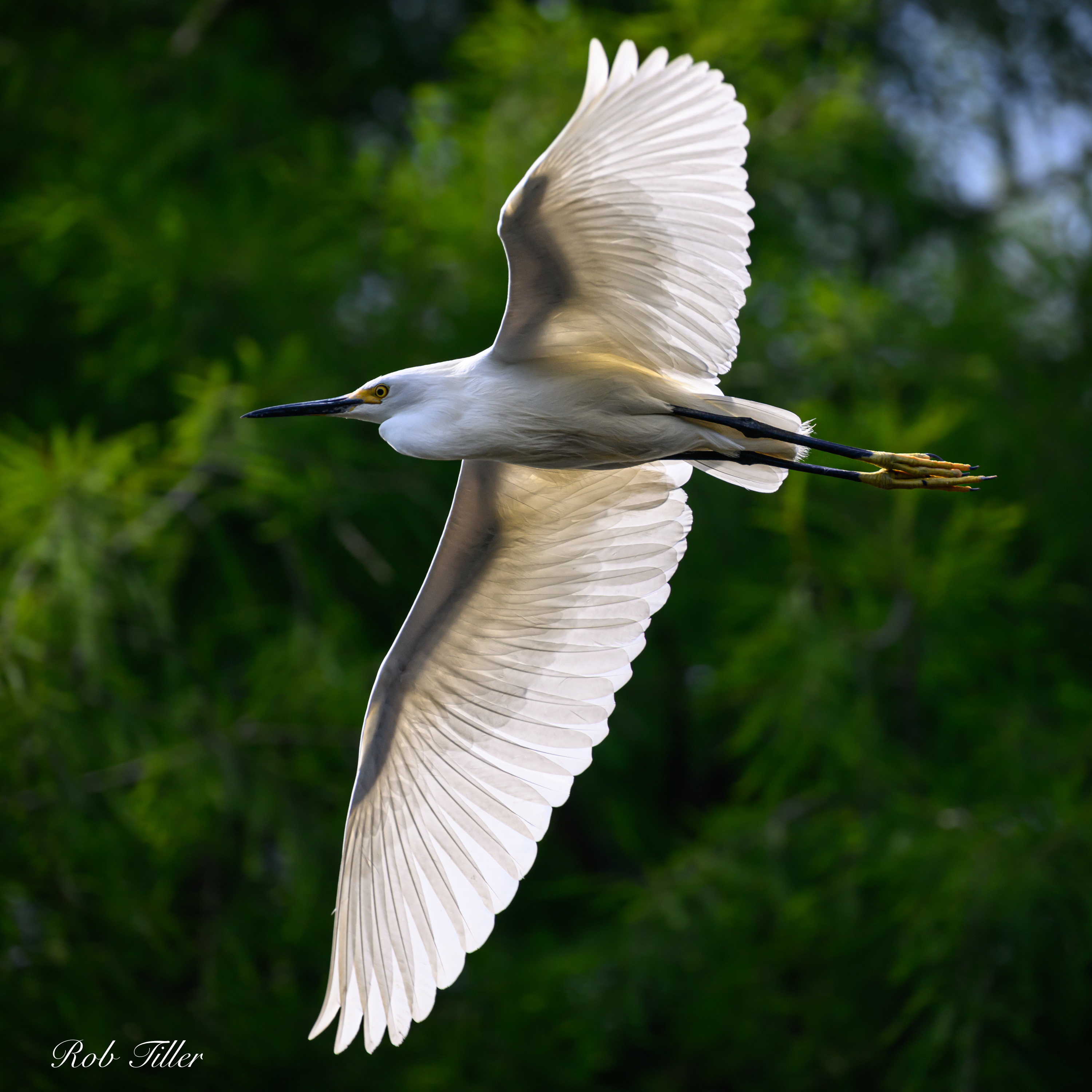
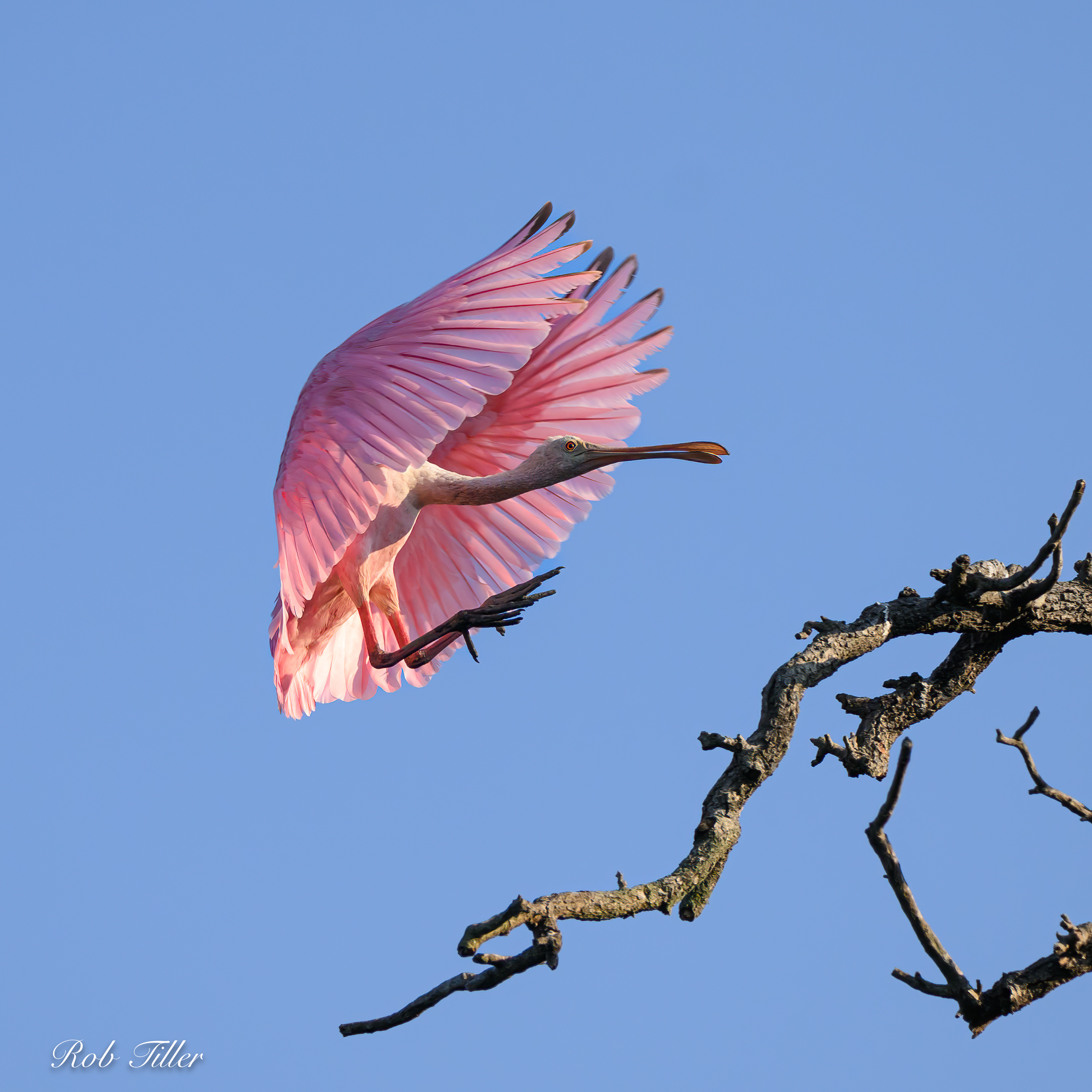
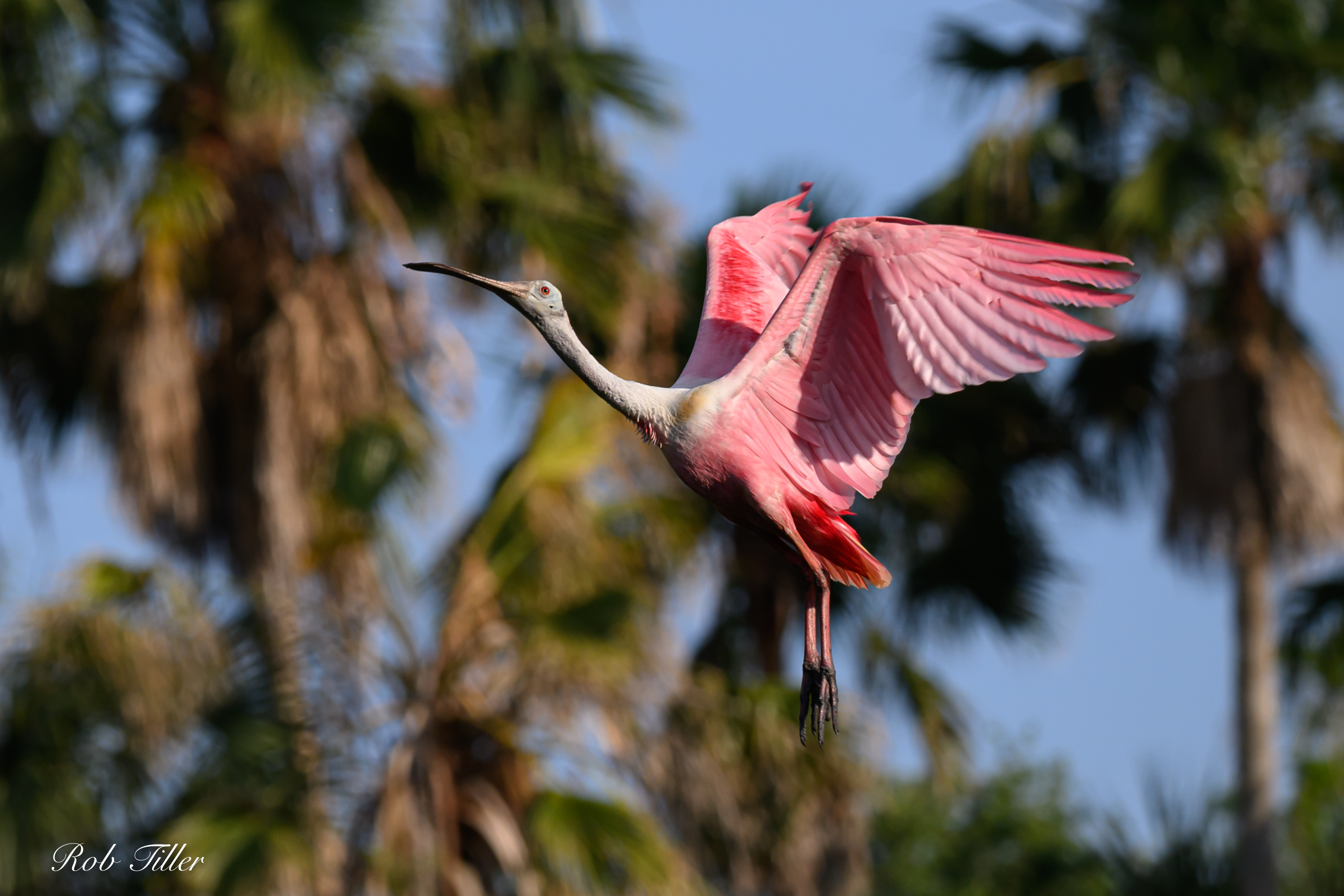
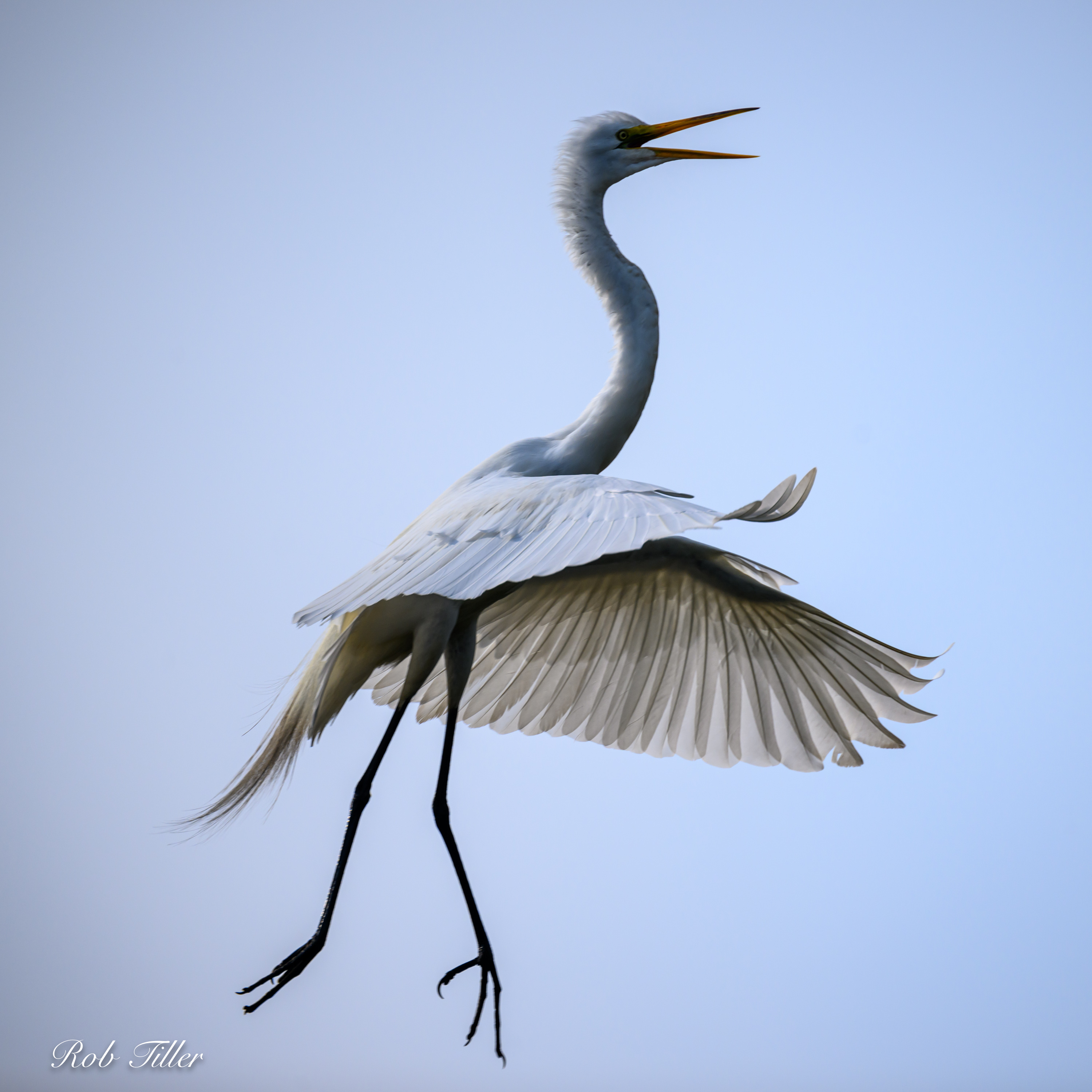
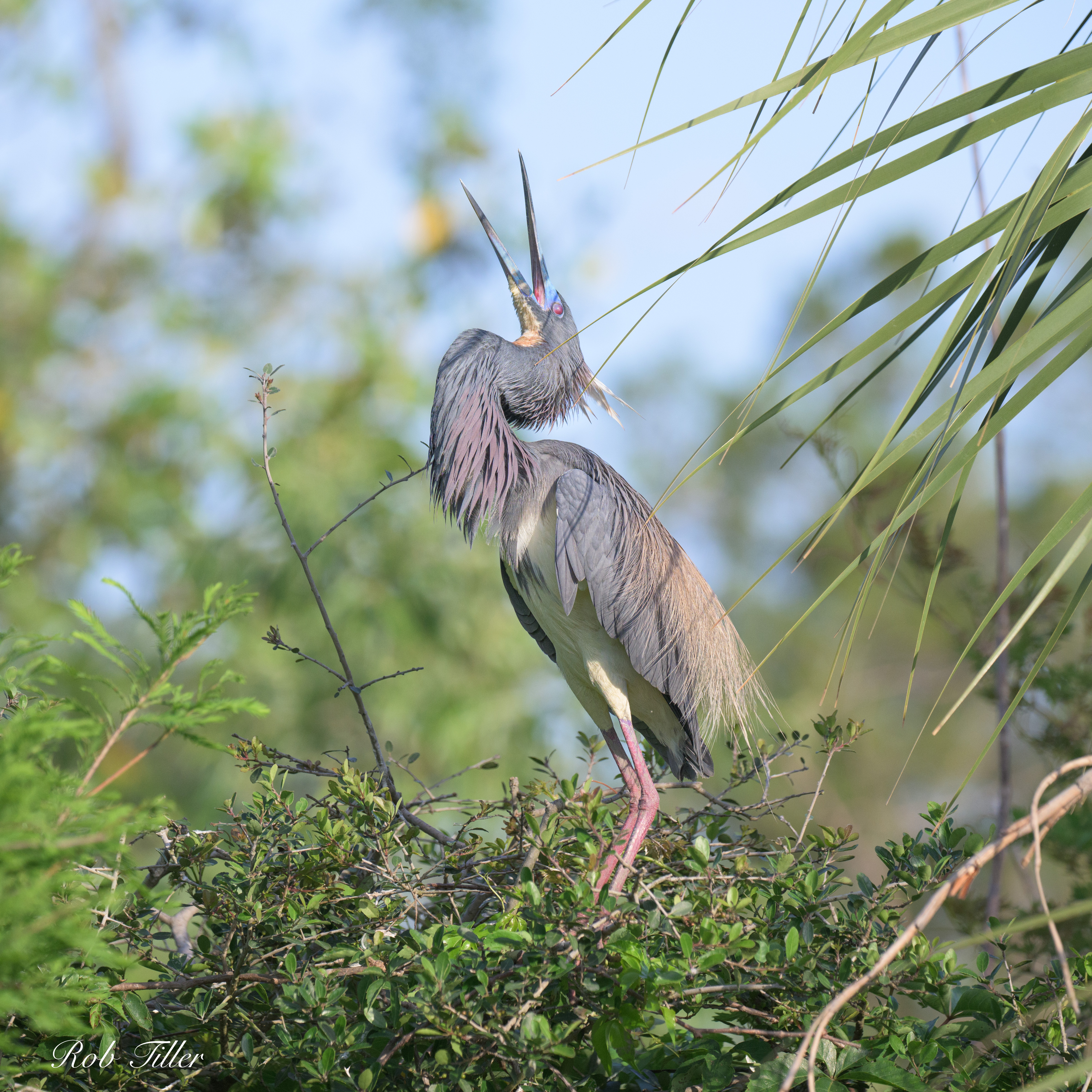
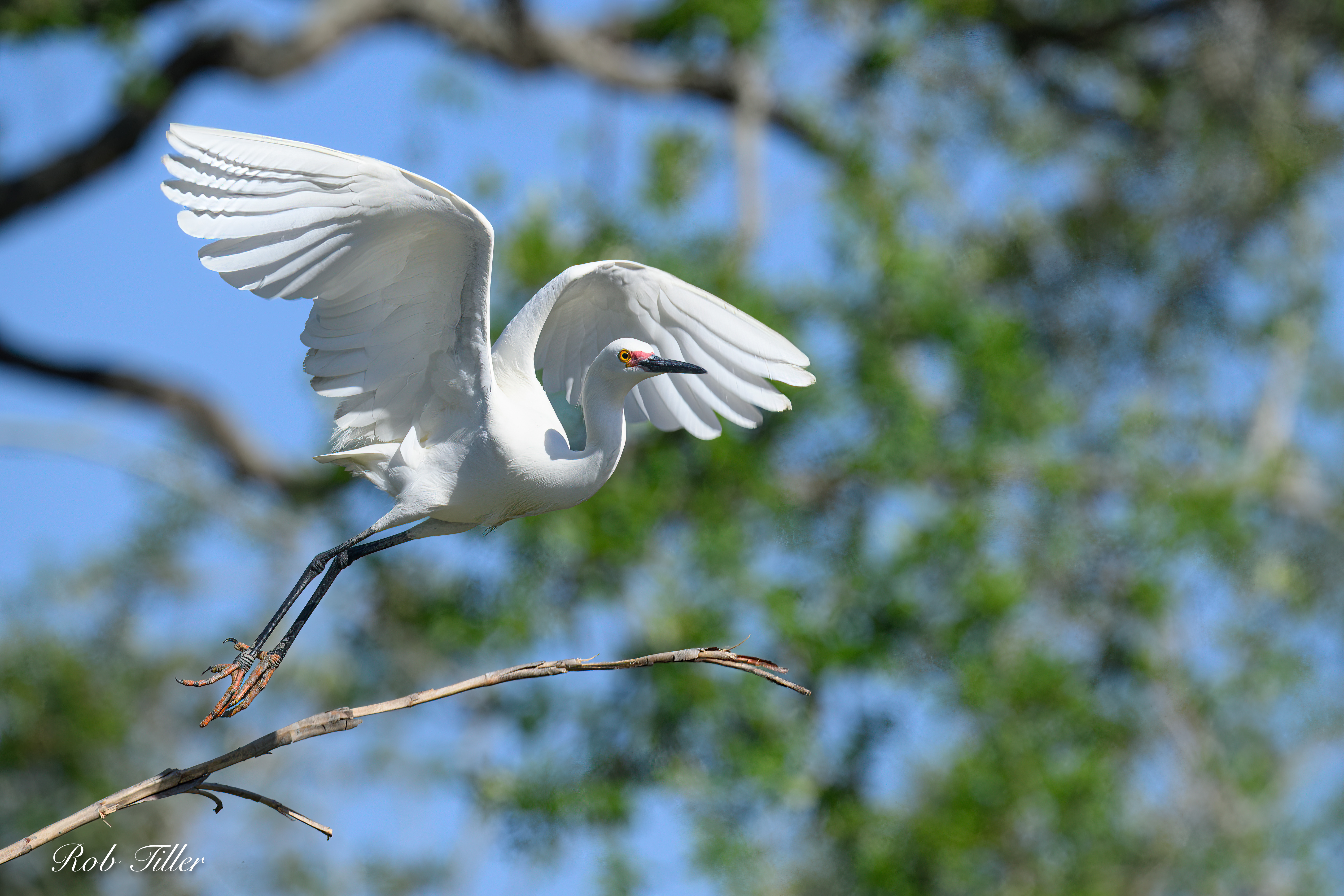
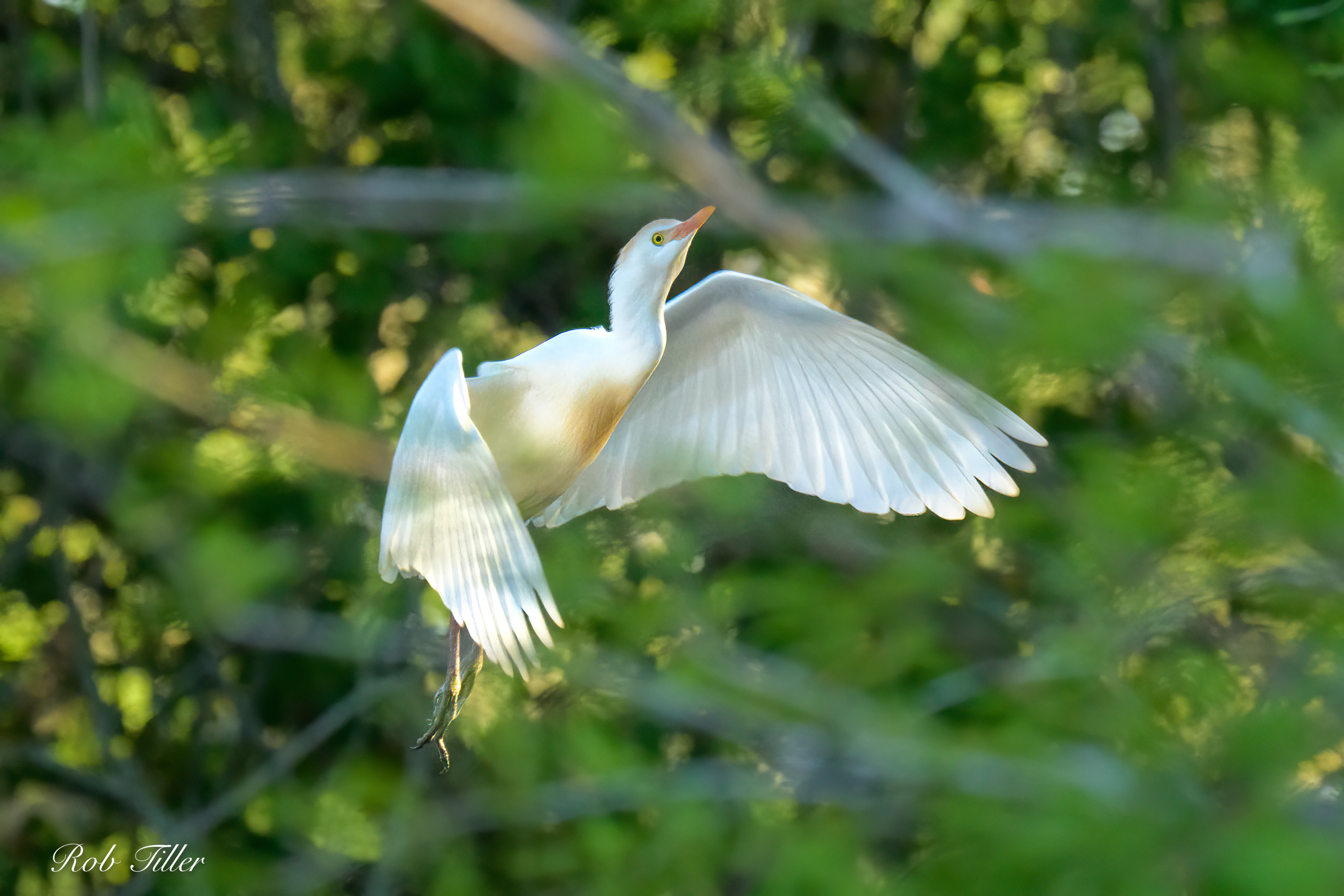
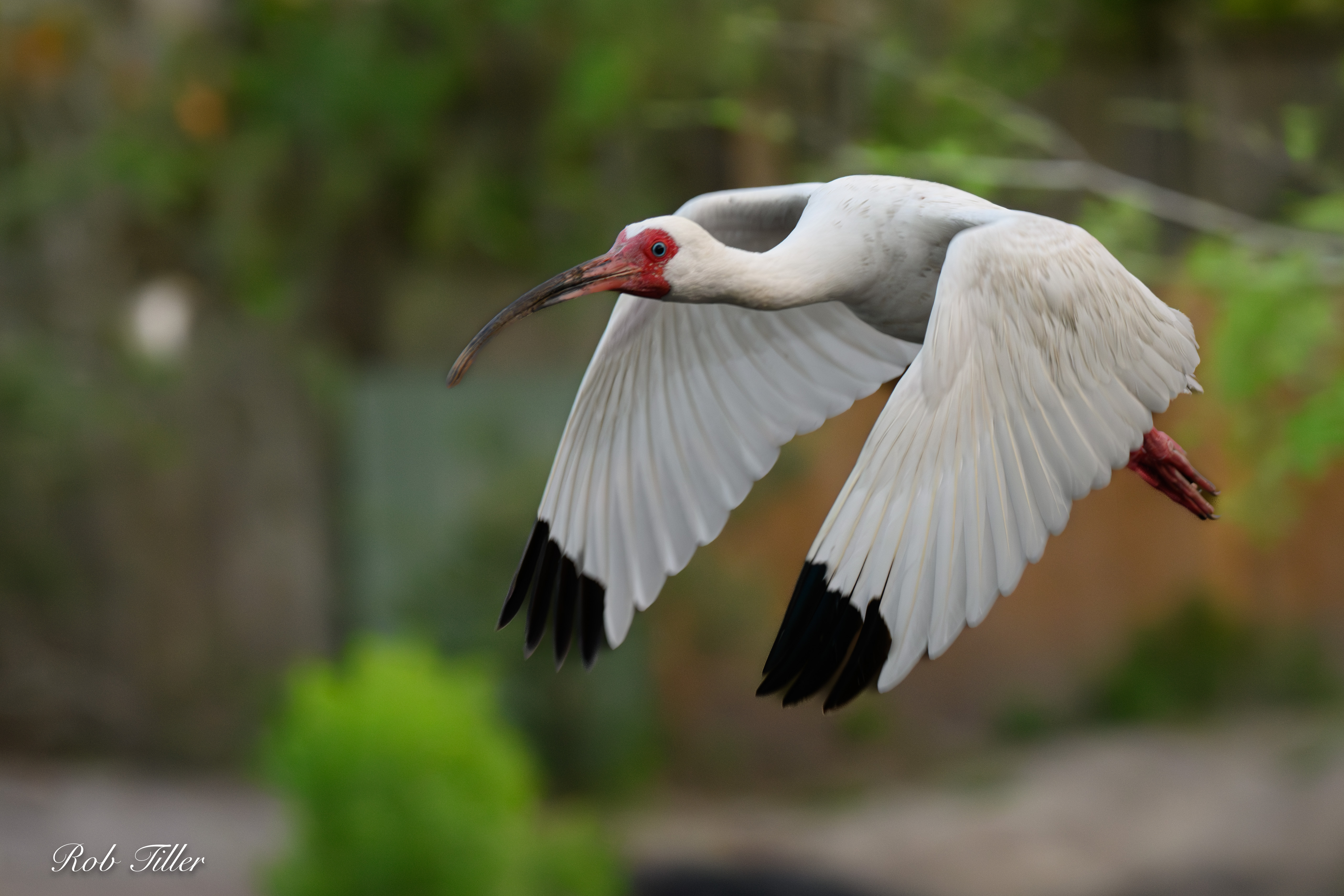
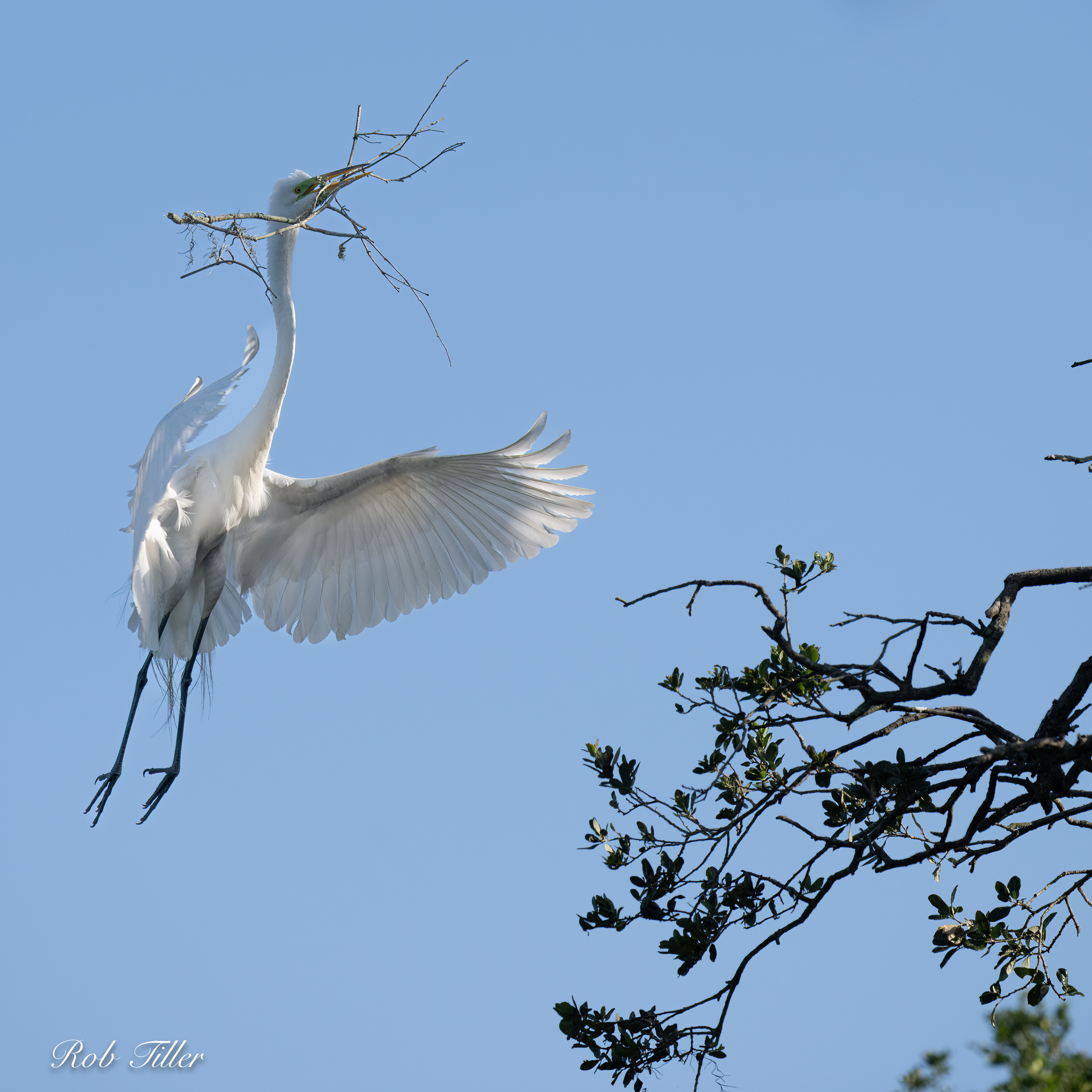
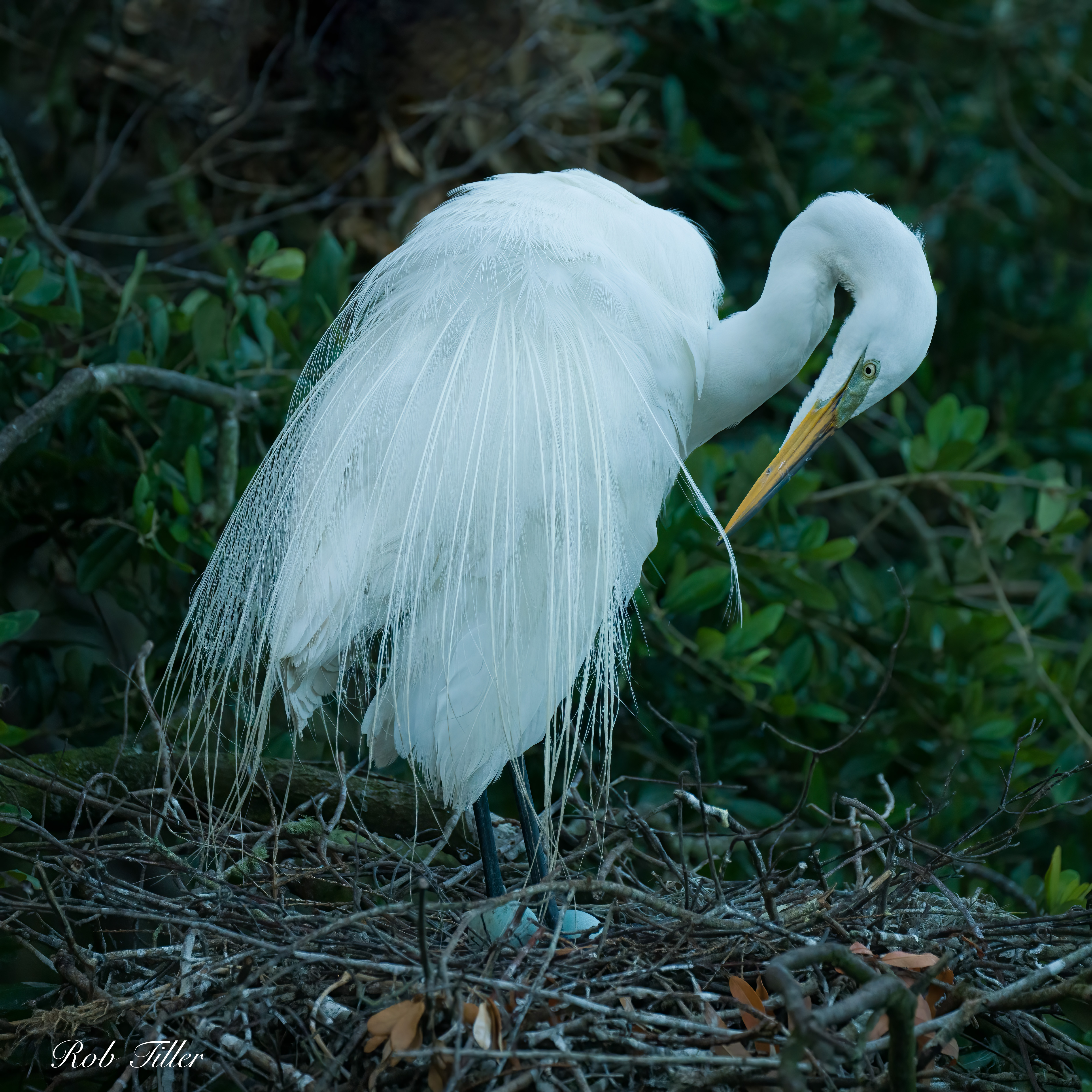
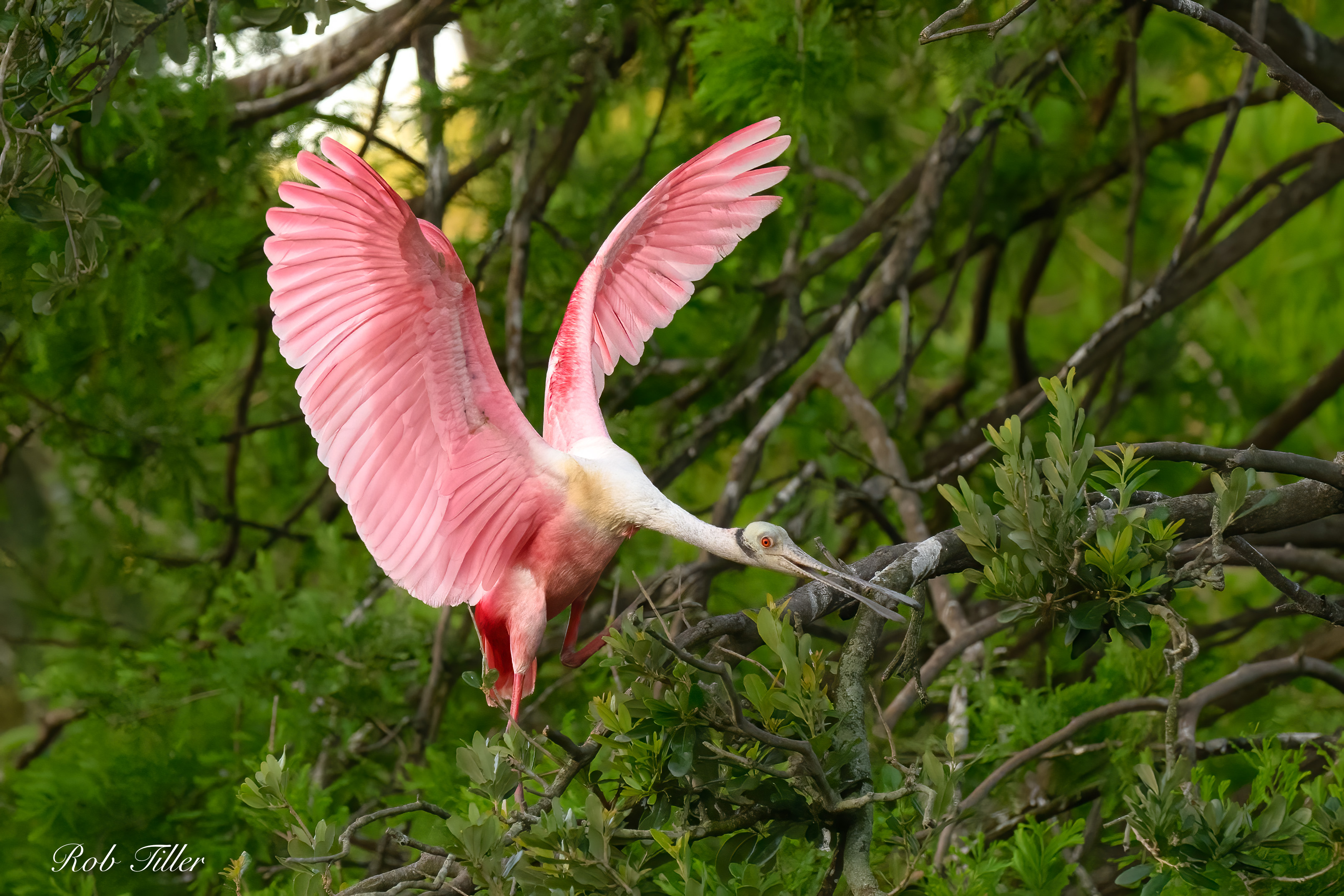
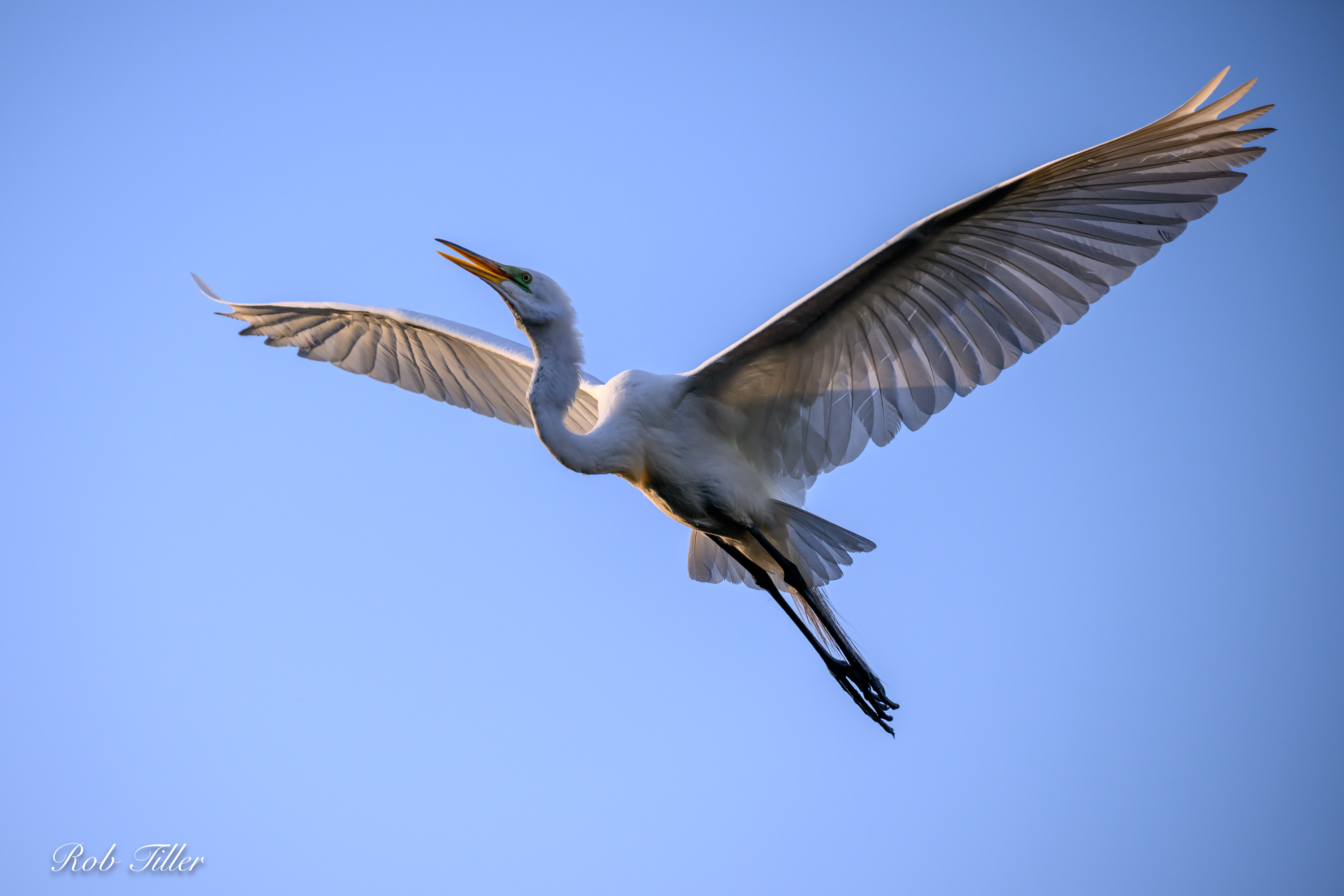
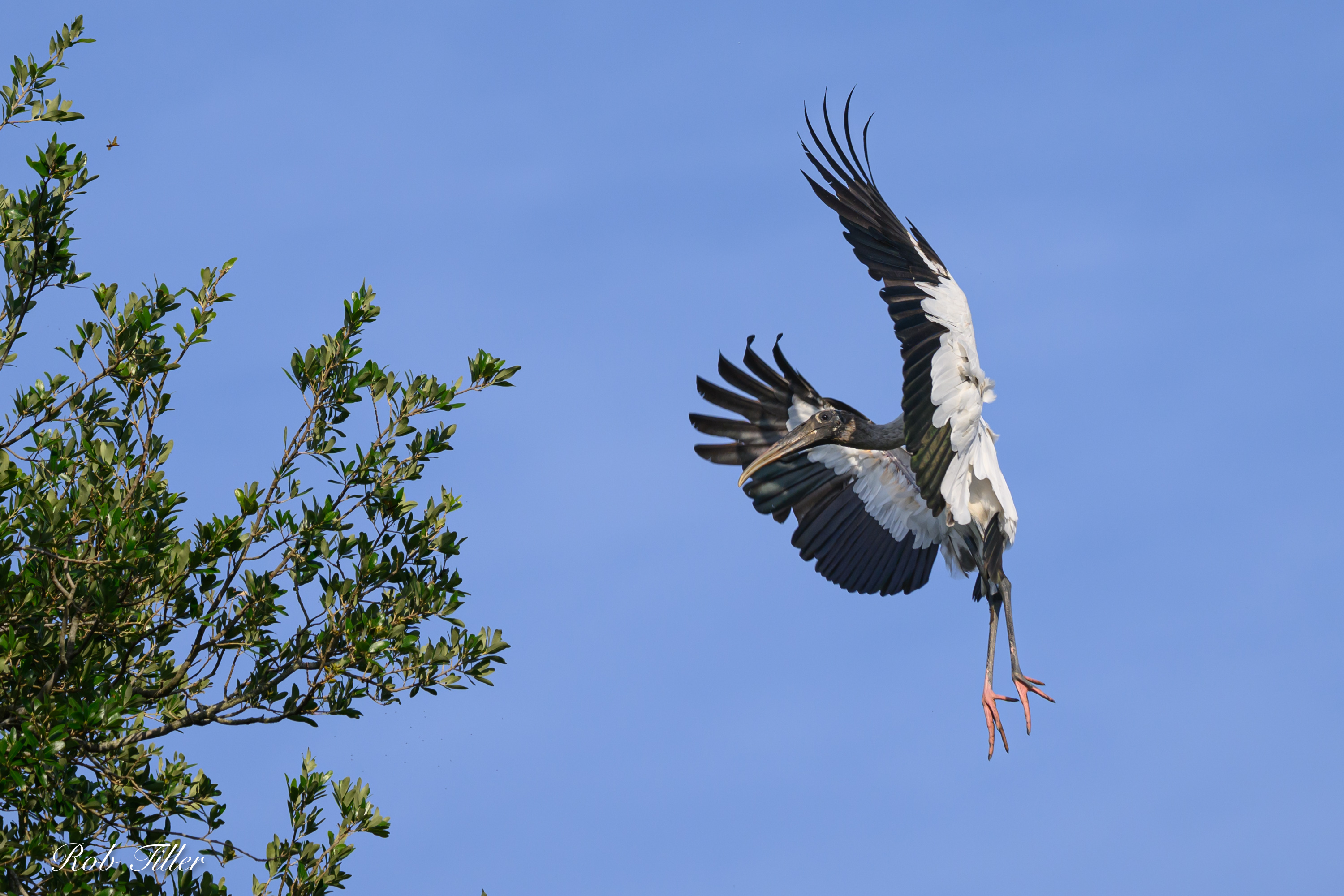
Summer is definitely here in Raleigh:  uncomfortably hot and humid.  I’m spending more time indoors, and finally finished sorting through the photographs I took while traveling in the spring.  In this post, I wanted to share a few more of the photos I took in St. Augustine of roseate spoonbills, great egrets, snowy egrets, wood storks, and tricolored herons, and a few thoughts on recent political events. 

In less than a week, we’ve just had two extreme events in our national political life.  President Biden crashed and burned in his debate with Donald Trump, substantially increasing the chances that Trump will win the presidency in November.  And the Supreme Court almost completely immunized Trump from criminal liability for his effort to overthrow the government in 2021.  It decreed that the next president is free to commit crimes, heinous or otherwise, that are in any way related to his official duties.  
This Supreme Court decision (which I, as a former Supreme Court clerk, had the training to read, and did read) is truly shocking.  By holding that the president acting as president is not subject to criminal law, it fundamentally changes the nature of the presidency to something like a monarchy.  In view of the definite possibility that a convicted felon, an incorrigible career grifter without any apparent moral restraint, will be our next president, the decision seems wildly irresponsible.  

There was more than a whiff of corruption in the Trump White House, as Trump’s businesses raked in billions of dollars.  He has promised to use the Department of Justice to persecute political opponents.  He has proposed shooting peaceful protesters and shoplifters.  He sought IRS audits of his enemies.  He directed the persecution of tax-paying immigrants and the kidnapping of immigrant children.  Not least, he encouraged a violent attack on Congress in an attempt to nullify the 2020 election.  
Trump has shown no hint of moderating his inclinations.  In his first term, subordinates sometimes discouraged or resisted his most outrageous proposals, but that is much less likely to happen if he’s reelected.  Non-MAGA true believers will be excluded from significant roles.  The true believers will know that Trump can and does protect those who carry out his orders with pardons.  

Also, those collaborators will now understand that if they are accused of criminal activity ordered by Trump, the Supreme Court will probably be on their side.  The Court’s new theory of the need for extreme Executive power may mean protection for those who implement Executive crimes.  In sum, the new decision increases the already high risk that electing Trump as President will be a disaster for American democracy.  
One of the benefits of studying history is perspective; it can help us take a longer view of our current situation.  For example, it’s helpful to remember that our republic has survived crises in the past, like the Civil War, the corruption of the gilded age, the ascendance of the Ku Klux Klan, American Nazis during World War II, and the McCarthy red scare.  We also survived Trump I. At the moment, I feel more despairing than hopeful for American democracy, but I’m trying not to give up hope.  
Visiting big birds in Florida, healthy eating, and some thoughts on Nazism

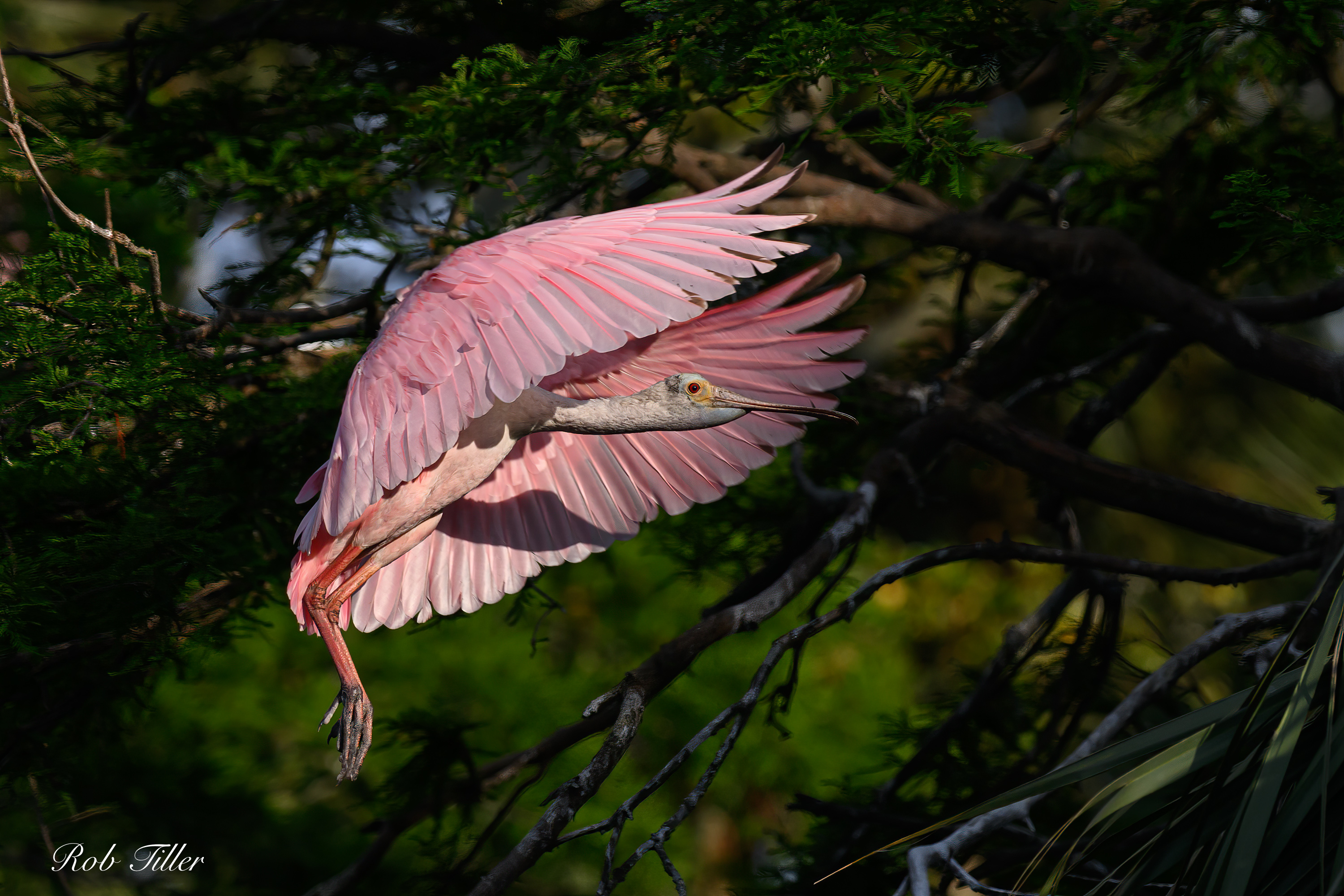
I went down to St. Augustine, Florida, a couple of weeks ago to photograph some of the big wading birds there.  I took a lot of photos at the Alligator Farm, where there’s a rookery of nesting great egrets, snowy egrets, cattle egrets, little blue herons, tricolored herons, wood storks, white ibises, and (my favorite) roseate spoonbills.  The birds hatch their chicks in trees over a big pond area full of alligators.  Apparently the birds feel safe and protected from tree-climbing predators there.

It really was quite wonderful to see all these creatures flying, fighting, mating, working on their nests, and feeding the chicks.  I haven’t had time to go through all the thousands of pictures I took, but I did make one pass through the ones from April 26, when we had some beautiful light.  These ones were all taken that day.  

At times I feel a bit of an odd duck for caring about birds, but I was reassured by a great little essay in the NY Times on how birding can change your life.  The essay is by Ed Yong, who wrote An Immense World, a fine book about the sensory worlds of non-human animals.  

Yong describes describes some of the nuts and bolts of learning how to identify birds.  But the really interesting discussion was how he found himself changed by birding.  He discovered a new connection to nature and new appreciation for the small wonders of life.  He found himself living more in the present, and with a greater appreciation for his own life, just as it is.  

I’m not as serious a birder as Yong – I don’t keep a life list or take on arduous travel to see one new species.  But I’m still studying up on resident species when I go to a new place, and working to identify birds I’m not familiar with.  I heartily endorse Yong’s view that birds make life better.

Speaking of animals, we saw a recent documentary series on Netflix that I recommend:  You Are What You Eat.  It centers on a nutrition study at Stanford University of identical twins.  The idea was to discover how much different diets affected genetically identical people.  

The big takeaway was that a plant-based diet was generally much more healthy than other options.  The series also notes, without hammering on, how animal agriculture is terrible for the climate and for both farmed and wild animals.  Despite the serious content, the filmmakers managed to leaven their presentation with some humor.   

Finally, I want to recommend a good podcast series called The Rest Is History. The format is a conversation between two Brits, Tom Holland and Dominic Sandbrook, about a historical period or incident that they’ve gotten interested in.  They are funny and smart, and some of the subjects are fascinating.  

I found their series on the rise of German Nazism particularly interesting.  Holland and Sandbrook investigated how an ideology that they (and most of us) regard as bizarre and inhuman could have seemed exciting and completely valid to many Germans of that time. 

Discussing Nazism is a delicate business, since it understandably arouses strong emotions.  It’s uncomfortable, and we tend to think it’s not worth the bother, assuming that we know everything worth knowing about it anyway.  Of course, that’s unlikely, since like all mass movements, it was complicated.  But it’s possible to be clear that the systematic mass murder of Jews and other groups by the Nazis was horrific, while also wondering about what German leaders and ordinary Germans were thinking as crimes against humanity took shape.  

As Holland and Sandbrook note, the Nazis believed they were acting based on science, and were addressing an existential threat to their nation.  Some of such thinking is still with us.  Eugenics, the “science” of superior and inferior races, was integral to their thinking, and it was then considered actual (rather than crackpot) science in many other places, including the US.   

The Germans of the 1920s and 30s feared for their future, based on widespread poverty and the postwar economic crisis.  They sought to explain their problems by identifying scapegoats, including especially the Jews.  Their anger and fear of supposedly inferior races and cultures is not so different from the hostility towards immigrants that is now a central feature of politics in the US and Europe.  

The Nazi leadership effectively used the modern media of the time, including radio and film, to amplify their message. Holland and Sandbrook point up a program to get a radio within earshot of every German so that they could not avoid hearing Hitler’s speeches.  The incessant repetition of lies about Jews and others made it hard to keep contrary views in mind.  Our social media is different, but likewise tends to create information bubbles that can separate us from reality.  

Holland and Sandbrook suggest that the impulses of Germans who supported Nazism, like the desire for excitement and hostility to out groups, is pretty normal.  Humans are social animals, and our behavior is powerfully influenced by those around us.  Once Nazism attained a degree of popular support, doubters were more inclined to go along with the crowd, as people normally do.  And once the movement was strong enough, dissenters were either squashed or silenced themselves.

From time to time, I’ve wondered what I would have done if I’d been a German in the 1930s as the Nazis rose to power and took over the country. We know from studying Germany’s experience that most people were swept along without dissenting, and it’s possible that I would have been one of that herd.  Of course, I like to think I’d have been unusually independent and courageous, but it’s hard to be sure.  

Anyhow, the Rest Is History podcast series on Nazism is thought provoking and timely.  We know from Germany’s experience that facism can happen to countries populated by people who are generally sane and decent.  I dearly hope the US is not headed in such a direction, but it’s clearly not impossible.  It’s worth taking the time to look closer at Germany’s history, and do everything we can to go in a better direction.

Some rewards from encounters with bears and birds

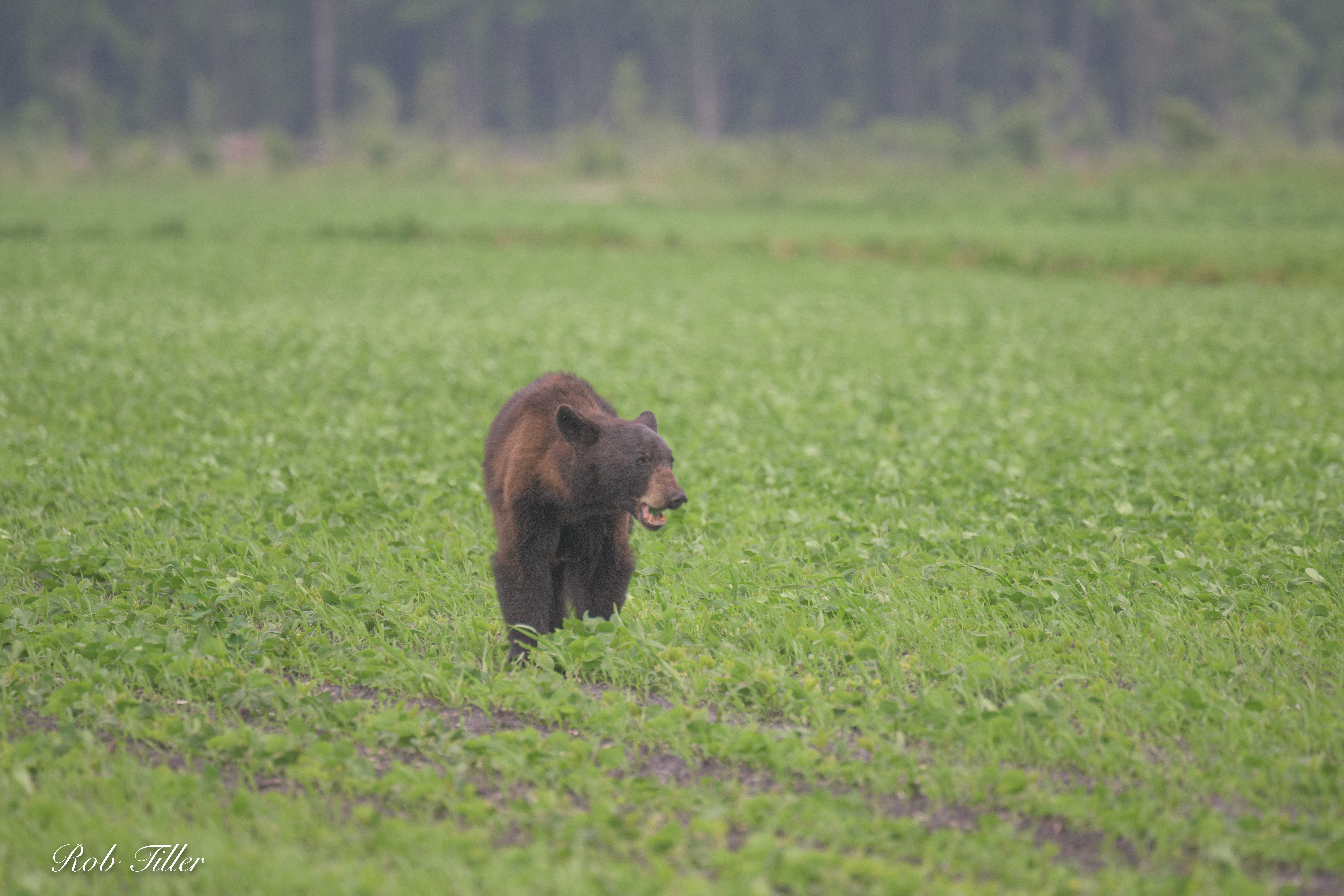
Last week I made a day trip to Alligator River Wildlife Refuge to look for bears.  Although this part of eastern North Carolina has a large population of black bears, I didn’t have great luck that day.  I saw just one.

But the bear was a handsome creature, grazing peacefully in a large field.  I was the only human there, and although she occasionally glanced at me, she seemed undisturbed.  She seemed to find the young leaves tasty.  I took pictures for twenty minutes or so, and then left her to look around for others, which I didn’t find.

Later, as I looked back over the pictures, I realized that I enjoyed the experience of being with the bear more than taking the pictures.  It takes practice to operate a sophisticated camera, and from time to time there are malfunctions or other surprises.  And I do find the technical challenges of wildlife photography interesting.  But the deeper satisfaction is connecting with animals and their environment.  

When I share pictures here or on Facebook, Instagram, or YouTube, I hope that something of that feeling comes through.  I try to select and process wildlife images in a way that communicates something of their experience and of mine.  Doing so often teaches me things I hadn’t realized before, by isolating a particular moment.  It also makes me more curious to learn more about the creatures.

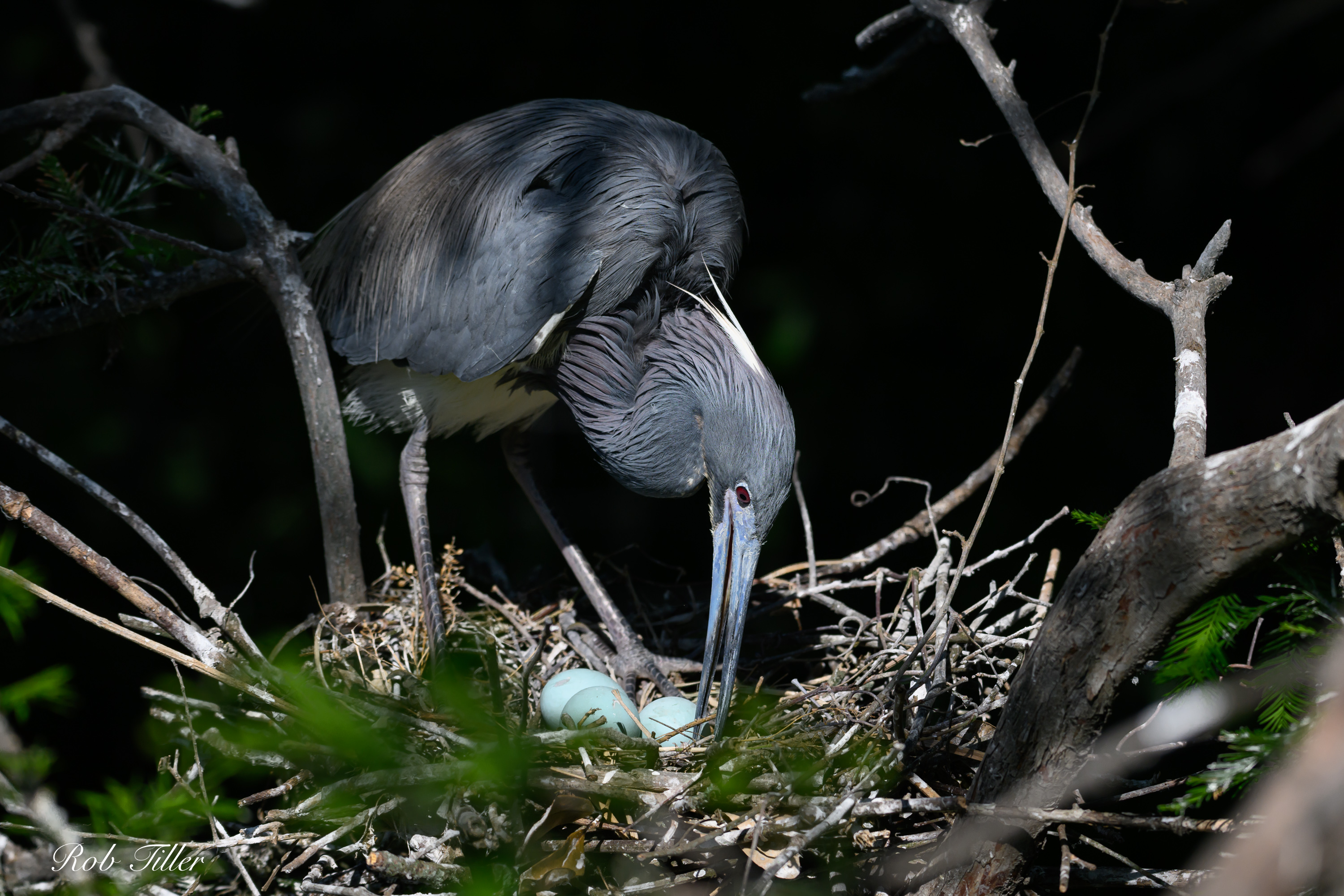
The non-bear pictures here are some of the birds I photographed in April at the St. Augustine Alligator Farm rookery.  I enjoyed seeing the birds in flight, but I was particularly interested in the birds working on their nests, grooming themselves, communing with their mates, and taking care of their chicks.  

These activities happen among many species in many places, but humans don’t usually get a close-up view.  Many of us don’t know what we’re missing, and it can matter.  

If we have little or no contact with non-human animals, we are unlikely to appreciate their beauty and even their basic existence.  Unless we make some effort, our world view narrows, and we think there isn’t much in the world of significance other than other humans and their activities. 

Wearing such blinders is unfortunate for us; we miss so much that can bring peace and joy.  It’s even more unfortunate for the non-humans.  Our ignorance of the lives of other creatures leads us to devalue those lives, and inflate our own significance.  When we think nothing matters but us, our worst tendencies, like greed, hatred, and fear, rein unchecked.

And so we commit or tolerate massive destruction of the natural world, including animal habitats, in the interest of profit for a few.  We can’t see the good alternatives to factory farming, which is a major contributor to global warming.  We manage not to think about the meat industry, with its enormous cruelty to animals.  

But this common mind set is not set in stone.  We already have the qualities that can change it.  That is, we have the capacity for greater curiosity and compassion.  Even those of us most indifferent to or fearful of nature have the capacity for empathy and love.  People change, and you can never tell what might touch them, or when.  And so I try to stay open and optimistic.  

Last week I uploaded my first YouTube slide show, a selection of favorite photos from our safari trip to South Africa and Botswana last March. It’s four minutes long, with music. Hope you like it!

Admiring rookery birds at St. Augustine

I drove down to St. Augustine, Florida, last month for the annual Birding and Photo Fest.  These are some of my pictures of the remarkable creatures there, including great egrets, roseate spoonbills, tricolored herons, ibises, snowy egrets, and wood storks.  It was a privilege to spend some time with them as they went about their business of finding food, repairing nests, mating, incubating eggs, and feeding chicks.

It took me over eight hours to get there, including lunch, gas, a couple of wrong turns, construction zones, and near the end, rush hour traffic.  But I was glad to find I could still handle such a long drive by myself. I listened to several podcasts, and finished an audio course on Mozart.

I stayed in the Holiday Inn Express  just across the bridge from old St. Augustine and convenient to the Fest activities.  It was like other HIE’s –  simple but bright and fairly clean – but it had one real problem:  extremely thin walls, and when I was there, noisy guests.  There was a group of teenage boys and dads around my room, which I guessed to be some sports team. They chatted, laughed, and argued almost all night.  

I considered complaining either directly or via management, but they kept the noise just under the threshold of criminality.  My premium ear plugs, effective against most noise, were no match for them, and I had a terrible night’s sleep.  

Before sunrise the next morning, I was heading toward the St. Augustine Municipal Marina for a boat tour of the harbor area.  The tour, by Eco Tours and led by Zack, focused on the bird life in the area.  We didn’t spot any rarities, but it was fun to be on the water with the animals.  A highlight was swimming manatees.  

That afternoon I went to the first of several talks I’d pre-registered for about birds and photography.  This one was by Jack Rogers, and concerned identifying shorebirds and getting good pictures of them.  Rogers shared a lot of good tips, including other locations to check out in Florida.  

Afterwards, I looked over the stalls in the main hall which were selling photographic equipment and promoting photography workshops and tours.  I sat down with a fellow dealing in used camera equipment, and sold him one of my old lenses, a tripod ball head, and a macro rail I wasn’t using.  I was happy to get the closet a little cleaned out, and add some cash to the wallet.

Then I drove to the Alligator Farm.  The place is essentially a zoo featuring a lot of alligators and crocodiles from all over the world, but in the spring it becomes a rookery.  A lot of large wading birds, including great egrets, snowy egrets, wood storks, herons, and roseate spoonbills, build their nests there and start new families.  

A board walk above many alligators curves through trees, and the birds build their nests in those trees.  Some nests are almost close enough to reach out and touch, and others not much farther.  The birds sit on eggs, or feed the hatchlings, and fly back and forth to get new twigs for their nests.  At times it’s relaxed and peaceful, but their are also unhappy hungry fledglings, squabbles between neighbors, and mating rituals between partners.

The birds come back to the Alligator Farm every year.  I was told that they like building nests above the alligators, because the gators protect them from predators.  This seems plausible.  I saw birds drinking water and looking for new twigs quite close to alligators.  I would guess that the birds keep a wary eye out, and the alligators realize that it’s quite hard without an element of surprise to catch an experienced adult shore bird.   

I went to several more classes on photographic techniques, and came back repeatedly to the Alligator Farm.  At one point, a roseate spoonbill (large pink bird with a bill shaped like a shovel) flew onto the boardwalk right at my feet to fetch a twig for its nest. A few minutes later it flew back to the railing, looked me over carefully, then dropped down again in front of me to get another twig.  

Most of the time the alligators weren’t doing much,  other than lying, walking, and swimming, but I did see a presentation by a young woman who stood in an area with them.  She gave some fun facts and debunked some myths, such as the notion that alligators can run fast.  Plainly, since she didn’t get eaten, they weren’t simply mindless, ruthless maneaters.  She called some of them by name and described their personalities, and they opened up their mouths as she threw them a fish.  They’re probably smarter than we’ve thought.

That seems to be true of most animals.  I just finished reading The Creative Lives of Animals, by Carol Gigliotti.  Gigliotti collects research on the creative activities of various species, like nest building of birds, tool use by chimpanzees, and problem solving abilities of octopuses.  She shows that many animals learn from each other and their own experience, and experience emotions, like joy and sorrow, similar to ours.   

The idea of animals as creative individuals and communities runs contrary to what I was taught, which was to consider them as mindless automatons, controlled in all respects by blind instinct.  And that older paradigm is still widespread.  There’s still so much we don’t know about their lives.  For example, we know they communicate in many different ways, but we understand very few of their signals.

But we’re starting to learn, and to realize how much more there is to know.  The more time I spend close to animals, the more certain I am that they are complex individuals, with personalities, problem-solving abilities, and joys and sorrows.  They can inspire us with their beauty, athleticism, and fortitude.  Also, they can be pretty funny.