The Casual Blog

Tag: gratitude

More polar bears, and some comments on Trump, free will, Empire, and Life on Our Planet
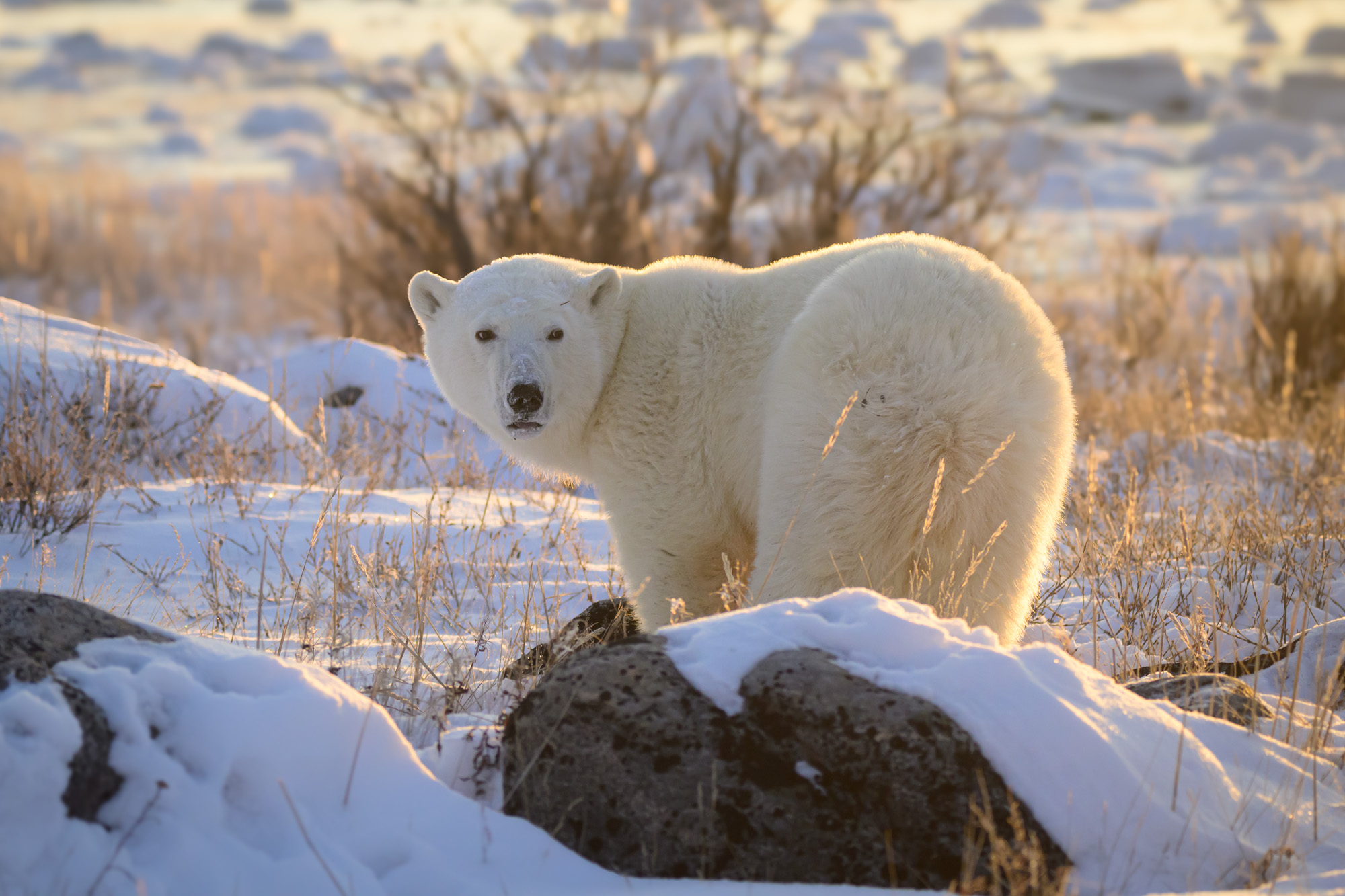
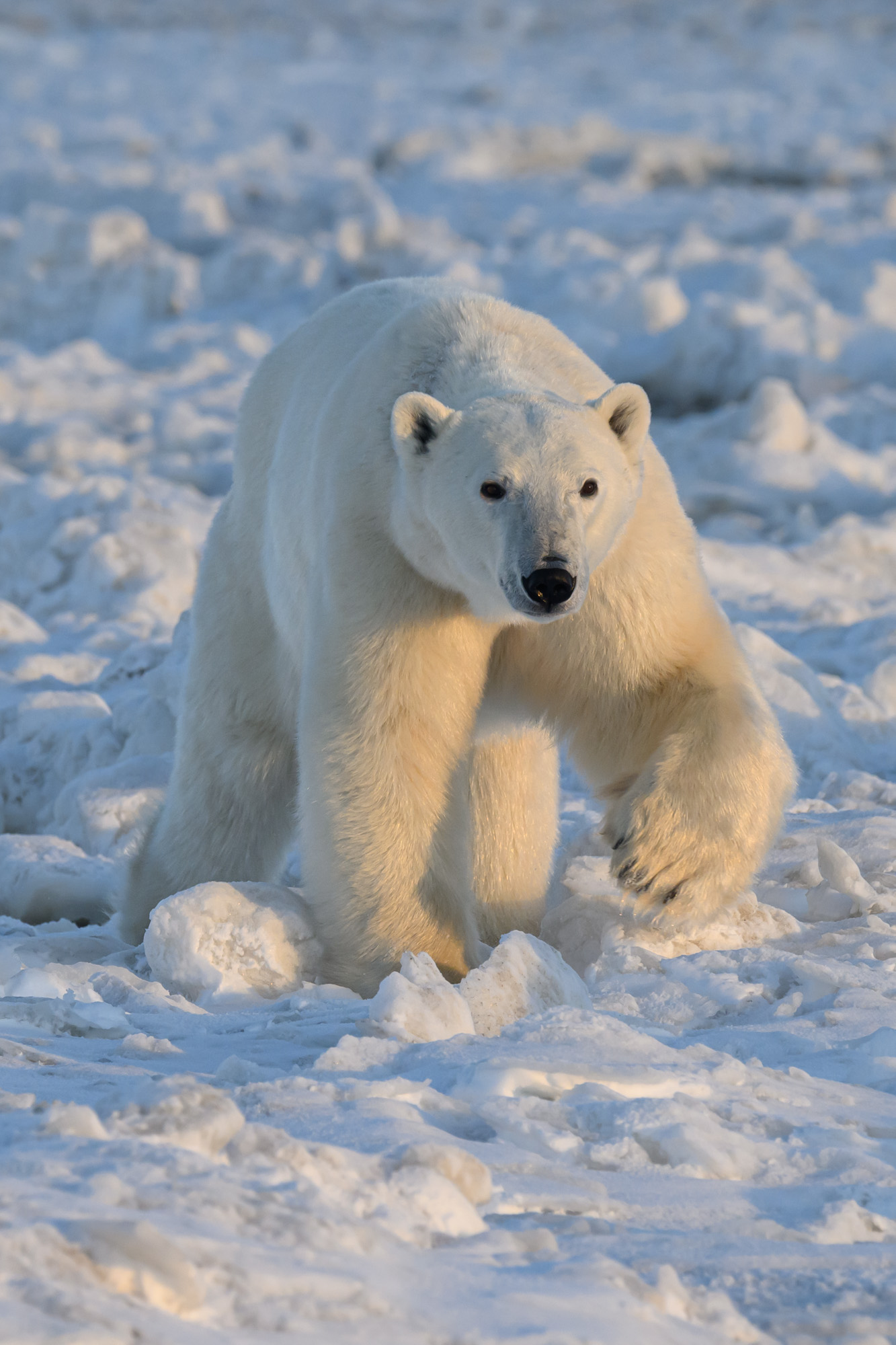
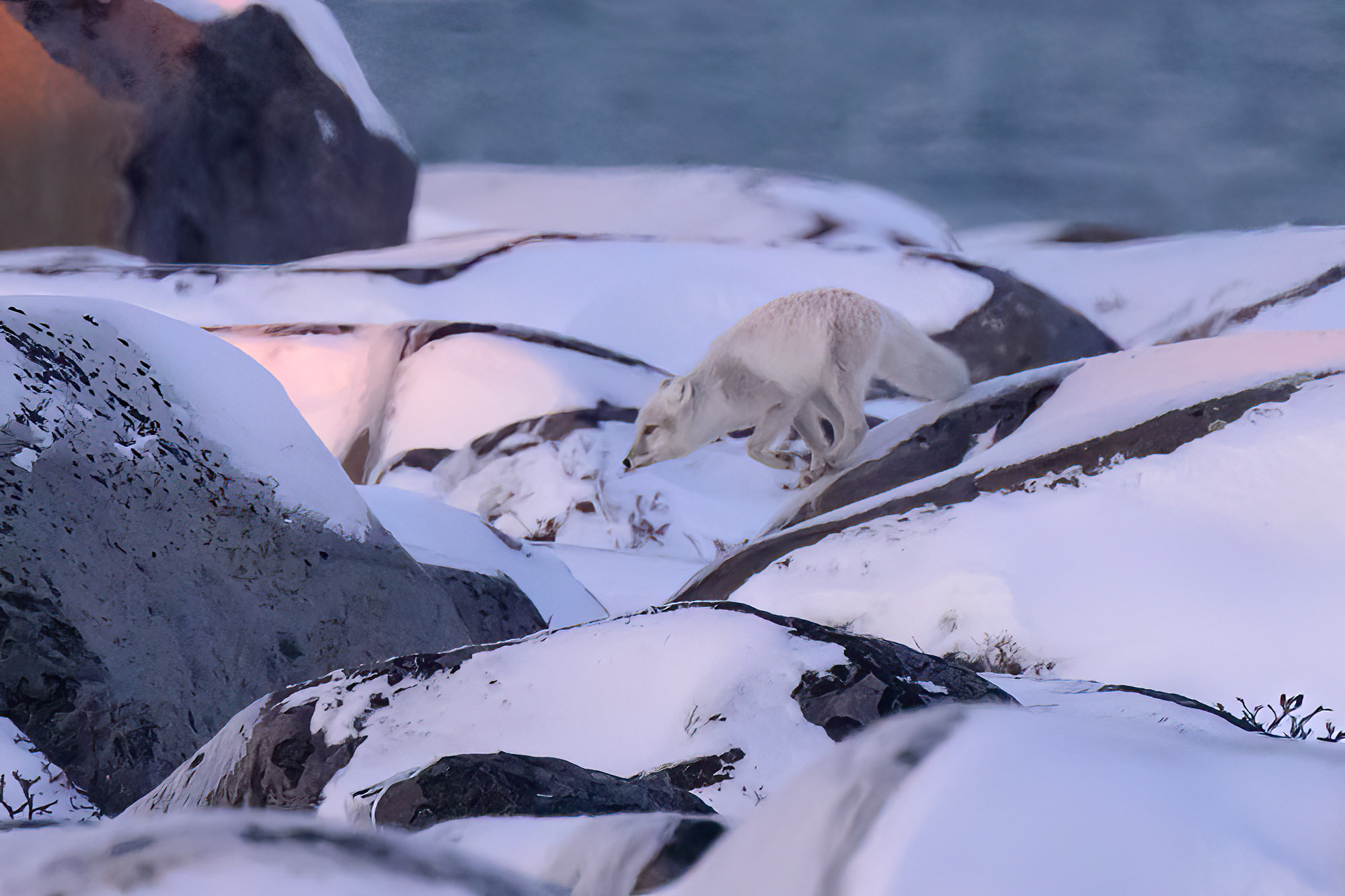
I’m still processing my trip to northern Manitoba, and wanted to share a few more photographs from that extraordinary journey.  I also made a short YouTube slideshow of favorites. Recently I’ve been making a particular point of cultivating gratitude, having so much to be grateful for, and that expedition was especially worthy.

Alongside those good feelings, I’m feeling discombobulated about  what is happening in American politics.  At this point, it’s virtually certain that the Republican party, traditionally a cheerleader for conservatism, will nominate for President a most unconservative candidate:  Donald J. Trump.  And polls say there’s a reasonable possibility that Trump will win.  

This in spite of what by now it’s hard not to know about Trump:  his deep dishonesty, his ignorance, his cruelty, his contempt for others (other races, other nationalities, other gender identities), his indifference to the dire straits of our planet.  Plus his track record of crimes (including molesting women), inciting hatred, undermining the rule of law, encouraging thuggery, promoting deranged conspiracy theories, and threatening nuclear war.  Also, he made a determined attempt to overthrow the U.S. government and seize power.  Now he’s acknowledging his intention to act as a dictator and treat his opponents “like vermin.”  

A lot of people, including some that are dear to me, are not much put off by this appalling record.  This has given a hard shake to some of my long-held beliefs and assumptions.  What we take to be reality really seems to vary a lot from brain to brain.  There’s a lot less agreement than I thought about fundamental moral concepts like right and wrong.   
I am grateful, though, for this wake up call:  it’s good to reexamine our assumptions about how people work, individually and collectively.  We have a lot of deep-seated, pre-Trump systemic problems, such as inability to face up to climate change and the horrors of animal agribusiness, that suggest systematic brain malfunctions.  Maybe if we understood ourselves better, we could behave better.

Against this background I’ve been processing the ideas of Robert Sapolsky in his new book, Determined:  A Science of Life Without Free Will.  I read Sapolsky’s last book, Behave, but so far have only read reviews and listened to podcasts discussing Determined.  The most thought-provoking of these was Nikhil Krishnan writing in The New Yorker. 

Sapolsky contends that there is no such thing as free will, because our every action and thought is the result of causes outside of ourselves.  In his view, the only significant differences between people are physical and environmental.  Individuals deserve neither praise for their achievements nor blame for their failures, because both are the result of forces outside of themselves.  
Sapolsky recognizes that his view is hard to square with life as most of us live it.  It’s hard to imagine not being grateful for a kindness or resentful of a slight, and hard to think that serious crimes are not deserving of punishment.  But he marshals plenty of evidence for the position that we are at bottom the result of genes and environment, and our usual habits of mind fail to reckon with that reality.  

I’m a big proponent of trying to see our connectedness with everything – to each other, to animals, to sun, air, water, soil, and so on – and acknowledging that we can hardly exist as unconnected individuals.  I’m with Sapolsky as far as that.  But it seems paralyzing to hold that none of our decisions can fairly be called our own.  There wouldn’t be much point in trying to figure out the right thing to do and then doing it.  The very concept of the individual, which we seem to need in some contexts, seems to collapse.  

This is disturbing, and I’ve been struggling with what to make of it.  I don’t have a comprehensive response to Sapolsky, but I will note one big problem with his framework.  There’s plenty of evidence that human ideas, coming out of individual minds, affect the world.  

The way we think matters at every level, from how we care for ourselves to how we conduct our politics.  And guiding ideas change.  We’ve seen bad ideas that had terrible effects, and we’ve seen some of those get rejected and replaced over time.  We have good reasons for examining our own ideas, and those of others – including Sapolsky’s.

On a less philosophical note, I recently discovered a very fine history podcast called Empire.  The subject matter is various empires of history, with the initial episodes focussing on the British East India Company in (of course) India.  

The hosts are accomplished scholars but not at all stuffy.  Indeed, they are wonderfully human and quite witty.  Some of their subjects involve gruesome violence, but the hosts point up a better moral perspective than some of our forebears had.  A historical perspective can be helpful in these trying times.  

Finally, Sally and I just finished watching Life On Our Planet, a documentary series on Netflix, and I highly recommend it.  In eight episodes, it beautifully summarizes four billion years of evolution.  The dinosaur parts were especially impressive; the animations looked amazingly realistic.  Here again, when I worry about where we’re going, it’s helpful to get some perspective from the long history of life.  Species rise and fall, and new ones rise.  

Working on gratitude, air conditioning (finally), my sweet tennis champion, improving sex education, and our nuclear nature park

At Harris Lake Park on Saturday morning

Recently I’ve been working on gratitude, and it hasn’t been easy.  I’ve gotten some leads from the Calm meditation app, which has a series of gratitude lessons by the wonderful Tamara Levitt.  Levitt approaches the subject from various angles, but the toughest, and most timely, is gratitude for difficulties.  She suggests looking at unhappiness as a teacher, and seeing what can be learned.

We finally got our new air conditioner installed and working three days ago, after weeks without AC.  Most of the windows in our apartment don’t open, and there are a lot of them facing south and west, so it got hot.  It was fairly miserable, but I’m proud to say we kept whining to a minimum, and made it through. Our AC technicians had a tough time installing the new unit — it took four days to get it fully operational — and I thank them.

Right after they got the AC operational, Sally went with her tennis team to the N.C. state tournament, so Rita (our cat) and I kept each other company.  Rita is a pretty calico cat who purrs a lot, but also complains a lot, and needs a lot of petting. She meows, rubs against my leg, and swats me over and over with her tail.  I like petting to a point, but that point is generally not quite enough for Rita.

We were both very happy to get Sally back this afternoon.  Her team is the new state 4.0 women’s champion! Sally has always been a focused and determined competitor, and she wins a lot at the local level, but this is her first state tournament victory.  She said there were a lot of good competitors and close matches. She was beaming.

Like all of us, my dearest Jocelyn followed the drama of the Kavanaugh confirmation process closely, and had some strong things to say about it.  I liked her proposal that we take this opportunity to consider and improve how we talk about sex. Sex is a fundamental driver of all human cultures (one thing Freud got right), but talking about it in America is highly taboo.  We don’t do much sex education in our schools, and if anything we do less in our homes. As briefly as possible, we warn our daughters and sons not to do it, cross our fingers, and hope for the best.

Jocelyn noted that our prevailing norm is that respectable girls should resist sex, while boys will continuously seek it.  This sets up a dangerous disconnect: boys expect that girls will resist, but think that resistance shouldn’t be taken too seriously.  Adding to the complex dynamics of social pressures and passing moods, in a given encounter neither player may be quite sure of their own true preferences.  Misunderstandings are rampant, and even with good intentions, traumatic mistakes happen. Jocelyn suggested a new rule: boys and girls agree that they will only have sex when they come to agreement that the objective is their mutual pleasure.  

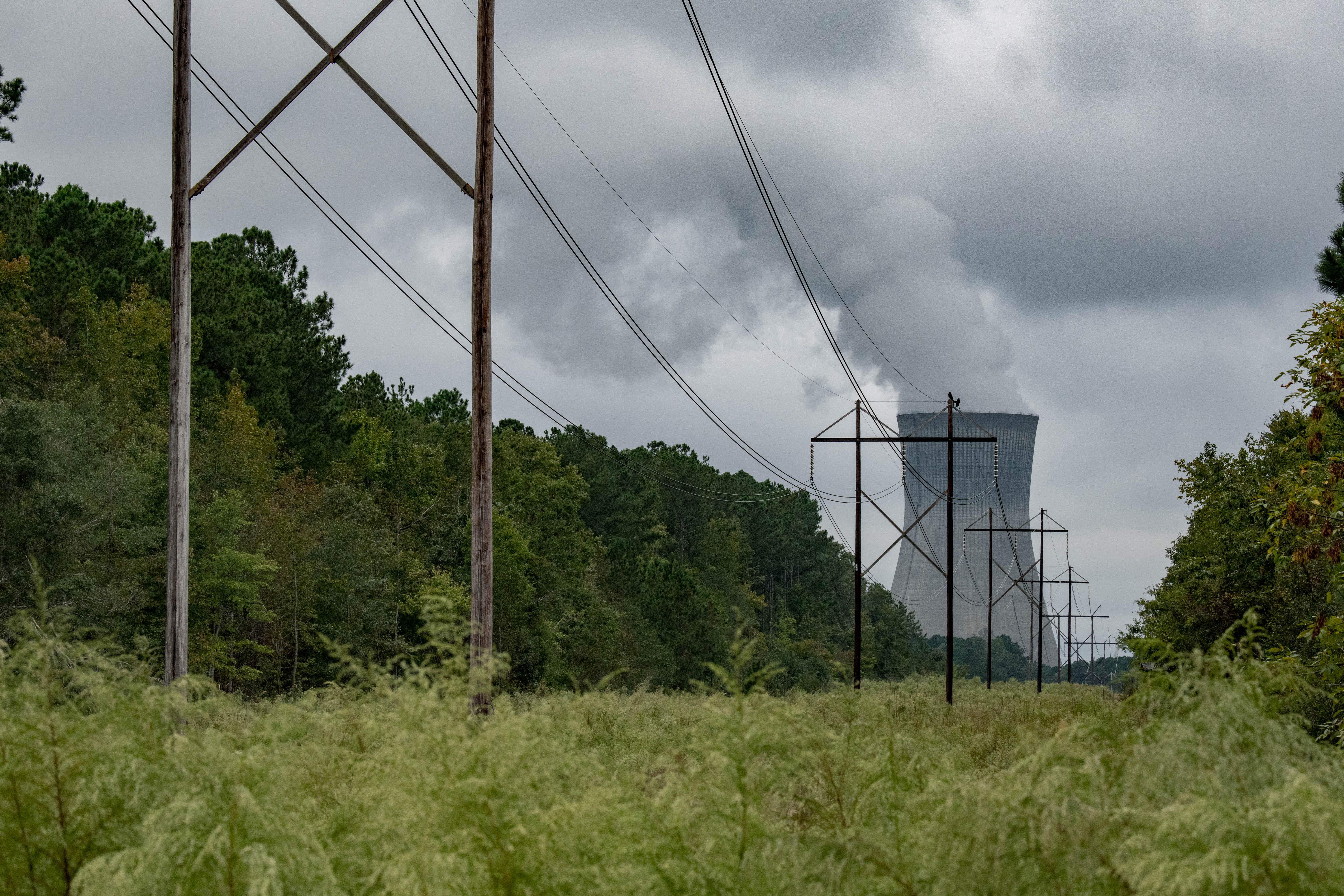
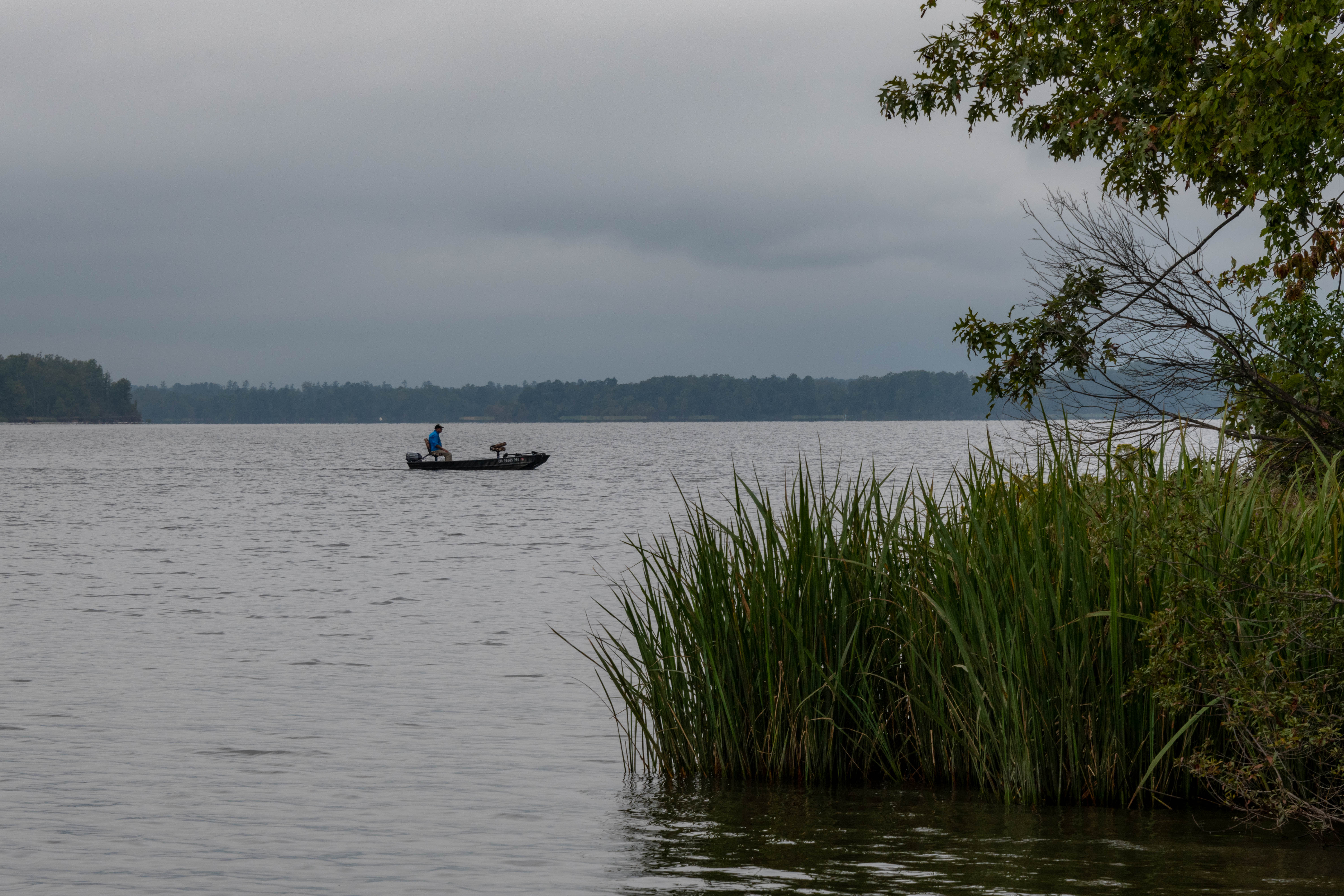
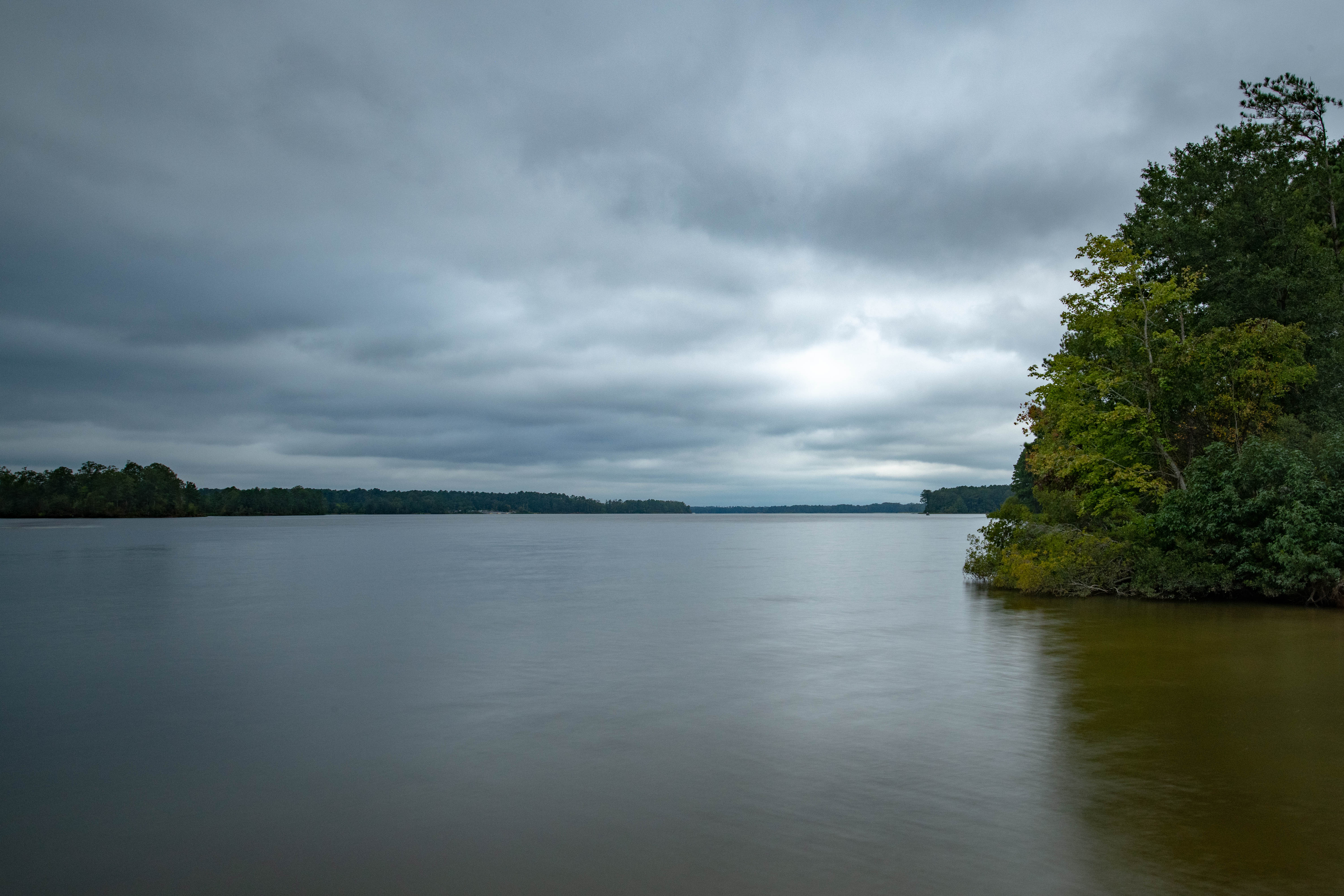
I took these pictures yesterday at Harris Lake Park in southern Wake County.  The lake provides cooling water to the Shearon Harris nuclear plant. As I was heading down US 1 to get there, it started raining hard, but it stopped just before I got to the park.  The lake was peaceful. The cooling tower had a disturbing aspect, but that was mitigated by birds, grasses, bushes, and trees. There were a few people fishing from the shore and from a few boats, and me.  

My happy Thanksgiving: racing, reading, camera tinkering, eating, and seeing Interstellar

14 11 30_3749
Lately I’ve been consciously trying to cultivate an attitude of increasing gratitude. As is traditional at the Thanksgiving holiday, I’ll note that I have a great many things to be grateful for. For me, gratitude also means noting connections and acknowledging how very little is attributable to my independent efforts. I really owe it all to everybody and everything else. And so, to you, dear reader, and everything else, I’m grateful.

On Thanksgiving morning, I was grateful to be, at 59, sufficiently healthy to undertake the Ridge Road Turkey Trot, an 8 kilometer (4.97 mile) race. I hadn’t tried a road race with thousands of other people for a great many years. Sally sweetly lent her moral support and driving skills, and got me to the starting line five minutes before the 8:00 a.m. start.

My idea was to challenge myself without collapsing or getting sick, and that much I accomplished. I completed the course in 44 minutes, or just under 9 minutes a mile. I wasn’t particularly proud about this time, since I still imagine myself as capable of 8 minute miles, but this T-day that wasn’t happening. My heart rate was in the low-to-mid 160s for much of the race, which is pretty high, and I didn’t want to find out what would happen if it stayed higher. The hills in the middle of the course took a lot out of me, and the last couple of miles were fairly miserable. Part of me badly wanted to try a bit of walking instead of running. But I didn’t quit, and I did survive.

After the race, I took a long hot shower, and then sat down and read for a while. I finished E.O. Wilson’s The Meaning of Human Existence. Wilson, a world-renowned exert on ants and a leading theorist on evolution, is now 85, and going strong. I enjoyed reading The Social Conquest of Earth, and liked this book as well, in spite of its grandiose title. Wilson puts things in perspective, and helps us grasp that humans are just one of the millions of species on the planet. His basic message is that we can improve our chances of survival and happiness by using the tools of science and better understanding our evolutionary nature.

Wilson contends that natural selection proceeded along two paths, individual and group. He argues that this accounts for our dual nature as selfish individuals and altruistic group members. These conflicting tendencies are fundamental drivers of the human experience, which means we’ll always be in some degree of tumult in our interior emotional lives. But Wilson thinks our contradictions are essential to what it means to be human, and we need to understand them and manage them. He seems to think there’s a chance that humanity can overcome ignorance, delusion, and violence, and quit destroying the natural world.
14 11 30_3737

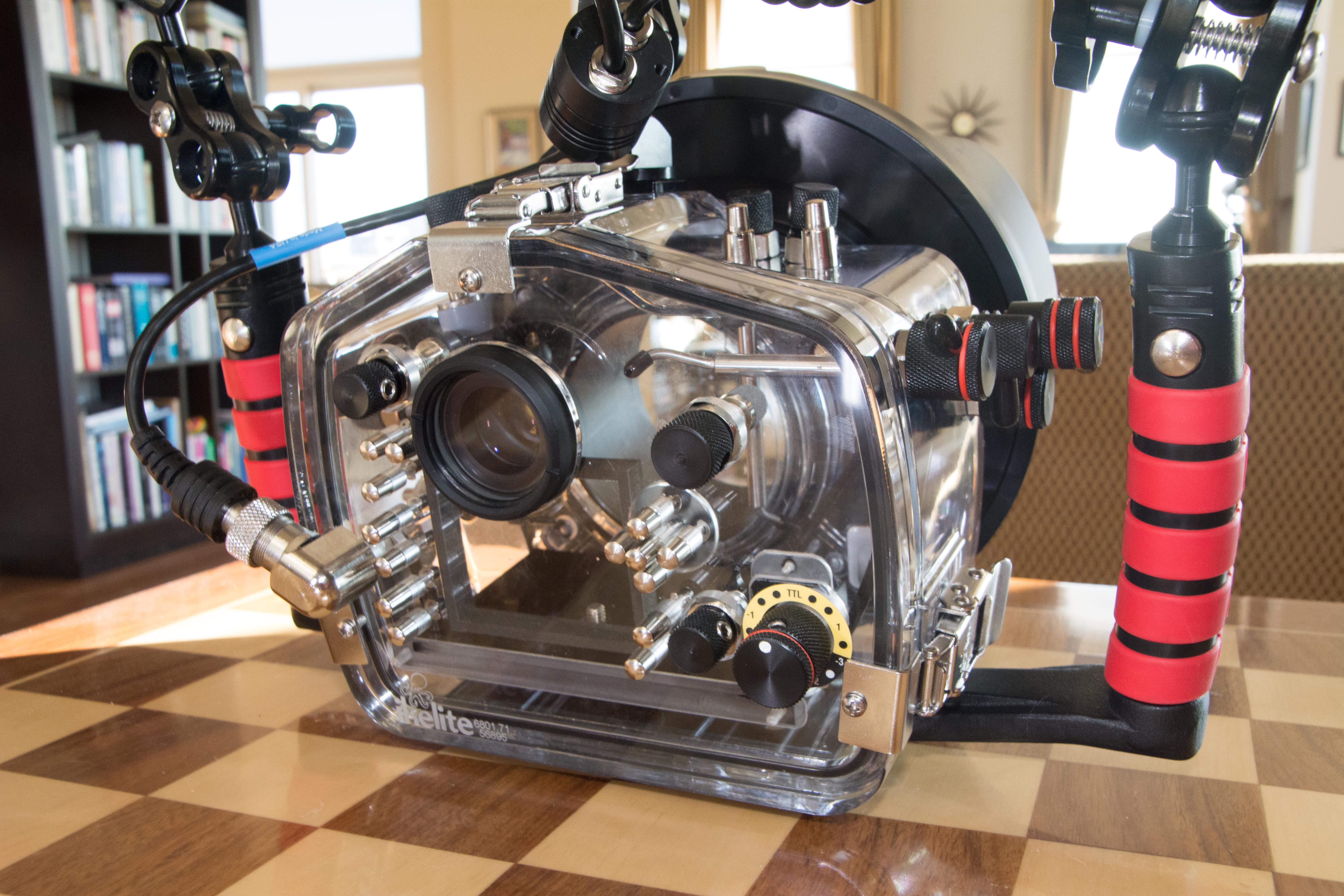
I spent part of the afternoon assembling and testing my new Ikelite underwater camera housing and strobe setup. I thought long and hard before buying the equipment, both because it is pricey and because it is labor intensive. But I’m really interested in sharing some of the joy of diving through images of the extreme beauty beneath the surface. Even in this time of over fishing, ocean acidification and reef destruction, there’s still an incredible profusion of life down there.

If you’re going to use an underwater housing with an expensive camera, the stakes are high. The Ikelite housing opens at the back to receive the camera and the front to receive the lens. You’ve got to be extremely careful to prevent leaks, which can easily be fatal to the equipment. And working the camera through many unlabeled buttons and levers is challenging. Just figuring out how to put it all together took me several hours. And hauling the it safely to dive spots while staying within airline weight restrictions will be challenging. But I’m looking forward to new dive photo adventures.

We had our Thanksgiving dinner at Irregardless, Raleigh’s first vegetarian restaurant, which now also accommodates meat eaters. Gabe and Jocelyn decided to wait until Christmas for a visit, so Sally and I ate with her mom and sister, Diane and Annie. We also were joined by Alyssa Pilger, the Carolina Ballet dancer we’ve been sponsoring, who is enormously talented. It was fun to hear about ballet company happenings, and about the professional dancer’s life. Professional dancers are almost by definition intensely focused people with superhuman work ethics, but Alyssa offstage seemed comfortable, relaxed and un-self-absorbed.

Sally and I saw the movie Interstellar on Friday night at the Marbles Imax theatre. I didn’t think it was particularly well constructed or acted. I found it cheering, though, that the movie has found a mass audience. The basic set up is a post-climate apocalypse world, which is something we should be trying hard to visualize and then prevent. It would be nice if a good-looking astronaut and his attractive physicist daughter could save us all, but that seems extremely unlikely. We’ve got to figure out how to repair our dysfunctional political structures so that we can get organized and address global warming and related problems with the intense commitment and resources we once used to go to the Moon.