Visiting Yosemite, and some thoughts on lies in America
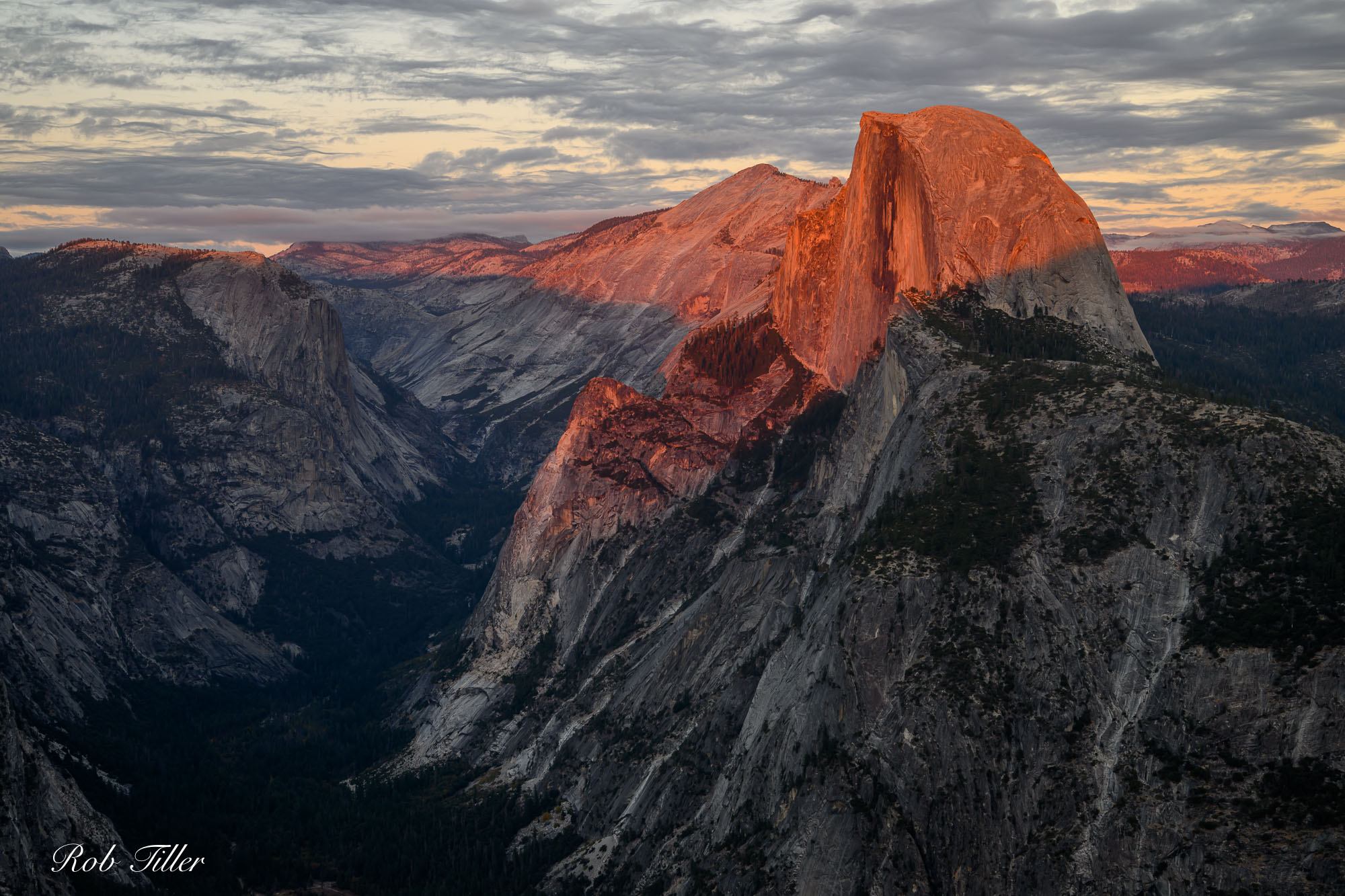
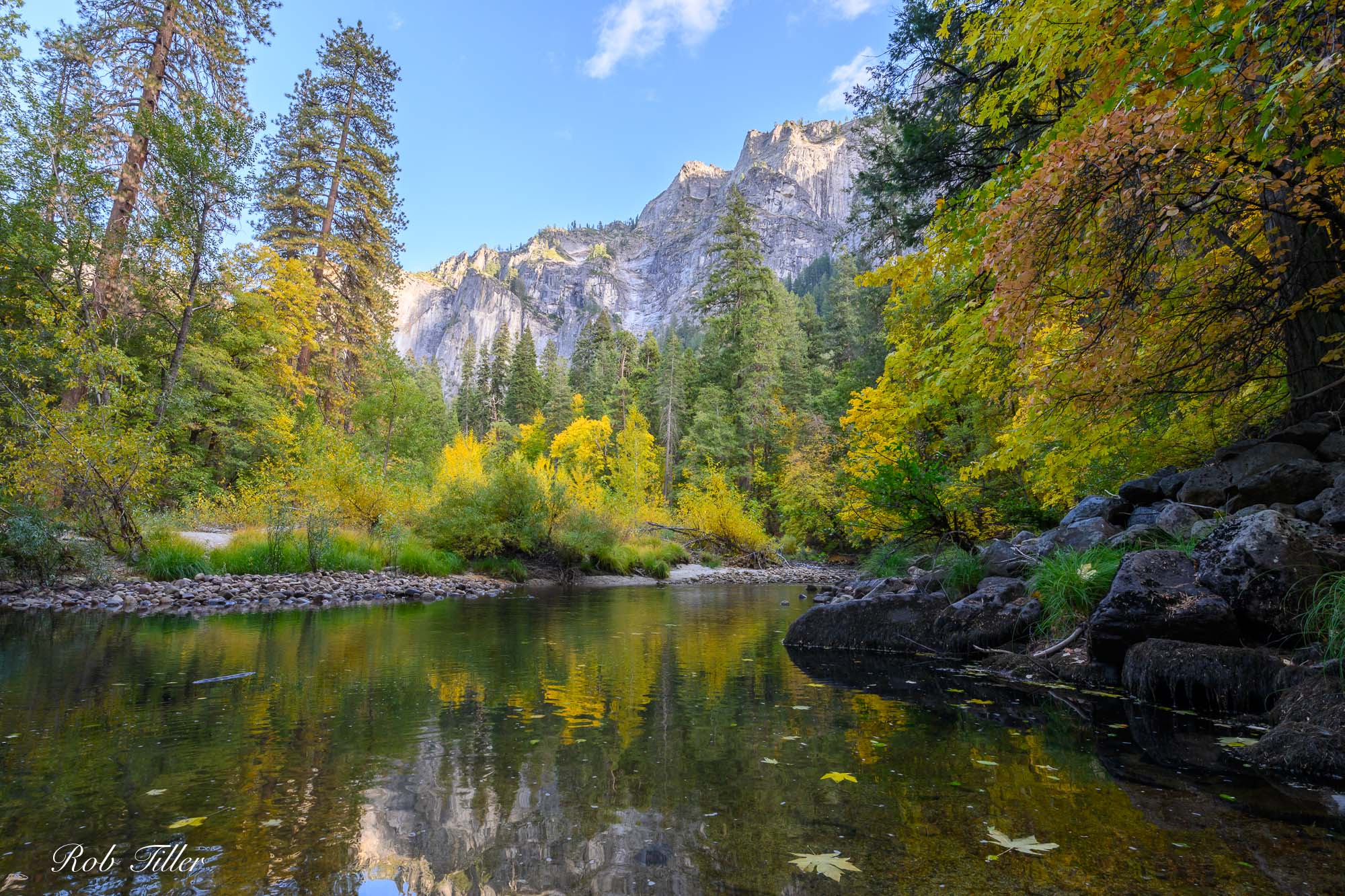
Last week I visited Yosemite National Park, which had resplendent fall colors beneath its towering granite peaks. There I was part of a photography group led by Gary Hart. Gary was the nicest guy, and he did a great job directing us to some beautiful places and helping us improve our work. Then I went by myself to Sequoia National Park and Kings Canyon to see the giant sequoia trees and mountain vistas. The pictures here are a few of the ones I liked.
My flight from Los Angeles to Raleigh was a red eye that arrived the morning of election day. I was tired and jet lagged, and underprepared for the election of Trump. I’d done some phone-bank work for Harris, and managed to convince myself that most likely she would win. But, of course, she didn’t. It was a painful disappointment.

The pain is still raw, but I’m trying to be mindful and curious as to how a majority of American voters could have decided that Trump was the better choice. The pundits I’ve been reading and hearing have various theories, and no doubt there are many factors at play. But so far I haven’t heard much about what looks to me like the most important one.
There seems to be general agreement that a big part of the Trump success was serious dissatisfaction with the current establishment. The price of groceries, gas, and housing made people unhappy. It wasn’t surprising that people wanted those problems addressed.
But why would anyone think that Trump would be the guy to do it? His prior handling of the economy and other real world problems was erratic and inept. His policy statements in this campaign were either extremely vague or kooky. His mental capacity, never great, showed signs of major deterioration. He was not only untrustworthy; he was constantly and shamelessly dishonest.

Amazingly, though, Trump’s shameless dishonesty accounted for much of his success. His lack of any sense of shame made him immune to criticism, and willing to lie on a massive scale that overwhelmed all efforts at rational thought.
Of course, some people felt insecure and frustrated about their economic circumstances. But Trump managed to turn those understandable feelings into fear and rage. He relentlessly presented the message that America was a hellscape of economic failure and crime. Just as relentlessly, he blamed those supposed problems on invading immigrants, whom he characterized as criminals and rapists.

This was all a preposterous lie. Crime rates are down from the Trump years, and the economy has by most measures improved. Immigrants are not invading en masse, and those who are here are more law-abiding than the native born. Indeed, immigrants are a big part of our economic success story, and that has been true throughout our history.

So how did the lie work? Most of us are suspicious of those who look and sound different from us. Our natural suspicion as to differences in skin color, language, and customs is usually manageable. After all, we live in a multi-racial, multi-cultural society which in many regards works well. But Trump stoked normal anxieties into a raging fire of xenophobia and racism, and proposed a wonderfully simple solution to all those unpleasant feelings – get rid of the scapegoats.

This was certainly not a new idea. Through the last five hundred years, Jews have been treated as scapegoats by various demagogues. And of course, various other out groups have been treated as sacrificial victims to solve political problems.

Indeed, Trump made clear enough that immigrants were not his only scapegoats. There were scapegoats to fit with a potpourri of resentments and prejudices: people of color, Jews, Muslims, women, gays, journalists, scientists, lawyers, teachers, liberals, government bureaucrats, and anyone who opposed him were attacked directly or indirectly as enemies of the state.
Possibly the saddest and most ridiculous scapegoating was on our tiny minority of trans people. Could anyone actually believe that trans folks were a serious threat? The Trump people clearly thought so, since they spent many millions of dollars on anti-trans political advertising. Watching those ads playing over and over, I assumed that most people would see through them as cruel and absurd. I’m afraid, though, that a lot of people didn’t.
We live in an age of misinformation that we haven’t yet understood how to correct for. A great many of our traditional newspapers are no longer in business. Right-wing media, such as Fox News, the Sinclair Broadcast Group, certain podcasts, and talk radio in the vein of Rush Limbaugh have become the primary news sources for many. By and large, they amplify Trumpist lies and stay silent as to the truth.
At the same time, social media such as Twitter/X, TikTok, and Facebook are virulent sources of conspiracy theories and confusion. Traditional, fact-based journalism has a hard time competing. It’s hard for unwelcome truths to compete with exciting lies.

Trump’s people appear to have grasped the value of these new opportunities for spreading big lies. They also learned from twentieth century fascist movements that even obvious and transparent lies may come to be seen as true if repeated often enough.
To begin to address Trumpism, we can start by calling out the big lies, rather than pretending that all this is normal and acceptable. It was disheartening that the Harris campaign failed to do this with Trump’s dystopian immigration narrative, and instead adopted a dialed down version of that narrative. Perhaps they concluded that correcting that scapegoat narrative couldn’t be done in the short time before the election. In any case, there’s no doubt that it would have been difficult. Big lies are powerful.

Now we’ve got a large population infected with the culture of Trumpian lies. They view actual journalism as fake news, and Trump opponents as Satanist pedophiles. Arguing with them probably won’t help. We can and should give them respect, compassion, and kindness. We should gently and gradually reassure them that we are not Satanists or pedophiles. Will that, plus measured doses of actual truth, be enough?
We won’t know for a while. Given that Trump lies about everything, it’s possible he won’t follow through on his deportation program, locking up his enemies, and the other Project 2025 ideas that would likely crash the economy and cause enormous misery. If he does, it’s nearly certain that MAGA folks will experience bitter disillusion and massive voters’ remorse. Perhaps a new and better politics will emerge from the ashes.






 The Casual Blog