The Casual Blog

Tag: Ed Yong

Visiting big birds in Florida, healthy eating, and some thoughts on Nazism

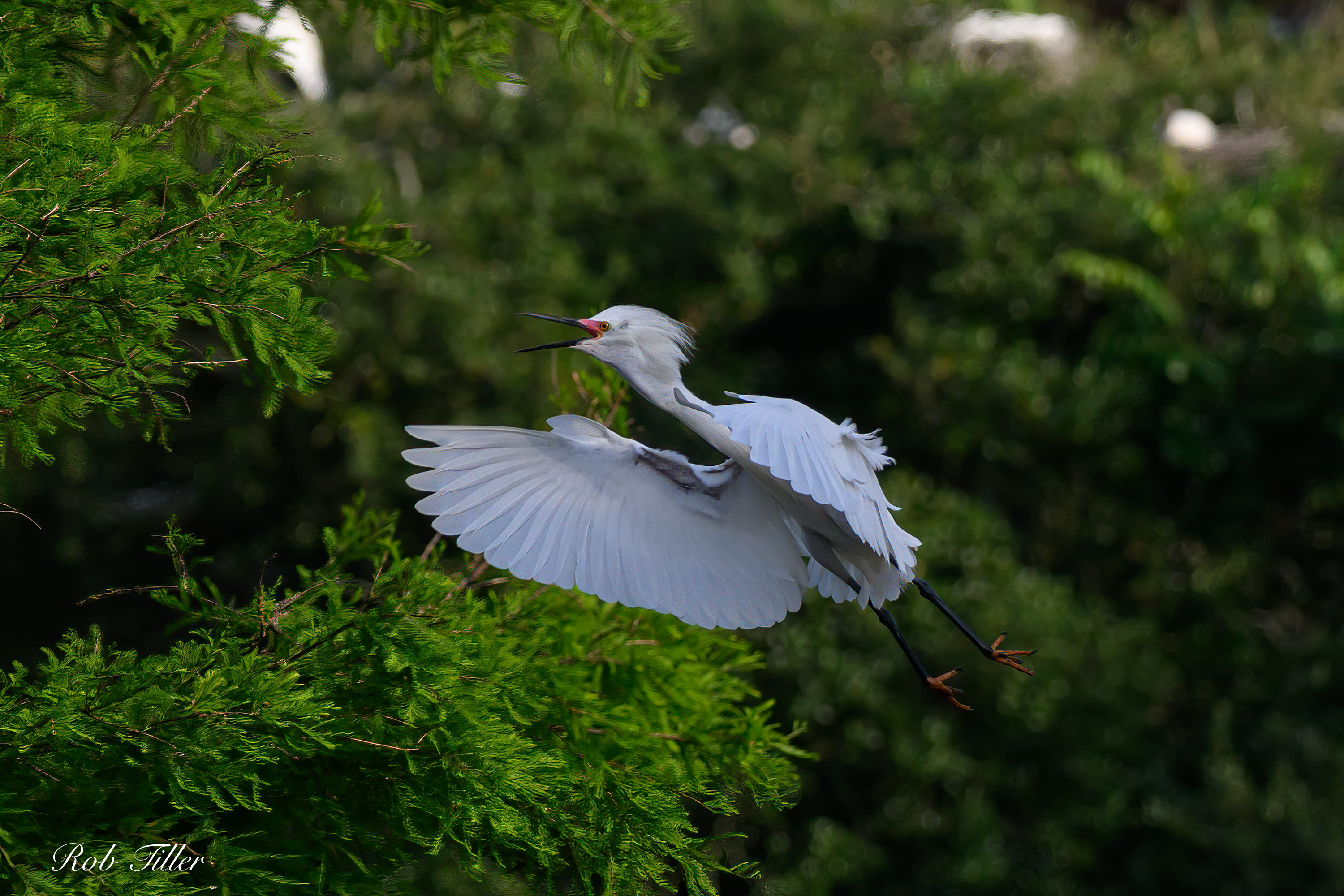
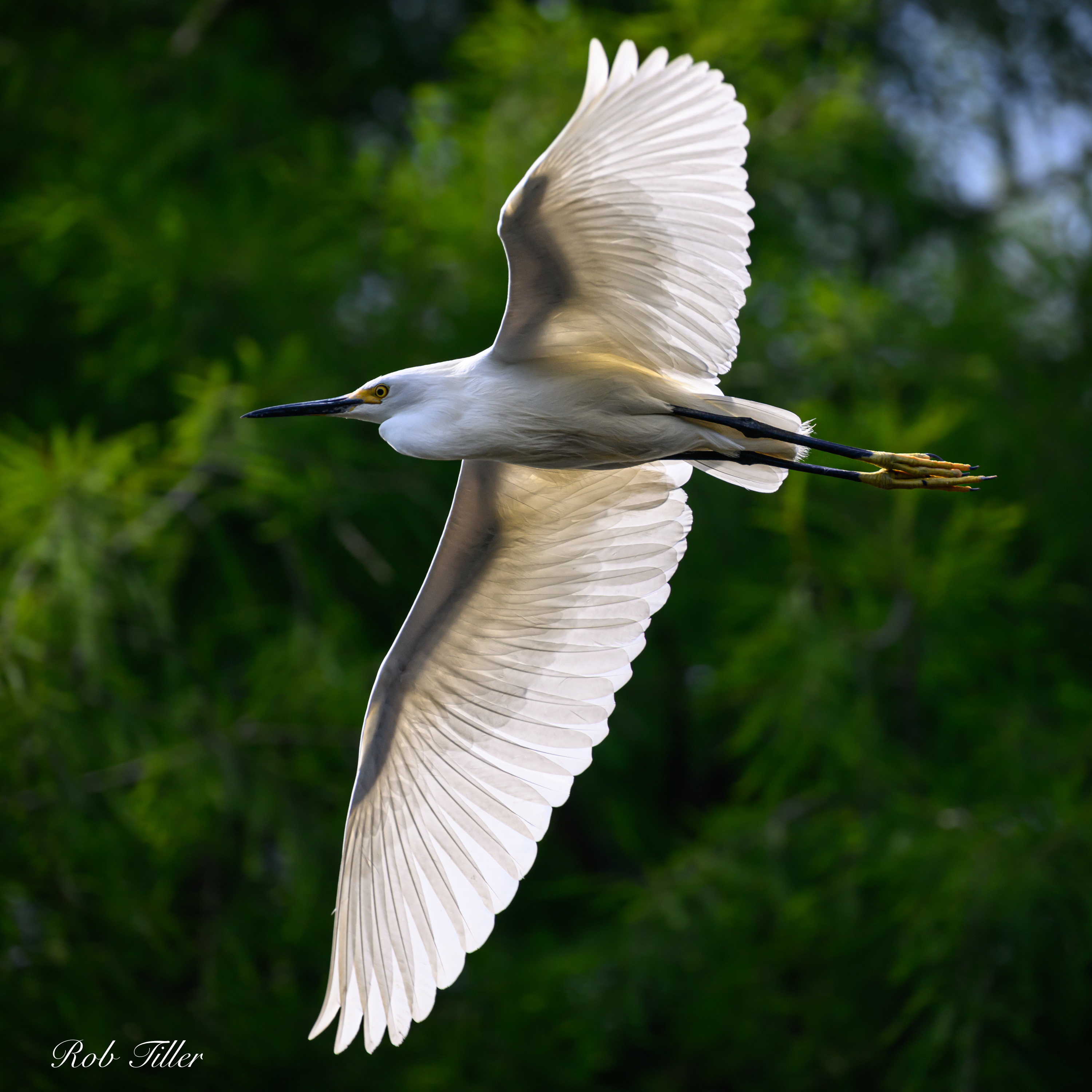
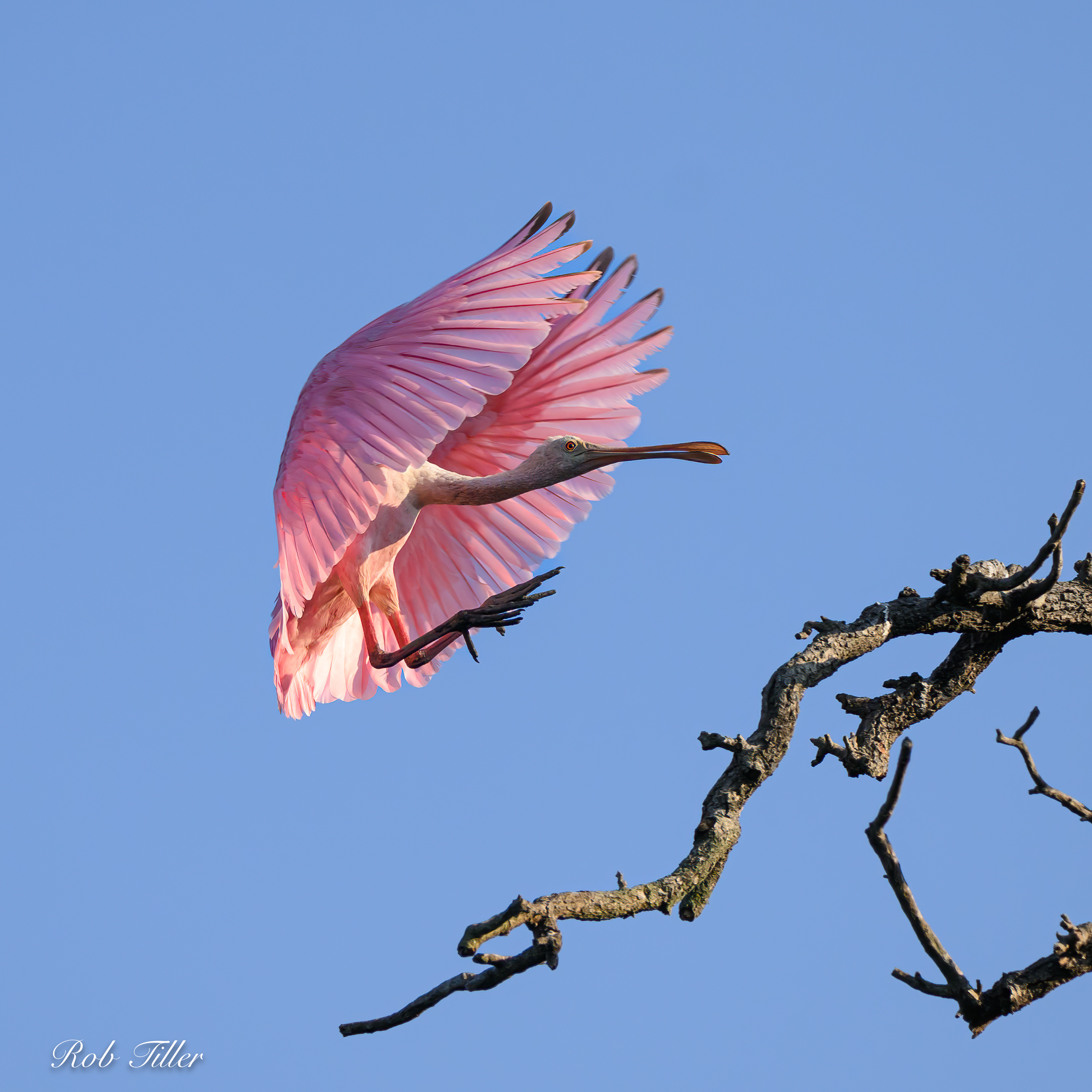
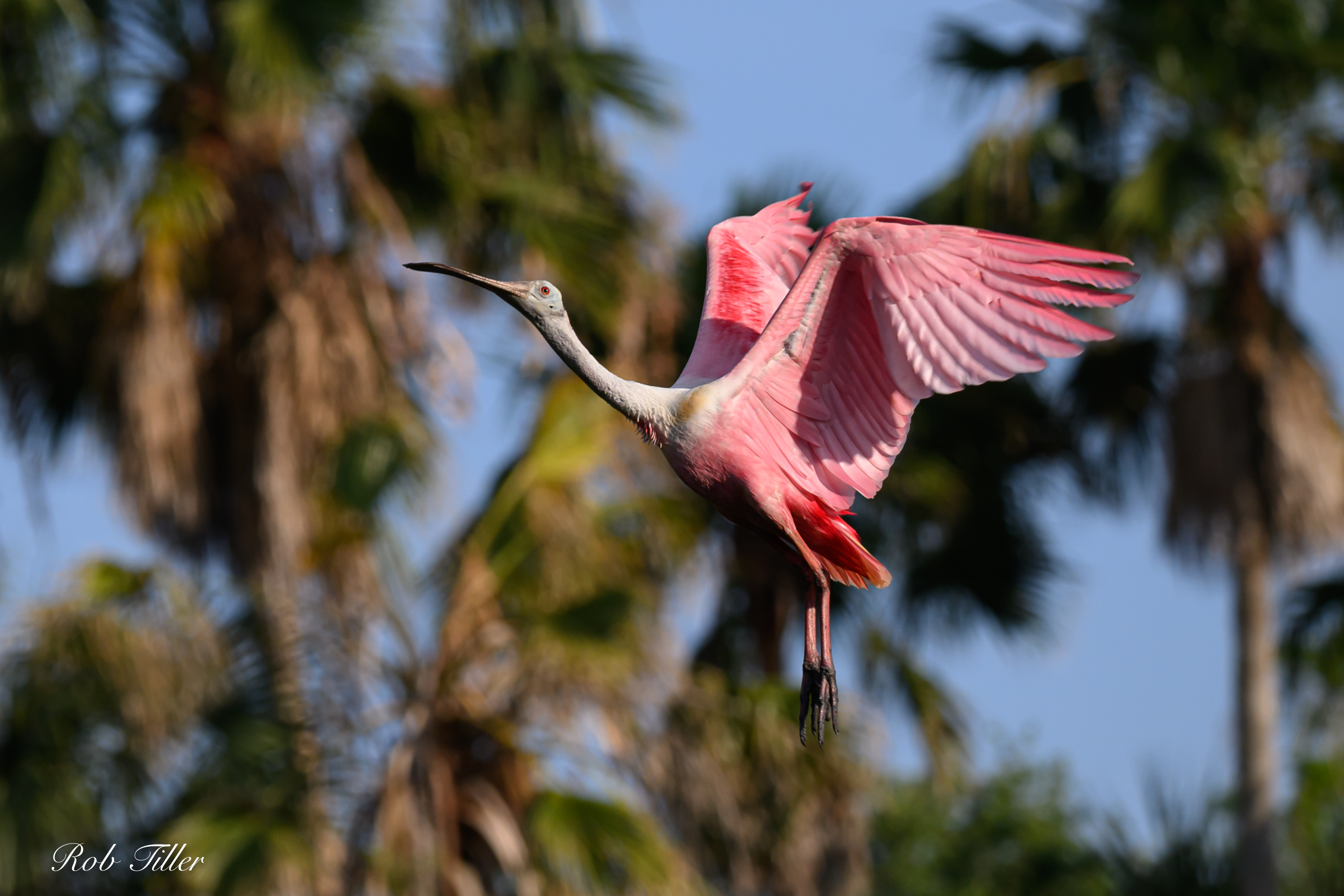
I went down to St. Augustine, Florida, a couple of weeks ago to photograph some of the big wading birds there.  I took a lot of photos at the Alligator Farm, where there’s a rookery of nesting great egrets, snowy egrets, cattle egrets, little blue herons, tricolored herons, wood storks, white ibises, and (my favorite) roseate spoonbills.  The birds hatch their chicks in trees over a big pond area full of alligators.  Apparently the birds feel safe and protected from tree-climbing predators there.
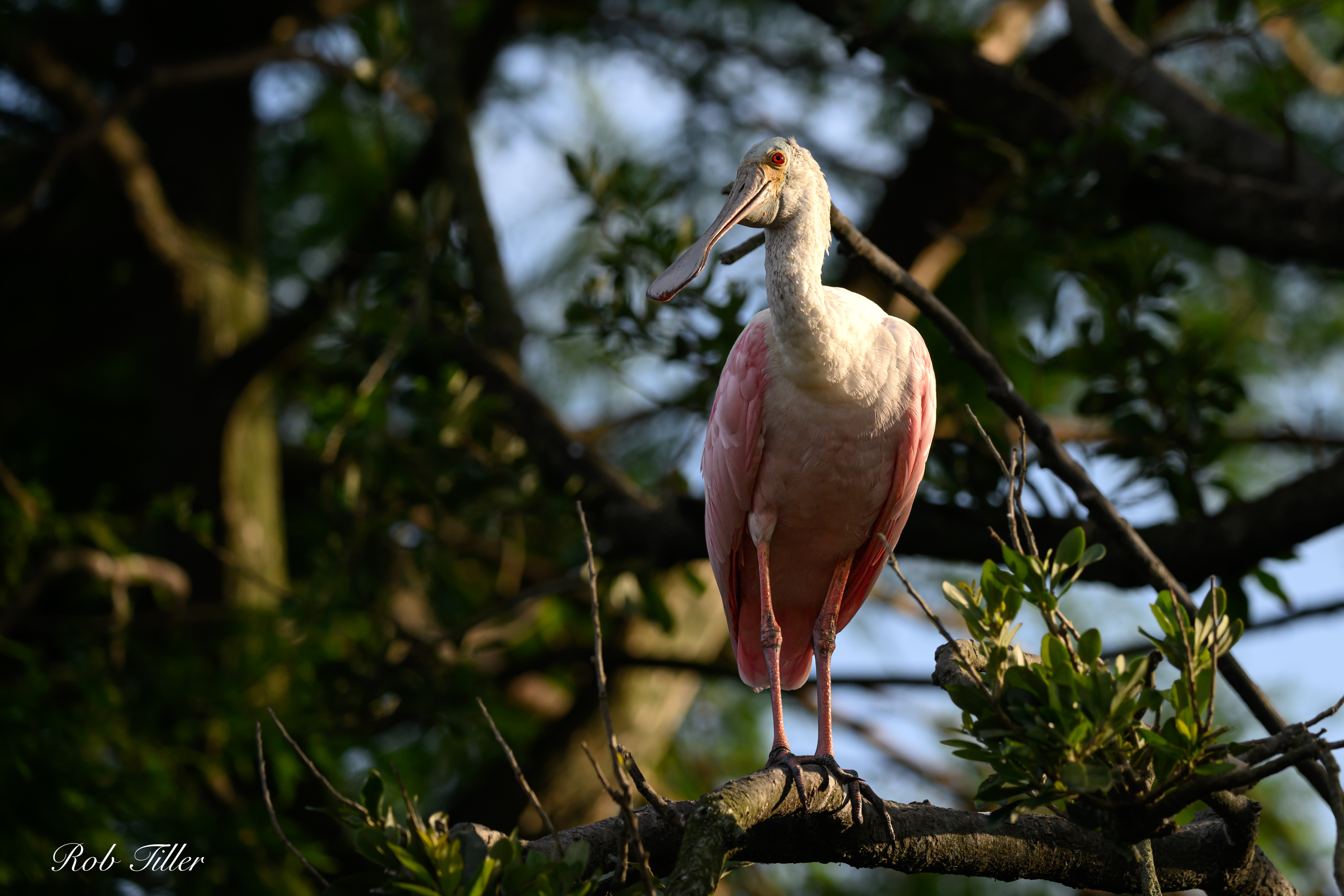
It really was quite wonderful to see all these creatures flying, fighting, mating, working on their nests, and feeding the chicks.  I haven’t had time to go through all the thousands of pictures I took, but I did make one pass through the ones from April 26, when we had some beautiful light.  These ones were all taken that day.  

At times I feel a bit of an odd duck for caring about birds, but I was reassured by a great little essay in the NY Times on how birding can change your life.  The essay is by Ed Yong, who wrote An Immense World, a fine book about the sensory worlds of non-human animals.  
Yong describes describes some of the nuts and bolts of learning how to identify birds.  But the really interesting discussion was how he found himself changed by birding.  He discovered a new connection to nature and new appreciation for the small wonders of life.  He found himself living more in the present, and with a greater appreciation for his own life, just as it is.  
I’m not as serious a birder as Yong – I don’t keep a life list or take on arduous travel to see one new species.  But I’m still studying up on resident species when I go to a new place, and working to identify birds I’m not familiar with.  I heartily endorse Yong’s view that birds make life better.

Speaking of animals, we saw a recent documentary series on Netflix that I recommend:  You Are What You Eat.  It centers on a nutrition study at Stanford University of identical twins.  The idea was to discover how much different diets affected genetically identical people.  

The big takeaway was that a plant-based diet was generally much more healthy than other options.  The series also notes, without hammering on, how animal agriculture is terrible for the climate and for both farmed and wild animals.  Despite the serious content, the filmmakers managed to leaven their presentation with some humor.   

Finally, I want to recommend a good podcast series called The Rest Is History. The format is a conversation between two Brits, Tom Holland and Dominic Sandbrook, about a historical period or incident that they’ve gotten interested in.  They are funny and smart, and some of the subjects are fascinating.  

I found their series on the rise of German Nazism particularly interesting.  Holland and Sandbrook investigated how an ideology that they (and most of us) regard as bizarre and inhuman could have seemed exciting and completely valid to many Germans of that time. 

Discussing Nazism is a delicate business, since it understandably arouses strong emotions.  It’s uncomfortable, and we tend to think it’s not worth the bother, assuming that we know everything worth knowing about it anyway.  Of course, that’s unlikely, since like all mass movements, it was complicated.  But it’s possible to be clear that the systematic mass murder of Jews and other groups by the Nazis was horrific, while also wondering about what German leaders and ordinary Germans were thinking as crimes against humanity took shape.  

As Holland and Sandbrook note, the Nazis believed they were acting based on science, and were addressing an existential threat to their nation.  Some of such thinking is still with us.  Eugenics, the “science” of superior and inferior races, was integral to their thinking, and it was then considered actual (rather than crackpot) science in many other places, including the US.   

The Germans of the 1920s and 30s feared for their future, based on widespread poverty and the postwar economic crisis.  They sought to explain their problems by identifying scapegoats, including especially the Jews.  Their anger and fear of supposedly inferior races and cultures is not so different from the hostility towards immigrants that is now a central feature of politics in the US and Europe.  

The Nazi leadership effectively used the modern media of the time, including radio and film, to amplify their message. Holland and Sandbrook point up a program to get a radio within earshot of every German so that they could not avoid hearing Hitler’s speeches.  The incessant repetition of lies about Jews and others made it hard to keep contrary views in mind.  Our social media is different, but likewise tends to create information bubbles that can separate us from reality.  

Holland and Sandbrook suggest that the impulses of Germans who supported Nazism, like the desire for excitement and hostility to out groups, is pretty normal.  Humans are social animals, and our behavior is powerfully influenced by those around us.  Once Nazism attained a degree of popular support, doubters were more inclined to go along with the crowd, as people normally do.  And once the movement was strong enough, dissenters were either squashed or silenced themselves.
From time to time, I’ve wondered what I would have done if I’d been a German in the 1930s as the Nazis rose to power and took over the country. We know from studying Germany’s experience that most people were swept along without dissenting, and it’s possible that I would have been one of that herd.  Of course, I like to think I’d have been unusually independent and courageous, but it’s hard to be sure.  
Anyhow, the Rest Is History podcast series on Nazism is thought provoking and timely.  We know from Germany’s experience that facism can happen to countries populated by people who are generally sane and decent.  I dearly hope the US is not headed in such a direction, but it’s clearly not impossible.  It’s worth taking the time to look closer at Germany’s history, and do everything we can to go in a better direction.
My Antarctic Adventure

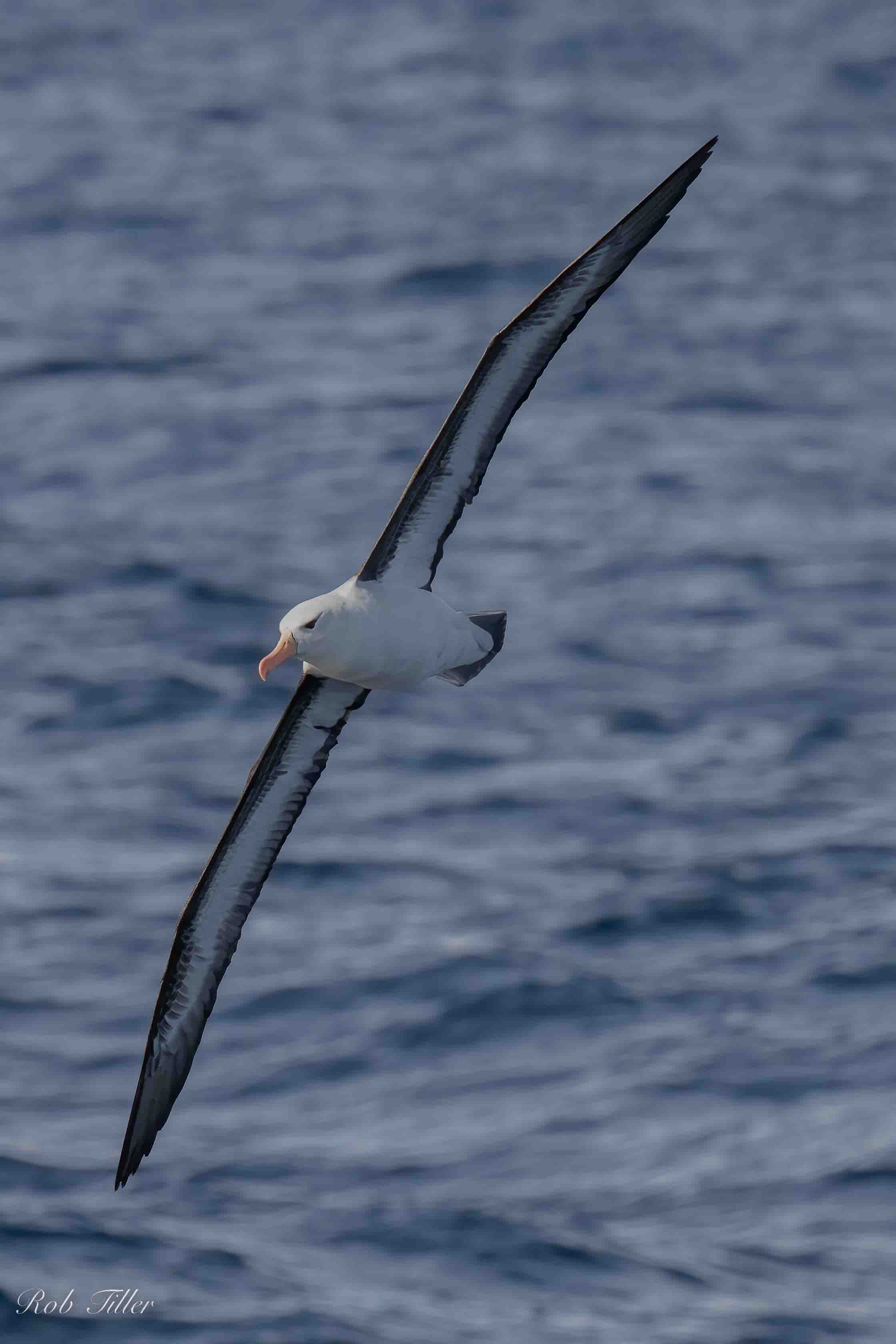
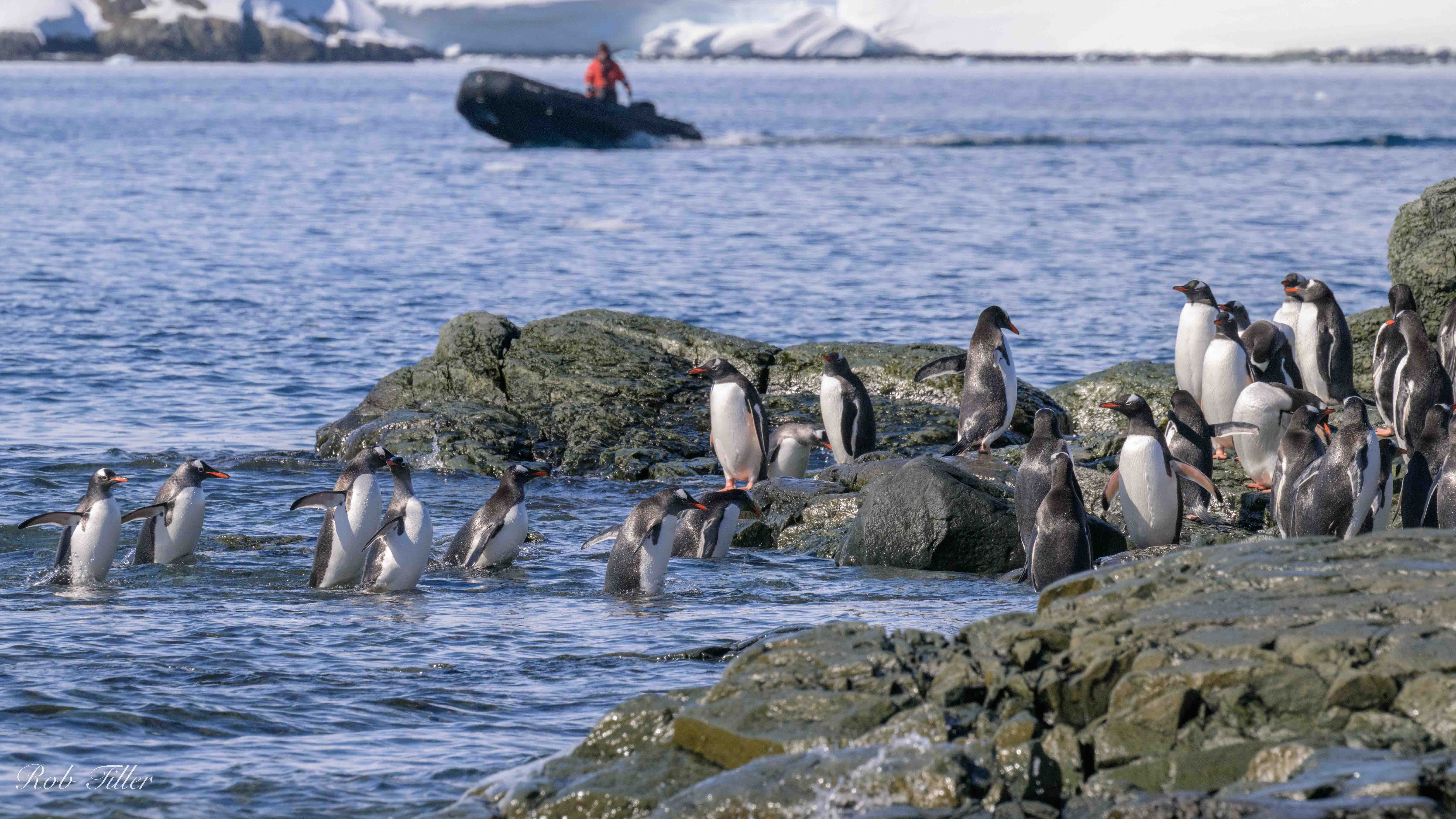
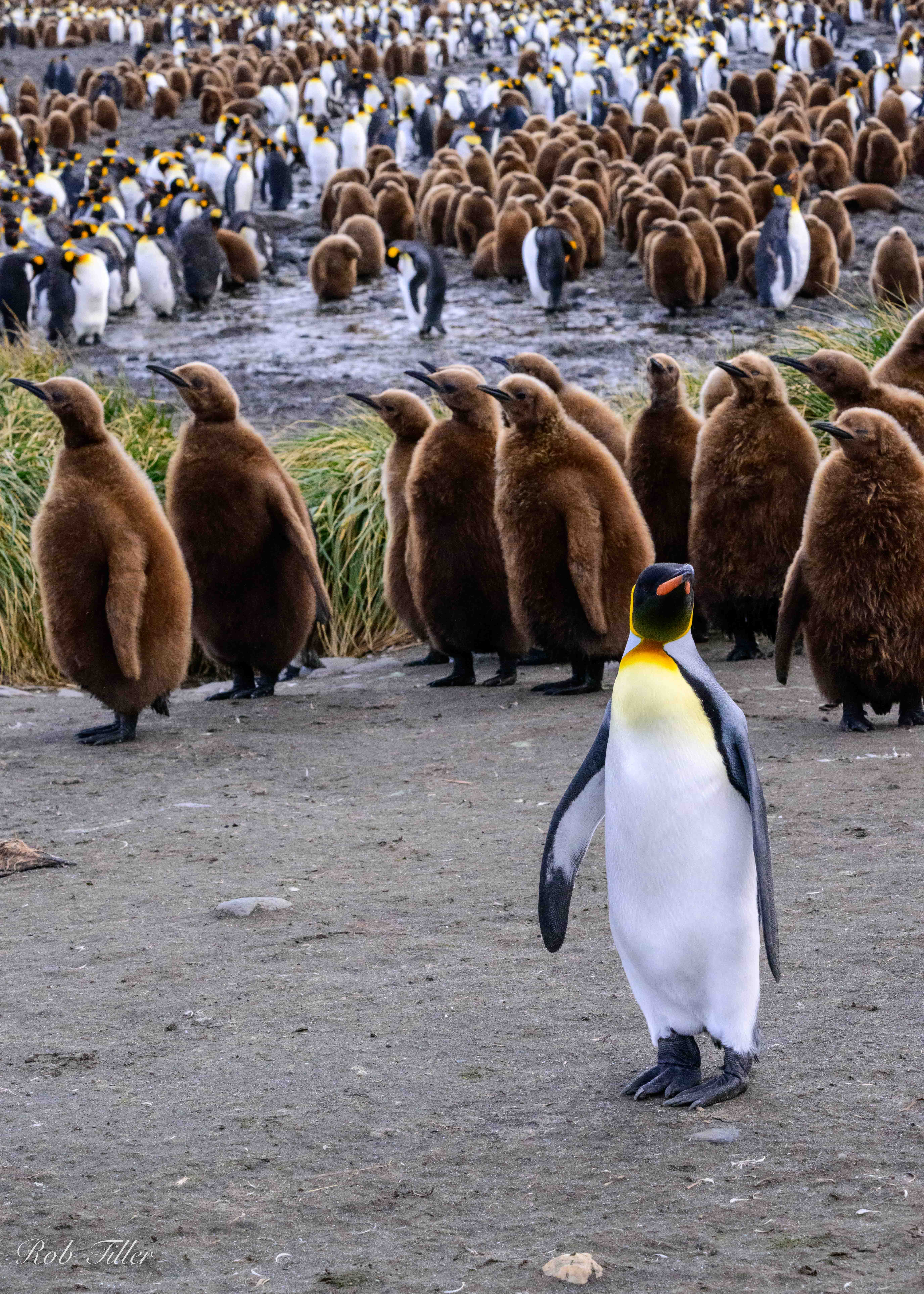
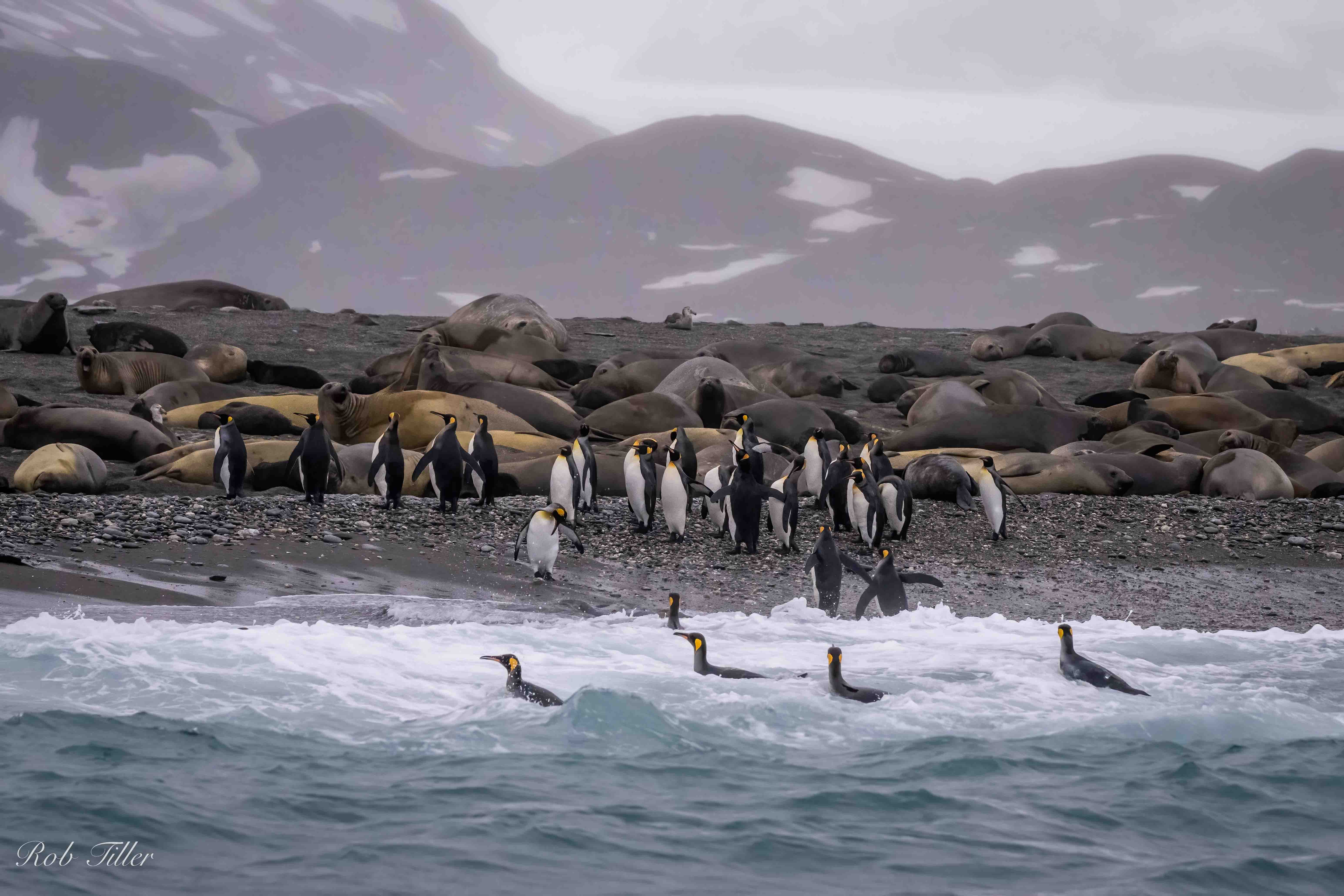
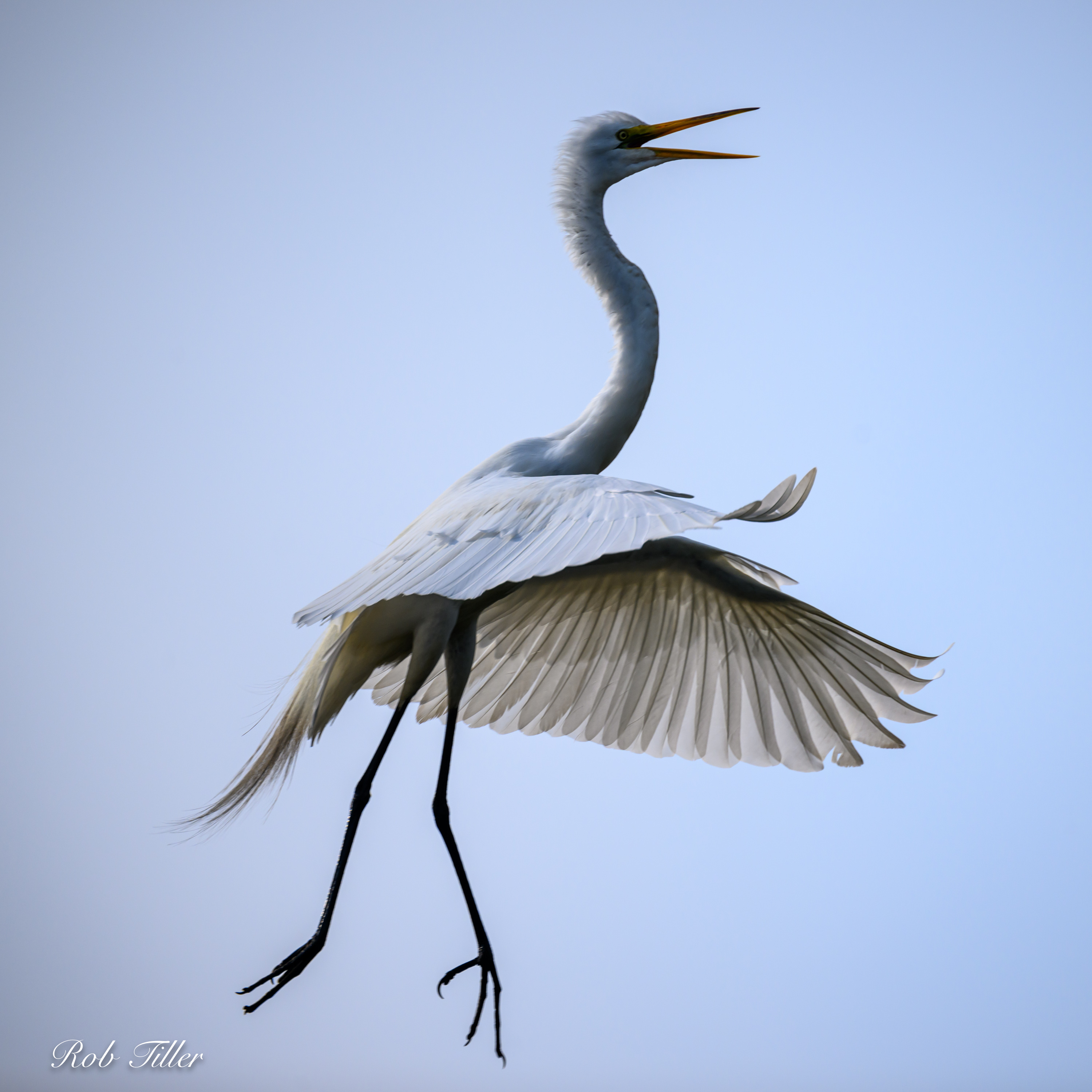
Last weekend I got back from an epic trip down to the southern tip of South America and from there to the Falklands, South Georgia, and the Antarctic Peninsula.  I’m still sorting through the pictures I took, but here are some of them.  

The expedition was led by Muench Workshops, with a view to wildlife and landscape photography.  Our ship was the Ushuaia, a 278-foot-long vessel built in 1970 either as a research vessel or a spy ship, depending on which story you believed.  I understood it was outfitted for the challenges of rough icy seas, and it did in fact get us down and back.    

We were at sea for 21 days, and it was a rough ride a times.  Winds were more than 50 knots, and waves more than 15 meters.  Dishes slid off the dinner table a couple of times, and books came out of the book cases.  Our expedition leader said the winds were the highest she’d seen in 26 years.  

Walking from one place to another on ship was challenging. From early on I used a medication called Scopolamine to counteract seasickness, which did a good job, though it made my mouth dry.  There was a Covid outbreak soon after the start of our voyage, and several people had to quarantine for a few days in their cabins.  Happily, I was not infected, but we had to wear masks on board after that, which didn’t help socializing.   

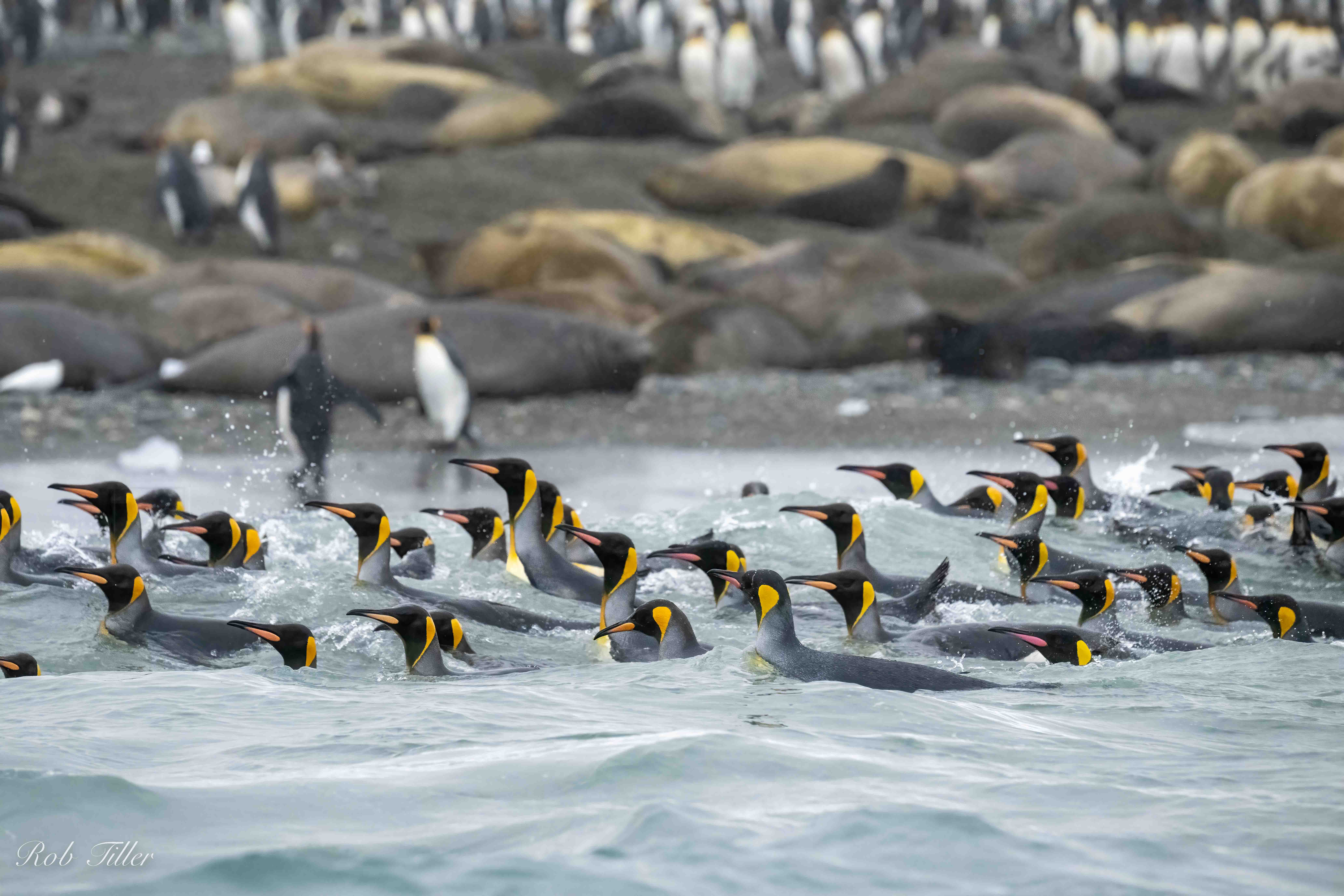
My primary objective for the trip was to have some time with the unique animals, and especially various species of penguins.  They had convened in South Georgia by the thousands, along with elephant seals, fur seals, leopard seals, albatrosses, and other amazing creatures.  We went ashore at several points using inflatable vessels called Zodiacs.  

I’d known very little about South Georgia before the trip, except that polar explorer Ernest Shackleton had reached it as part of his epic survival story of 1914-17.   Among other stops there, we visited Grytviken, a former whaling station where Shackleton was buried.  

We had a toast at his grave, and afterwards, as I made my way along the beach to one of the Zodiacs, I got charged by a massive bull elephant seal.  I quickly retreated by some yards, and he, dignity satisfied, left off.  

As much as I was delighted by the penguins, I was disturbed by the whaling industry remnants.  The equipment, red with rust, used for processing whale oil and other whale products was on a much bigger scale than I imagined.  

Grytviken had a small museum that valorized the courage and endurance of the whale workers, which, of course, was real.  But there didn’t seem to be any recognition or apology there for the whale holocaust in the 19th and 20th centuries, when millions of our fellow mammals were hunted to the verge of extinction. 

I read several good books on the trip, including Margaret Atwood’s The Handmaid’s Tale, an it-could-happen-here depiction of resistance in a misogynist theocracy.  

I also liked Melanie Challenger’s recent How to Be Animal.  Challenger’s book takes on the big question of how humans fit into the world.  She focuses on the strange reality that modern humans still generally decline to recognize that  they themselves are animals –  a delusion which can blind them to the rich connectedness of life.  She proposes that all animals be treated as inherently worthy of respect.

I also finished An Immense World, a new book by Ed Yong.  It’s about   the different ways that different animals perceive the world, and how their senses are integral to what Yong terms their umwelt, or their way of experiencing the world.  

Yong goes through some exceptional non-human versions of the senses we know (like smelling, seeing, and  hearing) and some that are foreign to us (like echolocation and magnetic and electrical sensing).   The book was a good reminder that the human senses, marvelous as they are, are far from the most powerful, and that the non-human animal world is dense with fascinating other ways of being. 

Our holiday weekend — wildlife and books

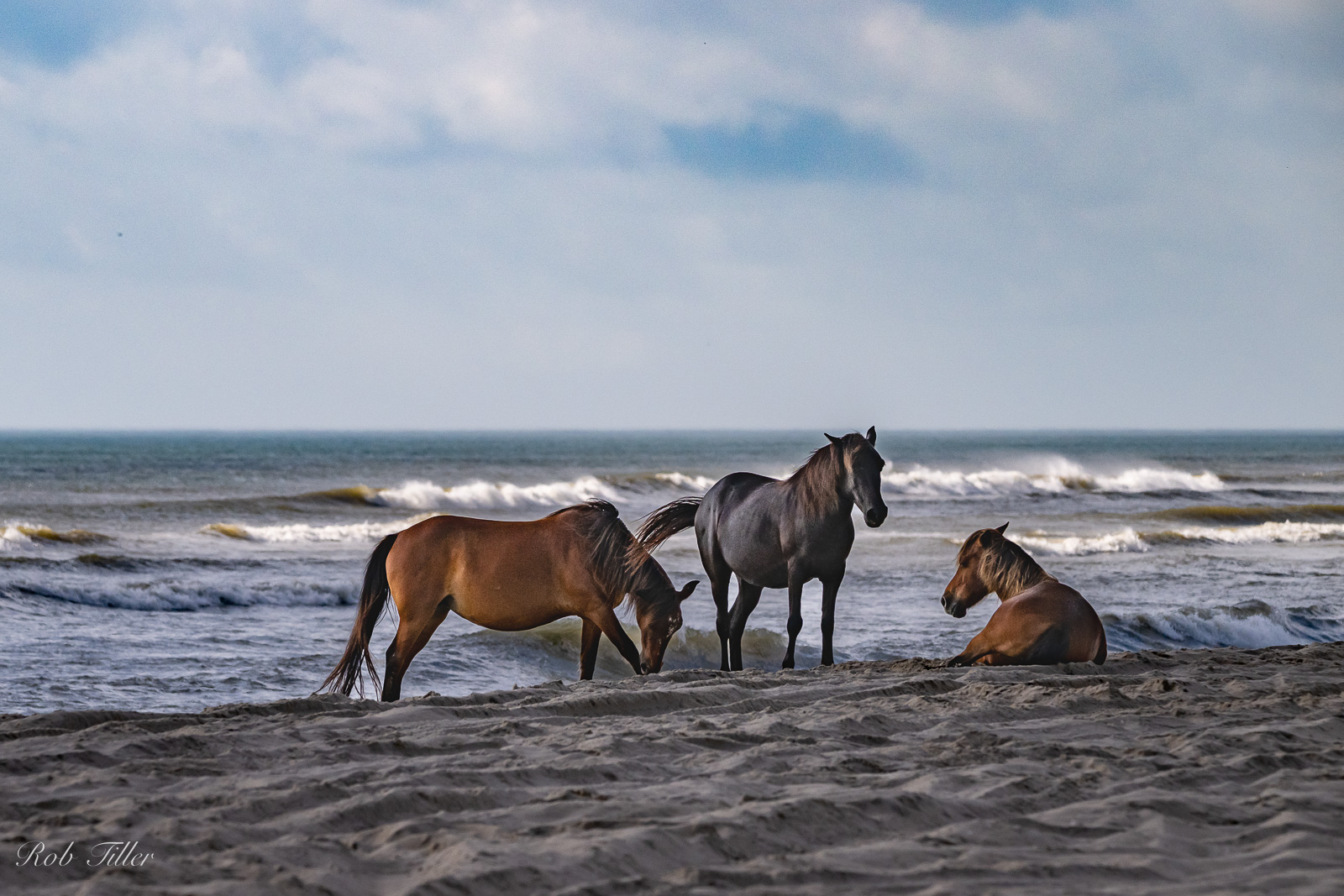
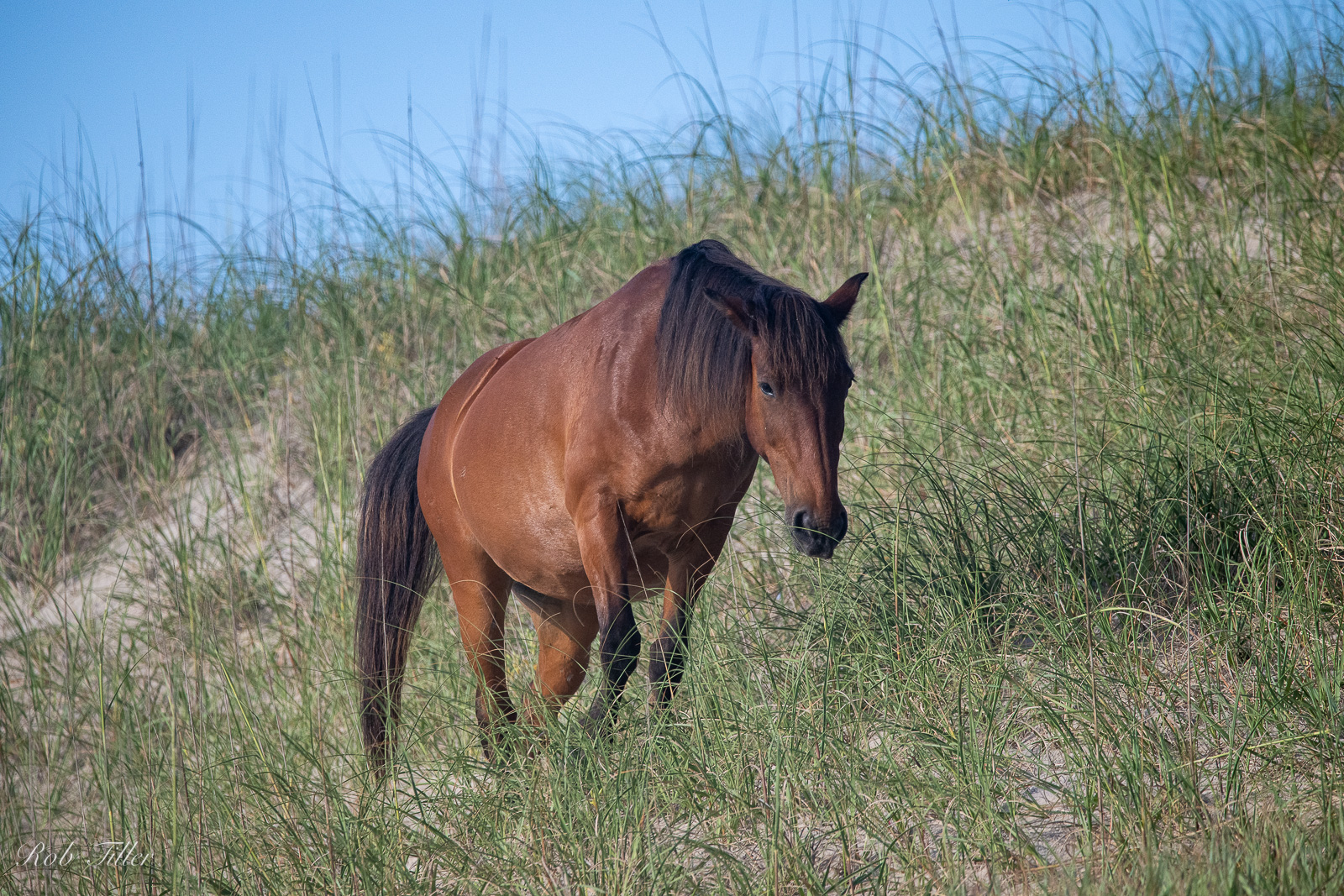
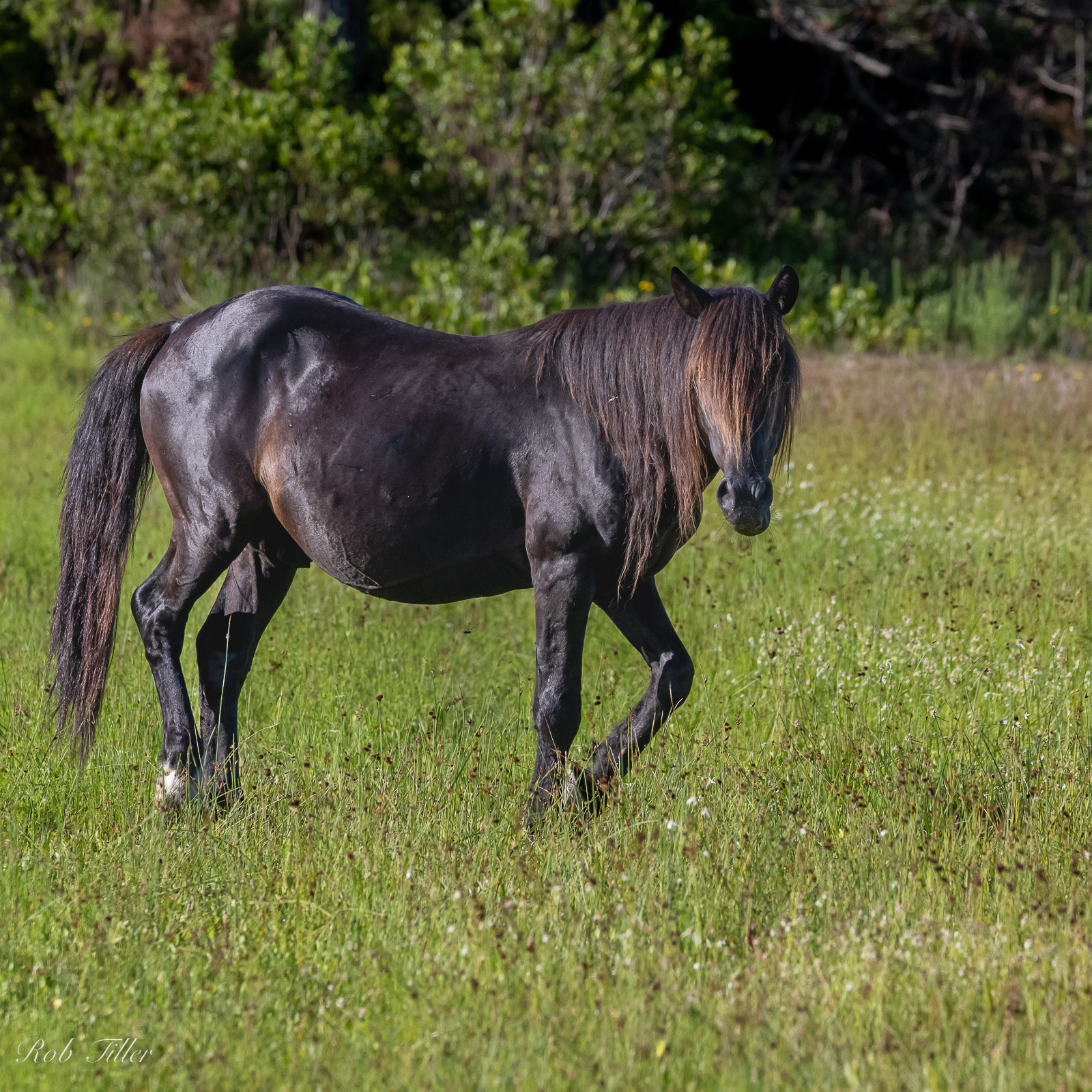
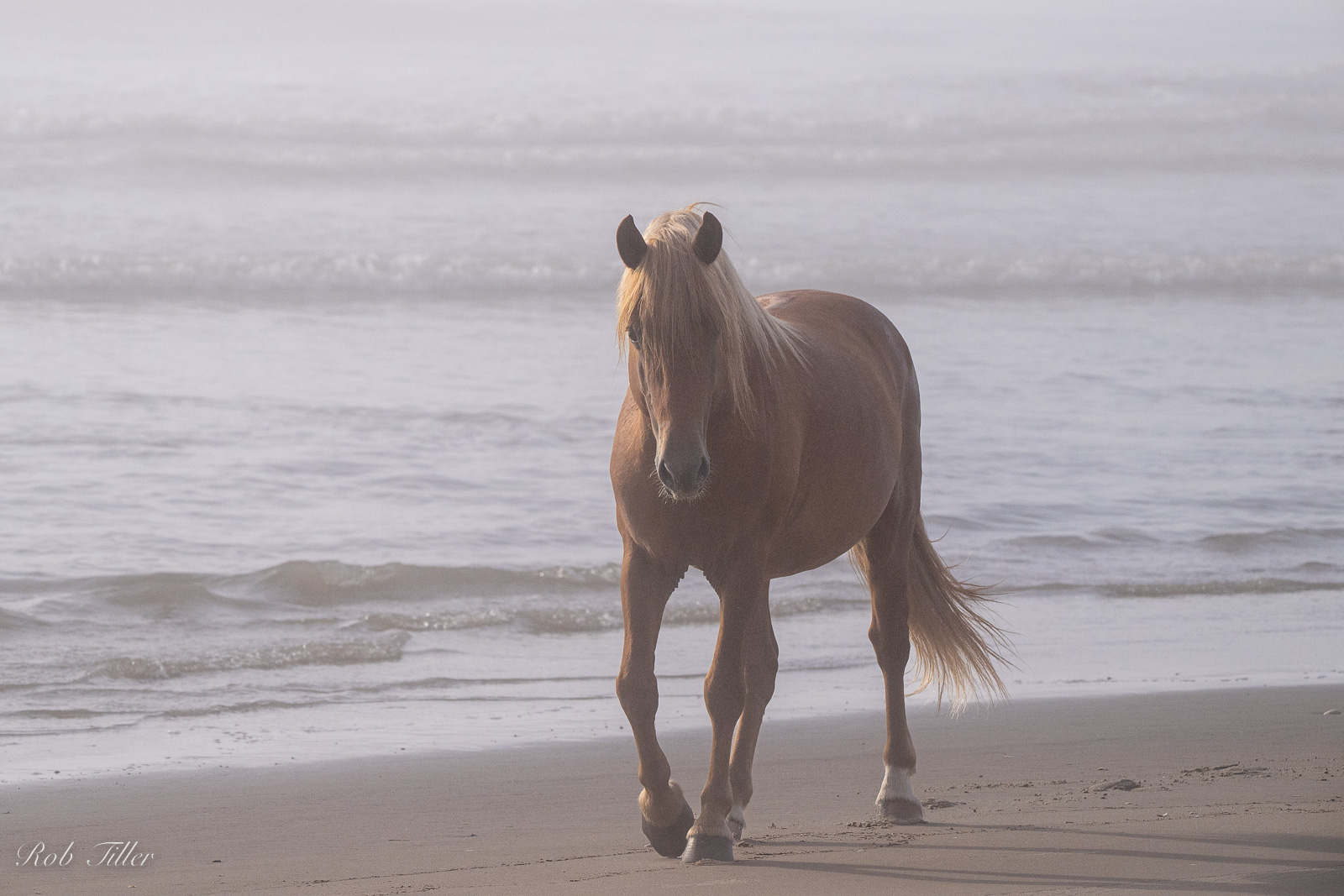
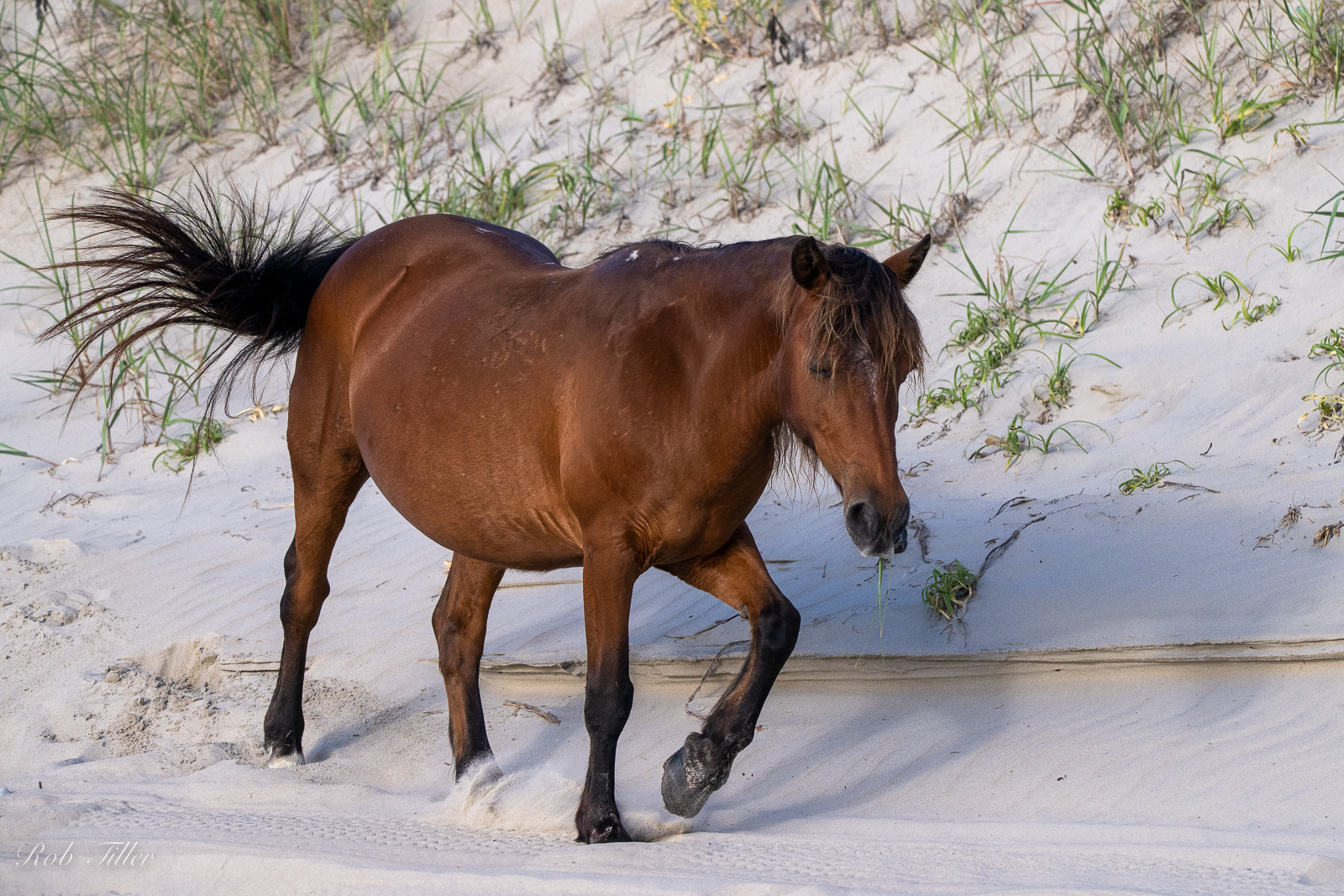
Wild horses at Corolla, NC

We had a happy July 4 family gathering at the Outer Banks.  There are a lot of stress inducers in the news these days, and it was good to unload some stress.  It helped to spend some time walking on the beach and some time reading. 

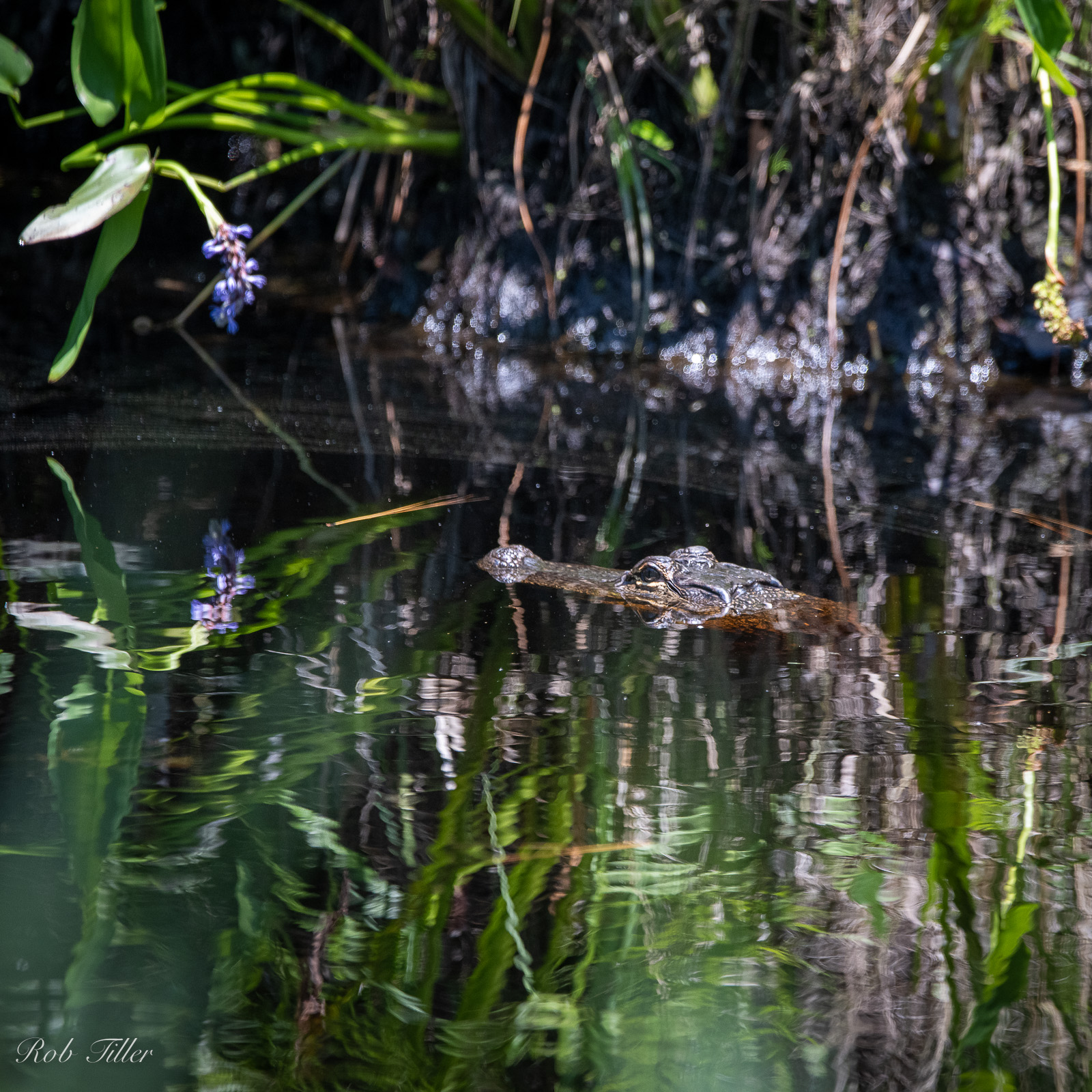
I also brought along my new camera, the Nikon Z9, and started getting comfortable with it.  There is definitely a learning curve, but I was pleased with some of the results, a few of which are here.  It was fun seeing the wild horses at Corolla, which mostly seemed in good health.  We also stopped at Alligator River wildlife refuge on the way and saw a few bears, owls, and (a first for us!) alligators.  

Alligator at Alligator River National Wildlife Refuge

Speaking of animals, I highly recommend a lively short essay by Ed Yong titled How Animals See Themselves.  Yong highlights some of the amazing sensory capabilities of non-human animals, including not just extraordinary sight, smell, and hearing, but also abilities like echolocation which we can barely conceive of.  Appreciating the umwelt (a term he promotes) of these animals makes our own lives richer, and potentially more compassionate.  I’ve downloaded Yong’s new book on this subject, An Immense World.

On a related subject, NPR had a great little piece this week on octopuses and how they operate.  I hadn’t realized that the receptors in the suckers of an octopus are vastly more numerous than the nerves in our fingers, and each sucker has not only a sense of touch, but also of taste and smell.  Instead of processing information in a centralized brain, most of their neurons are associated with their suckers.  Scientists are starting to figure out how all their mini-brains work together so that, for example, they can unscrew jars from the inside and perform astonishing feats of camouflage.  I’ve seen a a few of these creatures on diving trips in the Caribbean, and they are truly amazing.   


Meanwhile, while recovering from covid, I finished a big book: Anna Karenina, by Leo Tolstoy.  It had been some forty years since I last read this famous work, but I still remembered some of it.  Besides being long, it is notable for its scope, which is both narrow (a few months in the lives of a handful of Russian aristocrats) and broad (Russian society in the process of major changes).  Having learned some history over the last few decades, I was better positioned to appreciate Tolstoy’s insights and also his blind spots.  

Some of the book, which was written in the mid-1870s was visionary, or at least a magnificent struggle for a vision.  There is insight into the emotional lives of the characters, including their most creative and destructive emotions.  At times Tolstoy’s consciousness seems to merge with the lives of animals and plants, and evokes the grandeur of nature.  But at other times he seems to regard peasants as useful but inferior, like horses, and other animals as merely good targets for shooting.

Part of Anna Karenina deals with the severe depression suffered by its title character, and also by Levin, who most represents Tolstoy himself.  Tolstoy doesn’t use anything like the modern vocabulary for describing psychological problems, but he evokes them with power.  It is not comfortable to enter into these experiences, but they are definitely timely.

Charities, Allegiance, history, microbes, walks, and flying my new quadcopter

Demolition on Harrington Street

Demolition on Harrington Street

This week I wrote my annual checks to my favorite charities. Giving seemed more than usually important this year, since some of my favored causes are directly threatened by the recently elected executive — the environment, human rights, civil liberties, animal rights, family planning, and those less fortunate. I felt really lucky to be able to help, even if only a little, by giving to effective organizations.

I was especially mindful of the dire plight of refugees from the Middle East, Africa, Central America, and elsewhere, and so want to mention for your consideration the work of the International Rescue Committee and Doctors Without Borders. I’ll also note that in these tumultuous times we need more than ever the wisdom and beauty of the arts, and hope others will join me in supporting the wonderful North Carolina Ballet and North Carolina Opera.
blogpicbug-1-7

On Tuesday, Sally and I saw Allegiance, a movie of a show recently on Broadway about the experience of Japanese-Americans in WWII. It was inspired by experiences of George Takei (Star Trek), whose family, along with many others, was held in a grim internment camp. At one level, it was a normal Broadway show, with pretty songs and kinetic dances, which were enjoyable if not especially original. But it was ambitious in taking on a big and tragic subject and expressing some of its complexity. While the so-called alt right has found new methods for inspiring fear and hatred of minorities, Allegiance does the opposite — it inspires caring.
blogpicbug-1
The movie of Allegiance was a one-time-only, nationwide event that I learned about from the Stuff You Missed in History Class podcast, which I’ve been listening to at the gym. Stuff You Missed often take on subjects that our American history textbooks played down or left out, because they don’t fit comfortably into a triumphalist national narrative. For example, recent ones I’ve liked have treated the Dakota War of 1862, George Wallace, the Reynolds pamphlet of Alexander Hamilton, the first transatlantic cable, and the Palmer raids. They segments are lively and have a nice balance between serious academic history and the personal, emotional implications of some dire events. The hosts, Tracey V. Wilson and Holly Frey are starting to feel like friends — really smart, curious, and hardworking, with a sense of humor. You can check it out here.
blogpicbug-1-5

THe spirit of curiosity and engagement with new things has been upon me, and so I finished reading, and started re-reading, I Contain Multitudes: The Microbes Within Us and a Grander View of Life, by Ed Yong. It’s a lively and convincing view of the bacteria that live in us, on us, and all around us. This is a really exciting area of science, and developing fast. I like that Yong’s title used a line from Walt Whitmans’ Leaves of Grass, which also can change how we see ourselves.

When I was a child, I was taught that “germs” were bad, and the best thing to do was avoid them or eliminate them. As Yong makes clear, this was both silly and dangerous. Our bodies contain more bacterial cells than human cells, which calls into question who really owns those bodies. There are some 39 trillion bacterial cells in and on us, and thousands of species, though the particular kinds in each of us varies greatly, and the varieties are constantly changing. They are vital to our well-being. Without them, we could not grow or thrive. Each one of us is an ecosystems — microbiomes, as they now say. Without those multitudes, we could not grow, and could not continue to live. They are vital, for example, for digesting food, producing vitamins, breaking down toxins, and killing more dangerous microbes. DCIM100MEDIADJI_0017.JPG

I also finished reading On Looking: Eleven Walks with Expert Eyes, by Alexandra Horowitz. Horowitz, who teaches psychology and animal behavior at Barnard, writes well about who she sees, hears, smells, and touches in walking around New York. After an initial walk by herself considering how much there was to see in a city walk, she also realized how little she normally perceives. She does the other 9 walks with experts in some aspect of the urban environment, like a geologist, a paleontologist, an architect, a wild animal expert, a sound designer, and her dog (an expert in smells). She gives short by credible accounts of the relevant science, and makes us consider the urban environment as full of non-human life and history.

The demolition photographs here are from just down the block on Harrington Street, where they just knocked down a former furniture store that sat next to the old Board of Elections Building. They didn’t fence off the site, so I was able to take a good look around on Saturday. I look forward to more new construction in the neighborhood, including (can’t wait for this one) a grocery store.
DCIM100MEDIADJI_0023.JPG

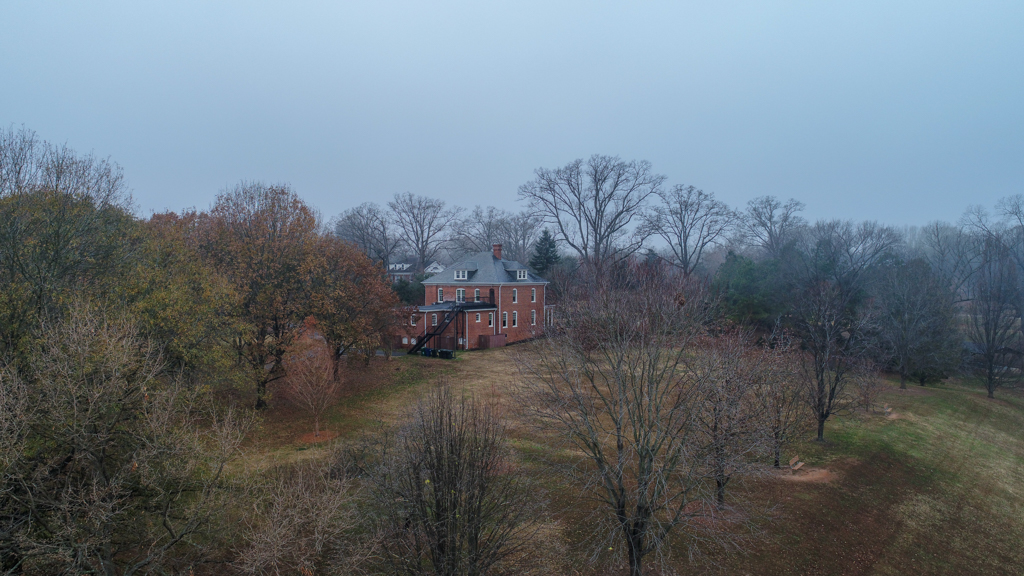
Finally, this weekend I added a new line to the c.v.: quadcopter pilot! I took my first flight with my new DJI Phantom 4 quadcopter, a/k/a drone (a term I don’t really like, at least as applied to my aircraft) at Fletcher Park, where it was cold and gray. It was awesome! There is a learning curve, and I’m climbing it. I’m very excited about exploring aerial photography. These ones are my beginnings.
DCIM100MEDIADJI_0048.JPG