Falklands nourishment, and disrespecting Trump
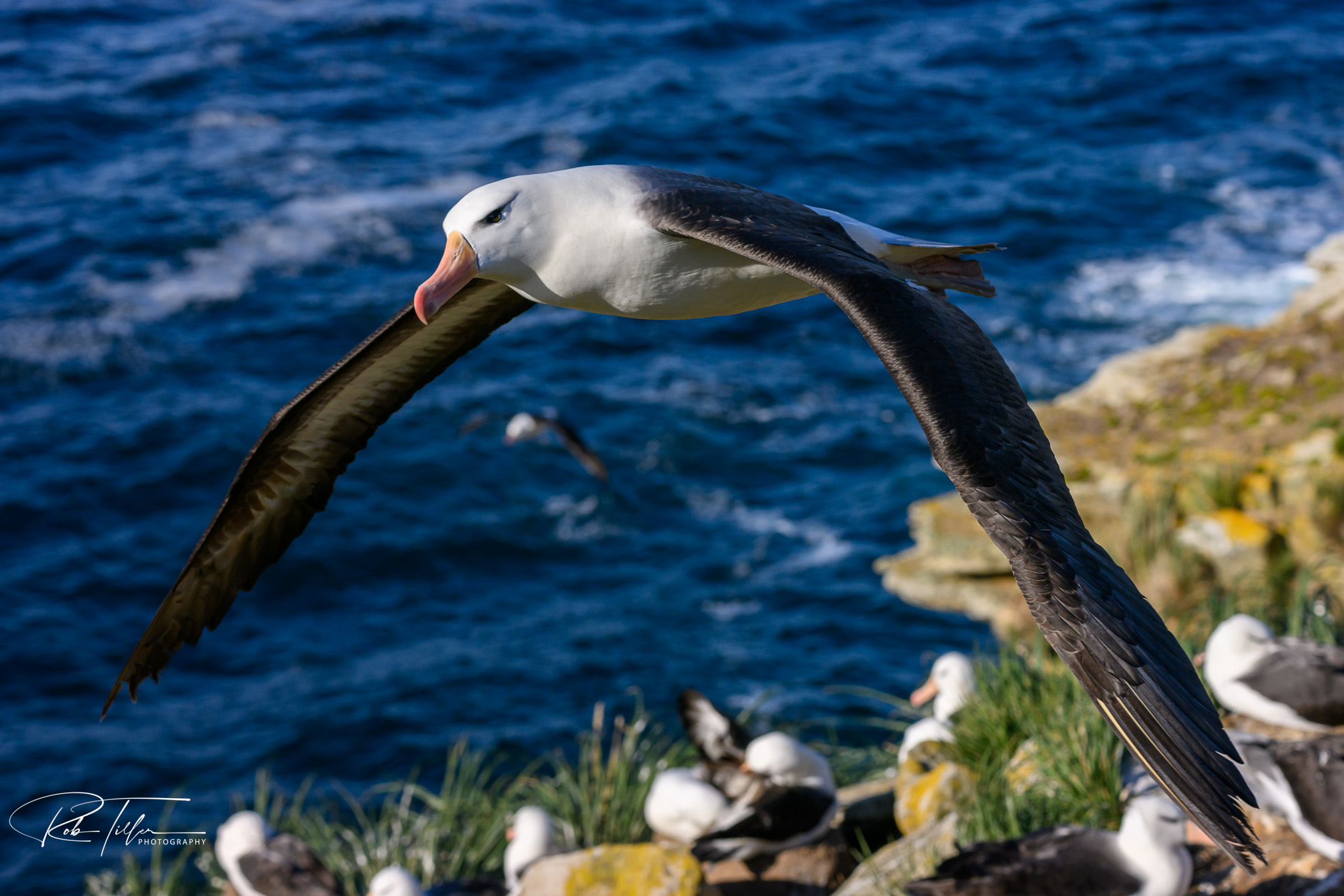
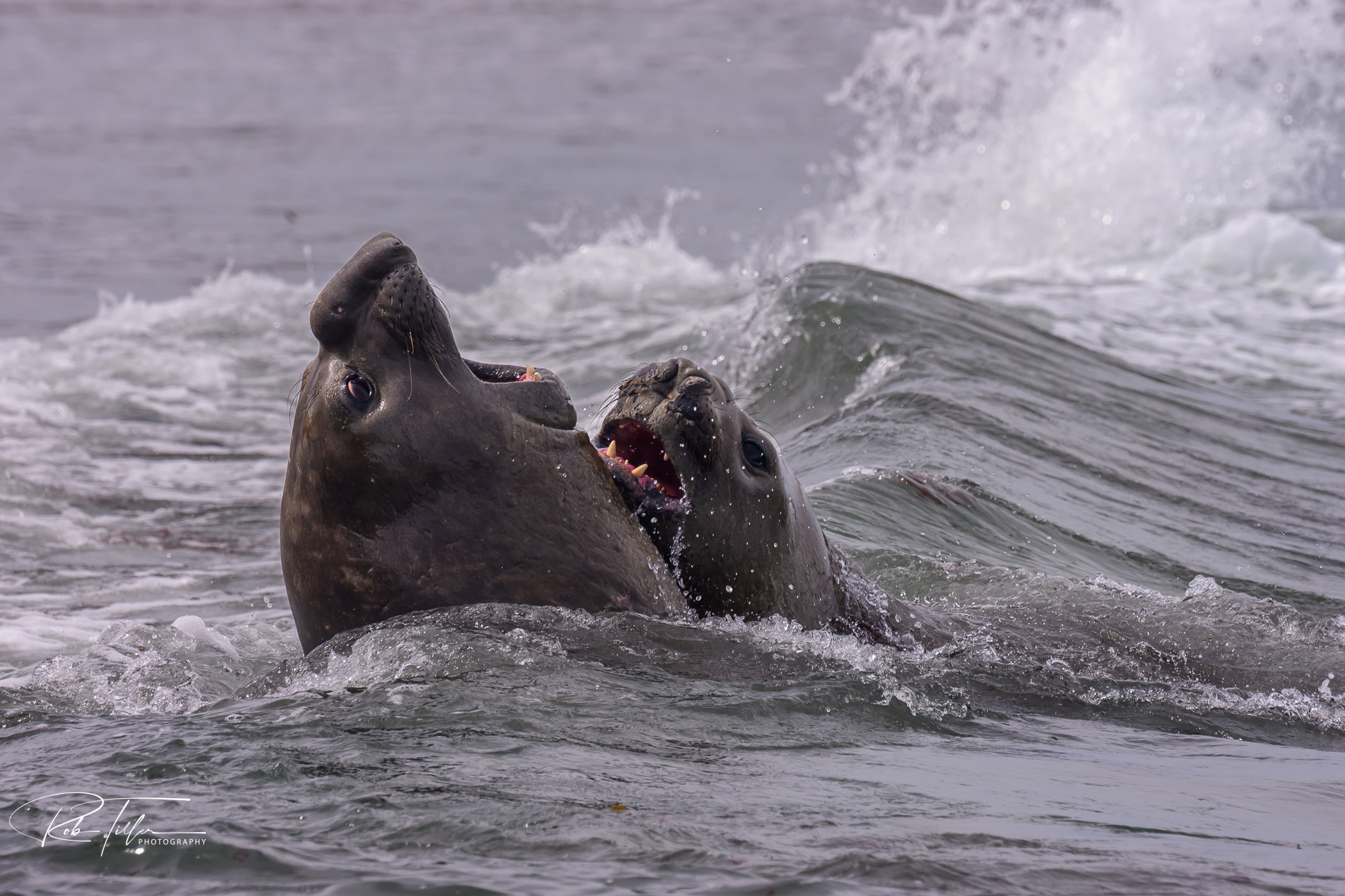
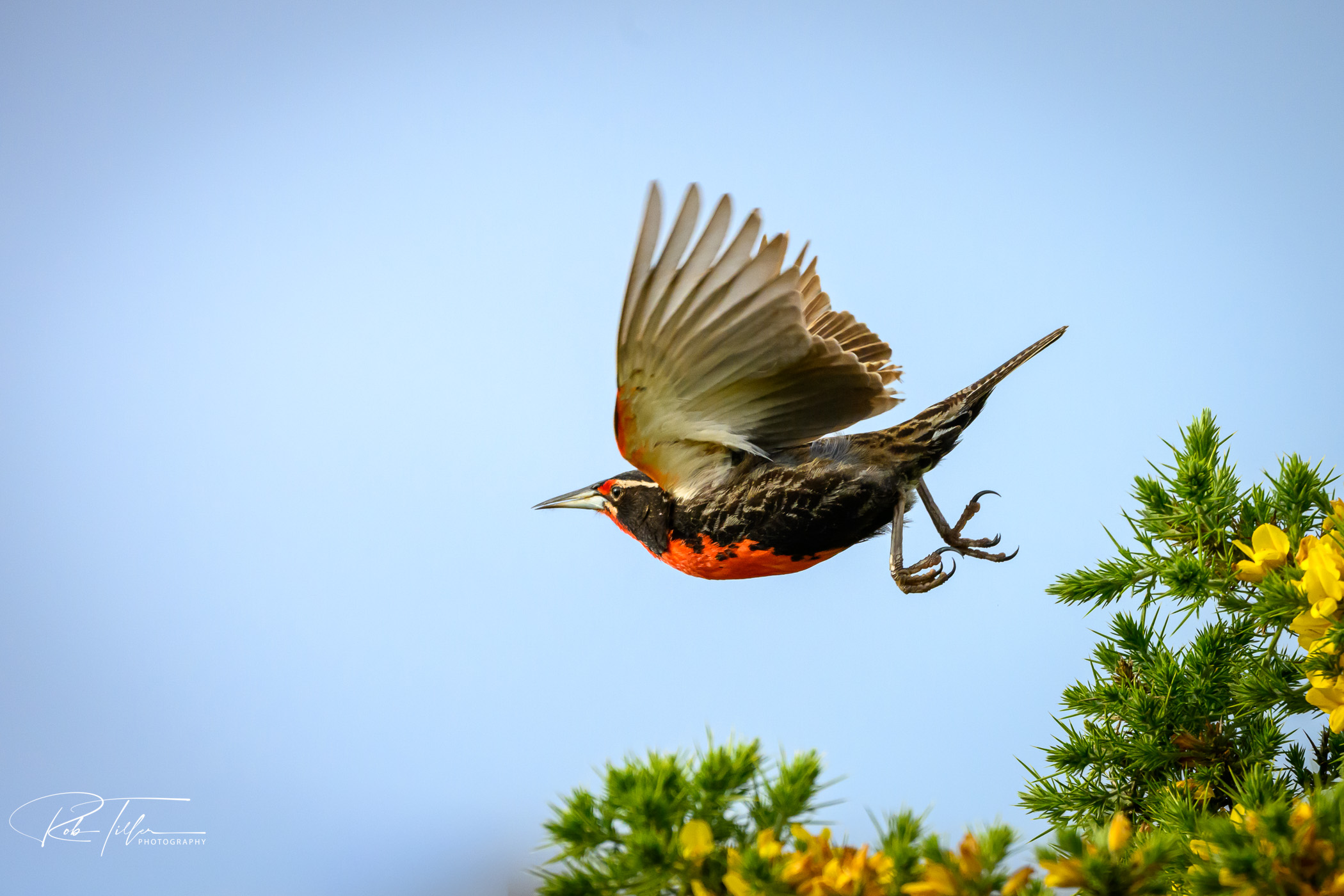
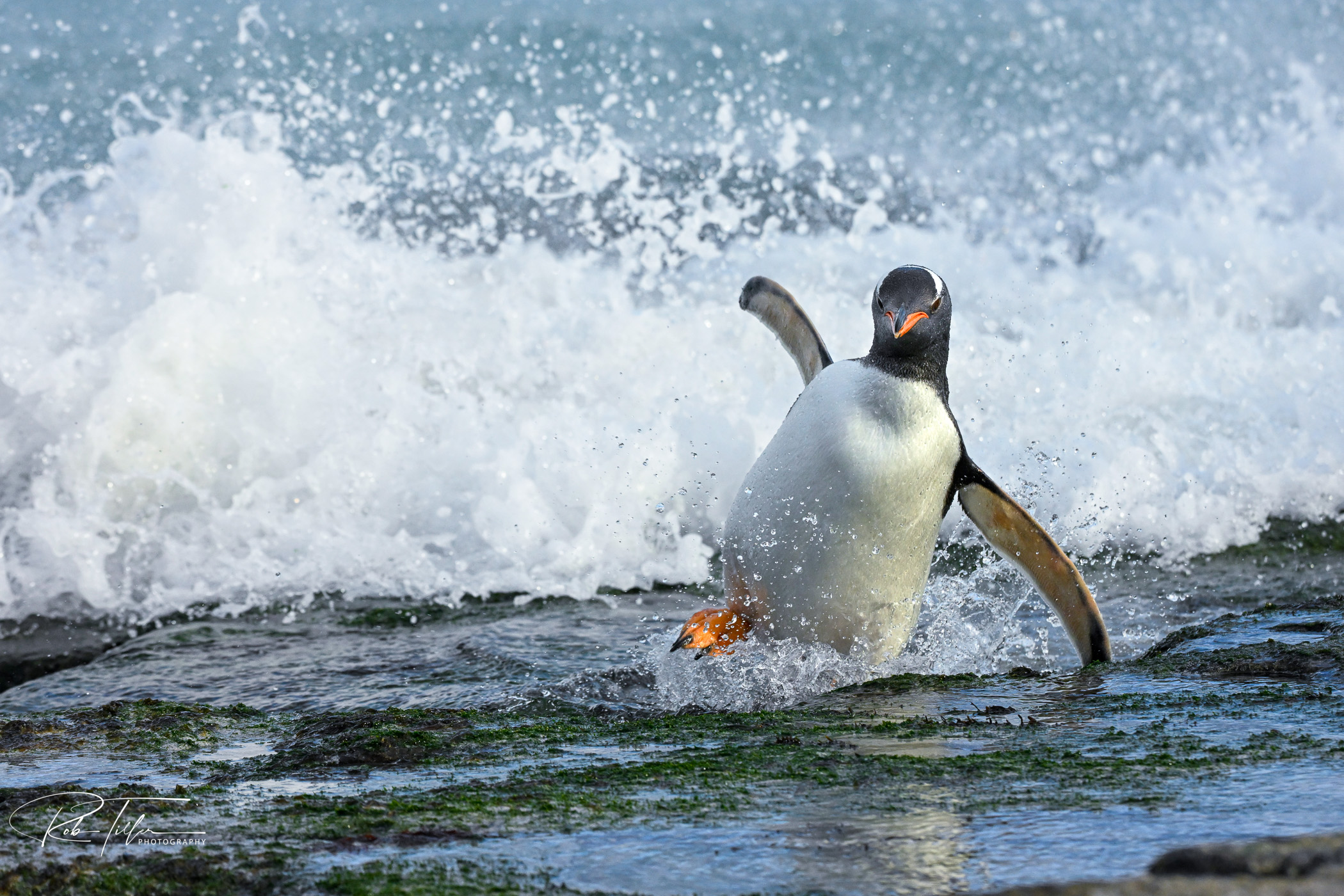
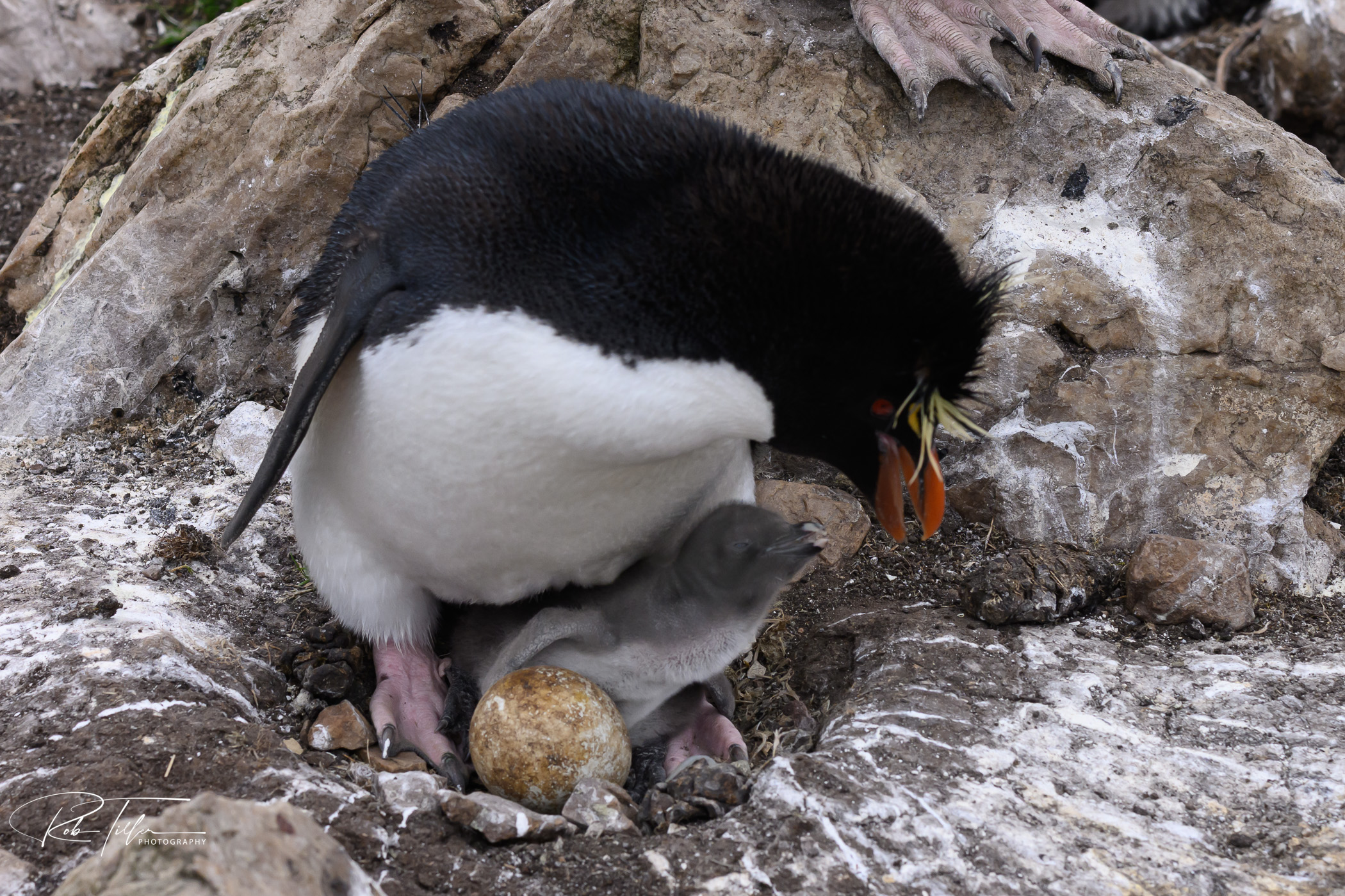
In my recent trip to the Falkland Islands, I took around 50 thousand pictures of the animals that live there. Reviewing them was a lot of work, but also enriching. I’ve been struck again and again at how amazing nature is.
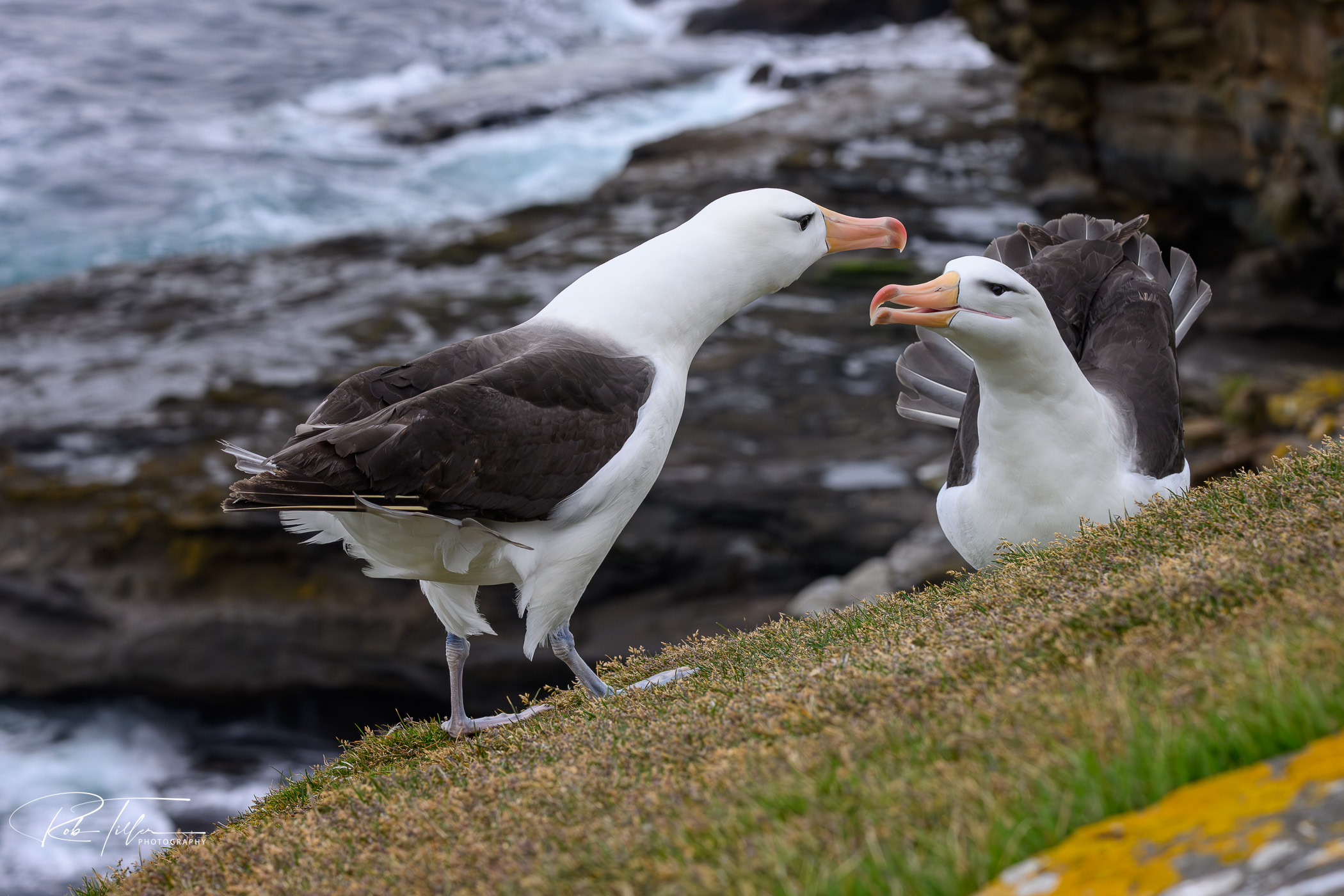
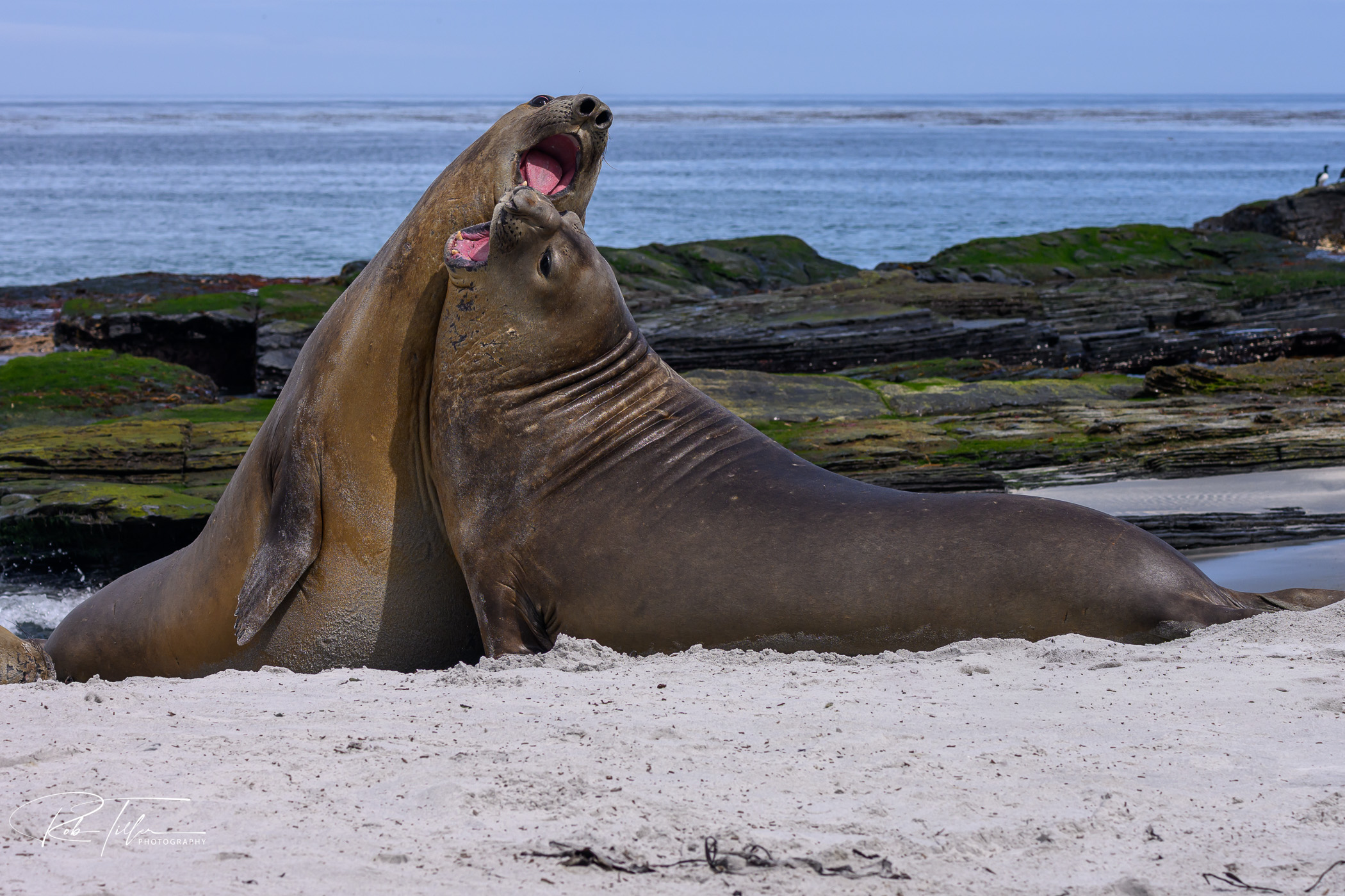
Somehow all these wonderful creatures evolved and became perfectly adapted to thrive in their harsh environment. I particularly enjoyed seeing young animals courting and playfully rough housing, and the miracle of new life in the dense, noisy rookeries.
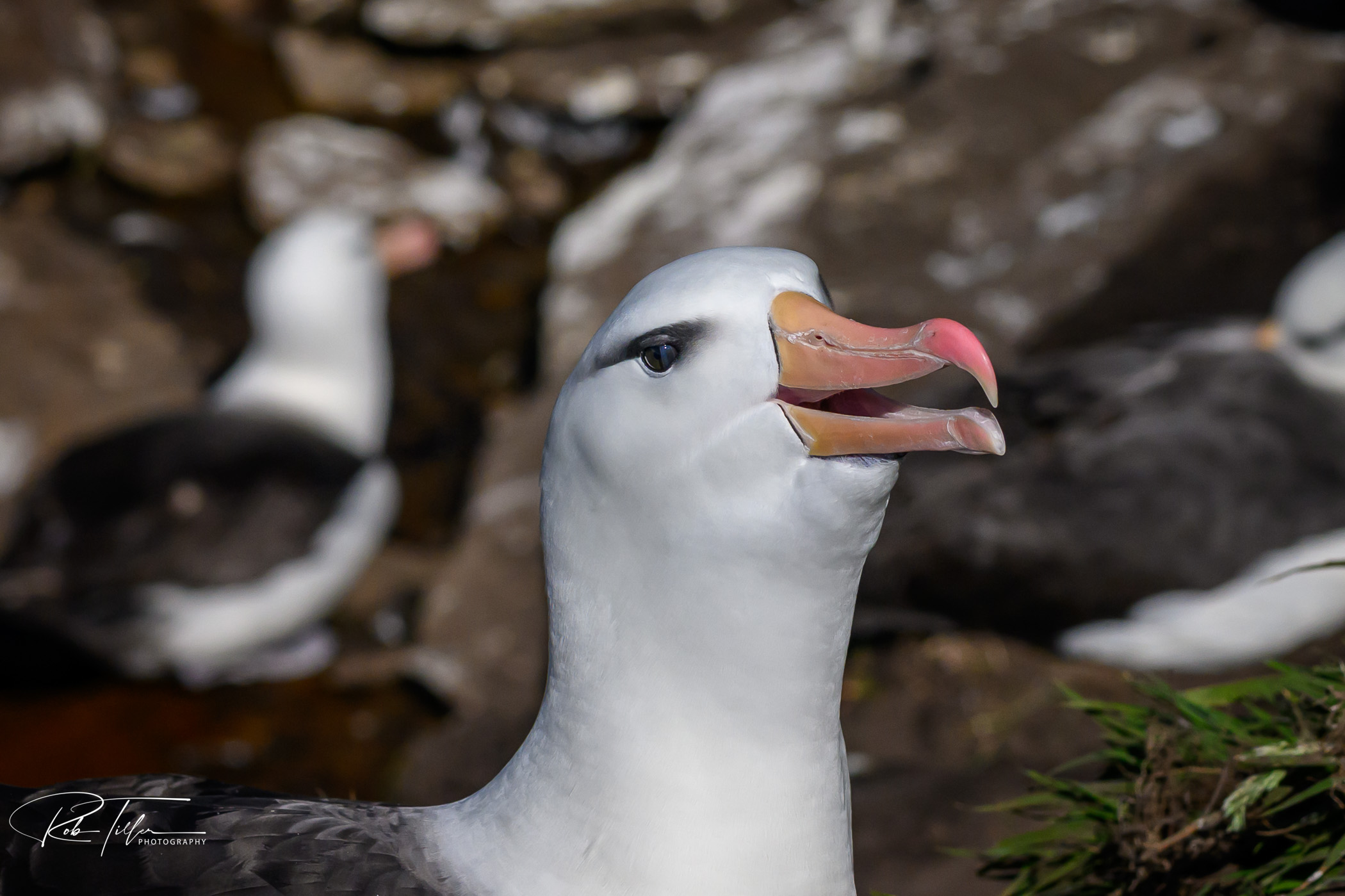
Although the weather was rough at times, spending time with these animals inspired a sense of wonder and inner peace, and I hope these pictures communicate that. In these dark times, we need to take peace and spiritual nourishment where we can find it.

In the past weeks, we’ve seen a dramatic escalation in the signature violence of the Trump administration. Several US cities seem to be coming under quasi-military occupation, including Washington, Los Angeles, Chicago, Memphis, New Orleans, Minneapolis, and Portland. Protestors and bystanders are being attacked with chemical weapons, beatings, and bullets.

A massive US military force has anchored in the Caribbean and invaded Venezuela, while we’re bombing various countries in Africa and the Middle East. Now Trump is threatening to invade several more countries. European nations are making contingency plans to defend Greenland from the US, while our friendly northern neighbor, Canada, is considering steps to defend itself.

There’s a common thread between the violent attacks by Trump’s goons in our cities and the violence against other countries. Trump rejects the values and aspirations that we’ve taken for granted as essential for both civil society and international relations. Values like freedom, democracy, rule of law, and mutual respect are under siege. In their place, Trump is attempting to substitute greed and lawless violence.
Trump contends he isn’t bound by US or international law. Stephen Miller may have articulated the MAGA world view best when he declared this week that the real world is governed by force and power.
The Miller “realist” view has a grain of truth, of course: governments have and exercise power. But the Miller view is myopic and distorted. Throughout history, governments that are essentially despotic tyrannies have failed, because the governed resent and reject them. More successful governments incorporate non-despotic elements, including fair legal systems, representation through free elections, and checks on executive power, as well as systems for promoting citizens’ health, education, and welfare.
In the realm of international affairs, the notion that states prosper through pure brute force has been tested through two world wars and numerous other conflicts, and it hasn’t worked. Instead, the most prosperous period in human history has occurred since WWII, under a widely adopted voluntary framework of international law. Despite imperfections, this framework, which generally prohibits invading other countries and stealing their resources, has helped to minimize warfare and promoted more peace.

Trump’s recent move to steal the oil of Venezuela is brazenly criminal, and also idiotic. The demand for the sludgy oil is low, the practical barriers to development are high, and renewable substitutes for fossil fuel are getting ever cheaper. Plainly, the best thing for planet Earth is to leave that oil in the ground and move as quickly as possible away from fossil fuels.
So why is Trump spending hundreds of millions of our tax dollars on a smash and grab operation for that sludgy oil? For that matter, why threaten to seize the territory of friendly long time allies like Denmark or Canada? Or attempt to take control of American cities with armed masked thugs?
It’s obvious that Trump isn’t too smart, but dumbness alone isn’t an adequate explanation for his escalating wide-ranging threats and violence. There’s a persuasive explanation in Thomas Edsall’s latest NY Times column. It seems that Trump has become addicted to power.
Edsall quotes Professor Manfred Kets de Vries as follows:
It is possible to become addicted to power — particularly for certain character structures. Individuals with pronounced narcissistic, paranoid or psychopathic tendencies are especially vulnerable. For them, power does not merely enable action; it regulates inner states that would otherwise feel unmanageable.
Donald Trump is an extreme illustration of this dynamic. From a psychoanalytic perspective, his narcissism is malignant in the sense that it is organized around a profound inner emptiness.
Malignant narcissism is a combination of narcissism and psychopathology. Because there is little internal capacity for self-soothing or self-valuation, he requires continuous external affirmation to feel real and intact. Power supplies that affirmation. Visibility, dominance and constant stimulation temporarily fill the void.

As Edsall explains, psychologists say that power stimulates the brain much like an addictive drug. The sensation can be intoxicating, but as with other addictions, the power addict develops tolerance, a need for ever increasing doses. It leads to poor decision making, as delusions of omnipotence are thwarted by reality. This causes feelings of frustration and rage, and impulsive and foolish behavior.

Adam Galinsky, a professor at Columbia, also explains some of Trump’s behavior as an attempt to address his insecurity and feelings of being disrespected. It’s telling that Trump attempted to justify the killing of Renee Good in Minneapolis by saying she was “very, very disrespectful to law enforcement.” That is, he has proposed that police shootings can be justified by the victim’s disrespect. This is not the law in America. It’s lawless tyranny.
Is disrespect a central driver of the MAGA movement? David Frum, in the Atlantic Daily, writes “MAGA is many things, but above all it’s a movement about redistributing respect away from those who command too much (overeducated coastal elites) to those who don’t have enough (white Americans without advanced degrees who feel left behind).”
Frum says, “ICE is violence-prone in part because the agency has lowered its training standards and ditched much of its background vetting to meet the president’s grandiose deportation targets. But more fundamentally, ICE is violence-prone because its main purpose has become theatrical. Under present leadership, ICE is less a law-enforcement agency than it is a content creator.”

This content, Frum suggests, is about demonstrating that disrespect will not be tolerated. In the MAGA framework, foreigners, racial minorities, religious minorities, LGBTQ+ folks, women, and anyone else suspected of disrespect for white Christian males must either demonstrate subservience or face violent consequences.
So here we are: our leader is a rapidly deteriorating guy of barely average intelligence and way below average morality trying to compensate for his inner emptiness and unhappiness with more and more dramatic gestures of violence and domination. And his ardent followers share some of his worst traits and continue to support him.

Fortunately, the worm may be starting to turn. In the last few days, a few Republicans in Congress are starting to break ranks and speak out against the lawlessness. Public support for ICE and for Trump continues to drop. Thousands of Americans are daring to take to the streets in opposition to ICE violence.
Also, Trump, who hardly ever makes a truthful statement, said one reality based and encouraging thing this past week: that if the Democrats win the mid-terms, he’s going to face impeachment. Inshallah!











 The Casual Blog