The Casual Blog

Tag: climate change

Recovering, reading about B. Franklin, and addressing climate change

14 05 20_9462_edited-1
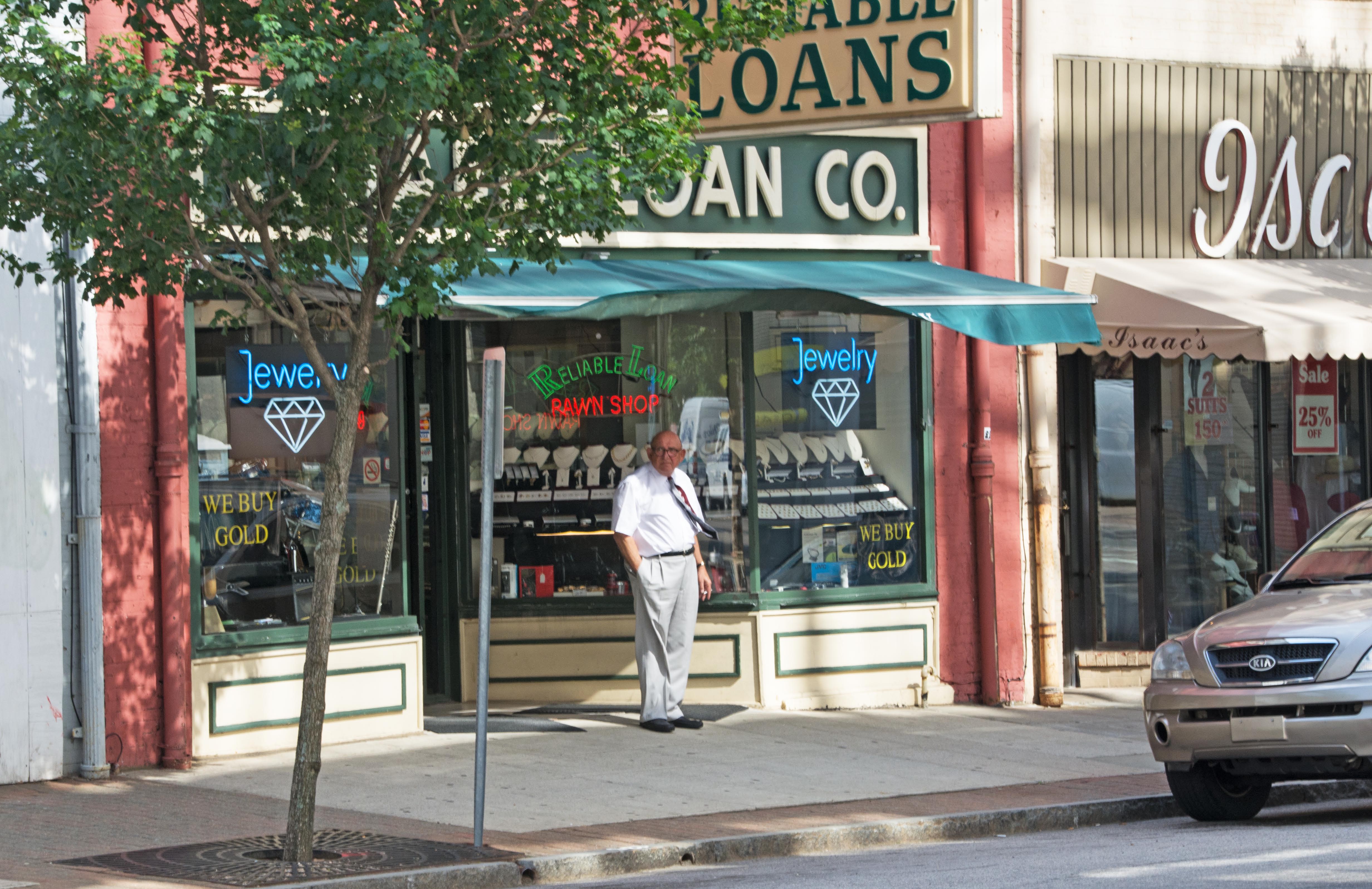
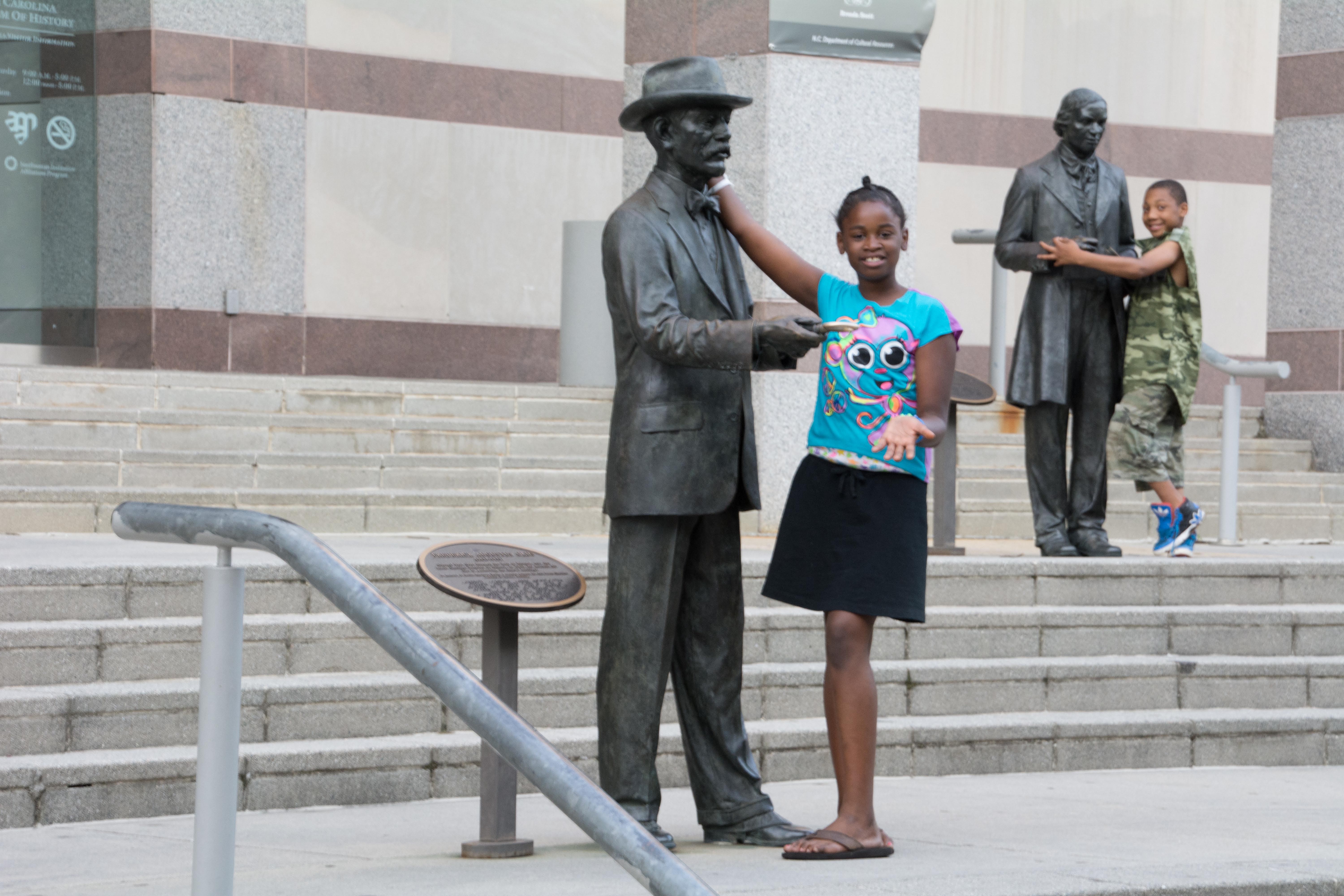
This week the weather in Raleigh was mild, and it was pleasant to walk to work. The walk takes 15-20 minutes, depending on how I catch the lights and whether I’m trying to get there for an early meeting. When I wasn’t especially pressed, I made a few pictures of people working and playing.
14 05 23_9501_edited-1

Now, after two weeks from our return from Dominica, my various wounds (assorted bruises, scrapes, and blisters) are mostly healed up. The most worrisome, my severely sprained right hand, is still swollen and sore, but hurting less, and I’m able to play octaves on the piano, though not loudly. It reminded me of when I first tried to learn to catch a football as a little kid, and jammed up my fingers.
14 05 20_9468

It is remarkable how the body can overcome and regenerate. In fact, did you ever notice how sometimes a new injury seems to help an old one to heal? My nagging shoulder issues, which I’ve been trying to get over for several months, seem to have gone away, cured or obscured by the addition of new, more pressing discomforts.

14 05 19_9472

It’s Memorial Day weekend, and we’re still full of memories of our friend Scott, who shuffled off this mortal coil right after leading our Dominica trip. He managed, by being an unusually vibrant and generous person, to hook himself into the fabric our lives, and his departure has ripped that fabric. We’ve been talking about him, his good deeds and his goofiness, and looking back at photos. For therapy and comfort, I’ve been rereading some of In Memoriam, Tennyson’s poetic memorial to his beloved friend Arthur Hallam. Yes, it rhymes, in a style that’s way out of fashion now, but it can still speak to us. It takes grief and loss seriously, and delves deep.
14 05 19_9470

As I’ve noted before, my favorite founding father is Benjamin Franklin. Last week I finished another biography of him, by H.W. Brands. Franklin was a protean genius with many aspects, and so the biographer will inevitably neglect some of them. Brands is most interested in the political and literary Franklin, and less in the scientist and philosopher. But in describing Franklin’s diplomatic efforts in England prior to the revolution and his diplomacy in France during it, he gave me new perspectives on the war. For those of us who cut our historical teeth on revisionism, it is reassuring that Franklin, who loved England dearly, could conclude that there was no alternative to war.

For all Franklin’s enormous fame during his lifetime, it’s interesting that there are significant gaps in the record, and much we don’t know about his inner life. But what keeps shining through is his insatiable curiosity about the natural world and his constant effort to make the human world better. It’s also inspiring to me, as I get on in years, that a good portion of his greatest achievements, including helping invent and establish American democracy, were in the last quarter of his long life.
14 05 17_9378

Apropos of making things better, there’s a good short op ed piece on climate change by Tom Friedman in the NY Times, which poses a question I’ve been wondering about: “How do we do something about [global warming] at the scale required, when many remain skeptical or preoccupied with the demands of daily life[?] He also quickly hones in on the central moral and political quandary – the conflict between the welfare of this generation and future generations: “our ethical values point one way, towards intergenerational responsibility, but our political system points another, towards the short-term horizon of the next generation.” (Quoting Thomas Wells, a Dutch philosopher.) Friedman argues for urgent change, including a carbon tax and energy efficiency standards. This seems sensible, at least as a starting place.
14 05 25_9560

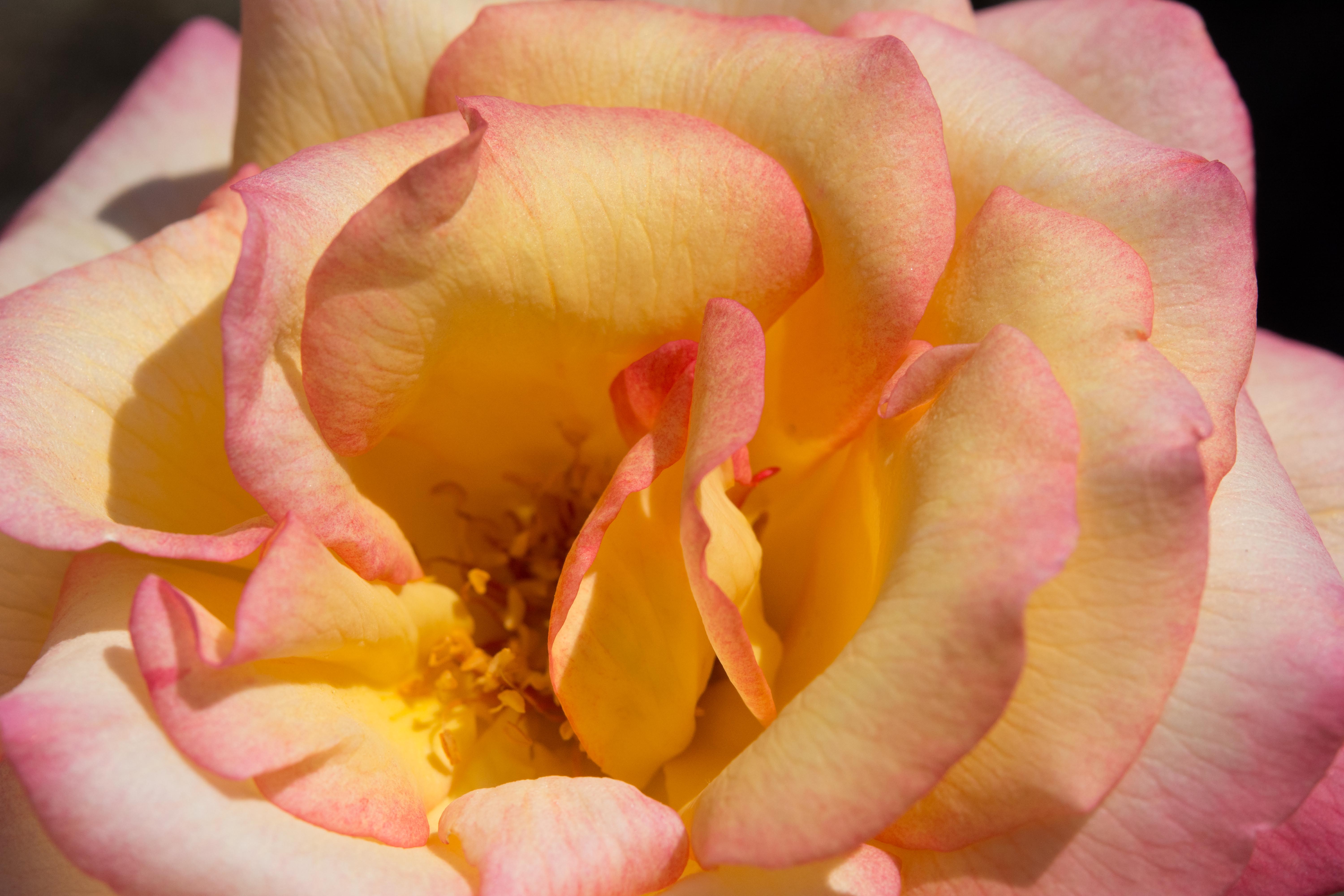
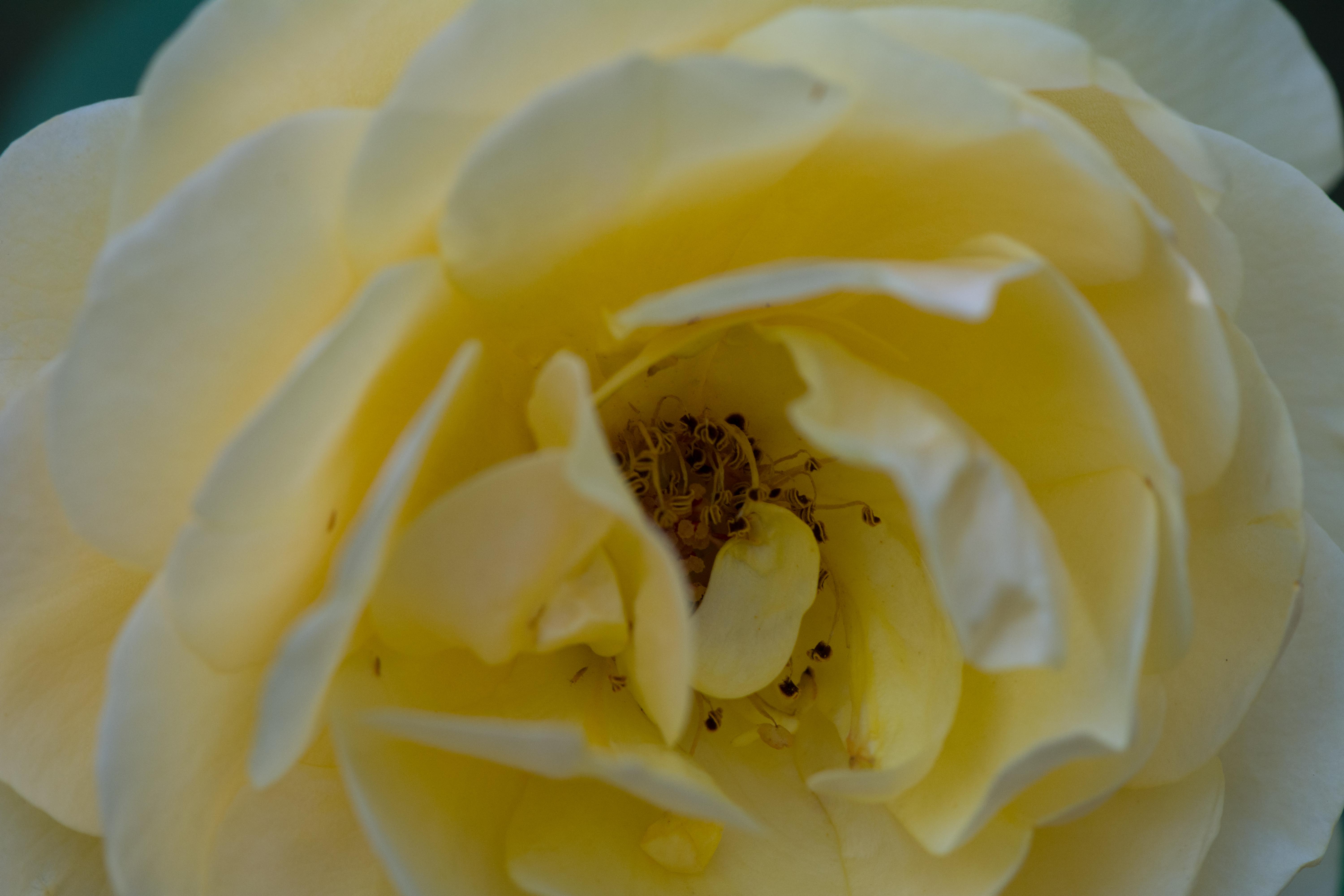
On Sunday I took a walk through Raulston Arboretum, which I try to do once a week, but missed recently. I completely missed the irises — they’d come and gone while I was traveling. But the roses are in full bloom, and there are some remarkable lilies.
14 05 25_9563
14 05 25_957414 05 25_9553

Coral Reef Diving and Hiking in Dominica, West Indies

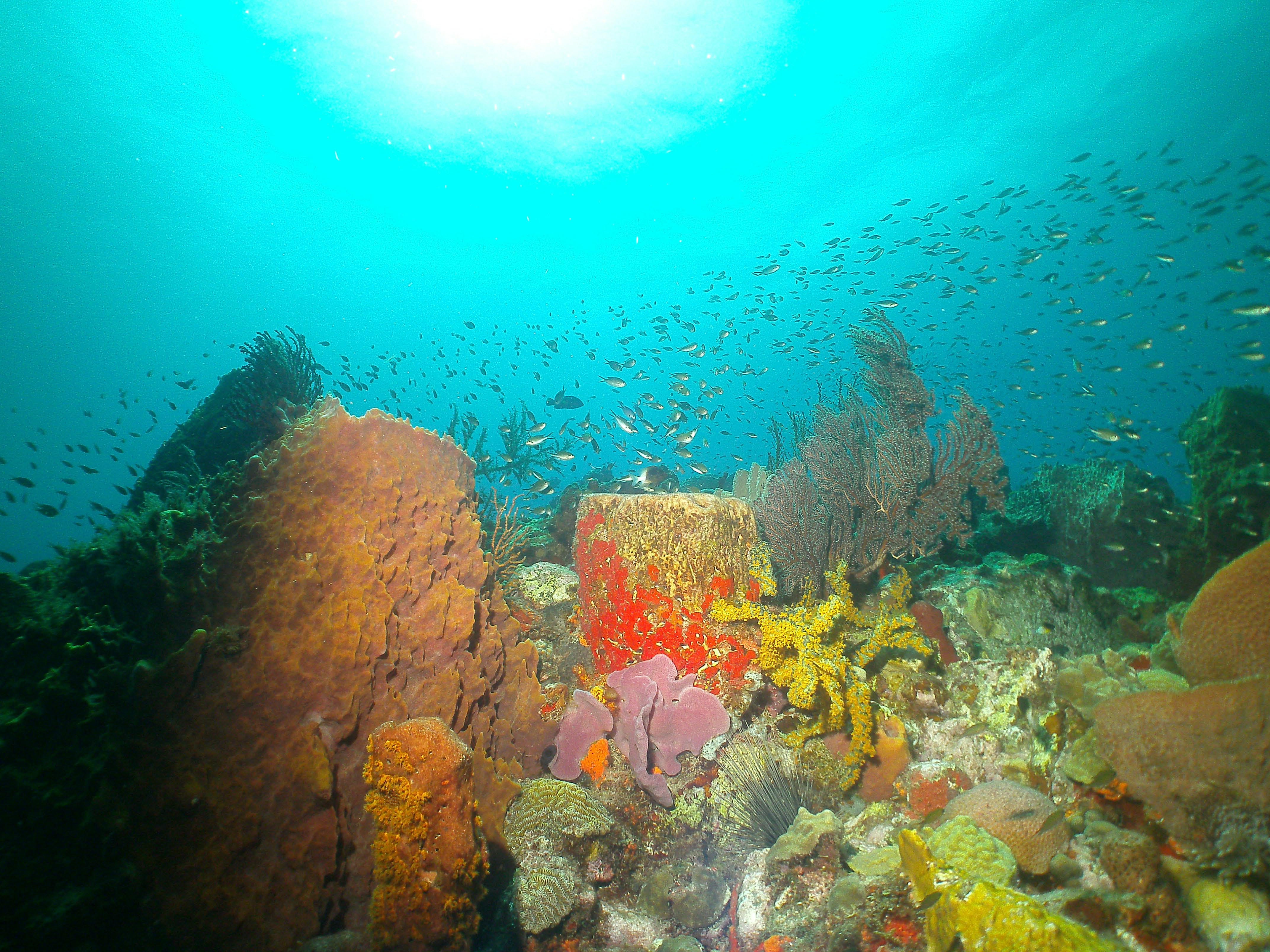
14 05 07_8847Coral reefs are one of nature’s most amazing creations. Untold millions of miniscule animals form structures of wildly varying forms, textures, and colors, and extend them widely over thousands of years. Some of the structures resemble terrestrial plants or animals, but others look like modernist architecture, surpassing the most fanciful creations of Gaudi. They are home to 25 percent of the ocean’s creatures, and a fundamental part of the planet’s infrastructure.
14 05 07_8851

As a diver, I relish the incredible privilege of time with strange and beautiful coral. I’m also acutely aware of their perilous situation, and the urgent need for action. Global warming and ocean acidification are killing coral reefs, and the consequences for all life that relies on the ocean may be catastrophic. I was slightly cheered to see the UN and US reports in the last few weeks highlighting these threats. Perhaps reality is sinking in, and perhaps it is not too late. I have my doubts, but I try to err on the side of optimism.
14 05 07_8870_edited-1

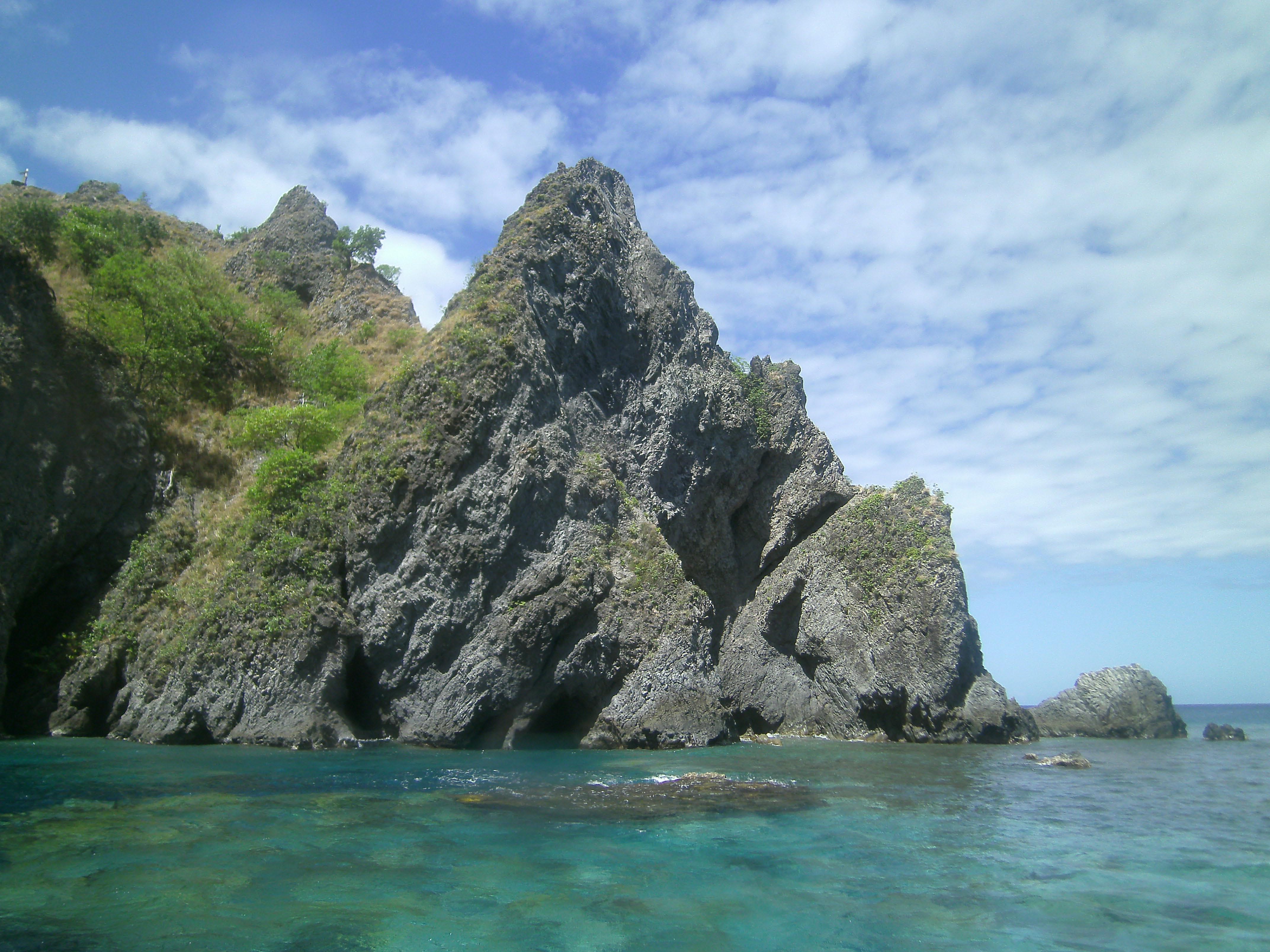
In any case, for the time being, there is awesome beauty to contemplate and celebrate. And so last week Sally and I made our first visit to the Caribbean Island of Dominica. I learned the correct pronunciation (doe-me-NEE-ka), and the location – part of the Lesser Antilles, to the south of Antigua and north of Saint Lucia. The terrain is mountainous, with peaks up to 4,747 feet, and much of it is covered with lush tropical rainforest. It is exceptionally beautiful.
14 05 07_8907

We stayed in the town of Roseau at a friendly, diver-oriented place called the Castle Comfort Lodge, and did our diving with Dive Dominica. The dive sites we did were mostly 20-30 minutes away by boat to the southern part of the island. Most days we did two dives in the morning and a land adventure in the afternoon, and twice we went out with the DD boat on night dives.
14 05 07_8905_edited-1

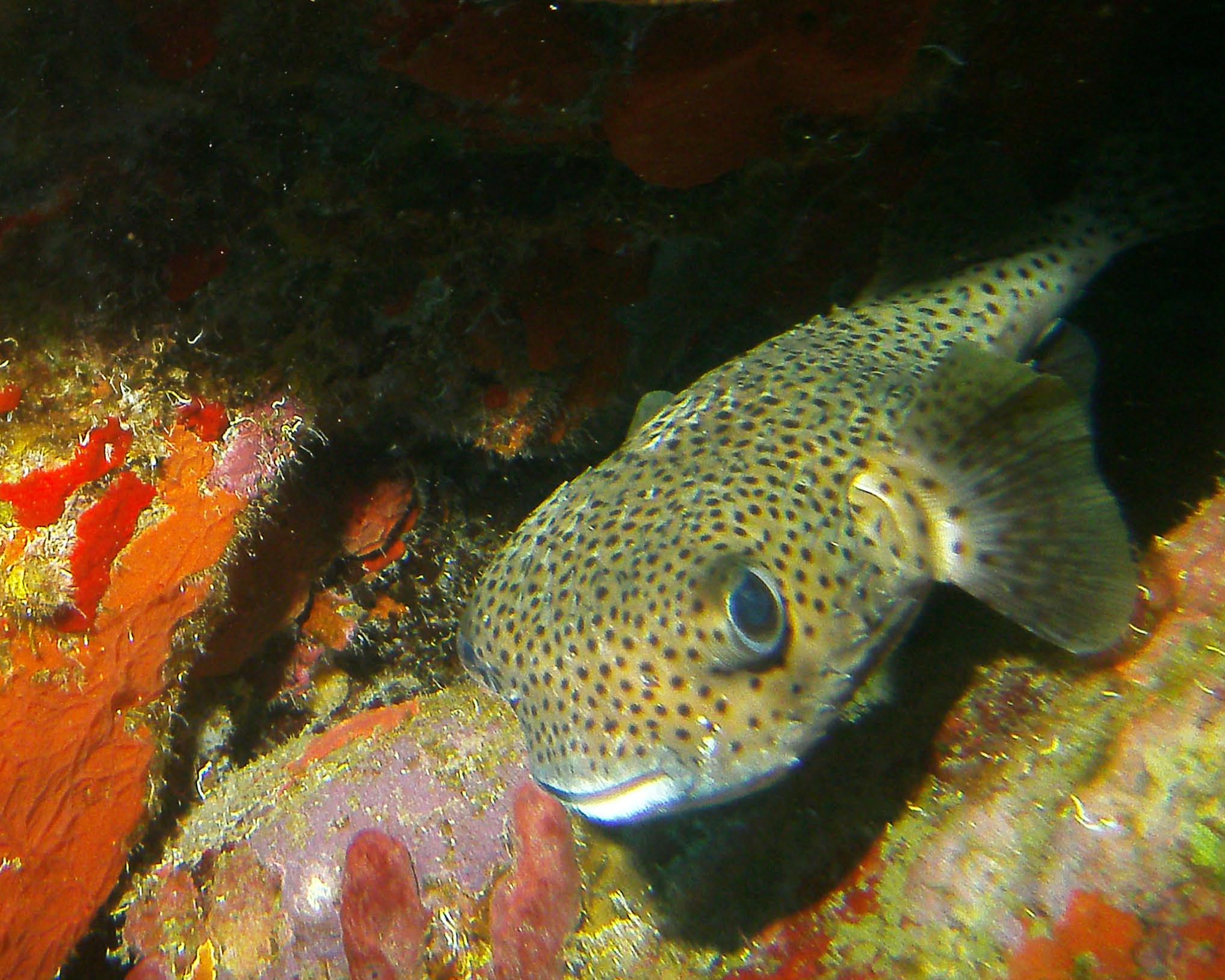
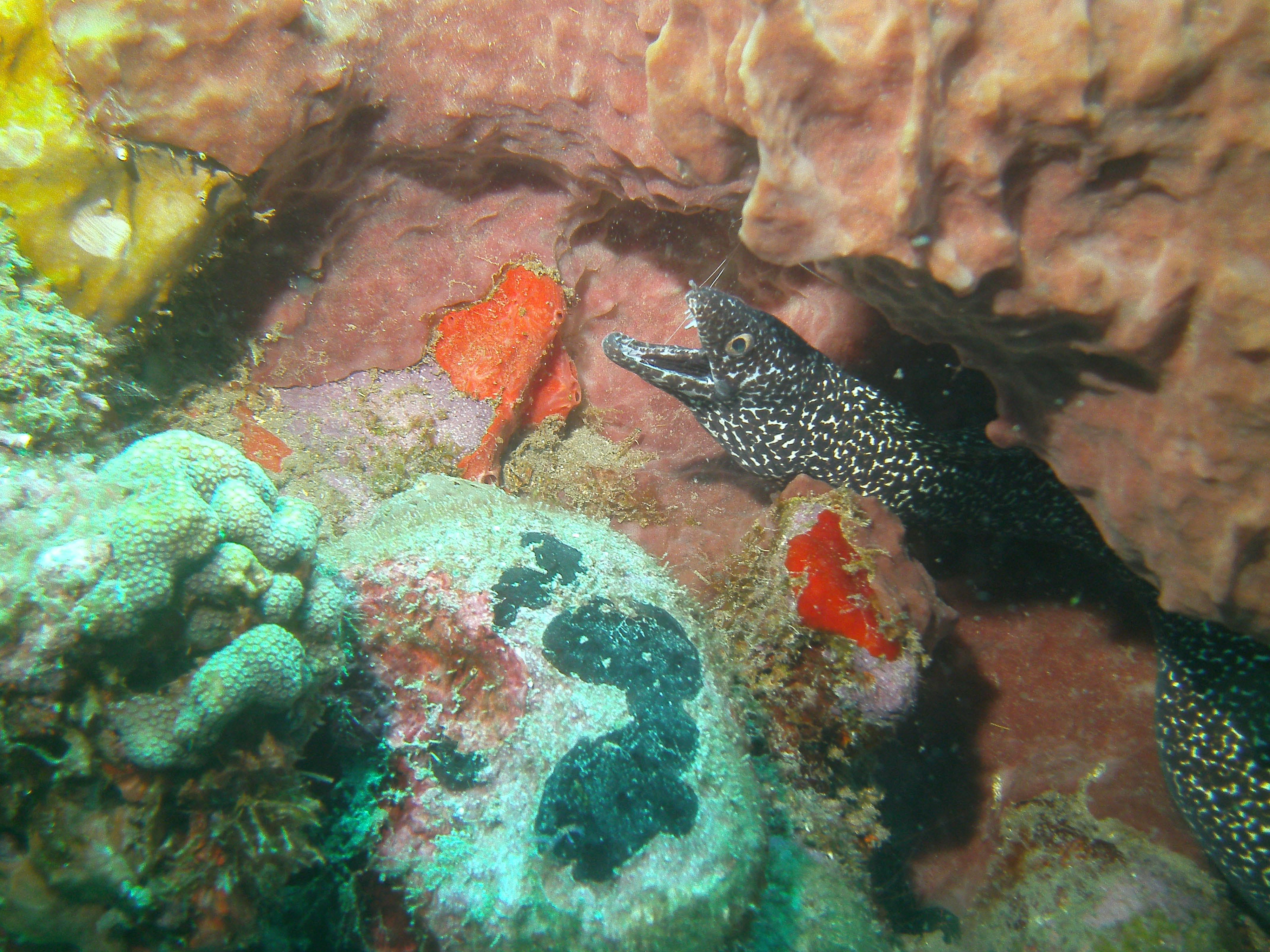
The water was a mild 81 degrees F, with visibility of 50-60 feet and little current. The coral seemed fairly healthy, with little bleaching, and lots of variety in shape, texture, and color. There were lots of tube sponges and crinoids, and some anemones. The most interesting new fish to us was the frog fish, a remarkably well-camouflaged and strange creature. Other highlights were scorpion fish, snake eels, electric eels, sea horses, balloon fish, trumpet fish and squid. There were many small colorful tropicals (such as butterflyfish, damsel fish, goat fish, and squirrel fish). However, I missed my beloved queen angelfish, and there were relatively few larger fish (such as groupers and barracuda), which was mildly disappointing. We saw only one shark all week (a sleeping nurse) and only a few hawksbill turtles. On the other hand, we saw quite a few large lobsters, large crabs, and small shrimp.
14 05 04_9285_edited-1

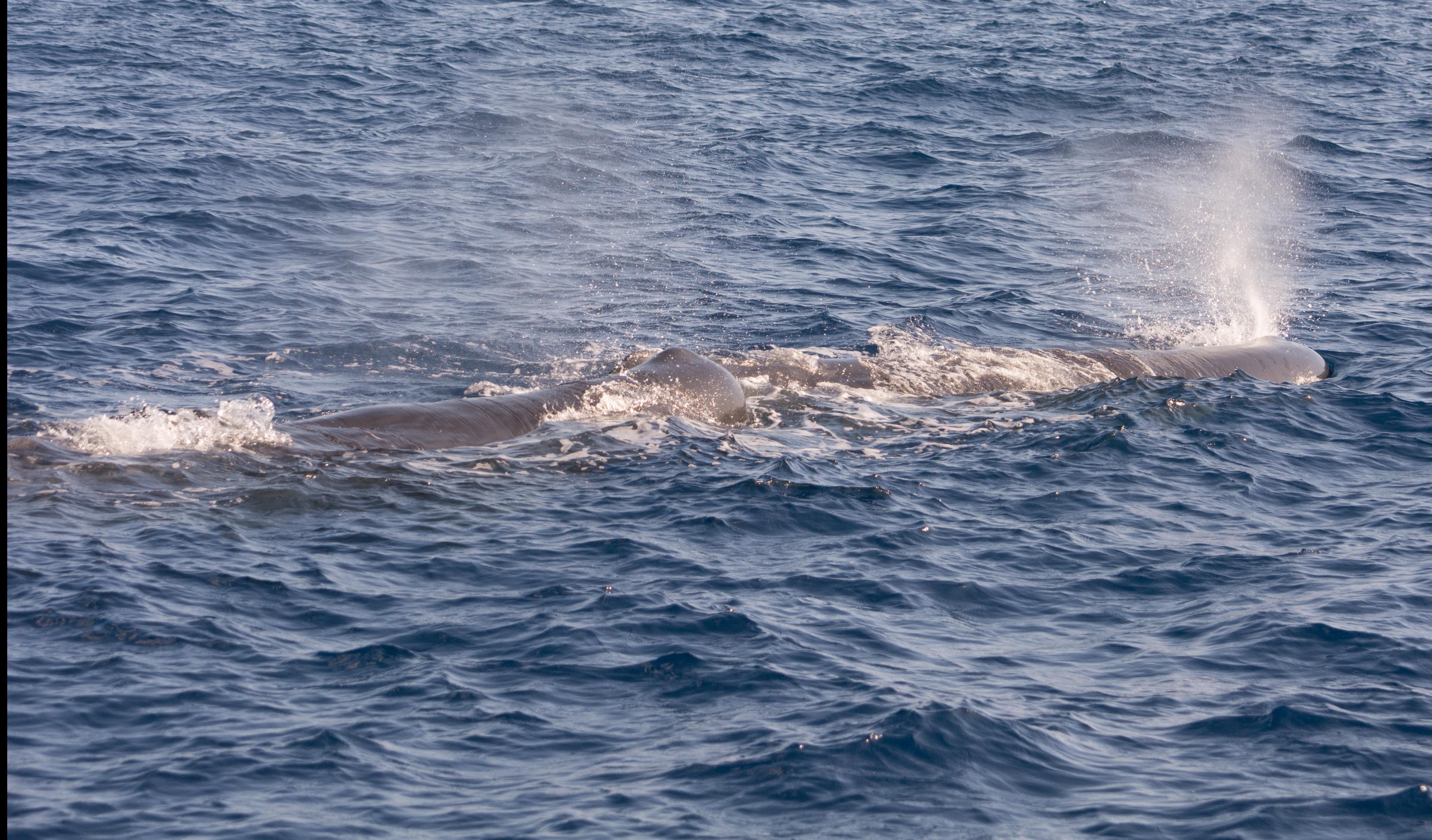
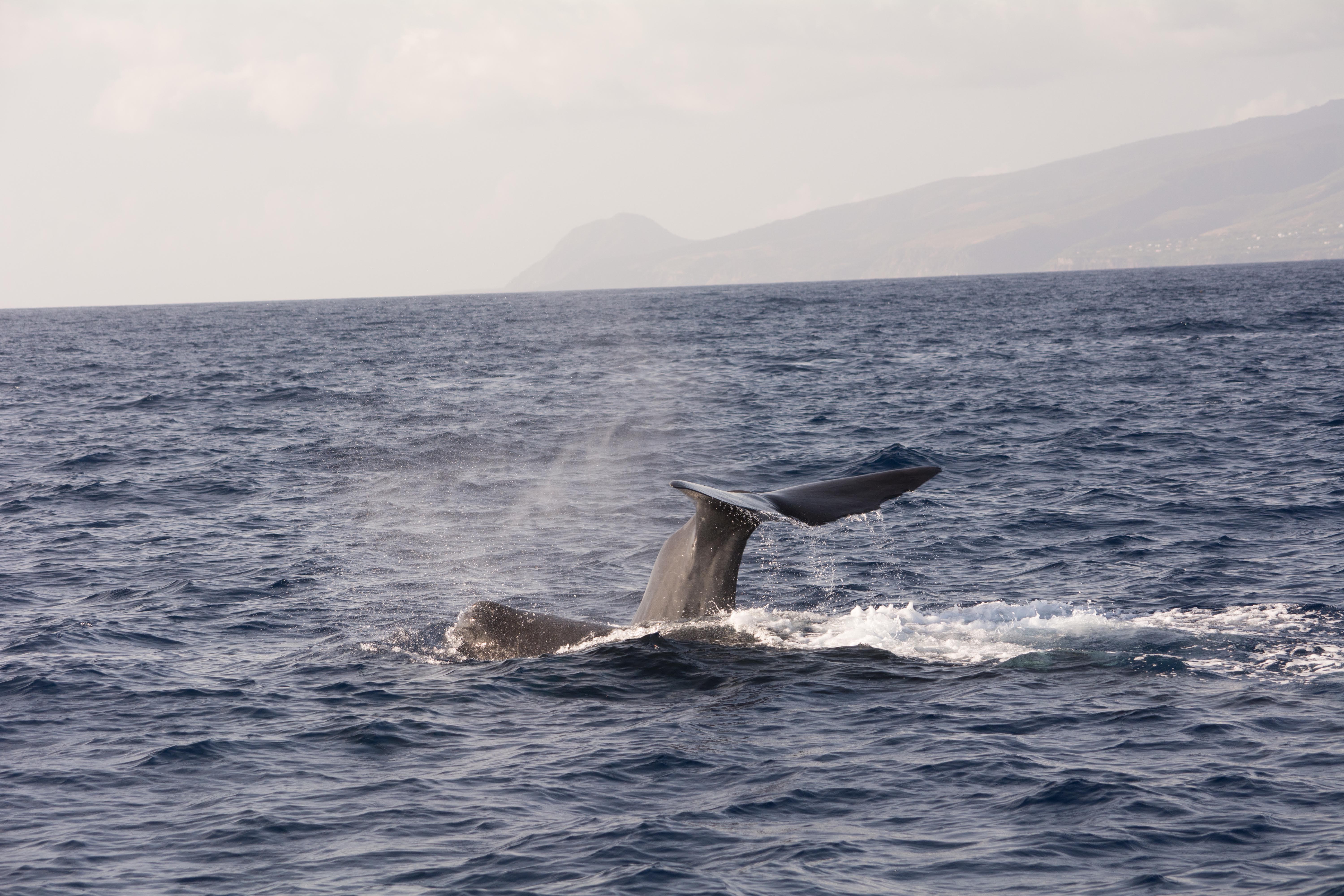
One afternoon we went on a whale-watching expedition and had good views of five sperm whales. The crew used underwater microphones to detect the whales’ signature clicks and then watched for them to spout. There was one pair that turned out to be a mother with a very large nursing daughter (pictured below as the mom descended). It was a thrill to see these remarkable creatures up close. We also were visited by a group of bottle nosed dolphins who came close to the boat to observe us.
14 05 04_9298

The next day one of our fellow divers, Shane Gero, turned out to be a sperm whale expert who’d spent several years studying the Dominica sperm whale families. We learned more about their family structure, habits, and culture. They eat giant squid, which live thousands of feet down. Family group are all females, joined by males only at breeding time. When orcas threaten the young, the family forms a circle around the babies, with heads inward, and ward off the attacker with their tails.
14 05 09_9067

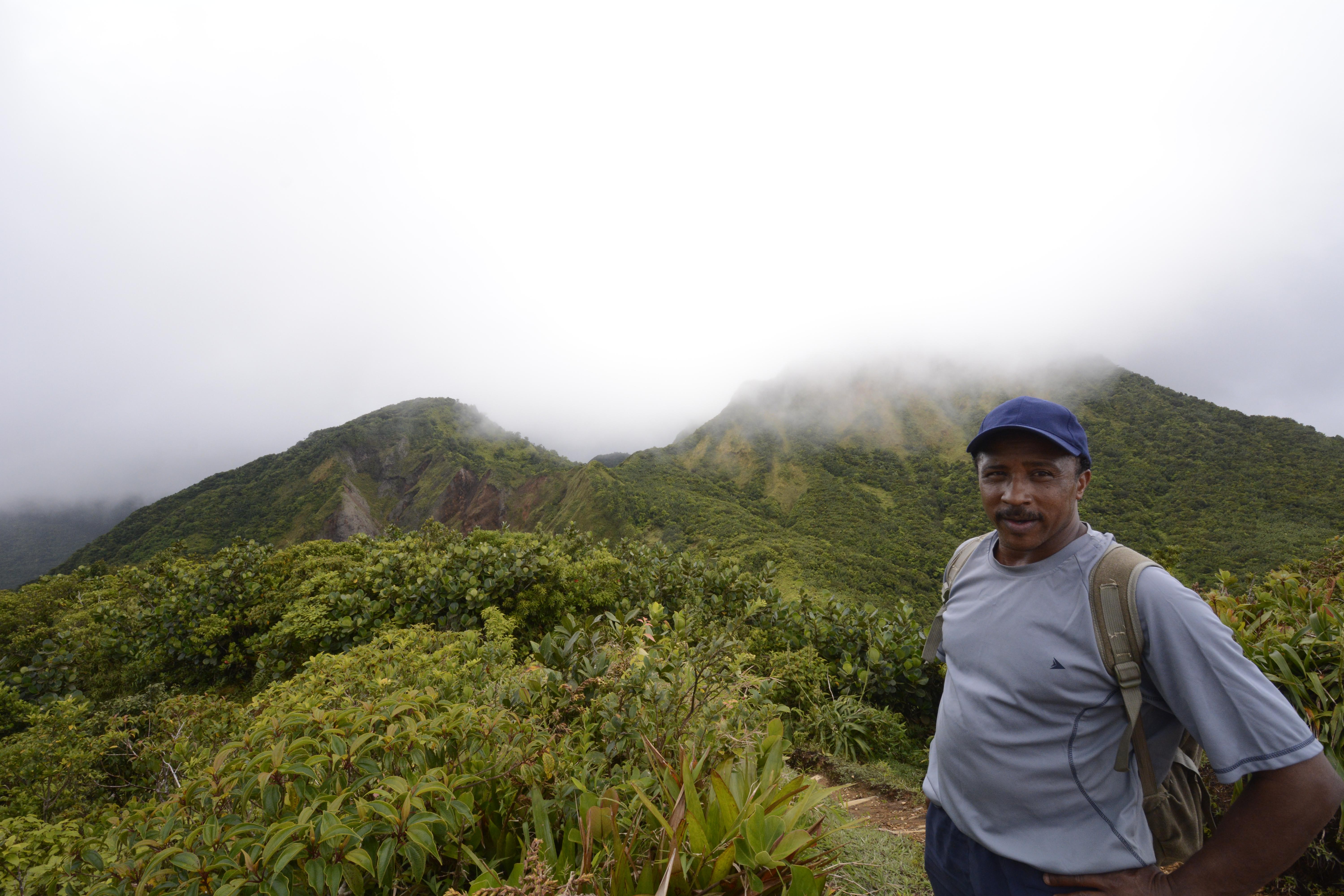
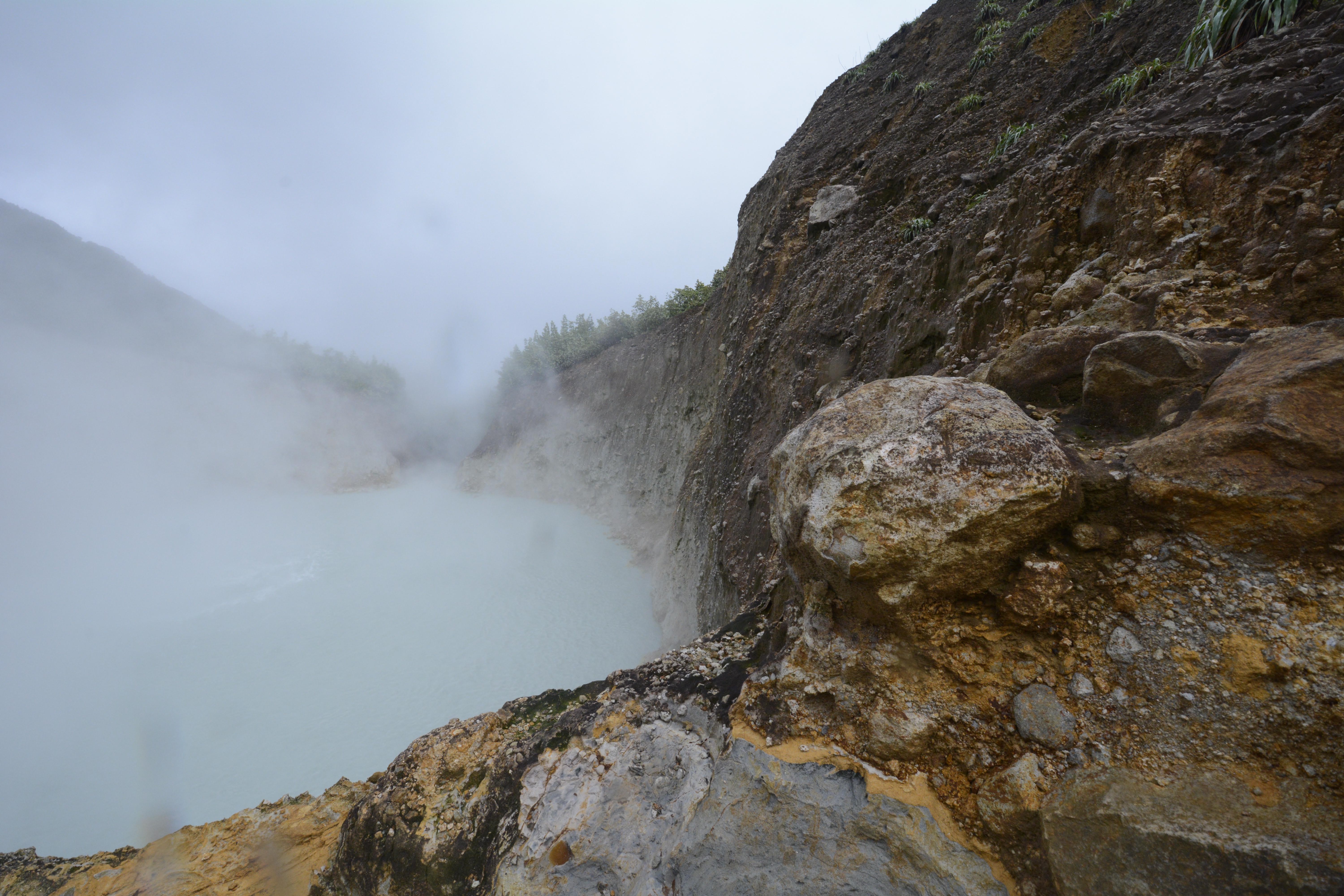
Our most remarkable land expedition was a hike to the Boiling Lake, an area of active volcanic activity, which took about seven arduous hours through the rainforest and up and down mountains. Along the way there were spectacular vistas, rivers, and waterfalls. For much of the time, though, I was entirely focussed on finding the next safe spot to put my foot, and in some climbing points, my hand. With Sally’s encouragement, I took along a walking stick, and was glad I did – it was helpful in many situations, such as stepping from rock to rock over fast-moving streams. We did not bring along rain gear, which was an unfortunate oversight – it rained on us for much of the hike and we were well soaked.
14 05 09_9074

I’d thought of hiking as a relatively placid physical activity, but this was anything but. It required engagement and commitment at the level of double black diamond skiing. I was very glad to get back at last, but soon began thinking about how I’d like to do more of it. I was, however, sore and beat up by the end of the week. I took a fall getting on the boat early in the week and badly sprained my right (dominant) hand, and worked up a major blister on my right foot. Paradise can be hard on a body!14 05 07_8856

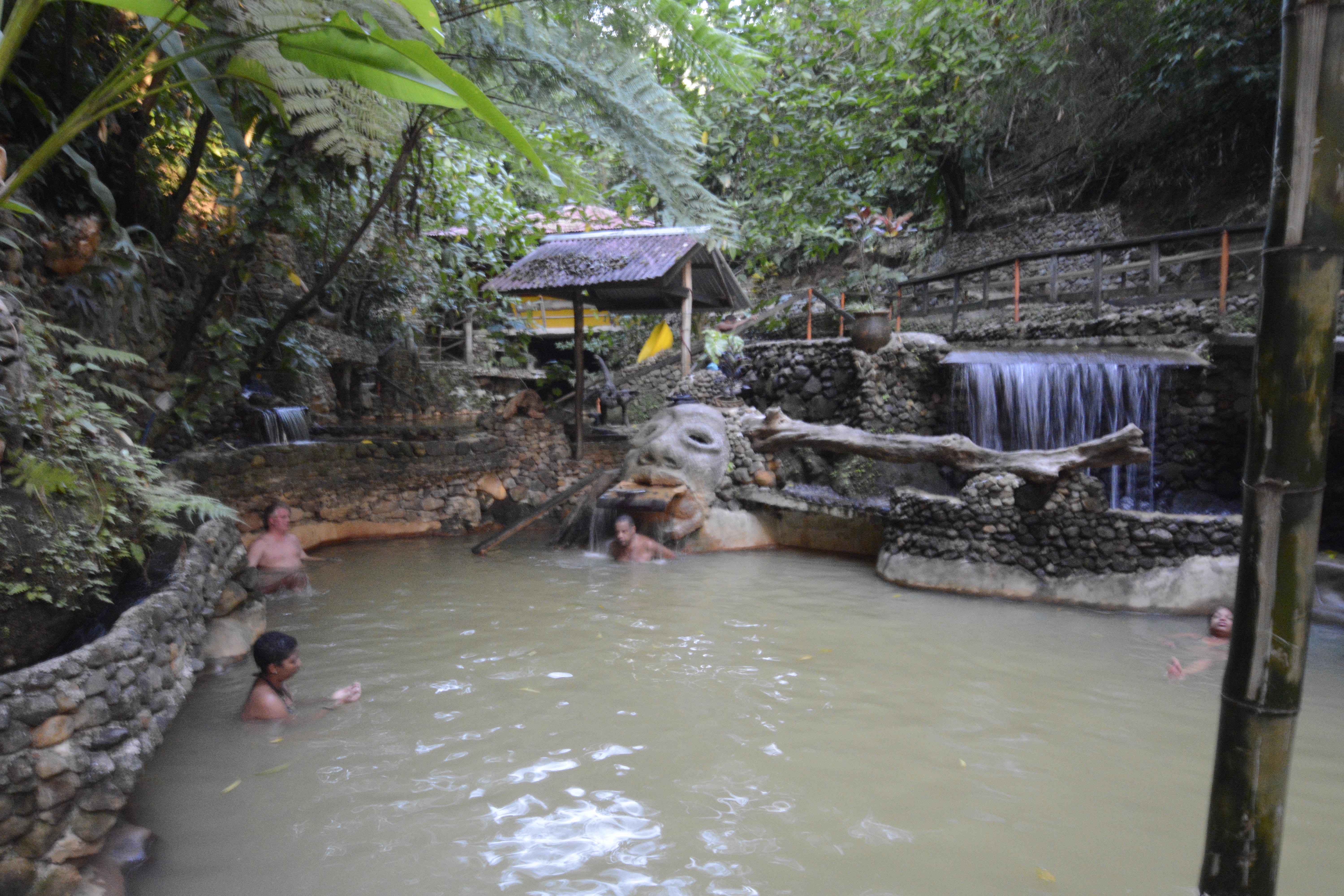
Our other land expeditions (including Trafalgar Falls, the Emerald Pool, the Carib Indian territory, and a boat trip on Indian River) were lovely and untaxing (aside from the twisty, bumpy drives to get there). We also had a good time soaking in the stone-lined hot springs named Screw Spa (sorry, but it’s true). A totally unexpected pleasure was meeting Miss Dominica 2013, Leslassa Armour-Hillingsford, a lovely and gracious young lady who helped us with our trip plans in her capacity as clerk for the family business (the Anchorage Hotel)
14 05 06_9214

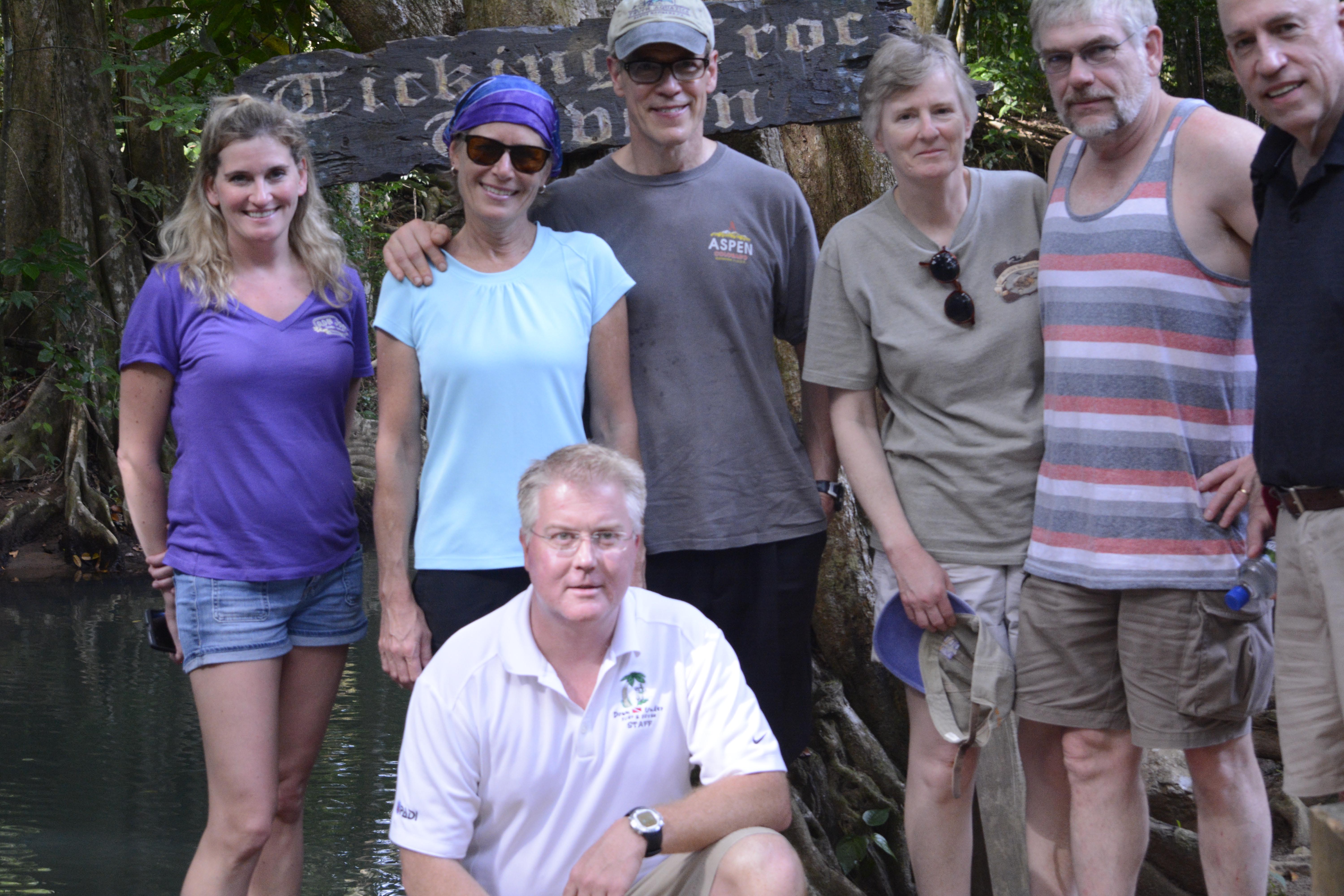
The trip was led by Scott Powell, proprietor of Down Under Surf and Scuba, with remarkable energy and good cheer. Scott made sure we had interesting dives, good meals, and fun activities. On the van ride back to the airport, Scott and I noticed that the driver was falling asleep and barely keeping the van on the twisty mountain roads. He worked hard to keep the poor fellow awake (and us alive) by asking him everything he could think of about local geography and culture. We made it, obviously (whew!). Good job, Scott!
14 05 08_9103

Fireworks, new bluebirds, right-wing NC Republicans, and bees at work

13 07 05_2398-1

Sally fixed chilled cucumber soup and two salads for our July 4th dinner, with homemade coffee ice cream for dessert. From our condo on the twelfth floor we had a good view of the fireworks show at Red Hat Amphitheater. Fireworks shows vary, but I’ve never seen one I really didn’t like, and this was no exception. OK, it could have been faster and bigger, but there were interesting shapes and sparkling colors, and lots of noise. This may be my favorite ritual in the American civil religion.
13 07 04_2543_edited-1

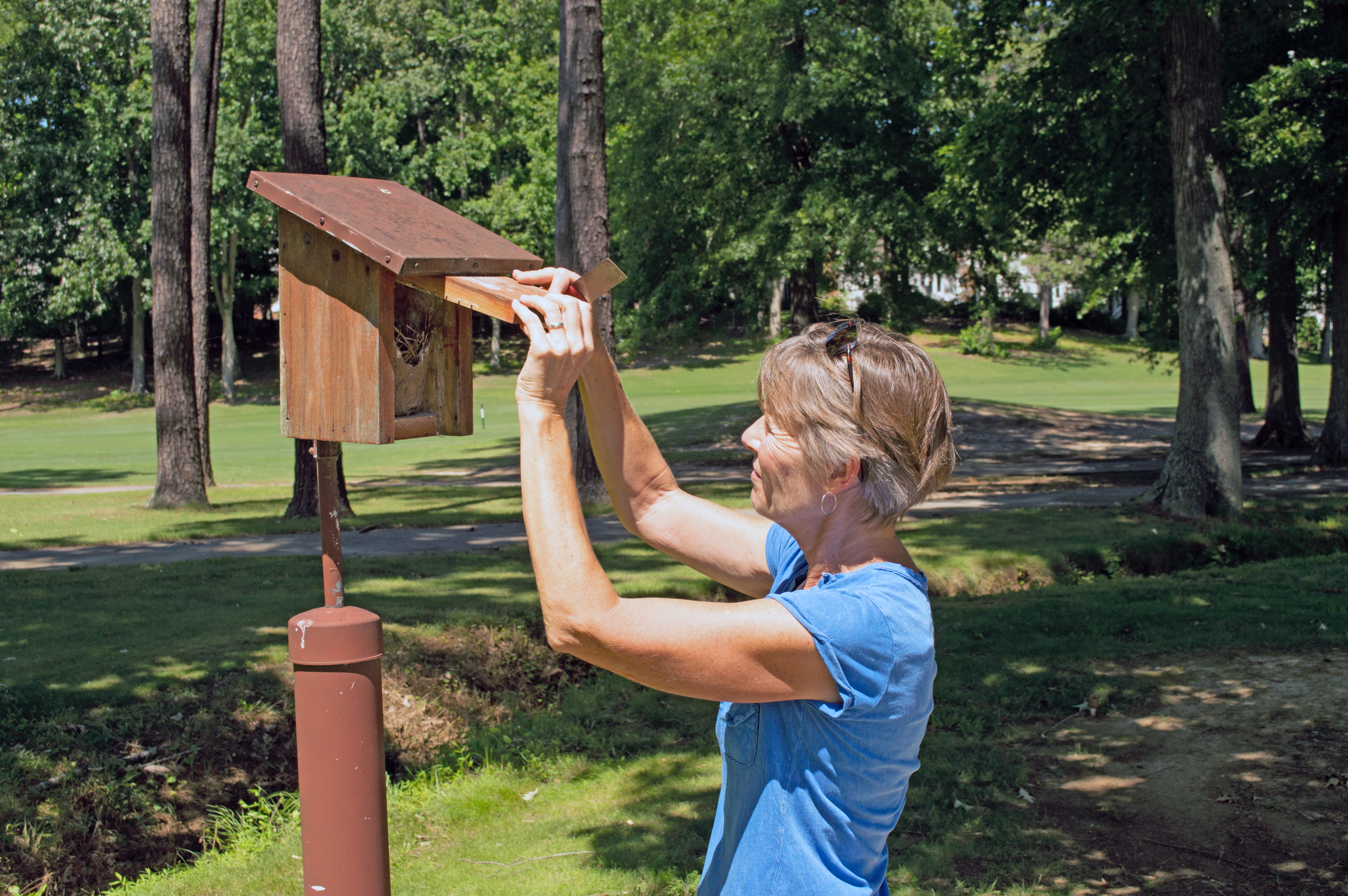
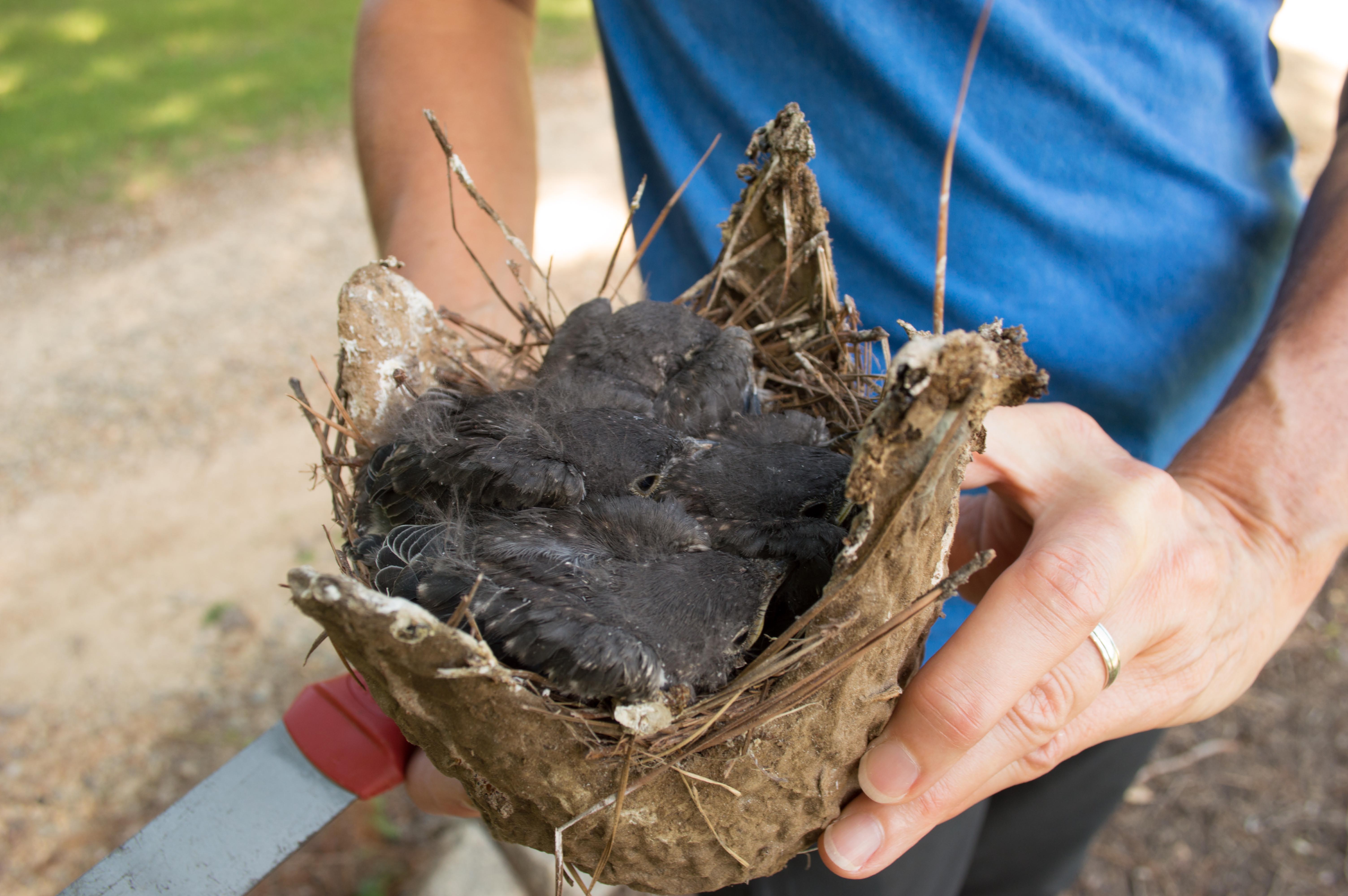
Earlier that day, Sally took me along when she monitored the bluebird houses at Lochmere Golf Club. She’d promised that there should be some new eggs and nestlings, and there were! We were pleased to see the new arrivals.
13 07 04_2570

Speaking of country clubs, the News & Observer reported this week that Carolina Country Club, Raleigh’s old line club, finally admitted its first black member. This was front page news, and I was glad to hear it. CCC maintained the color barrier for way too long. Now that the curse has been broken, I hope they will implement a policy of true non-discrimination going forward.

In my lifetime, we’ve made so much progress on the race issue, for which I am happy and grateful. For all my disappointments with President Obama, every day I feel proud and a little amazed that we have a black president. I can go for weeks or months without observing anything like the racial prejudice that was pervasive when I was a boy.

But we’re still not done. Republican measures to limit the voting power of blacks in NC and elsewhere by imposing ID requirements are moving forward. This is just shameful. With this movement in process, the Supreme Court was surely wrong in striking down part of the Voting Rights Act. There’s still a ways to go to build a color-blind society.
13 07 05_2414

Our North Carolina Republican legislators have gone on a right-wing tear this session. Some of their activities make sense from the point of view of bettering the lot of the wealthy or pandering to the ignorant, but some are inexplicable in ordinary moral or practical terms.

Does any rational person, no matter how selfish or cynical, think it makes sense to get more people carrying concealed firearms into more public spaces? Would a person with a shred of decency change the law to protect agriculture operations that abuse farm animals and criminalize the behavior of those who seek to expose the abuse? Would a normal caring parent or employer find it sane to reduce school funding and increase class size? Would any responsible leader or citizen turn down federal funds meant to help the unemployed or ailing? Does any moderately educated person school think that North Carolina has the right to establish its own state religion? In establishing the highest priorities, does anyone think Is outlawing Sharia law makes the top-thousand list?

And while we’re outlawing Sharia law, why not work in a slew of anti-abortion measures? This actually happened this week without fanfare and without the usual legislative formalities, presumably to minimize the chance of organized opposition. I’ve never found the abortion issue as easy as some of my friends, but the state Senate’s work this week under cover of darkness is really disturbing from a process point of view, and looks like a huge mistake. In the aftermath of this latest fiasco, my liberal friends were looking glum, and worrying at the damage this is doing both to the humans affected (such as women with unwanted pregnancies and poor people) and to the image of our state.
13 07 05_2401

This onslaught really doesn’t seem like the result of a theory of government. To the extent it has a direction, it seems aimed less at accomplishing any policy objective than at making liberals screaming mad. Once a liberal value gets identified, it is attacked with extreme prejudice.

To a certain extent, the NC right-wingers seem to be reproducing the values battles identified by national-level right-wingers. What else could be going on? I heard an NPR interview with Bill McKibben, an environmentalist and college professor, who said the problem with building a green movement was that a movement needed an enemy. In a sense, all of us are conflicted on environmental issues, since we all like cars and electricity. We can’t be our own enemy and still feel motivated to get into the streets. His solution was to declare the oil companies the enemy. This would, he thought, allow a green movement to cohere.
13 07 05_2480

So maybe that’s what our NC right-wingers are up to: building their group cohesion by identifying liberals as the enemy and trying to cut out their hearts (metaphorically speaking). It’s hard for a liberal to find a silver lining at the moment, but I’ll still take a swing. I don’t think this is the direction a majority of the state, or even a majority of Republicans, want to go. And by forcing minorities, low-income people, women, immigrants, and the reality-based community to see their common interest, the wing-nut legislators are increasing the chances that their “public service” will not last past the next election.
13 07 05_2466

In the meantime, President Obama has seized the initiative on climate change by ordering rules on power plant reductions for CO2 and other measures. Longtime readers of the Casual Blog will know that this is a big issue for me that I think should be a big issue for everyone. At issue are mass extinctions and dislocations on a scale previously unknown in human history. The significance is much greater than putting a man on the moon, and we ought to mobilize with a level of commitment on a scale comparable to the Apollo project. I hope this is the start.
13 07 05_2522

And while we’re on the subject of things to feel good about and continue working on, let us not forget, the long fight for gay rights has made real progress. The Supreme Court, a highly conservative institution (even if not all of its justices are conservative), struck down the Defense of Marriage Act! A majority recognized this as a human rights issue. It seems the tide has turned.
13 07 05_2538

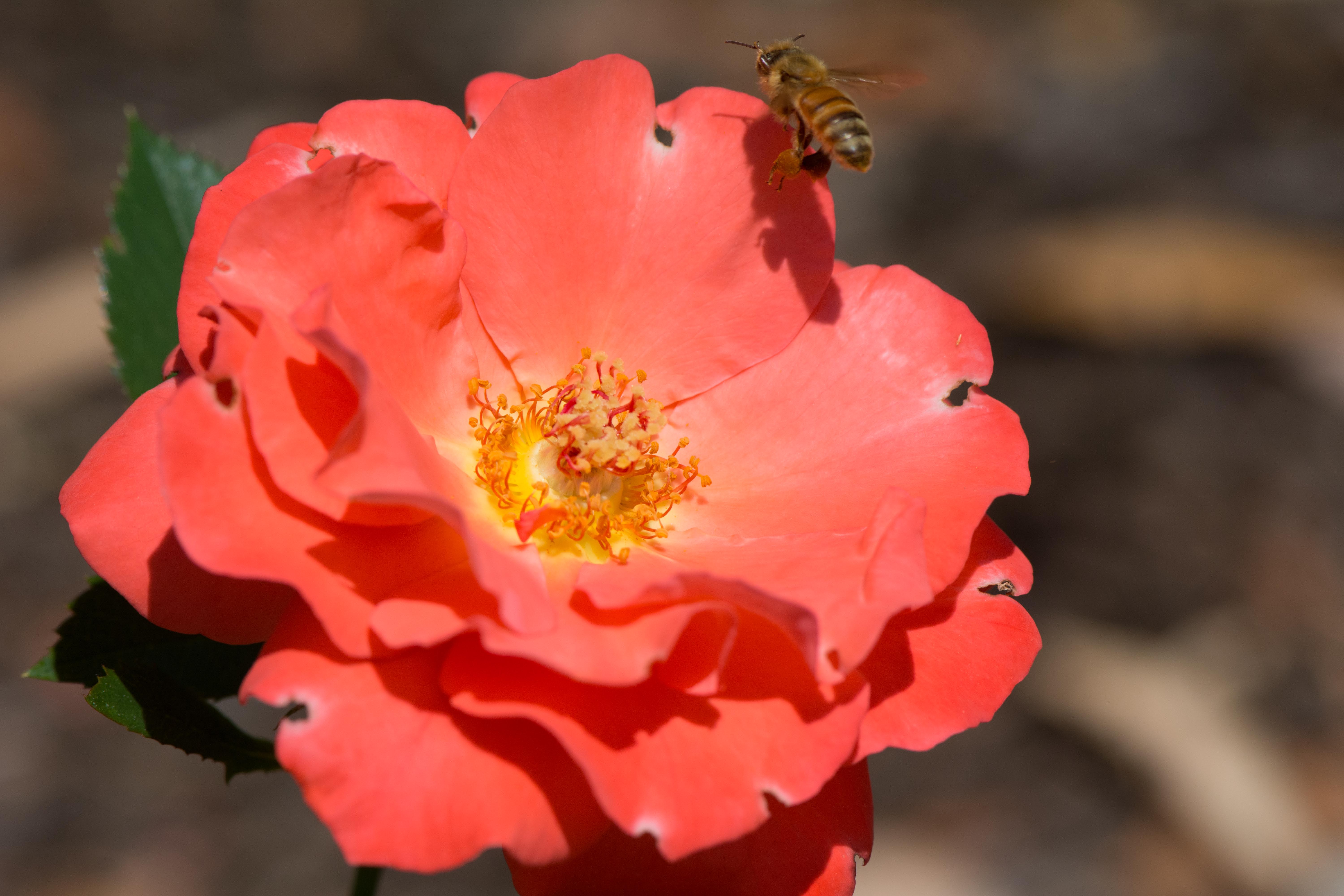
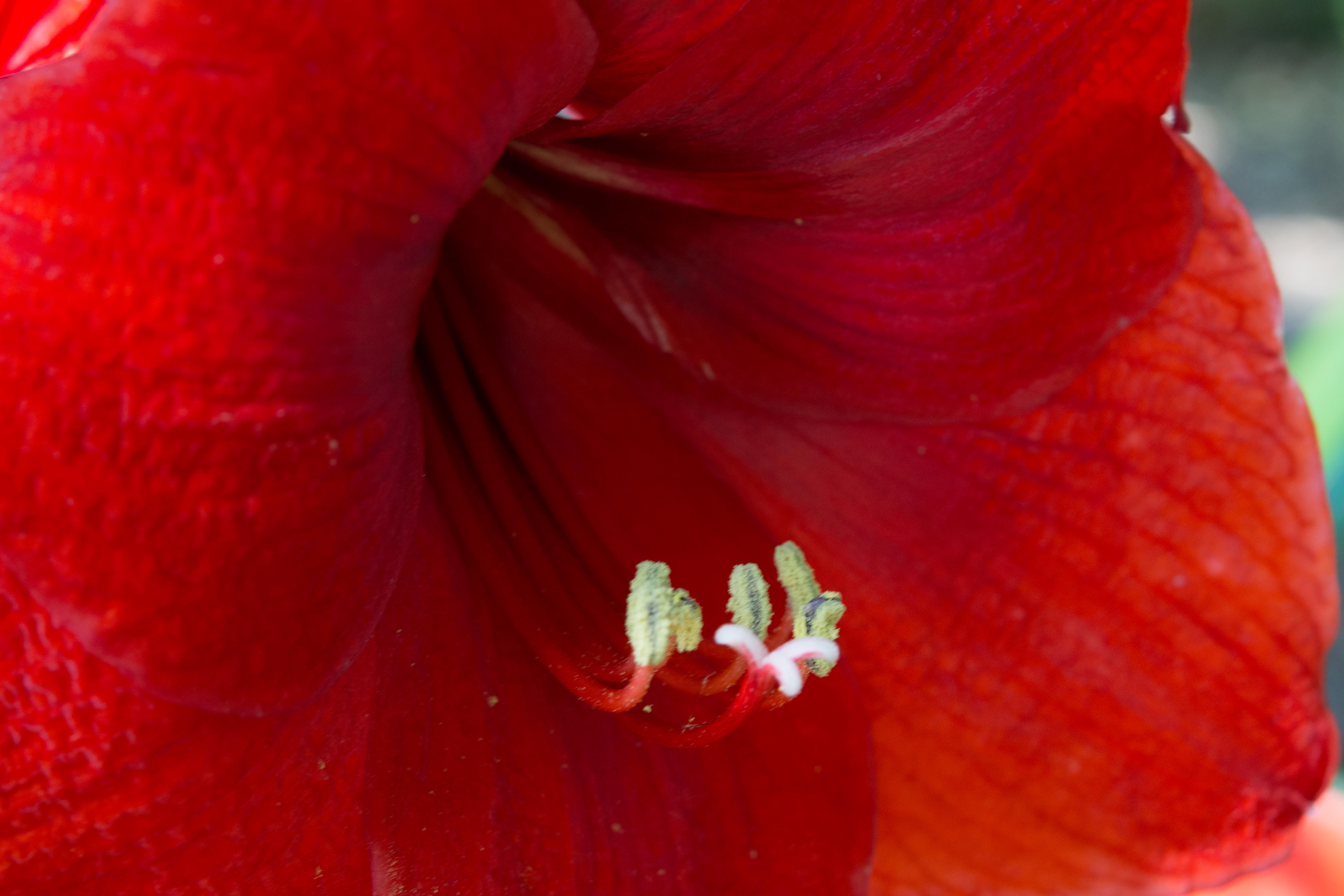
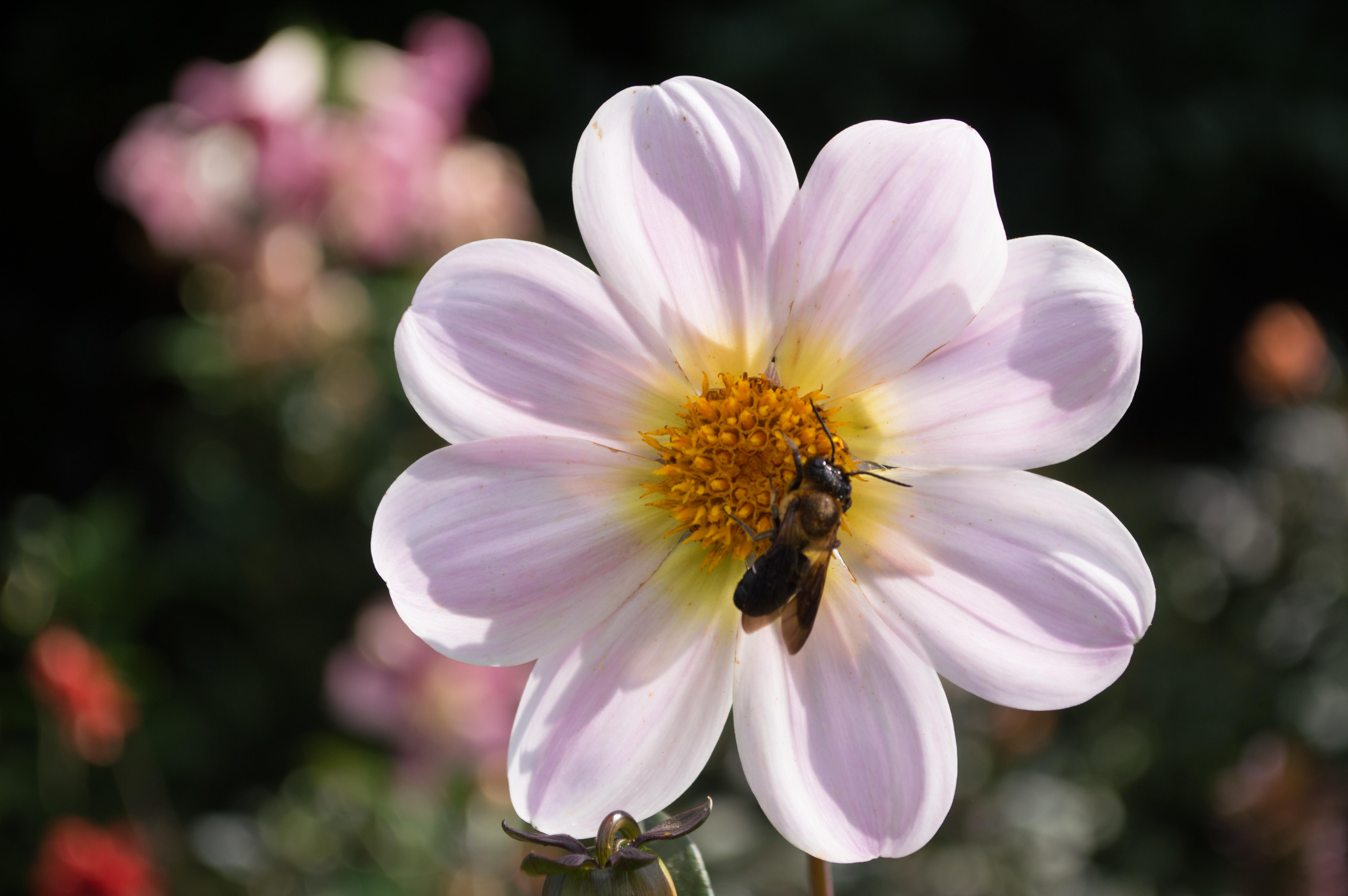
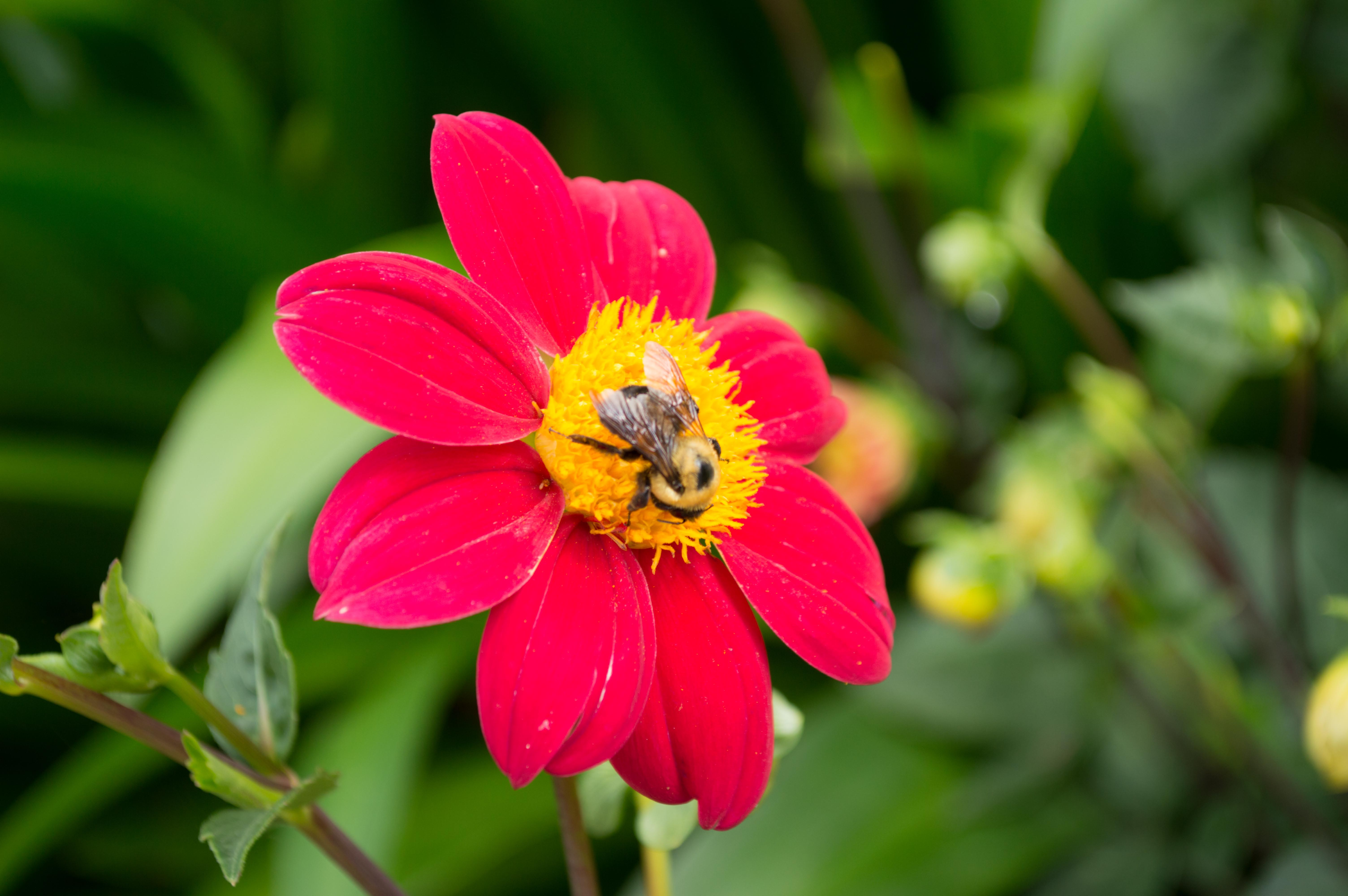
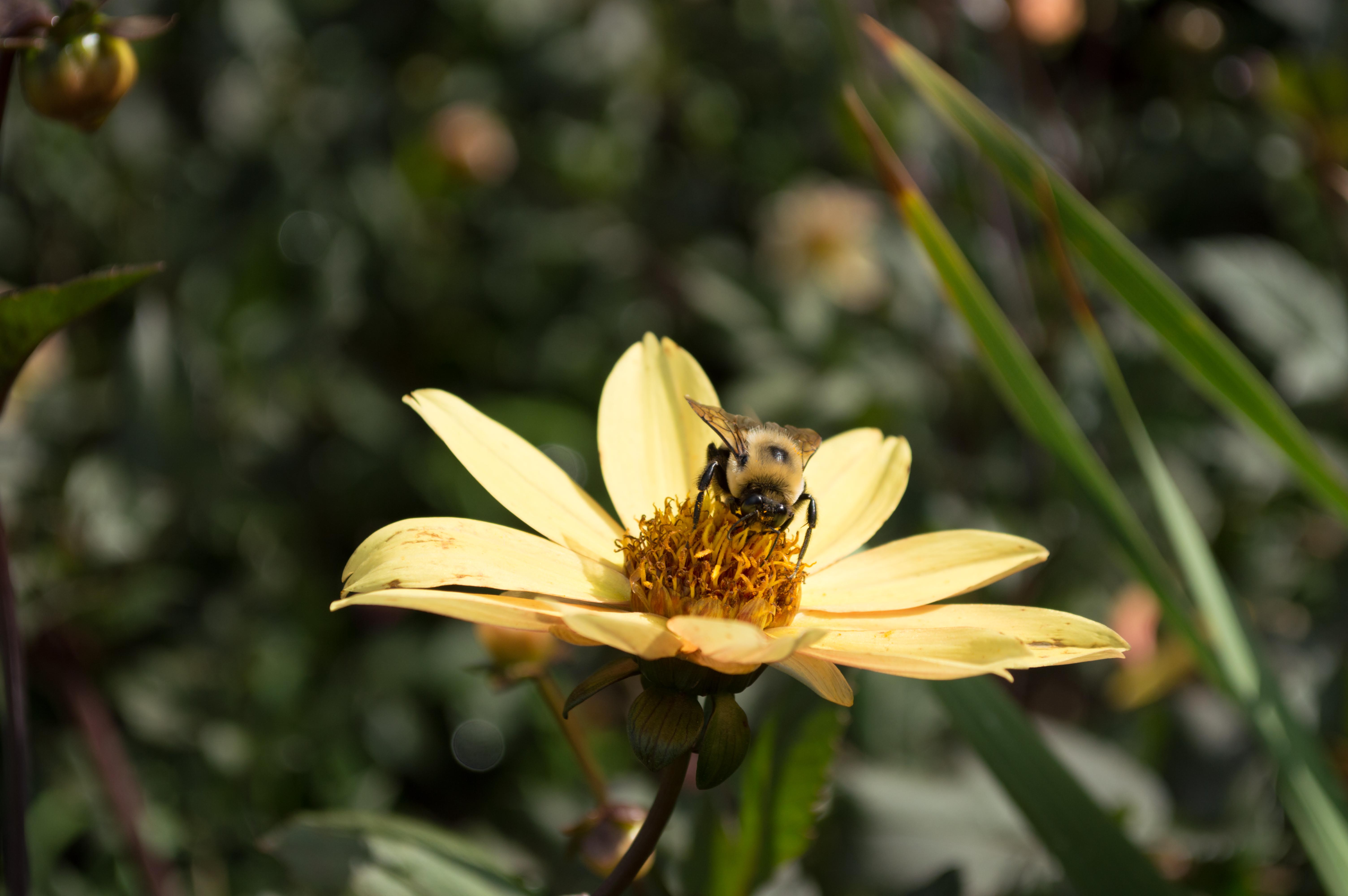
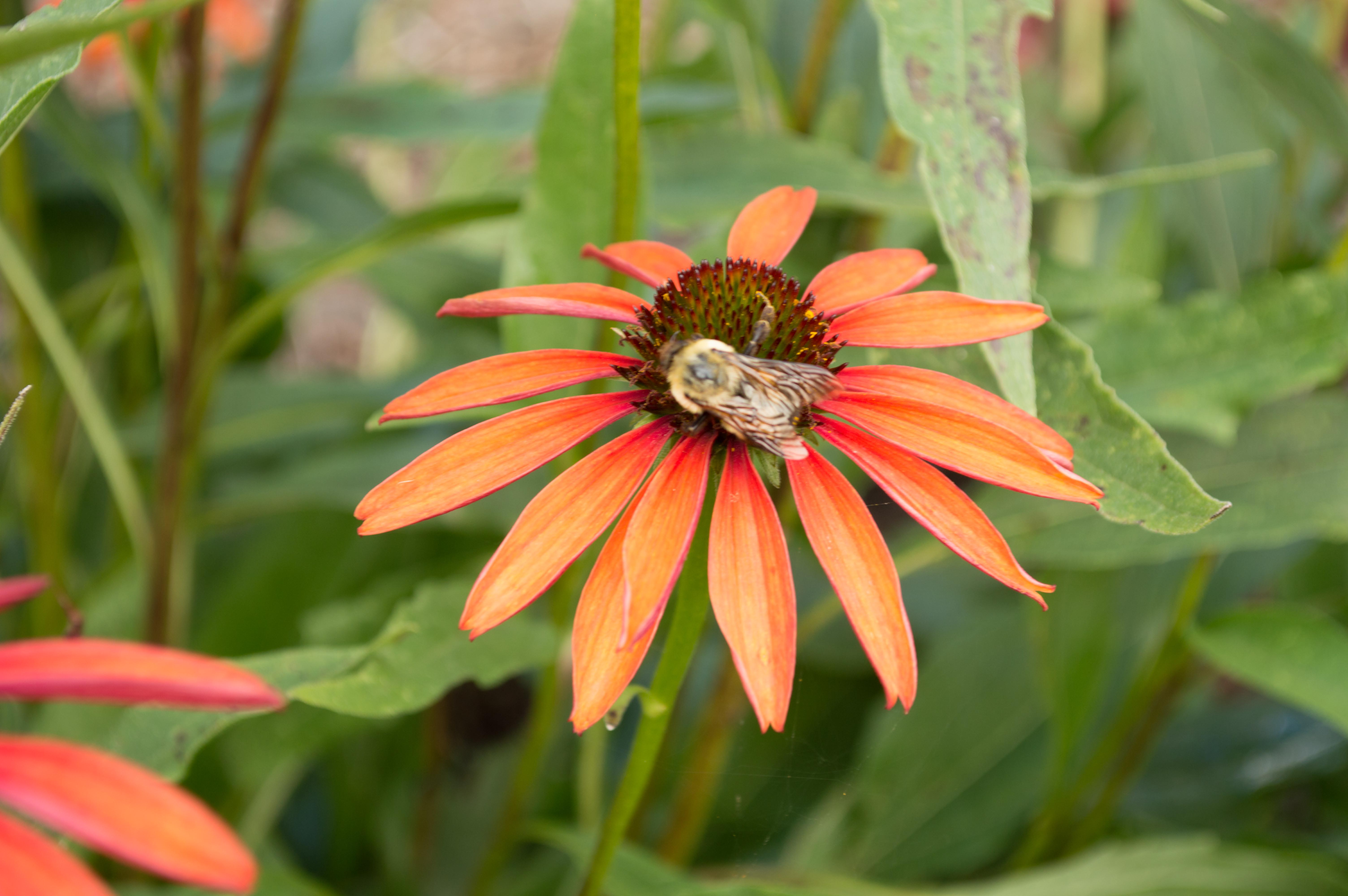
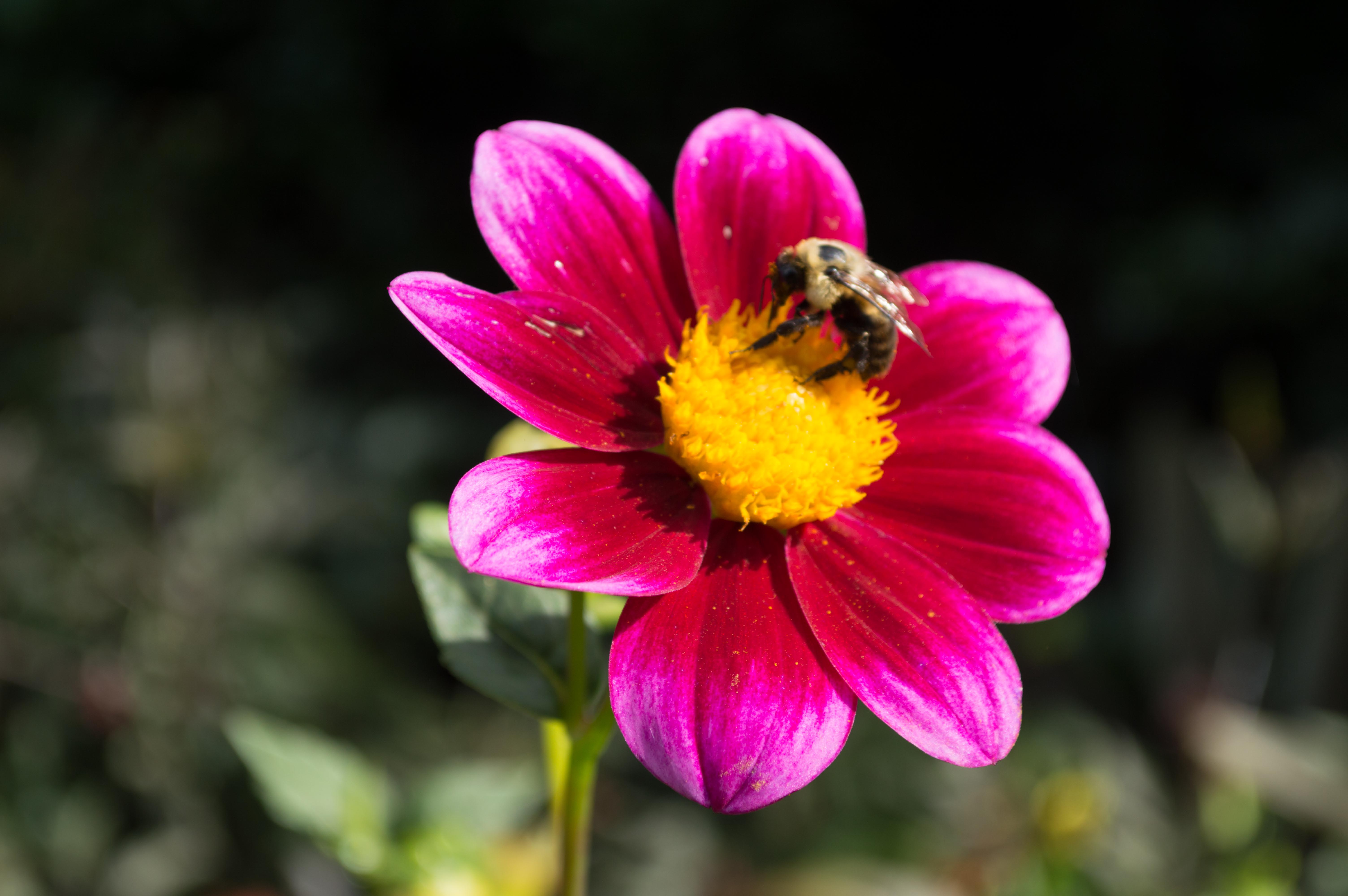
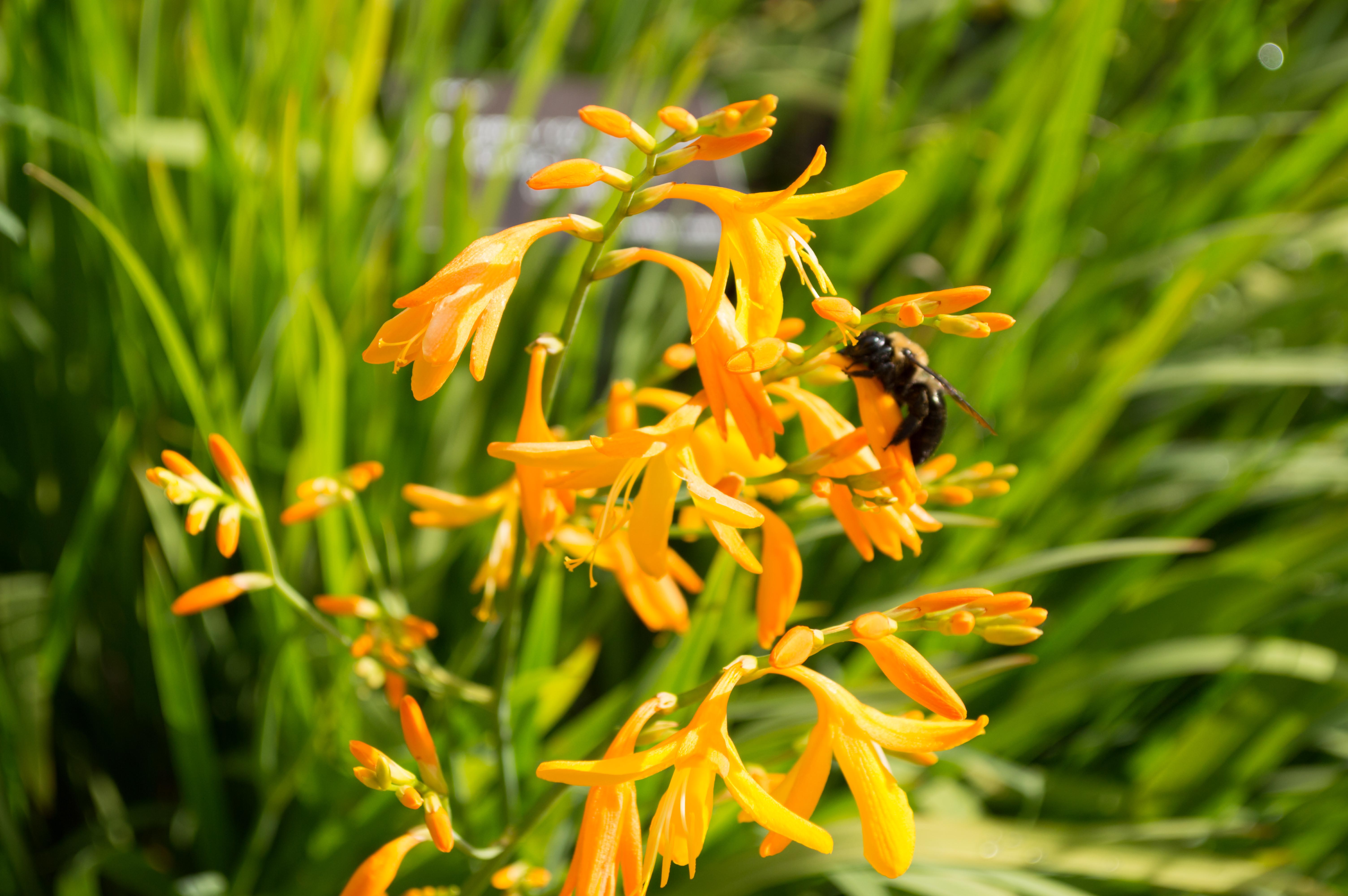
Well, that’s it, I’m climbing off my soap box. I got out to Raulston Arboretum on Saturday and found a lot of bees hard at work. I took along my tripod and used a Nikkor 18-55 mm lens in aperture priority mode. Along with a variety of bees and flowers, I was struck by the sculptural qualities of some of the blooms. My favorites are above and below.
13 07 05_2396
13 07 05_2452

Code Orange: Superstorm Sandy, climate change, and security threats

When Superstorm Sandy devastated the northeast earlier this week, Sally, Gabe, and Jocelyn were caught in New York City. Their planned short fun visit turned into a week-long ordeal. They were staying in SoHo when the storm hit and their hotel lost power and water, and stores, restaurants, and transportation systems all closed down. Thousands of flights, including theirs, were cancelled.

My sweet Tillers eventually made their way to the upper West Side and found a down-market hotel to stay in until LGA came back online and they could get flights out. As I write this, millions are still without electricity, water, food, and transportation, and dealing with enormous personal and financial losses.

I expected that the superstorm would get climate change and what to do about it onto the front page. Could there be any more dramatic example of what rising seas and increasingly severe storms could do to our coastal population centers? Wouldn’t the climate change-deniers find it impossible to deny the reality of such a catastrophe?

But the superstorm showed once again how difficult it is to get this difficult conversation going. It is not an issue politicians or editors, or ordinary people for that matter, usually like to talk about. Why? Because it is disturbing and depressing. We don’t have a comprehensive solution, but we can be pretty sure addressing it will require massive funding and considerable sacrifice. Some are receptive to voices that tell us we don’t need to sacrifice, because science is not 100% certain (which it never is). Humans in general, and Americans in particular, are usually good at recognizing and addressing emergencies like sinking ships and burning buildings. But if we’re not entirely convinced there’s a real emergency that has a direct impact on us, we generally prefer to kick the can down the road, and think about more cheerful things.

While New York was in the midst of the huge storm, it struck me that this disaster could be compared to a terrorist attack, and that it might be a good idea to use that comparison as a conceptual tool. It seems reasonable to think of climate change as a security issue. Massive storms threaten our lives and economy in much the way that bombs do. In terms of financial loss and dislocation, Sandy was far worse all of the terrorist attacks we’ve ever seen.

And the vocabulary of security seems to be one that gets people’s attention and inspires action. We’ve probably gone overboard in exaggerating the threat of terrorist attacks, as I’m reminded every time I get on an airplane, but that doesn’t mean we don’t have to address it.

To be sure, as to climate change, an important part of the worry is about the well-being of future generations, and it’s likely that most people give greater weight to the lives of living humans than to future ones. But as Superstorm Sandy showed dramatically, it’s also affecting us today.

Another thing that might help is basic science education. A lot of people don’t understand that science is in an important sense probabilistic. The most accurate conception we can ever form of nature includes a considerable range of uncertainty. There will never be a day when we can say with certainty that climate change was the sole or primary cause of a particular weather event, because of the inherent complexity of the ecosystem. But probabilities are also realities. Once the probability of rain gets high enough, we’ll take along an umbrella. If we can get a reasonable level of scientific literacy, we won’t use lack of complete certainty as an excuse for kicking the can down the road.

Climate changing and improving decision-making

It was unseasonably warm this week in central North Carolina. Some daffodils and forsythia are starting to bloom. They’re beautiful, of course, but there’s something that doesn’t feel right. They’re not supposed to be here for another month or so. It’s hard not to think about climate change (a/k/a global warming) and be worried.

At least, hard for some of us. There’s a vocal minority of climate change-deniers that somehow keep grabbing the spotlight and the microphone. They create enough of a stir to prevent any serious political discourse on the most serious global environmental problem humankind has ever faced. It’s bizarre.

Yesterday’s NY Times reports that Tea Party activists are fighting local efforts to conserve energy on the grounds that such efforts are part of a United Nations-led conspiracy. Fox News is also involved in spreading of this lunacy. What is wrong with these people? There should be no debate about whether or not to pay attention to overwhelming body of scientific evidence establishing global warming and its potentially disastrous consequences — but there is.

Our species is headed towards the edge of a cliff. We should be focusing enormous resources on minimizing CO2 and other emissions. This should be our new Apollo program — to land our grandchildren on a planet that’s sustainable.

We’ve really got to get this effort started. I suggest as a first step we agree that the opinions of science-deniers be subjected to appropriate brief ridicule and then ignored. Yes, everyone’s entitled to their opinions, but not every opinion is entitled to be taken seriously. Whether the source is ignorance, greed, or mental illness, opinions that have no basis in factual reality are at best a waste of time. In this case, they’re also increasing the risk of mortal peril. Basta!

For step two, or maybe step one-and-a-half, we should read Thinking, Fast and Slow, by Daniel Kahneman. I’m about two-thirds of the way through, and I’m confident it will be in my list of top thought-provoking books of 2012. Kahneman is a Nobel-prize-winning psychologist and founding father of behavioral economics. His most recent book summarizes the research he, Amos Tversky, and others have done in the last few decades into the psychology of decision-making.

Kahneman divides judgment into two main parts: intuitive processes (thinking fast) and rational ones (thinking slow). The fast part plays a much greater part in our decisions that we think. We all rely on heuristics and biases to simplify complex matters. This mode of thinking is important — without it we’d be paralyzed — but it also sometimes leads to very bad decisions. Understanding more about the points of failure of our ordinary thought processes may help us avoid some errors and make better decisions. I hope.