The Casual Blog

Tag: climate change

Some backyard birds, and a few words on our energy policy

Blue jay

Last week I drove down to Clemson, SC, for a nature photography weekend sponsored by the Carolina Nature Photography Association. My main interest was to take some pictures at The Nut House, a marvelous birding oasis created by Carl Ackerman.  It has three blinds where photographers can sit concealed and watch birds come to various tasty attractions.  

The weather was chilly, and the birds were neither uncommon nor numerous.  Still, it was fun to watch those that appeared, as well as the scurrying squirrels and chipmunks.    I also enjoyed meeting some nice CNPA members.

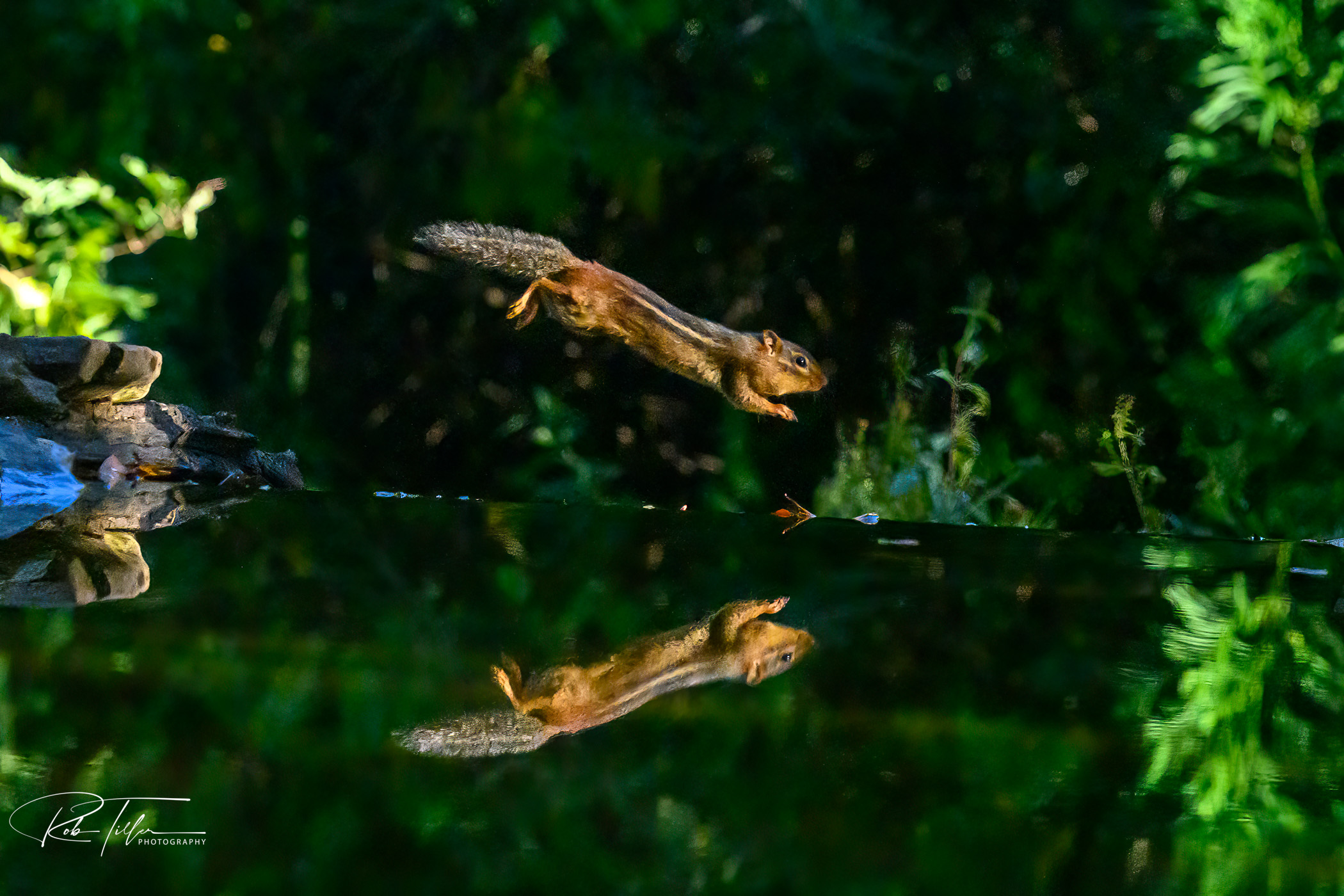
Eastern chipmunk

As usual, it was a bizarre week in Trumpworld, with too many terrible things happening to think carefully about them all.  It was particularly terrible that Trump called for death by hanging of members of Congress who’d pointed out that armed services members should obey the law and the Constitution.  

Who knows how many Trump believers might take this seriously as a call to action?  We learned from the January 6 insurrection that such people exist.  But thankfully there are still responsible Republicans who support free speech and oppose political violence.  May their numbers and their voices increase.

Red-bellied woodpecker

In other news, Trump staged an elaborate fawning tribute to a murderous Saudi Arabian tyrant, Mohammed Bin Salman.  This was, on its face, shameful and disgusting.  Why, I wondered, did he do it? 

In an interesting piece in the NY Times, Noah Shactman proposed some interesting possible explanations.  Shactman says that Trump has long viewed with envy the Persian Gulf petrostates, with their great luck in having lots of oil and their autocracy.  Now, he’s collecting billions in crypto and other business deals from the Middle Eastern autocrats, which is another reason for trying to please them.  

Eastern gray squirrel

On top of all that, or underneath it, is Trump’s view of fossil fuel as a source of power and means of domination.  As a historical matter, this is not crazy; oil and coal powered the major industries of the 20th century.  

But it’s crazy now.  Renewable energy (solar and wind power) have dropped so much in cost that in many places they are now as cheap or cheaper than fossil fuels.  And the CO2 from burning fossil fuels is on course to destroy the world economy and upend human civilization.  

Northern cardinal

As most people now know, climate change is not hypothetical – it’s here.  Average temperatures are hitting new highs, with disasters occurring as predicted – huge storms, floods, fires, droughts, eroding coastlines, along with failing farm systems, economies, and governments.  
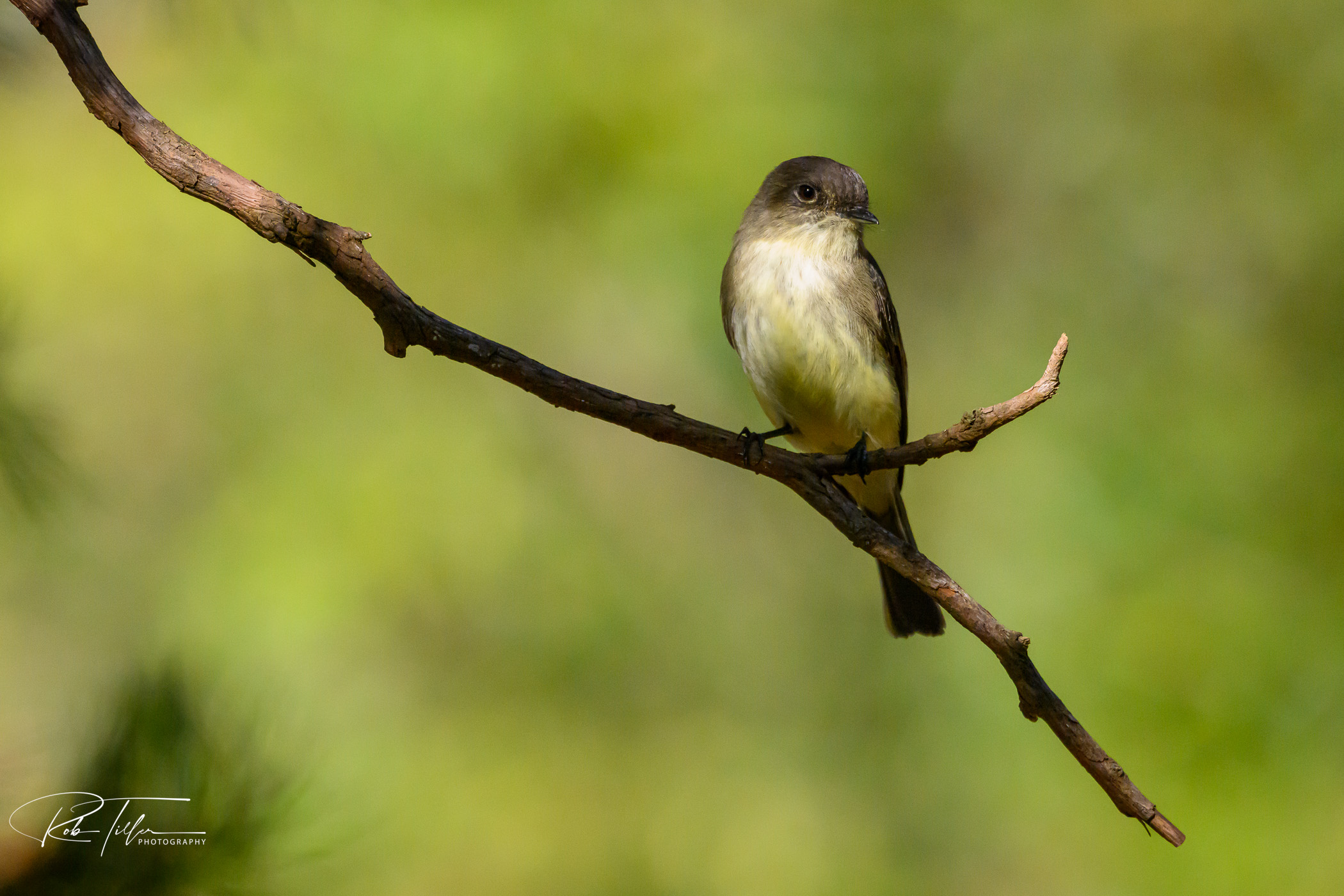
Eastern phoebe

But Trump still claims that climate change is a hoax, and that efforts to address it are scams.  He proposes instead to increase the very programs that are root causes of climate change – more burning of coal, oil, and gas – while trying to undermine renewable energy alternatives that would mitigate the catastrophe.  
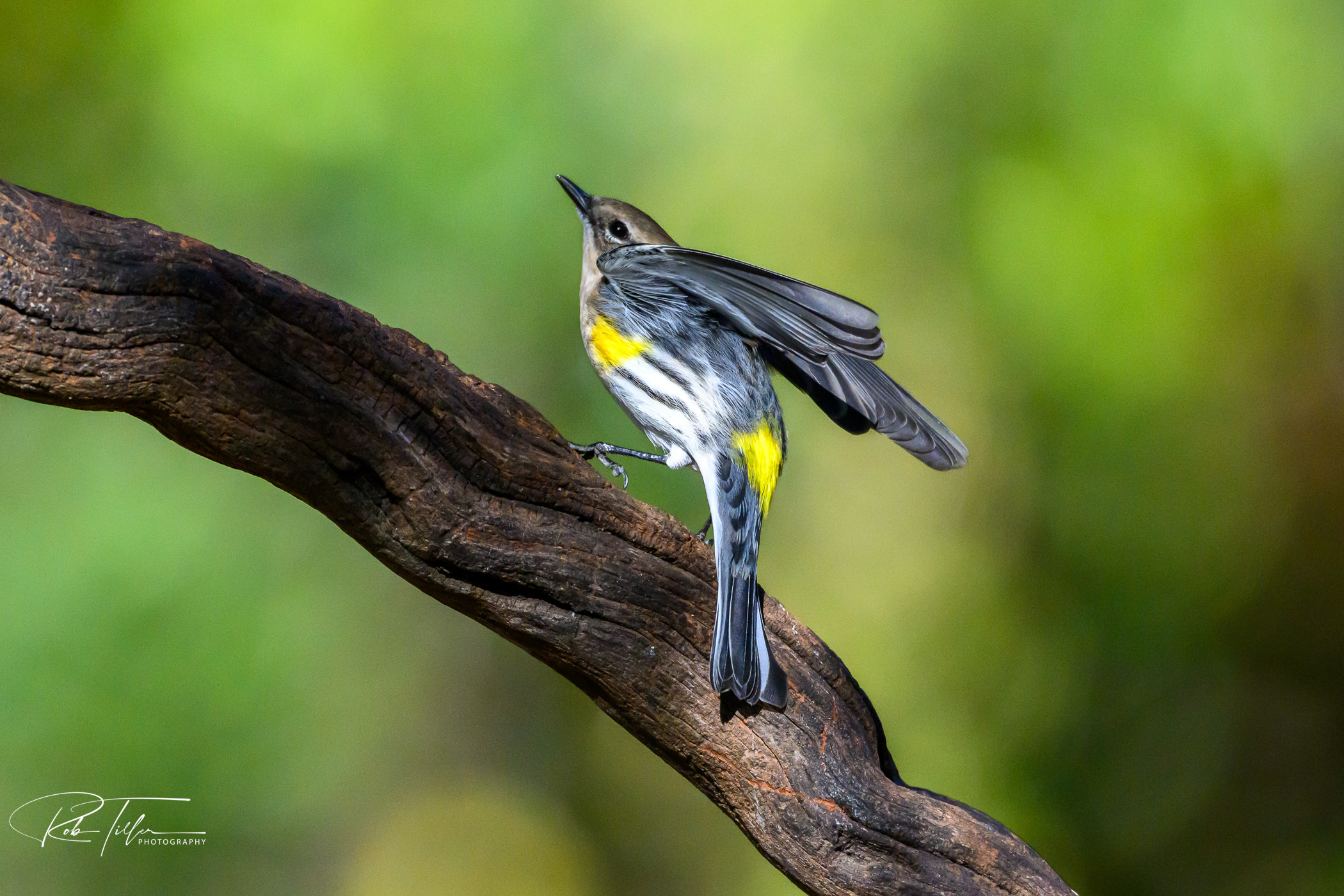
Yellow-rumped warbler

Through tax breaks and subsidies, Trump has conferred huge windfalls on the oil and gas industries, while the costs of electricity have gone up substantially.  And absent a change in course, there’s worse to come.  A recent study ound that Trump’s energy program, if pursued until 2055, could result in 340,000 premature deaths and $6.7 trillion in additional healthcare and energy costs.  
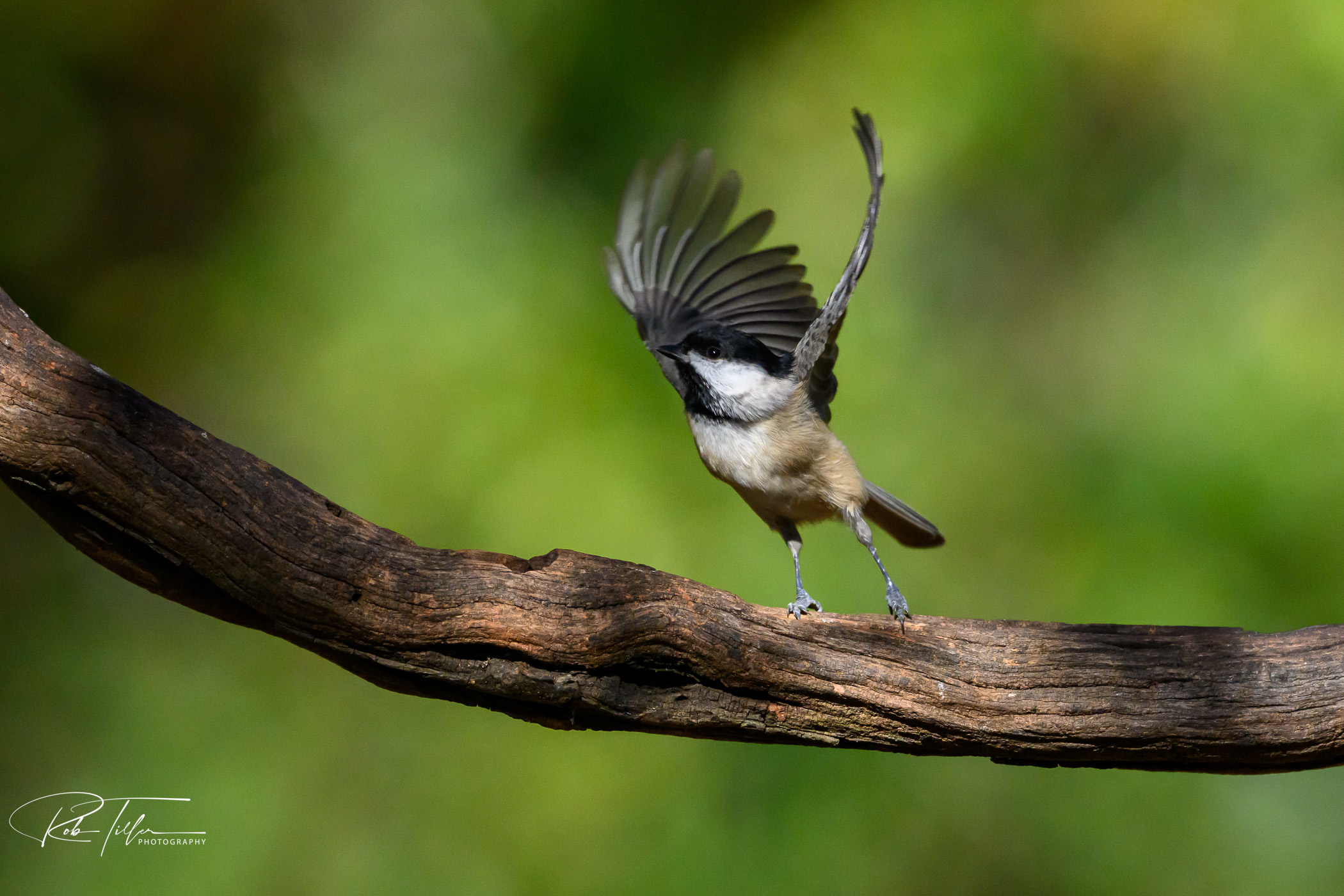
Chickadee

Somehow Trump’s horrific climate policy is still not high on the public’s discussion agenda.  But that too may be about to change, as climate change hits the housing market.  In a recent piece in the December issue of the Atlantic, Vann R. Newkirk II reports that insurers are pricing in rising climate risks, and so homeowner’s insurance in some areas is becoming prohibitively expensive. 

If insurance becomes too expensive or unavailable, homes become unmarketable.  See also this NY Times report on this same issue. Where homes become unmarketable, a cascade of problems follow – retirements undone, generational wealth eroded, community businesses closed, public services ended, and ghost towns.  
With all the risks we now face, Newkirk reminds us that all is not lost: we may yet wake up and take action. In ringing tones, he finds hope.

[P]erhaps Trump, through his very extremity, has provided a galvanizing opportunity. In his reflexive culture-warrior rejection of climate change, he has backed into a climate policy of his own, and has linked that policy to his power. With his single-minded, bullying determination to reverse course on renewables—which are part of life now for many people of all political stripes—and to dismantle programs people rely on, Trump has essentially taken ownership of any future climate disruptions, and has more firmly connected them to oil and gas. In advancing this climate-accelerationist policy alongside an antidemocratic agenda, he has sealed off fantasies of compromise and raised the political salience of dead zones, where devastation and exclusion go hand in hand. Trump’s intertwining of climate policy and authoritarianism may beget its own countermovement: climate democracy.

Climate democracy would be aided by the gift of simplicity. At present, the only way to ensure that America avoids the future outlined here will be to win back power from its strongman leader, or possibly his successors. The places facing existential climate risks—especially those in the Deep South—are mostly in states that have long been considered politically uncompetitive, where neither party expends much effort or money to gain votes. But they could form a natural climate constituency, outside the normal partisan axis. Poor and middle-class white communities in coastal Alabama, Mexican American neighborhoods in Phoenix, and Black towns in the Mississippi Delta might soon come to regard climate catastrophe as the greatest risk they face, not by way of scientific persuasion, but by way of hard-earned experience. Some of them might form the cornerstone of a new movement.

With the right message, plenty of other people may be persuadable: those upset by higher electric bills, or poorer storm forecasts, or the coziness of Trump with the oil and gas industry, or weather-related disruptions in everyday life. To paraphrase Theodore Roosevelt, Americans learn best from catastrophe, and they will learn that the help they once took for granted after disasters might now be harder to come by. Autocracy takes time to solidify, and building popular support in opposition to it takes time as well. But in the reaction needed to build climate democracy, perhaps heat is a catalyst.
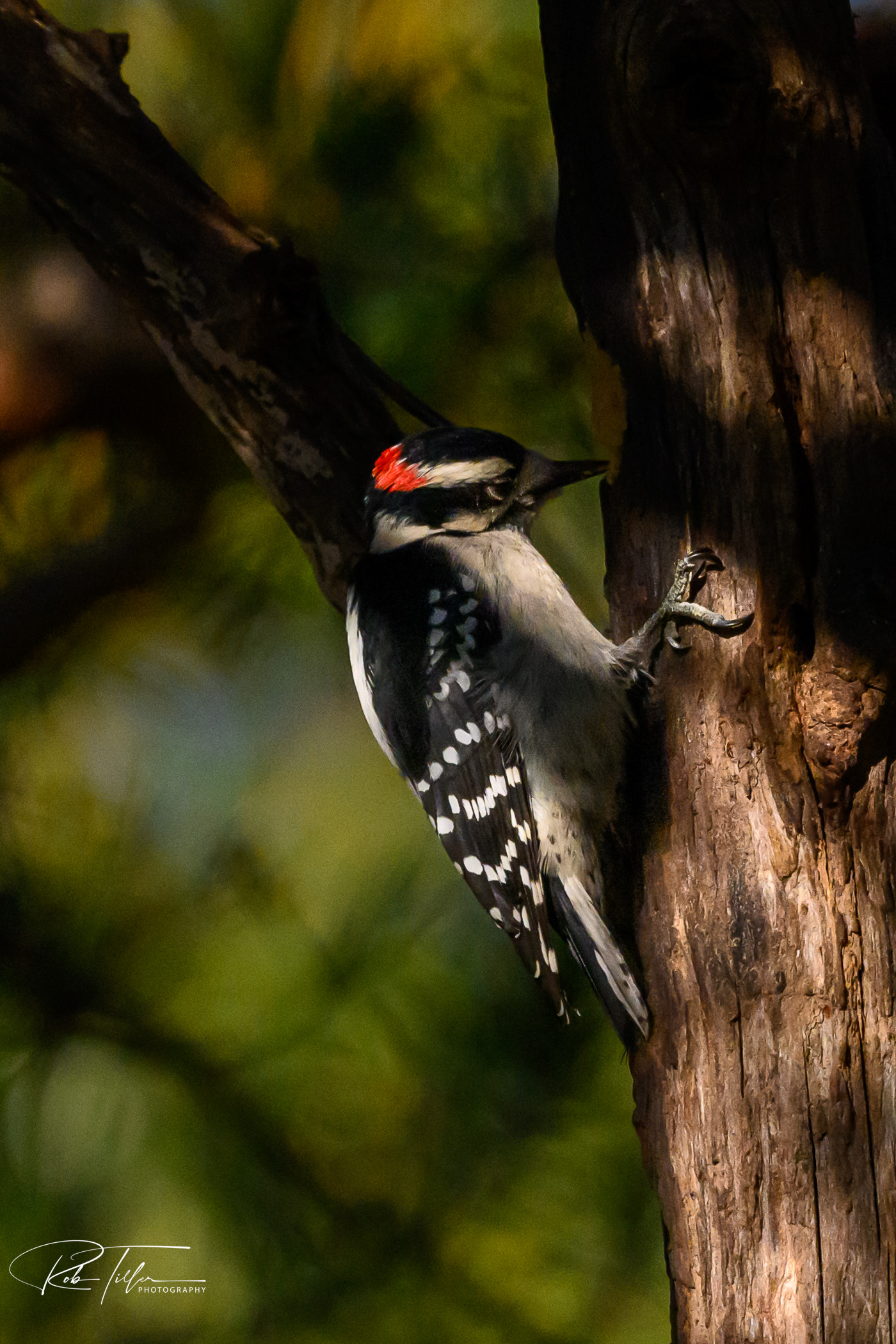
Downy woodpecker

To Southeast Asia with love, and reading Goliath’s Curse

Victoria Harbour in Hong Kong

It’s now two weeks since we got back from a two-week trip to Southeast Asia.  The travelling was tough, but worth it.  There was lush tropical beauty, ancient culture, and vibrant trade. Once I got over the severe jet lag, I felt changed in a good way.  

We flew from Raleigh to Seattle, and then to Seoul, and then to Hong Kong, where we boarded the Viking ship Orion.  After a day of sight-seeing in Hong Kong, we set sail for Vietnam, Cambodia, and Thailand.  

On the river at Hao Lu, Vietnam

Trip highlights included Ha Long Bay, Vietnam, where there are hundreds of dramatic limestone islands; Hoa Lu, an ancient capital where we visited a temple and took a lovely row boat trip; Hoi An, where we saw the grimier aspects of the country, a traditional medicine shop, silk manufacturing, and temples; Ho Chi Minh City (a/k/a Saigon) with modern high rises, teeming markets, and waves of hundreds of motorbikes; Siem Reap, Cambodia and the enormous temples of Angkor Wat, Thom Wat, and Ta Prohm; and the huge, modern city of Bangkok.  The Orion was like a first class hotel, beautifully appointed and serviced, and Viking provided good tour guides.

Ha Long Bay, Vietnam

Based on our short encounters, we found the Vietnamese people to be generally friendly and helpful, but business-like and hardworking.  Cambodians seemed more relaxed and laid back, though the street vendors were surprisingly aggressive.  For Bangkok we were mostly touring by bus, so we didn’t have many close personal encounters.

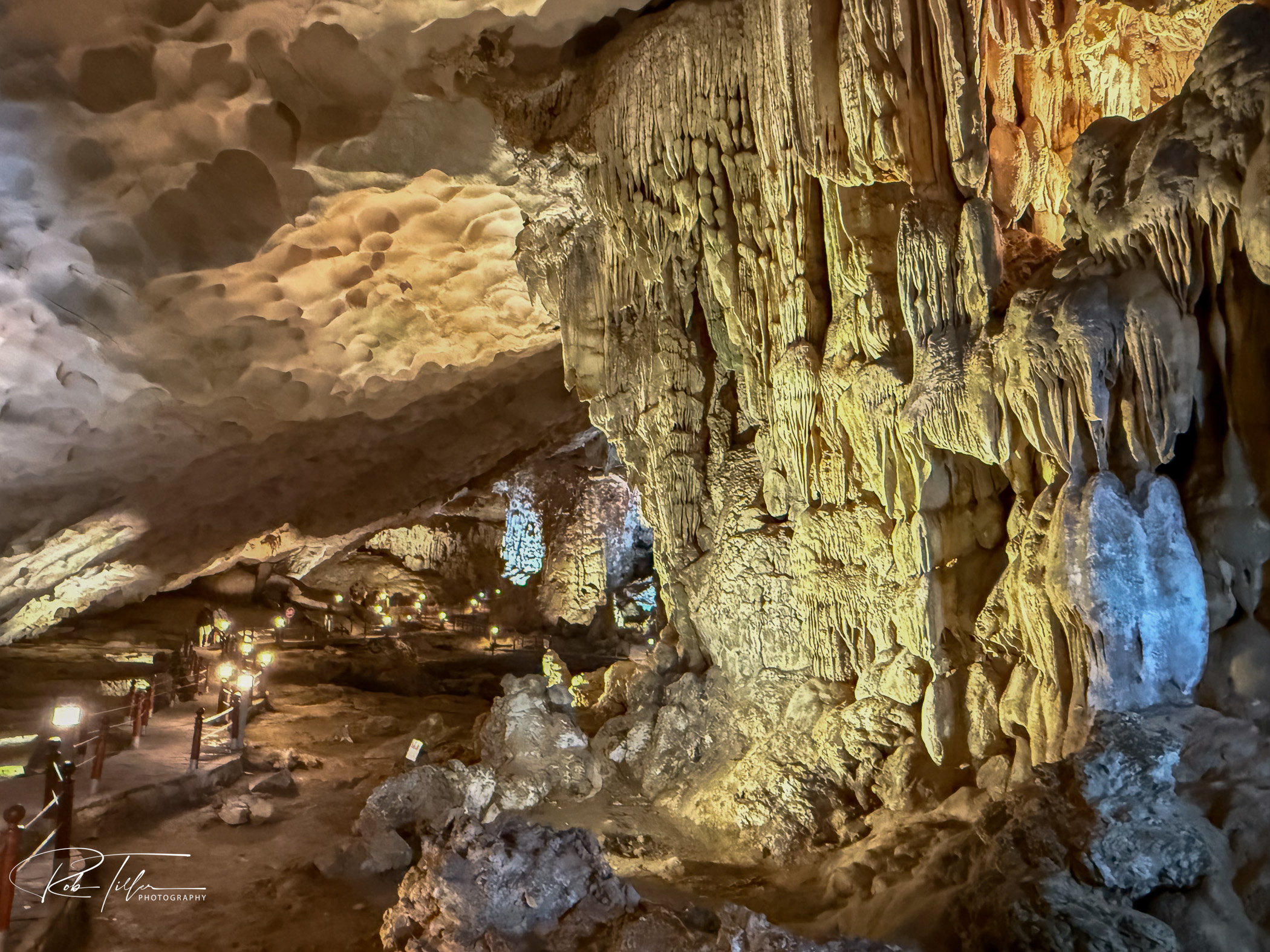
Surprise Cave in Ha Long Bay

I was interested in learning about the local religions.  I’ve long been interested in Buddhism, but I quickly figured out that Buddha’s original teachings, as they’d come to me, were barely recognizable in the religion as practiced in Southeast Asia today.  The local versions seemed to combine worship of Buddhist icons with elements of other traditions, including Taoism, Confucianism, Hinduism, and animism.  The temples, with their elaborate ornamentation, seemed undogmatic and undemanding.  

This was less true of Angkor Wat, which is the largest religious complex on Earth.  Built in the 12th century, it’s now mostly a ruin, but enough is left to show that its builders were highly serious about their religion as well as their armies.  A later generation of Hindus destroyed many of the icons, and most recently many statues of Buddha were decapitated by looters and the heads sold abroad. 

A pedalcab tour of Saigan,

During the trip I read Saigan, a historical novel by Anthony Grey.  (Thanks to my friend J, an old Vietnam hand, for recommending it.)  It resembled a James Michener novel in good ways, with a broad overview of Vietnam’s history in the 20th century woven together with some interesting characters.  Grey taught me some new things about the brutality of the French colonial regime, and brought key battles of the American war to life.  As with Michener, the prose was not especially beautiful, but I still found the book quite worthwhile.

Angkor Wat, in Cambodia

I learned a bit about the current Vietnamese system of government, which is managed by the Communist Party of Vietnam.  Opposing political parties and criticism of the CPV is not permitted.  But much economic activity is indistinguishable from the mostly free markets of the West.  At street level, it doesn’t look particularly unfree.  In fact, in places it looks highly energetic and dynamic.   
During the trip, I also delved into an important and fascinating new book, Goliath’s Curse:  The History and Future of Societal Collapse, by Luke Kemp.  Kemp, who is affiliated with Cambridge, examines the archaeological evidence of earlier large states and empires (“Goliaths”) looking for the factors that led to their collapse.  Like Graeber and Wengrow in The Dawn of Everything, Kemp challenges the conventional narrative of orderly human progress beginning with agriculture, and the assumption that increasing size and complexity of government is natural and unavoidable.    

Kemp finds that a key predictor of societal collapse across the centuries is extreme inequality.  Increasing inequality generally arises from domineering elites extracting resources (such as minerals, crops, and taxes).  Elite domination and corruption results in resentment and rebellion.  Combined with other factors, such as exhaustion of natural resources, war, disease, or climate change, extreme inequality can result in societal collapse.  

Goliath’s Curse is a timely book.  If Kemp is right, the extreme inequality in the U.S. and many other countries is a flashing red danger sign.  Dissatisfaction with this inequality has already begun to undermine our traditional democratic institutions by ushering in the age of Trump.  Kemp suggests that there is a possible path out of our current crisis:  reducing inequality and increasing democracy.  

Temple at Sihanoukville

On the long (31 hour) trip home, among other things, I watched for the second time Don’t Look Up (2021), the dark satire about two astronomers (Leonardo DiCaprio and Jennifer Lawrence) trying to warn of a comet on a collision course with the planet.  Merryl Streep is a hoot as a Donald-Trumpish president who tries to profit from and divert attention from the coming catastrophe.   As Trump continues to lead the insane battle against addressing climate change, the movie remains very much of the moment. 
Temple in Bangkok

Kayaking at Robertson Mill Pond, in a warming world, with our new “energy emergency”

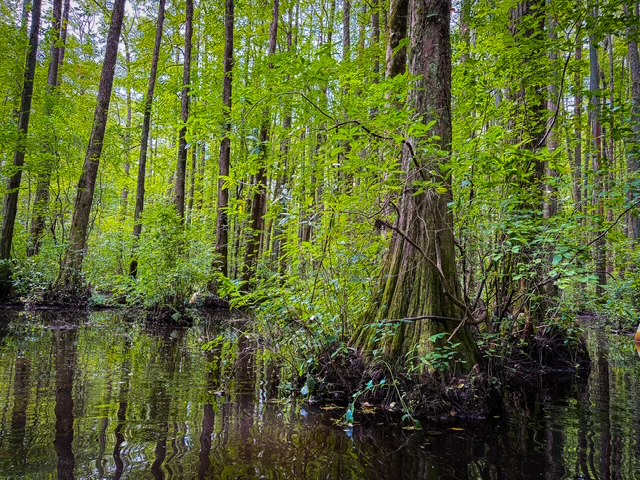
Last Monday I took my kayak to Robertson Mill Pond Preserve, which is just east of Raleigh.  The park is basically a swamp shaded by cypress and other trees, with a kayaking course laid out with numbered buoys.  I was the only person there.  I paddled gently in the shallow water and listened to the birds singing.  It was very peaceful and soothing, except when I couldn’t find the next guide buoy and got lost for a bit.

I didn’t take my big Nikon camera, which I’d hate to drop in the water, but I made a few snaps with my iPhone.  It wasn’t too hot that day, and it didn’t rain while I was paddling.  But the heat has made it tough to do very much outdoors on a lot of days this summer.  I played golf on Wednesday afternoon, when the temperature was in the low 90s, and was sweating profusely after walking hole number 1.

Global warming has been on my mind this summer, because it seems to be coming at us hard.   Hotter and hotter weather, more intense storms, floods, fires, and other climate-related disasters are a fact of life.  I’d have thought that there could be no denying it for anyone who can’t always stay in the air conditioning. 

Large populations are already facing droughts, crop failures, wars, displacements, and other disasters related to higher temperatures.  At the micro level, hotter temperatures cause increases in crime and domestic violence.  All the science tells us that unless we take action, all these problems are going to get a lot worse.  

So why aren’t we doing everything we can to mitigate our crisis?  Well, part of the answer is, follow the money.  It’s no secret that those who profit from the fossil fuel system are always keen to make more money, and highly resistant to having less.  President Trump promised the fossil fuel moguls that he would be their boy if they gave him enormous campaign contributions.  They did, and in at least this one instance, he kept his promise.  See this article.

Climate experts are being fired or sidelined and agencies organized to protect public health are being dismantled. Rules discouraging fossil fuel emissions and encouraging EVs are being dropped.  Subsidies for green energy have been undone, and new subsidies for fossil fuels enacted.  The endangerment finding that is foundational for EPA regulation is being reversed.  There’s even a plan to shut down satellites that measure CO2.   

This is truly perverse.  How could it be justified?  Why of course:  just say there’s a national emergency!  As with other Trumpian outrages (like militarization of the border and starting a trade war with tariffs), the President, with no factual basis, declared a national energy emergency

Like autocrats before him, Trump cynically exploits the blind spots and weaknesses of the citizenry.  One of his trademark moves is to sound the alarm:  we have everything to fear!  By raising the panic level, he lessens the chance that people will be able to engage in critical thought.  Thus we learned that immigrants are generally rapists and killers, that peer nations are deadly drug dealers, and that Democratic leaders are Satanic pedophiles.  And now, he says we have an energy crisis — not too much fossil fuel usage, but too little!

None of these claims has a grain of truth, but that hasn’t stopped them from propagating on right wing media.  And the flood of truly frightening things, like widespread cruelty to immigrants, imposing militarization in our cities, attacking our universities, betraying our allies, undermining the rule of law, fomenting stagflation, and halting vaccine and other scientific research, is exhausting.  There’s hardly enough time to get up to speed on one outrage before there’s a new one.  

So even for a well educated and dedicated progressive, it’s tough to keep up with the news, and with everything there is to worry about, to stay engaged on climate change.  But the consequences of not doing so could be disastrous, as in, the end of civilization as we know it.  

One other aspect of this problem, and then I’ll stop:  most Americans are not well educated.  Fewer than half have more than a high school degree.  More than half read at below a sixth grade level.  This is not a bug for MAGA; it’s a feature.  Ignorance is a key enabler of the Trumpian movement.  This partially explains the attacks on universities and public education.  

So it’s not surprising that a lot of people have trouble processing the science of climate change, or even understanding what science is.  And it’s not surprising that they’re preoccupied with the price of gas and other daily necessities.  Most don’t have enough money for a major health emergency, and many can’t fund a car breakdown emergency.  Climate change is, for them, not the most immediately pressing issue.  

The widening of the income gap between the well off and everyone else over the last several decades is a big part of the explanation for Make America Great Again.  Working class people really were better off, relatively speaking, in the mid-twentieth century.  There were more unionized jobs, and more respect for such jobs.  Various institutions, like unions, churches, social clubs, and sports, gave a sense of community and connectedness.  We’ve lost a lot of that.  It’s understandable that working people feel they’ve gotten a bad deal, and it’s not fair.

As many others have noted, it’s truly ironic that a make-believe-super-rich-guy-failed-businessman-grifter like Donald J. Trump could successfully win the love of masses of the not well off.  Yet he did, by acknowledging their anxiety and sense that the system was unfair, as well as by appealing to their prejudices.  Can he keep their love as he makes sure the economy worsens, the housing crisis worsens, the health care system worsens, and the planet heats up?   Probably not.  

In any case, we’re all here together on our one precious, fragile planet.  We need to keep talking to each other, with patience, with respect, but also with urgency. 

Local birds, and Trump’s war on nature

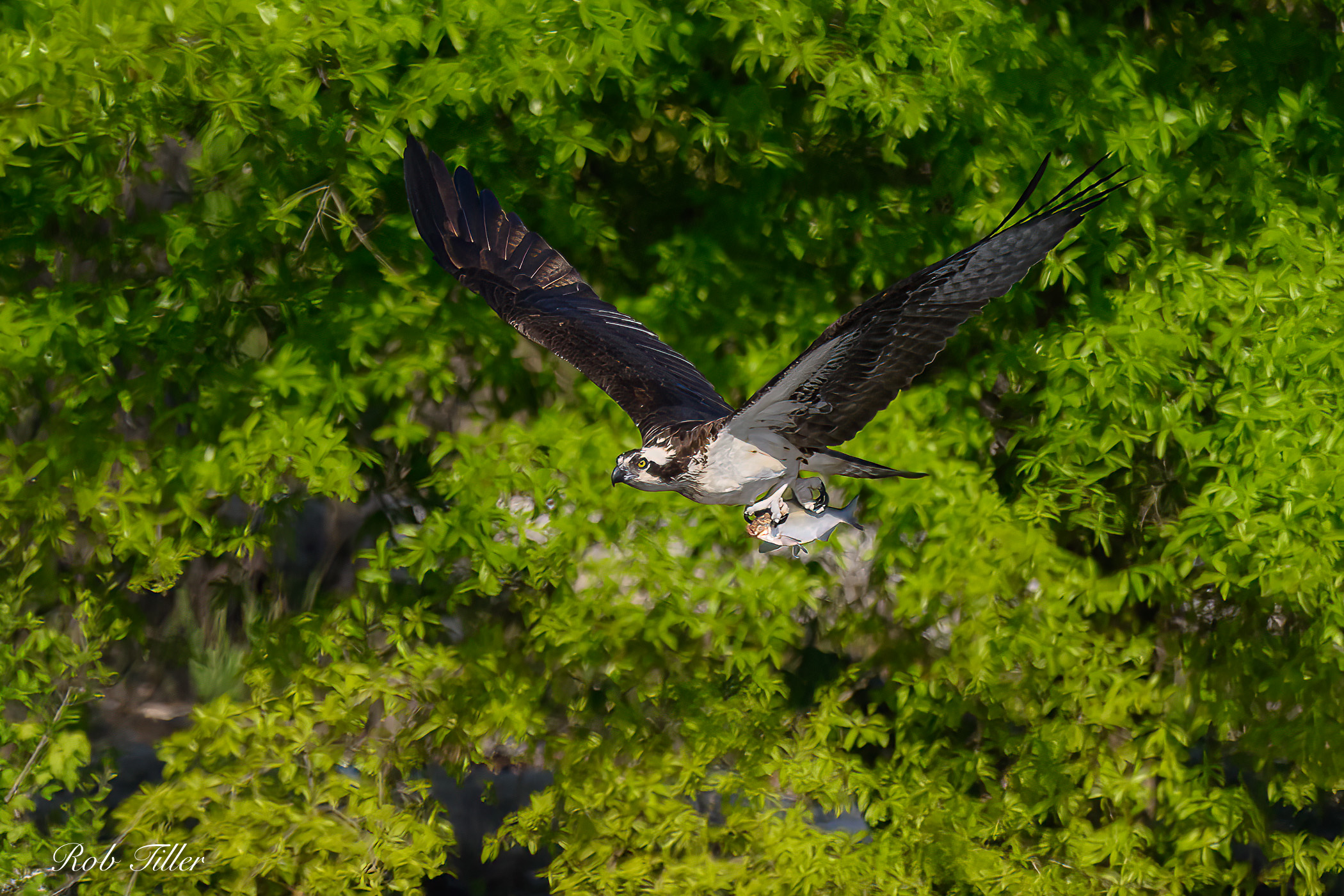
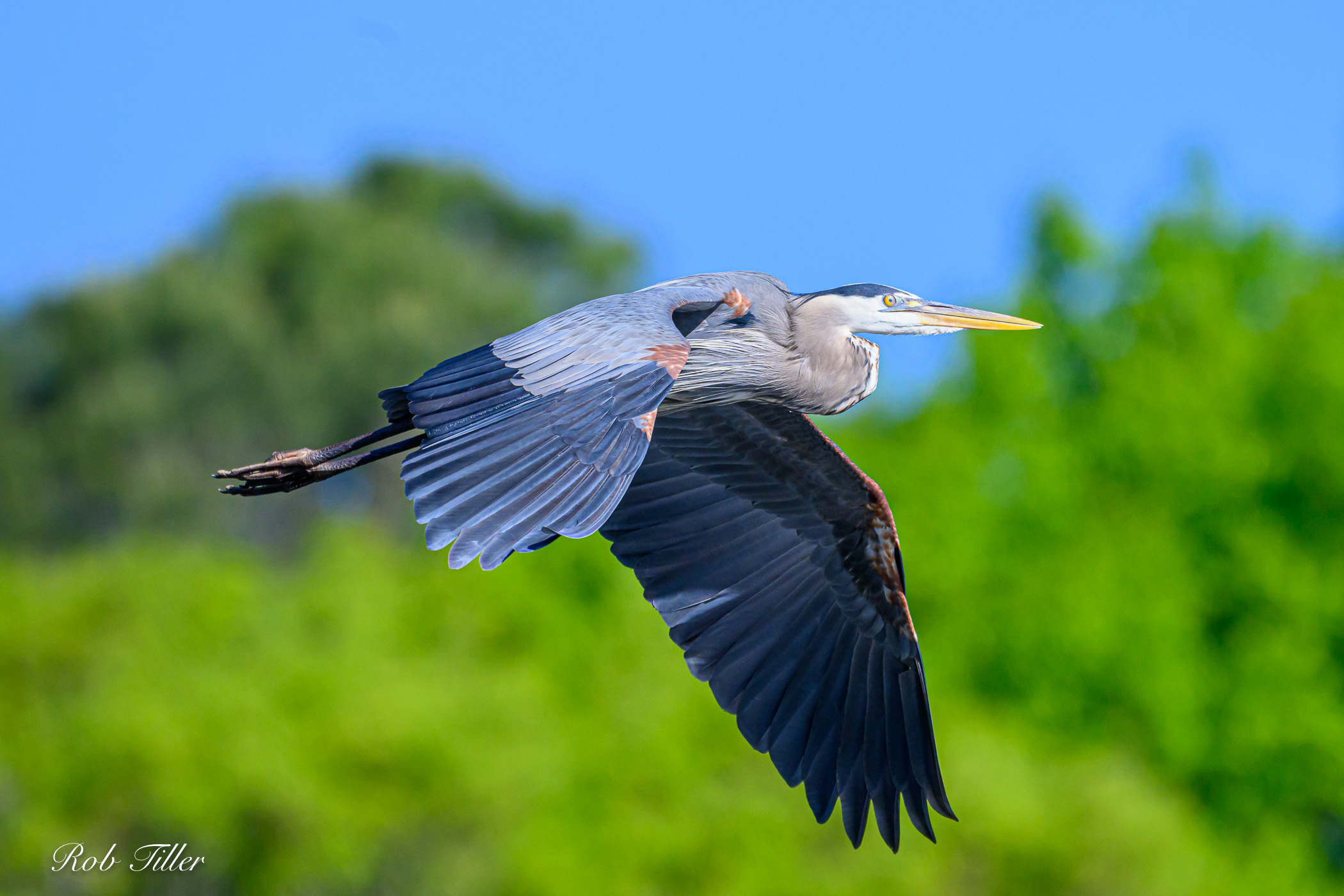
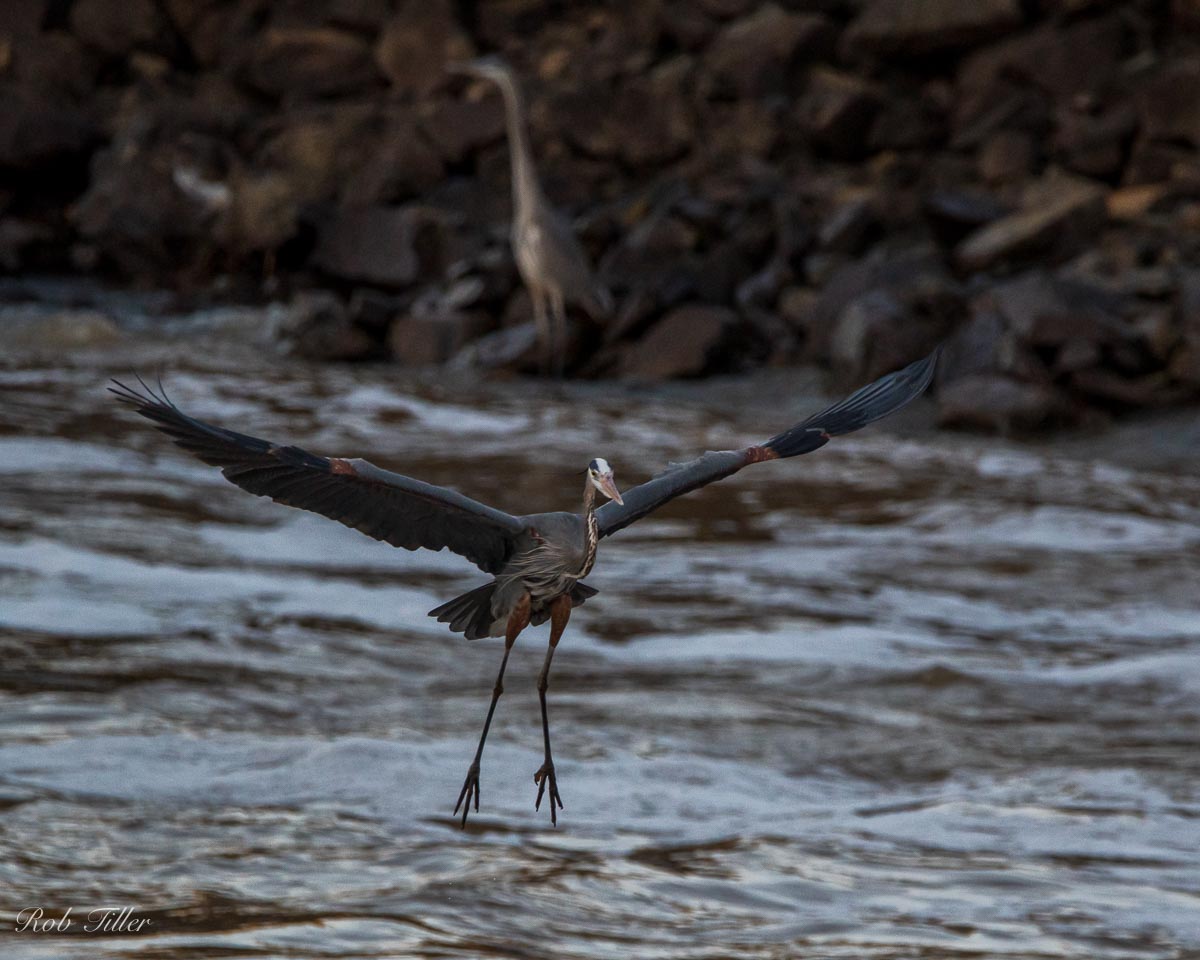
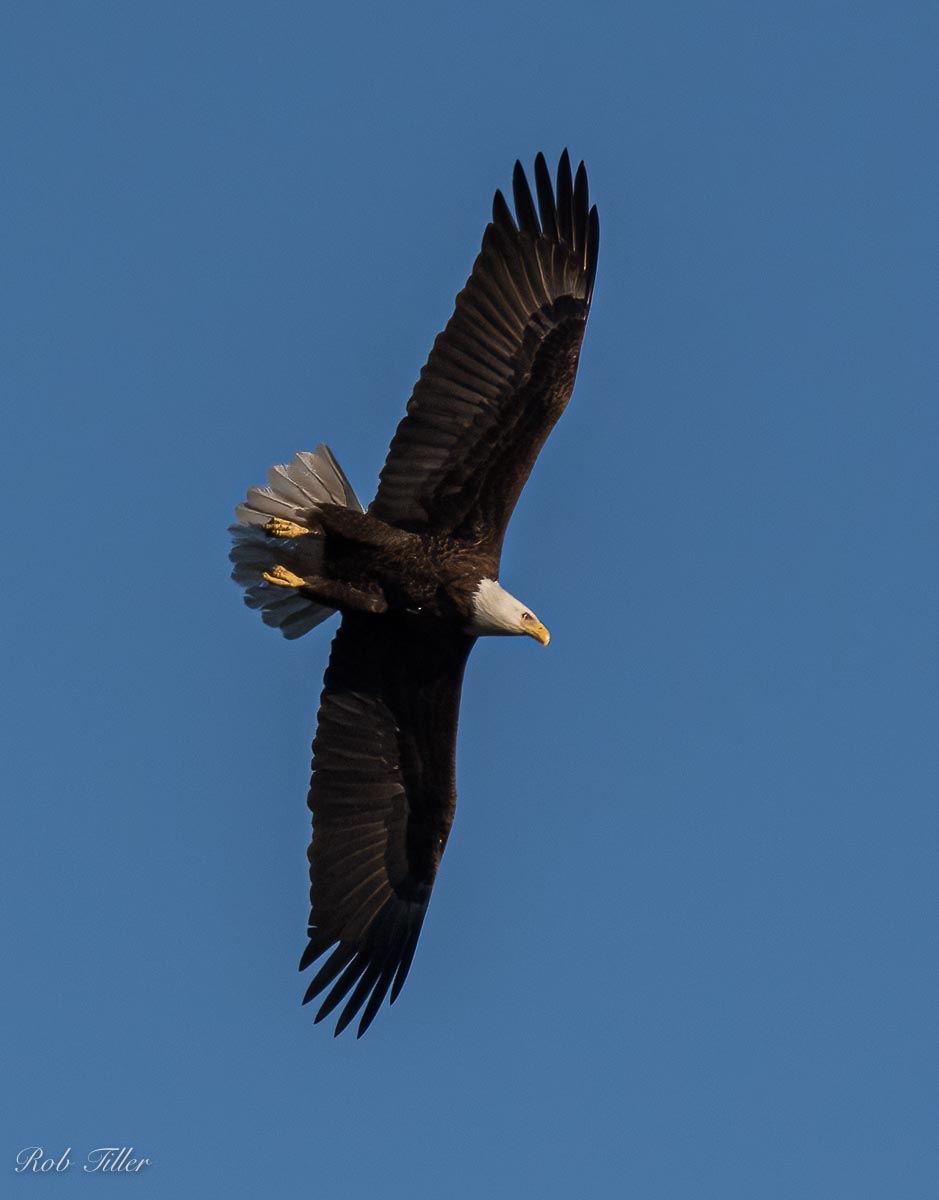
Recently I’ve taken a couple of boat trips on Jordan Lake with the Carolina Nature Photographers Association to see some of the birds that live there.  According to our guide, Captain Dave, there are some forty nesting pairs of bald eagles there now, along with many ospreys, great blue herons, woodpeckers, various ducks, and many smaller birds.  

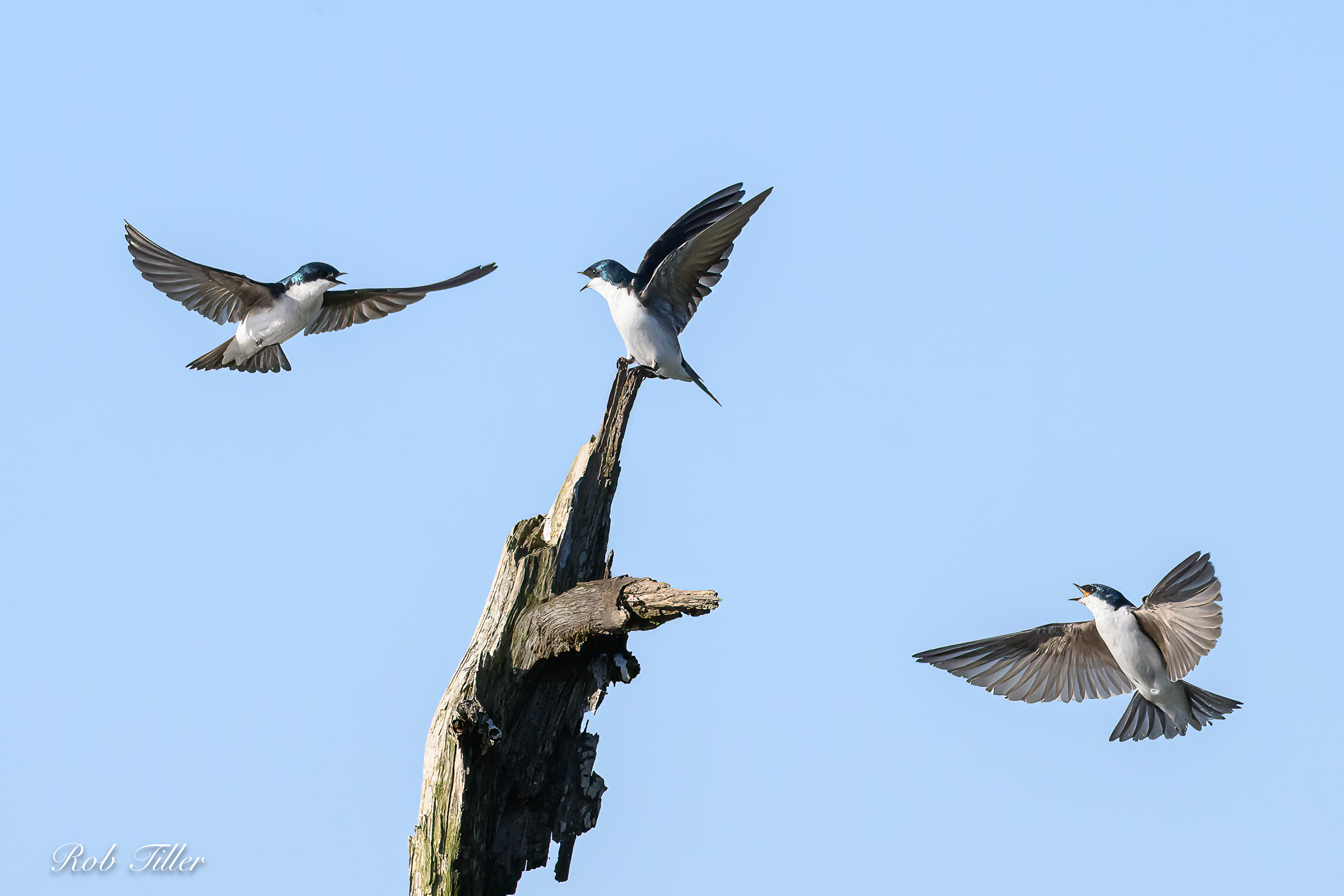
There was a lot happening.  We saw eagles hunting for food and battling over territory.  Ospreys were incubating their eggs.  Wood ducks were shy and flew away quickly.  Several tree swallows had a battle royale over a strategic perch.  At one point hundreds of cormorants were flying and diving together in a coordinated hunt of the local small fish.  

I’ve also been enjoying listening to the springtime songs of the birds in our backyard.  A few years ago I invested some energy into learning common bird songs and calls from recordings.  Lately I’ve been expanding my repertoire with Merlin, a free app from the Cornell Lab of Ornithology.  Listening along with Merlin to the birds from our back deck, I’ve discovered several species whose songs I didn’t know and who almost always hide behind the leaves.  It’s a great little app! 

With American democracy in crisis, and a wide array of related disasters in process, it isn’t surprising that bird song and nature generally are not top of mind for most people.  But I find their strength and beauty inspiring, and a source of strength.  

What’s more, the welfare of nature is the welfare of us all.  It’s such a mistake to think that the world is all about humans, and nature is of secondary concern, or no concern.  We humans are just one part of the grander scheme of nature.  We can’t destroy nature without destroying ourselves.

It’s both bizarre and tragic that part of the Trump program seems aimed at just such destruction.  I’ve puzzled over why this could seem like a good idea to anyone.  Paul Krugman, the Nobel-prize-winning economist, offered a possible answer in a recent free email newsletter

Krugman usually writes on economic subjects, and I’ve found him helpful in illuminating some of the leading stories coming out of Trumpworld.  In writing about the tax plans now in process, he pointed out that part of the program for funding tax cuts for the rich is cutting government support for clean energy and increasing subsidies for fossil fuels.  

Krugman notes that the reason surely has a lot to do with our system in which campaign contributions buy policy decisions – a system that seems to me a sort of legalized bribery.  The fossil fuel industry contributes much more to Republicans.  But he notes, there seems to be more than just money at stake. 

Why does MAGA hate renewables? They consider them woke because they help fight climate change, which they insist is a hoax. And they’re cleaner than burning fossil fuels, which means that they aren’t manly.

It’s all kind of funny — or would be if it weren’t so tragic.

Krugman writes that the dramatic progress in renewables technology has made it possible for us to mitigate the worst effects of climate change.  The price of wind and solar power has been falling quickly.  But Trump has opposed these technologies and taken aim at the Democratic programs to advance them.  

David Gelles of the NY Times has a good new piece on several aspects of the Trump approach to our climate crisis.  He gives a pithy summary of our basic situation: 

Average global temperatures last year were the hottest on record and 1.5 degrees Celsius above preindustrial levels, a threshold that nations had been working to avoid. Every fraction of a degree of additional warming raises the risk of severe effects and possibly irreversible changes to the planet. Nations must make deep and fast cuts to pollution to avoid a grim future of increasingly violent weather, deadly heat waves, drought, water scarcity and displacement . . . .

Can nothing be done?  In fact, a lot can be done, as demonstrated around the world. Gelles explains that the current administration is unique among major world powers in its preposterous denial of climate change and refusal to act.

Around the world, countries are racing to adapt to a rapidly warming planet, reduce pollution and build clean energy. China, the only other superpower, has made a strategic decision to adopt clean energy and then sell it abroad, dominating the global markets for electric vehicles, solar panels and other technologies. Even Saudi Arabia, the second-largest producer of oil after the United States, is spending heavily on wind and solar power.

Here in the US, we’re taking a different approach, as Gelles explains.

The president’s proposed budget calls for eliminating funding for “the Green New Scam,” including $15 billion in cuts at the Energy Department for clean energy projects and $80 million at the Interior Department for offshore wind and other renewable energy. The administration has frozen approvals for new offshore wind farms and imposed tariffs that would raise costs for renewable energy companies. Republicans in Congress want to repeal billions of dollars in tax incentives for production and sales of solar panels, batteries, electric vehicles and other clean energy technologies.

At the same time, per Gelles,

The Environmental Protection Agency, which has been the government’s lead agency in terms of measuring and controlling greenhouse gas emissions, is being overhauled to end those functions. The administration is shredding the E.P.A.’s staff and budget and wants to revoke its two most powerful climate regulations: limits on pollution from tailpipes and smokestacks.

Mr. Trump has said that relaxing limits on pollution from automobiles wouldn’t “mean a damn bit of difference to the environment.”

But transportation is the largest single source of greenhouse gases generated by the United States and its pollution is linked to asthma, heart disease, other health problems and premature deaths.

Trump is also cutting federal disaster relief programs led by FEMA.

As human-caused global warming increases, disasters are becoming more frequent, destructive and expensive. There were just three billion-dollar disasters in the United States in 1980, but that total increased to 27 last year, according to data collected by NOAA. The agency said last week that it would no longer tally and publicly report the costs of extreme weather.

Finally, Trump is undermining the research at the foundation of past efforts to anticipate emergencies and mitigate climate change.’

Last month, the Trump administration dismissed hundreds of scientists and experts who had been working on the National Climate Assessment, a report mandated by Congress that details how global warming is affecting specific regions across the country.

In recent weeks, more than 500 people have left the National Oceanic and Atmospheric Administration, the government’s premier agency for climate and weather science. That has led the National Weather Service, an agency within NOAA, to warn of “degraded operations.”

NOAA also stopped monthly briefing calls on climate change, and the president’s proposed budget would eliminate funding for the agency’s weather and climate research. The administration has purged the phrases “climate crisis” and “climate science” from government websites.

There’s more; Gelles’s piece is worth reading in its entirety.  There are a lot of reasons to stop Trumpism, but the war on the health of the planet is enough by itself.  State and local officials are the next line of defense, and they need our encouragement. 

Heat, horses, and Poverty

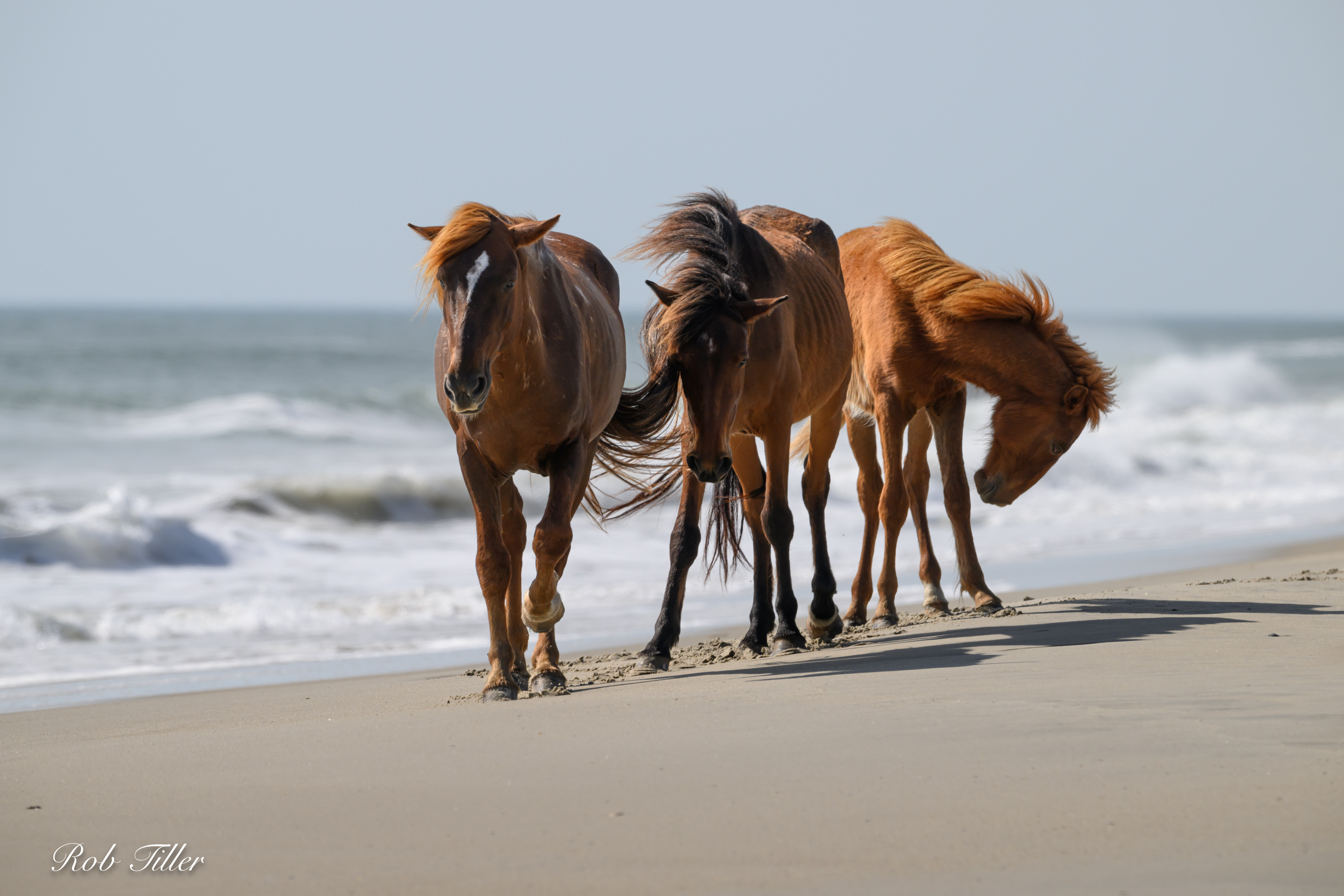
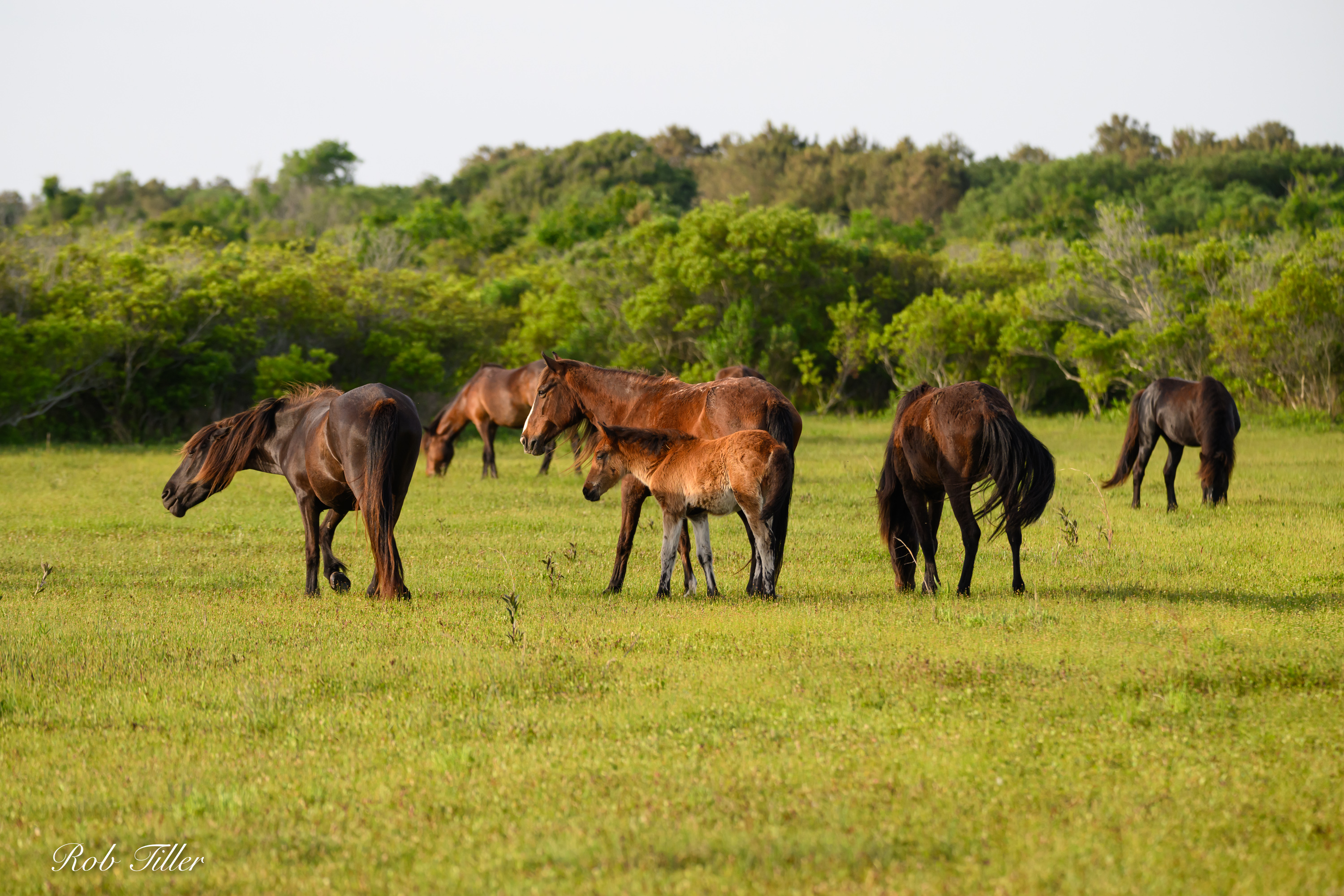
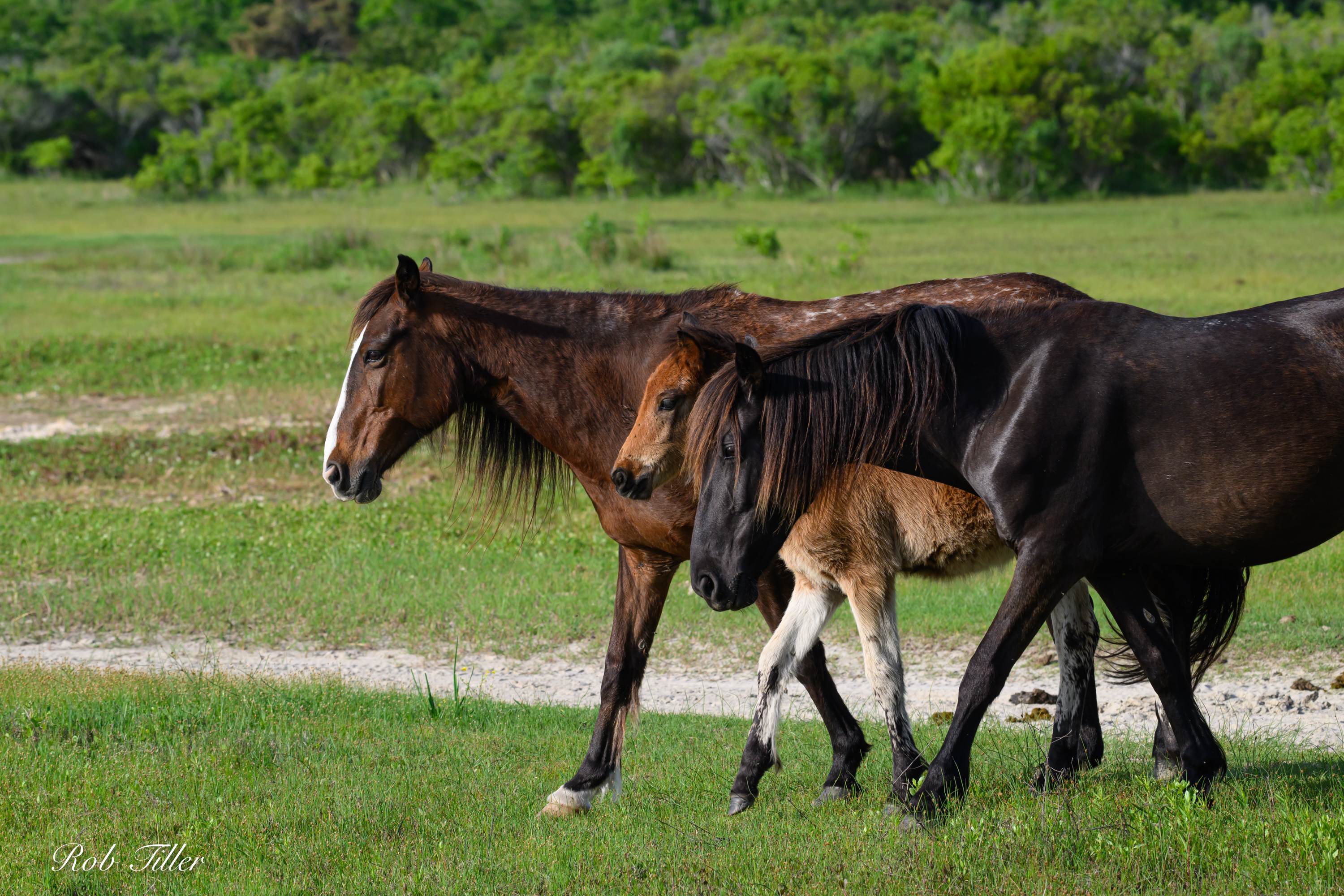
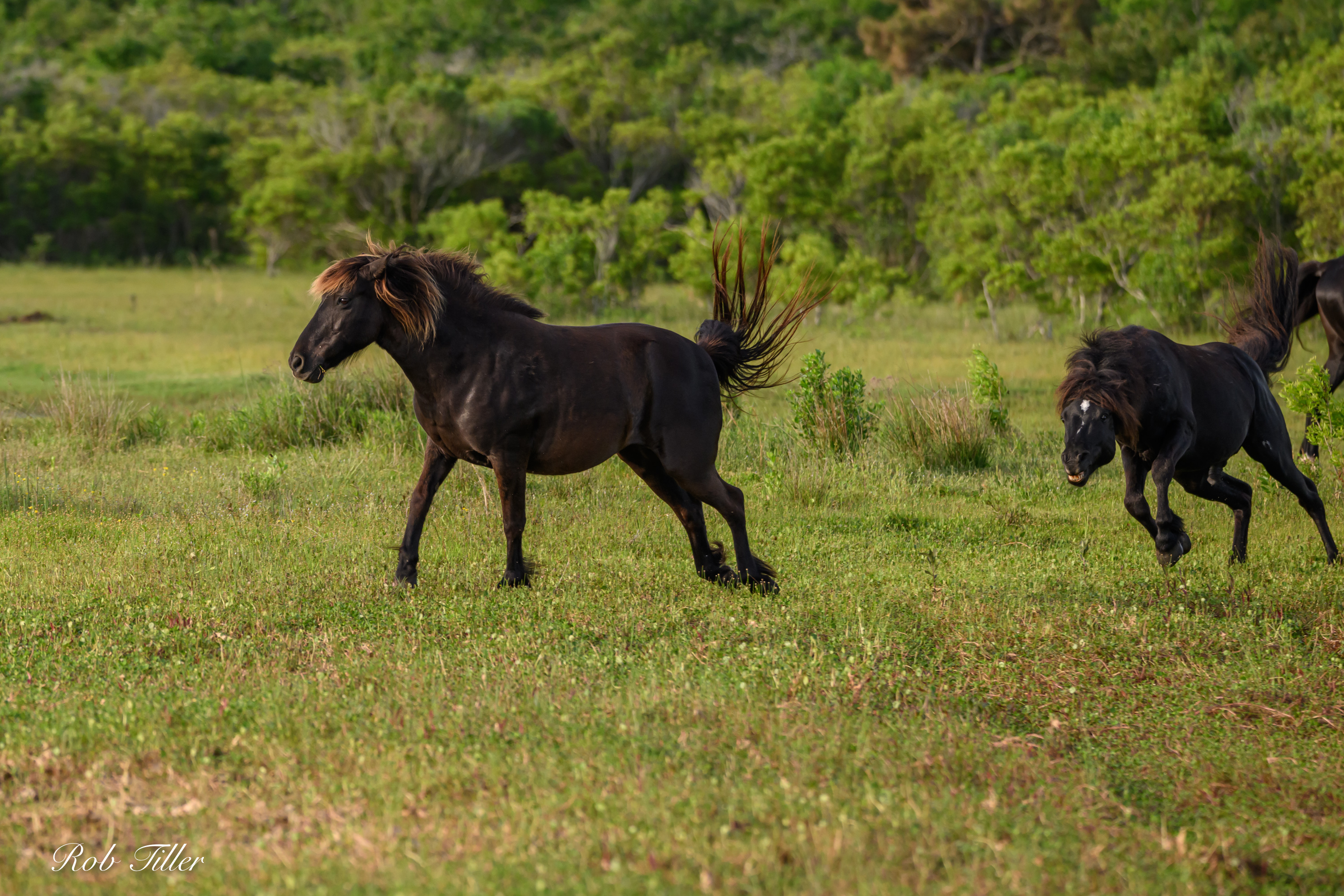
High temperatures and high humidity in Raleigh have made outdoor activities pretty miserable.  Stuck inside more,  I finally managed to sort through the pictures I took in May of the wild horses at Corolla, NC.  I saw thirty-some in one day in a pasture and on the beach.  

The horses had some disagreements between their family groups, which resulted in a few chases and kicks.  They could run very fast, but mostly they just grazed peacefully or enjoyed the ocean breeze.  They seemed to have a good attitude towards life.  

Again, about that heat:  we’re regularly setting new records for highs in these parts, as is the planet as a whole.  And of course, with the heat come other problems, like  floods, draughts, tornados, hurricanes, and wildfires, not to mention famines, water shortages, pandemics, failed economies, mass migration, and war.  It’s gotten harder and harder to deny we have a climate crisis that we created and we must address, although some still do.

Denialism is a core plank of the Trump movement.  One of the projects in Project 2025, the detailed list of policies proposed by Trump administration veterans and aspirants, includes the break up of the National Oceanic and Atmospheric Administration.  NOAA is the parent of the national Weather Service, which provides the raw data for most of the weather reporting that industry, the military, and you and me rely on.  According to Project 2025, NOAA is “one of the main drivers of the climate change alarm industry.”  Who knew?

Along with muzzling or dismembering NOAA, Project 2025 proposes downsizing agencies focusing on climate research, including the EPA, weakening environmental regulations, curtailing renewable energy support, and expanding fossil fuel development.  Trump told a group of oil execs that for $1 billion in contributions, he’d allow new oil drilling projects and reverse regulations that limited their profits.  

It’s shameful, but not surprising, that fossil fuel interests find it normal to put profits above all else, but it’s hard to understand why others not mad with greed would be willing to go along with a program to further degrade the environment.  The Trump-MAGA opposition to climate mitigation could be partly about wishful thinking, as in, we wish we didn’t have this terrible problem which will be hard to address, so let’s pretend we don’t.  And of course, Trumpists are inclined to oppose anything that non-Trumpists support, up to and including trying to save the planet.  

Anyhow, as most people surely know by now, our planet is in dire straits, and without strong measures the climate emergency will become an ever-widening disaster.  The Biden presidency took some meaningful steps toward addressing this emergency, including the Inflation Reduction Act, but much more is needed.  It’s a safe bet that a Harris administration will continue this work. If you are considering voting for Trump, I hope you will reconsider and instead support facing and fixing our climate crisis.  

If you can stand one more serious subject: I finished reading Poverty, by America, by Matthew Desmond, and recommend it.  I knew, as we all know, that we have poverty in the US, but in this short book Desmond brought it into better focus, in a way that was at once challenging and surprisingly hopeful.  

Poverty, by America helps us understand that poverty doesn’t just mean not having inadequate housing or other necessities.  It also means insecurity and anxiety, health problems, depression, addiction, and other personal difficulties. 

Desmond challenges the narrative that poverty is inevitable and the poor are mainly responsible for it. At the same time, he isn’t buying the idea that the wealthy are mainly responsible for their own good fortune, rather than the beneficiaries of lucky birth circumstances and government preferences.  The extreme inequality between rich and poor in America is deplorable, and indefensible.

It isn’t pleasant to realize that most of us who are not poor have acquiesced in this system, and are to some degree complicit in it.  We like having low prices, and adopt the narrative that that requires low-paid labor.  Most of us aren’t really opposed to government assistance.  Indeed, the non-poor are by far the greatest beneficiaries of government welfare, through such subsidies to the well-to-do as the mortgage interest deduction, favorable tax rates for capital gains, and student loans.  

This is a longstanding and chronic situation, but Desmond refuses to give up hope.  He points out both small and large reforms that would ameliorate poverty.  One main one is to quit tolerating tax cheating by the wealthy and raise their taxes to something closer to the historical and international norm.  The additional revenue could fund better schools, better housing, and better opportunities.  

Starting to miss Antarctica and its animals

Looking back through the photographs I made on my Antarctic trip, I’m still reflecting on how challenging the voyage was.  But I’m starting to think about how much I want to go back.  It was uniquely beautiful, and thought provoking.

I came away with an enriched conception of non-human animals, and how humans can relate to them.  It reinforced my view that there’s no inherent right for us to use them without considering them as communities and individuals.  Even though it’s generally accepted, there’s something deeply misguided in our conception that non-human animals are inferior to humans such that they may be exploited as we see fit.

In rough Antarctic waters, the cooks and wait staff of the Ushuaia did a surprisingly good job of feeding us three meals a day, including providing something for the vegetarians on board.  Both lunch and dinner included dessert, which I and my shipmates ate, sometimes because it tasted so good, and sometimes just to pass the time.  

Anyhow, this all added up to a lot of desserts.  The result was that now, weeks after the end of the trip, I still have no interest in anything sweet.  My life-long sweet tooth has changed, which is probably a good thing. 

Eating involves a lot of choices.  I continue to think that a plant-based diet, involving little or no killing or exploiting animals, is best.  It seems self-evident to me that needlessly and cruelly killing other creatures is wrong – fatal to them, and also demeaning to us.  

The health benefits of a plant-based diet are also well documented. These include looking and feeling better, and lower risk of the common major diseases associated with eating animals, including heart disease, colon cancer, and Type 2 diabetes.  If decency and health weren’t reasons enough, it’s becoming more widely understood that animal agriculture is a major contributor to global warming and all the destruction that comes with climate change.

These facts seem vitally pertinent to me, but most people manage to ignore them.  It’s strange, but then again, it’s extremely common for people to carry around beliefs that have no relation to reality, and to tolerate risks that seem to me very worrisome. Fortunately, most of the time, an individual’s ideas don’t do much harm to the individual or to others.

However, I think our ideas about eating animals are more consequential, which is why I think they’re worth discussing.  At the same time, I don’t want to pointlessly add to the general angst and feelings of hopelessness. Fortunately, the situation with animals is far from hopeless. In fact, moving away from eating animals and eating a healthier plant-based diet is not that hard. Lots of people are doing it.

Apropos of animals and food, this week I heard a new podcast with a focus on the lives of farm animals and industrialized farming. Leah Garces, president of Mercy for Animals, speaks with Ezra Klein about how the low cost of meat is not really such a good thing.  The system is extremely profitable for a few producers, subsidized by taxpayers and protected by law, miserable for most of the farmers involved, and of course, horrific for the animals.  

This food system seems fully entrenched, long supported by political and economic power.  But, as with our changing climate, the chickens are coming home to roost:  industrial animal agriculture is causing more deadly pollution, increased antibiotic resistance, animal-based pandemics, exhaustion of arable land, loss of rainforests, and of course, the psychological trauma of complicity in massive animal suffering.  Again, the word is getting around.  

On a different note, I’m continuing my project of reading “classic” novels that I encountered as a youth, and just finished one that intersects with issues of animals and food:   The Jungle, by Upton Sinclair.  

This is a book some of us were forced to read in high school as one of the “great books.”  I finished it last week, and didn’t think it was exactly great. The writing was sometimes clunky, and the shape ungainly.  But it was undeniably powerful and brave in its account of industrialized animal slaughter in early 20th century, and the brutal exploitation of the immigrants who did most of the dirty work. 

Is The Jungle still relevant?   Well, the meat industry has gotten a number of states to pass “ag-gag” laws, which make it a crime to document what goes on in the slaughter houses that supply our grocery stores and restaurants.  It makes you wonder what they don’t want anyone to see.   I’d bet that they think, rightly, that a close up view of modern industrial slaughter operations would be very bad for business.

Of course, I very much doubt our modern slaughter houses are anywhere close to as filthy and disease-ridden as what Sinclair described, but, as Leah Garces explains in the recent podcast, they are still full of misery.  Garces’s organization is working to help animal farmers transition to growing other products.  She thinks (and I agree) that if we don’t like the system, criticizing it is not enough:  it’s important to find and support better alternatives.   

Polar creatures and some of their problems

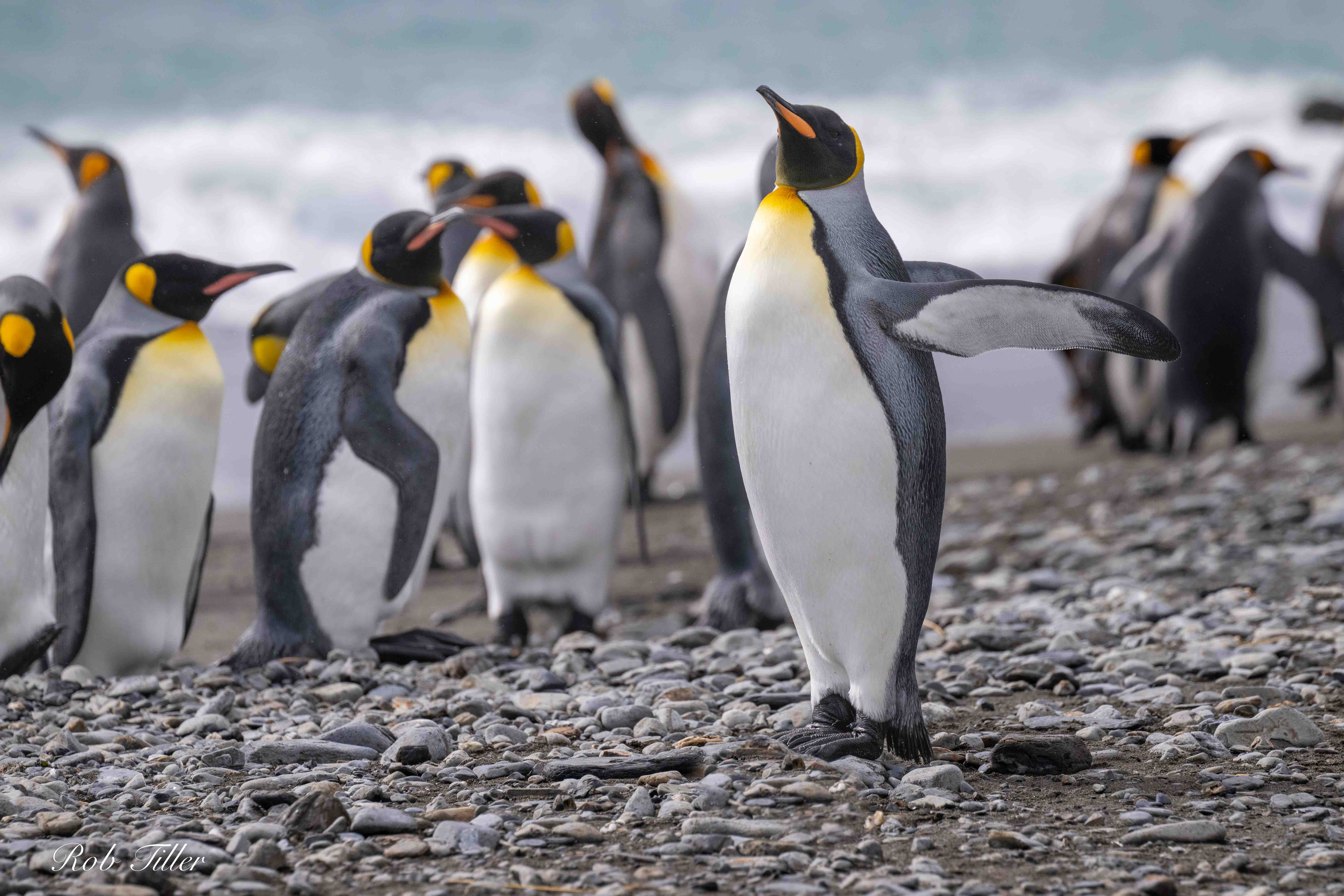
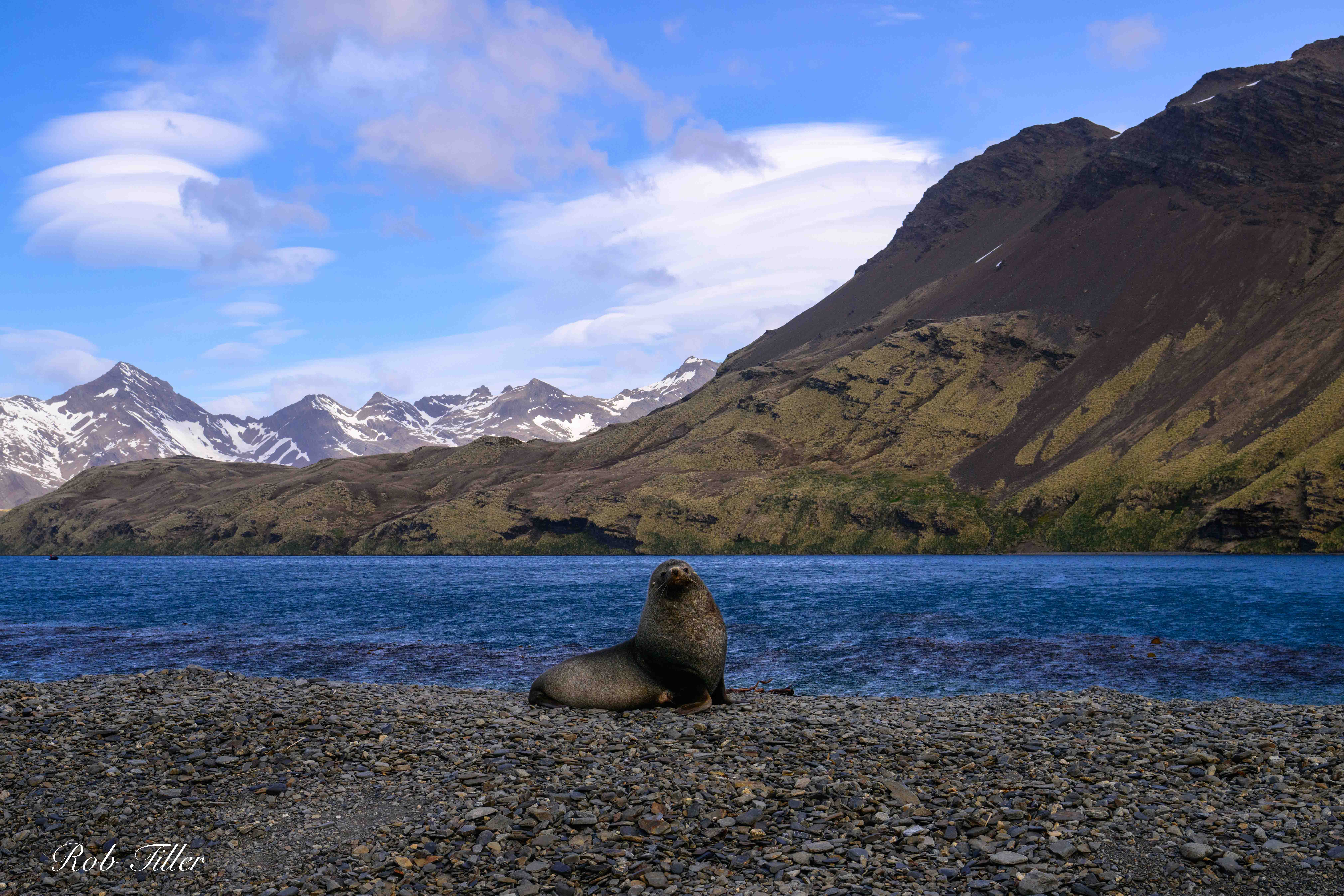
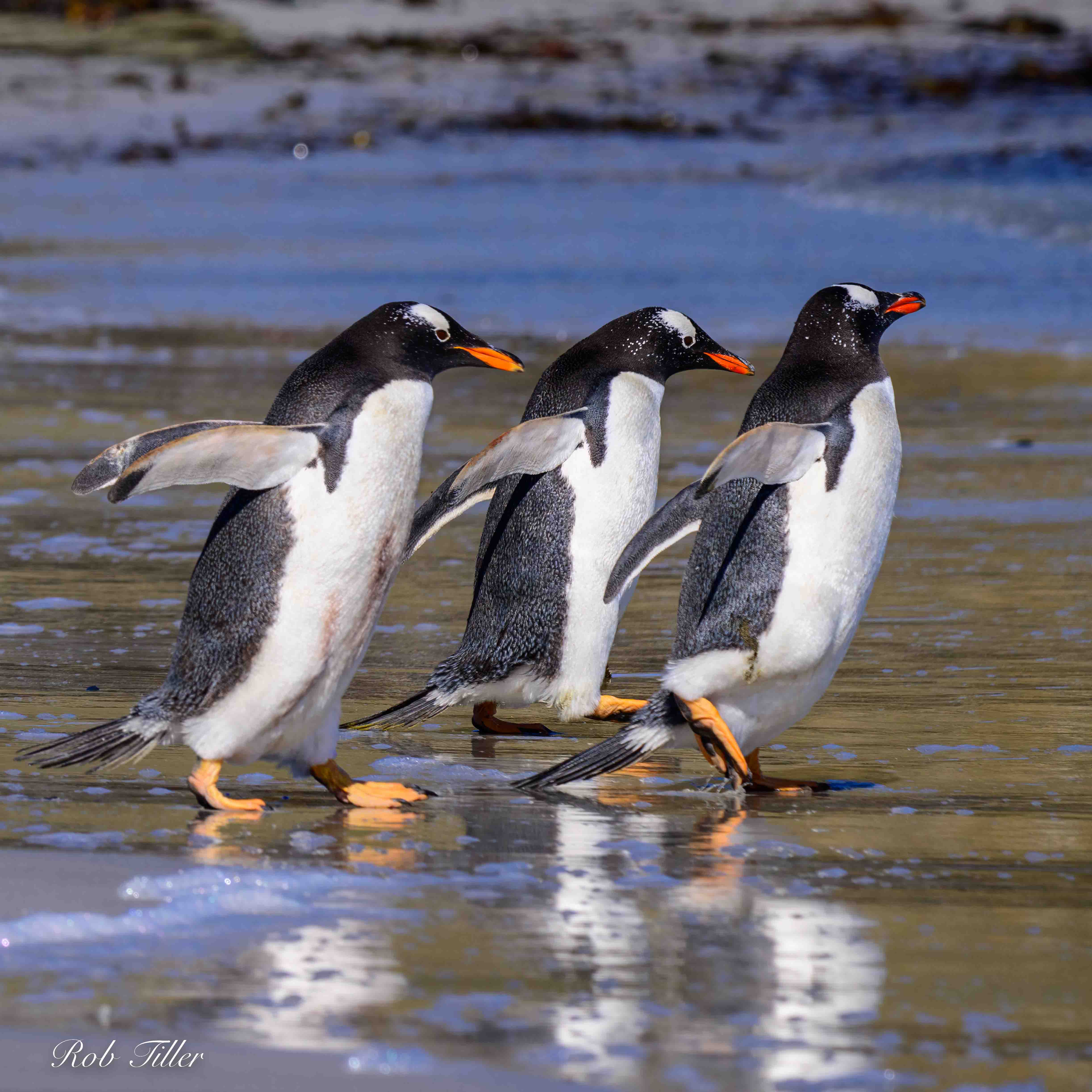
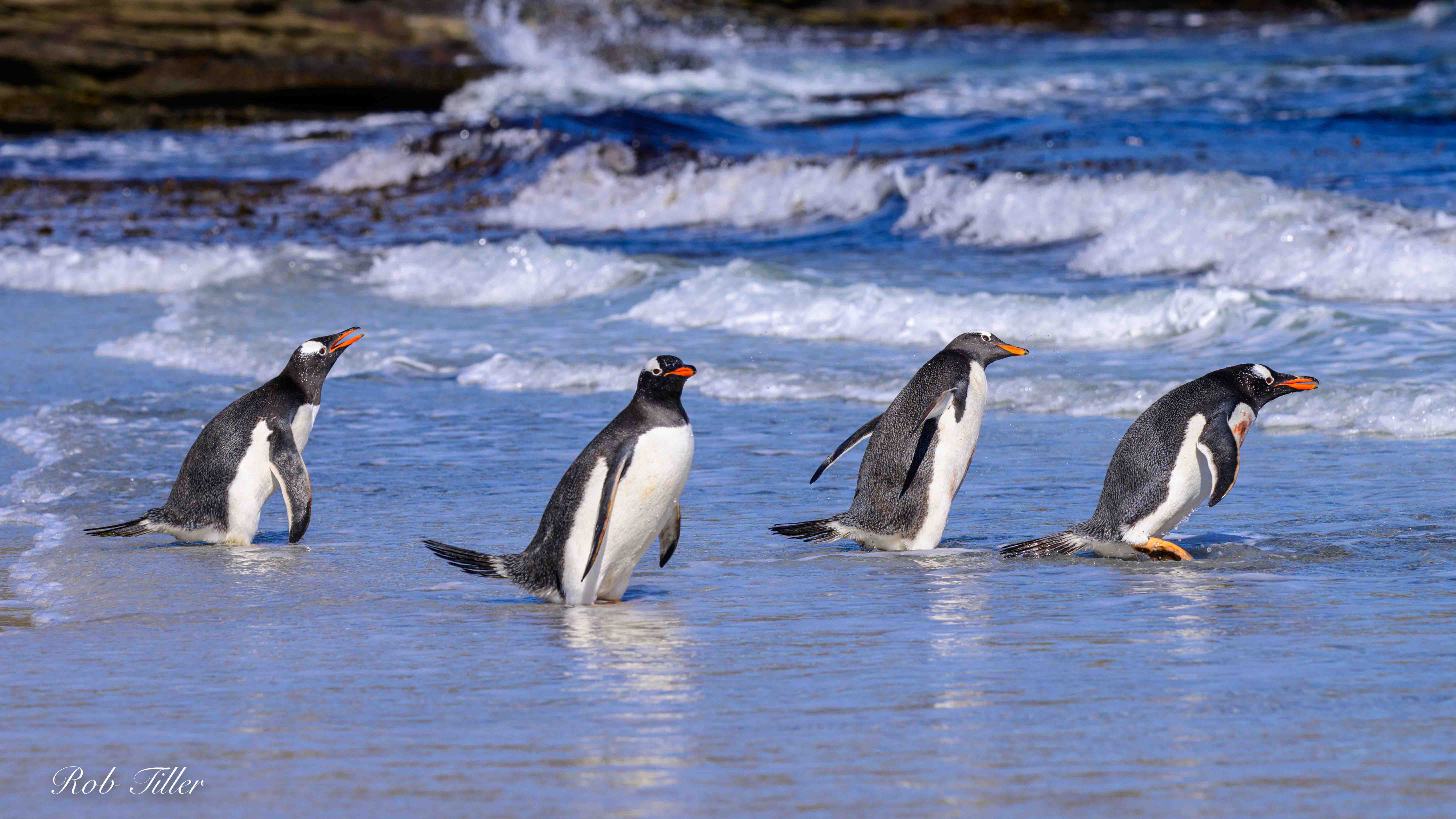
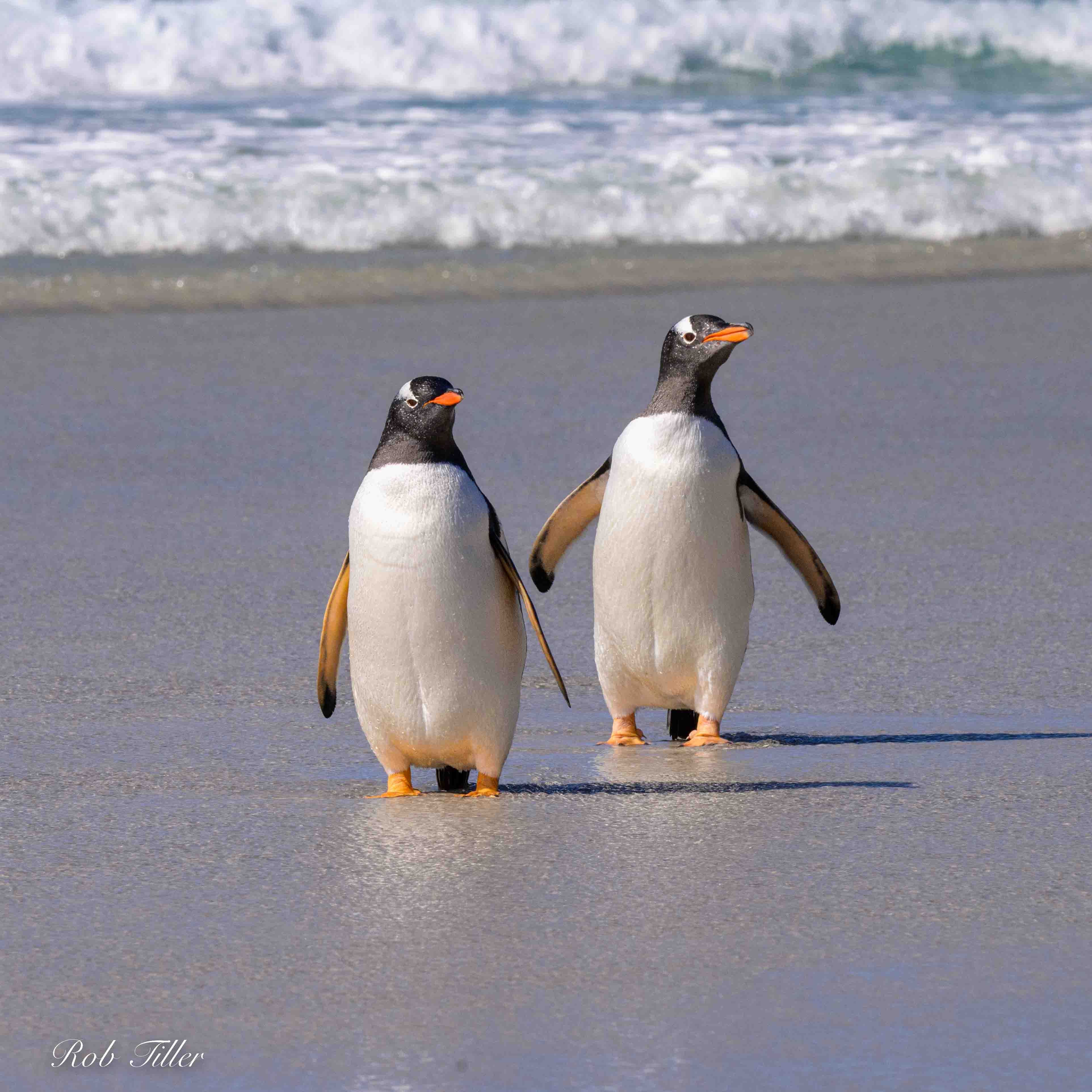
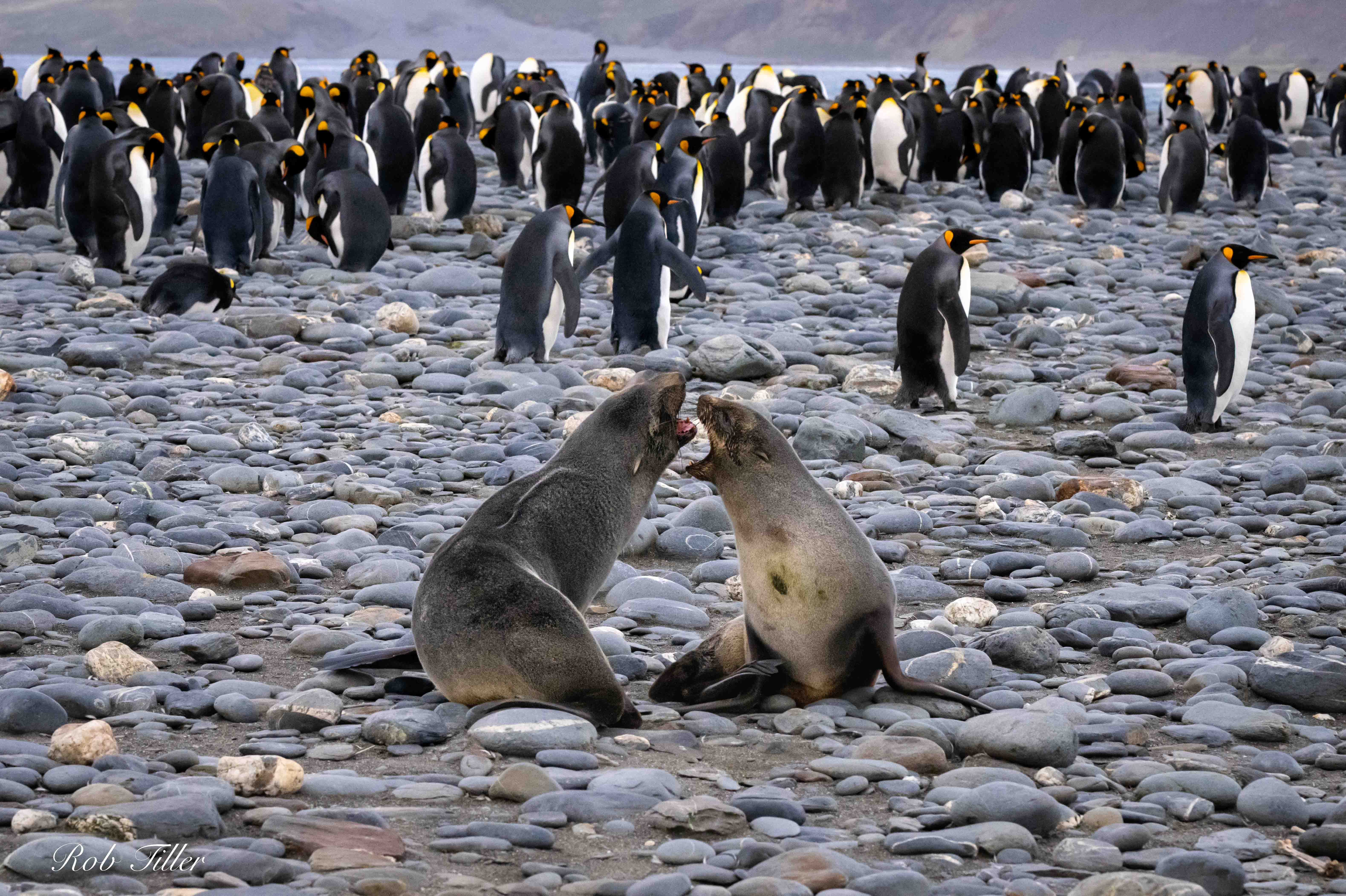
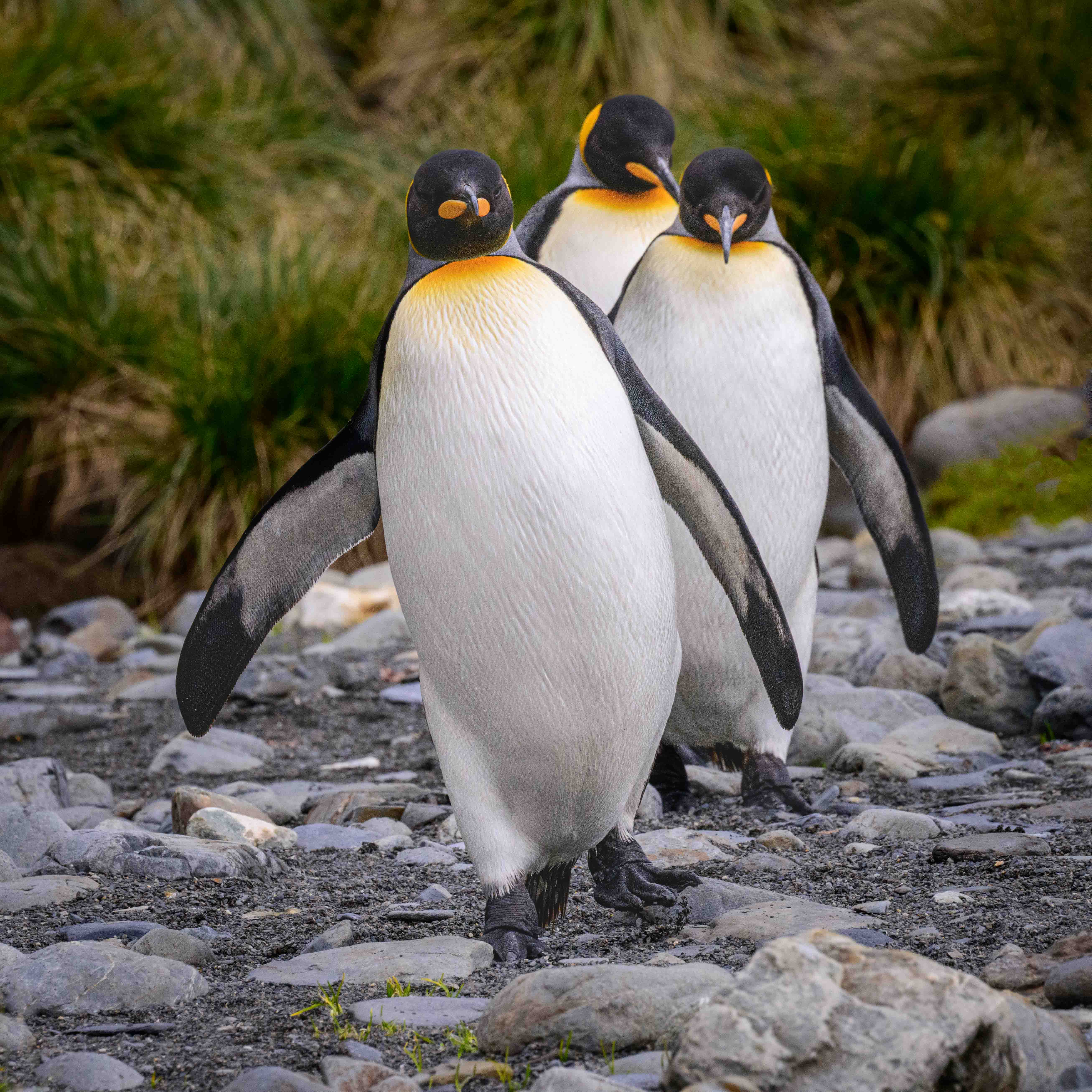
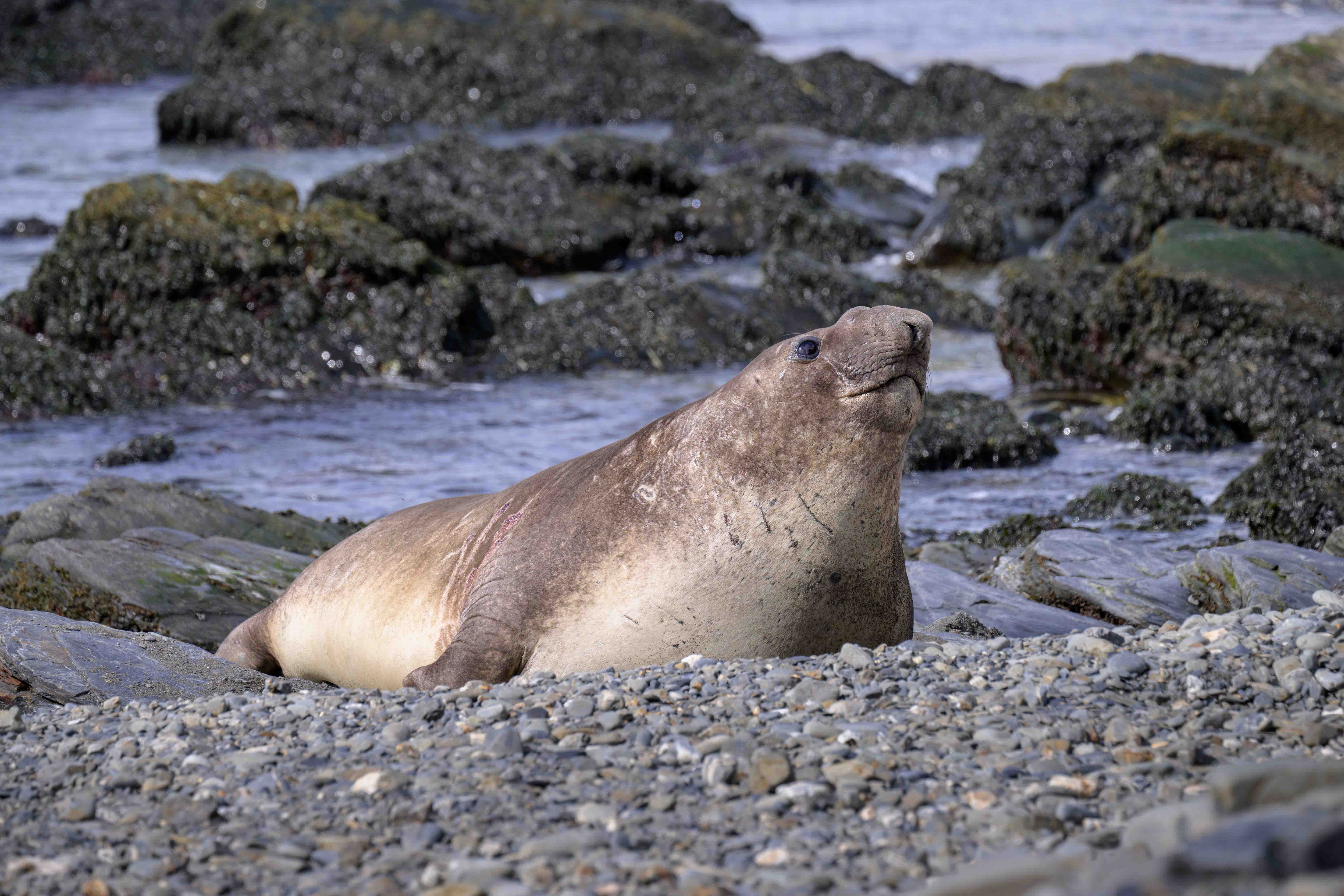
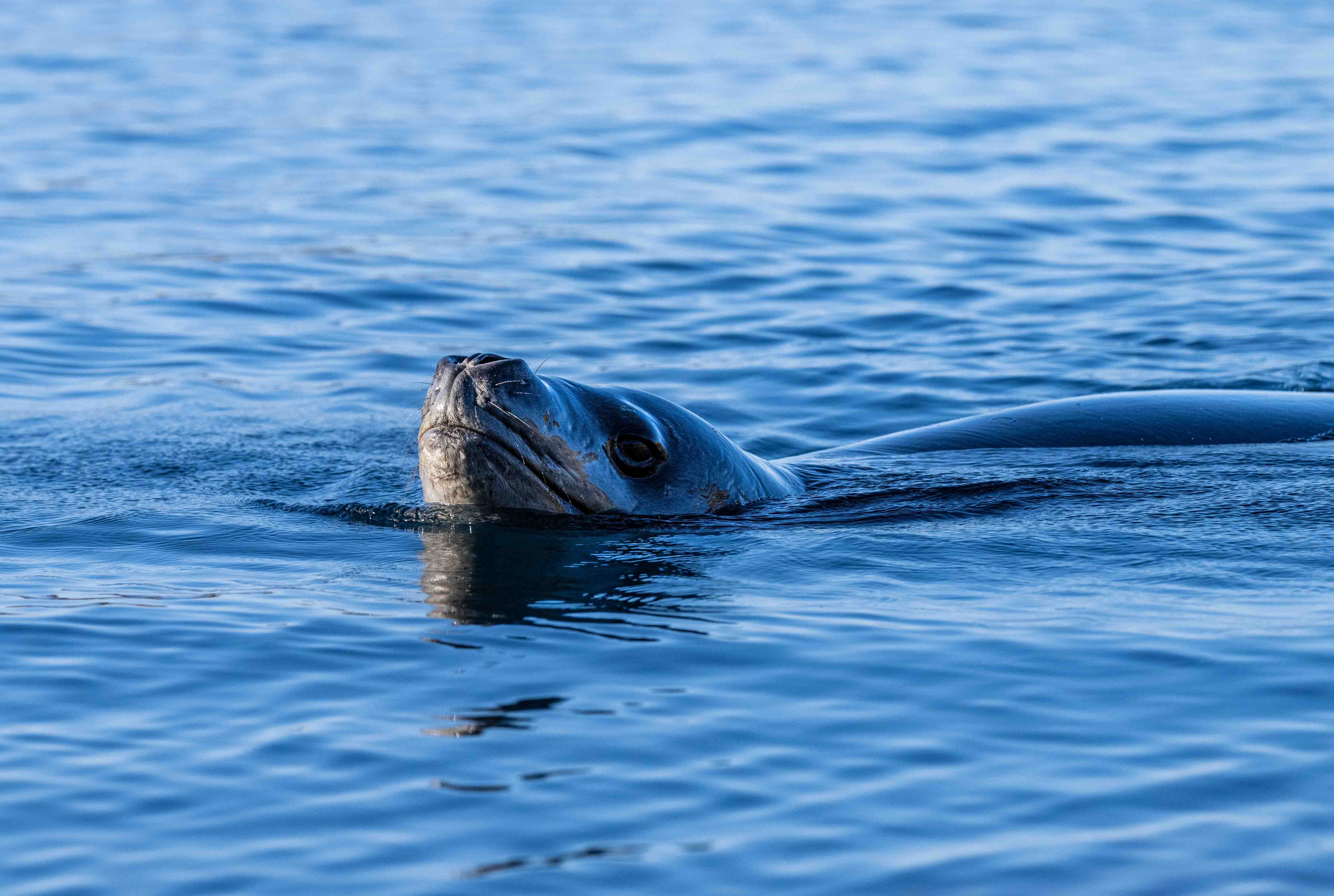
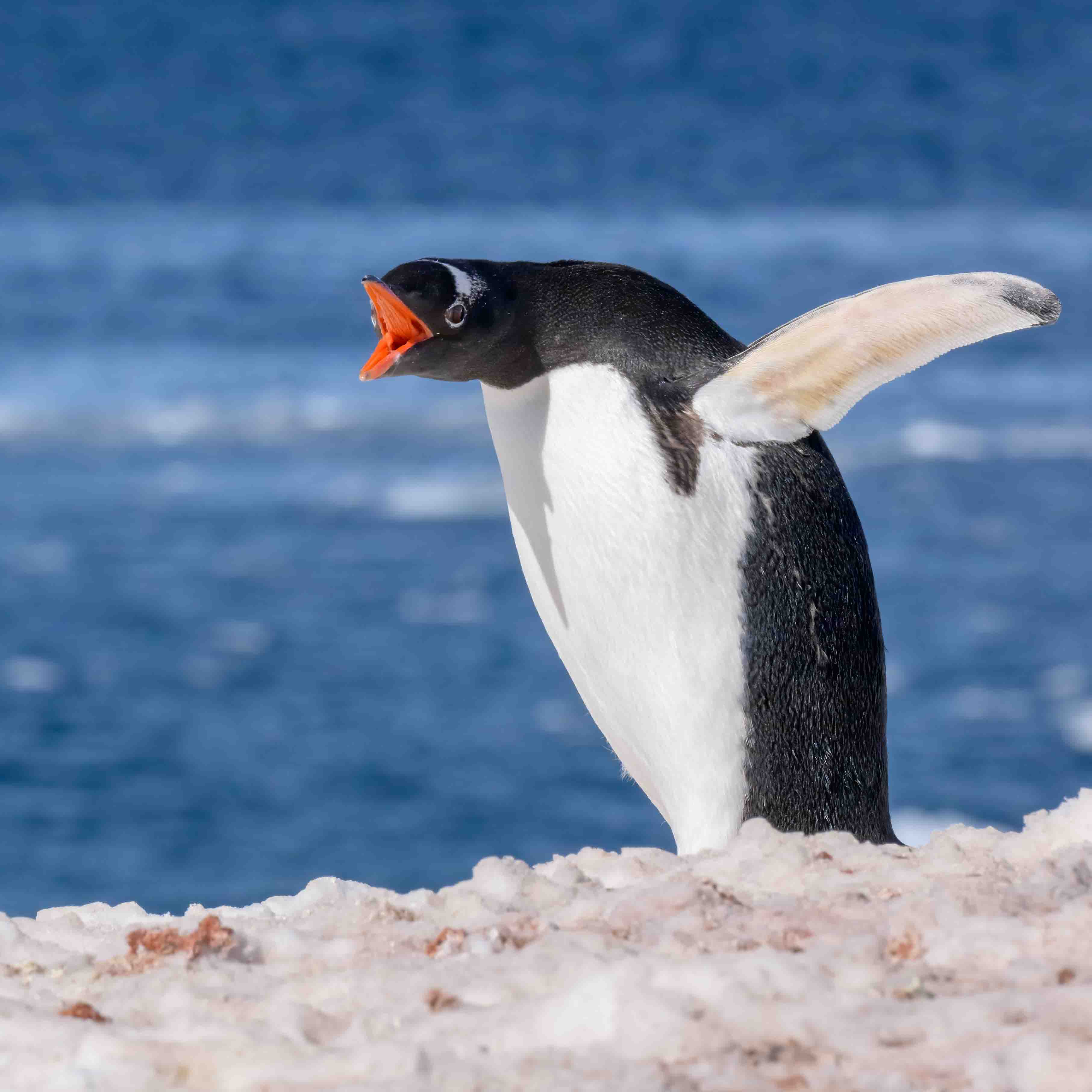
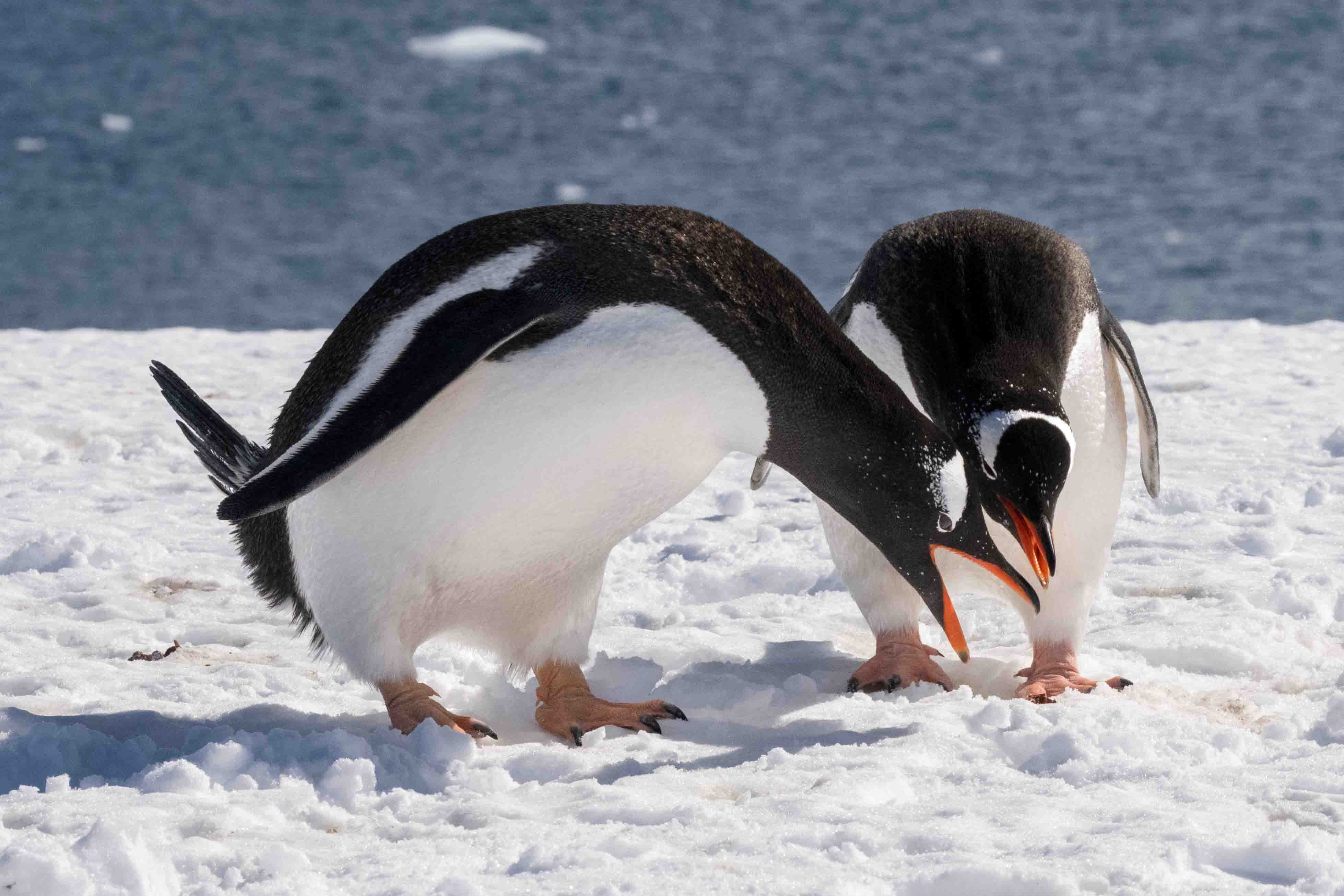
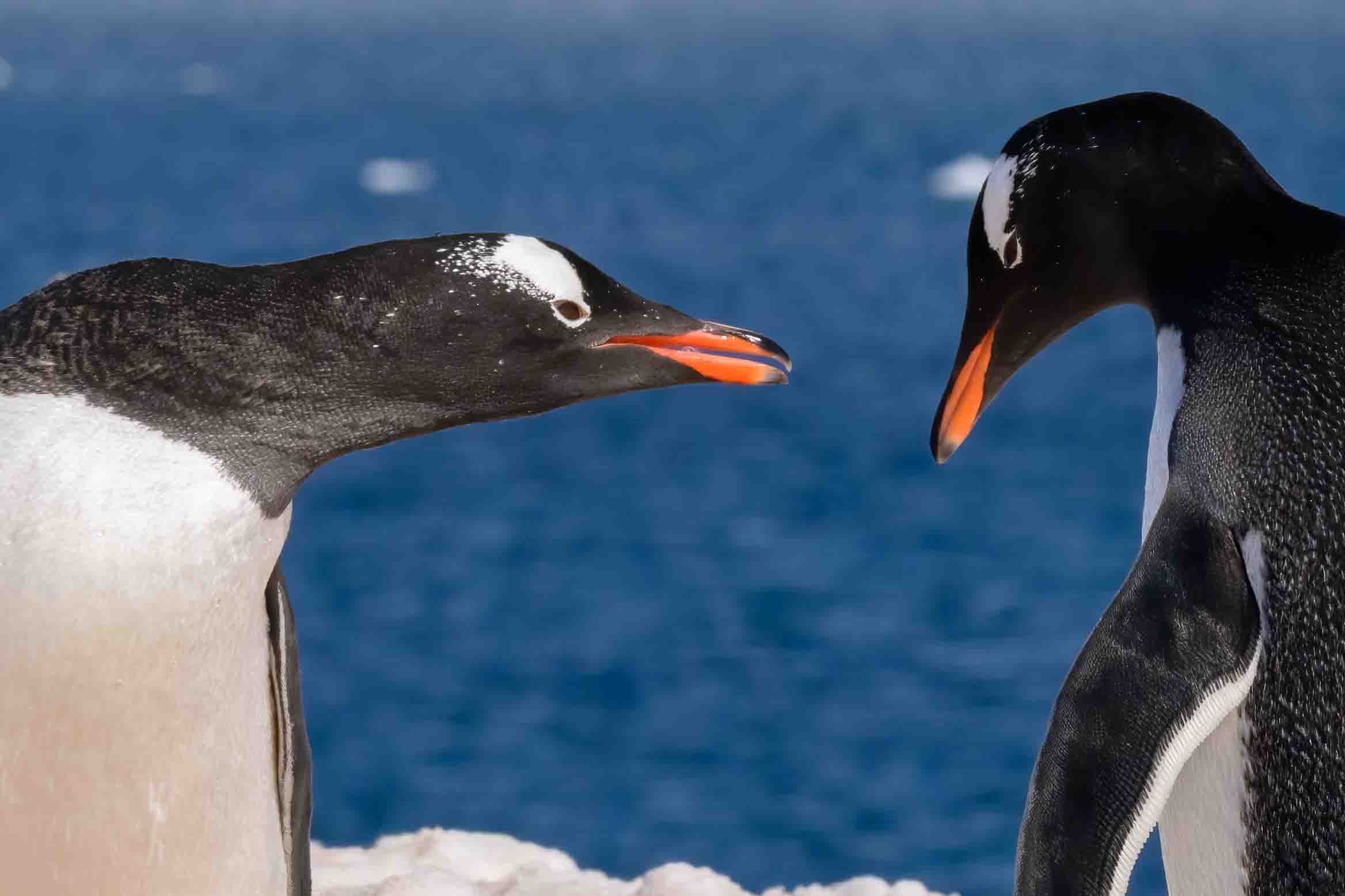
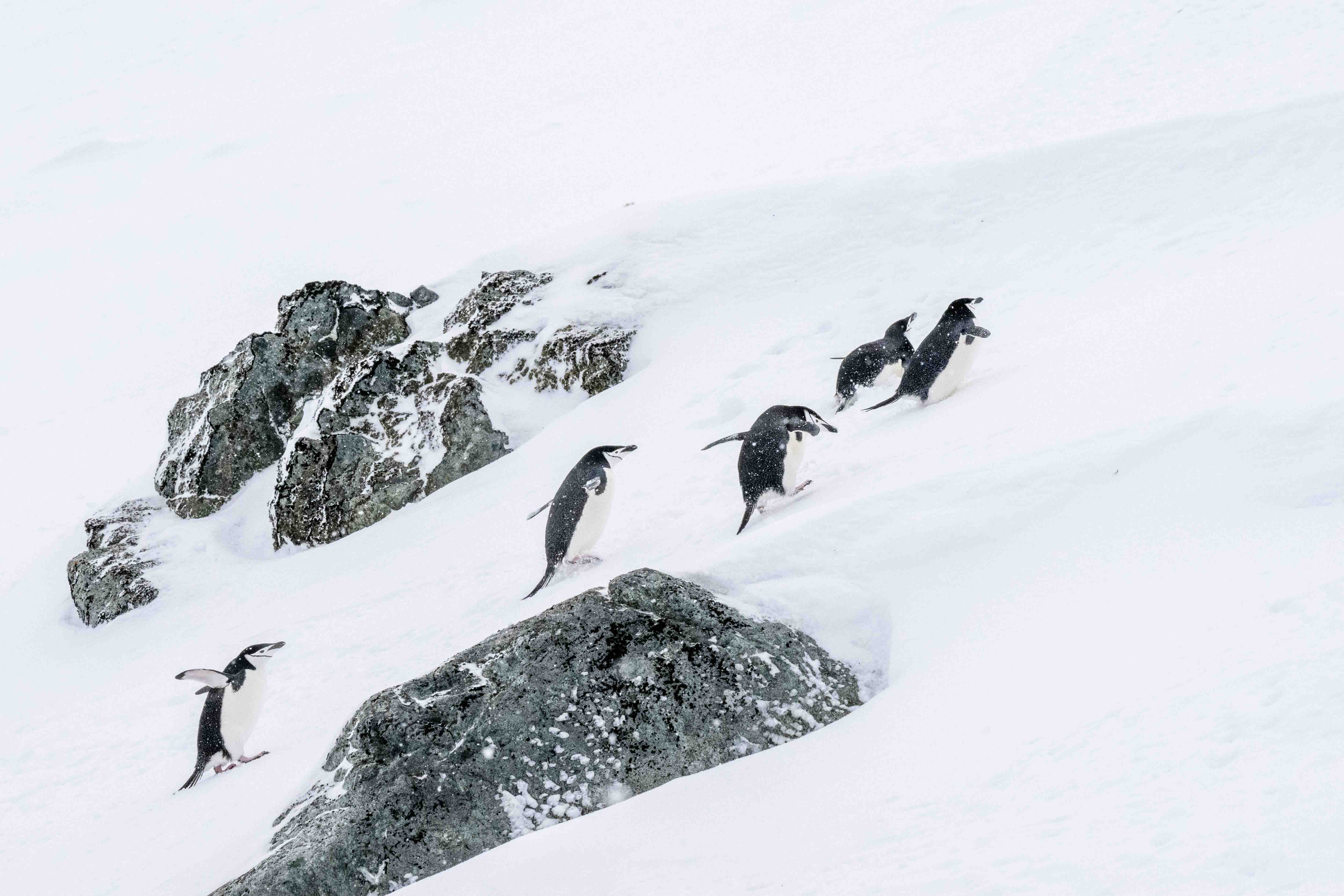
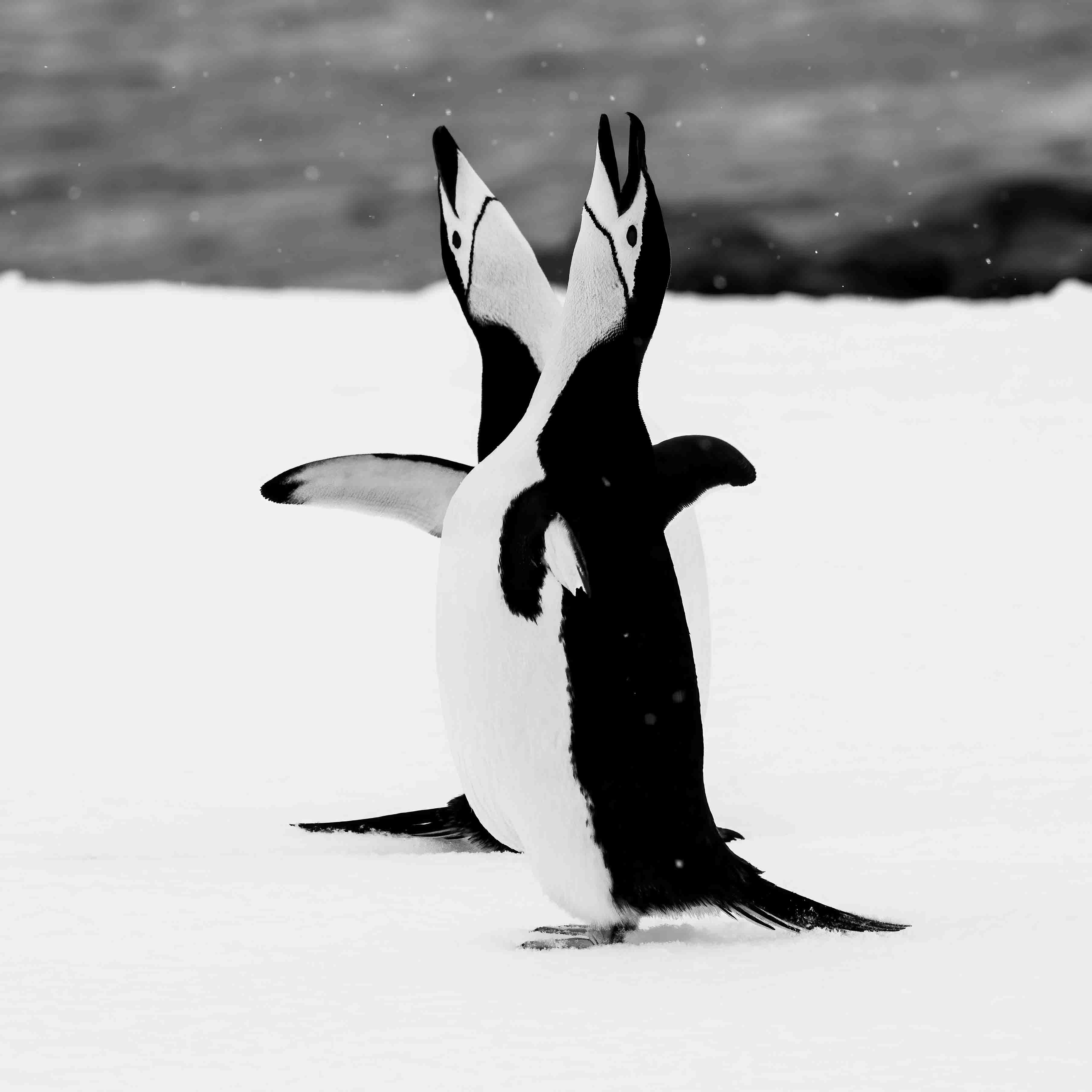
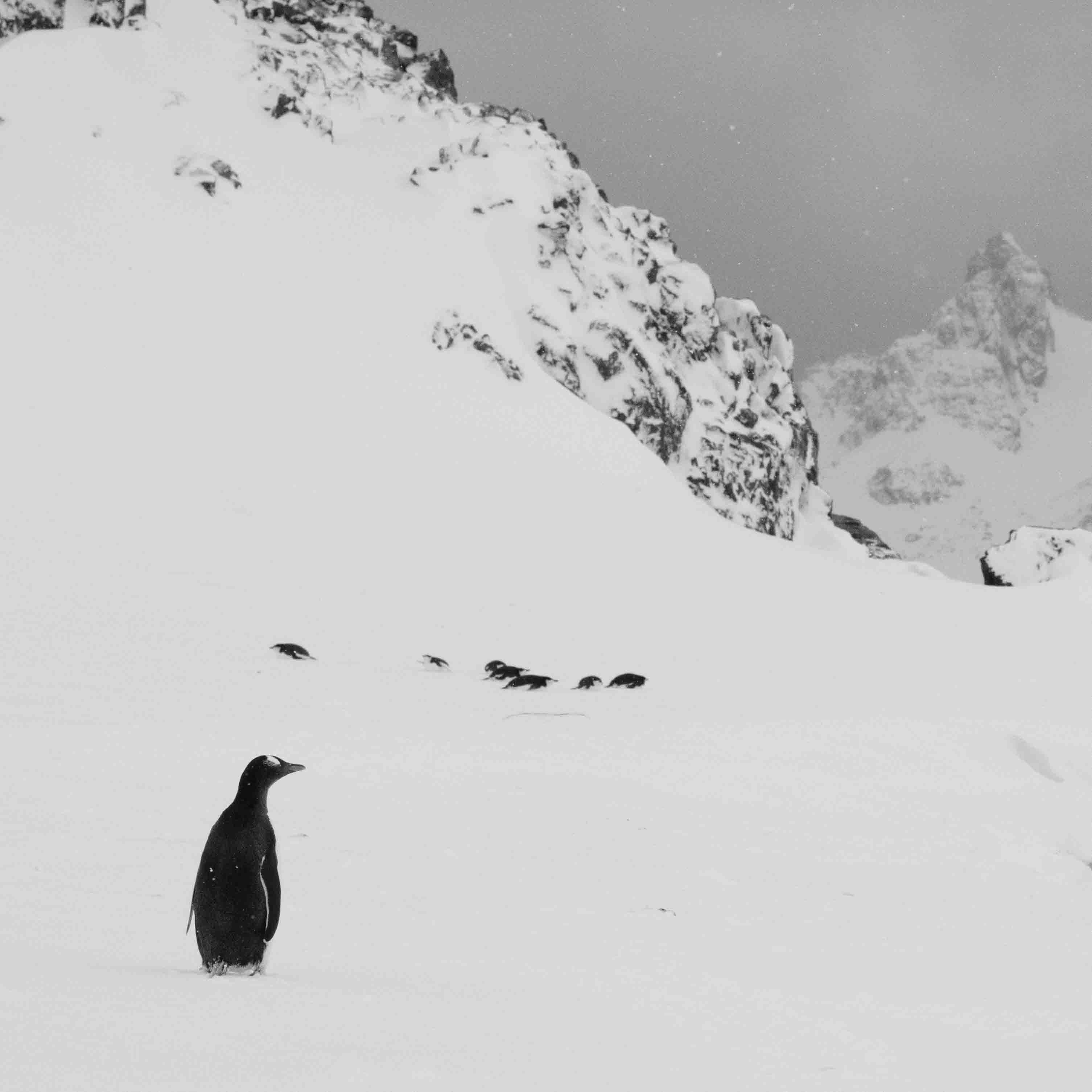
When I got home from Antarctica, I felt like I’d aged about 30 years.  I was very tired and weak for more than a week.  But I’m happy to say, I’m feeling back to normal, and maybe even better.  In fact, I’m starting to think about another trip there to see these beautiful creatures and their unique habitat. Anyhow, I wanted to share a few more pictures I made of penguins, an elephant seal, fur seals, and a leopard seal. I was trying to capture aspects of their personalities, customs, and environments.

As you may know, but many people don’t, Antarctica is in  big trouble from climate change.  Higher temperatures there are changing the habitats of the animals that live on and around the continent, and the collapse of giant ice shelves and melting glaciers are lifting sea levels.  The situation is dire, and has global implications.

But I’ve really been trying to stay positive, and given so many sources of fear and anxiety, would like to avoid making your and my fear and anxiety still worse.  Getting depressed is not going to help.  But it’s tough to keep learning more about what is happening to our planet and not be tempted to throw in the towel.

And so I almost skipped a couple of podcasts on climate change last week that I’m glad I didn’t.  I recommend both as antidotes for hopelessness put out by respected and trustworthy journalists.

David Wallace-Wells wrote what may well be the most detailed and gory account of what’s in store if we don’t change course in burning fossil fuels, The Uninhabitable Earth, in 2017,  But in an interview on Fresh Air last week, he explained that technology and market forces have made the worst-case scenarios he described back then much less likely.  We still stand a chance of putting in place the green energy infrastructures that would greatly mitigate disaster.  He made these same points in a recent NY Times magazine piece

Likewise, Bill McKibben has been a path-breaking writer on climate change, authoring among other things The End of Nature.  (Long ago, I worked with McKibben when he was a young reporter and I was a fact checker at the New Yorker.)   In an interview with Ezra Klein, McKibben said the long history of humans surviving by burning things will, one way or another, come to a conclusion, and it may be not be as terrible as we were recently expecting.  

McKibben explained that the lower cost of solar panels and storage technologies is changing the energy equation, as the persistence of climate activists has finally gotten through to more people.  The cost of renewables has fallen hugely, and is now lower than fossil fuels.  Now it doesn’t make economic sense not to switch to green technology.  L

Unfortunately, the fossil fuel companies aren’t admitting this and they’re not giving up, so there’s still a lot of work to be done.  McKibben continues to encourage activism, including in a new initiative called Third Act especially for those over 60.  He thinks we should continue to press for fossil fuel divestment by their biggest bankers, which unfortunately, are all banks I do or have done business with:  Bank of America, Citi, JP Morgan Chase, and Wells Fargo.  He also articulated these points in a New Yorker piece

Before my Antarctic journey, I started rereading Bleak House, the epic novel by Charles Dickens.  The hard back edition I had was a brick, at more than a thousand pages.  To save weight while traveling, I tried switching to a free e-book version.  This edition was full of bizarre errors, which I assume arose from relying on non-human editorial bots.  

Anyhow, I resumed making my way through my paper copy when I got home.  This year I’ve discovered, or rediscovered, that rereading can be extremely rewarding.   In many cases, I took on heavy duty literature when I was young that I was ill-equipped to understand.  The ordinary experiences of growing up — learning things, making a living, having friends and family, and everything else were transformative for me (as they are for everyone).  I’m now 67 (almost the age when my father died), and a different person in many ways  than I was at 15, or 25, or 35.  Or 55, for that matter.

Certainly I’m much better equipped for the adventure of reading a masterpiece like Bleak House.  On this, my fourth reading, I got much more from it, even as I better understood some of its shortcomings.  I easily grasped Dickens’s great love for humanity, his humor, and his anger at injustice.

Now, after having had a career in the American legal system and experience with the British, French, Indian, Argentinian, and other legal systems, I can better appreciate Dickens’s bitter critique of the English courts of equity of his time.  I now know a lot more about the history of colonialism and imperialism, and have a better frame of reference for the military and commercial struggles that happen offstage in his story.

Dickens was knowledgeable and critical of the ravages of early capitalism and industrialization, including extreme inequalities of wealth.  He had a wonderful flair for sniffing out and satirizing hypocrisy and moral posing, including poorly thought out philanthropy.  

Yet he was  oblivious to problems with various other hierarchies, like race, gender, and species.  The book has some of his most gorgeous writing, and also passages that feel like they were recycled on a tight deadline.  Some of his characters are memorable and touching (I still adore Esther Summerson) or comic (Old Turveydrop), though others, like John Jarndyce, are more generous than any known human.  

Apropos of climate change, Bleak House is also about what industrialization means for the environment, such as horrific and deadly pollution.  His description of London fog and iron factory emissions are fascinating and disturbing.  He also can be brutally honest in describing the struggles of enslaved animals, such as horses who fall while trying to pull a coach through the snow and mud.  

Apropos of non-human animals and efforts to better understand their lives, I wanted to pass along a link to a thought-provoking story about pigs, which humans generally greatly underestimate and devalue as a species. Research reported by Leo Sands in the Washington Post indicated that pigs’ social lives have surprising dimensions. For example, when two pigs have a serious fight, a third pig will sometimes help resolve the dispute by nuzzling or similar touching. That is, some pigs are concerned about the unhappiness of other pigs, and know how to calm anger and increase happiness. Of course, humans also sometimes try to defuse tensions and resolve disputes, though we could do a lot better. Perhaps the pigs’ nuzzling approach would help.

Happy New Year! But there’s some bad news

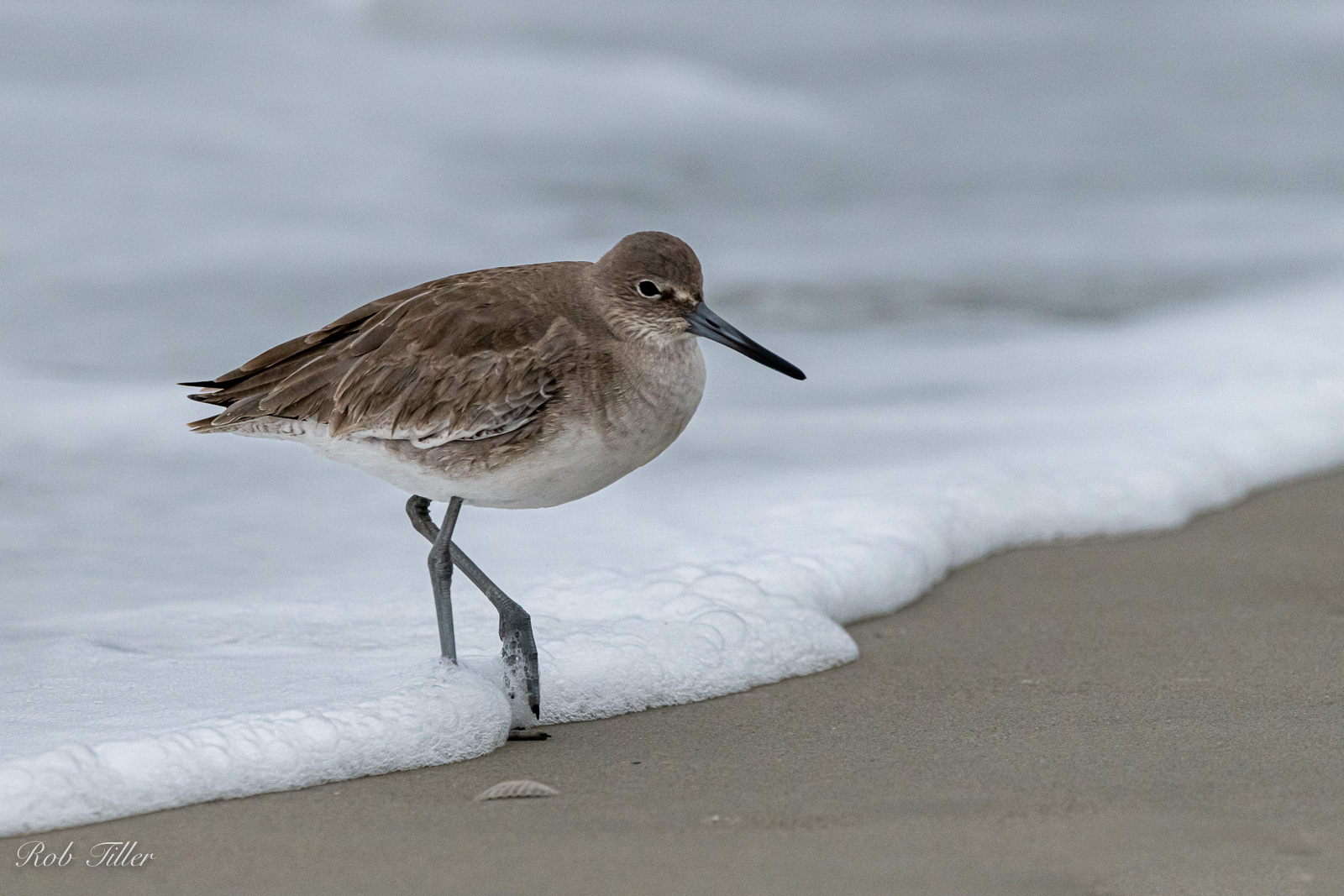
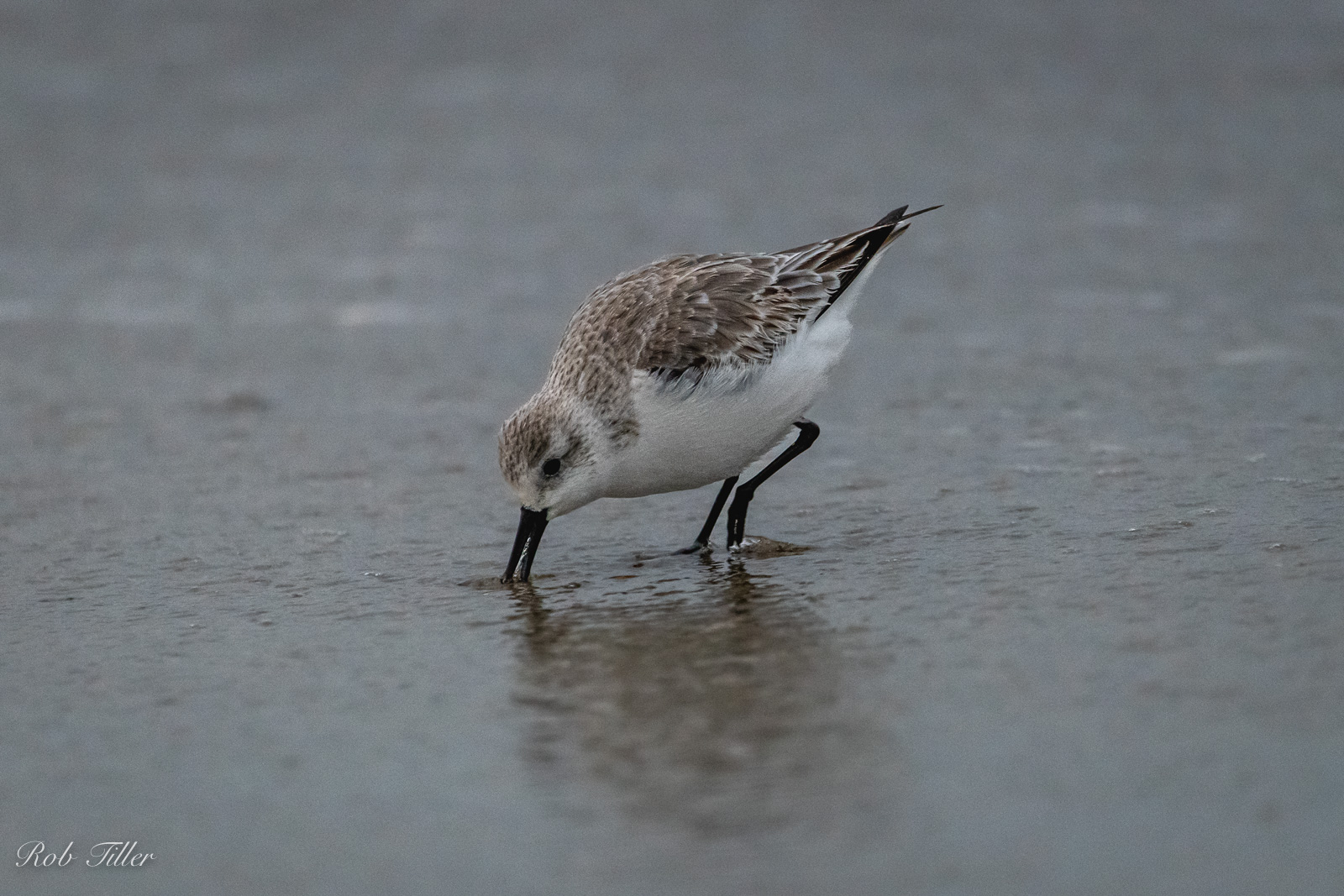
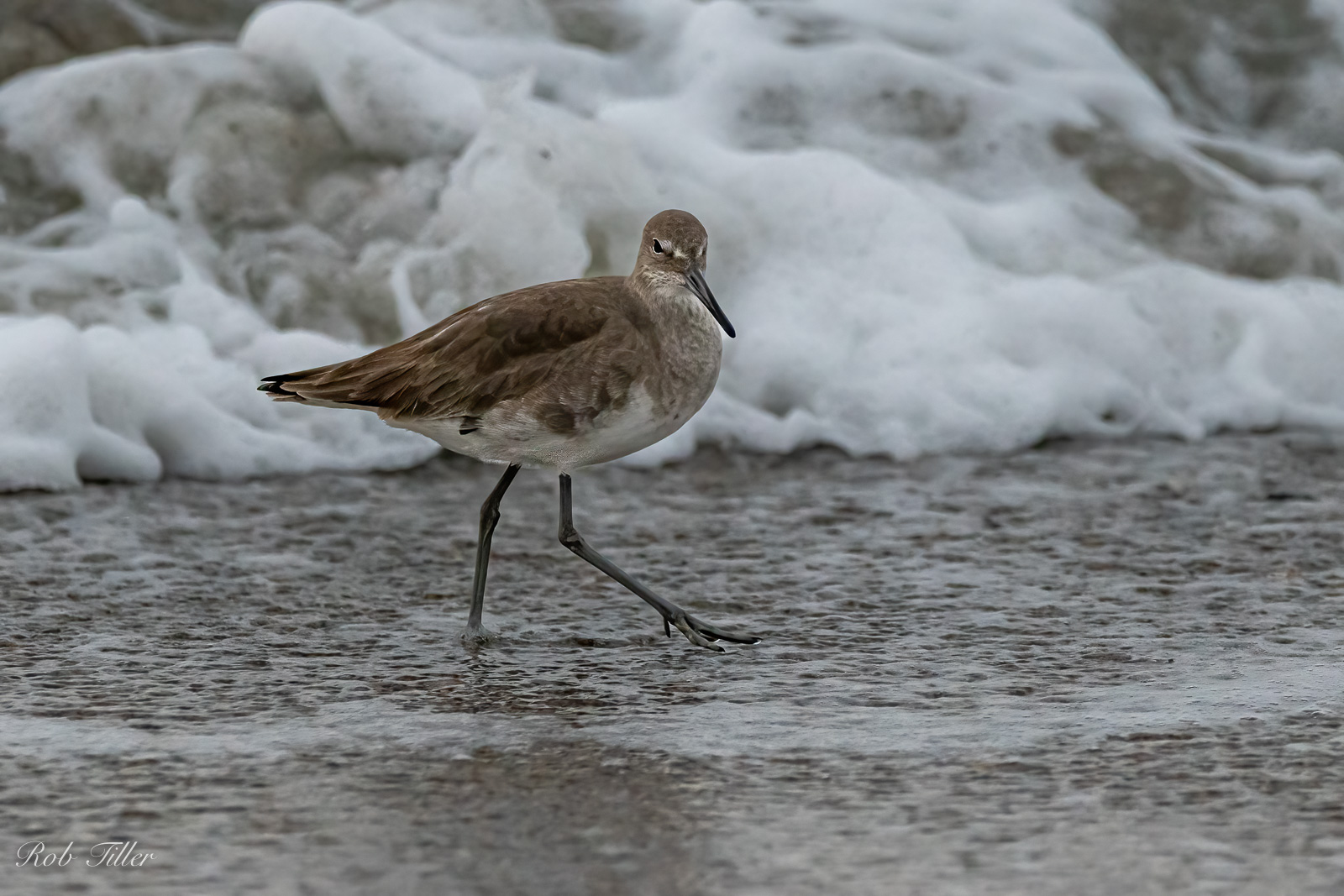
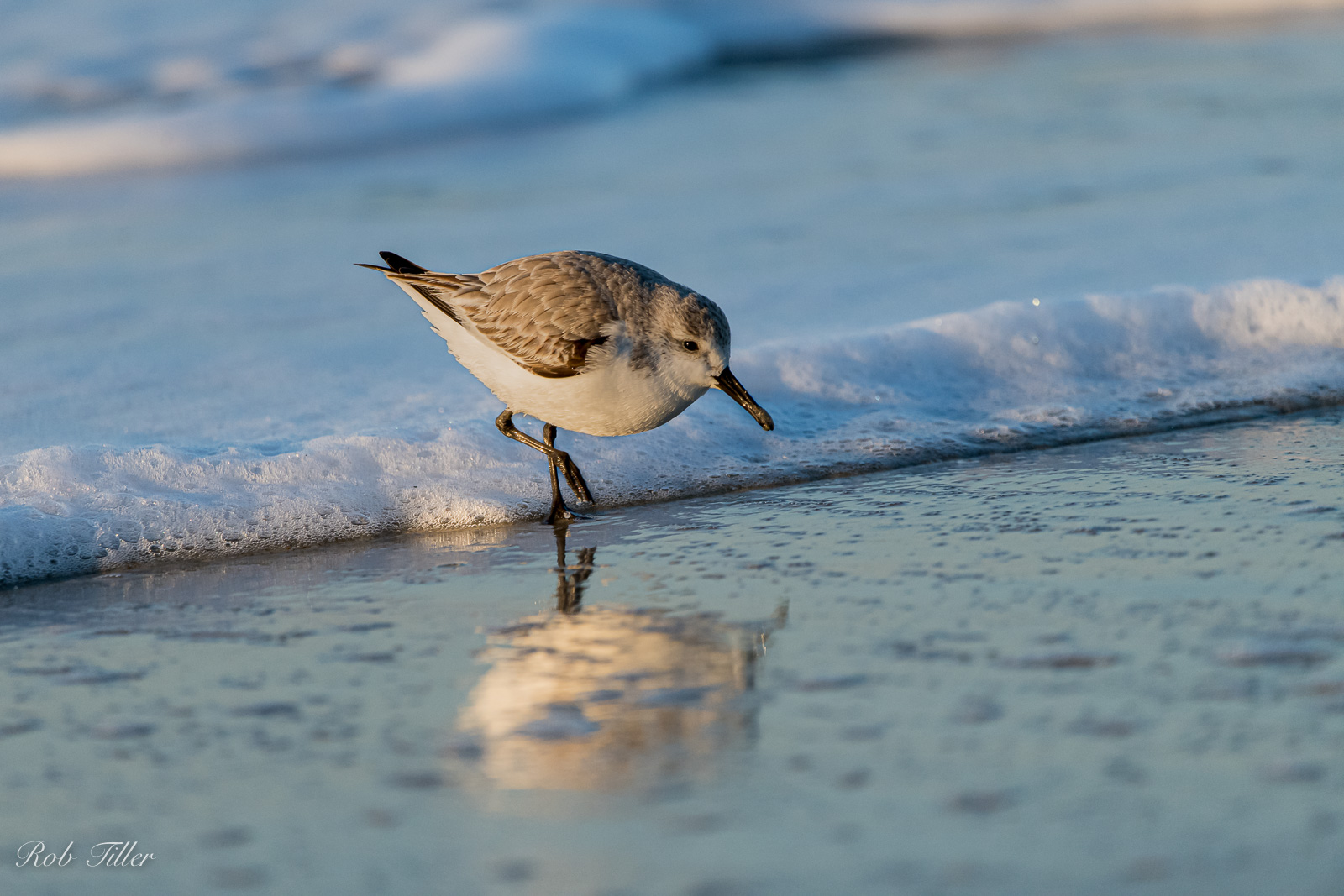
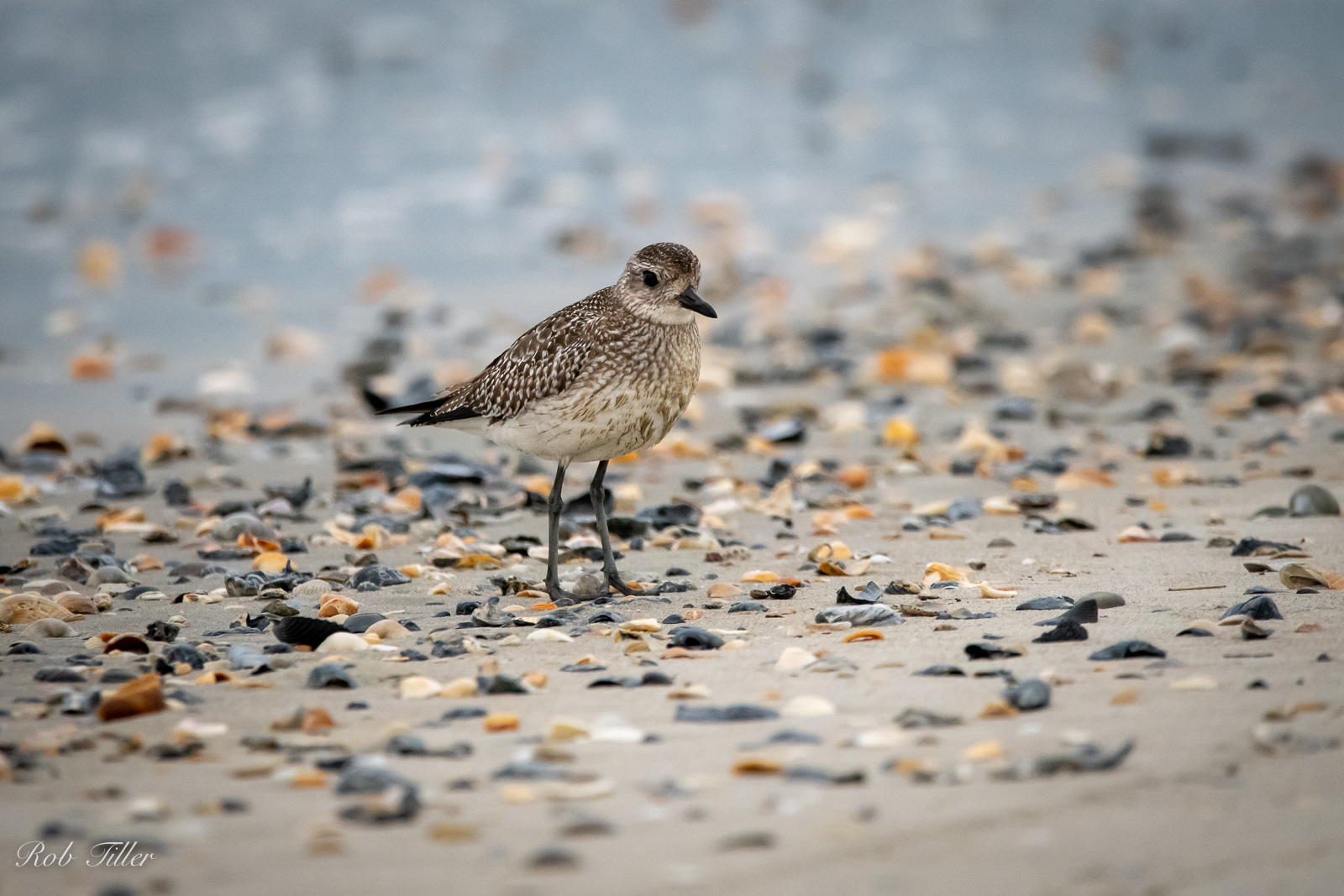
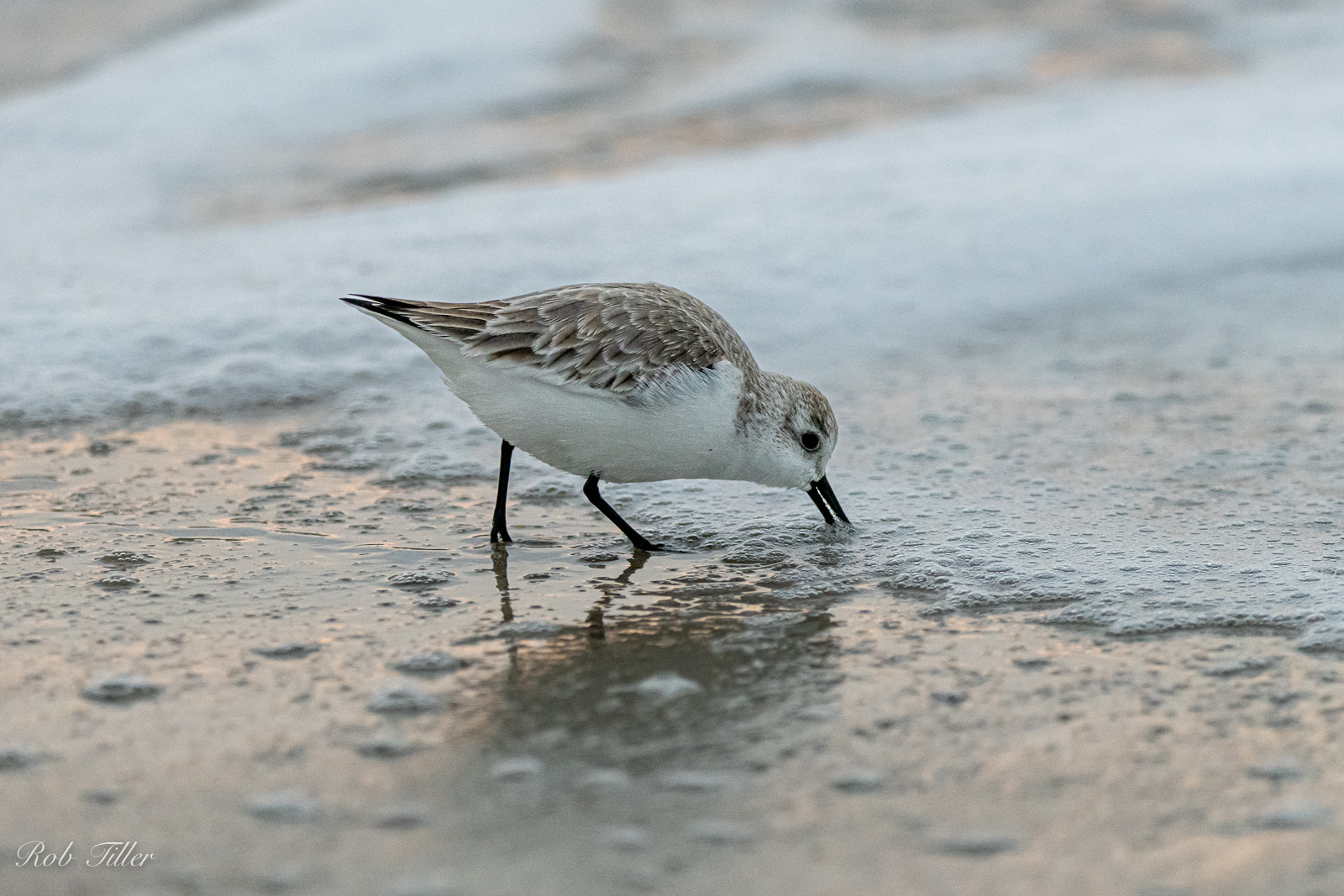
Here are a few more shorebird pictures from our wonderful wedding celebration at Atlantic Beach, NC. Clark, our new daughter-in-law, exceeded all expectations!  I also enjoyed spending time on the beach with the birds, and interpreting these images. As noted below, I, and probably you, can definitely use more of the beauty and peace of nature.

As we start a brand new year, it’s hard not to feel overwhelmed with dire problems:  the resurgent pandemic, mass shootings, fires, tornadoes, droughts, melting ice caps, and the list goes on.  There’s a lot to deal with.  As part of my meditation practice, I try to make some time every day for conscious gratitude and compassion, including self-compassion.

Given all our other problems, it’s obviously not a great time to discuss the possible end of American democracy. We’re already exhausted.  But we need to buck up and find our second wind.  Our system has been much weakened and may fail entirely.  If we want to save it, we have to act soon.  

Besides worry overload, another reason I hesitate to raise the subject is that there is so much wrong with American-style democracy.  Its most valuable ideals – free elections, equality before the law, free speech and other civil liberties – have never been fully realized. Meanwhile, this system has given us extreme inequality, embedded racism, misogyny, homophobia, and xenophobia.  

We have the world’s largest rate of incarceration, and an endless war on drugs that keeps prisons full and sustains worldwide criminal organizations.  Our military brings death and chaos to remote areas of the globe, while maintaining hair-trigger readiness to end civilization in a nuclear war.  For many, there is not adequate food, housing, transportation, or medical care.  For non-human beings, it’s even worse.  In short, our political processes have not produced what we would reasonably expect of a wealthy, enlightened nation, and they’ve done a lot that we cannot be proud of.  

But for all our shortcomings and failures, American democracy still provides one thing that is extremely valuable:  the possibility of change.  We have a tradition of fair elections and peaceful transitions of power.  Our votes almost always get counted and determine the winner.  Exceptions are vanishingly rare.

If the governing party loses, it peacefully concedes and allows the business of government to continue.  The new government might improve things, and at any rate, it is generally agreed that it is entitled to take a shot.  This has been true for a long time, and it’s hard to conceive that it could be otherwise.  But it easily could.  

Now, more than a year after the last presidential election, a substantial majority of Republicans have been persuaded that the election was stolen, and that Joe Biden is not the legitimate president.  They reject the overwhelming weight of the authorities – court decisions, officials, scholars, and news media – that contradict that view.   

Republican leaders at the national and state level, with very few exceptions, continue to support the big lie that the true winner in 2020 was Donald Trump, and to refuse to support or cooperate with investigations into the illegal attempts to nullify the victory of President Biden.

Republican legislators in some 19 states have already passed laws to make future Democratic victories less likely by making it more difficult for some groups to vote.  Several Republican-dominated states are getting rid of their non-partisan election officials who refused to assist in overturning the last presidential election and installing supporters of the big lie.   

In other words, many states are putting in place a system to stack the deck against Democrats and then, if that doesn’t work, nullify election results. In addition, dozens of states have enacted new laws criminalizing various acts of protests, including ones that would likely occur after a stolen election. Meanwhile, the courts have been stacked with Republican judges.  

While all this is happening, repeating the big lie prepares the psychological ground.  If enough people are convinced, wrongly, that election fraud is common, they may also be convinced that their own cheating isn’t so bad.  Cynicism, apathy, and fear could be paralyzing, or at least keep many people from protesting.  

These forces could in short order leave us with an authoritarian, neo-fascist system.  That is, a system with all of our current problems, minus the machinery to allow for political change to address those problems, and minus long-standing institutional restraints on repressive violence and corruption.

I know this is no fun to think about, but fortunately, it’s not hard to understand intellectually.  The challenge is to fix it.  As to Republicans who understand the big lie and disapprove of it, they need to show some backbone, and tell the truth.   Democrats who understand it need to get to work educating others on what’s happening.  And they need to get involved, volunteering, making phone calls, watching the polls, and so forth – all the no-fun jobs that are part of free and fair elections.  

Although I think saving our democracy will be tough, our ancestors have won long-odds fights for rights before.  In the last century, women fought hard to win the right to vote, and African Americans won the right to be treated as full citizens.  The forces that have brought us to this point – fear, hatred, ignorance, greed – are nothing new, and we already have the tools to counter them:  kindness, compassion, and love.  But hope alone won’t get the job done.  We need to get to work.  

The worst idea in history: animals and us

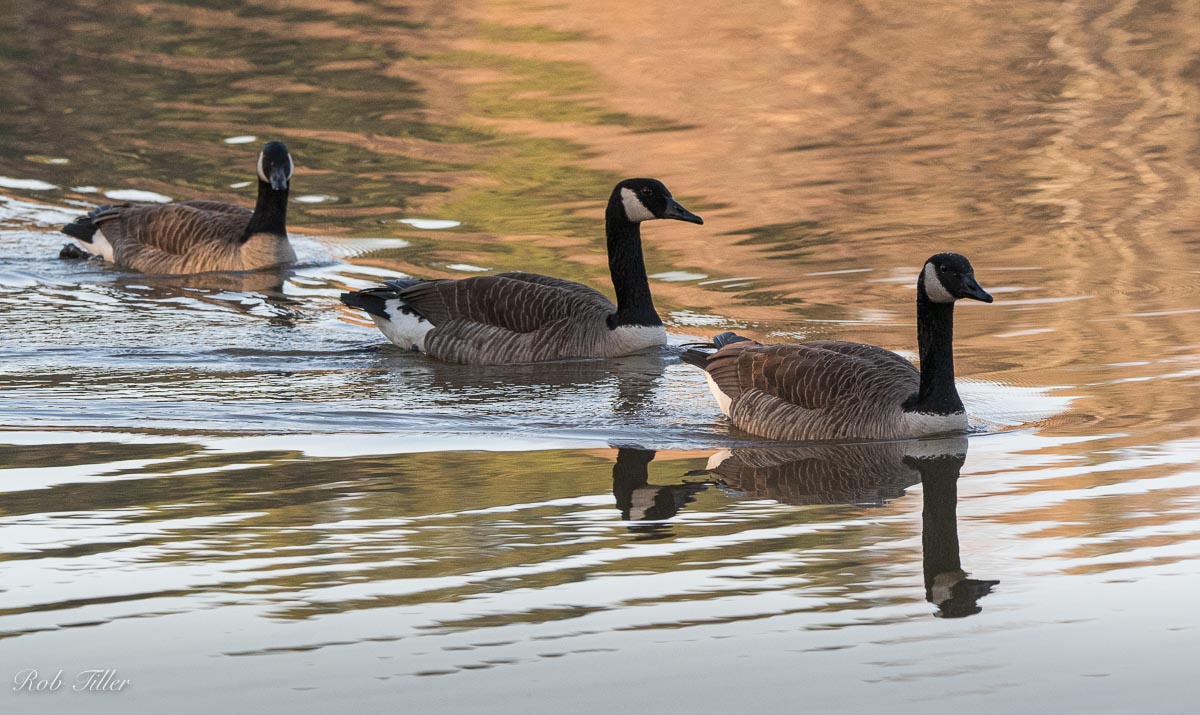
Canada geese at Shelley Lake near sunrise

I’m recovering just fine from my neck surgery, and the weather turned nicer, too.  For a couple of days, it felt like spring, though after that, it cooled off.  In the pleasant interval, I took my camera out to see the birds at Jordan Lake, and also stopped in to check on the bald eagles nesting at Shelley Lake.  These are some of the pictures I took.  

Spending some time with the animals, or even just standing by the water hoping they’ll show up, is very therapeutic.  Walt Whitman got it right in his famous poem; being with them is moving and soothing.  When I get out around sunrise or sunset, I’m always a little surprised when there are few or no other people looking at them, but not sorry.

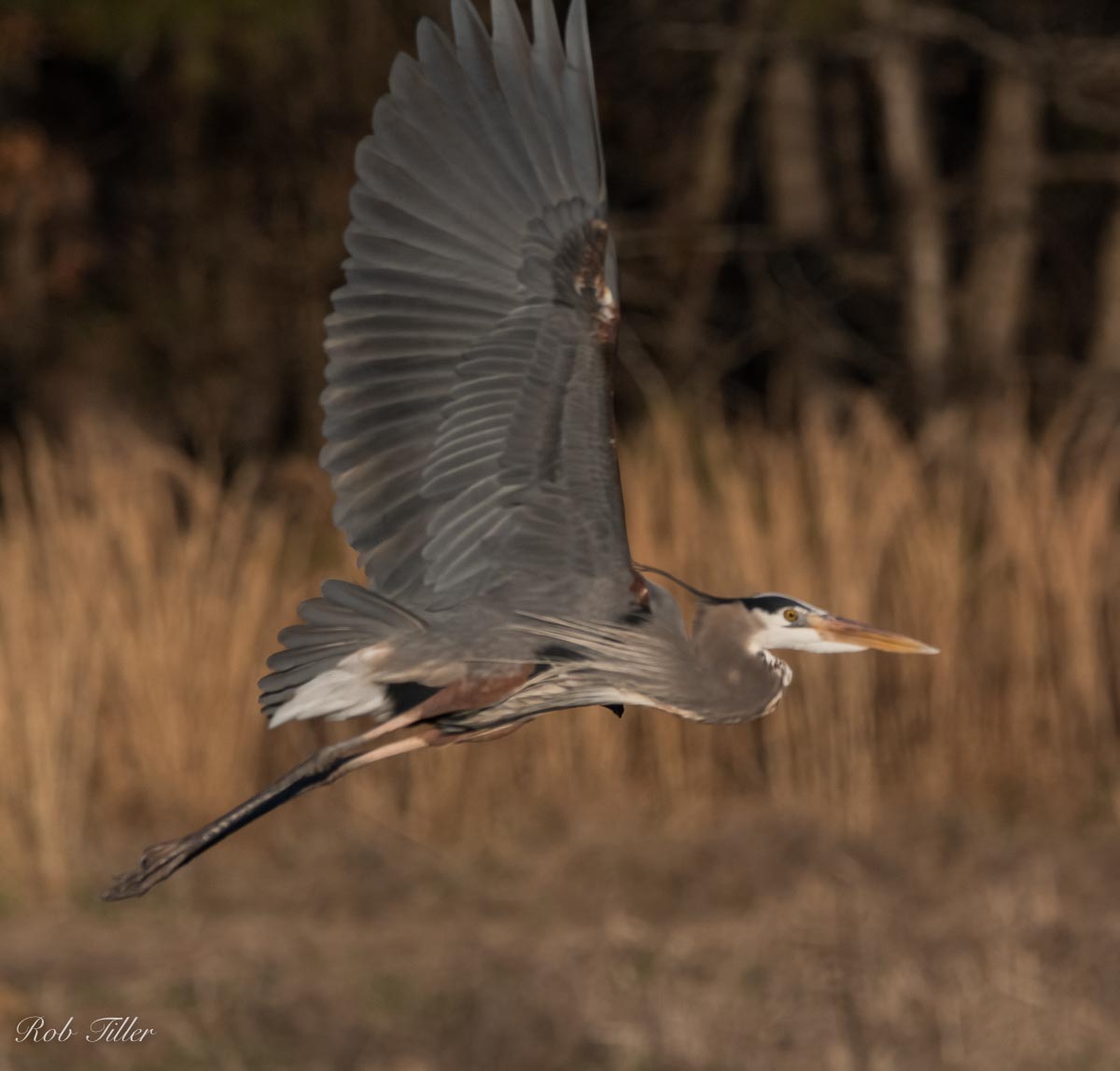
Great blue herons at Jordan Lake near sunset

Apropos, there was a lively short essay in the NY Times this week on something I’ve hoped others were thinking about:  the disconnect between what we know about animals and how we treat animals.  Crispin Sartwell, a philosophy professor at Dickinson College, wrote that western philosophy has labored mightily to establish that humans are different from and superior to animals, and failed.  Perhaps this is starting to be noticed.     

Everyone who stayed awake through high-school biology learned that homo sapiens are animals, with close physical similarities to many other animals.  But most of us still think of ourselves as not actually animals, but rather, better than animals.  

This image has an empty alt attribute; its file name is untitled-6143.jpg

As Sartwell notes, we’ve also been taught to regard humans as distinctive and superior on account of their consciousness, reasoning abilities, and moral systems. Comparisons of humans and other animals generally focused on the things humans did best, such as human language, rather than areas where animals outperformed us, such as sight, hearing, smell, strength, speed, endurance, and memory.  Where animals showed sophistication in their communications and culture, we learned to avoid thinking about it.  

The essential lesson pounded into all of us was that human intellectual qualities justified treating other animals as mere objects to be dominated and exploited.  This idea is so familiar and deeply entrenched that it is hard to see it clearly as an idea subject to discussion.  

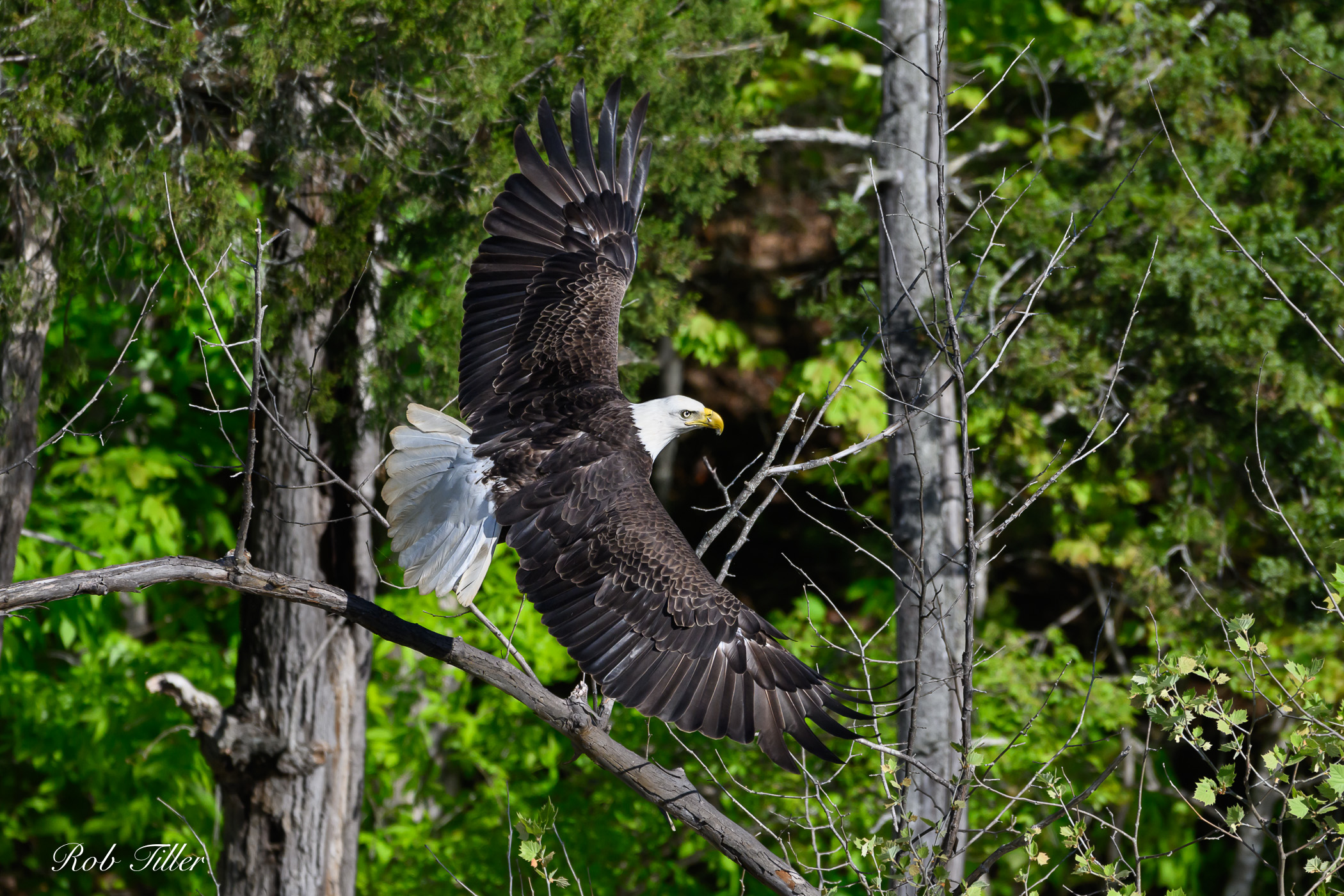
Bald eagle at Jordan Lake

In my student days at Oberlin College, we used to debate the extent to which ideas could affect human history.  We were thinking about whether the philosophies of canonic thinkers like Aristotle, Locke, or Marx were primary drivers of cultural change.  

We didn’t even think to consider the effects of the idea that humans are separate from, and far superior to, animals.  The idea has no known author and no supporting reasoning.  If examined with any seriousness, it falls apart as nonsense.  Yet, as Sartwell suggests, it is almost certainly the most important idea in human history. 

Sartwell raises the issue of how thinking of humans as fundamentally superior to other animals relates to other hierarchies. To justify slavery, colonialism, or other violent oppression, the groups to be dominated are characterized as beastly, wild, savage, brutal, fierce, primitive, uncivilized, inhuman, and so on — in short, “like animals.”    

Even today, discrimination follows this same basic pattern in addressing people with African ancesters, other disfavored nationalties, women, religious minorities, and LGBTQ people.  That is, these groups are defined as something less than fully human, and therefore not entitled to the highest degree of privilege. 

The hierarchies that stem from treating animals as inferior have caused enormous harm to the humans who are denied full human status.  Slavery is a dramatic example from our past, but there are many others that are very much still with us, like suppressing the votes of minorities, lower pay for women, and violence against LBGTQ people.  

As Sartwell notes, this hierarchical, exploitative way of thinking divides us both from each other and from nature.  Indeed, it has led to an existential crisis for nature.  A couple of articles this week highlighted aspects of this.

According to a new study, about one third of freshwater fish species are threatened with extinction.  Climate change, habitat loss, and pollution caused by humans accounts for much of this dire threat.  Meanwhile due to these same factors, the populations of large animals (mammals, birds, amphibians, reptiles, and fish) have fallen by 68 percent since 1970.  More than two-thirds of these animals.  Gone.  Since 1970.  Holy camoly!

Part of our unfolding catastrophe has to do with our view that animals are so inferior that they can properly be treated as food.  A new piece by Jenny Splitter in Vox sums up some of what’s happening.    Meat production through factory farming — that is, raising and slaughtering billions of animals each year — accounts for more than 14 percent of greenhouse gas emissions, and also for vast losses of habitat for wild animals.  This food system is raising the threat of extinction for thousands of species.  

Our meat-based food system is not only deeply immoral, but unsustainable.  To continue along this path likely means ecological and human disaster.  Splitter’s piece notes that we may get help from technology, like lab grown meat, and from requiring more responsible farming practices.  But cutting back on eating meat and moving toward a plant-based diet is something we as a species will have to do eventually.  And we as individuals can do it now. 

If you are either on board with plant-based eating or interested in experimenting, or even if not, I recommend trying Guasaca Arepa on Hillsborough Street.  They have some outdoor picnic tables, where I ate my first ever arepa this week.  It’s a Columbian speciality that involves putting various fillings in a sort of cornmeal cake.  Guasaca has many fillings on offer, but I tried the vegan.  Though a bit messy, it was delicious!   

Pied-billed grebe at Shelley Lake near sunrise

Safe voting, affectionate birds, climate undenialism, and beginning capitalism 2.0

I voted!   I was not eager to vote in person because of the pandemic, and had some misgivings about the reliability of voting by mail.  But friends pointed me to BallotTrax, a new online tool in NC and other states that lets you know when your mailed ballot has been received and accepted.  It’s easy and fun!  Well, not exactly fun, but reassuring.  In NC, once the mailed ballots are received, they are checked in, and counted on election night.

This week I went to Scotland Neck, NC to visit the birds at Sylvan Heights Bird Park.  There were a lot of beautiful avians, and some of them were surprisingly affectionate, following me around and gesturing.  Had they been missing having human visitors when the place was closed for the pandemic?  Hard to say, but maybe.  Here are a few of the photographs I made. 

Elsewhere we’ve been having a lot of simultaneous disasters, including huge fires across the length of the West Coast, flooding from hurricanes, fracturing ice shelves, and the coronavirus plague, not to mention the drama regarding the fate of American democracy.  These are hard to think about, either separately or together.  But I always try to look for a silver lining, and I managed to find one thing to feel a little cheerful about.  

Which is this:  For the first time in our lifetimes, climate change has become a significant issue in presidential politics.  Global warming and related changes have been happening for decades, and the risks of catastrophic change have become increasingly clear.  But politicians have mostly kept quiet about it.  Now it’s high on the discussion agenda.   That doesn’t mean we’ll fix it, of course, but if we don’t talk about it and make some changes, things will be getting a lot worse.  

Addressing the West Coast fires recently, Biden called Trump a “climate arsonist.”  Meanwhile, Trump expressed doubt as to whether scientists knew what they knew and tried to blame the fires on state officials.  

As loony as Trump was and is, I thought Biden’s “climate arsonist” tag was a little strong, since it’s probable that Trump didn’t actually light fires.  But Trump and his henchmen have done everything within their power to raise doubt and confusion about the reality of climate change, and to make sure there’s more of it coming soon.  Examples include lifting key regulations on vehicle emissions and power plants, lowering limits on methane emissions, promoting fossil fuel mining and drilling on public lands and waters, and opposing international climate cooperation.     

All this will, unless reversed, eventually contribute to death and destruction far exceeding the evil dreams of the world’s most fanatical terrorists.   There are many good reasons to stop Trump, but even if there weren’t, saving the world from climate disaster would suffice.  Still, even with all of Trump’s perverse misdeeds, it would be unfair to blame him alone for the global warming disaster.  

The rise of CO2 levels started generations ago with the Industrial Revolution, though it has greatly accelerated in our lifetimes.  Scientists began warning in the 1980s that dramatically rising temperatures caused by our emissions were going to happen and potentially lead to global disaster.  Trump is not the only one who tried to ignore it — so did almost all of our politicians, and most of the rest of us.

The science behind global warming is a little complicated, in that it involves some basic chemistry, but not nearly as complicated as, say, understanding essentially how a car works.  Ignorance is a problem, but not the biggest problem.  

The main barrier to comprehending climate change is that it doesn’t fit with some of our most basic assumptions about the world and our lives.  We’ve been taught to think of our world as a place of limitless resources, boundless wealth, and unending consumption, and our basic mission as exploiting and enjoying all that.  Any less opulent vision is not just less pleasant — it’s almost inconceivable.  

As Naomi Oreskes recently pointed out in Scientific American, it’s sort of understandable that people want to reject established science when it tells them something that conflicts with their firmly held worldview.    It’s less painful to reject the science than to change our basic way of thinking about our lives.

A week or so back, Tucker Carlson, Rush Limbaugh, and other influential right wing commentators made comments supporting Trump’s denial of climate science.  Per these “pundits,” science was a ruse by the evil liberals to take away good people’s freedom and make them feel less good about themselves.    They argued that accepting ordinary science would mean their listeners would lose control of their lives.  

As far as I know, there’s no left wing conspiracy, but Carlson and Limbaugh have kind of a point.  Unless we deny scientific reality and also reverse the laws of physics, we’re going to have to make some changes, collectively and individually, and it won’t all feel good.  But the alternative is that we, and all future generations, will face climate change suffering on a scale that is literally unimaginable.  A recent summary from the Times of what is likely to happen in the US is here

Fortunately, Trump and the right wing pundits seem to be losing the battle for hearts and minds, while scientific reality seems to be making progress.  Recent polls show more people seriously concerned about climate change, and favoring action.  There’s also been an encouraging shift in thinking about some of the established and related ideas on market capitalism.

This week the NY Times published a noteworthy piece   on the occasion of the 50th anniversary of Milton Friedman’s amazingly influential essay arguing that corporations should disregard social objectives and devote themselves entirely to increasing profits.  

Friedman, then a respected economist, contended that corporations owed no duties other than to their shareholders, and had no responsibilities other than to make money.  To be fair, Friedman left himself a bit of wiggle room, noting that there were a few legal and ethical constraints.  But he argued that for corporations to try to support concerns for social welfare was essentially bad, like communism.

Along with Friedman’s fear mongering — equating social justice with a communist menace — he made some flagrantly ridiculous assumptions.  He assumed (without saying so) that the existing social order was right and proper, and that free markets would naturally continue to uphold that fine social order.  Thus he papered over existing social and political failures, such as systemic racial and gender discrimination, inadequate housing and transportation, poor healthcare, air and water pollution, habitat destruction, and widespread extinction of non-human life.  

Friedman also adopted and encouraged a value system of extreme individualism.  In this system, the prime mover and highest objective is the individual, rather than the family, the community, or the earth.  While other systems put value on mutual support, cooperation, and compassion, the Friedman individualist says,  all that matters is that I get and keep as much as possible, and to hell with everyone else.  

In retrospect, Friedman’s thinking looks nothing like science, but more like a twisted religion, with human sacrifices and profits going to god-like captains of industry.  But at the time it struck a cultural chord.  Increasing corporate profits through deregulation and cutting taxes for corporations and the wealthy became the prime policy objectives of the well-to-do right.  Healthcare, education, housing, and other social concerns were matters of indifference.  To the extent that poor people made the discussion agenda, the main initiatives were cutting welfare and enacting harsher drug laws to lock more of them up.  

Friedman’s endorsement of the upside-down morality of “greed is good” gave moral cover to powerful corporate execs and their Wall Street cronies to justify taking more and more for themselves.  The result was our current outrageous inequalities of wealth.  Our political processes were increasingly corrupted by corporate political contributions (effectively legalized bribes) that headed off reform.  Our deep social problems, like racism, inadequate social services, and climate change, continued to fester.   

I’d assumed that Friedman’s theory was still dominant in wealthy conservative circles.  But it was cheering to learn I may have been wrong.  The Times feature on Friedman included statements from leading business executives and academics that indicated a lot of them were rejecting Friedman’s central assertions on the holiness of raw capitalism and the sinfulness of concern for the public interest.  Among the commenters there were still a few unreconstructed free marketeers, but the majority seemed to recognize that considering the public interest was not inconsistent with markets and profits.  

Along this same line, the Business Roundtable, a conservative organization of CEOs of giant American corporations, issued a new statement of purpose last year that significantly modified its previous Friedmanian emphasis on shareholder profits.  The new statement acknowledged that corporations also have responsibilities to their customers, employees, and communities.  It also acknowledged a duty to protect the environment by embracing sustainable practices.

These leaders generally seem to be realizing that pursuing corporate profits alone was a huge mistake, and that there are other imperatives (like climate change) that require a different way of thinking about the public interest.  Divorcing the ideas of markets from the idea of a fair and sustainable social system never made any actual sense, in spite of its surface appeal. If some of the smartest, most privileged beneficiaries of the system are seeing the interrelatedness of markets and the public interest, we could be heading in the right direction.