The Casual Blog

Tag: cheetahs

More on our South African safari and new discoveries on birds and plants
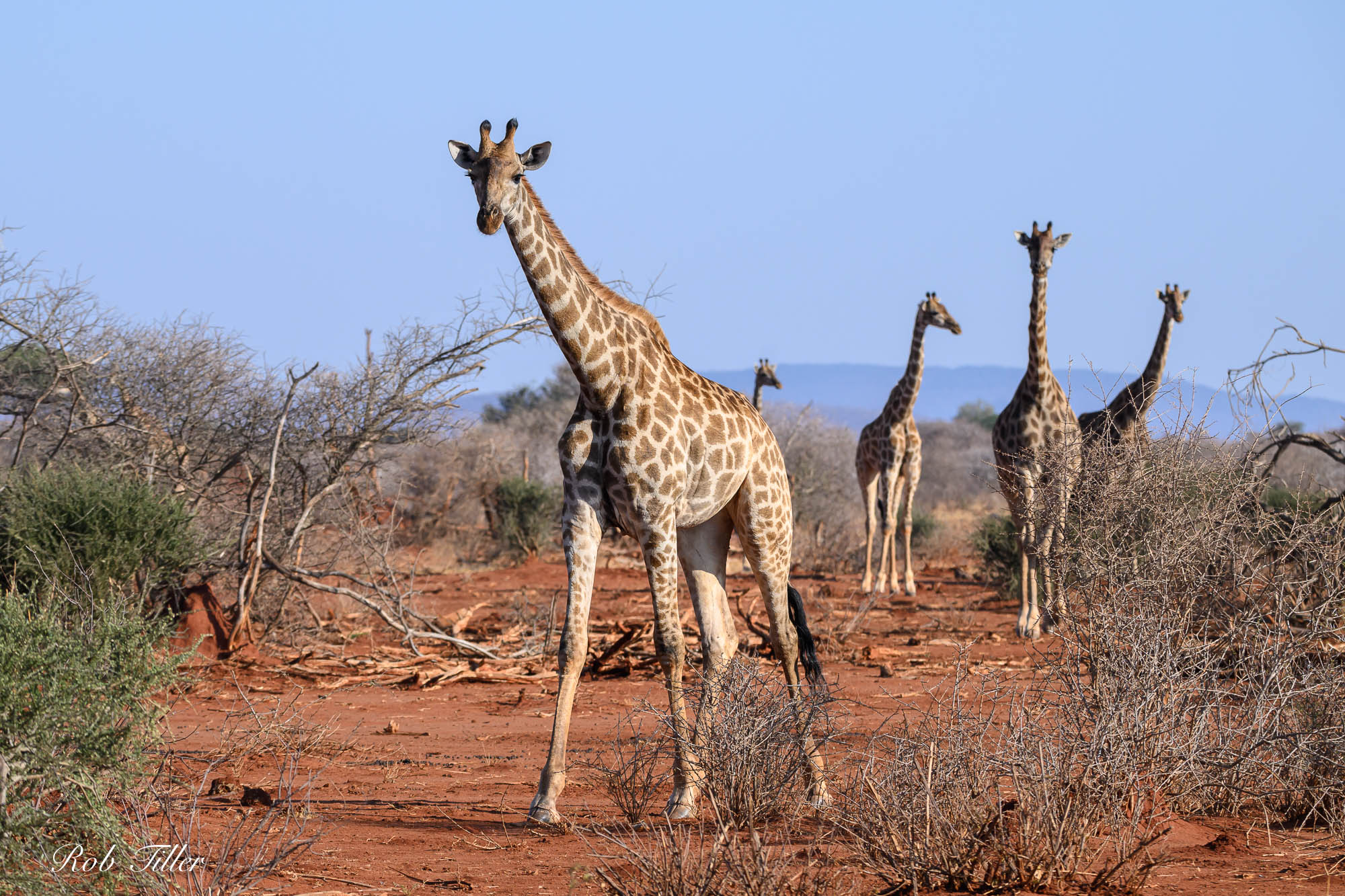
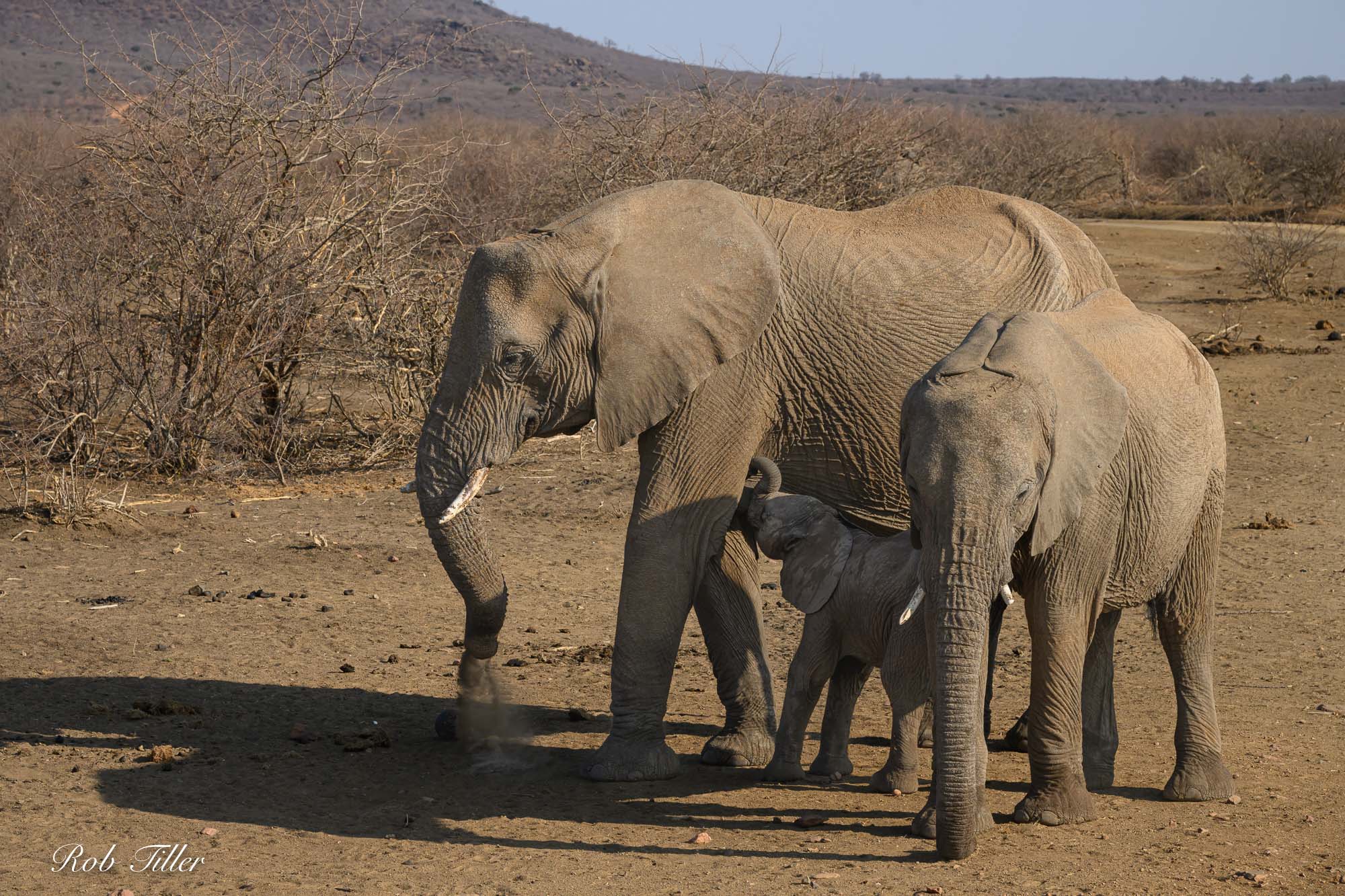
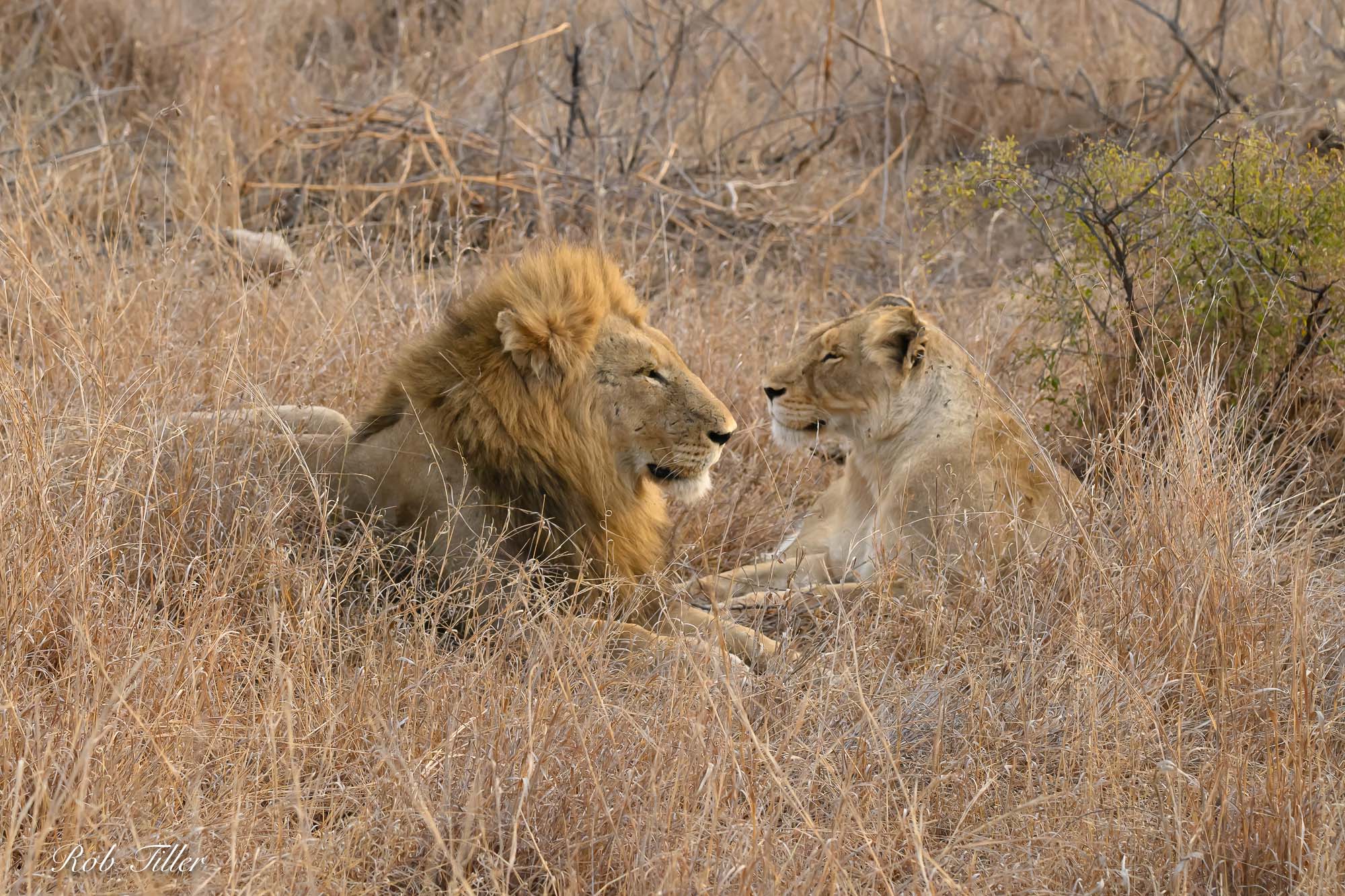
I finally finished going through the thousands of pictures I took during our South Africa safari, and found a few more I wanted to share. 
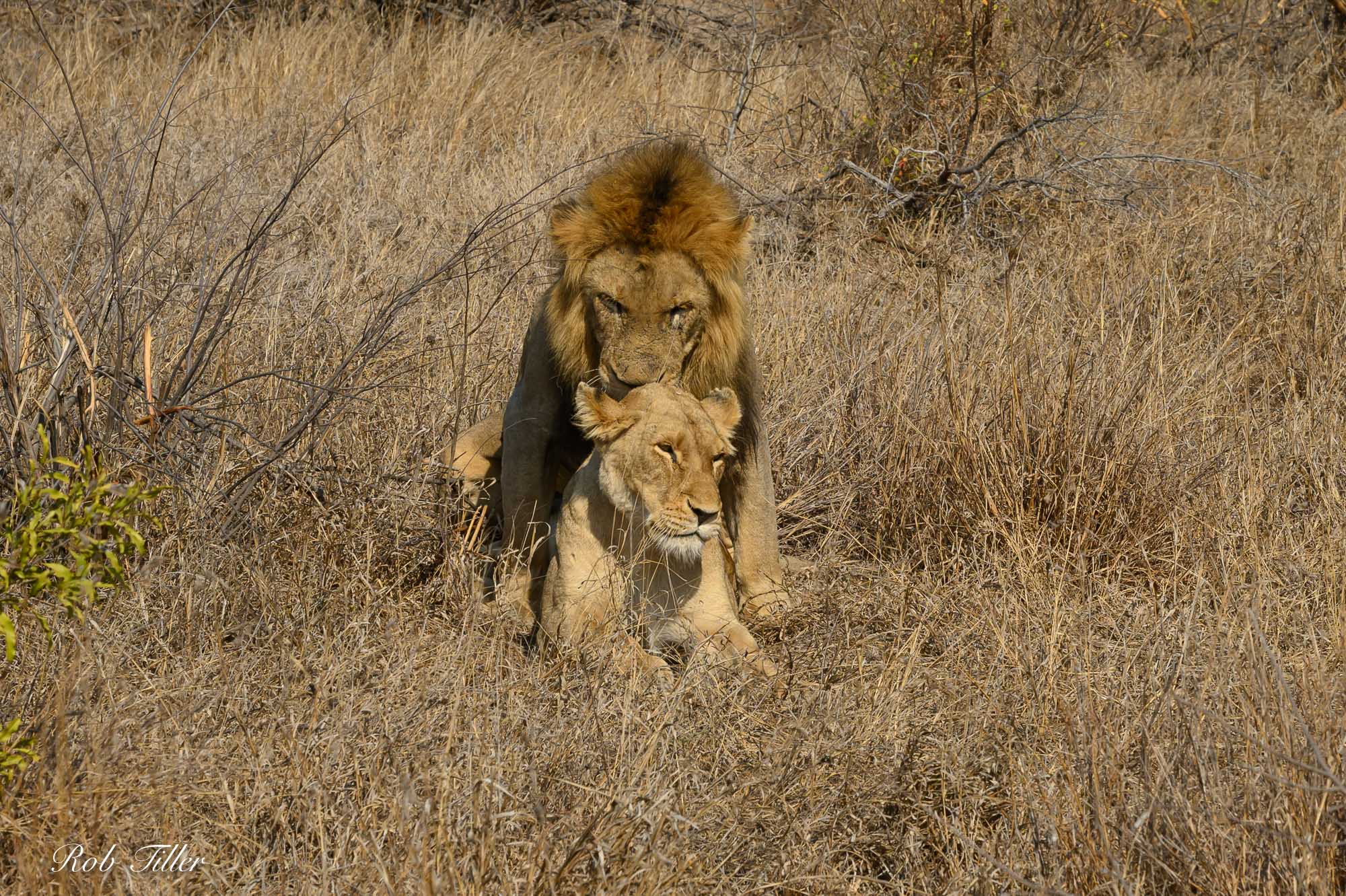
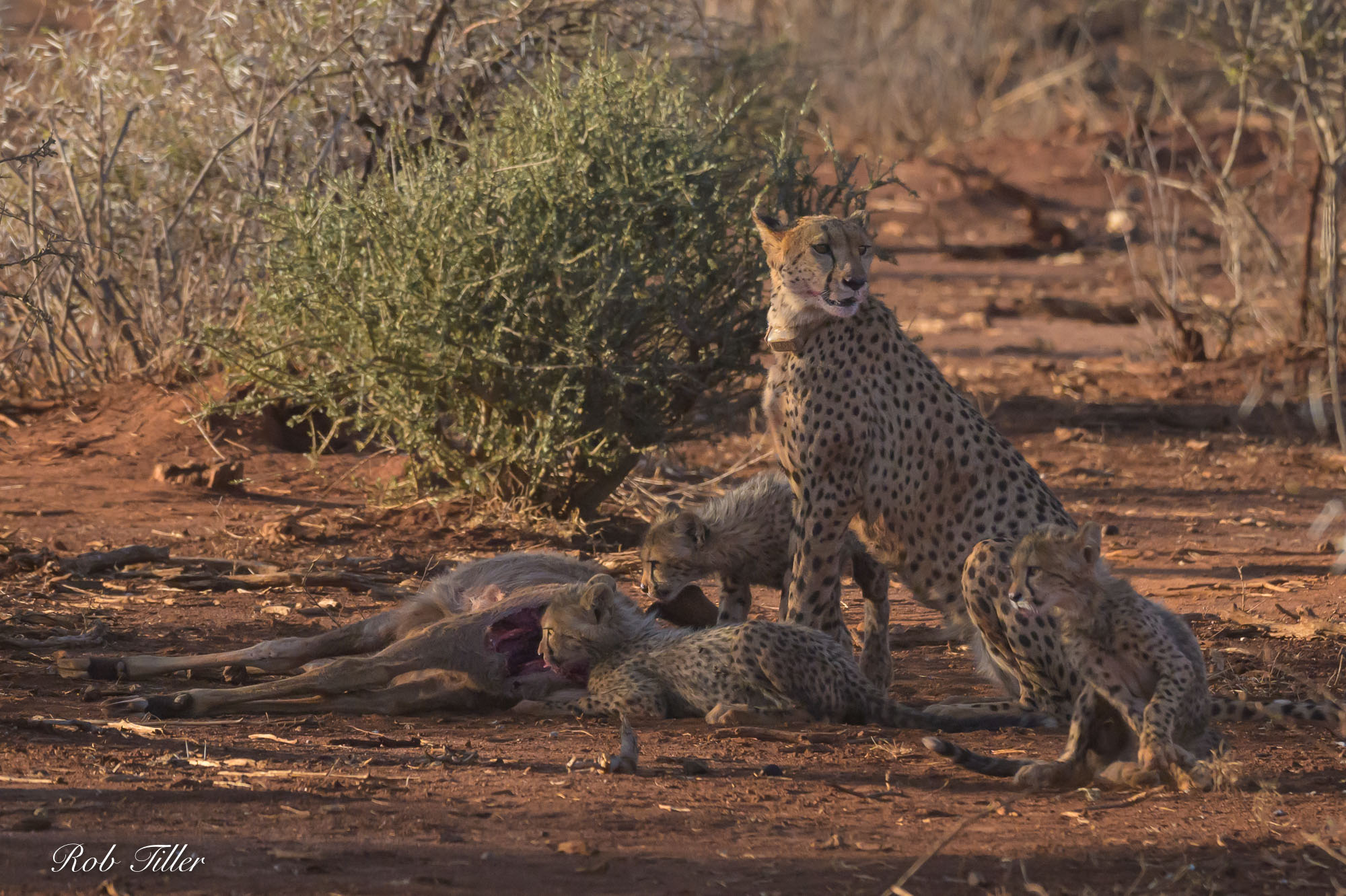
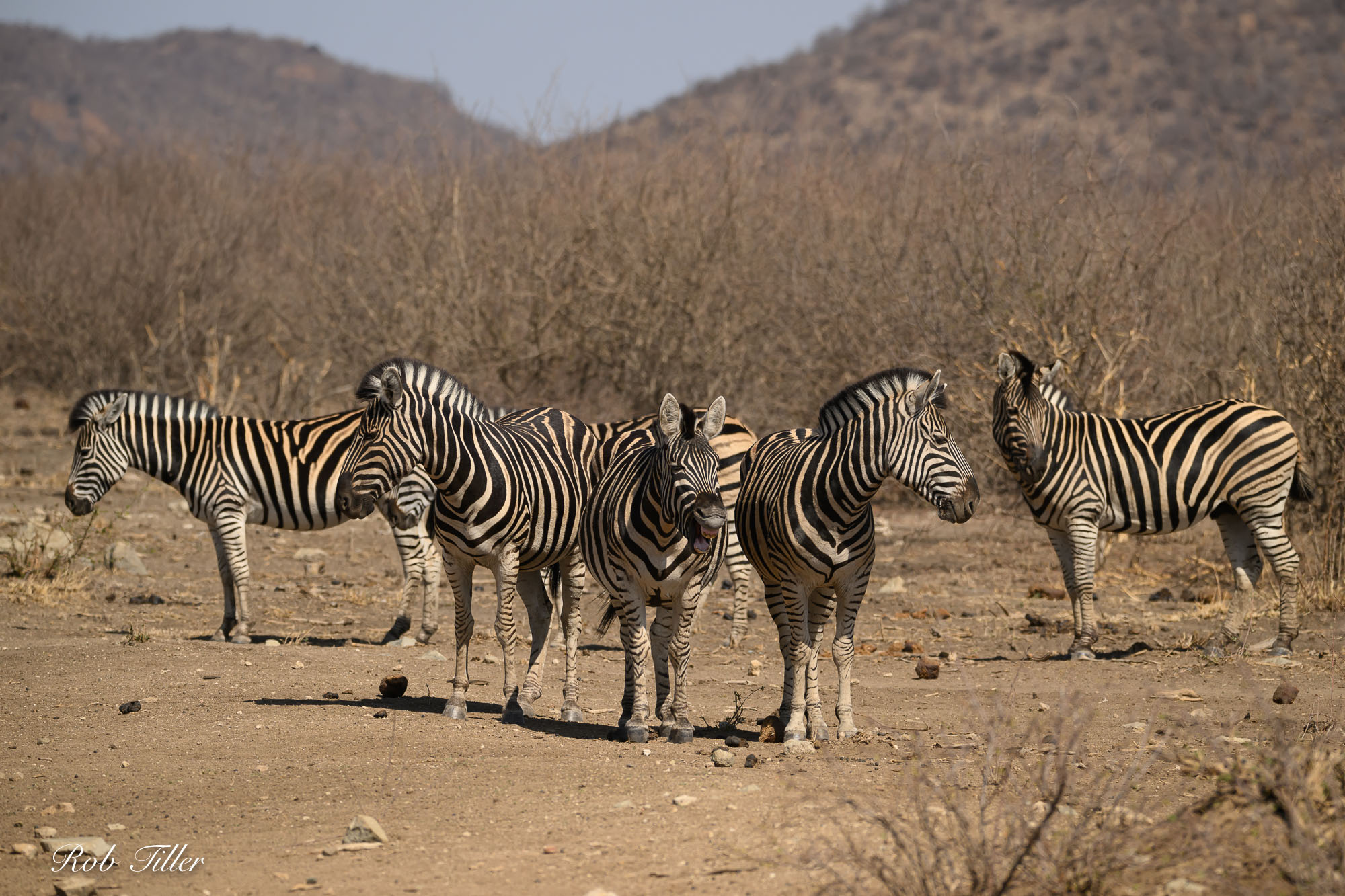
During the safari, we saw animals doing many of the things we know they have to do, like eating, drinking, bathing, teaching their young, and mating.  We didn’t see any actual kills, but we did see several big cats feeding on recent kills.   I debated whether to share photographs of those, since it’s unavoidably sad, and perhaps upsetting, to deal with the death of a beautiful creature like an impala.  But I also see an element of beauty in the predator and his or her success.  

The lions, leopards, and cheetahs must kill to survive and to feed their young.  It’s just the way they’re made.  It turns out that it’s quite difficult for them to hunt successfully, and they often fail.  Grazing animals are highly sensitive to predator risks, and most of them are, when healthy, either faster or stronger than their predators.  On this trip, we watched a hidden lion lie in ambush for lengthy periods hoping, unsuccessfully, for an unwary zebra or impala.  
The grazing animals that the big cats catch are generally the old, young, or ill.  In fact, their hunting is important for the health of the grazing herds.  It  keeps diseases in check and prevents overpopulation and overgrazing that would lead to more death.  Nature generally manages to keep things remarkably well balanced among predators, prey, and plants, when there isn’t human interference.
There’s a vast amount that we do not know about nature, which is exciting, in a way:  there’s so much more to learn.  This week the New Yorker had a lively and interesting piece by Rivka Galchen about what scientists are learning about bird song. 

I’ve been interested in bird song for many years, but mainly as a way to identify birds that won’t allow themselves to be seen.  From watching flocks of big birds like tundra swans and Canada geese, I’d come to suspect that their vocalizations allowed them to coordinate their travels together.  Now researchers are confirming the suspicion that their sounds have a lot of communicative content.  
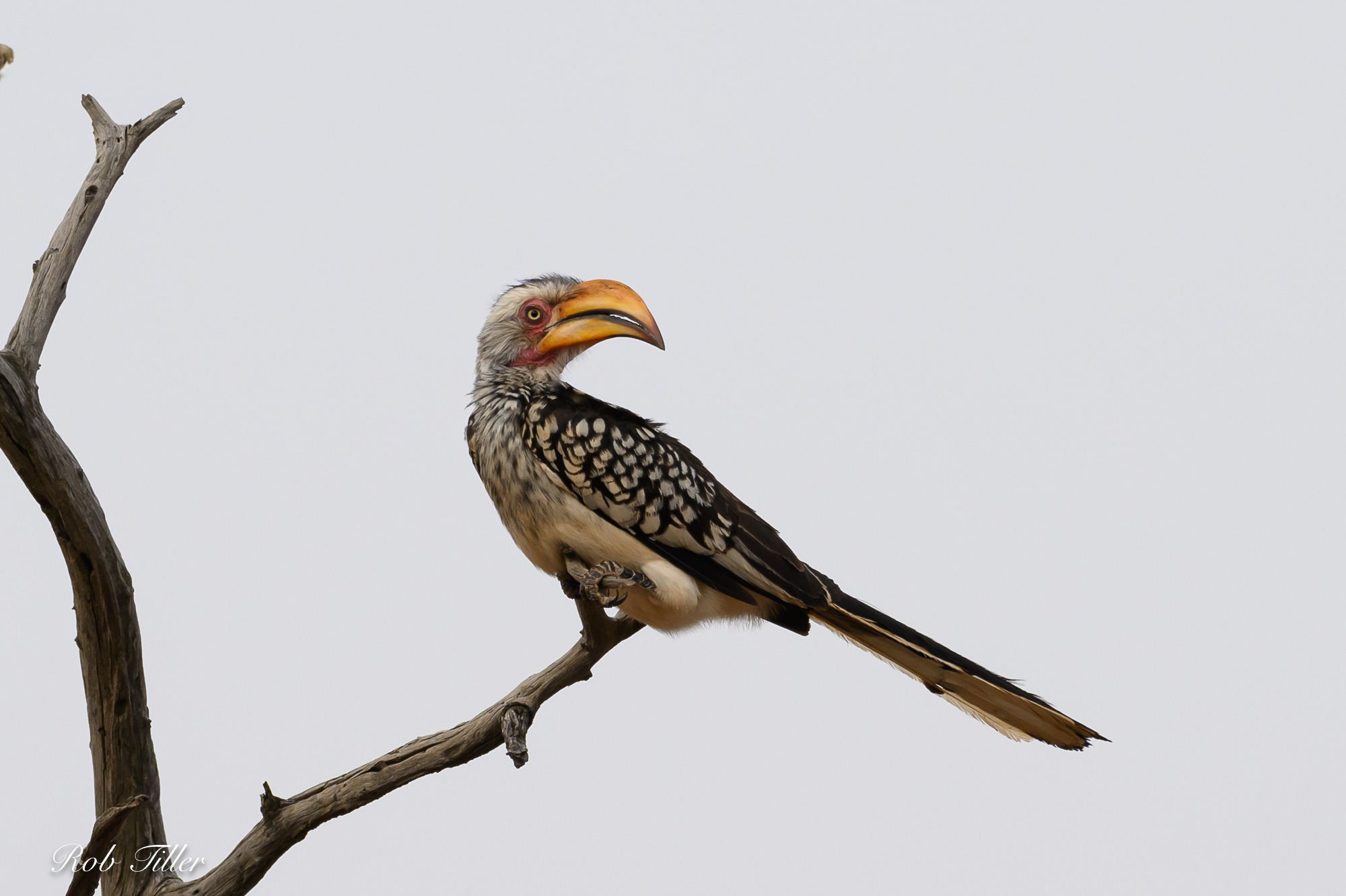
Scientists have long recognized that birds make specific alarm calls, and are learning that some of those calls differentiate the threats of, say, a hawk or a snake.  It turns out that bird parents make sounds while incubating their eggs that the developing baby bird learns.  We’re learning that bird communication is more complex than we thought, which indicates that their intelligence is more complex than we thought.  

With fall arriving, it’s gotten a bit chilly for me to have my morning tea on our deck, but when it’s mild I like to sit out there as the sun is rising and listen to the birds.  I’ve been using the Merlin app to identify calls and songs I don’t already know.  The app has gotten a lot better over the last couple of years, and is almost always accurate, at least as to the birds I’m familiar with.  
Speaking of the natural world, I’m in the midst of a remarkable book about plants:  The Light Eaters:  How the Unseen World of Plant Intelligence Offers a New Understanding of Life on Earth, by Zoe Schlanger.  Schlanger has reviewed the scientific literature and interviewed leading botany experts researching how plants sense the world and deal with their environments.  Her style is friendly and approachable, and her content is at times mind blowing.  

It turns out that plants are much more  proactive than we used to think.  There are species that modify their chemistry in response to predators to make themselves less appetizing.  There are ones that send out chemical signals to warn others of their kind of particular predators.  Some even send out chemical signals to summon insects that will prey upon the plants’ enemies.  
There is considerable evidence that plants respond to touch.   Some researchers have found that they respond to certain sounds, which we might call hearing.  They modify their behavior to avoid threats and to improve their nutrition.  The puzzle is that they lack a clear hearing organ, like an ear, or a centralized interpretive organ, like a brain.  How they do it is yet to be discovered.  

But it’s hard to avoid the thought that plants are in some sense conscious.  Schlanger recognizes that the idea of plant intelligence is still controversial in the botanical science world, and gives credit to scientists for being cautious and careful.  In this time of great anxiety about the human world of politics and war, her new book is a welcome reminder that, quite apart from humans, the world has been and continues to be full of wonders.   
Wildebeests in various states, querying MAGA, doubting Artemis, and getting curious about animal communication

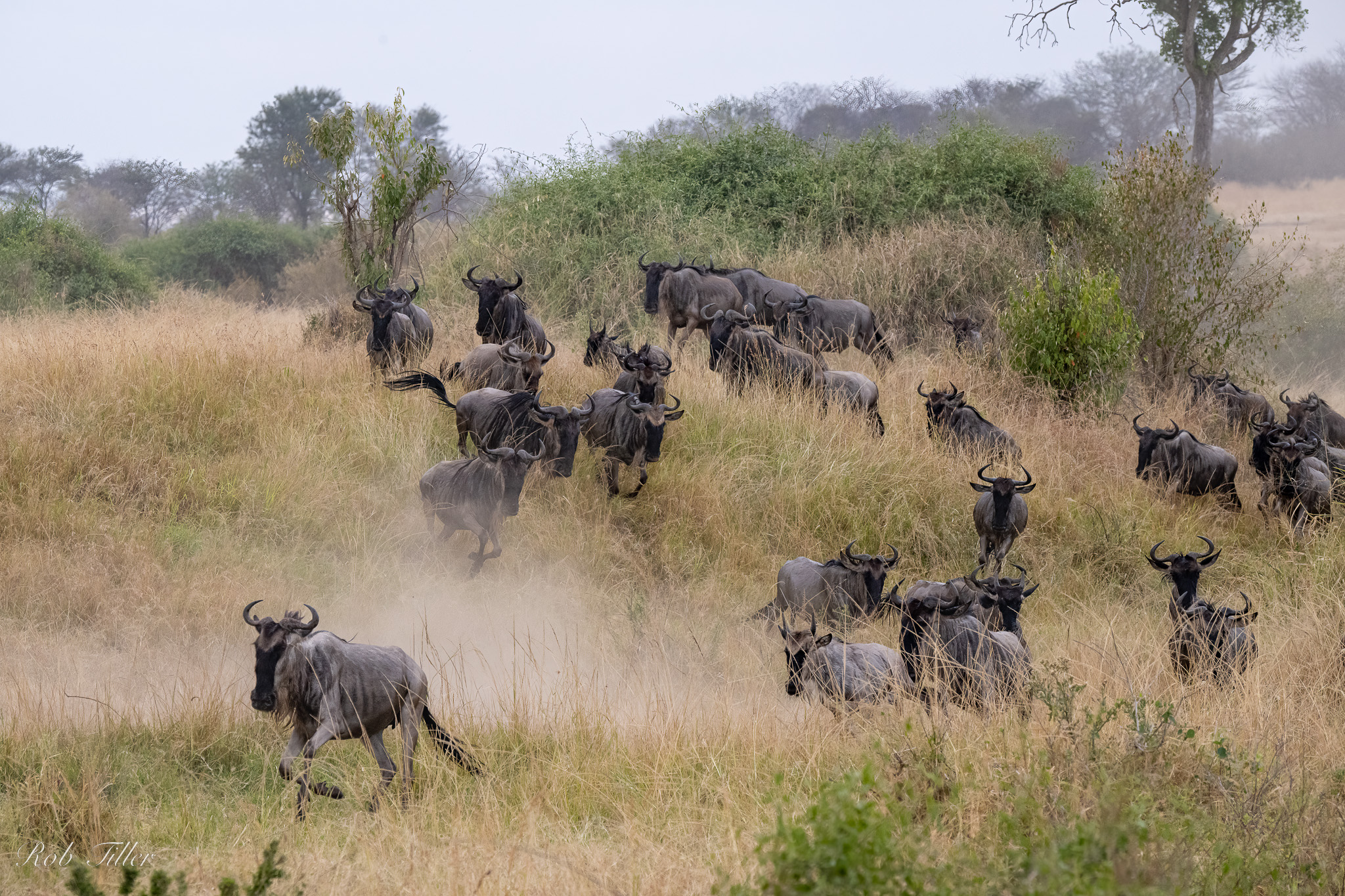
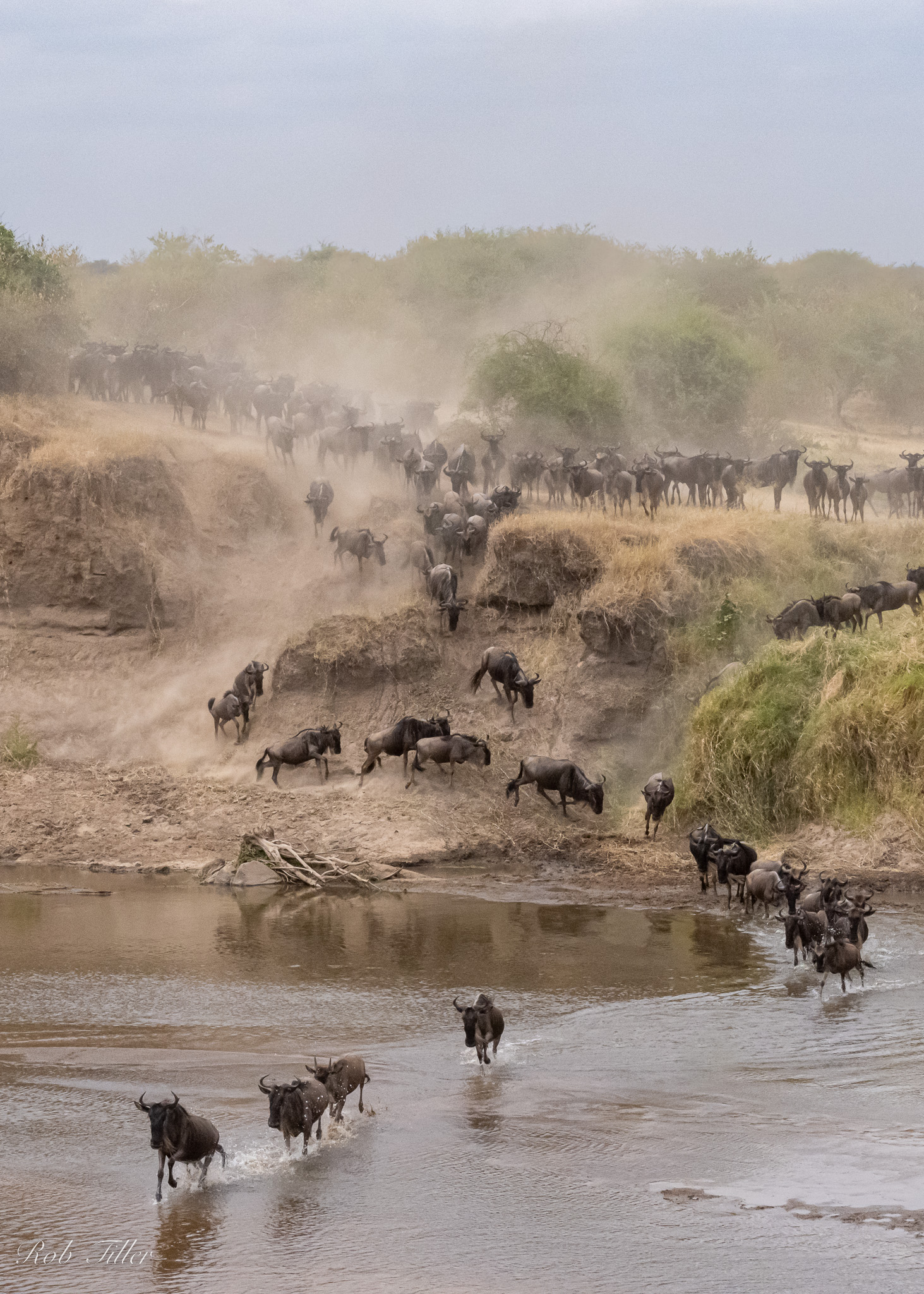
Wildebeests in Serengeti National Park, Tanzania

Working through the big pile of my pictures from Tanzania has been absorbing, but also exhausting.  I’ve been trying to remember how things looked, and figuring out how to interpret the images.  In the process, I’ve been learning new things about my processing software – Lightroom, Photoshop, and Topaz AI products.

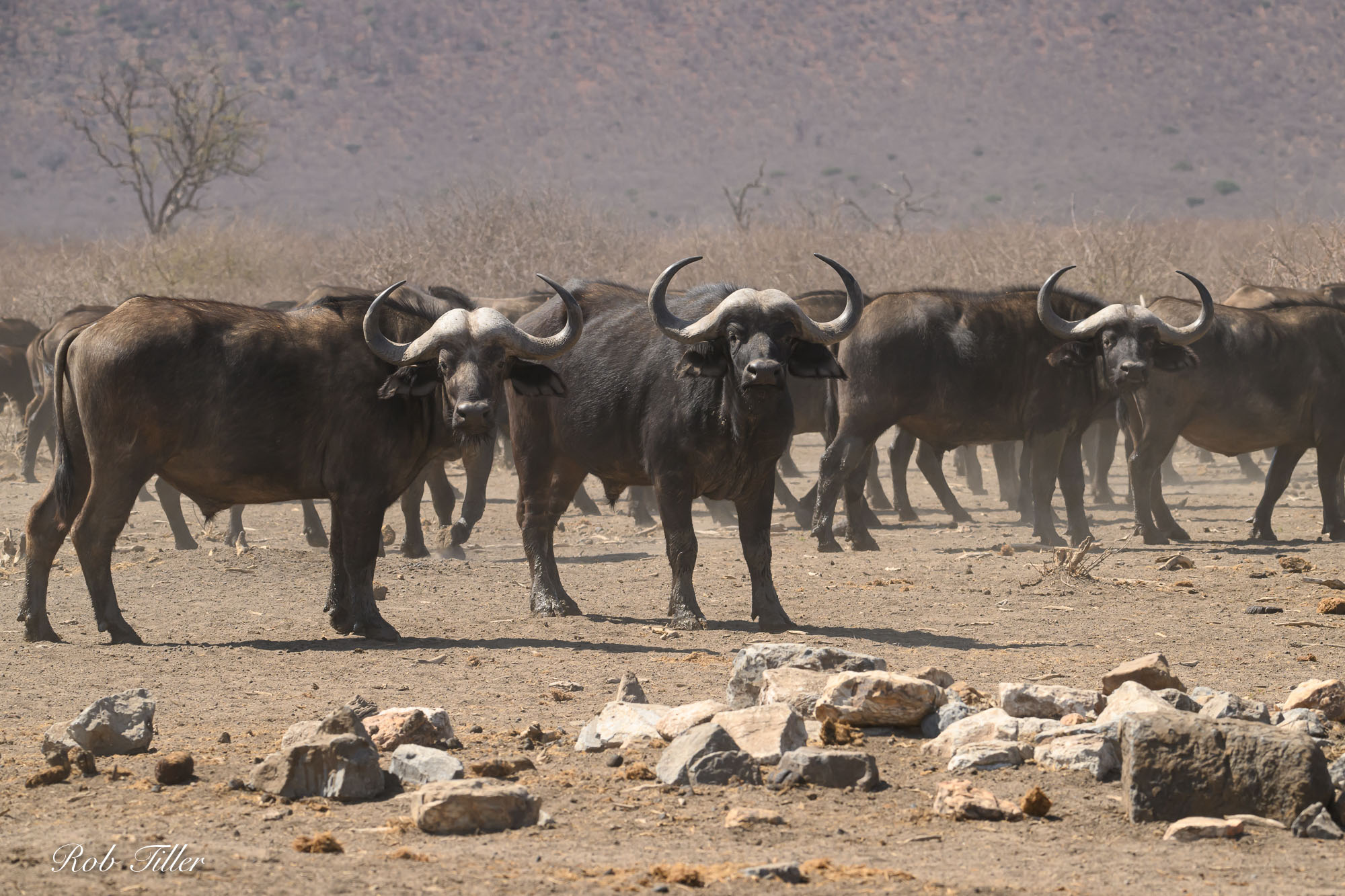
One of our prime objectives in Tanzania was to see some of the large herds of wildebeests that annually cross the Mara River.  It’s challenging to convey the power and raw beauty of these crossings, but I tried.  I also am sharing some photos of large predators.  Warning: there is a picture of lions on a recently killed zebra that might not be suitable for all readers. 

Artificial intelligence is once again a buzzword, but let me just say first, the new versions of Topaz DeNoise AI and Sharpen AI are amazing.  There are clearly important advances going on in AI, which could soon surpass our ability to understand them, if they haven’t already.  It’s far from impossible that our intelligent software could go from helpful to dangerous, if it hasn’t already. 

It’s surprising that tech journalists ordinarily focus on the question of if AI can equal human intelligence.  It has already equaled or surpassed what humans can do in some domains (playing complex games, using correct grammar) and is rapidly moving into areas we’ve thought of as artistic (composing music, making paintings, writing fiction).  But people continue to believe there is some unique and valuable quality in human thinking that can never be equaled.   However that may be, we have no shortage of evidence that human thinking has some systematic glitches.

A prime example:  MAGA Republicans, who have decided to believe and/or promote a wild and enormous lie – that Trump was not defeated in the last election, but was rather the victim of a vast fraudulent conspiracy.  There are, of course, Republicans who understand that this is nonsense and continue to support American democracy.  But most of those traditional Republicans have become very quiet, and acquiesced in the takeover of the GOP by the Trump faction.

So what is wrong with MAGA folks?  Of course, there are many individual stories, but the big drivers seem to be fear of the Others (those with different skin tones, religions, languages, genders, etc.), loss of traditional status (relative to the Others and to the wealthy), bewilderment and frustration at changing social norms, and economic anxiety.  Whatever the causes, there are clearly strong feelings causing MAGA folks to detach themselves from ordinary reality and swear allegiance to a comical-but-dangerous charlatan.

Leopard in Serengeti

One thing that struck me recently which I’m trying to keep in mind:  almost no one thinks they are a bad person, or doing things for an evil reason.  Almost everyone thinks they are a good person, or at least, no worse than average.  MAGA believers are no exception.  They view their principles as well aligned with all that is right and good.  

In this sense, MAGA people mean well.  As individuals, they may have many good qualities, and like all sentient beings, they are entitled to affection and respect.  But as aggregated political actors, they have gone off the deep end, and threaten us with disaster.        

Cheetah in Serengeti

For quite a while after the election, I expected the MAGA fever to break and our normal far-from-perfect politics to resume.  But recently it’s gotten worse.  Republican leaders and candidates vie to stake out the most extreme positions favored by the MAGA element, and some are promoting violence against political enemies and even civil war.  This is definitely not American politics as usual.  

As President Biden recently pointed out, most Americans do not share this mindset, and it’s still possible we can avoid joining the league of repressive authoritarian nations.  The question is not whether MAGA Republicans will change:  they are, at least for now, fully committed to the end of fair elections, equal rights, and other key features of our democracy.  The question is whether those who thought they could safely be ignored will wake up and passionately oppose them in the coming elections.

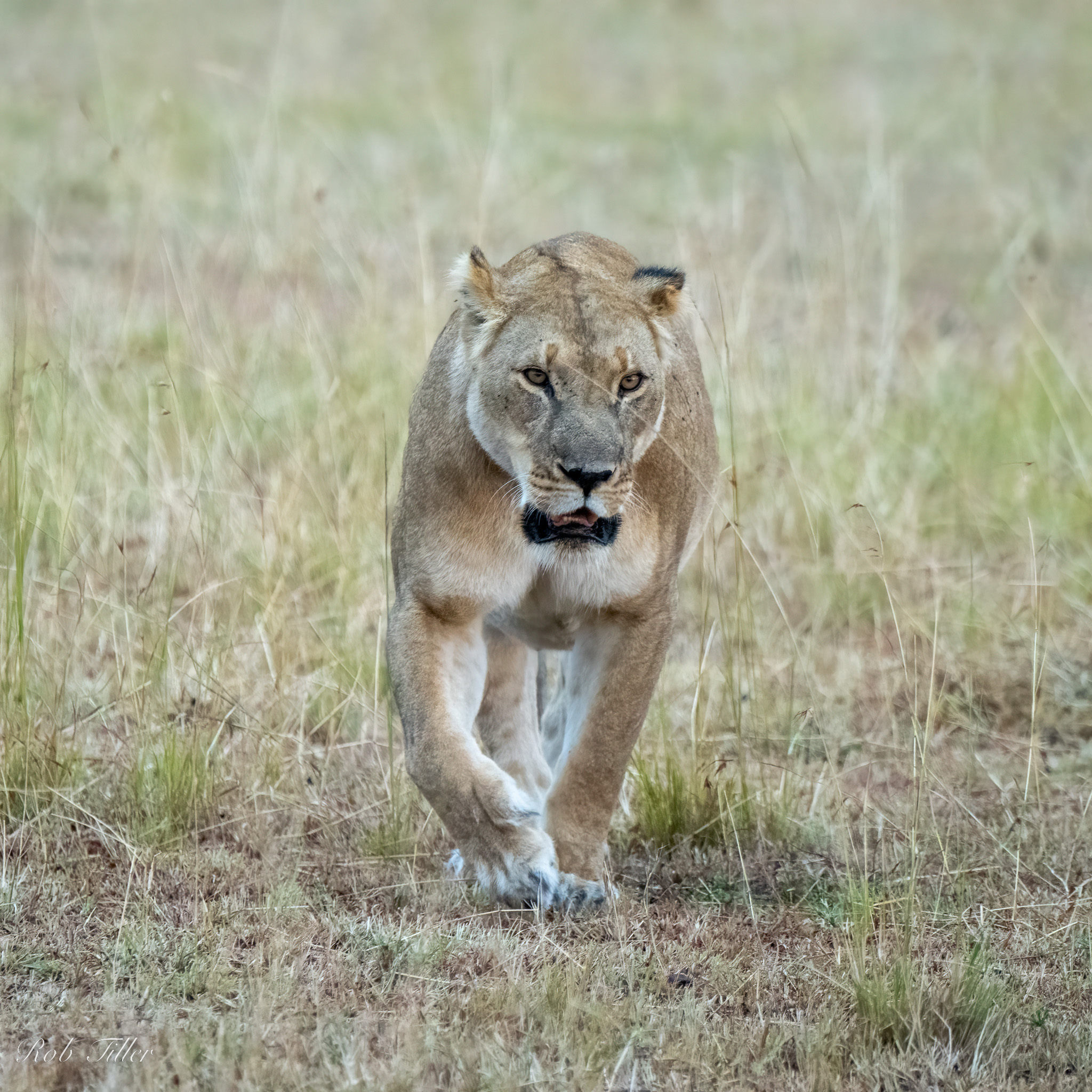
Lion in Serengeti

As if that weren’t enough to worry about!  But, with apologies, I’m going to give one more timely example of what looks to me like a mass delusion.  My excuse is that since it recently became a big news story, I haven’t noticed anyone else raising the issue of its essential craziness.  I’m referring to the Artemis Project, which, we’re told, is a vital effort to put people back on the moon.  As of this writing, two much-hyped launch attempts have been canceled for technical reasons.

I’m a longtime fan of science and technology, including the amazing new Webb space telescope, and was as excited as anyone at the first moon landing in 1969.  But I felt no great sorrow after we discontinued the Apollo program in 1972.  We’d been there and done that.  Even then, it wasn’t clear whether anything of lasting value had been accomplished.

As the years passed without more moon missions, I thought perhaps the lesson had quietly sunk in that the billions of dollars spent on going to the moon (around $25B) could have been used better – perhaps on climate change mitigation, preventing species’ extinction,  improving health care, education etc. (the list of underfunded serious projects is long).  Then, out of the blue (at least to me), came Artemis – which has already cost $41 billion, and is expected to eventually cost $93 billion.

This is a lot of money, even by U.S. government budget standards.  You might suppose that it involves cutting edge technology employed for some vital purpose.  But no, not really.  The rocket technology is decades old, and not even close to state of the art.  And as best I can tell, no one is even trying to argue that it is likely to achieve important scientific advances.

The accounts I’ve heard refer vaguely to the possibility that Artemis is a step towards setting up colonies on the moon, which would be a step towards colonies on Mars.  Perhaps there’s hope that a few corporations can make good money extracting valuable minerals, and a  worry that Earth will become uninhabitable.  Thanks to Artemis, a few ultrawealthy folks might try to mount rockets and flee the planet, as in the underappreciated dark comedy Don’t Look Up.  

Anyhow, the whole idea is ridiculous.  No matter how badly we spoil the Earth, it’s unlikely to ever get more desolate than the moon, or Mars.  

Is there any other possible justification for this bizarre project?  It could well be driven by corporate welfare for big military contractors and the legalized corruption of our political funding process.  And of course, there is always the combination of nationalism and chauvinism that wants to be or at least seem superior to other peoples and nations. 

Anyhow, Artemis looks to be yet another example of how our minds’ reasoning powers can fail on a mass basis – thinking we’re creating something to be proud of when we’re actually wasting precious resources, money, and time.  At this point, despite the huge costs and repeated failures to launch, junking the project is not on the table for political discussion.  

Still, this fiasco could do one positive thing: make us feel a little more conscious and humble about the flaws in our reasoning powers.  Even our smartest rocket scientists, physicists, and philosophers can lose their bearings.  As our teachers used to say, we need to double check our work.

On a more cheerful tech note, the NY Times’s Emily Anthes reports that scientists are using deep learning and other technologies to start decoding the communications of various non-human animals.    Various programs are looking at creatures like rodents, lemurs, and whales, and discovering that social groups even have different dialects.  

Some of us have long suspected that there’s a lot of communication going on among non-human animals, and wondered why more humans haven’t been more curious about those interchanges.  The received wisdom has been that only humans have language, which was one of the questionable ideas used to justify  domination and cruel exploitation of all other animals.  Maybe the latest AI will help us understand animals differently.

Impala family in Tarangire National Park