The Casual Blog

Tag: Caste

Wild horses, and a proposal for new thinking about animals

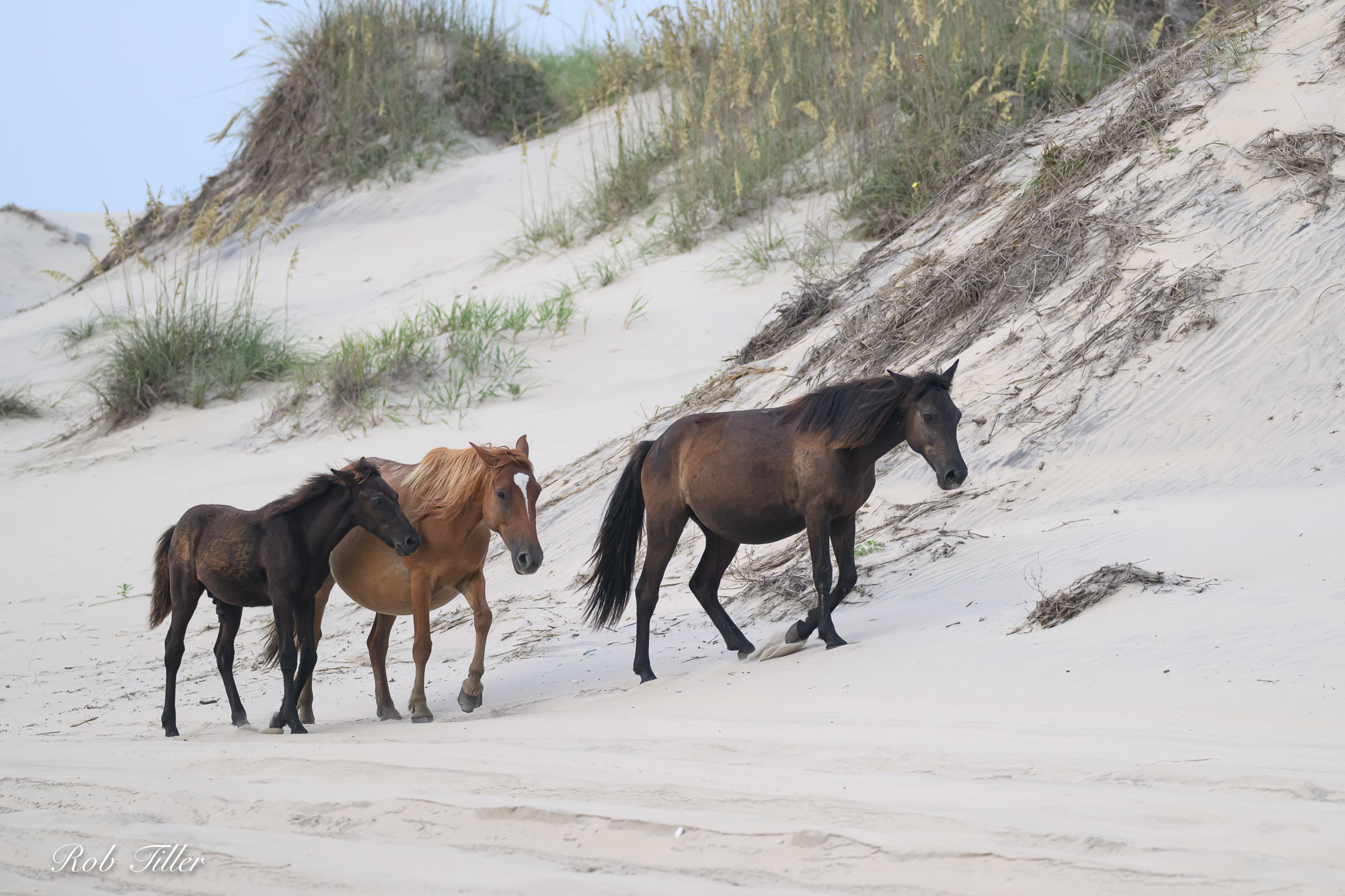
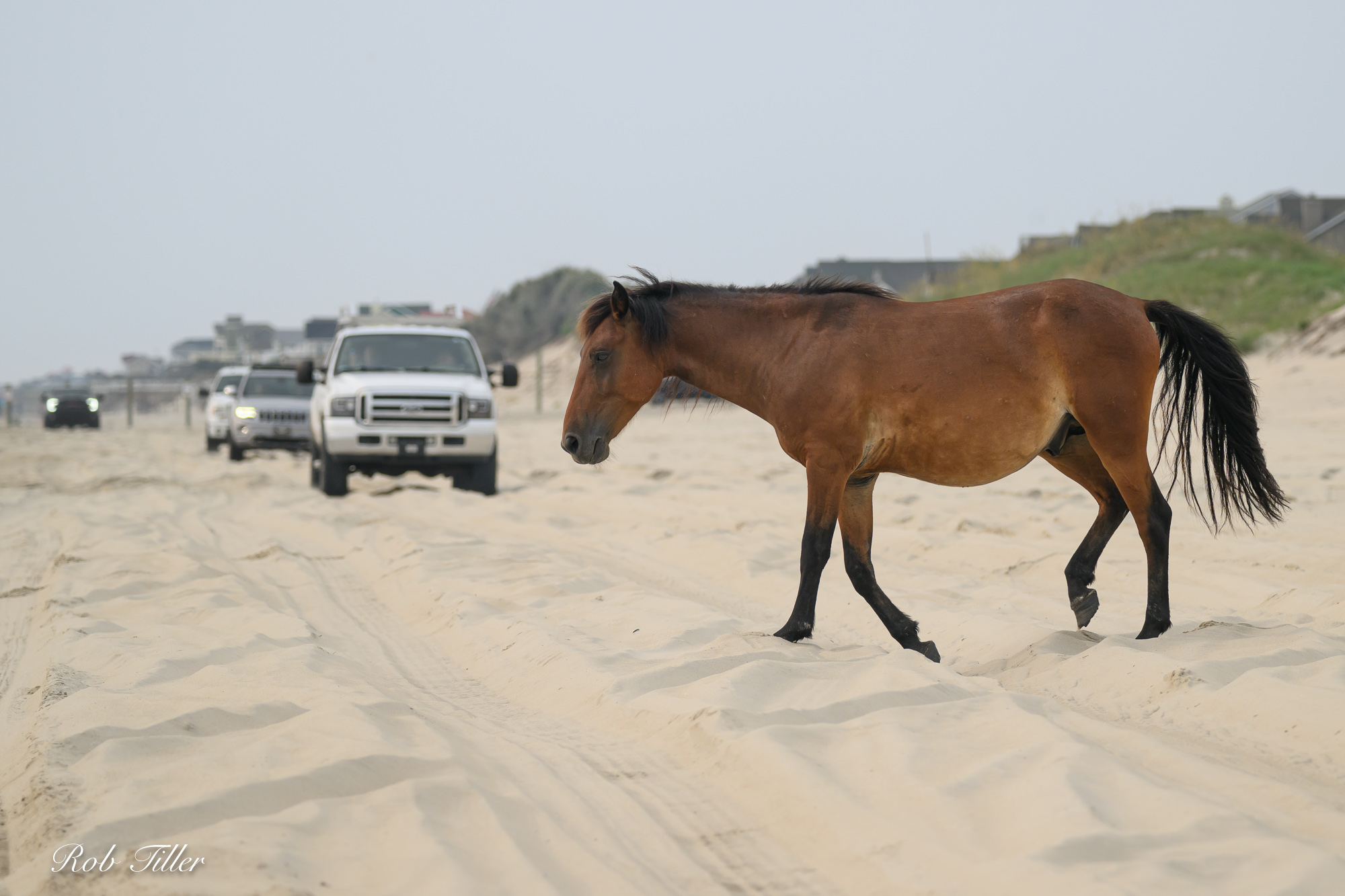
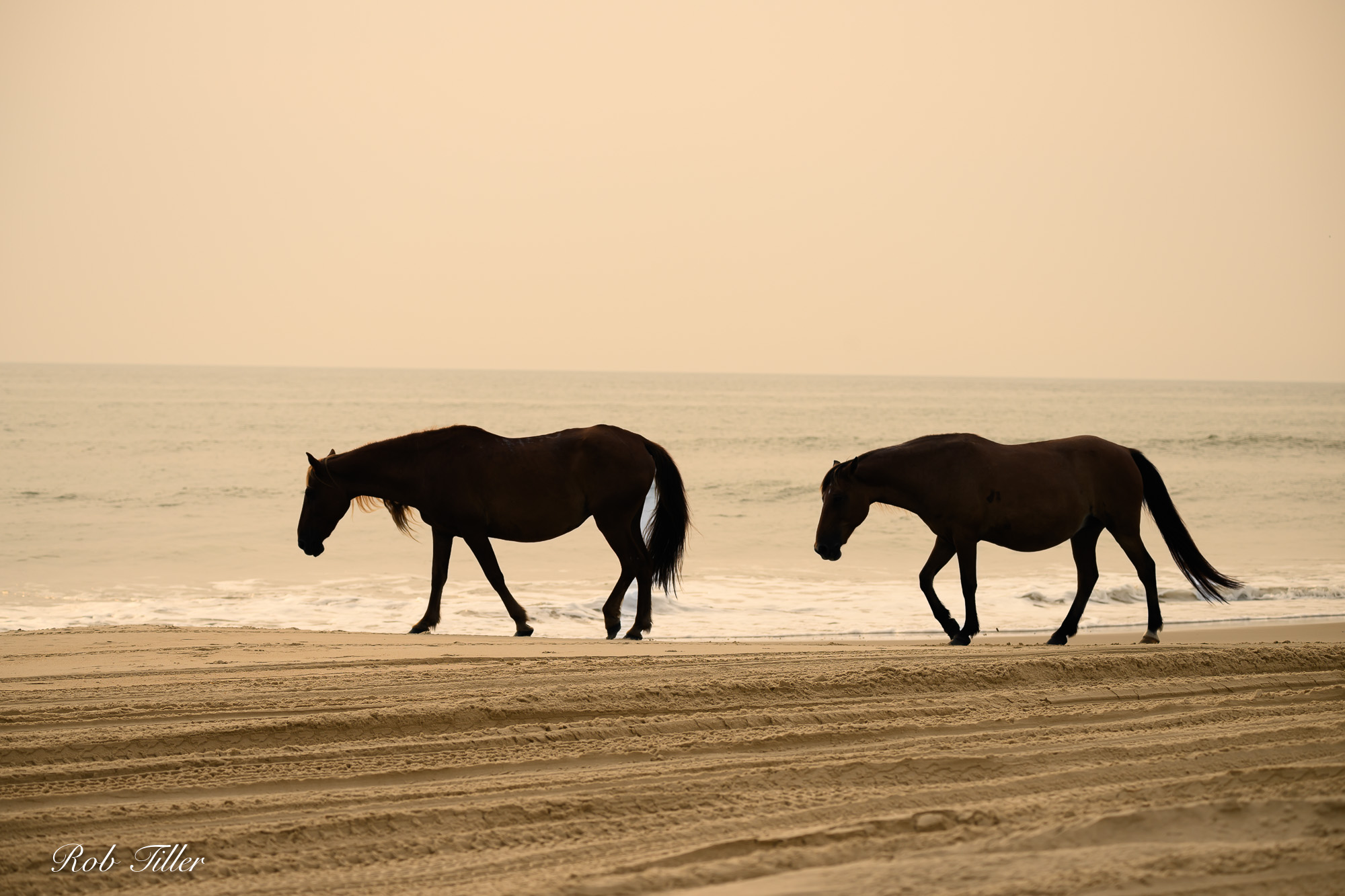
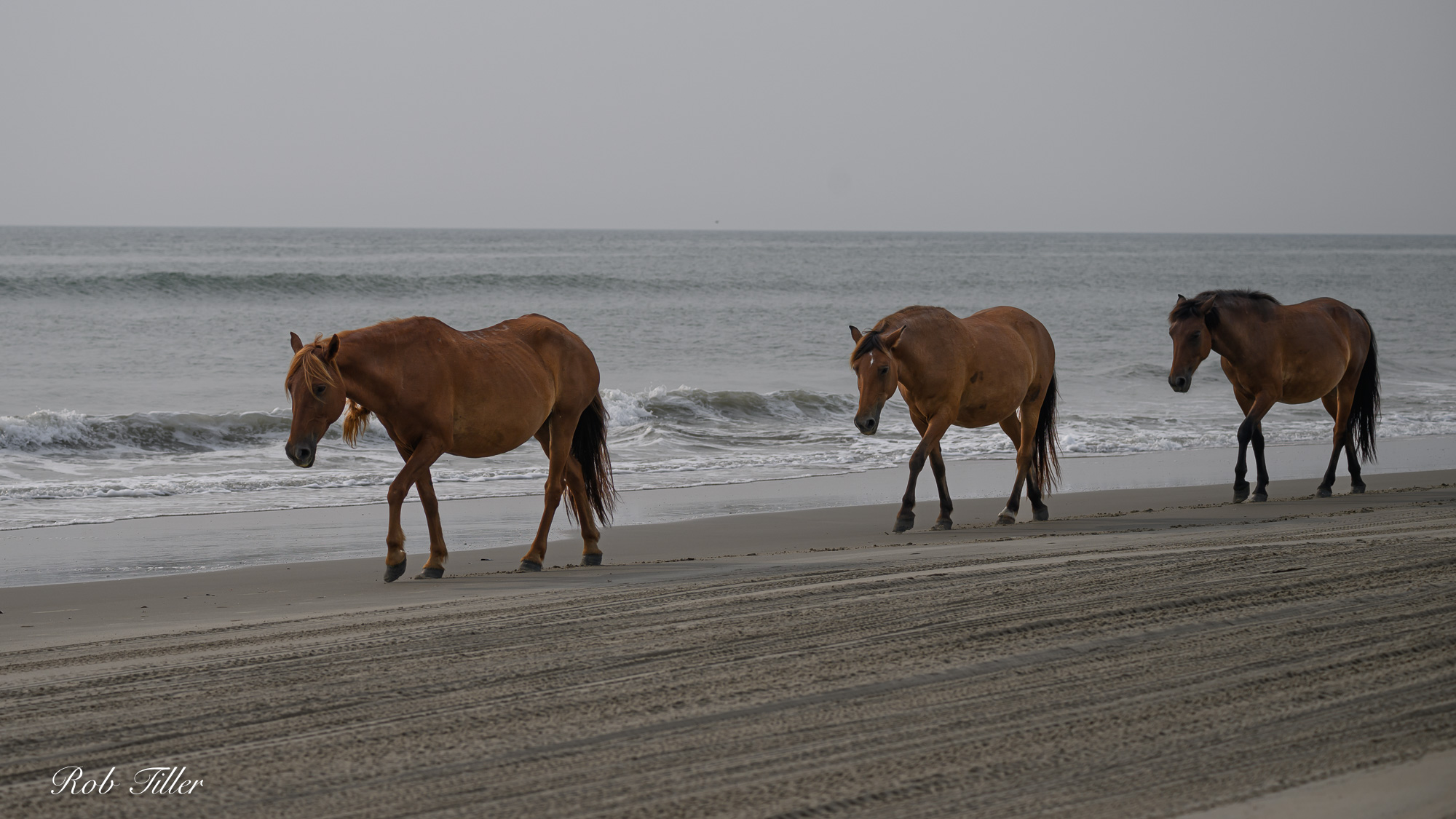
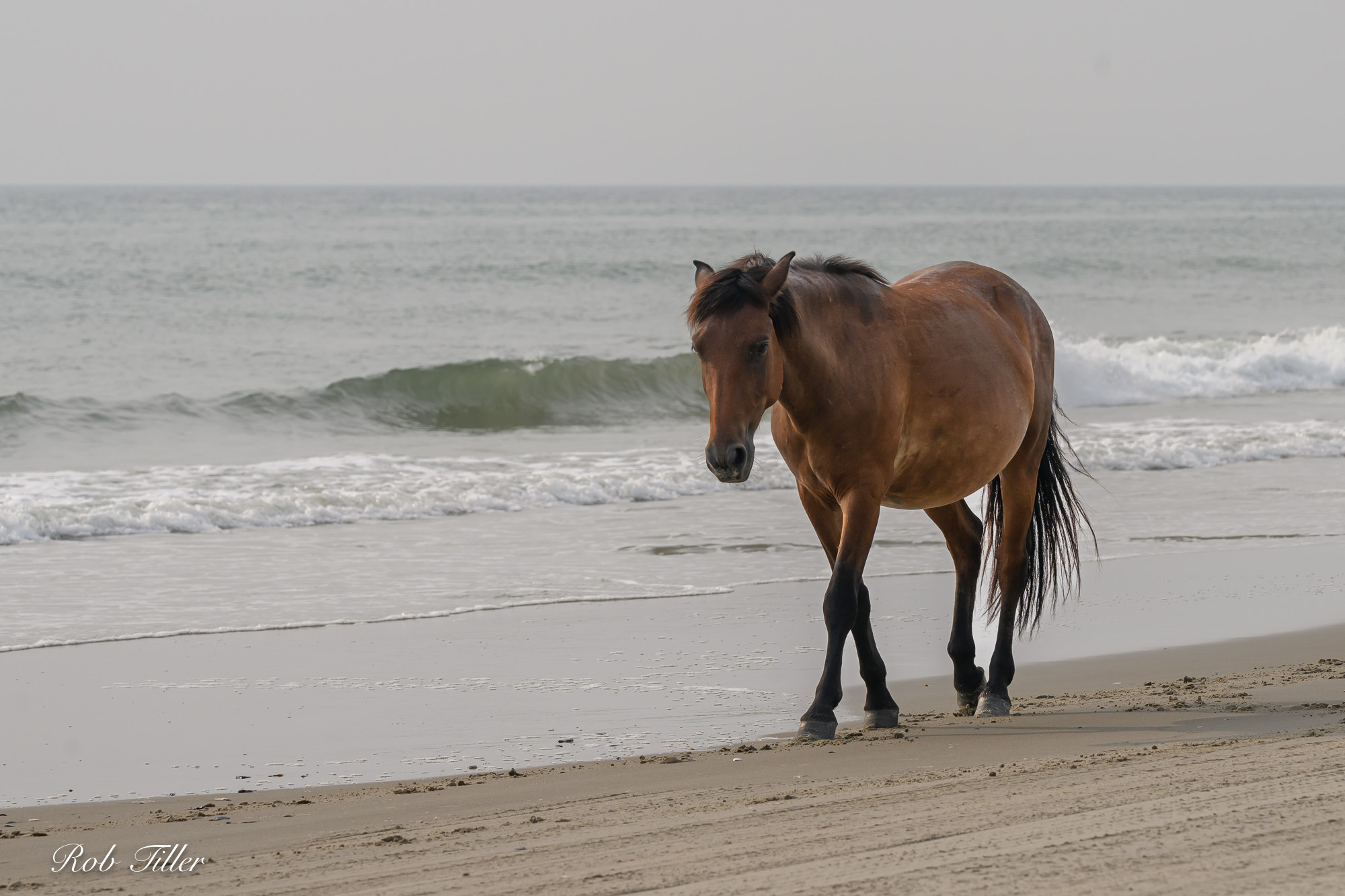
Last week we had a family vacation at Corolla, a community on the Outer Banks of North Carolina.  Early every morning I went for a drive on the beach to look for the wild horses that live there.  Most days I didn’t see any, but one day I did.  Here are a few images of them.  

I wanted to share a few more of my photos of bears and other creatures from my recent Alaska trip, so I made a short (4 minute) slide show of some of my favorites and put it on YouTube.  You can find it here.

One of the things I value about wildlife photography is getting to know the animals better.  Of course, it’s very rewarding to spend time in the field with other creatures.  But also, reviewing the still images, I always get some new insights into the lives they live, and I hope others do, too.

Non-human animals have hard lives, and in general humans make their existence harder.  Part of the problem, I think, is the widespread failure to see members of other species as more than mere objects to be exploited.  I hope my photography helps to challenge that view, and suggests how we might see each creature as worthy of respect and compassion.  

I’m afraid that in general, people don’t have much interest in non-human animals, unless they can be eaten or exploited for profit or amusement.  This has been true for a long time.  This way of thinking is problematic for people as well as other animals, and I’ve been thinking a lot about why it is so pervasive, and how it might change. 
It seems natural to enjoy being with other creatures, and indeed, young children bond easily with them.  But from an early age, we are taught that they are essentially different from us, and inferior.  The lesson is pounded in, over and over:  humans are not animals, and animals are inferior to humans.

The idea that humans are not animals is not only questionable – it’s wrong.  It has nothing in science or reason to back it up.  Darwin debunked it more than a century and a half  ago, and his basic theory has been repeatedly tested and confirmed.  From an evolutionary perspective, all living animal species, including homo sapiens, are closely related to each other.  

Moreover, as scientific knowledge has expanded, it’s obvious that non-humans have many similar sensory capacities to humans, and some have vision, hearing, smell, touch, or other unusual senses that are vastly more acute.  
There have been various qualities we once supposed made humans unique, including reasoning ability, memory, tool use, planning, and problem solving.  But one by one, with more studies of more species, those ideas have turned out to be the product of our ignorance, as first one and then many creatures demonstrate such capacities in various degrees.  

So why do homo sapiens persist in believing that we’re separate and apart, and superior?  It’s plainly a flattering thought – we’re number one!  And if we’re confident that non-humans are vastly inferior, we can justify eating them and otherwise treating them with indifference and terrible cruelty.  It’s convenient.

But I’m coming to think that the notion that privileges humans over non-human animals is part of a pervasive, and deeply flawed, thought system.  Our various ideas of inherent superiority and inherent inferiority are interconnected and mutually reinforcing.  They form a powerful network that limits our appreciation of each other and the natural world.     
Beliefs that one race is superior to another, that men are superior to women, or that straight is superior to gay, are all without any scientific basis.  The same is true for holding Ivy League grads to be fundamentally superior to non-Ivies, white collars over blue collars, or homeowners over homeless.  The list of our arbitrary and baseless hierarchical gradations goes on and on.

Nevertheless, they are so deeply ingrained in our consciousness as to seem part of nature.   Like the belief in the superiority of humans over other animals, they’re part of our habitual way of thinking – that is, our culture.  

Hierarchical thinking – deeming one group inferior to another – is more advantageous to some than others, but even those lower in the caste system accept at least some of it as natural and good.  An example is poor working whites, who historically have found solace in the baseless notion that they are at least superior to Blacks.  And racial and religious minorities have their own within-group grading systems based on skin color, wealth, education, and other factors.
As for non-human animals, almost all humans put them at the bottom of their hierarchies.  They are still the standard metaphor for those who are most frightening and least deserving, as in “those awful [insert group name here] are  animals”!  We rank some animals over others, such as our dogs over pigs, but even the favored species members are usually deemed expendable objects, rather than beings with inherent dignity.   

The fundamental problem with such hierarchical thinking is that it is divisive.  Human hierarchies divide us from each other, and make it difficult to appreciate and bond with others.  Even those high up in hierarchies are emotionally limited and morally depleted by the system.  The hierarchies foster defensiveness, paranoia, and hate.  At the same time, they lessen the opportunities for loving connection. 

Our delusions of natural hierarchies do enormous damage, but they haven’t destroyed all our intuitions of fairness or our ability to perceive  individuals.  Though deeply embedded, those notions are subject to change.  

In my lifetime, we’ve managed to revise for the better some of our worst prejudices on race, patriarchy, and minority sexuality.  There’s even been progress in seeing animals as more than mere objects.  For example, we’ve reduced the slaughter of whales, elephants, and certain other creatures, and acknowledged the injustice of our driving various species to extinction.
But there’s a lot of work still to be done, both for disfavored humans and non-humans.  I don’t have a comprehensive solution, but I do have an idea for where to start:  respect and compassion.  These are attitudes we all know something about.  Most all of us have respect and compassion for at least a few others, and to get started we can build on that.

I propose the following experiment.  For each being we encounter, let us try saying to ourselves, “Although we are different, I respect you as an individual and wish you well.”  This reorientated attitude would change us, in a small way, and multiplied enough times, would make a vast change.  

I’ve been doing this experiment, and I think it has changed me and my surroundings a bit for the better.  Recently a family of deer with two spotted fawns has been quietly visiting our yard to graze.  While admiring their beauty and grace, I’ve been consciously seeing them as individuals with their own concerns.  It’s hard to tell what they think, but they’ve certainly noticed me, and don’t run away.  They definitely like our grass.

A different way of looking at Trump’s racism

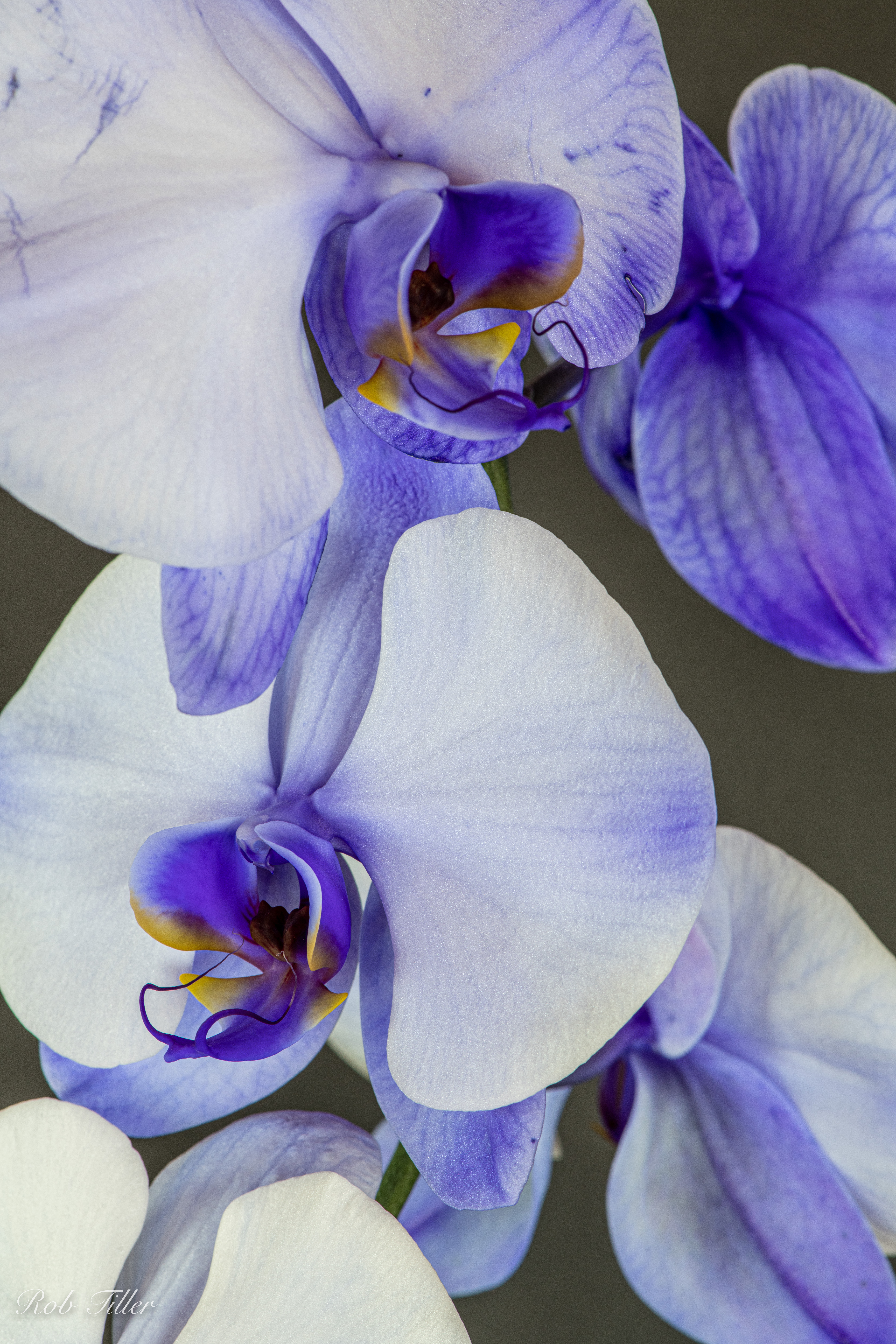
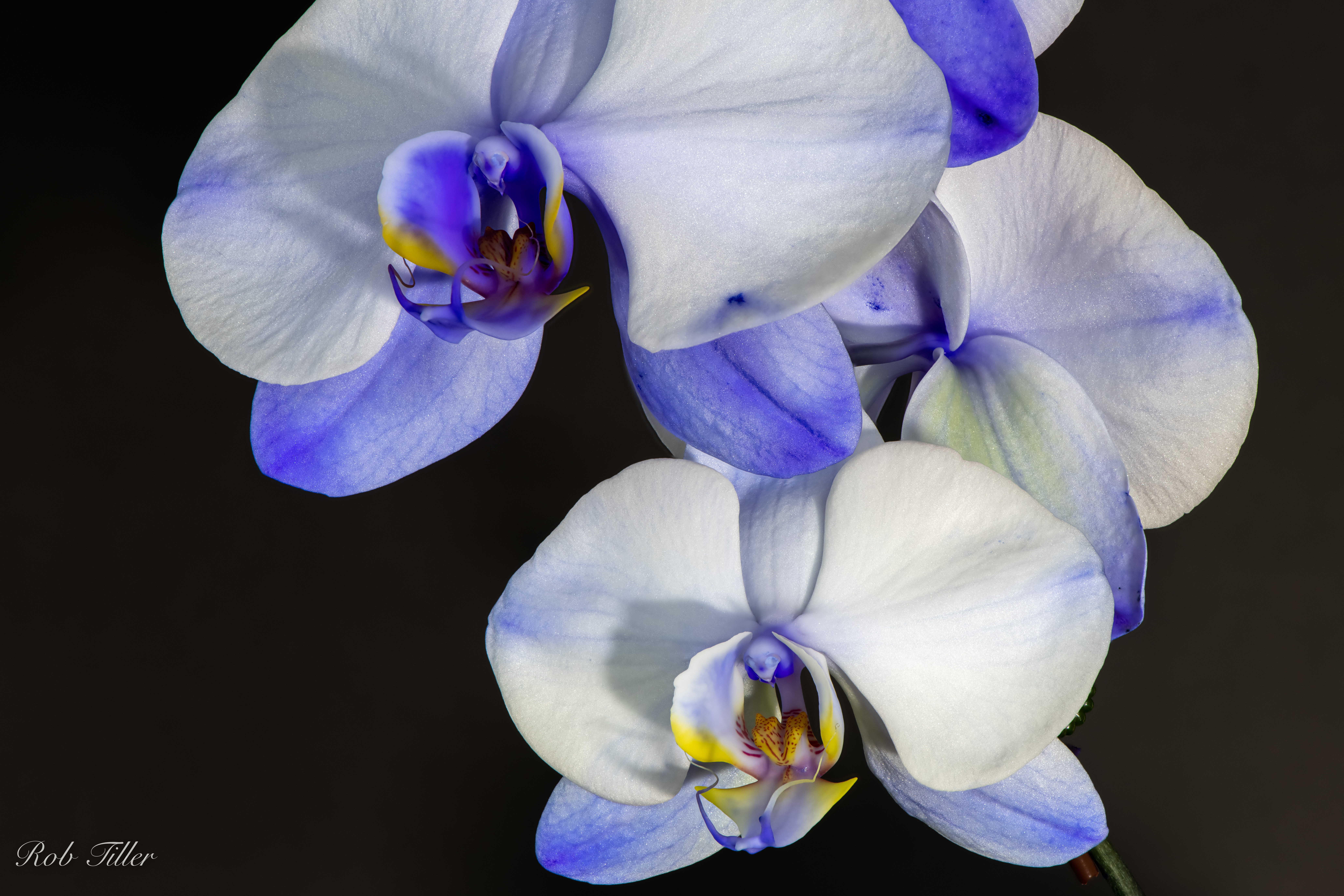
Sally’s new orchid, a gift from Jocelyn and Kyle

There are a lot of different ways of looking at the world, aren’t there?  Although President Trump looks to be headed at full speed towards an election cliff, I still keep hearing startling interviews with his supporters.  There are some who think he’s honest and effective, and they like his style.  They find him both admirable and lovable. 

This week I heard normal seeming people saying it’s unfair to tag Trump as racist.  Didn’t they hear him calling neo-Nazis very fine people, and telling the Proud Boys to stand by?   What’s going on?  I have a few thoughts.

Racism is not the only problem we’ve got in the U.S., but it’s a big one.  Not so long ago, I thought white people (my birth group) were making great progress in putting behind us the myth that people of color are inferior.  We’d enacted laws requiring racial equality, and started seeing the pervasiveness of more subtle discrimination.  

So I assumed that when Black people started pointing up the fact that they are too frequently targets of police violence and other discrimination, most white people would be receptive and sympathetic.  I figured those who were unaware would want to learn more.  I thought most everyone would be interested in how to fix the problem.

And happily, a lot of white people have spoken along these lines.  But there has been a strong counter reaction by others.  The storyline for them goes something like this: Black protesters are violent ne’er-do-wells who are unfairly targeting the police, who have done nothing wrong.  The real problem (in this view) is how to stop the protesters, and how to prevent them from destroying businesses and invading the suburbs.  White people, not Black people, are the real victims.  

This upside down storyline has been promoted in right wing media such as Fox News and Rush Limbaugh-type talk radio, and, of course, President Trump.  At first I thought the torrent of slick, angry, fear mongering media accounted entirely for the right wing narrative.  That is, I imagined that those who saw white people as the true victims were were overwhelmed by the propaganda of Fox and its various friends, and simply not getting enough correct information.

But I’ve come to  think this is not a complete explanation.  There are some who fail to see the point of Black Lives Matter protests who do not live entirely in a right-wing media bubble.  They are exposed to other information sources.  For them, the problem is not lack of information, but something more complicated.  

I don’t have all the data, of course, but I assume Trump supporters are in most regards the same as everybody else.  That is, we all have basically the same physical make up, the same genetic components, and the same brain structures.  There are individual variations among Trumpists, with some being loud and obnoxious, and others quiet and thoughtful.  I’m sure there are many who are loving parents, good employees, and charitable community members.  There are certainly some that I like as people and respect, except for their Trumpism.  

The big difference between us has to do with information processing.  We ordinarily think that if we see, say, a star, everyone in the vicinity is seeing the same thing. Similarly, if we hear a story about children being separated from their parents and held in cages, or about hundreds of thousands of people dying in a pandemic, we think our reaction is about the same as everyone else’s.  But this, it turns out, is not necessarily so.   

We don’t usually think of reality as something we each create and maintain with our brains, but it is, in a way.  As infants, we learn to distinguish significant from insignificant, and pay attention mostly to those things that are either pleasant or threatening.  Eventually we learn how, without conscious effort, to filter out the great majority of sound waves, light waves, and other potential stimuli.  

We couldn’t function otherwise.  Our brains don’t have the processing power to render coherent all the sound, light, and other physical activity around us.  We can choose to train ourselves to notice some things we might not otherwise notice, like rocks that may actually be fossils or meteorites.  But in general we take the mental framework we’ve built up, and don’t perceive much outside of it.

Our social reality is similar, in that it’s something we each construct, piece by piece.  We start as infants learning who and what to trust, and who and what to fear.  We accumulate a library full of working assumptions about what sort of behavior is normal, and what sort is alarming.  And we situate ourselves in communities of people with similar assumptions about normal and abnormal ideas and behavior.

There are significant advantages in being in a community with its own culture.  We can outsource a lot of the work, relying on others to detect threats or opportunities.  The community helps its members with food, clothing, and social contact.  But the community also imposes restrictions.  These include the requirement not to question basic assumptions of the community.  

So for example, in a mining community, raising questions as to the risks of global warming may be unwelcome.  For a long time, I assumed that in such situations, many people might have doubts on factual or moral questions but consciously keep quiet about them, so they could remain community members.  

But now I’m thinking it’s more likely that they have no doubts.  That is, if being in a community requires that you believe something, you may well sincerely believe it — even if it has no factual basis. 

And if there’s a challenge from outside the community to the belief (such as, say, a broad consensus of expert opinion that man made climate change is happening and potentially disastrous), it takes no conscious effort to ignore it. You don’t register conflicting information, or instantly dismiss it.  The belief carries with it a kind of filter that traps and isolates dissonance, so that inconsistent information has no effect on the thinking of the community.

How could we test this theory?  We could do surveys or brain scan experiments, and probably should, because it would be helpful to get more data about how our minds can settle on conclusions at odds with our basic moral principles and all known evidence.  But in the meantime, it’s worth keeping in mind the possibility that people develop thought patterns that have nothing to do with physical reality while remaining otherwise sane and productive members of the community.  

This week I had a minor epiphany listening to an interview with a Trump supporter.  The supporter was defending Trump against what he viewed as unfair charges of racism.  When the interviewer asked how he’d describe racism, the supporter gave a surprising explanation:  it’s when you consciously hate Black people and want to hurt them.  The Trump supporter said he’d never personally known a racist.

Conscious hatred and malice is a very narrow definition of racism, obviously.  For this Trump supporter, and probably a lot of others, racism is not a big problem, because as they define it, it is only rarely found in the real world.  

This would explain why Trump supporters reject and resent suggestions that they themselves are racist.  They don’t consider themselves malicious towards Black people, and think it’s unfair that anyone one would think that of them. This is understandable.  

But racism is actually much broader. A fair understanding of racism takes in a range of attitudes and behaviors, from violence and hate speech all the way and to hurtful social slights and indifference.  A lot of our behavior and institutions have strong and non-obvious assumptions as to one race being superior and others inferior.   Under a broader definition, almost all of us are raised as racists, and are to some degree racist.  Understanding and correcting for our own inherited and unconscious racism is hard work.

Isabel Wilkerson has argued in her new book Caste that it’s helpful to talk about the American system using the terminology of caste, rather than race.  That is, the American system is in some ways like other caste systems of history, such as the Indian, South African, and German ones.  Like us, other countries have had elaborate systems for defining degrees of inferiority and permitting oppression.  Using this caste approach might be a good workaround for the definition problem with the word racism. 

Anyhow, I now get why Trump may actually think he’s not a racist, and his supporters may agree.  I would argue that redefining racism to exclude most of the actual social problem is nonsense driven by what we’ve traditionally called racism.   But I don’t expect that will be at all convincing to Trump supporters. 

For these supporters, I doubt that any unapproved argument will get through the filtering system and affect their thinking. But even so, it’s important to keep talking, and maintain loving and respectful relations. Most of the time, we can have differing world views and still enjoy each other’s humor, intelligence, creativity, and affection. In fact, you never know how things will turn out. From time to time, people change their minds.

On the Blue Ridge, our caste system, and Trump’s latest doozy

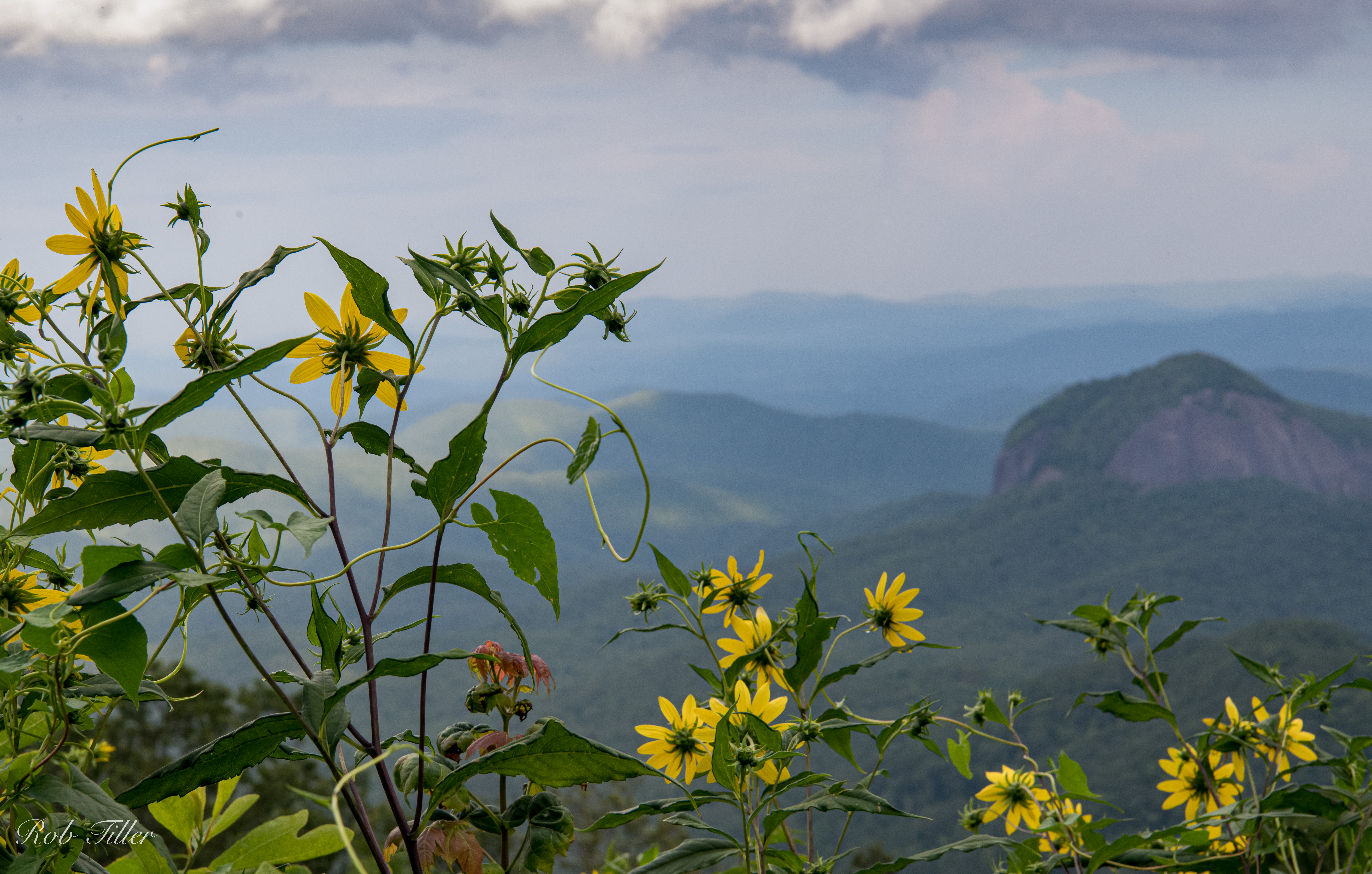
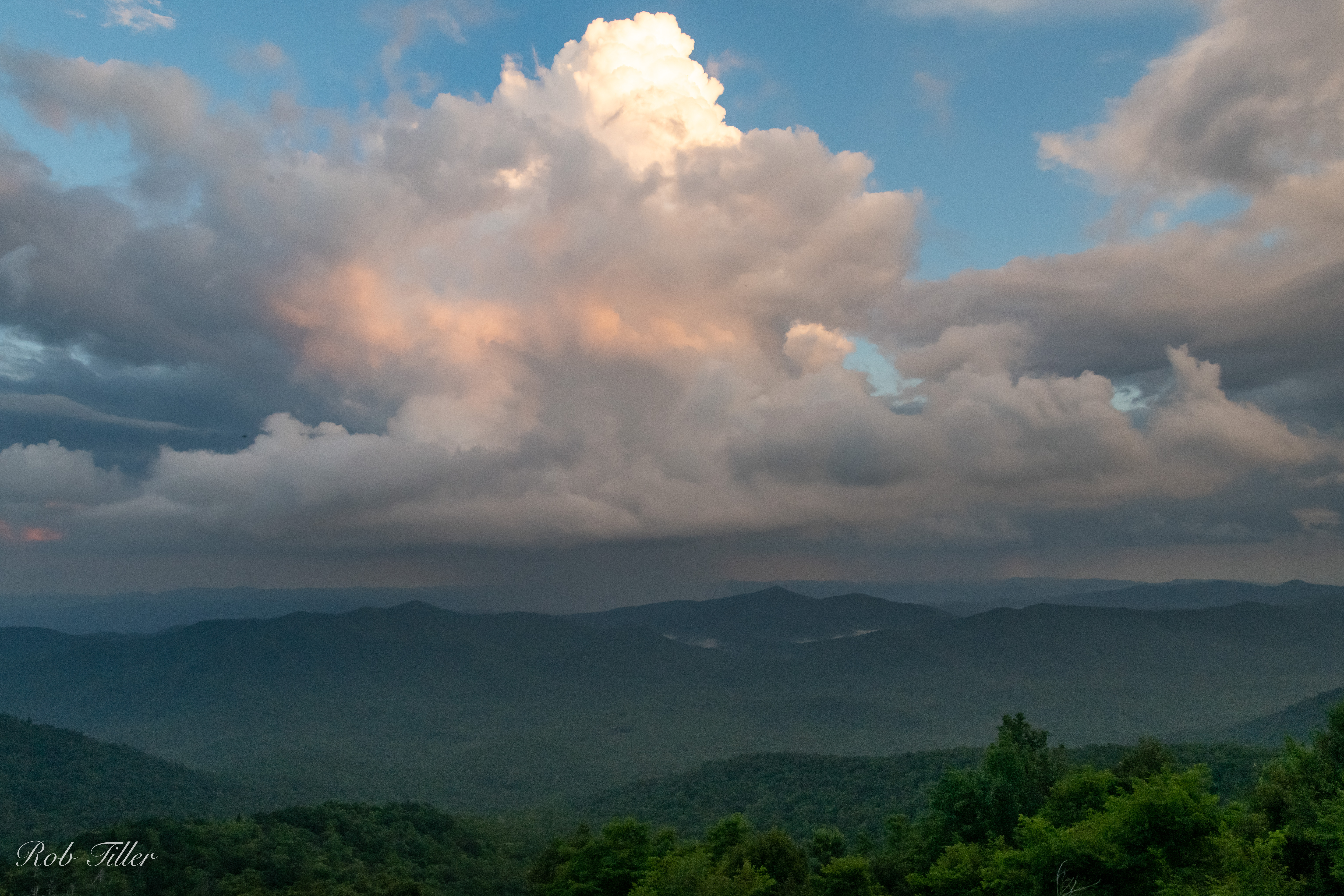
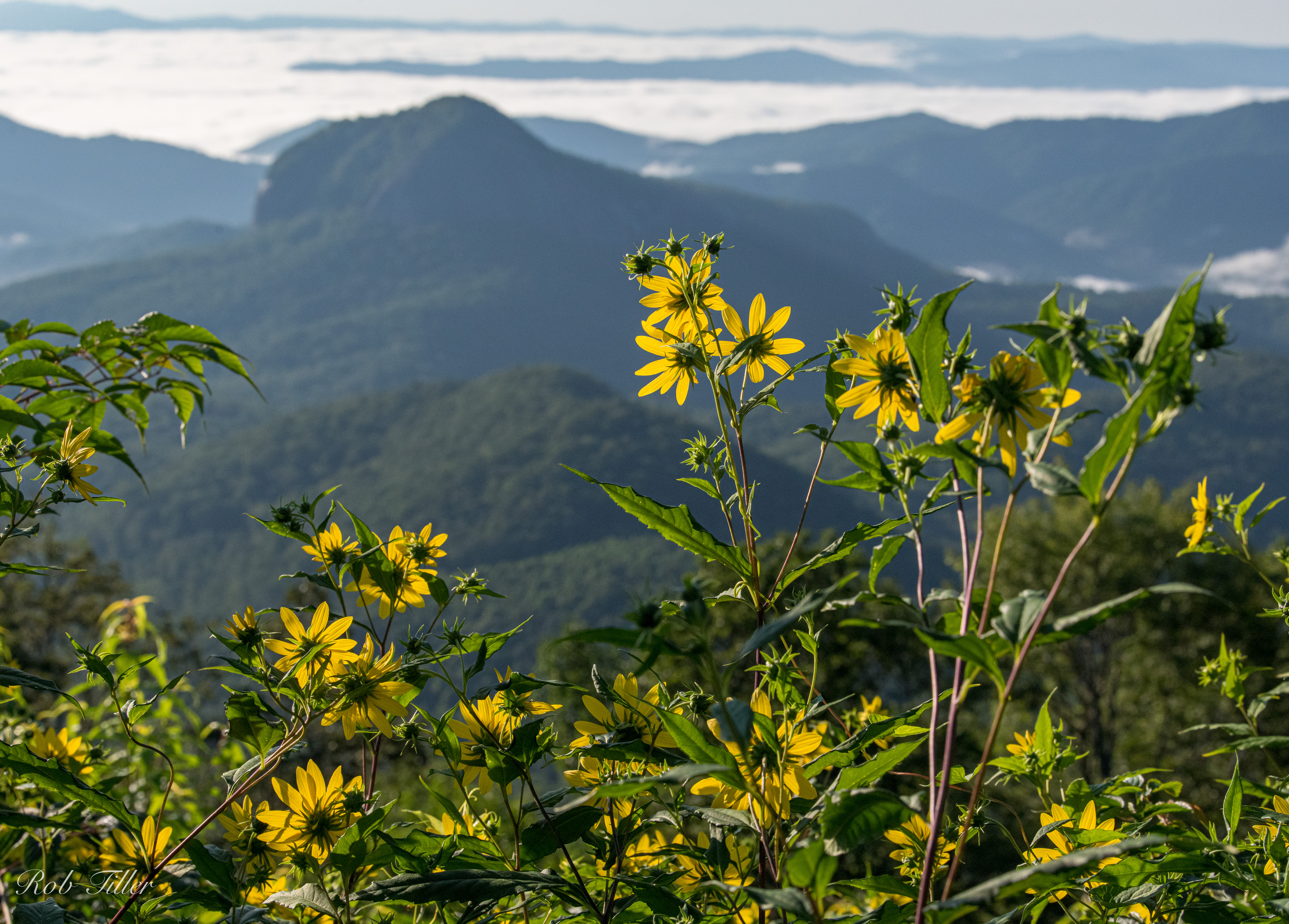
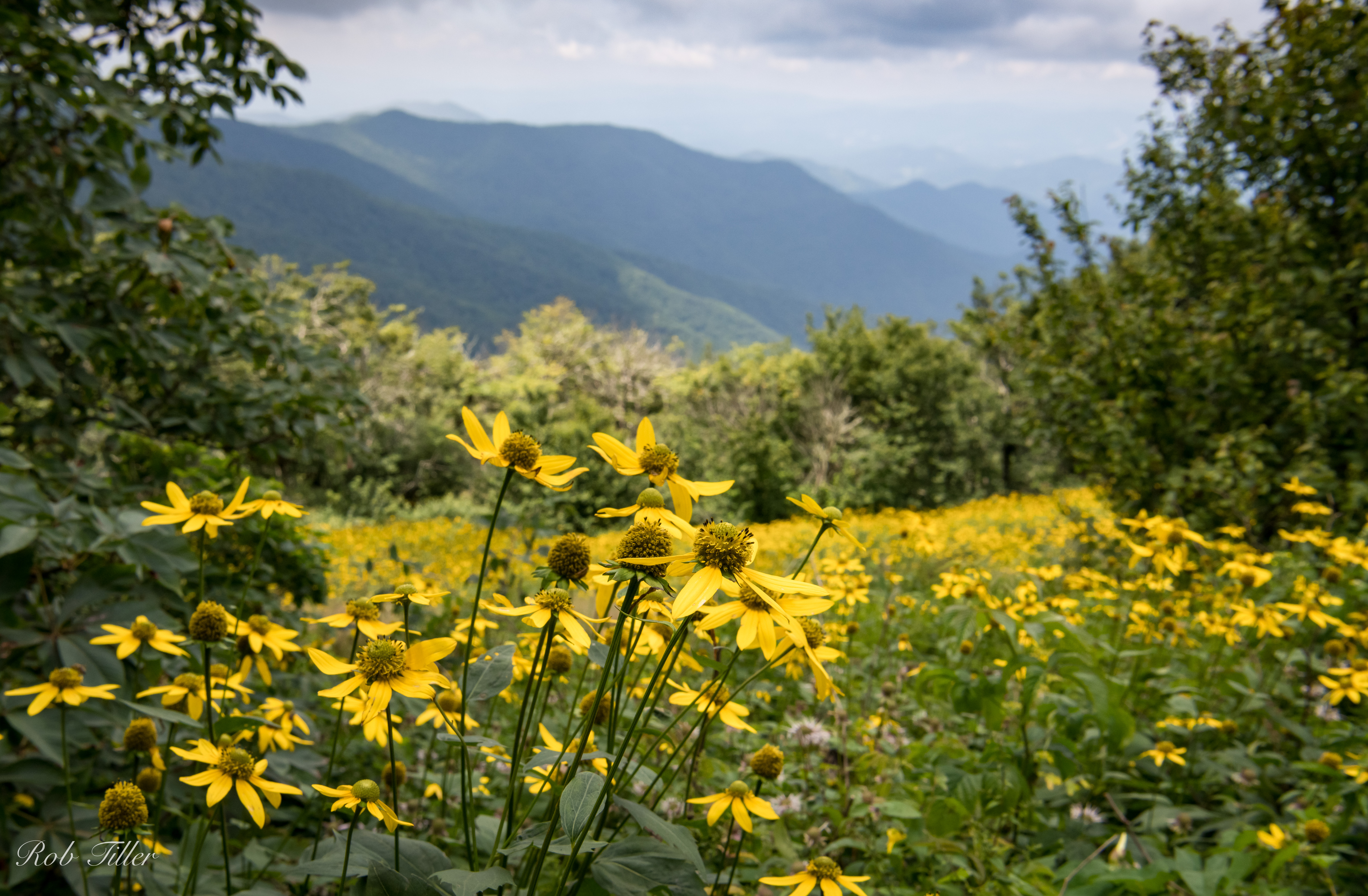
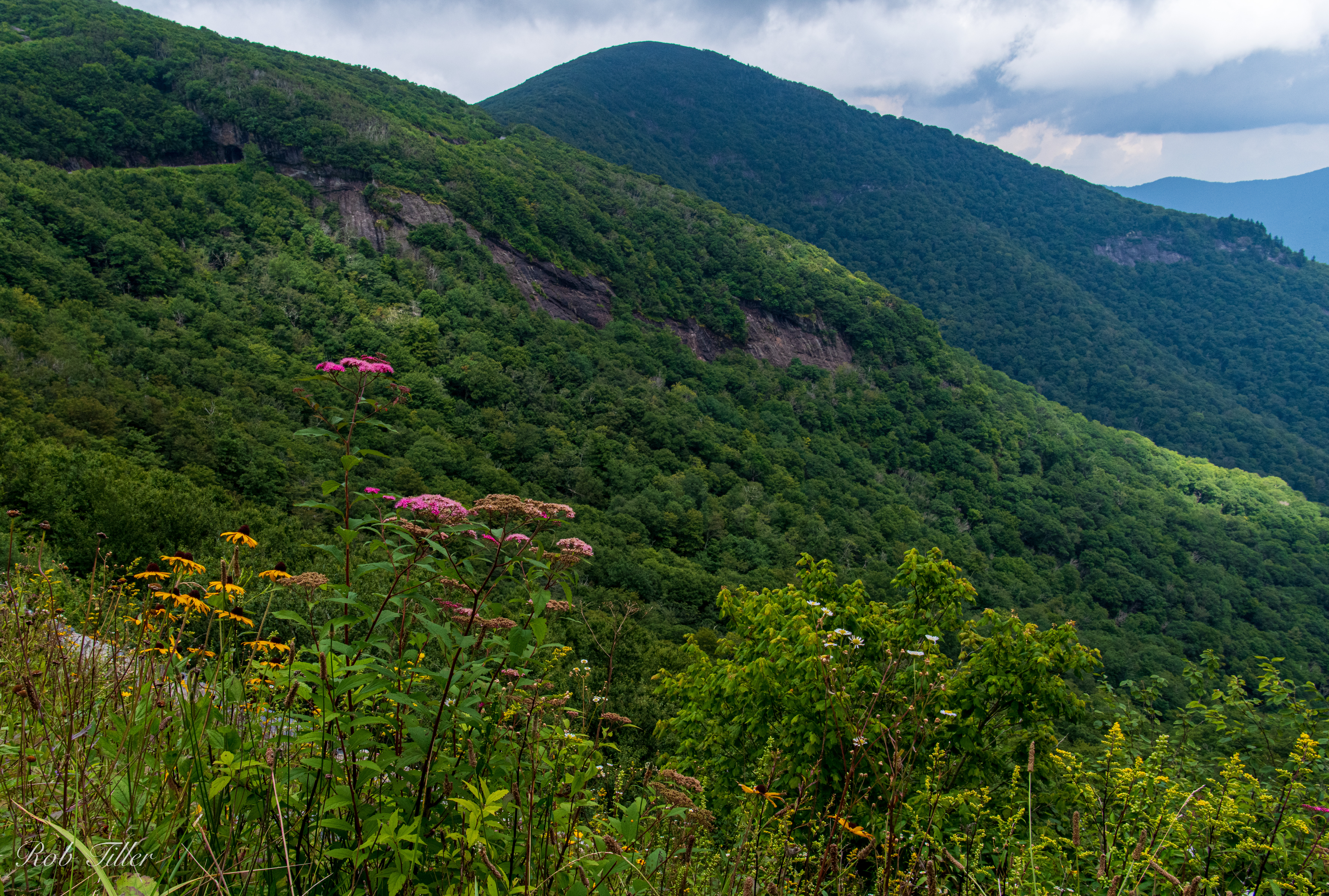
The Perseid meteor shower was at its peak this week, and I was looking forward to some shooting stars.  I spent a day exploring different spots on the Blue Ridge Parkway, looking at the mountains and flowers.  I stayed at the Pisgah Inn and saw a lovely sunset, with towering clouds that lit up with pink and orange.  Around 1:00 a.m., I got up and walked outside.  It was dark and quiet, but also, unfortunately, cloudy, so I saw no meteorites,  Maybe next year.  

Sunset from my balcony at the Pisgah Inn

After photographing the sunrise and hiking to a couple of waterfalls in Brevard County, I made my way to I-40 and headed east toward Raleigh.  I turned on the radio, and caught Joe Biden and Kamala Harris giving their speeches announcing that Harris was Biden’s VP pick.  

They were good speeches!  No self-aggrandizing!  No whining!   Nothing fancy, but addressing the big issues, like climate change, police brutality against black people, the pandemic, education, health care.  And of course, the disaster in progress known as Donald J. Trump.


Although Trump continues to trail in the polls, it’s safe to assume he is unconstrained by any sense of honor or morality and will do anything to win, so I’m not taking anything for granted.  We watched a short Netflix documentary on him that was part of the series Dirty Money.  The film is worth seeing if you’re unfamiliar with his history as a pathetic grifter who pretends to be a super successful businessman.  

Pretending to be a businessman on TV for The Apprentice worked out much better for Trump than his various actual business ventures, which were almost all embarrassing failures, including Trump casinos, Trump Airlines, Trump Steaks, Trump Vodka, Trump magazine, and Trump University.  

At the time, I thought The Apprentice seemed bogus, but it was a big hit.  There’s a fine article by Patrick Radden Keefe from the New Yorker about the making of The Apprentice, which explains how hard the producers had to work to make Trump seem reasonably sane and competent.  Let’s just say the show was heavily edited.

Sunrise on the Blue Ridge

The Trump presidency closely resembles a reality TV show, with its hype and hoked up drama, but unfortunately, off camera, there are real people suffering.  We’ve got huge unemployment, a health care crisis, a housing crisis, a pandemic, climate change bringing one weather disaster after another, and so on.  So, true to form, rather than acknowledging our serious problems and trying to help fix them, Trump has once again played the race card.   

Last week he tweeted that that “people living their Suburban Lifestyle Dream” would “no longer be bothered or financially hurt by having low income housing built in your neighborhood.” 

This is racism that barely pretends not to be; the racist dog whistle is more like a train whistle.  For most of the 20th century, the United States prevented racial integration in housing through governmental programs, including discriminatory FHA loans.  This appalling history is examined in some detail in Richard Rothstein’s important book, The Color of Law.  

The subject of Trump’s racist train whistle was a program called Affirmatively Furthering Fair Housing, or AFFH, which was instituted under Obama, and directed at getting municipalities to identify and address patterns of discriminatory segregation.  Trump seems to think that there are a lot of white suburbanites fearful of invading black people, and he can exploit that fear and get their votes.

Once again, Trump is betting big, hoping that the shameful longings for sustaining white supremacy will be stronger than opposing feelings, like hope for justice and fairness.  It probably won’t work.  But as with other failed Trump experiments, the failure will teach us something about our beliefs on race, and also our concern for justice.

In Isabel Wilkerson’s new book, Caste, she argues that the American system of racial oppression is similar to other caste systems like those in India and Germany before WWII.  She explained the idea on several podcasts this week, and I think she’s on to something.  

As Wilkerson notes, an individual American may or may not have racial animus, but everyone of us is enmeshed in a system that involves distinguishing black from white and conferring certain benefits based on that distinction.  Using the vocabulary of caste may help depersonalize the problem.  Although the system has deep roots, recognizing it as a system (as opposed to simply an individual moral failing) may make it easier to change. 

For a man with such a big mouth, Trump has been strangely quiet about the recent news of Russian aggression against the United States.  When reports emerged of Russia giving bounties to fighters in Afghanistan who killed US and allied forces, he claimed to be unaware of it.  More important, he didn’t propose doing anything about it.  And weeks after the news became public, he is still taking the position he hadn’t been informed, and still not doing anything.  In fact, he’d had a chat with Vladimir Putin, and admitted he hadn’t brought up the matter.  This is appalling and disgusting.

If this were the only instance of Trump declining to oppose clear Russian aggression, I might chalk it up to his lack of interest in anything other than his own aggrandizement or progressive dementia.  But this has been a pattern. When the Russians worked to defeat Hillary Clinton and help Trump, he refused to acknowledge their success, and also invited them to continue hacking.  He seems indifferent or hostile to the many warnings that the Russians are again working to undermine fair US elections.  He has little to say about Russian interference in other countries, and nothing but compliments for Putin.  

I very much doubt that Trump is actually a paid Russian agent.  Putin, though not necessarily a stable genius, is smart enough to recognize that Trump lacks anything like the discipline, drive, and intelligence to be a worthwhile spy.  Trump doesn’t like taking orders, and he would have trouble remembering them.  He’s also not very good at keeping secrets, other than his own financial shenanigans.

It’s much more likely that Trump fears Putin for personal or financial reasons, and understands that crossing Putin would put him in peril.  Could Trump’s not-so-enormous fortune be dependent on Russian loans and money laundering?  Of course it could.  Think of how convenient it could be for Russian oligarchs to stash their ill-gotten gains in Trump high-rise condos, and how a salesman like Trump known mainly for lying  would struggle otherwise to sell high-end property. Also, how likely is it that Trump could resist an offer of an attractive Russian prostitute with an advanced degree in political  black mail?  

Of course, I don’t personally know, and perhaps Trump somehow avoided his characteristic corruption and moral degradation with regard to the Russians.  Maybe we could clear all this up if the President would quit concealing his tax returns and related financial records.  

Even without them, it’s clear that Putin could hardly have been more successful in creating political chaos that threatens the continued existence of American democracy than if he had managed to get a Russian spy elected president.  Trump has been Putin’s dream come true.

On any given week it’s usually difficult to say what was the craziest, most disturbing thing Trump just did, but we certainly had a doozy this week.  Trump indicated that he was withholding funds from the Postal Service so that they wouldn’t be able to deliver mail-in ballots for the presidential election.  Meanwhile, the Postmaster General he just appointed is shaking up top staff, decommissioning sorting machines, and assuring that delivery is slowing to a crawl.

With the pandemic still raging, mail in ballots are looking like a great option for getting rid of Trump.  Unless Trump can manage to keep them from being delivered!  He seems to assume most of those inclined to use the mail to vote would vote against him.  Maybe this is because he’s encouraged his supporters to ignore the pandemic, so they can (in the Trumpworld of alternative facts) vote in person without risking illness and death.  

I’m still socially distancing and trying not to catch the coronavirus, so I sent in my request for an absentee ballot, and was feeling a little sick at the thought that Trump and his minions might prevent delivery.  So I checked the NC voting procedures, and learned that I can personally deliver the completed ballot to the county board of elections.  If you live in NC and certain other states, you can, too.  Good luck!