The Casual Blog

Tag: birds

Some backyard birds, and a few words on our energy policy

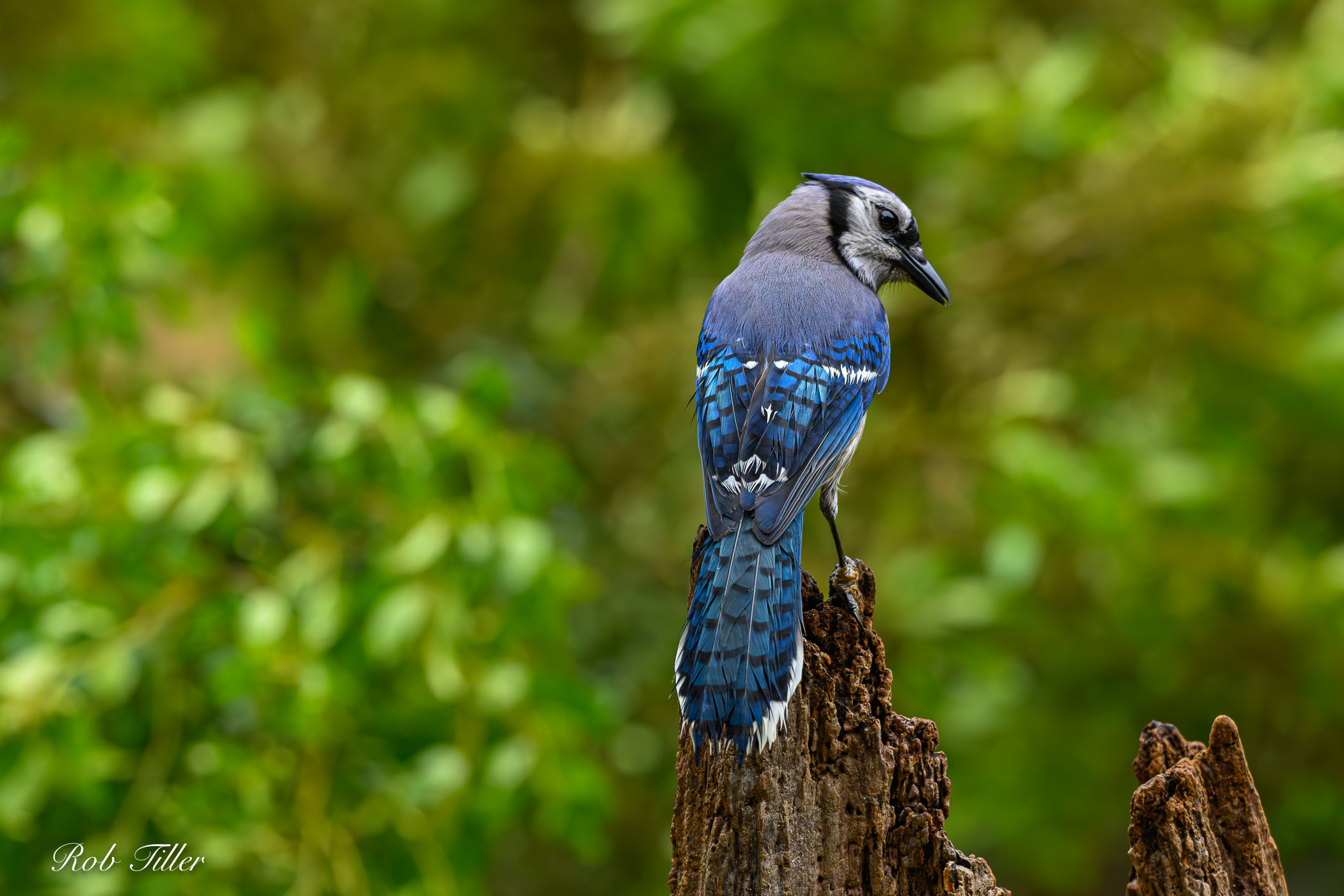
Blue jay

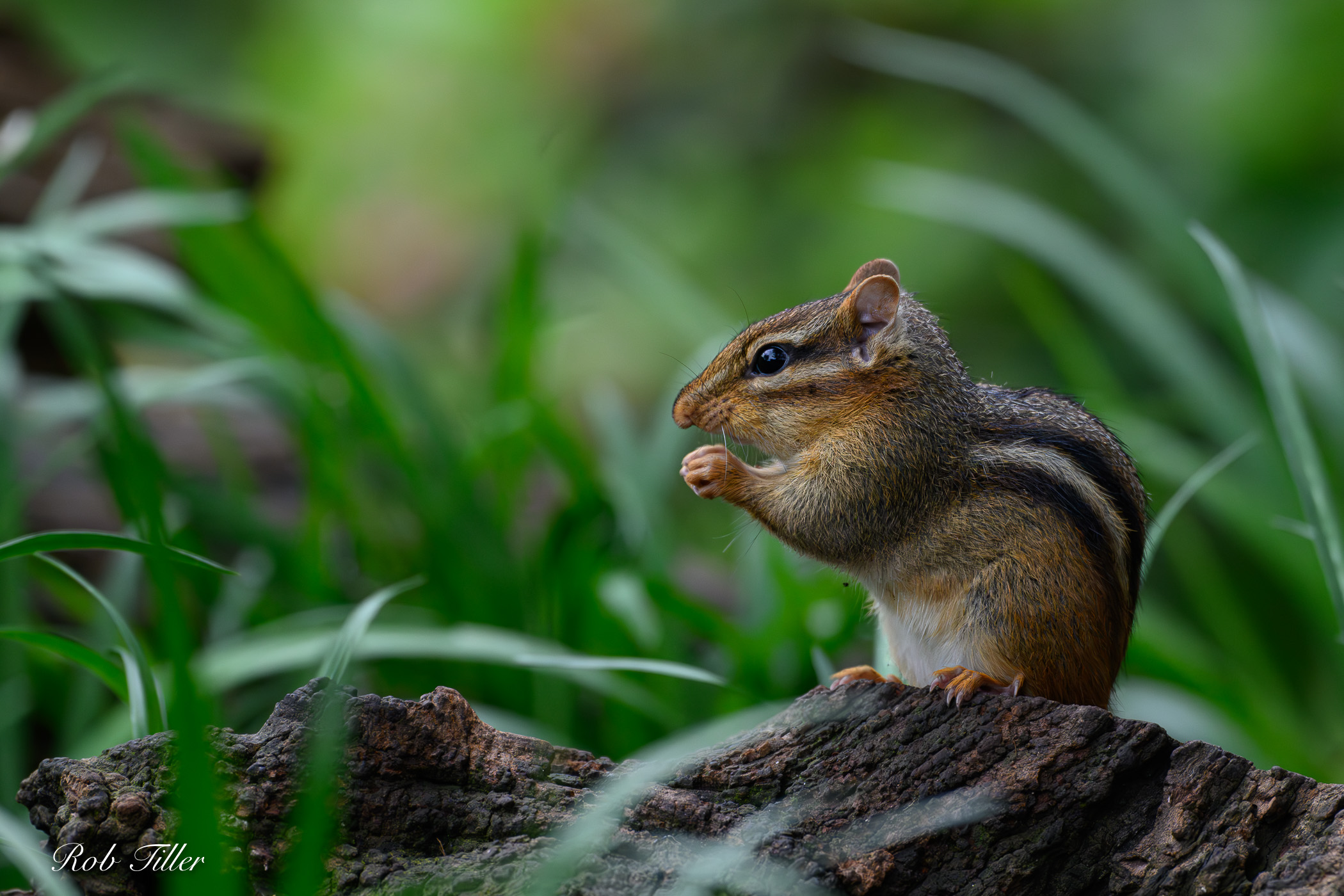
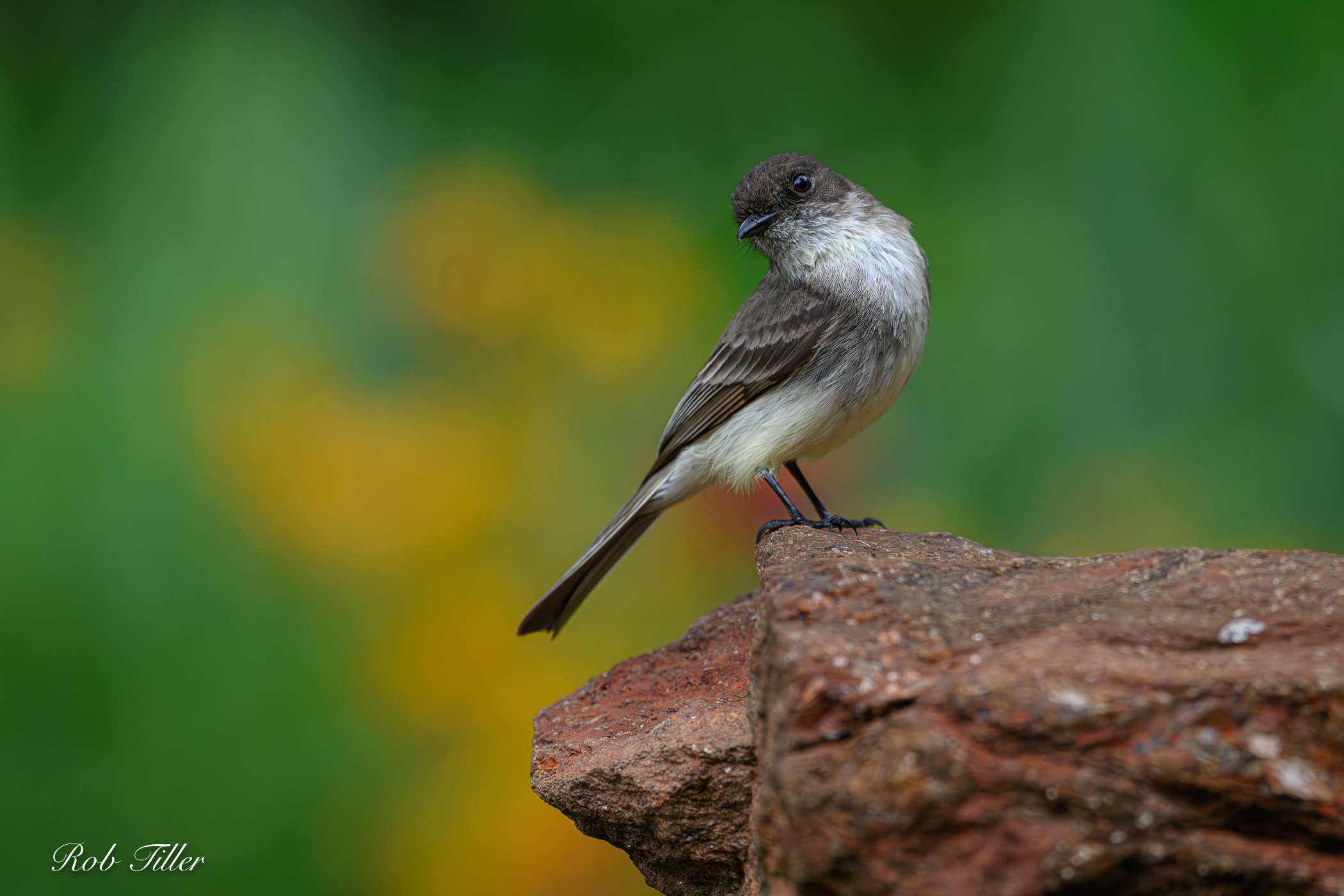
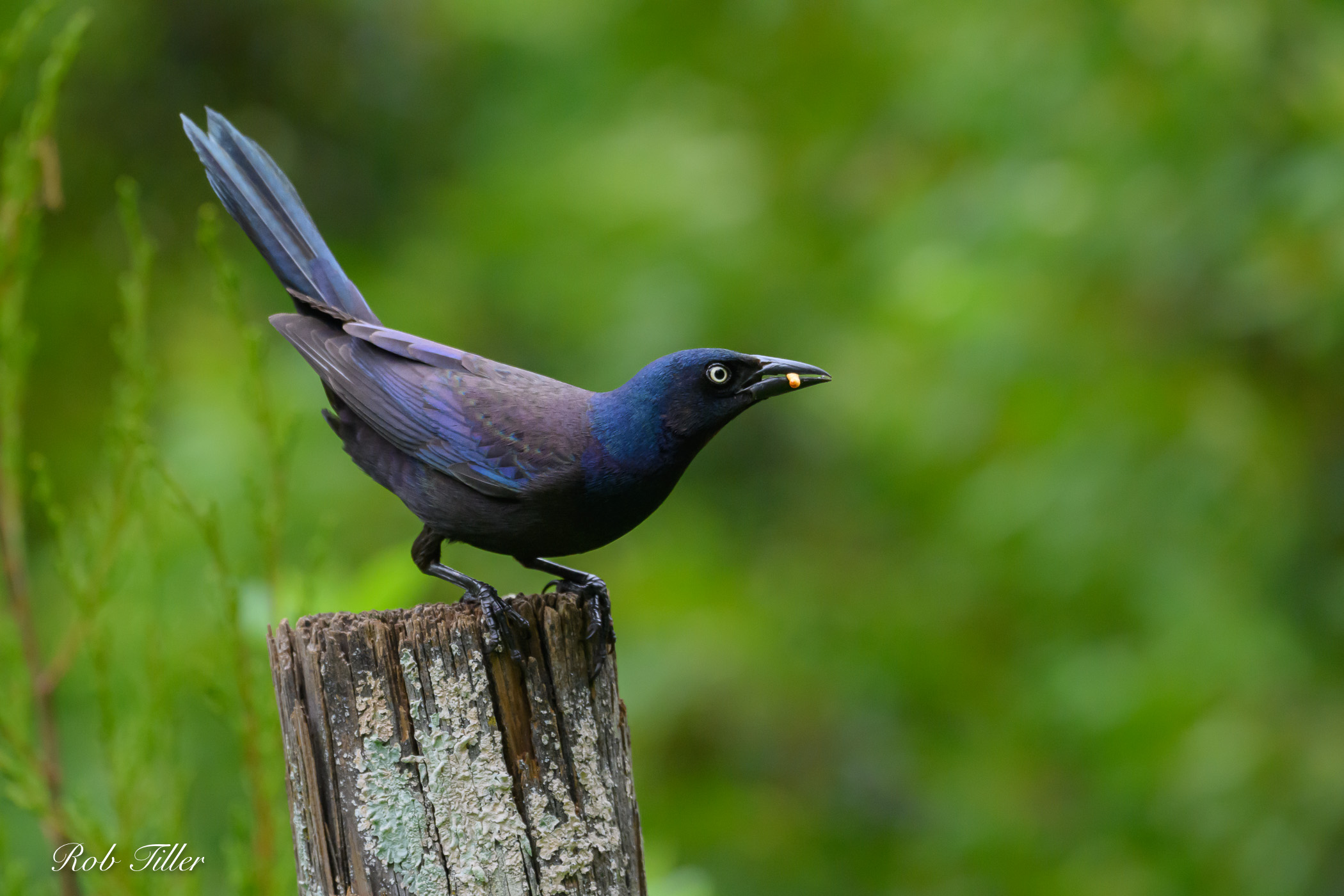
Last week I drove down to Clemson, SC, for a nature photography weekend sponsored by the Carolina Nature Photography Association. My main interest was to take some pictures at The Nut House, a marvelous birding oasis created by Carl Ackerman.  It has three blinds where photographers can sit concealed and watch birds come to various tasty attractions.  

The weather was chilly, and the birds were neither uncommon nor numerous.  Still, it was fun to watch those that appeared, as well as the scurrying squirrels and chipmunks.    I also enjoyed meeting some nice CNPA members.

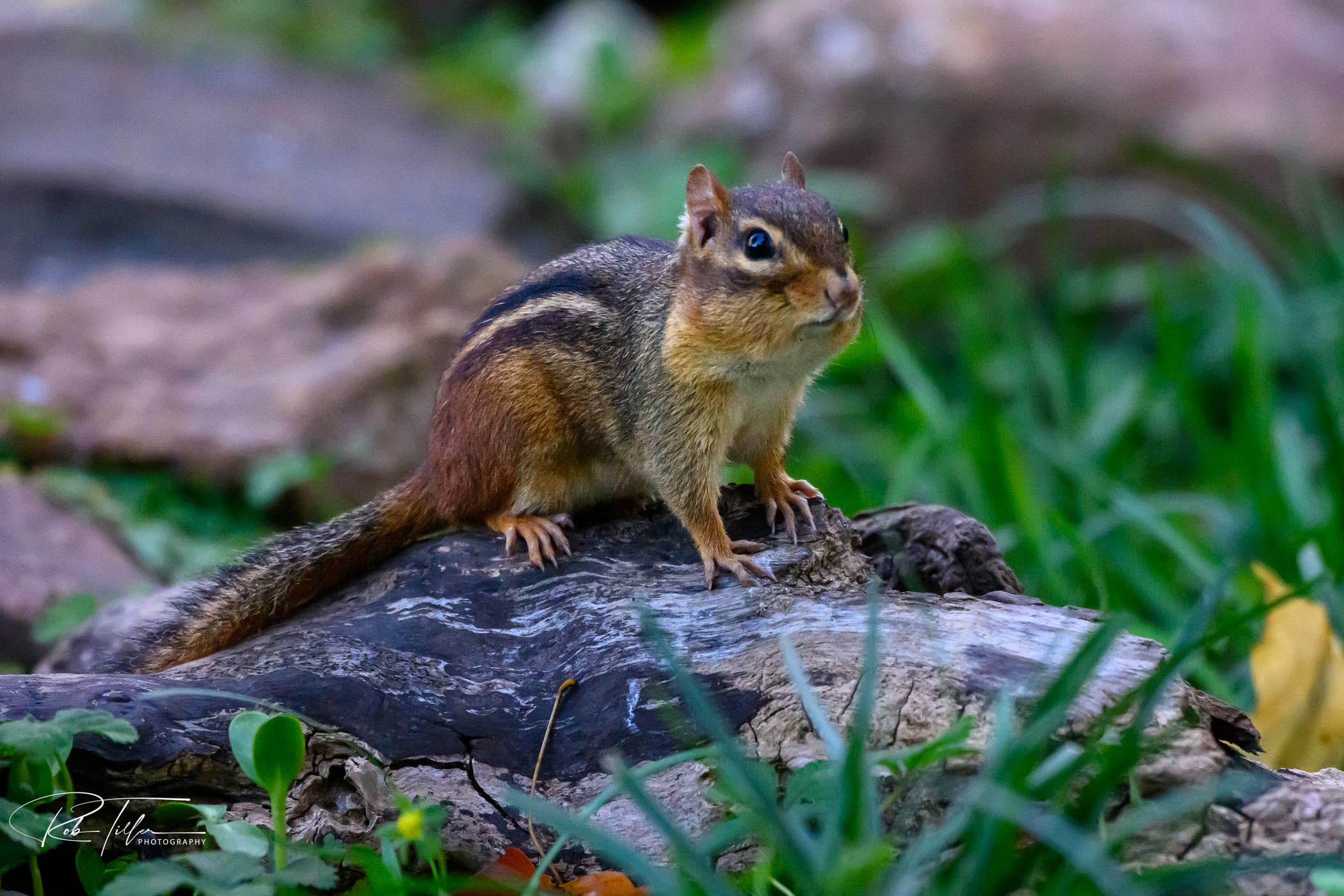
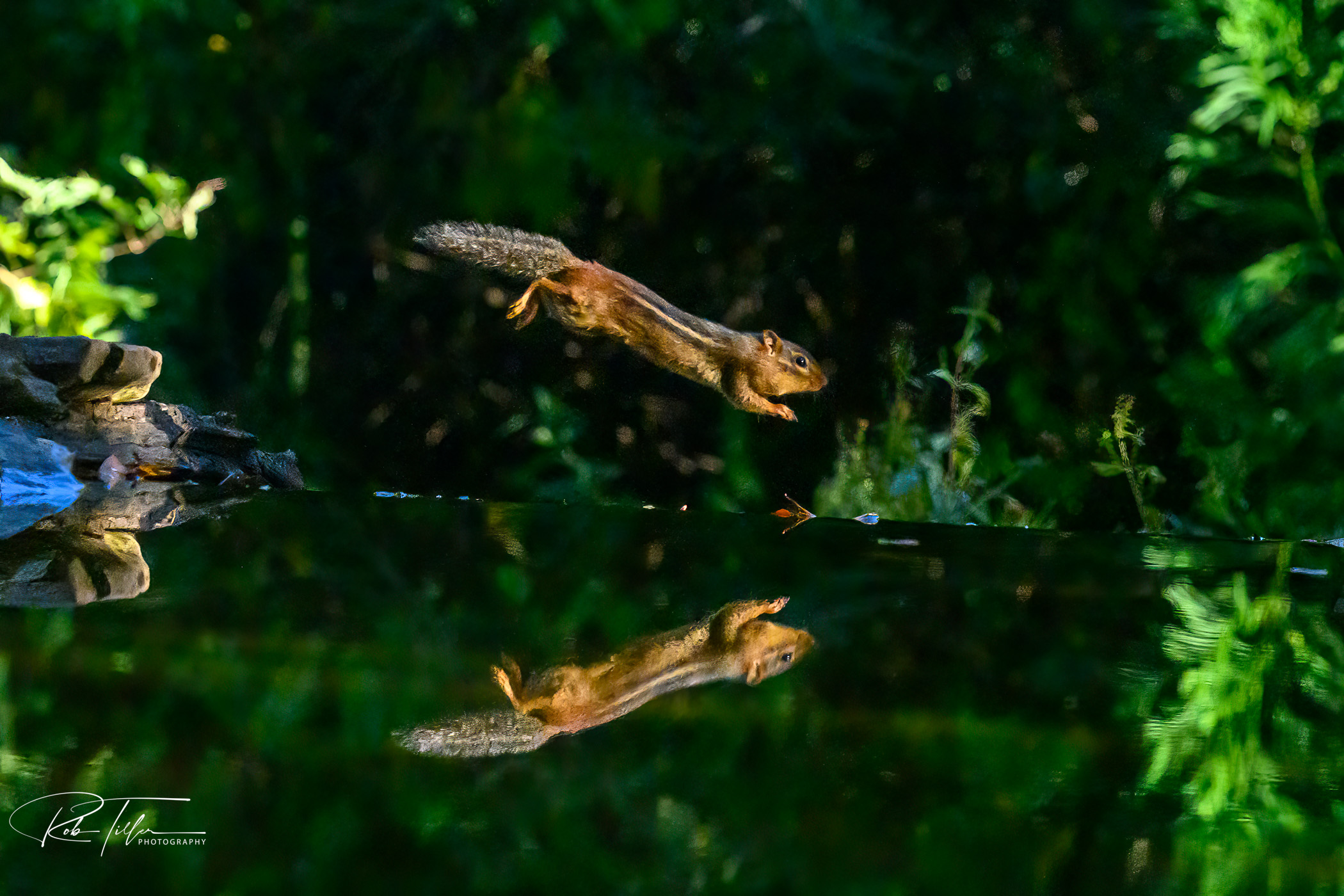
Eastern chipmunk

As usual, it was a bizarre week in Trumpworld, with too many terrible things happening to think carefully about them all.  It was particularly terrible that Trump called for death by hanging of members of Congress who’d pointed out that armed services members should obey the law and the Constitution.  

Who knows how many Trump believers might take this seriously as a call to action?  We learned from the January 6 insurrection that such people exist.  But thankfully there are still responsible Republicans who support free speech and oppose political violence.  May their numbers and their voices increase.

Red-bellied woodpecker

In other news, Trump staged an elaborate fawning tribute to a murderous Saudi Arabian tyrant, Mohammed Bin Salman.  This was, on its face, shameful and disgusting.  Why, I wondered, did he do it? 

In an interesting piece in the NY Times, Noah Shactman proposed some interesting possible explanations.  Shactman says that Trump has long viewed with envy the Persian Gulf petrostates, with their great luck in having lots of oil and their autocracy.  Now, he’s collecting billions in crypto and other business deals from the Middle Eastern autocrats, which is another reason for trying to please them.  

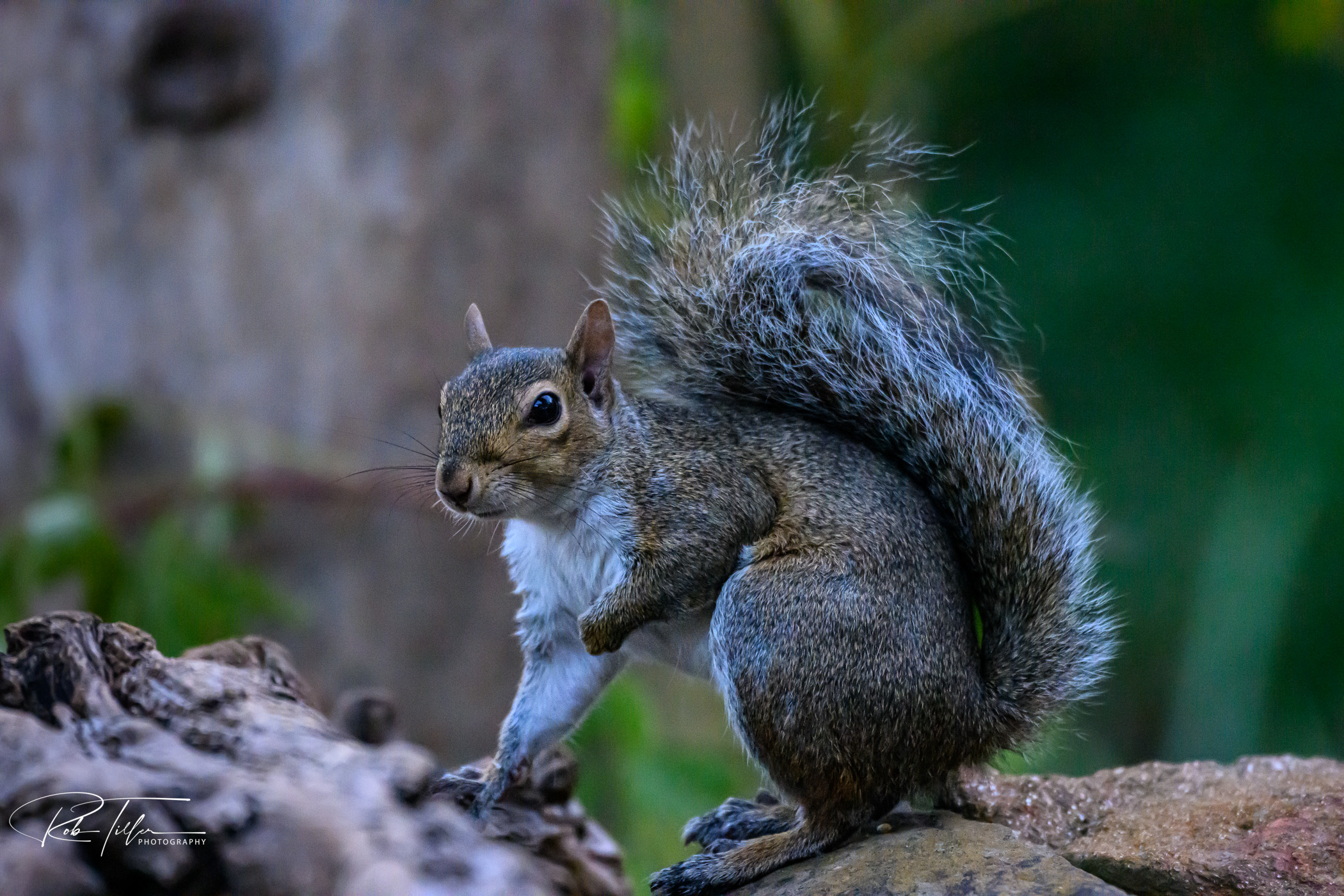
Eastern gray squirrel

On top of all that, or underneath it, is Trump’s view of fossil fuel as a source of power and means of domination.  As a historical matter, this is not crazy; oil and coal powered the major industries of the 20th century.  

But it’s crazy now.  Renewable energy (solar and wind power) have dropped so much in cost that in many places they are now as cheap or cheaper than fossil fuels.  And the CO2 from burning fossil fuels is on course to destroy the world economy and upend human civilization.  

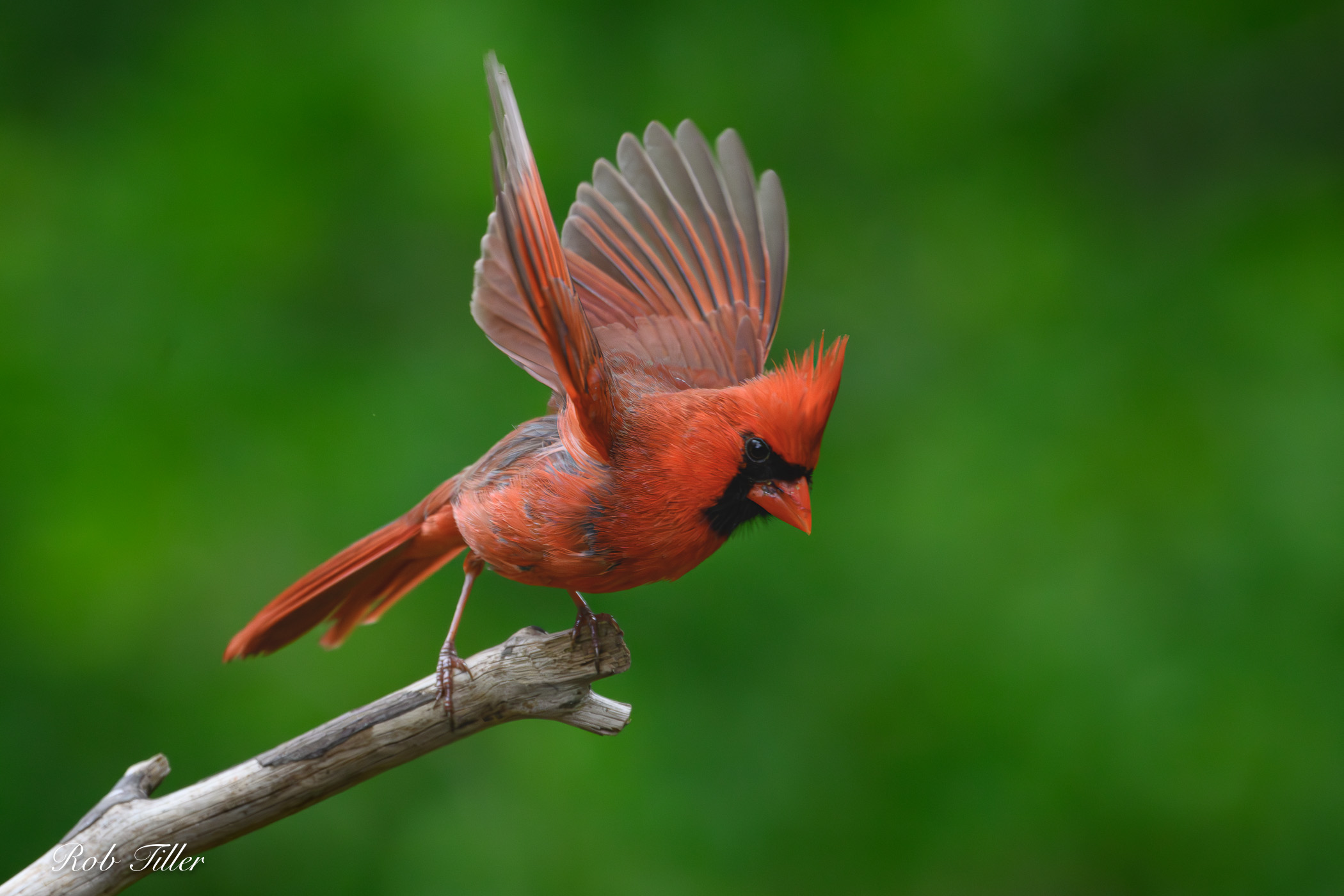
Northern cardinal

As most people now know, climate change is not hypothetical – it’s here.  Average temperatures are hitting new highs, with disasters occurring as predicted – huge storms, floods, fires, droughts, eroding coastlines, along with failing farm systems, economies, and governments.  

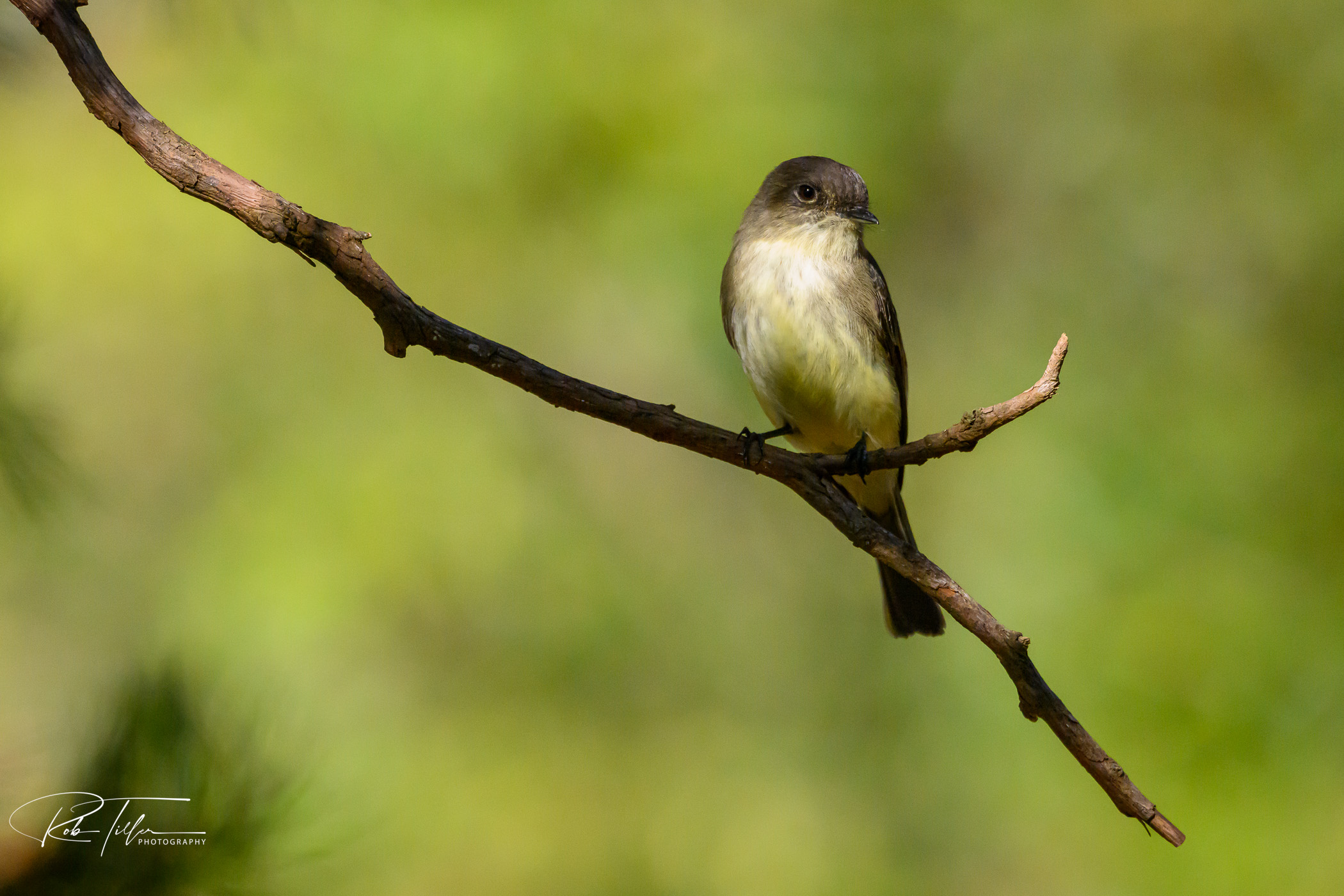
Eastern phoebe

But Trump still claims that climate change is a hoax, and that efforts to address it are scams.  He proposes instead to increase the very programs that are root causes of climate change – more burning of coal, oil, and gas – while trying to undermine renewable energy alternatives that would mitigate the catastrophe.  

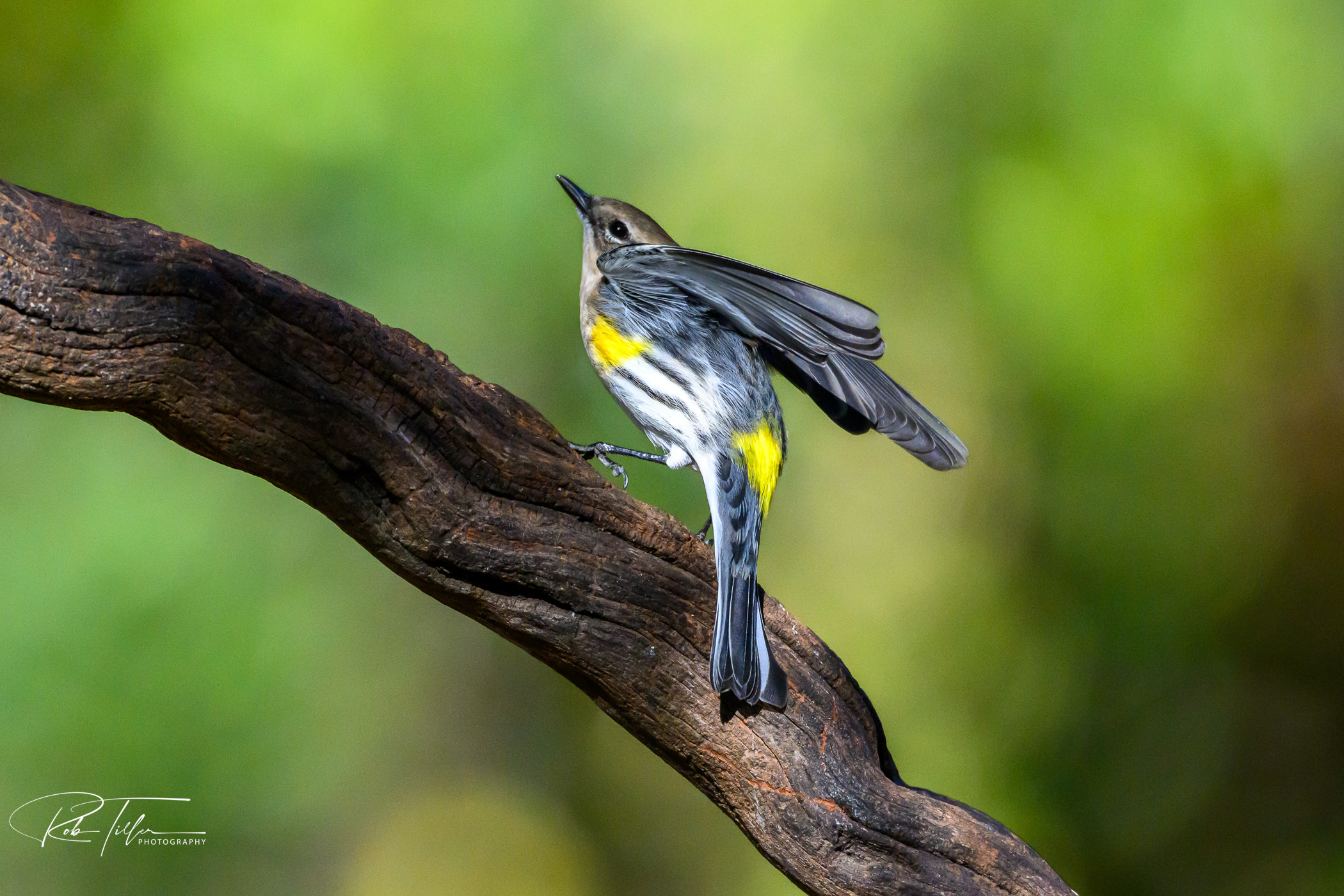
Yellow-rumped warbler

Through tax breaks and subsidies, Trump has conferred huge windfalls on the oil and gas industries, while the costs of electricity have gone up substantially.  And absent a change in course, there’s worse to come.  A recent study ound that Trump’s energy program, if pursued until 2055, could result in 340,000 premature deaths and $6.7 trillion in additional healthcare and energy costs.  

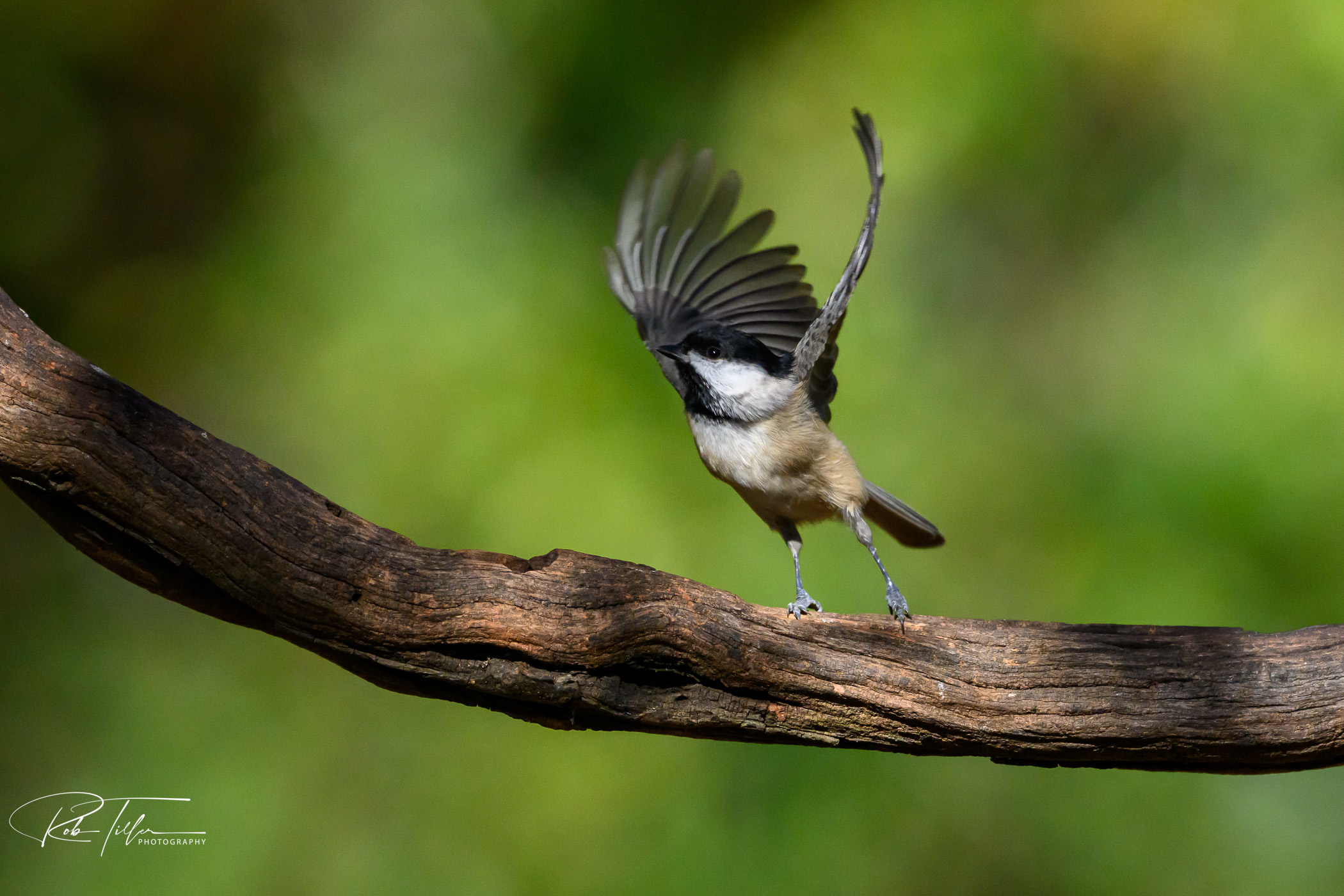
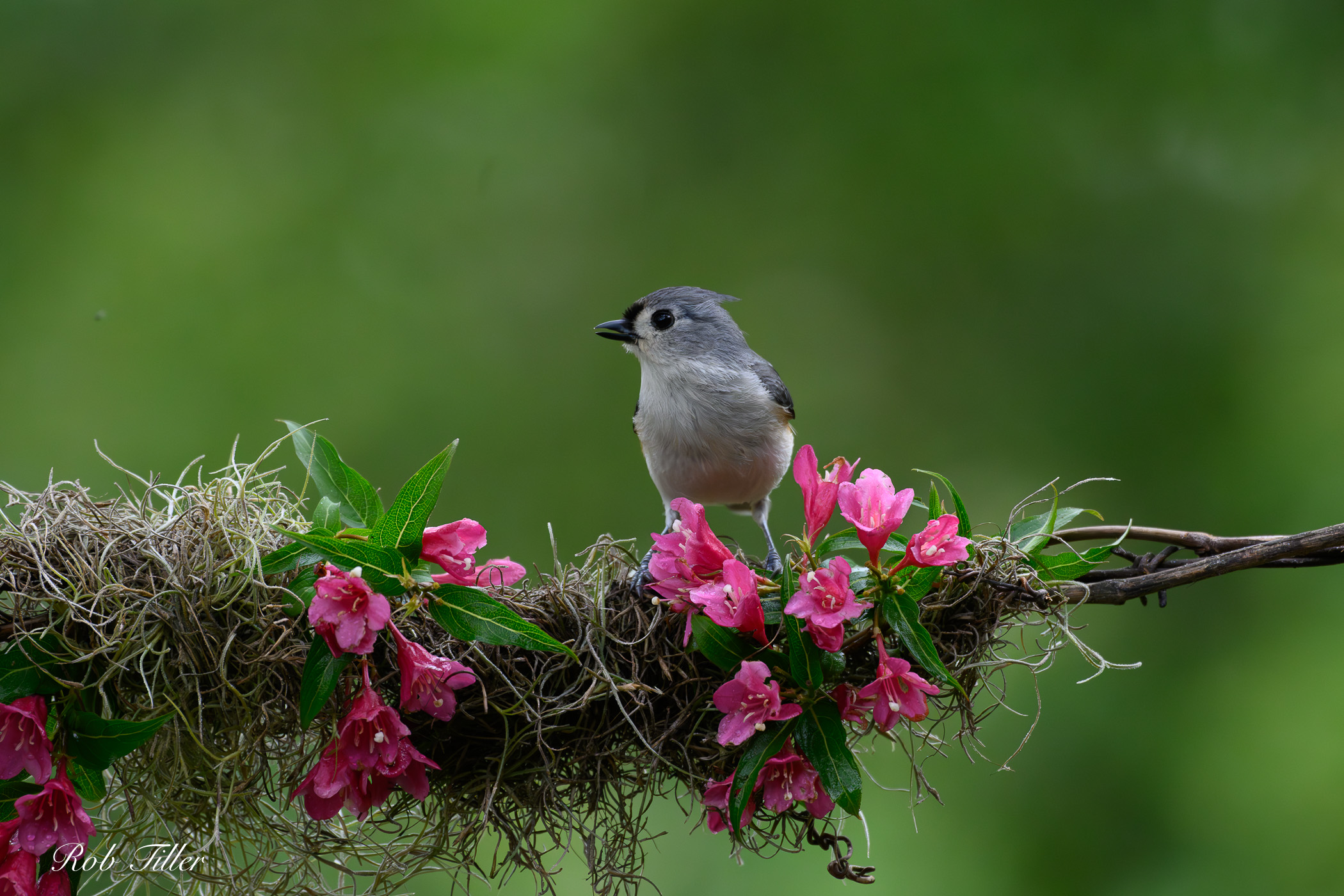
Chickadee

Somehow Trump’s horrific climate policy is still not high on the public’s discussion agenda.  But that too may be about to change, as climate change hits the housing market.  In a recent piece in the December issue of the Atlantic, Vann R. Newkirk II reports that insurers are pricing in rising climate risks, and so homeowner’s insurance in some areas is becoming prohibitively expensive. 

If insurance becomes too expensive or unavailable, homes become unmarketable.  See also this NY Times report on this same issue. Where homes become unmarketable, a cascade of problems follow – retirements undone, generational wealth eroded, community businesses closed, public services ended, and ghost towns.  

With all the risks we now face, Newkirk reminds us that all is not lost: we may yet wake up and take action. In ringing tones, he finds hope.

[P]erhaps Trump, through his very extremity, has provided a galvanizing opportunity. In his reflexive culture-warrior rejection of climate change, he has backed into a climate policy of his own, and has linked that policy to his power. With his single-minded, bullying determination to reverse course on renewables—which are part of life now for many people of all political stripes—and to dismantle programs people rely on, Trump has essentially taken ownership of any future climate disruptions, and has more firmly connected them to oil and gas. In advancing this climate-accelerationist policy alongside an antidemocratic agenda, he has sealed off fantasies of compromise and raised the political salience of dead zones, where devastation and exclusion go hand in hand. Trump’s intertwining of climate policy and authoritarianism may beget its own countermovement: climate democracy.

Climate democracy would be aided by the gift of simplicity. At present, the only way to ensure that America avoids the future outlined here will be to win back power from its strongman leader, or possibly his successors. The places facing existential climate risks—especially those in the Deep South—are mostly in states that have long been considered politically uncompetitive, where neither party expends much effort or money to gain votes. But they could form a natural climate constituency, outside the normal partisan axis. Poor and middle-class white communities in coastal Alabama, Mexican American neighborhoods in Phoenix, and Black towns in the Mississippi Delta might soon come to regard climate catastrophe as the greatest risk they face, not by way of scientific persuasion, but by way of hard-earned experience. Some of them might form the cornerstone of a new movement.

With the right message, plenty of other people may be persuadable: those upset by higher electric bills, or poorer storm forecasts, or the coziness of Trump with the oil and gas industry, or weather-related disruptions in everyday life. To paraphrase Theodore Roosevelt, Americans learn best from catastrophe, and they will learn that the help they once took for granted after disasters might now be harder to come by. Autocracy takes time to solidify, and building popular support in opposition to it takes time as well. But in the reaction needed to build climate democracy, perhaps heat is a catalyst.

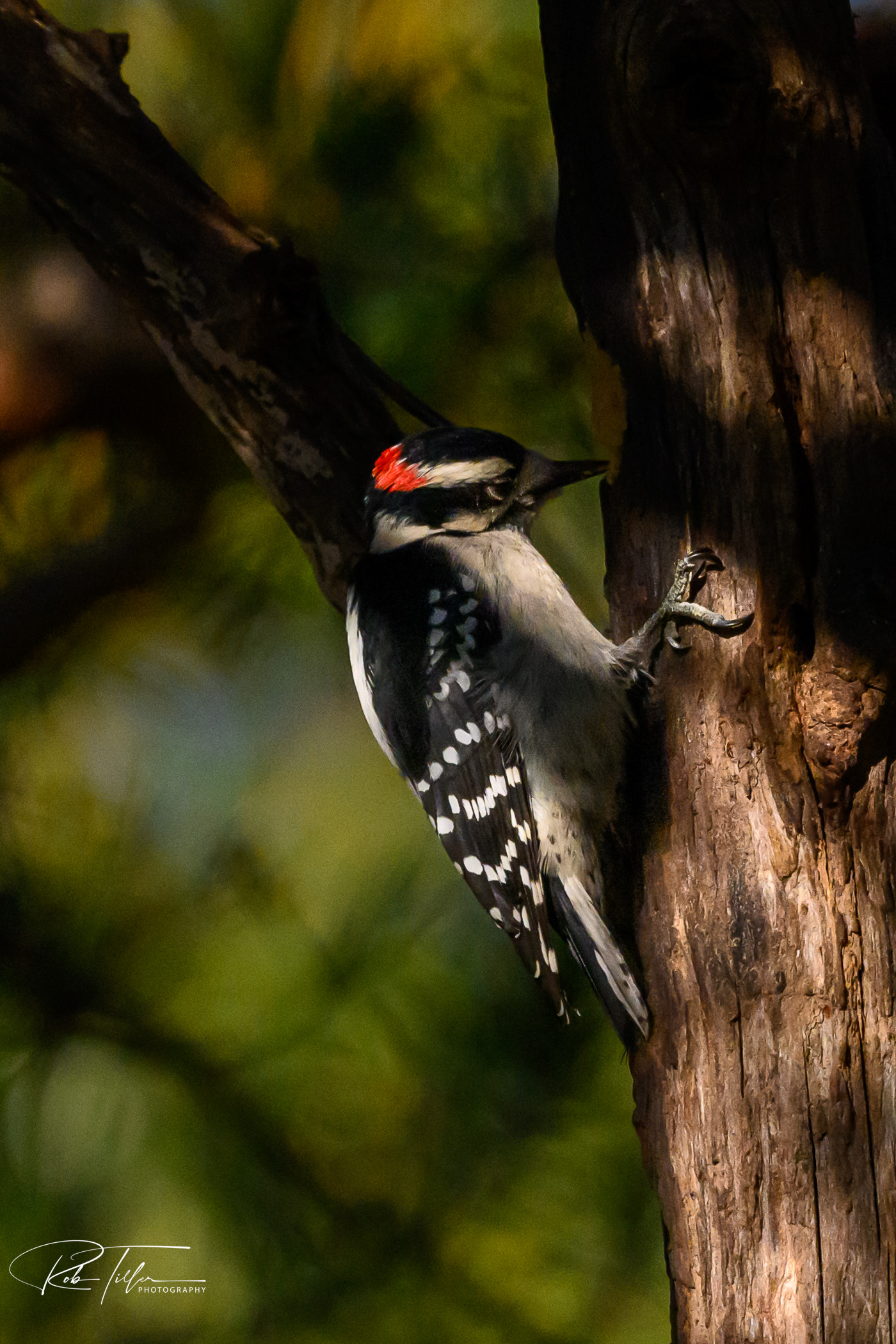
Downy woodpecker

Local birds, and Trump’s war on nature

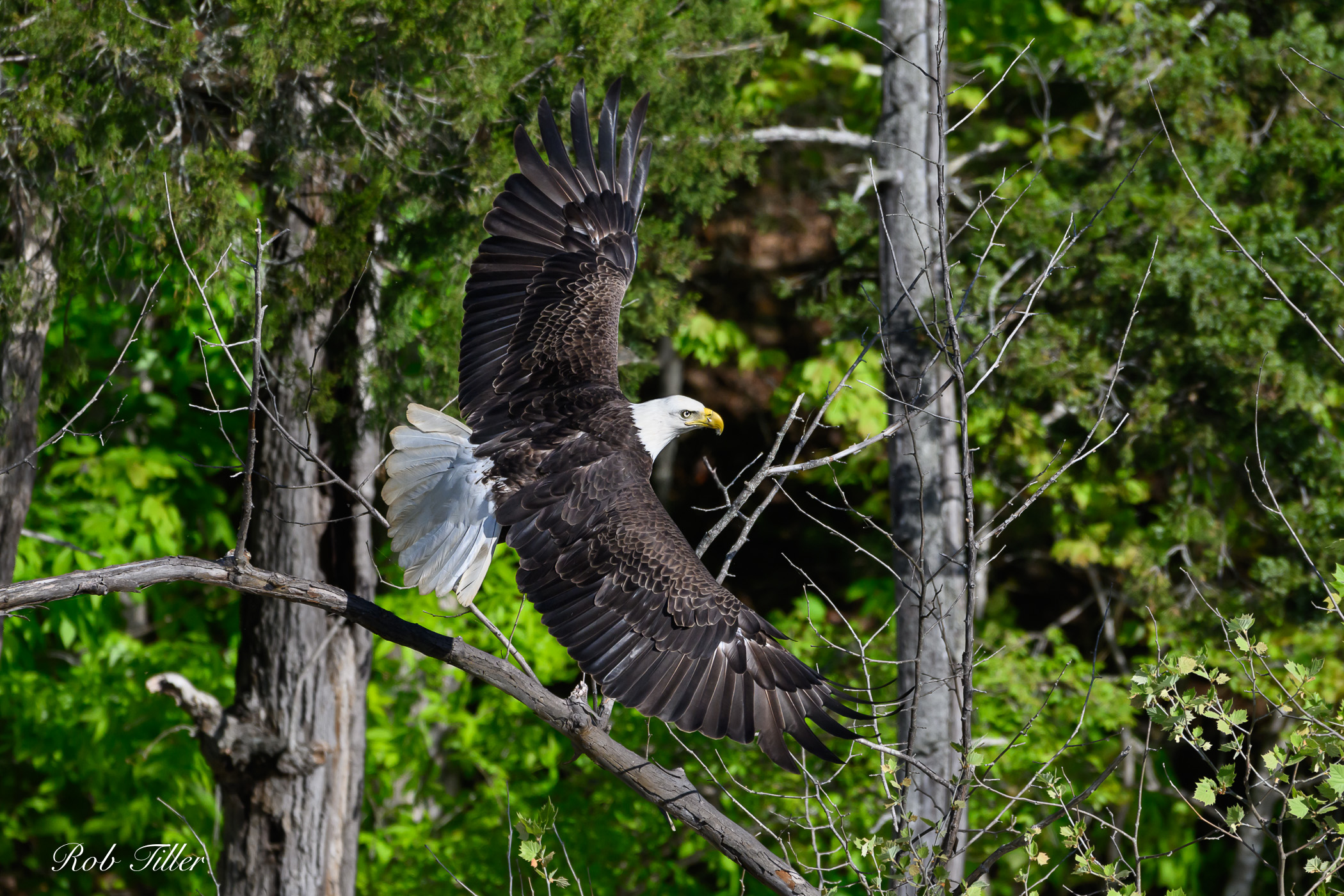
Recently I’ve taken a couple of boat trips on Jordan Lake with the Carolina Nature Photographers Association to see some of the birds that live there.  According to our guide, Captain Dave, there are some forty nesting pairs of bald eagles there now, along with many ospreys, great blue herons, woodpeckers, various ducks, and many smaller birds.  

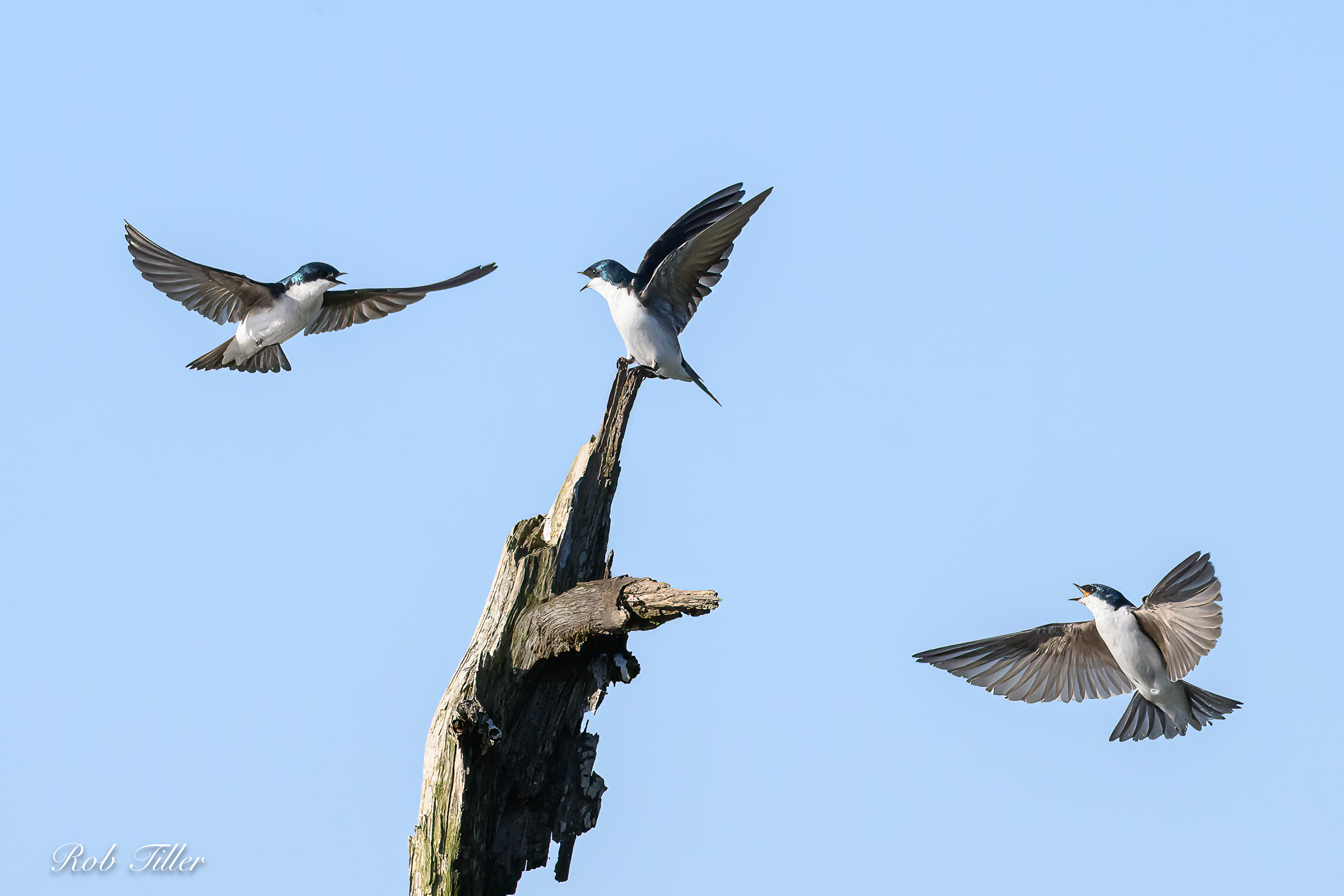
There was a lot happening.  We saw eagles hunting for food and battling over territory.  Ospreys were incubating their eggs.  Wood ducks were shy and flew away quickly.  Several tree swallows had a battle royale over a strategic perch.  At one point hundreds of cormorants were flying and diving together in a coordinated hunt of the local small fish.  

I’ve also been enjoying listening to the springtime songs of the birds in our backyard.  A few years ago I invested some energy into learning common bird songs and calls from recordings.  Lately I’ve been expanding my repertoire with Merlin, a free app from the Cornell Lab of Ornithology.  Listening along with Merlin to the birds from our back deck, I’ve discovered several species whose songs I didn’t know and who almost always hide behind the leaves.  It’s a great little app! 
With American democracy in crisis, and a wide array of related disasters in process, it isn’t surprising that bird song and nature generally are not top of mind for most people.  But I find their strength and beauty inspiring, and a source of strength.  

What’s more, the welfare of nature is the welfare of us all.  It’s such a mistake to think that the world is all about humans, and nature is of secondary concern, or no concern.  We humans are just one part of the grander scheme of nature.  We can’t destroy nature without destroying ourselves.

It’s both bizarre and tragic that part of the Trump program seems aimed at just such destruction.  I’ve puzzled over why this could seem like a good idea to anyone.  Paul Krugman, the Nobel-prize-winning economist, offered a possible answer in a recent free email newsletter

Krugman usually writes on economic subjects, and I’ve found him helpful in illuminating some of the leading stories coming out of Trumpworld.  In writing about the tax plans now in process, he pointed out that part of the program for funding tax cuts for the rich is cutting government support for clean energy and increasing subsidies for fossil fuels.  

Krugman notes that the reason surely has a lot to do with our system in which campaign contributions buy policy decisions – a system that seems to me a sort of legalized bribery.  The fossil fuel industry contributes much more to Republicans.  But he notes, there seems to be more than just money at stake. 

Why does MAGA hate renewables? They consider them woke because they help fight climate change, which they insist is a hoax. And they’re cleaner than burning fossil fuels, which means that they aren’t manly.

It’s all kind of funny — or would be if it weren’t so tragic.

Krugman writes that the dramatic progress in renewables technology has made it possible for us to mitigate the worst effects of climate change.  The price of wind and solar power has been falling quickly.  But Trump has opposed these technologies and taken aim at the Democratic programs to advance them.  

David Gelles of the NY Times has a good new piece on several aspects of the Trump approach to our climate crisis.  He gives a pithy summary of our basic situation: 

Average global temperatures last year were the hottest on record and 1.5 degrees Celsius above preindustrial levels, a threshold that nations had been working to avoid. Every fraction of a degree of additional warming raises the risk of severe effects and possibly irreversible changes to the planet. Nations must make deep and fast cuts to pollution to avoid a grim future of increasingly violent weather, deadly heat waves, drought, water scarcity and displacement . . . .

Can nothing be done?  In fact, a lot can be done, as demonstrated around the world. Gelles explains that the current administration is unique among major world powers in its preposterous denial of climate change and refusal to act.

Around the world, countries are racing to adapt to a rapidly warming planet, reduce pollution and build clean energy. China, the only other superpower, has made a strategic decision to adopt clean energy and then sell it abroad, dominating the global markets for electric vehicles, solar panels and other technologies. Even Saudi Arabia, the second-largest producer of oil after the United States, is spending heavily on wind and solar power.

Here in the US, we’re taking a different approach, as Gelles explains.

The president’s proposed budget calls for eliminating funding for “the Green New Scam,” including $15 billion in cuts at the Energy Department for clean energy projects and $80 million at the Interior Department for offshore wind and other renewable energy. The administration has frozen approvals for new offshore wind farms and imposed tariffs that would raise costs for renewable energy companies. Republicans in Congress want to repeal billions of dollars in tax incentives for production and sales of solar panels, batteries, electric vehicles and other clean energy technologies.

At the same time, per Gelles,

The Environmental Protection Agency, which has been the government’s lead agency in terms of measuring and controlling greenhouse gas emissions, is being overhauled to end those functions. The administration is shredding the E.P.A.’s staff and budget and wants to revoke its two most powerful climate regulations: limits on pollution from tailpipes and smokestacks.

Mr. Trump has said that relaxing limits on pollution from automobiles wouldn’t “mean a damn bit of difference to the environment.”

But transportation is the largest single source of greenhouse gases generated by the United States and its pollution is linked to asthma, heart disease, other health problems and premature deaths.

Trump is also cutting federal disaster relief programs led by FEMA.

As human-caused global warming increases, disasters are becoming more frequent, destructive and expensive. There were just three billion-dollar disasters in the United States in 1980, but that total increased to 27 last year, according to data collected by NOAA. The agency said last week that it would no longer tally and publicly report the costs of extreme weather.

Finally, Trump is undermining the research at the foundation of past efforts to anticipate emergencies and mitigate climate change.’

Last month, the Trump administration dismissed hundreds of scientists and experts who had been working on the National Climate Assessment, a report mandated by Congress that details how global warming is affecting specific regions across the country.

In recent weeks, more than 500 people have left the National Oceanic and Atmospheric Administration, the government’s premier agency for climate and weather science. That has led the National Weather Service, an agency within NOAA, to warn of “degraded operations.”

NOAA also stopped monthly briefing calls on climate change, and the president’s proposed budget would eliminate funding for the agency’s weather and climate research. The administration has purged the phrases “climate crisis” and “climate science” from government websites.

There’s more; Gelles’s piece is worth reading in its entirety.  There are a lot of reasons to stop Trumpism, but the war on the health of the planet is enough by itself.  State and local officials are the next line of defense, and they need our encouragement. 

Birding at the Nuthouse, and some benefits of reading

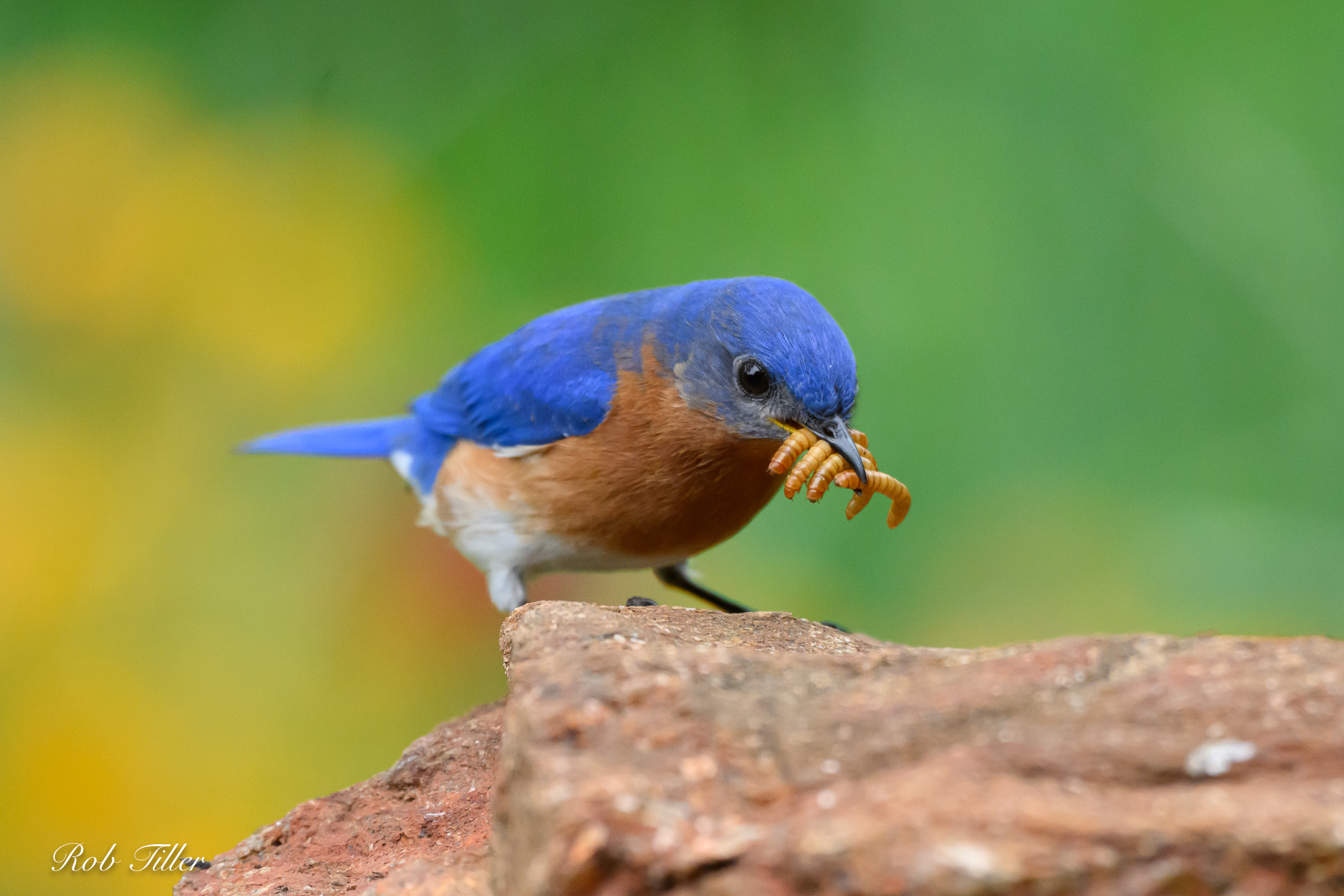
Last week I drove down to Clemson, SC to do some bird photography.  I spent a day and a half at The Nuthouse, where owner Carl Ackerman has created the ultimate backyard birding destination.  There are three blinds for sitting, watching, and photographing birds in different settings.  Carl provides meal worms and other treats for the birds, and there are a lot of them that clearly appreciate it.  

I’d hoped to see lots of migrating songbirds.  Although a good number had come through earlier in the week, my timing wasn’t in alignment with theirs.  But it was really a joy to spend a good block of time with common resident birds.  Even though I was very familiar with all the species that came by, I saw them in new ways – eating, gathering food for the chicks, bathing, and investigating.  I also saw a lot of chipmunks, squirrels, and a groundhog.  

It was both peaceful and exciting.  Giving nature some respectful observation can be spiritually nourishing.  Especially in these fraught times, I take peace and serenity where I can find it. 

I’ve also been getting a lot of pleasure out of revisiting some great literature of the 19th and 20th centuries.  My ability to read and delight in literature, which I cultivated as a young person, went downhill in my middle years, as work and family responsibilities took so much time.  But I’ve got it back!  All it took was some practice.  

I recently finished re-reading the Aubrey-Maturin novels by Patrick O’Brian about the British Royal Navy in the early 19th century.  I was once again totally captivated.  O’Brian was a master novelist and also a historian who delved deeply into ancient archives and other sources for his material.  His main characters, officers on British warships, were multi-faceted and engaging, and their adventures were epic.  

I’m now about halfway through David Copperfield.  Charles Dickens said that this was his favorite of his books.  My edition has the ultimate cover blurb:  Leo Tolstoy (a pretty good novelist) said it was the greatest novel by the greatest novelist.  The story has significant autobiographical elements, richly rendered.  There’s a huge canvas, but I’ve been especially struck by Dickens’s respect and sympathy for mentally ill and otherwise struggling people.  If you read this book as a young person, you might want to consider reading it again.  I can almost guarantee you’ll get more out of it the second time.  

Along with literature, I’ve been reading a lot of current journalism.  I used to think most everyone must be doing this, trying to keep abreast of so much rapid change.  An essay in the NY Times by Rob Flaherty this week pointed out that this is quite wrong.  

Today’s culture is no longer a creation of executives in New York City and Los Angeles. Thanks to algorithms and an endless set of media choices, what you see, read and hear is a personalized reflection of your own interests. It’s like a city with a lot of different neighborhoods. . . .So if you don’t care about politics — or more precisely, don’t trust our politics — you don’t have to hear about it at all. A voter can turn on, tune in or opt out.

It was these voters — opt-out voters — who decided the 2024 election. It’s the same voters Democrats are struggling to reach today.

At their core, opt-out voters generally don’t trust politicians or the mainstream media. Many assume the system is rigged, the media is biased and neither party is actually fighting for them.

Flaherty contends that most of those who aren’t in the educated elite get their news from social media and friends, which seems to come at them in friendly random snippets.  He sees the right as much more successful in building alternative communication channels and creating appealing narratives, while Democrats are still trying, not very effectively, to reach the public through traditional media.  He recommends revising this strategy to be more social-media savvy.

This might help, but it also might help to help people improve their reading abilities.  According to a recent report, most Americans read at a 6th grade level or less.  Think about that!  Standardized test results show reading levels of school children getting worse.  College professors report that their students can no longer read as much or as well as they used to.  This all begs the question, how many people just aren’t capable of reading a newspaper with a fair level of comprehension?  

What is the Trump administration doing about all this?  It’s dismantling the Education Department and threatening to cut federal funding for public schools. It’s also attacking universities by threatening them with huge funding cuts and loss of tax-exempt status, and threatening foreign students with deportation.  It has pulled the plug on scientific research in health and the environment.  

Just as worrying, Trump is increasing his attacks on traditional media.  He’s forever inciting his followers against fake news, which is any news he doesn’t like, and insufficiently obsequious journalists.  He’s barring certain journalists from access, bringing baseless lawsuits against journalists, and threatening broadcast licenses.  He’s dismantling Voice of America and this week ordered that federal funding be canceled for NPR and PBS.  

The Trump program seems designed to worsen our illiteracy and ignorance.  Perhaps he’s thinking that by lowering our competence in reading and critical thinking, he’ll reduce our resistance to his domination.  If reliable news sources can be weakened or eliminated, his epic dishonesty may go unexposed. 

There are so many Trumpian disasters-in-progress that it’s hard to keep track of them all.  But there was some good news this week:  Trump’s poll numbers are at historic lows and trending down.  There’s a real chance that the next midterm election will diminish his power, and the next presidential election will allow for a new beginning.  

In the meantime, there are increasing signs of courage and resistance.  Although the natural world hasn’t been at the forefront of the battle, it still has its champions.  Per the NY Times, Trump, continuing his war on nature, recently scuttled the National Nature Assessment.  The Assessment was an effort “ to measure how the nation’s lands, water and wildlife are faring, how they are expected to change, and what that means for people.”  Some 150 scientists and other experts had spent thousands over hours on the project.

But some of those experts are working on continuing their work and publishing it outside of government channels.  They view their work as too important to the country to give up on.

Blessings to those experts, and the other scientists, politicians, educators, lawyers, judges, federal workers, journalists, non-profits, unions, businesspeople, and ordinary folks who are showing courage in this dark moment.  They remind the rest of us that Trumpism is not invincible, but it must be actively resisted.

More on our South African safari and new discoveries on birds and plants

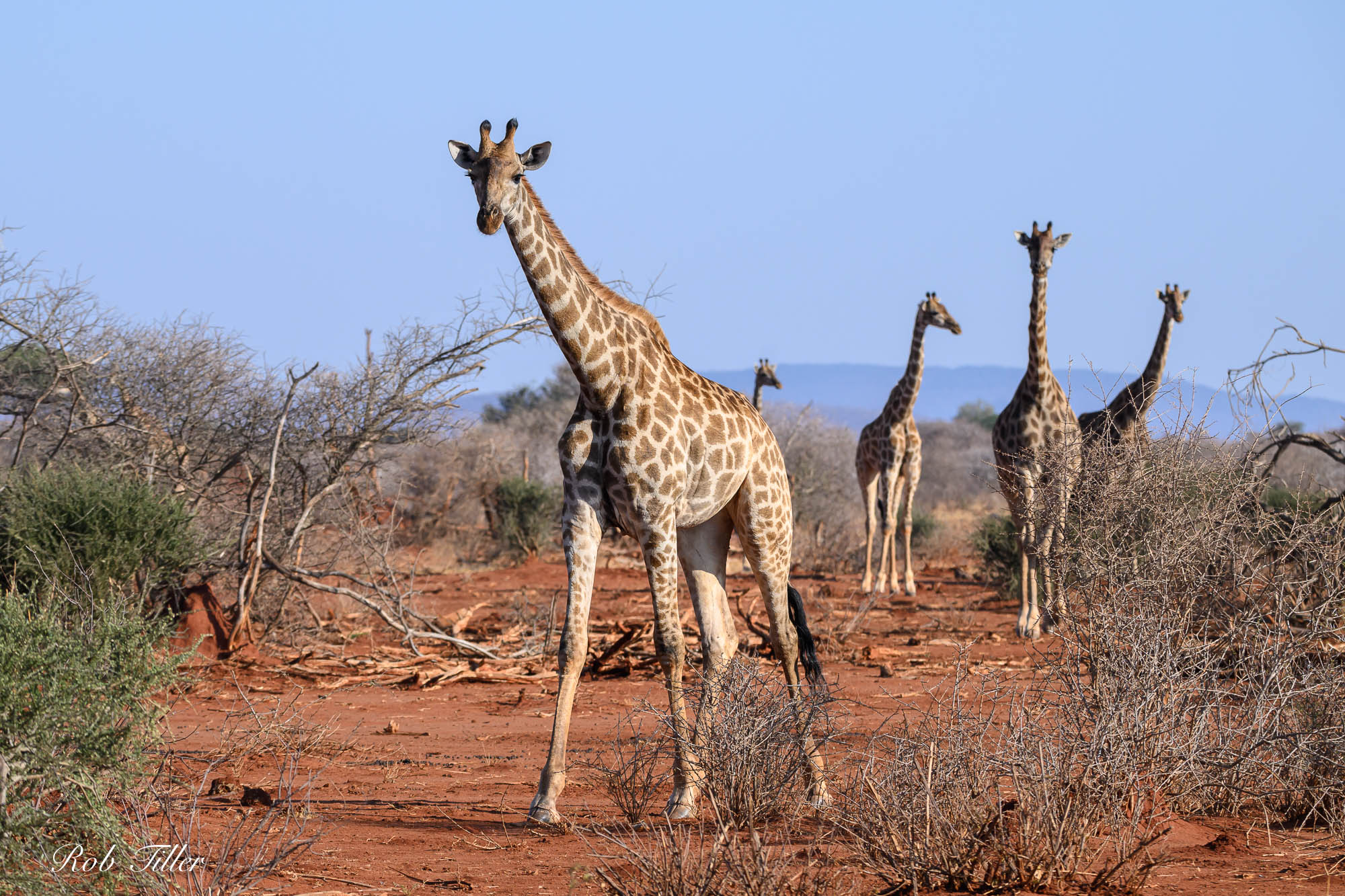
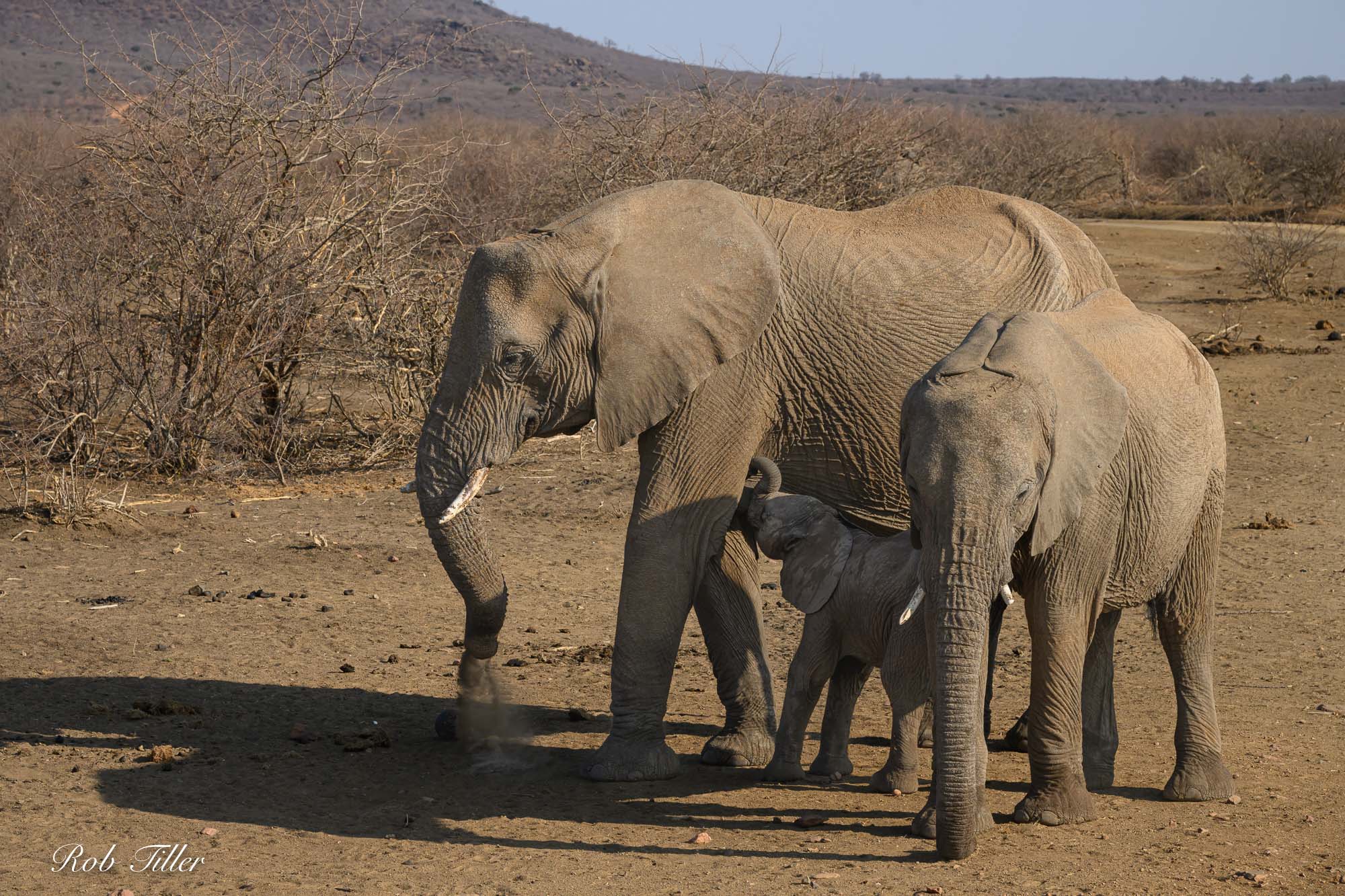
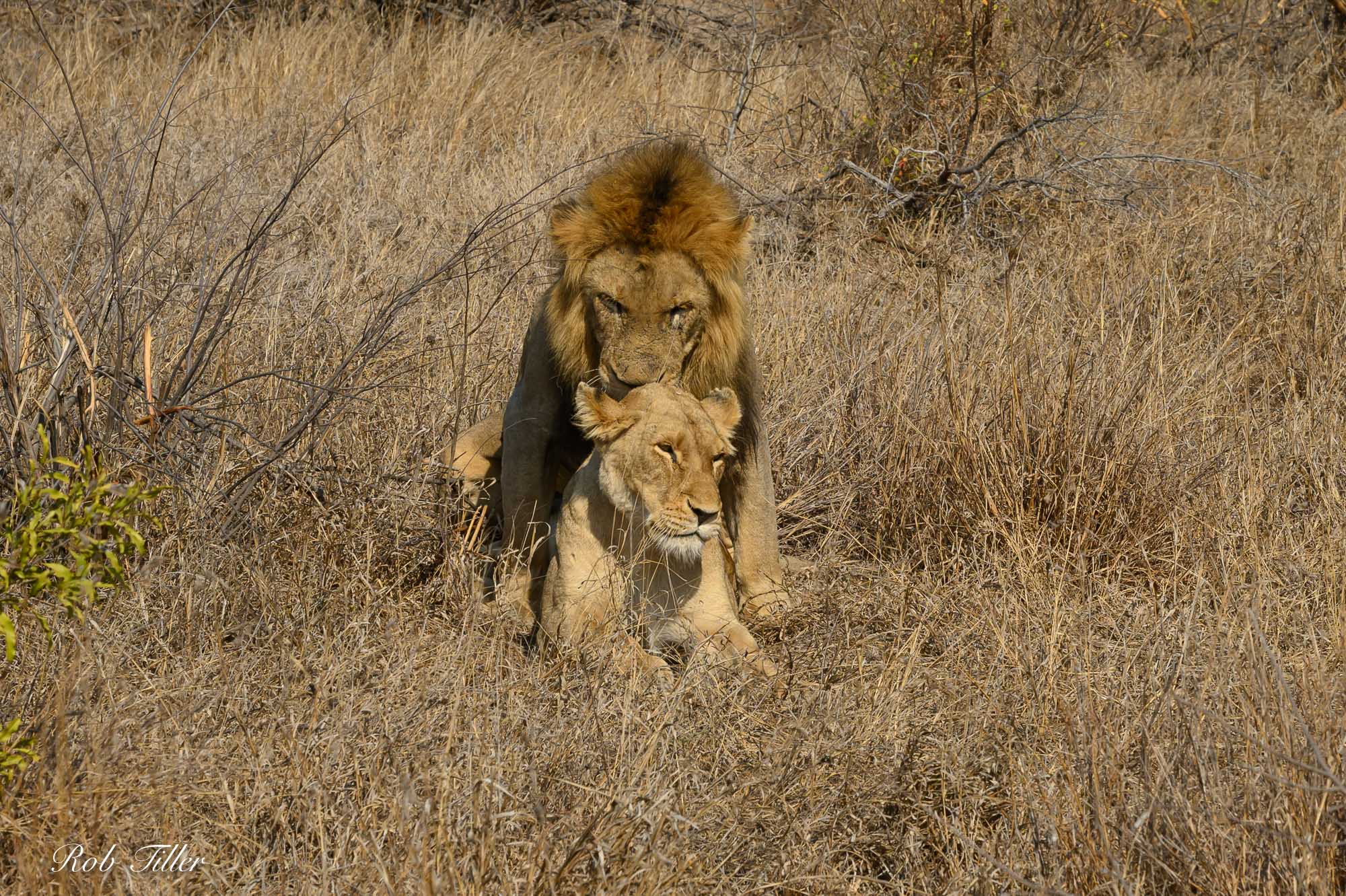
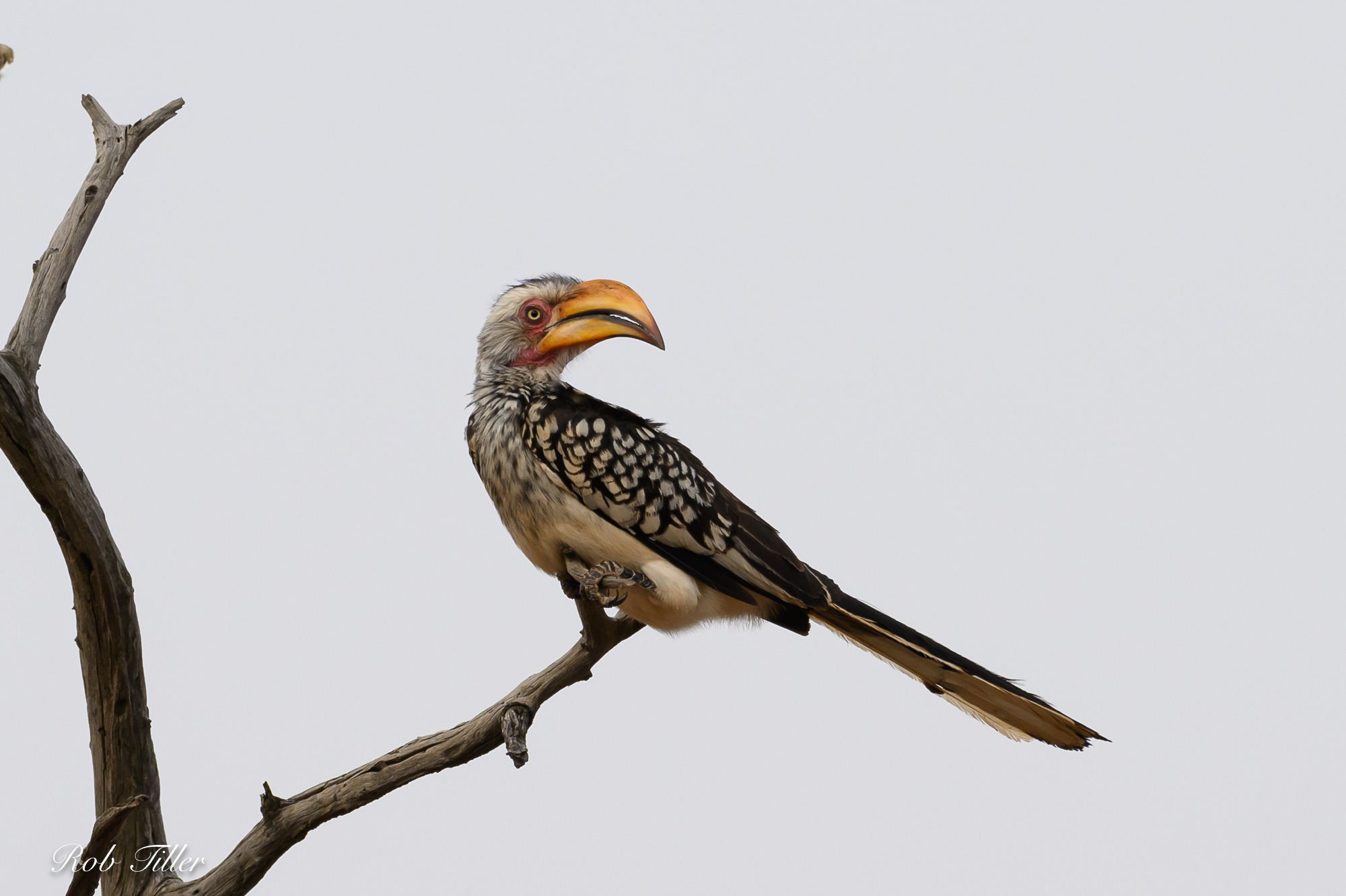
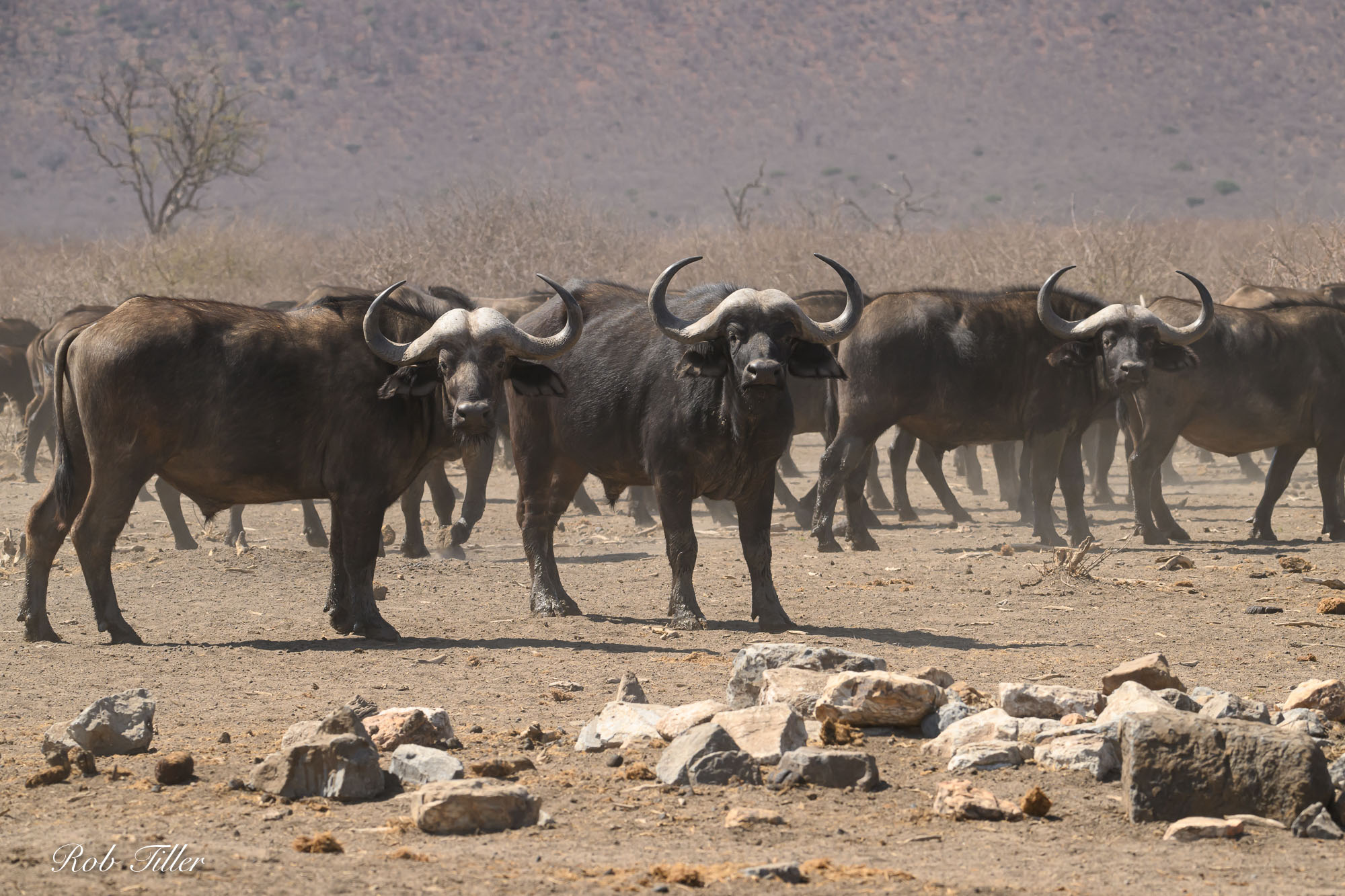
I finally finished going through the thousands of pictures I took during our South Africa safari, and found a few more I wanted to share. 

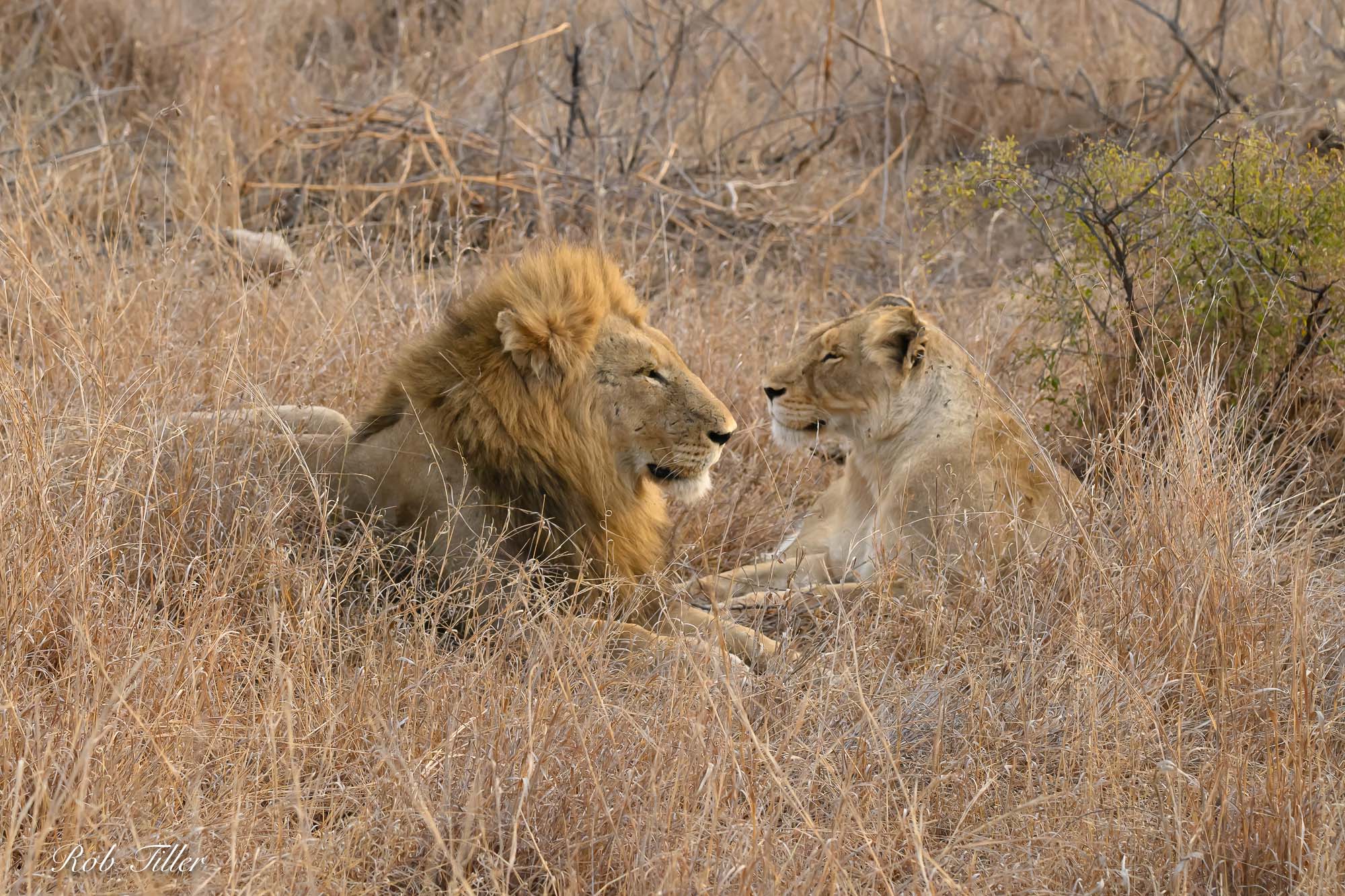
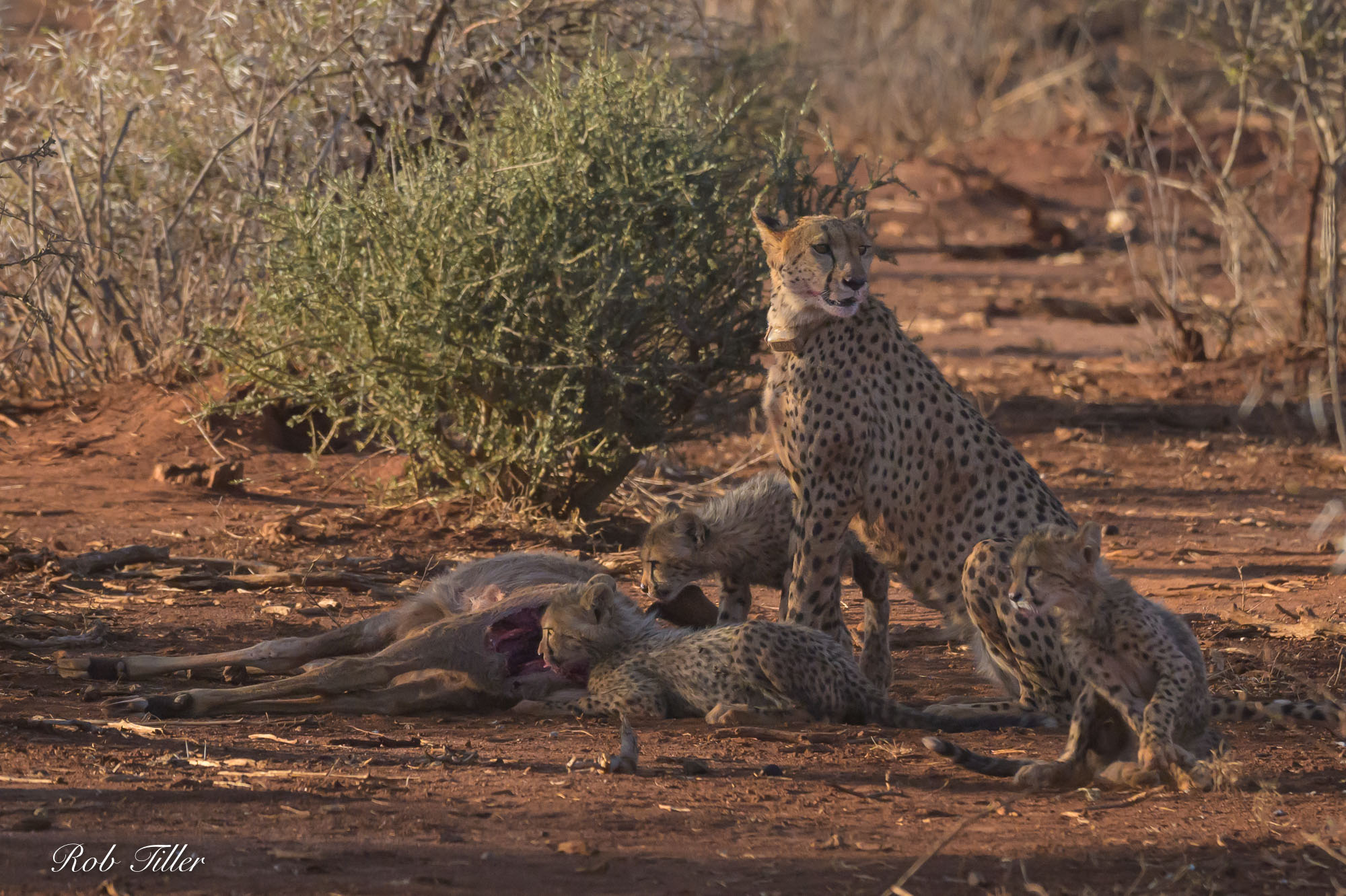
During the safari, we saw animals doing many of the things we know they have to do, like eating, drinking, bathing, teaching their young, and mating.  We didn’t see any actual kills, but we did see several big cats feeding on recent kills.   I debated whether to share photographs of those, since it’s unavoidably sad, and perhaps upsetting, to deal with the death of a beautiful creature like an impala.  But I also see an element of beauty in the predator and his or her success.  

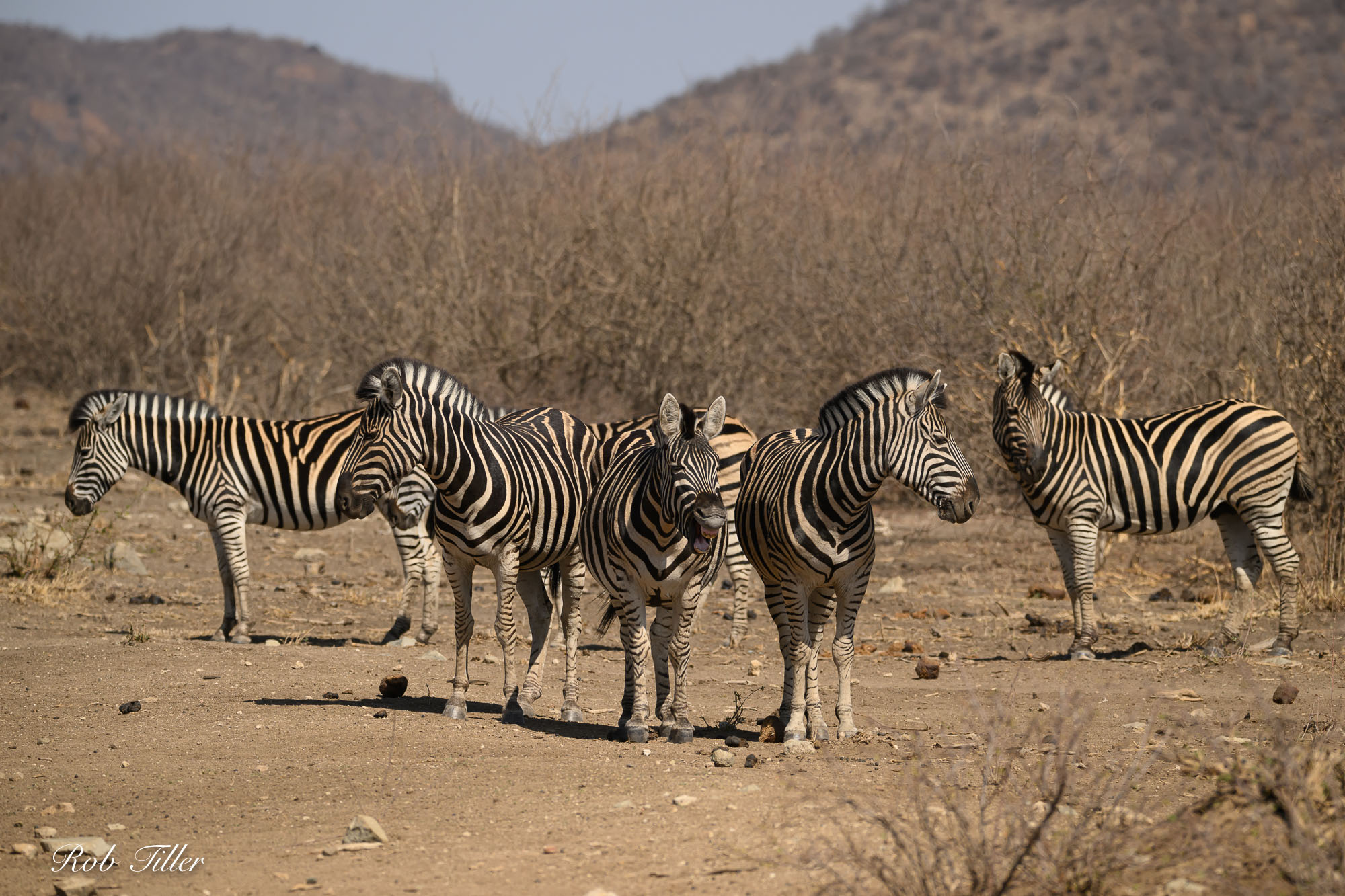
The lions, leopards, and cheetahs must kill to survive and to feed their young.  It’s just the way they’re made.  It turns out that it’s quite difficult for them to hunt successfully, and they often fail.  Grazing animals are highly sensitive to predator risks, and most of them are, when healthy, either faster or stronger than their predators.  On this trip, we watched a hidden lion lie in ambush for lengthy periods hoping, unsuccessfully, for an unwary zebra or impala.  

The grazing animals that the big cats catch are generally the old, young, or ill.  In fact, their hunting is important for the health of the grazing herds.  It  keeps diseases in check and prevents overpopulation and overgrazing that would lead to more death.  Nature generally manages to keep things remarkably well balanced among predators, prey, and plants, when there isn’t human interference.

There’s a vast amount that we do not know about nature, which is exciting, in a way:  there’s so much more to learn.  This week the New Yorker had a lively and interesting piece by Rivka Galchen about what scientists are learning about bird song. 

I’ve been interested in bird song for many years, but mainly as a way to identify birds that won’t allow themselves to be seen.  From watching flocks of big birds like tundra swans and Canada geese, I’d come to suspect that their vocalizations allowed them to coordinate their travels together.  Now researchers are confirming the suspicion that their sounds have a lot of communicative content.  

Scientists have long recognized that birds make specific alarm calls, and are learning that some of those calls differentiate the threats of, say, a hawk or a snake.  It turns out that bird parents make sounds while incubating their eggs that the developing baby bird learns.  We’re learning that bird communication is more complex than we thought, which indicates that their intelligence is more complex than we thought.  

With fall arriving, it’s gotten a bit chilly for me to have my morning tea on our deck, but when it’s mild I like to sit out there as the sun is rising and listen to the birds.  I’ve been using the Merlin app to identify calls and songs I don’t already know.  The app has gotten a lot better over the last couple of years, and is almost always accurate, at least as to the birds I’m familiar with.  

Speaking of the natural world, I’m in the midst of a remarkable book about plants:  The Light Eaters:  How the Unseen World of Plant Intelligence Offers a New Understanding of Life on Earth, by Zoe Schlanger.  Schlanger has reviewed the scientific literature and interviewed leading botany experts researching how plants sense the world and deal with their environments.  Her style is friendly and approachable, and her content is at times mind blowing.  

It turns out that plants are much more  proactive than we used to think.  There are species that modify their chemistry in response to predators to make themselves less appetizing.  There are ones that send out chemical signals to warn others of their kind of particular predators.  Some even send out chemical signals to summon insects that will prey upon the plants’ enemies.  

There is considerable evidence that plants respond to touch.   Some researchers have found that they respond to certain sounds, which we might call hearing.  They modify their behavior to avoid threats and to improve their nutrition.  The puzzle is that they lack a clear hearing organ, like an ear, or a centralized interpretive organ, like a brain.  How they do it is yet to be discovered.  

But it’s hard to avoid the thought that plants are in some sense conscious.  Schlanger recognizes that the idea of plant intelligence is still controversial in the botanical science world, and gives credit to scientists for being cautious and careful.  In this time of great anxiety about the human world of politics and war, her new book is a welcome reminder that, quite apart from humans, the world has been and continues to be full of wonders.   

Democracy on the ropes

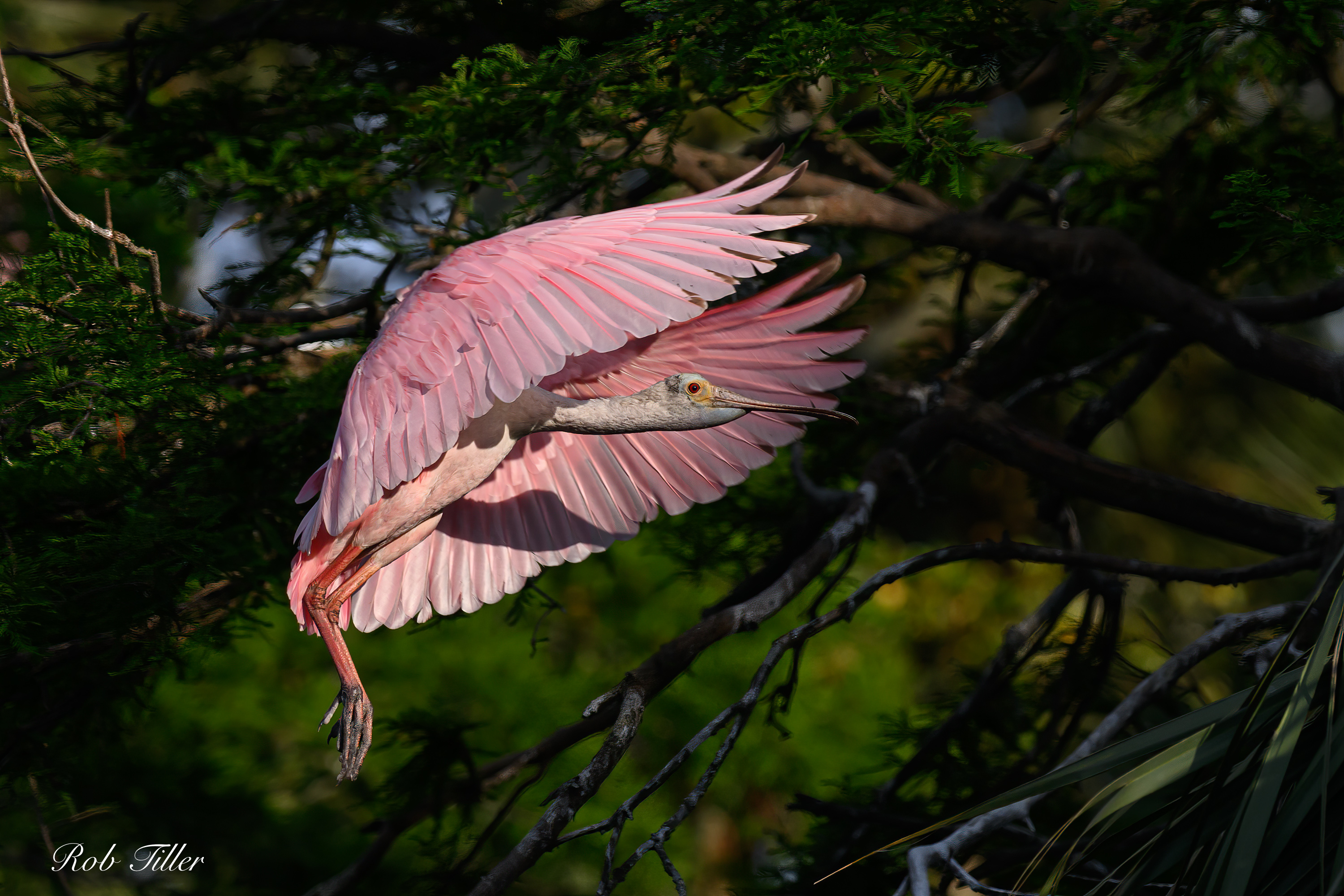
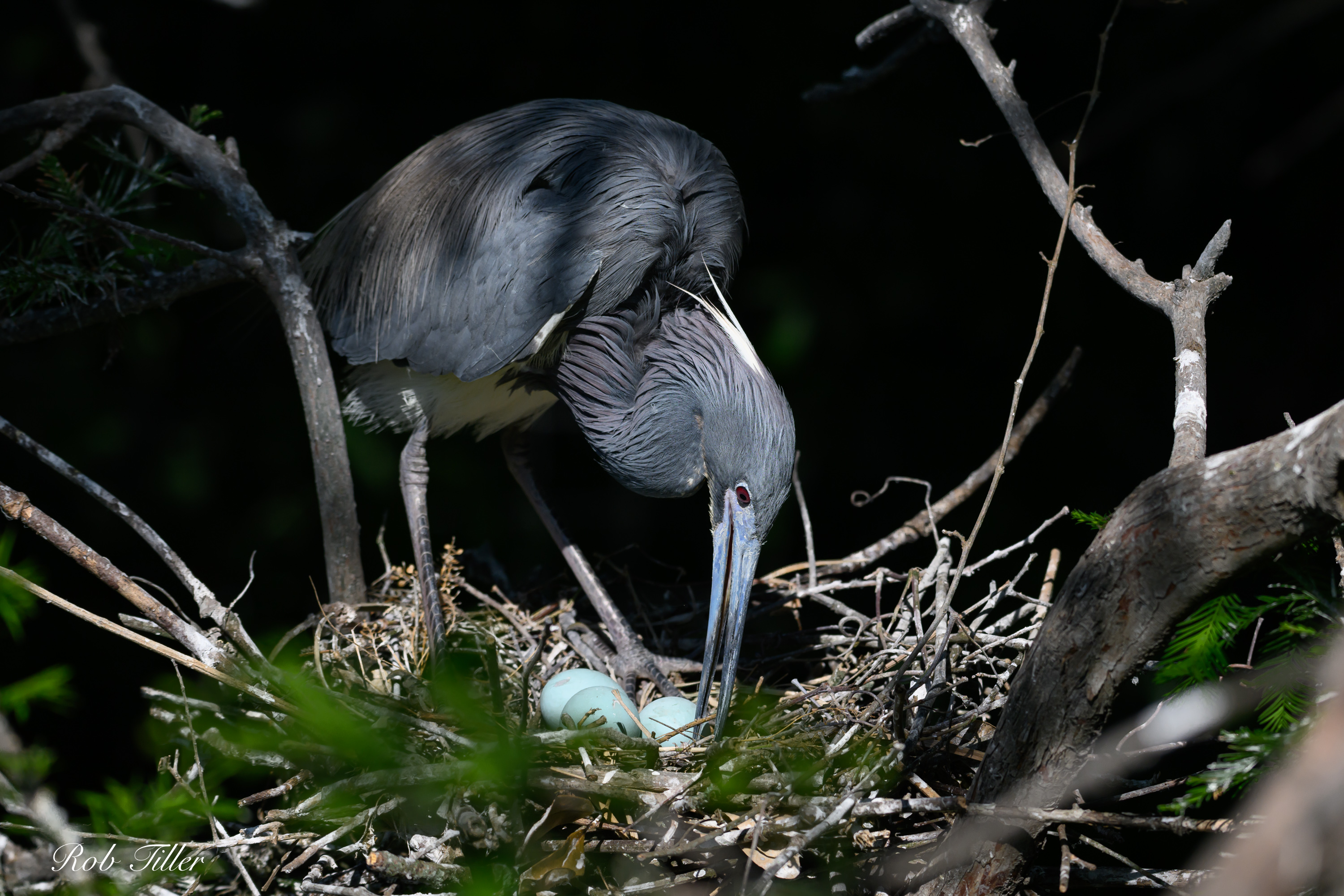
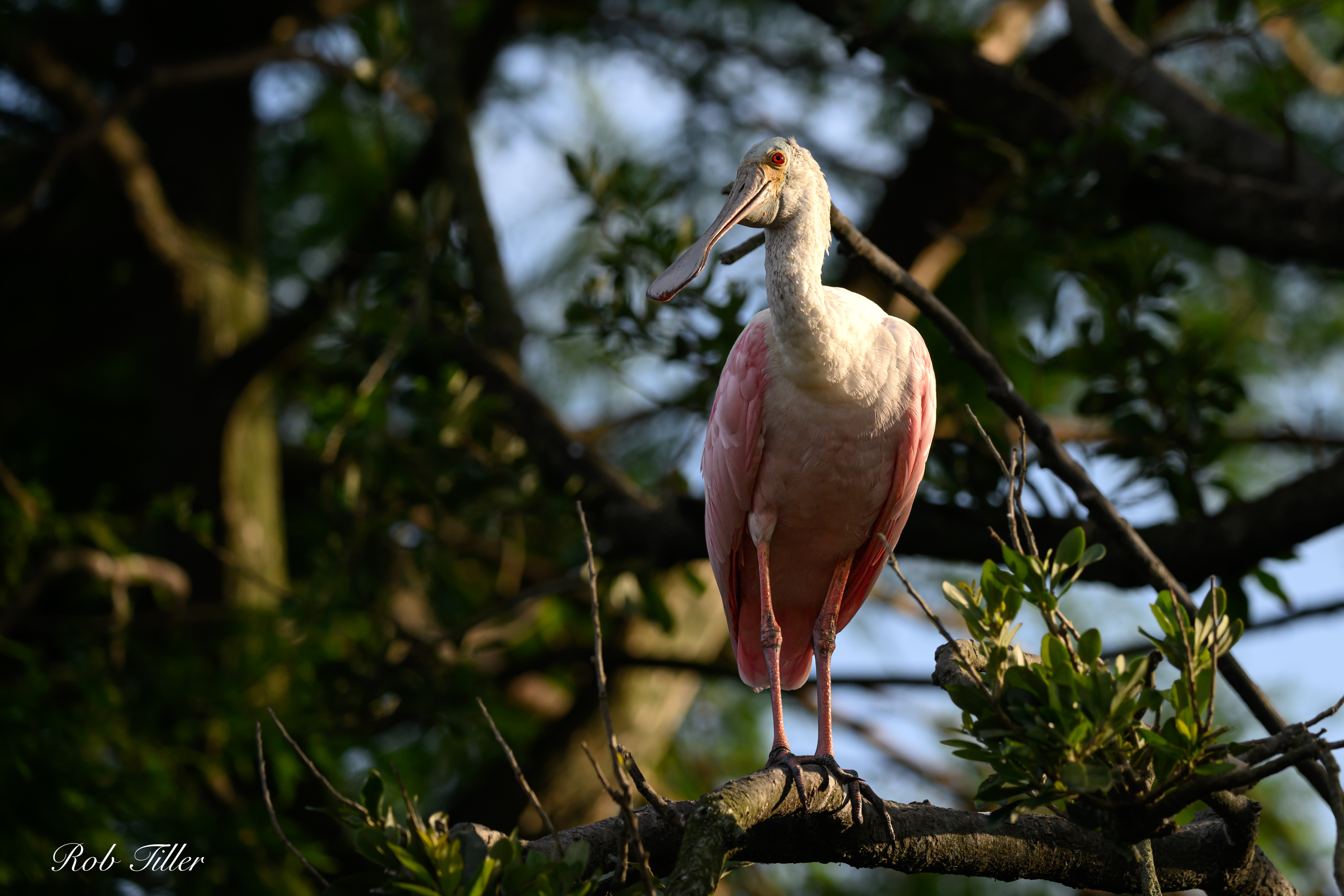
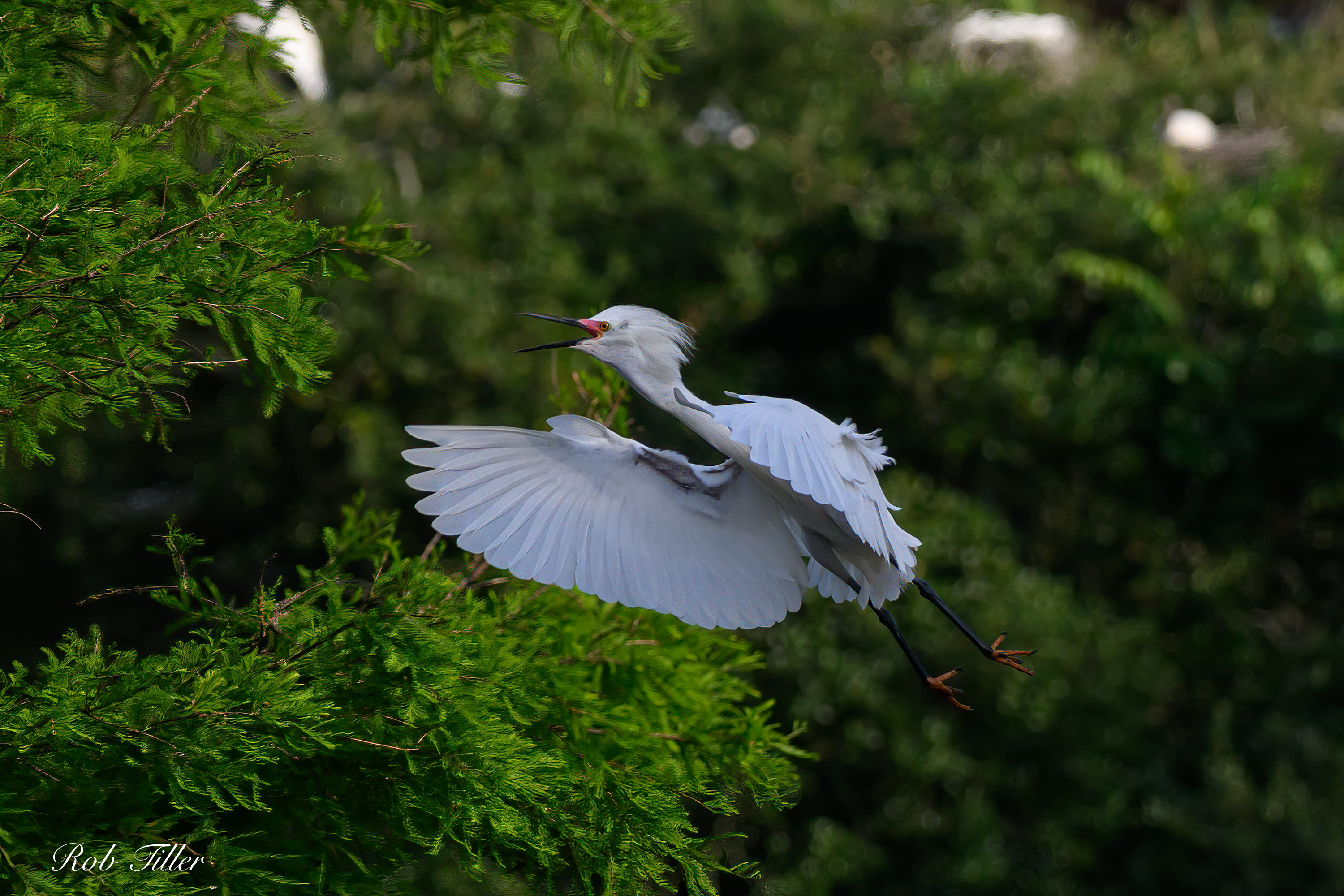
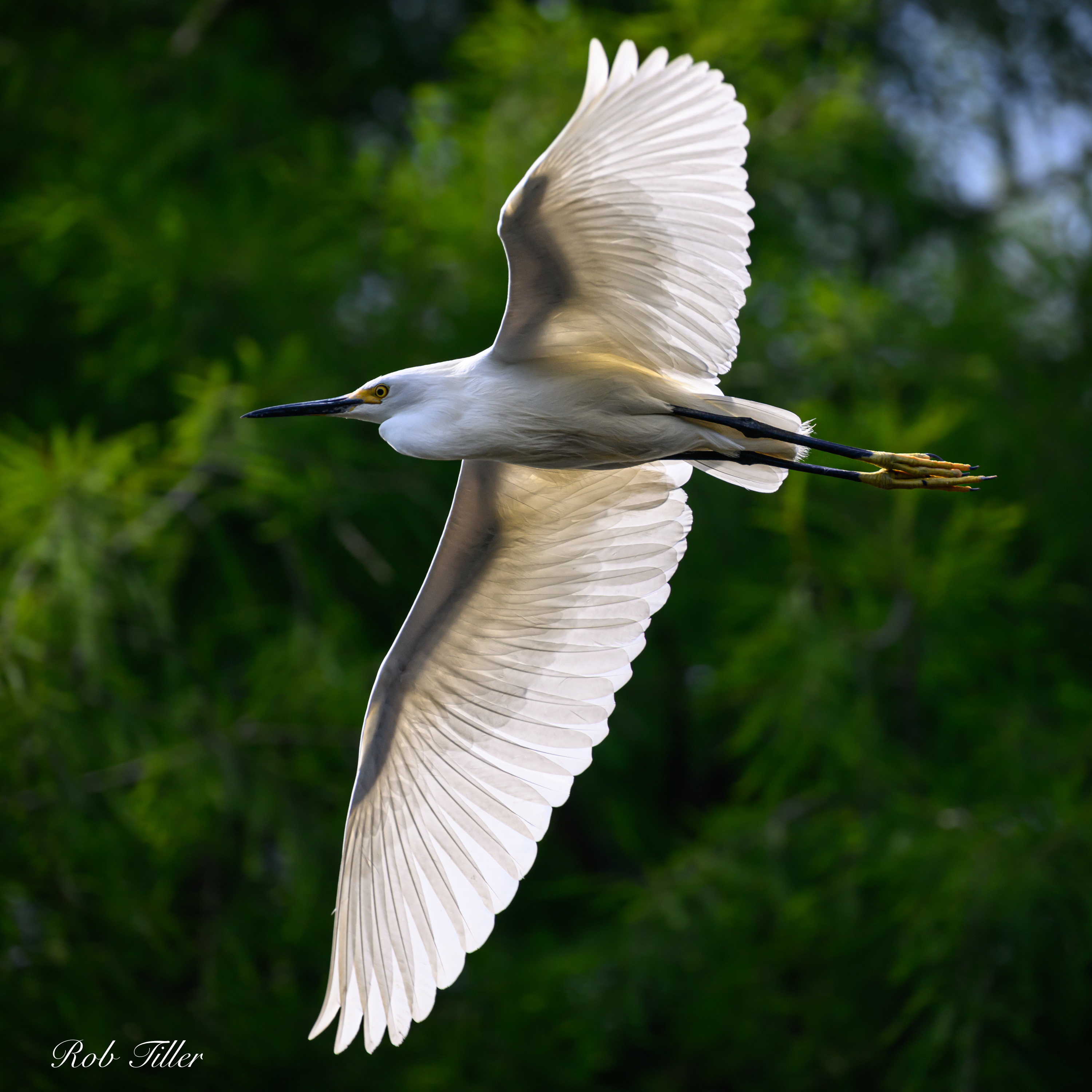
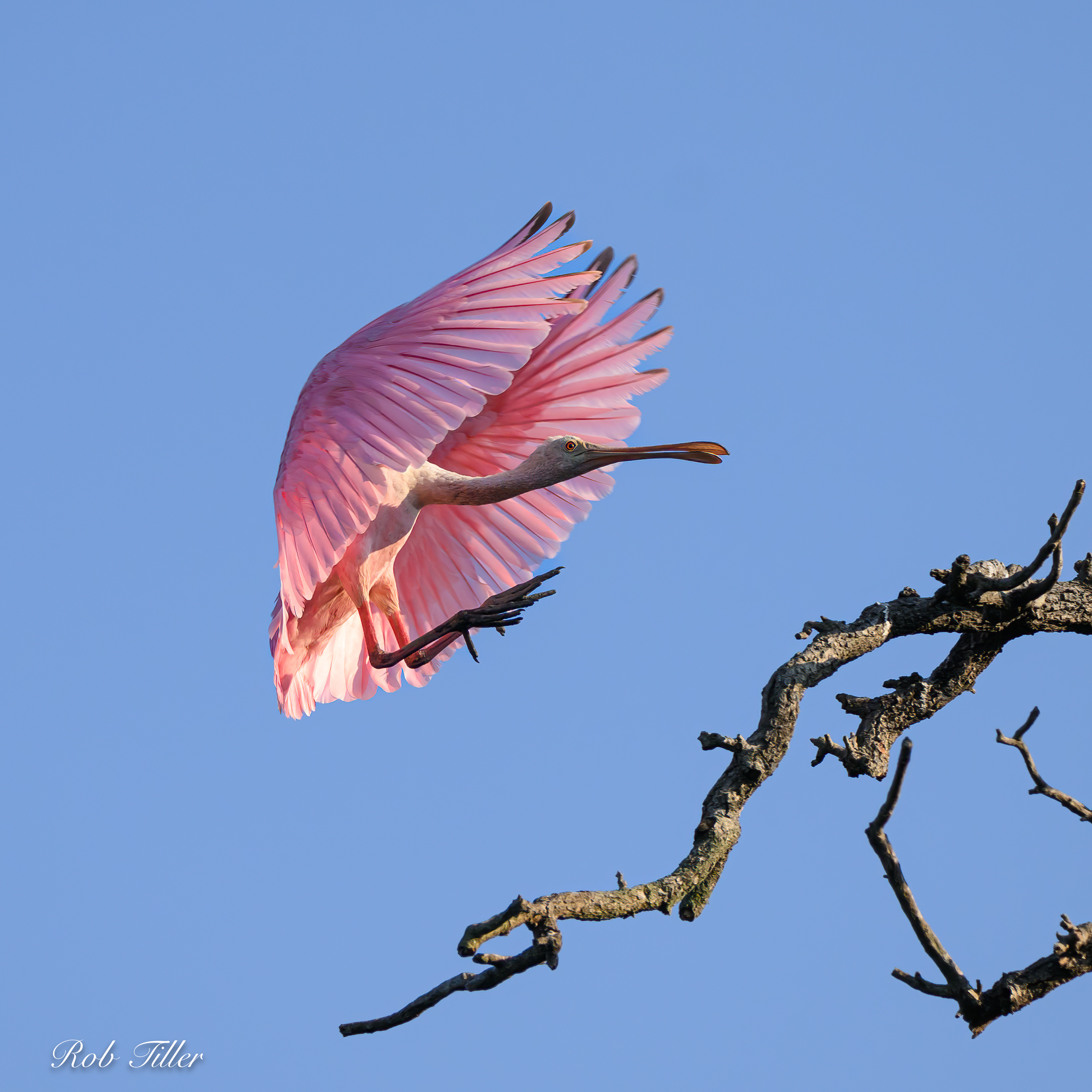
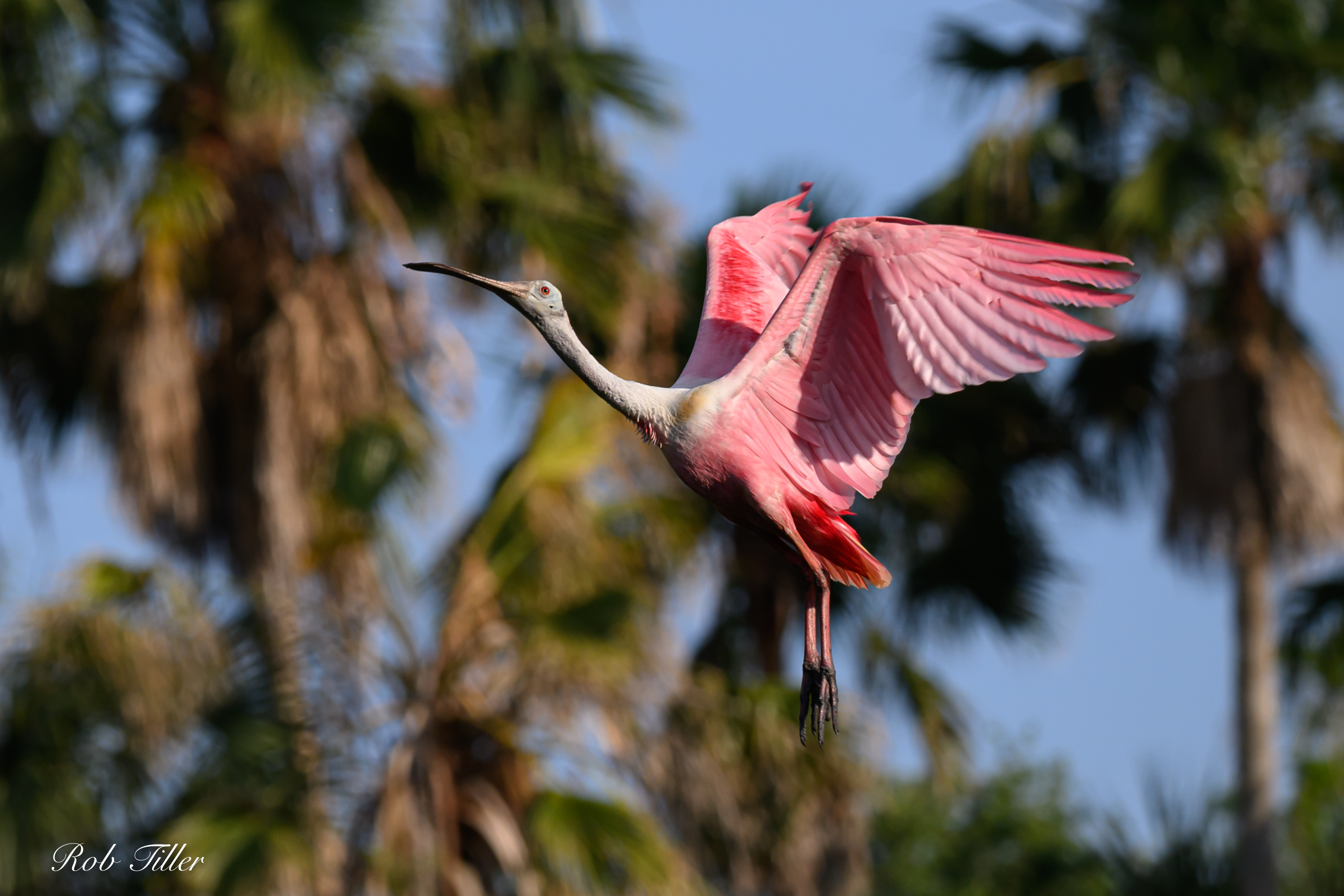
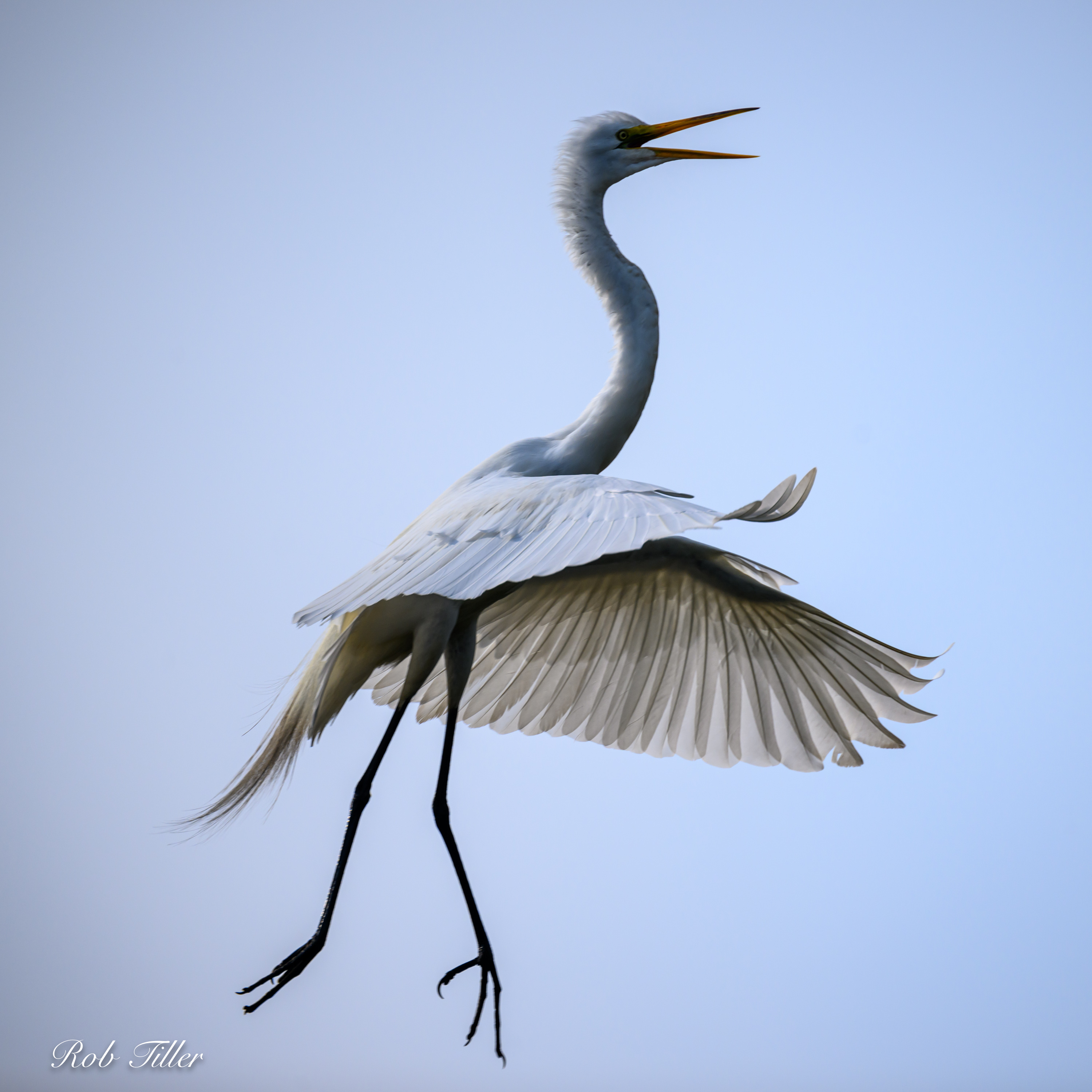
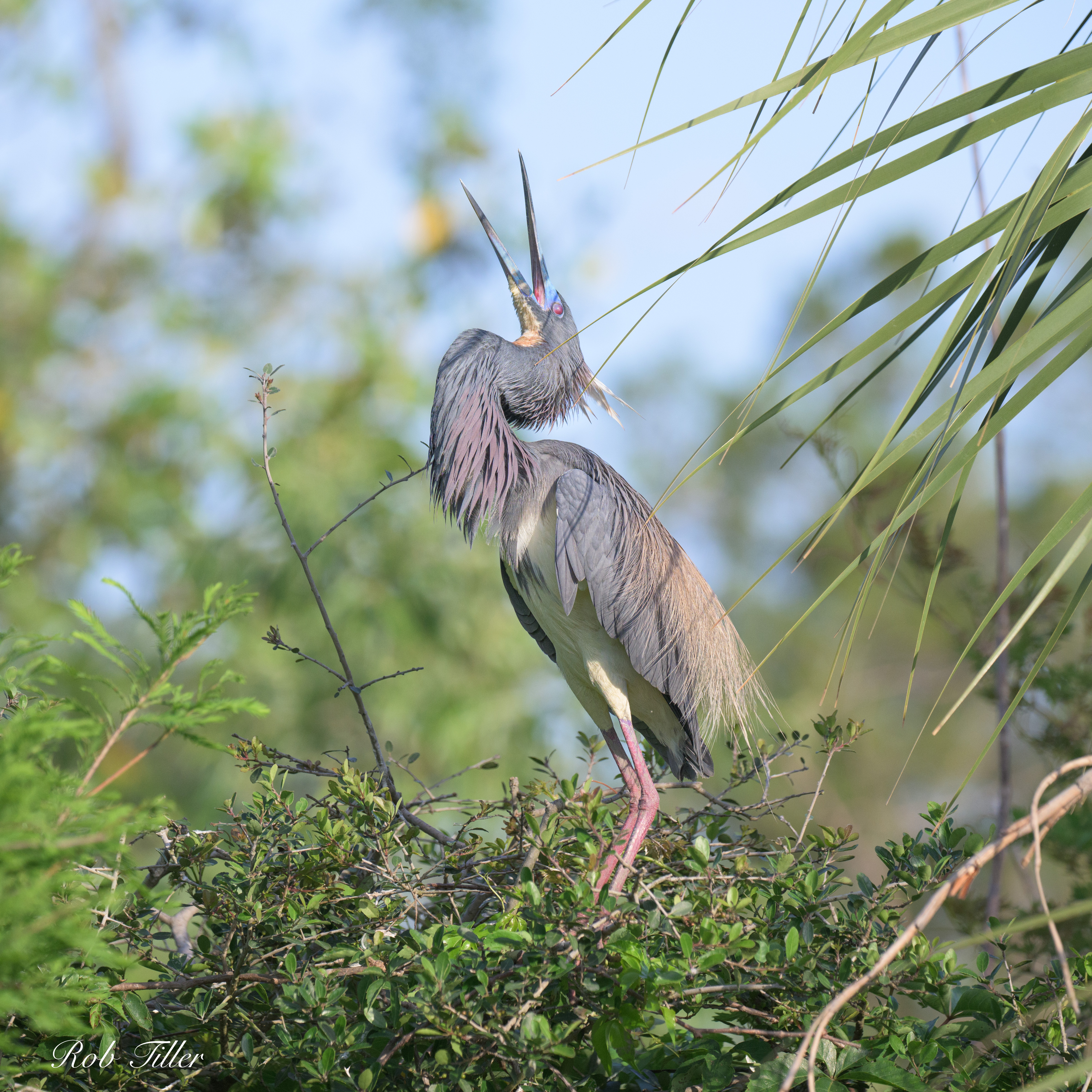
Summer is definitely here in Raleigh:  uncomfortably hot and humid.  I’m spending more time indoors, and finally finished sorting through the photographs I took while traveling in the spring.  In this post, I wanted to share a few more of the photos I took in St. Augustine of roseate spoonbills, great egrets, snowy egrets, wood storks, and tricolored herons, and a few thoughts on recent political events. 

In less than a week, we’ve just had two extreme events in our national political life.  President Biden crashed and burned in his debate with Donald Trump, substantially increasing the chances that Trump will win the presidency in November.  And the Supreme Court almost completely immunized Trump from criminal liability for his effort to overthrow the government in 2021.  It decreed that the next president is free to commit crimes, heinous or otherwise, that are in any way related to his official duties.  

This Supreme Court decision (which I, as a former Supreme Court clerk, had the training to read, and did read) is truly shocking.  By holding that the president acting as president is not subject to criminal law, it fundamentally changes the nature of the presidency to something like a monarchy.  In view of the definite possibility that a convicted felon, an incorrigible career grifter without any apparent moral restraint, will be our next president, the decision seems wildly irresponsible.  

There was more than a whiff of corruption in the Trump White House, as Trump’s businesses raked in billions of dollars.  He has promised to use the Department of Justice to persecute political opponents.  He has proposed shooting peaceful protesters and shoplifters.  He sought IRS audits of his enemies.  He directed the persecution of tax-paying immigrants and the kidnapping of immigrant children.  Not least, he encouraged a violent attack on Congress in an attempt to nullify the 2020 election.  

Trump has shown no hint of moderating his inclinations.  In his first term, subordinates sometimes discouraged or resisted his most outrageous proposals, but that is much less likely to happen if he’s reelected.  Non-MAGA true believers will be excluded from significant roles.  The true believers will know that Trump can and does protect those who carry out his orders with pardons.  

Also, those collaborators will now understand that if they are accused of criminal activity ordered by Trump, the Supreme Court will probably be on their side.  The Court’s new theory of the need for extreme Executive power may mean protection for those who implement Executive crimes.  In sum, the new decision increases the already high risk that electing Trump as President will be a disaster for American democracy.  

One of the benefits of studying history is perspective; it can help us take a longer view of our current situation.  For example, it’s helpful to remember that our republic has survived crises in the past, like the Civil War, the corruption of the gilded age, the ascendance of the Ku Klux Klan, American Nazis during World War II, and the McCarthy red scare.  We also survived Trump I. At the moment, I feel more despairing than hopeful for American democracy, but I’m trying not to give up hope.  

Visiting big birds in Florida, healthy eating, and some thoughts on Nazism

I went down to St. Augustine, Florida, a couple of weeks ago to photograph some of the big wading birds there.  I took a lot of photos at the Alligator Farm, where there’s a rookery of nesting great egrets, snowy egrets, cattle egrets, little blue herons, tricolored herons, wood storks, white ibises, and (my favorite) roseate spoonbills.  The birds hatch their chicks in trees over a big pond area full of alligators.  Apparently the birds feel safe and protected from tree-climbing predators there.

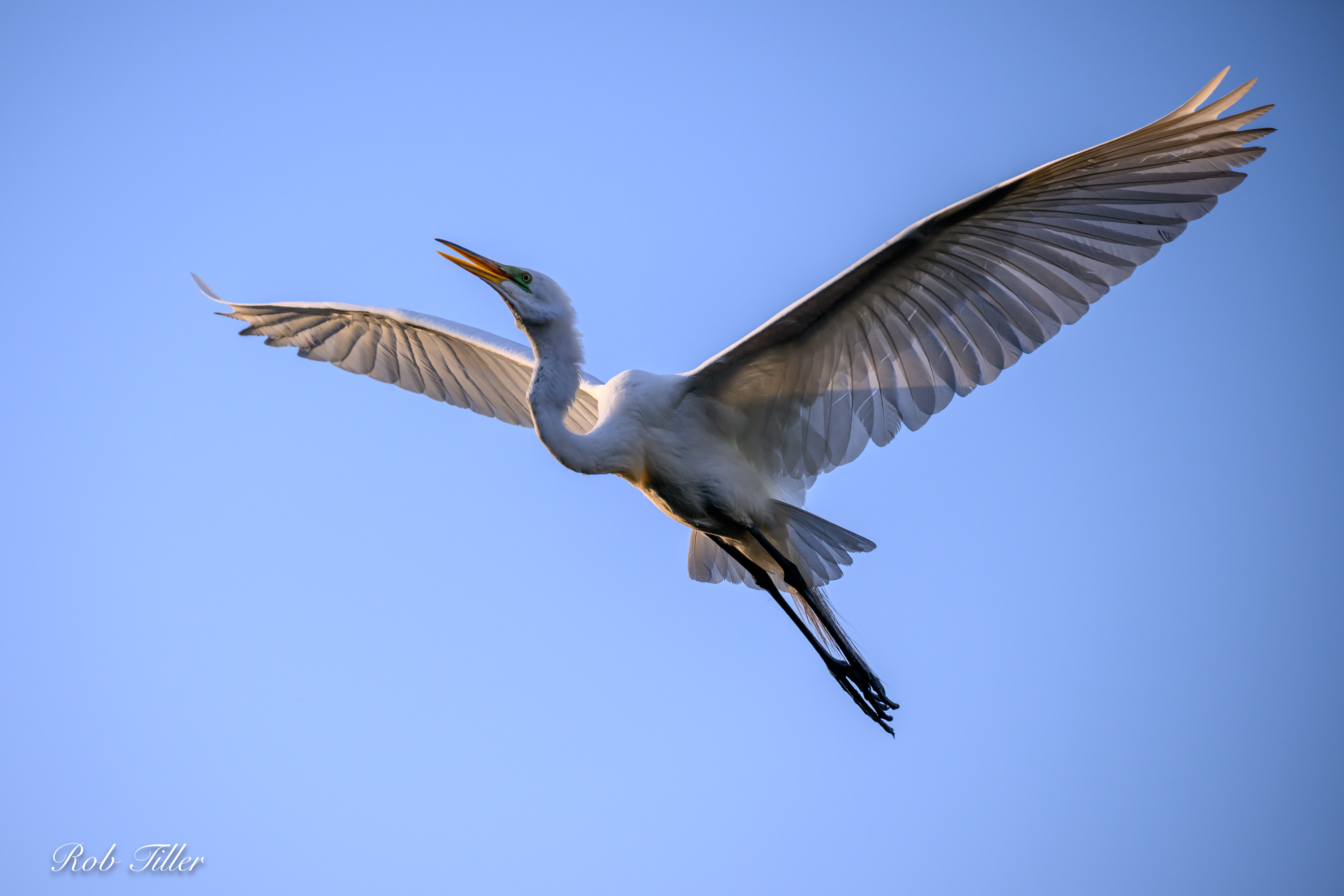
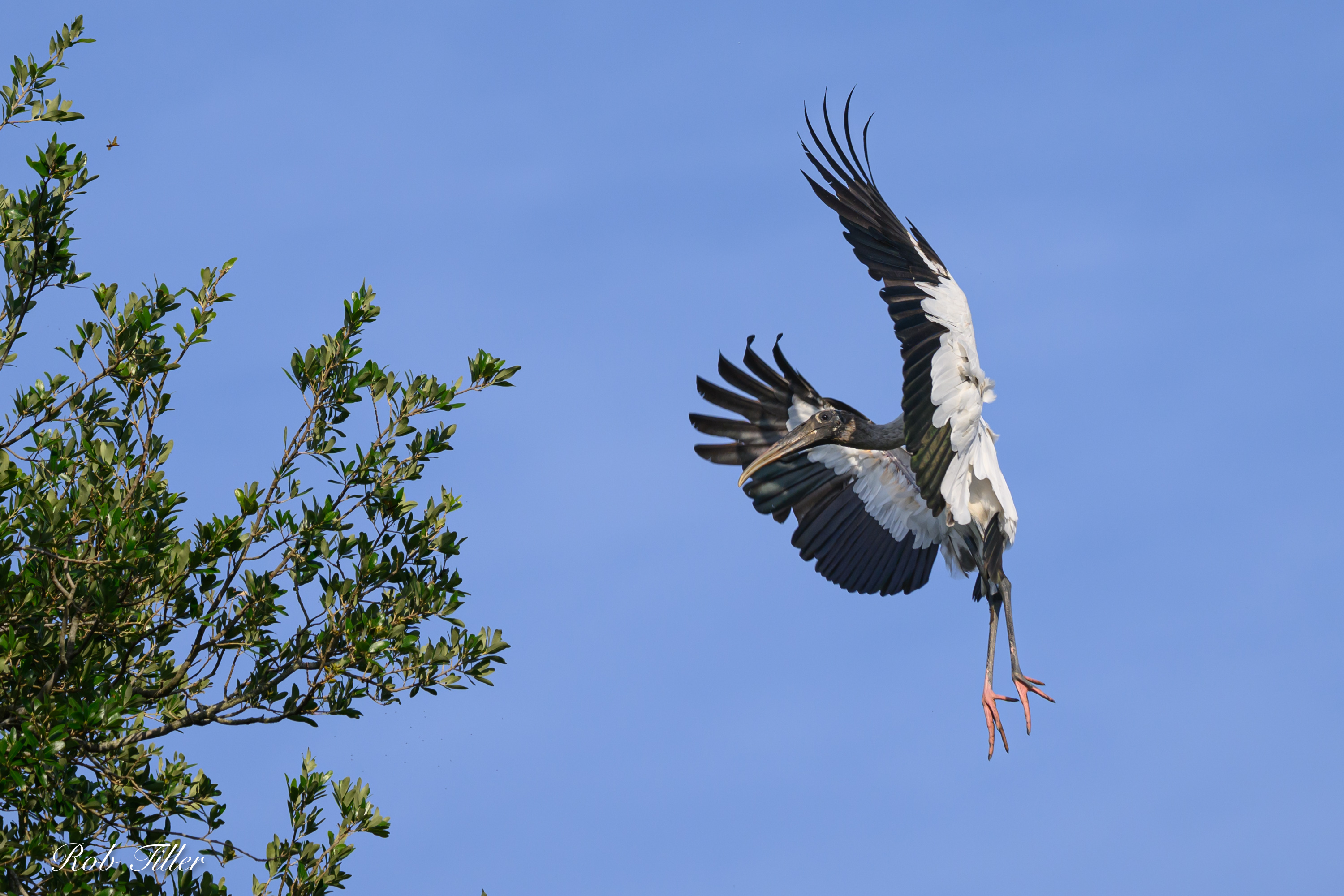
It really was quite wonderful to see all these creatures flying, fighting, mating, working on their nests, and feeding the chicks.  I haven’t had time to go through all the thousands of pictures I took, but I did make one pass through the ones from April 26, when we had some beautiful light.  These ones were all taken that day.  

At times I feel a bit of an odd duck for caring about birds, but I was reassured by a great little essay in the NY Times on how birding can change your life.  The essay is by Ed Yong, who wrote An Immense World, a fine book about the sensory worlds of non-human animals.  

Yong describes describes some of the nuts and bolts of learning how to identify birds.  But the really interesting discussion was how he found himself changed by birding.  He discovered a new connection to nature and new appreciation for the small wonders of life.  He found himself living more in the present, and with a greater appreciation for his own life, just as it is.  

I’m not as serious a birder as Yong – I don’t keep a life list or take on arduous travel to see one new species.  But I’m still studying up on resident species when I go to a new place, and working to identify birds I’m not familiar with.  I heartily endorse Yong’s view that birds make life better.

Speaking of animals, we saw a recent documentary series on Netflix that I recommend:  You Are What You Eat.  It centers on a nutrition study at Stanford University of identical twins.  The idea was to discover how much different diets affected genetically identical people.  

The big takeaway was that a plant-based diet was generally much more healthy than other options.  The series also notes, without hammering on, how animal agriculture is terrible for the climate and for both farmed and wild animals.  Despite the serious content, the filmmakers managed to leaven their presentation with some humor.   

Finally, I want to recommend a good podcast series called The Rest Is History. The format is a conversation between two Brits, Tom Holland and Dominic Sandbrook, about a historical period or incident that they’ve gotten interested in.  They are funny and smart, and some of the subjects are fascinating.  

I found their series on the rise of German Nazism particularly interesting.  Holland and Sandbrook investigated how an ideology that they (and most of us) regard as bizarre and inhuman could have seemed exciting and completely valid to many Germans of that time. 

Discussing Nazism is a delicate business, since it understandably arouses strong emotions.  It’s uncomfortable, and we tend to think it’s not worth the bother, assuming that we know everything worth knowing about it anyway.  Of course, that’s unlikely, since like all mass movements, it was complicated.  But it’s possible to be clear that the systematic mass murder of Jews and other groups by the Nazis was horrific, while also wondering about what German leaders and ordinary Germans were thinking as crimes against humanity took shape.  

As Holland and Sandbrook note, the Nazis believed they were acting based on science, and were addressing an existential threat to their nation.  Some of such thinking is still with us.  Eugenics, the “science” of superior and inferior races, was integral to their thinking, and it was then considered actual (rather than crackpot) science in many other places, including the US.   

The Germans of the 1920s and 30s feared for their future, based on widespread poverty and the postwar economic crisis.  They sought to explain their problems by identifying scapegoats, including especially the Jews.  Their anger and fear of supposedly inferior races and cultures is not so different from the hostility towards immigrants that is now a central feature of politics in the US and Europe.  

The Nazi leadership effectively used the modern media of the time, including radio and film, to amplify their message. Holland and Sandbrook point up a program to get a radio within earshot of every German so that they could not avoid hearing Hitler’s speeches.  The incessant repetition of lies about Jews and others made it hard to keep contrary views in mind.  Our social media is different, but likewise tends to create information bubbles that can separate us from reality.  

Holland and Sandbrook suggest that the impulses of Germans who supported Nazism, like the desire for excitement and hostility to out groups, is pretty normal.  Humans are social animals, and our behavior is powerfully influenced by those around us.  Once Nazism attained a degree of popular support, doubters were more inclined to go along with the crowd, as people normally do.  And once the movement was strong enough, dissenters were either squashed or silenced themselves.

From time to time, I’ve wondered what I would have done if I’d been a German in the 1930s as the Nazis rose to power and took over the country. We know from studying Germany’s experience that most people were swept along without dissenting, and it’s possible that I would have been one of that herd.  Of course, I like to think I’d have been unusually independent and courageous, but it’s hard to be sure.  

Anyhow, the Rest Is History podcast series on Nazism is thought provoking and timely.  We know from Germany’s experience that facism can happen to countries populated by people who are generally sane and decent.  I dearly hope the US is not headed in such a direction, but it’s clearly not impossible.  It’s worth taking the time to look closer at Germany’s history, and do everything we can to go in a better direction.

The Wild Swans at Pungo

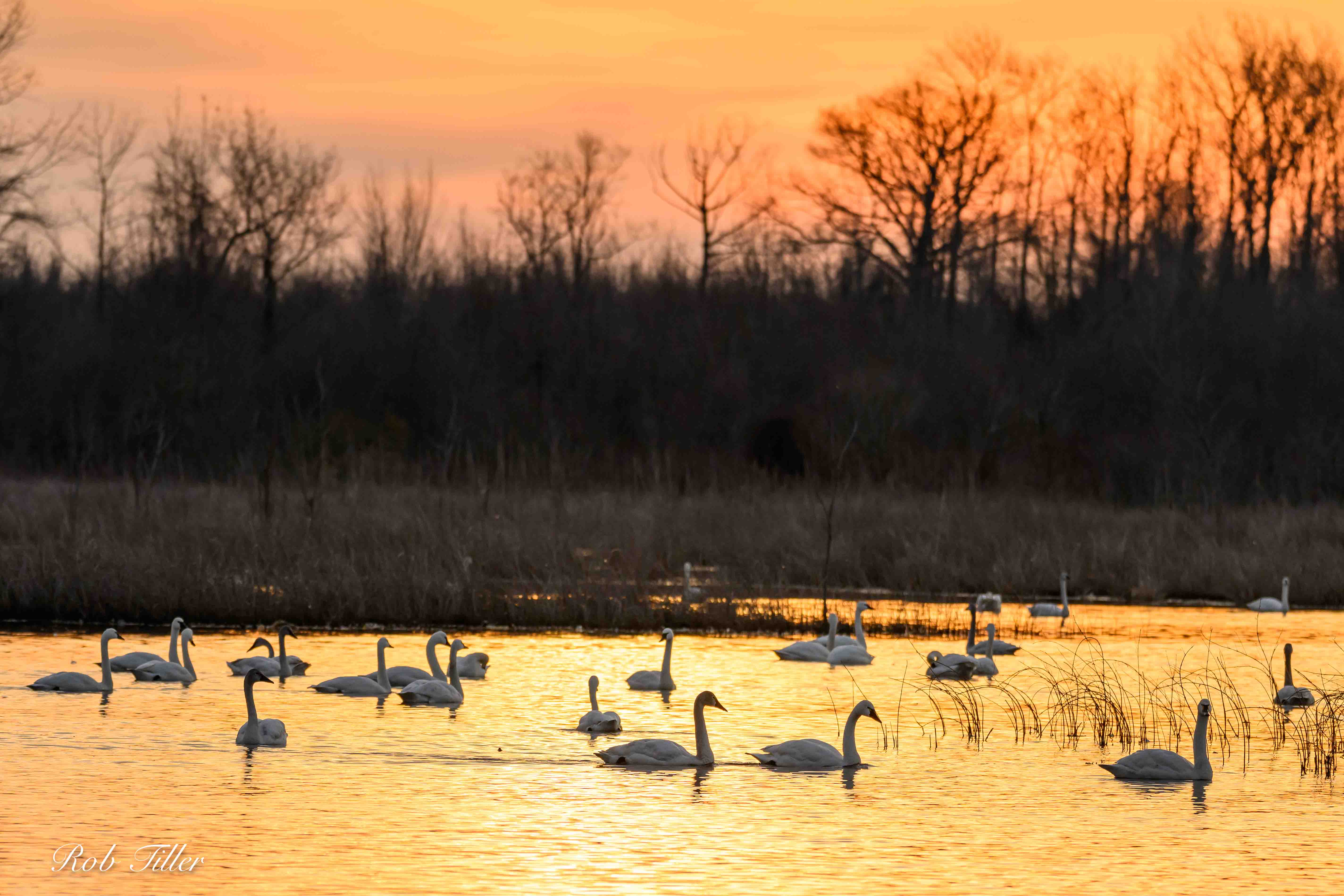
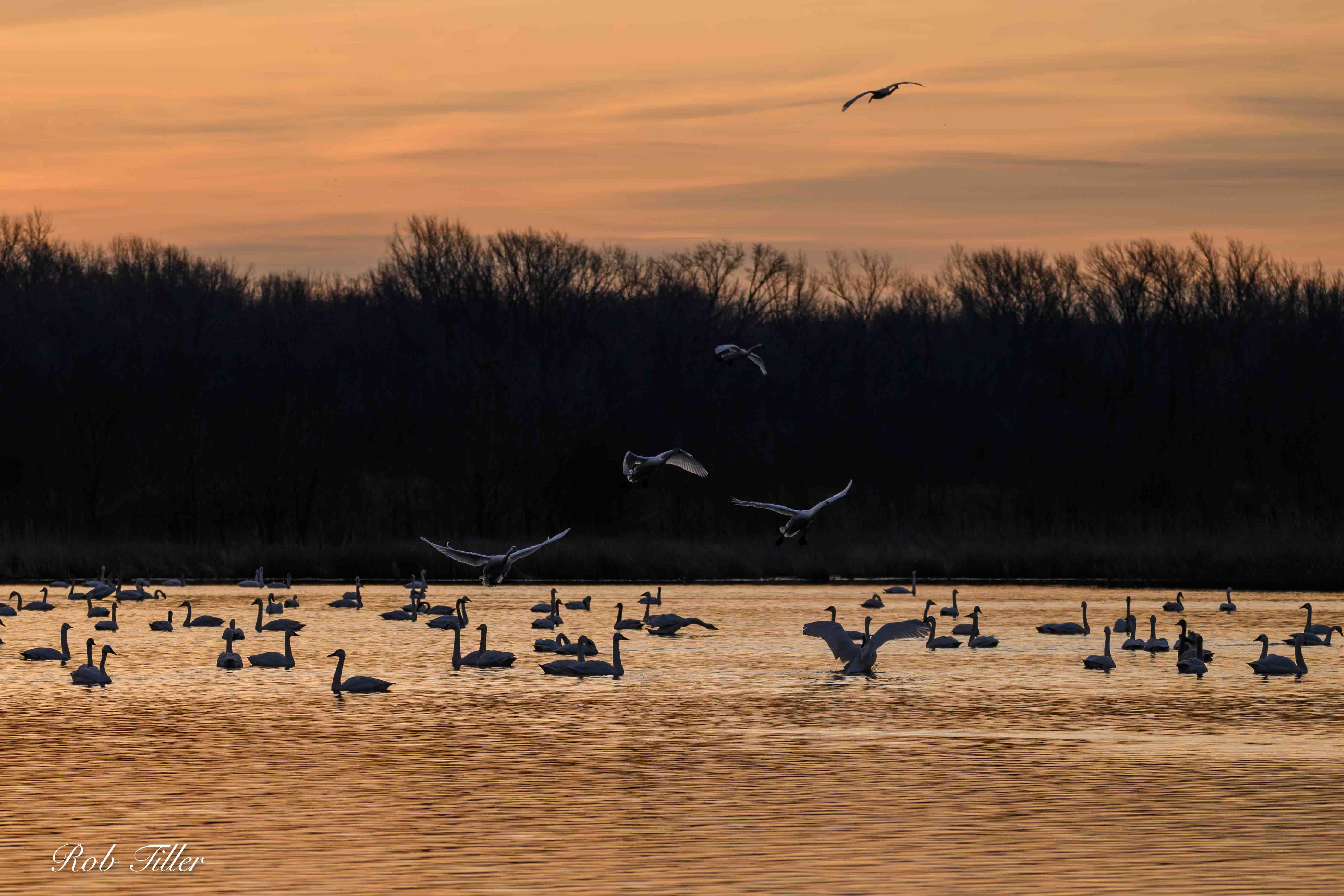
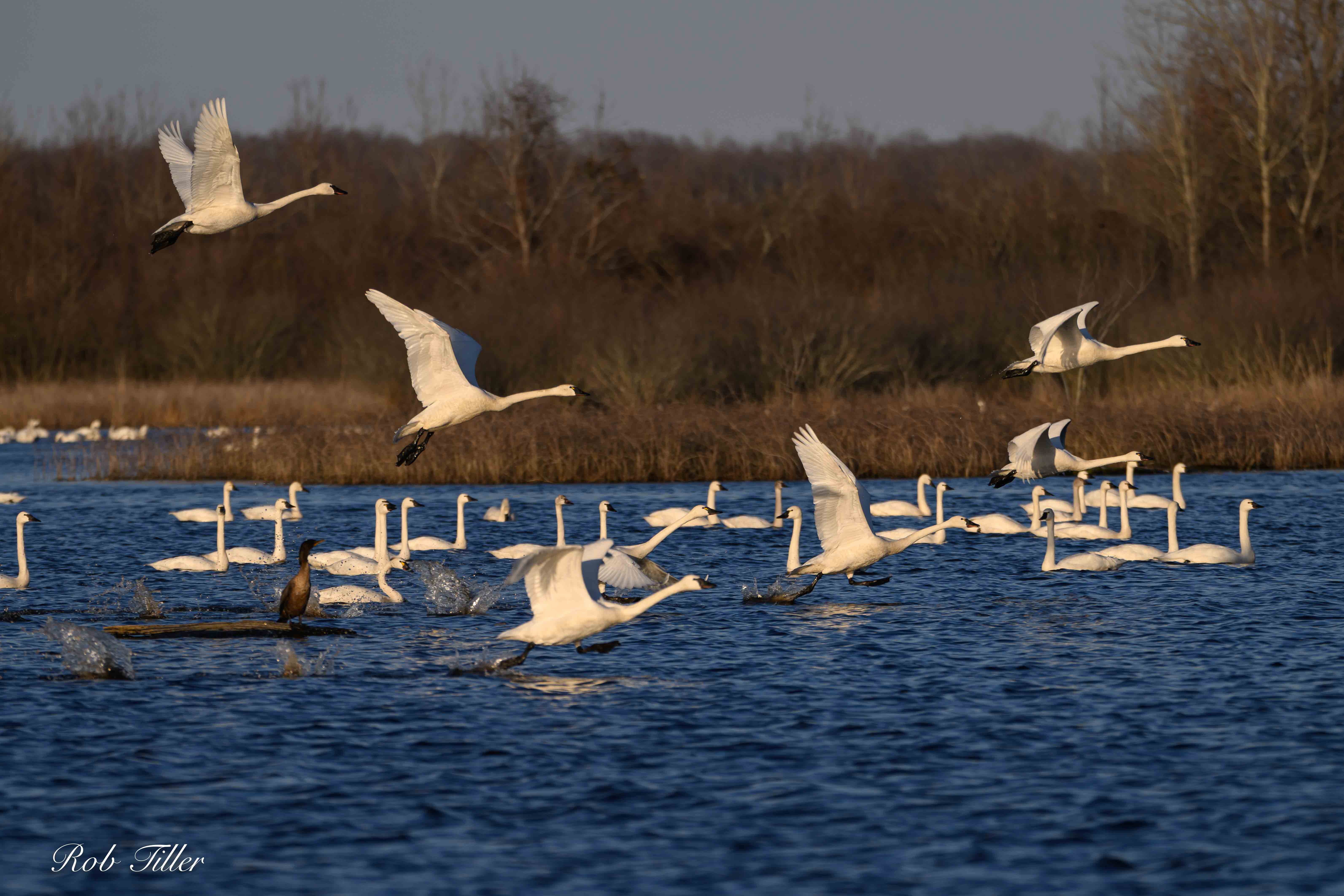
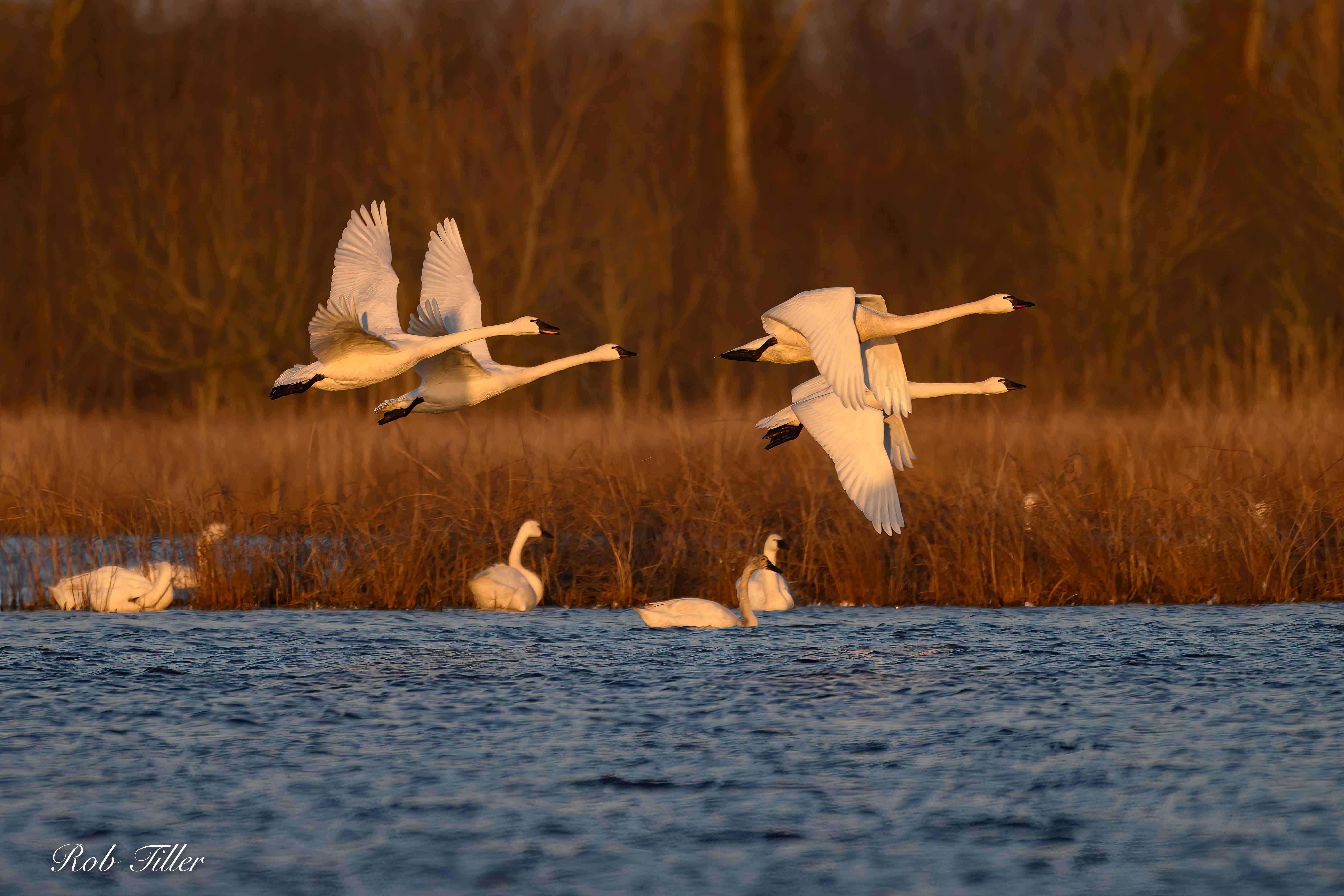
Last week I drove to the Pungo Lake area of the Pocosin Lakes National Wildlife Refuge to look for tundra swans and other birds.  In the last couple of years I didn’t see too many swans there, but this time, there were a lot!  

Tundra swans are big birds (think 6 foot wingspans, 20 pounds) that  migrate thousands of miles every year between their breeding grounds in the Arctic and points south, of which eastern North Carolina is a major one.  They are sociable creatures that can form flocks of hundreds or thousands.   They’re very vocal, calling each other with loud honks, and large groups can sound like a stadium full of football fans.

The basic family unit includes a cob (male) and a pen (female) that mate for life.  Cygnets (the kids) may stay with their parents for up to a year.  The cygnets go through a brownish phase before getting their white adult plumage.   

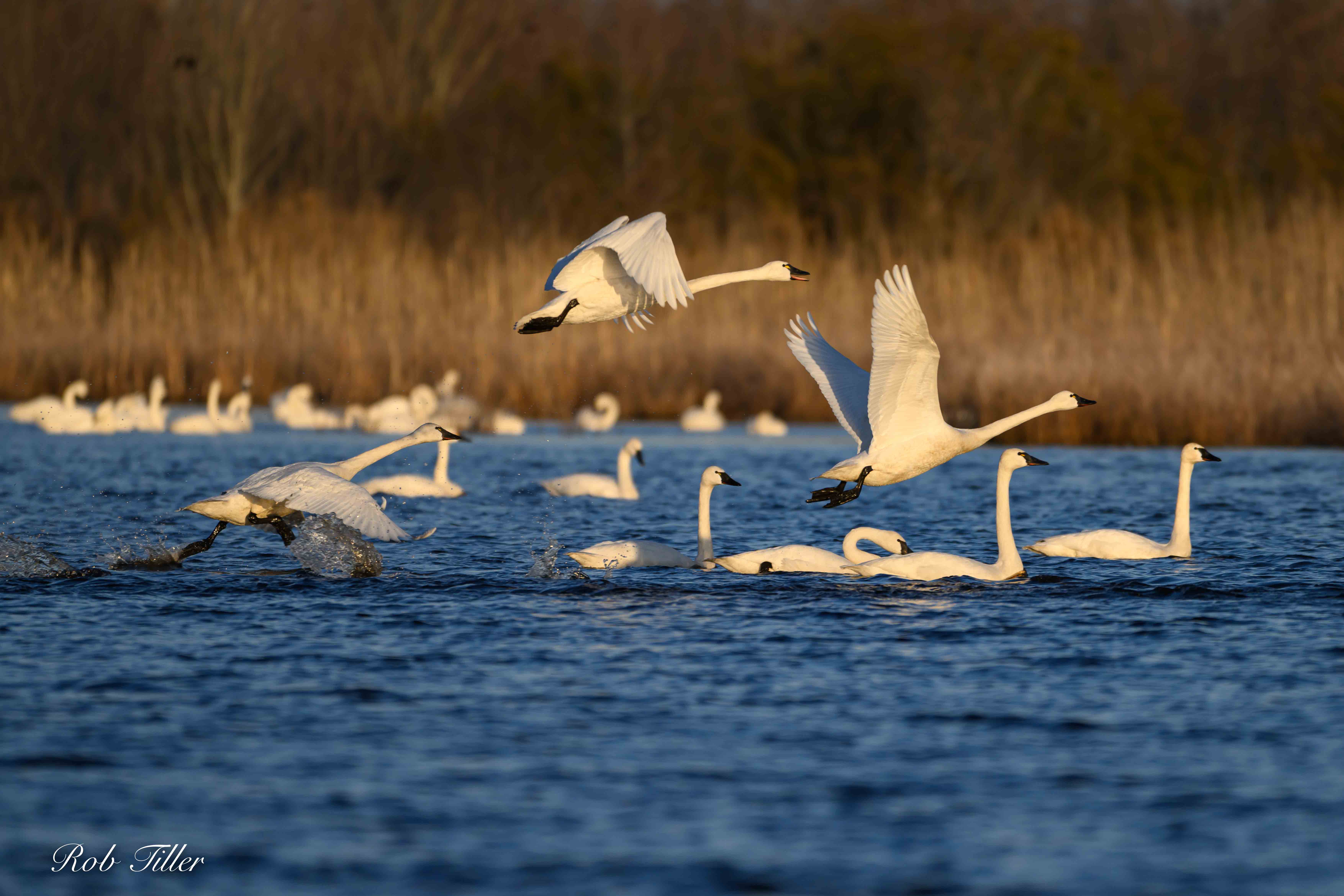
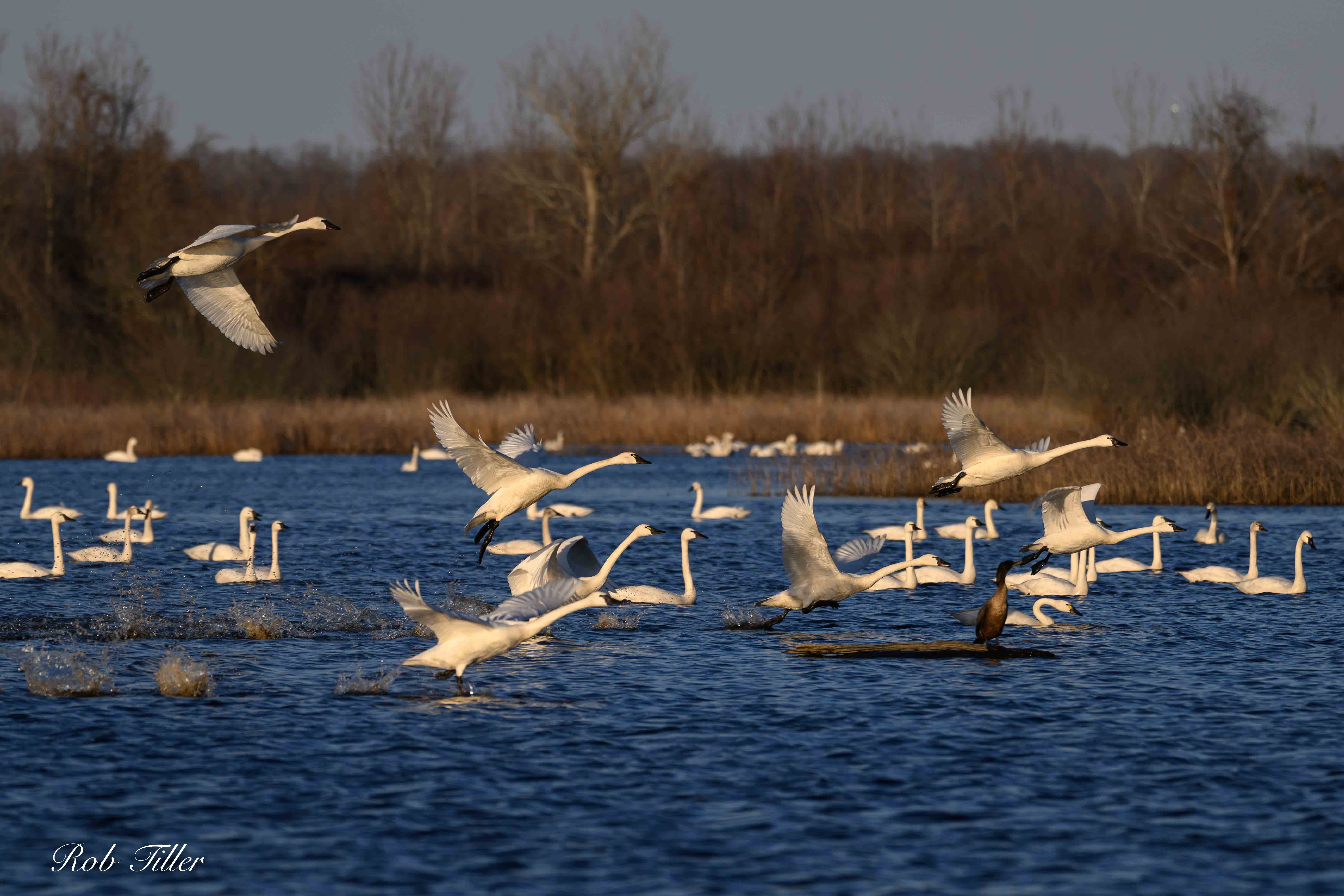
The swans are strong, graceful flyers, and calm, stately swimmers.  But they have to work hard to get airborne!  From a seat on the water, they flap vigorously while running along the surface. 

One afternoon I watched and listened as dozens of them did this maneuver.  There were only a couple of other folks on the shore of the pond, who like me were trying to take pictures.  It was a little chilly, but sunny, and peaceful, at least for those of us who didn’t need to take off.  

“Their clamorous wings” as they climbed put me in mind of Yeats’s wonderful poem The Wild Swans at Coole.  It’s a meditation on aging and mortality, together with the consolation of nature’s lasting vigor.  Yeats lauds the beauty of the birds, and their independence from us, with their own passions and conquests.    

Speaking of mortality and the lessons animals teach us, I was saddened to hear today of the death at 73 of Steven Wise, a pioneering crusader for animal rights.  The NY Times obit is here

Wise brought lawsuits on behalf of chimpanzees and other animals arguing that they were legal persons entitled to certain rights.  His legal work, writing, and teaching brought increasing attention to the question of how we should treat non-human animals.  Although his approach seemed to me problematic, since it was centered on arguments about certain animals’ human-like abilities, I greatly admired his intelligence, courage, and passion.  

I finished a new book directed at the question of whether humans have free will:  Free Agents:  How Evolution Gave Us Free Will, by Kevin J. Mitchell.  Mitchell is a professor of genetics and neuroscience at Trinity College Dublin.  His book addresses deep questions around the meaning of life with a lot of information about the workings of the brain.

Mitchell has an answer for determinists like Robert Sapolsky, who hold that all our behavior is predetermined by physics, and that our impression of mental independence is an illusion.  Starting with the simplest forms of microbial life, Mitchell applies Darwin’s theory of evolution and argues that agency and purpose are fundamental characteristics of life.  

I didn’t get all Mitchell’s explanations of brain cell biology, but I think I got the basic ideas.  Animals evolve to survive, which requires that they learn to respond to an ever-changing environment.  The most complicated brains we know of (our own) not only make top down decisions related to survival, but are capable of changing our own more basic processes and thinking about our own thoughts.  

Mitchell notes that there are various ways of thinking about freedom, and every being is constrained by its environment, biology, inherited traits, memories, etc.  But within those constraints, Mitchell contends we make meaningful choices.  This makes sense. 

In addition to providing a persuasive framework for thinking about free will, Mitchell’s account emphasizes the interconnectedness of the world.  He suggests that we are not independent objects, but a large set of processes that are acted upon, and act upon, everything else.  The book is an encouraging integration of science and spirit.

Some rewards from encounters with bears and birds

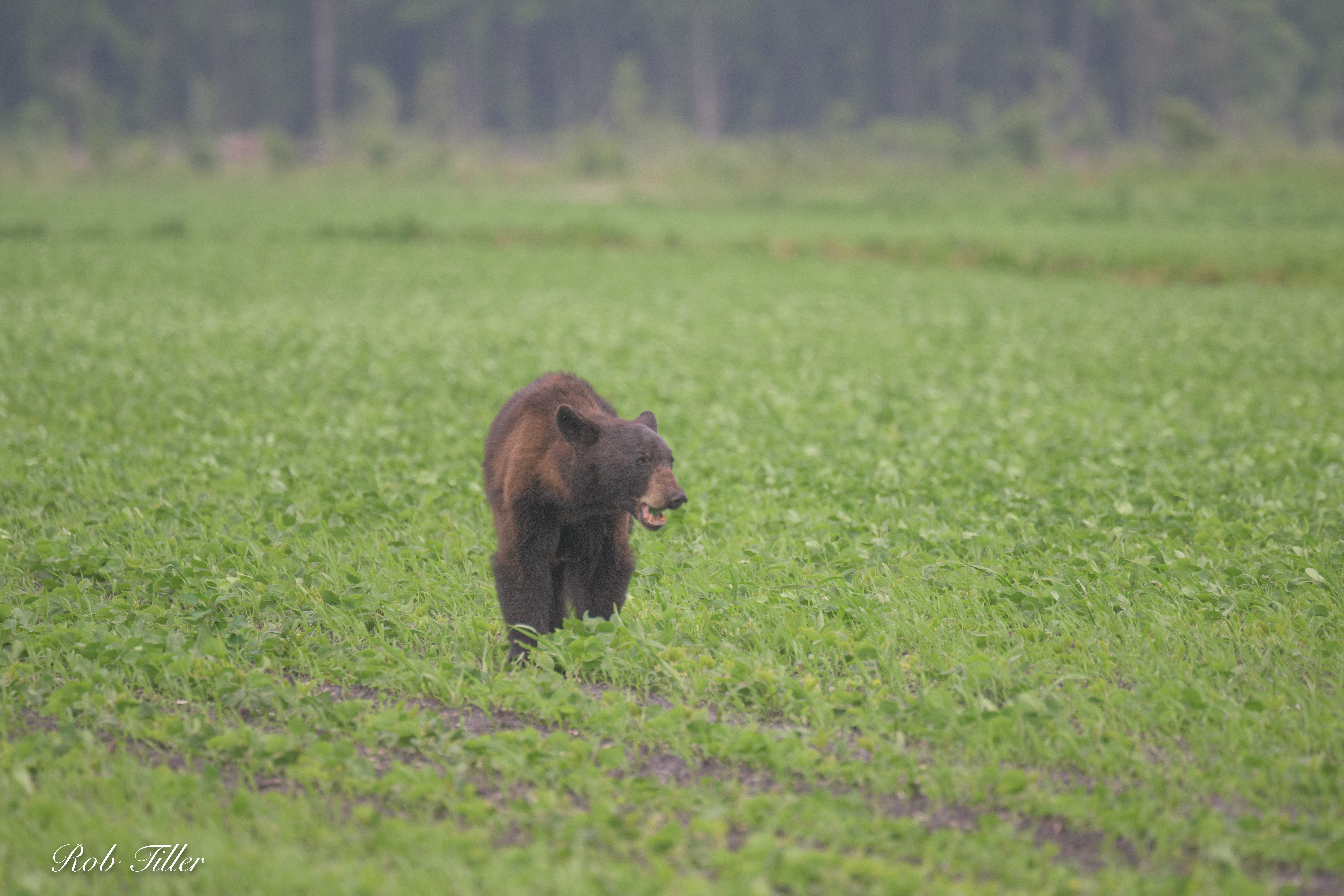
Last week I made a day trip to Alligator River Wildlife Refuge to look for bears.  Although this part of eastern North Carolina has a large population of black bears, I didn’t have great luck that day.  I saw just one.

But the bear was a handsome creature, grazing peacefully in a large field.  I was the only human there, and although she occasionally glanced at me, she seemed undisturbed.  She seemed to find the young leaves tasty.  I took pictures for twenty minutes or so, and then left her to look around for others, which I didn’t find.

Later, as I looked back over the pictures, I realized that I enjoyed the experience of being with the bear more than taking the pictures.  It takes practice to operate a sophisticated camera, and from time to time there are malfunctions or other surprises.  And I do find the technical challenges of wildlife photography interesting.  But the deeper satisfaction is connecting with animals and their environment.  

When I share pictures here or on Facebook, Instagram, or YouTube, I hope that something of that feeling comes through.  I try to select and process wildlife images in a way that communicates something of their experience and of mine.  Doing so often teaches me things I hadn’t realized before, by isolating a particular moment.  It also makes me more curious to learn more about the creatures.

The non-bear pictures here are some of the birds I photographed in April at the St. Augustine Alligator Farm rookery.  I enjoyed seeing the birds in flight, but I was particularly interested in the birds working on their nests, grooming themselves, communing with their mates, and taking care of their chicks.  

These activities happen among many species in many places, but humans don’t usually get a close-up view.  Many of us don’t know what we’re missing, and it can matter.  

If we have little or no contact with non-human animals, we are unlikely to appreciate their beauty and even their basic existence.  Unless we make some effort, our world view narrows, and we think there isn’t much in the world of significance other than other humans and their activities. 

Wearing such blinders is unfortunate for us; we miss so much that can bring peace and joy.  It’s even more unfortunate for the non-humans.  Our ignorance of the lives of other creatures leads us to devalue those lives, and inflate our own significance.  When we think nothing matters but us, our worst tendencies, like greed, hatred, and fear, rein unchecked.

And so we commit or tolerate massive destruction of the natural world, including animal habitats, in the interest of profit for a few.  We can’t see the good alternatives to factory farming, which is a major contributor to global warming.  We manage not to think about the meat industry, with its enormous cruelty to animals.  

But this common mind set is not set in stone.  We already have the qualities that can change it.  That is, we have the capacity for greater curiosity and compassion.  Even those of us most indifferent to or fearful of nature have the capacity for empathy and love.  People change, and you can never tell what might touch them, or when.  And so I try to stay open and optimistic.  

Last week I uploaded my first YouTube slide show, a selection of favorite photos from our safari trip to South Africa and Botswana last March. It’s four minutes long, with music. Hope you like it!

Earth Day in eastern NC, processing the Chauvin verdict, and catching up with The Handmaid’s Tale

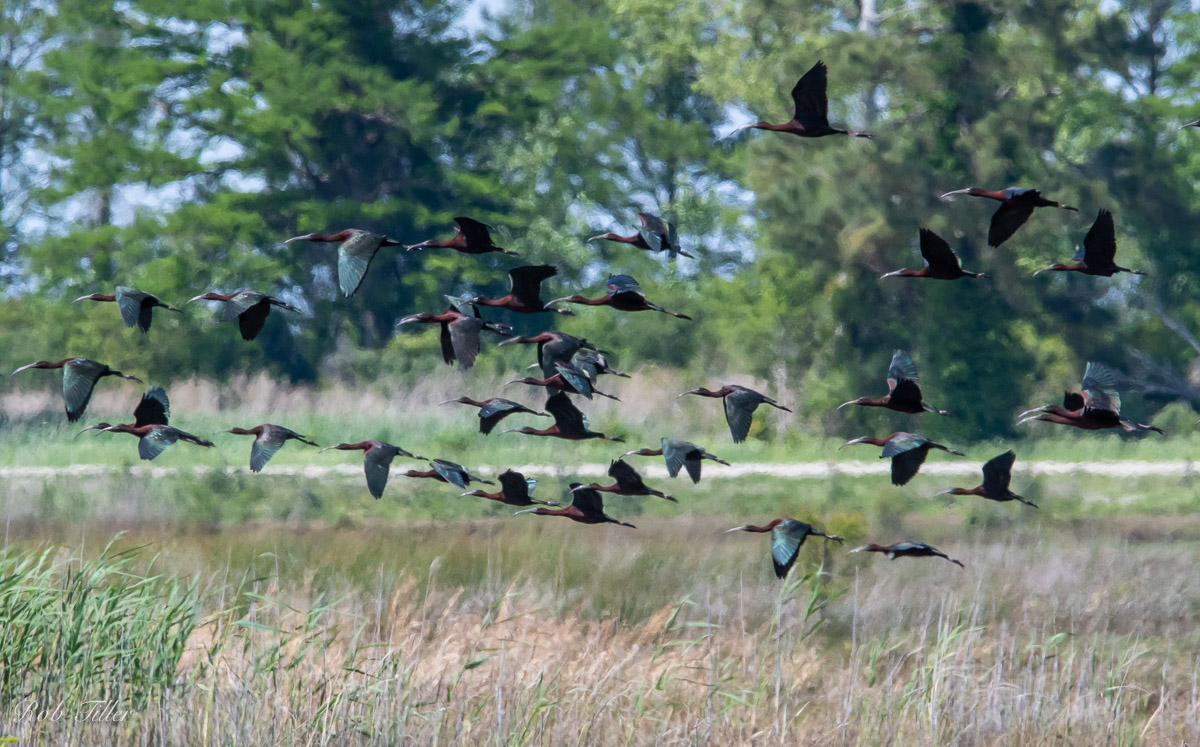
Glossy ibises at Lake Mattamuskeet

         Sally and I had a particularly good Earth Day this year visiting eastern North Carolina.   The enormous wildlife refuges near the NC coast have large populations of black bears, and we were hoping to see some of their new cubs.  We failed as to the cubs, but saw a group of six bears.  We also found a lot of beautiful birds, including a large flock of glossy ibises, a new species for us.   There were hardly any people, which was just fine.

Bears at Pocosin Lakes

The trial of Minneapolis police officer Eric Chauvin for the killing of George Floyd ended this week with a jury verdict of guilty on all counts.  The evidence of guilt seemed overwhelming, but given our history, the outcome was far from certain.  It is disturbingly common in the US for police to use extreme force on Black people, but extremely rare for a police officer to be charged and convicted for resulting injuries and deaths.  

The Chauvin trial has inspired some useful discussion of why this is so, and what needs to change.  Part of the story is the background rule of qualified immunity, a circular Supreme Court doctrine that usually protects police even in egregious cases.  Another aspect is police union contracts that prevent firing of officers guilty of racist misconduct.  There is the famous blue wall of silence, the unofficial rule that generally prevents officers from testifying against other officers.  Less famous is the standard procedure among district attorneys of ignoring police crimes, with a view to maintaining good relations with them for reasons of DA career advancement.  

Above all, there is our racist caste system.  In our system, for a long time many of us were taught that Black men are more violent and dangerous than other people.  Even now, after that lie has been thoroughly debunked, many ordinary potential jurors believe it.  With such racist training still lodged in their minds, it isn’t hard to convince them that a police officer that killed a Black man had a reasonable fear for himself, no matter what the circumstances, other than that the man was Black.

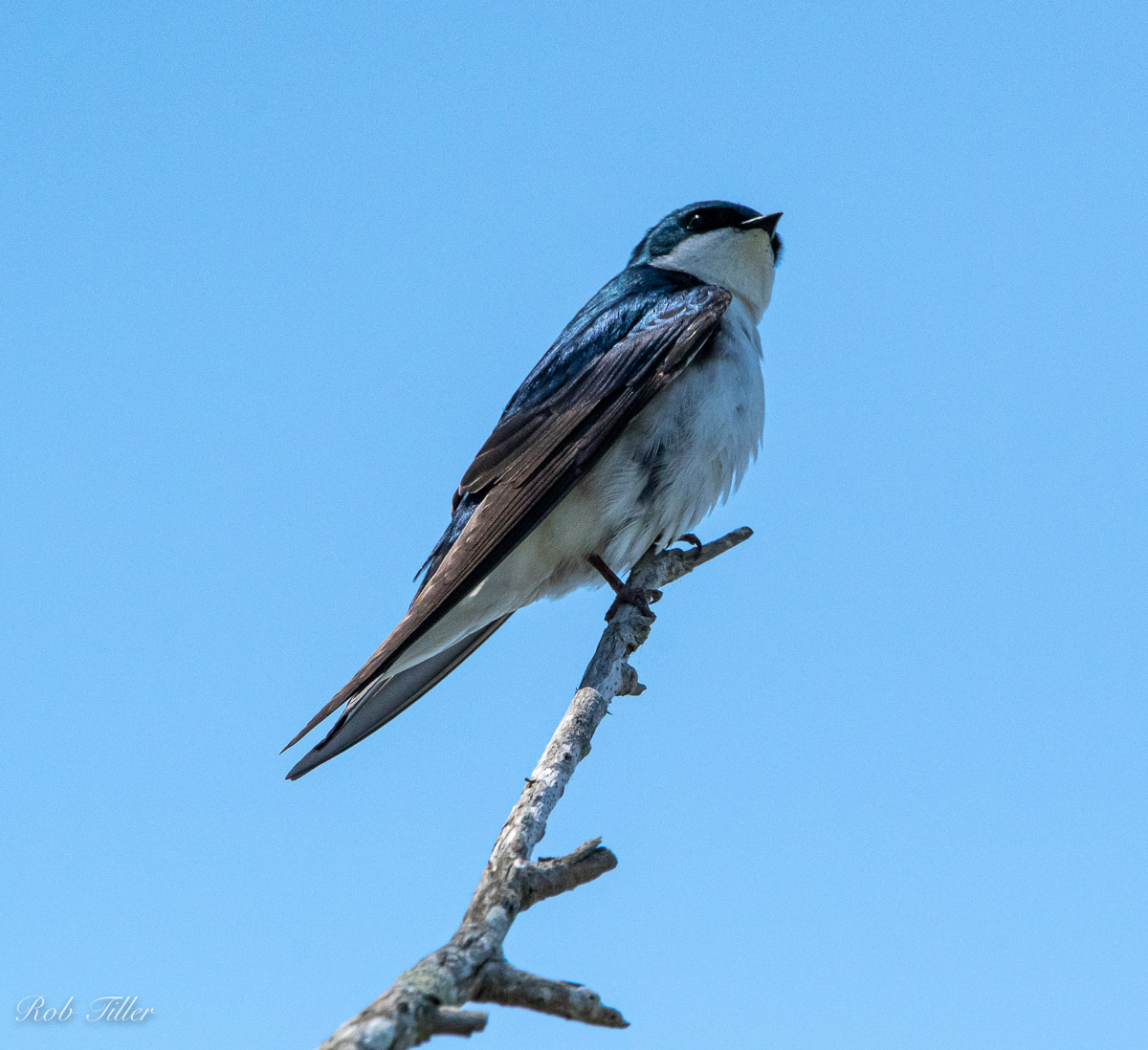
Tree swallow

My guess is that Chauvin and his lawyers were counting on there being at least one juror with this traditional mindset, since there normally is.  For such a person, it would be possible to repeatedly watch the horrifying video and hear abundant supporting testimony without concluding that Chauvin committed murder.  For a juror with a strong enough filter of racial bias, any police violence against Black people would seem reasonable and justified.

The good news is the Chauvin jurors managed to see past racial filters and look at the evidence.  This suggests we’re making some progress in unwinding the caste system.   But of course, there’s a lot more work to be done.  

Here’s a new exhibit in that case:  Black Lives Matter protests are now being targeted by Republican state legislators.  According to the NY Times, this year there have been anti-protest bills in 34 states.  Some proposed laws immunize drivers who drive into protestors, while others add prison terms and other harsh penalties for protesting.  This is appalling, but also instructive.

The Times reported that almost all of the BLM protests were peaceful, with an estimate that only 4 percent involved some property damage or police injuries.  Nevertheless, for many Republicans, influenced by right wing media, the false impression persists that the protests were instead mainly about violent Black people attacking the police.

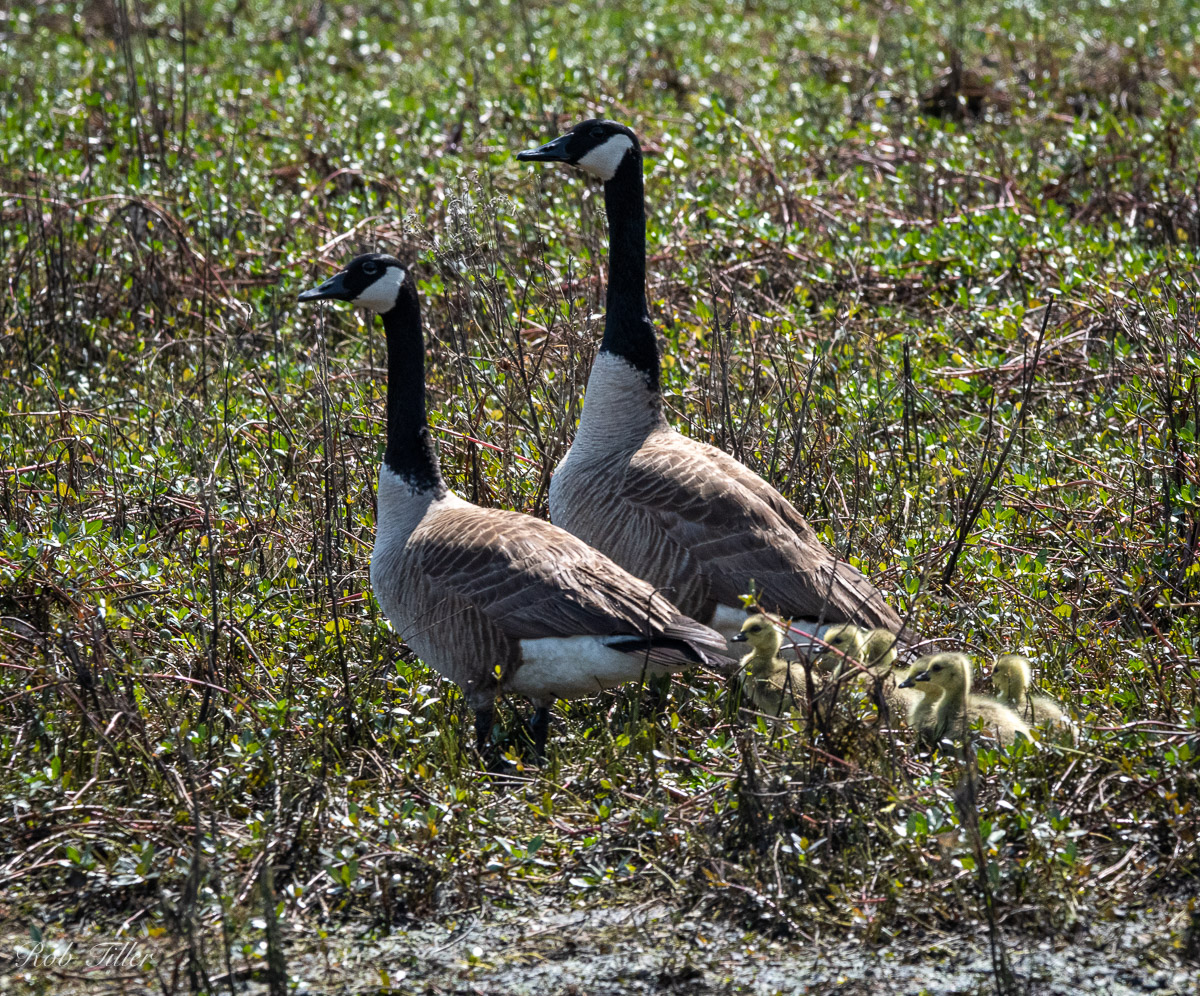
Canada geese family

Our long training in the caste system makes it possible for some of us to look at one thing (Black people systematically victimized by police violence) and see the exact opposite (police and white people being targeted by Black people).  This fits into and reinforces a narrative of white victimhood, which works to conceal the much larger story of white privilege.  

Wherever you look, you will likely find a strong remnant of this caste training that distorts reality.  I doubt it will lose its hold in this generation, but it seems to be getting weaker. 

Last week Sally and I have finally caught up with The Handmaid’s Tale, a television series that premiered in 2017, and which we began watching on Hulu a couple of months ago.  When I first heard about THT, I thought it was probably not for us.  We’re not especially keen on science fiction, particularly when it’s dark and violent.  But so far (with the 4th season about to begin), we’ve found it absorbing, thought provoking, and even at times inspiring.

The set up for THT is this:  in the near future, a fanatical religious group has seized power in the United States and imposed a police state they call Gilead which has a rigid caste system with women at the bottom.  The permissible roles for women are limited (mostly cooking, cleaning, child-bearing), and they must wear uniforms that correspond to their roles.  

Women married to higher caste men get to wear handsome teal capes, but like all women are not allowed to read or do work outside the home.  Because of a fertility crisis, Gilead has created a ceremony to allow higher caste men to rape low caste women to impregnate them.  

The idea sounds over the top, but it turns out that Gilead is a great laboratory for imaginative testing of some of our actual notions and values.  Patriarchy, misogyny, and other expressions of hierarchy (such as racism) are so much a part of our own world that it’s easy to stop seeing them, or to assume that they’re natural and necessary.  THT helps us to reconsider some of our underlying assumptions about gender roles, as well as other orthodoxies.  

This experiment in imagination seems more urgent since the attack on the Capital of last January 6.  According to recent polling, a majority of Republicans continue to believe the Disgraced Former President’s lies about his winning the last election, and very few have condemned his efforts to throw out the election results and take over the US government.  Republicans in many states continue to work on changing their voting systems to increase their advantage by making it harder for people of color to vote.  In addition, they’re now trying to throw out the Republican state election officials who helped save our democracy by following the law instead of the lying ex-pres.  

Kingbird

It’s hard not to see a disturbingly large overlap between the traditionalist patriarchal authoritarian system of Gilead and the MAGA view of how America should be.  At the same time, Gilead has one aspect of social justice that both the MAGA ideal and our actual present caste system does not:  in Gilead, Black people are treated just like non-Black people.  That is, there is no difference in the respect and opportunities people receive based on skin color.  Gilead, along with horrifying systematic misogyny, also is a reminder that our racialized caste system is a cultural invention and can be reformed.

Gilead is a police state with armed soldiers watching at all times and preventing unapproved discussions by women.  There are brutal public punishments, like mass hangings, stonings, and removal of limbs.  

But interestingly, the Gilead surveillance methods are not nearly as advanced as those now being used in China, or even in the US.  Gilead has few if any video cameras watching the streets, businesses, or living spaces, and apparently no supercomputers analyzing facial recognition and other data (as China and we do).  A MAGA version of Gilead would almost certainly be more technologically adept at identifying and suppressing dissent.    

So I’ve gone from thinking that the world of THT is an over-the-top fantasy to seeing it as something that almost just happened, and still could.  Except the MAGA version might well be more efficient and cruel.  

The good news is that even in Gilead, there is resistance by people with compassion and courage.  It won’t spoil the story for me to say the women there turn out to be resourceful and strong.  Their unflinching and mostly non-violent struggle against oppression is inspiring.  Maybe it will inspire some of us to continue opposing our own moralizing oligarchs.

Understanding life, or at least, trying

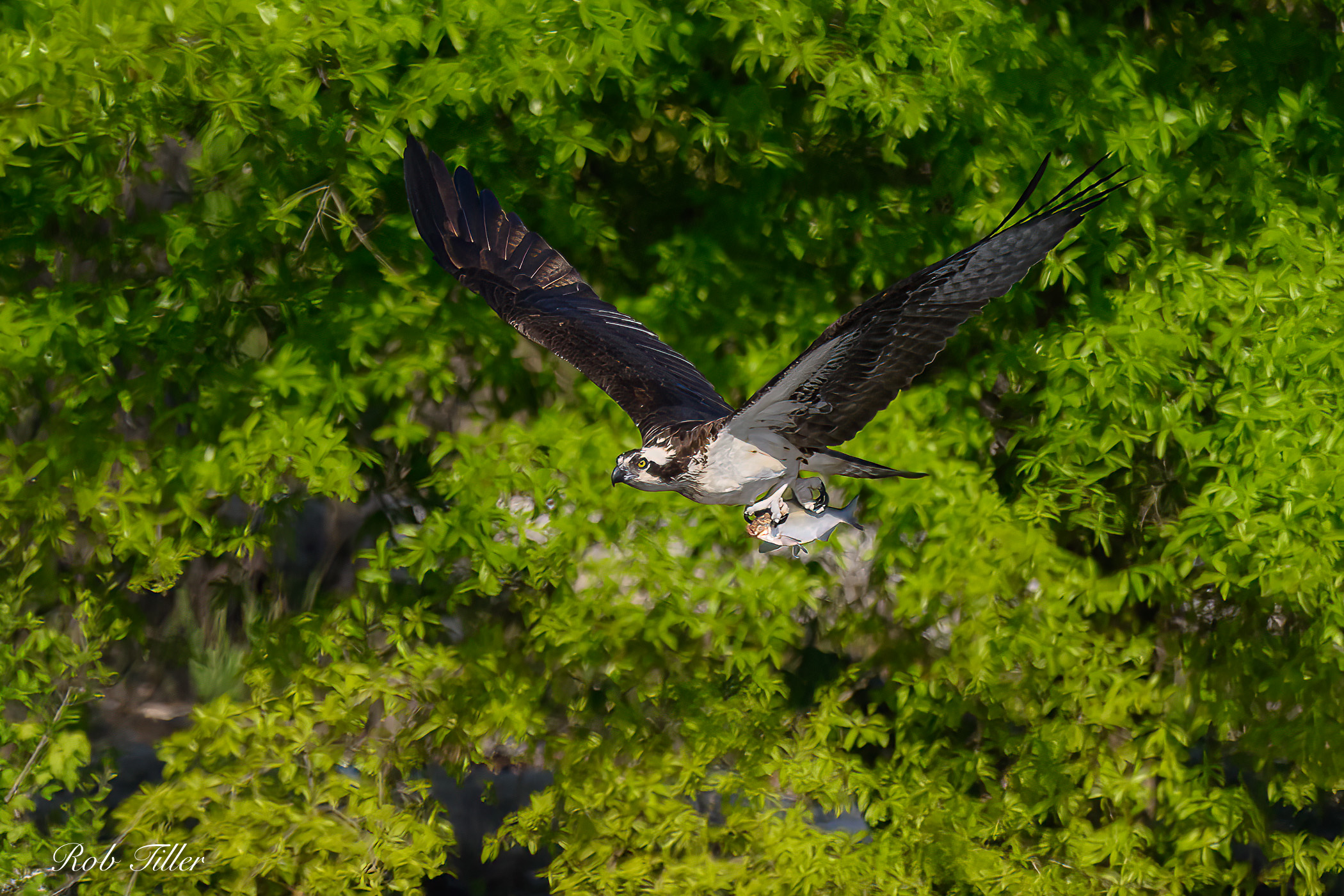
An osprey at Jordan Lake

It was sunny this week, and warmer.  After I recovered from my bout with the flu, I got to spend more time outside with the birds, and made a few images I liked.  

I admit, one of the things I like about nature photography is fiddling with the amazing technology, which allows for harder and closer looks at everything.  But for me, the deeper purpose is connecting with the animals, vegetables, and minerals.  It is quite possible to be surrounded by nature and barely see it, as I have done many times.  On the other other hand, if you start looking and keep looking, there’s always more to see.

Nature photographs are, of course, distinct from nature itself.  Even the best are only tiny slices of the whole, and, for better or worse, always incorporate human choices on technology and aesthetics.  At the same time, there are aspects of nature, like a bird catching a fish, that we could barely see except in a photograph. 


In Mark Bittman’s new book about the human food system, he makes a point I found semi-comforting about the misery that humans have inflicted on the rest of the earth:  it wasn’t planned.  There was never an evil genius or plan directing mass slaughter of animals or destruction of their habitats.  There were, of course, strong cultural forces at work, such as capitalism, religion, and imperialism, as well as greed and fear.  

At the end of the day, though, there was no conscious decision to exterminate billions of wild animals.  We just didn’t notice.  We didn’t bother to look closely at the lives of other creatures, or think.  Even as it was happening, we didn’t really understand the extent of the damage we were doing to them, and to ourselves.  

But now we are starting to understand.  Maybe.  I hope.  There could still be time to change our course.  

We’ve been thinking more about viruses, but curiously scientists are not in agreement on whether viruses are alive.  According to Carl Zimmer’s recent piece in the NY Times, there is actually no well settled definition of where life separates from non-life, and viruses can arguably fit in either category.  No one ever saw a virus until there were modern electron microscopes, and no one knew much about how they operated until the advances in understanding DNA and RNA of the late 20th century.  

We now know there are a lot of individual viruses.  According to Zimmer, there are more of them in a litre of seawater than there are humans on the planet.  And there are more species of viruses than of anything else — possibly trillions of them.  In our own guts, there are at least 21,000 viral species.

This sounds kind of scary, since the only viruses most of us have heard of are those that cause disease.  But a lot of them are harmless, and some of them are essential for life.  Some important ones assist our gut bacteria, and some of them have become part of the human genome.  

As to bacteria, we’ve come a long way from when I was a kid in the mid-20th century.  Back then, bacteria were all considered dangerous enemies.  Kitchen and bath cleaning products as well as medicine embodied the view that the only good bacterium was a dead one.  Now we understand better that bacteria are an essential part of our world, and, indeed, essential elements of our own bodies.  It sounds like we’re starting along a similar learning curve as to viruses.  

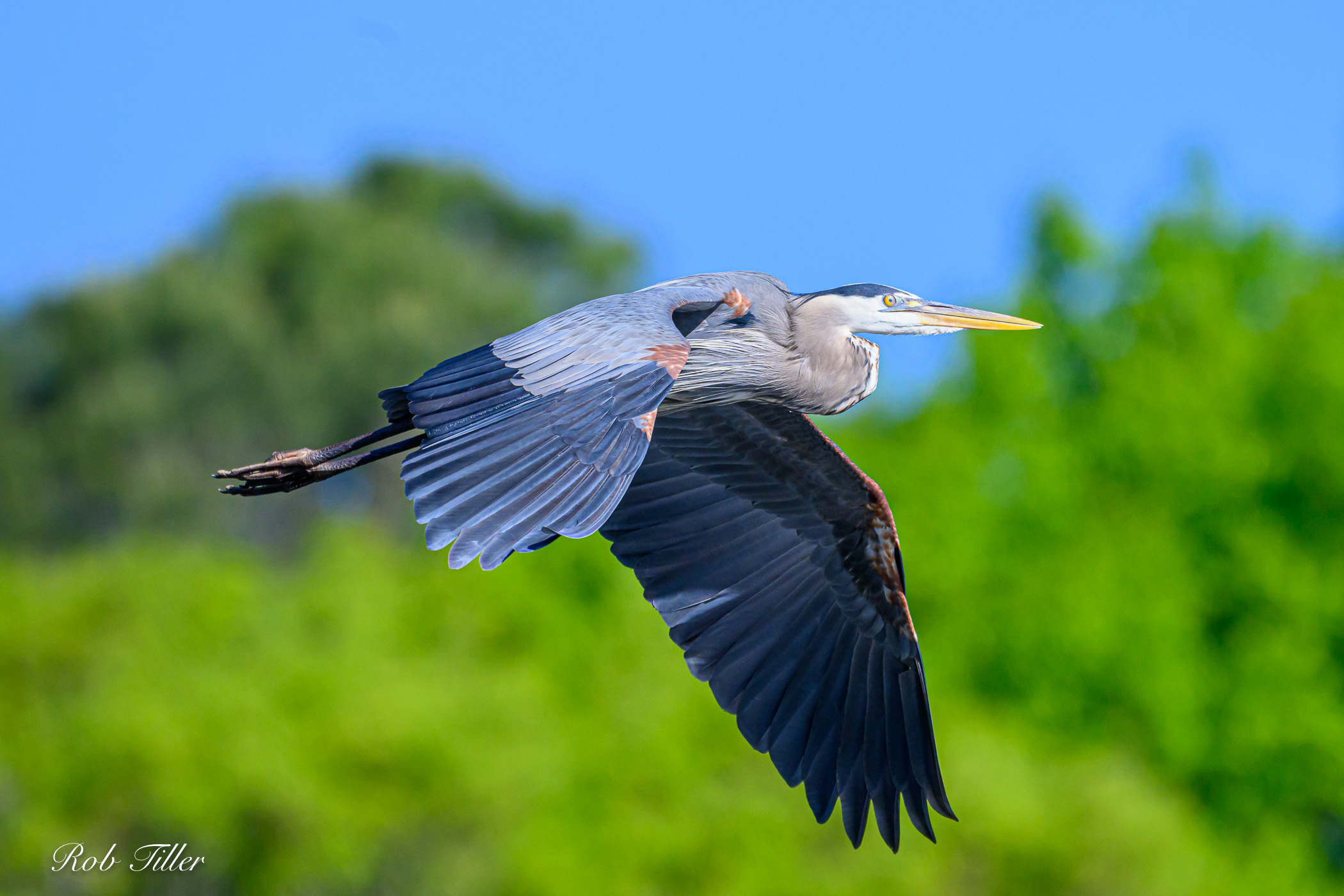
Great blue heron at Jordan Lake

Apropos of misunderstood and unfairly despised inhabitants of our home planet, I’d like to say a word on behalf of octopuses.  They are not, to human eyes, very attractive, but they have extraordinary talents, as I’ve noted before.  My Octopus Teacher, currently on Netflix, is a wonderful documentary about an octopus and a diver who develop a surprisingly intimate relationship.

I was very disappointed at the New York Times this week when it published a story whipping up octopus fears.  In a nutshell, the Times breathlessly reported that an octopus “angr[ily] lash[ed]” a tourist in Australia.  Later in the story, the Times finally made clear that the tourist was not seriously injured, and was more likely stung by a jellyfish.  

I am more grateful than I used to be for slow news days, when there is no particular political scandal, mass shooting, or other disaster, and newspaper editors are straining a bit to fill the paper.  But that doesn’t justify the Times’ tall tale of the angry lashing octopus.  

As those with any interest in the world’s deteriorating coral reefs already know, octopuses and other reef creatures have more than enough problems already.  Those who know nothing about octopuses, except that they look alien and scary, need education, rather than fear mongering.  Dear Times, such anti-nature pseudo journalism is bad for animals, humans, and your reputation, and should be discontinued.