The Casual Blog

Tag: birding

Birds at The Nuthouse, and reading The Arrogant Ape
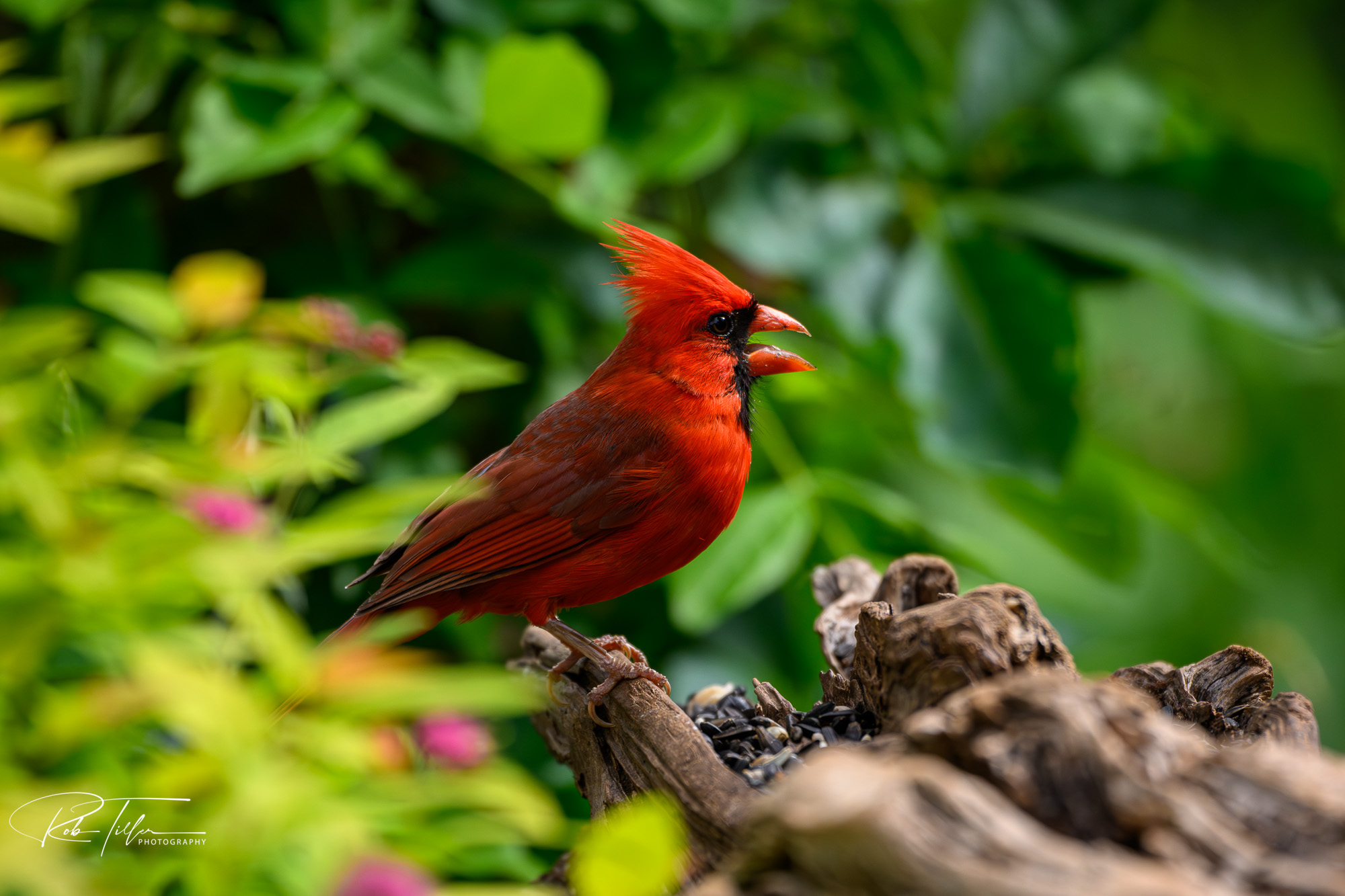
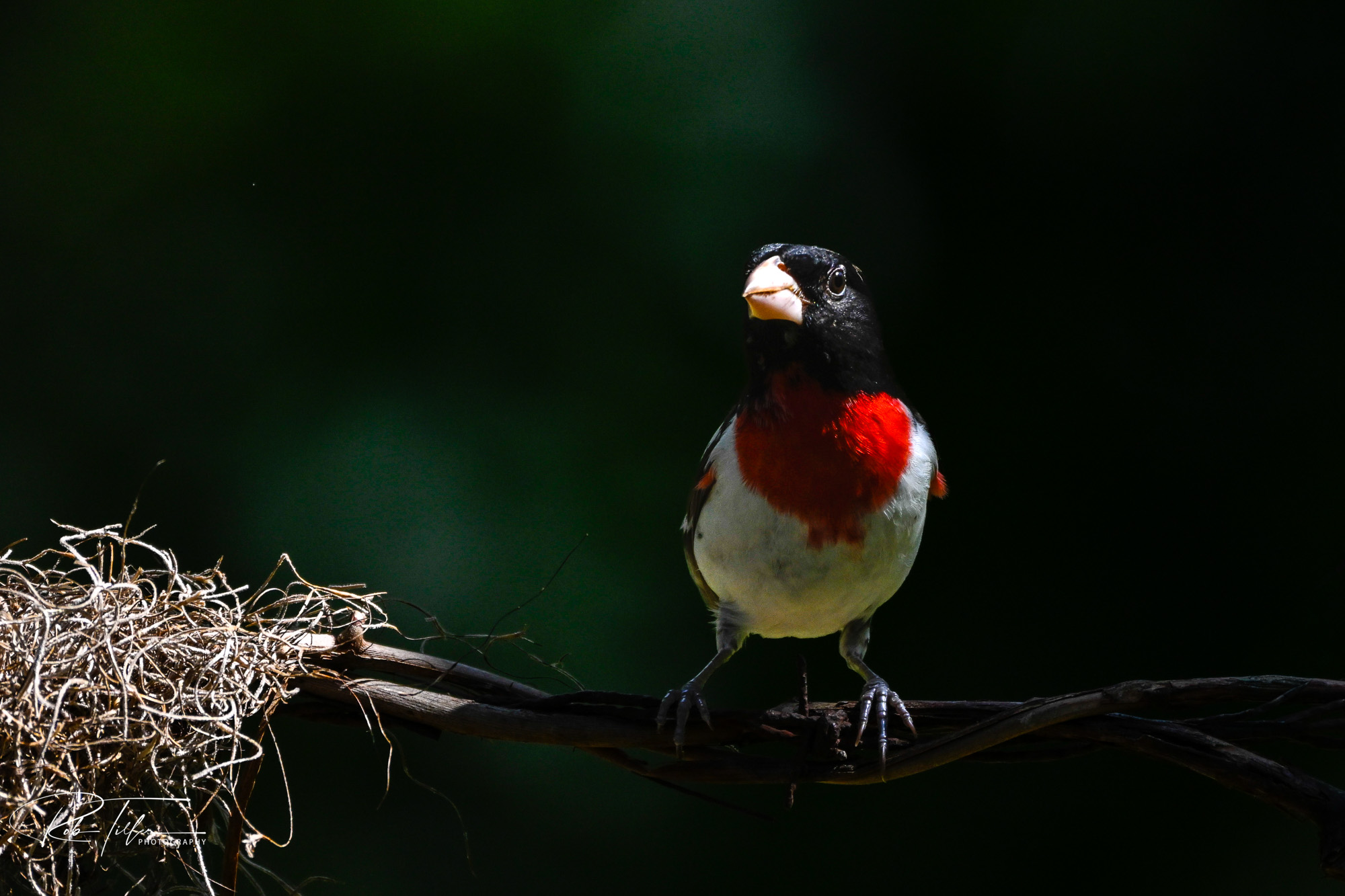
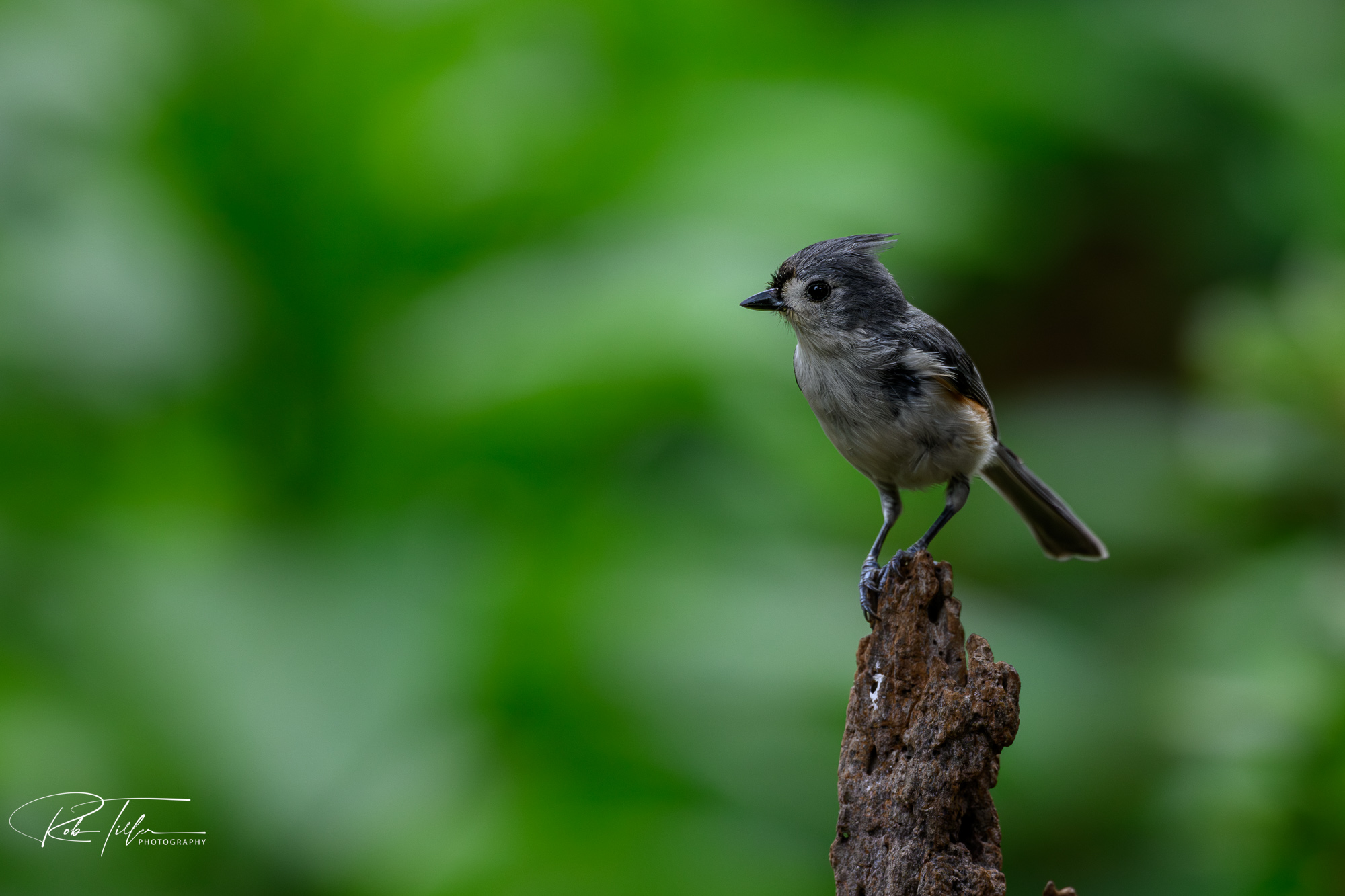
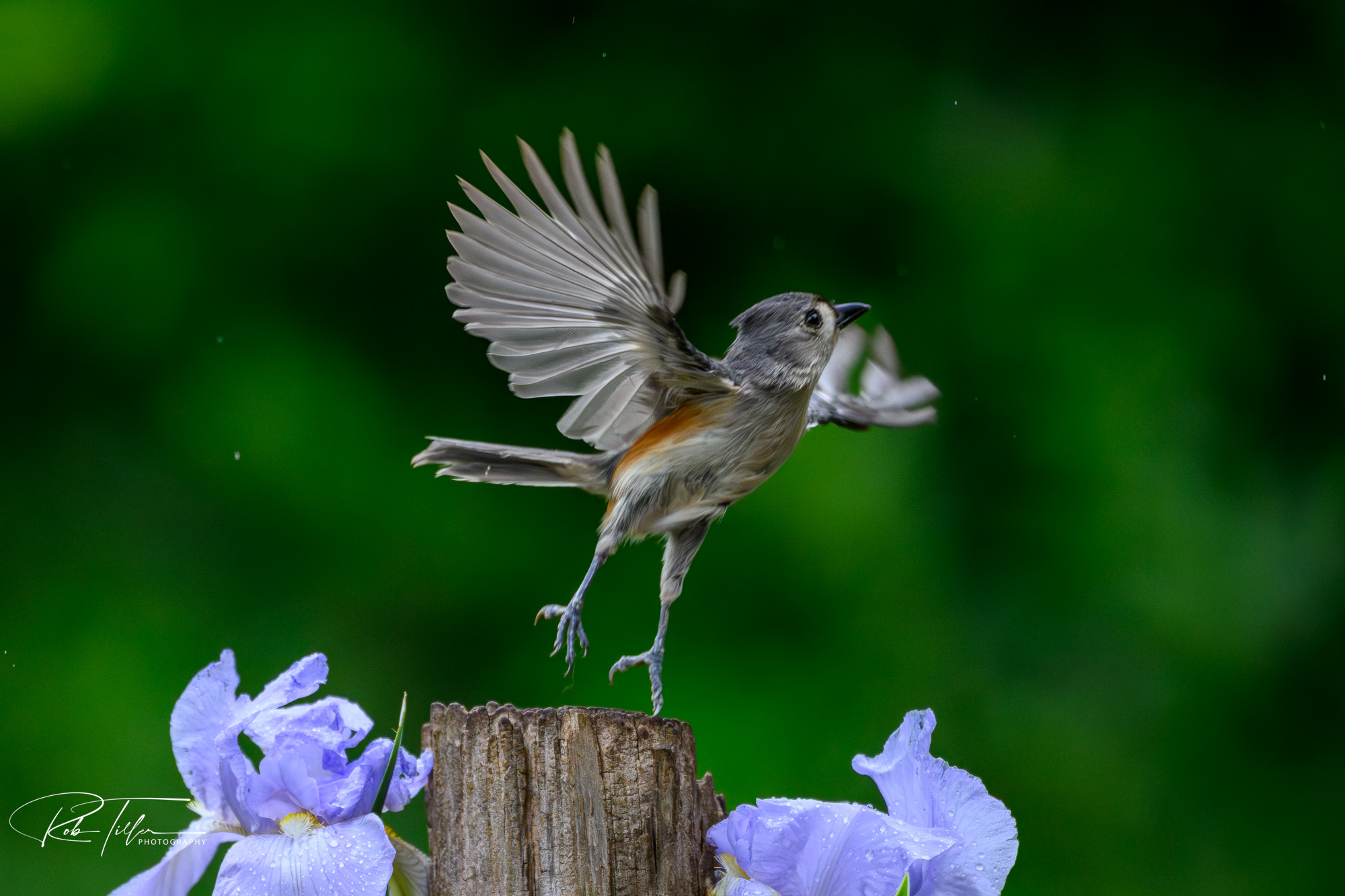
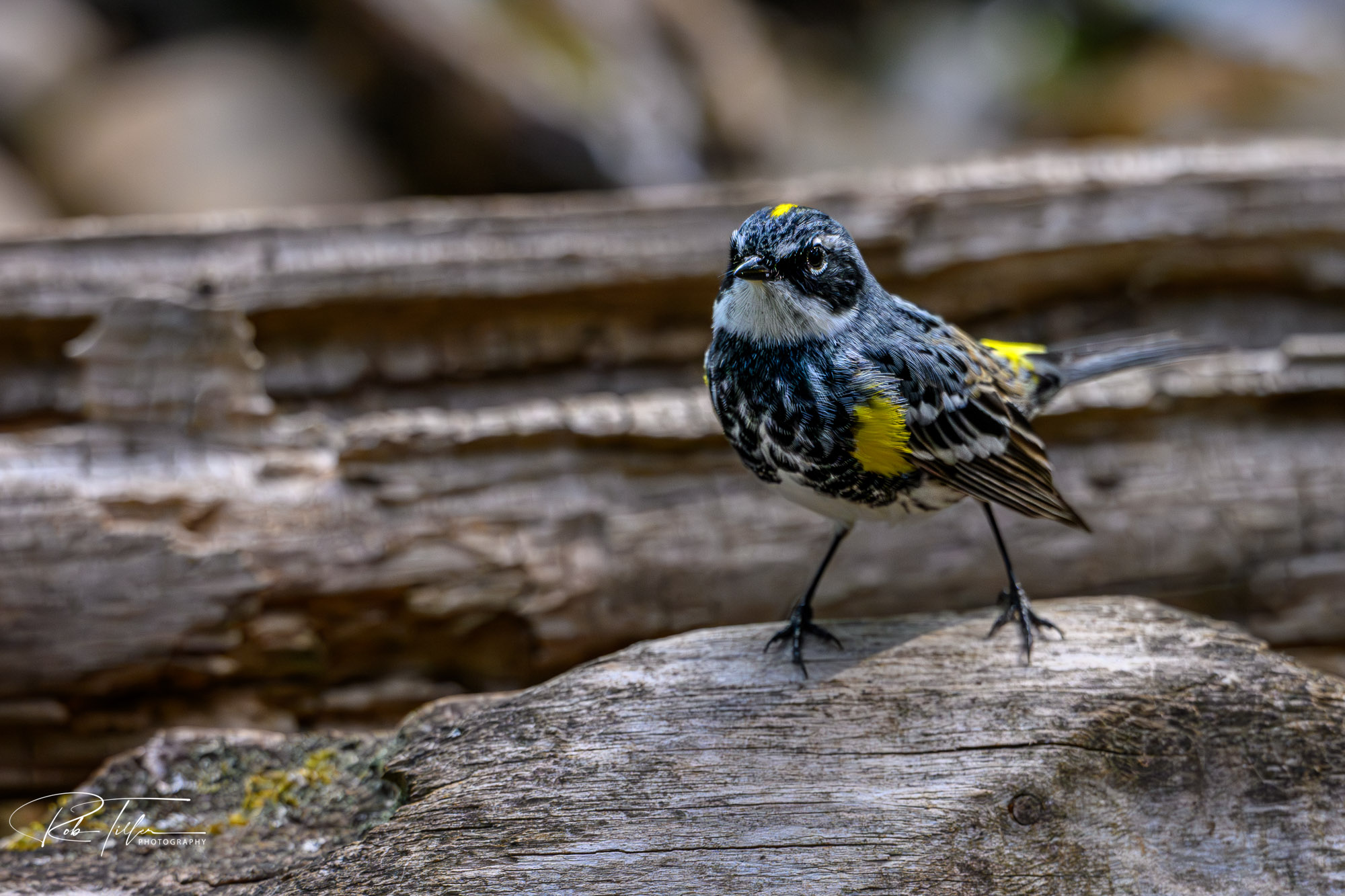
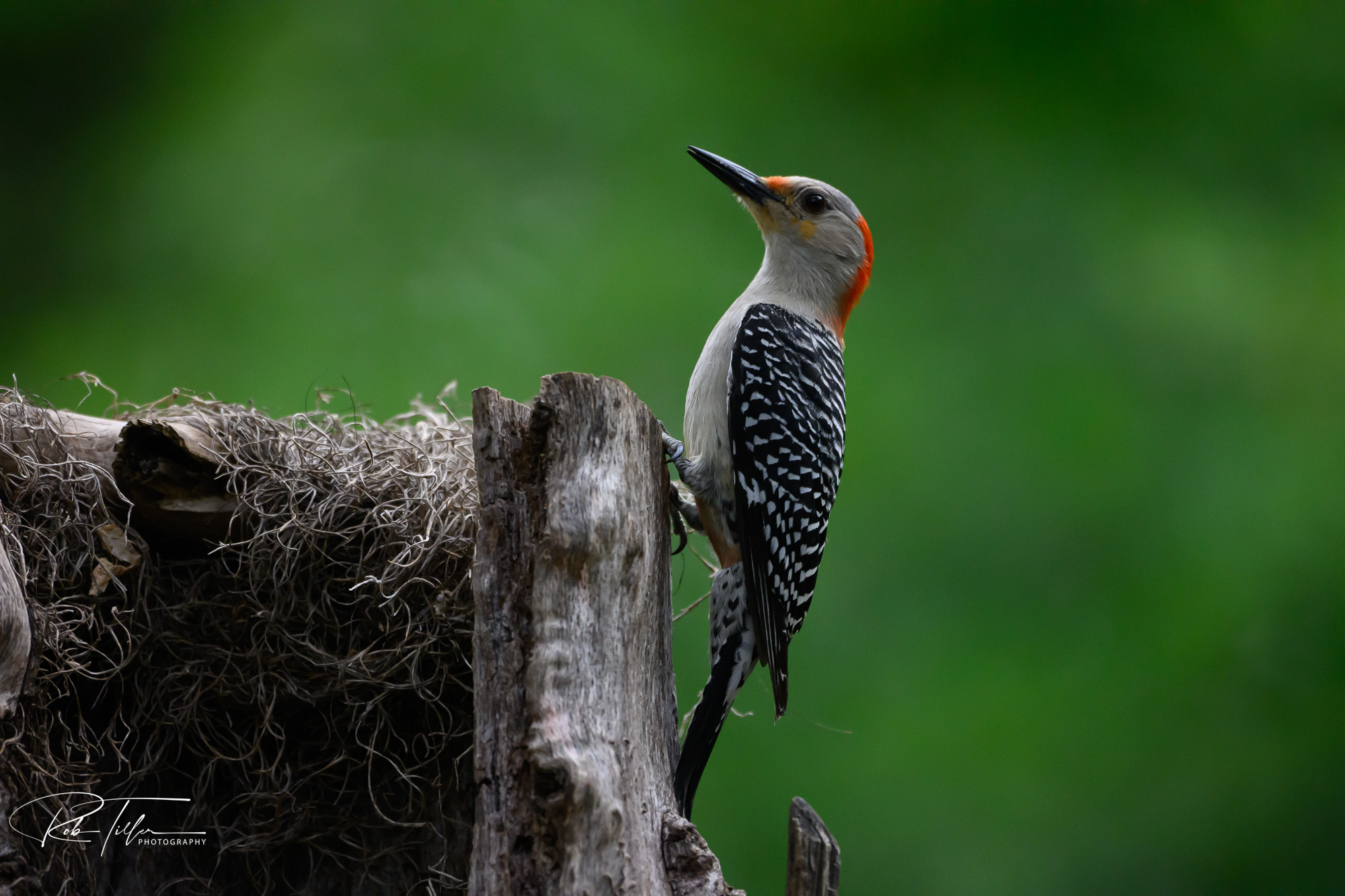
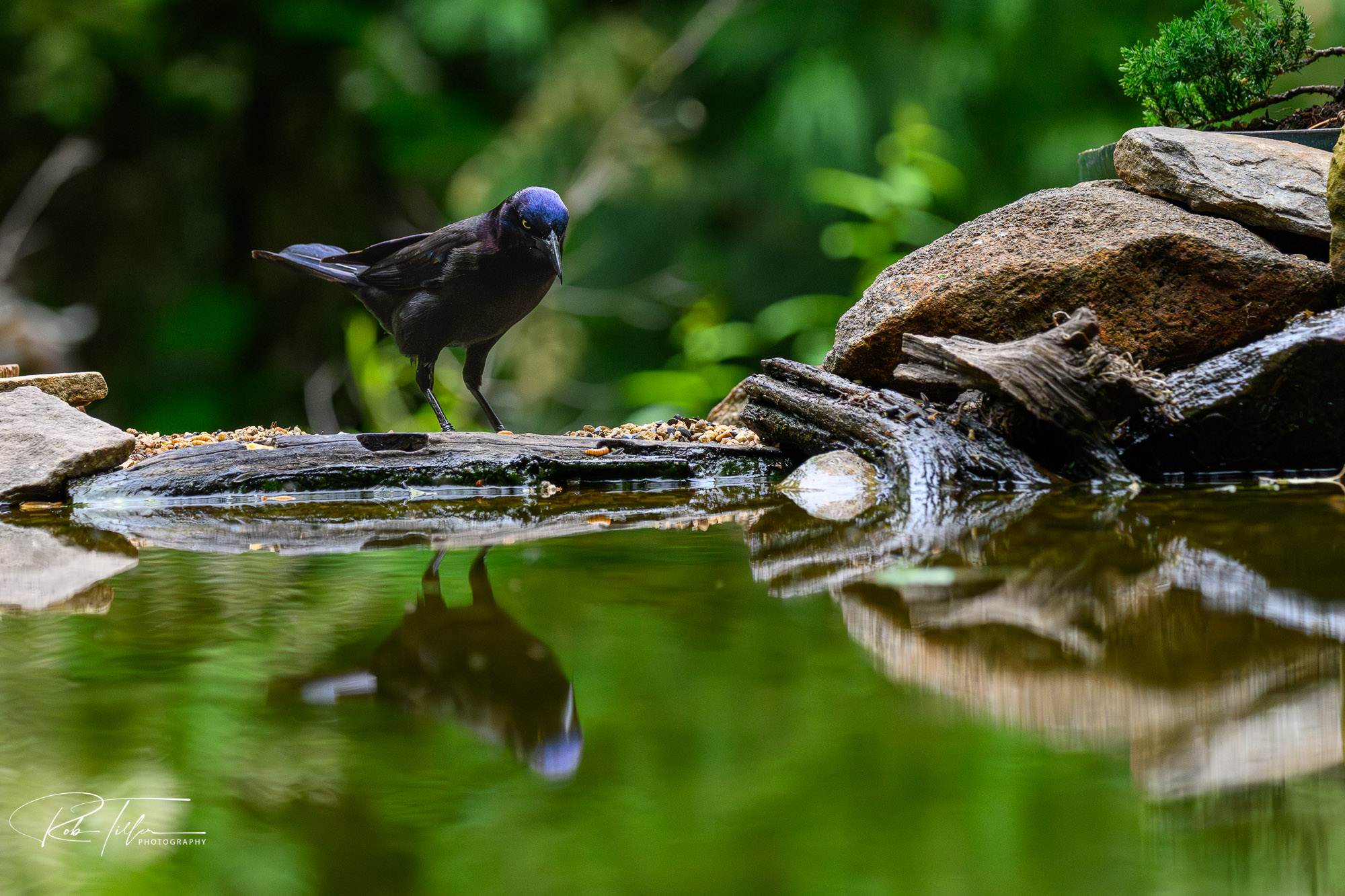
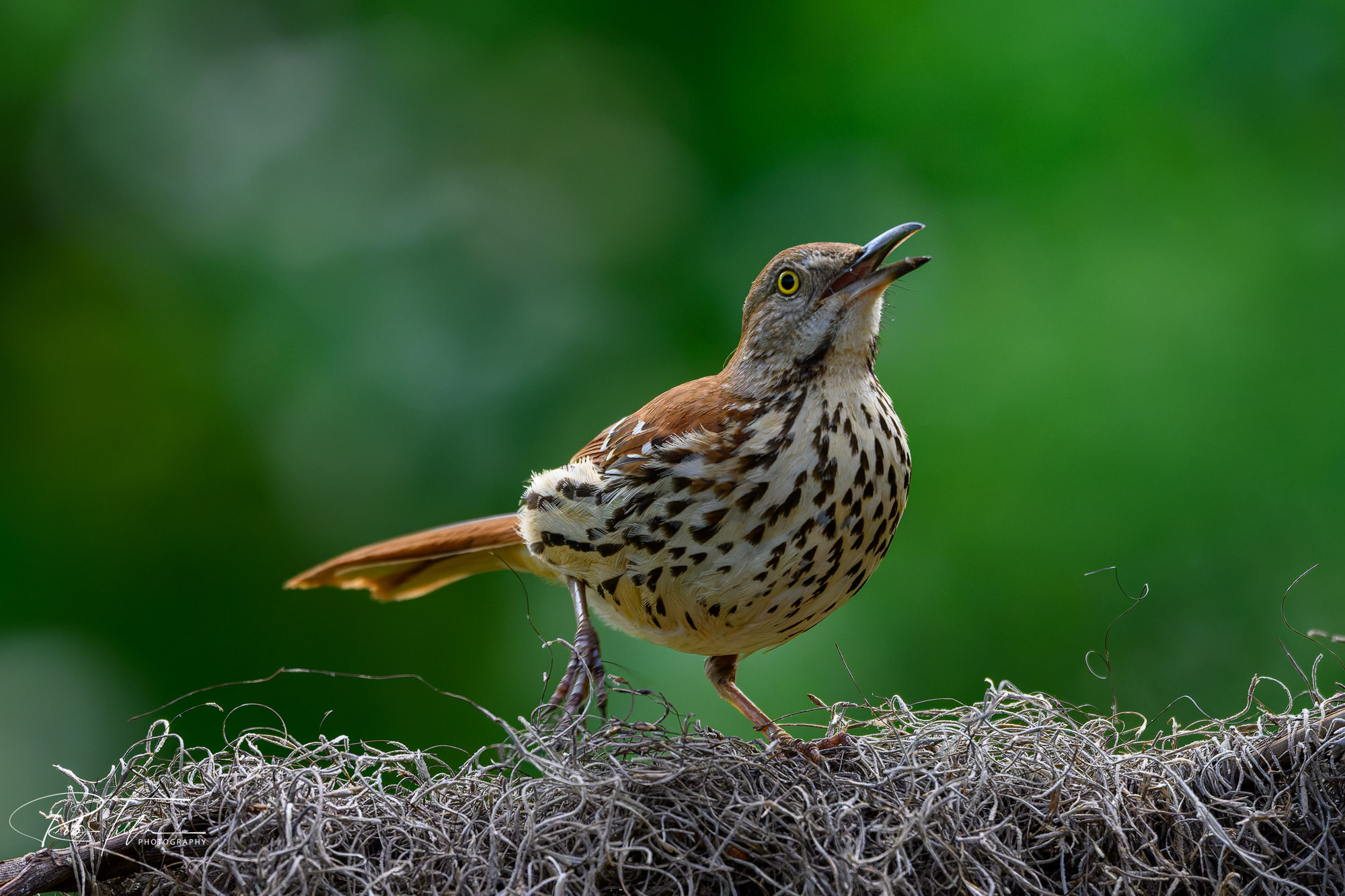
In April I drove down to Clemson, SC, to visit The Nuthouse.  It’s a remarkable place:  a big yard that’s been turned into a paradise for visiting birds, and those who enjoy observing them.  There are lovely trees, flowers, and ponds, and many excellent places for birds to perch.  There are also blinds where you can sit comfortably with your camera without disturbing the avian visitors.

The drive down involved heavy traffic, as did the drive back.  But I enjoyed talking with my friend BW about the state of the world and the meaning of life, and we made it.
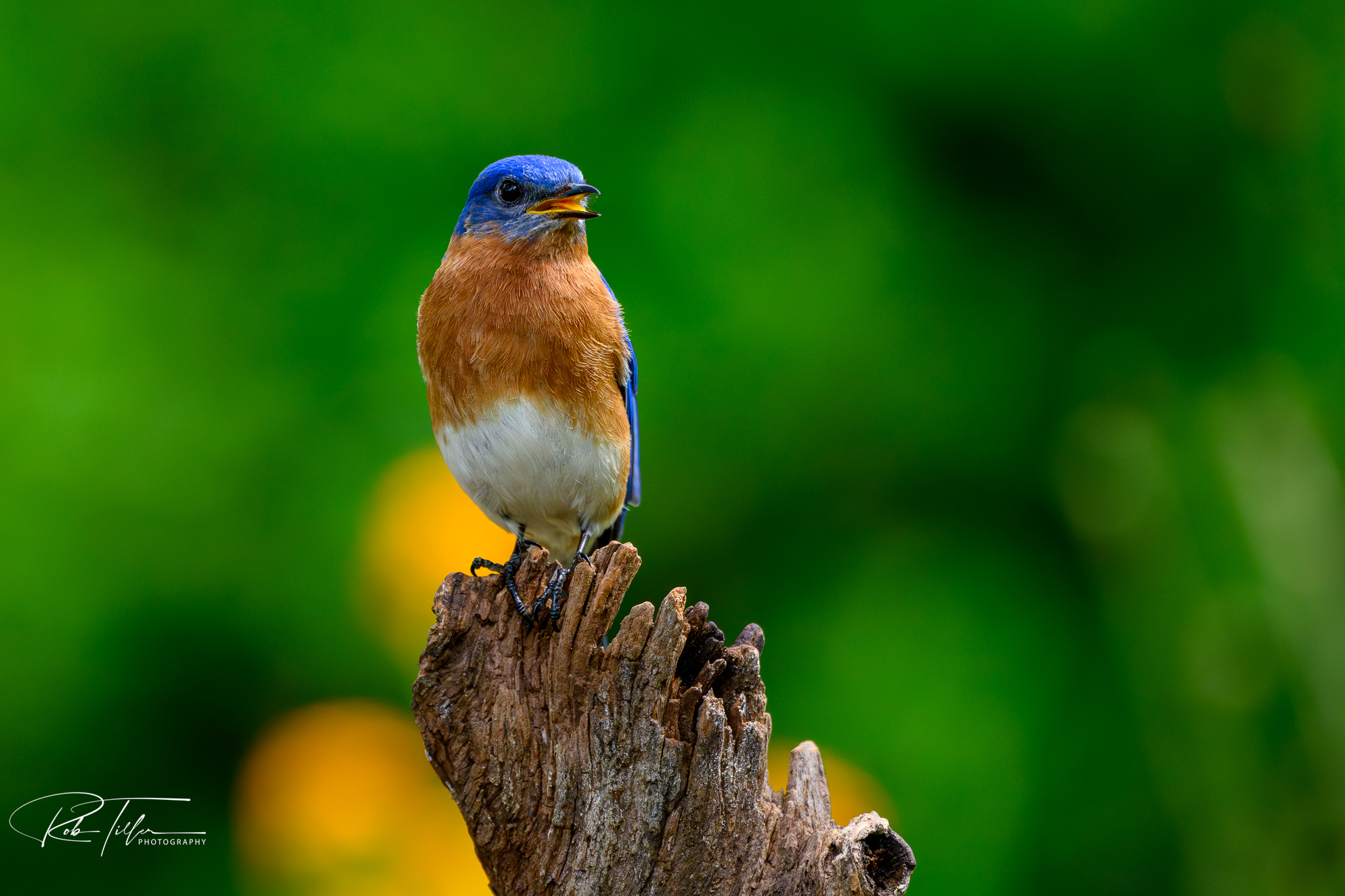
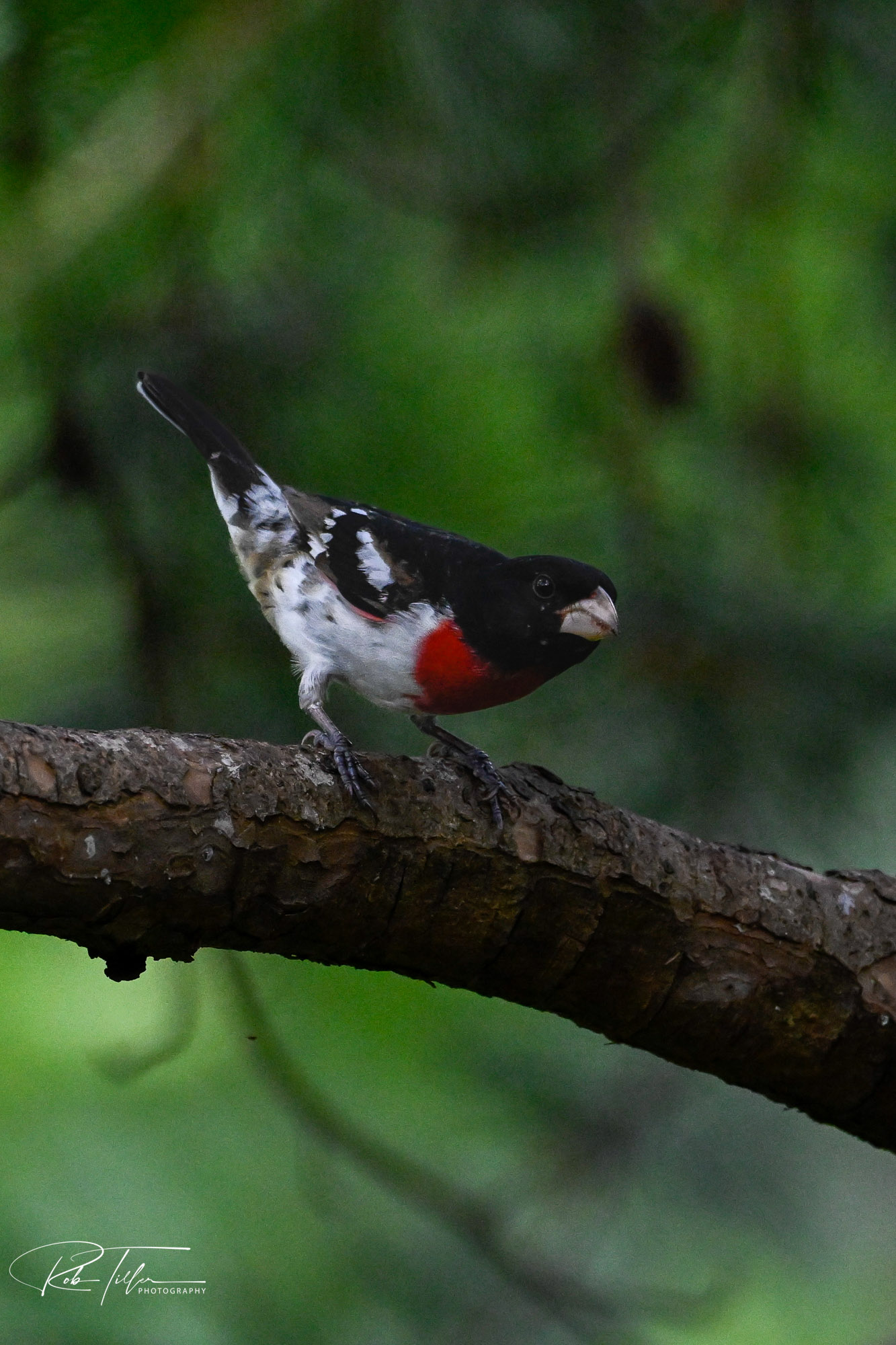
I was hoping to see a lot of migratory songbirds, but it seems we were too early for them this year.  The only particularly notable visitors were a couple of rose-breasted grosbeaks.  Even so, it was fun to see the local residents, and to try to get good photos of these quick little creatures.
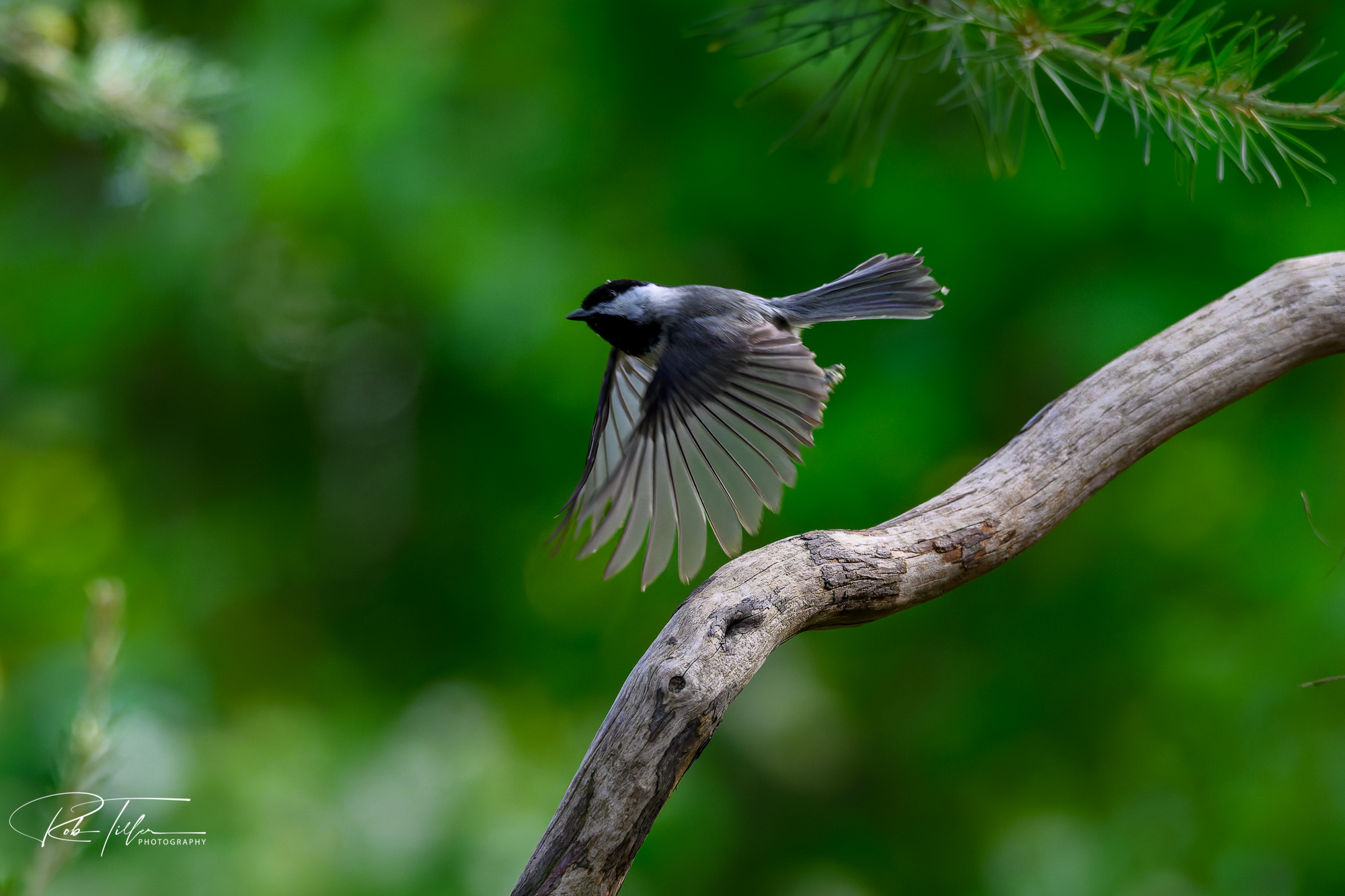
Lately I’ve been having my morning coffee on our back deck and listening more closely to the birds in our backyard.  For songs and calls I’m not familiar with, I use the wonderful Merlin app.  I’m working on learning the difference between a pine warbler and a chipping sparrow.  With Merlin’s help, I’ve identified several interesting migrants in our back yard, including a summer tanager, a scarlet tanager, a common yellowthroat, a redstart, a parula, and a worm-eating warbler.  
I’ve found that spending time bathing in nature is conducive to happiness, though I’ve never known just why.  Last week the Washington Post reported on a new study that shed some light on this –

Decades of research suggests there are many positive mental and physical health effects of spending time outdoors, from boosting mood to improving blood pressure. Now, a new study published in Environment International found a potential new benefit: Contact with the natural world seems to be linked to higher levels of life satisfaction, in part because it helps people develop a more positive body image.

I suppose a more positive body image is generally a good thing, though nature clearly does a lot more than that.  It provides the air we breathe, the water we drink, and the food we eat.  At the same time, it is a refuge, a place to become more human, even as we come to appreciate our connections to other living things.  The natural world is a wonderful, precious thing that can fill us with gratitude and reverence.
In recent times, humans have caused terrible damage to the non-human world, including driving the populations of many species sharply down and some to extinction.  Bird populations, for example, have declined in North America by 3 billion since 1970.     Loss of habitat, climate change, pollution, and pesticides have all played a role in this ongoing disaster.  
Perhaps, before it’s too late, we’ll realize that we can’t live without nature, and we’ve got to stop destroying it.  Unfortunately, recent news is not encouraging.  One of the characteristic programs of Trumpworld is the war on nature.  Trump seems to despise everything that’s green (other than golf courses) and everything that moves (other than rich white humans).  He’s targeted the Endangered Species Act, and various endangered species.  He’s tried to derail cheap green energy programs and to promote extraction and greater use of expensive, dirty fossil fuels.  This while promoting the idea that climate change is a “hoax.”  It’s insane!
But Trump, stupid, cruel, and corrupt as he is, is not so much the problem as a symptom of the problem.  He embodies a mindset that underlies much of our culture’s alienation from the natural world.  His selfishness and greed are an extreme example of what got us into our current existential crisis.  
I’ve been reading The Arrogant Ape, a recent book by Christine Webb, which develops the thesis that humans generally have a systematically distorted view of the natural world.  Webb, a primatologist and professor at New York University, challenges the common view that humans are superior to all other life forms.  She cites evidence from many disciplines to illustrate the talents and complexity of non-human lives, and the interconnectedness of all life.  
Webb contends that the notion that humans can and should dominate nature is mistaken and destructive.   She proposes instead a more curious and compassionate mindset that recognizes our kinship with other living things.  She highlights the brilliance of nature, and suggests it might teach us many things.   
I think Webb is right.  Getting into a closer relationship with nature would help us both as individuals and as societies.  Appreciating nature would make us happier, calmer, more clear-sighted, and better able to think about and address some of our big social problems. 
Visiting big birds in Florida, healthy eating, and some thoughts on Nazism

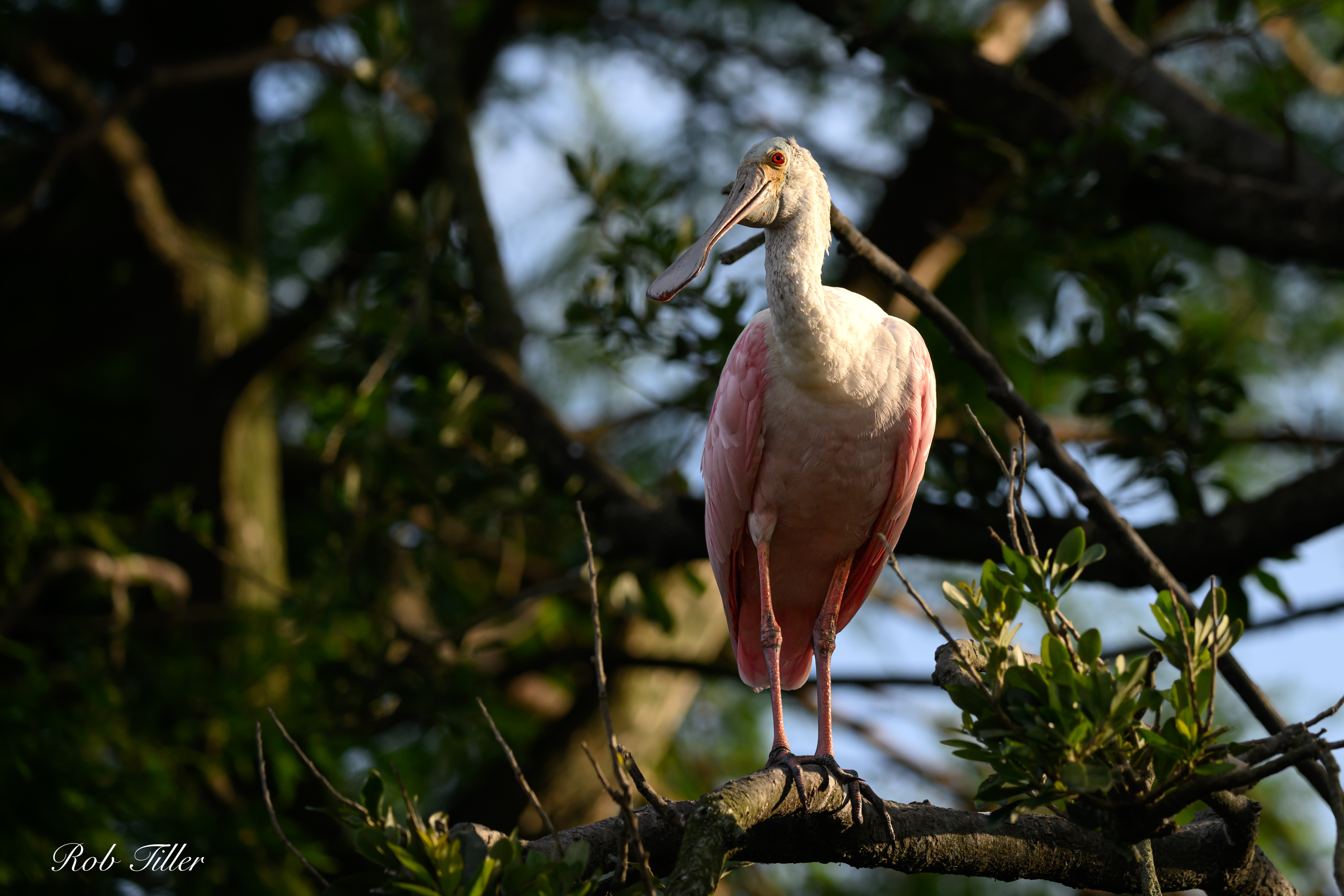
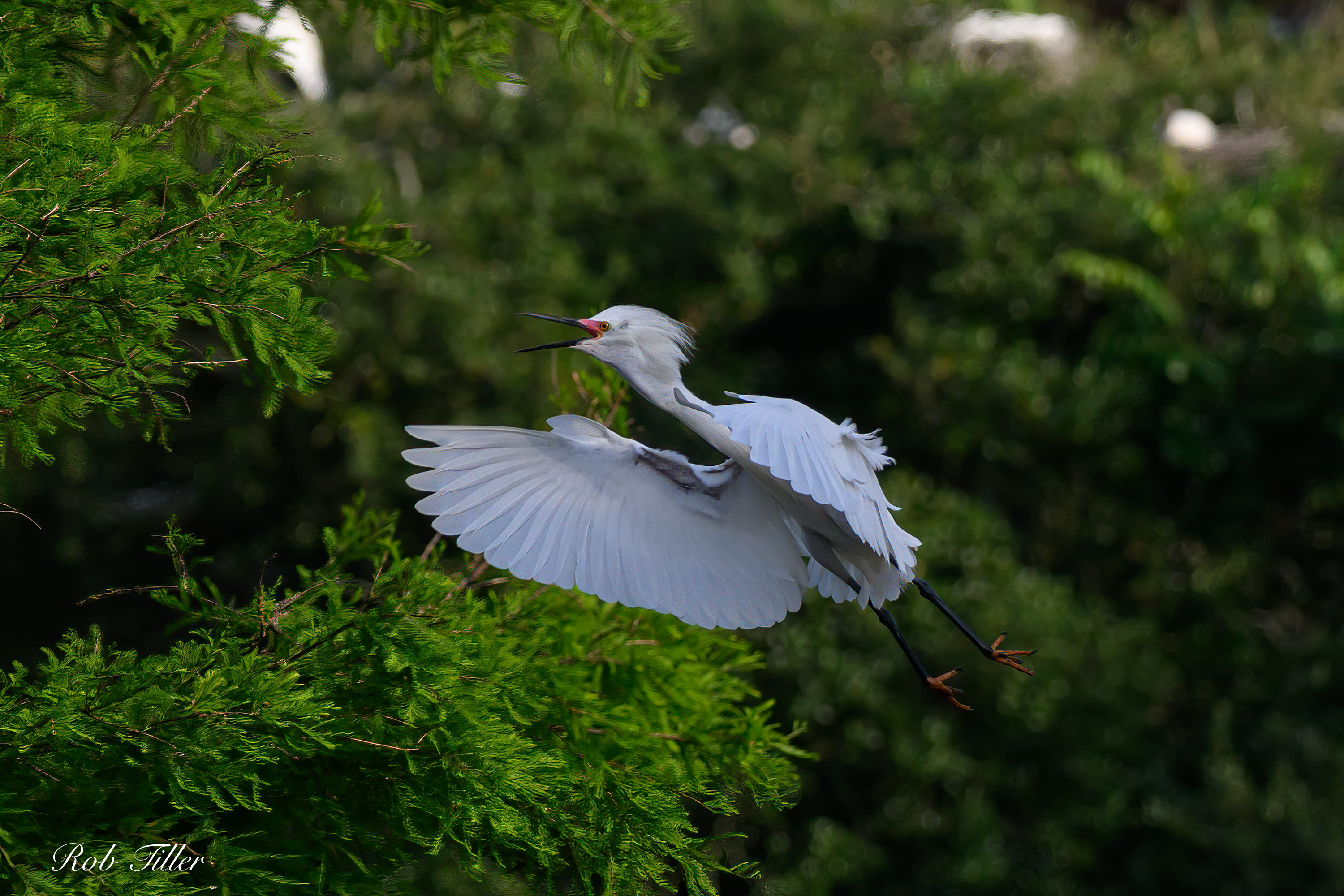
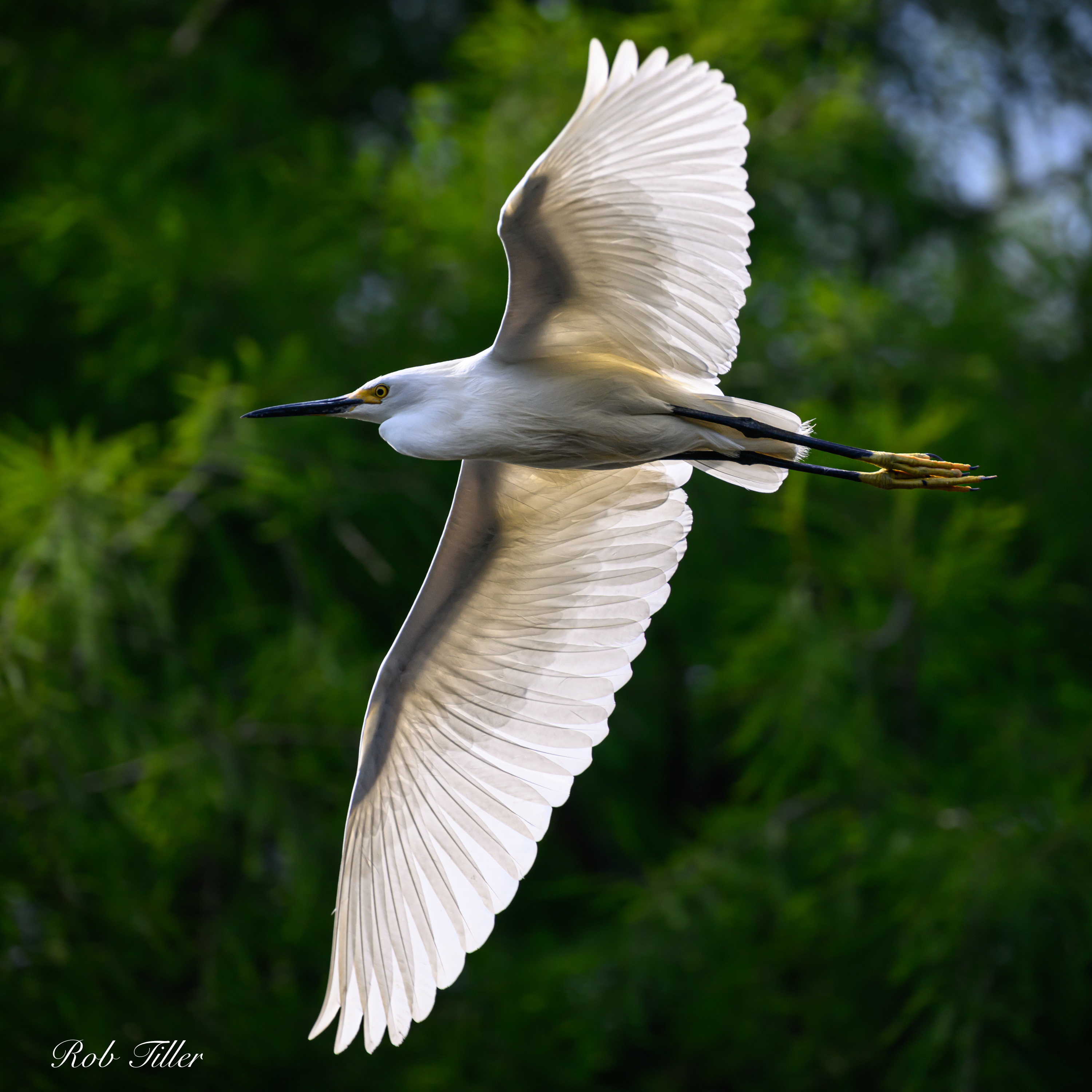
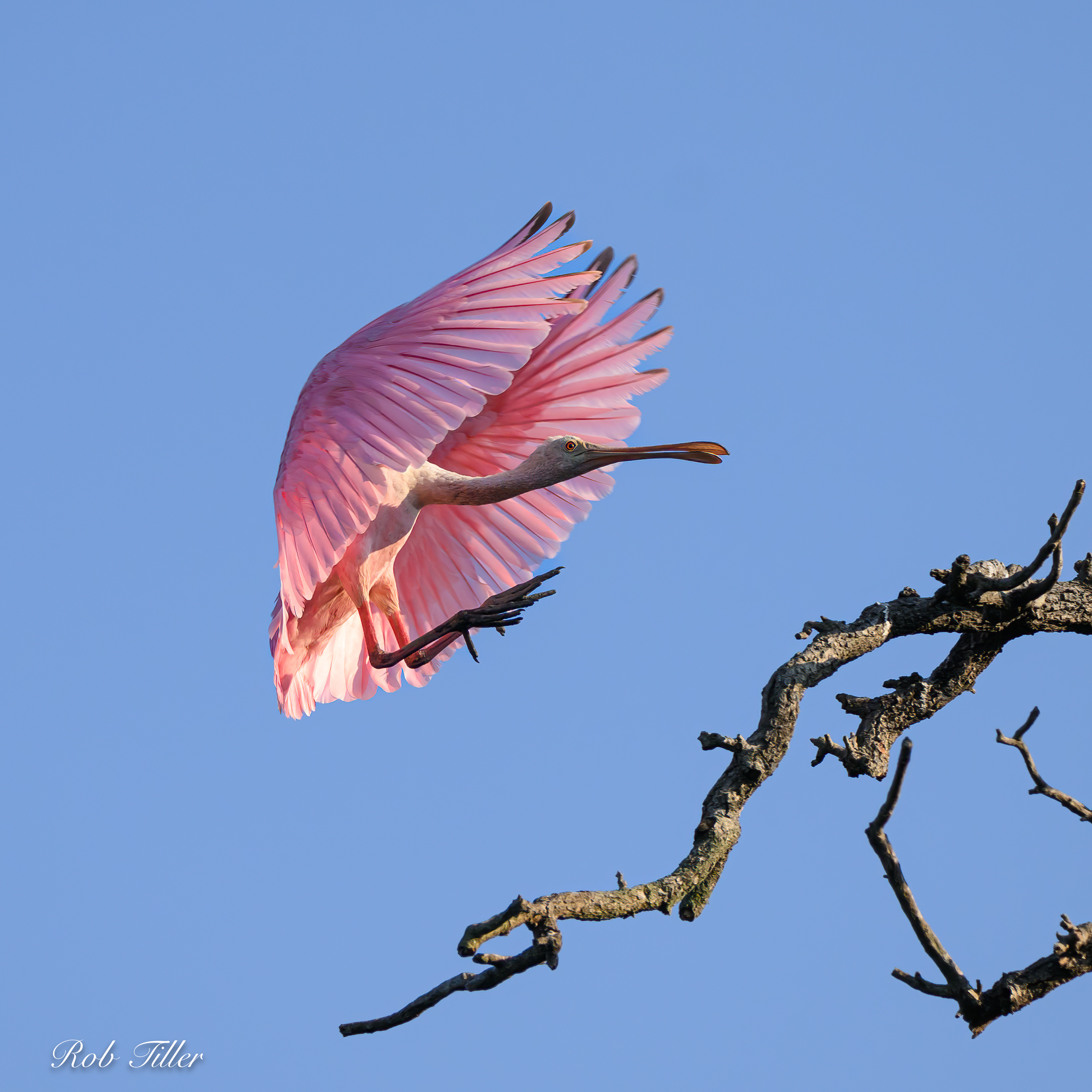
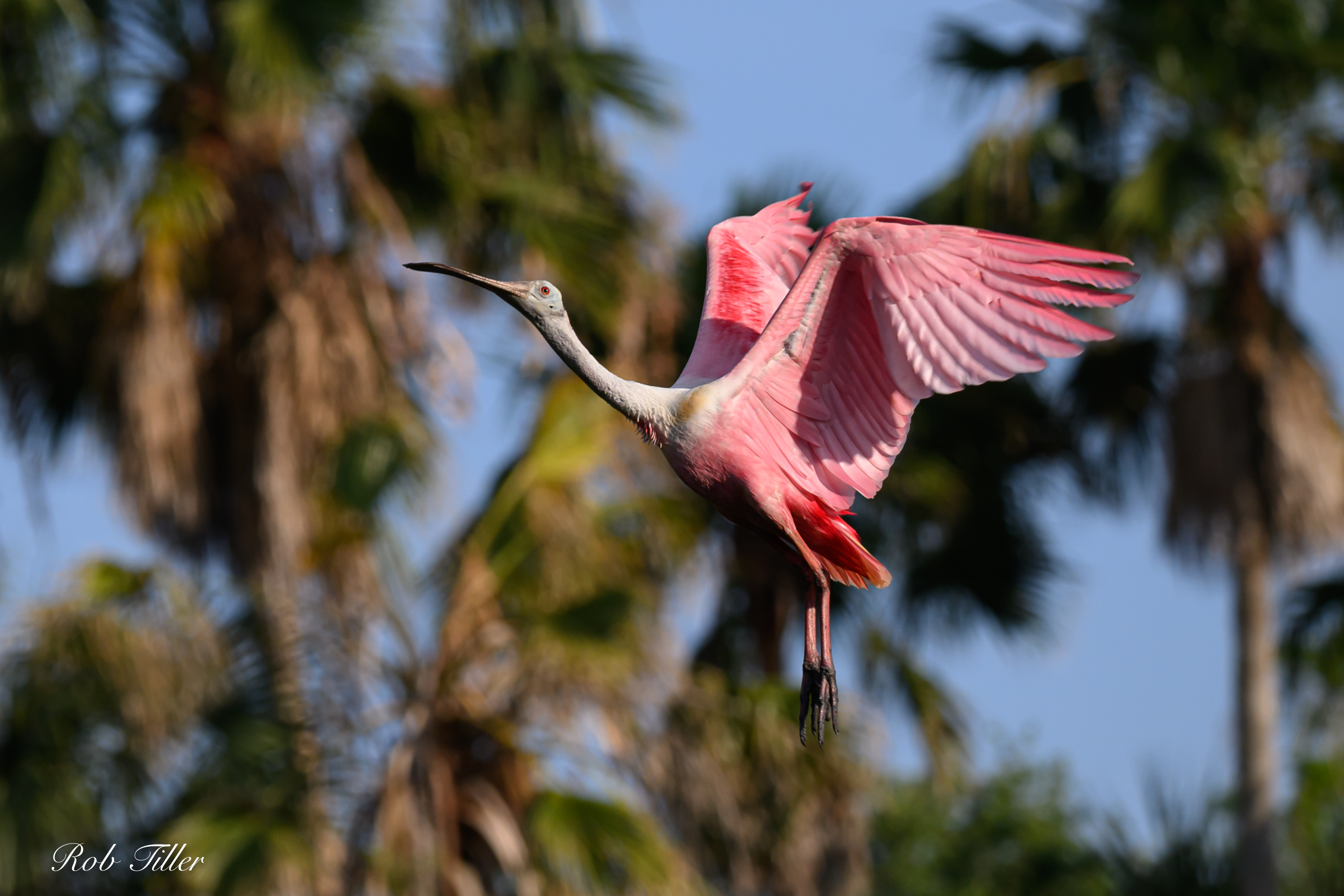
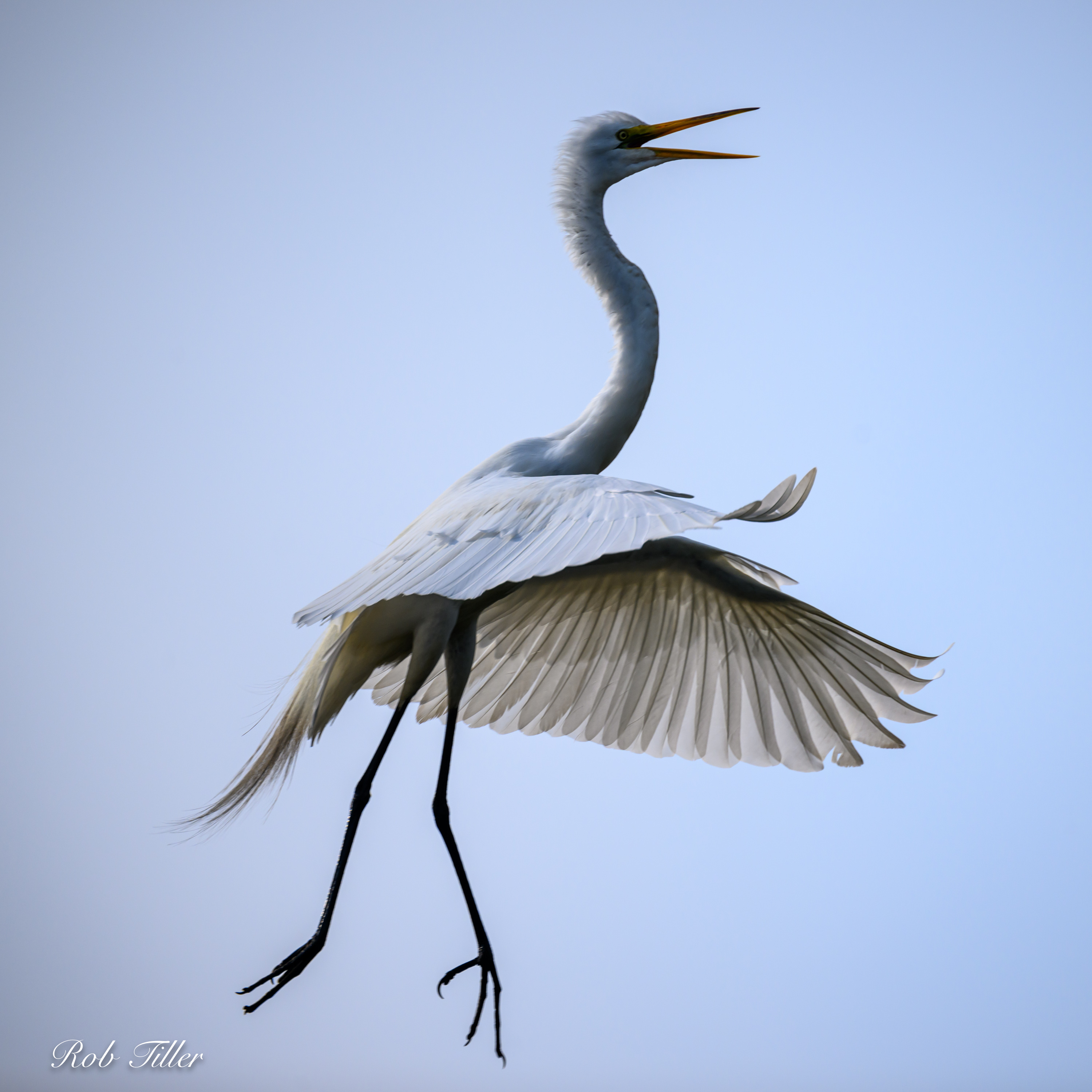
I went down to St. Augustine, Florida, a couple of weeks ago to photograph some of the big wading birds there.  I took a lot of photos at the Alligator Farm, where there’s a rookery of nesting great egrets, snowy egrets, cattle egrets, little blue herons, tricolored herons, wood storks, white ibises, and (my favorite) roseate spoonbills.  The birds hatch their chicks in trees over a big pond area full of alligators.  Apparently the birds feel safe and protected from tree-climbing predators there.

It really was quite wonderful to see all these creatures flying, fighting, mating, working on their nests, and feeding the chicks.  I haven’t had time to go through all the thousands of pictures I took, but I did make one pass through the ones from April 26, when we had some beautiful light.  These ones were all taken that day.  

At times I feel a bit of an odd duck for caring about birds, but I was reassured by a great little essay in the NY Times on how birding can change your life.  The essay is by Ed Yong, who wrote An Immense World, a fine book about the sensory worlds of non-human animals.  

Yong describes describes some of the nuts and bolts of learning how to identify birds.  But the really interesting discussion was how he found himself changed by birding.  He discovered a new connection to nature and new appreciation for the small wonders of life.  He found himself living more in the present, and with a greater appreciation for his own life, just as it is.  

I’m not as serious a birder as Yong – I don’t keep a life list or take on arduous travel to see one new species.  But I’m still studying up on resident species when I go to a new place, and working to identify birds I’m not familiar with.  I heartily endorse Yong’s view that birds make life better.

Speaking of animals, we saw a recent documentary series on Netflix that I recommend:  You Are What You Eat.  It centers on a nutrition study at Stanford University of identical twins.  The idea was to discover how much different diets affected genetically identical people.  

The big takeaway was that a plant-based diet was generally much more healthy than other options.  The series also notes, without hammering on, how animal agriculture is terrible for the climate and for both farmed and wild animals.  Despite the serious content, the filmmakers managed to leaven their presentation with some humor.   

Finally, I want to recommend a good podcast series called The Rest Is History. The format is a conversation between two Brits, Tom Holland and Dominic Sandbrook, about a historical period or incident that they’ve gotten interested in.  They are funny and smart, and some of the subjects are fascinating.  

I found their series on the rise of German Nazism particularly interesting.  Holland and Sandbrook investigated how an ideology that they (and most of us) regard as bizarre and inhuman could have seemed exciting and completely valid to many Germans of that time. 

Discussing Nazism is a delicate business, since it understandably arouses strong emotions.  It’s uncomfortable, and we tend to think it’s not worth the bother, assuming that we know everything worth knowing about it anyway.  Of course, that’s unlikely, since like all mass movements, it was complicated.  But it’s possible to be clear that the systematic mass murder of Jews and other groups by the Nazis was horrific, while also wondering about what German leaders and ordinary Germans were thinking as crimes against humanity took shape.  

As Holland and Sandbrook note, the Nazis believed they were acting based on science, and were addressing an existential threat to their nation.  Some of such thinking is still with us.  Eugenics, the “science” of superior and inferior races, was integral to their thinking, and it was then considered actual (rather than crackpot) science in many other places, including the US.   

The Germans of the 1920s and 30s feared for their future, based on widespread poverty and the postwar economic crisis.  They sought to explain their problems by identifying scapegoats, including especially the Jews.  Their anger and fear of supposedly inferior races and cultures is not so different from the hostility towards immigrants that is now a central feature of politics in the US and Europe.  

The Nazi leadership effectively used the modern media of the time, including radio and film, to amplify their message. Holland and Sandbrook point up a program to get a radio within earshot of every German so that they could not avoid hearing Hitler’s speeches.  The incessant repetition of lies about Jews and others made it hard to keep contrary views in mind.  Our social media is different, but likewise tends to create information bubbles that can separate us from reality.  

Holland and Sandbrook suggest that the impulses of Germans who supported Nazism, like the desire for excitement and hostility to out groups, is pretty normal.  Humans are social animals, and our behavior is powerfully influenced by those around us.  Once Nazism attained a degree of popular support, doubters were more inclined to go along with the crowd, as people normally do.  And once the movement was strong enough, dissenters were either squashed or silenced themselves.

From time to time, I’ve wondered what I would have done if I’d been a German in the 1930s as the Nazis rose to power and took over the country. We know from studying Germany’s experience that most people were swept along without dissenting, and it’s possible that I would have been one of that herd.  Of course, I like to think I’d have been unusually independent and courageous, but it’s hard to be sure.  

Anyhow, the Rest Is History podcast series on Nazism is thought provoking and timely.  We know from Germany’s experience that facism can happen to countries populated by people who are generally sane and decent.  I dearly hope the US is not headed in such a direction, but it’s clearly not impossible.  It’s worth taking the time to look closer at Germany’s history, and do everything we can to go in a better direction.