The Casual Blog

Tag: bears

Bears, bees, Renkl, and Bach
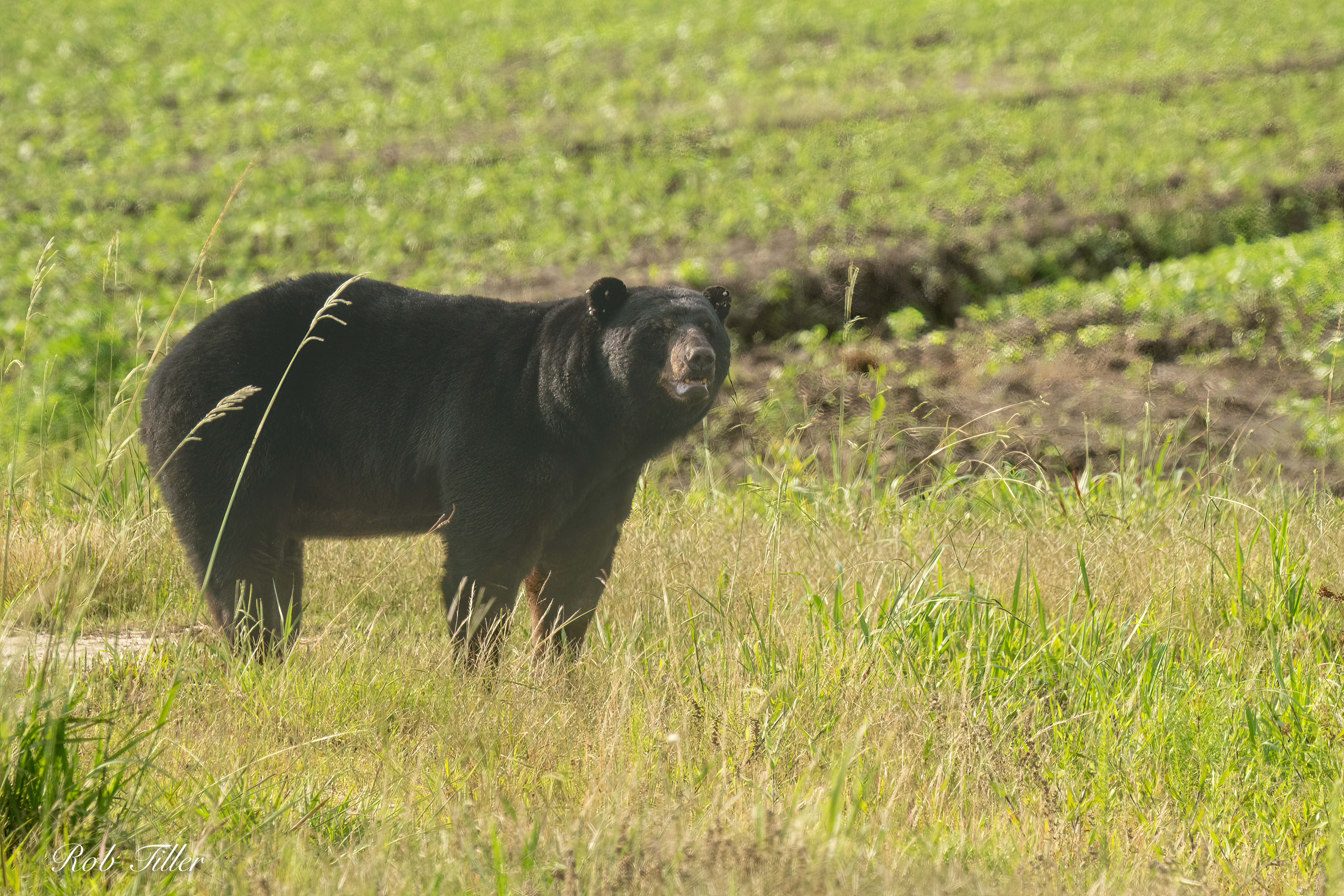
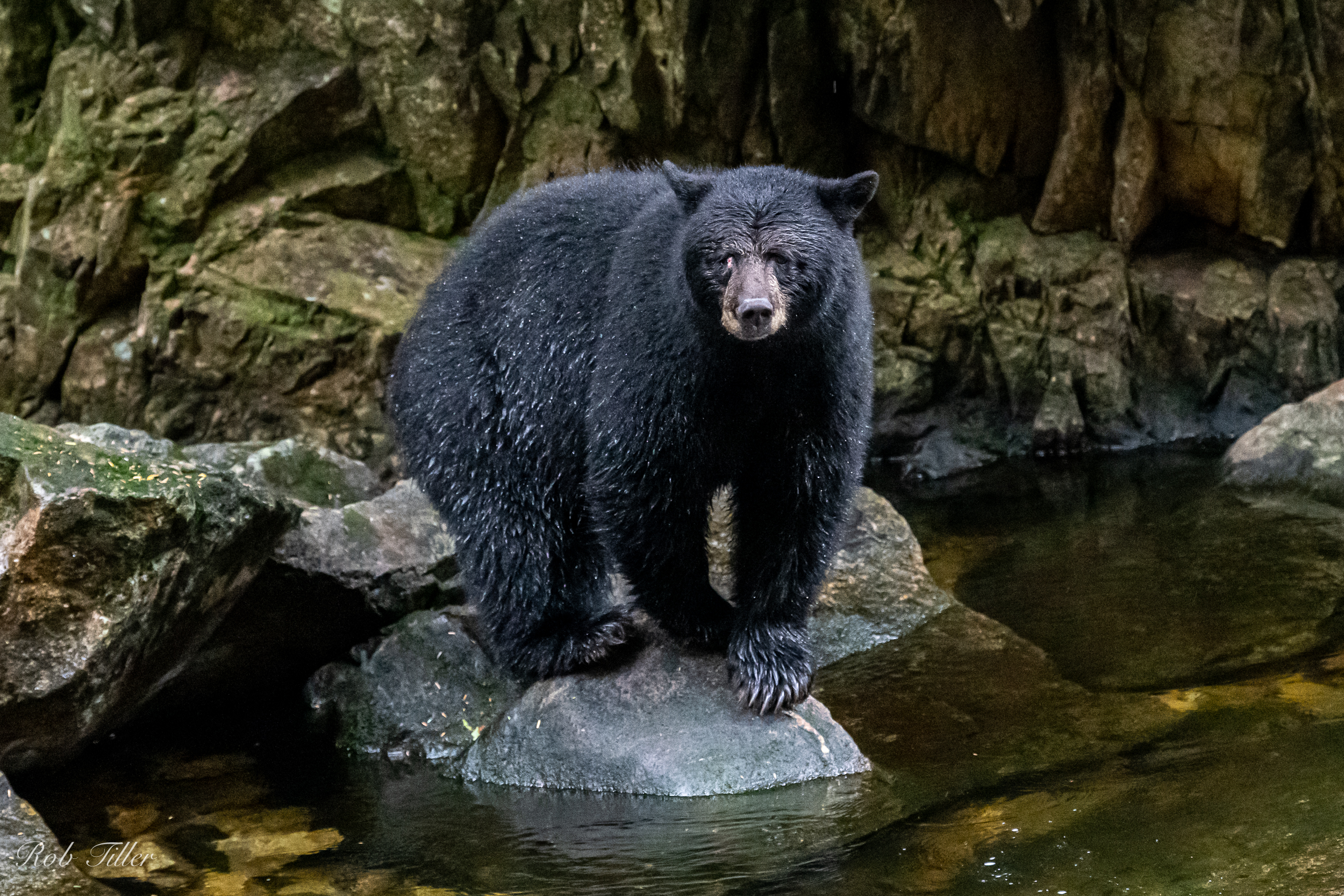
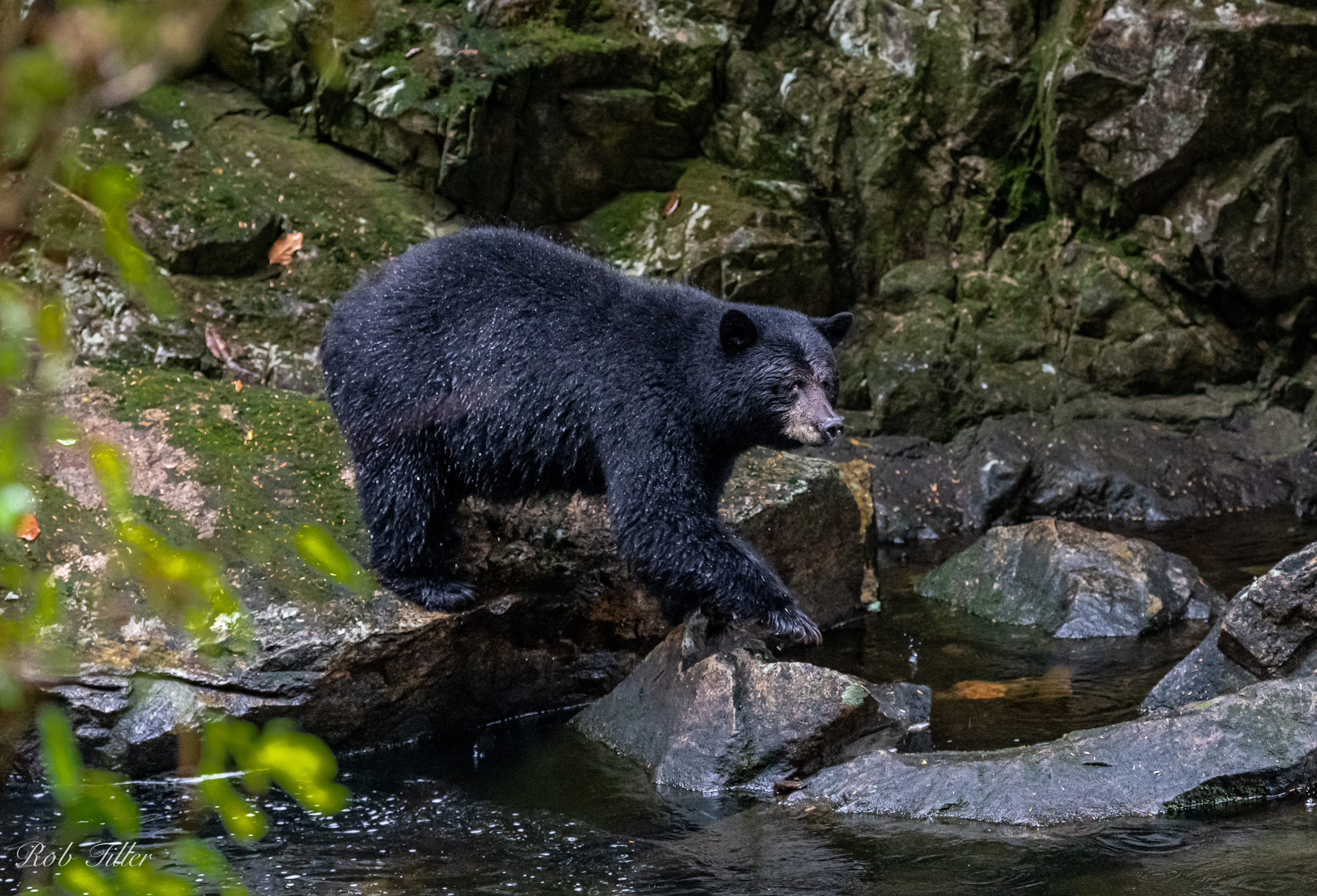
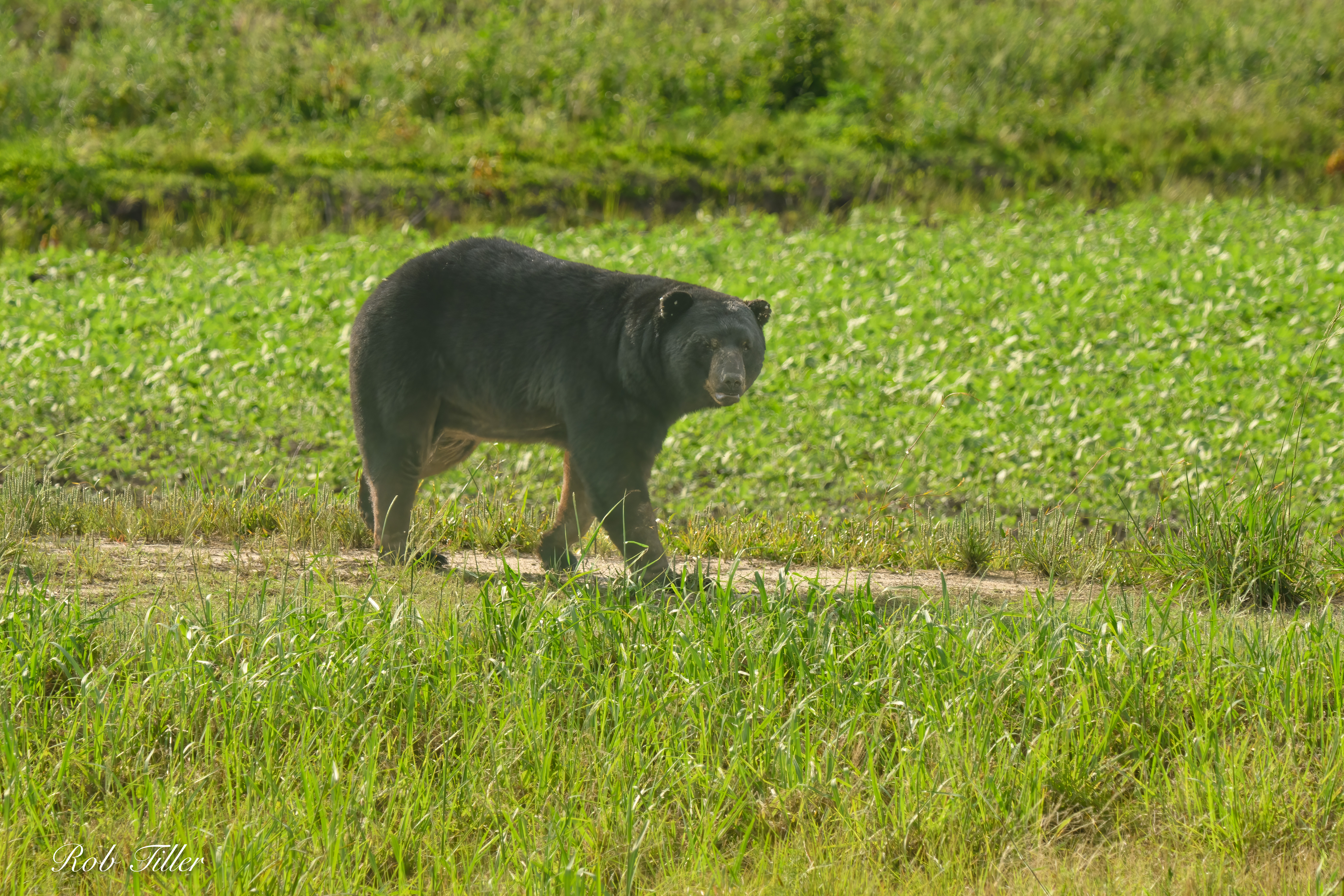
Last weekend I went to eastern North Carolina to look at the natural world there, and especially the black bears.  The Alligator River National Wildlife Refuge and Pungo Lake have a lot of resident bears, but earlier in the spring, I had a hard time finding them.  

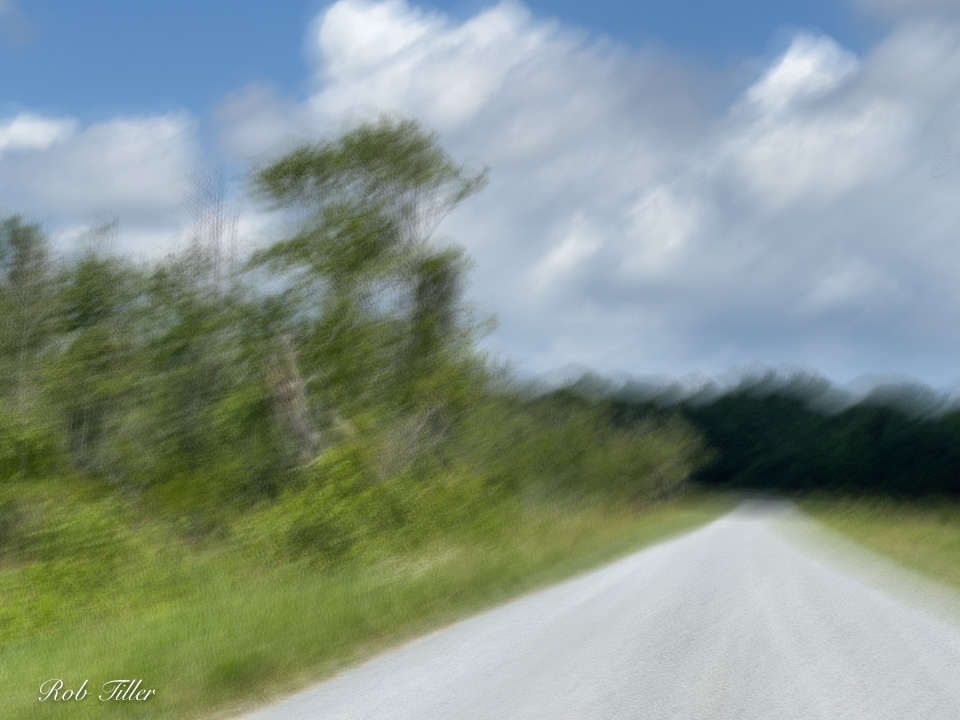
This time, though, I found several.  The photos here are from that trip. I’m also sharing a few photos I made of the terrain using intentional camera movement, or ICM.  It’s a new technique for me, and I’m finding it expressive and fun.
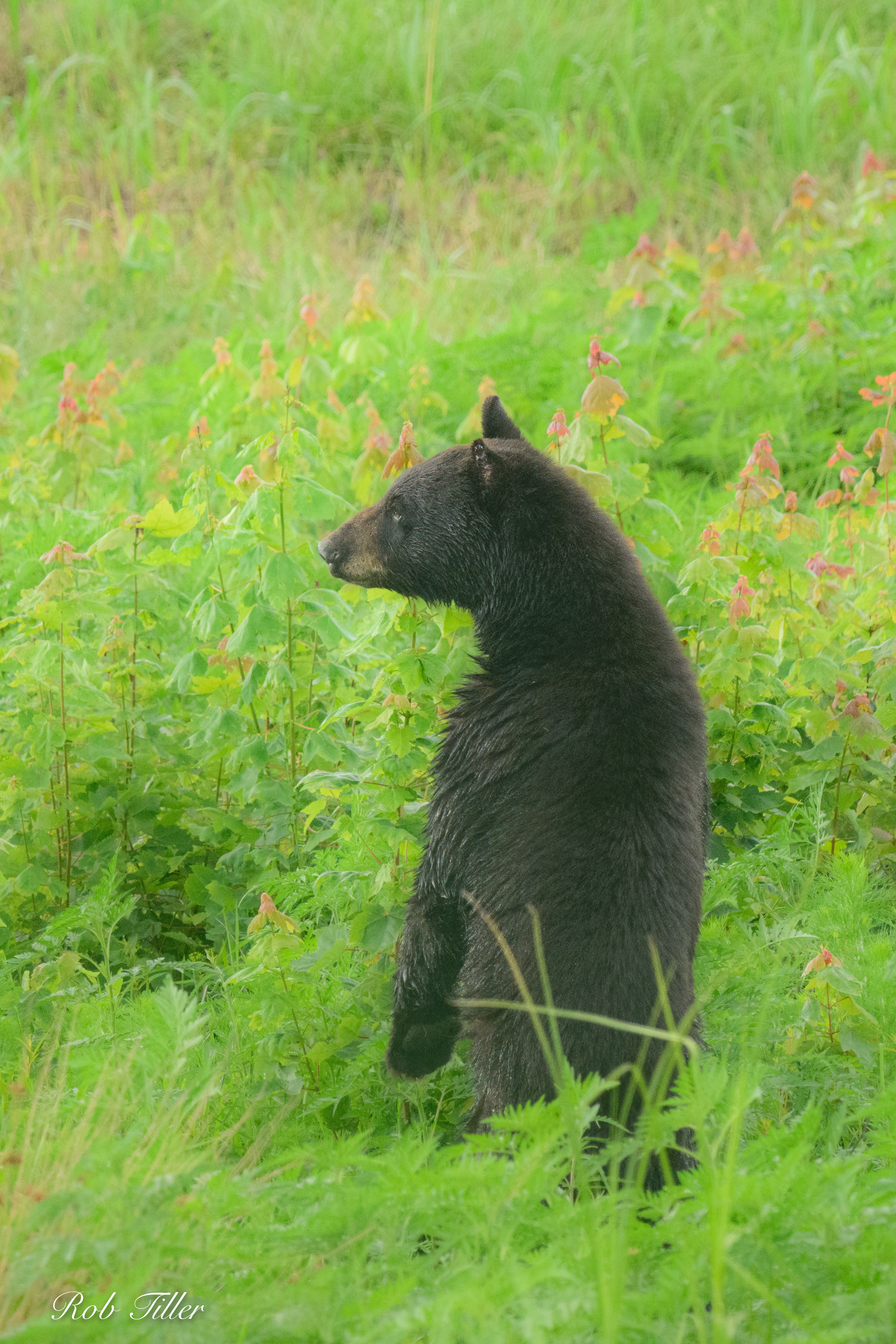
I like bears for a lot of reasons.  First of all, they’re big and strong.  They’re rugged and resourceful.  They have hearing that is several times as acute as human’s, and a sense of smell thousands of times better.  

Usually when I see them, they are calmly eating, resting, or walking. It’s exciting to see them, but also relaxing in a way.  They live in the moment, and take me into the moment.  
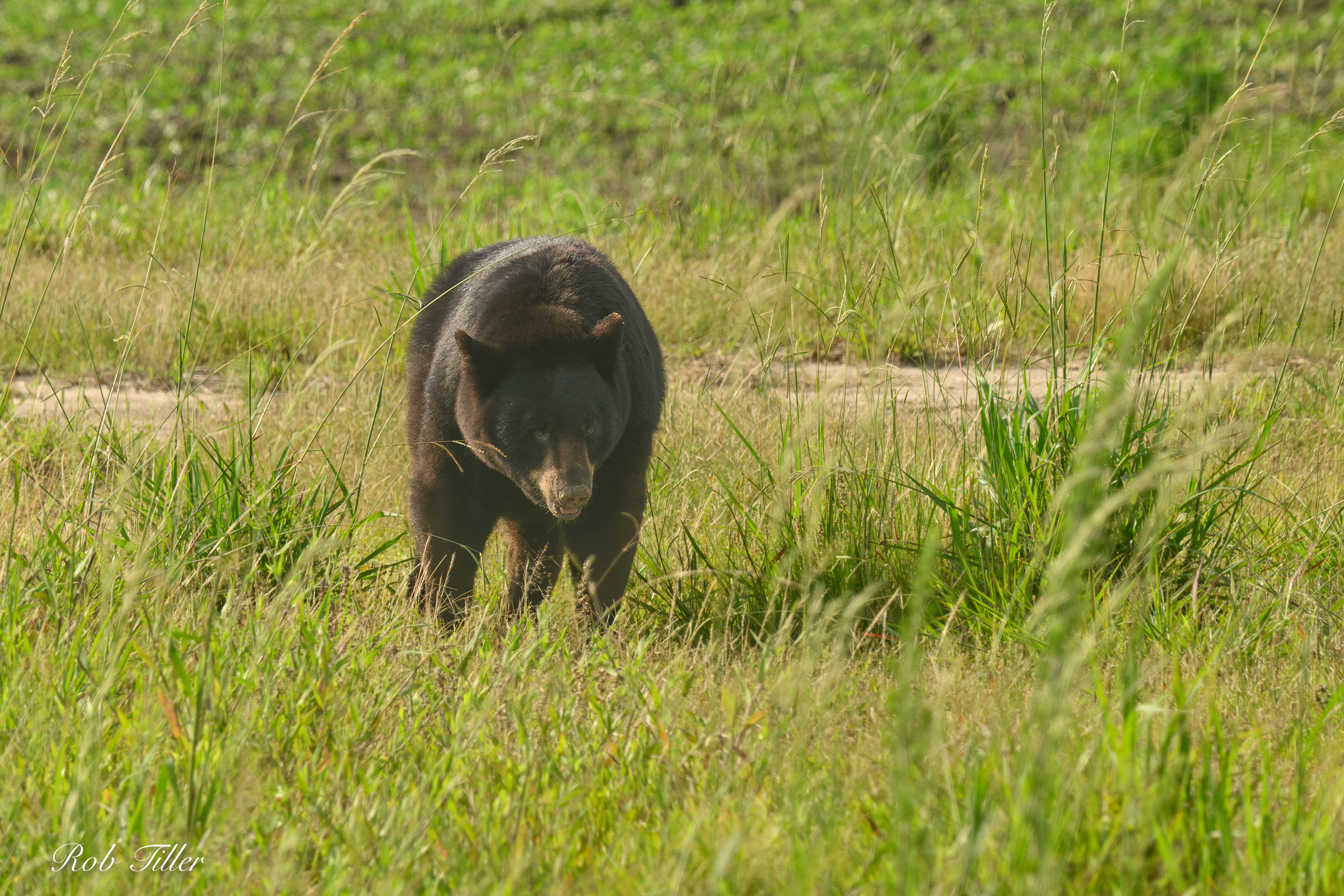
They get a bad rap, though. Many people think of them as inherently menacing and dangerous.  Bear attacks on humans are very rare, and those rare attacks usually involve a human making the bear feel threatened for itself or its cubs.  A lot of our fears are exaggerated.
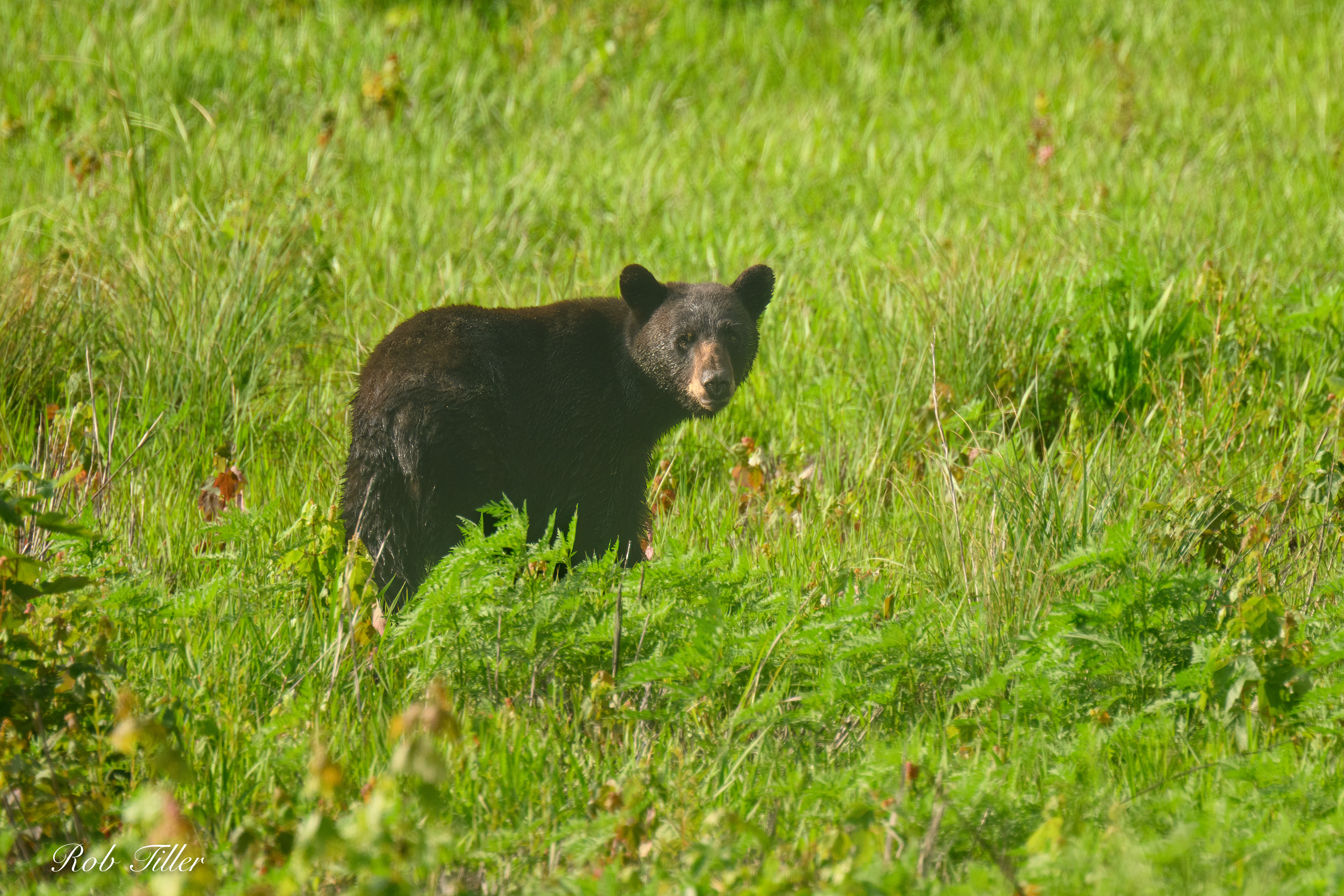
That said, it’s wise to treat bears with a lot of caution.  I’m continuing to study their habits, including body language and noises, to anticipate when they might be unhappy and to keep in mind what to do in case of a rare attack.    

For example, on this last trip I watched a couple of young bears amble through a field and into the woods fairly close to me, but on the other side of a canal.  In the woods, I heard what sounded like scratching on trees and belches.  I got a little closer, and heard a loud snorting sound that I wasn’t familiar with.  I thought it could be a warning, so I went on my way.  

As I bumped along the sandy road looking for wildlife, I noticed some wildlife that seemed to be interested in me – insects.  When there are a lot of bugs, I usually keep the windows closed.  But since I wanted to listen for birds and other creatures, I decided to risk opening them, and sure enough, the bugs buzzed in.  Most were bees, which I was glad to see in a way, since they are not doing so well as a species.  Once they explored the car, they flew out again, and I got no stings or bites.  I realized I’d been carrying around some unjustified anti-bug prejudice.

More and more, I find reading a lot of the news is not conducive to my mental good health.  Much of ordinary journalism seeks to attract attention with the unusual and alarming, and often leaves me feeling unsettled and unhappy.  Happily, there are exceptions, and the wonderful Margaret Renkl is one.  She writes a regular column in the New York Times about, among other things, the flora and fauna in her backyard.
Renkl’s column this week was particularly fine.  She focused on the joy of watching young animals as they enjoy their lives.  In concluding, she wrote,

I’m not anthropomorphizing here. To understand that we all exist in a magnificent, fragile body, beautiful and vulnerable at once, is not to ascribe human feelings to nonhuman animals. It is only to recognize kinship. We belong here, possum and person alike, robin and wren and rabbit, lizard and mole and armadillo. We all belong here, and what we share as mortal beings is often more than we want to let ourselves understand. We all have overlapping scars.

I think the ever-present threat my wild neighbors live with must tell us something about the nature of joy. The fallen world — peopled by predators and disease and the relentlessness of time, shot through with every kind of suffering — is not the only world. We also dwell in Eden, and every morning the world is trying to renew itself again. Why should we not glory in it, too?
In addition to the joy of being in nature, I’ve been enjoying being in my Subaru Forester Wilderness, which I’ve named Goldie.  This is good, because these trips involve a lot of driving.  I’ve been listening to audio books, and have recently found some that are engaging.  I’ll mention just one:  Bach and the High Renaissance, by Robert Greenberg.

Greenberg’s work is part of the Great Courses, which are college-level lectures on various subjects.  I get them through a subscription to Audible, which keeps the otherwise high cost manageable.  I’m about two-thirds through Greenberg’s Bach course, and it is exceptionally good.

The music of J.S. Bach (1685-1750) has been a treasured part of my life since I was a young fellow, and I’ve explored it both as a pianist and a listener.  But Greenberg has helped me understand it in much greater depth.  His lectures include interesting biographical facts, but the real meat of them is explaining what Bach was trying to do, and how he went about doing it.

For example, Greenberg views Bach in part as a brilliant synthesizer of various national styles, including Italian, French, and German.  He highlights Bach’s own study of the music of others, including both contemporaries and prior generations.  He also shows how Bach’s innovations influenced music into the nineteenth century.
Greenberg’s lectures are lively and leavened with humor.  He shares recordings of some of this great music, and explains what is happening, and why it works.  I found some of the recordings not so great in sound quality and interpretation, but in a way they illustrate the point that this music is practically indestructible.  
Anyhow, I know that Bach and classical music are not everyone’s cup of tea.  But for anyone with some interest, Greenberg is an excellent point of entry.  I wish I’d had it when I was getting started – it would have made my appreciation of this great music even greater.  

Some rewards from encounters with bears and birds

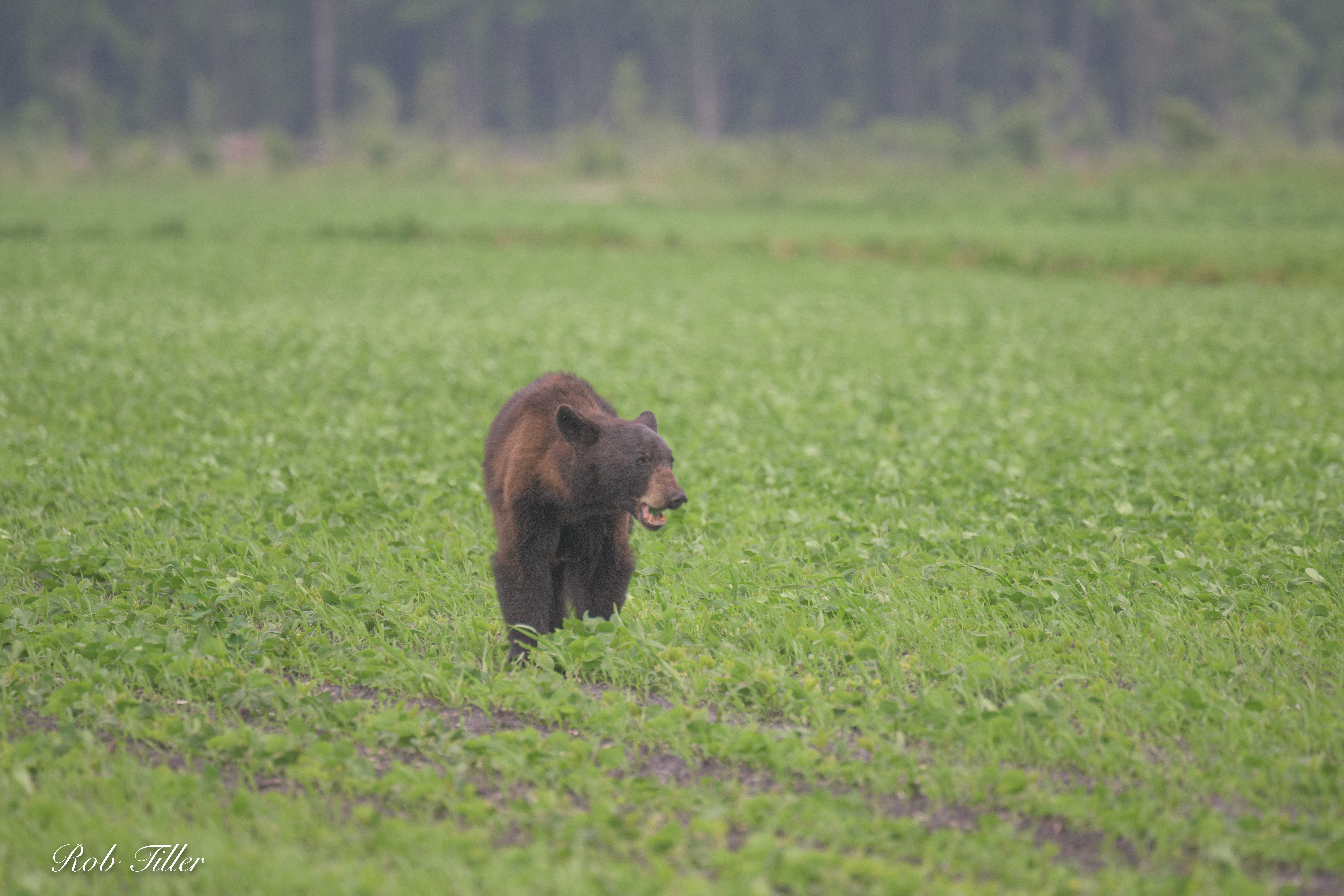
Last week I made a day trip to Alligator River Wildlife Refuge to look for bears.  Although this part of eastern North Carolina has a large population of black bears, I didn’t have great luck that day.  I saw just one.

But the bear was a handsome creature, grazing peacefully in a large field.  I was the only human there, and although she occasionally glanced at me, she seemed undisturbed.  She seemed to find the young leaves tasty.  I took pictures for twenty minutes or so, and then left her to look around for others, which I didn’t find.

Later, as I looked back over the pictures, I realized that I enjoyed the experience of being with the bear more than taking the pictures.  It takes practice to operate a sophisticated camera, and from time to time there are malfunctions or other surprises.  And I do find the technical challenges of wildlife photography interesting.  But the deeper satisfaction is connecting with animals and their environment.  

When I share pictures here or on Facebook, Instagram, or YouTube, I hope that something of that feeling comes through.  I try to select and process wildlife images in a way that communicates something of their experience and of mine.  Doing so often teaches me things I hadn’t realized before, by isolating a particular moment.  It also makes me more curious to learn more about the creatures.

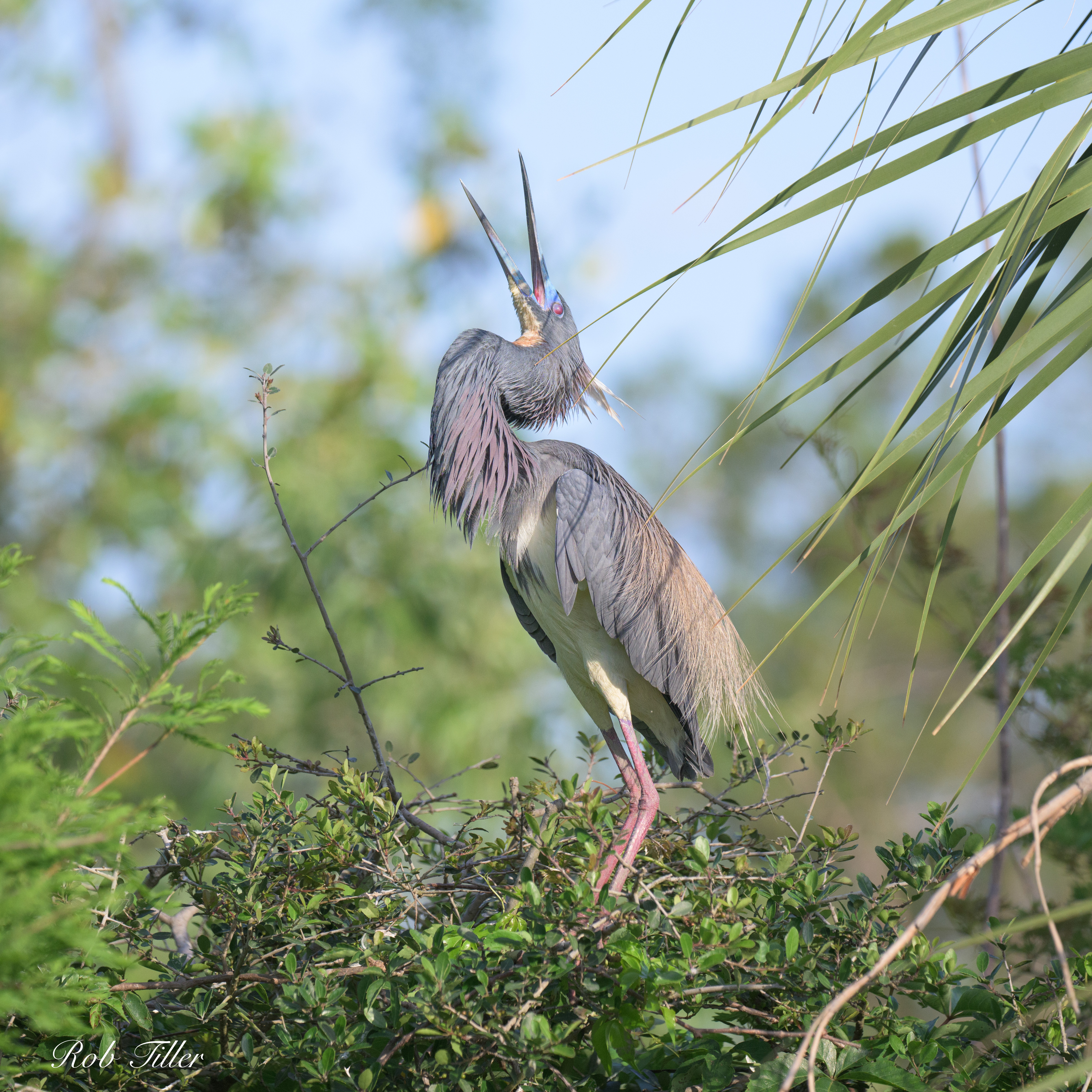
The non-bear pictures here are some of the birds I photographed in April at the St. Augustine Alligator Farm rookery.  I enjoyed seeing the birds in flight, but I was particularly interested in the birds working on their nests, grooming themselves, communing with their mates, and taking care of their chicks.  

These activities happen among many species in many places, but humans don’t usually get a close-up view.  Many of us don’t know what we’re missing, and it can matter.  

If we have little or no contact with non-human animals, we are unlikely to appreciate their beauty and even their basic existence.  Unless we make some effort, our world view narrows, and we think there isn’t much in the world of significance other than other humans and their activities. 

Wearing such blinders is unfortunate for us; we miss so much that can bring peace and joy.  It’s even more unfortunate for the non-humans.  Our ignorance of the lives of other creatures leads us to devalue those lives, and inflate our own significance.  When we think nothing matters but us, our worst tendencies, like greed, hatred, and fear, rein unchecked.

And so we commit or tolerate massive destruction of the natural world, including animal habitats, in the interest of profit for a few.  We can’t see the good alternatives to factory farming, which is a major contributor to global warming.  We manage not to think about the meat industry, with its enormous cruelty to animals.  

But this common mind set is not set in stone.  We already have the qualities that can change it.  That is, we have the capacity for greater curiosity and compassion.  Even those of us most indifferent to or fearful of nature have the capacity for empathy and love.  People change, and you can never tell what might touch them, or when.  And so I try to stay open and optimistic.  

Last week I uploaded my first YouTube slide show, a selection of favorite photos from our safari trip to South Africa and Botswana last March. It’s four minutes long, with music. Hope you like it!

Bears, happy Juneteenth, and a solution to poverty

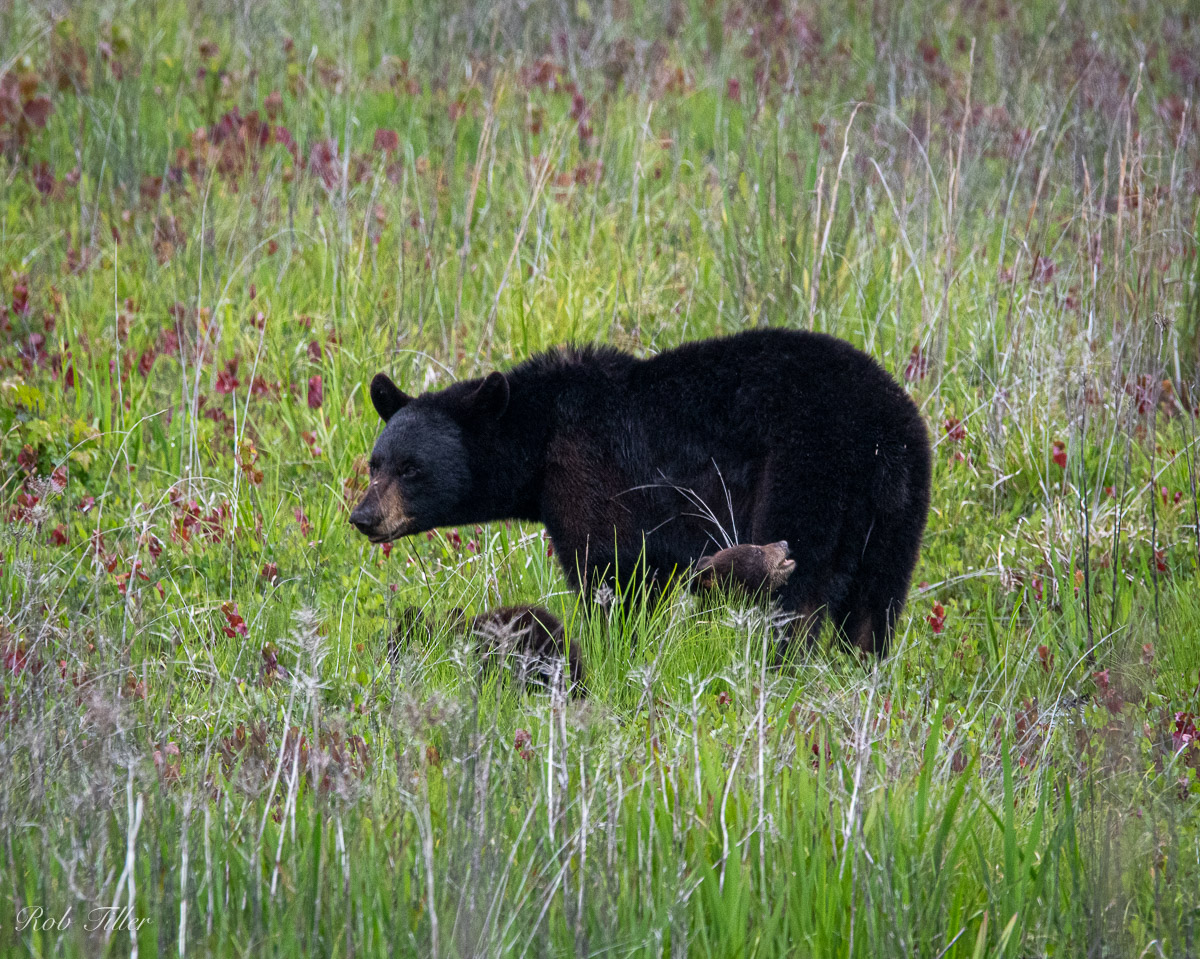
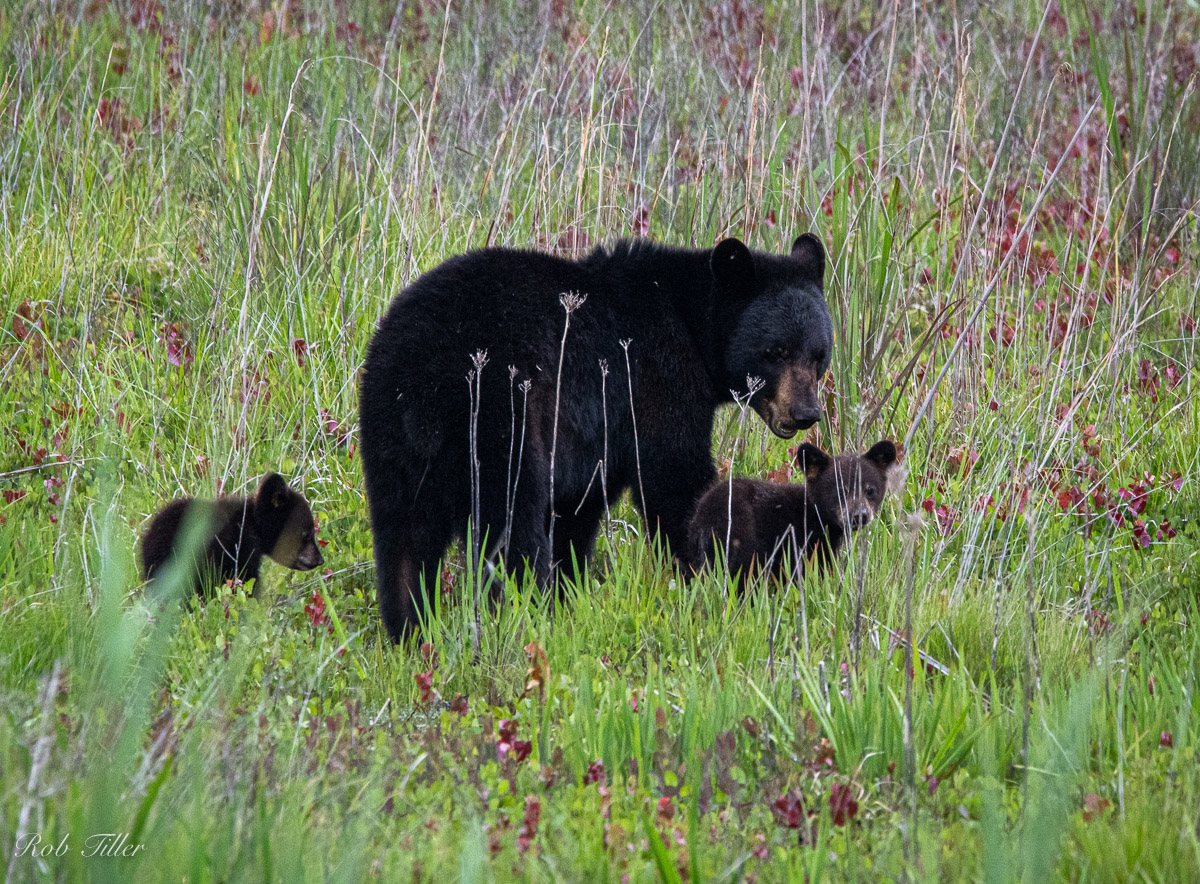
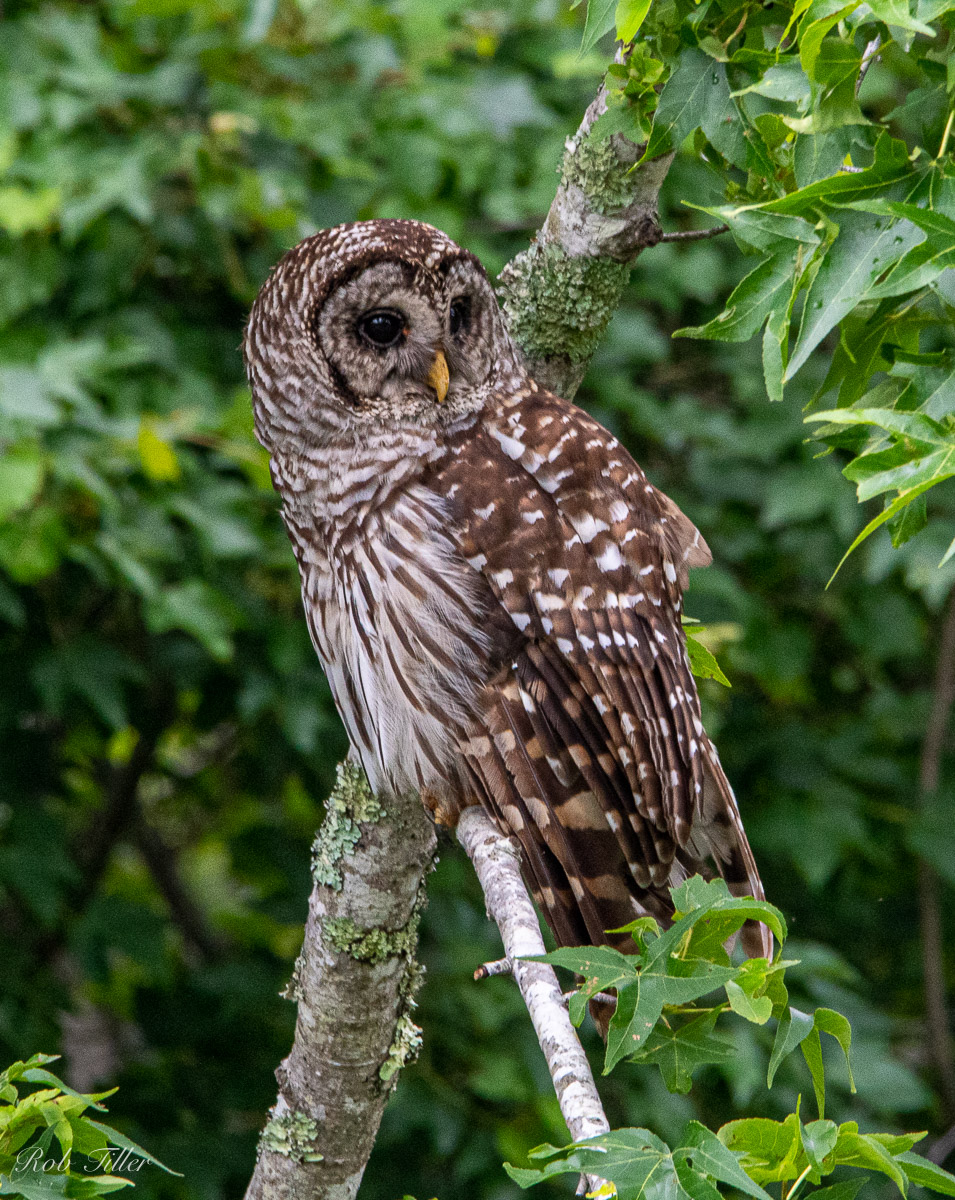
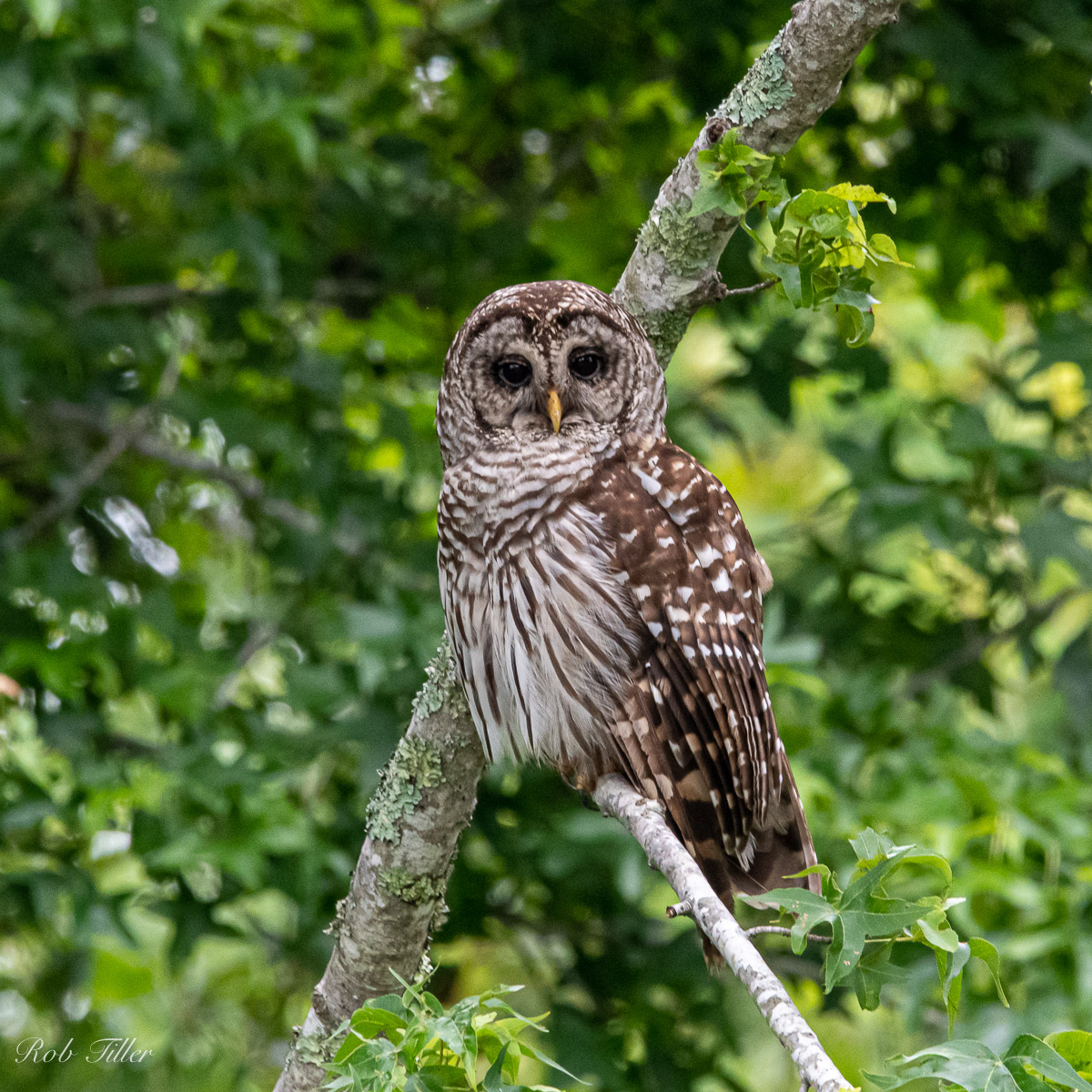
On our way back from the Outer Banks, we took a detour through the Alligator River National Wildlife Refuge.  We saw two mother bears, each with two cubs, a barred owl, a flock of white ibises, and various other interesting birds, reptiles, and plants.  We were excited, and also worried, to see a rare, critically endangered red wolf standing beside Highway 64 and looking at the traffic.  Hope he or she is OK.

I you, like me, have an affectionate interest in wild animals, I recommend Vesper Flights, by Helen Macdonald.  It’s a collection of short personal essays about the natural world.  Macdonald explores the thrill and peace that nature can bestow, and helps us appreciate its fragility.  The NY Times review is here.    

This week Juneteenth became a national holiday.  Some Americans are just now learning about the original event, June 19, 1865, when African Americans in Texas first learned that slaves had been declared emancipated.  The basic idea of the holiday is to celebrate the end of slavery and beginning of freedom.  

Most of us surely agree that this is a good reason for celebration, though not all.  As I was practicing my golf swing at the range, I overheard an older golfer speaking disparagingly of the new holiday, and adding that “they” were “taking over.”  I wondered how he could have such an ignorant and poisonous idea, and then I remembered:  “us” and “them” was the basic framework a lot of us were trained in from birth, and some still are.  These ideas have long, hard-to-pull-out roots.

Also, racial segregation is still the rule in most American neighborhoods, schools, and churches.  There’s room for discussion about the details of why this is true in 2021, but plainly a lot has to do with the legacy of slavery.  One consequence is that it takes effort to get to know people of a different race, which increases the difficulty of dislodging our early training in the caste system.

But there are also other forces at work.  This week Thomas Edsall’s NY Times column examined the causes of so-called populism of Trump and similar movements elsewhere.  Edsall quoted various thinkers who identified economic forces, including artificial intelligence and other technology, robotics, and globalized outsourcing, that continue to cause job losses and threats to status for many, causing increasing insecurity and fear.  

Demagogues whip up these fears and blame minorities and immigrants for these losses.  Those with good reasons to feel economically insecure are often latch on to simple solutions to their problems, especially when they resonate with their early racial training.  

Why don’t we just eliminate poverty?  It sounds like something we could all agree is a good idea.   But as Ezra Klein wrote last week, poverty is a well accepted part of our economic system, and eliminating it would threaten some valued privileges of the privileged. 

As Klein explains, Americans rely on low wage workers in order to have cheap goods and services.  In this light, it makes sense to resist raising the minimum wage above the poverty level, allowing workers freedom to organize, or extending jobless benefits.  If low wage workers were less desperate, they might well not take jobs that are mind-numbing or dangerous and pay barely enough to survive.  Employers would have to provide better working conditions, and better wages and benefits.  They’d lose some profits, and all of us would have to pay higher prices.


This aspect of American-style capitalism is seldom discussed, but worth discussing now.  We learned from the covid pandemic that our government can organize massive resources in a hurry to address economic distress.  We may have assumed before that there’s nothing we can do to help the mass of people who work at or below the poverty level, but we now have good evidence that that’s just not true.

Klein’s piece discusses a recent study out of the New School proposing a promising approach to mitigating poverty:  a guaranteed annual income of $12,500 plus an allowance for children.  The payments would phase out for those with incomes above the poverty level.  It would require a budget increase of about 20 percent, which could be paid with taxes at about the level of other wealthy nations.  

It’s an interesting idea, though it obviously runs hard against the grain of neo-liberalism.  Indeed, Republican leaders in several states are currently looking to cut emergency covid relief, including not only  money but also food programs, on the theory that workers won’t work as required unless they’re truly desperate.  We have here a very dark side of American capitalism.  Just as was true before 1865, some are willing to watch people starve, if that’s what it takes to force them to work.  

So old questions need to be asked again:  how much do we value human life?  How much suffering are we willing to inflict in the name of prosperity?  What are we willing to sacrifice to move towards a more just society?   I’m hopeful, though I wouldn’t say confident, that our better angels are ascendent.

On a completely different subject, I want to recommend a short essay on Elizabeth Bishop’s famous poem, One Art. The essay in the Times by Dwight Garner and Parul Seghal is beautifully presented, and gets straight to the point.  Even if you aren’t much interested in poetry, you might find something of real value.  

Canadian forests and bears, and where we got our racism

Last week I went out to the west coast of Canada to photograph bears.  I stayed in Klemtu, B.C., a small community in Great Bear Rainforest, which is the largest temperate rainforest on the planet.  It was vast and beautiful there, with evergreens covering mountainous islands surrounded by intricate waterways. The area is home to the Kitasoo/Xai’Xais Nation, members of which served our group as guides.

The travel involved some bumpy boat trips, hiking, and sitting for hours, often in the rain, watching hopefully for bears.  I found the waiting challenging, especially when the rain got heavy, but also learned some things. Sitting in the woods or on the boat watching and listening very closely for long periods became a type of meditation.  Getting really externally focused helped in making a good shot.  

We had good close views of  black bears, grizzlies, and a rare spirit bear, a white relative of the black bear which is found only there.  We also watched humpback whales and orcas diving and occasionally breaching. There were lots of bald eagles and ospreys.  One day we saw an osprey that had caught a fish drop it, and then an eagle caught the unfortunate fish in mid-air.

The trip was organized by Muench Workshops and led by Kevin Pepper, who gave me friendly encouragement and guidance.  The six other amateur photographers in the group were very well traveled and experienced. We were all surprised to find that every one of us, including Kevin, had the same camera:  the excellent Nikon D850.  My equipment worked well, except that I maxed out my hard drive halfway through the trip.  I ordered a new one, and should have a few more wildlife photos to share next week.  

It was a long trip home, starting from Klemtu by boat, then a cab to the Bella Bella airport, and a prop plane to Vancouver, and the next morning a flight to Seattle, and nearly missing the connection to Raleigh.  


One thing I like about long travel days is the chance to get immersed in books.   On the trip home, I finished Bill McKibben’s recent book, Falter:  Has the Human Game Begun to Play Itself Out? The book is about the existential risks that we’re now facing, especially climate change.  McKibben strongly lays out the imminent threats of rising temperatures, storms, fires, droughts, ocean acidification, and others. His account of how the fossil fuel industry consciously misled the public and prevented remedial action is clear and infuriating.  Some of the factual information was familiar, but I still found McKibben’s framing readable and worthwhile, and appreciated his note of hope. 

It was good to get back to North Carolina.  On Friday, I stopped by Jersey Mike’s for lunch.  I like their veggie sandwich (the number 14), which I get dressed “Mike’s way.”  They know me there, and I usually get a smile when I order. But this time I noticed a young black man behind me did not get such a friendly reception when he ordered.  The woman at the counter, who’d been friendly and warm to me, turned sour and cold to him.  

Did it have to do with his color?  I’m pretty sure that it did. Of course, there’s nothing unusual about this:  in our racial caste system, a lot of people treat others less well based on skin color.  Sometimes it’s subtle, and for those of us in the privileged caste, it’s easy not to see.

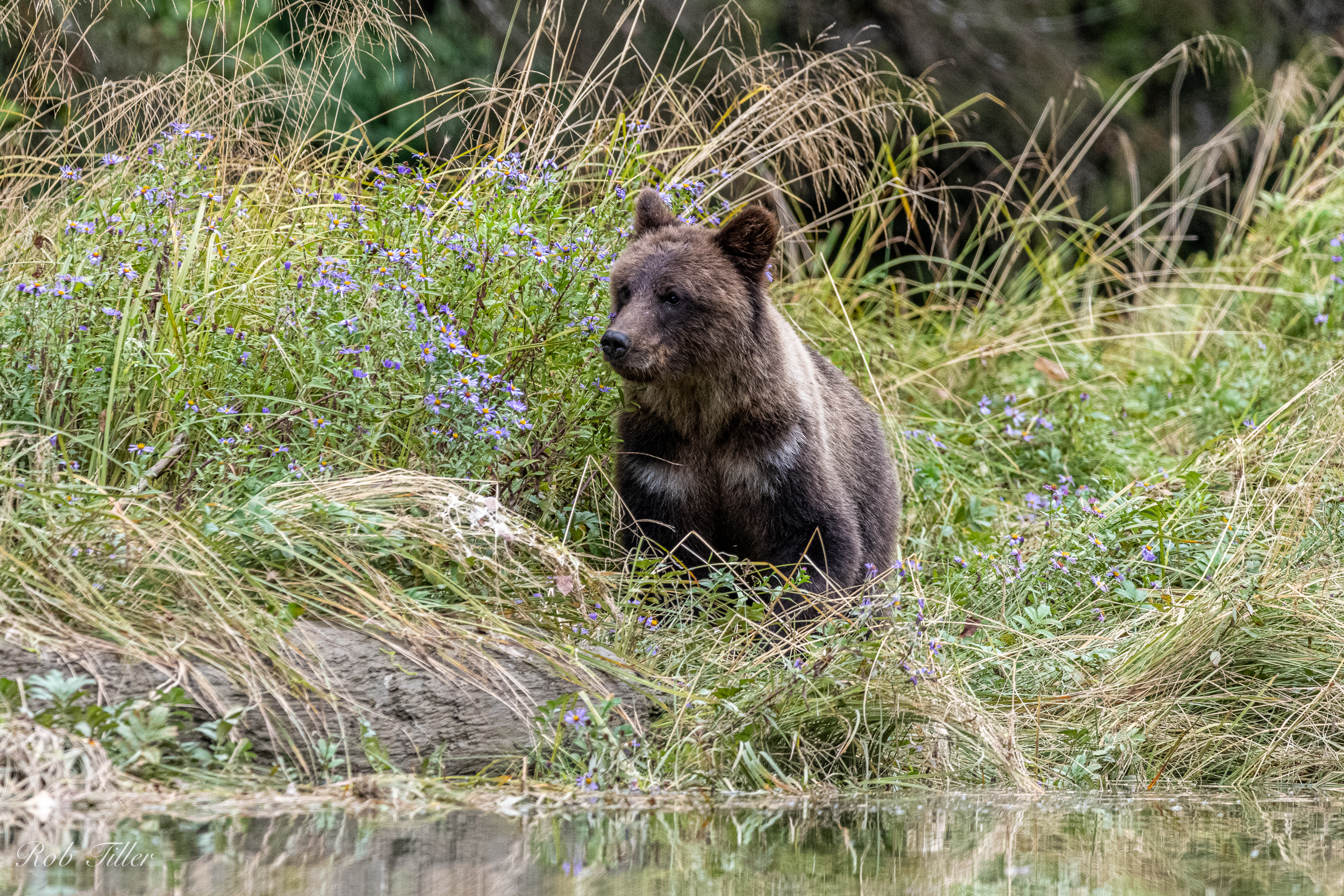
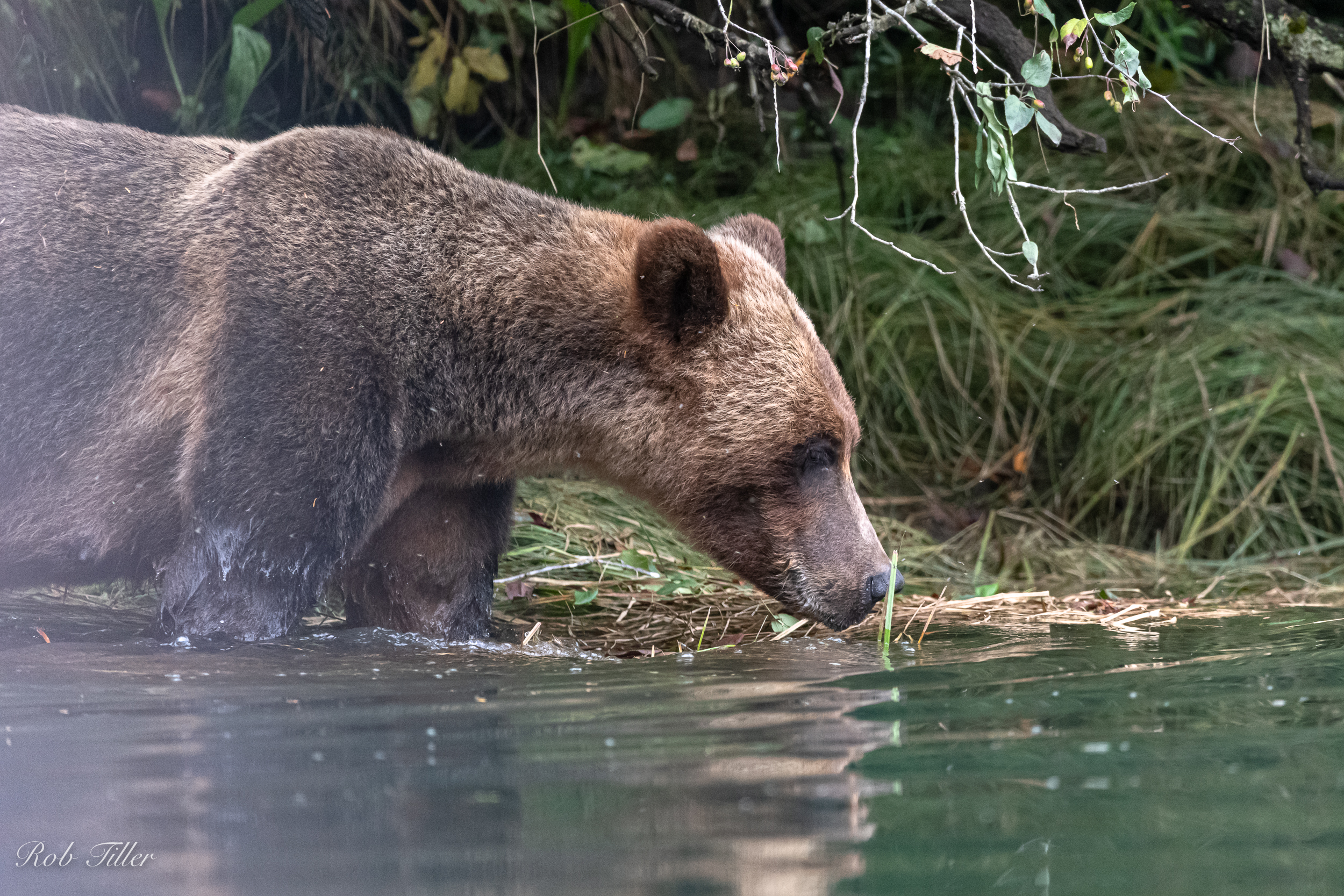
Grizzly cub

As I noted here recently, I’ve been thinking about some of the non-obvious effects of American racism, including its polarizing impact on our politics.  I learned more about those issues this week from the 1619 Project, an excellent series of essays in the NY Times on American slavery and racism.  The series makes a strong case for viewing slavery not as a momentary aberration in the American experience, but a central element of our foundation that continues to affect us today.   

The 1619 Project notes how the heritage of slavery explains many of the problems in our housing, schools, employment, health care, and criminal justice systems.  The essay by Matthew Desmond  was particularly intriguing.  Desmond points out that the version of capitalism that Americans think of as normal is actually quite different from capitalism in most countries in that it largely ignores concerns for workers’ welfare.  He argues that this is the result of attitudes and practices worked out in the extremely profitable cotton plantations of the early 19th century. Plantation owners pioneered many modern business and financial systems, and also developed a mindset that tolerated extreme inequality with wealth and privilege only for a lucky few.  Their success depended on the brutal exploitation of kidnapped Africans.  

The brutality of that system was justified by the pseudo-science of racism, with otherwise respectable scientific minds purporting to show that Africans and their American descendants were inherently inferior.  Ian Frazier has a very fine piece in this week’s New Yorker on that subject, including the early 20th century work of Madison Grant and his popularizer, Lothrop Stoddard. 

Reading this history is helpful in showing that our racism is not natural.  It was a human invention. It’s turned out to be surprisingly durable, but that doesn’t mean it can’t be undone.  Since we had the power to set it up, we clearly have the power to undo it. But plainly, fixing it will take hard work.  For most of my life, I thought that the system was gradually disappearing on its own, but recent events have shown how wrong I was.  

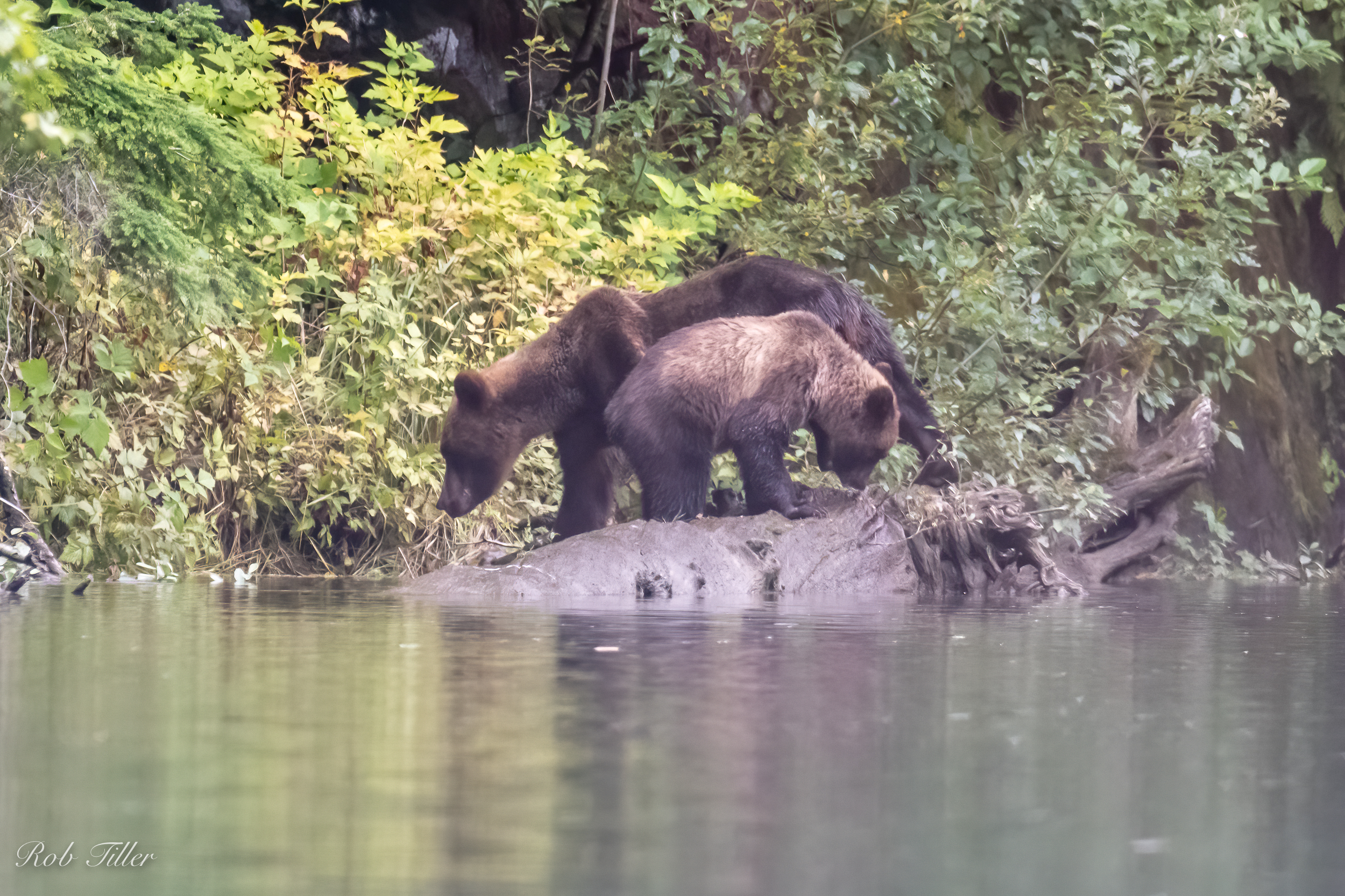
Grizzley mom

If we take on the hard work of breaking down our caste system and its underlying psychology, it’s bound to make us better, at least a little.  Less hatred and fear equal more happiness. Our current system requires that we accept as normal unfairness, injustice, and brutality. It desensitizes us and leaves us morally numb.  As we overcome that system, we’ll be better able to connect with people different from ourselves, and even with ourselves.  

The moral numbness of our racist system may also account for part of our problems connecting with other living things in the natural world.  As we clear away racist ways of thinking, we may find ourselves seeing more of the beauty and wonder of nature, and how fragile it is. It might motivate us to get to work on mitigating the existential threats facing our planet.  

Getting ready for bears, finding butterflies, more mass shootings, and how racism affects us


Next week I’ll be going to Klemtu, British Columbia for a photography workshop involving bears.  I’m excited, but also a little daunted, since there’s a lot I don’t know about bears. This week I’ve been shopping for expedition clothing and equipment.  I’d like to thank Peace Camera, my local photo shop, for their patience and good advice, and REI, Great Outdoor Provision Co., and L.L. Bean for their high quality products and friendly service.    

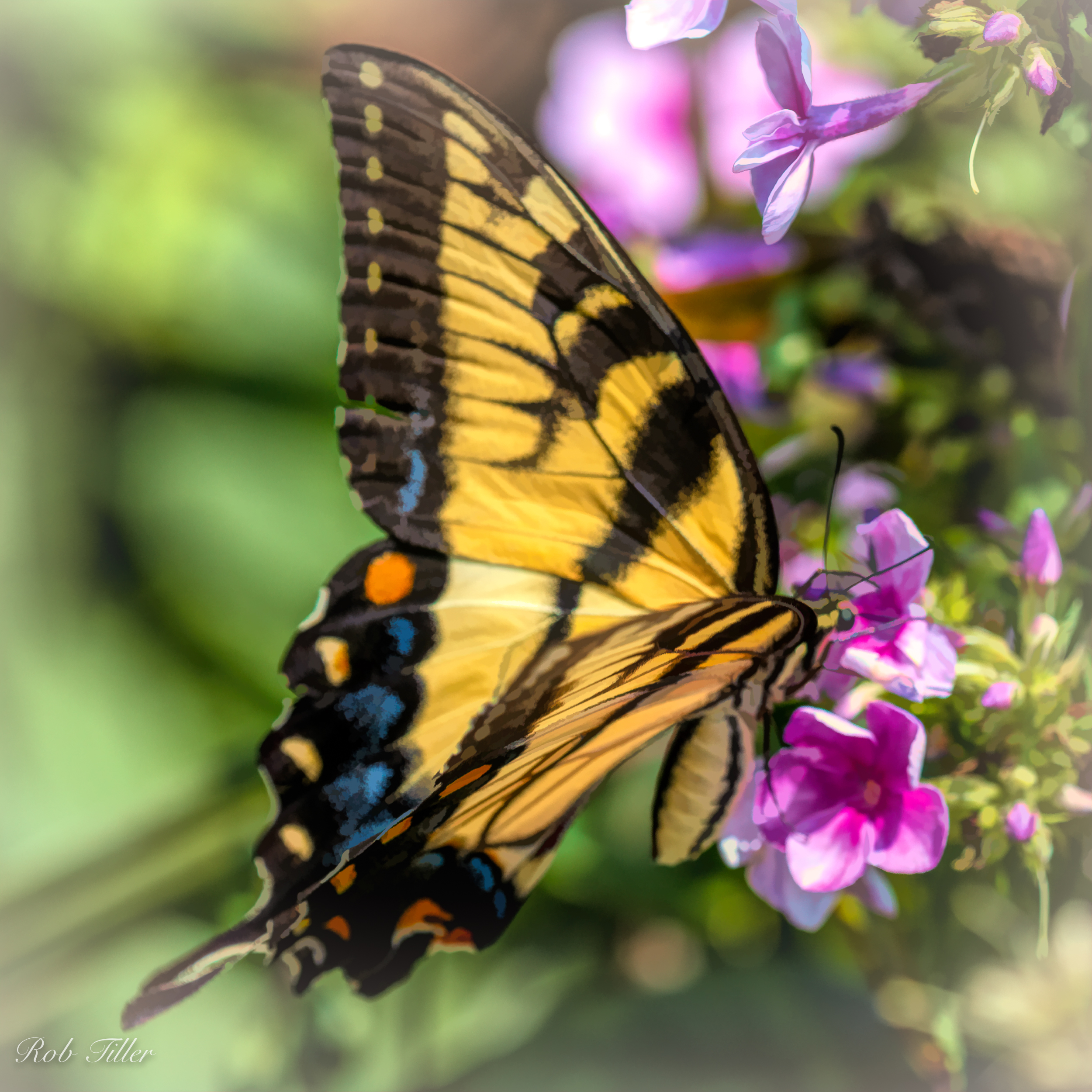
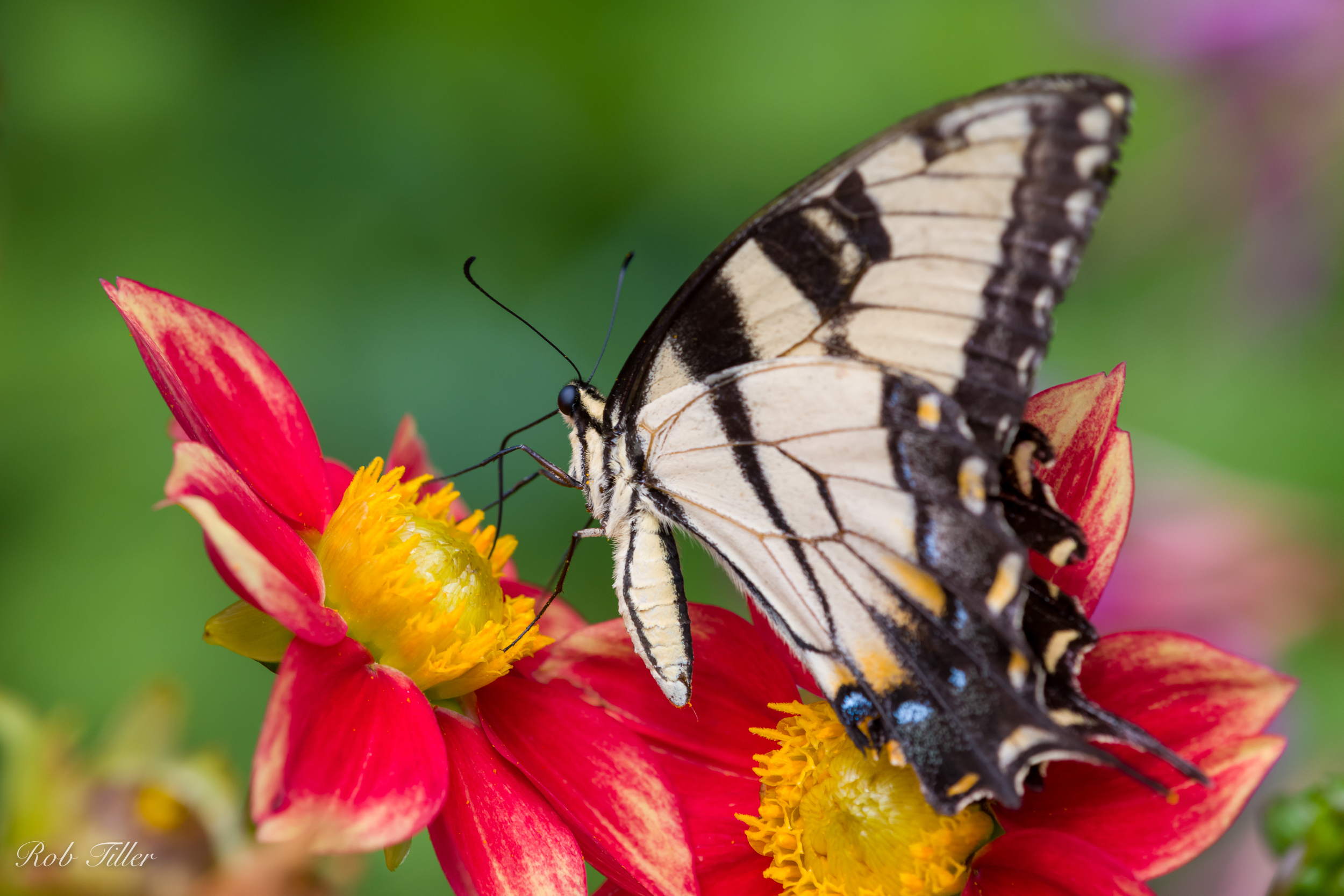
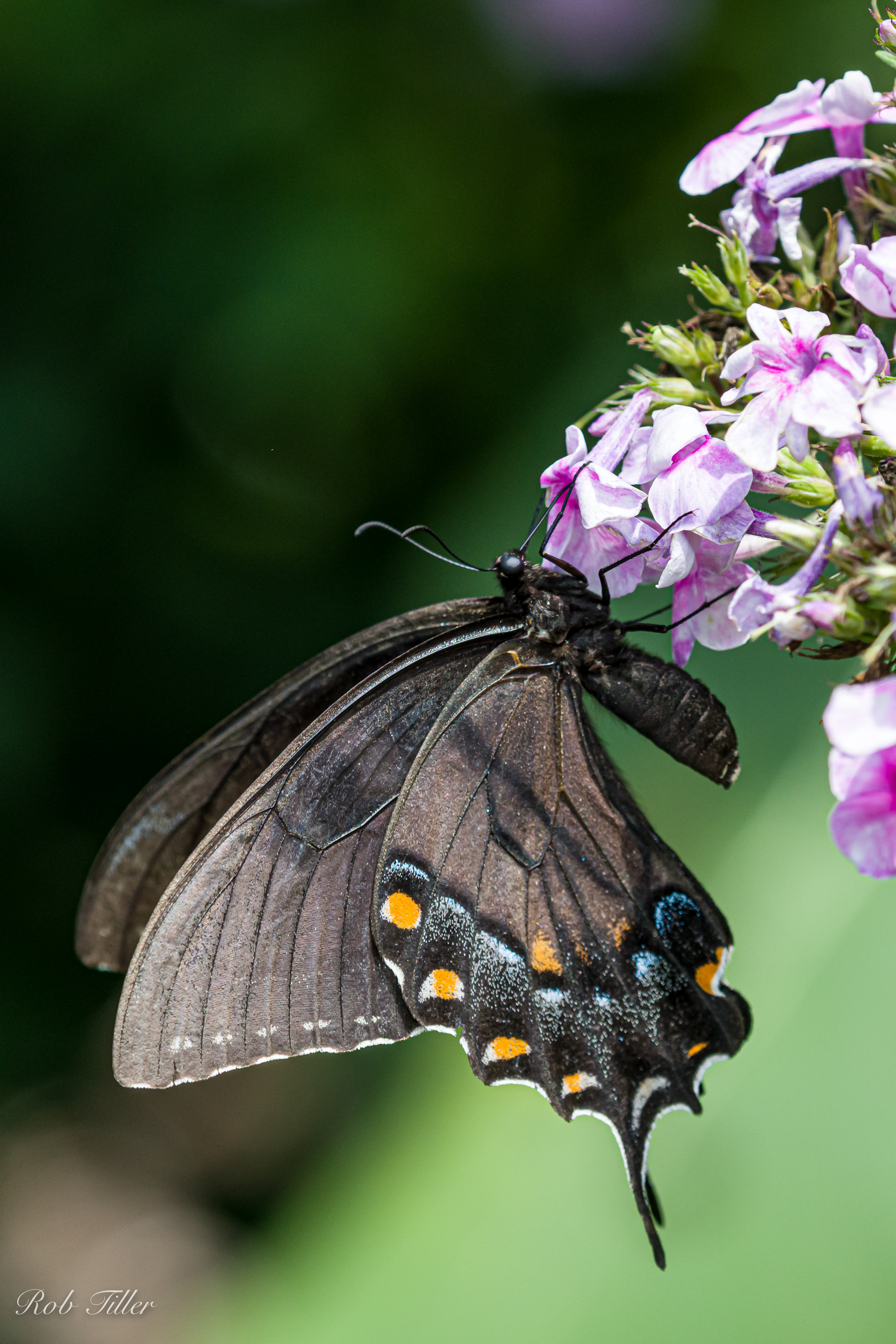
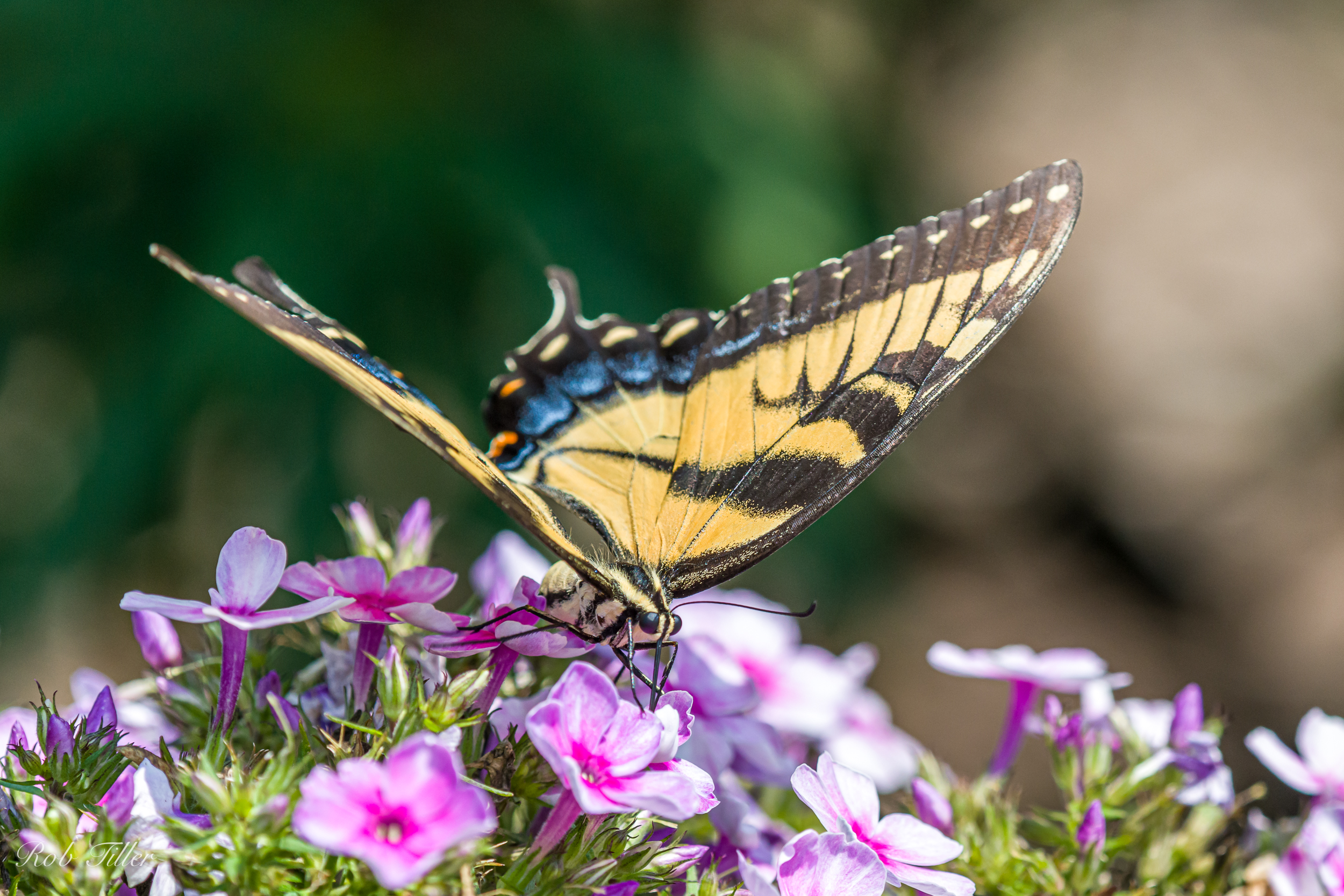
Trying to get ready for the bears, I got outside a few times with my camera, but the only photogenic animals I saw were butterflies.  Those here were in Raulston Arboretum, where they were working hard in the flowers. Though they had no interest in posing for me, they didn’t seem to mind my shooting them.  Anyhow, there were many shots I didn’t get, but I did get these which I liked.  

I’m generally hesitant to refer to taking pictures as shooting, because the term is ambiguous, and I’m definitely not referring to using guns.  Mass shootings were once again in the news this week, causing fresh horror and renewed calls for reasonable gun control. It is sad and remarkable that our politics prevents fixing this relatively simple problem.   

I’ve been reading a lot lately about racial bias and wondering how much of our gun proliferation problem relates to our racism problem.  There’s a lot of evidence that white people unthinkingly and wrongly associate black people with negative qualities, including criminality.  How much of the drive to own firearms comes from an irrational fear of black criminals? A goodly amount, I’d wager. To judge from the crowds at Trump rallies, the folks most enthusiastic about guns are the ones that are most supportive of Trump’s racism.  They may well think they need guns to fend off black criminals.  

I think it’s a mistake to blame Trump for our racism.  His incitement of racist violence is revolting and scary, but the American system of white supremacy was in place long before he was born. And to fathom it requires looking well beyond the President’s outrages.  I even give Trump credit for a possible silver lining: his grotesque and overt racism takes the issue out from under the covers and makes it somewhat easier to see and work on.  

I used to think that the main problem with white racism was the disadvantages it created for black people.  Those disadvantages, from limiting job, housing, and educational opportunities on down to emotional and physical violence, are wrong, and we need to fix them.  But our traditional racism has ripple effects that are related to a host of other problems.  

The meta problem is our political polarization, which makes it almost impossible to work on other major problems (like gun control, population control, deindustrialization, fair elections, the social safety net, health care, and climate change).  This polarization is in large part a product of our racism.  

Nixon’s “southern strategy” in 1968 was to use racist dog whistles and fearmongering to get southern Democrats to vote Republican, and succeeding generations of Republican politicians have followed the same playbook with varying degrees of subtlety.  As Sahil Chinoy pointed out in the NY Times this week, race and attitudes toward race are a strong predictor of whether we call ourselves Republicans or Democrats.

Unless you just arrived here from outer space or Honduras, you probably know that Republicans are a mostly white party, and Democrats are a more racially mixed party.  This division wouldn’t necessarily be a problem if we viewed race as merely a physical difference, like height or eye color.  But we’re deeply conditioned to associate blackness with fearsome things. The political party that doesn’t much care for blacks not only disagrees with the other party; it believes it to be dangerous.  It’s hard to work cooperatively with people you think are a threat to peace and order.  

So a lot of our political disagreements that seem to have nothing to do with race are the progeny of racism.  I should note that I’m talking here about systems and tendencies. I don’t at all mean to suggest that all Republican individuals are racists, or that all Democrats are not.  On the contrary, I think a lot of us in both parties think that racism is wrong and want to end it.  But not a lot of us fully appreciate how thoroughly our racist culture has conditioned us, how much our lives today are affected by that culture, and how much work we have to do, both as individuals and as a society, for real change.      

By way of advancing the discussion, I’ve been reading, and hope others will read, White Fragility:  Why It’s So Hard for White People to Talk about Racism, by Robin DiAngelo. DiAngelo’s message is particularly important and helpful for white people who consciously support racial equality but don’t realize how they too have been deeply conditioned by a racist system.  She pulls no punches, and makes a convincing case that those of us who consider ourselves progressives as to racial matters still have a lot of interior work to do.  

I’m also reading and recommending Biased: Uncovering the Hidden Prejudice That Shapes What We See, Think, and Do, by Jennifer Eberhardt.  Eberhardt is a black social psychologist whose work involves studying racial bias. The book is part autobiography and part science. With moving and personal stories, she shows how deeply seated racism is in our culture, and how much work it will take to undo it.