The Casual Blog

Tag: bacteria

Charities, Allegiance, history, microbes, walks, and flying my new quadcopter

Demolition on Harrington Street

Demolition on Harrington Street

This week I wrote my annual checks to my favorite charities. Giving seemed more than usually important this year, since some of my favored causes are directly threatened by the recently elected executive — the environment, human rights, civil liberties, animal rights, family planning, and those less fortunate. I felt really lucky to be able to help, even if only a little, by giving to effective organizations.

I was especially mindful of the dire plight of refugees from the Middle East, Africa, Central America, and elsewhere, and so want to mention for your consideration the work of the International Rescue Committee and Doctors Without Borders. I’ll also note that in these tumultuous times we need more than ever the wisdom and beauty of the arts, and hope others will join me in supporting the wonderful North Carolina Ballet and North Carolina Opera.
blogpicbug-1-7

On Tuesday, Sally and I saw Allegiance, a movie of a show recently on Broadway about the experience of Japanese-Americans in WWII. It was inspired by experiences of George Takei (Star Trek), whose family, along with many others, was held in a grim internment camp. At one level, it was a normal Broadway show, with pretty songs and kinetic dances, which were enjoyable if not especially original. But it was ambitious in taking on a big and tragic subject and expressing some of its complexity. While the so-called alt right has found new methods for inspiring fear and hatred of minorities, Allegiance does the opposite — it inspires caring.

blogpicbug-1
The movie of Allegiance was a one-time-only, nationwide event that I learned about from the Stuff You Missed in History Class podcast, which I’ve been listening to at the gym. Stuff You Missed often take on subjects that our American history textbooks played down or left out, because they don’t fit comfortably into a triumphalist national narrative. For example, recent ones I’ve liked have treated the Dakota War of 1862, George Wallace, the Reynolds pamphlet of Alexander Hamilton, the first transatlantic cable, and the Palmer raids. They segments are lively and have a nice balance between serious academic history and the personal, emotional implications of some dire events. The hosts, Tracey V. Wilson and Holly Frey are starting to feel like friends — really smart, curious, and hardworking, with a sense of humor. You can check it out here.
blogpicbug-1-5

THe spirit of curiosity and engagement with new things has been upon me, and so I finished reading, and started re-reading, I Contain Multitudes: The Microbes Within Us and a Grander View of Life, by Ed Yong. It’s a lively and convincing view of the bacteria that live in us, on us, and all around us. This is a really exciting area of science, and developing fast. I like that Yong’s title used a line from Walt Whitmans’ Leaves of Grass, which also can change how we see ourselves.

When I was a child, I was taught that “germs” were bad, and the best thing to do was avoid them or eliminate them. As Yong makes clear, this was both silly and dangerous. Our bodies contain more bacterial cells than human cells, which calls into question who really owns those bodies. There are some 39 trillion bacterial cells in and on us, and thousands of species, though the particular kinds in each of us varies greatly, and the varieties are constantly changing. They are vital to our well-being. Without them, we could not grow or thrive. Each one of us is an ecosystems — microbiomes, as they now say. Without those multitudes, we could not grow, and could not continue to live. They are vital, for example, for digesting food, producing vitamins, breaking down toxins, and killing more dangerous microbes. DCIM100MEDIADJI_0017.JPG
I also finished reading On Looking: Eleven Walks with Expert Eyes, by Alexandra Horowitz. Horowitz, who teaches psychology and animal behavior at Barnard, writes well about who she sees, hears, smells, and touches in walking around New York. After an initial walk by herself considering how much there was to see in a city walk, she also realized how little she normally perceives. She does the other 9 walks with experts in some aspect of the urban environment, like a geologist, a paleontologist, an architect, a wild animal expert, a sound designer, and her dog (an expert in smells). She gives short by credible accounts of the relevant science, and makes us consider the urban environment as full of non-human life and history.

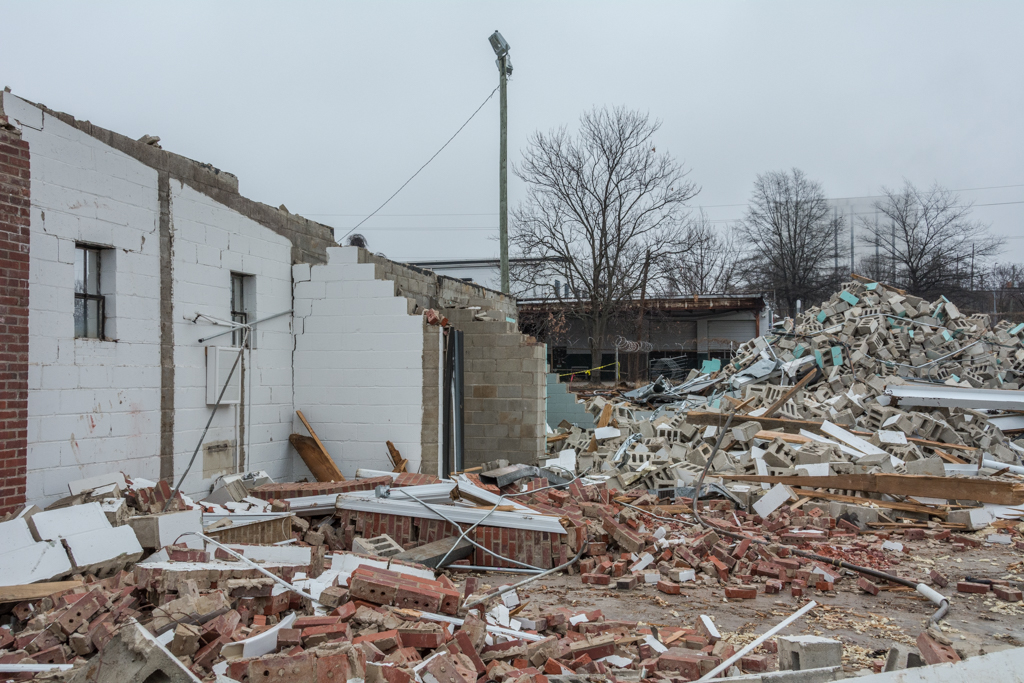
The demolition photographs here are from just down the block on Harrington Street, where they just knocked down a former furniture store that sat next to the old Board of Elections Building. They didn’t fence off the site, so I was able to take a good look around on Saturday. I look forward to more new construction in the neighborhood, including (can’t wait for this one) a grocery store.
DCIM100MEDIADJI_0023.JPG

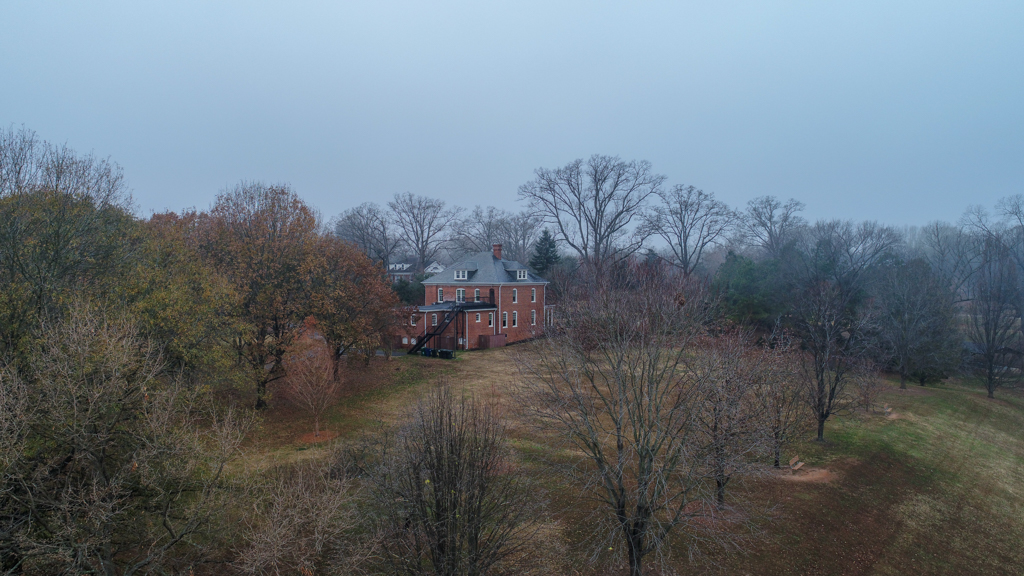
Finally, this weekend I added a new line to the c.v.: quadcopter pilot! I took my first flight with my new DJI Phantom 4 quadcopter, a/k/a drone (a term I don’t really like, at least as applied to my aircraft) at Fletcher Park, where it was cold and gray. It was awesome! There is a learning curve, and I’m climbing it. I’m very excited about exploring aerial photography. These ones are my beginnings.
DCIM100MEDIADJI_0048.JPG

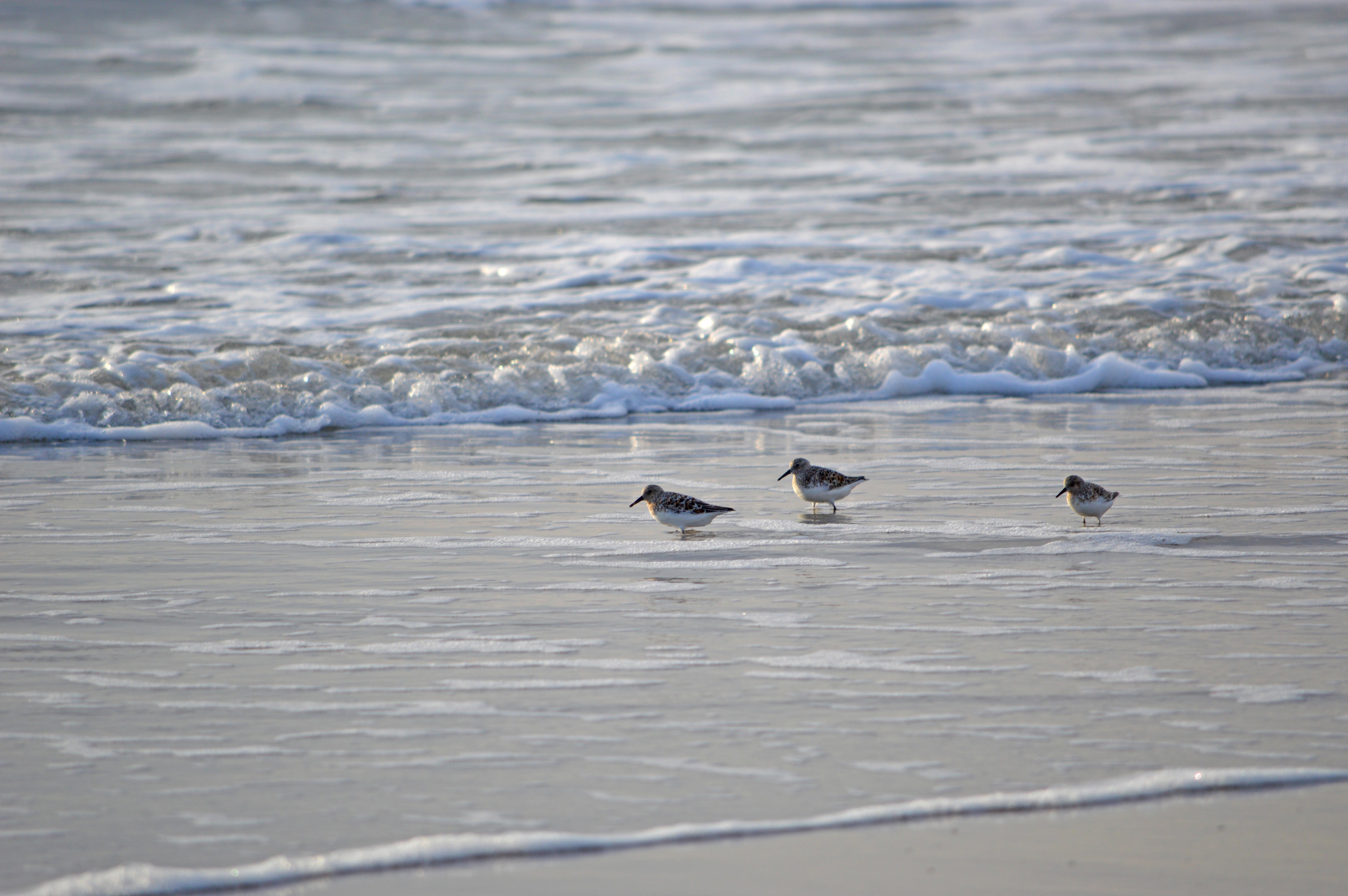
A fun Memorial Day weekend on the Outer Banks — eating, talking, running, looking at wild horses and birds, and reading

Jane and Keith's beach house in Corolla, NC

Jane and Keith’s beach house in Corolla, NC

Again this year, my sister Jane invited us out to the Outer Banks for Memorial Day weekend, and we happily accepted. The beach is a good place to relax and restore. After weighing the pros and cons, we decided to drive out in Clara, who with her sporting heritage rides rougher than the Suburu Outback, but is also prettier and more exciting. Traffic wasn’t bad. We went at the speed limit plus 9, and the heavy complement of state troopers along I-64 tolerated the overage.

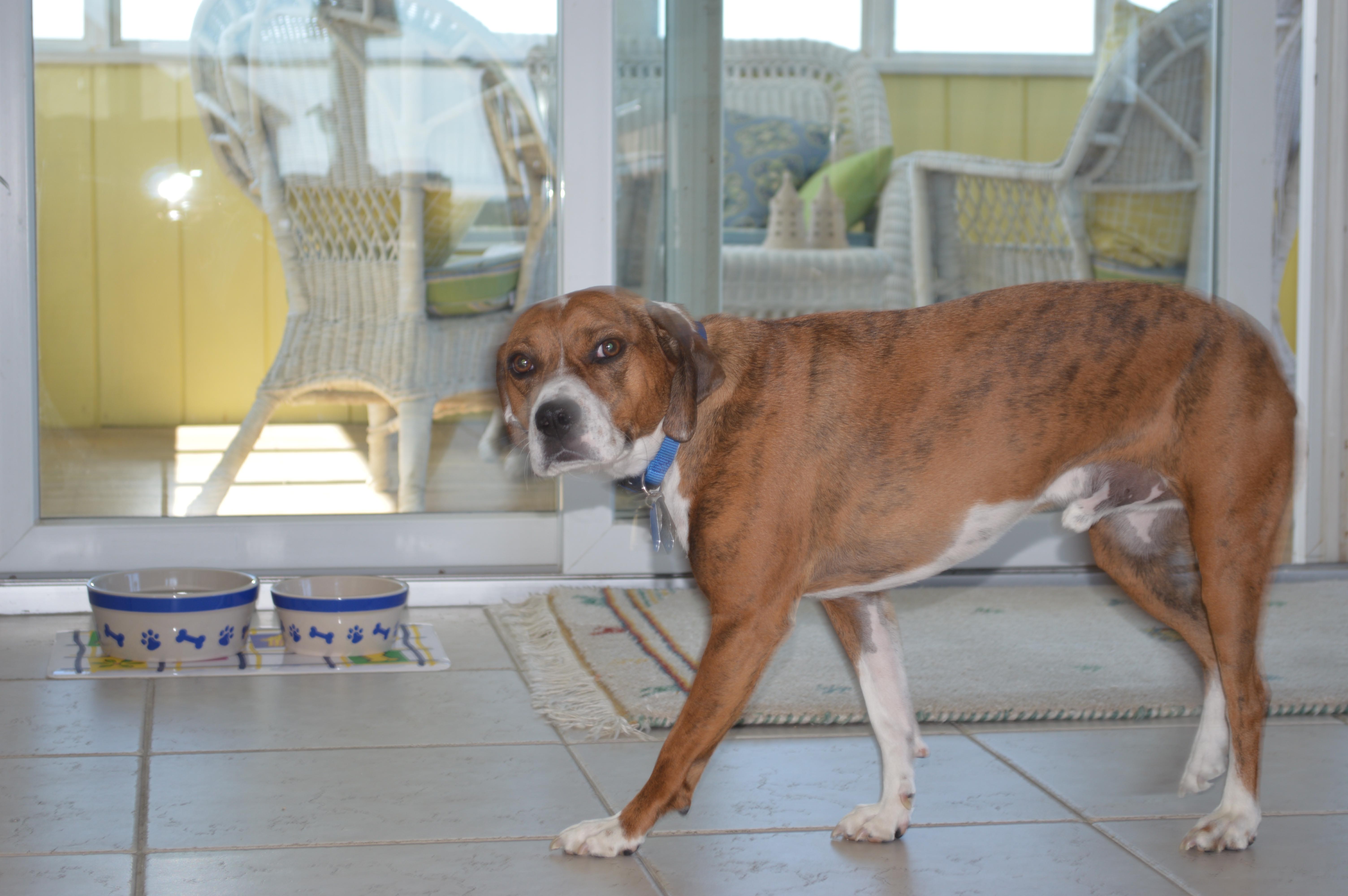
Charlie the Boogle

Charlie the Boogle

We got to Corolla about 9:30 p.m., and everyone was up and happy to see us. We enjoyed a glass of Keith’s merlot before bed. We also met their new dog, Charlie, a friendly beagle-boxer, or boogle. The camera made him a little nervous.

The next morning was sunny but chilly and windy. Keith prepared an egg casserole and fruit salad for breakfast, and we caught up on family news.
13 05 24_1703
We also talked a bit about technology and biology. I briefed them on some of the progress on understanding the human microbial community, which I read more about in the piece by Michael Pollen in last Sunday’s NY Times. Pollen wrote, “It turns out that we are only 10 percent human: for every human cell that is intrinsic to our body, there are about 10 resident microbes . . . . To the extent that we are bearers of genetic information, more than 99 percent of it is microbial. And it appears increasingly likely that this ‘second genome,’ as it is sometimes called, exerts an influence on our health as great and possibly even greater than the genes we inherit from our parents.”

This is mind-blowing, paradigm-shifting stuff. One researcher says “we would do well to begin regarding the human body as ‘an elaborate vessel optimized for the growth and spread of our microbial inhabitants.’” We’re just starting to understand some of the links between human health and microbial health. It’s a huge mistake, which most of us have previously made, to think of all germs as things that should be exterminated. Certain bacteria are essential to health, and problems in the microbiome appear to relate to chronic disease and some infections. Human health can be thought of as “a collective property of the human-associated microbiota . . . that is, as a function of the community, not the individual.”

The Pollen article is a great introduction to this subject, which is also discussed in The Wild in Our Bodies by Robert Dunn.
13 05 25_1642_edited-2

After breakfast, I went out for a run with my nephew David, now 13 and growing fast. David has fallen in love with lacrosse and is getting lots of playing time as his team’s goalie, so I figured he would probably run me into the ground. Instead, he developed a major cramp problem, and so we did more walking than running. I learned about his prize-winning science fair project, which involved growing and measuring characteristics of a fast growing plant called brassica rapa.
13 05 25_1640_edited-1
13 05 26_1751

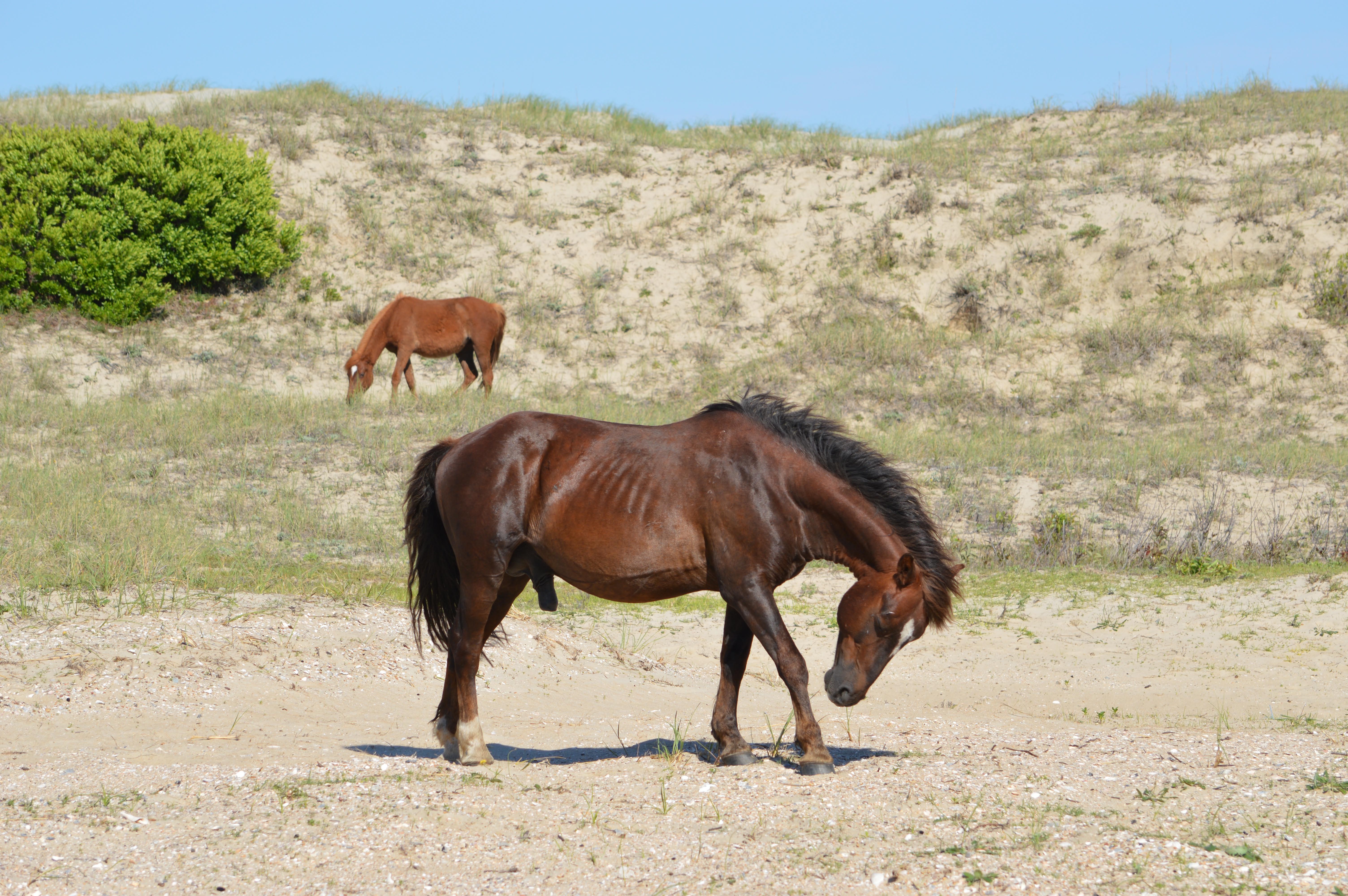
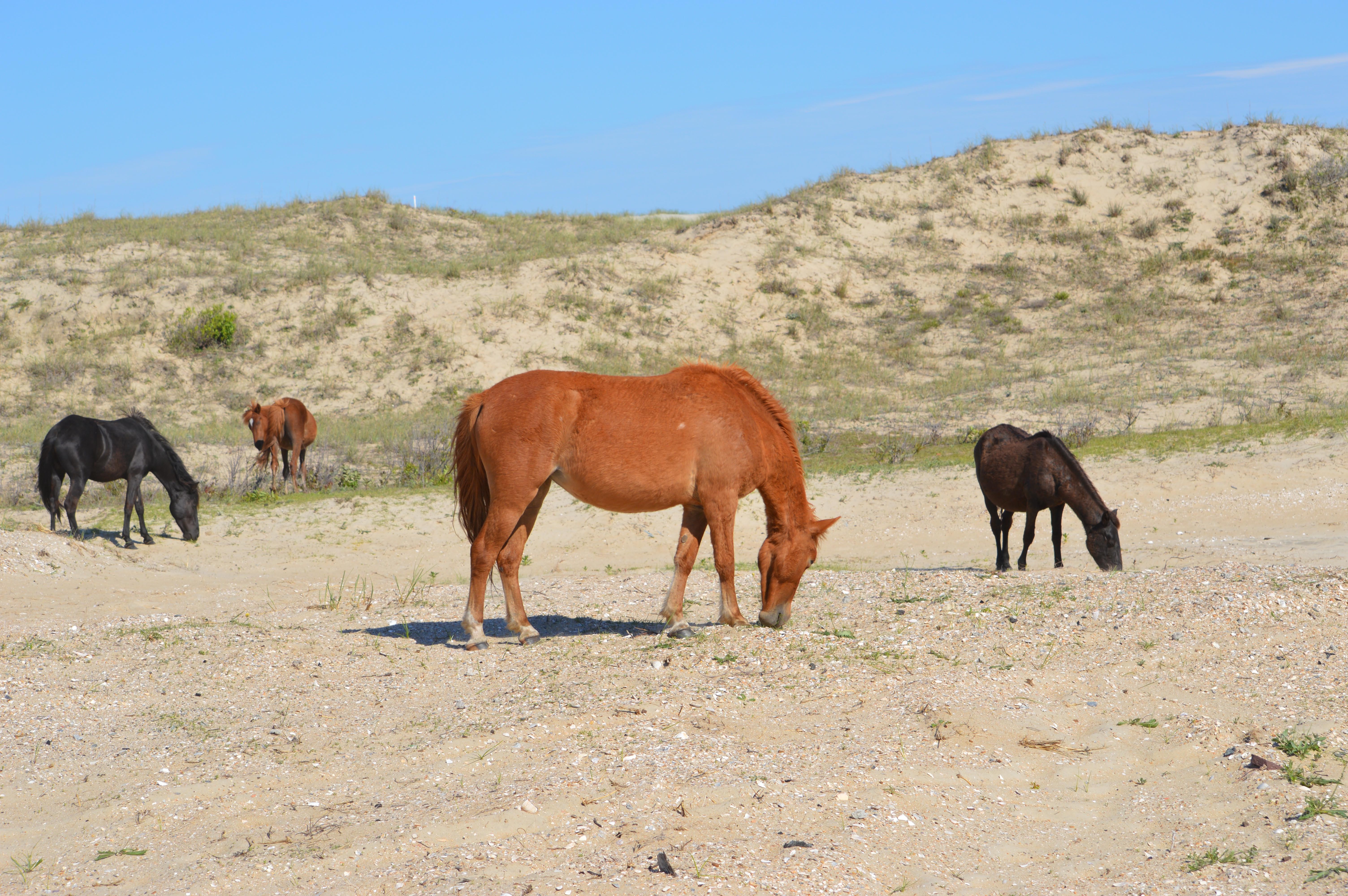
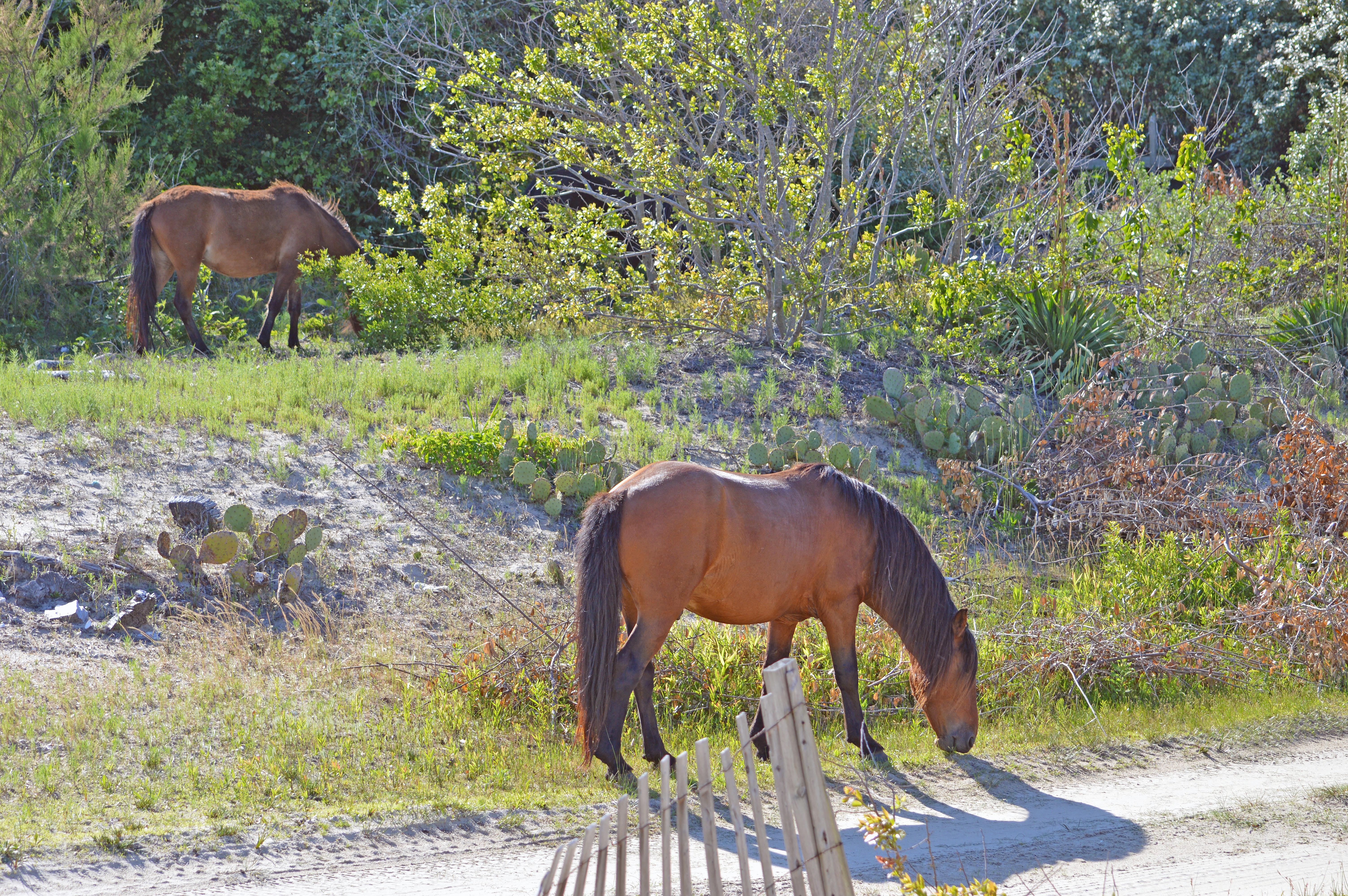
Keith cooked an amazing lunch – cucumber soup and pasta asparagus salad. Then we loaded up in the 4WD sport ute, and drove north on the beach looking for wild horses. Past the lifeguard station, we turned left into the sand roads through the gnarled trees and bushes of the maritime forest. We found several horses. It’s cheering somehow that these big animals can make their own way in small wild areas surrounded by development. We also saw a fox.
13 05 25_1571
13 05 25_156013 05 25_1608_edited-1

I had time for some reading in the afternoon, and got a good start on Things Fall Apart by Chinua Achebe, the Nigerian writer who died recently. This is his first and most famous book, and perhaps the most famous work of African literature to date. I was immediately hooked. The prose combines the muscular economy of Hemingway at his best with the vision of Faulkner, with an overarching tenderness and humanity. The story is about African village life, which, it turns out, has many of the same emotional components as our lives.

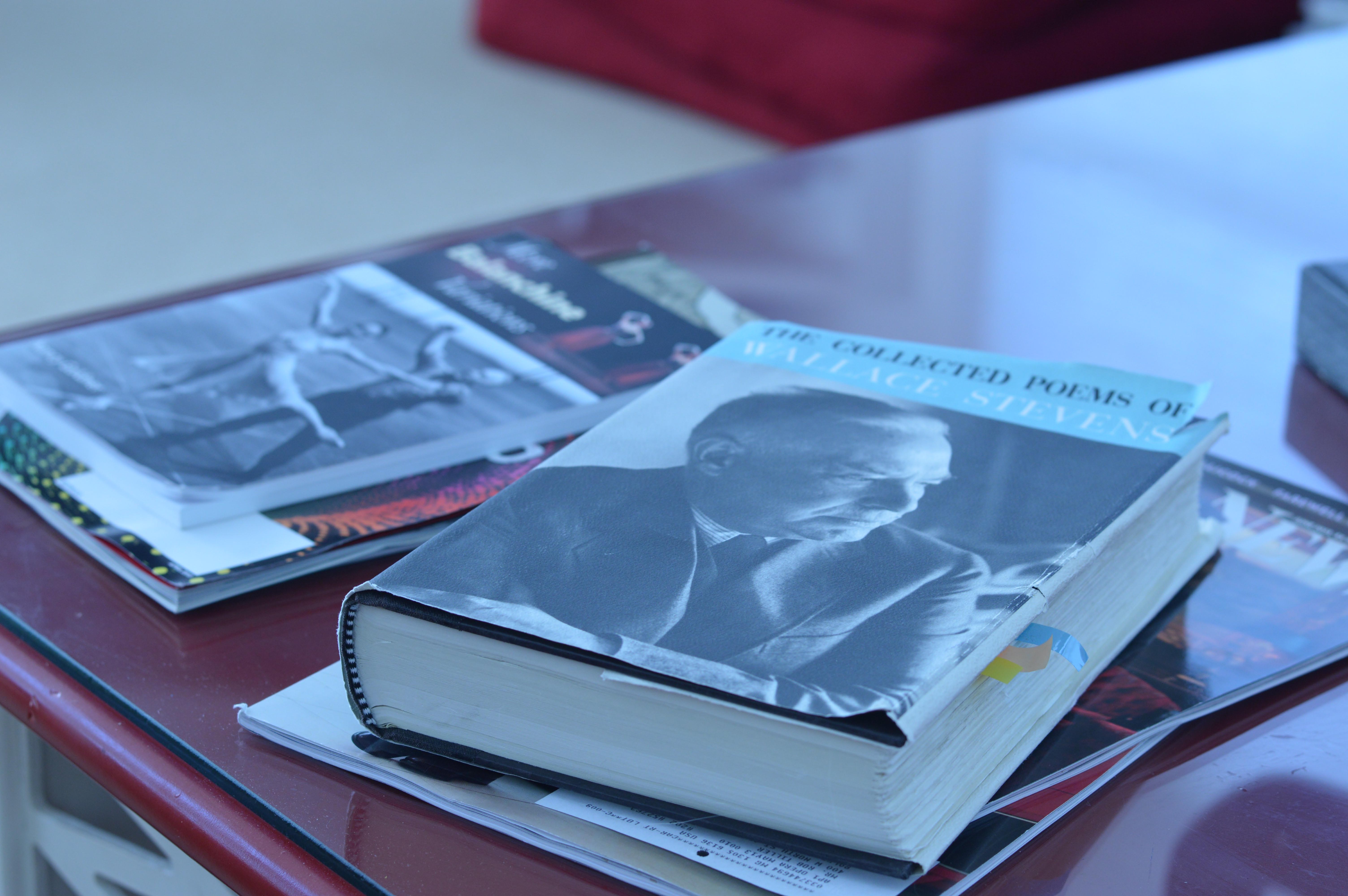
I also read more of More Balanchine Variations by Nancy Goldner, which is a book about various Balanchine ballets. Goldner is a generous-hearted critic, and she loves her subject. It’s so hard to bring dance to life other than by dancing, but she comes close.
13 05 25_1678

One other major bit of reading was chunks of the complete poems of Wallace Stevens. I came close to reading them all last year, before shelving the project some months back. Stevens is challenging, and not uniformly great – some of the poems seem mannered or even mad. But the greatest poems are both beautiful and profound. My favorite is still Sunday Morning, which is a sly, subversive, arresting, sensual, and humorous. I memorized it, and it still gives me goosebumps at the end, with its powerful image of “casual flocks of pigeons make/ ambiguous undulations as they sink,/ downward to darkness, on extended wings.”

Stevens proposes this joy in nature as an answer to religious asceticism, and it works for me. It also makes me look at the world with different eyes. For example, in back of Jane and Keith’s beach house, purple martins are still numerous, and still flying fast feeding on insects. It was a pleasure to watch them.

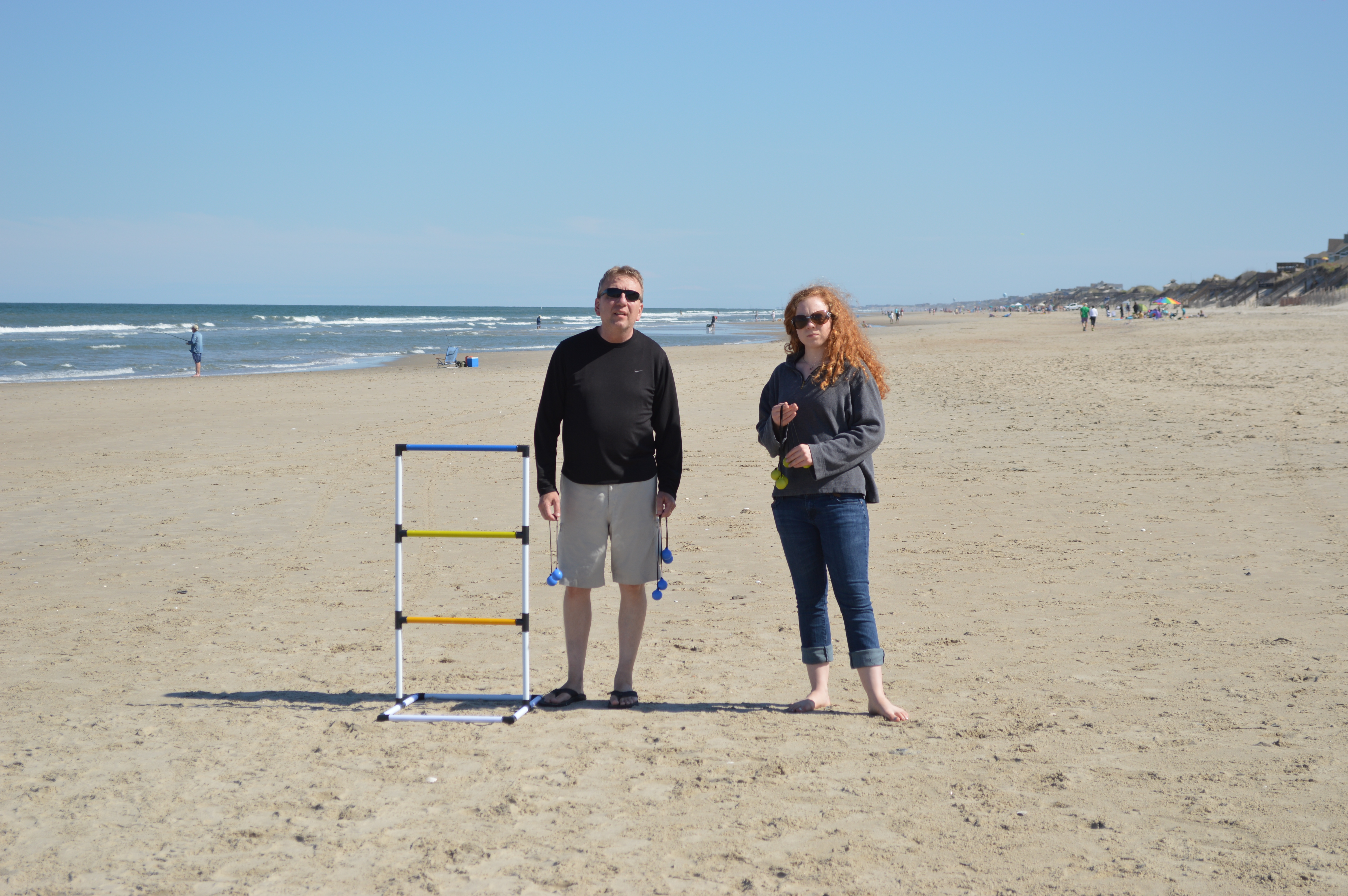
We played a new beach game on Sunday afternoon. It’s one of the many variations on horse shoes, but a good one. Points are scored by throwing a string with weighted balls on each end around a bar. They couldn’t remember the name of it, but no matter. It was fun!
13 05 26_1763

13 05 26_1759