Alaskan brown bears, and a few thoughts on history
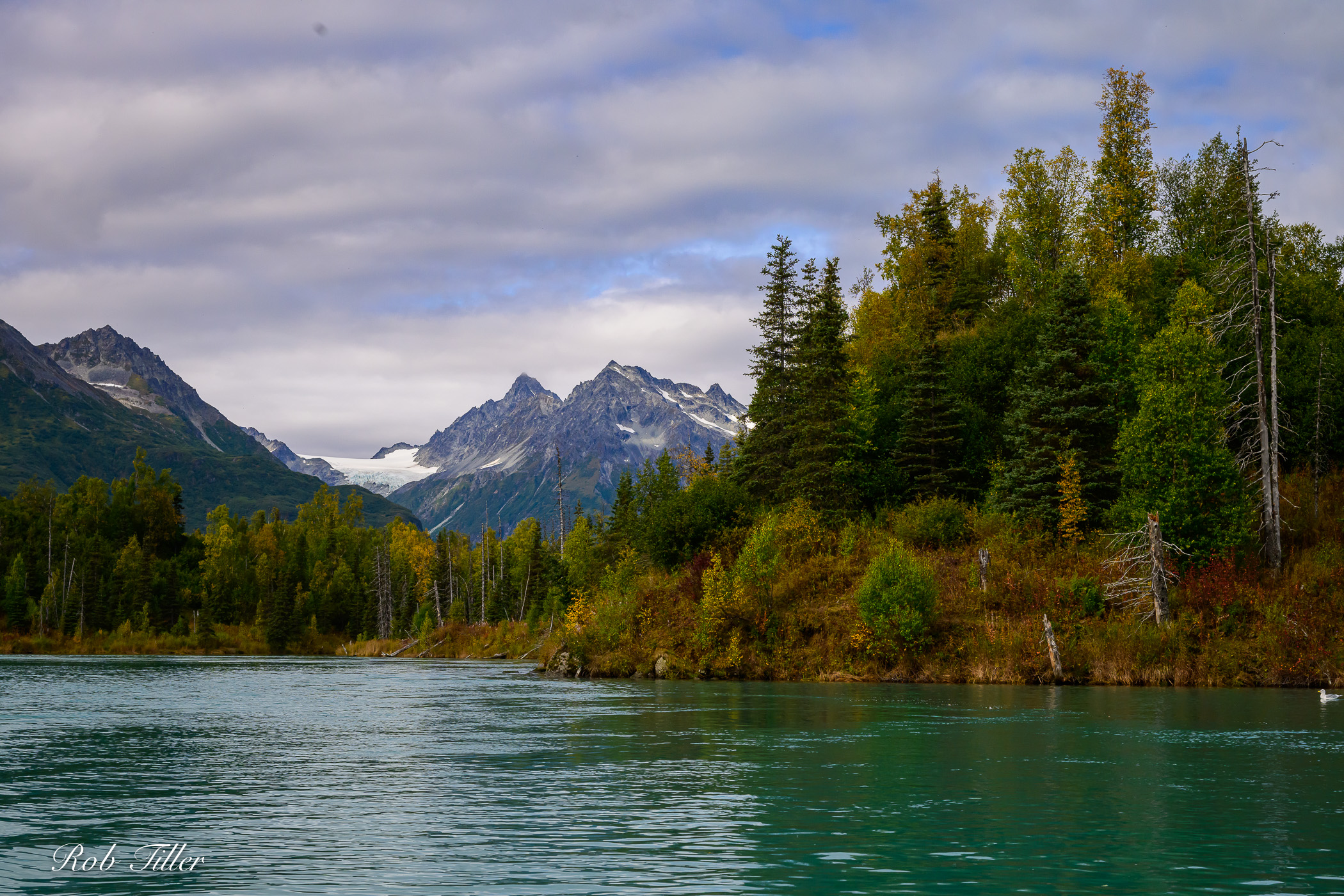
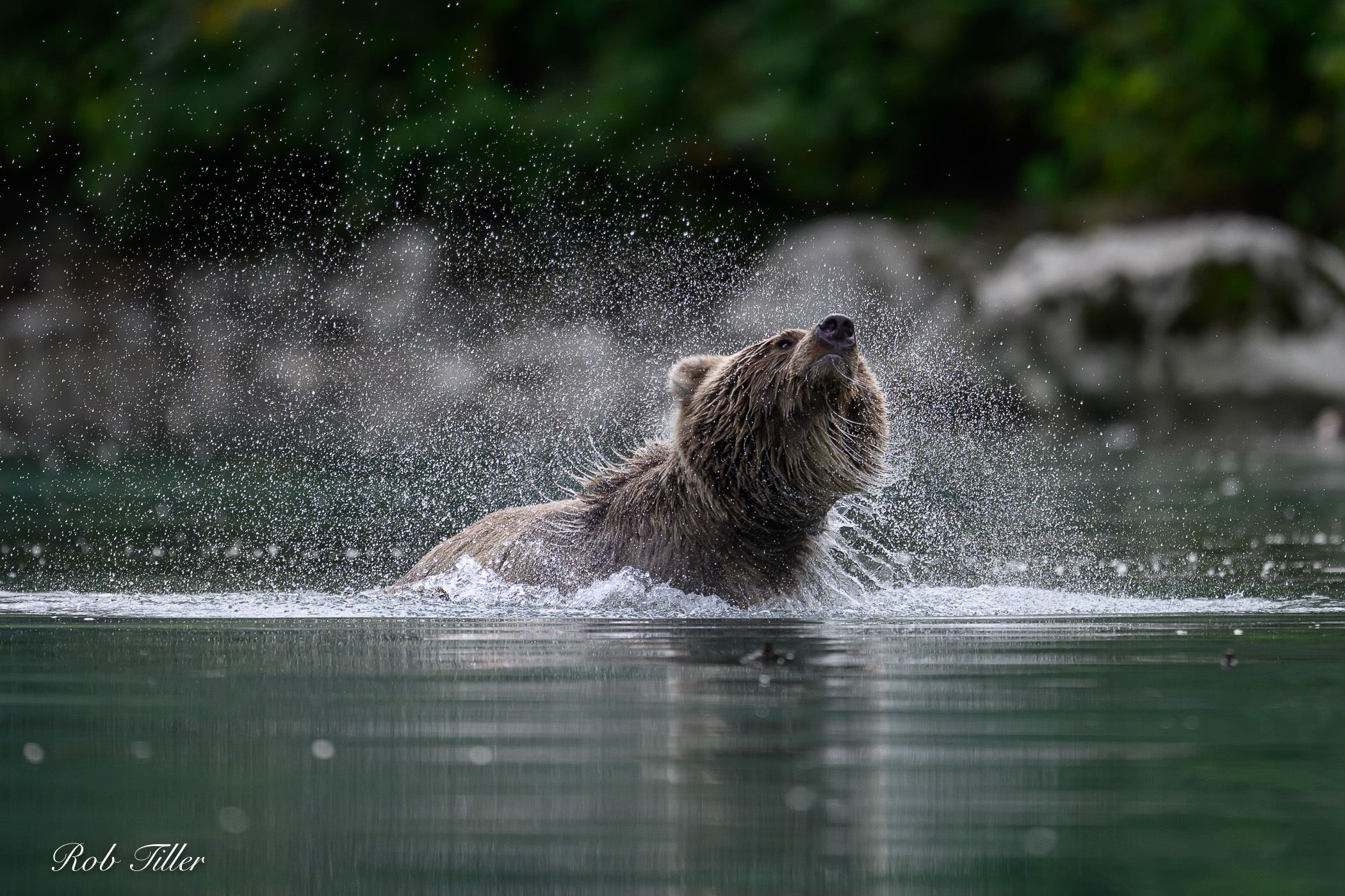
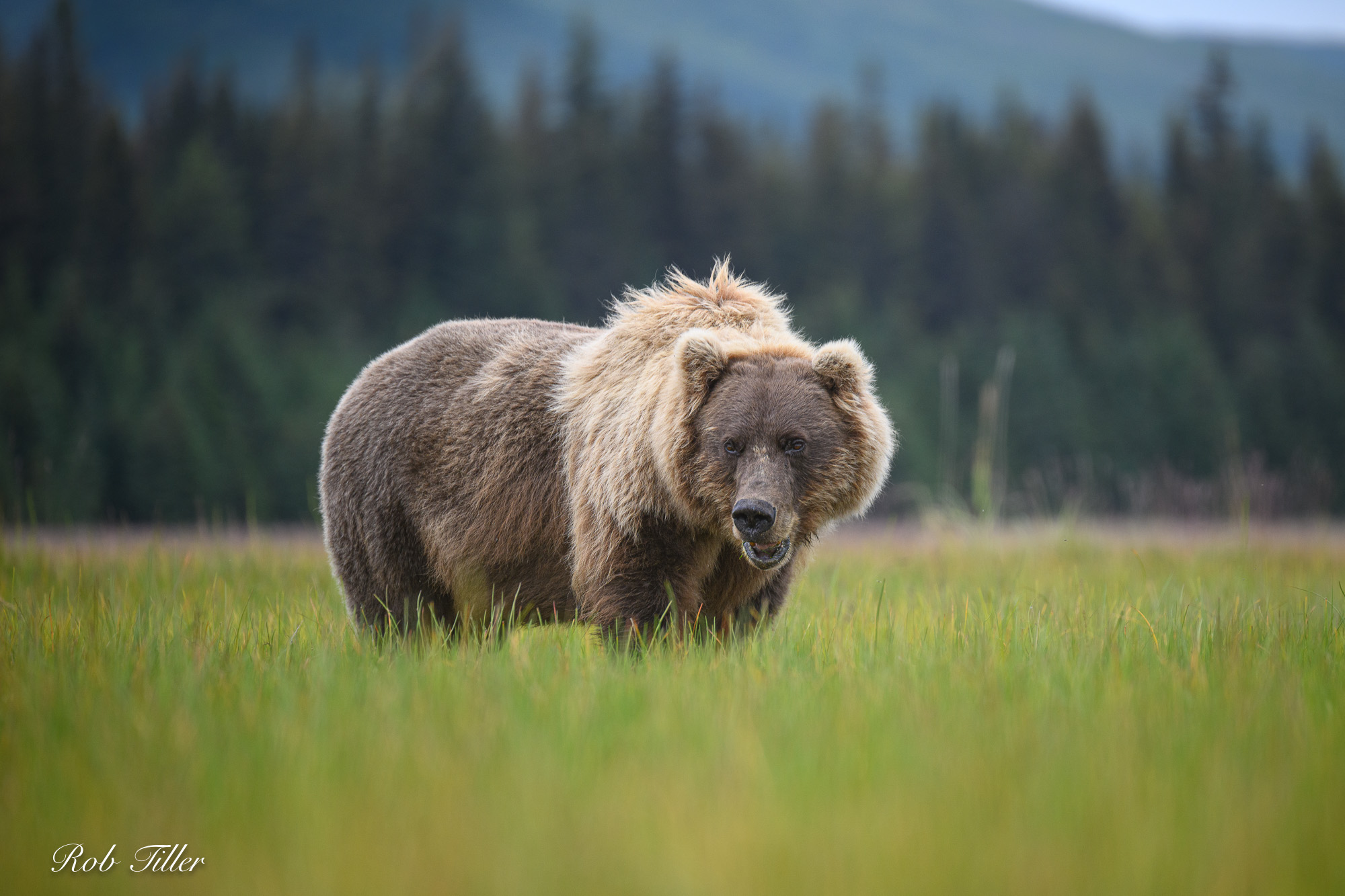
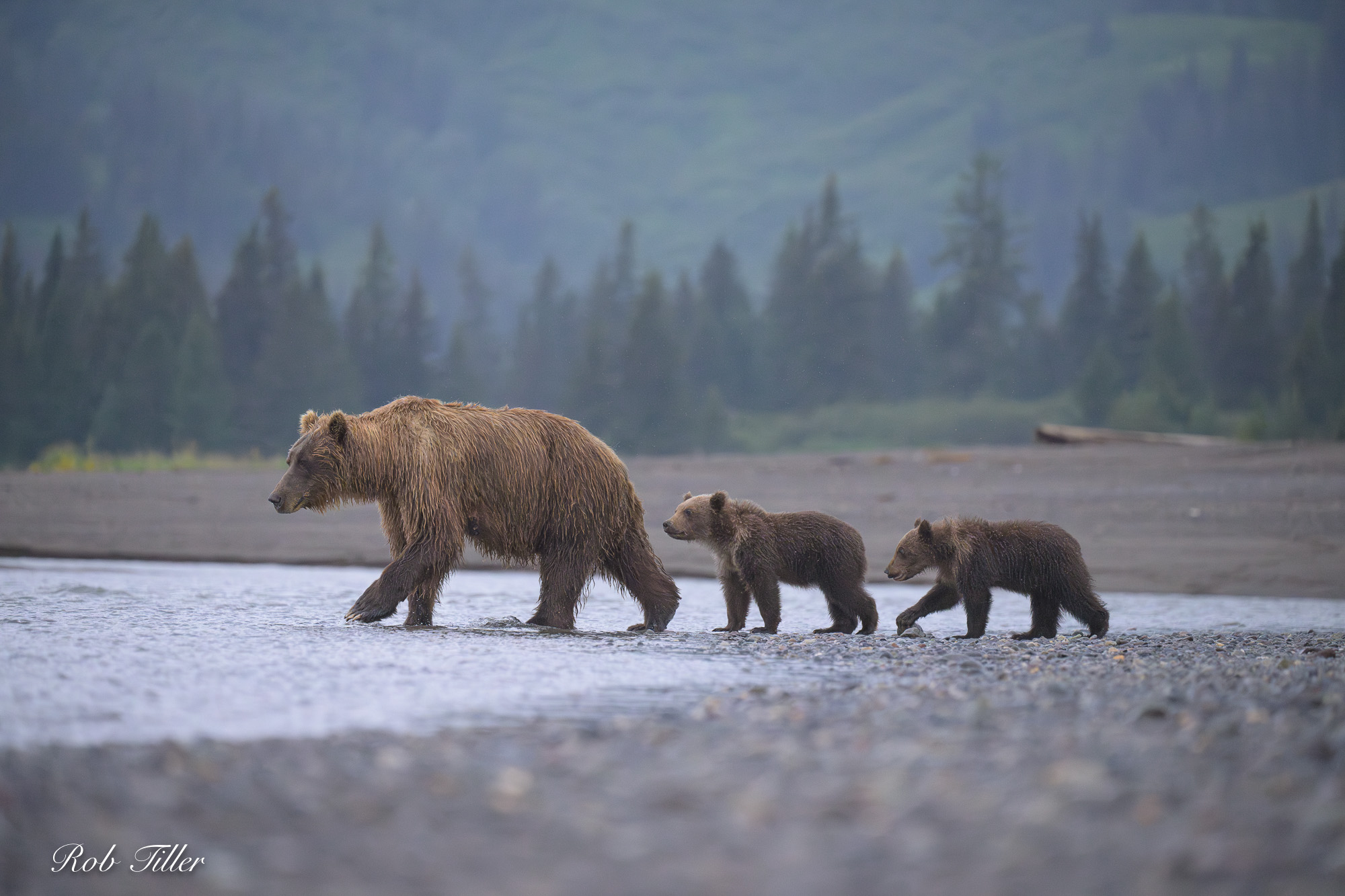
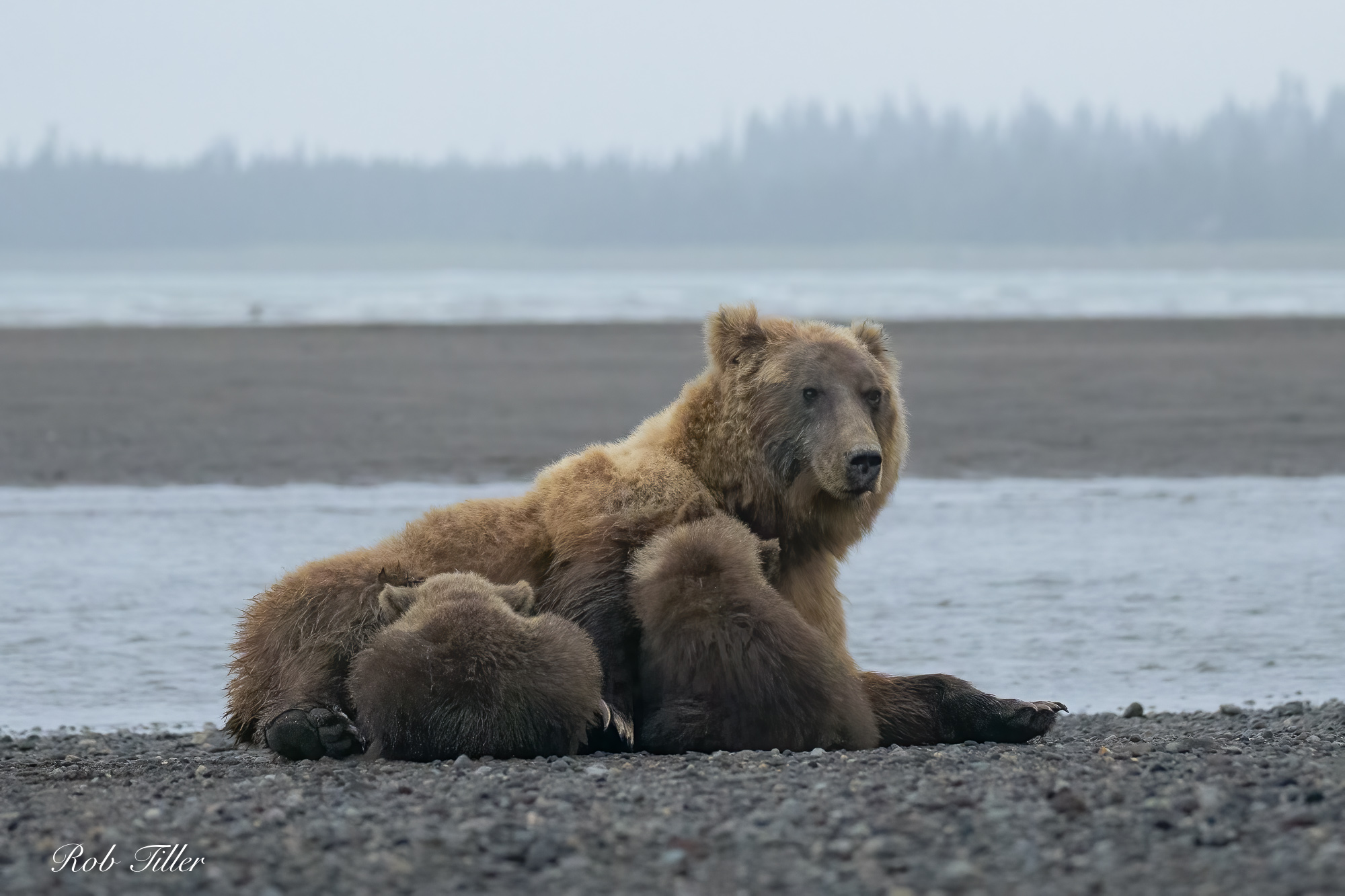
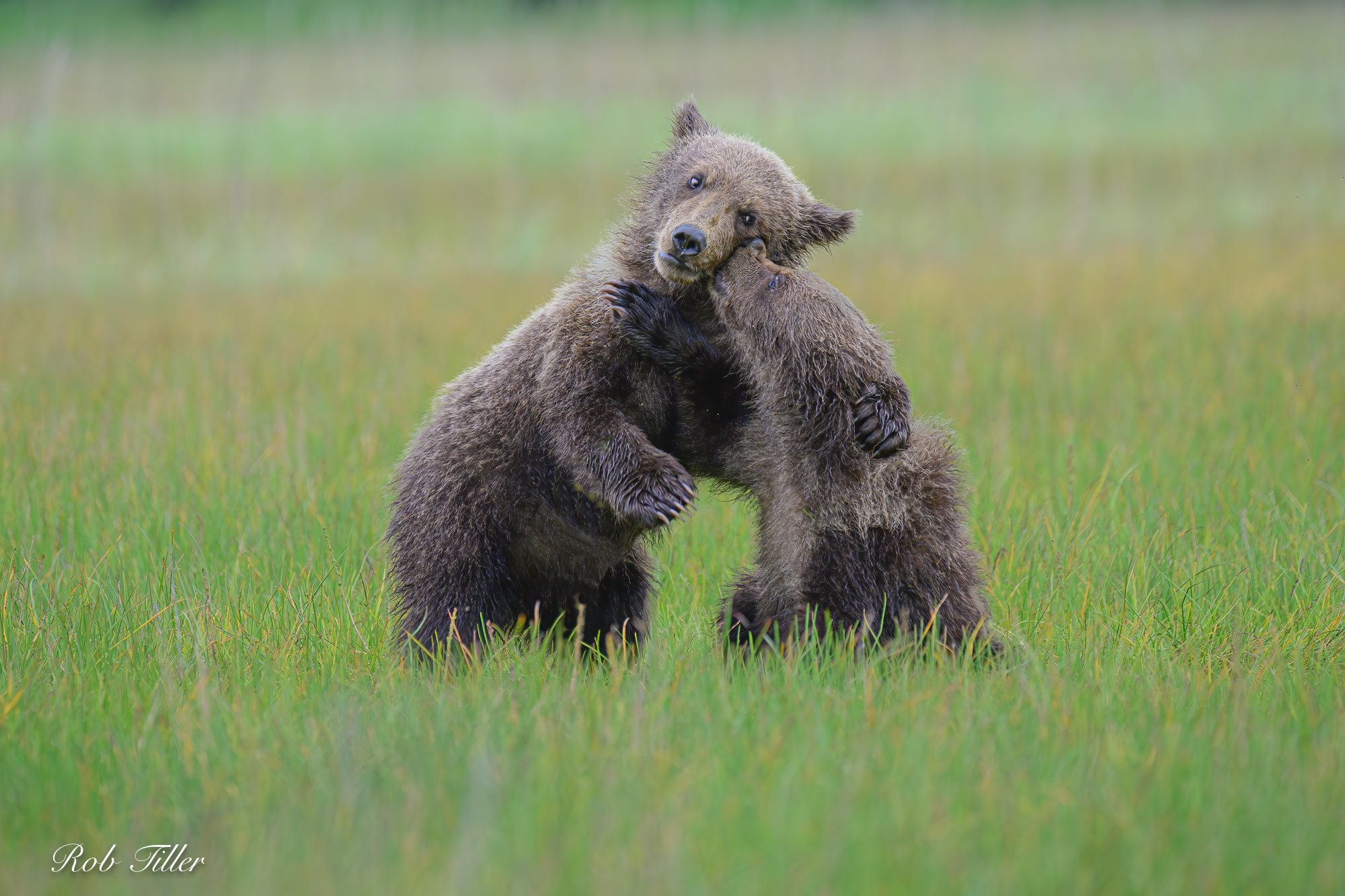
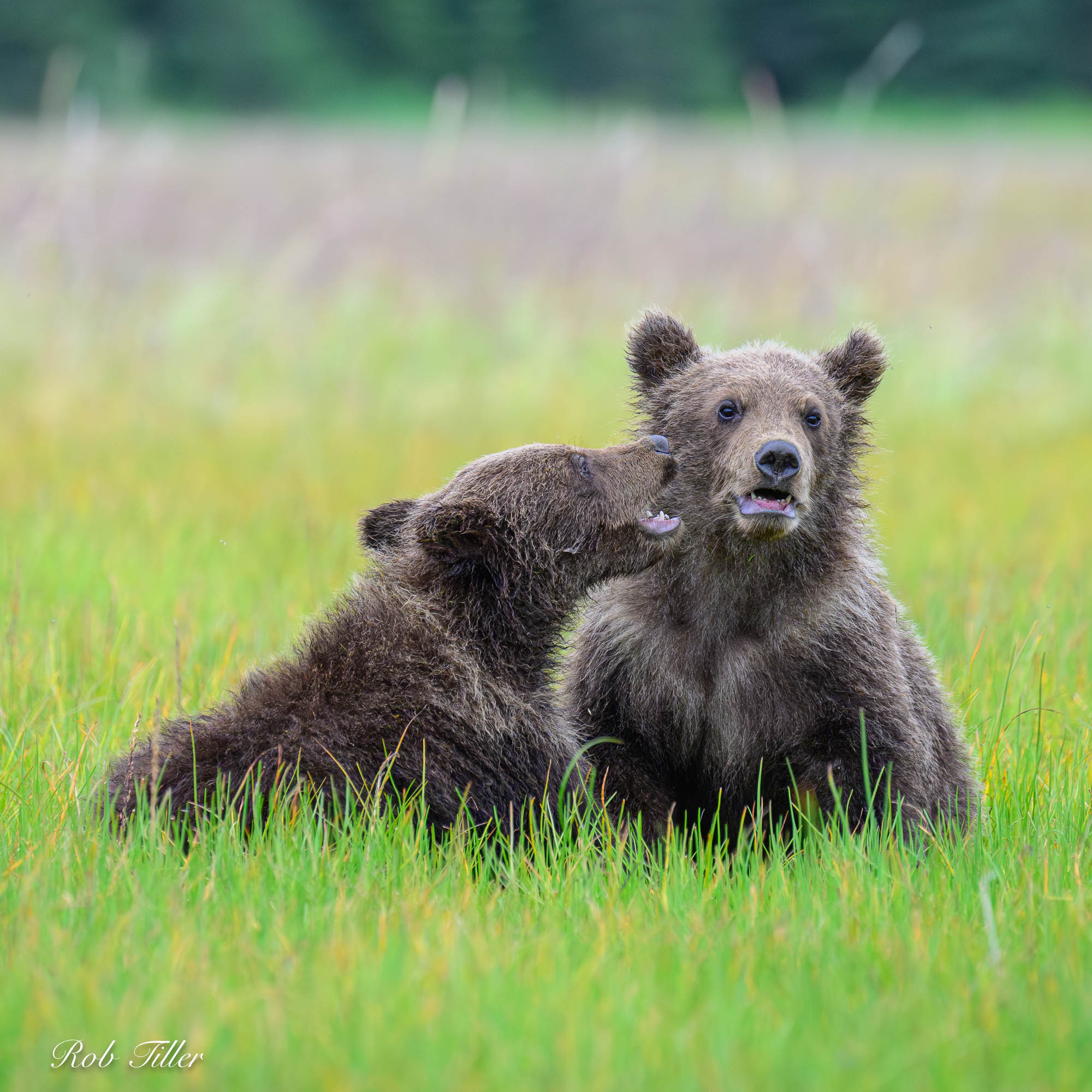
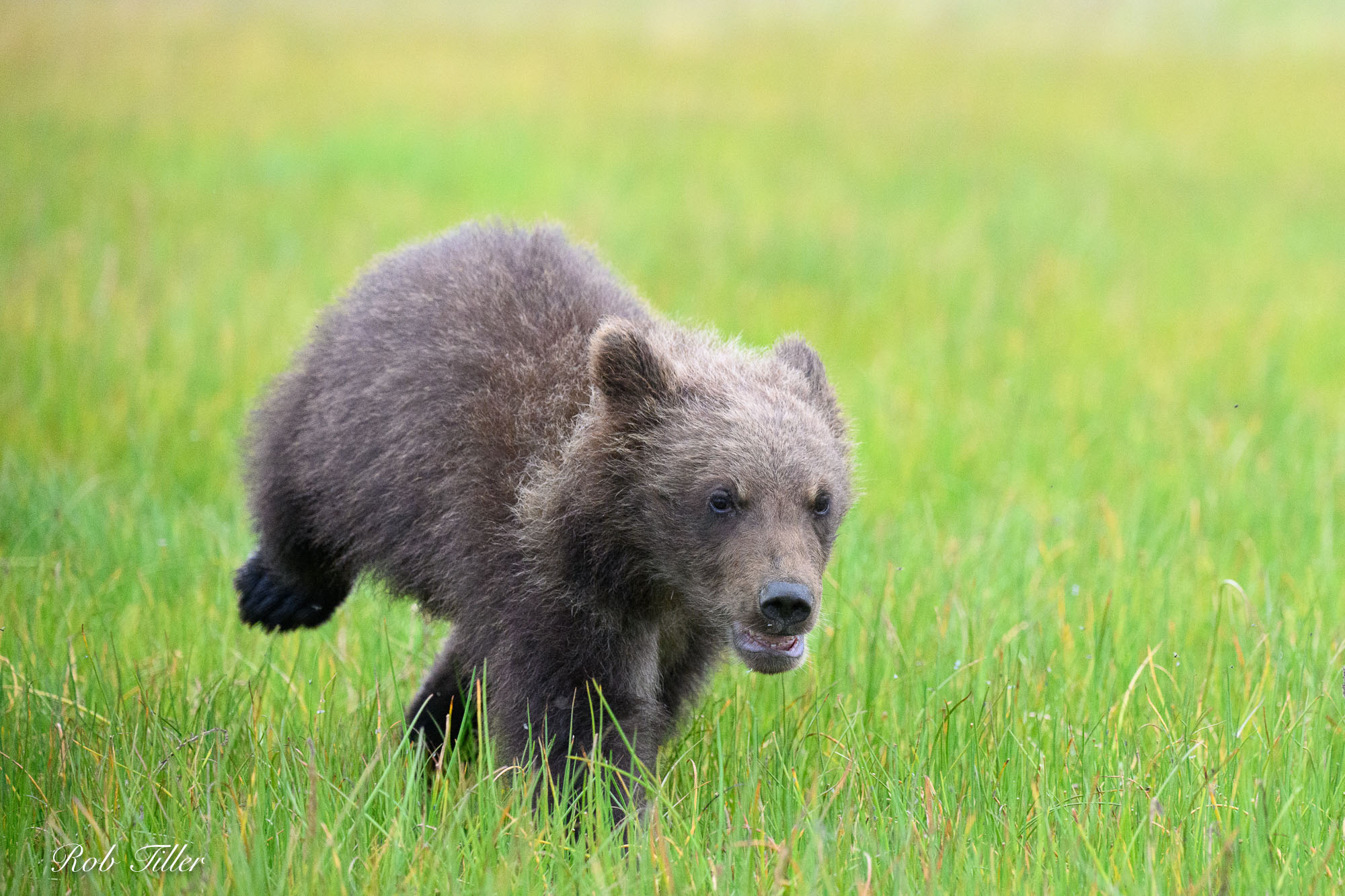
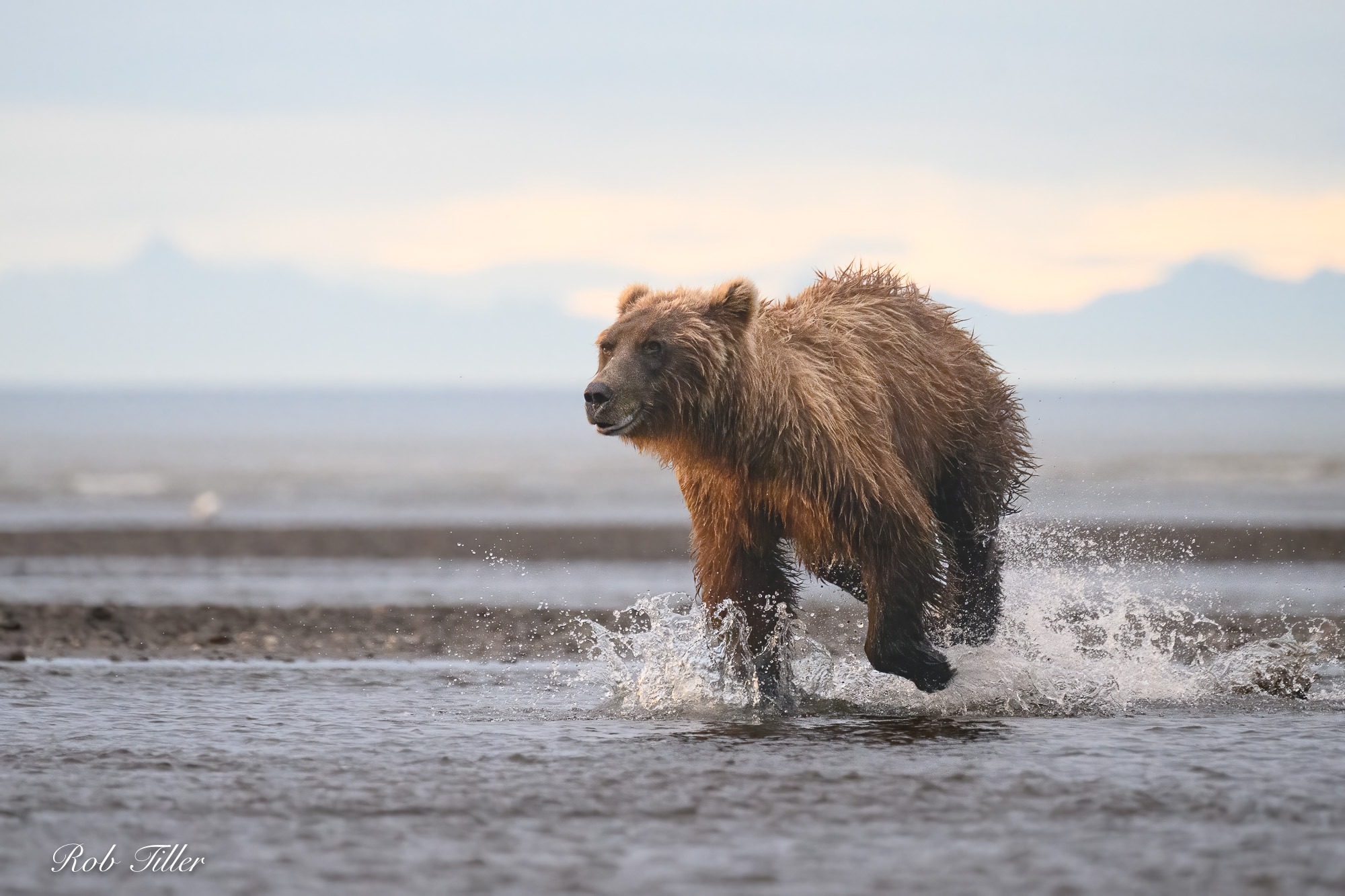
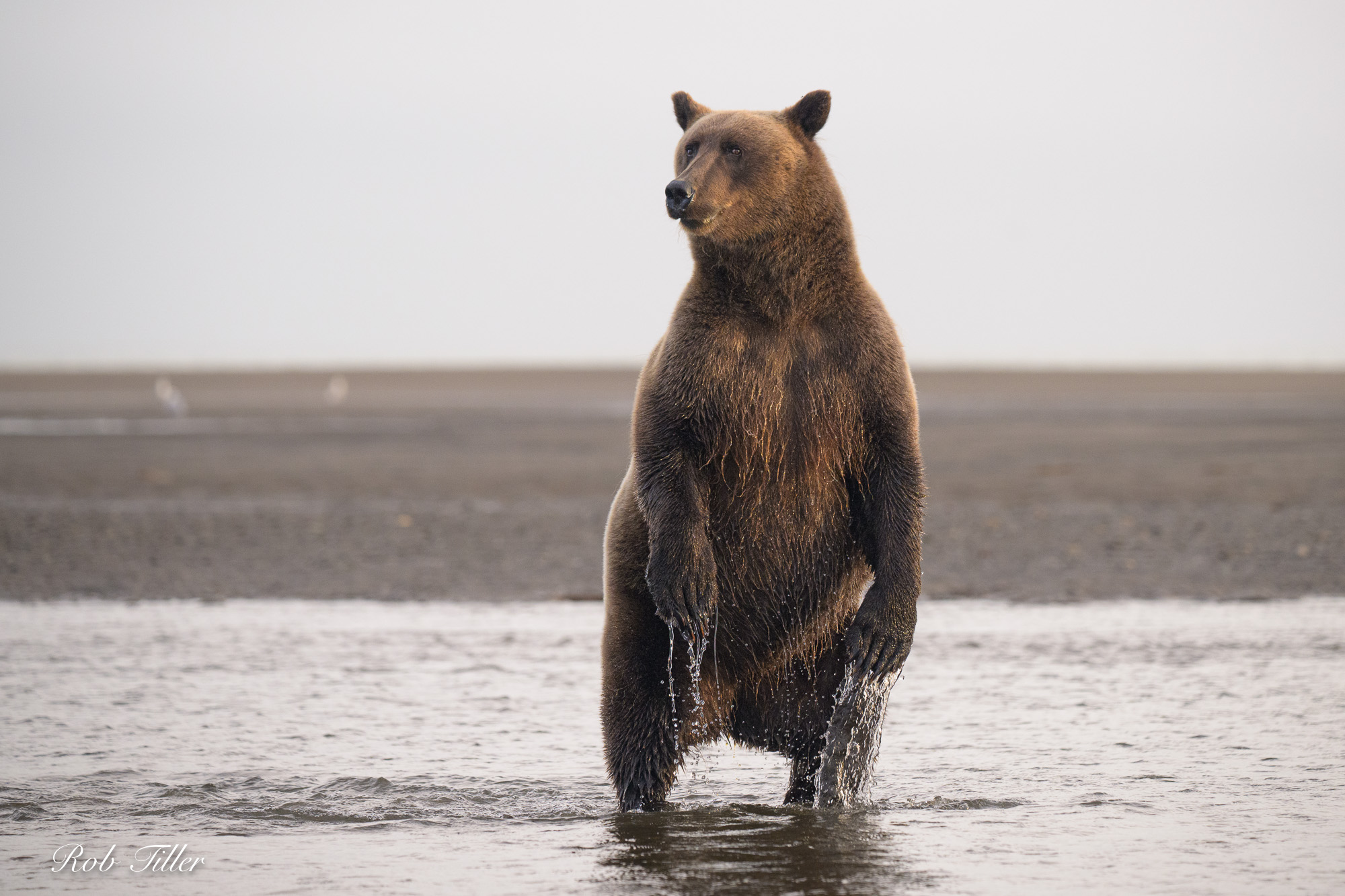
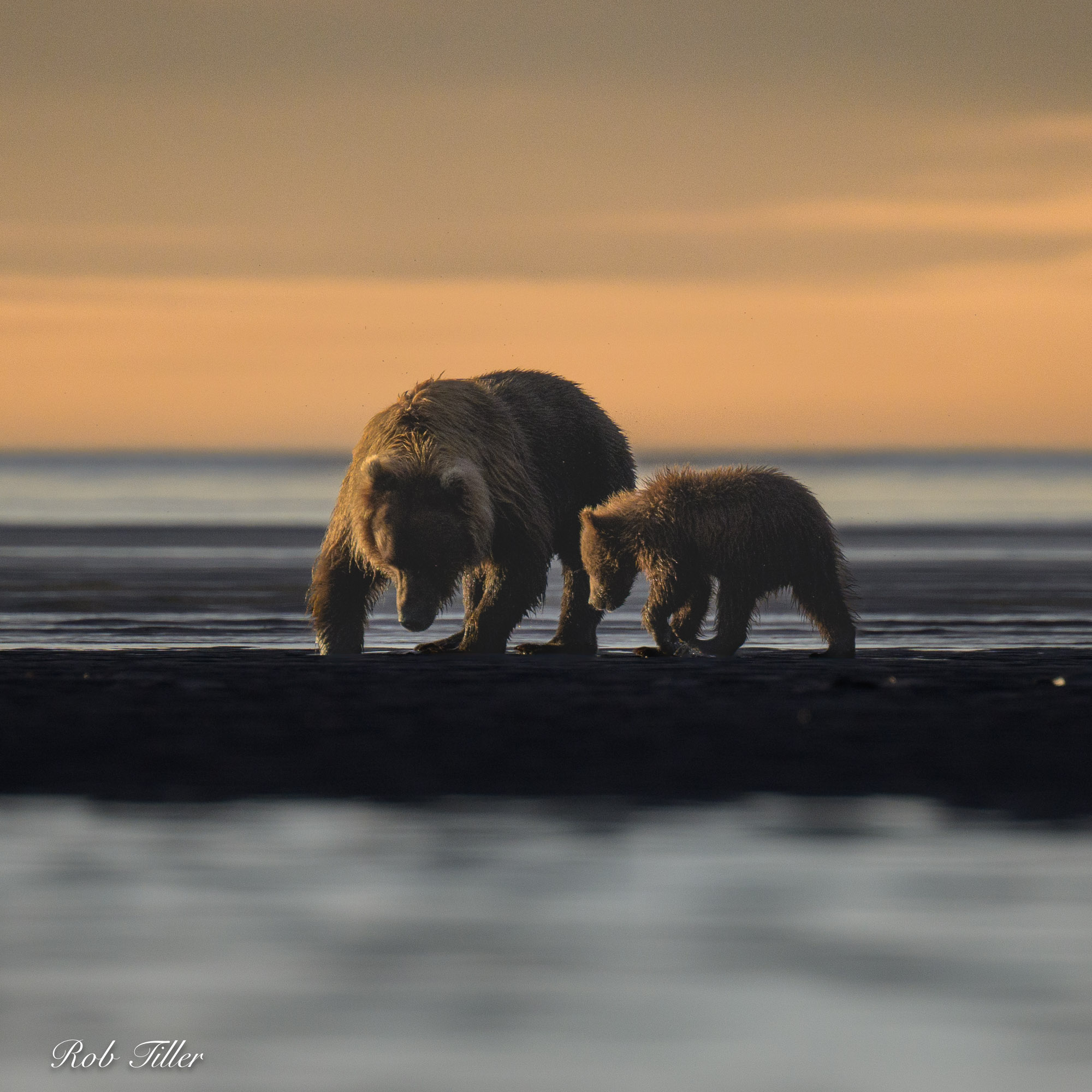
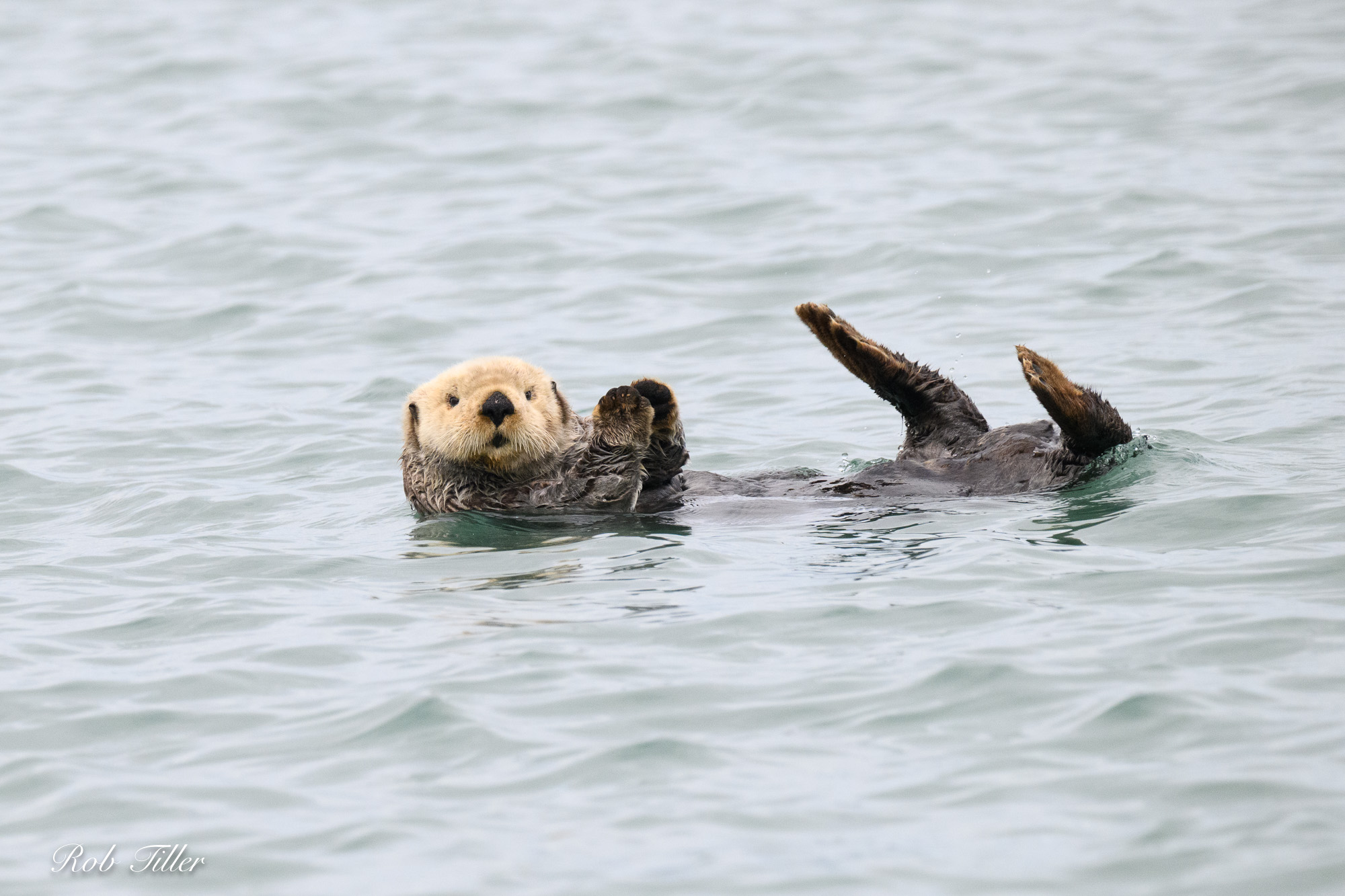
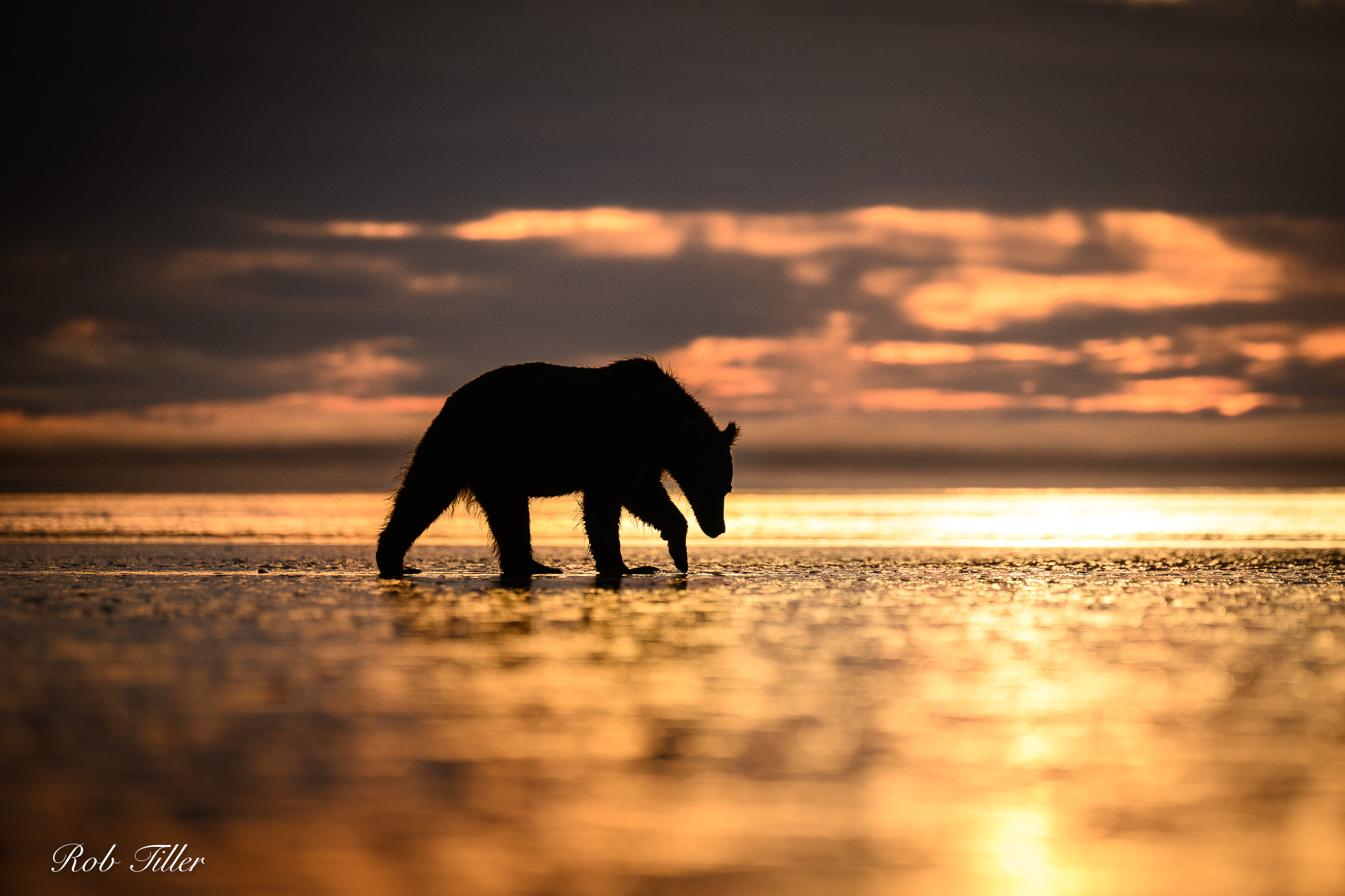
A couple of weeks ago I went back to Alaska for a week to photograph brown bears. It was an epic trip, and I came back with several thousand images to sort through. After a first pass, these are some of my favorites. I made a short slide show with a few others, which is here.

The trip was led by Jared Lloyd and Annalise Kaylor, world class photographers, teachers, and naturalists. We were based on the Kenai Peninsula in the town of Soldatna. Each morning, weather permitting, we flew out by float plane to Lake Clark National Park, where we landed on a beautiful glacial lake with luminous green water surrounded by forest and jagged mountains. Off the plane, we loaded onto a skiff and went out to look for bears.
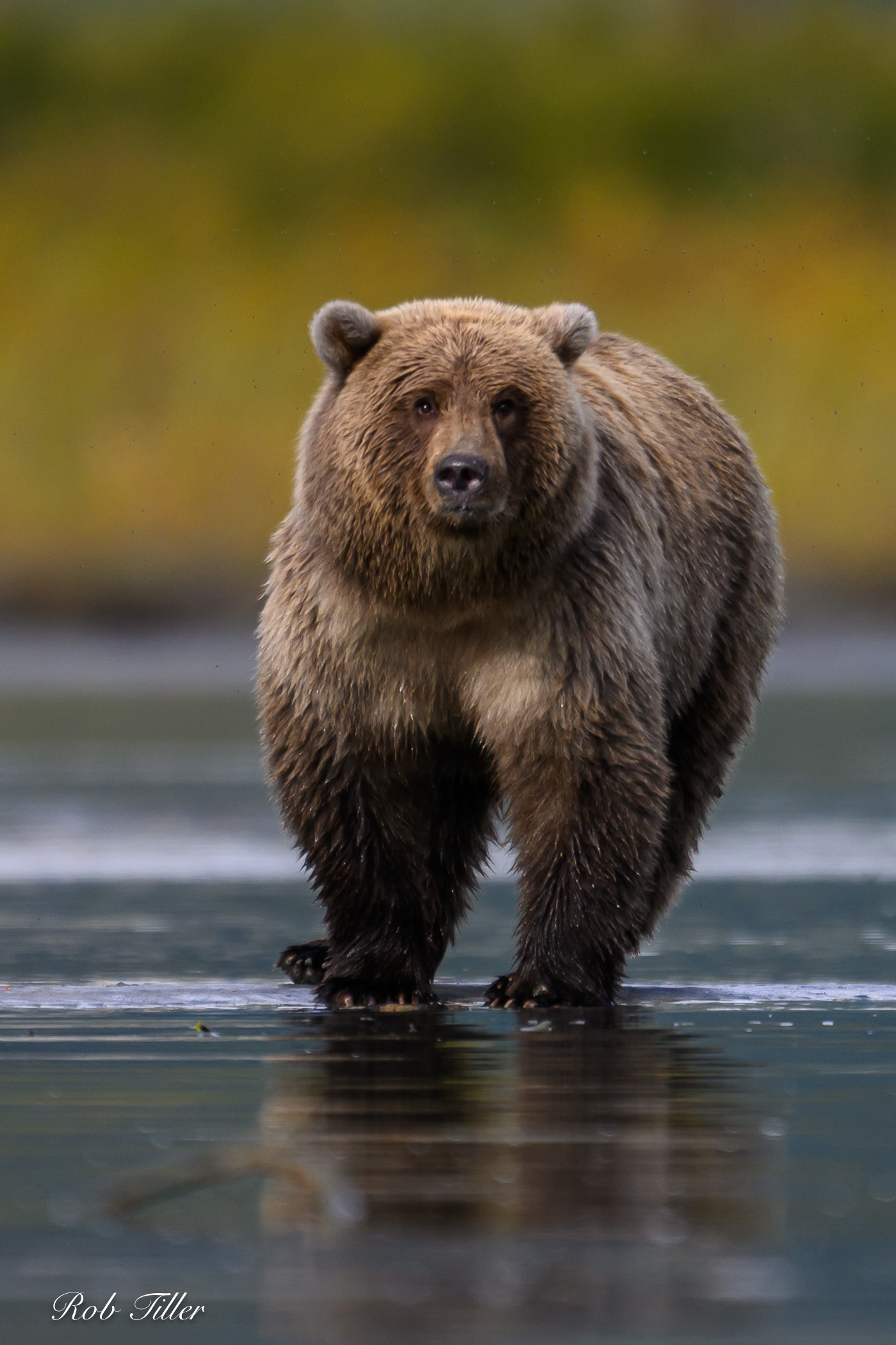
Part of what’s interesting to us about bears is that they are so big and strong. They’re also agile and graceful, and can run almost as fast as race horses. They have unbelievably keen senses of smell, very good hearing, and eyesight about like ours. They’re smart, with good memories, and they’re talented at figuring out bear-proof containers and other puzzles. And, obviously, they’re smart enough to thrive in harsh environments without the help of grocery stores, hospitals, pharmacies, houses, electricity, etc.
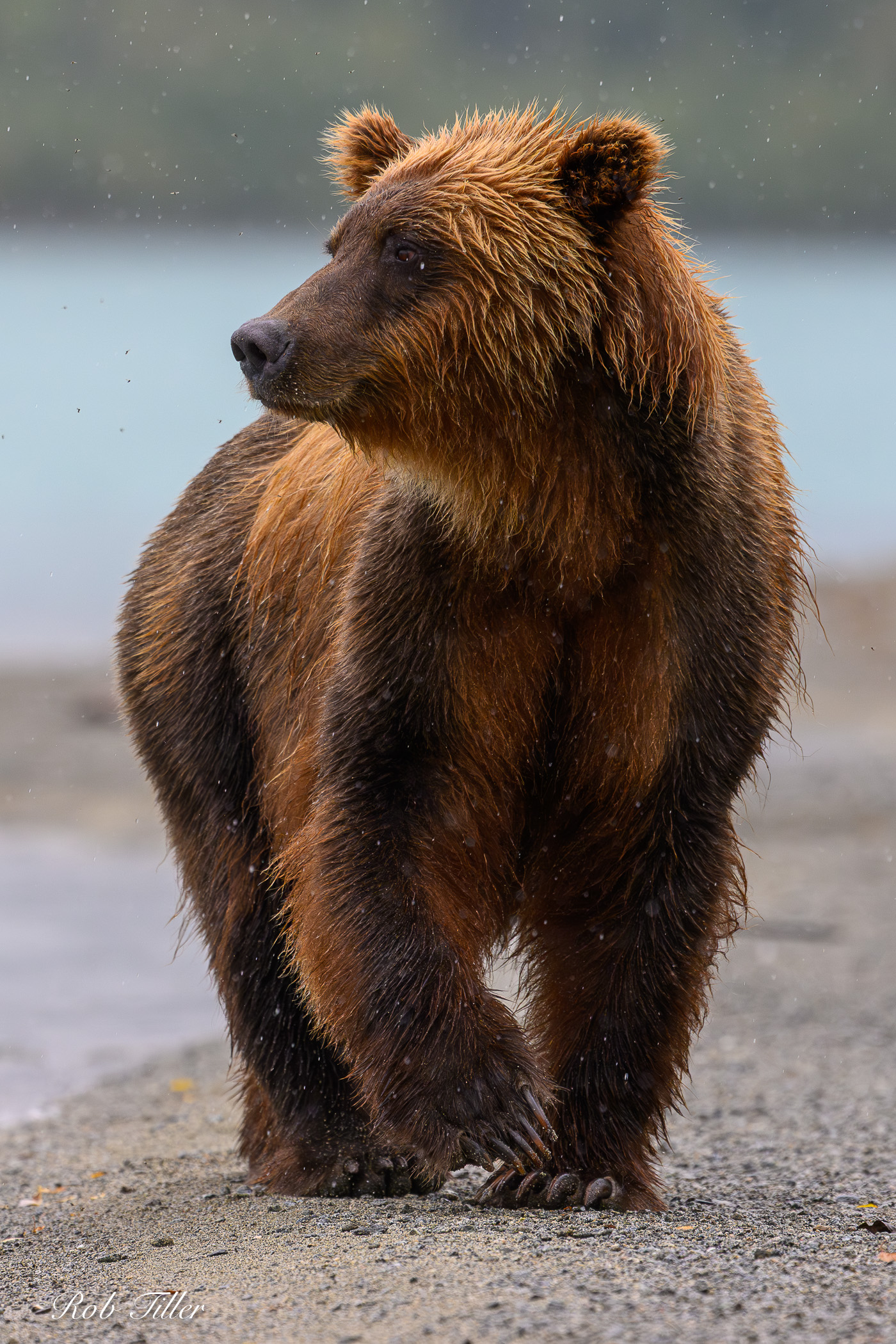
I loved seeing the bears at Crescent Lake, though there were some rough episodes. I got there a day after the rest of the group, and on my first day it rained almost nonstop. As we cruised on the boat or stood in the shallow water wearing waders, I managed to keep my camera equipment dry enough, but my body was totally soaked and shivering by the end. Back at the airport, I found that the key for my rental car had also got soaked and wouldn’t work, and I had to get a ride back to Soldatna and get another rental car hauled up from Anchorage.

The weather improved the next day, but the day after that it was too stormy to fly to the lake. I had some other tough moments, including getting stuck in quick sand and needing some help to get loose. And some fun moments, like riding in the co-pilot’s seat of a De Havilland Otter float plane.

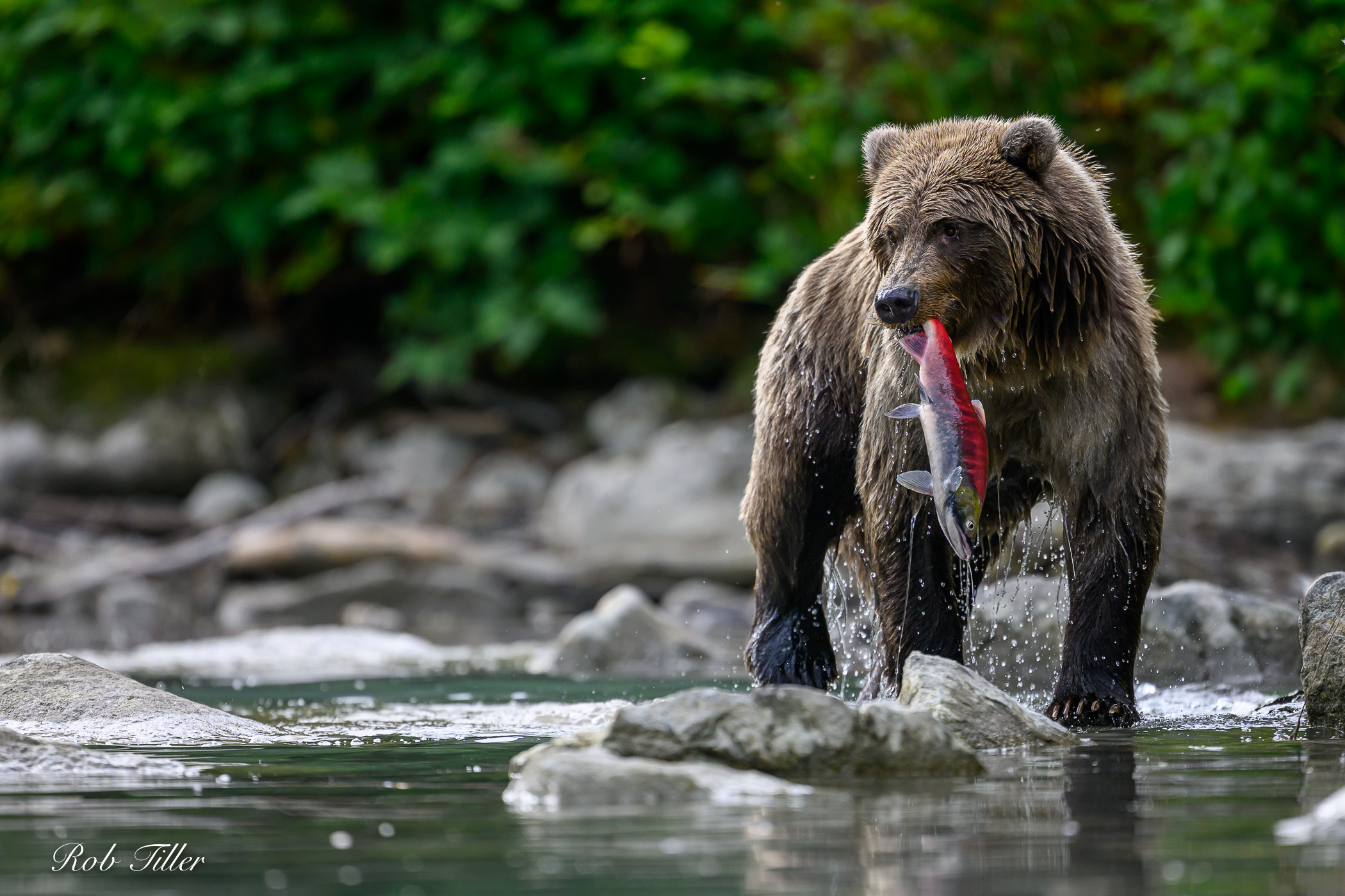
Anyhow, it was great to have some quality time with the bears. This time of year they’re in hyperphagia mode, trying to put on as much weight as they can before hibernating for the winter. There were, however, fewer around than we’d expected. Jared’s theory was that some of them were gorging on newly ripe berries instead of the salmon in the lake. Most of the ones we saw were females, including several with first or second year cubs. There were plenty of fish for them to eat.

On my way home, I drove along the beautiful Seward Highway through mountains and valleys to Anchorage. After I turned in the rental car, I had a few hours before my night flight, so I visited the Anchorage Museum. I found the exhibits of crafts of the First Nations moving. Several different cultures were thriving in Alaska when Europeans arrived, and then those cultures were nearly destroyed. But not entirely. Some still maintain their languages and customs.

Those First Nations people surely had and have their problems, but they lived and live more in harmony with nature. From what I could learn, their value system at its best involves respecting the natural world and taking from it only what they need to live. This system is quite different from the one most of us inherited, which encourages ever more consumption and exploitation of nature. We could learn some useful lessons from them.

It’s a long way from Anchorage to Raleigh. Long trips are tough, but one of the things I like about them is the chance for some nonstop reading. On this trip, I made good progress in The Fate of the Day, the second volume of Rick Atkinson’s new history of the Revolutionary War, which I highly recommend. Atkinson is both a scholar and an engaging writer, and brings to life key actors and actions on both the American and British sides of the conflict.
The death and destruction that brought the American republic into being were worse than I realized. But Atkinson reminds us that war is not just carnage. He writes about trying to recruit, arm, and train an army, then trying to find enough food and clothing for it. Shoes, it turned out, were a big problem. A lot of continental soldiers, who did some long marches, didn’t have any.

One reason to learn about history is to better understand and care for ourselves. When I went to get the latest flu and covid vaccines this week, I had to answer a few questions about my medical history. It struck me that not knowing anything about that history could lead to bad treatment decisions.
So Trump’s program to rewrite American history is not very smart. His idea seems to be that we’ll suppress unflattering and uncomfortable information and just keep the episodes that make us feel good and reinforce our prejudices. Thus he and his minions have pushed the Smithsonian museums, the National Park Service, and other institutions to get rid of references to slavery and racism, as well as gender and LGBTQ+ issues and other social injustices.

But just as we can’t take proper care of ourselves if we don’t know about our past serious health problems, we can’t address our current social problems without knowing about our past ones. Without knowing something of our history, a new visitor would have a hard time understanding the American racial caste system, which is a product of hundreds of years of legal slavery and the Jim Crow apartheid system.
There are no doubt some people in MAGA-land who look back fondly on the slave system and view oppression of minorities as a good thing. But I think that most Republicans would agree that we should have equal treatment under the law for everyone. Surely many would agree that our tolerance and acceptance of diversity – racial, religious, cultural, sexual – is a source of our vitality, creativity, and strength. They might also agree that we still have some room for improvement in the areas of tolerance and respect for all.

Will that change? I admit, I’m worried. Even without the Trump anti-history program, a lot of us aren’t well informed about our own history. Our major news organizations, which create the first draft of history, are becoming less resistant to Trumpism – paying him millions of dollars to settle his absurd lawsuits, altering their editorial policies, and silencing leading voices of dissent.

Trump’s new program could make us more ignorant, and more accepting of exploitation and oppression. We’ll likely have to work harder to learn what is going on, and to communicate with each other about it.




 The Casual Blog