The Casual Blog

Tag: Ancient Egypt

New York, Showy Florentines, Black Egyptians, and the Ghost Forest
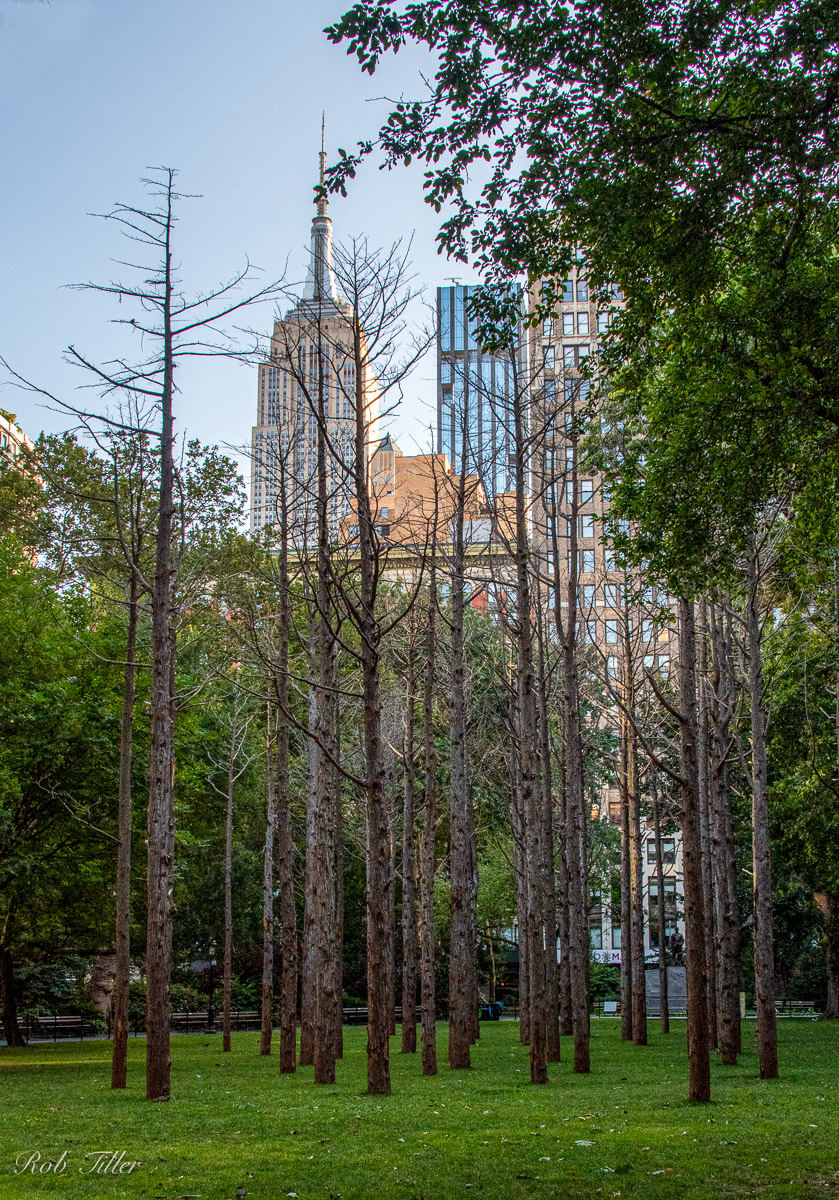
Ghost Forest, Maya Lin, Madison Square, New York City

Last week we visited our old stomping ground, New York City, for the first time since the pandemic.  It was a little strange to wear masks for the flight, but not bad, and certainly smart, given the persistence of the clever and dangerous Covid virus.  We were pleasantly surprised to arrive at the finally completed  Terminal B at LaGuardia, which was full of light, with whimsical tile walls.  When we left , we saw a performance there by the new fountain, which made dancing patterns with lasers and thousands of gallons dropping from the ceiling. 

The prime objective of our trip was Jocelyn’s baby shower, celebrating with friends the soon-to-arrive little girl.  Our old friend Kathryn created a feast with many delicious vegetarian options, and we enjoyed chatting with other friends of the happy couple.  It was sunny and mild, a very pleasant day.    

We stayed in the West Village, parts of which have not changed much, though we noticed storefronts that had been vacated and graffiti and garbage that had arrived.  It was certainly not depopulated!  On Friday night the crowds of young folks made it challenging to stroll on the sidewalks.  But we managed, and had an excellent Thai meal.  

We spent most of Friday at the Metropolitan Museum of Art.  I’ve spent many happy hours there in years past, and know parts of it well.  But the collection is truly gargantuan, and there’s always something new.
We started with the current exhibit on the art of the Medici in Florence in the 1500s.  The paintings were mostly portraits of the ruling elite of that period.  I could appreciate the craftsmanship, but was more interested in the meta message of the portraits, which was, roughly translated, this person is super successful and powerful, and you’re not.  

Art history as taught to me was mainly about aesthetics, but now I’m focussing more on what the art is trying to communicate about its culture, as well as what it conceals, intentionally or unintentionally.  I was grateful for the bits of history in the exhibit’s labeling.  It gave some helpful background about the ruling Medici princes and Florence’s battles for wealth and dominance.  

I also spent some time with the Met’s collection of ancient art.  Recently I’ve been listening to lectures from Audible on the civilizations of ancient Mesopotamia, as well as those of Greece and Rome. We take for granted a lot of the ideas and inventions of these cultures, and sometimes forget that there’s so much that even specialists don’t know about their world.  Anyhow, while wreaking havoc on competitors, they left behind a lot of beautiful objects, and it’s fun to try to figure out what they might be saying.
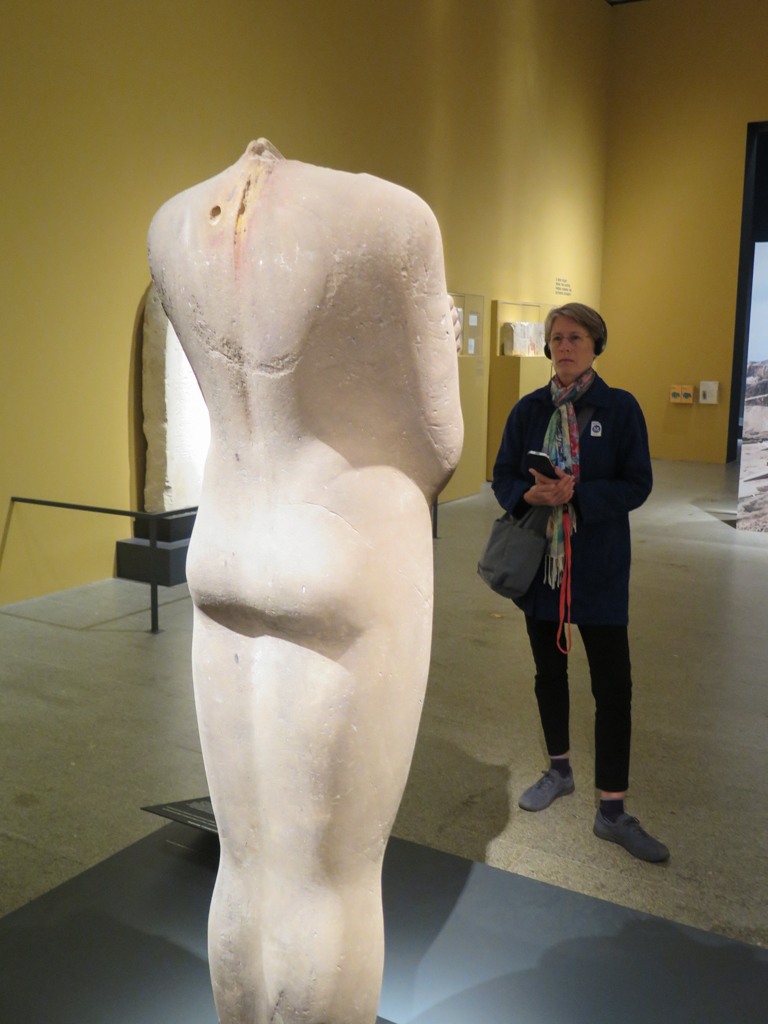
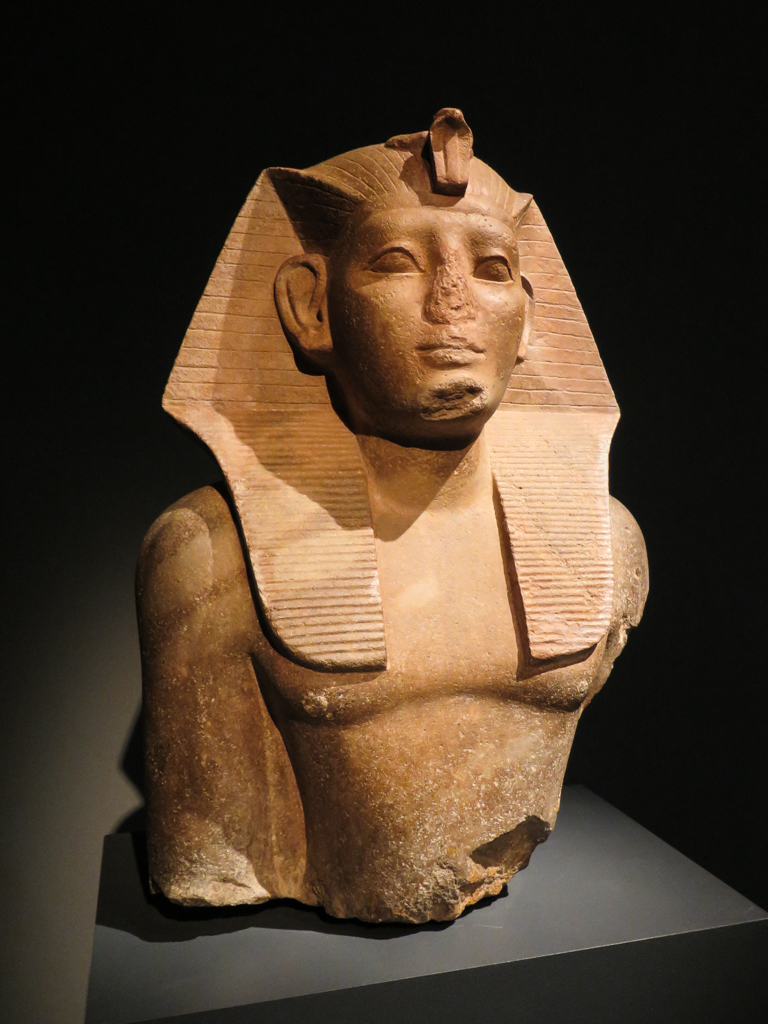
I also visited the Met’s enormous Egyptian collection for the first time in many years.  The ancient Egyptians were amazing builders and artists, and created a remarkably powerful and resilient culture.  Looking at their art this time, I was struck by something I hadn’t registered before:  they looked Black.  

Of course, our American ideas of race were not theirs.  But once I focussed, I couldn’t believe I hadn’t seen it before:  the facial features of the ancient Egyptians looked like many of our Black brothers and sisters.  

From some quick Google research, I gather there’s vigorous scholarly dispute on the race of ancient Egyptians.  My evidence is subjective, and plainly I am no expert.  But it would not be surprising in our culture if there was unconscious resistance, even by scholars, to acknowledging that Black people were the creators of this impressive civilization.  More research is called for.

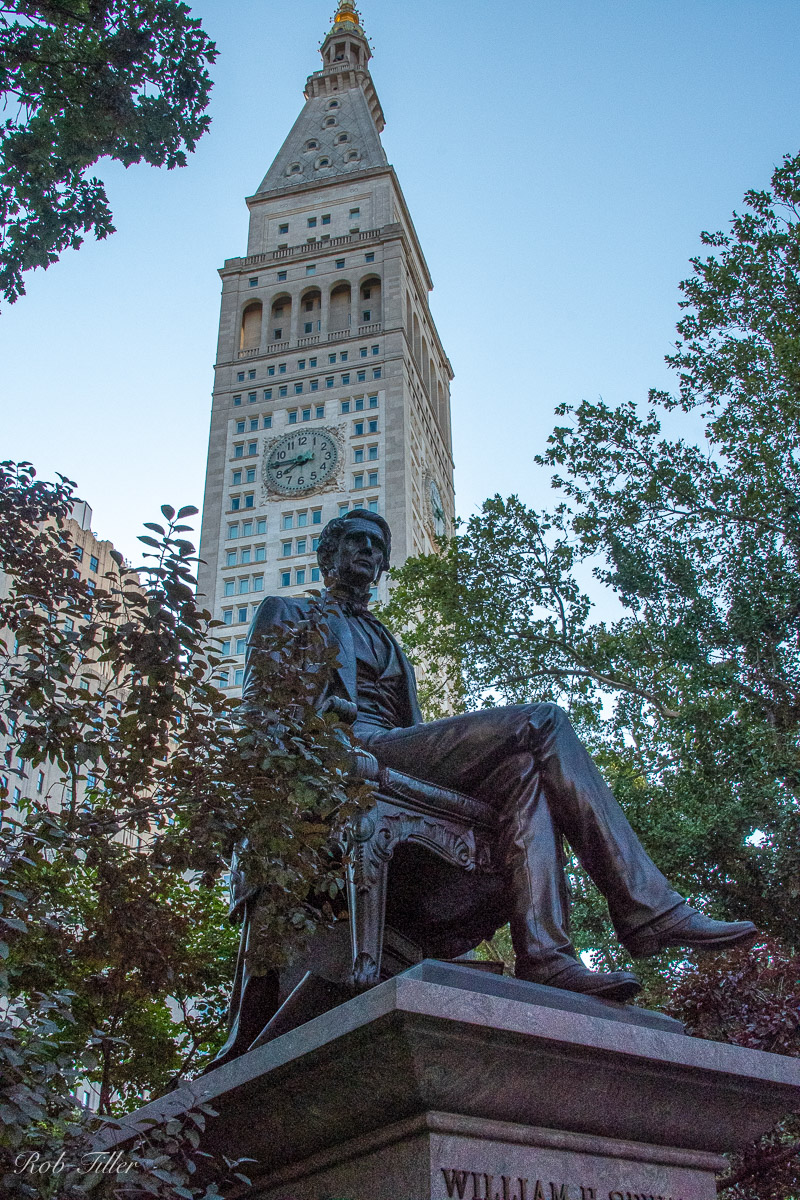
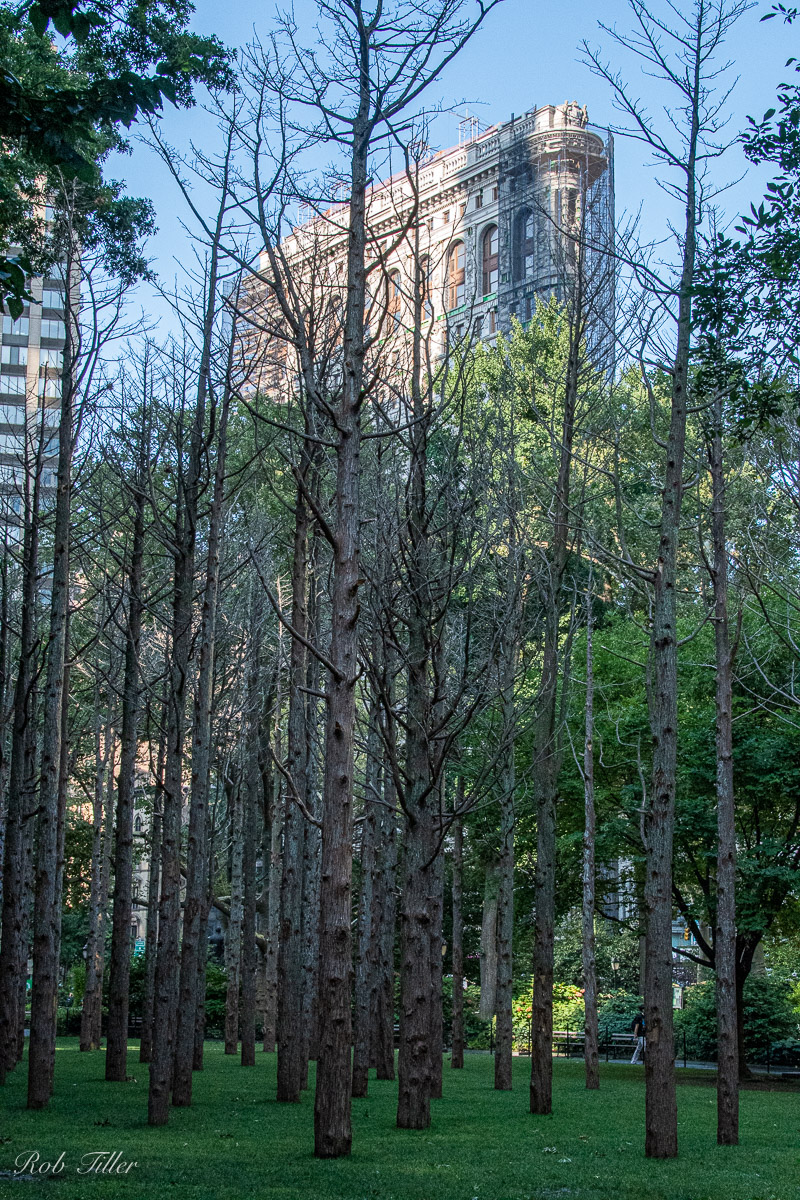
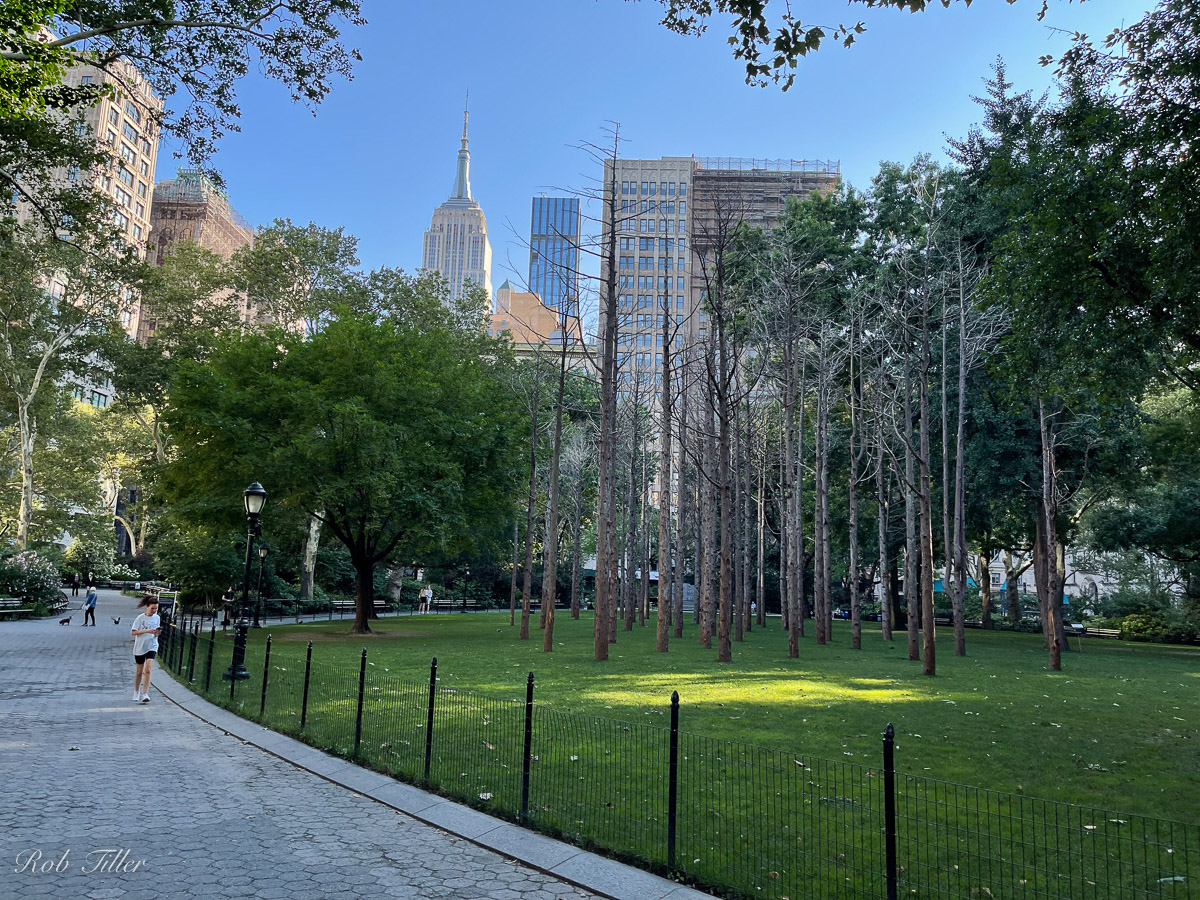
Finally, I visited and took some pictures of a thought-provoking art project temporarily in midtown by Maya Lin called Ghost Forest.  Lin is best known for her Vietnam War Memorial in D.C.   Ghost Forest features 49 cedars that lived in the Pine Barrens of New Jersey and died from climate change.  Lin brought them to Madison Square Park, which is a green oasis just north of the Flatiron building and south of the Empire State Building, and arranged them into a little forest.  

Part of Lin’s message is easily decipherable:  humans have heedlessly destroyed entire ecosystems, including beautiful forests, without even noticing.  But I was surprised to find other messages.  The dead trees made me look at the lush and healthy trees of Madison Square and the life around them with new gratitude and affection. 
In New York — FOSS, museums, Broadway, and the marathon

A window table at Stella 34, with the Empire State Building in the background

A window table at Stella 34, with the Empire State Building in the background

New York City is still the greatest! It’s so energizing. I went up Thursday night to attend the Software Freedom Law Center’s fall conference on Friday, and for the weekend we did some fun city things – museums, Broadway, sports, and food.

The conference at Columbia Law School was in part a celebration of how far free and open source software has come, but also discussed less pleasant things, like copyright trolls and security. I enjoyed seeing a number of business friends from leading tech companies and catching up.

Jocelyn picked out some fun places to eat, including Stella 34, which is on the fifth floor of Macy’s. The Italian food was good, and we had an epic view of the Empire State Building.
Tiller6Bug 1-6

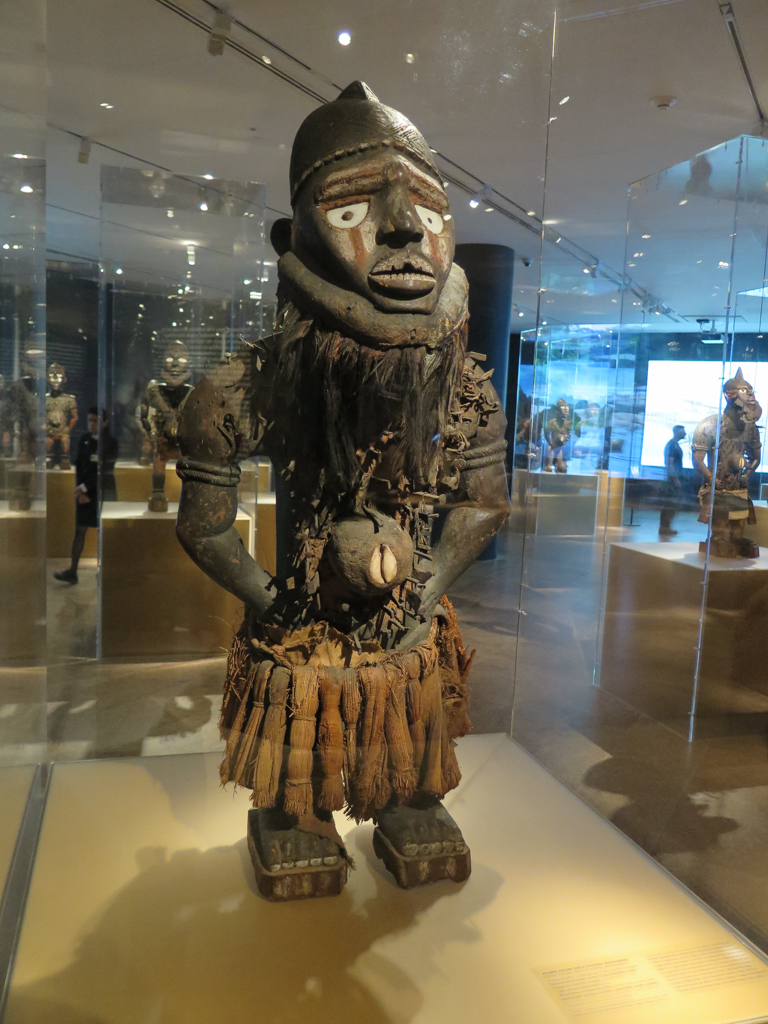
On Saturday morning Sally and I went to the Metropolitan Museum and saw two special exhibits – Kongo: Power and Majesty (art of central Africa), and Ancient Egypt Transformed: the Middle Kingdom. After our recent Africa trip, I’ve been listening to African music, and was eager to learn more about its art.

Slavery and horrendous colonial exploitation is what I think of first when I think of central and western Africa, but the exhibit demonstrates that there was an elaborate and well-developed culture and artistic tradition before Europeans arrived. There was extraordinary craftsmanship in their carvings and weaving, and something powerful in their religious objects. If you can’t get to the Met, you can see all the objects here.
Tiller6Bug 1-7
As for Egypt, the Middle Kingdom ran from 2030-1650 BC and from the 11th through the 13th dynasties. This exhibit also changed the way I thought of this society. It’s strange, of course, to think that pharaohs were viewed as gods, but all religions have their quirks. I’d thought of the sculpture as normally cold and formulaic, if well crafted, but was struck by how tenderly human and individual some of it was. Here again, you can check it all online.
Tiller6Bug 1-9

I’ve generally avoided museum audio guides, on the theory that it’s good to struggle with finding the message of objects than to be spoon fed. But it was well worth using the Met’s audio guide for these exhibits. The commentary was usually intelligent, and it was helpful to hear the pronunciation of the unfamiliar African and Egyptian words.
Tiller6Bug 1-5

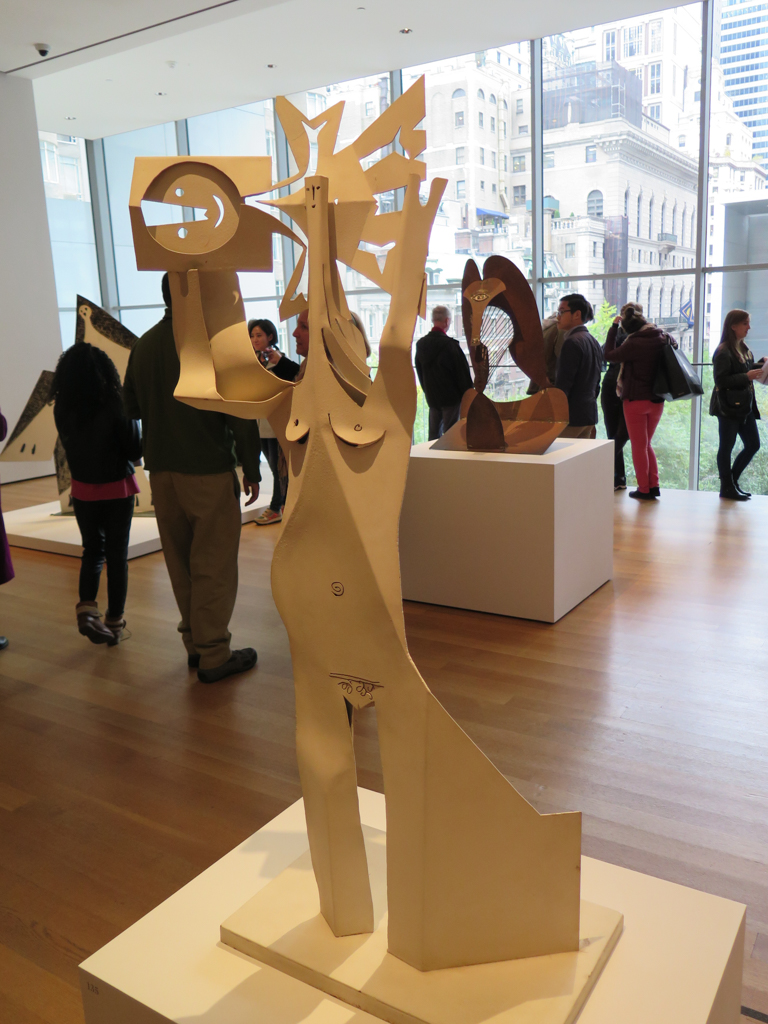
Afterwards, I went down to the Museum of Modern Art to see a special exhibit of the sculpture of Picasso. Apparently Picasso did not think of himself as a sculptor, but used sculptural tools for exploring new ideas. These were often witty and lively works, in a variety of styles and media. Picasso is really inspiring in his never-ending curiosity and energy.
Tiller6Bug 1-4

That evening we went to see Hamilton, a big hit on Broadway about the life of Alexander Hamilton told in the hip hop vernacular. Jocelyn had seen it twice off-Broadway, and was hugely excited about seeing it again. Her enthusiasm had motivated me to do a bit of homework beforehand, including reading the Ron Chernow biography of Hamilton, listening to the cast recording, and listening to some of the big hip hop hits of the last three decades.

I really liked the show. Hamilton’s life story is richly dramatic, and his achievements were extraordinary. That’s a good start, but to bring them into the present with an urban vernacular is such a great idea! At the same time, to take on some complicated history, with a spirit that is both playful and serious, is remarkable! The creator and star, Lin-Manuel Miranda is surely brilliant, and seems to understand that history is not something that is fixed, but rather always subject to reexamination and new understandings. Anyhow, it’s both a fun show, and richly thoughtful. How often does that happen?
Tiller6Bug 1

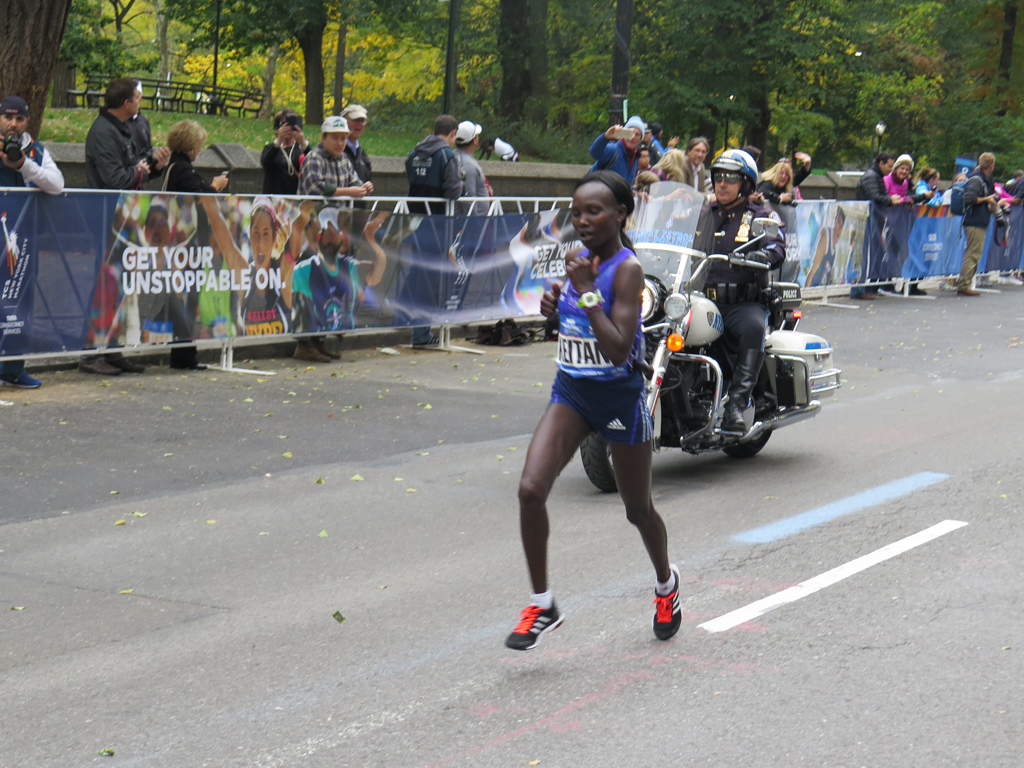
On Sunday morning we walked up to Central Park South to see the New York City Marathon. It is, of course, remarkable that people can run 26.2 miles at any speed, much less the pace that the elite athletes do. We were privileged to see the top finishers approaching Columbus Circle, close to the end. They looked focused, but not miserable. I read the next day that the men’s winner, Stanley Biwott of Kenya, ran mile 21 in 4:24, and only a few seconds slower for the next two miles. That is beyond amazing!

Winner Mary Keitany of Kenya, with about a third of a mile to go

Winner Mary Keitany of Kenya, with about a third of a mile to go