Visiting Northern Europe, seeing fjords, and various stimulating entertainments
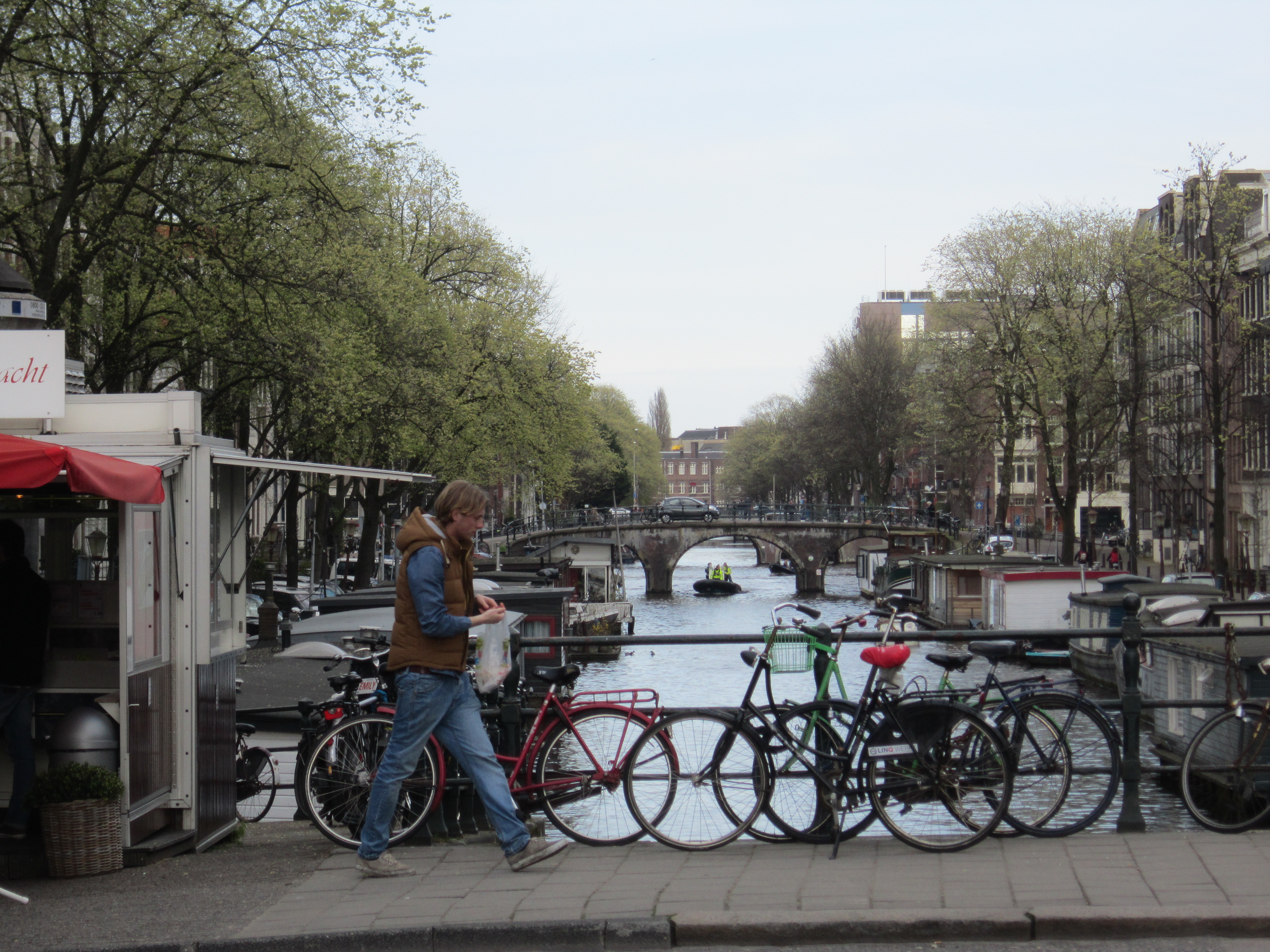
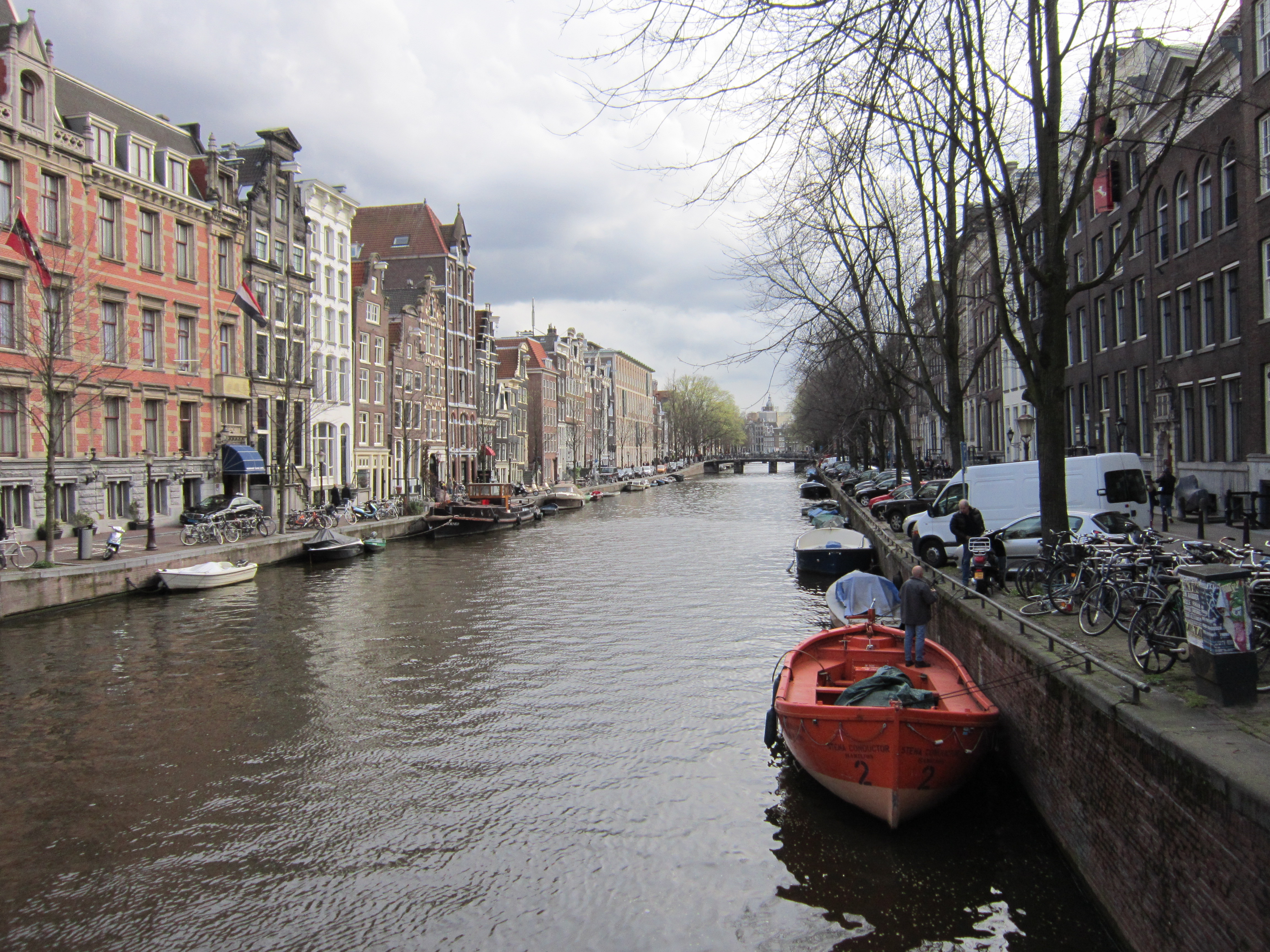
Sally and I are just back from our cruise in the North Sea from Amsterdam to Bergen, Norway. It was a fun trip, and I thought I’d share a few quick impressions and photos.
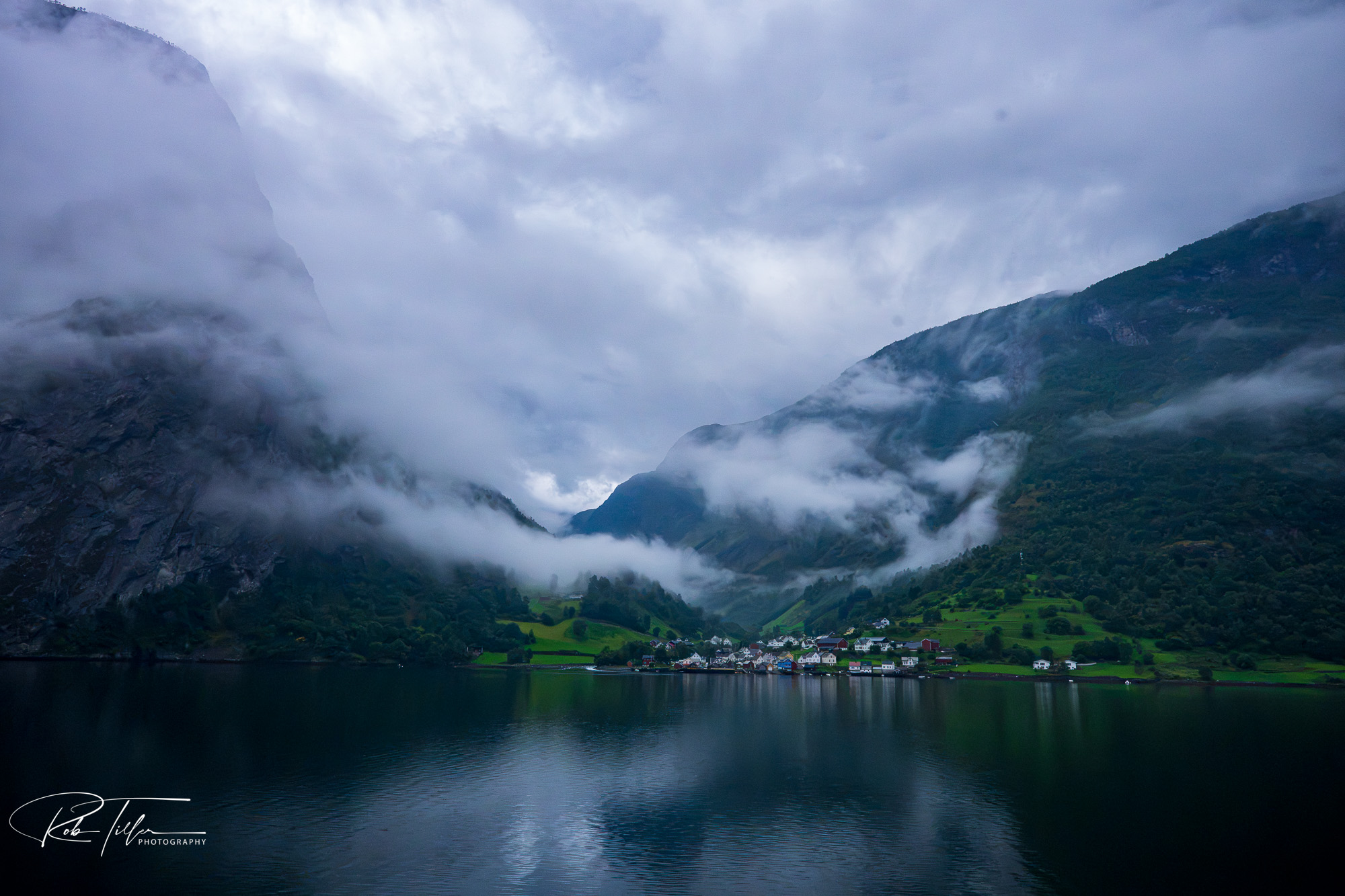
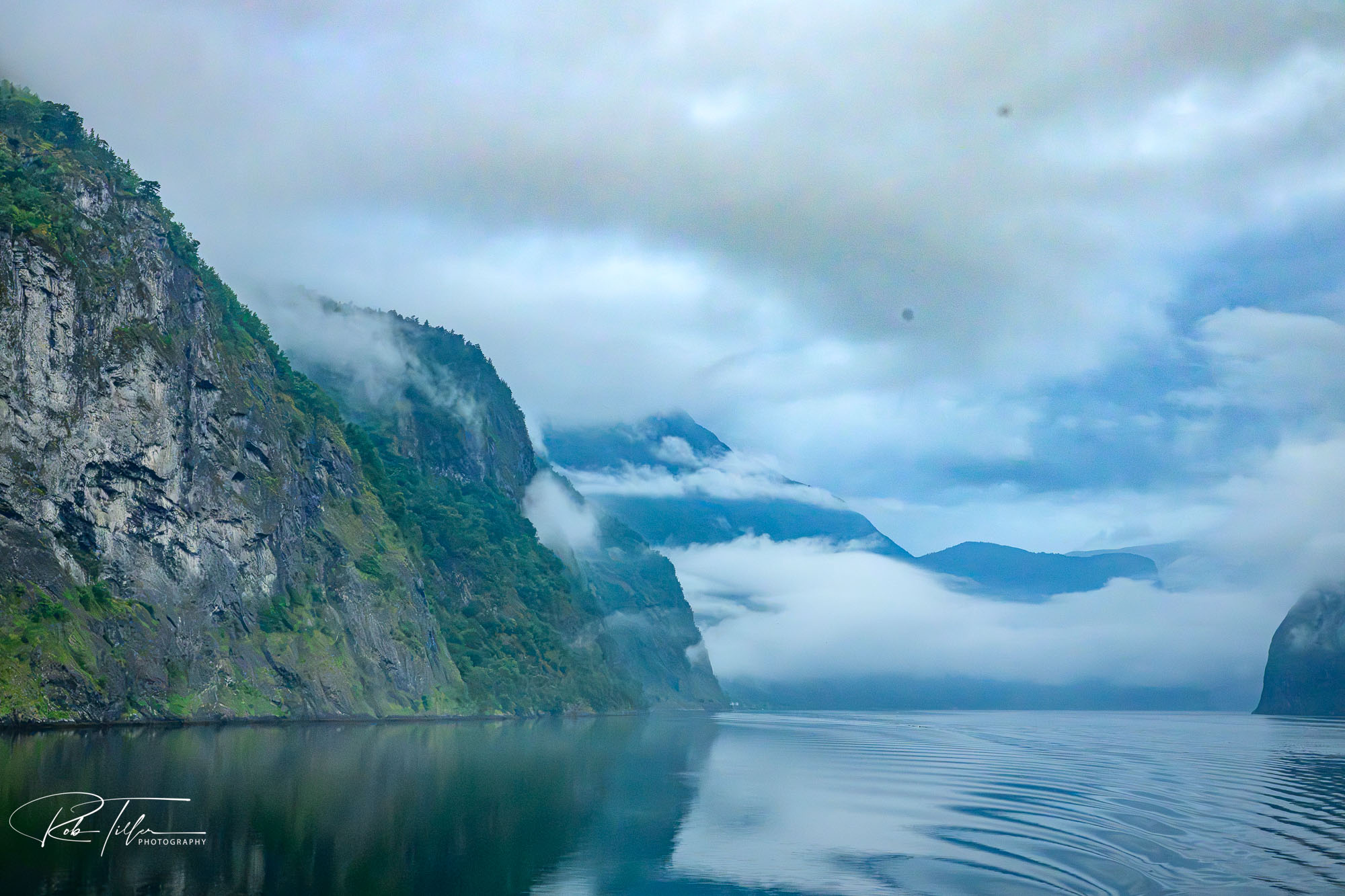
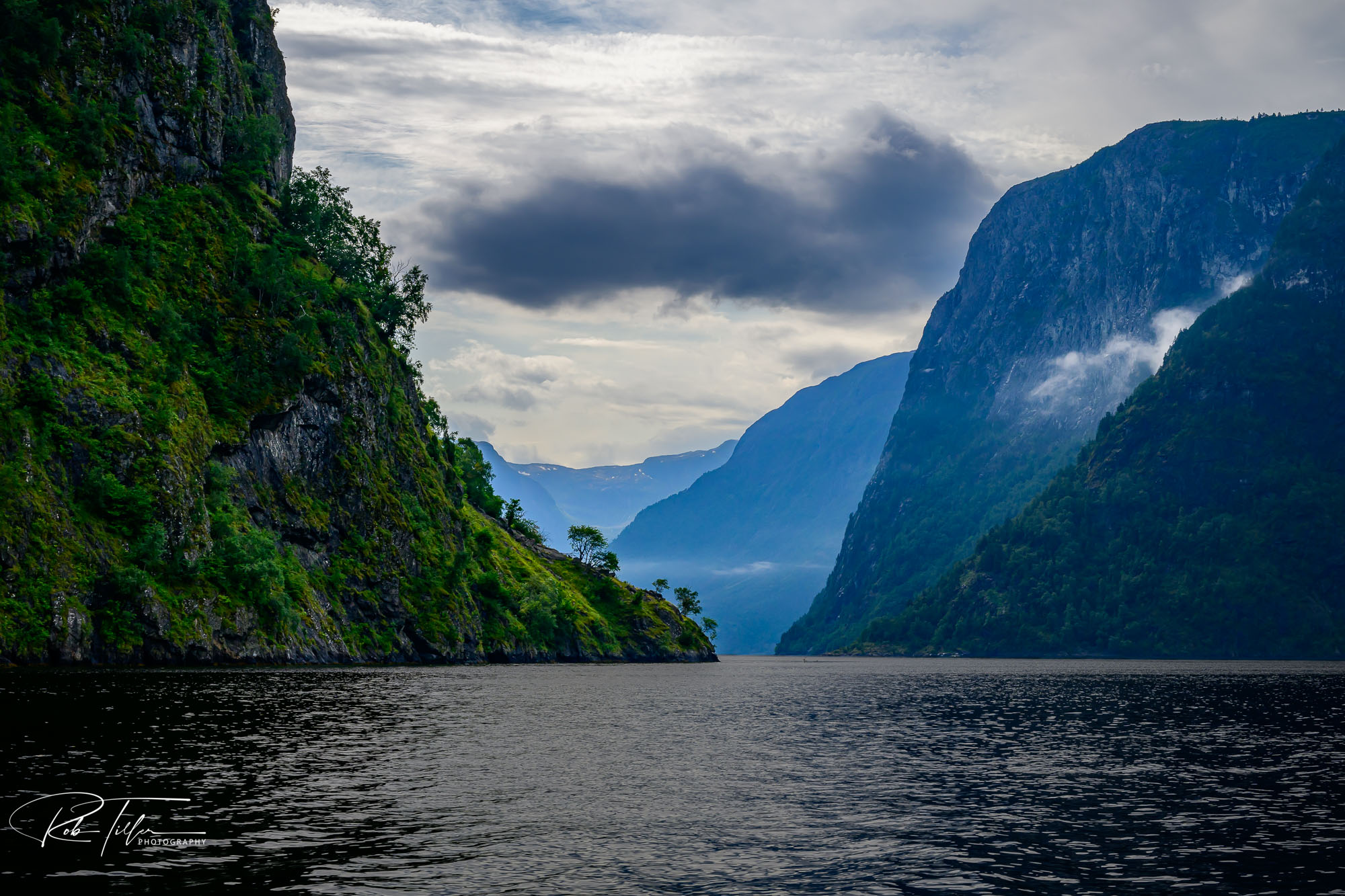
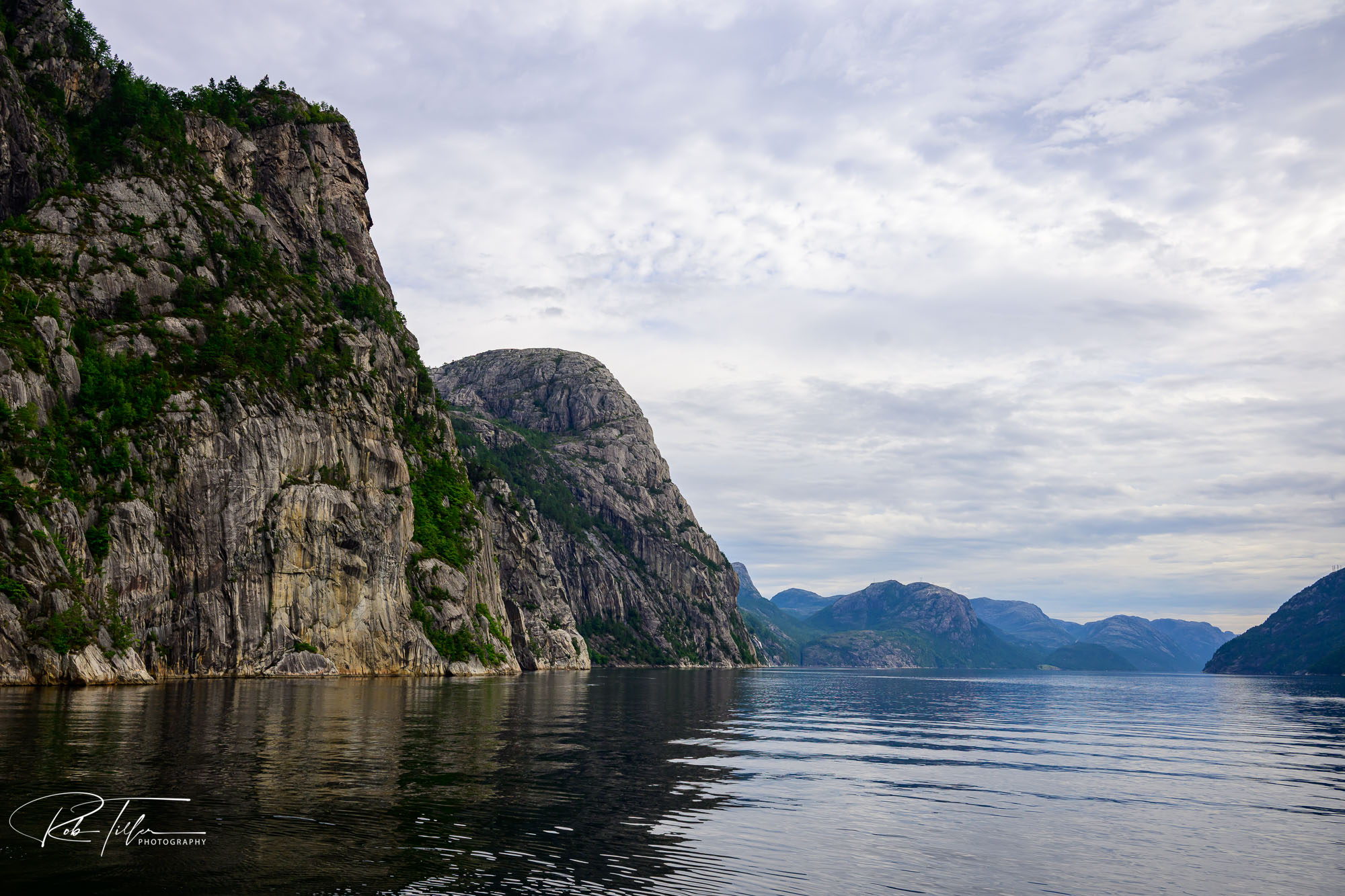
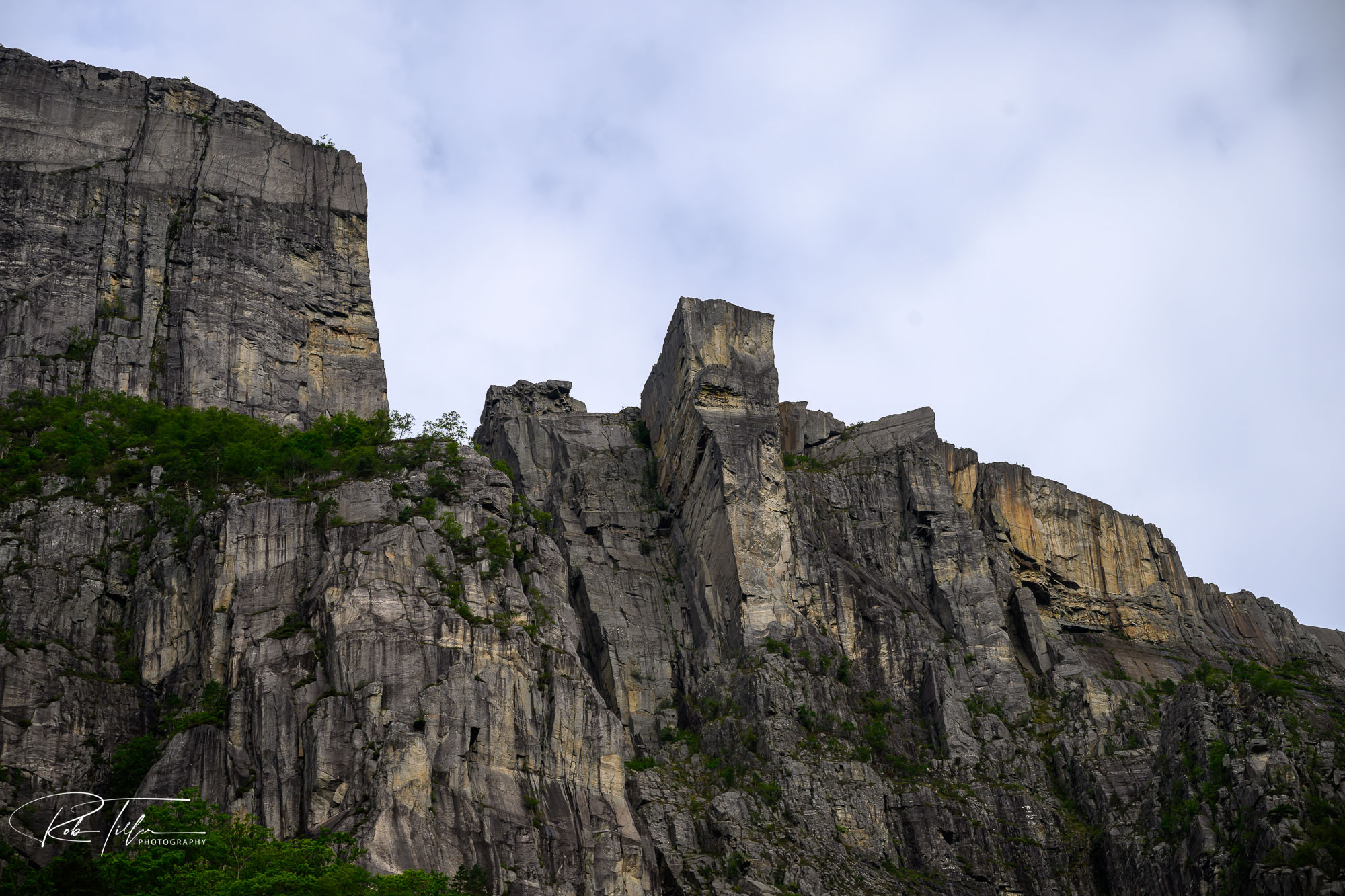
From the time I first heard the term fjords in elementary school, I’ve wanted to have a look at the fjords of Norway. Once there, I realized I wasn’t exactly sure what they were. Fjords are narrow channels to the sea with steep mountains on the sides that formed during ice ages. Some have cliffs that are a couple of thousand feet high. In places they’re really dramatic.
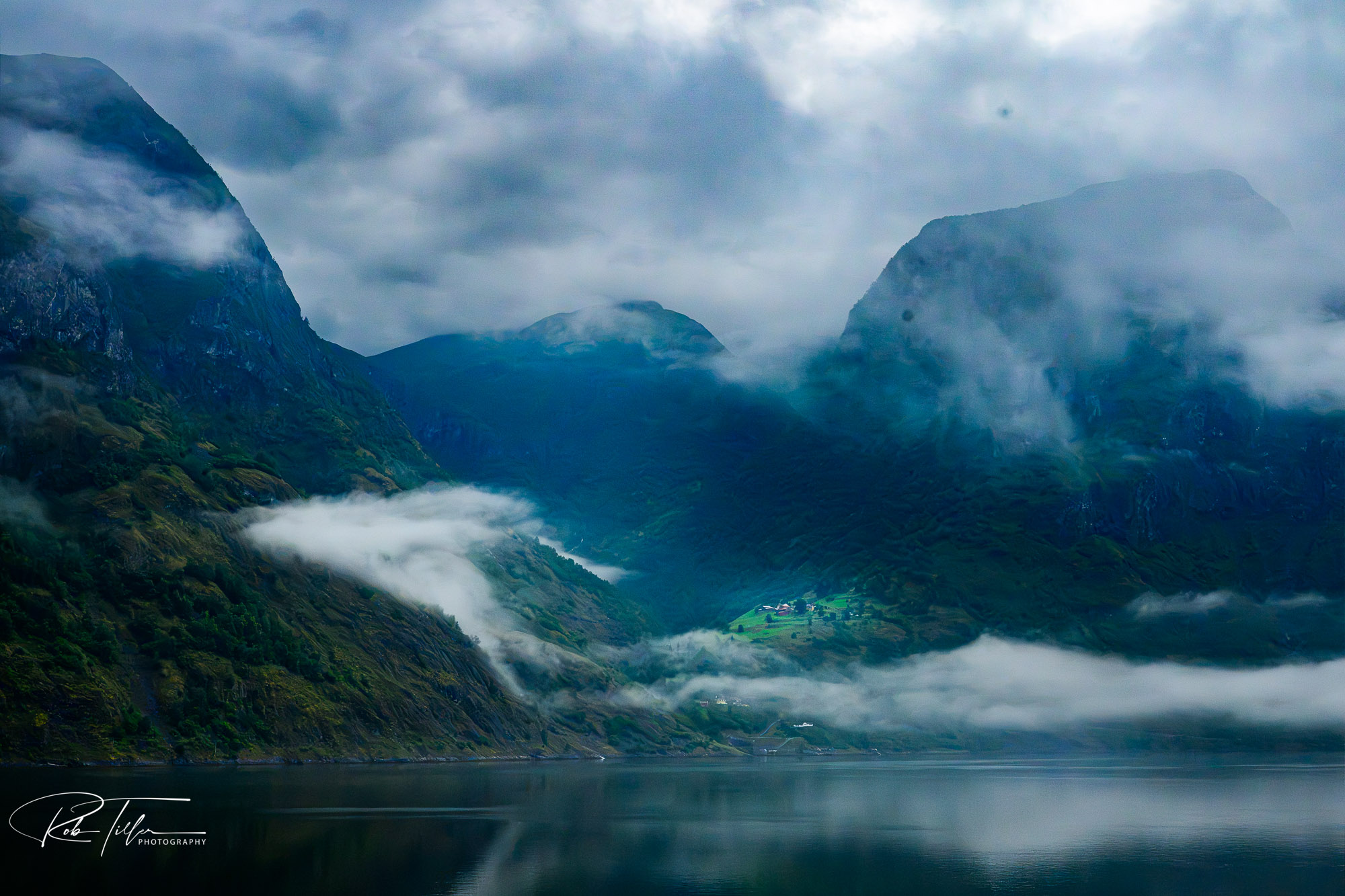
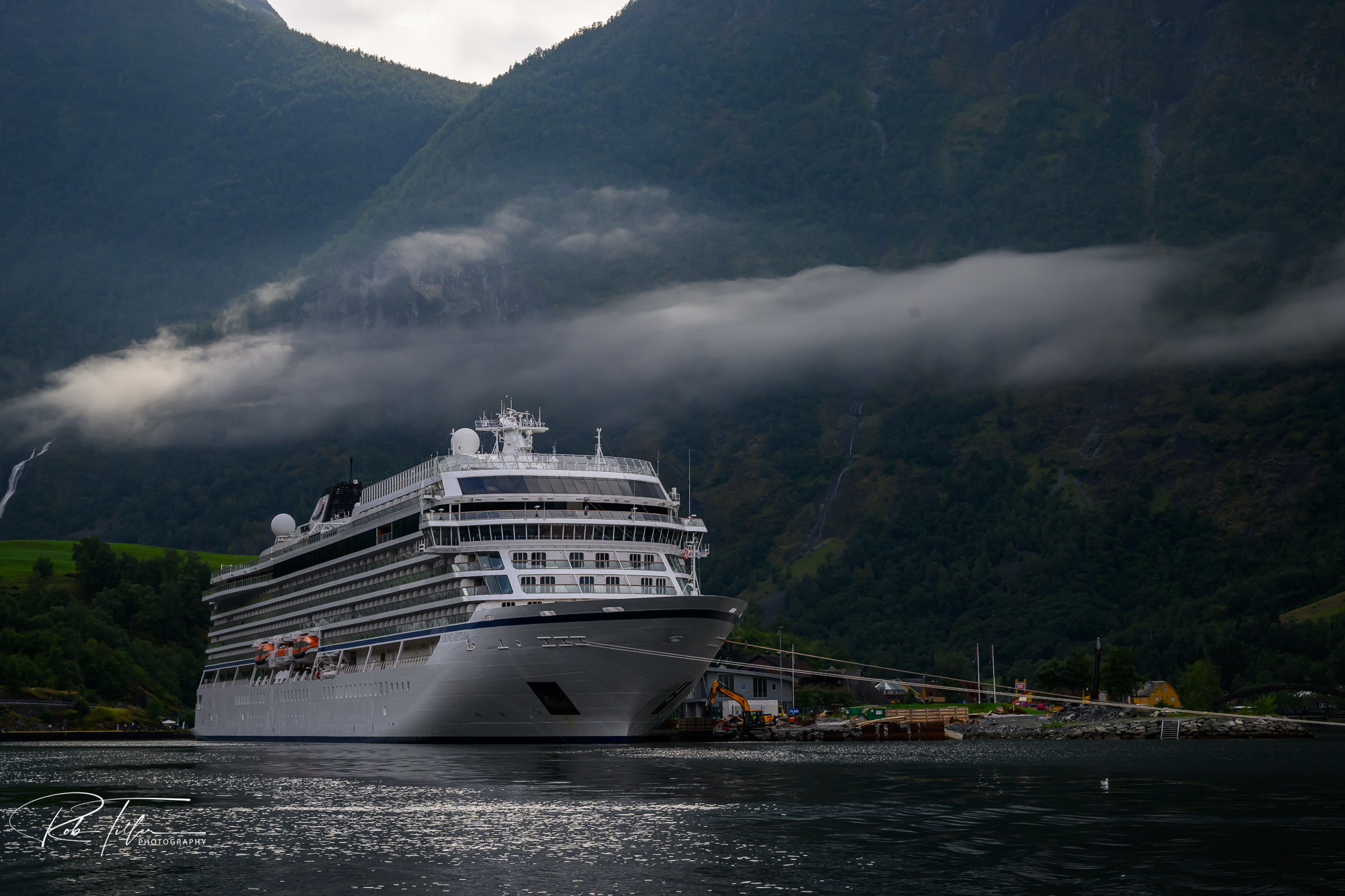
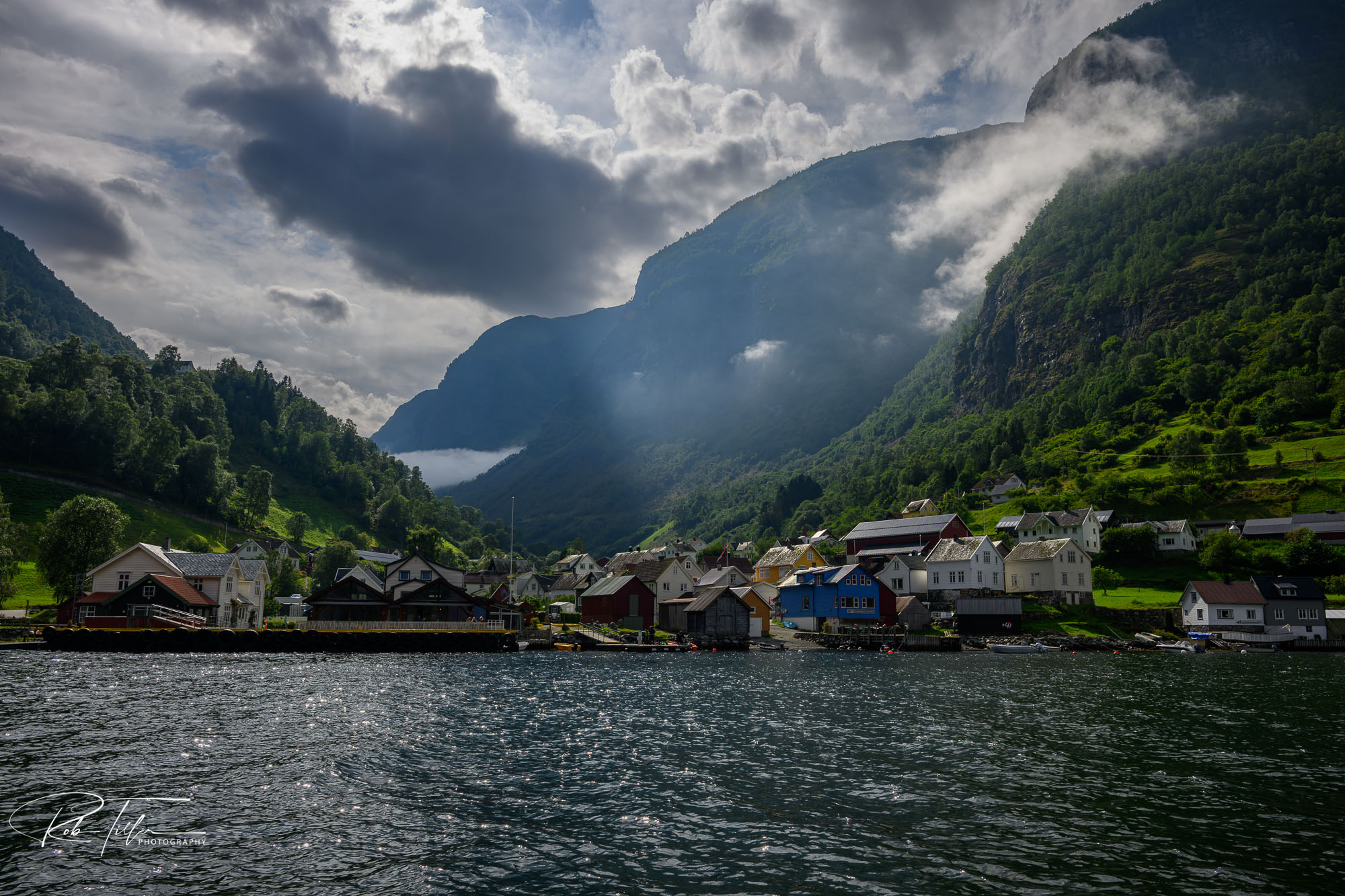
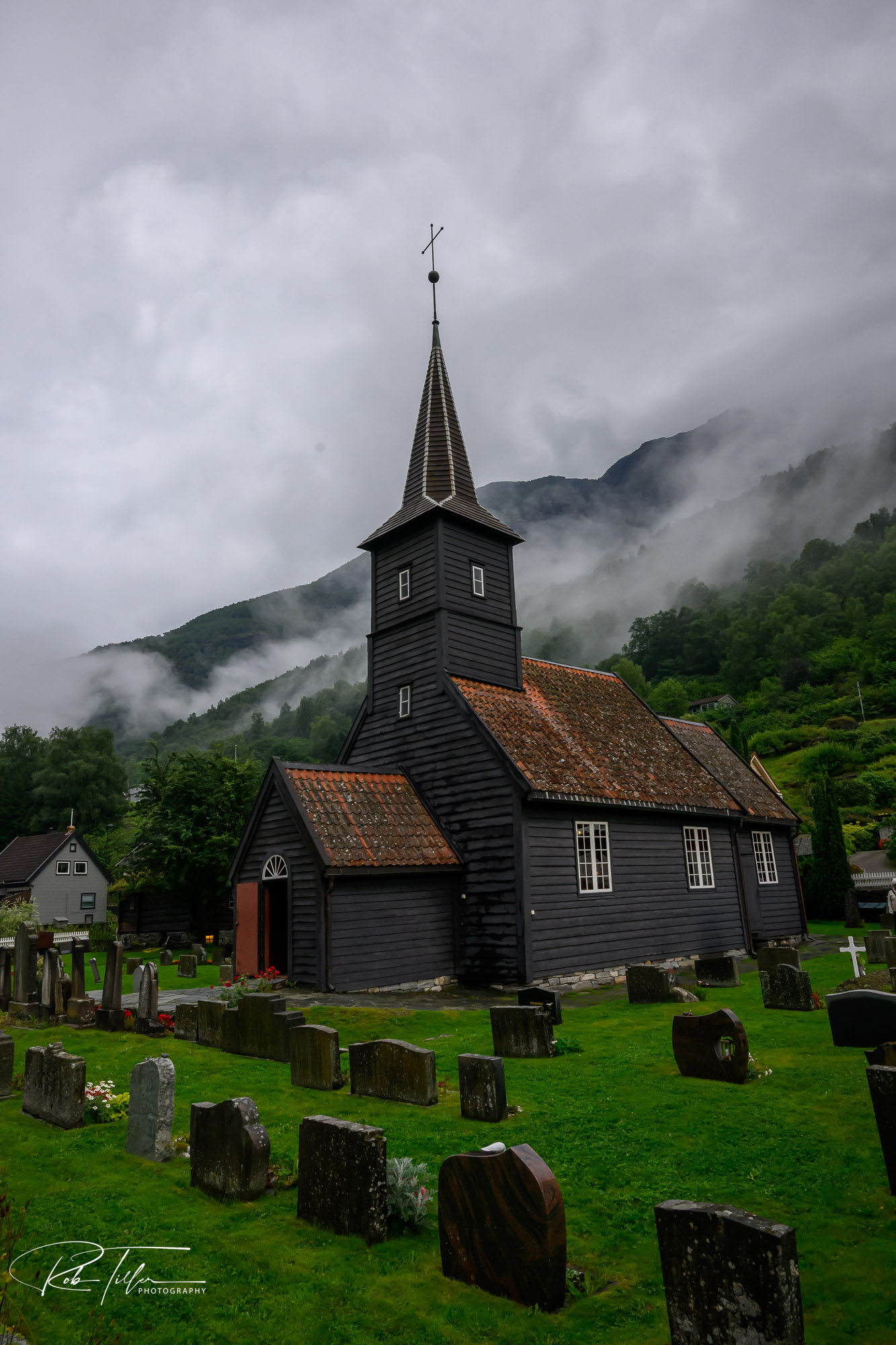
The photos here are from the fjords close to Stavanger, where we saw the famous Pulpit Rock, and Flam, a coastal village. Our weather was highly variable – sometimes glaring with too much sun, and sometimes cloudy and dark. Even so, I was thrilled to see these epic wonders, and liked a few of my images.
Along with the fjords, we visited a number of interesting places. We started the trip with three nights in Bruges, Belgium, a charming medieval city with canals and lovely stone buildings. It was a prosperous trading center that had its best days before 1500. We explored the main sights in the first two days, and then took a train to Ghent, Belgium, to see more medieval art and architecture.
We boarded the Viking Neptune in Amsterdam and proceeded up to Skagen, the northernmost town in Denmark, where we visited the point where the North Sea and the Baltic Sea meet. We went to the local art museum and had our first encounter with the Skagen painters, late 19th and early 20th century artists influenced by the French Impressionists who gathered in the town in the summers and painted local fishing people and scenery. We liked their work very much.
We also visited Oslo, a modern city with some old pockets, including a large fort that we explored. The National Museum there had some fine work by Edvard Munch and other Norwegian artists, as well as excellent French Impressionist work. We also visited Oslo’s Vigeland Park, where we enjoyed seeing the sculptures of naked people by Gustav Vigeland, and the city’s ski jump, where there were people circling a track on roller skis.
Of the Norwegians we encountered, a lot seemed cheerful, helpful, and attractive. They are, of course, outstanding in winter sports. Living in a harsh environment, they seem to have a culture of cooperation with a certain stoicism. I was very impressed with their systems of good free education, mostly free medical care, parental leave, and pensions.
I was also impressed that almost all of their energy comes from renewables, mostly hydro and wind power. A large percentage of cars and public vehicles are electric. Unlike the leadership in the US, they seem to have recognized that climate change is not a hoax.
Of course, Norwegians have their problems. There seemed to be discontent with the high taxes, including not just income but also wealth and VAT taxes, and some right-wing opposition to recent increases in immigration. Along with their climate-friendly energy technology, they are a major exporter of oil and gas, which is obviously contributing to global warming. They are also a huge exporter of fish and other sea creatures who would, no doubt, prefer not to be brutally killed.
As a Norwegian company, Viking has a particular interest in the Vikings, and taught us a bit about them. The ship historian said they definitely did not put horns on their helmets. He briefly acknowledged the horrific rape and pillage campaigns that started in the 8th century, but put more emphasis on Viking ship building, exploring, and settlement. I heard a little about their form of democracy, which was one of the precursors of contemporary parliamentary systems.
During our voyage, I finished reading The Making and Breaking of the American Constitution, by Mark Peterson, a professor of history at Yale, which I found very thought provoking. Peterson contends that the roots of the US Constitution are found in the Domesday Book of William the Conqueror in the 11th century, in that both were primarily about property and territorial expansion.
Peterson traces the changing understanding of the Constitution through the 19th and 20th centuries and finds increasing tension between the document’s original objectives and new developments in American society, such as industrialization, urbanization, and increasing inequality. Among other changes, he notes the increasing power of the presidency and decreasing role of Congress. He argues that so-called originalism, or looking to the 18th century meaning of the words in the Constitution, is a poor way to address contemporary problems. The book invites us to rethink, and perhaps reshape, the kind of society we would like to live in.
I also read Vigil, a recent novel by George Saunders. It’s about the death of a very successful oil company executive and a sort of angel sent to comfort him. The executive was responsible both for speeding along global warming that killed millions and concealing the truth about global warming. The book is partly about corporate greed and environmental destruction, and also about free will and determinism. It implicitly poses the question of what is a good life, a life worth living. It suggests that it may be about caring and compassion.
On the flight home, I watched Selma, a 2014 historical drama about the fight for voting rights for Black Americans. The story centers on the work of Dr. M.L. King in organizing a 1964 march in Alabama from Selma to Montgomery, the state capitol. The film was wrenching in showing the cruelty and violence against Black people there and the risks that the protestors took.
Until recently, I thought that denials of voting rights and arbitrary state violence against peaceful protestors was not a problem anymore in the United States, but obviously, I was wrong. The film was a reminder that Americans have had to organize to address terrible injustice before, and have successfully done so. It is possible.