The Casual Blog

Tag: Alaska

Alaskan brown bears, and a few thoughts on history
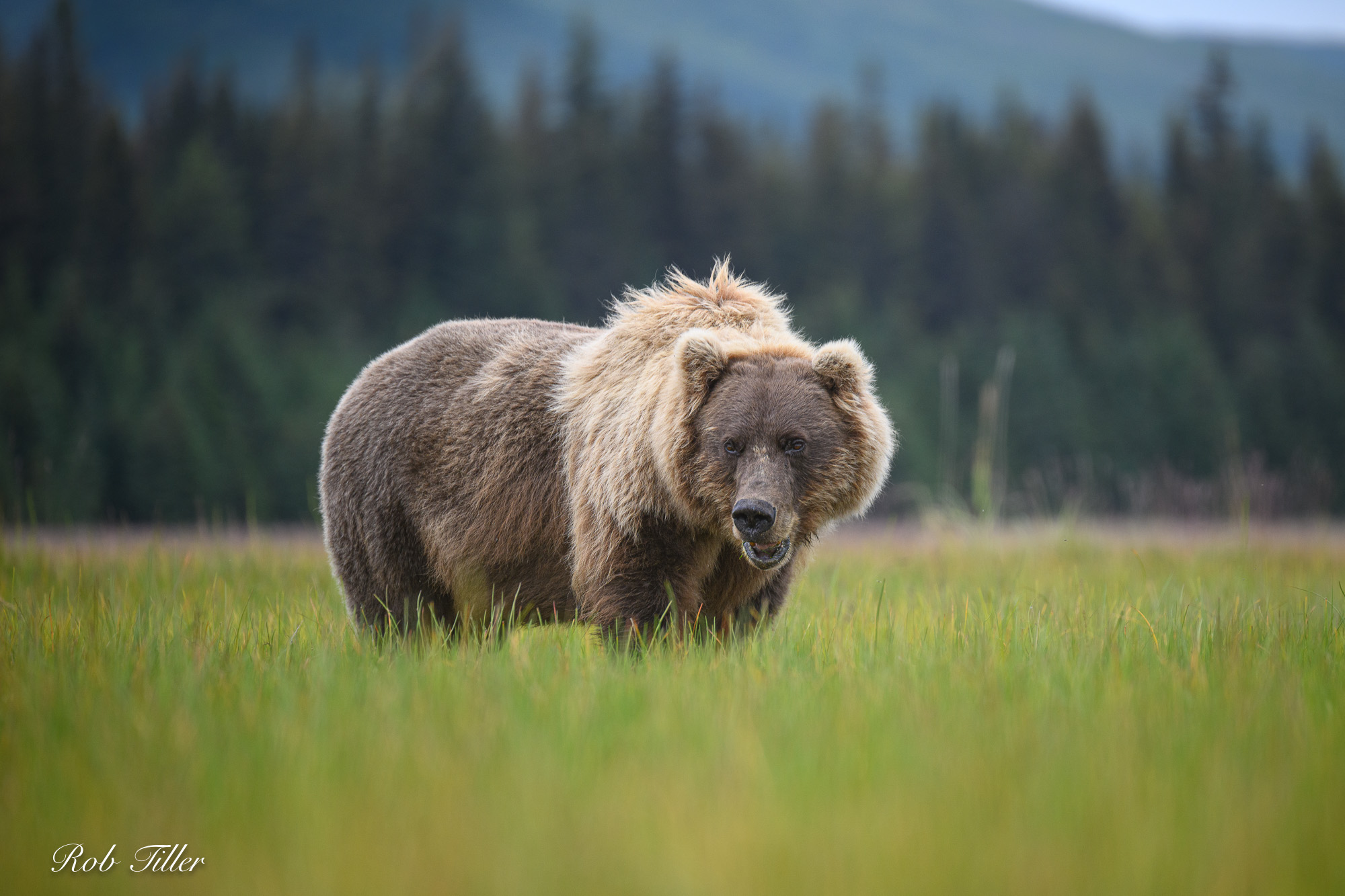
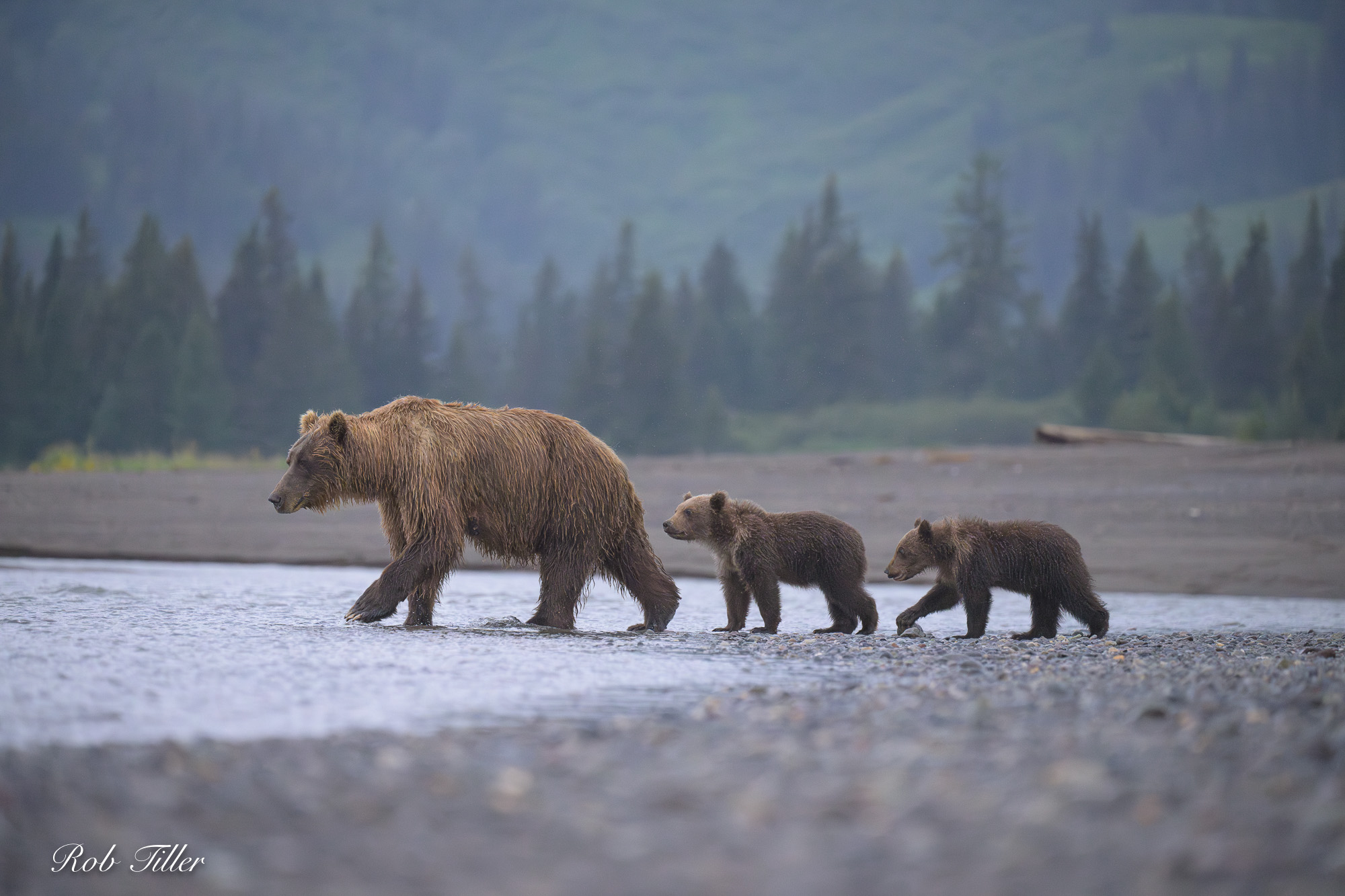
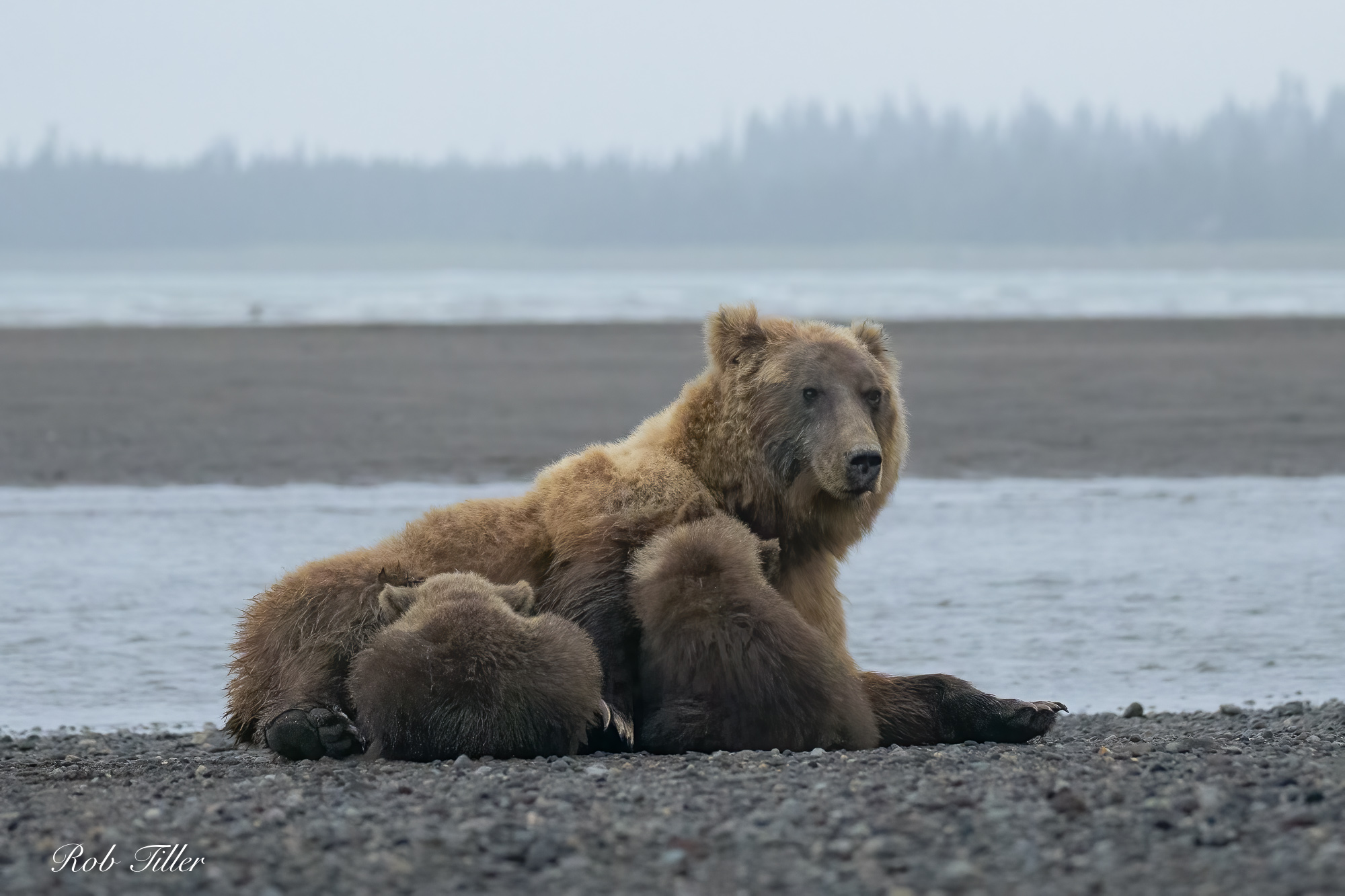
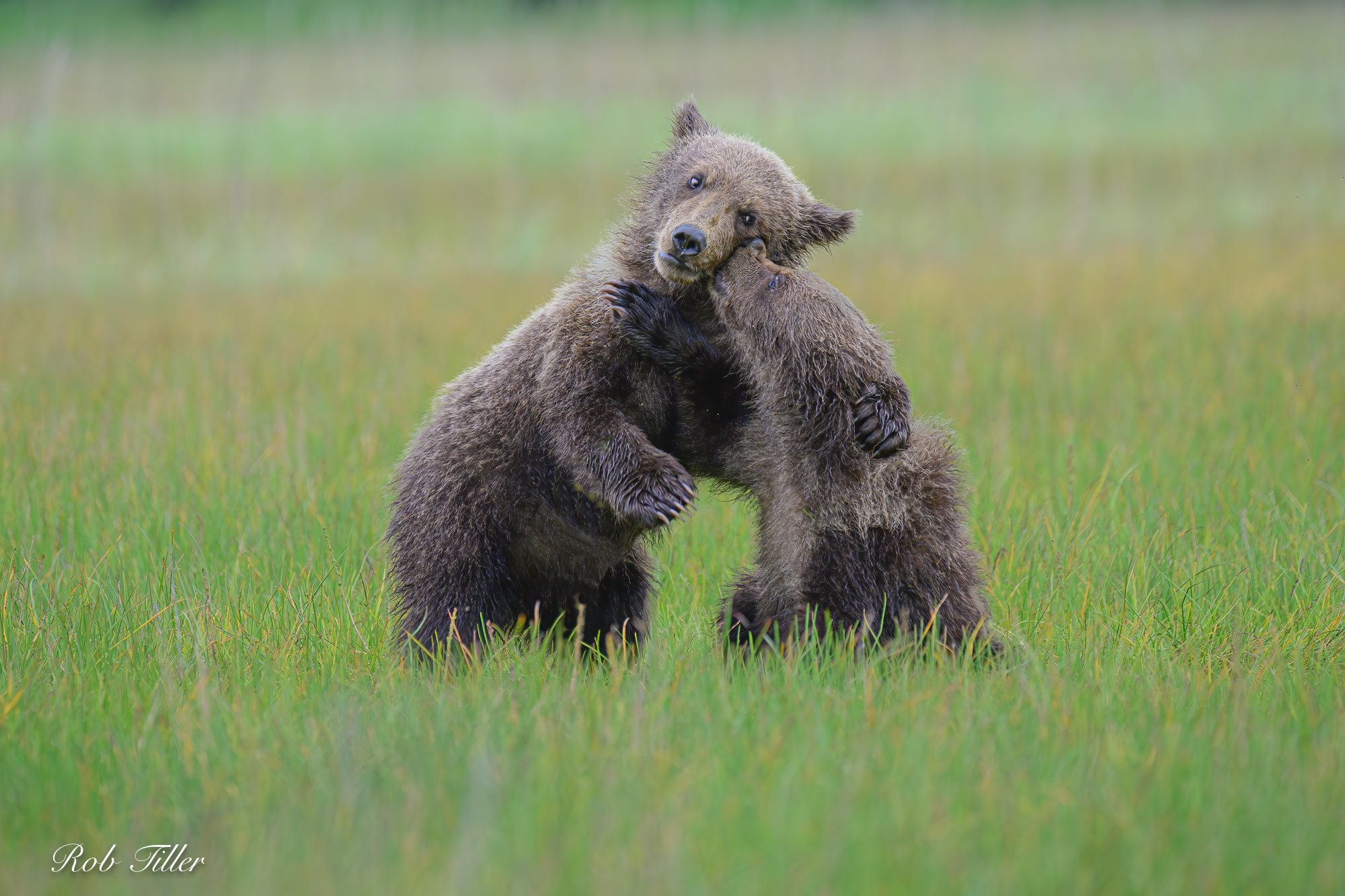
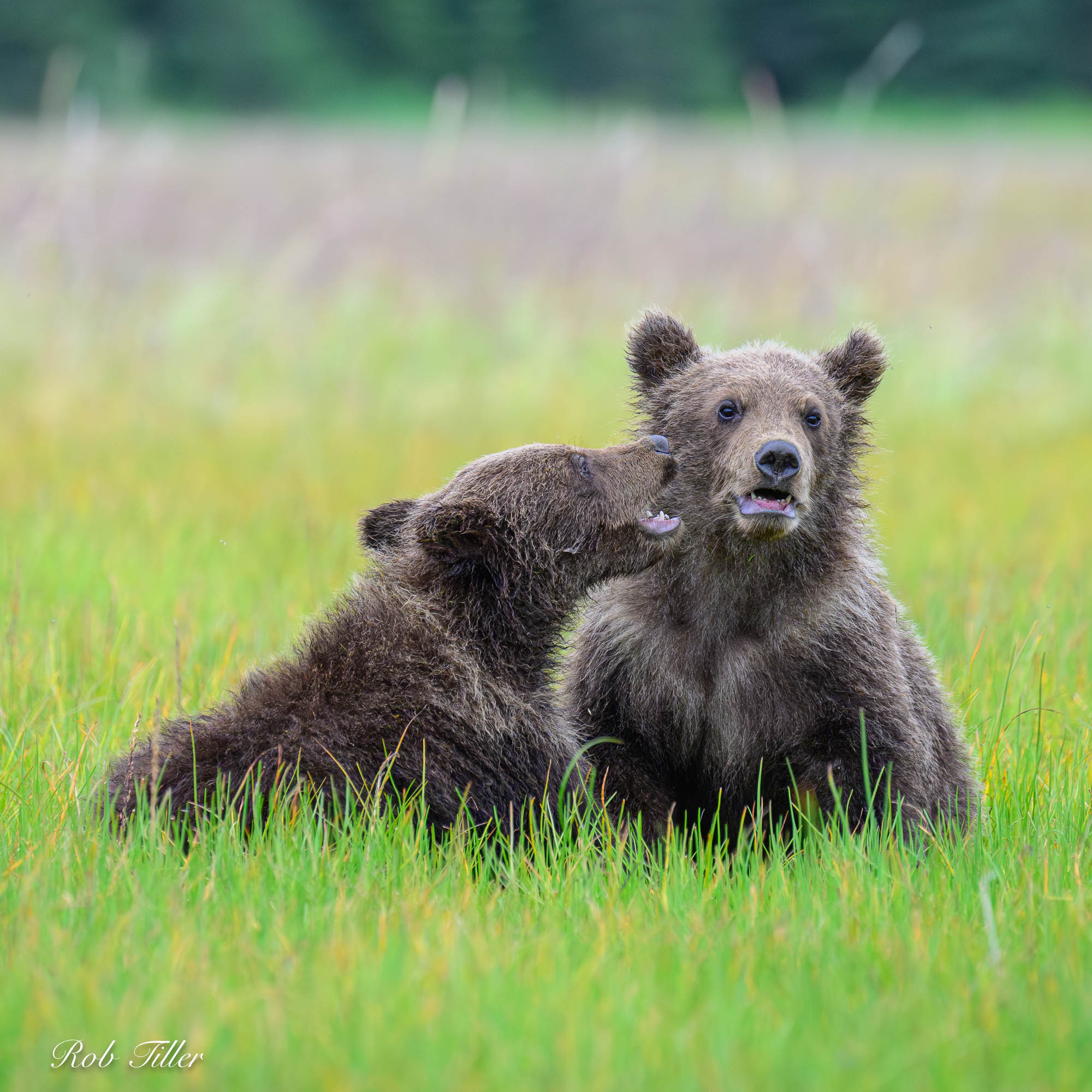
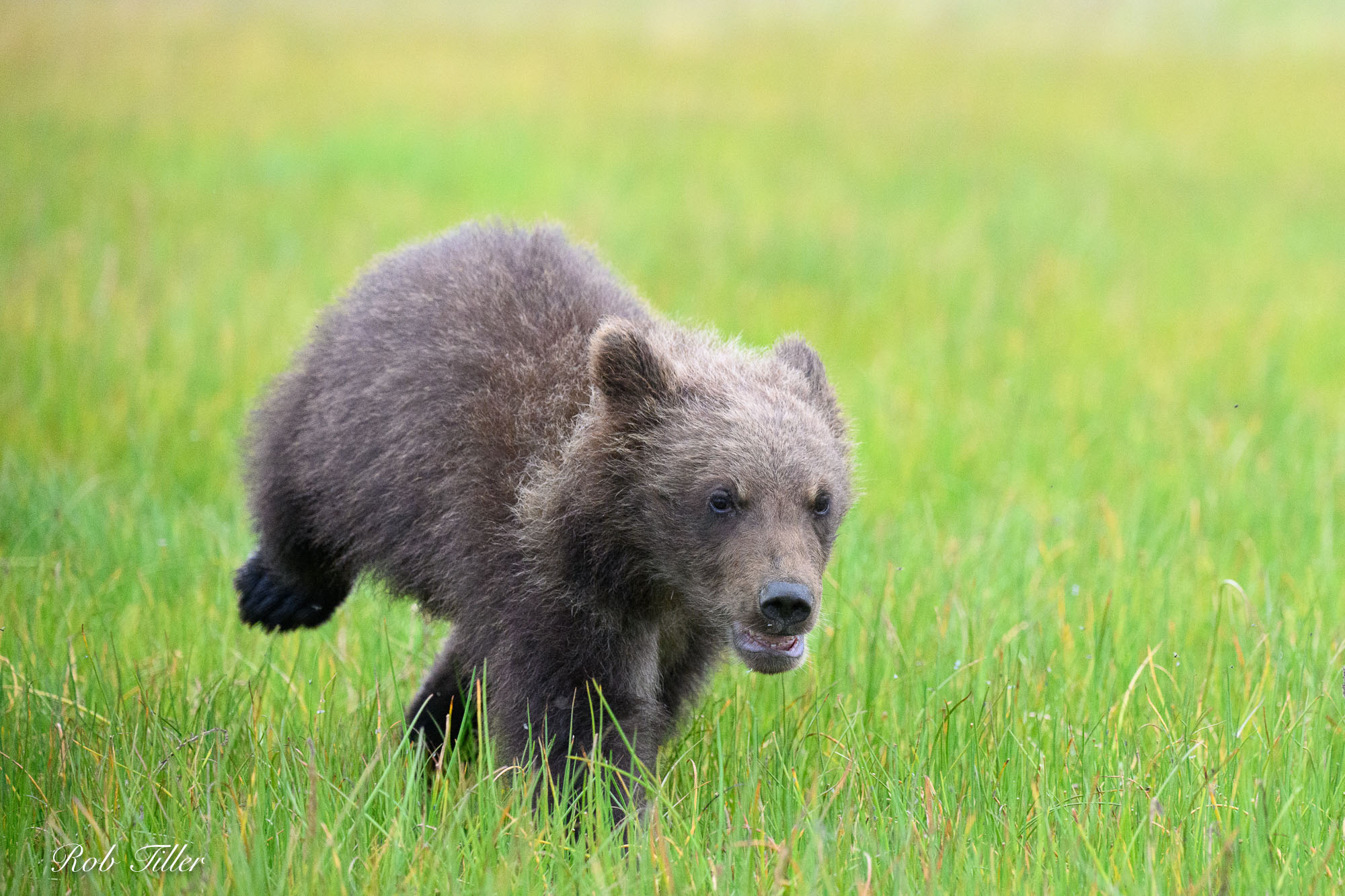
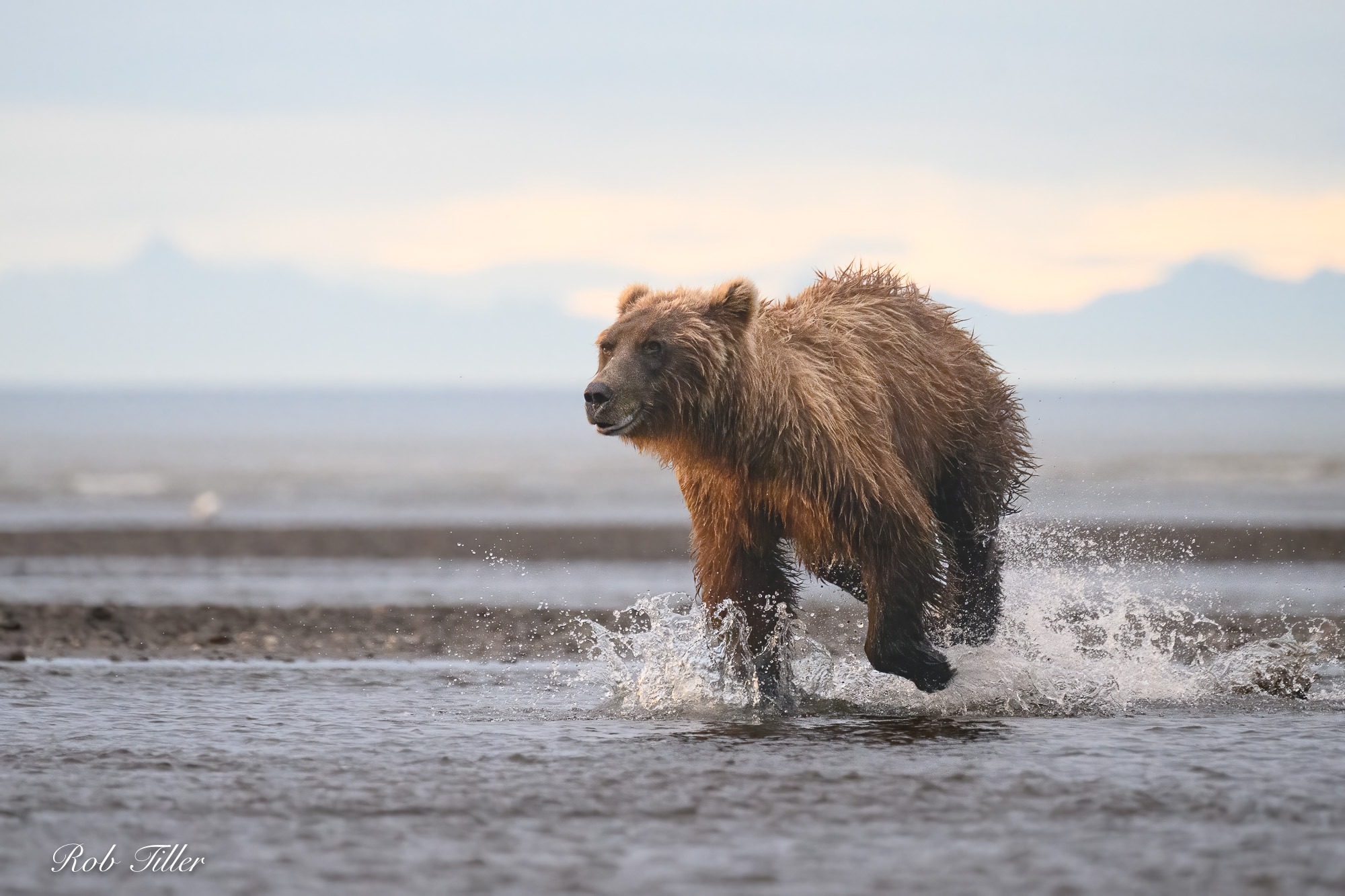
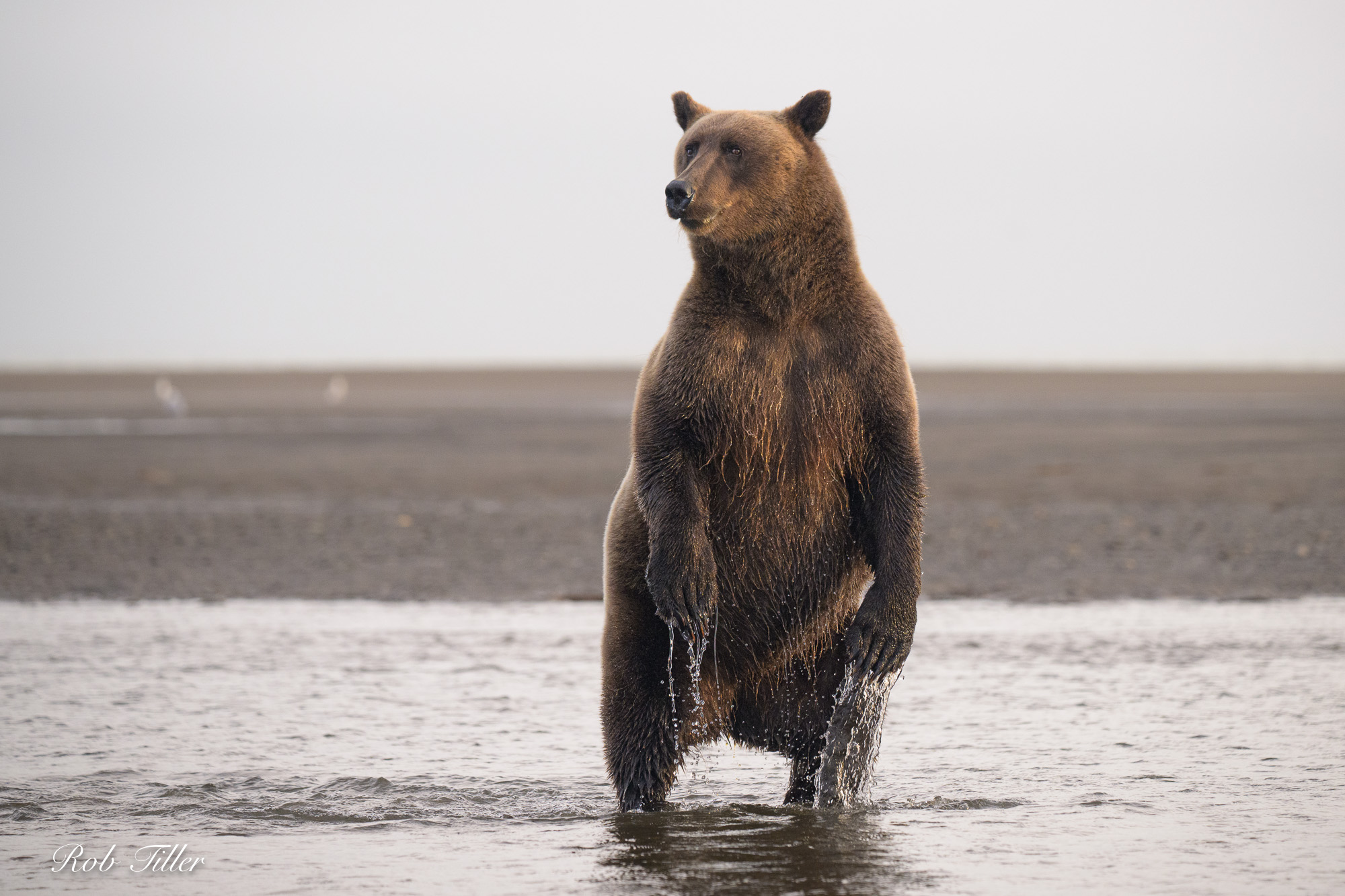
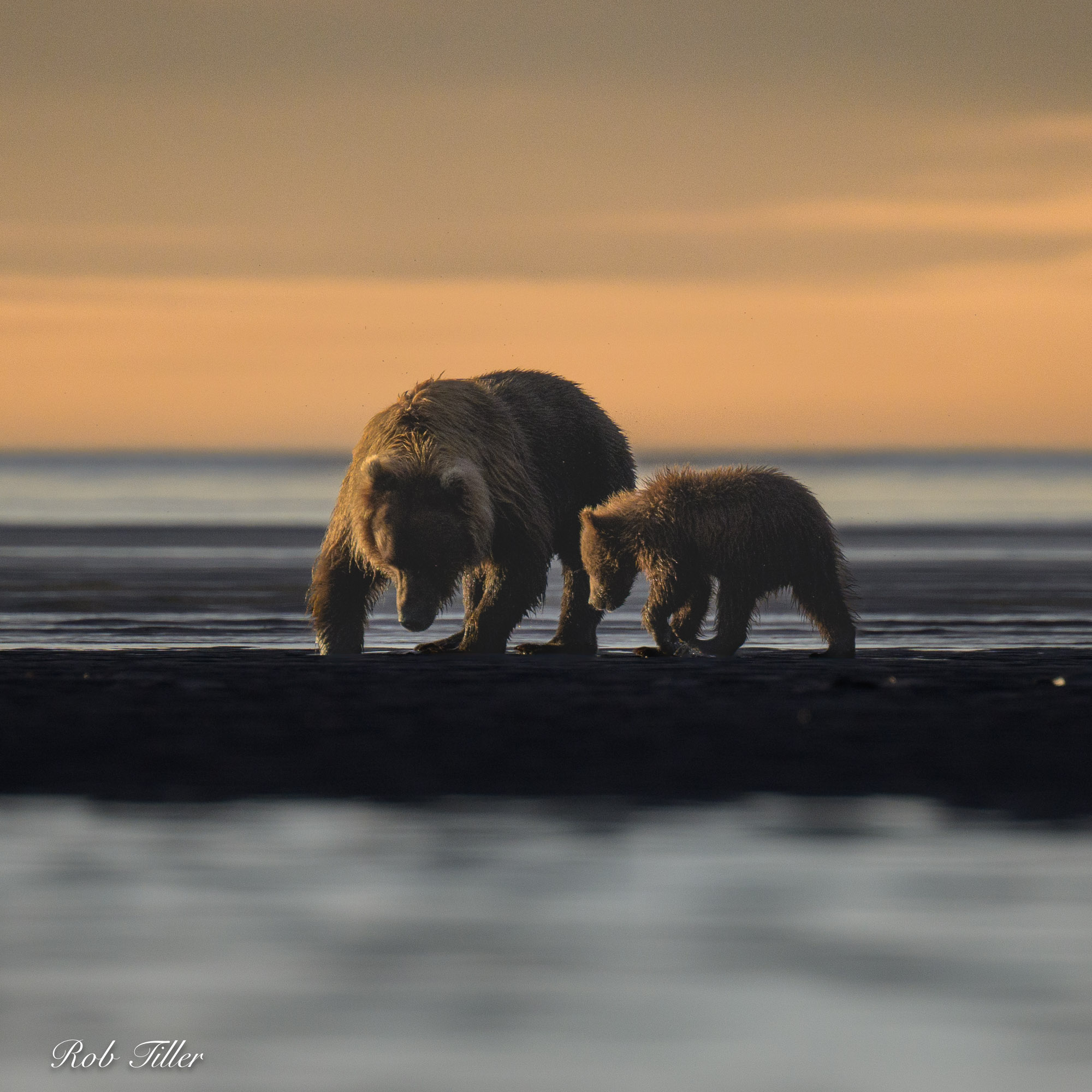
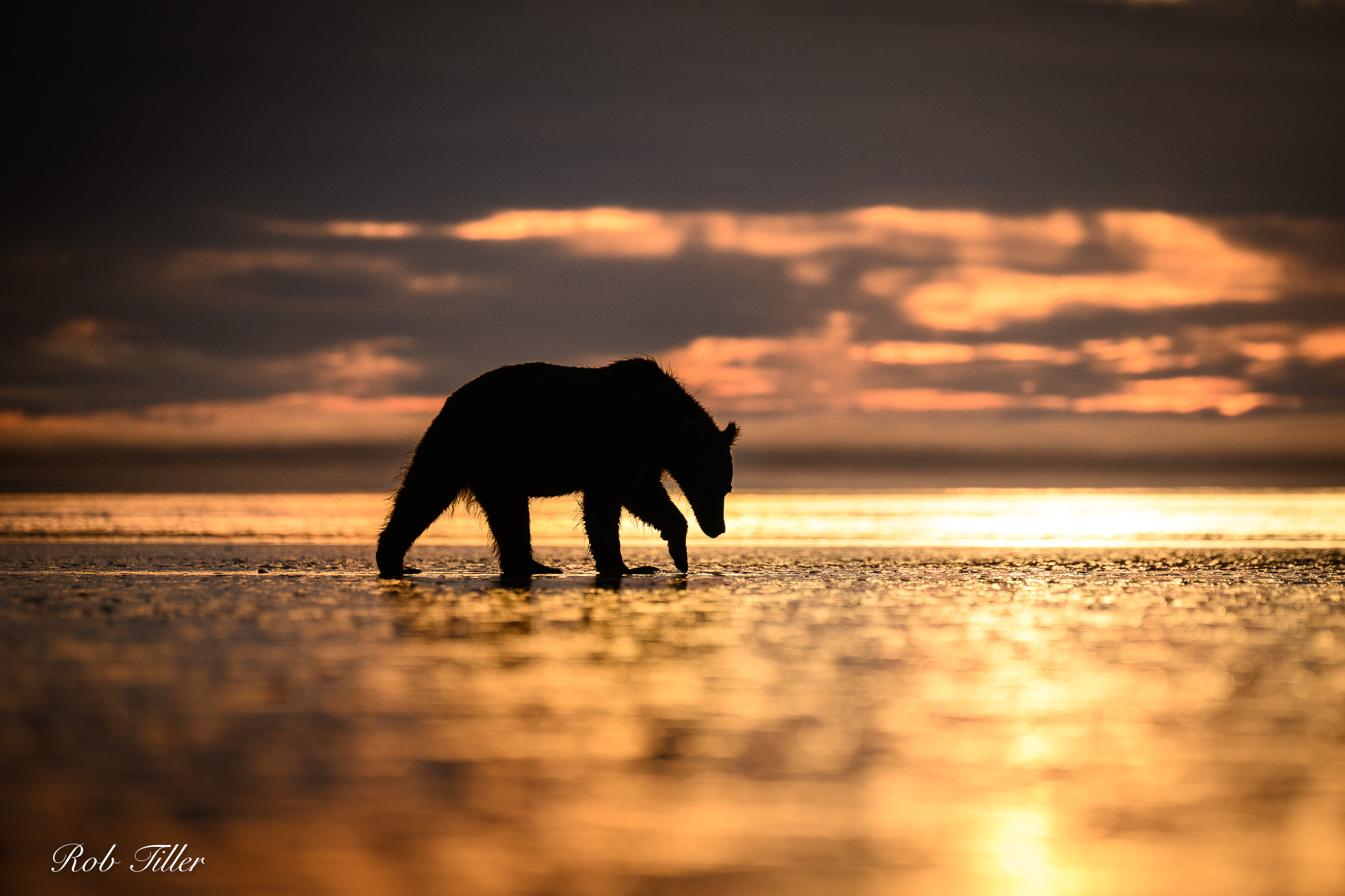
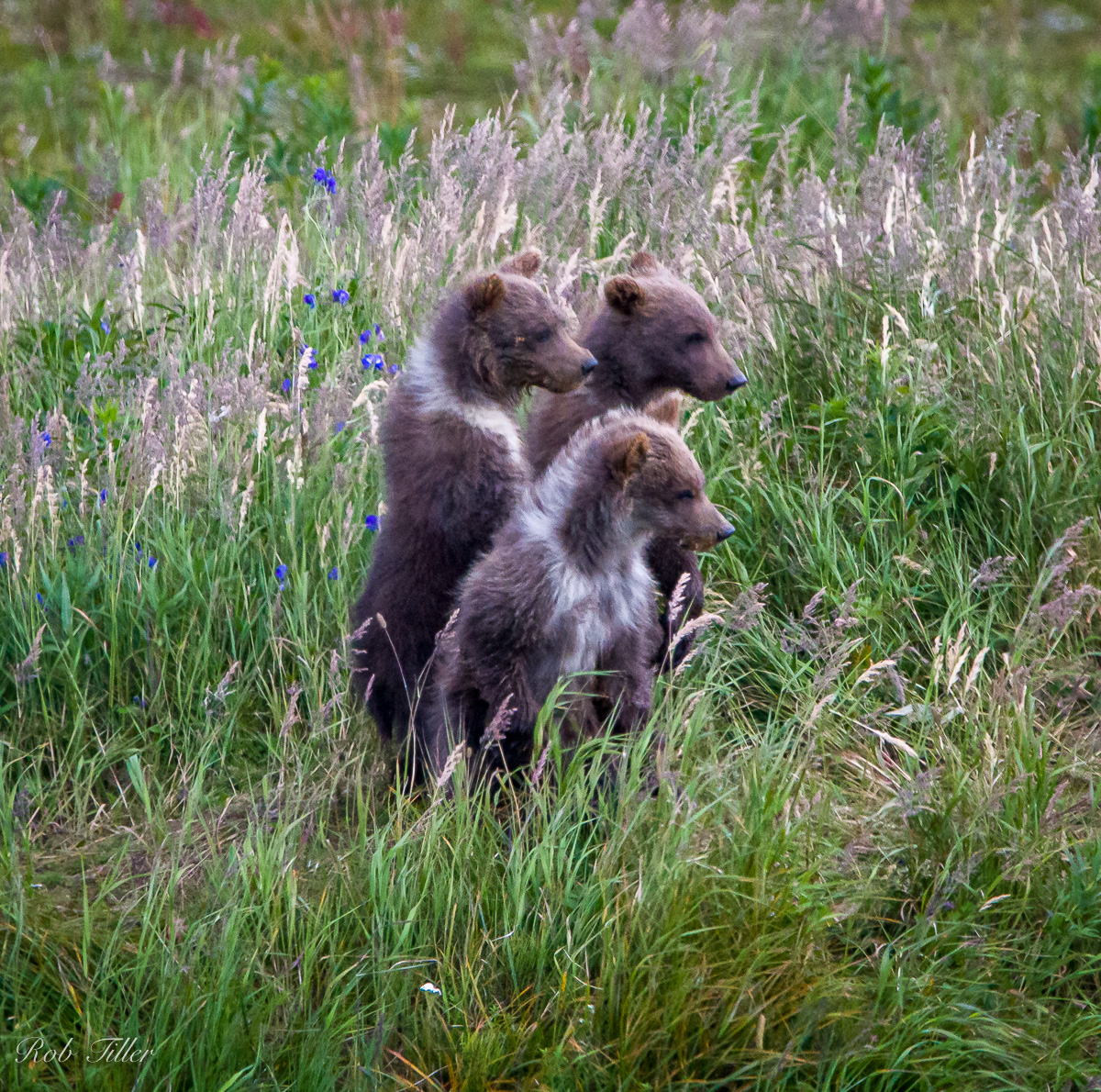
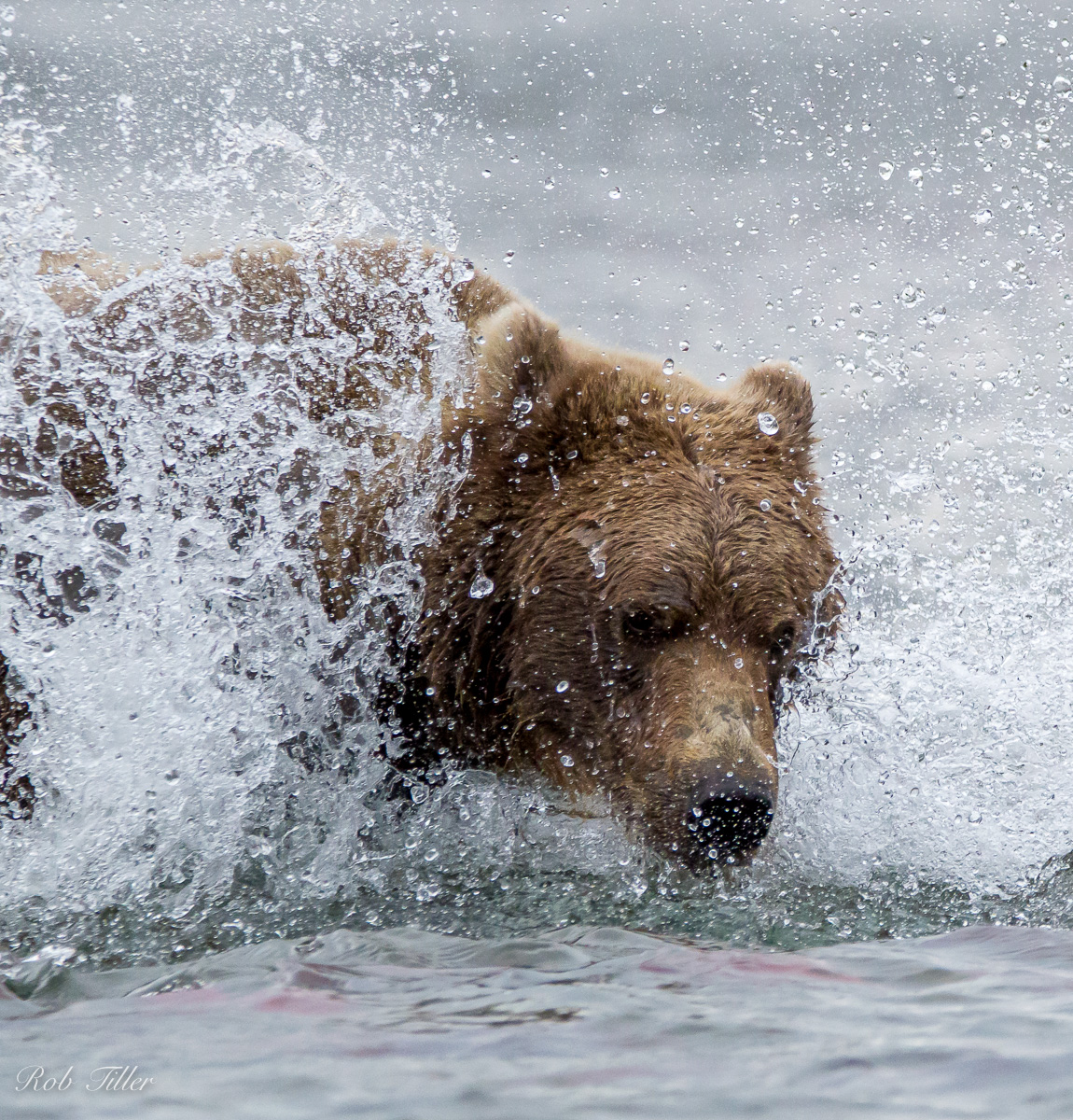
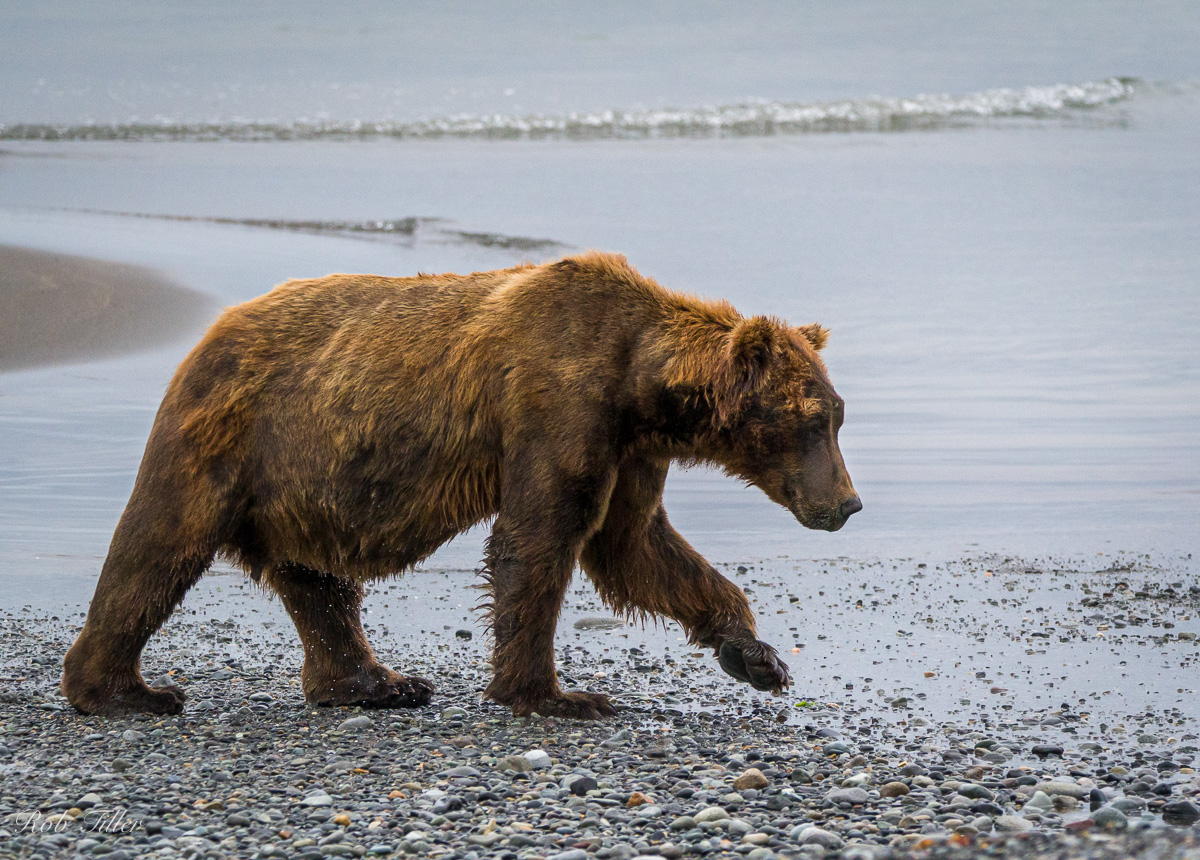
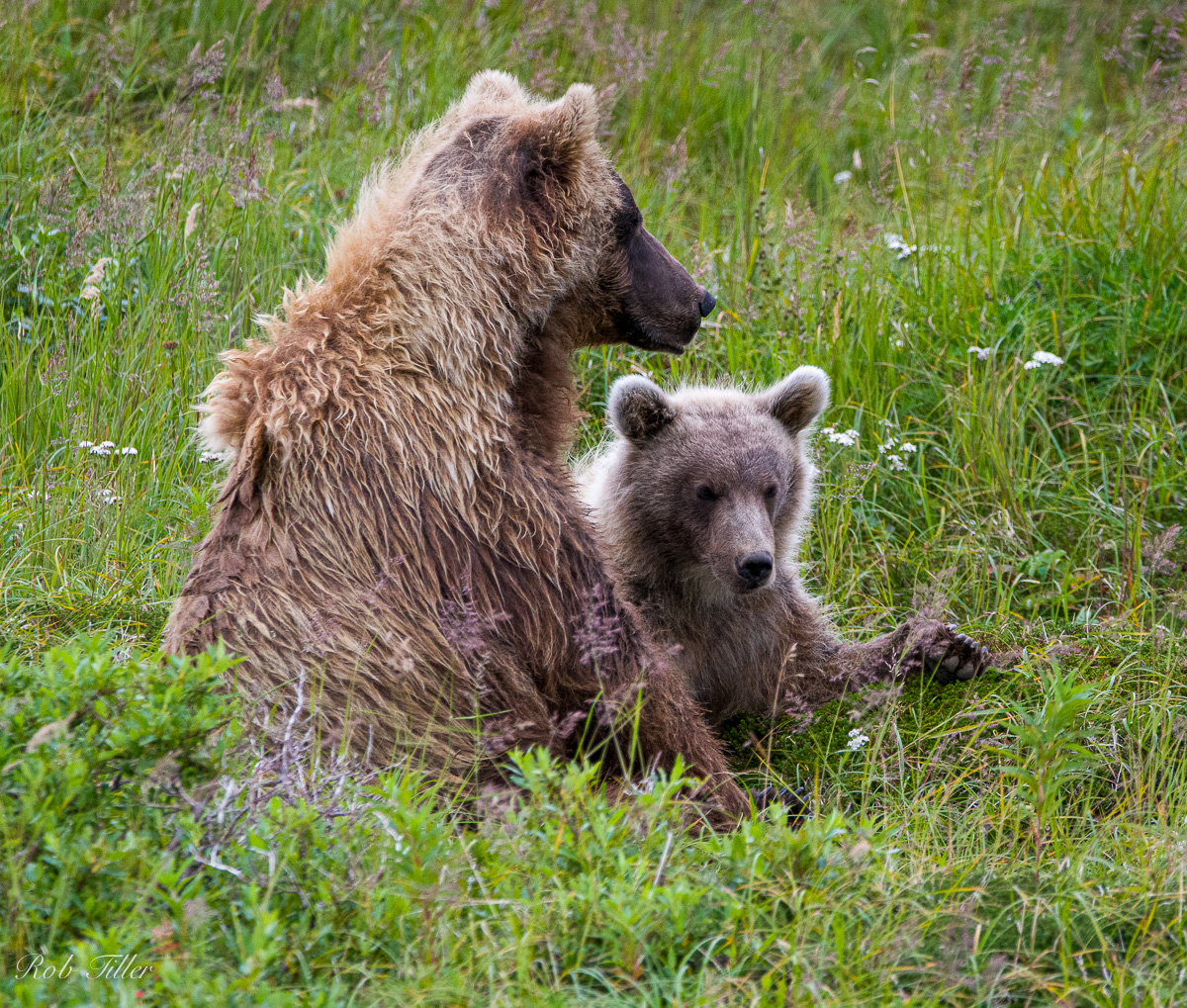
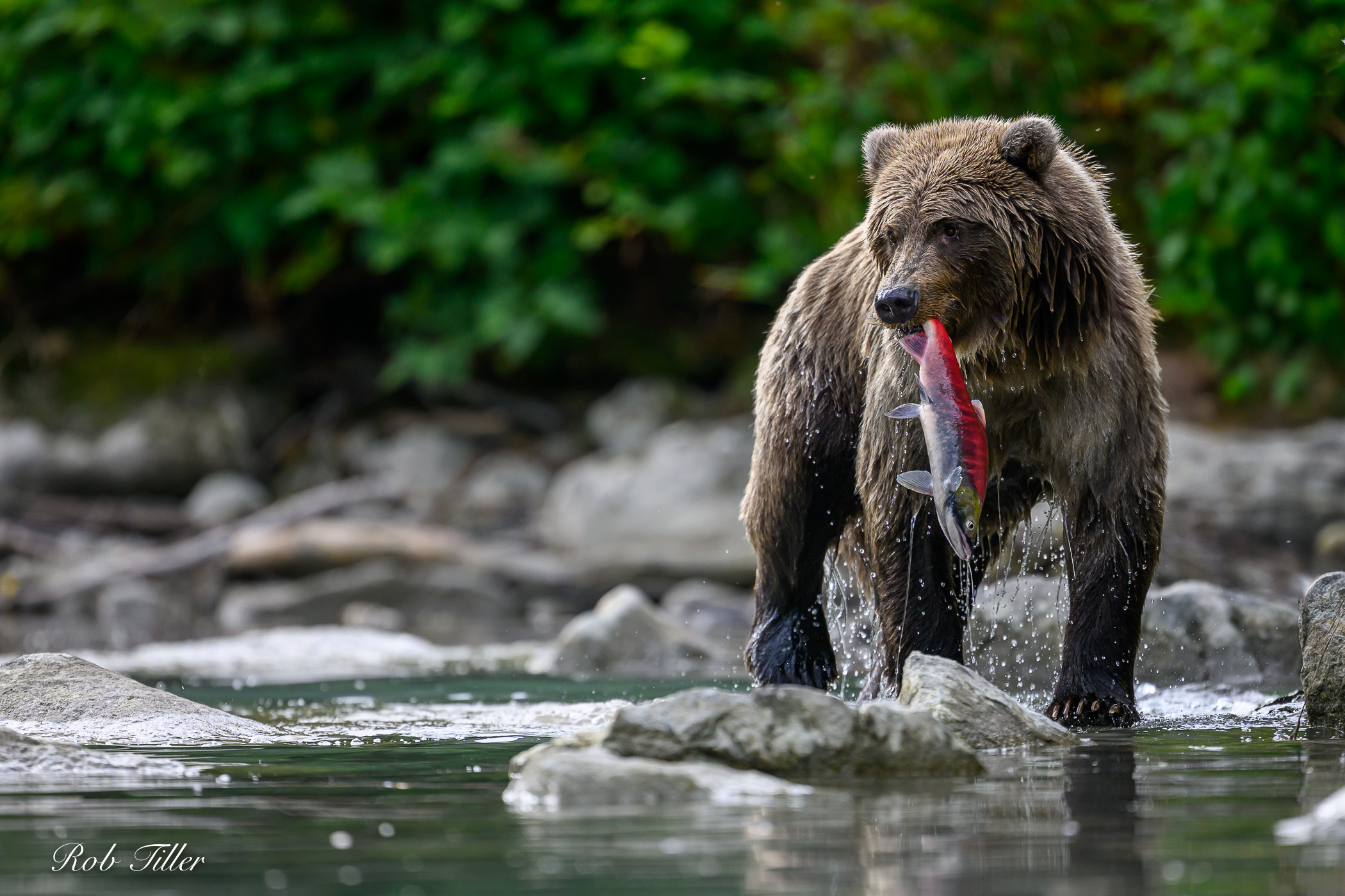
A couple of weeks ago I went back to Alaska for a week to photograph brown bears.  It was an epic trip, and I came back with several thousand images to sort through.  After a first pass, these are some of my favorites.   I made a short slide show with a few others, which is here.

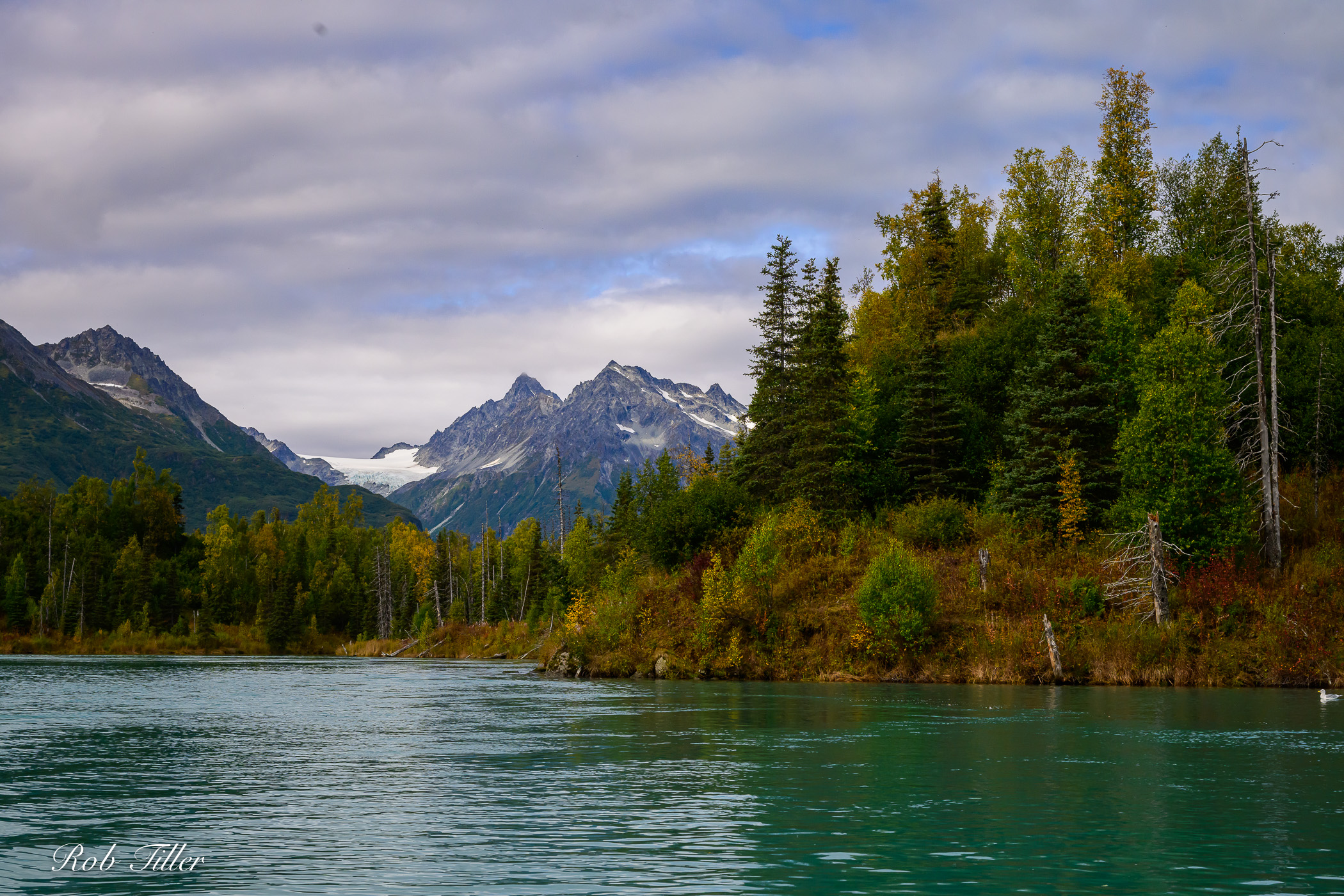
The trip was led by Jared Lloyd and Annalise Kaylor, world class photographers, teachers, and naturalists.  We were based on the Kenai Peninsula in the town of Soldatna.  Each morning, weather permitting, we flew out by float plane to Lake Clark National Park, where we landed on a beautiful glacial lake with luminous green water surrounded by forest and jagged mountains.  Off the plane, we loaded onto a skiff and went out to look for bears.
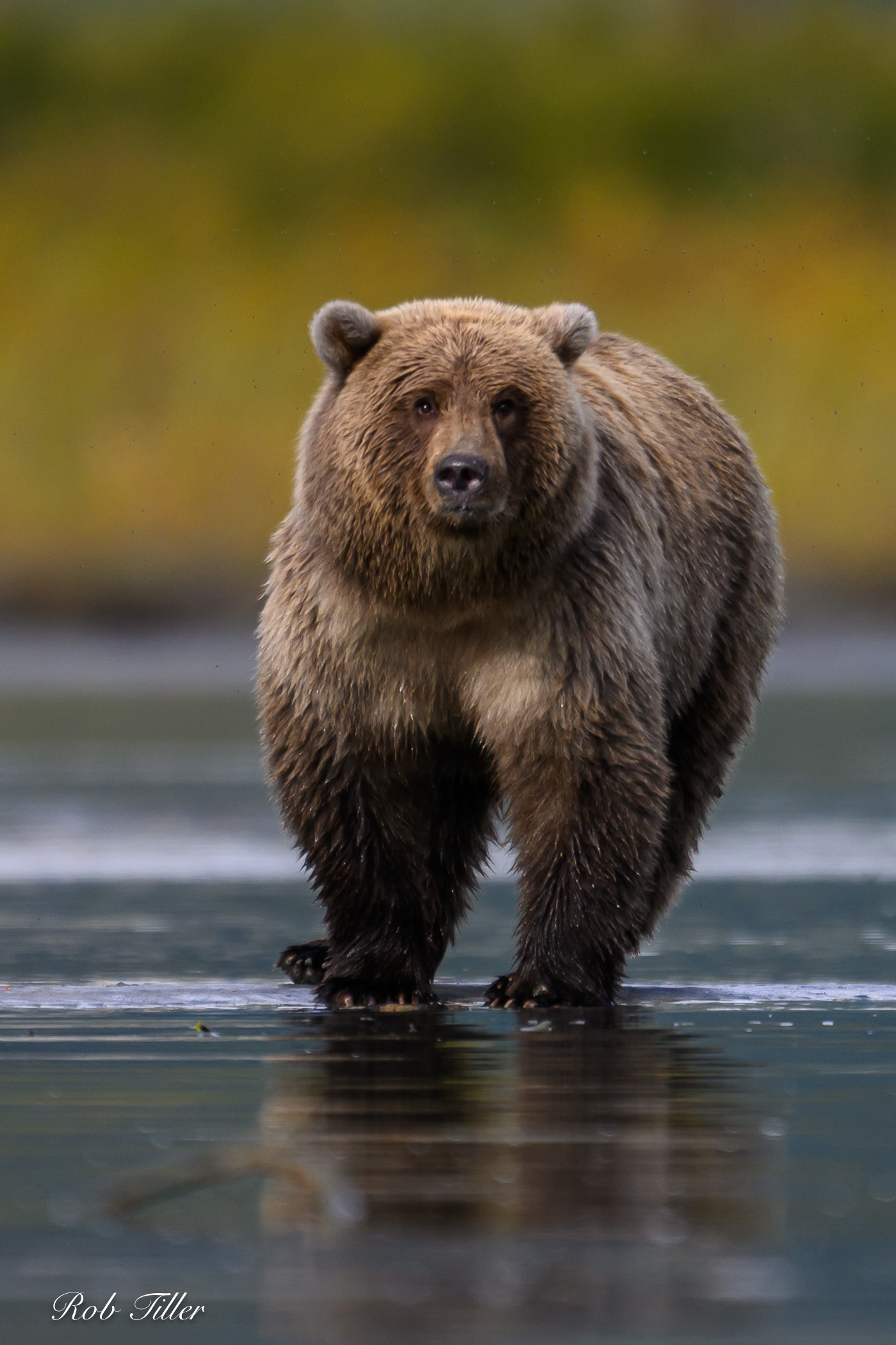
Part of what’s interesting to us about bears is that they are so big and strong.  They’re also agile and graceful, and can run almost as fast as race horses.  They have unbelievably keen senses of smell, very good hearing, and eyesight about like ours.  They’re smart, with good memories, and they’re talented at figuring out bear-proof containers and other puzzles.  And, obviously, they’re smart enough to thrive in harsh environments without the help of grocery stores, hospitals, pharmacies, houses, electricity, etc.
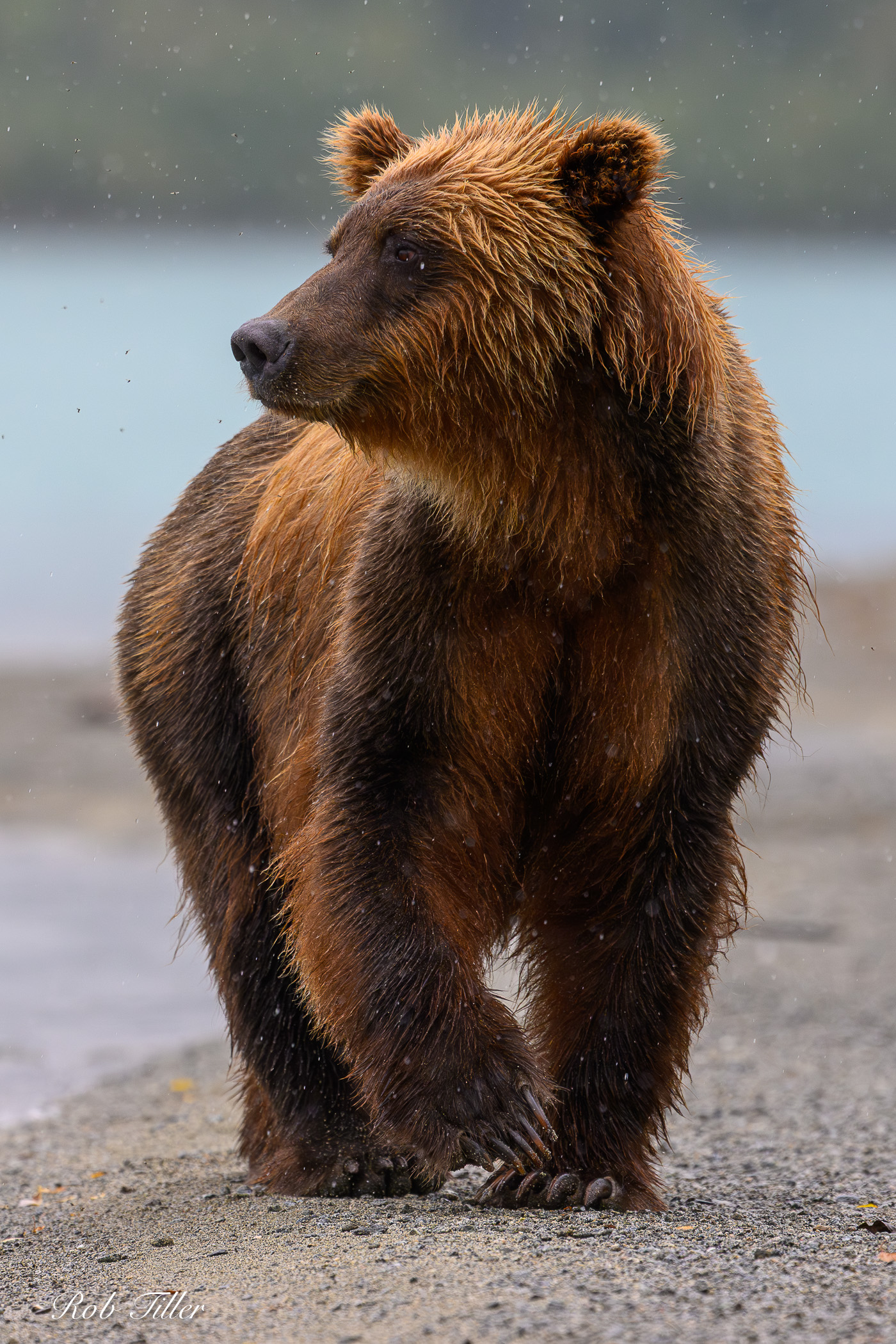
I loved seeing the bears at Crescent Lake, though there were some rough episodes.  I got there a day after the rest of the group, and on my first day it rained almost nonstop.  As we cruised on the boat or stood in the shallow water wearing waders, I managed to keep my camera equipment dry enough, but my body was totally soaked and shivering by the end.  Back at the airport, I found that the key for my rental car had also got soaked and wouldn’t work, and I had to get a ride back to Soldatna and get another rental car hauled up from Anchorage.

The weather improved the next day, but the day after that it was too stormy to fly to the lake.  I had some other tough moments, including getting stuck in quick sand and needing some help to get loose.  And some fun moments, like riding in the co-pilot’s seat of a De Havilland Otter float plane.    

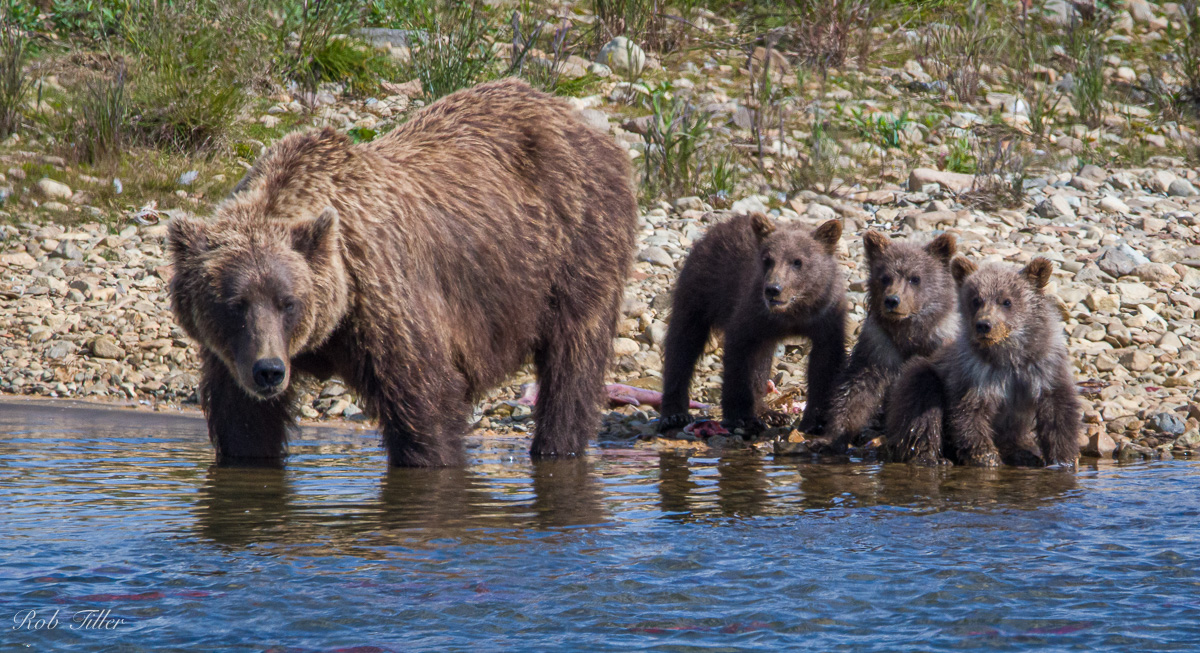
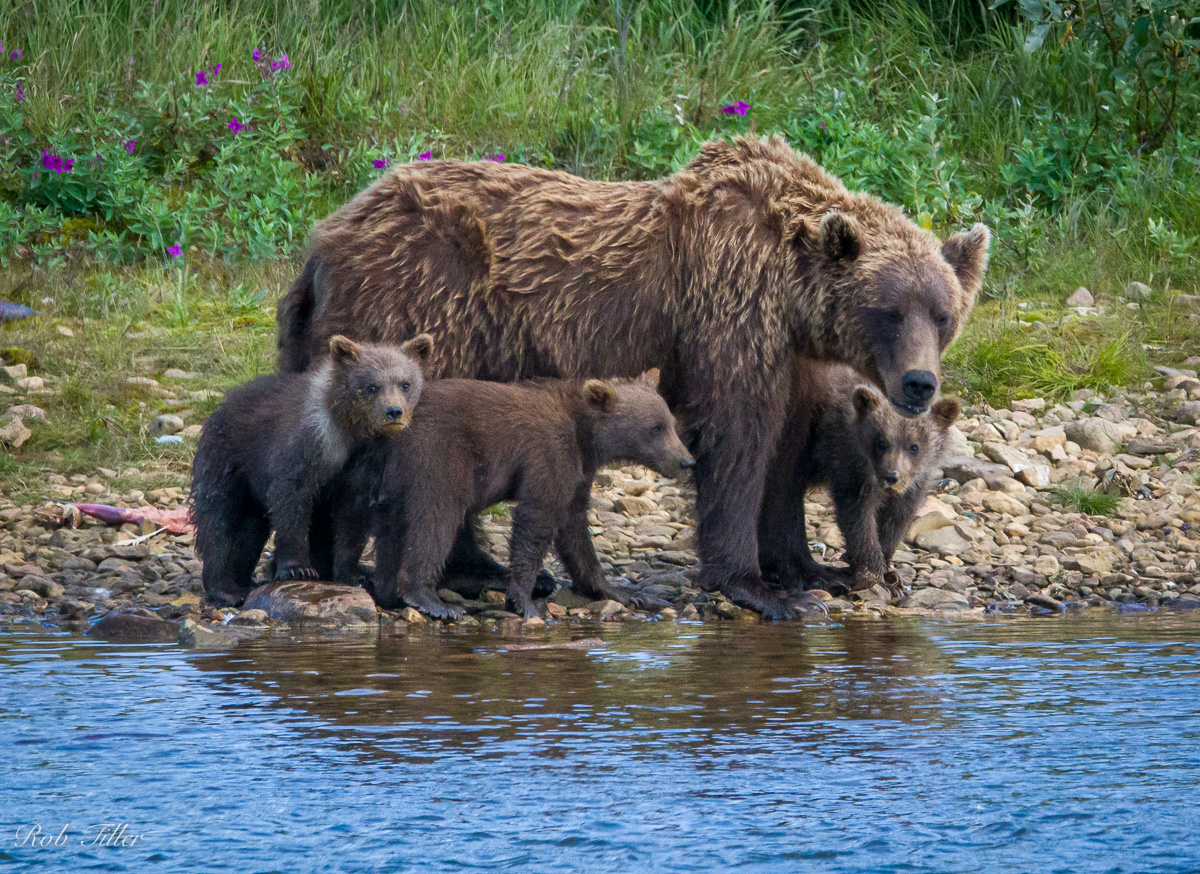
Anyhow, it was great to have some quality time with the bears.  This time of year they’re in hyperphagia mode, trying to put on as much weight as they can before hibernating for the winter.  There were, however, fewer around than we’d expected.  Jared’s theory was that some of them were gorging on newly ripe berries instead of the salmon in the lake.  Most of the ones we saw were females, including several with first or second year cubs.  There were plenty of fish for them to eat.

On my way home, I drove along the beautiful Seward Highway through mountains and valleys to Anchorage.  After I turned in the rental car, I had a few hours before my night flight, so I visited the Anchorage Museum.  I found the exhibits of crafts of the First Nations moving.  Several different cultures were thriving in Alaska when Europeans arrived, and then those cultures were nearly destroyed.  But not entirely.  Some still maintain their languages and customs.

Those First Nations people surely had and have their problems, but they lived and live more in harmony with nature.  From what I could learn, their value system at its best involves respecting the natural world and taking from it only what they need to live.  This system is quite different from the one most of us inherited, which encourages ever more consumption and exploitation of nature.  We could learn some useful lessons from them.

It’s a long way from Anchorage to Raleigh.  Long trips are tough, but one of the things I like about them is the chance for some nonstop reading.  On this trip, I made good progress in The Fate of the Day, the second volume of Rick Atkinson’s new history of the Revolutionary War, which I highly recommend.  Atkinson is both a scholar and an engaging writer, and brings to life key actors and actions on both the American and British sides of the conflict.  
The death and destruction that brought the American republic into being were worse than I realized.  But Atkinson reminds us that war is not just carnage.  He writes about trying to recruit, arm, and train an army, then trying to find enough food and clothing for it.  Shoes, it turned out, were a big problem.  A lot of continental soldiers, who did some long marches, didn’t have any.   

One reason to learn about history is to better understand and care for ourselves.  When I went to get the latest flu and covid vaccines this week, I had to answer a few questions about my medical history.  It struck me that not knowing anything about that history could lead to bad treatment decisions.

So Trump’s program to rewrite American history is not very smart.  His idea seems to be that we’ll suppress unflattering and uncomfortable information and just keep the episodes that make us feel good and reinforce our prejudices.  Thus he and his minions have pushed the Smithsonian museums, the National Park Service, and other institutions to get rid of references to slavery and racism, as well as gender and LGBTQ+ issues and other social injustices.

But just as we can’t take proper care of ourselves if we don’t know about our past serious health problems, we can’t address our current social problems without knowing about our past ones.  Without knowing something of our history, a new visitor would have a hard time understanding the American racial caste system, which is a product of hundreds of years of legal slavery and the Jim Crow apartheid system. 
There are no doubt some people in MAGA-land who look back fondly on the slave system and view oppression of minorities as a good thing.  But I think that most Republicans would agree that we should have equal treatment under the law for everyone.  Surely many would agree that our tolerance and acceptance of diversity – racial, religious, cultural, sexual – is a source of our vitality, creativity, and strength.  They might also agree that we still have some room for improvement in the areas of tolerance and respect for all.

Will that change?  I admit, I’m worried.  Even without the Trump anti-history program, a lot of us aren’t well informed about our own history.  Our major news organizations, which create the first draft of history, are becoming less resistant to Trumpism – paying him millions of dollars to settle his absurd lawsuits, altering their editorial policies, and silencing leading voices of dissent.  

Trump’s new program could make us more ignorant, and more accepting of exploitation and oppression.  We’ll likely have to work harder to learn what is going on, and to communicate with each other about it.   

My Alaska trip — enjoying the grizzlies and enduring the airlines

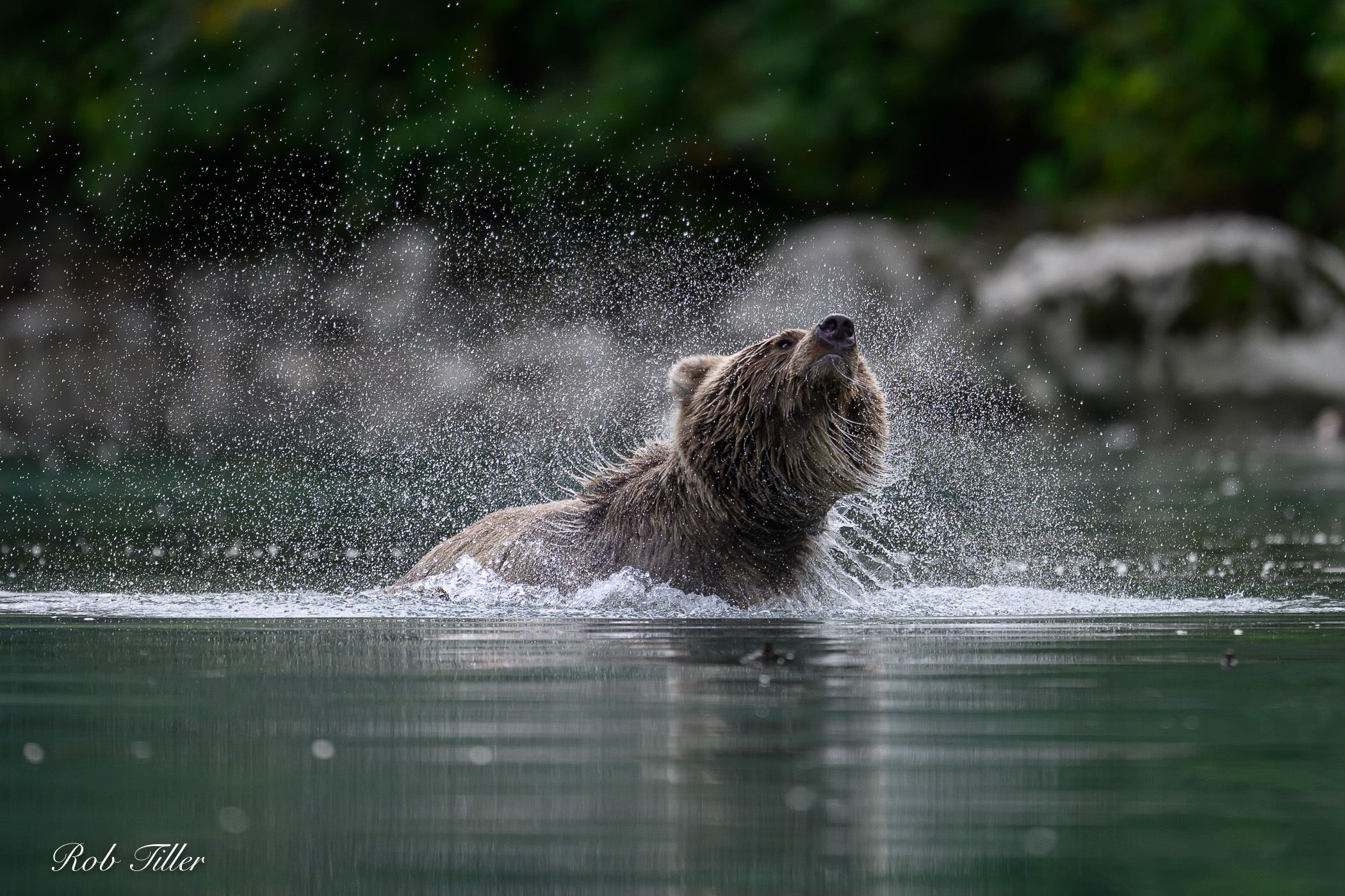
I took these pictures last week in Alaska at Lake Clark National Park.  I got thousands of pictures of grizzly bears and other creatures, and it will take some time to sort out the best ones.  I wanted to share a few that immediately struck me, and also to share a few thoughts about the animals. 

But first, a word about the misery of modern air travel.  It is just remarkable how, in the course of my lifetime, commercial flying has gone from being kind of a romantic adventure to a grim endurance test.  I appreciate that the airlines operate with a good safety record, and more often than not get you where you want to go.  And I’m grateful that airline employees usually work hard to solve problems and help as best they can.

Still, the cold-heartedness of our airline system is deplorable!  Take, for example, the walk of shame.  If, like me, you resist paying a lot of money to sit in the small group of comfortable seats at the front of the plane, you must wait for those of greater means to board first.  When your boarding group is finally called (most recently for me, group 7), you must with lowered eyes shuffle past the well heeled folks sipping their drinks, signaling your pathetic lower status in the flight and in life in general.

For a long time, I thought this humiliation ritual was an unfortunate accident, but I’ve come to think it must be part of the larger plan.  The airlines seem prepared to take any measure that might drive me to spend more for a ticket.  Thus economy seats have gone from uncomfortable to torturous, and food service has gone from minimal to ludicrous.  

On my photography trips, I have a particular dread at getting a high boarding group number, because I’m toting expensive camera gear in a backpack that is not armored against rough baggage handling.  Escalating fees for baggage have driven everyone toward carry on bags, and there are often not enough storage bins for all those bags. Late boarding folks are just out of luck.  So as big groups of my higher status flight mates board, I get pretty worried about what’s going to happen to my gear.

On my recent trip with American Airlines, their automated kiosk offered to let me have an earlier boarding group for thirty some dollars.  Reluctantly, I agreed, since I wanted to offload the worry about getting a spot in the overhead bins.  But it turned out that the fee was only good for the first of my two flights, and I was still in group 7 for the second.  Arrrgh!

I’ll call out American for one other bit of callousness:  lack of food.  My flight back left Anchorage at 8:30 p.m. and was to take 6.5 hours to get to Dallas.  I figured there’d surely be a meal, but no.  In fact, I got offered the choice of a tiny bag of pretzels or a little cookie.  I asked the attendant if I could have both, and the answer was no.  So, hungrily, I took the pretzels.

Is there anyone who’s content to spend hundreds of dollars only to be treated to ritualized humiliation, anxiety, and starvation?  We know it doesn’t have to be like this, because other rich and not-so-rich countries have much better air travel.  Indeed, years ago it was better right here.  

There are a lot of problems stemming from the US’s brutal version of capitalism (including deficient health care, public transportation, public housing, etc.), and air travel is not the most urgent.  But still, it’s bad, and it would be relatively easy to make it a lot better.

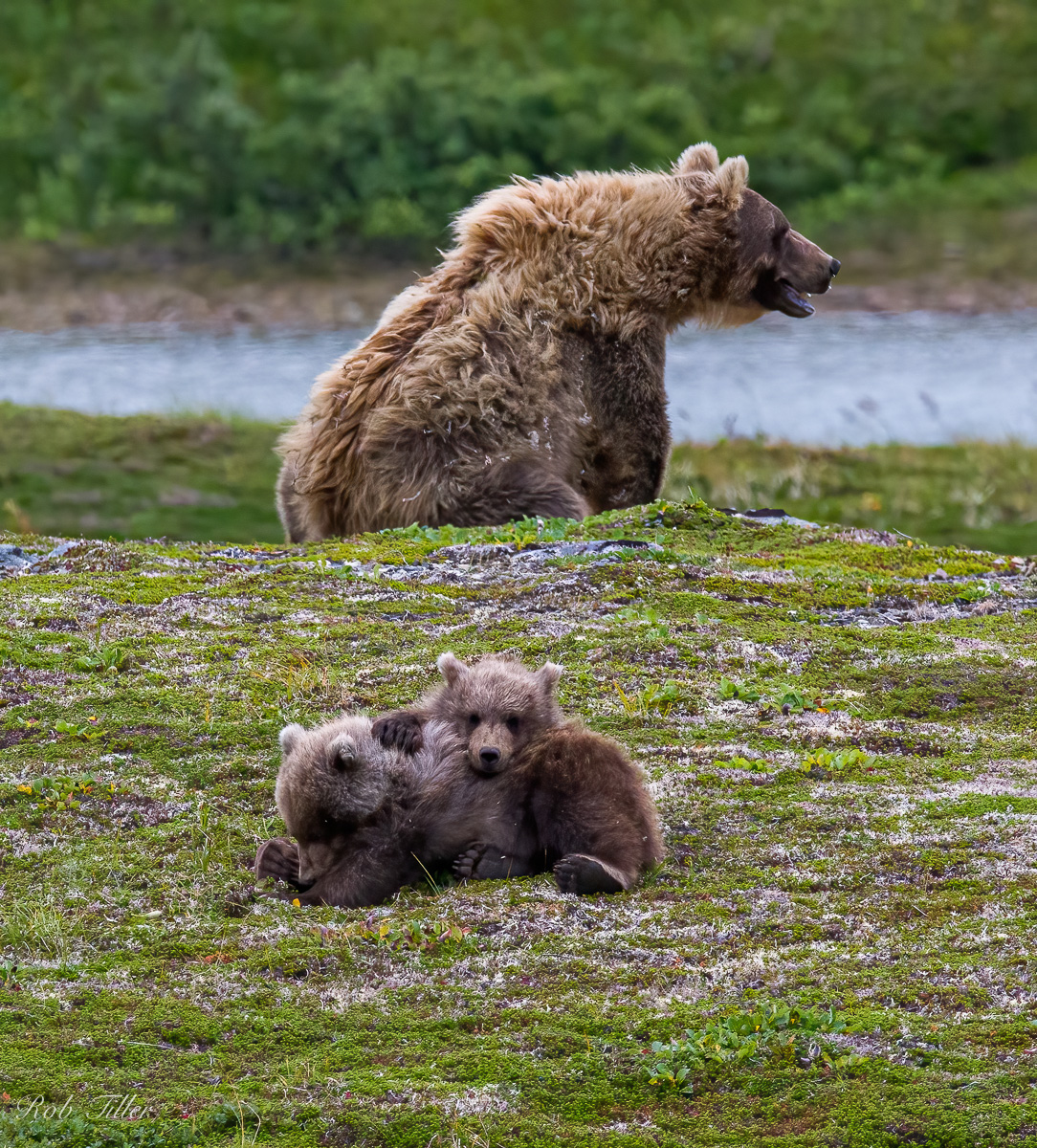
How different it is with the bears!  Coastal brown bears, a/k/a grizzlies, are numerous at Lake Clark.  I especially enjoyed seeing the new cubs, some of which were very playful.  Some of the bears grazed peacefully in the grasslands, and others dug for clams in the tidal flats.  They were waiting for the salmon to arrive in numbers, which was a bit behind schedule this year.   

After spending some time close to these animals, it seems amazing that they have a reputation as remorseless killers.  The ones we saw were peacefully going about their business of getting fat and taking care of the young.  Of course, they are very powerful, and if provoked can be dangerous.  But in Lake Clark, many bears are used to humans, and those that don’t like them normally just keep out of their way.    

At times we’d watch a bear eating grass or seafood, and then see it flop down to take a nap.  And we’d wait a while for it to wake up.  Of course, I was most interested in photographing bears in motion, but I also enjoyed relaxing and watching them relaxing.  

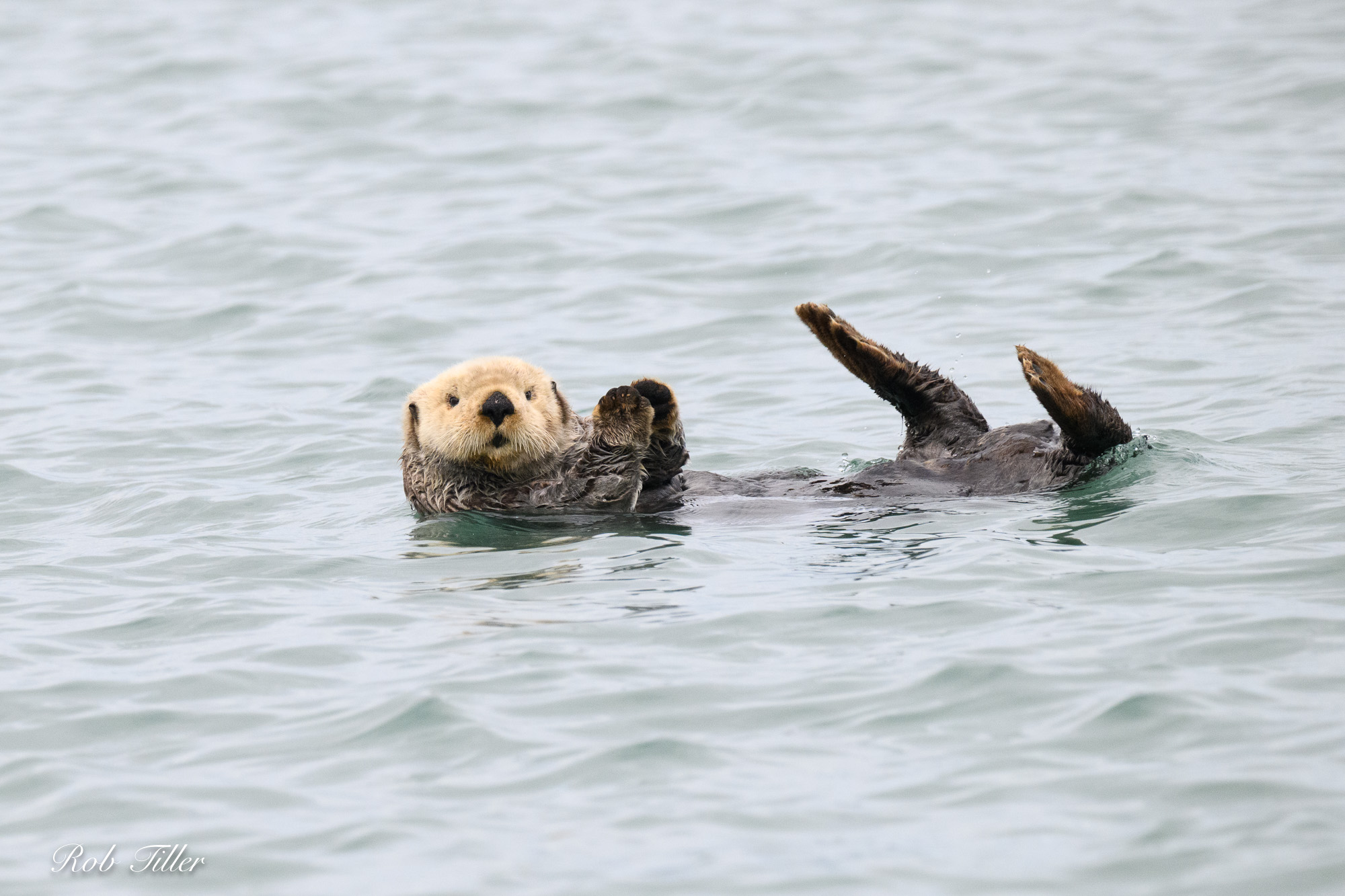
An unexpected treat was a boat trip to Duck Island, a small craggy island with nesting puffins.  I’d never seen horned puffins before, and was excited to get close to them.  I also saw my first sea otter, which looked very mellow.  

I was part of a workshop at Silver Salmon Creek Lodge led by Jared Lloyd and Annalise Kaylor.  I was happy to finally meet Jared, whose photography and writing have inspired me for several years.  He was a very fine teacher and leader, and I really enjoyed working with him.  Likewise with Annalise; she was a highly accomplished photographer and had many good suggestions.  Our guide, Dave R, was also a pro – very experienced with the bears, and he worked hard to help us get good images and keep us safe.

The staff at Silver Salmon Creek was friendly and hardworking. I want to give a special shout out to chef Andrew Maxwell, who pleased everyone while creating consistently delicious plant-based food especially for me.

What animals say

I wasn’t planning on sharing any more of my Alaska brown bear pictures, but changed my mind.  Processing the pictures took me to a happy place.  I really enjoyed being with these animals (at a respectful distance, of course), and learning a little about their lives.

This has been a particularly sad week in animal news.  There was a huge bloody slaughter of dolphins in the Faroe Islands.  The U.S. government has authorized hunters selected by lottery to kill some of the few remaining bison at the Grand Canyon.  And as usual, with no headlines, hundreds of millions of farm animals were killed to provide human food. 

The way we think about non-human animals obviously affects the degree of brutality we’re prepared to inflict on them, but it has less obvious effects on how we think about ourselves.  We generally see them as distant and inferior, with no concerns as important as our own, and lacking in our intelligence and cultural achievements.  We attach great significance to their lack of human language.   

But animals teach us something about human language without needing that language.  First, they get along without it just fine.  That is, in the wild they manage to do the same things that are our highest priorities — get food, shelter, reproduction, friendship, community — without human language.  Indeed, it is likely that homo sapiens got along well enough for many tens of thousands of years without the language abilities that we now think of as setting us apart.

So animals demonstrate that language is not really as fundamental to our lives as we tend to think.  Of course, at times language is very useful, and also fun to play with. But while it helps us solve problems, it also creates them.  One example is how easily it creates the illusion of a vast divide between humans and other animals, and how easily it justifies human domination of other groups and forms of life.   

We often forget that words are only symbols, with no fully reliable connection to objects or actions.  No matter how beautifully and elaborately they are grouped together, they can never completely and fully reflect reality.  At their very best they are heuristics, practical shortcuts for thinking and getting things done.  

A merganser family

This shortcutting utility also accounts for a lot of problems.  Our word choices direct focus our attention in one direction, so that we have trouble seeing in another.  Once we’ve got firmly in mind the definition of humans as superior creatures, it’s difficult for us to think about the significance of, say, bears to other bears, or chickens to other chickens.  

A similar problem occurs with racial categories.  Once we’ve concocted a definition of racial characteristics and decided which ones are desirable, we have a hard time not favoring the ones we initially desired.  Language around race is part of how we built our racial caste system, and it also makes it very hard to dismantle it.

This is a problem inherent in the way we usually think.  But it helps, I think, to recognize that language is flexible, not fixed, and our intuitions can help us modify or work around linguistic limitations.  Some part of us already knows, despite the limits of our received language, that our cruelty to animals is wrong, and we have the capacity of finding new ways of communicating and acting on that.  

Bears and a whale, and where bad ideas come from

I finally finished going through the pictures I took at Katmai National Park and the Alaska coast, and I wanted to share a few more that I liked.  Katmai has one of the densest concentrations of brown bears in the world, but there aren’t really very many there — about 2,200.  Each one is unique.

Along with bears, I am particularly interested in whales.  I’ve had the privilege of seeing them in the Atlantic, Pacific, and Indian Oceans, and I’ve been learning more about them in recent books by Carl Safina and Rebecca Giggs.  Humans have just started understanding the intelligence, social structures, and cultures of whales, but for centuries, we’ve been mindlessly killing them.

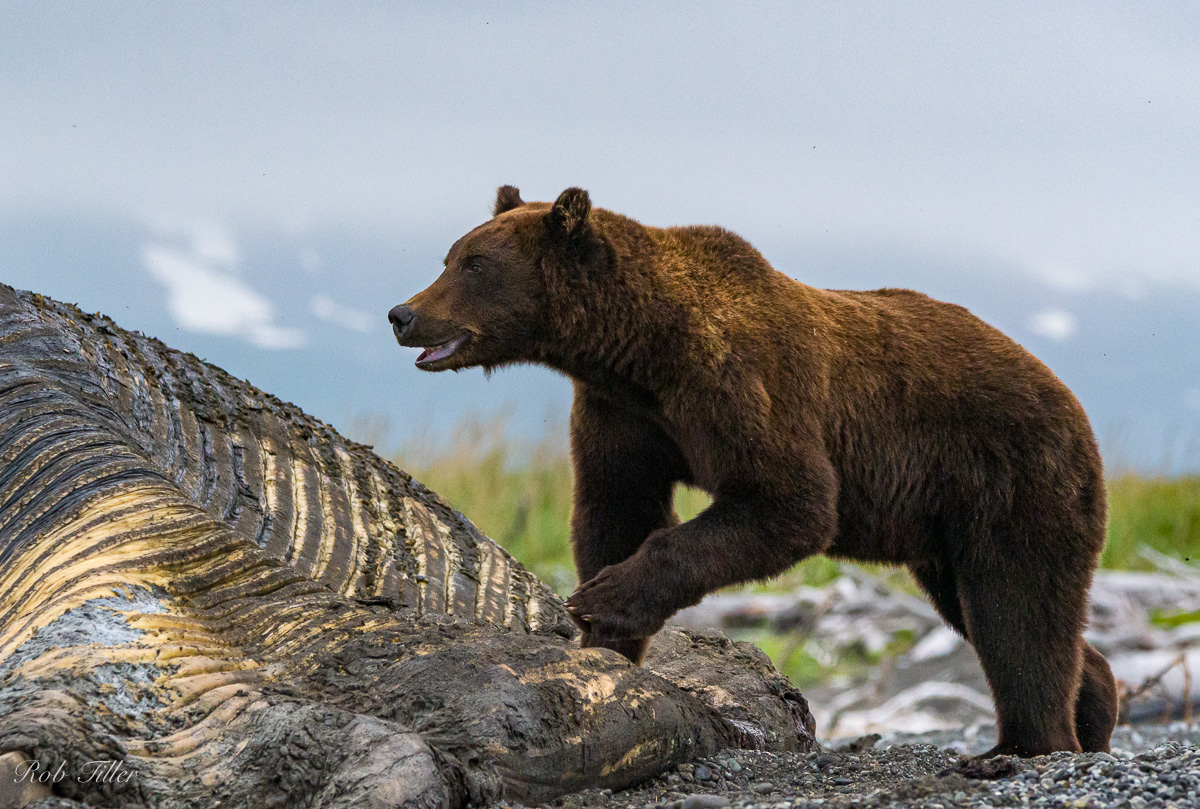
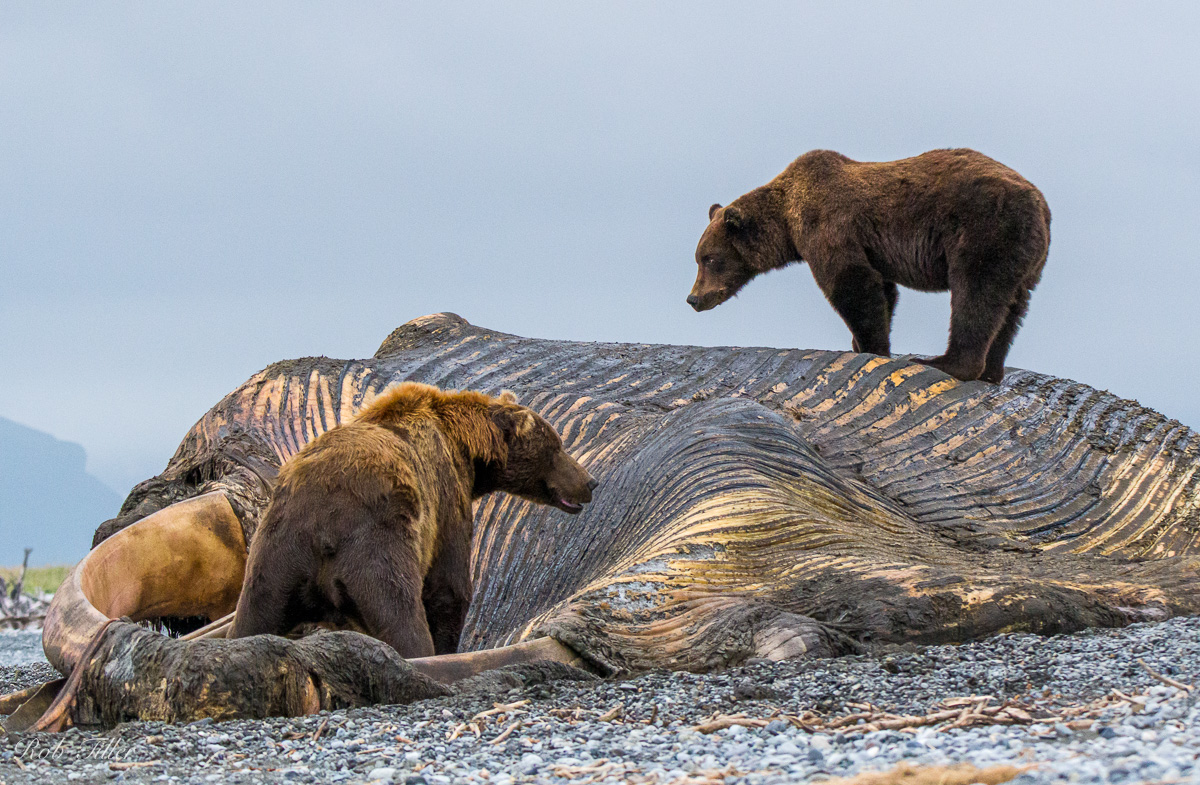
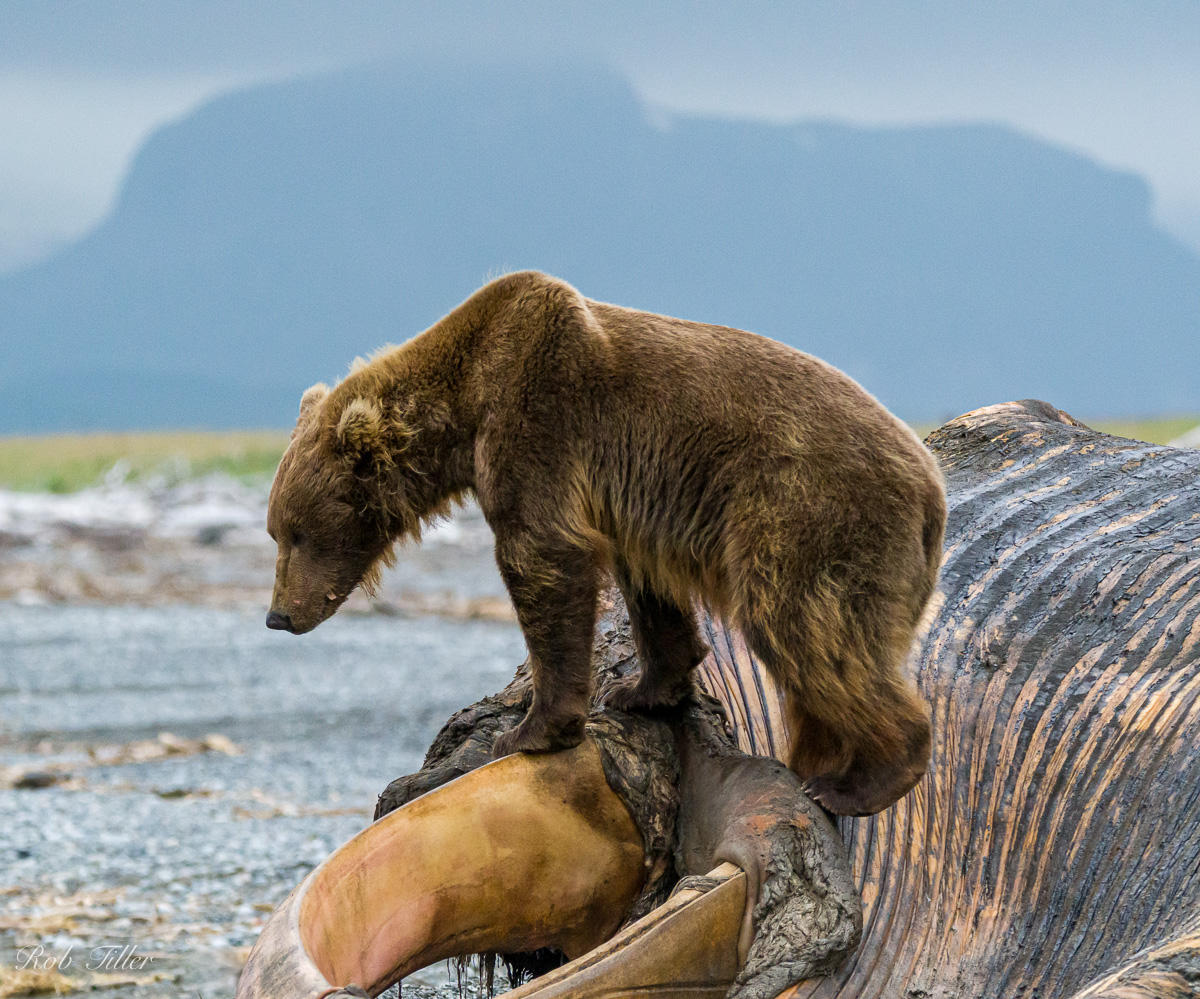
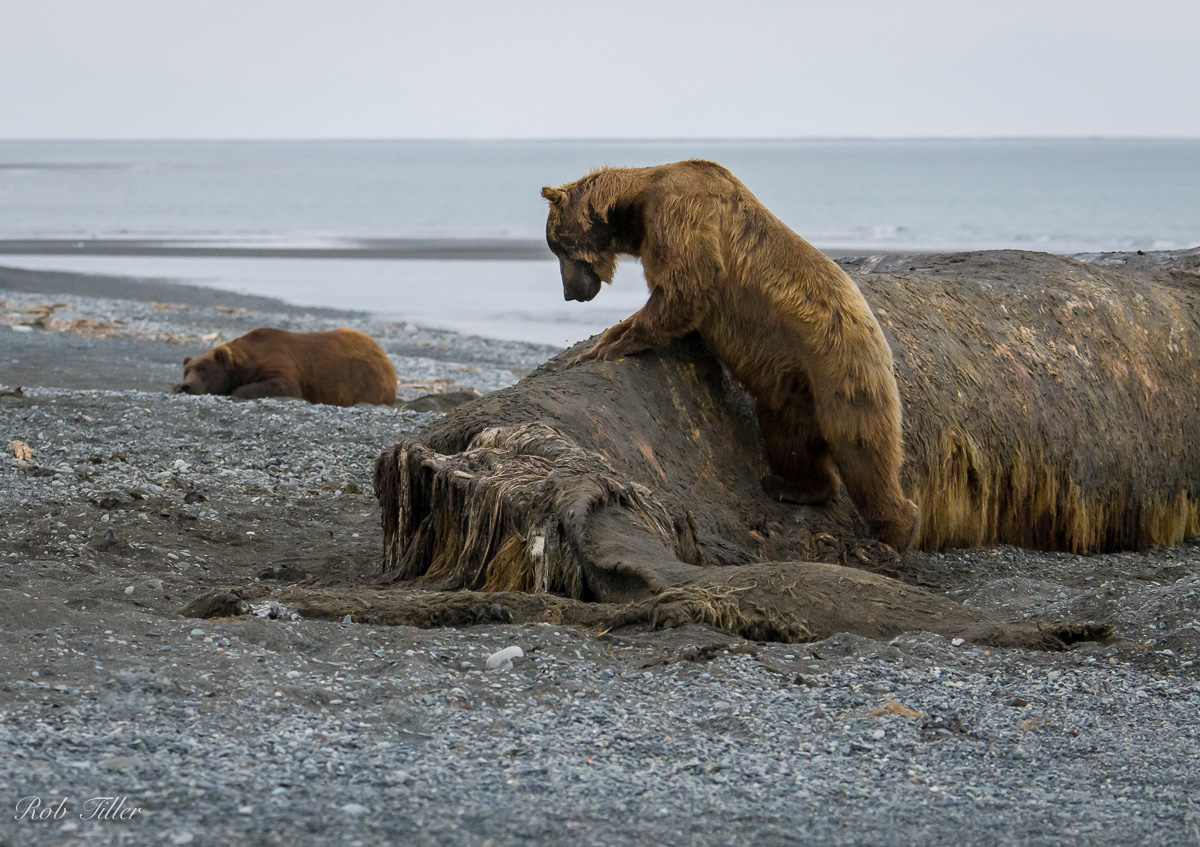
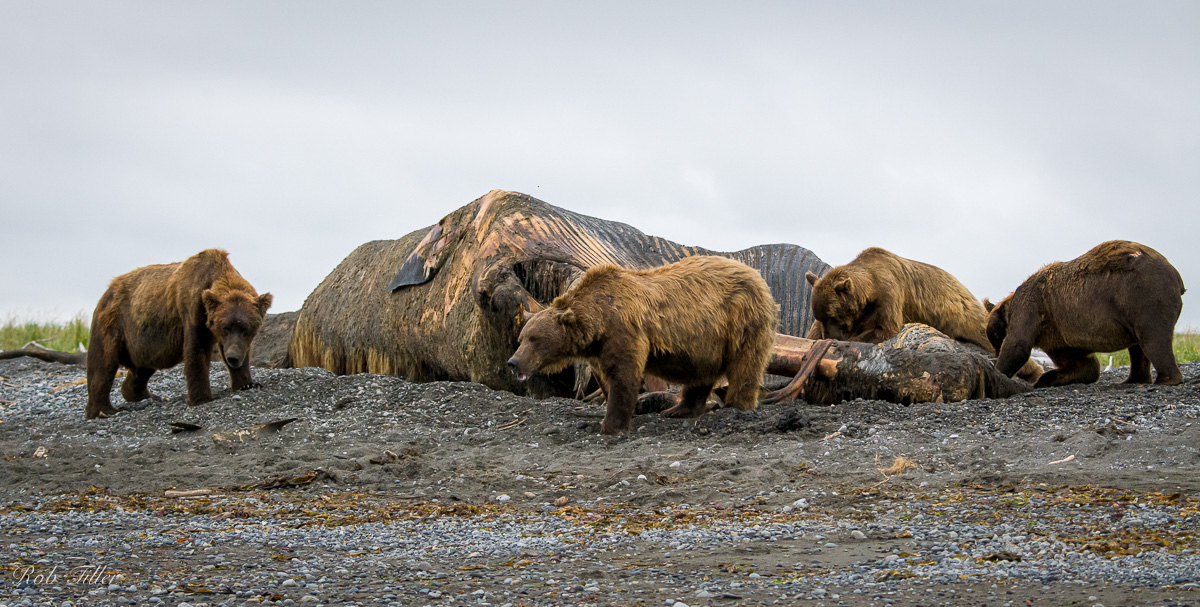
So during my Alaska trip, I had mixed feelings about seeing a fin whale that had died from unknown causes and washed up on the beach.  The poor creature had been there for a few days, decomposing, and had become food for other animals, including a lot of brown bears.  Despite feeling sad for the whale, I was glad it could provide calories for the bears and other  creatures.  

David Brooks is a NY Times columnist I generally respect without getting particularly excited.  He’s a sensible conservative who loathes Trump — a nice but usually predictable guy.  However, last week in his column on contemporary currents in neuroscience, he briefly pulled together some powerful ideas that I’ve been mulling over but hadn’t imagined he’d ever entertain.   

According to Brooks (and various scholars), we’ve all learned to think of seeing and imagining as entirely separate things.  But they aren’t.  Neuroscientists are finding that the brain structures and processes involved are much the same for both.  That is, from the perspective of the internal physical operation, we can’t reliably distinguish between seeing and imagining.  Seeing may be believing, but believing may also be seeing.   

Similarly, the distinctions that we draw between brain and body, between memory and experience, and between reason and emotion are nowhere near as clear and clean as most of us have assumed.  Indeed, it may not be possible to box off any half of these pairs as independent.  Like yin and yang, they are starting to look interdependent.

Even starting to think about these ideas may be disorienting, since we’ve long understood these distinctions to be rock solid.  But they may explain some widespread-but-wrong notions.  With this new perspective, we can start to understand how some people can truly believe that covid vaccines are dangerous, a newly fertilized egg is fully human, scientists are lying about climate change, and a liberal cabal is trying to take away personal firearms and legalize child abuse.

It’s probable that we all have sincere beliefs that have no basis in reality, though some of us seem to have a bigger collection.  When we’re part of communities with extreme views and bombarded with media that confirms our biases, we can dig into some sad and dangerous positions.  

There’s no simple solution here, I’m afraid.  But I find it helpful to remember that we’ve all got imperfect brains, and even the kookiest of us is not entirely personally responsible for his or her terrible ideas.  Also, people do sometimes change, and might one day be grateful for our helping them to change. 

Alaska natives, more bears, and Safina’s Becoming Wild

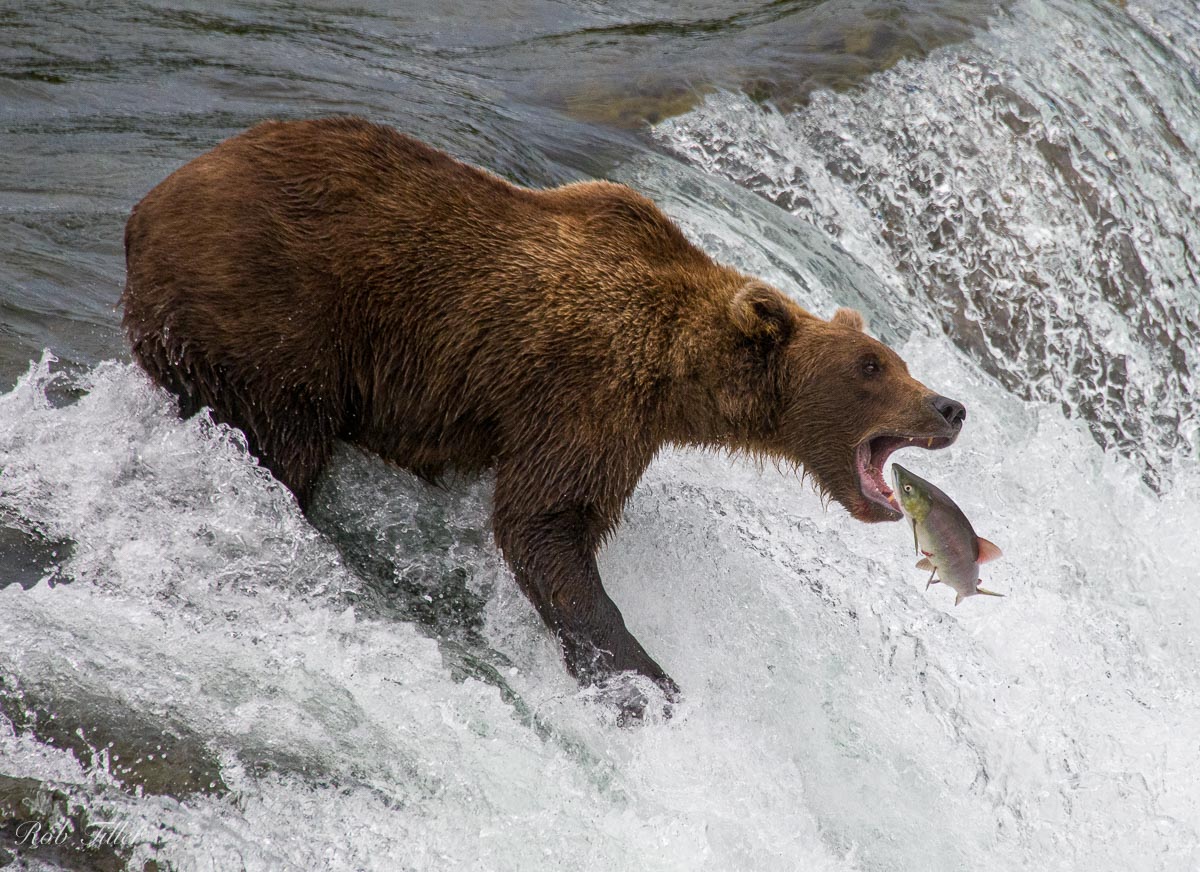
At Brooks Falls

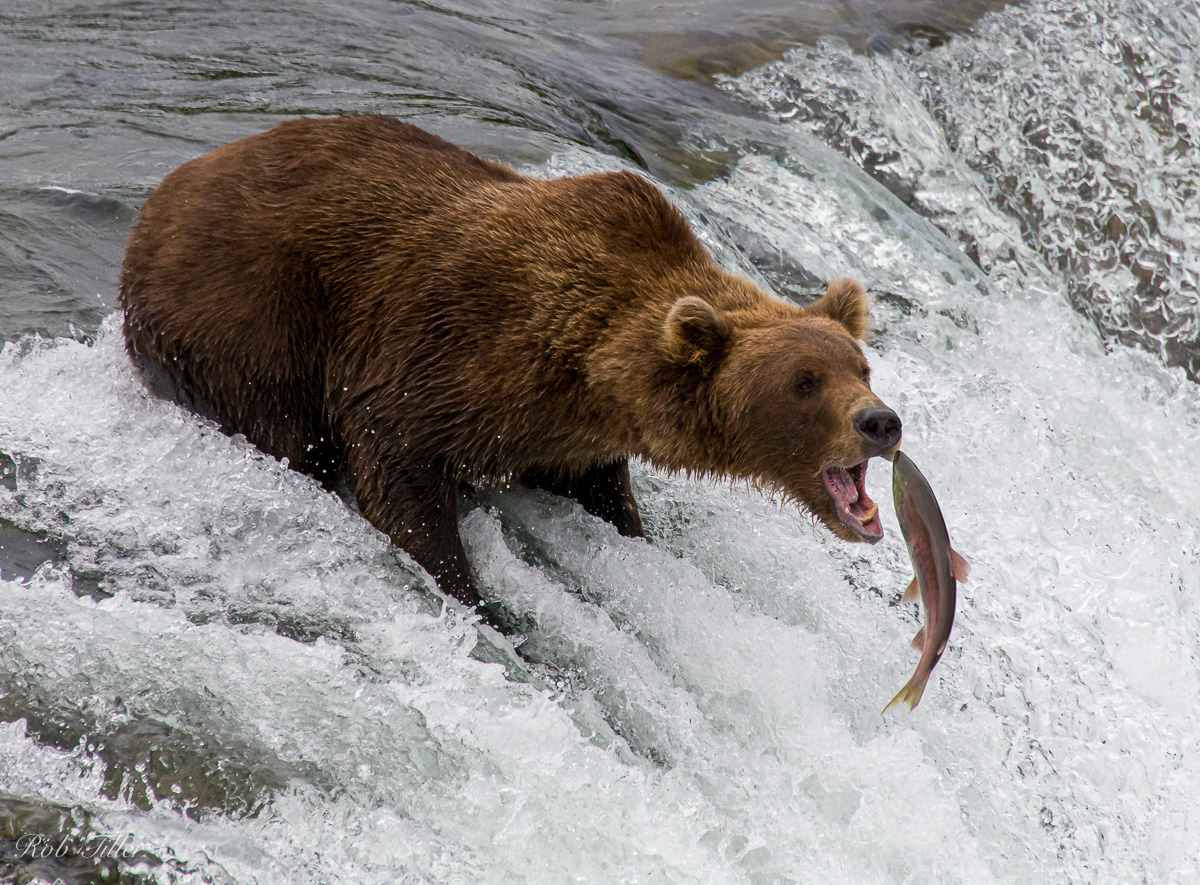
These are in many ways dark and difficult times for both humans and other animals.  Humans get most of the headlines, so I’m focusing here on other animals.  I’m still processing my recent experiences with brown bears in Alaska, and still working my way through their pictures.  Some of these moments were shocking, and some were wonderfully peaceful.  

Also, when I was in Anchorage, I learned a bit about the native Alaska cultures.  I discovered that there’s no single simple story, but a lot of complex and still evolving stories.  At the Alaska Native Heritage Center, I took a tour and got an overview of the many distinct indigenous groups with their own languages, customs, and cultures.  

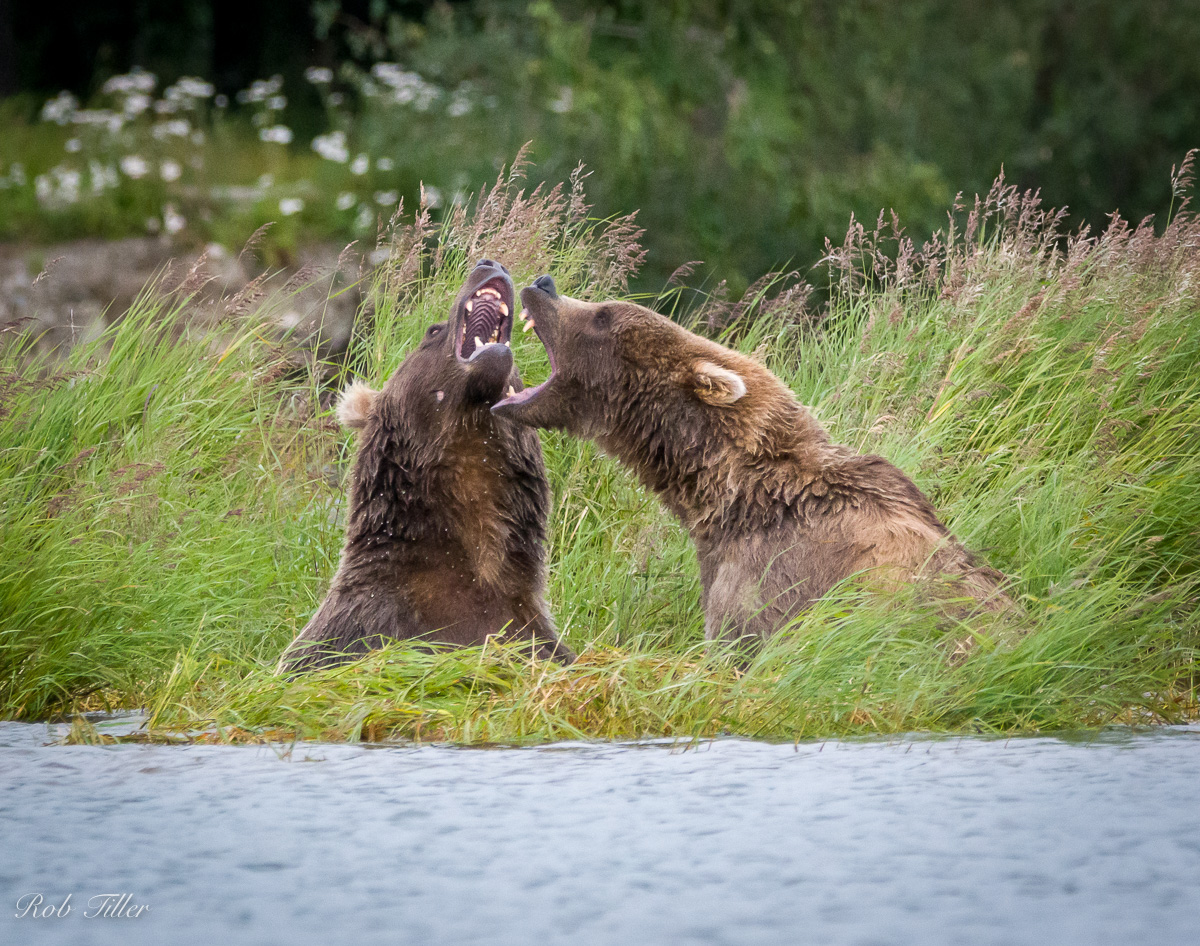
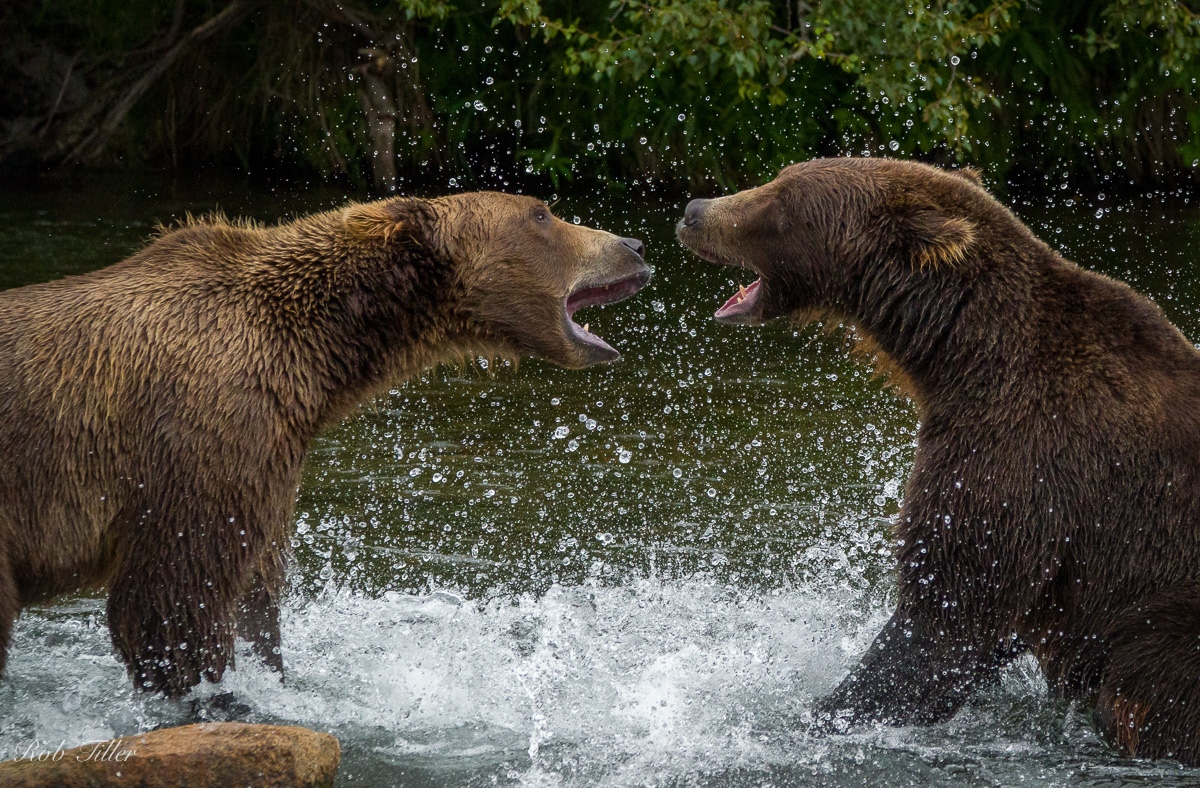
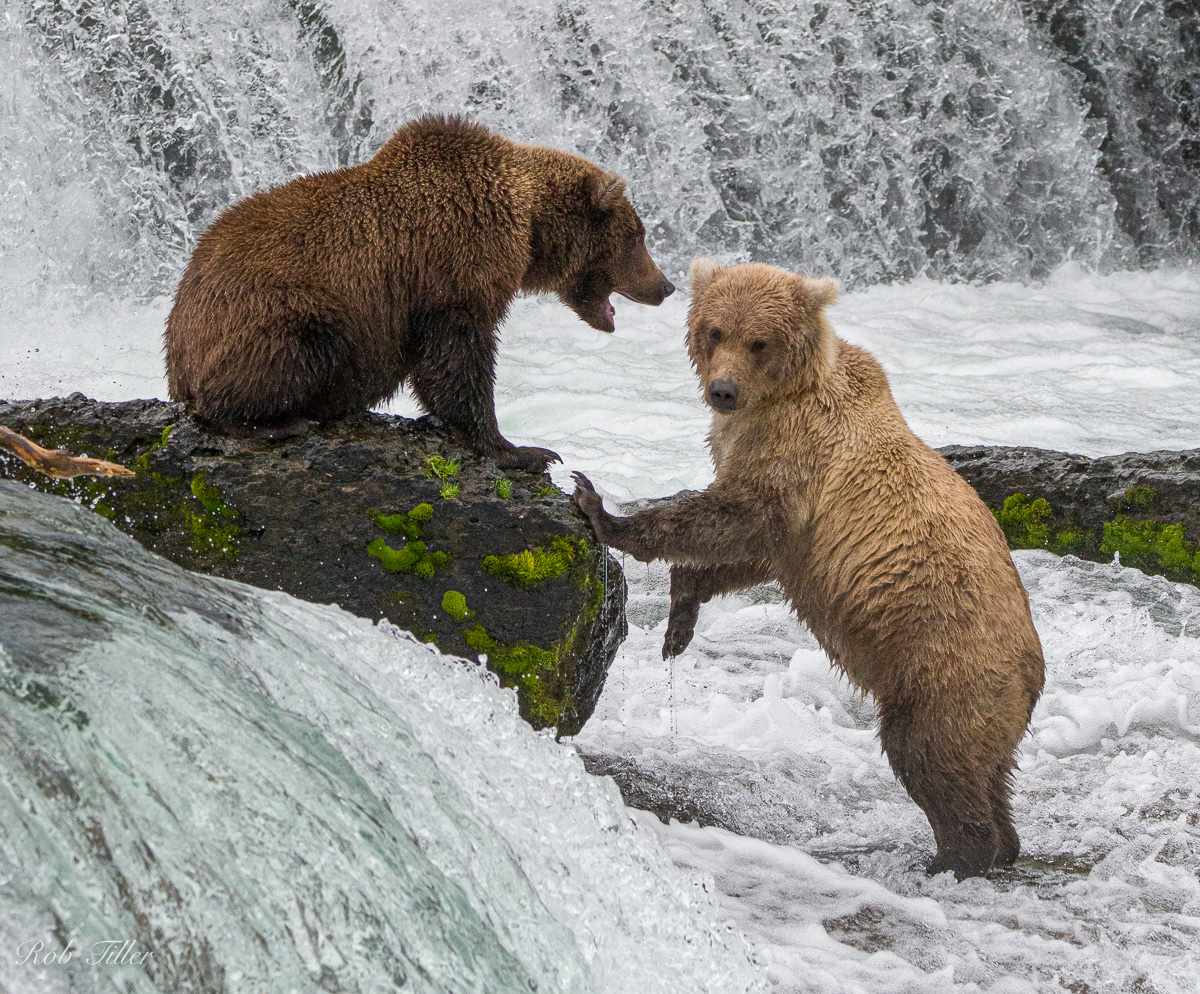
A disagreement near Brooks Falls

At the Center, I  got a taste of traditional music and dance, and the various kinds of houses and tools that the different groups used.  The music used drums and voices (no other instruments) along with choreographed dance to tell stories.  The music was not my preferred style (lots of close repetition), but I was glad to know that native Alaskans made and enjoyed music.

I also enjoyed the Anchorage Museum, which had exhibits of traditional crafts and documentary videos about native village life.  It turns out that there were quite a few different strategies for surviving and creating community in pre-industrial Alaska.  

In addition to coping with the harsh reality of their climate, when Europeans arrived, the indigenous people got horrific epidemics, violence, and oppression.  And native communities have many serious problems today, including poverty and substance abuse.  But the fact that these cultures weren’t entirely destroyed is strong proof of their fortitude and resilience.

I’m certain I only scratched the surface of Alaska cultures, and have a lot to learn.  But one thing I definitely got:  the term Eskimo has a lot of baggage, and is considered by many a nasty slur.  As a schoolboy, I was taught that the word referred generally to the native people of Alaska.  But like a lot of my early lessons on other cultures, this was both wrong and misleading.  Some Alaskan natives still use it to denigrate other Alaskans, but probably the best course is to avoid the term. 

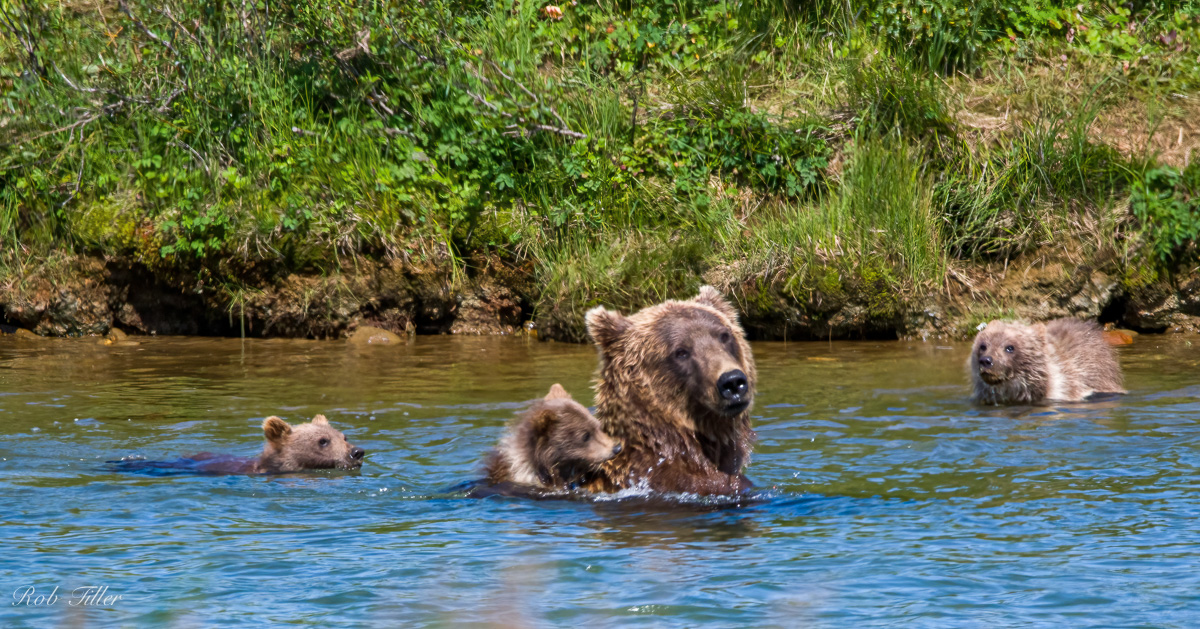
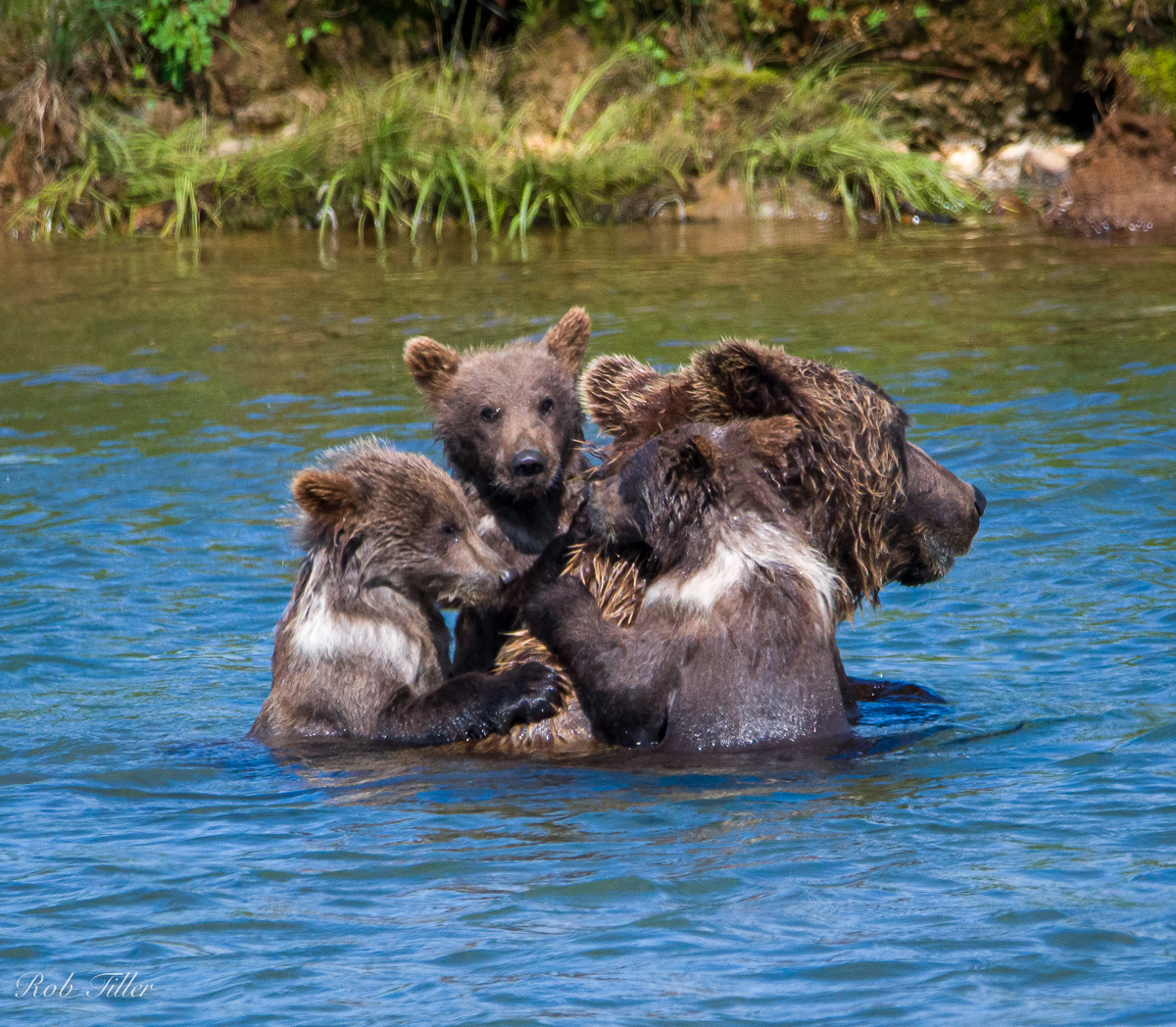
Cubs get a swimming lesson at Katmai Preserve

I’ve been reading more of Carl Safina’s new book, Becoming Wild:  How Animal Cultures Raise Families, Create Beauty, and Achieve Peace.  As in his previous book, Beyond Words, Safina teaches about the abilities and accomplishments of different animal communities.  Beyond Words concerned elephants, wolves, and killer whales, while Becoming Wild focuses on humpback whales, macaws, and chimpanzees.  

For these various creatures, Safina pulls together recent scholarship as well as his own observations.  At times it drags a bit, but there are moments of great beauty and insight.  Safina shows that these non-human animals have personalities, communities, and cultures, and their lives have inherent value.  This is message is not complicated, but directly contrary to what most of us were taught, and it takes time to get it.
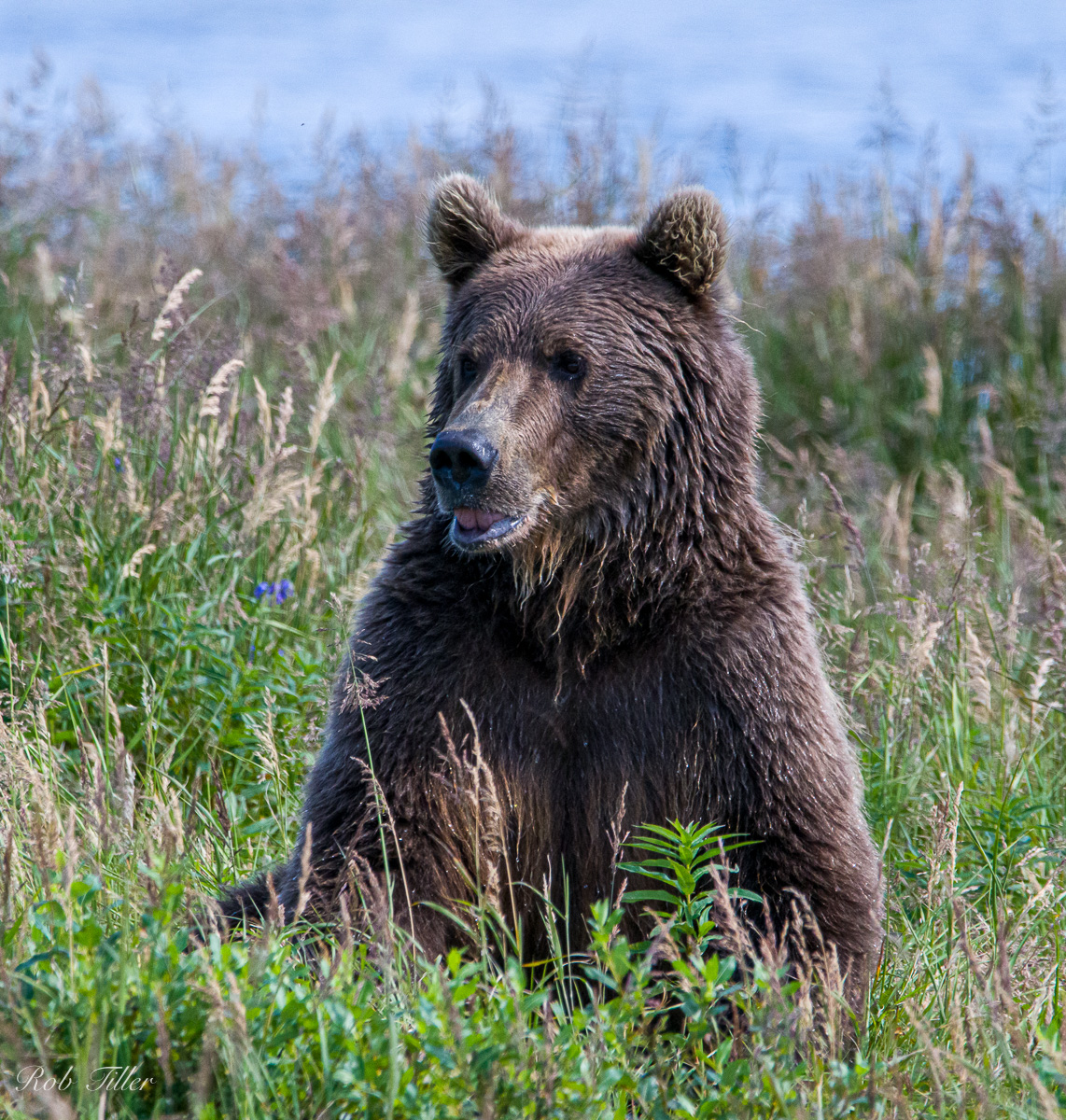
I hope Safina, or someone with similar commitment and talent, does a similar study of brown bears.  Even just a few days with them was enough for me to start seeing that they were individuals, with their own personalities and customs.  They seemed to have friends, and to be devoted to their children.

These animals have gotten only slightly better PR than sharks.  In the popular imagination, they are mindless killing machines, rather than mostly peaceful co-inhabitants of the planet.  Even in this sparsely populated area of Alaska with abundant food sources, the bear population has greatly declined, and the bears continue to be threatened by humans.  

I was very disturbed to learn that in Katmai Preserve, the government grants licenses to hunt them for pleasure.  Humans are twisted in many different ways, but still, it’s hard to understand how people would find such killing to be fun.  

It would not be surprising if the bears were angry at humans for taking their territory, food sources, and the lives of friends and children.  But I didn’t observe this.  Some were leery and careful to keep their distance, while others were curious.  A few times they approached us, but speaking to them in a firm voice was enough to direct them away, and they went on with their lives.

My first Alaska trip, with brown bears and Emma

Brown bear at Katmai Park, Alaska

My Alaska trip in mid-August was fantastic!  True, American Airlines lost my bag on the trip home, but they eventually found it.  Also, there was a major Covid outbreak at the lodge where I stayed, but I didn’t get it.  There were anxious moments, and as with every adventure some minor disappointments.  But all told, it was an amazing, life-changing experience. 
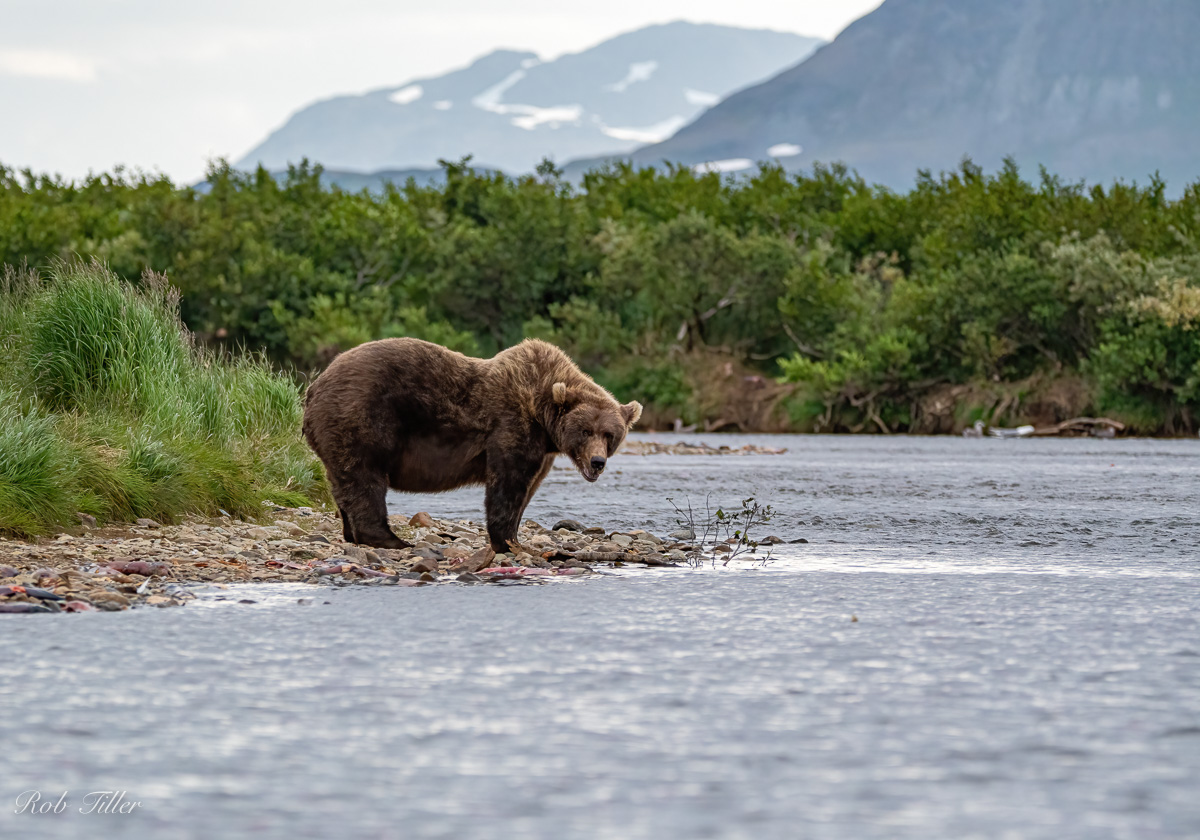
Alaska is beautiful and really enormous, and impossible to take in all at once.  My prime objective for this trip was to photograph brown bears (sometimes called grizzlies).  This time of year they normally feast on migrating salmon and get extra fat for their winter hibernation.  My small group of photographers stayed at the village of Iliamna and traveled several times by float plane to Katmai National Park.  There we saw dozens of bears fishing in the river, playing on the tundra, and living their lives.  

For me, it was quite moving to spend time close to these powerful and resourceful creatures.  Their lives made a lot of sense.  When they felt hungry they waded into the water and went fishing.  When they felt sleepy, they lay down and took a nap.  Mothers nursed their new cubs.  Young ones playfully sparred with each other.  

At some point I’d been taught that bears were solitary animals, but this is not how they seemed when I was there.  Some of them seemed to be friends, and played together in groups.  Occasionally there were disagreements.  A massive bear would warn another to back off by growling and shoving, but I didn’t see any fights that involved bloodshed.

It was a big show, slow at times (such as nap times), but even then heart filling, and I could watch a long time without taking pictures.  But I also took a lot of pictures.  I’m still working my way through the digital trove, but I thought the ones here were worth sharing, and hope to have more next week.   

During the trip I had no internet or other news source.  As a long-time news junkie, I felt unsettled at first, but soon adjusted.  When I finally got back on line in Anchorage, I found that the world was turning pretty much as before.

During the trip I re-read Emma, by Jane Austen, for the first time since my college days.  I remember thinking it was wonderful then, but this time it seemed richer.  Austen is often treated as a brilliant rom-com miniaturist.  But in addition to her polished and gently humorous surfaces, she unveils darker aspects of an intensely social world.  Underneath the careful manners there’s an unremitting struggle for dominance.
We know, or at least could know, a lot more than Austen did about the slavery and imperialism that provided funding for her genteel characters.  Her degree of complicity is unknown, but even assuming the worst, she bequeathed to her readers a great gift.  Somehow, within her narrow confines, she managed to create an absorbing world and at the same time call that world into question.  Emma Woodhouse is undeniably marvelous, but addicted to deception, including self deception.  Like stage magic, Austen keeps us absorbed and curious by seeming to reveal emotional secrets, and then letting us see that bigger ones may still be hidden.