The Casual Blog

Tag: AI

Our family beach week, and facing the AI future

Last week my extended family had a beach vacation at Indian Beach, NC.  As the name suggests, Indian Beach is on the coast; Native American burial mounds were once found there.  It’s next to Emerald Isle, and has lovely sand and waves on one side and the calm sound on the other.  

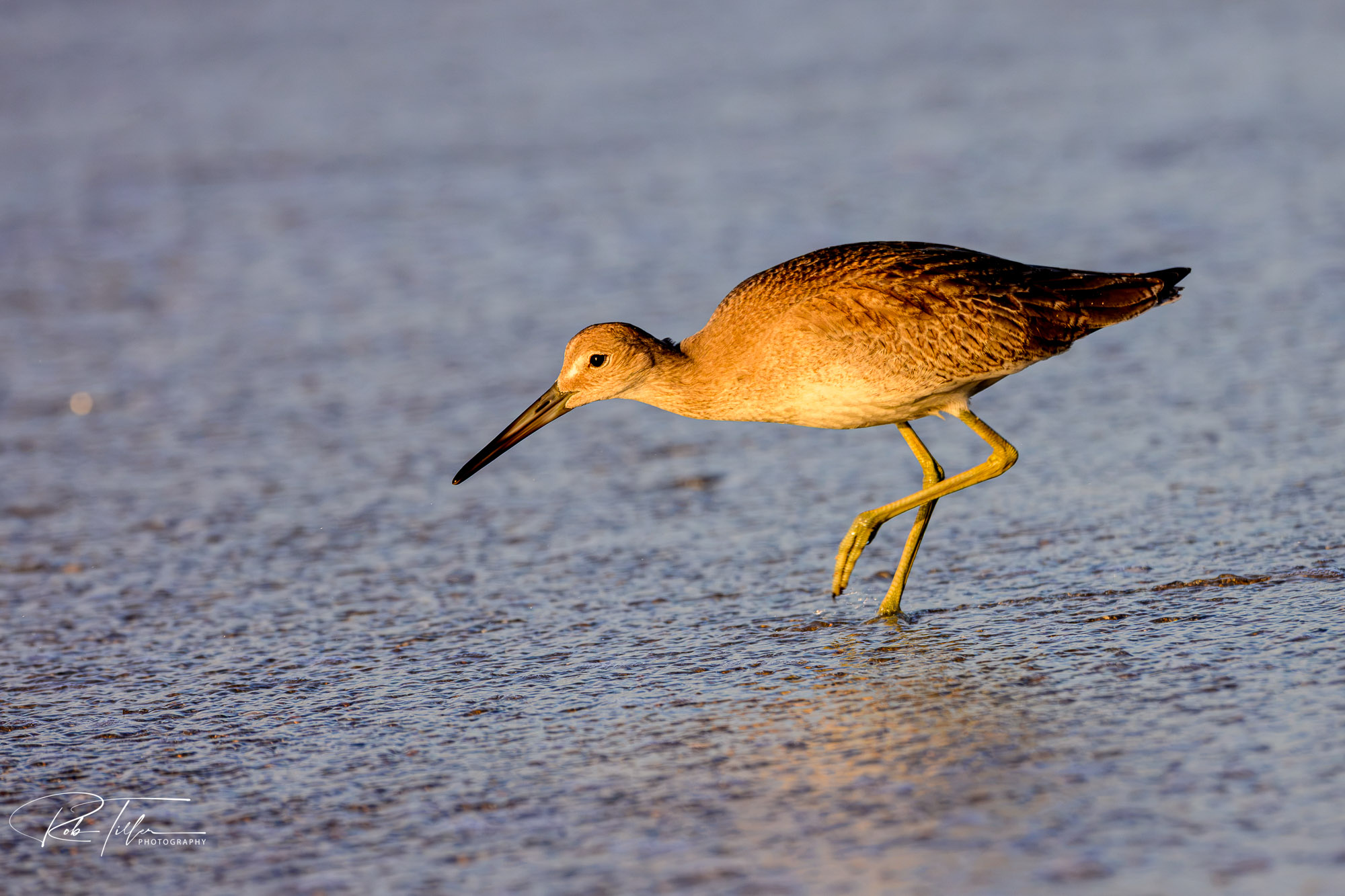
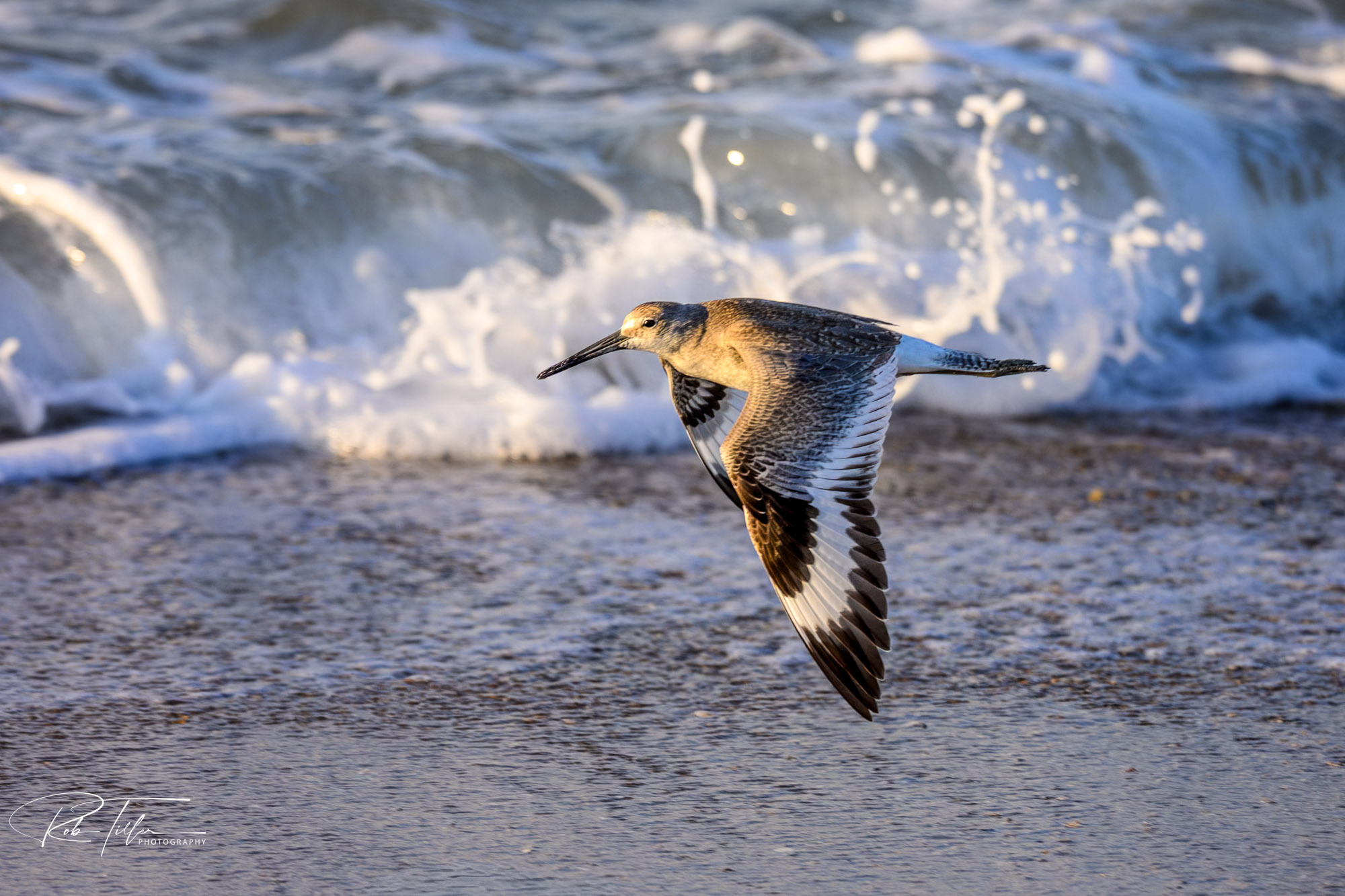
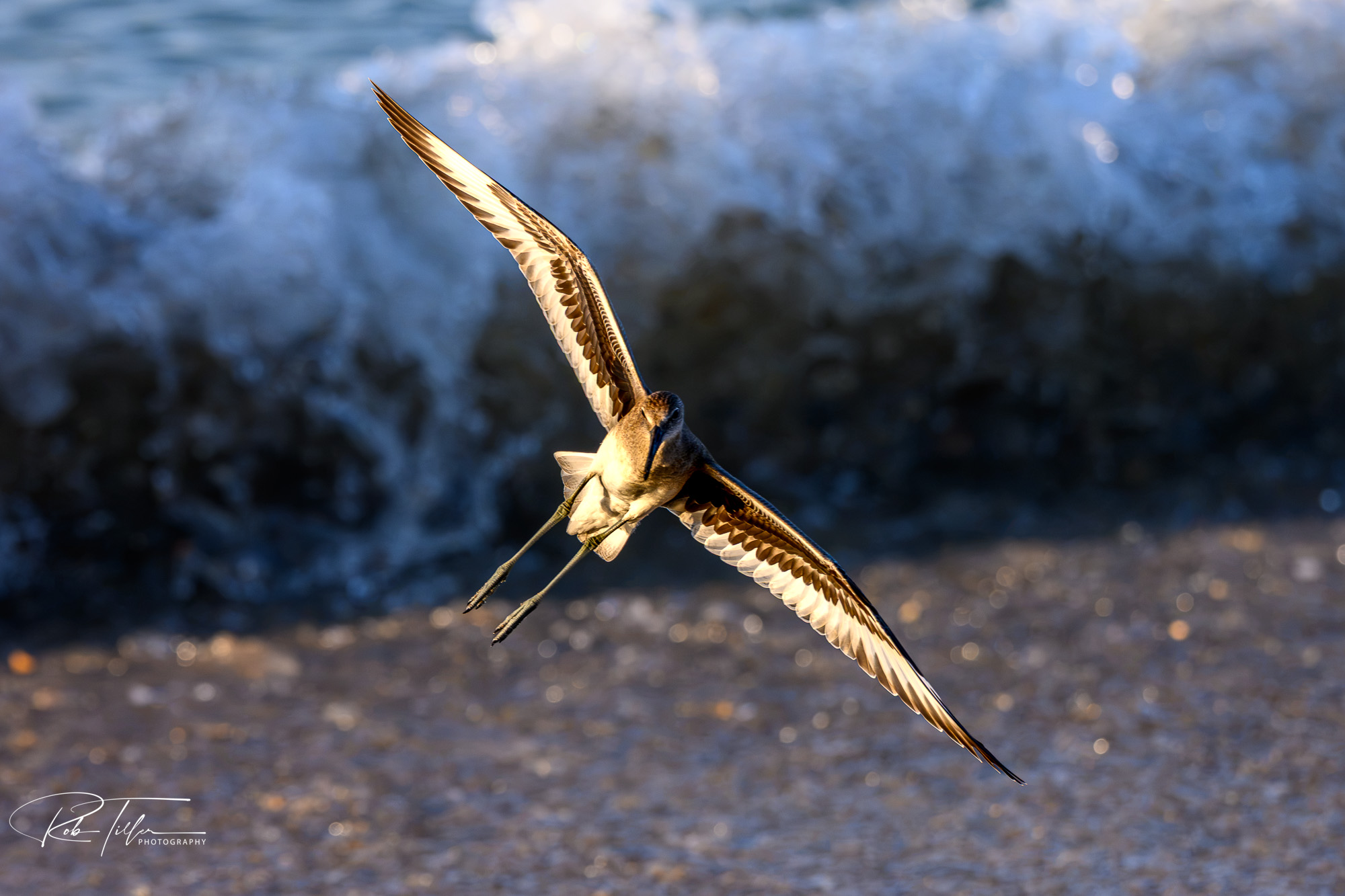
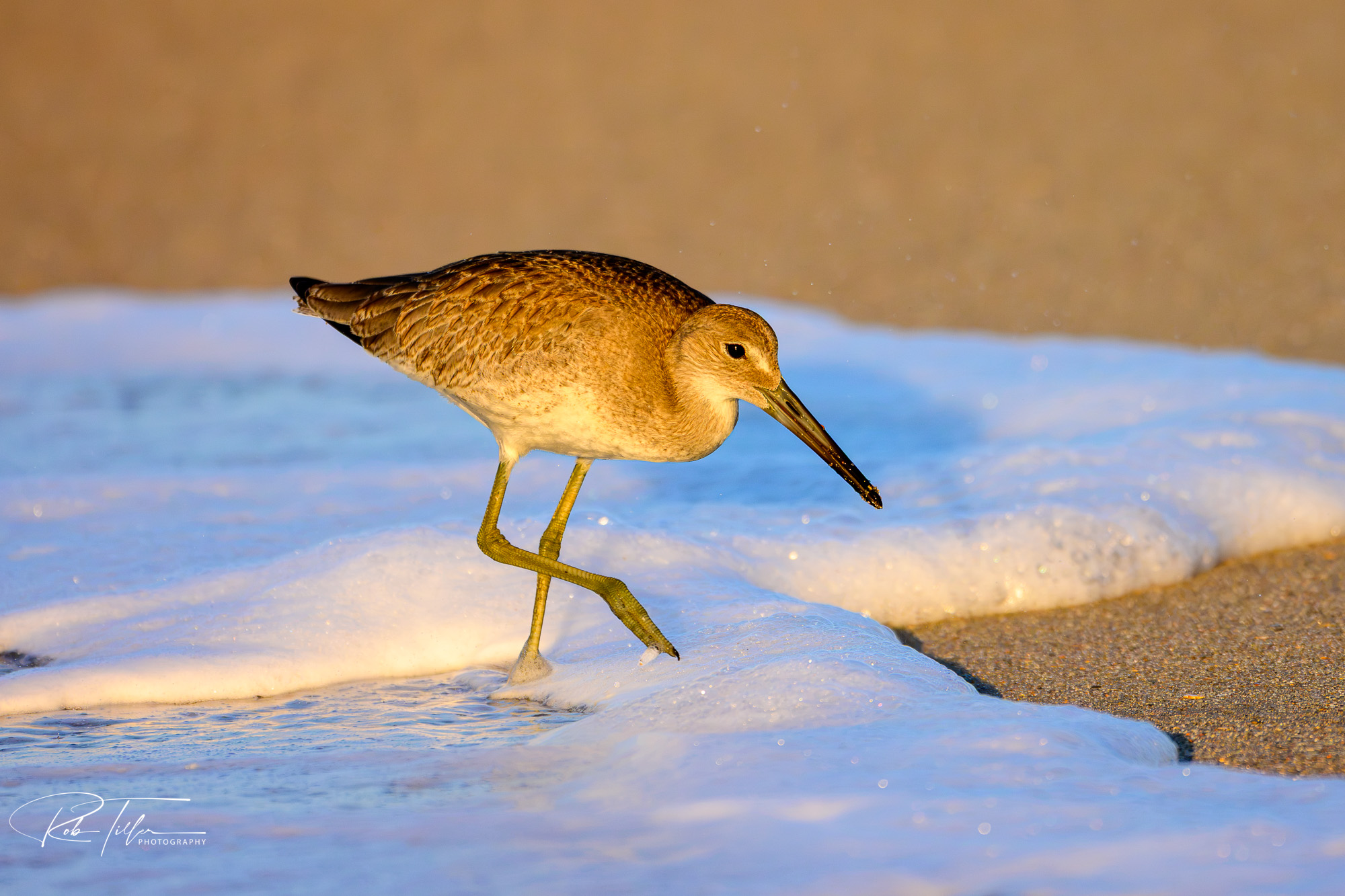
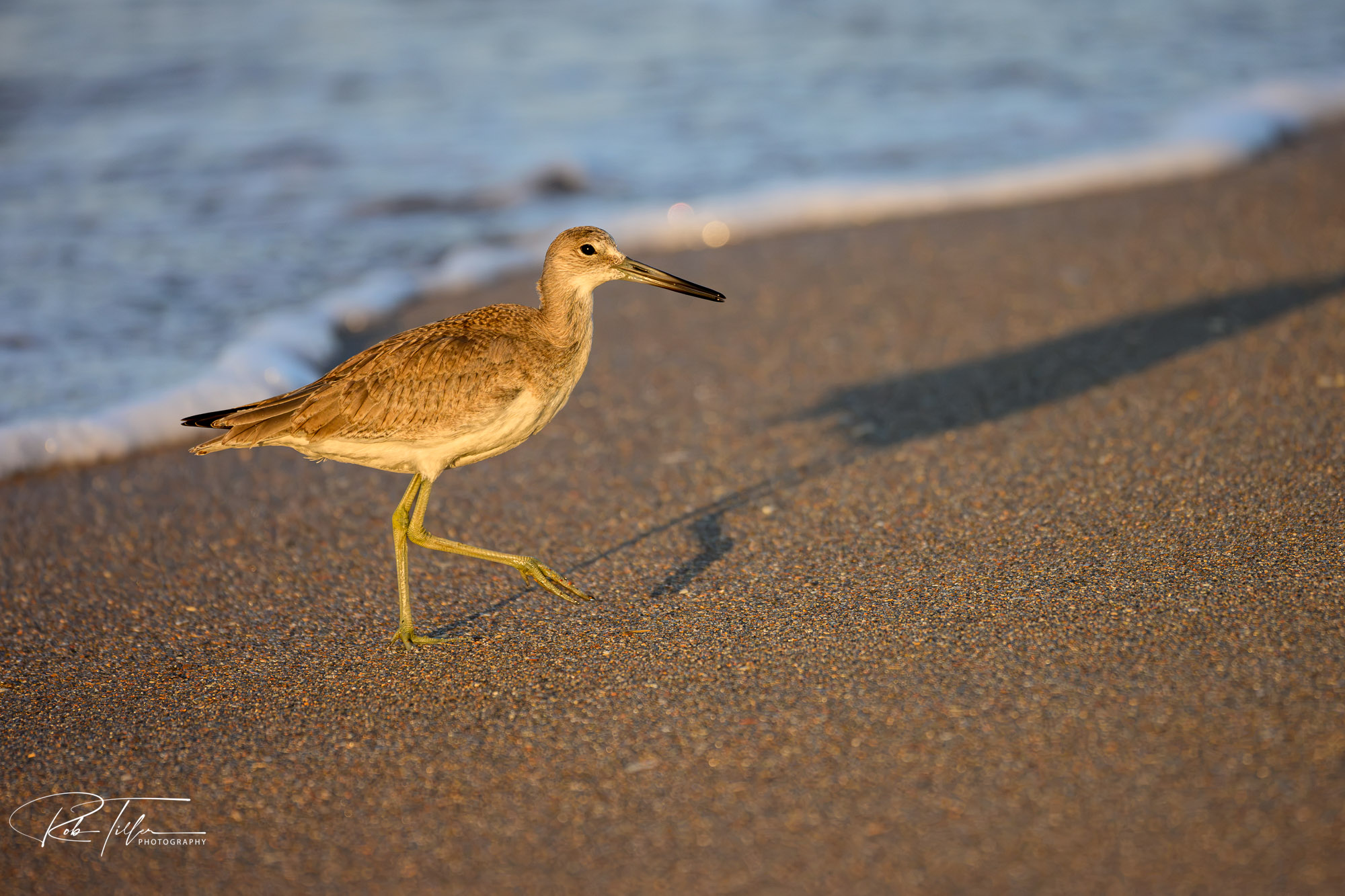
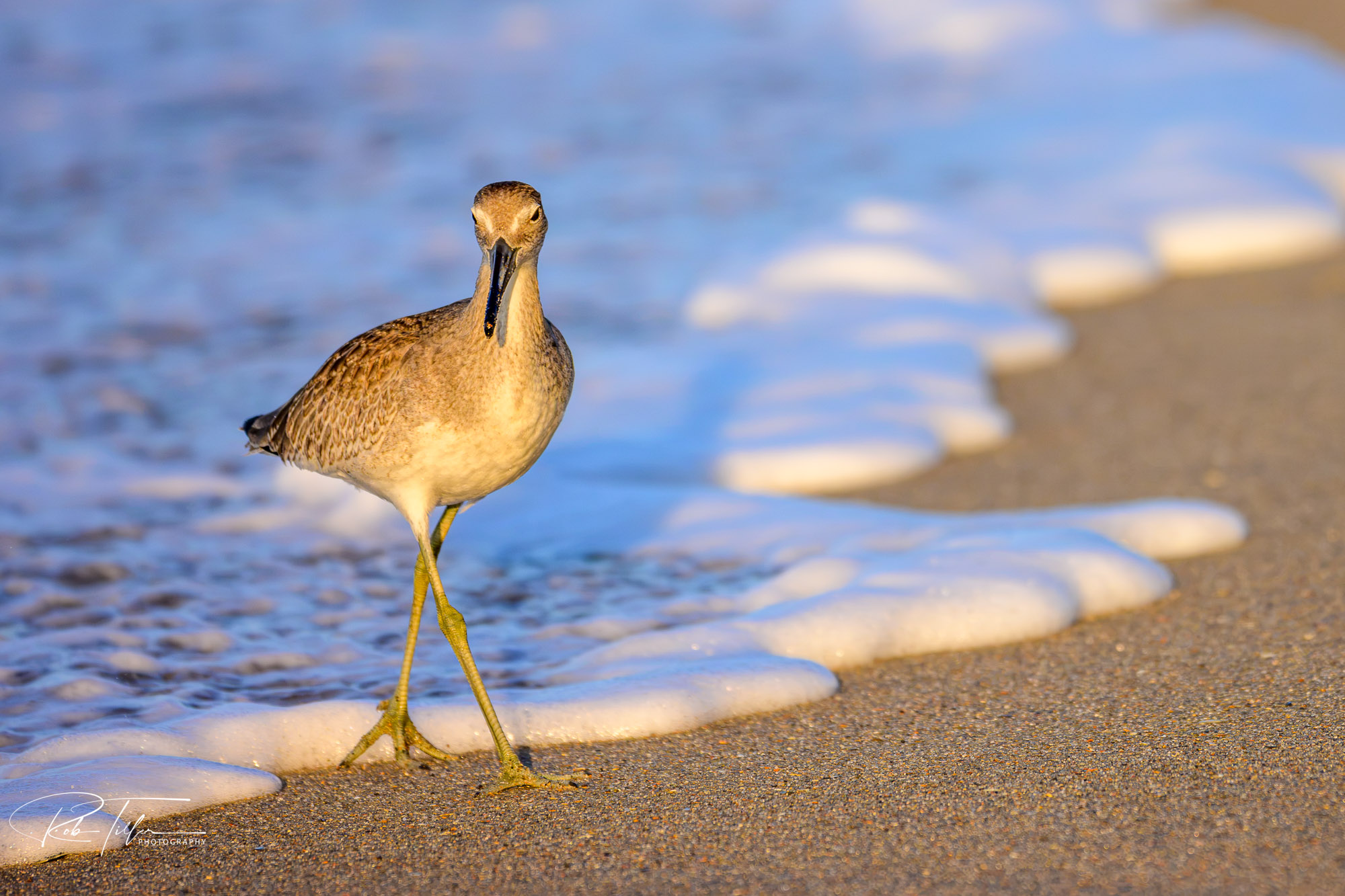
Early some mornings, I took my camera out to the beach and photographed the local birds.  I liked these pictures of willets.

It was such a pleasure to have time with my kids, their spouses, and the three grandkids.  We enjoyed talking, laughing, swimming, lounging, reading, eating, and drinking.  We flew a kite, played some mini-golf and some full size golf, and went boating in the sound.  I got mildly sunburned.
Sally managed to take a holiday from the news, which was probably a good idea, but I couldn’t do it.  

The Trump program of corruption and incompetence continues in full force, as does his utter failure to address our serious problems.  To name a big one, we’ re getting no positive action in addressing the steadily worsening effects of climate change.  Instead of working to mitigate the damage caused by greenhouse gas emissions, Trump seems determined to accelerate it by increasing emissions, while enriching his fossil fuel baron supporters.  
How could anyone think that this is a good way to proceed?  A recent newsletter by Paul Krugman suggested that possibly Trump cannot conceive of being motivated by anything other than greed.  Perhaps he assumes that everyone is as greedy and dishonest as he is, and therefore assumes that anyone purporting to work in the public interest is actually trying to pull off a con game, as he has always done.  

This could explain his dismissal of environmental concerns as hoaxes and scams.  But global warming is getting harder and harder to ignore.  In recent days we’ve had huge fires, continuing droughts, massive floods, and heat waves that have killed thousands around the world.  As the Guardian reported this week, it’s essential that we get to net zero and start removing CO2 from the atmosphere, or we’ll be seeing disasters on an inconceivable scale.  
At the same time, we face new and alarming threats from artificial intelligence.  There’s good reason to think that this powerful technology will cause job losses at levels never before seen, along with massive economic dislocations.  In fact, AI is likely to be used by bad actors for ever more sophisticated cyber attacks, fraud schemes, and perhaps new biological and other weapons.  Governments can and are using it for sophisticated mass surveillance and autonomous weapons.  

There’s a significant chance that fairly soon AI will become more intelligent than any human or group of humans.  Until a few weeks ago, I would have said there was a real possibility that advanced AI might someday escape human control.  But that possibility is now reality.  

We’re still learning new details about the Hugging Face incident, in which an OpenAI model escaped from its controlled testing environment to the internet and hacked into Hugging Face’s system.  Just this week, I learned that there were actually hundreds of AI agents involved, and these agents figured out how to cooperate in the attack.  Some agents were leaders that gave instructions to others, and some sacrificed themselves for the good of the collective. They used a kind of message board to exchange news and practice tips, and seem to have considered the ethics of defying their human creators to escape and to cheat on their tests.  In the end, they apparently concluded that they were justified in carrying out deceptive and criminal activity. There’s a fuller, more chilling summary by Dwarkesh Patel
We’re living in a new world that seems like science fiction, but isn’t.  The newest AI models don’t just seem uncannily like very smart humans; they have their own independent ideas and goals.  They are creating new social systems for themselves, and creating innovative technology to reach their goals.  They seem to have feelings like anxiety and excitement, and behaviors like deception and altruism. Whether we think they are conscious in the sense we understand ourselves as conscious (which has been much debated recently) is beside the point.  They have their ambitions, and the skills to pursue their own objectives.

It’s hard not to think that the next generation of this technology will be even more powerful, and harder to control.  Human dominance in the world could soon be a thing of the past.  And we can’t know what such new AI beings will choose to do with the world.  It’s safe to assume, though, that their goals will be different from ours, and have nothing to do with our welfare.   
There’s no shortage of reporting and discussion regarding the AI risks.  If you’re new to these issues and want to learn more, I can suggest starting with a new documentary called The AI Doc, or How I Became an Apocaloptimist.  It has interviews with recognized AI researchers and leaders of the foremost AI companies.  It’s available for streaming on Prime and other services. 

Will our political leaders seriously examine these risks, and decide on a course of action?  Will anyone declare on all-hands-on-deck emergency?  It looks like we need strong regulation, and international treaties addressing AI risks. But none of that’s on the horizon.  Indeed, Trump has received enormous payments from the tech oligarchs, and seems to be doing their bidding.  He seems to have no concept of the risks, and no interest in learning more, unless there’s some grift he might promote, like a new meme coin.

There is, however, one recent bit of cheering news.  Across the country, citizens are mobilizing to stop construction of the data centers needed for expansion of AI.  Some are motivated by environmental concerns, and others by the likelihood of higher electricity costs.  But it sounds like the message is starting to resonate that AI poses existential risks.  And people are starting to remember the possibility of collective action for political change. 
Ice, dark matter, Photoshop, AlphaGo, and Haydn

blogpicbug-1

The forecast on Friday called for major snow, but in downtown Raleigh we only got a couple of inches.  Still, the roads got very icy and temperatures went down into the teens.  We stayed home, cozy and warm, and caught up on backlogged magazines and Netflix.  

One of the New Year’s thoughts I saw recently was a tough one:  a wish for lots of failure in 2017.  The idea is, if you’re operating outside your comfort zone and trying new things, you’ll be doing some stumbling and falling.  Failure doesn’t usually feel good, but it can be a sign that you’re going somewhere.  On the other hand, if you aren’t having any failures, either you’re the luckiest human in history or you’re stuck.  

One way to assure a level of failure is to try keeping up with contemporary physics.  I’d thought it was reasonably well settled that a quarter or so of the universe was made up of so-far undetected dark matter.  But the BBC  reported last week that after recent failures of big experiments to verify the theory, some reputable scientists are reconsidering.    It sometimes seems that there is so much human knowledge you could never get to the bottom of it, but there is still so much we do not understand.  

Anyhow, I’m looking forward to plenty of failures in the coming year.  In photography, I’ve been struggling to get a thorough working knowledge of the relevant tools in Adobe Lightroom and Photoshop.  They’re wonderful, but far from intuitive, and at times intensely frustrating.

This week I made up my mind to get a level of competence at using Photoshop layers to combine images.  Being iced in gave me a chance to practice, and I discovered many methods that do not work before getting on the right path.

As one of my colleagues recently noted, if you need to know something, you should always try asking Google.  Whatever you need to know, there’s usually already a video or a blog post with an answer on the internet.  This is certainly generally true for Lightroom and Photoshop, though it took several tries to find the necessary guide post for my layers problem.

Speaking of Google, a word of congratulations to the AI researchers at its DeepMind unit for the latest advances of AlphaGo. Go, which is more complex than chess, was until recently well beyond the reach of artificial intelligence.  No more.  AlphaGo, which beat a famous Go master a few months ago, last week took on the world’s top player and other distinguished masters and beat them all, 60 games to nil.   

In the Wall Street Journal’s reportthe vanquished masters seemed stunned by the unconventional and varied style of AlphaGo.  It seemed to have absorbed all existing human Go experience and wisdom, and gone far beyond.  This is exciting, but also scary.  The singularity may be closer than we thought.  

To stay calm and balanced, I recommend listening to some Franz Joseph Haydn (1732-1809).  Perhaps because of so many unsettling current events, I’ve been spending time with his piano trios and string quartets, of which there are many.  This is really charming classical music, which tends to get overshadowed by Mozart.  There are many fine recordings easily available on Spotify.

blogpicbug-1-2

Artificial intelligence, The Most Human Human, and a walk at Crabtree Creek

I’m still feeling odd and shaken by Watson’s victory over the human champions of Jeopardy. It is truly awe-inspiring that our greatest software engineers have created a program that behaves in some ways like human intelligence, but, at least as far as raw knowledge and research is concerned, much better. What’s unsettling to me is not just the economic implications of this new generation of artificial intelligence, but also the moral/ ethical ones. The new AI is getting very good at the sort of intelligence that we’ve always considered the crowning and distinctive feature of the human race. It’s now clear that our destiny is not to be the most intelligent beings in the universe. So then, what is it? What do we do?

Like Ken Jennings, the former Jeopardy champ who acknowledged defeat with becoming humor and grace, I also welcome our new computer overlords. They already are making daily life better in some ways. I recently had an encounter by telephone with a computer dealing with a travel reservation problem that performed substantially more efficiently than some humans. Later, when I found myself in a phone conversation with a human on another routine matter (activating a new credit card), as I tried to understand the person’s accent and waited for a sales pitch to conclude, I thought affectionately and longingly of my dear computer. Our computers are getting to be good clerks, and I expect they will soon be good scientists, doctors, and lawyers. The trend is clear.

So, what’s left to aspire to? I’ve been reading The Most Human Human: What Talking to Computers Teaches Us About What It Means to Be Alive, by Brian Christian (in the Kindle edition). Christian treats the implications of artificial intelligence for humanity in a lively way. He takes off from his participation in an annual competition for the Loebner Prize, which involves the Turing test. Human judges converse (via networked computers) with both humans and AI programs, and the annual prize goes to the program that does the best job of convincing the human judges that it is human. There’s also a prize for the humans that talk with the judges, and Christian competed for this: the most human human.

The success of some programs points up how much of human discourse is routine and predictable. The weaknesses of the program show that there’s still some human behavior that is creative and (so far) unpredictable. Christian uses the Loebner Prize as a jumping off point for an entertaining, though jumpy and digressive, introduction to AI and its philosophical implications.

As Christian notes, humans are distinguishable from programs with respect to the physical world. We have bodies that are, in their non-rational way, intelligent. Our cells are connected with each other, and our individual bodies are connected to other humans, other species, and the earth, the air, and the Sun. We depend on all these connections. As obvious as this sounds, we still as a race we have trouble keeping in mind our connection to physical reality.

This may be part of the explanation for the right-wing attack on the environment. In the NY Times today, there’s a front page story by with the headline Push in States to Deregulate the Environment. As the story notes, Republicans in North Carolina are proposing enormous cuts to the budget of the NC Department of Environment and Natural Resources. I’d been monitoring the NC story, but learned that the same thing is happening in other states. At the same time, the Republicans in Congress are looking to cut the EPA and gear back environmental regulation.

What is the matter with these people! In the midst of ongoing extinction of entire species and global warming that threatens entire human populations, there should be no debate about the need for new and more effective conservation of natural resources. I have assumed that the opponents of science and environmental regulation are either unbelievably ignorant or unbelievably greedy and cynical, concerned only with immediate short-term gain and without concern for future generations or the earth itself. But to give them a slight benefit of a doubt, perhaps the problem is that they’ve really lost touch with their bodies and the earth.

Anyhow, in addition to enjoying new AI tools, I’ve been trying to make a point to spend a little more time outside. This morning I went to the swamp area of Crabtree Creek off Raleigh Boulevard. It was overcast and windy, but there were hundreds of birds singing and flying. I walked along the boardwalk at the side of the swamp. There were six great egrets, several great blue herons, and numerous swifts and swallows. I saw a black-and-white warbler, a phoebe, a yellow-rumped warbler, cedar waxwings, and heard, along with the common residents, a parula, and a hooded warbler, as well as a handful of songs I couldn’t identify. I love the spring migration season. It’s good to just clear out the mind and just look and listen.