The Casual Blog

Wildflowers, back problems, conspiracy theories, and hope

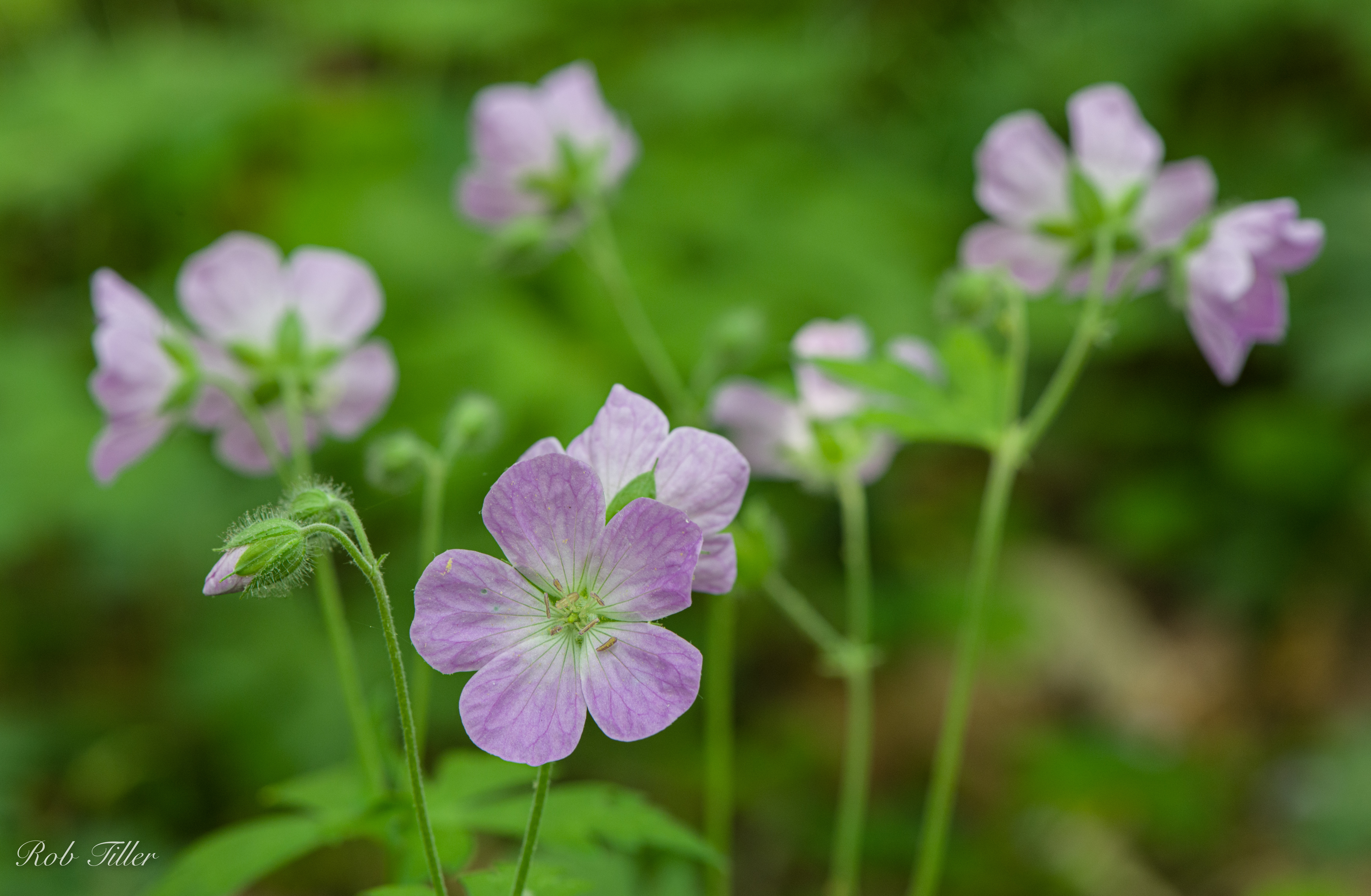
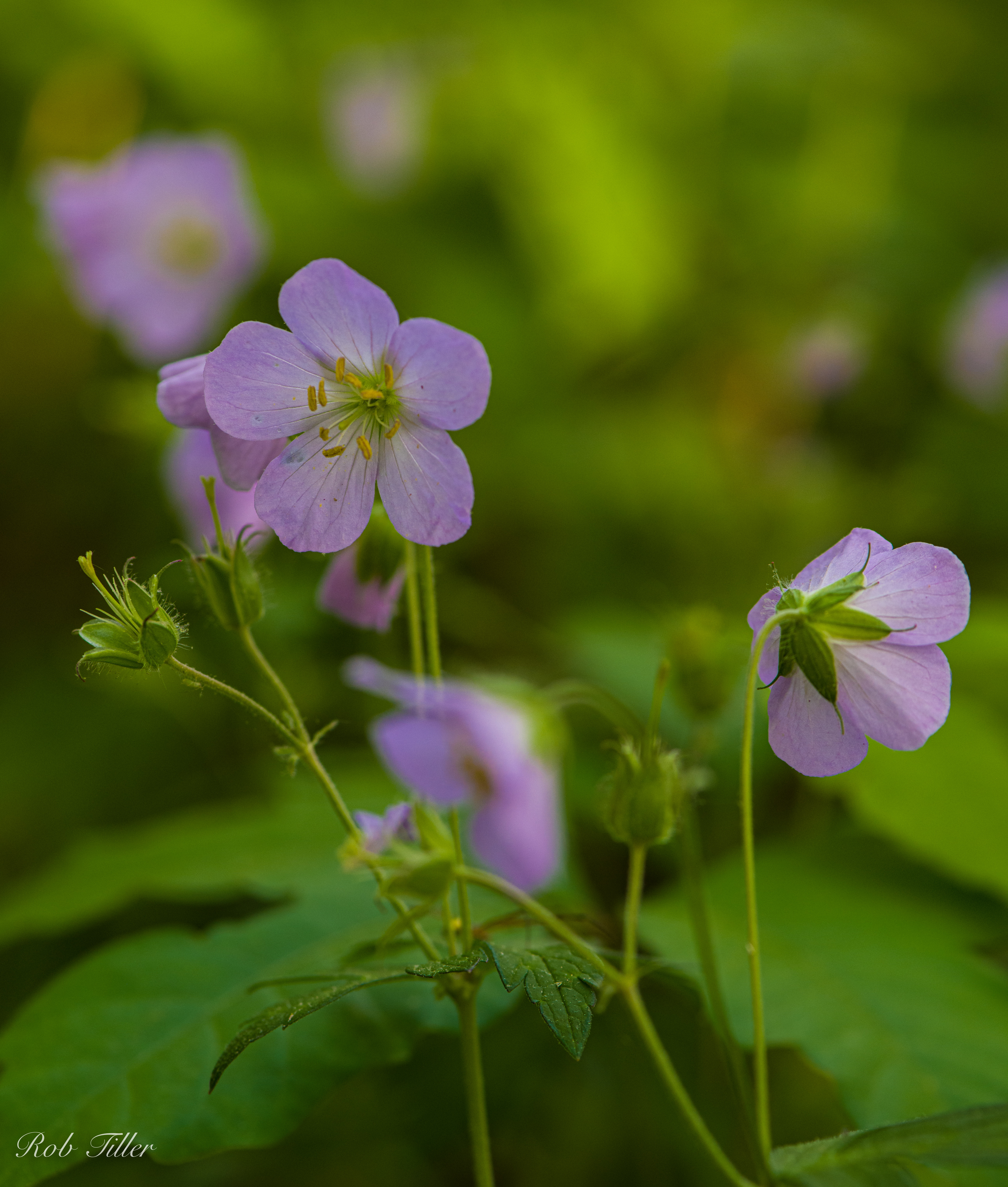
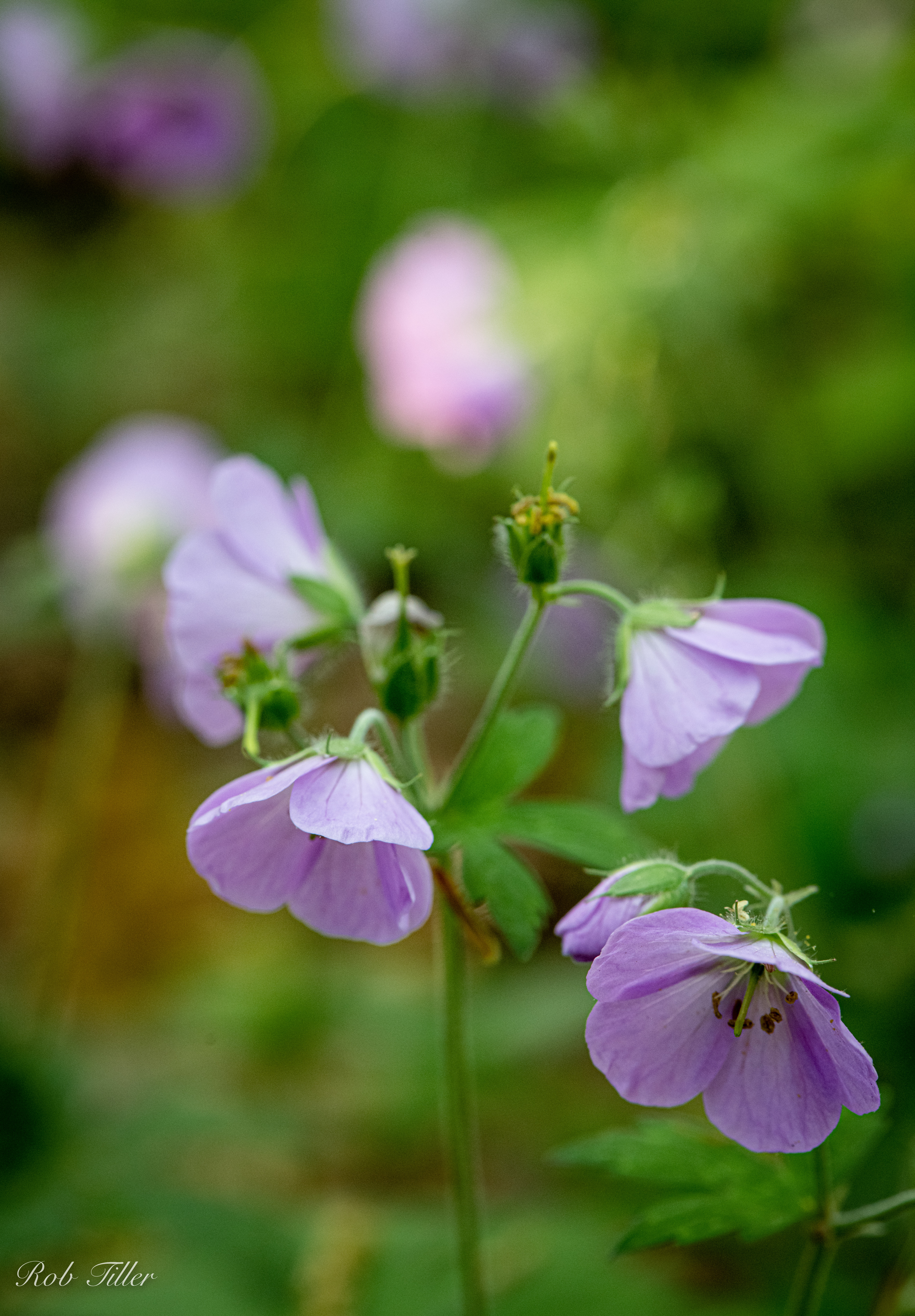
Wild geraniums at Swift Creek Bluffs in Cary

There were a lot of wildflowers in bloom this week.  One morning I went to Swift Creek Bluffs and took some pictures.  For these, I got down in the dirt, trying to stay clear of poison ivy, ticks, and snakes.  At times a light breeze was blowing, moving the flowers slightly, and I waited for a while for the wind to pause.  It took some work, but it was also cheering to be close to the wild geraniums and lilies. Especially in this difficult time, I found these images soothing, and I hope they are for you as well.  

The next day, I somehow managed to pull a muscle in my back.  I think it was when I was practicing juggling with my three bean bags.  Juggling can look frantic, but for me it’s usually calming. But I probably should have done a little stretching before working on under-the-leg throws.  There was no sudden violent pain, but over the next several hours it got harder and harder to move.  

Atamasco lilies

So I’m struggling physically.  But otherwise, things are OK. Actually, I’m feeling surprisingly cheerful and energetic.  It’s been a great time to try new photographic processes (both with the camera and with software).  I’ve learned a lot about Lightroom, Photoshop, Topaz, and Nik applications from knowledgeable and generous people who’ve put up instructional videos on YouTube.  

I’ve also been trying new musical experiments on the piano, including working on some Liszt flourishes and the blues.  I cooked a crock pot full of Jocelyn’s famous vegetarian chili. I’ve made progress on my German and Italian with Rosetta Stone lessons.  My sketching is improving. And I’m getting better at juggling, though that is on hold for the moment.     

We were starting to get a bit worried about running out of toilet paper.  Anxiety and panic buying is understandable, but still, it’s odd, and kind of disturbing, that people are hoarding TP.  Fortunately, our neighborhood pharmacy/convenience store on Glenwood Avenue got a shipment just in time.  

The tenuousness of our relationship with reality is also in view with some bizarre new conspiracy theories.  Max Boot in the NY Times  wrote a piece describing some of these.  Some are self evident nonsense, like the idea that cellphone networks cause the virus, or that the pandemic was engineered by Bill Gates on behalf of the pharmaceutical industry.  Some are not absurd, but are unsupported and unlikely, like the idea that the virus is a bioweapon from China, or else the United States.  

Why do people gravitate to conspiracies?  According to Boot’s sources, people are especially likely to latch onto conspiracy ideas when they are feeling overwhelmed, confused and helpless.  By providing explanations, the conspiracy theories provide a degree of comfort, giving people a sense of power and control. The more bizarre theories may give a greater sense of agency, in that the believer has secret and therefore especially valuable knowledge.  Sharing such theories provides a tenuous sense of community and significance. 

Whatever psychological needs such ideas satisfy, there are major downsides.  They lead some people to disregard the recommendations of the most knowledgeable experts, and, say, refuse to adopt social distancing.  People have attacked cell phone towers and relied on unsafe cures.  

There is also a dangerous feedback loop.  As people get more accustomed to disregarding experts that oppose their conspiracy ideas, they’re more prone to adopt more conspiracies and disregard more actual experts.

Jack Krugman, Times columnist and Nobel Prize-winning economist, had an interesting column recently related to this problem.  He pointed out that trickle down economics and climate change denialism both rely for their survival on disregarding informed scientists and experts.  The habit of disdain for science and expertise seems to have carried over to the pandemic.  

Krugman also noted that for those who think all government should be done away with, it’s a particularly difficult time.  For the less ideologically committed, it seems obvious that pure market forces aren’t going to get the job done in this pandemic, and we need effective government.  Right wingers may worry that if people see that government is saving lives, their central creed that government is bad may be unveiled as a sham.

The Times had a very good essay proposing that this moment of crisis is also a moment of opportunity. The editorial board observed that the pandemic is casting new light on some of our system’s worst failures, including shameful inequality and indifference to the suffering of those less fortunate.  Our systems for healthcare, housing, and the social safety net are costing many lives. The essay points out that at earlier times of national crisis, Americans have achieved a greater measure of compassion and fairness.  It is possible that this crisis will as well.

Spring, the morphing pandemic, meditating, and catching up on movies

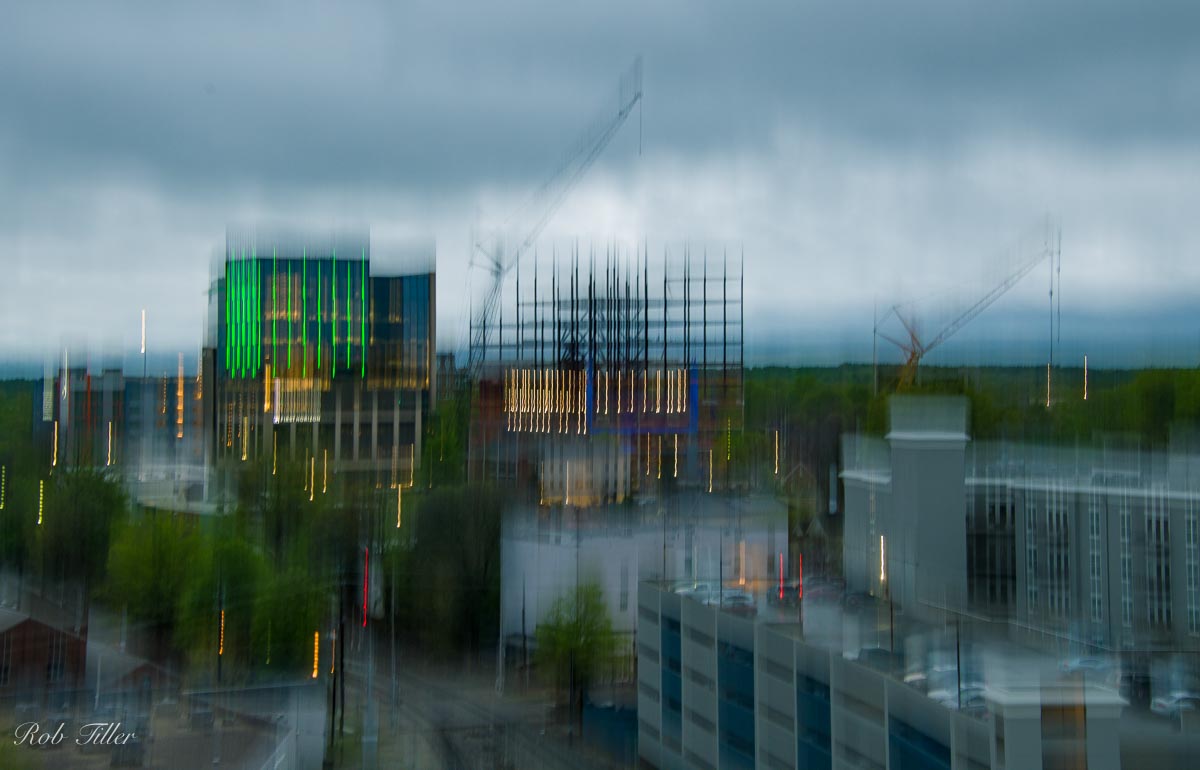
Looking southwest from our apartment at new construction

It’s definitely spring.  It always amazes me how fast the hardwood trees here leaf in, once they get started.  Just in the last week, things have gotten very green. 

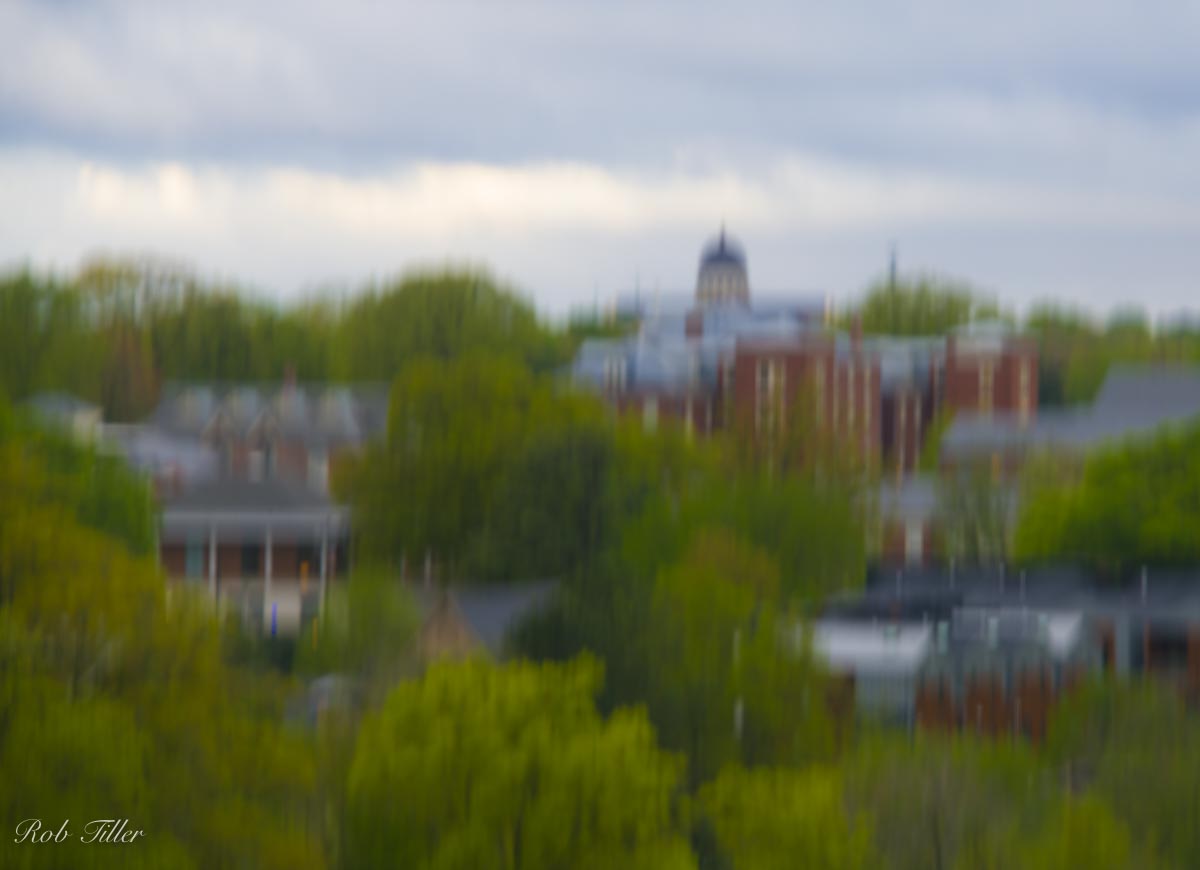
Looking west from our apartment

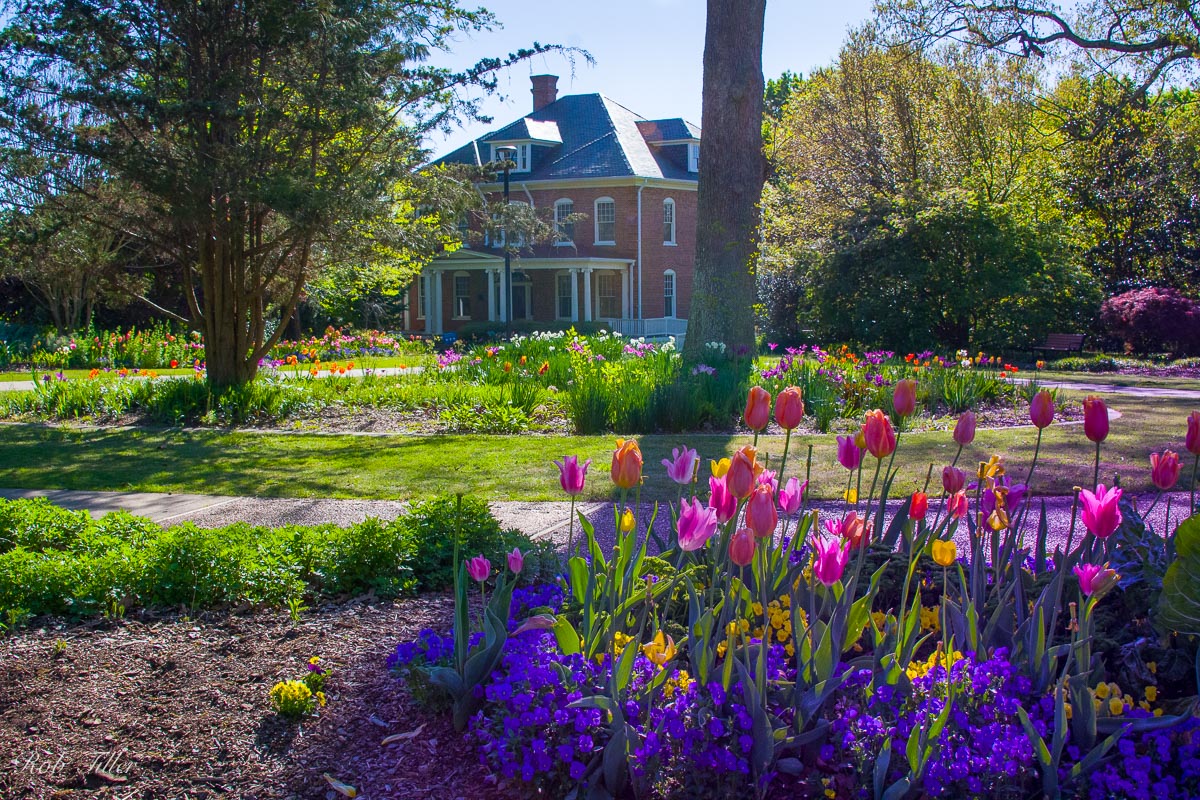
Raulston Arboretum is closed because of the pandemic, and so I won’t be seeing the big irises this year.  I did spend some time with the tulips in Fletcher Park, and made a few images I liked. I experimented with intentional camera movement to get an impressionistic effect.

The pandemic seems to morph every few days into a more severe disaster, with a mounting death toll and more severe disruptions to ordinary life.  It’s painful to see a very big chunk of our nest egg disappear as the stock market plummets. It’s painful to be isolated from loved ones and unable to do our usual activities.  

I’ve been clearing some extra time for meditation and listening to some new lessons on managing thoughts and feelings.  Just sitting still and observing the breath can go a long way toward calm and peace. There are free lessons on the free app, Insight Timer.  

The Full Frame Documentary Film Festival is normally a highlight of early spring for us, and we were sorry it was cancelled.  But on the bright side, we’ve been seeing some good movies on Netflix and Amazon Prime. Last night, we watched Just Mercy, a fictionalized version of the non-fiction book of that title by Bryan Stephenson.  It’s about a young black lawyer with a Harvard Law degree who sets up a non-profit practice in Alabama to help prisoners on death row.  

The dramatic elements come from the racists who threaten him with violence and his clients with execution.  It’s never emphasized, but worth noting, that the real Stephenson, with his talent and a Harvard degree, could have made a fortune in a big law firm, rather than take big risks for almost no money.  He had extraordinary courage and compassion.

This week we also watched Harriet, a biopic about the great abolitionist Harriet Tubman.  Slavery is something we know about, but the more I learn, the more I find I still need to know.  Tubman was an extraordinary person who managed to get herself out of slavery and then risk death to free dozens of others.  Cynthia Erivo is a powerful and touching Tubman.  

We also saw Bombshell, a fictionalized account of Fox News under Roger Ailes and his culture of exploitation, sexual and otherwise.  John Lithgow is a wonderfully evil Aisles, and Charlize Theron is a convincing, bombshellish Megyn Kelly. Rupert Murdoch’s Fox News is an amazingly effective propaganda organ, and getting some perspective on its workings is worthwhile.  


Herons, virtual cocktails, and depolarizing

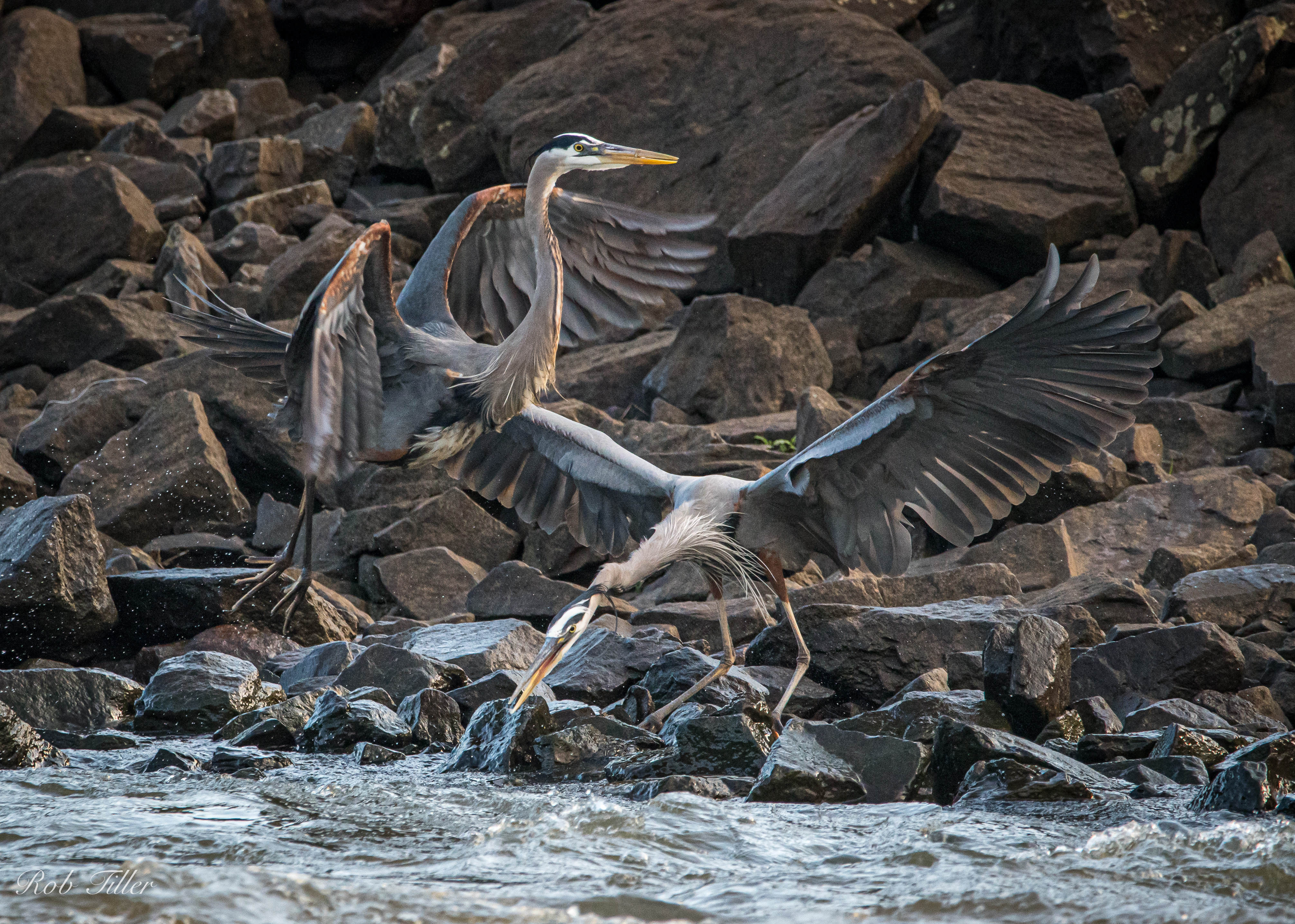
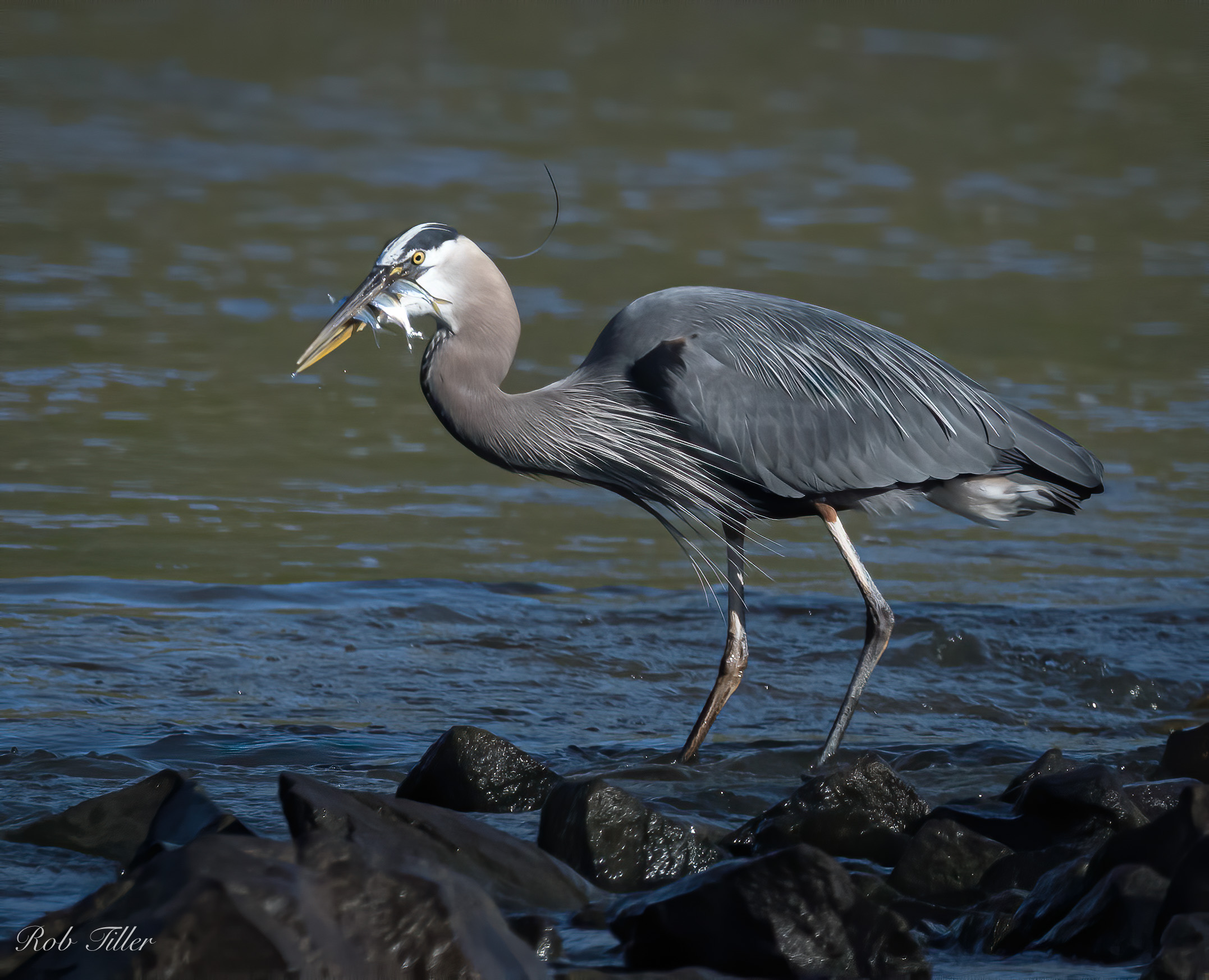
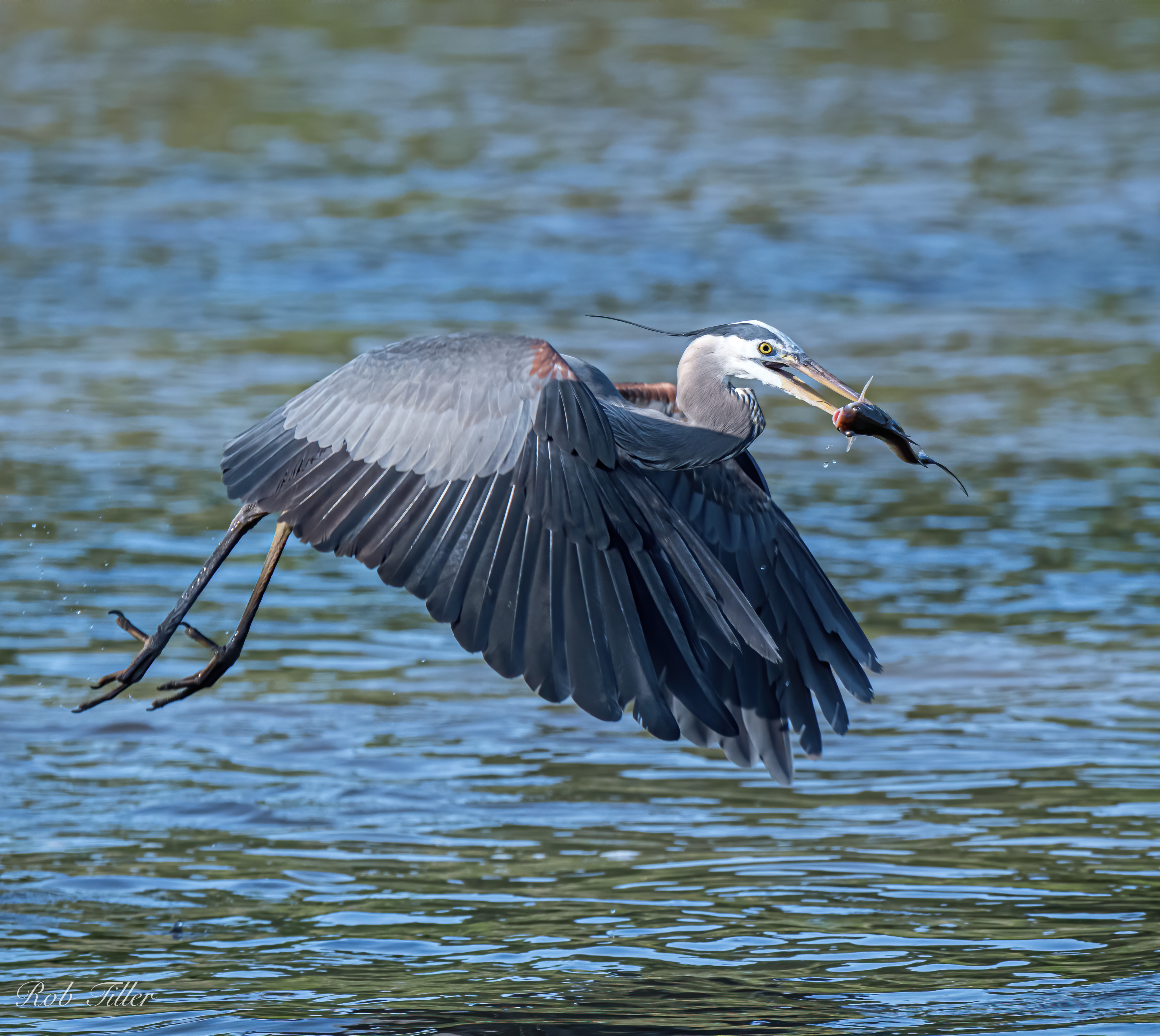
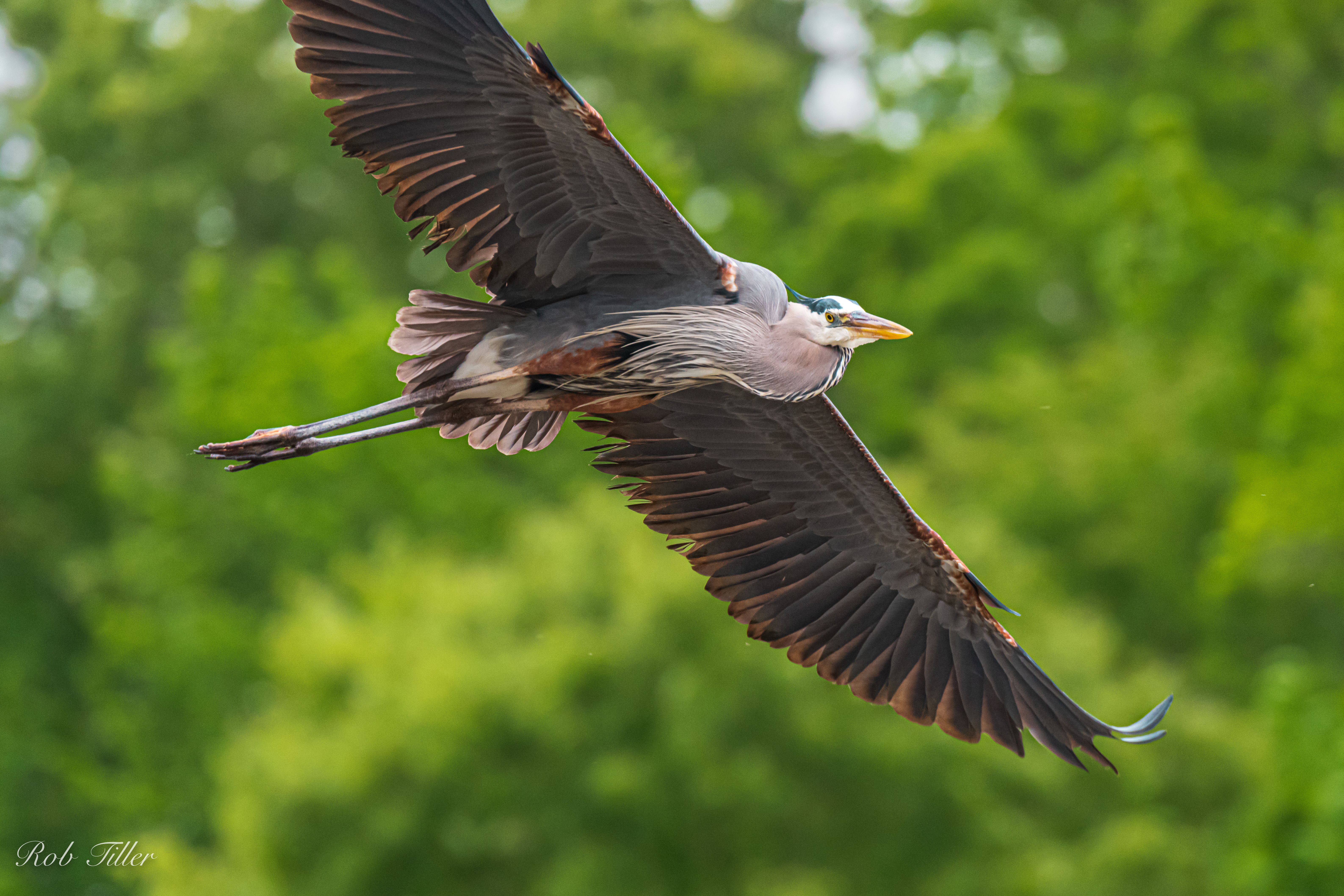
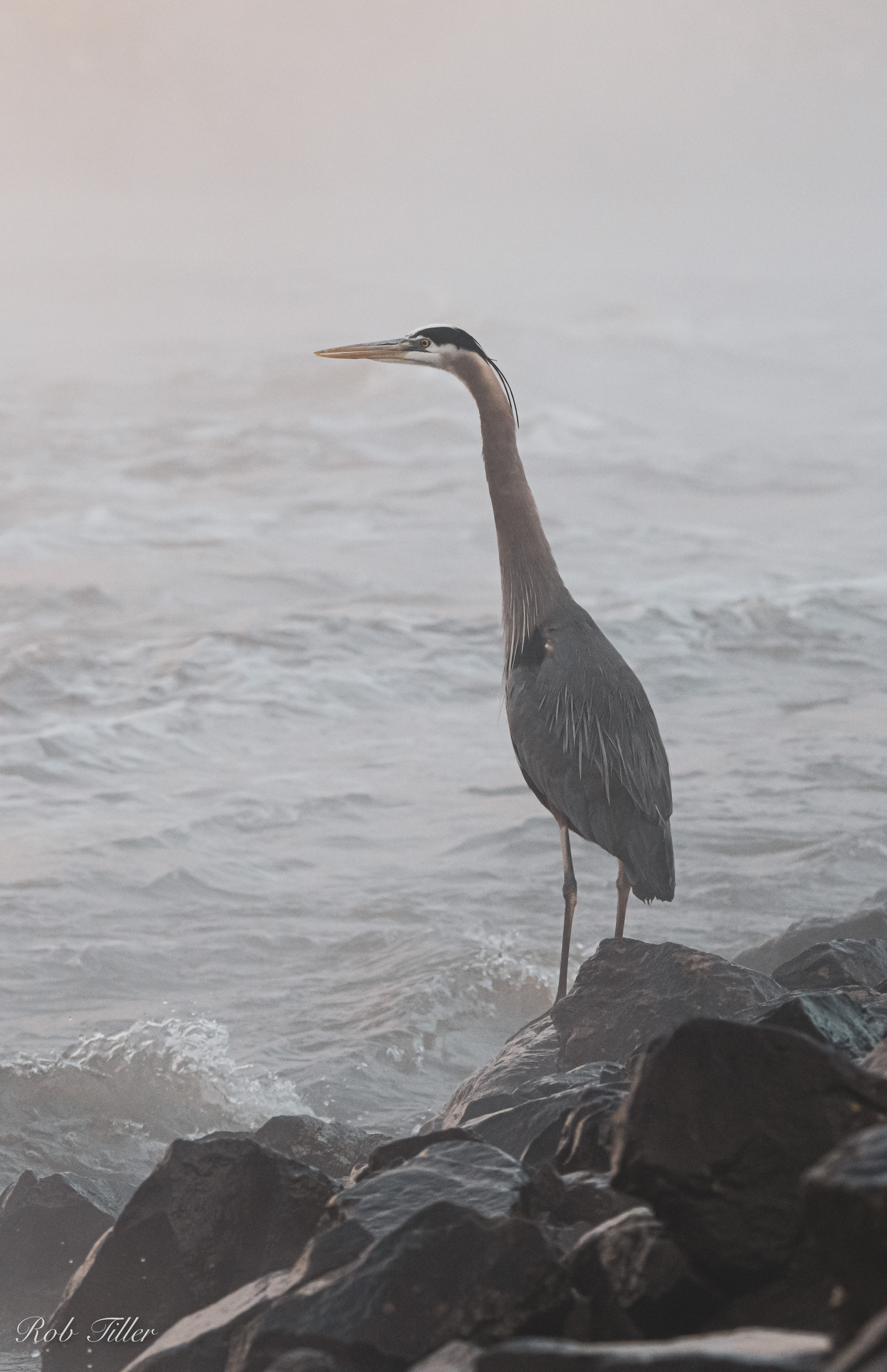
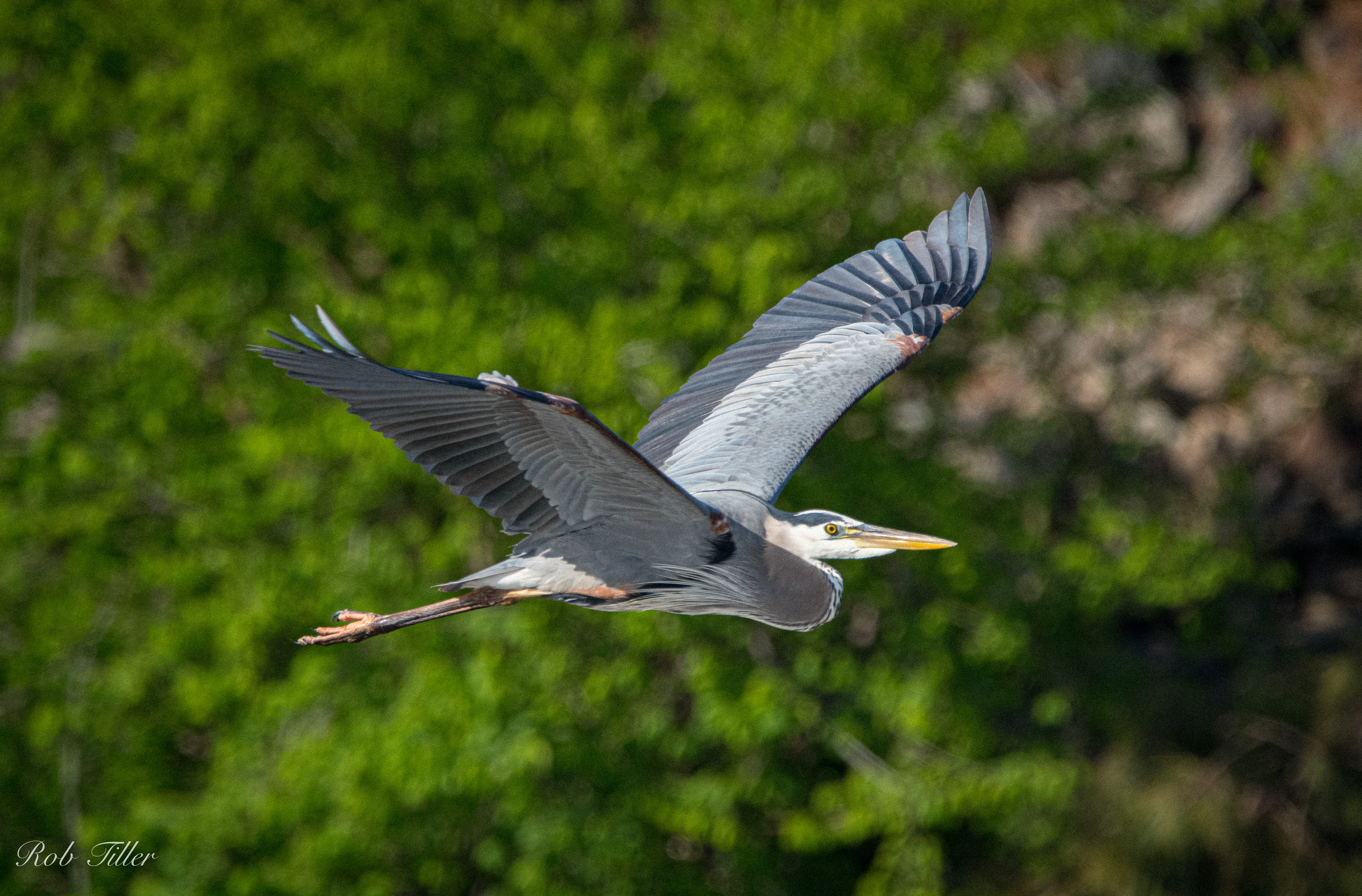
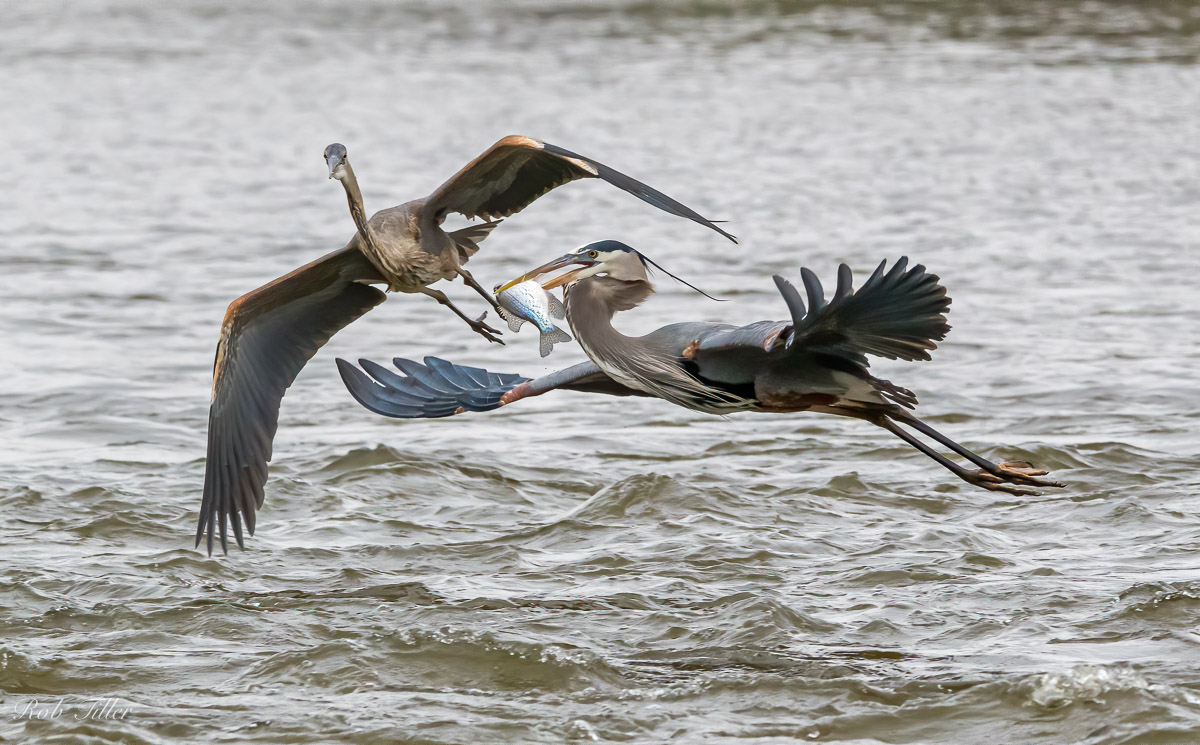
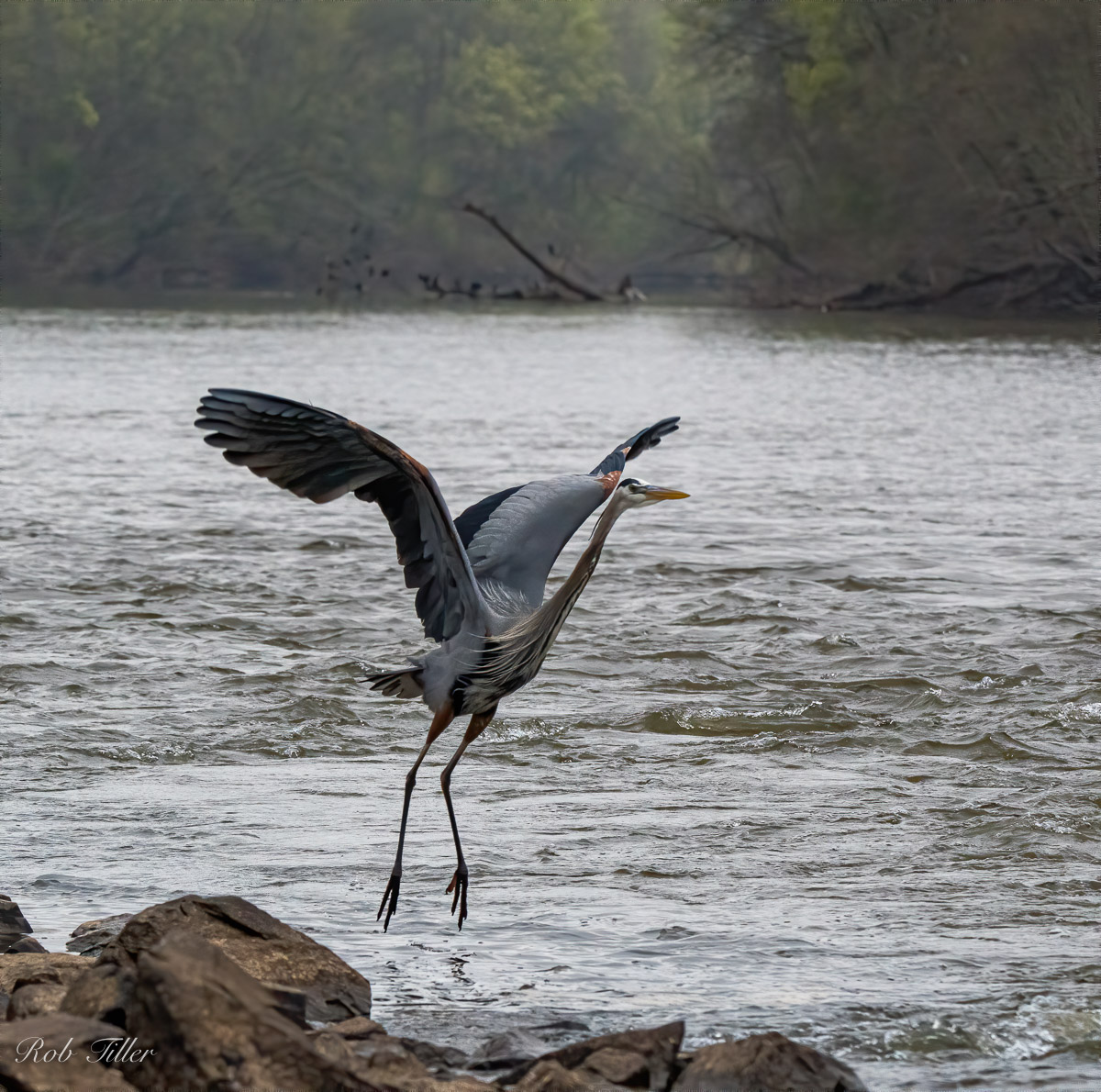
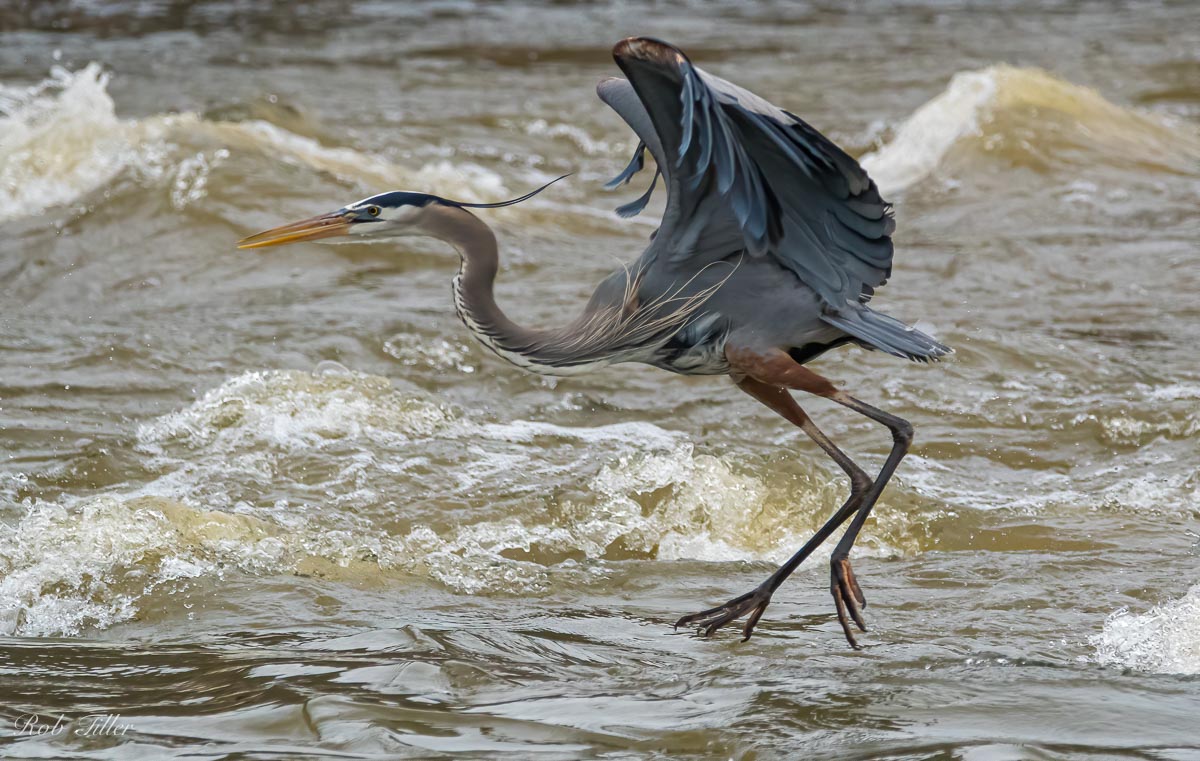
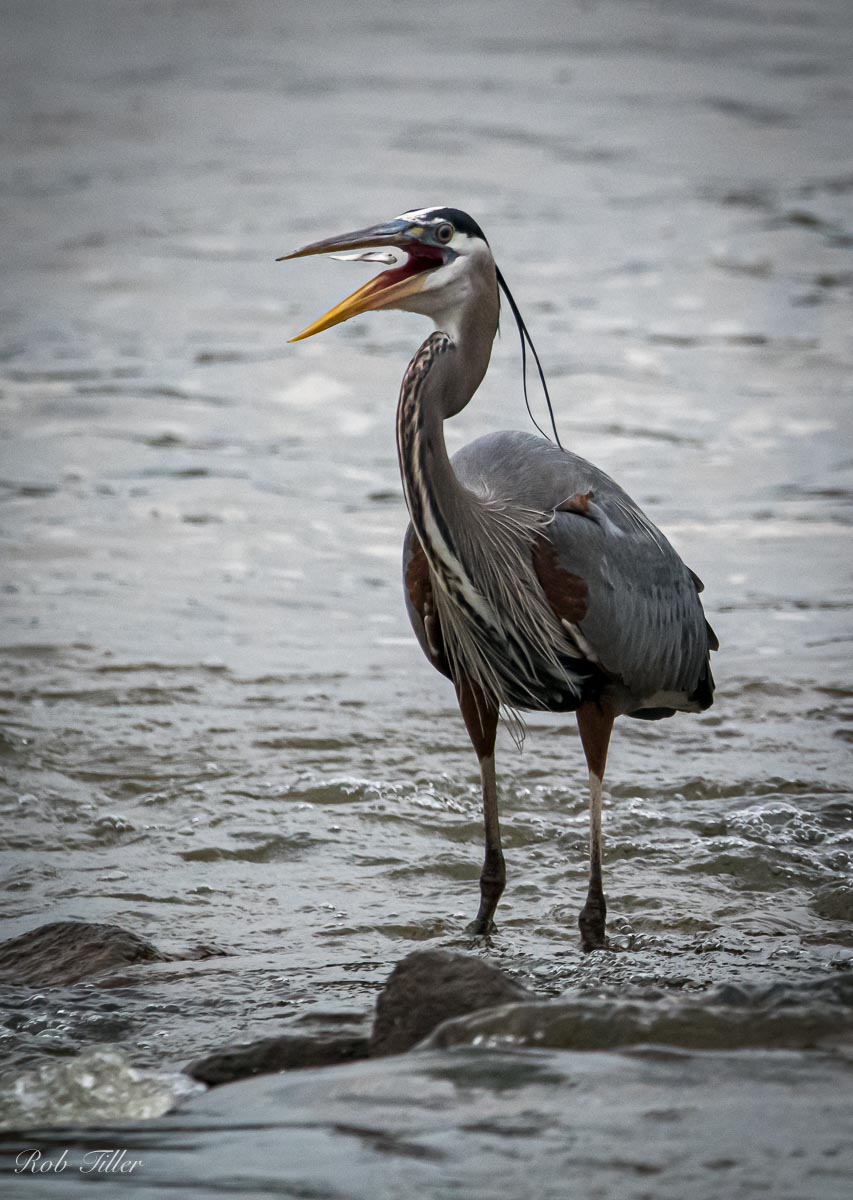
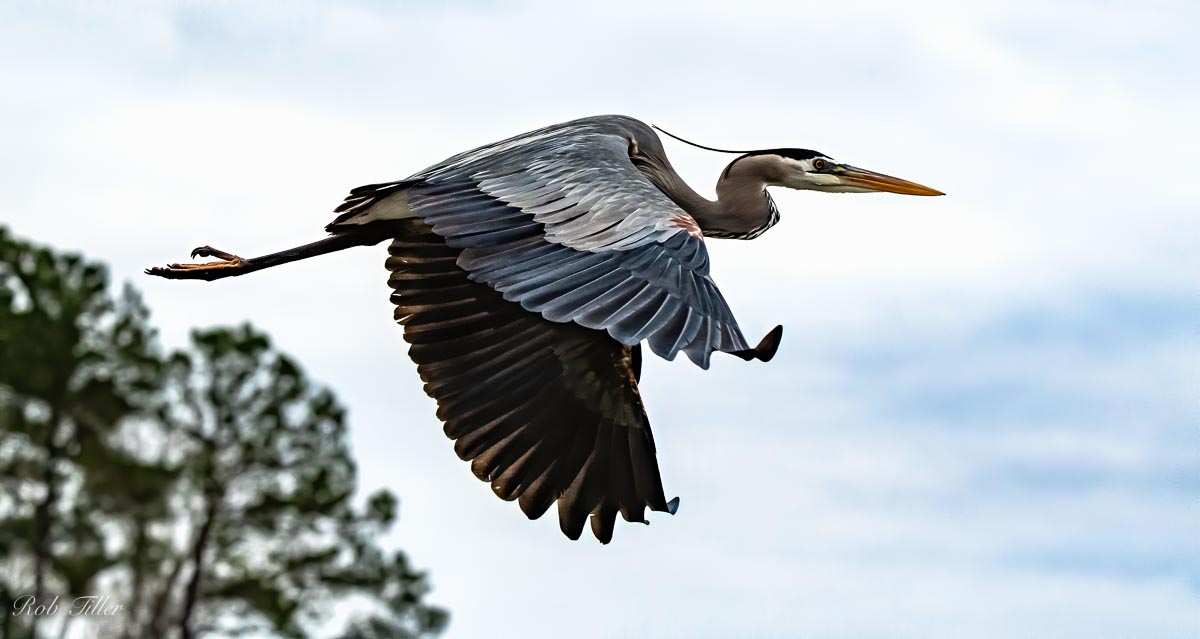
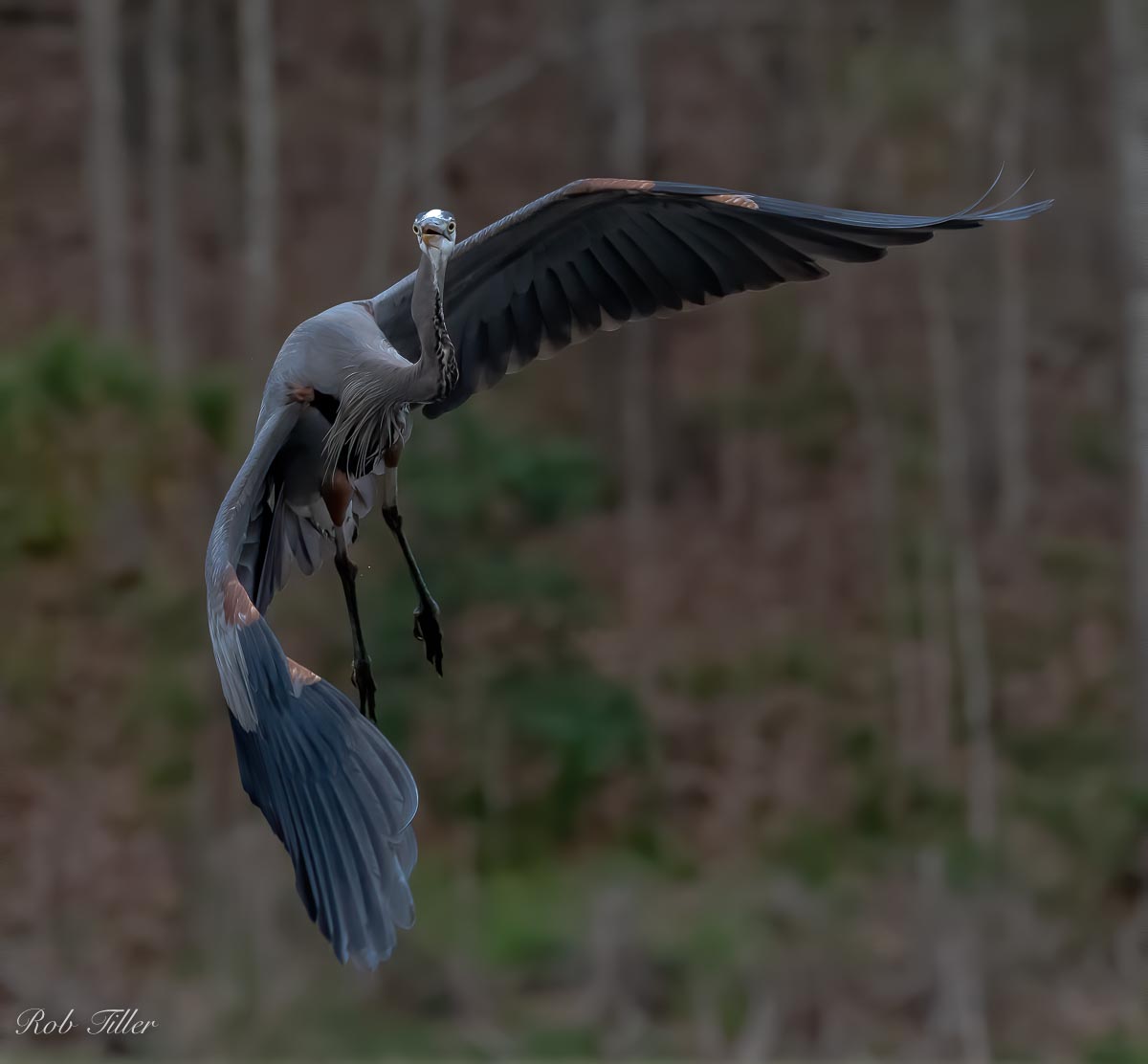
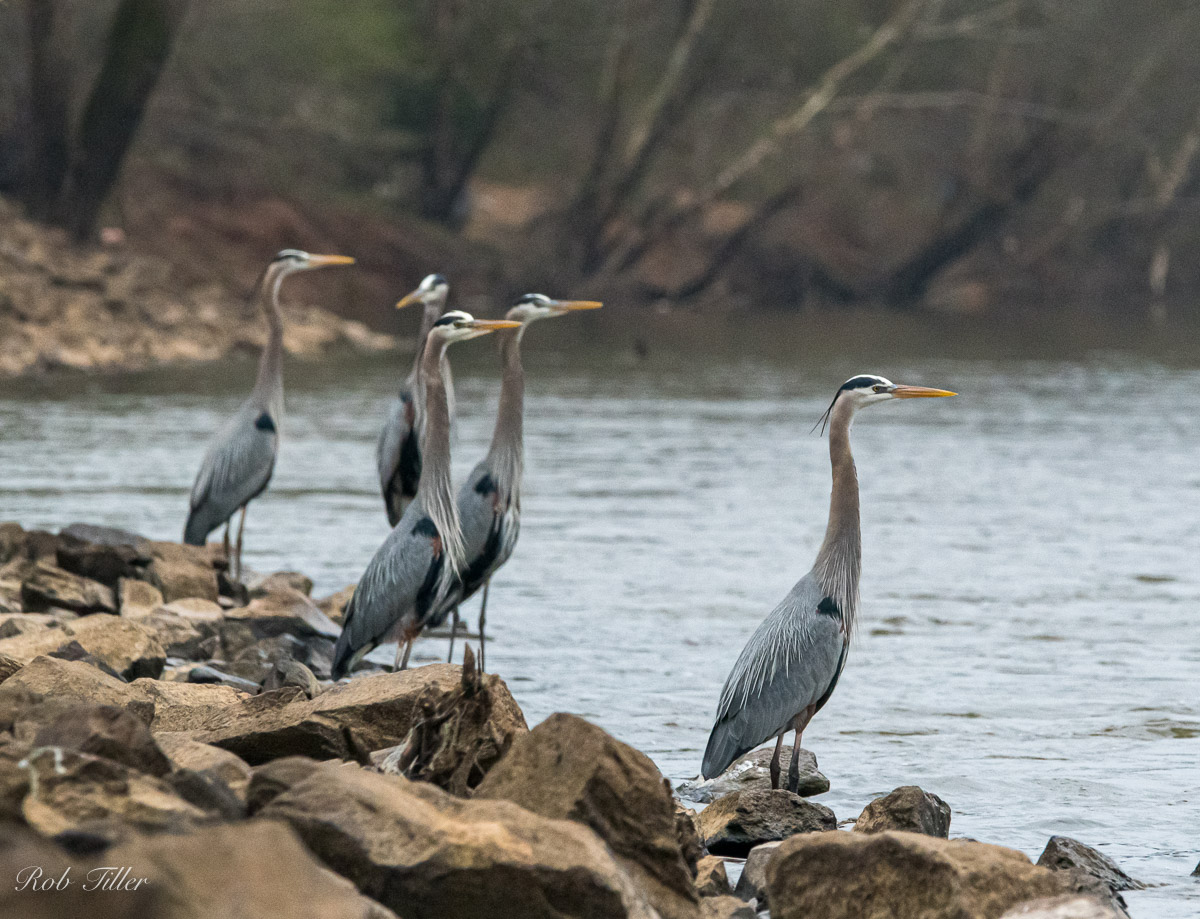
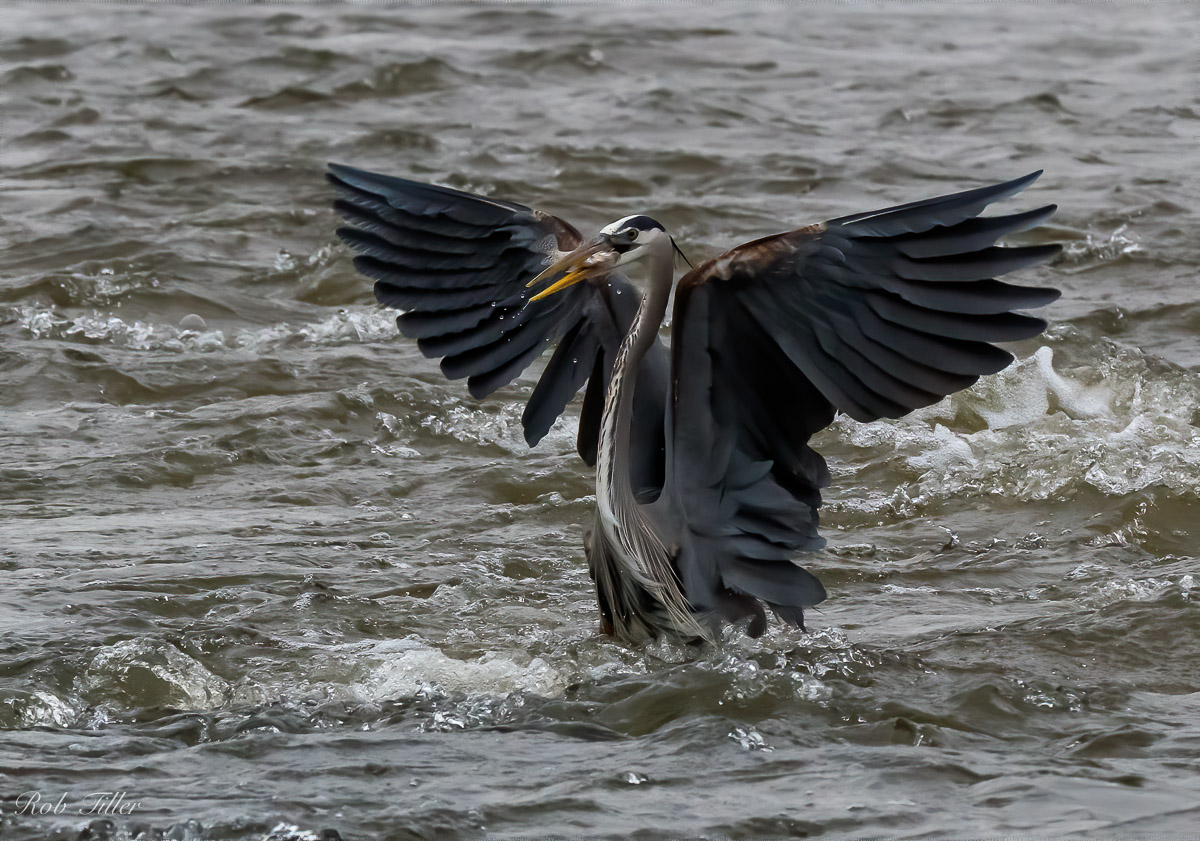
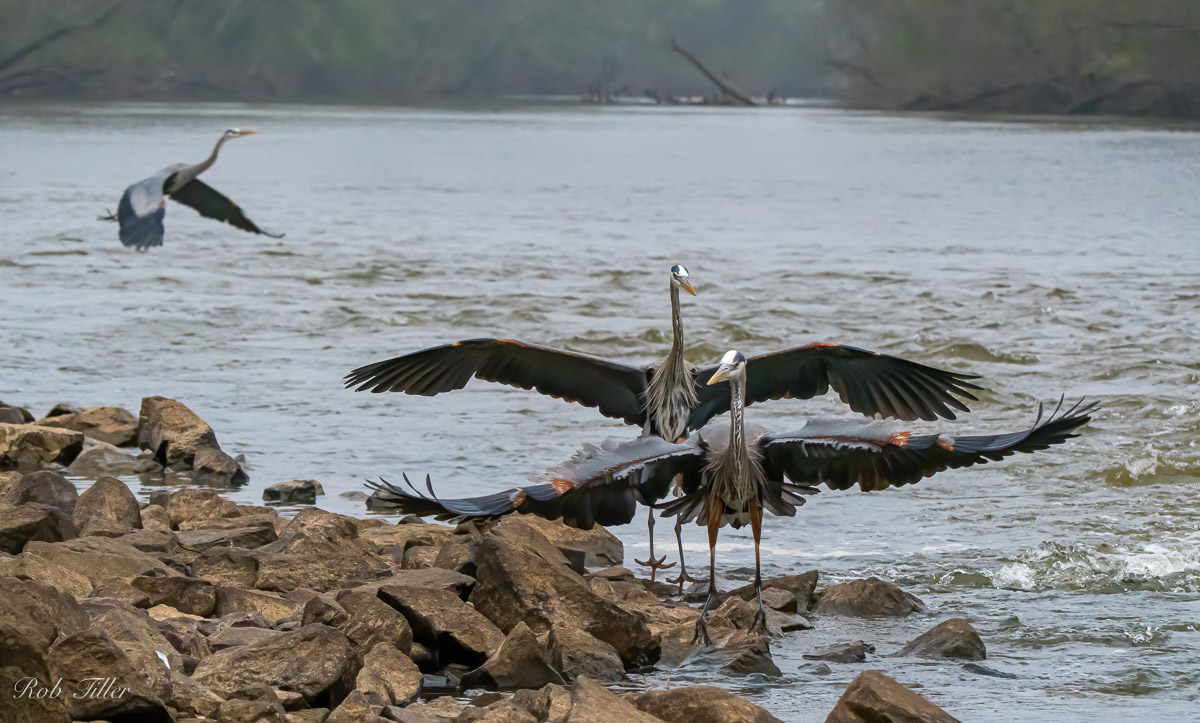
I got in a couple of trips  to Jordan Lake dam before the big shutdown.  There were quite a few great blue herons standing together and periodically flying into the river to catch fish.  I saw a few squabbles over food and fishing spots. The birds were surprisingly comfortable with me, with one flying in to stand for a while just 20 feet away.  I was looking forward to getting to know them better. But with the park closed, that likely won’t be happening this spring.  

In the Raleigh area, we’re now under orders to stay home if possible.  I’m fortunate not to be in danger of starvation or homelessness, but there are other challenges and disappointments.  In addition to missing the birds and the spring flowers, I’m missing my exercise routine. I usually get to the gym or a yoga class six days a week, and have come to think of that as an important element of my mental health, as well as my physical well being. I’ve been trying to do more running, but I have concerns that too much will hurt my knees.  Anyway, I did five miles yesterday.

We’ve heard that gun shops are doing a booming business.  Apparently, the self-defense crowd is worried that desperate hordes will be attacking their homes, and they will need extra guns and ammo to shoot them.  I think we’re a long way from a Mad Max dystopia, but it’s telling that those fears are here.  
In the spirit of making the best of things, we had our first virtual cocktail hour on Friday.  We scheduled a half hour starting at 5:30 for video chatting and drinking with Jocelyn and Kyle in New York.  We used Google Hangouts, which cut out a couple of times, but mostly worked. We commiserated about the pandemic, compared notes on streaming movies and series, and had some good laughs.  We agreed we would all be in deep trouble psychologically if the internet stopped working.

This week I finished reading Why We’re Polarized by Ezra Klein.  I recommend it to all who are interested in understanding why American politics seems to be working so badly.  Klein contends that political parties have become markers of identity rather than matters of ideology. That is, whichever group we’re in, the group’s policies aren’t as important to us as our being part of the group.  Those who aren’t part of our group are seen as enemies.  

Klein sees race as a central factor in our politics.  During the civil rights movement, Republican politicians used coded racial appeals to pull in working class white people. It seemed like that couldn’t work for long, but it’s still with us.  This isn’t a new revelation, but Klein does a good job putting it in context.  

Recently I discovered a good podcast called Scene on Radio that discusses American history and culture with a focus on issues of race and gender.  It’s now in its fourth season, which reexamines the place of slavery in the formation of the American political system. The founding fathers had strong disagreements about slavery, so there’s not a single, simple narrative.  But the wealthiest of the founders were wealthy because of slavery, and they made sure to protect their wealth, through the design of the Constitution and otherwise. Good podcast.   

It was heartening that faced with a real emergency, last week Congress managed to pass a stimulus bill on a bipartisan basis.  Perhaps it will mark the start of less polarization. But it appears that some at Fox News and extremist evangelicals are still taking the view that the pandemic is a liberal hoax designed to undermine President Trump.  Apparently some reverends are summoning the faithful  to attend their services on the grounds that there is no coronavirus.  We all know that human powers of denial and self deception are great, but even so, with tens of thousands of people already dead, this is amazing.  It’s a long way back from there to unpolarized reality.  

Getting close to birds and farther from people: hunkering down for the pandemic

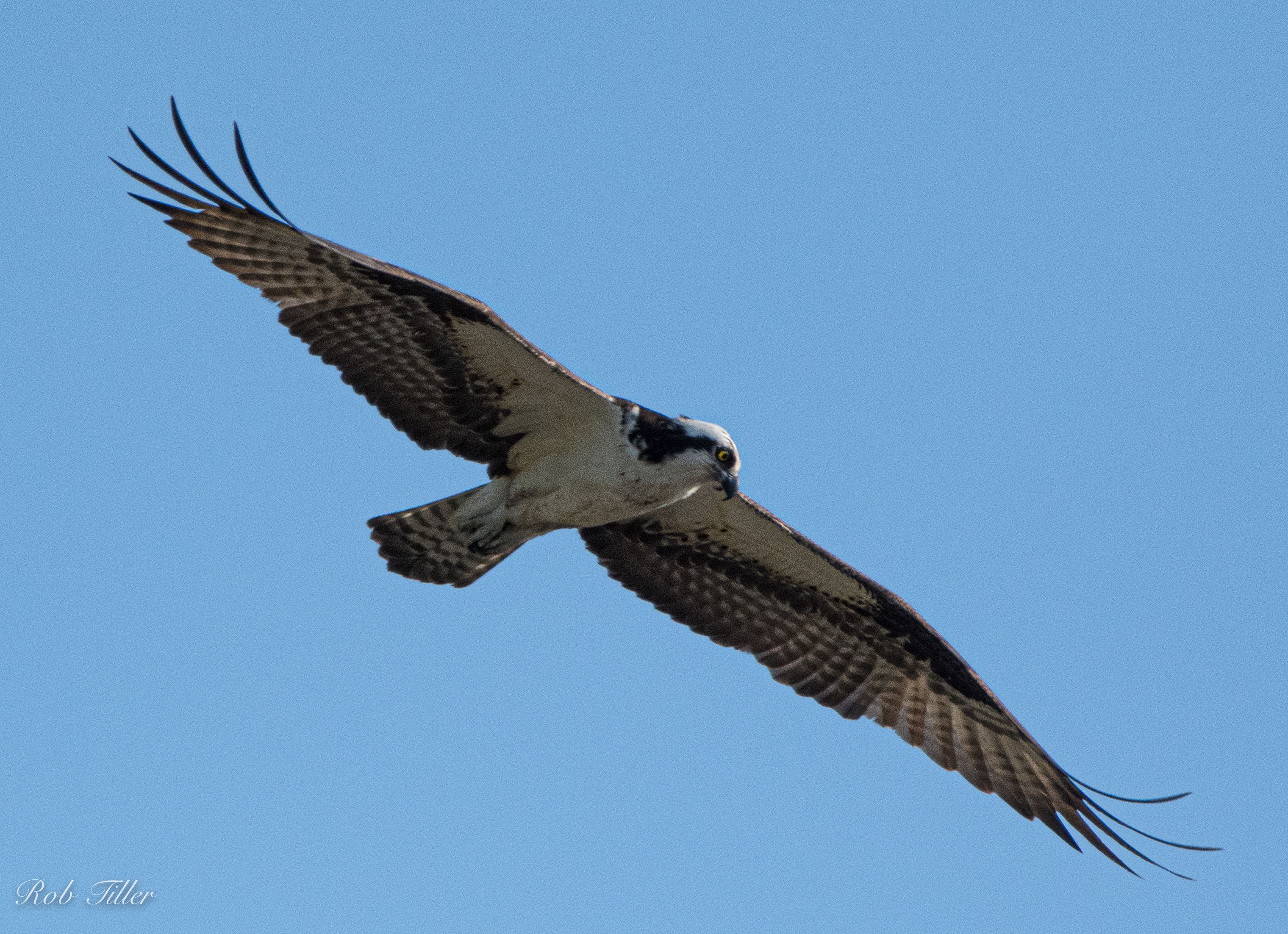
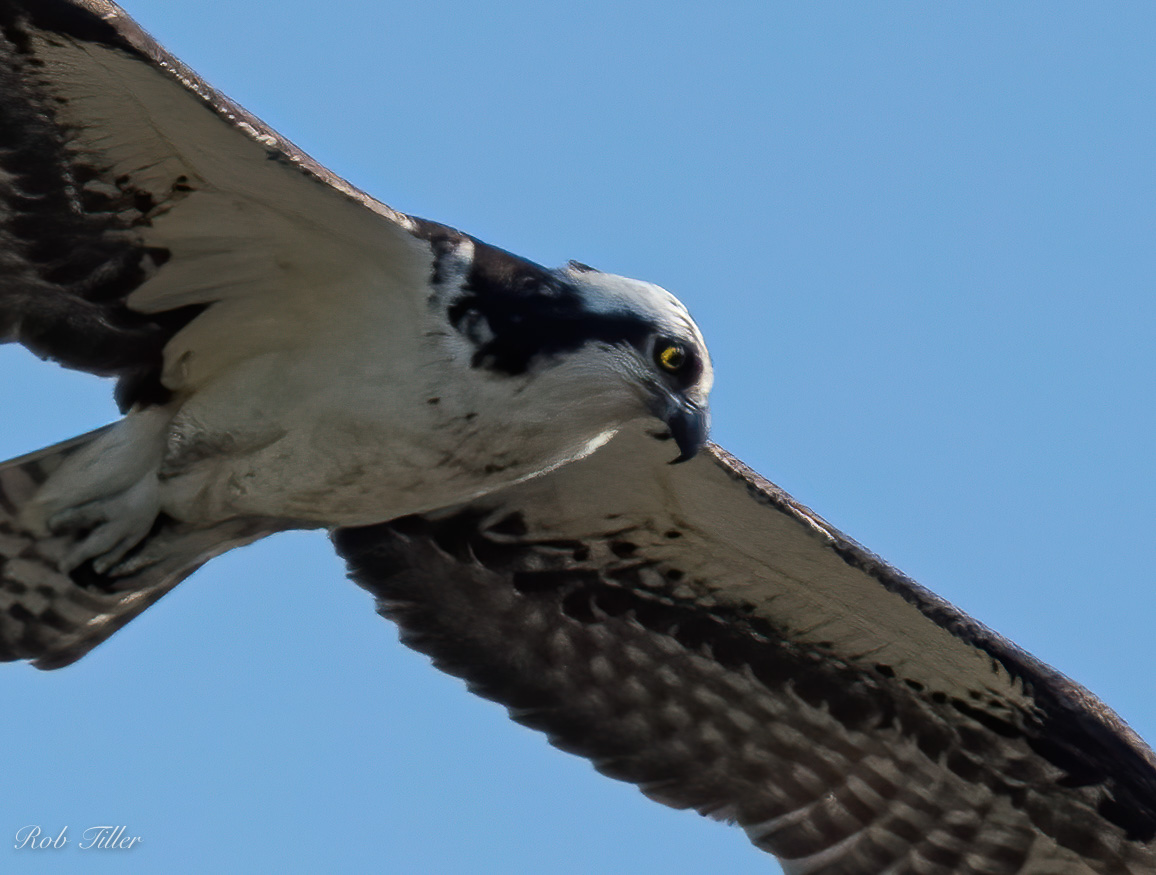
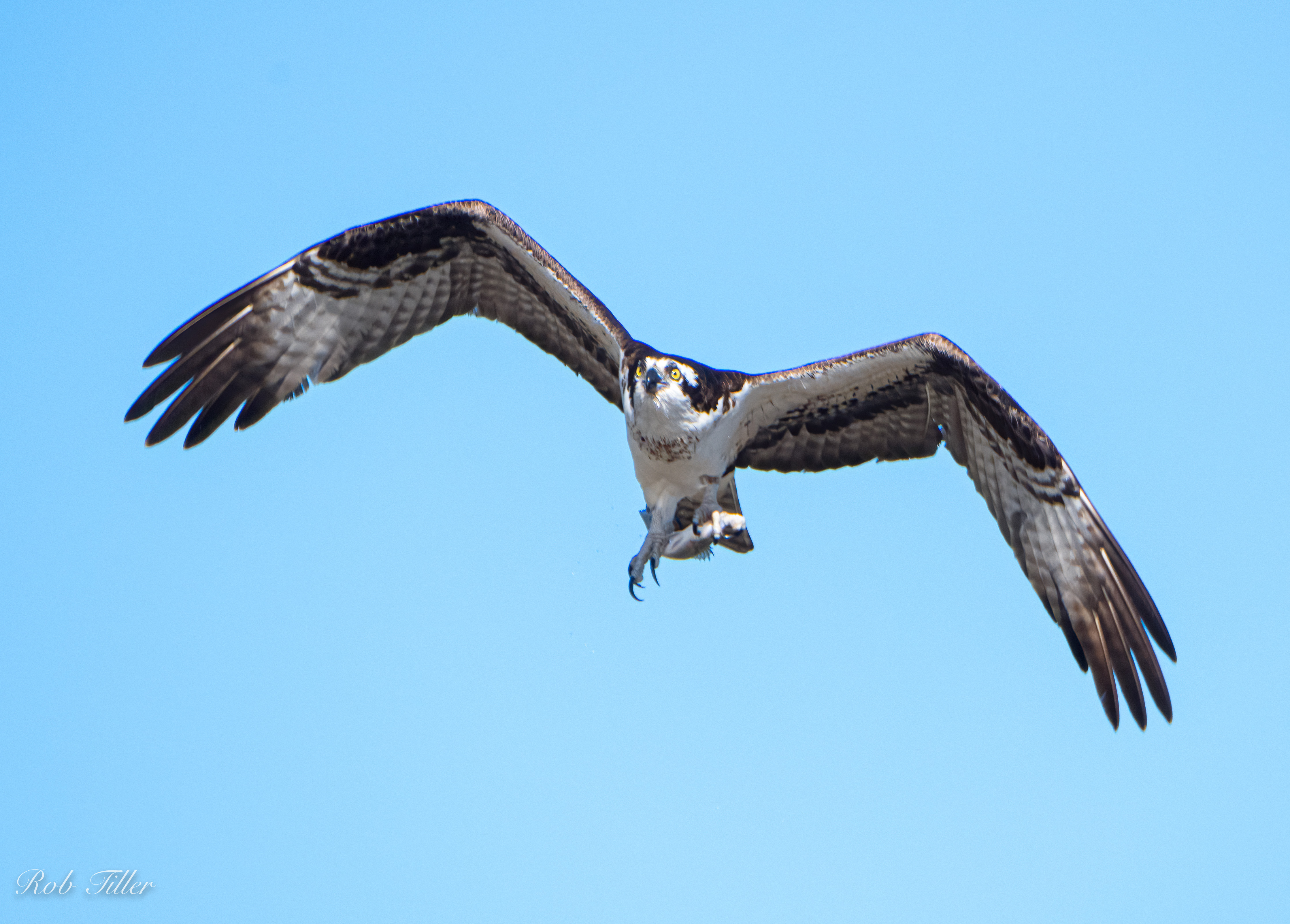
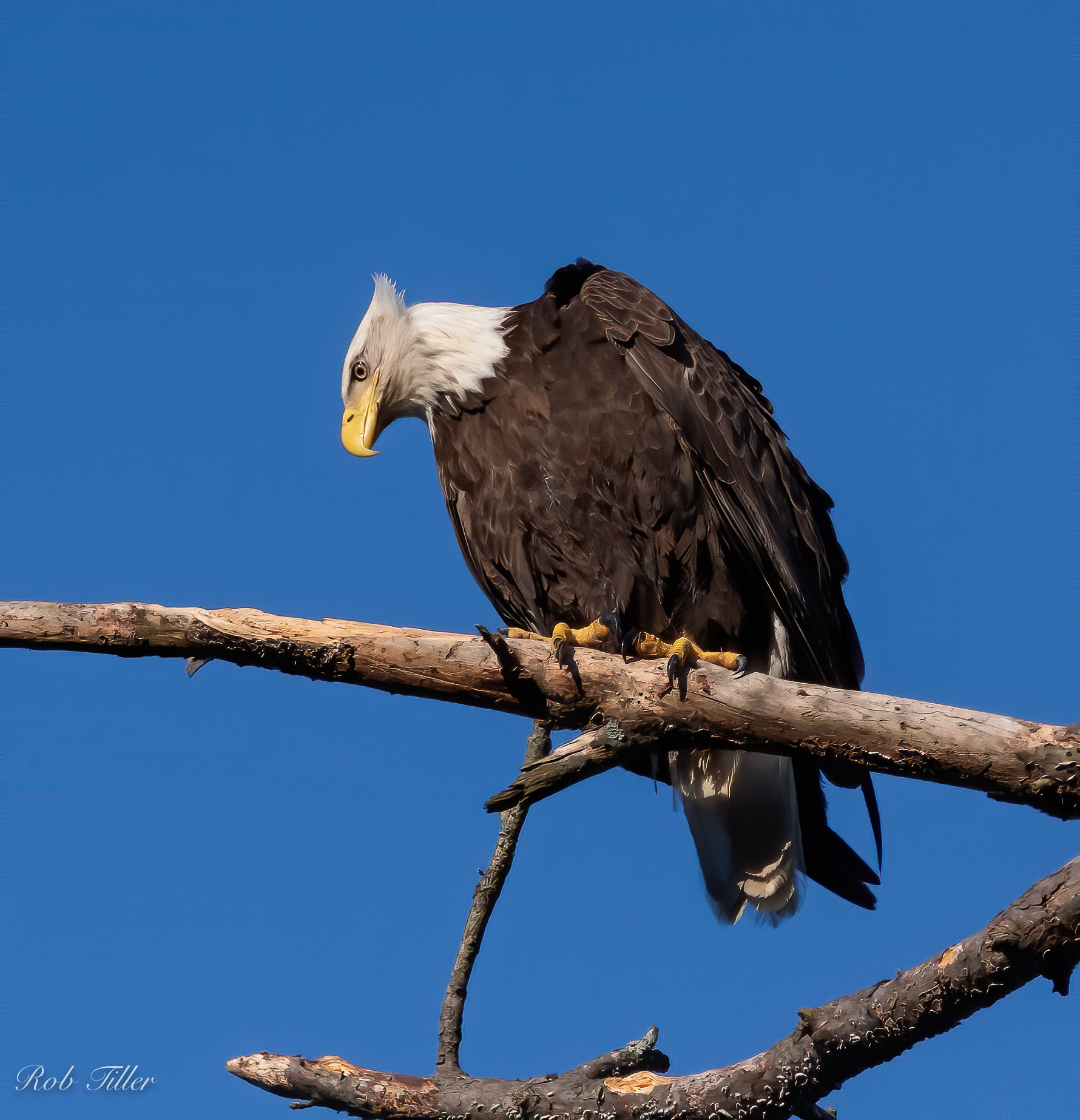
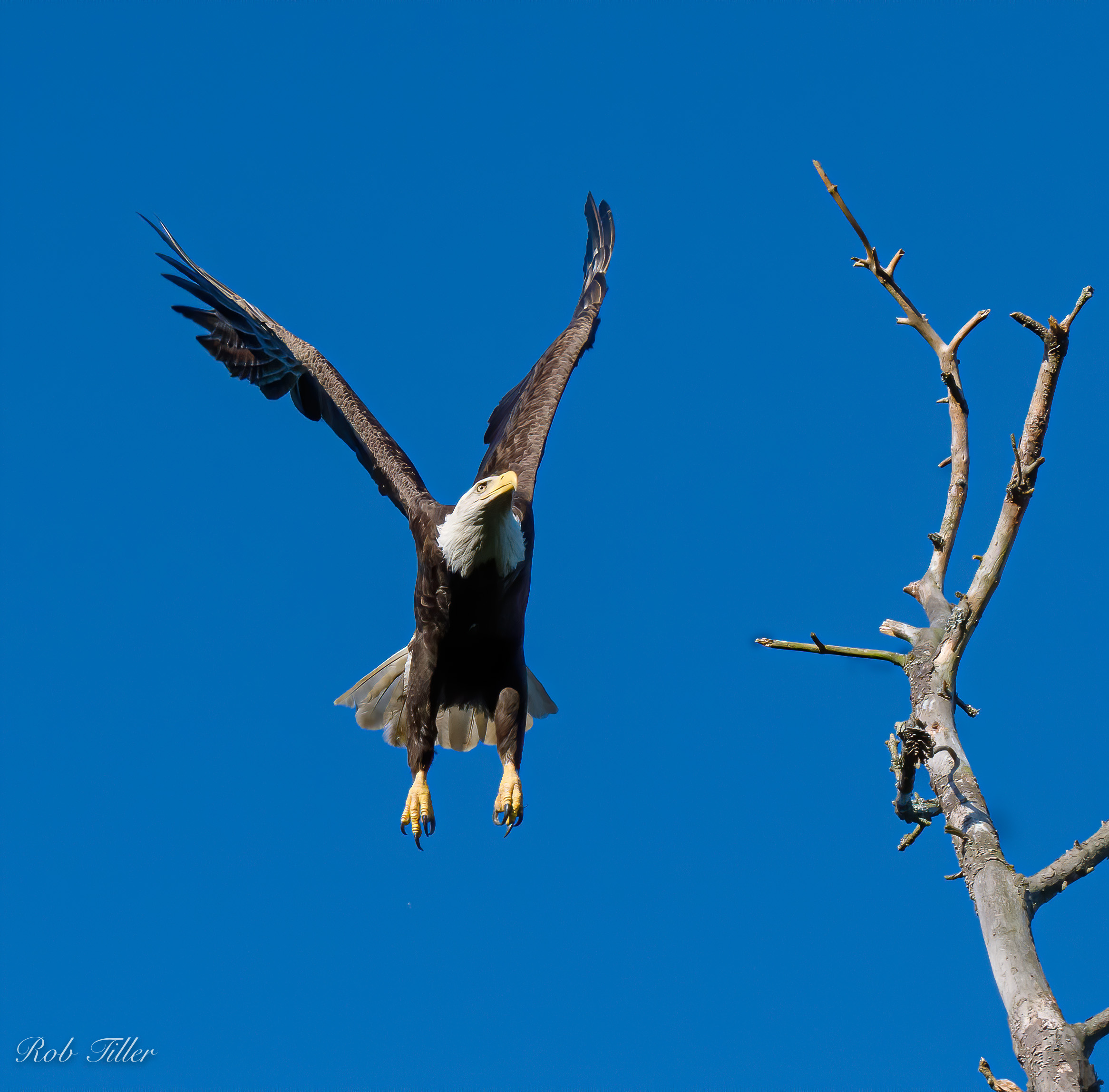
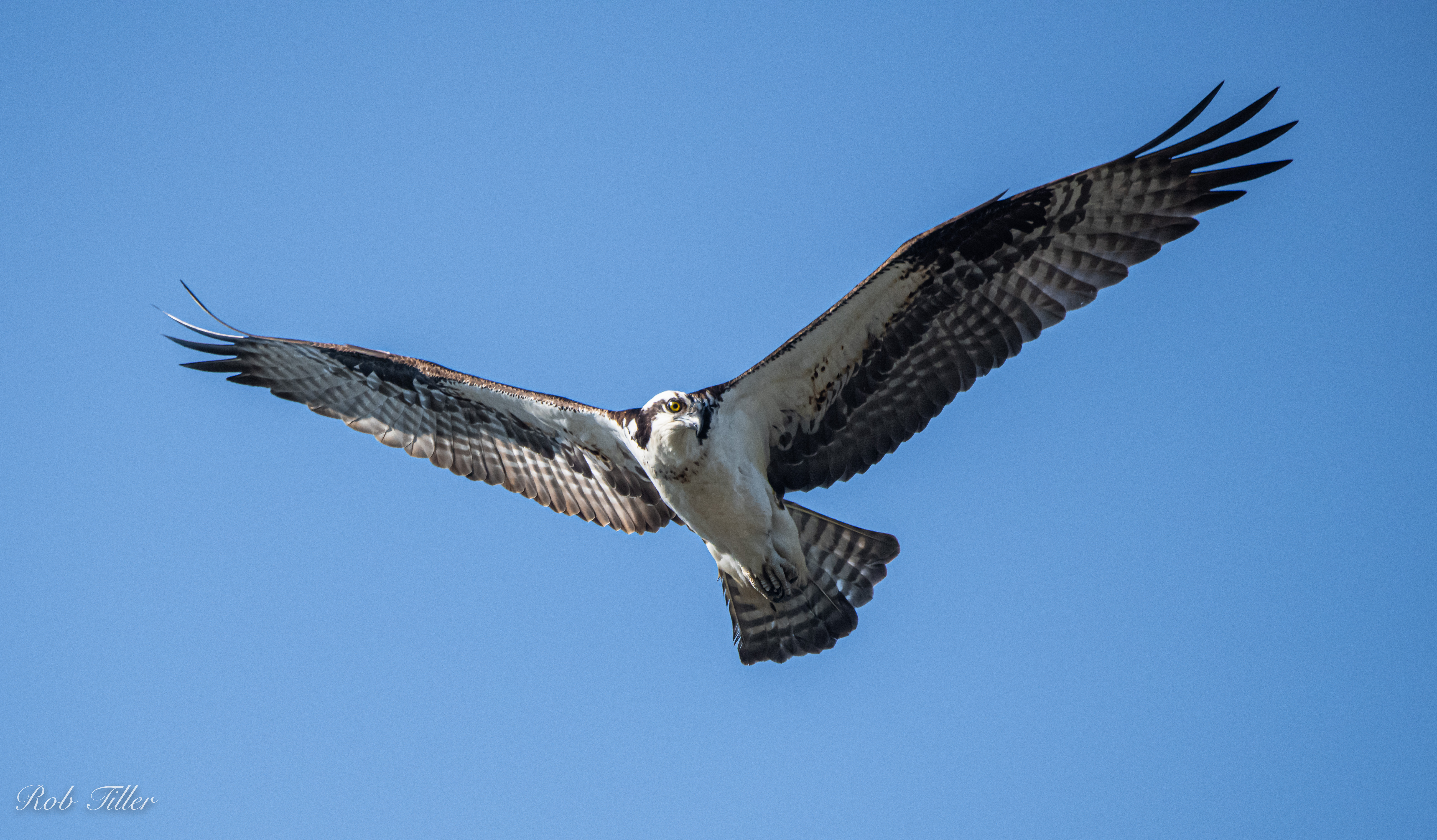
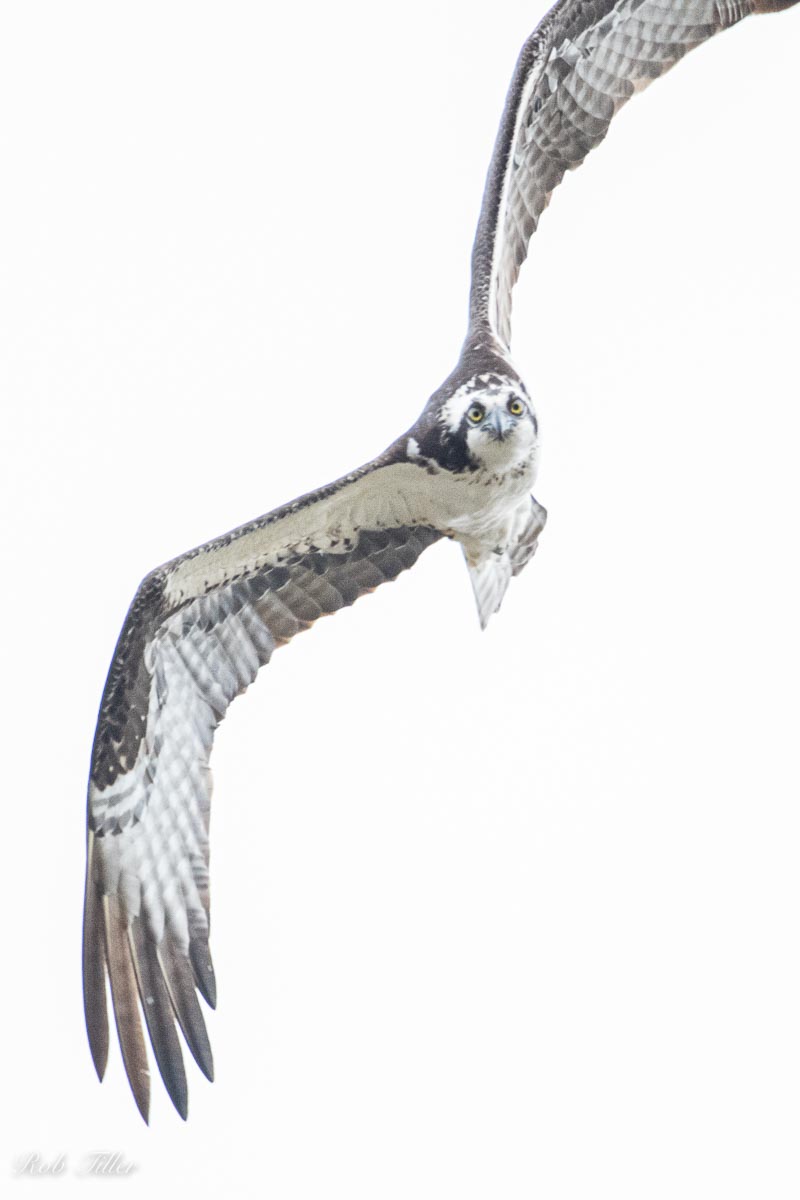
Last week I got out to Jordan Lake three times and spent some time around sunrise with the wildlife there.  I saw lots of great blue herons, and several ospreys and bald eagles, as well as the less glamorous  gulls, crows, and turkey vultures.  

With the human world in the midst of the covid-19 pandemic, I was especially grateful for some time with the birds.  Of course, they have their own life and death struggles, including finding enough food to survive each new day.  But they manage it without undue drama, keeping their focus on the task at hand.  Once the essentials are taken care of, they become very still, alert but peaceful.

The pandemic has quite suddenly changed everything.  We don’t know how long it will be before something like normalcy returns.  In the meantime, there will be brutal economic hardship for laid off people who need the next paycheck for housing and food.  On top of that, cutting direct human contact will likely cause a spike in depression and suicides. This is going to be tough.

In the midst of what looks like an epic disaster in process, it may not be the best time to talk of lessons to be learned.  On the other hand, we’re all going to have some time on our hands, which we might use to think about our situation.

Illness can be a revealing crucible.  It forces us to face up to reality. For example, parents may have all kinds of kooky ideas about praying for health, but when their own child gets seriously ill, and prayer doesn’t seem to be working, they will usually take the child to the doctor.  Illness forces us to quit playing and get serious.  

And so it is that we’re now looking to scientists for guidance about covid-19.  Our President has led a war on science, muzzling experts and eliminating scientific positions and agencies, as the Times and others have noted.  But he seems to be shifting gears, and now he’s consulting with doctors, public health experts, and other scientists.

At this point, it is hardly news that we have an incompetent and mentally ill President who sees the world exclusively in terms of how it can gratify his ego and bank account.  But like the parents with a sick child, even he has come to see it’s time to go to the doctor and get actual facts and possibly some help. He’s still inclined to boost xenophobic conspiracy theories, but he’s finally making concessions to reality.  Along with increasing death and misery, denying reality now might even be politically damaging. 

As little as I respect the President and as fervently as I want to see him defeated, I want to wish him well in this regard:  may he find the wisdom to defer to the best experts. Our scientists and doctors won’t have all the answers, but they’re our best hope.  Assuming we make it through this crisis, we might apply this same rule to address other global crises, like global warming.    

For the rest of us, there’s an opportunity to pause and reflect.  Covid-19 has brought into stark relief the fragility of our social, economic, and governmental systems.  If it wasn’t clear before, it’s now clear that our national healthcare system is a hopeless mess. Our social safety net is full of holes.  Our system of profit-at-all-costs capitalism is failing to address basic needs.    

In the face of the pandemic, even those officials of the all-government-is-bad view are modifying their opinion and trying to do something.  It looks like the government may be sending out real checks to actual families to mitigate some of the hardship. This looks like progress, and also like a tiny band-aid.  But who knows? We may look back on this as the historic beginning of a transformative new system with a universal basic income and greater fairness.

One thing is certain:  this is not going to be easy.  It’s definitely not the case that we have nothing to fear but fear itself.  We need to cultivate our courage, and our compassion. Those of us with some surplus need to help others.  My old friend Deborah Ross, a Democrat running for Congress in N.C. District 2, suggests donations to the N.C. Food Bank. The Washington Post yesterday had a helpful list of charities working for those who will be hardest hit. 

Spring birds, and The New Jim Crow


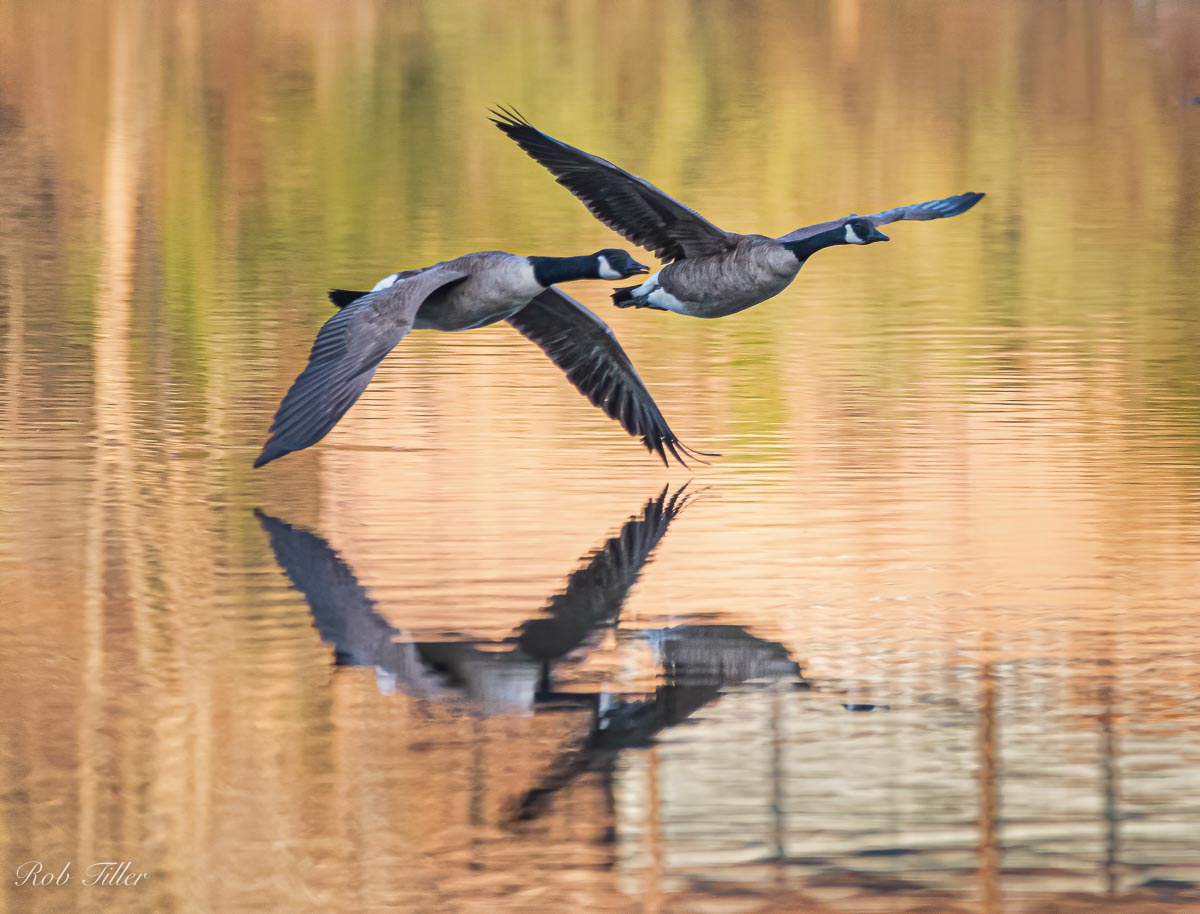
Canada geese at Shelley Lake

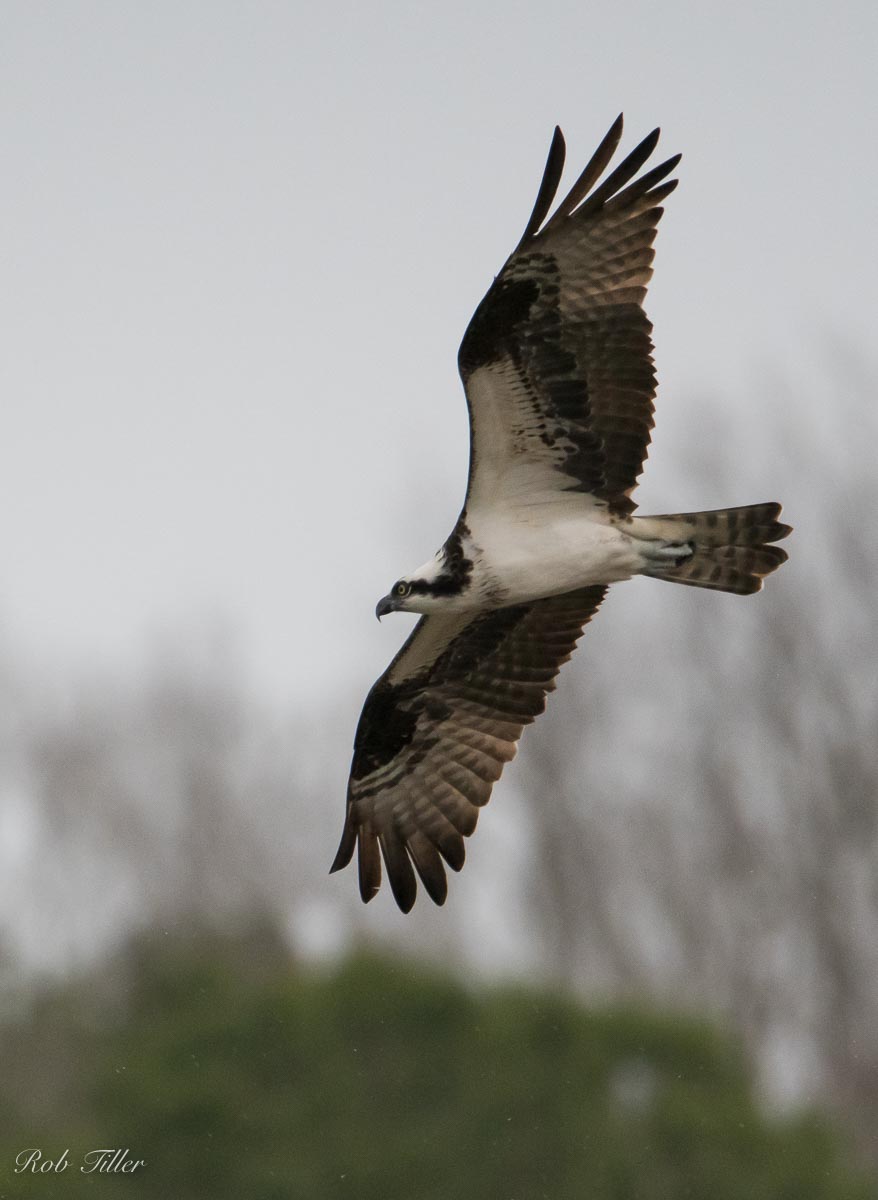
Spring is definitely arriving here in Raleigh, and the birds are singing lustily.  This week at Jordan Lake, I sawsome juvenile bald eagles, osprey, and great blue herons.  At Shelley Lake, I enjoyed my old friends the Canada geese, and there was a towhee who posed nicely for me while singing.

A towhee

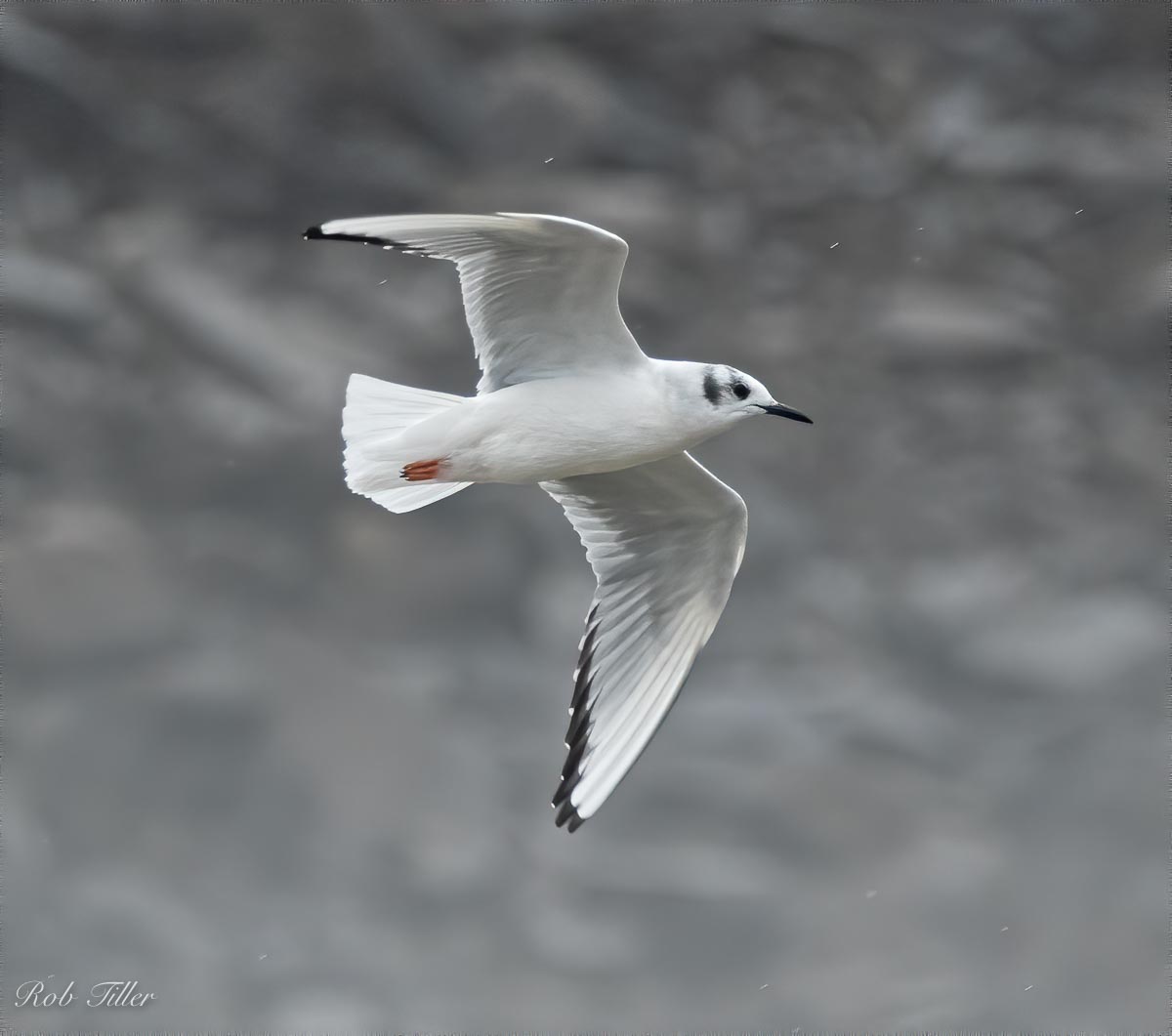
At Jordan Lake, I thought I might have spotted a rarity — a black-headed gull.  After studying my bird books, I posted a picture on the Carolina Bird Photographers Facebook page, and asked for the opinion of any gull experts.  I got a quick response: it was a Bonaparte’s gull, which is not uncommon. I was a little disappointed, but I now have a firmer grasp of what a Bonaparte’s looks like.

A Bonaparte’s gull that looked a lot like a black-headed gull

For the spring migration, I’ve been refreshing on my bird song identification skills, using Peterson recordings and the Audubon app.  I’m able to identify most of our local birds, and I’m getting ready for the less common migrants.

I finished reading The New Jim Crow, by Michelle Alexander, which I highly recommend.  Alexander, a former civil rights attorney and professor, paints a powerful and disturbing picture of mass incarceration in the US, showing that the  war on drugs was to a great extent a war on black people. Seemingly race neutral laws resulted in a huge increase in imprisonment, with most of the prisoners black people convicted of non-violent drug crimes. 

This had a ripple effect through black communities, destroying families and leaving a large percentage of black males unable tp find work and unable to vote. The effect has been comparable to the Jim Crow system for suppressing blacks after abolition, and has sustained our racial caste system using the race neutral terminology of crime.    

An osprey at Jordan Lake

There’s a quick overview of the book in Wikipedia, and she wrote a recent essay in the NY Times that has some of her main points.    though I thought it was well worth reading the whole book.  

Alexander was on The New Yorker Radio Hour podcast recently, and sounded like a really knowledgeable and thoughtful person.  The subject of the podcast was prison abolition. This was the first time I’d heard that there is a prison abolition movement that is connected to the insights of her book.  The basic idea is to address mass incarceration by changing our penal system, including redefining what’s criminal and designing less draconian punishments. This does not sound at all crazy, and I look forward to learning more.  

Juvenile bald eagle

 When Alexander’s book was first published ten years ago, her message that the drug war was a  symptom and expression of a racial caste system seemed radical, but it’s becoming widely accepted.  We’ve made some progress in modifying the worst discriminatory laws of the war on drugs and addressing policing abuses, but much of the system is still in place, and the victims are all around us.  It’s a prime opportunity to exercise our capacity for compassion, expand our political vision, and work for change.

Sally revives her orchids, and the new panic about Bernie and socialism


Sally’s three orchids are blooming!  They lost their flowers at different times last year and looked about as dead as house plants could look.  But she nursed the sad little remnants lovingly and hopefully, and a few weeks ago, they all decided to revive.  Together, as though they had planned it!   

This week the last bud burst into flower, and they spent some time modeling for me.    For each of these images, I made focus stacks with 20 shots, which I then stitched together with Helicon Focus software.

We watched the beginning of the Democratic presidential candidate’s debate on Tuesday, but neither of us could make it to the end.  What a mess! It was disappointing that the moderators didn’t ask questions about our true emergency issues, like the peril of nuclear holocaust and disastrous man-made climate change, and made the candidates look like quarrelsome children when they couldn’t keep order.  

It seemed to me plain the debating contenders were all smart and reasonably honorable people, and for this alone any would be a huge improvement over Trump.  I’m best aligned on policy issues and temperament with Elizabeth Warren, so I’ll be voting for her, but I’m coming to terms with the fact that this is not looking like her moment.

The Democratic establishment seems unhappy and uncomfortable with Bernie Sanders, and I can understand why.  His mannerisms can be grating. More important, he seems serious about shaking up the status quo, which they are part of.  The conventional establishment wisdom has it that as a self-declared democratic socialist, mainstream America won’t vote for him, but I’m not convinced that the socialist label is a serious impediment.  

There’s never been a purely capitalist system in the US.  Government subsidies for business are as American as apple pie.  The free market system has at times brought great material progress, and at times political, social, and economic disaster.  Idealizing capitalism as a perfect system is just silly, as is demonizing socialism.

I just finished rereading Yuval Noah Harari’s Sapiens, which is a brisk and spicey history of humankind.  It begins with the early hominoids of a couple of million years ago, on through the first homo sapiens of 200,000 years ago, to their departure from Africa about 70,000 years ago, and the first agricultural civilizations of 12,000 years ago.  He has a bit to say about a lot of big developments, including the industrial revolution.  

Harari views capitalism (as well as communism and other isms), as equivalent to religions, inasmuch as they’re all shared systems of ideas that are only real insofar as groups of people adopt and share them.  He points out that capitalism has been effective at producing wealth for elites, but it is essentially amoral. In its raw form, its only concern is profit.  

To serve the profit objective, early capitalism developed the African slave trade and imperialism, and the misery and death entailed were of no concern.  Only the looniest devotee of Ayn Rand views this raw form as an ideal. The rest of us think markets will not solve every problem, and that other values, like fairness and compassion, are at least as important as profit.  

A lot of our climate crisis is related to unconstrained capitalism.  The highly subsidized fossil fuel industry accounts for a good part of our greenhouse gas emissions, as well as the disinformation campaign that supports climate change denialism.

It therefore came as a pleasant surprise when Larry Fink, the chairman of Black Rock, recently issued a call to arms regarding climate change.  Fink, who may be the world’s largest investor, issues an annual letter that the captains of industry read carefully and take seriously. This year he focused on sustainability and reducing greenhouse gas emissions.  He presented this as a matter of preserving profitability, which will likely eventually go down if humans destroy more of the natural world. But of course, stopping global warming would have some other benefits, like saving millions and millions of lives.

In the letter, Fink also talked about the importance of “embracing purpose,” which he contrasted with simple concern for short-term profitability.  He seemed to be saying that companies need to do more than make as much money as possible for investors, and should take account of the interests of other stakeholders.  In other words, unalloyed capitalism needs to be alloyed with other values. 

When I was a lad, part of our national religion, along with veneration of capitalism,  was hatred and fear of communism. We were taught it was an evil force that would take over the world, unless we worked tirelessly to stop it.  This fear turned out to be exaggerated, though we wasted many thousands of lives and millions of dollars before we understood that.  

The upside of this sad history:  it’s harder now to get people panicked about considering socialist policy choices.  Bernie’s detractors will try the old time red scare tactics, but they probably won’t work.  Of the possible reasons for opposing Bernie, moral panic about socialism is the weakest.


Skiing at Aspen-Snowmass, and a close encounter with Mikaela

OLYMPUS DIGITAL CAMERA

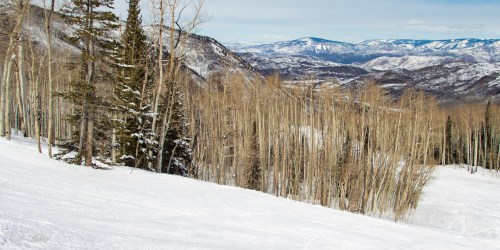
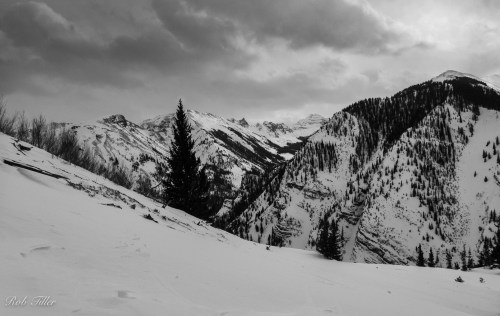
Last week Sally and I did a ski trip to Aspen, Colorado.  We had some fresh snow early in the week, and it was sunny and cold for the rest of the time — excellent ski conditions!  And we had a meaningful encounter with Mikaela Shiffrin, one of the greatest skiers in history, now at the height of her powers.

This year, as usual, we had only five days of skiing, and as usual, the first day was a bit of a question mark.  Would we remember what we learned the previous year? Would we still have the necessary strength and gumption?

OLYMPUS DIGITAL CAMERA

We started out in Snowmass, the largest of the four Aspen areas.  We began by testing the steeper groomers, but soon found ourselves drawn to areas of fresh snow on the ungroomed trails.  By lunchtime, we were fully back in business, carving harder on the steeps, doing bigger bumps, and exploring other demanding terrain.  

At times, skiing is like flying, a powerful sensation of freedom and joy.  At other times, such as working through a deep mogul field, it’s more like working on a complex puzzle.  There’s a brief delight in fitting in a new piece, but no time to relax with a lot of loose pieces left.   

OLYMPUS DIGITAL CAMERA

Skiing a big mountain is an excellent laboratory for learning about  your emotions, and particularly fear. Over the years, we’ve extended our range of competence, and we go for longer stretches without encountering situations that are seriously scary.  But the big mountains are always holding something dramatic that we haven’t seen before. Now and again there’s a moment of “Uh-oh!”  

Managing fear is integral to the sport.  Once you’re up on the mountain, strong emotions can be paralyzing, but one way or another, you need to keep going and get back down.  The mountain helps you learn to calm down enough to think about a particular threat, and consider options given your existing skill set.  It teaches you where to look for some courage. Then you ski.  

OLYMPUS DIGITAL CAMERA

Anyhow, on this trip, we had a lot of blissful stretches, and very few uh oh moments.  We did three days at Snowmass and two days at Aspen Highlands. I rented Nordica Navigator 85s, 172 cm, which exceeded expectations carving on the groomers, and were wonderfully responsive in moguls. They were a bit jittery at higher speeds, and not very forceful in chopped terrain.  But they covered a wide range of conditions well, and I would happily ski them again. My Dalbello Panterra 100 boots did a good job communicating with my ski edges, and also kept my feet warm enough.

We stayed at The Inn at Aspen, which was actually at Buttermilk, rather than Aspen, where most of the restaurants and shops  are. We liked our room, which was roomy and relaxing. The staff was friendly and helpful, and there were regular vans and buses to Aspen and the other areas.  

untitled-4035

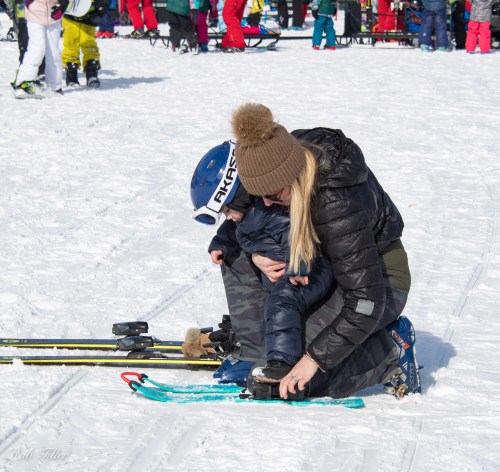
Buttermilk is the most beginner-friendly of the Aspen areas, which probably accounts for the high proportion of families with children staying there.   There were many cute little kids, and a few spoiled brats. A group of obnoxious seven-year-old boys were in the hot tub one day, splashing and shouting, and Sally gave them a serious talking to.  Maybe they, or their parents, learned something.

Aspen has a reputation as a playground for the rich and famous, which seems fair.  At lunch one day at Snowmass, we heard that Justin Bieber had just left the lodge where we were eating a few minutes before.  On one of our lift rides, a local told us about regular visits by Michelle Obama.  untitled-4016

We aren’t big celebrity hounds, but we had one thrilling celebrity encounter:  Mikaela! Now 24 (until next month), she was recently tagged by Sports Illustrated as “the world’s most dominant athlete.”  She was at Aspen Highlands practicing off the Thunderbolt lift, where we watched her do parts of four slalom runs. By the fourth gate, she was flying!  Each turn was a thing of terrifying beauty. She was the first skier ever to give me goose bumps. 

At the bottom of the run, we (with only a couple of other civilians) stood nearby as she got out of her padded spandex and into normal travelling gear.  She had six or seven identical-looking pairs of skis (Atomic Redsters) and an entourage of perhaps eight.  

untitled-4042

Mikaela’s dad, who was about my age, died very recently, and I’m sure it was hard for her.  She seemed pretty serious as a coach gave her some feedback, but she flashed a big smile when she did selfies with a couple of young racers.  We were standing close enough to speak to her, but I couldn’t think of anything to say, except, “I love you!”

Each evening, after hot tubbing, we took the shuttle into Aspen, and ate at one of its many fine restaurants.  We had good success in finding delicious plant- based options at Acquolina (Italian), Mi Chola (Mexican), Jing (Asian), and Campo de Fiori (Italian), and L’Hostaria (Italian).  We especially liked the Pyramid Bistro, a small place on the second floor of a bookstore, which bills itself as the world’s first nutritarian restaurant.

OLYMPUS DIGITAL CAMERA

My concussion, water birds, toxic masculinity, and submitting to Trump

Tundra swans taking off at Pocosin Lakes National Wildlife Refuge. Those are sandhill cranes in the back.

This week I got back from several days of photographing water birds in North Carolina, Maryland, and Delaware.  I still haven’t managed to look at all the thousands of images, but I thought I’d go ahead and share here a few that I liked. 

I’m happy to report that I’m substantially recovered from my concussion of three weeks ago.  I got it on my way to the bathroom in the middle of the night, when I somehow fell and hit my head on the wood floor, briefly losing consciousness.  I stayed in bed for the next couple of days because I couldn’t do much else.  

But gradually the queasiness, dizziness, and lightheadedness receded, and I started getting back to normal life.  Still, the experience shook me up. You just never know when you might get struck by a bolt from the blue.   


I got the images here during two workshops led by Mark Buckler, a master wildlife photographer and gifted teacher.  The first was in the Pocosin Lakes National Wildlife Refuge in eastern N.C., where there were thousands of tundra swans and hundreds of thousands of snow geese, along with many interesting ducks, such as northern shovelers, pintails, and widgeons.  
The second workshop, immediately after the first, was in Cambridge, Maryland, and Rehoboth Beach, Delaware.  There we saw hundreds of gorgeous water birds, including canvasbacks, widgeons, scaup, buffleheads, red heads, long tailed ducks, brants, and loons.  We also saw one red breasted merganser.  
A widgeon at Cambridge, Maryland

At times it was windy and cold, but it was fun watching the birds going about their lives — flying in, eating, socializing, squabbling, and flying out.  They’re all extraordinary creatures, as shown by the fact that they manage to stay alive in challenging environments. Some of them were not shy, and swam close to us.  I felt like they taught me something about connecting to other creatures and their surroundings and accepting life as it is.

Canvasbacks

I met some nice people on the trip, though I was surprised at times how difficult it was to connect.  Especially with guys of a certain age, like me, there’s typically a reluctance to engage. We’ve been conditioned to avoid exposing ourselves emotionally.  Hard to say what we’re afraid of. Maybe it’s just not seeming like a normal guy. So even those of us who care nothing about the Super Bowl will talk about it instead of something we actually care about.

Female canvasback

Peggy Orenstein had an interesting piece recently about masculine ideals in The Atlantic: The Miseducation of the American Boy,  Her thesis seems to be that we socialize males toward an ideal that is ultimately sad and lonely.  We’re taught to be tough and unemotional. We’re not supposed to show vulnerability. And so we wall ourselves off from others, especially other males.  Over time, a lot of us end up isolated and emotionally crippled, and that’s just part of the problem. The masculine ideal for some incorporates misogyny, homophobia, and racism.  

A northern pintail at Mattamuskeet

Of course, there are plenty of males who don’t conform to the broad stereotype.  And Orenstein doesn’t seem to think that toxic masculinity is immutable. People can change.  It’s just hard. I’ve found that mindfulness meditation helps in understanding unhelpful thought patterns and developing better ones.  A useful, free resource is the Insight Timer app, which is here .

A scaup at Cambridge

Anyhow, if you have a child, a friend, or a self that’s a typical male, they can use your compassion.  We need to rethink how we teach our kids and quit pushing boys to be “manly” in a soul-destroying way.  Meanwhile, girls get socialized in different limiting stereotypes, while they’re taught to expect and accept toxic masculinity. Instead, we need to teach our kids and ourselves how to better understand emotions, relax gender stereotypes, and develop empathy and compassion.  

Snow geese taking off from a field at Pocosin Lakes

It’s been a tough few days for liberals — so much so that I was tempted to give up discussing politics, at least for a while.  Seeing a majority of the U.S. Senate publicly and dramatically affirm their support for the obviously corrupt and unconstitutional conduct of our unlikely President was jarring and demoralizing.  It does not inspire confidence in our system, or in our fundamental decency. And that’s putting it mildly. It makes you wonder, how much farther down can we go till we hit bottom?    


While I’m tempted to extend the discussion of the craven shamelessness of the Republican congresspeople, plenty of others have covered that ground.  The question that I’m interested in is, why? What accounts for a mass defection from some of our most fundamental values, like upholding the rule of law and respect for truth?

Part of the answer seems to lie in the cultural strain I was just discussing of toxic masculinity.  The prized characteristics of toughness and emotional disconnection have been fully on display. There’s a tie between bro culture and Trumpism that’s evident in the exaggerated display of virility and the hostility towards those who are different.  

For strong evidence, see a blessedly concise collection  from the vast cesspool of poisonous discharges from the man that Trump just saw fit to award the Presidential Medal of Freedom.  Yes, Rush Limbaugh. A sample: “Feminism was established so unattractive ugly broads could have easy access to the mainstream.”

The Republican legislators are tough all right — so tough that they’ll fight reality itself!  Their anger and hatred of liberals is so strong that it defeats their own respect for truth. Of course, they’re also fearful that they’ll lose their privileged positions if they oppose Trump. 

In a recent op ed piece, James Comey, formerly of the FBI, addressed the question of how principled, decent Republicans can continue to support a President who is thoroughly unprincipled.   He pointed up the power of fear and group think.  He reminded me that that’s how people are — prone to surrender their morality to the group, forgetting that the group is often led by the loudest and worst of us.  

As Comey suggested, all or most of us have had moments when we abdicated responsibility and went along with the group doing something we ended up regretting.  Staying together with our tribe is almost instinctive. But our mothers taught us to try to think for ourselves, and not just go along with the group.  To do what’s right even when it’s scary and difficult.  Sometimes we find the strength and courage to do that.

Anyhow, I liked how Comey managed to replace some of his anger at Trumpist Republicans with an effort at understanding and compassion.  As he said, they’re just people, and their weaknesses are understandable. As I said, people can change, and there’s always some possibility that they’ll change for the better.  If not, we’ve still got some of our framework of democracy, and we can organize and vote.  


Farewell to Sunflower’s, the dastardly Wall project, and The Great Derangement

Snow geese at Bosque del Apache, New Mexico

I was in Raleigh this week, and didn’t take any new photographs of note, but I had quite a few to work through of the more than 5,000 I took in Bosque del Apache, NM.  It sounds like a lot, but they add up fast when you shoot at 9 frames per second. The high frame rate helps in capturing different aspects of the birds in flight, but it also means there are a lot of images to analyze, which takes time and energy.  Anyhow, here are a few more Bosque shots that I liked.

Sandhill cranes

On Friday I went over to Sunflower’s Cafe, which has for a long time been my favorite neighborhood lunch spot, and noticed that the parking lot, which was normally pretty full, was empty.  I peered inside, and saw that the furniture was gone. The place had closed.

Sunflower’s invented several marvelous  vegetarian sandwiches  that they served in a bright, friendly space.  I felt happy and healthy having lunch there. I’ll never forget when I ordered the Portobello Ellen, and the friendly young woman taking my order said, “I’m Ellen.”  Her mom, the proprietor, had invented the sandwich when she was a baby.  But Ellen said that she wasn’t a fan of portobello mushrooms.  

I later learned from the News & Observer that there are plans for a hotel to go where Sunflower’s used to be.  No hotel will give me as much pleasure as Sunflower’s did.

Speaking of construction, I heard further news of The Wall this week.  The Wall has until now been a right-wing fantasy project, with much tough talk and little actual building.  Its alleged purpose is to address a non-existent problem — hordes of invading criminal Latin Americans. Just as the premise is a lie, the solution is bogus — defensive walls have been obsolete since the Middle Ages, and this one won’t stop anyone not in a wheelchair.  

Yet the idea of The Wall does serve a purpose:  whipping up fear of impoverished and desperate Latin Americans.  Sad to say, the idea seems effective in inflaming the folks who go to Trump’s rallies.  

Trump is raiding the military budget to get more money for this sad and absurd boondoggle.   And NPR reported that the project could cost $11 billion — the most expensive wall in the history of the world.  

We could use that money to build more unnecessary weapons of war, or we could just hand out bags of public money to corrupt building contractors.  In fact, almost anything would be better than actually building The Wall. A lot of the debate about the project omits that it will be an environmental disaster.  It will affect an estimated 1,500 species of animals and plants, including some that are endangered.  Species that need to move about in that area to survive will be trapped. 

Part of The Wall project apparently involves ignoring such environmental impacts.  It’s a fair example of our leaders’ mind set — willful ignorance of climate and other looming disasters, and indifference to the lives of both humans and other species.  

Admittedly, it’s not easy to know how to think about climate change — the scale boggles and scrambles the mind.  Amitav Ghosh addressed this problem in his recent book, The Great Derangement: Climate Change and the Unthinkable, which I just finished reading.  

Ghosh, an Indian scholar and writer primarily known as a novelist, points out that the modern novel has largely failed to address the central issue of our time.  He has a lot of interesting things to say about the strange failure of much modern art to grapple with climate change, and also about the relation of imperialism to reckless greenhouse gas emissions. He points out that the most numerous early victims of rising sea levels will be poor people in China, India and less developed countries.  This could, he thinks, partially explain the West’s inaction — some might view the death of millions of Chinese as in the US’s interest.  

Could we really be that despicably callous?  Maybe so. Can we move from there to a mindset of caring and kindness , and of decency and generosity?  That could be the great construction project of our time.


Big birds in New Mexico, what we can do about climate change, and rereading Portnoy’s Complaint

Snow geese at Bosque del Apache

Last week I flew out to New Mexico for a photography workshop at Bosque del Apache National Wildlife Refuge.  I stayed in the Econolodge at Socorro, NM, which was a 25 minute drive from the refuge. My primary objective was to spend time with and photograph the big flocks of sandhill cranes and snow geese that stay there for the winter.  The pictures here are a few of the ones I got.  

At the Econolodge, my room smelled a little strange, but it seemed clean and had the essentials:  towels, toilet paper, and a comfortable bed. The magnetic key cards quit working, so I had to make extra visits to the desk clerk to get remagnetized, but she was friendly.  Also, they had those anti-theft coat hangers, with hooks that won’t come off the rod. It’s a little depressing to think that your innkeeper is worried that a meaningful segment of the clientele is apt to steal coat hangers.

Sandhill cranes getting an early flight


Our group was led by three experienced and supportive pros:  Mark Buckler, Keith Bauer, and Don Toothaker. When we were out in the field, they solved problems and gave tips.  Once the sun was well up, we had classroom sessions at the Bosque (prevailing local pronunciation: Boss-key) visitors’ center.  I picked up a lot of helpful ideas from Mark, Keith, and Don, and also from my fellow shutterbugs.  


In addition to trying for sharp shots of the birds in flight, I experimented with using slow shutter speeds while panning to show some motion in the birds’ wings.  I also used some new-to-me settings to get bird silhouettes at sunrise and sunset.  


I tried to get something of the strange beauty of the place, with distant mountains, desert, and the streams and ponds of Bosque.  There’s a warm, glowing quality to the light there.  

After the workshop ended on Sunday afternoon, I drove a couple of hours north to visit Santa Fe.  I stayed at the Inn of the Governors, a charming hotel right downtown. The decor was affectionately southwestern (mostly Native American themes), and it had various amenities not found at the Econolodge, like a cucumber-flavored drinking water, bathrobes, and ordinary wood coat hangers.  

On Monday I walked around central Santa Fe.  There are many luxury goods shops, art galleries, and restaurants.  I visited the San Miguel Chapel, which claims to be the oldest church in the continental US (begun in 1610).  

A friendly docent told me how the church was partially destroyed when the Pueblo Indians rose up against the Spanish and drove them out in 1680.  As I told her, this was not a chapter of history that got taught in my student days.  

I also went to the Georgia O’Keefe Museum.  O’Keefe spent a fair bit of time in New Mexico and in her later years lived north of Santa Fe.  I’ve never been crazy about her paintings, but I liked her affection for nature and her story: a strong, bold, creative woman.


In the afternoon, I drove north to Nambe, with the idea of learning a little more about Pueblo culture.  Relying on Google navigation, I sped along US-84 through desert landscape, passing by some casinos.  The Navigator directed me off the highway and after several turns, she said I’d arrived in Nambe. It seemed to be just ordinary houses of rural working people.   I guess I learned something.  

Also, the land is mostly brown, with low, scrubby plants.  It looks dry, and it is. New Mexico does not have much water.  It reminded me of parts of Australia. And that reminded me of the horrific fires that have been burning for weeks in Australia.  So far the fatalities to birds, mammals, and reptiles are estimated at more than 1 billion.  


If what’s happening to Australia doesn’t get you thinking about climate change, what will?  Maybe nothing. As Paul Krugman pointed out last week, climate change denialists seem unmoved by this and other massive disasters.    

On a more hopeful note, Emma Marris had an op ed last week titled How to Stop Freaking Out and Tackle Climate Change.    Her basic idea is, quit feeling guilty about needing a car or heating your home and get to work with others on pushing for economic and political change — better laws, regulations, and treaties.  And remember to think about what is still possible: a greener world, with healthier humans and other life regrouping and recovering.  

Mule deer

On my last morning in Santa Fe, either my alarm didn’t go off or I turned it off without actually waking up.  Anyhow, I missed my 6:24 flight by 10 minutes. American declined to give me another ticket, which was disappointing — airlines used to at least try to be helpful.  In any case they didn’t have another flight that day. The only realistic option was a United flight out of Albuquerque through Chicago that afternoon.  

It was a little painful to have to shell out for another plane ticket and an Uber ride to Albuquerque, but I enjoyed talking to my driver.  He’d grown up in Kathmandu, Nepal, and thought I should definitely visit there. He told me about hiking in the Himalayas, doing a safari in Chitwan National Park (Bengal tigers!), and the happiest people on earth.  And hotels and food are cheap! I’m putting it on the list.

Snow geese with blackbirds

On the trip back to Raleigh I started re-reading Portnoy’s Complaint.  The novel is in the form of a monologue therapy session of a youngish man about growing up in a very Jewish, middle class family in Newark, New Jersey.  When it came out in 1969, the book was considered quite scandalous for its episodes on masturbation and other bodily functions.  

From my reading of some forty years ago, I remembered it as very funny and outrageous.  On re-reading, I still enjoyed the sex scenes, and still found the deep shame both sad and cringingly hilarious.  But this time I was more struck by Roth’s insight into the complexities of family love.  

Roth’s Alex Portnoy is a hyper-verbal, self-obsessed jerk, but he slowly recognizes that the family he finds so limited and embarrassing is part of him, and profoundly loving.  The book is far from fully enlightened in matters of race and gender. But it does what great novels do: reveal human truths that can’t be reached any other way.

Snow geese taking off at sunrise