The Casual Blog

Category: Uncategorized

Some good changes — a new house, and new ways of thinking about animals

For quite a while, I’ve wanted to organize and share some of my favorite photographs.  Finally, it has happened:  my son, Gabe Tiller, built a website for me, and it’s now live.  Along with nature photography, it has links to my Instagram, YouTube, and Casual Blog communications, and information on buying prints.  If you’re interested in having a look, the address is robtillerphotography.com.  

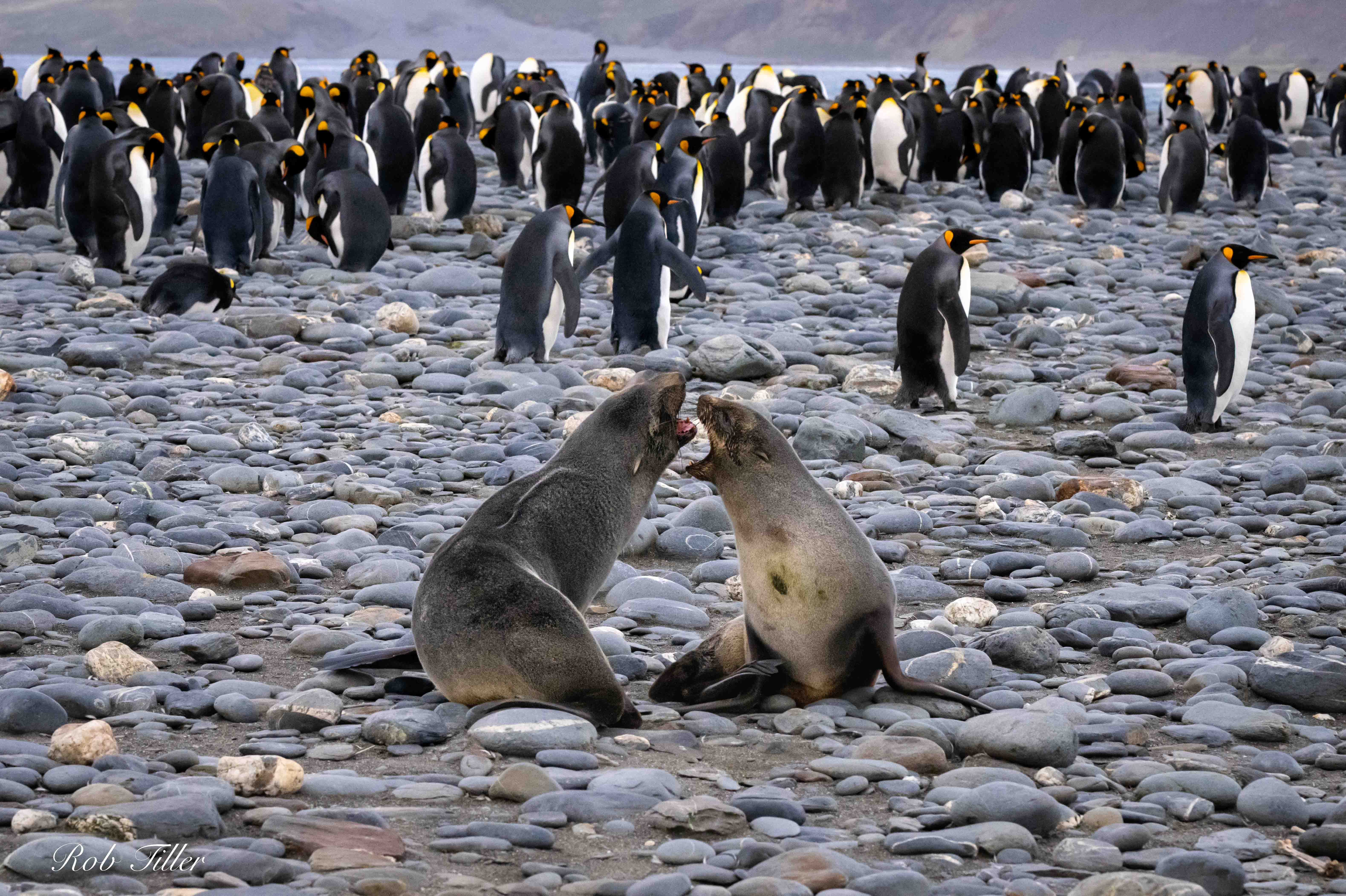
In other news, last week we moved from our twelfth floor condo downtown (see view above) to a ranch house in north Raleigh.  We’d been in the condo for fourteen years, and were mostly happy there, but ready for a change.  The new place is closer to our sweet baby granddaughter, and convenient to other things we like to do.  We’ve got more space inside and out.  We’re particularly excited to have big trees all around, with lots of songbirds, and deer that come by to munch the grass in the backyard.

Of course, moving is a pain.  It took me two days of opening and sorting through boxes to find the book I’d been reading with enthusiasm – Justice for Animals, by Martha Nussbaum.  Nussbaum takes on a difficult subject that I’ve thought a lot about – how humans can better relate to other animals.  The way we do it now mostly ranges from indifference to unspeakable cruelty.  It’s a big step to start seeing non-human animals as beings worthy of respect and concern, but after that, there are still many uncertainties as to how to think about and change our longstanding practices.

Nussbaum is an eminent university philosopher, but fortunately, her book is intended for a wider audience.  Her central idea is what she calls the Capabilities Approach, which proposes that we treat all animals (including humans) so as to enable them to flourish.  This means understanding a creature’s inherent capacities, such as their perceptual abilities, and striving to allow them to have opportunities to do the things that are important to them, like eating food they like and socializing.

Under Nussbaum’s approach, it is clearly wrong to cause animals to suffer, whether in factory farms, laboratories, or neglectful homes.  She offers a helpful way of thinking about how to correct some of our worst practices.  At the same time, she reminds us of the awe and wonder of the natural world.  If that sounds interesting, you might enjoy her book.
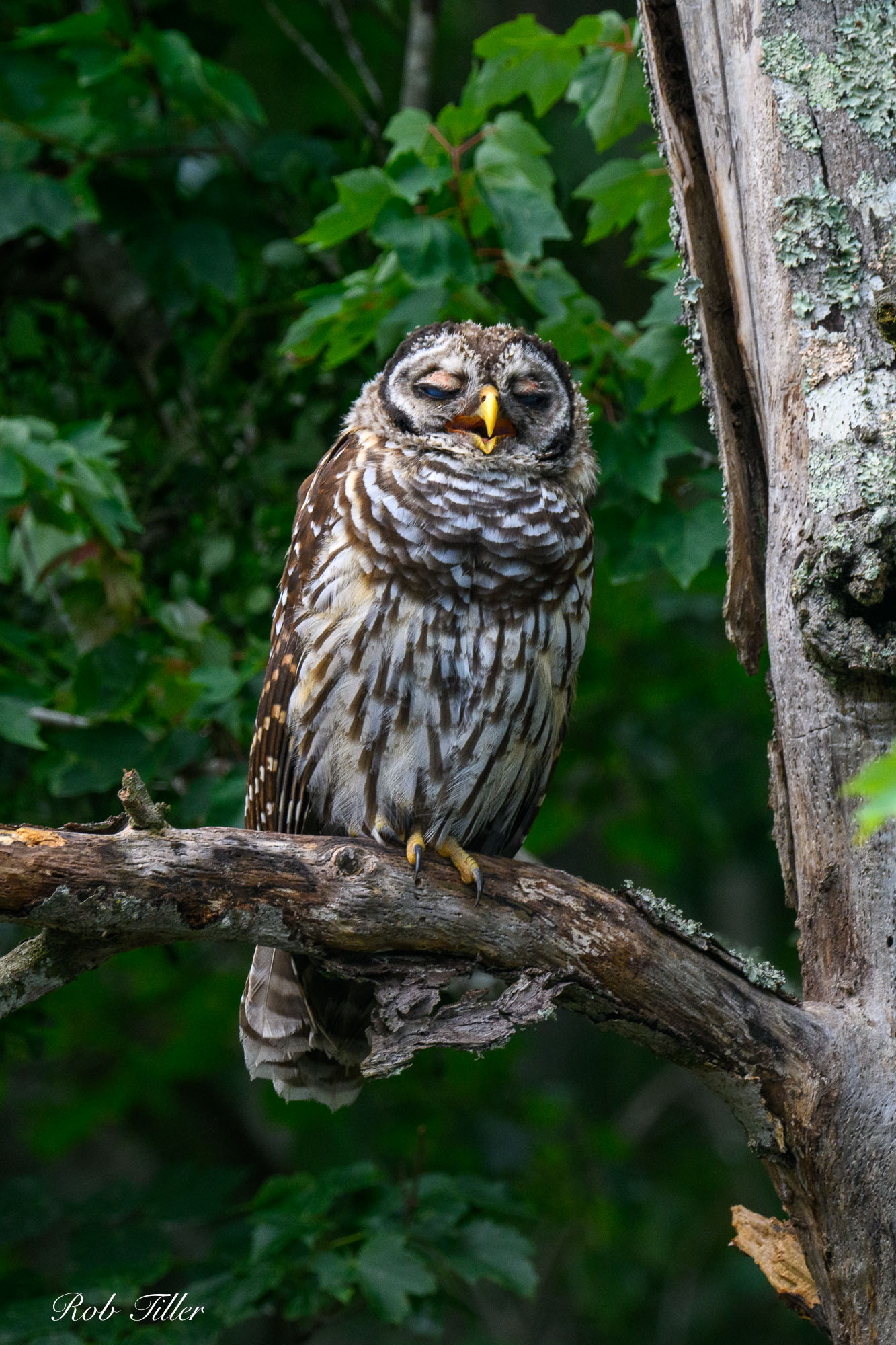
Speaking again of photography and nature, I wanted to flag a fine short essay  by Lewis Hyde from last week in the New York Times.  His subject is nature viewed through the prism of his lifelong passion for butterflies.  He explains that carrying a butterfly net, even though he no longer kills the insects, leads to a more intense quality of attention.  I suspect that this is much the same as carrying a camera into the field for nature photography.   

Hyde observes,

But the pleasure of hunting derives from something more subtle than the congruence of image and fact. By virtue of looking for butterflies, you are differently aware of everything that is not butterfly. Once the eyes adjust, many wonders are illuminated by the halo of your search image. To see that there are no butterflies on the bark of a tree, you must see the bark of the tree and, by a curious inversion, the thing not hunted suddenly is freshly revealed. The search image is wholly mental, after all, and all that fails to match it is strikingly not. There it is, the bark of a tree! Vividly it is not in the mind. Often I find myself staring in a seizure of wonder at some simple thing — a disc of moss on the path, a column of ants in a crack of dried mud, deer scat in sunlight — that I would never have seen so clearly or with such surprise if I were not hunting for something that is not those things and is not there.

I’ve had much the same experience in the field doing nature photography.  As much as I enjoy finding animals and trying to make  good photographs, a big part of my enjoyment is something that is unphotographable – perceiving and appreciating the larger natural world. 
Bears, bees, Renkl, and Bach

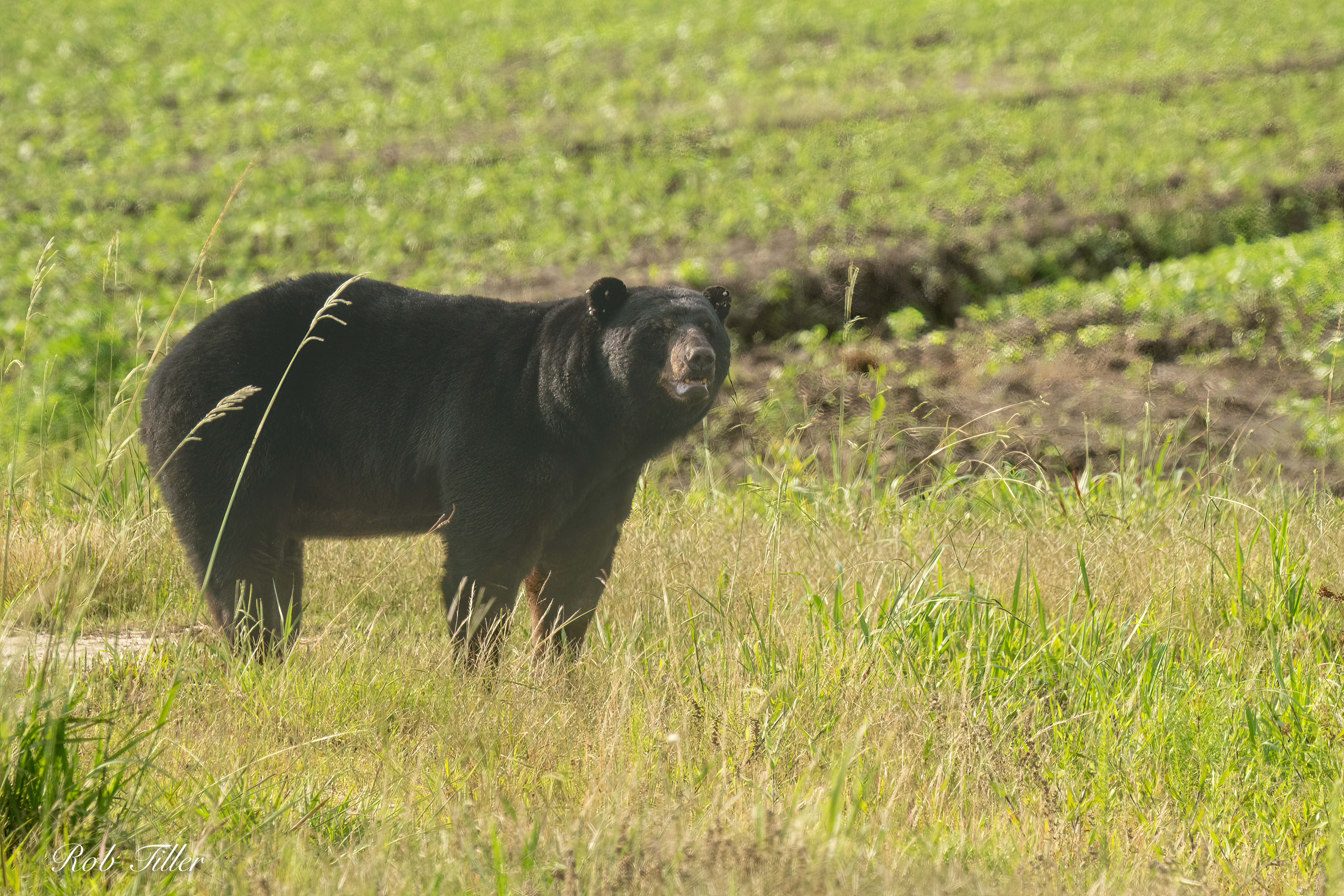
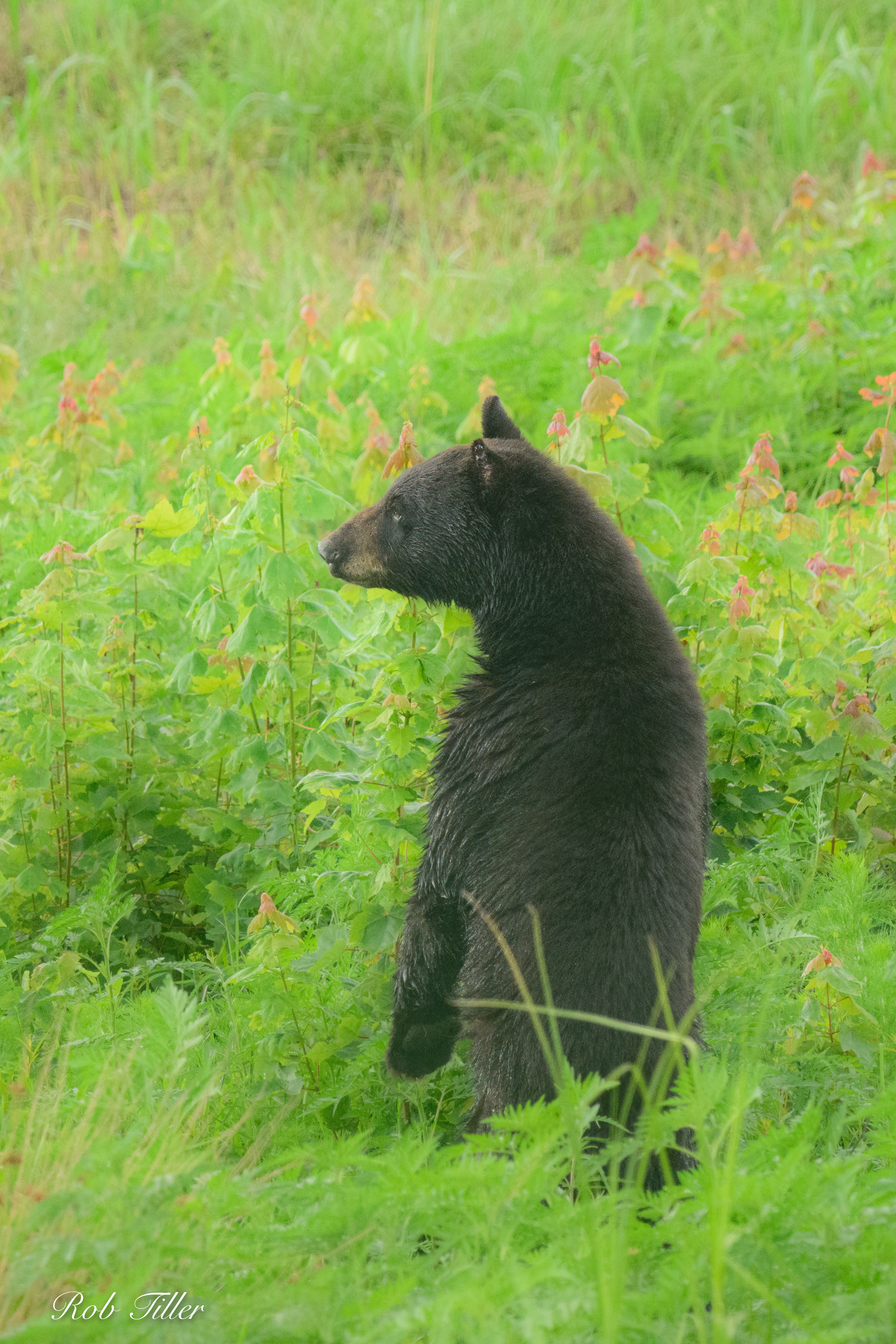
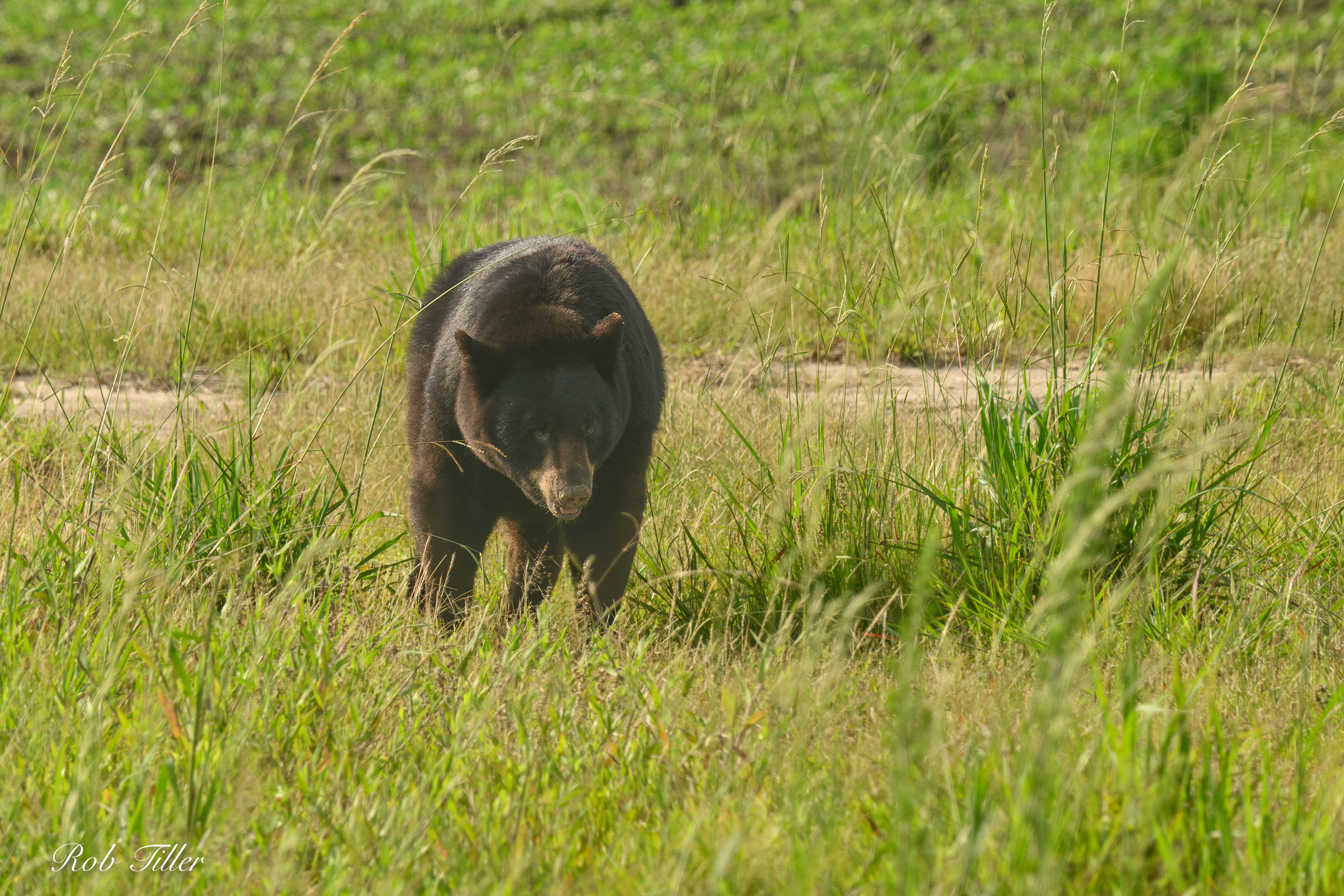
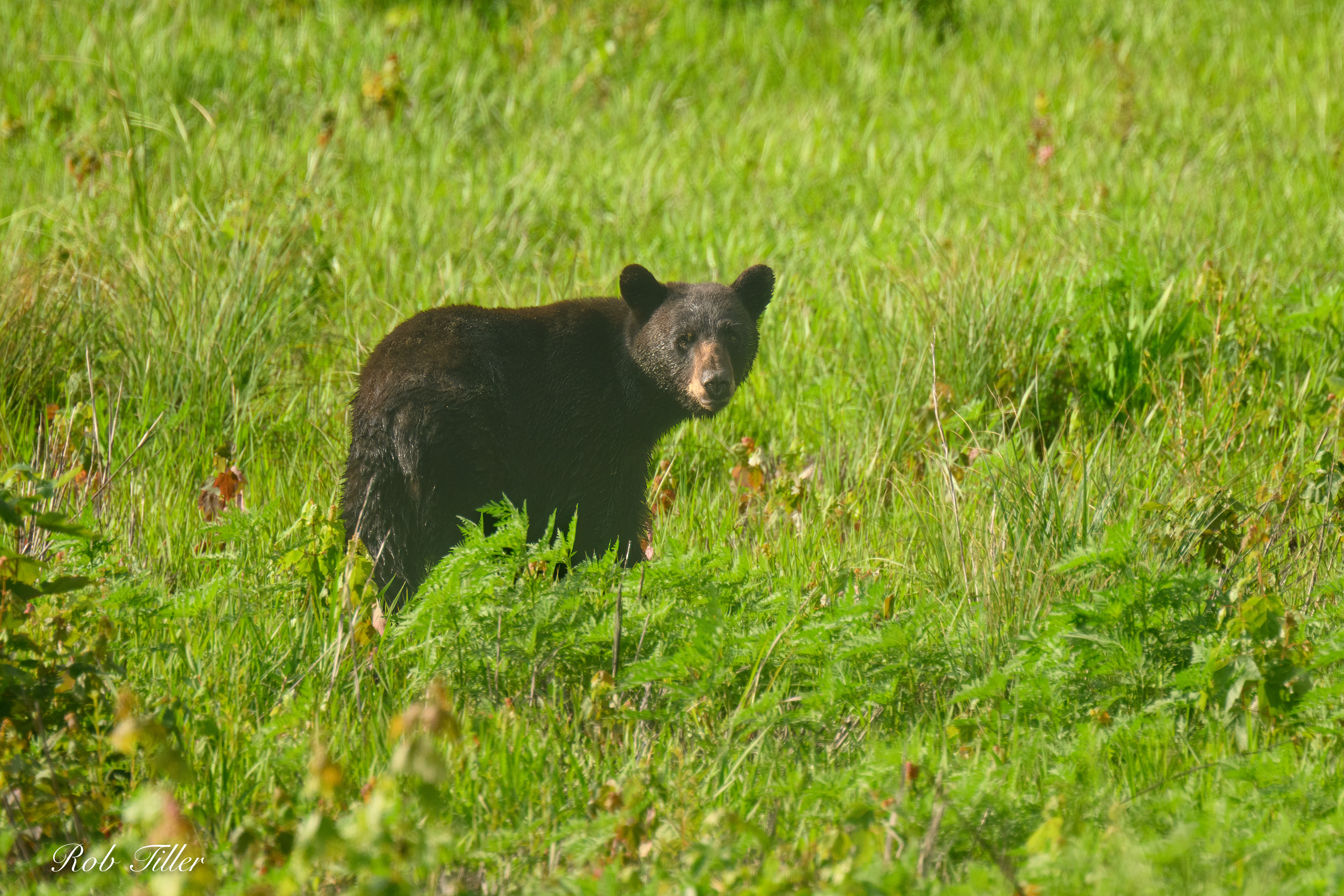
Last weekend I went to eastern North Carolina to look at the natural world there, and especially the black bears.  The Alligator River National Wildlife Refuge and Pungo Lake have a lot of resident bears, but earlier in the spring, I had a hard time finding them.  

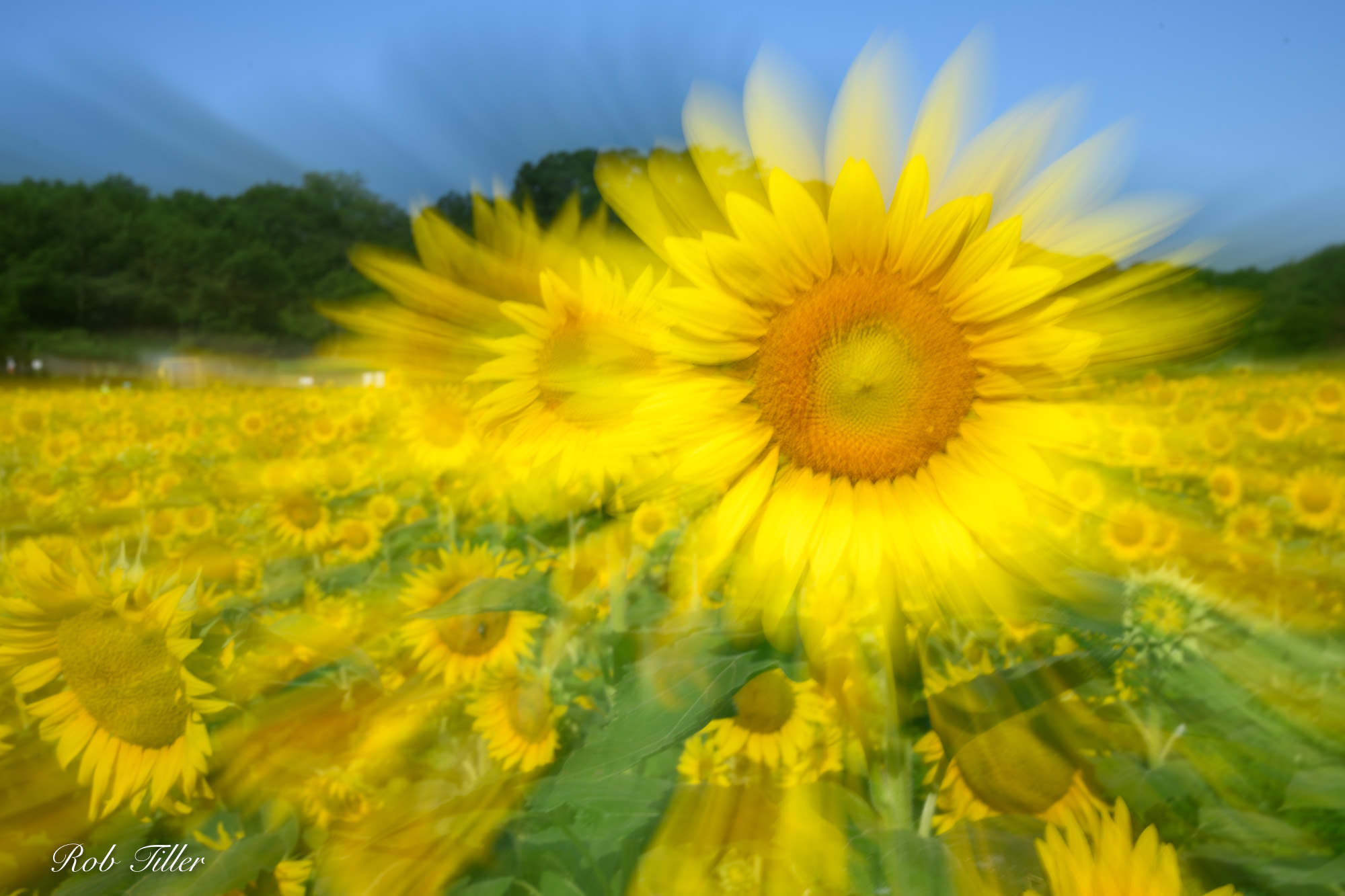
This time, though, I found several.  The photos here are from that trip. I’m also sharing a few photos I made of the terrain using intentional camera movement, or ICM.  It’s a new technique for me, and I’m finding it expressive and fun.

I like bears for a lot of reasons.  First of all, they’re big and strong.  They’re rugged and resourceful.  They have hearing that is several times as acute as human’s, and a sense of smell thousands of times better.  

Usually when I see them, they are calmly eating, resting, or walking. It’s exciting to see them, but also relaxing in a way.  They live in the moment, and take me into the moment.  

They get a bad rap, though. Many people think of them as inherently menacing and dangerous.  Bear attacks on humans are very rare, and those rare attacks usually involve a human making the bear feel threatened for itself or its cubs.  A lot of our fears are exaggerated.

That said, it’s wise to treat bears with a lot of caution.  I’m continuing to study their habits, including body language and noises, to anticipate when they might be unhappy and to keep in mind what to do in case of a rare attack.    

For example, on this last trip I watched a couple of young bears amble through a field and into the woods fairly close to me, but on the other side of a canal.  In the woods, I heard what sounded like scratching on trees and belches.  I got a little closer, and heard a loud snorting sound that I wasn’t familiar with.  I thought it could be a warning, so I went on my way.  

As I bumped along the sandy road looking for wildlife, I noticed some wildlife that seemed to be interested in me – insects.  When there are a lot of bugs, I usually keep the windows closed.  But since I wanted to listen for birds and other creatures, I decided to risk opening them, and sure enough, the bugs buzzed in.  Most were bees, which I was glad to see in a way, since they are not doing so well as a species.  Once they explored the car, they flew out again, and I got no stings or bites.  I realized I’d been carrying around some unjustified anti-bug prejudice.

More and more, I find reading a lot of the news is not conducive to my mental good health.  Much of ordinary journalism seeks to attract attention with the unusual and alarming, and often leaves me feeling unsettled and unhappy.  Happily, there are exceptions, and the wonderful Margaret Renkl is one.  She writes a regular column in the New York Times about, among other things, the flora and fauna in her backyard.

Renkl’s column this week was particularly fine.  She focused on the joy of watching young animals as they enjoy their lives.  In concluding, she wrote,

I’m not anthropomorphizing here. To understand that we all exist in a magnificent, fragile body, beautiful and vulnerable at once, is not to ascribe human feelings to nonhuman animals. It is only to recognize kinship. We belong here, possum and person alike, robin and wren and rabbit, lizard and mole and armadillo. We all belong here, and what we share as mortal beings is often more than we want to let ourselves understand. We all have overlapping scars.

I think the ever-present threat my wild neighbors live with must tell us something about the nature of joy. The fallen world — peopled by predators and disease and the relentlessness of time, shot through with every kind of suffering — is not the only world. We also dwell in Eden, and every morning the world is trying to renew itself again. Why should we not glory in it, too?

In addition to the joy of being in nature, I’ve been enjoying being in my Subaru Forester Wilderness, which I’ve named Goldie.  This is good, because these trips involve a lot of driving.  I’ve been listening to audio books, and have recently found some that are engaging.  I’ll mention just one:  Bach and the High Renaissance, by Robert Greenberg.

Greenberg’s work is part of the Great Courses, which are college-level lectures on various subjects.  I get them through a subscription to Audible, which keeps the otherwise high cost manageable.  I’m about two-thirds through Greenberg’s Bach course, and it is exceptionally good.

The music of J.S. Bach (1685-1750) has been a treasured part of my life since I was a young fellow, and I’ve explored it both as a pianist and a listener.  But Greenberg has helped me understand it in much greater depth.  His lectures include interesting biographical facts, but the real meat of them is explaining what Bach was trying to do, and how he went about doing it.

For example, Greenberg views Bach in part as a brilliant synthesizer of various national styles, including Italian, French, and German.  He highlights Bach’s own study of the music of others, including both contemporaries and prior generations.  He also shows how Bach’s innovations influenced music into the nineteenth century.

Greenberg’s lectures are lively and leavened with humor.  He shares recordings of some of this great music, and explains what is happening, and why it works.  I found some of the recordings not so great in sound quality and interpretation, but in a way they illustrate the point that this music is practically indestructible.  

Anyhow, I know that Bach and classical music are not everyone’s cup of tea.  But for anyone with some interest, Greenberg is an excellent point of entry.  I wish I’d had it when I was getting started – it would have made my appreciation of this great music even greater.  

Some rewards from encounters with bears and birds

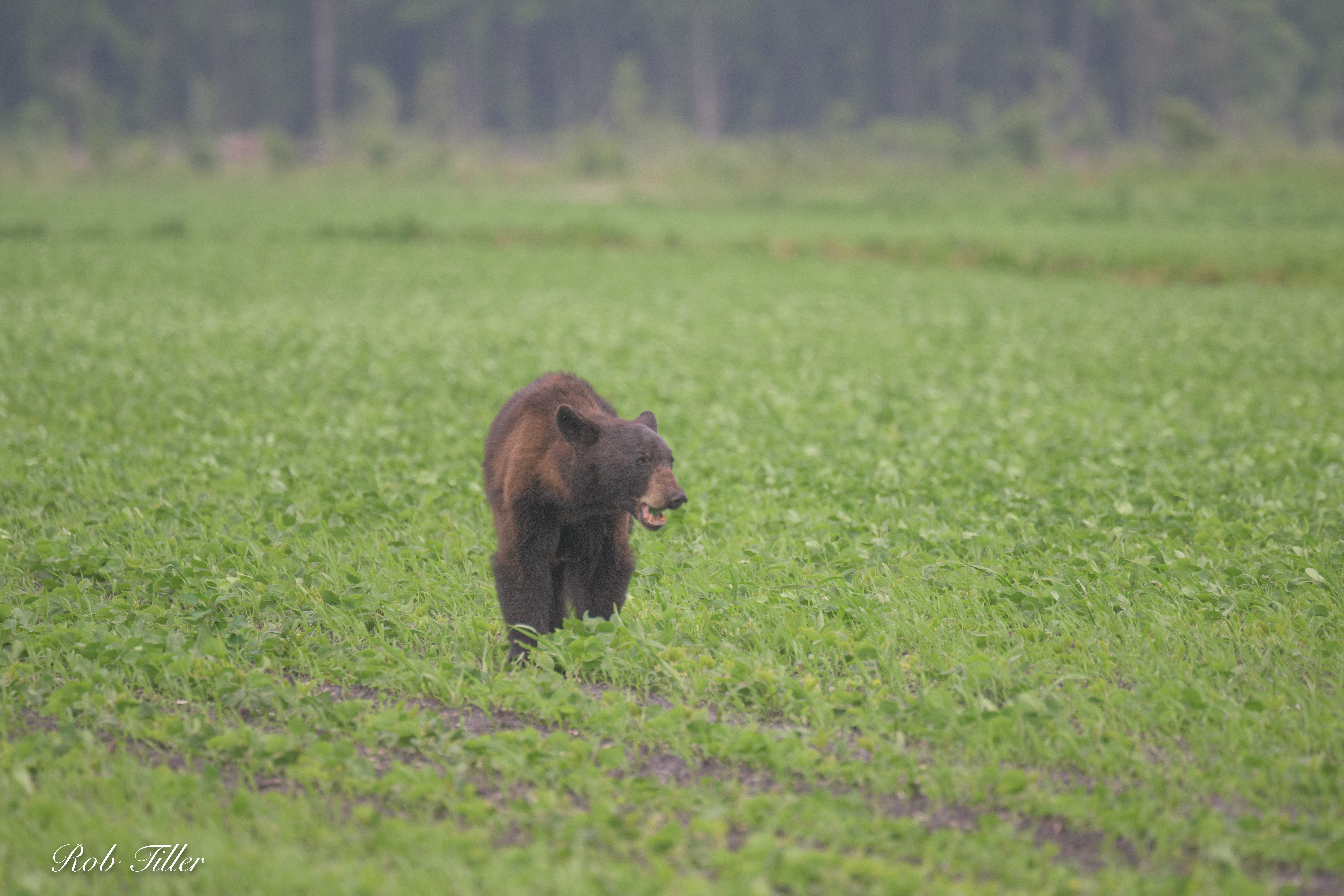
Last week I made a day trip to Alligator River Wildlife Refuge to look for bears.  Although this part of eastern North Carolina has a large population of black bears, I didn’t have great luck that day.  I saw just one.

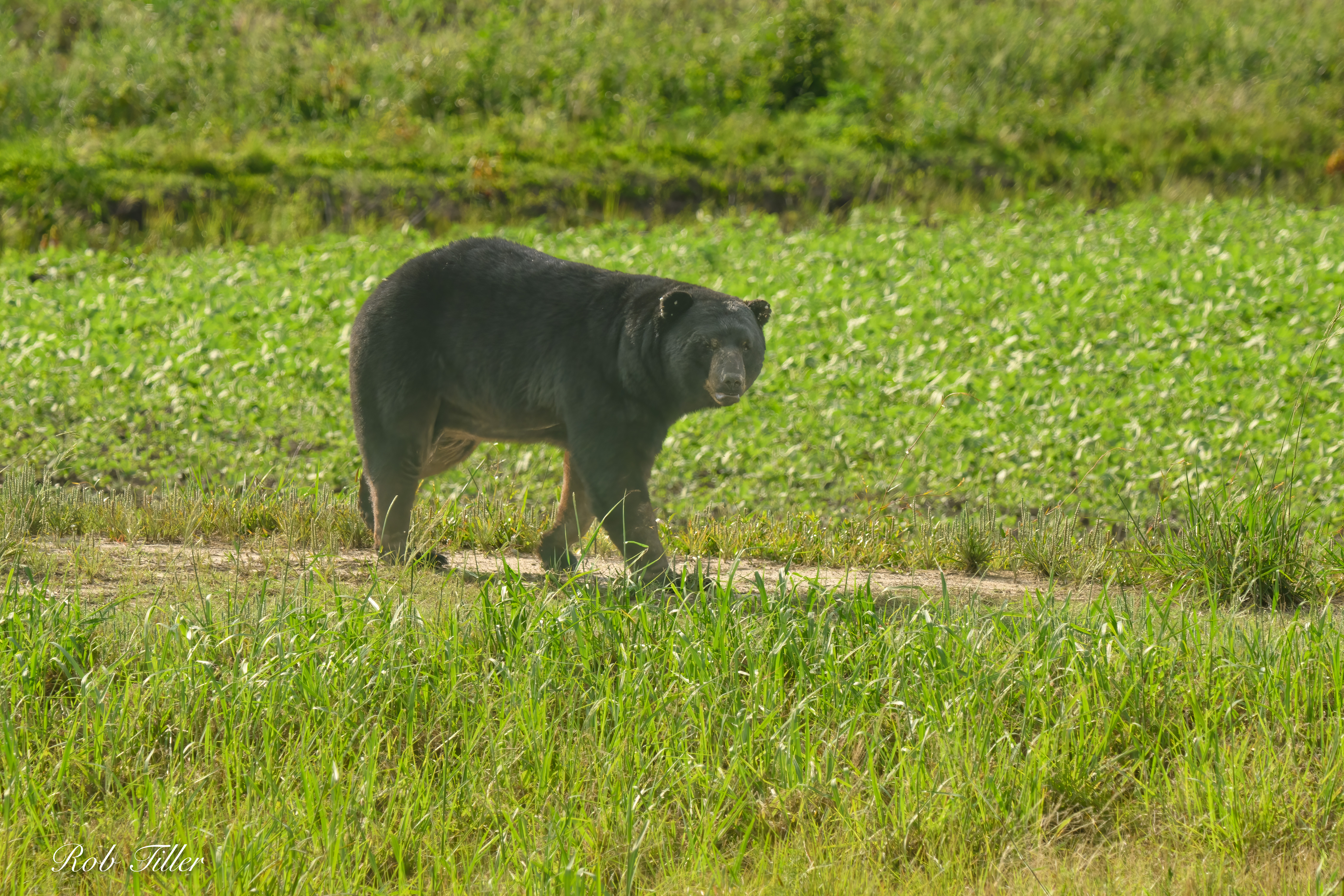
But the bear was a handsome creature, grazing peacefully in a large field.  I was the only human there, and although she occasionally glanced at me, she seemed undisturbed.  She seemed to find the young leaves tasty.  I took pictures for twenty minutes or so, and then left her to look around for others, which I didn’t find.

Later, as I looked back over the pictures, I realized that I enjoyed the experience of being with the bear more than taking the pictures.  It takes practice to operate a sophisticated camera, and from time to time there are malfunctions or other surprises.  And I do find the technical challenges of wildlife photography interesting.  But the deeper satisfaction is connecting with animals and their environment.  

When I share pictures here or on Facebook, Instagram, or YouTube, I hope that something of that feeling comes through.  I try to select and process wildlife images in a way that communicates something of their experience and of mine.  Doing so often teaches me things I hadn’t realized before, by isolating a particular moment.  It also makes me more curious to learn more about the creatures.

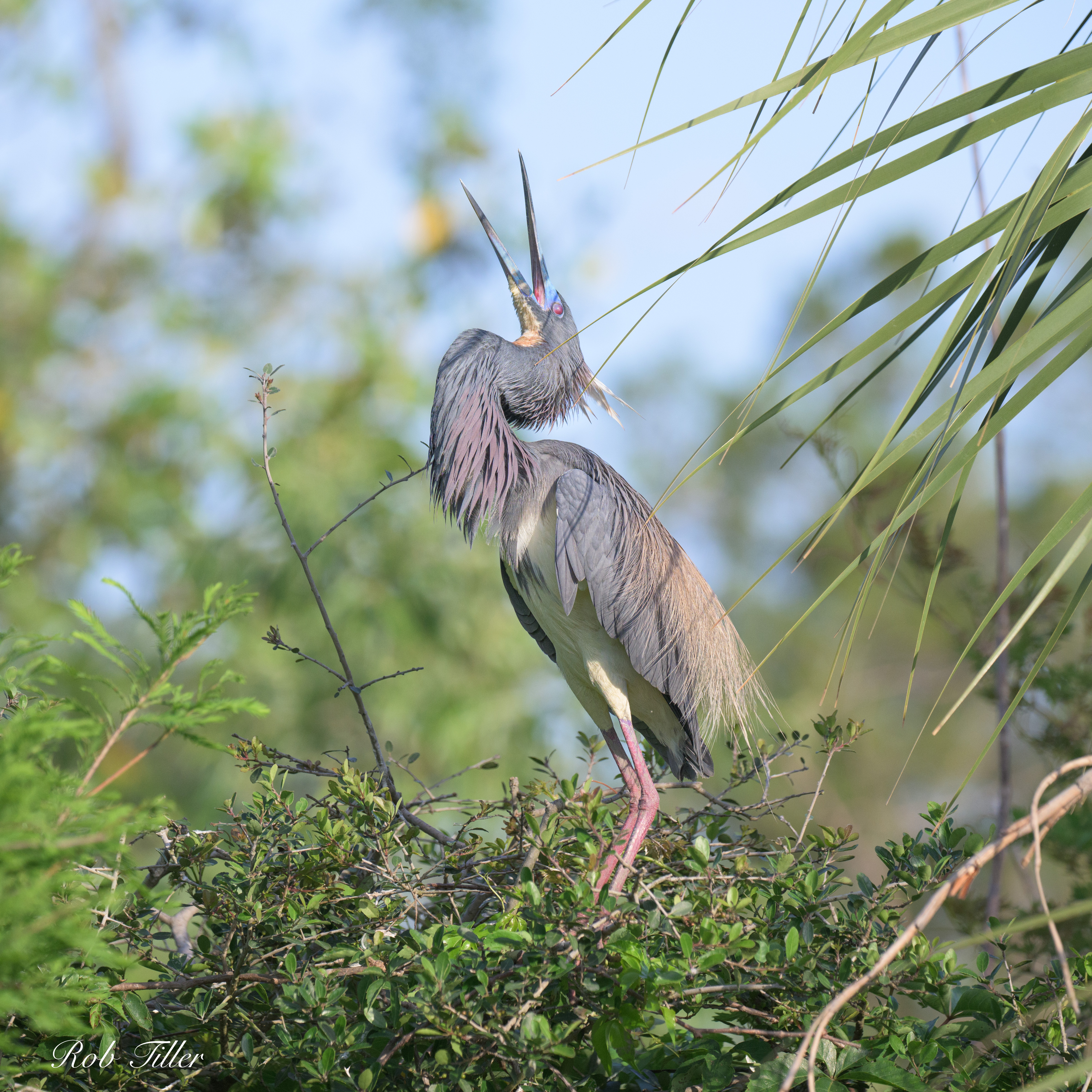
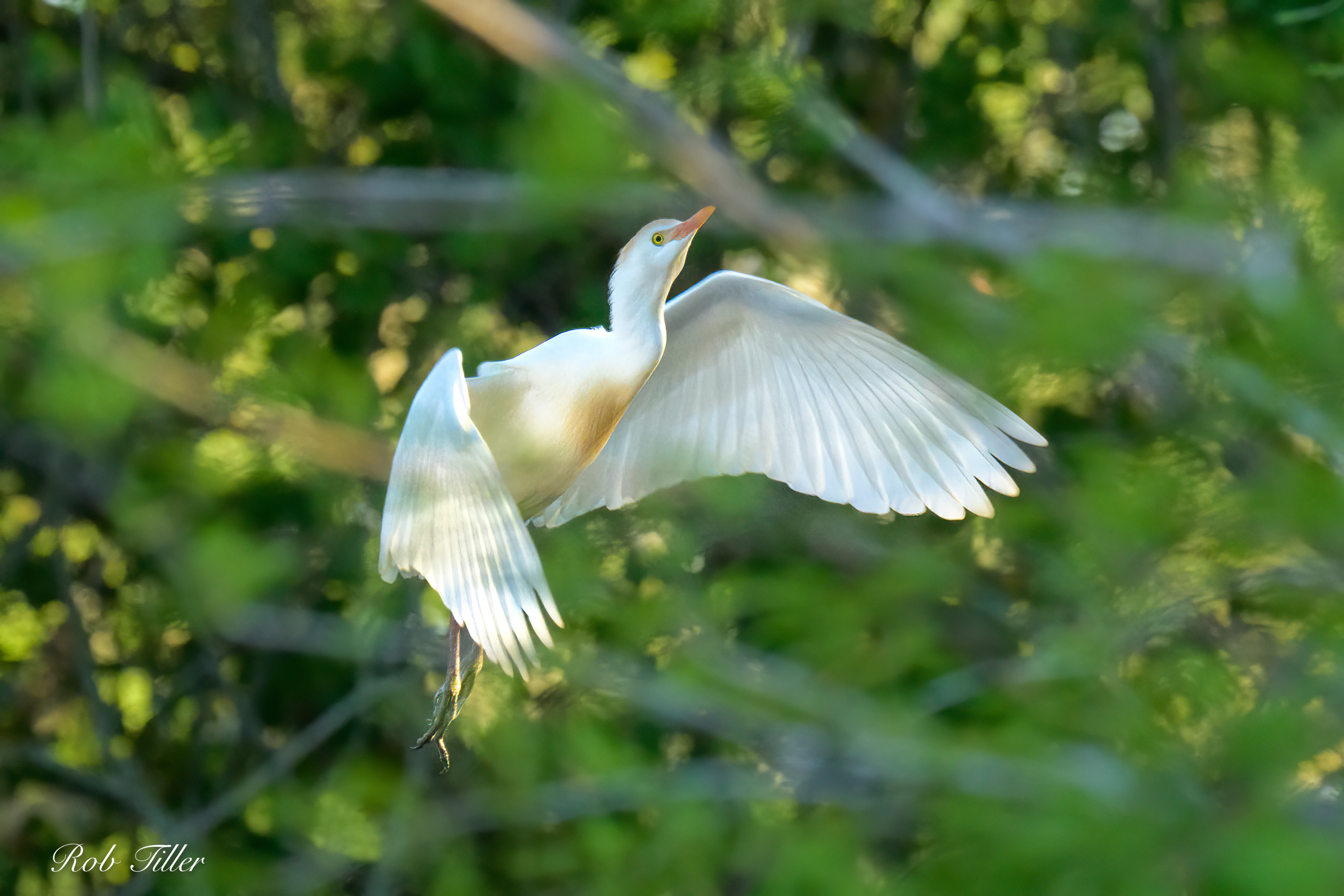
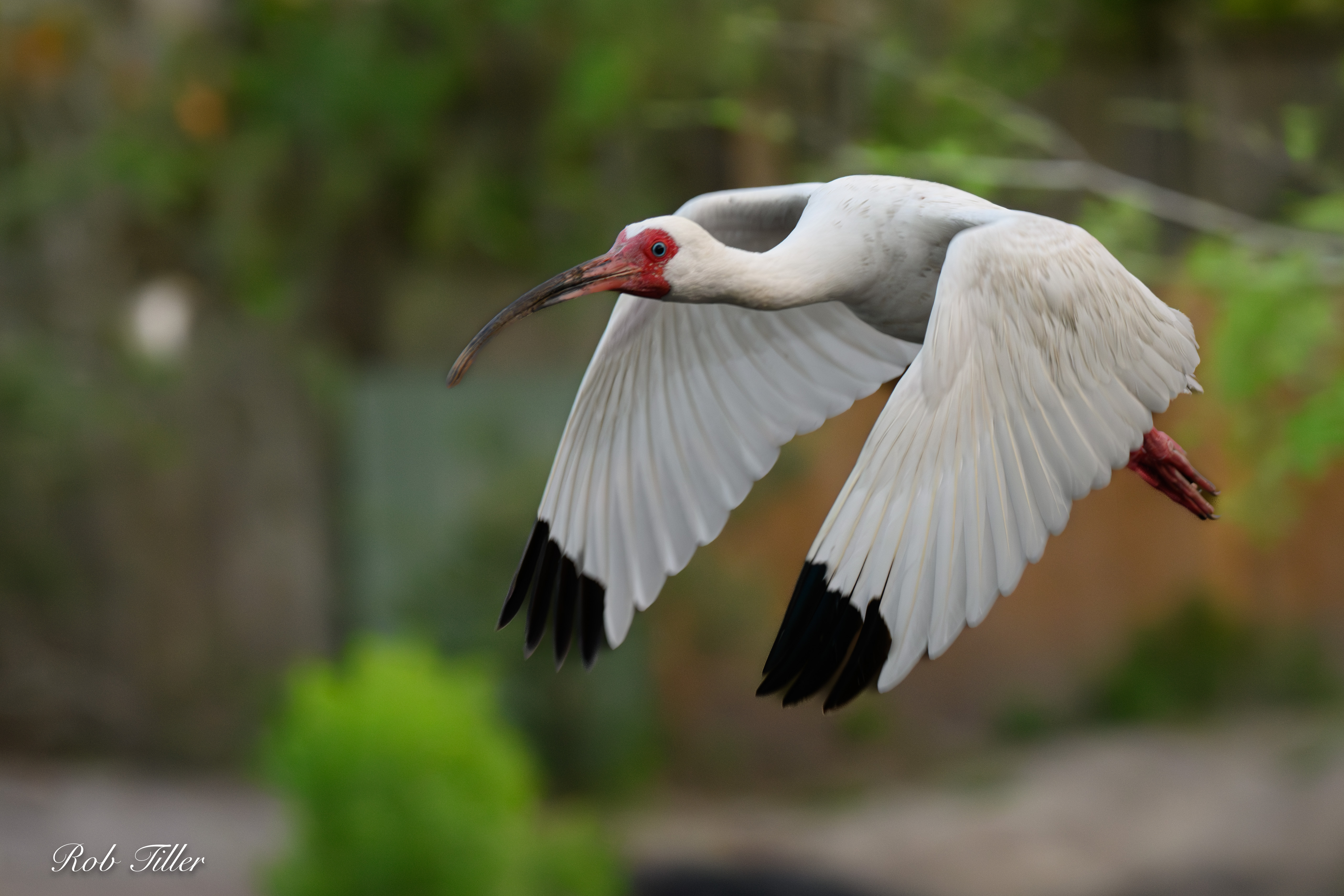
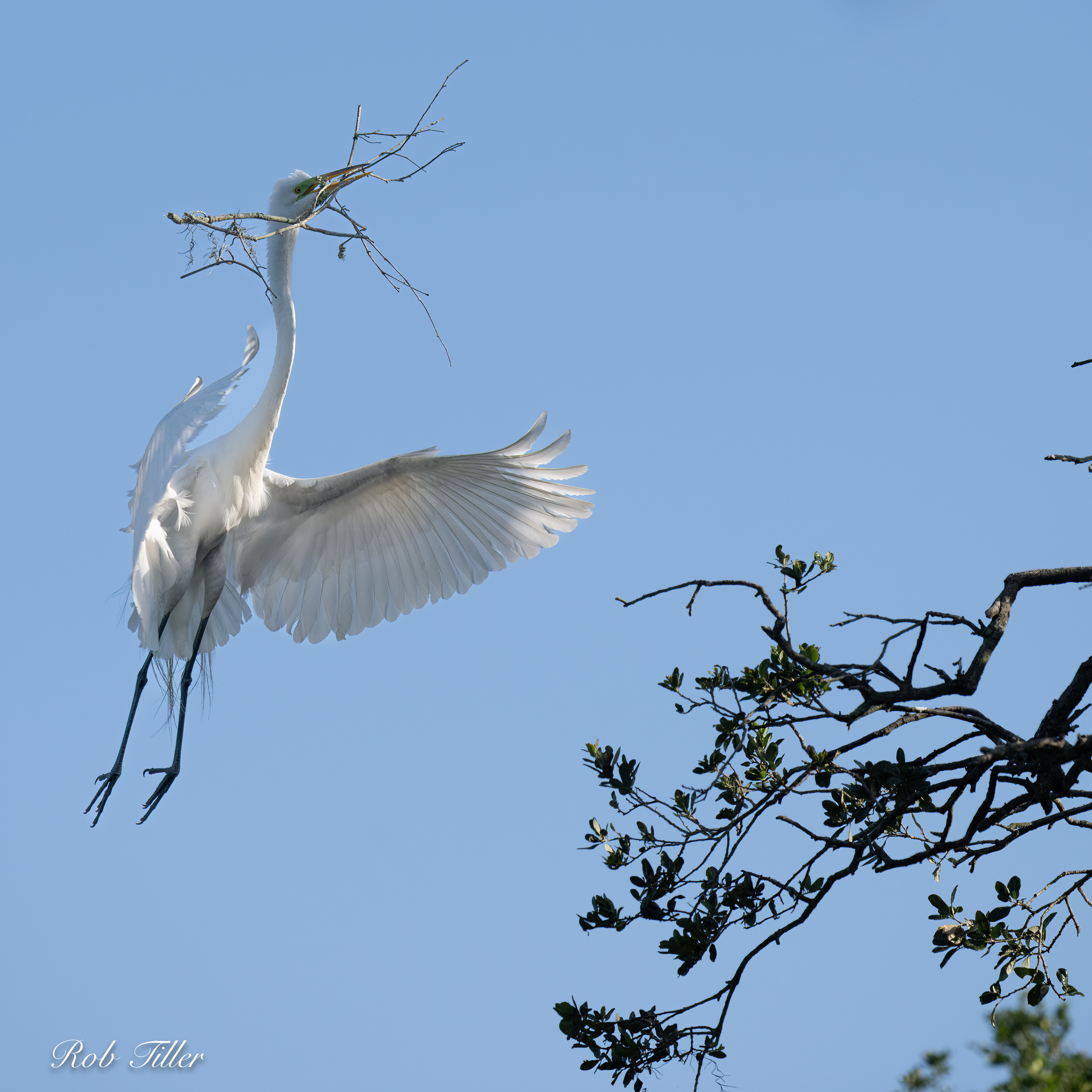
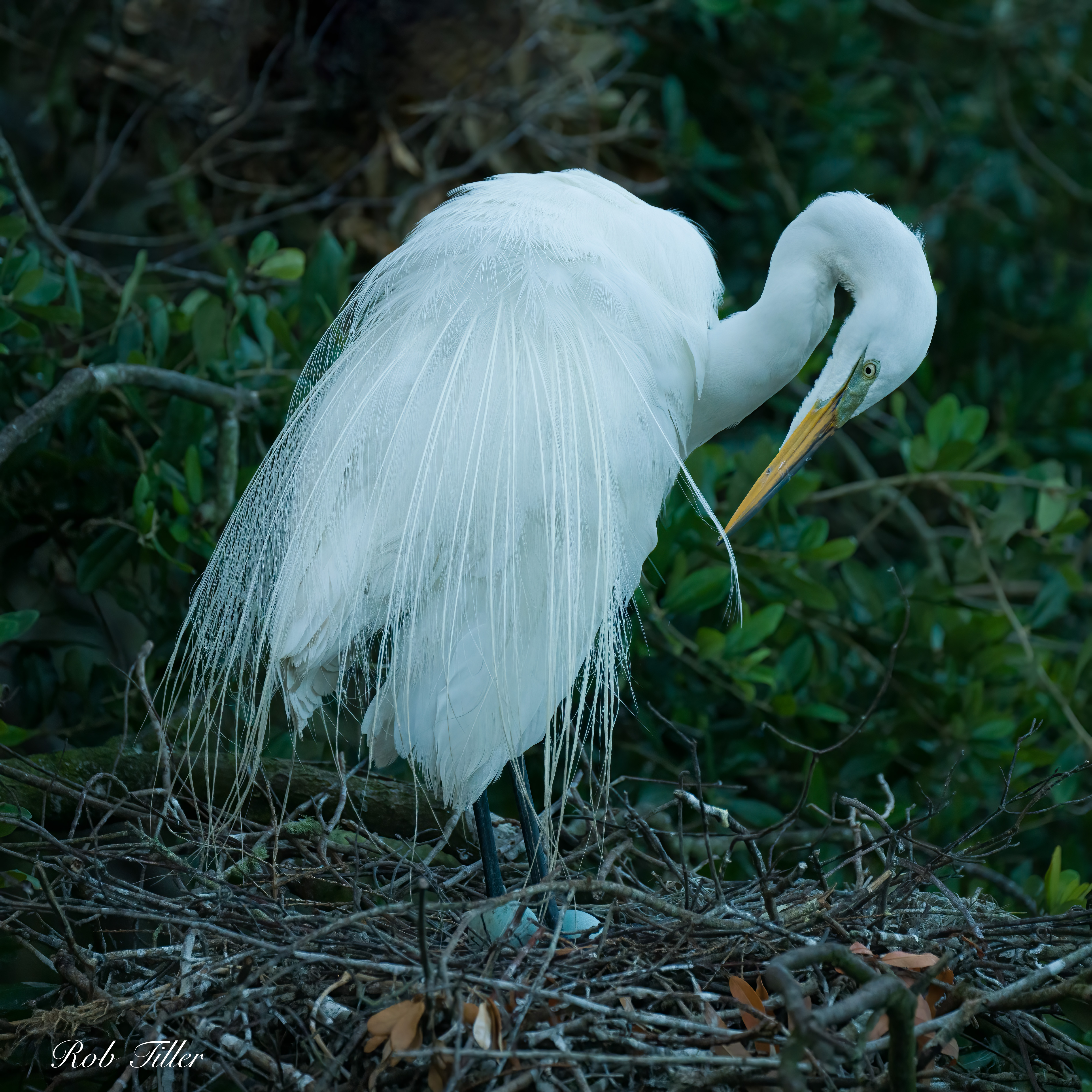
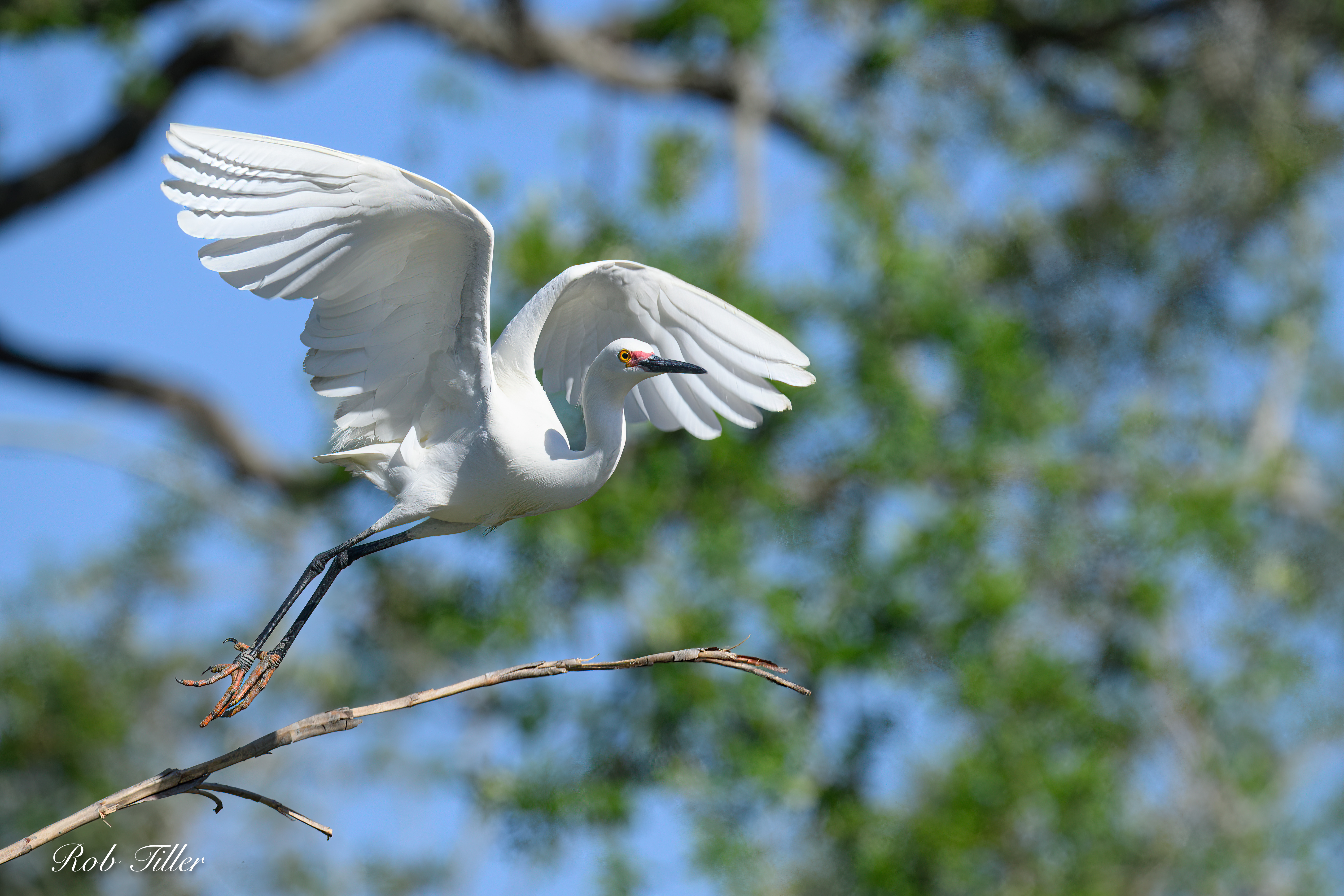
The non-bear pictures here are some of the birds I photographed in April at the St. Augustine Alligator Farm rookery.  I enjoyed seeing the birds in flight, but I was particularly interested in the birds working on their nests, grooming themselves, communing with their mates, and taking care of their chicks.  

These activities happen among many species in many places, but humans don’t usually get a close-up view.  Many of us don’t know what we’re missing, and it can matter.  

If we have little or no contact with non-human animals, we are unlikely to appreciate their beauty and even their basic existence.  Unless we make some effort, our world view narrows, and we think there isn’t much in the world of significance other than other humans and their activities. 

Wearing such blinders is unfortunate for us; we miss so much that can bring peace and joy.  It’s even more unfortunate for the non-humans.  Our ignorance of the lives of other creatures leads us to devalue those lives, and inflate our own significance.  When we think nothing matters but us, our worst tendencies, like greed, hatred, and fear, rein unchecked.

And so we commit or tolerate massive destruction of the natural world, including animal habitats, in the interest of profit for a few.  We can’t see the good alternatives to factory farming, which is a major contributor to global warming.  We manage not to think about the meat industry, with its enormous cruelty to animals.  

But this common mind set is not set in stone.  We already have the qualities that can change it.  That is, we have the capacity for greater curiosity and compassion.  Even those of us most indifferent to or fearful of nature have the capacity for empathy and love.  People change, and you can never tell what might touch them, or when.  And so I try to stay open and optimistic.  

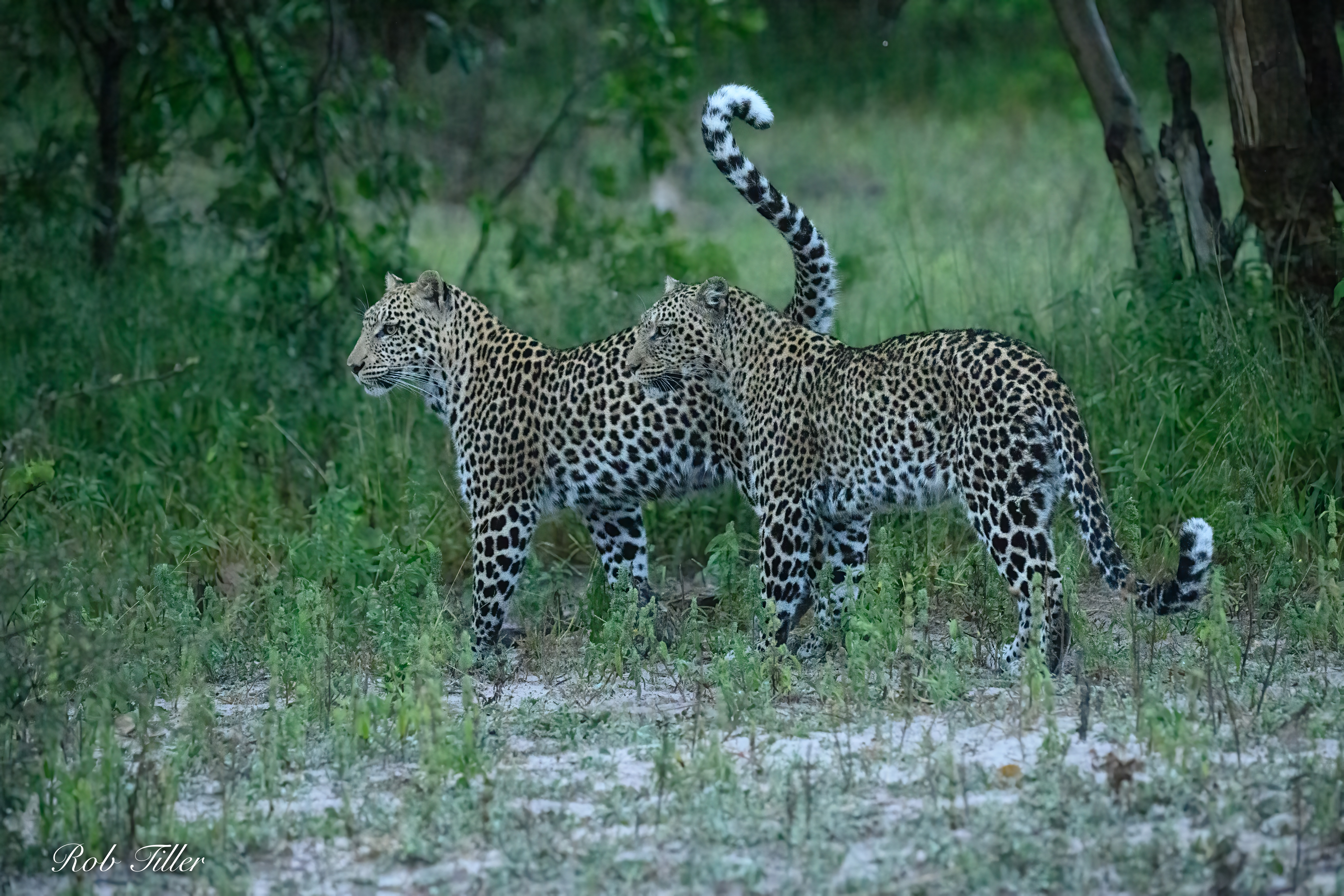
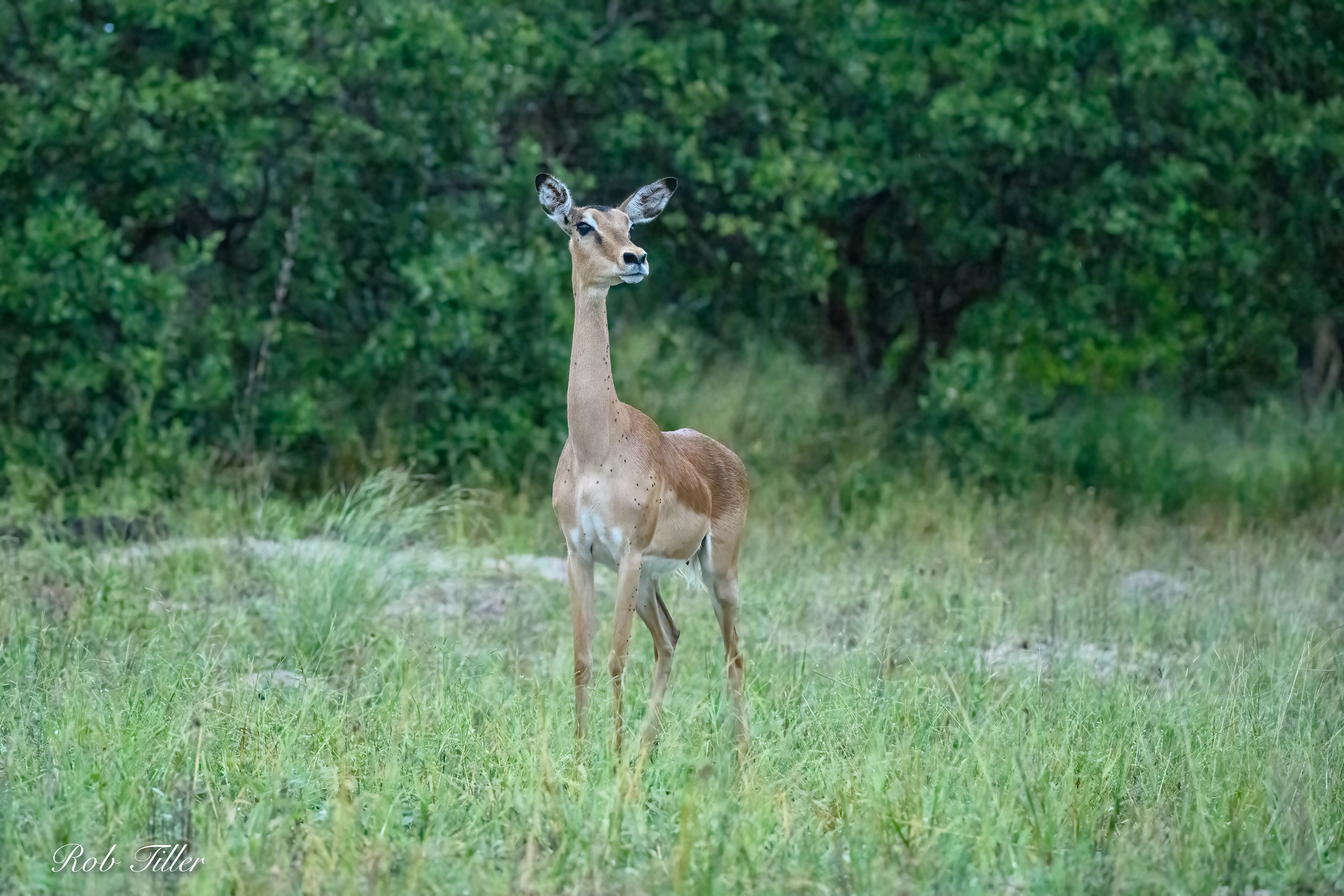
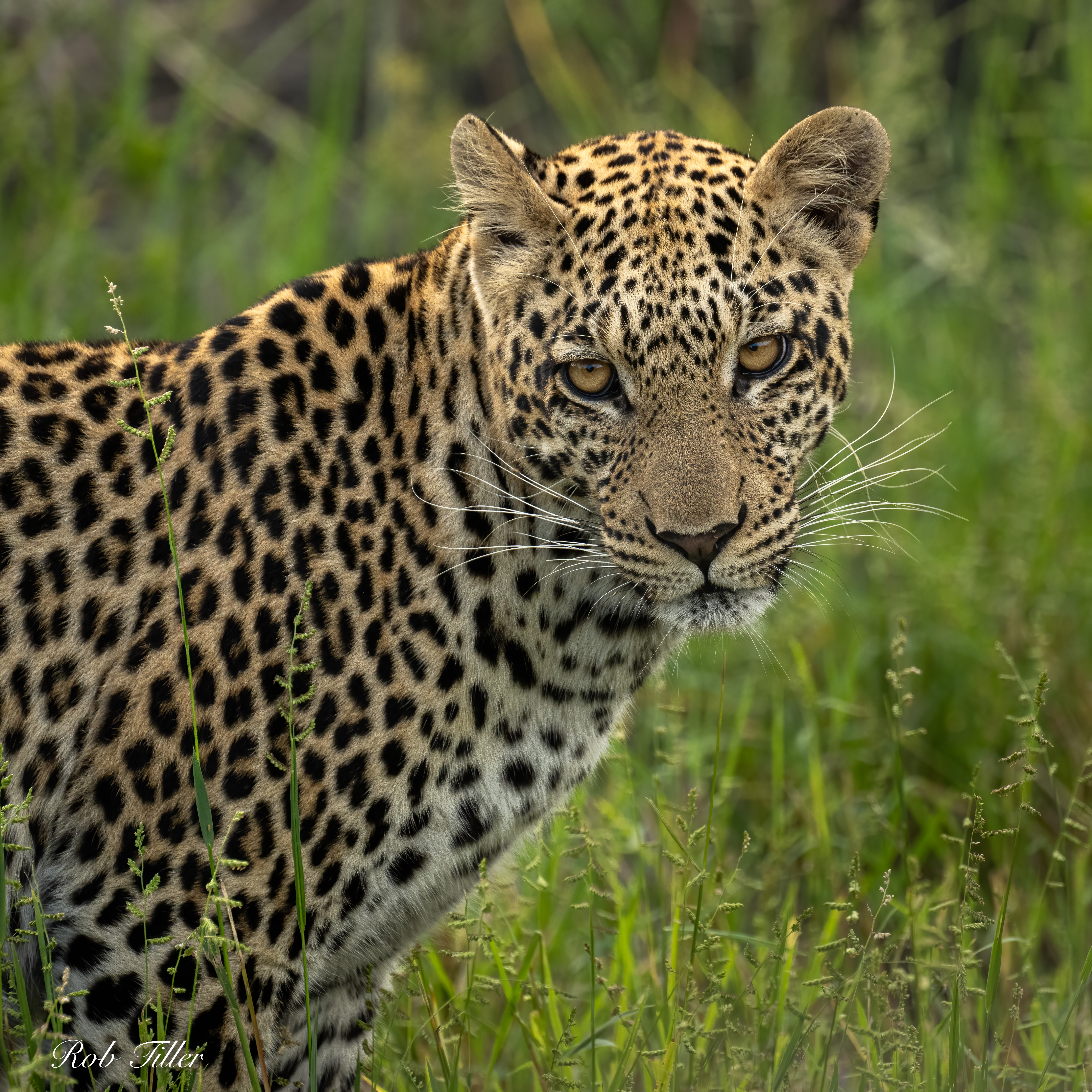
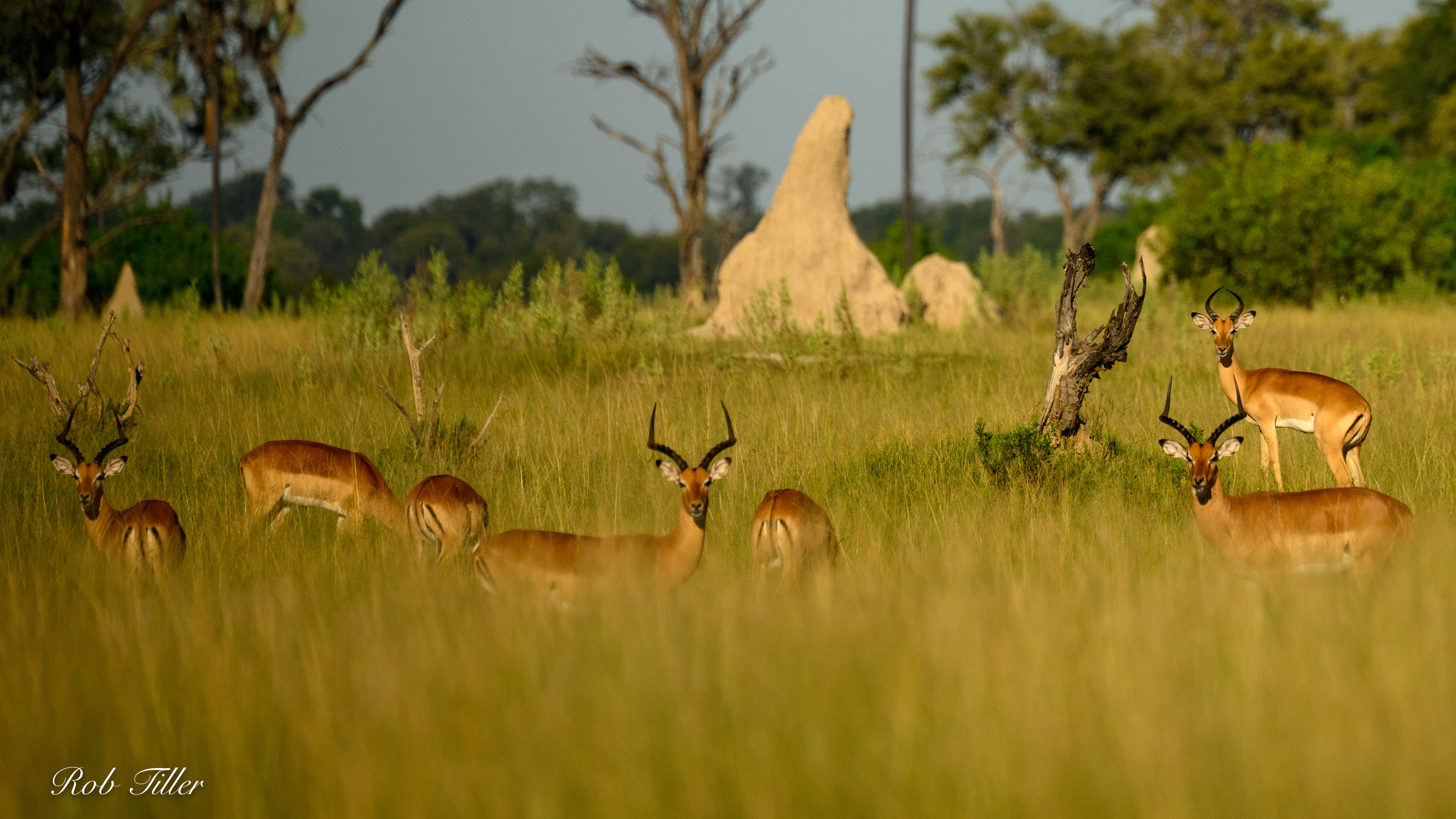
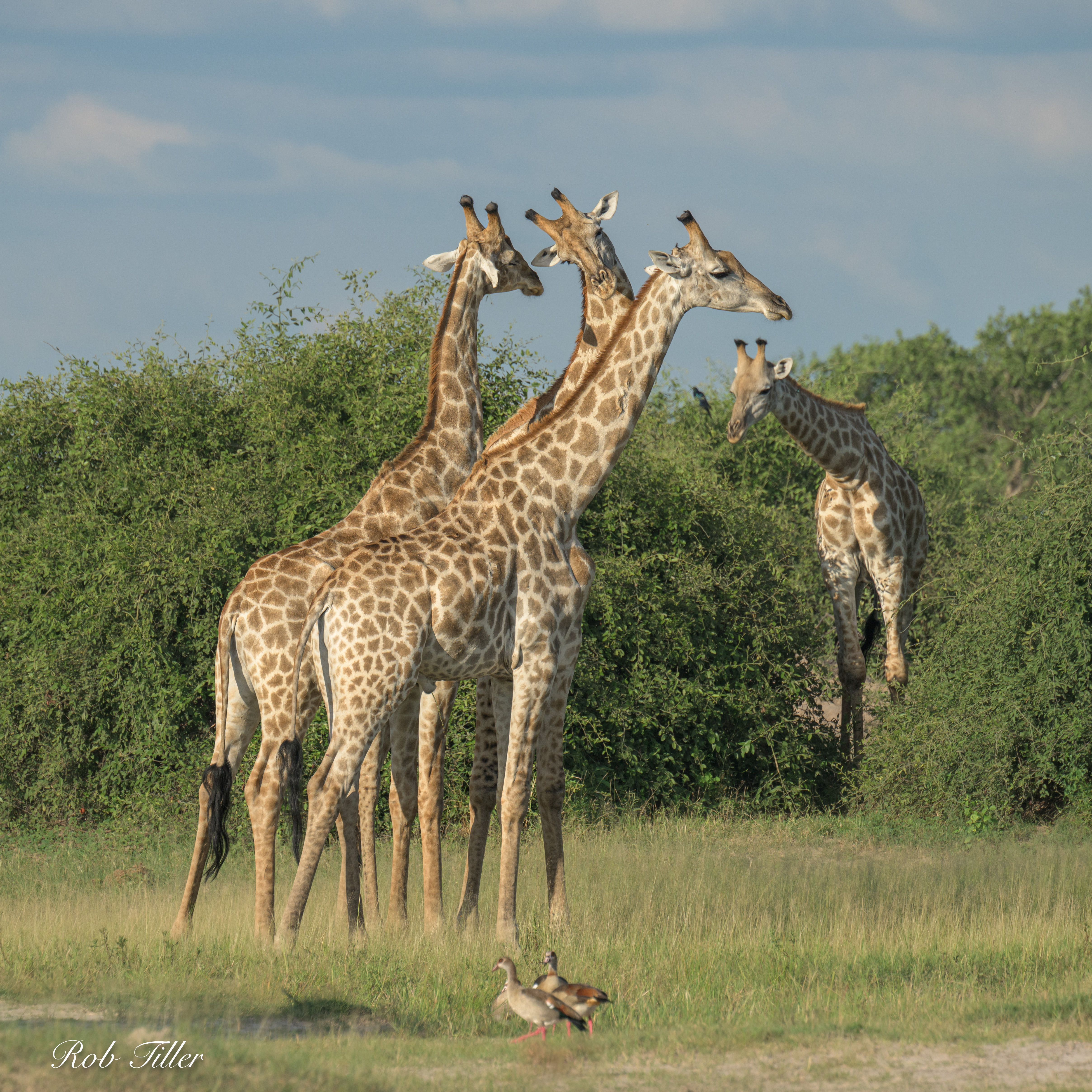
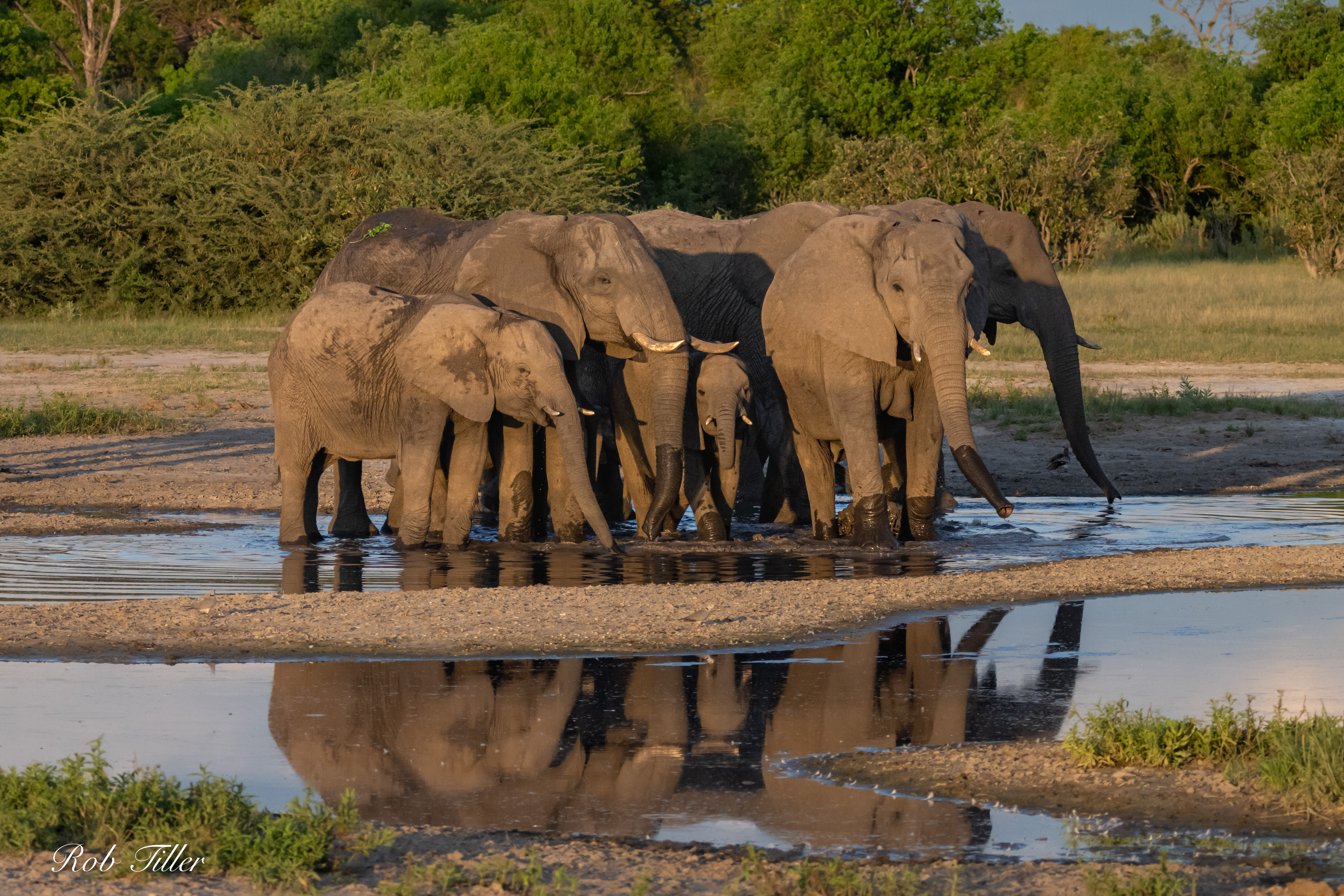
Last week I uploaded my first YouTube slide show, a selection of favorite photos from our safari trip to South Africa and Botswana last March. It’s four minutes long, with music. Hope you like it!

Admiring rookery birds at St. Augustine

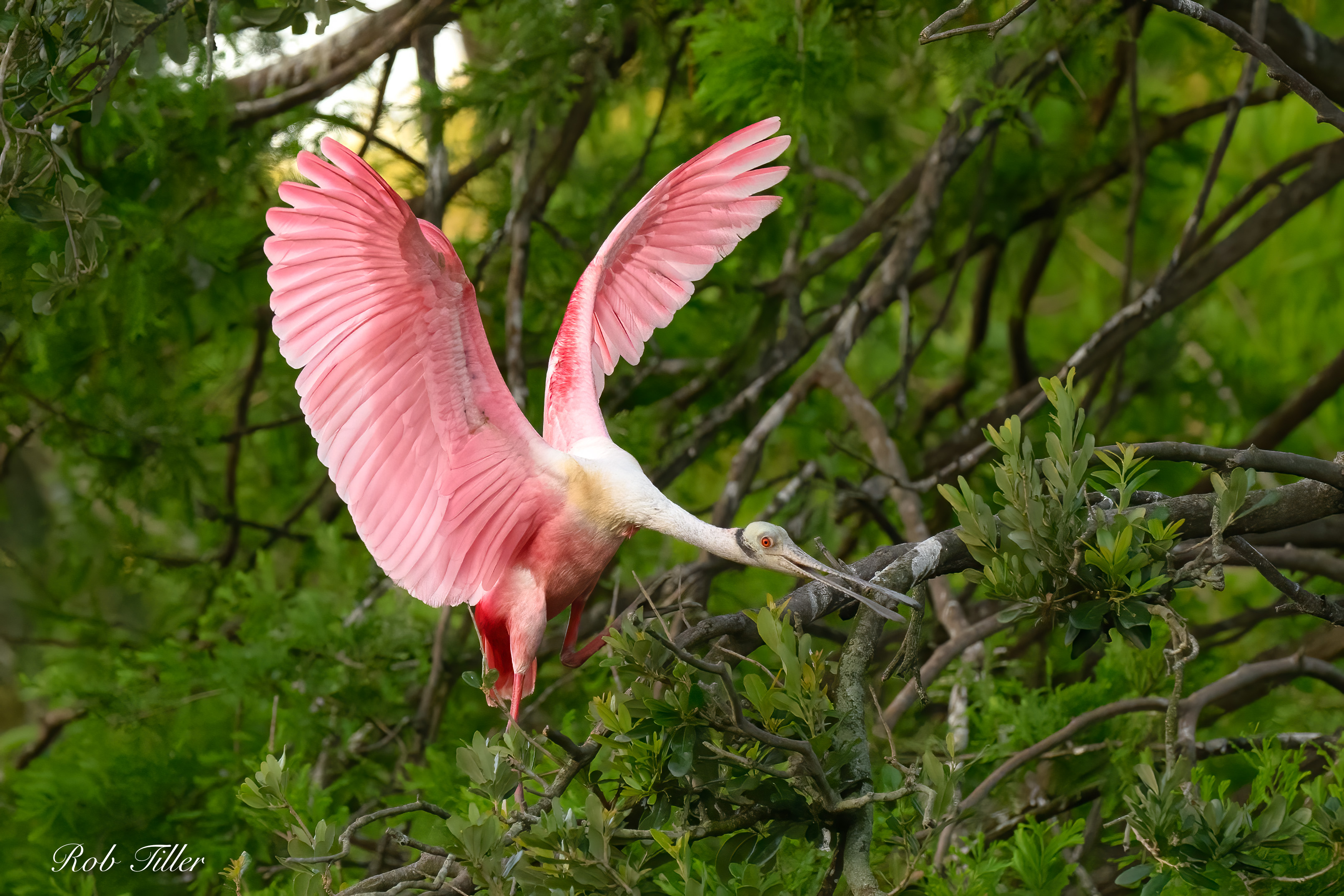
I drove down to St. Augustine, Florida, last month for the annual Birding and Photo Fest.  These are some of my pictures of the remarkable creatures there, including great egrets, roseate spoonbills, tricolored herons, ibises, snowy egrets, and wood storks.  It was a privilege to spend some time with them as they went about their business of finding food, repairing nests, mating, incubating eggs, and feeding chicks.

It took me over eight hours to get there, including lunch, gas, a couple of wrong turns, construction zones, and near the end, rush hour traffic.  But I was glad to find I could still handle such a long drive by myself. I listened to several podcasts, and finished an audio course on Mozart.

I stayed in the Holiday Inn Express  just across the bridge from old St. Augustine and convenient to the Fest activities.  It was like other HIE’s –  simple but bright and fairly clean – but it had one real problem:  extremely thin walls, and when I was there, noisy guests.  There was a group of teenage boys and dads around my room, which I guessed to be some sports team. They chatted, laughed, and argued almost all night.  

I considered complaining either directly or via management, but they kept the noise just under the threshold of criminality.  My premium ear plugs, effective against most noise, were no match for them, and I had a terrible night’s sleep.  

Before sunrise the next morning, I was heading toward the St. Augustine Municipal Marina for a boat tour of the harbor area.  The tour, by Eco Tours and led by Zack, focused on the bird life in the area.  We didn’t spot any rarities, but it was fun to be on the water with the animals.  A highlight was swimming manatees.  

That afternoon I went to the first of several talks I’d pre-registered for about birds and photography.  This one was by Jack Rogers, and concerned identifying shorebirds and getting good pictures of them.  Rogers shared a lot of good tips, including other locations to check out in Florida.  

Afterwards, I looked over the stalls in the main hall which were selling photographic equipment and promoting photography workshops and tours.  I sat down with a fellow dealing in used camera equipment, and sold him one of my old lenses, a tripod ball head, and a macro rail I wasn’t using.  I was happy to get the closet a little cleaned out, and add some cash to the wallet.

Then I drove to the Alligator Farm.  The place is essentially a zoo featuring a lot of alligators and crocodiles from all over the world, but in the spring it becomes a rookery.  A lot of large wading birds, including great egrets, snowy egrets, wood storks, herons, and roseate spoonbills, build their nests there and start new families.  

A board walk above many alligators curves through trees, and the birds build their nests in those trees.  Some nests are almost close enough to reach out and touch, and others not much farther.  The birds sit on eggs, or feed the hatchlings, and fly back and forth to get new twigs for their nests.  At times it’s relaxed and peaceful, but their are also unhappy hungry fledglings, squabbles between neighbors, and mating rituals between partners.

The birds come back to the Alligator Farm every year.  I was told that they like building nests above the alligators, because the gators protect them from predators.  This seems plausible.  I saw birds drinking water and looking for new twigs quite close to alligators.  I would guess that the birds keep a wary eye out, and the alligators realize that it’s quite hard without an element of surprise to catch an experienced adult shore bird.   

I went to several more classes on photographic techniques, and came back repeatedly to the Alligator Farm.  At one point, a roseate spoonbill (large pink bird with a bill shaped like a shovel) flew onto the boardwalk right at my feet to fetch a twig for its nest. A few minutes later it flew back to the railing, looked me over carefully, then dropped down again in front of me to get another twig.  

Most of the time the alligators weren’t doing much,  other than lying, walking, and swimming, but I did see a presentation by a young woman who stood in an area with them.  She gave some fun facts and debunked some myths, such as the notion that alligators can run fast.  Plainly, since she didn’t get eaten, they weren’t simply mindless, ruthless maneaters.  She called some of them by name and described their personalities, and they opened up their mouths as she threw them a fish.  They’re probably smarter than we’ve thought.

That seems to be true of most animals.  I just finished reading The Creative Lives of Animals, by Carol Gigliotti.  Gigliotti collects research on the creative activities of various species, like nest building of birds, tool use by chimpanzees, and problem solving abilities of octopuses.  She shows that many animals learn from each other and their own experience, and experience emotions, like joy and sorrow, similar to ours.   

The idea of animals as creative individuals and communities runs contrary to what I was taught, which was to consider them as mindless automatons, controlled in all respects by blind instinct.  And that older paradigm is still widespread.  There’s still so much we don’t know about their lives.  For example, we know they communicate in many different ways, but we understand very few of their signals.

But we’re starting to learn, and to realize how much more there is to know.  The more time I spend close to animals, the more certain I am that they are complex individuals, with personalities, problem-solving abilities, and joys and sorrows.  They can inspire us with their beauty, athleticism, and fortitude.  Also, they can be pretty funny.

Traveling to Africa, and getting back

Last week I was in St. Augustine, Florida, at the annual Birding and Photo Fest.  I took a lot of pictures of the big birds at the Alligator Farm rookery, and will be sorting through those and sharing a few soon.

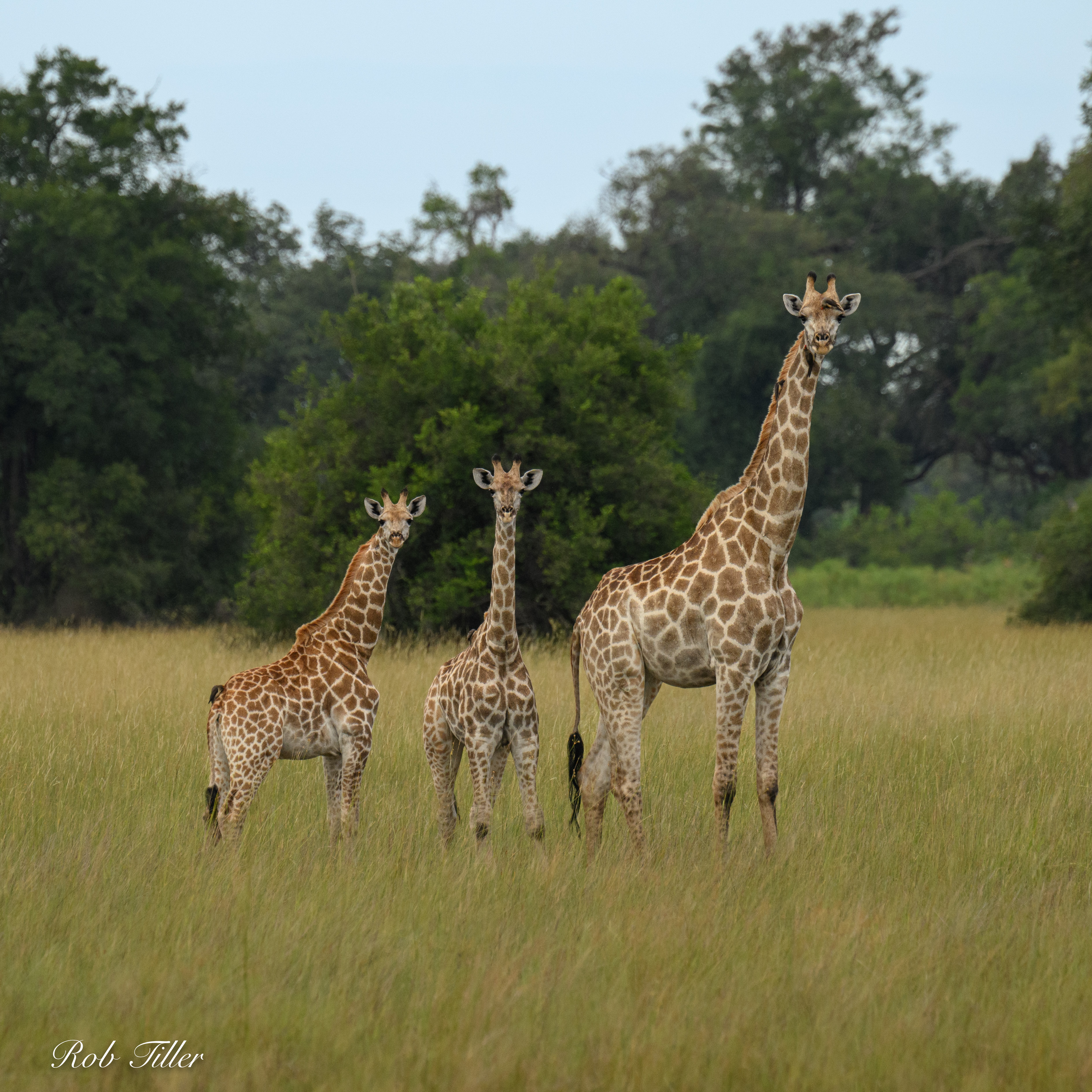
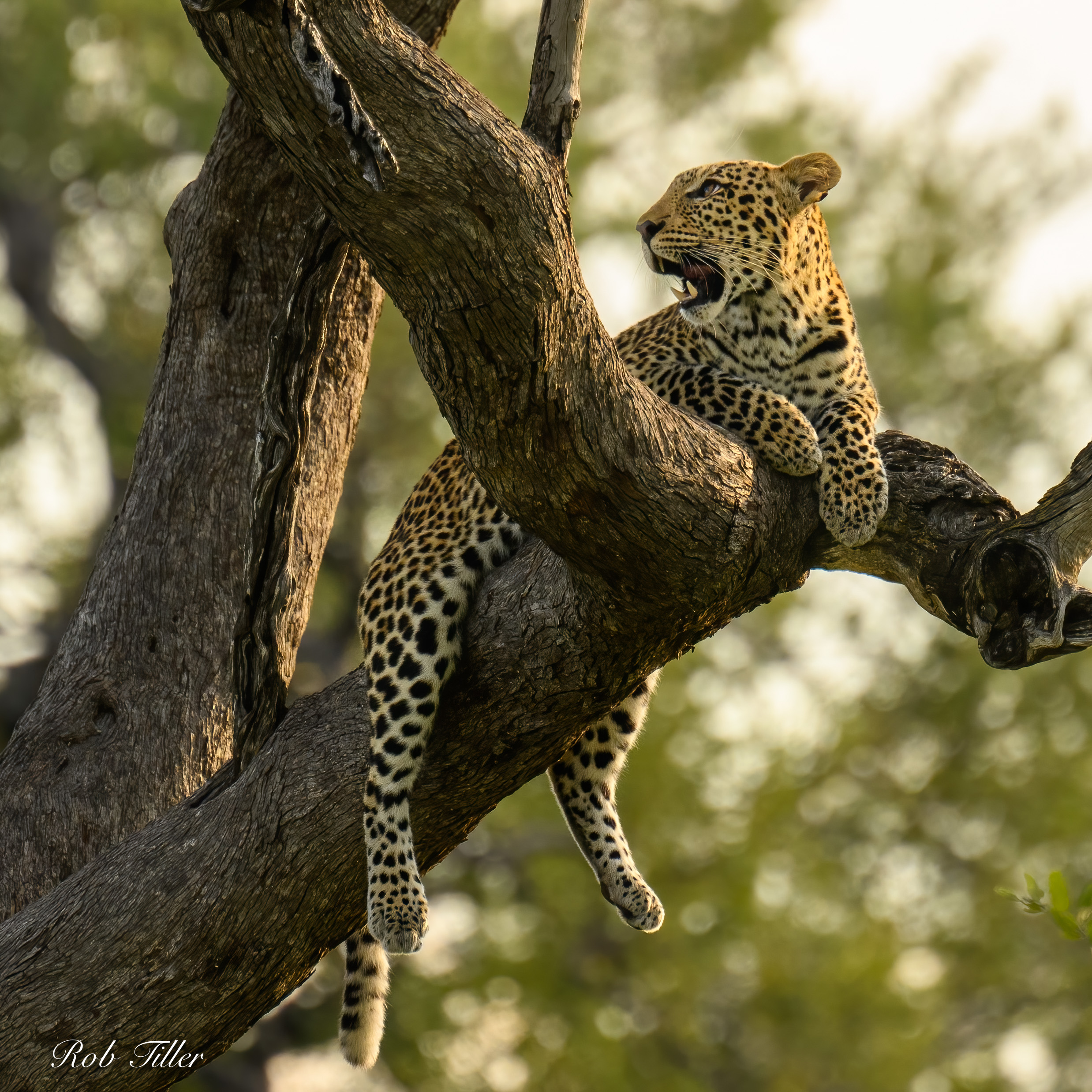
But first, I wanted to pass along a few more pictures from our March safari adventure in Botswana.  Even though it was only a few weeks ago, it’s hard for me to believe all these animals are really there!  So much of the earth has been taken over by humans, and there are only a few places where other animals still live their lives as they did long ago.  Africa is really special in that way.  It was a joy and a privilege to be there, and I look forward to going again.

However, the air travel to and from was far from pleasurable.  To get there, we were scheduled to fly United from Raleigh to Washington to Newark to Cape Town.  But our first flight was delayed, and the tight connection in Washington meant we had to change everything.  We eventually got from Raleigh to Washington to Munich (overnight, with a ten hour layover in Munich), and then (after another overnight flight) to Cape Town.  We were quite fried when we got to Cape Town, but the morning was sunny and mild, and our room at Noah House was charming.  We slept for a couple of hours, and then went to find the Red Line bus stop for a little tour of the city.  

On the way, we got scammed out of two credit cards.  I’d like to think that things would not have unfolded so badly if I’d had my normal wits about me, but anyhow, I didn’t, and they did.  

As we walked down the city street, a well-spoken man stopped us and said that they were shooting a movie on the street, and we needed to walk on another street.  I’d seen movies being made on the streets of New York, so this didn’t strike me as particularly strange.  As we were discussing this, another local man came up, and said he had the same problem.  The first man pointed him in the direction he needed to go, and told us we should follow along.

We followed along around the  corner and into a convenience store, where the fellow there said we needed to get a document.  To do this, we needed to put our credit card in the credit card reader.  We hesitated, but another man said there was no charge, and this was a normal requirement.  

The credit card reader didn’t seem to be working, and one of the fellows offered to “help.”  Then we tried a second card, which disappeared in the machine.  Someone said that the machine was slow, and it would come out in a minute.  After three minutes, I realized something was definitely wrong.  The men in the store were gone.

Then a young woman appeared in the store.  She said the men were scam artists, and they made her stay in the back of the store.  

We were confused and shaken, but realized that one of the men was skilled at sleight of hand, and had made our cards disappear.  Sally urged me to call the banks straight away, and I did.  In the few minutes it took to get to the fraud departments, the scammers wracked up almost $40 thousand in charges.    

We were not held accountable for the charges, which was good.  And once we’d settled down, we were grateful that we hadn’t been held up at gunpoint or physically assaulted.  Fortunately, we had one more credit card to use on the trip.   Things could have been worse.  But it was a rocky start.  The one positive I took away was a dose of humility, and more sympathy for others who make big errors of judgment.

Our travel within South Africa and Botswana, by buses, airplanes, and boats, all went smoothly, but returning to the U.S. was brutal.  Although I’d picked aisle seats when booking through the Chase travel service, United put us in center seats all the way back.  Our route again involved a long layover, this time in Newark, trying to get to Washington, and then, finally, to Raleigh.  We waited the better part of an hour at RDU to get our bags.  Total door-to-door travel time:  43 hours.

But for all that, I’m so glad we did it, and already starting to think of our next trip there.  We learned a lot about the animals, but there’s so much more to learn.  Spending time with them also helps our thinking about other dimensions – the communities of big animals, the relationships between communities, their relationships with other forms of life, and our relationships with all of these. 

Our vegan safari trip to southern Africa

I

In March Sally and I went to South Africa and Botswana for a safari adventure.  It was a great trip in many ways, though the air traveling was grueling.  I wanted to share some of the photographs I made, and an overview of the experience.

The trip was organized by World Vegan Travel (WVT), which puts together novel and elegant trips with vegan dining.  For years, we’ve struggled to match our plant-based eating preferences with our adventure travels.  It was wonderful to find that problem was solved:  the vegan meals ranged from very good to amazing.  Our fellow travelers were mostly vegans who had interesting life stories.  Seb and Brighde of WVT were excellent leaders — thoughtful, cheerful, well organized, and resourceful. The trip photographer was Jennifer Hadley, a friend from Raleigh, who shared a lot of good ideas on how to make better images, and was generous in helping solve equipment and other problems.

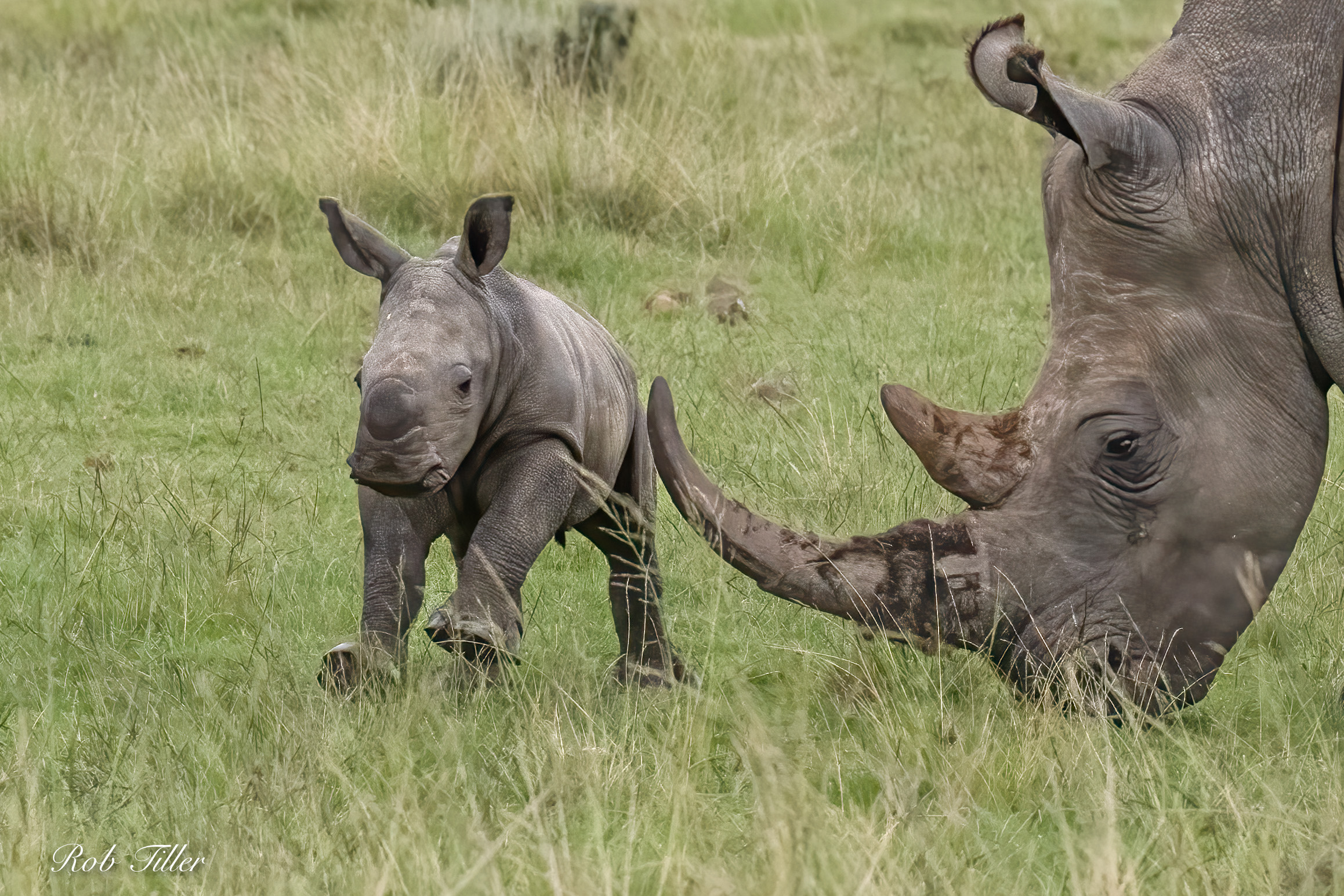
Our trip involved two segments:  1.  the Garden Route of South Africa, which runs along the coast east from Cape Town, and 2. safaris at two camps in Botswana.  We found Cape Town lively and beautiful, and enjoyed exploring the Garden Route to the east of it by bus.  One of the highlights was a two-day safari at the Gondwana Reserve, where we saw a cheetah and a two-week-old rhinoceros.  The baby rhino was about the size of a pig, and frisked about like a new puppy.  

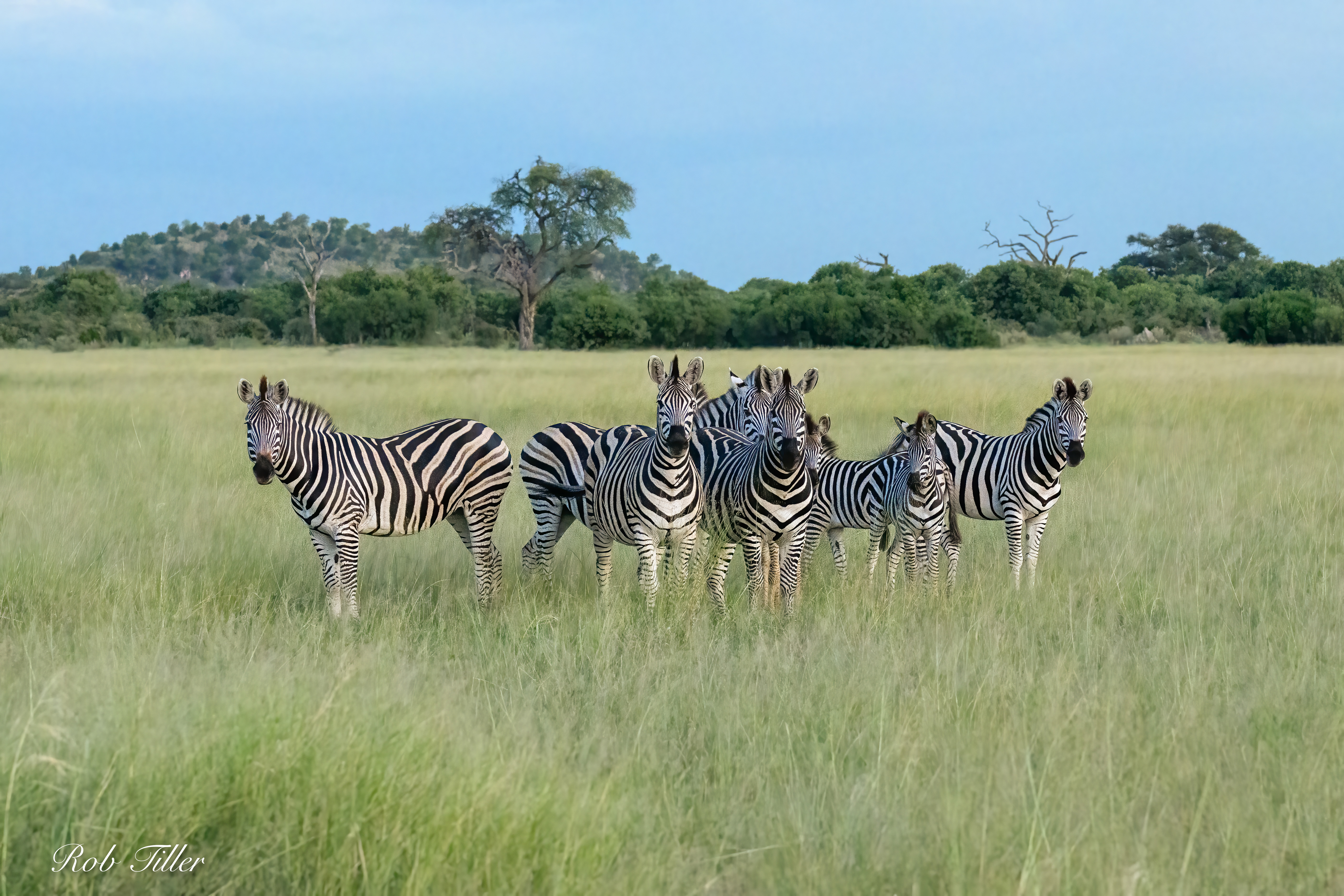
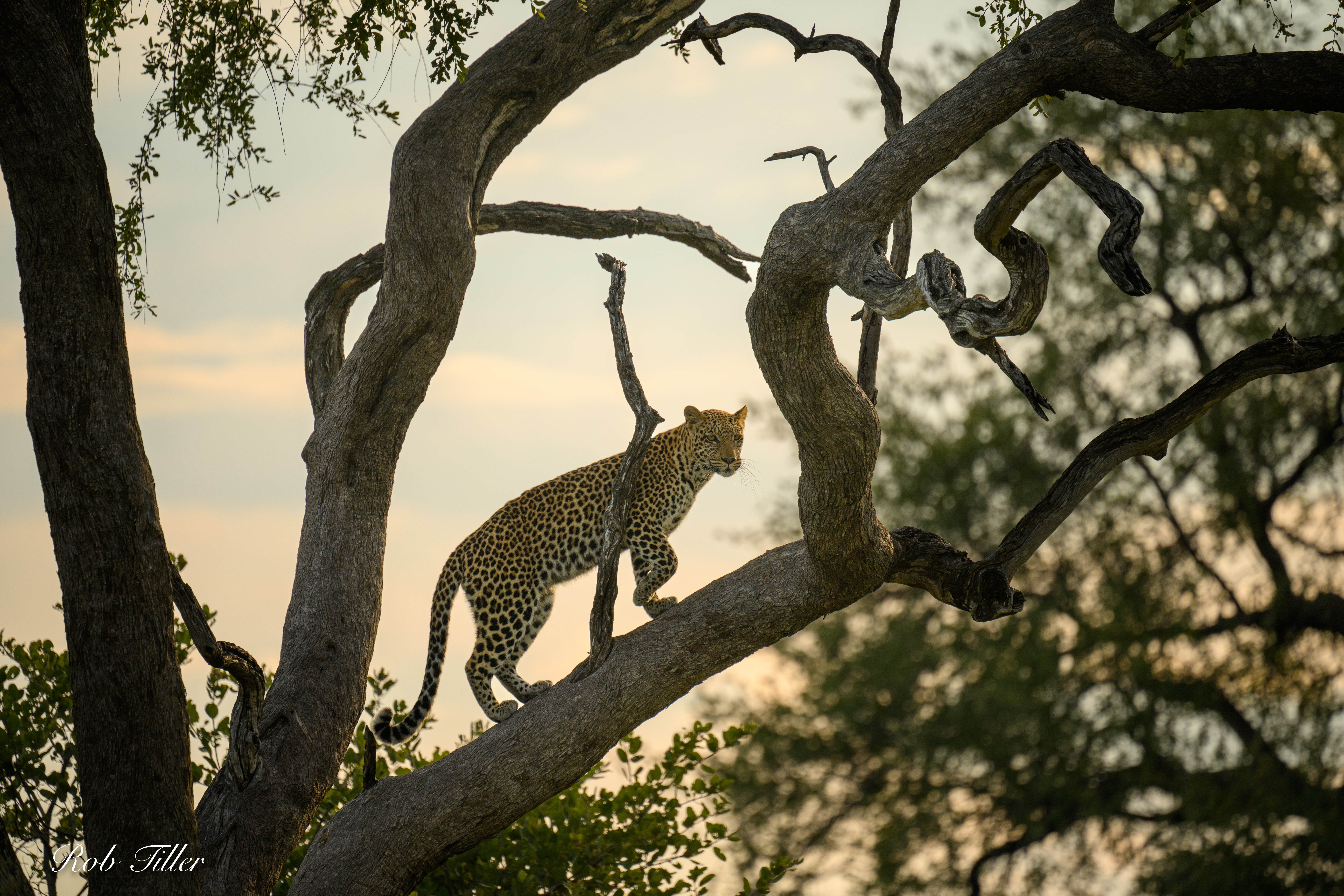
After returning to Cape Town, we flew to Botswana and stayed at a camp in the Savuti area of Chobe National Park.  We traveled in Toyota Land Cruisers and saw all the iconic species – lions, leopards, elephants, giraffes, zebras, buffalo, impalas – and quite a few others.  We had our own spacious and pleasant cabin with all the modern conveniences (shower, toilet, electricity) except internet.  It turned out to be therapeutic to get off the net for a while.  

After Chobe, we flew in a small plane to the Okavango Delta, where we walked from the grass airfield on a raised boardwalk through the forest to our camp.  Here, too, we had a pleasant cabin, and nice common areas for dining and relaxing.  As in Chobe, we were strongly encouraged not to walk by ourselves in the camp at night, but instead to get a staff member to escort us, in case of animal encounters.  Also as in Chobe, the hospitality of the staff was outstanding. In addition to great service, they shared with us singing and dancing.

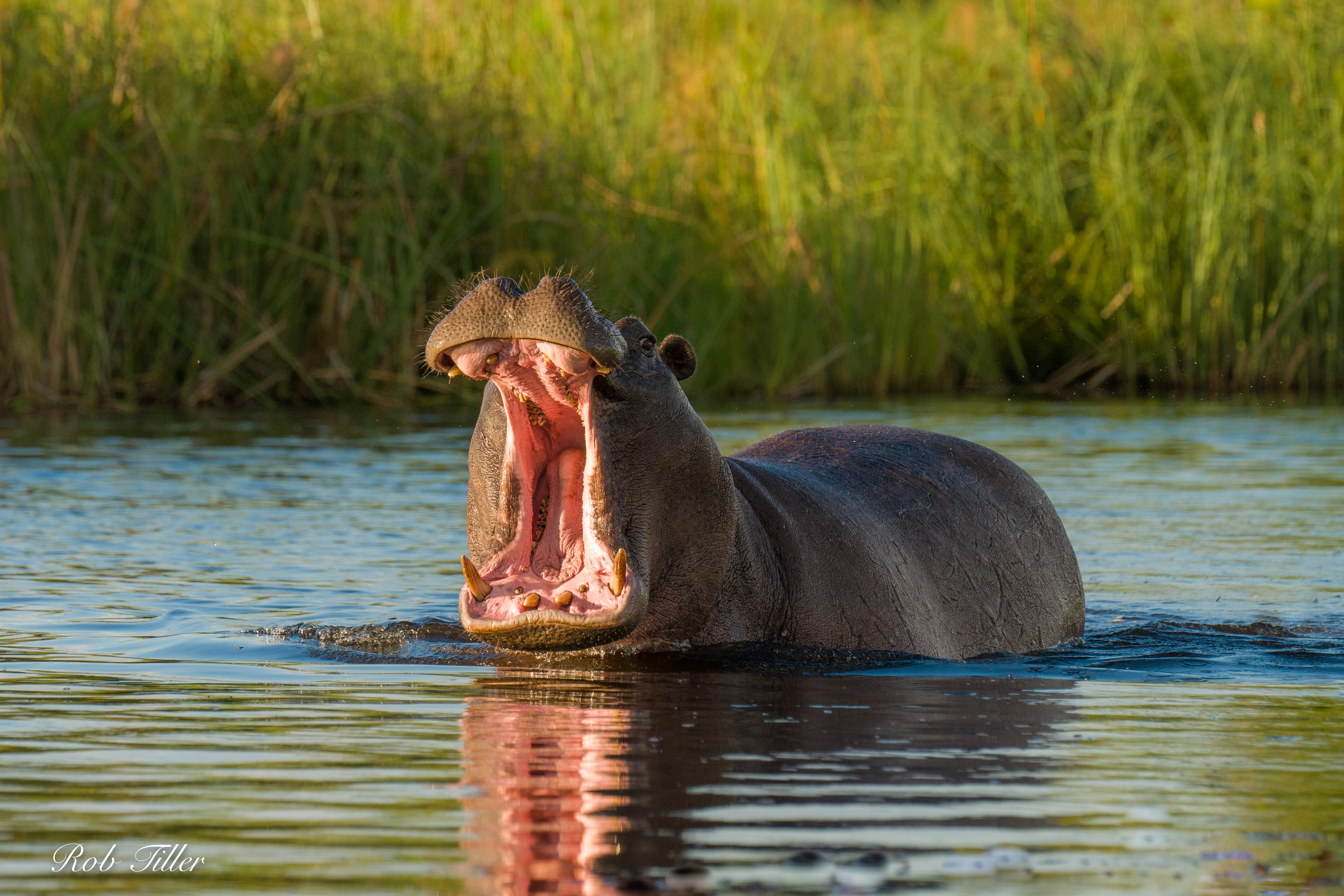
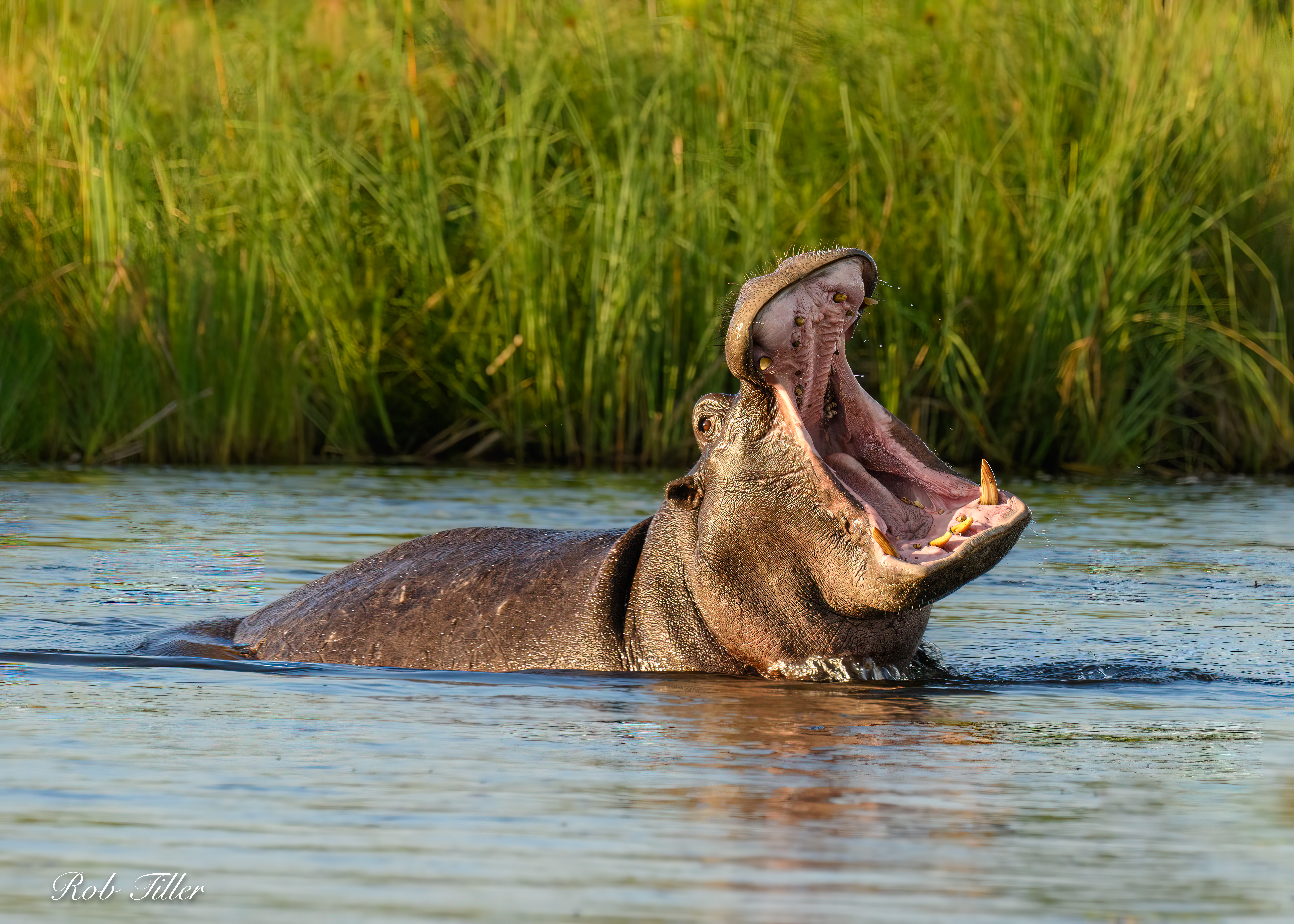
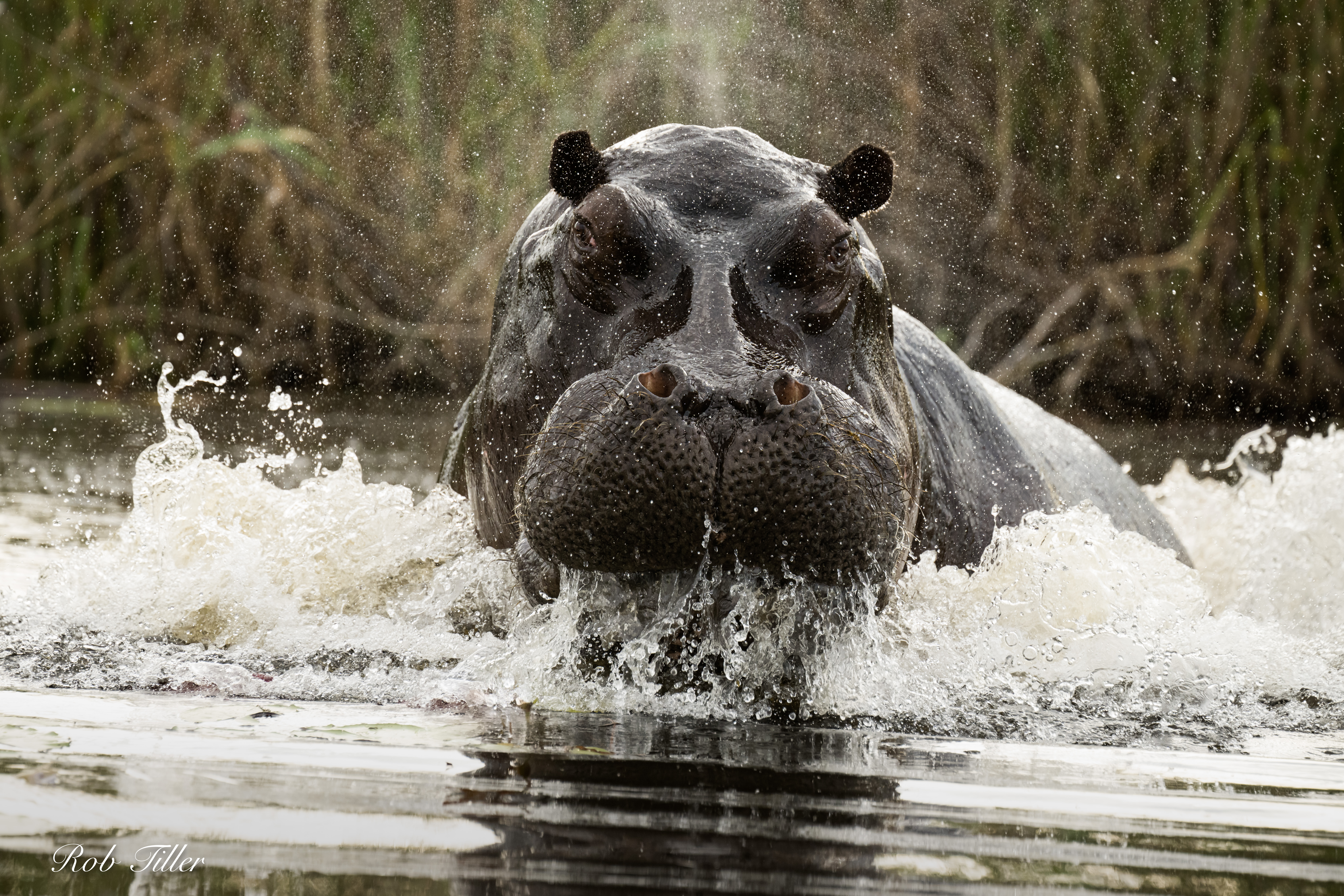
The highlight at Okavango were boat trips in the channels, where there were a lot of hippopotami.  These huge and strange animals can be aggressive, and kill more humans than any other large animal in Africa.   We kept a respectful distance, and drew back a few times when they approached us.  

We also did walking safaris on a couple of the islands, where we saw elephants, buffalo, impalas, and beautiful birds.  One morning on a walk our guide saw fresh lion tracks.  We were in tall grass, sometimes as high as our necks, and the guide began carrying his rifle with more purpose.  I realized the lion could be a few feet away and invisible to us.  We didn’t locate the lion, though it was the most exciting non-sighting ever.  

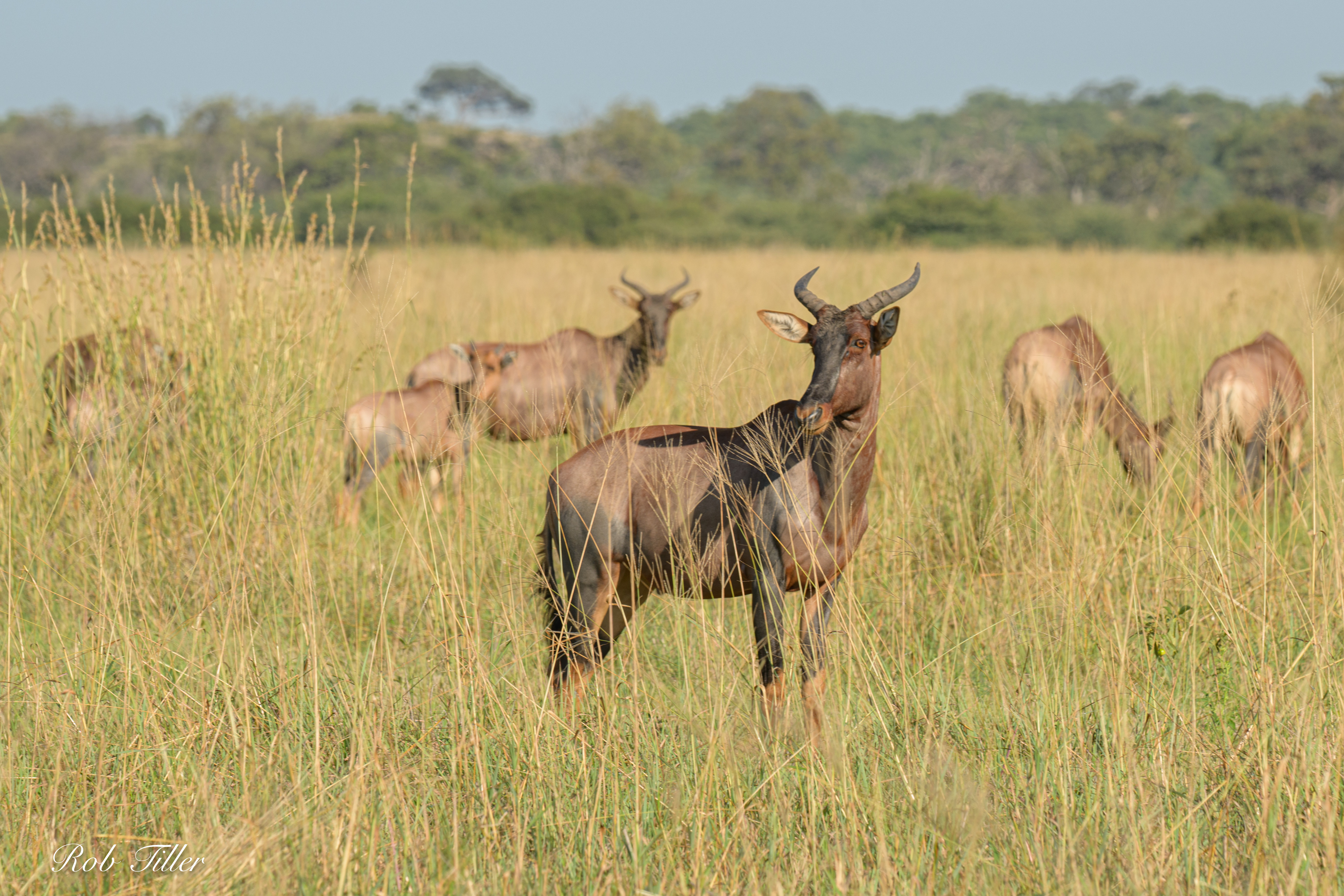
On this trip, I became more conscious of grass.  There were vast grassy areas, with many grass species.  I finally understood why there were so many animals, like impalas, springboks, waterbucks, kudus, wildebeests, zebras, and buffalo, that subsist mainly on grass: there’s a lot of it!  We saw most of those species in sizable herds.  Grazing is a successful survival strategy. (By contrast, there are only a few species that eat other animals, and there aren’t very many of those.)   

Of course, it’s exciting to see the rare animals, like leopards and cheetahs; they’re beautiful.  But a lot of the joy I got from our safari experiences was watching the more common grazing animals living their lives.  It seemed like the most natural thing in the world to be an impala or a zebra, eating some grass when hungry and hanging with the herd.  

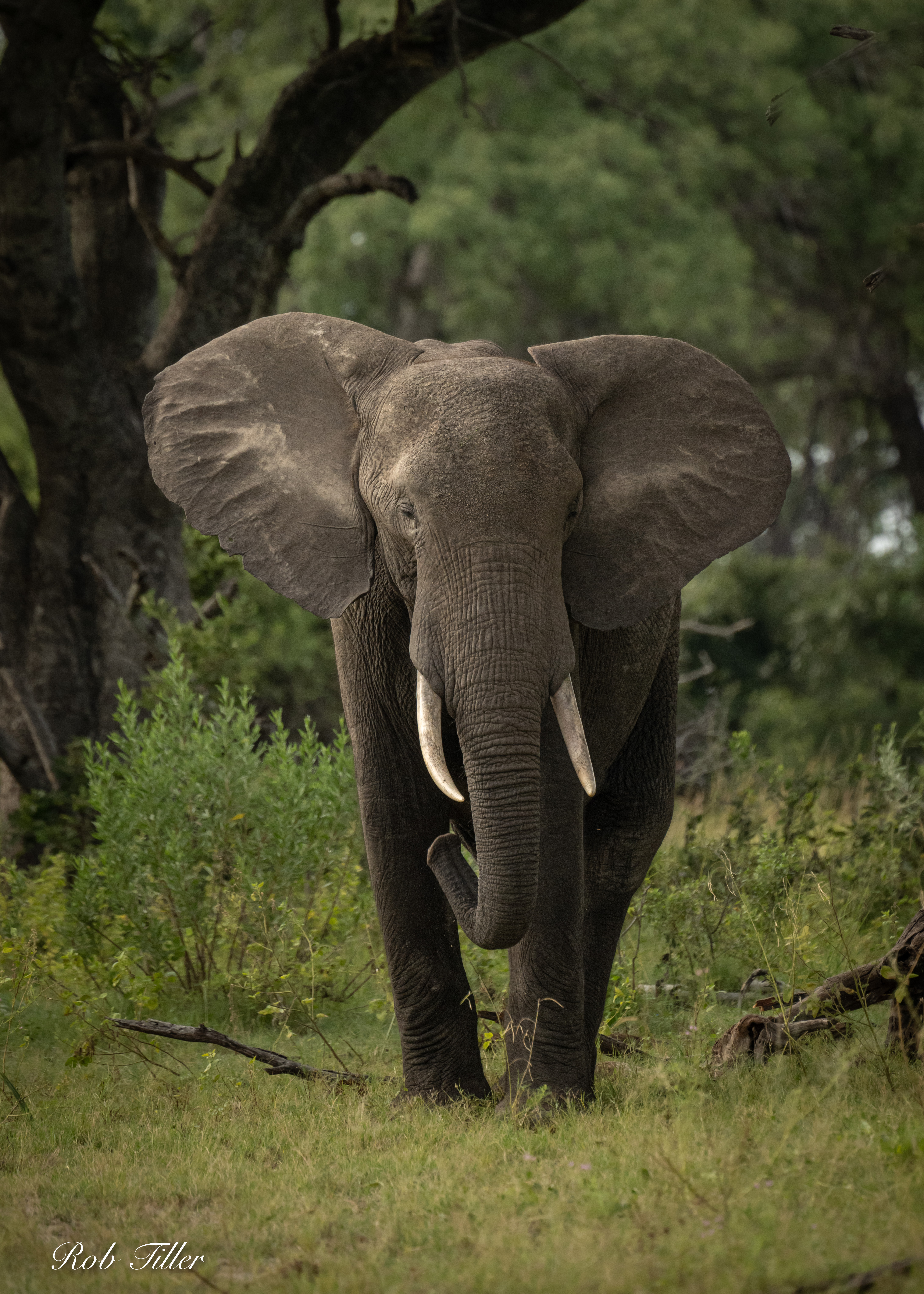
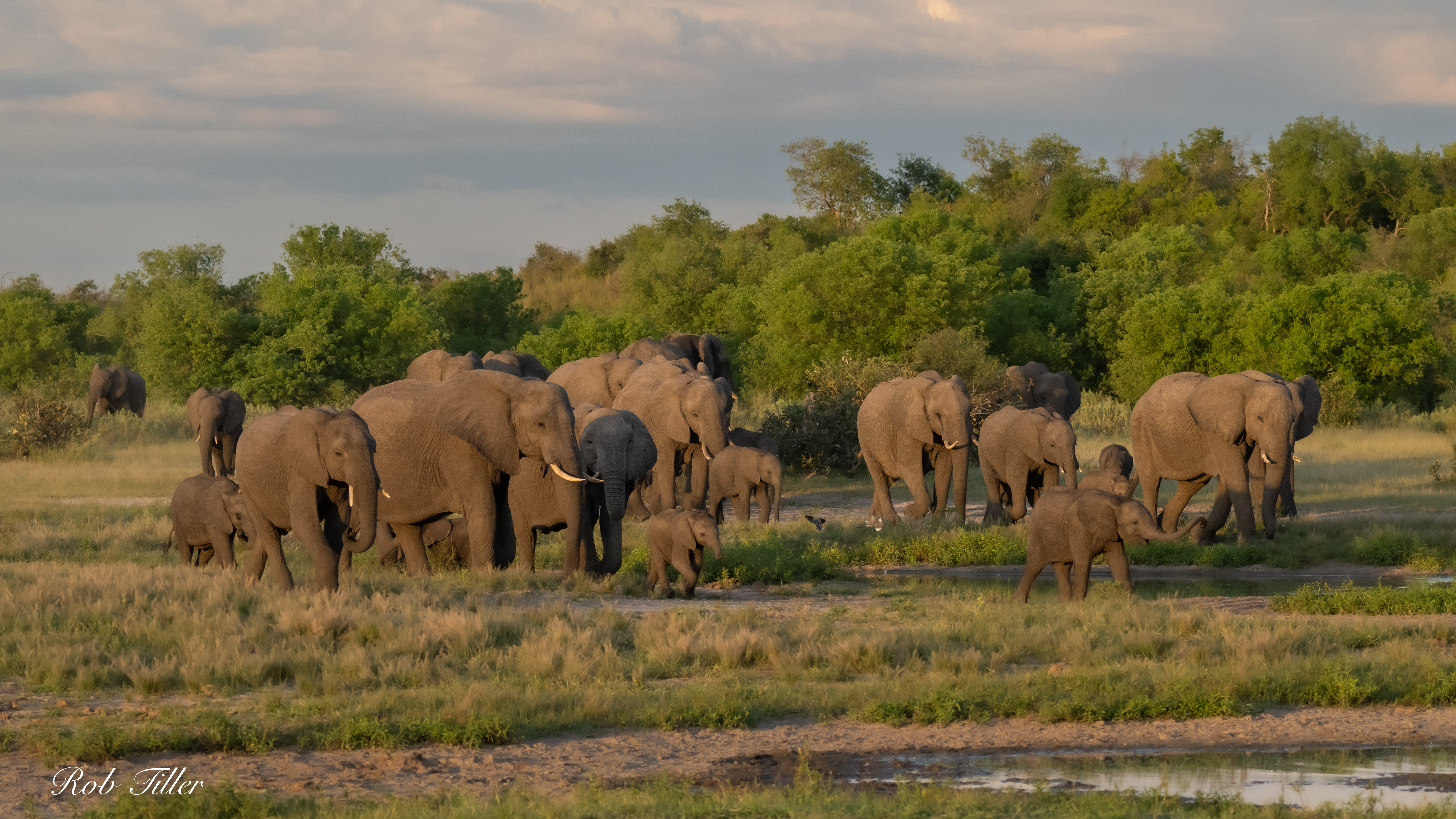
I particularly loved the elephants, who are also plant eaters, and who generally live with family members.  The herds we saw always included little ones, who were very cute.  I realized that a lot of what gives the elephants purpose is taking care of the young.  That’s true of many species, including us.  

Being with so many remarkable animals can be a life-changing experience.  It gives a different perspective on what life is for and about.  It is more varied and vibrant than we usually see.  

I’m planning to share a few more pictures from the trip soon, along with some stories of our air travel challenges. But first, I’m heading to St. Augustine for Florida’s Bird and Photo Fest. I’m hoping to get some good photographs of the big birds at the rookery there.

Ducks at Delmarva, bird rescues, and flu research

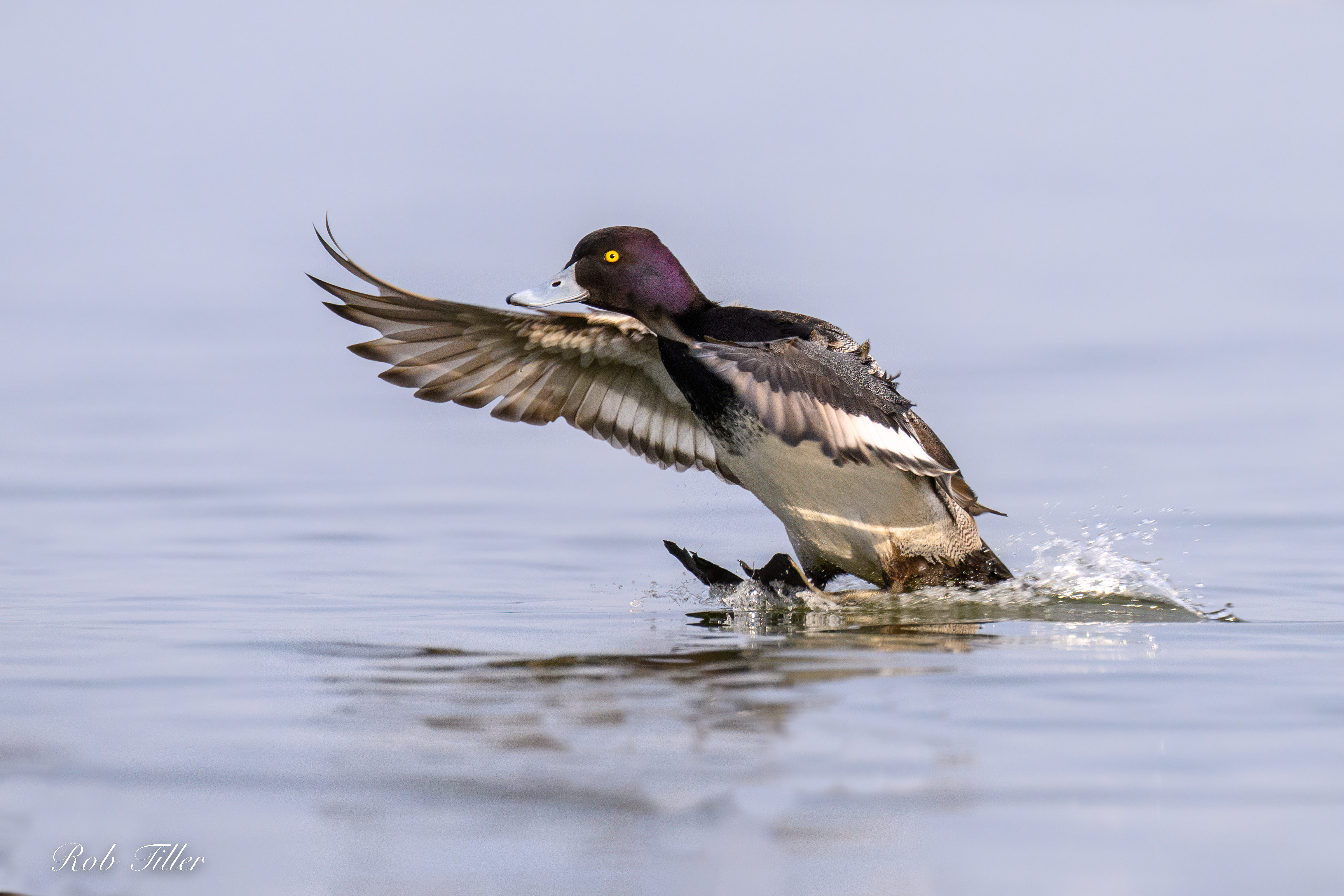
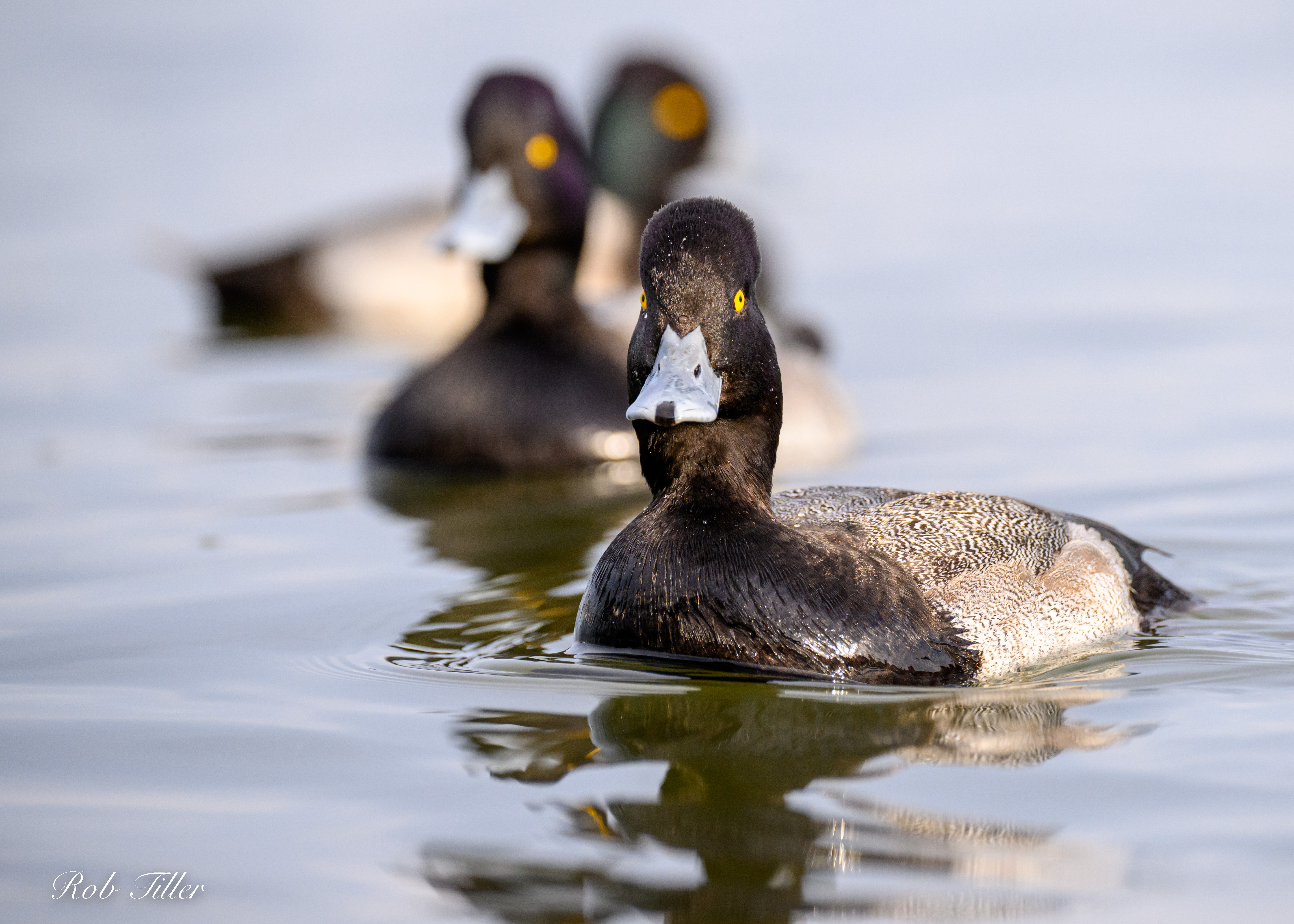
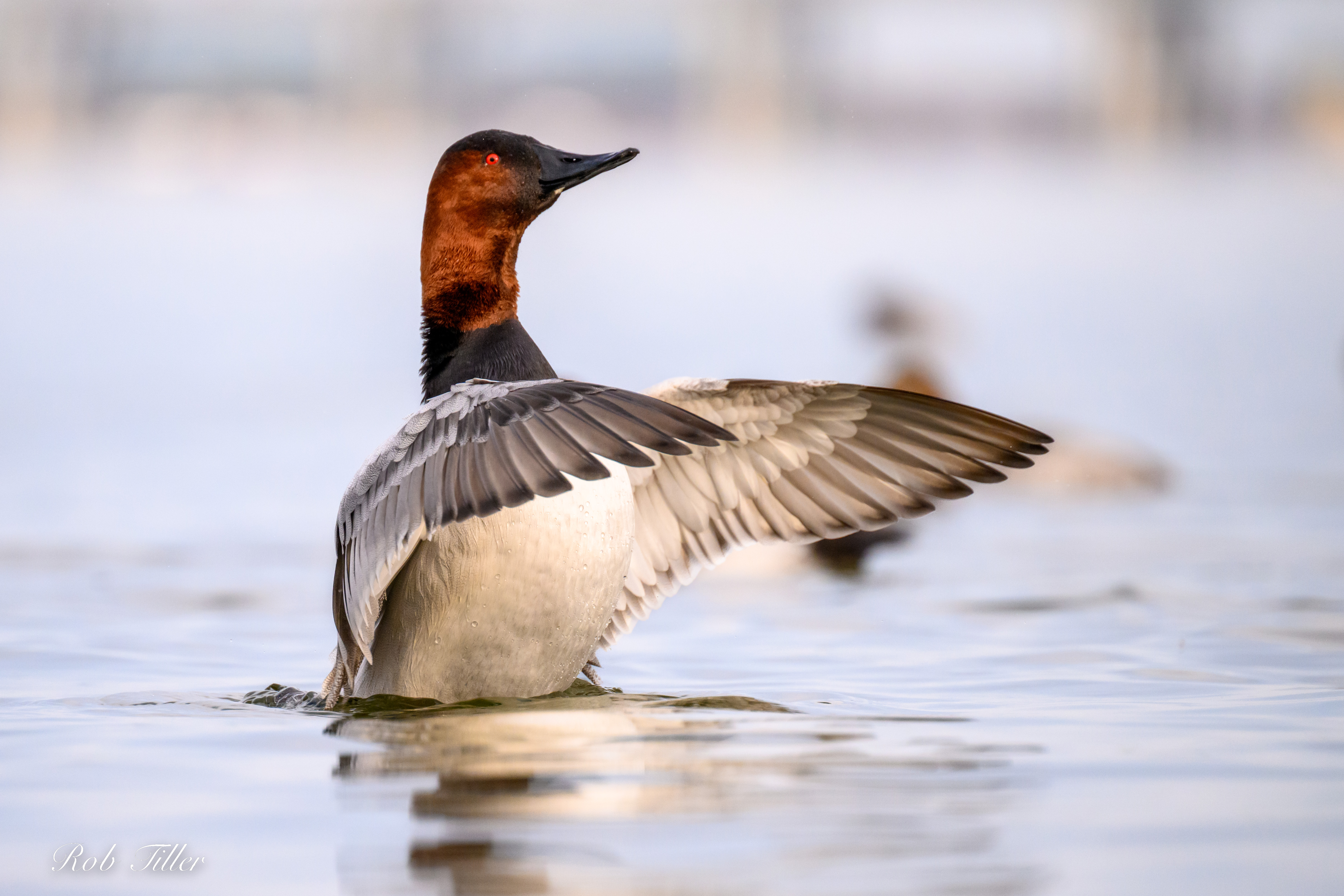
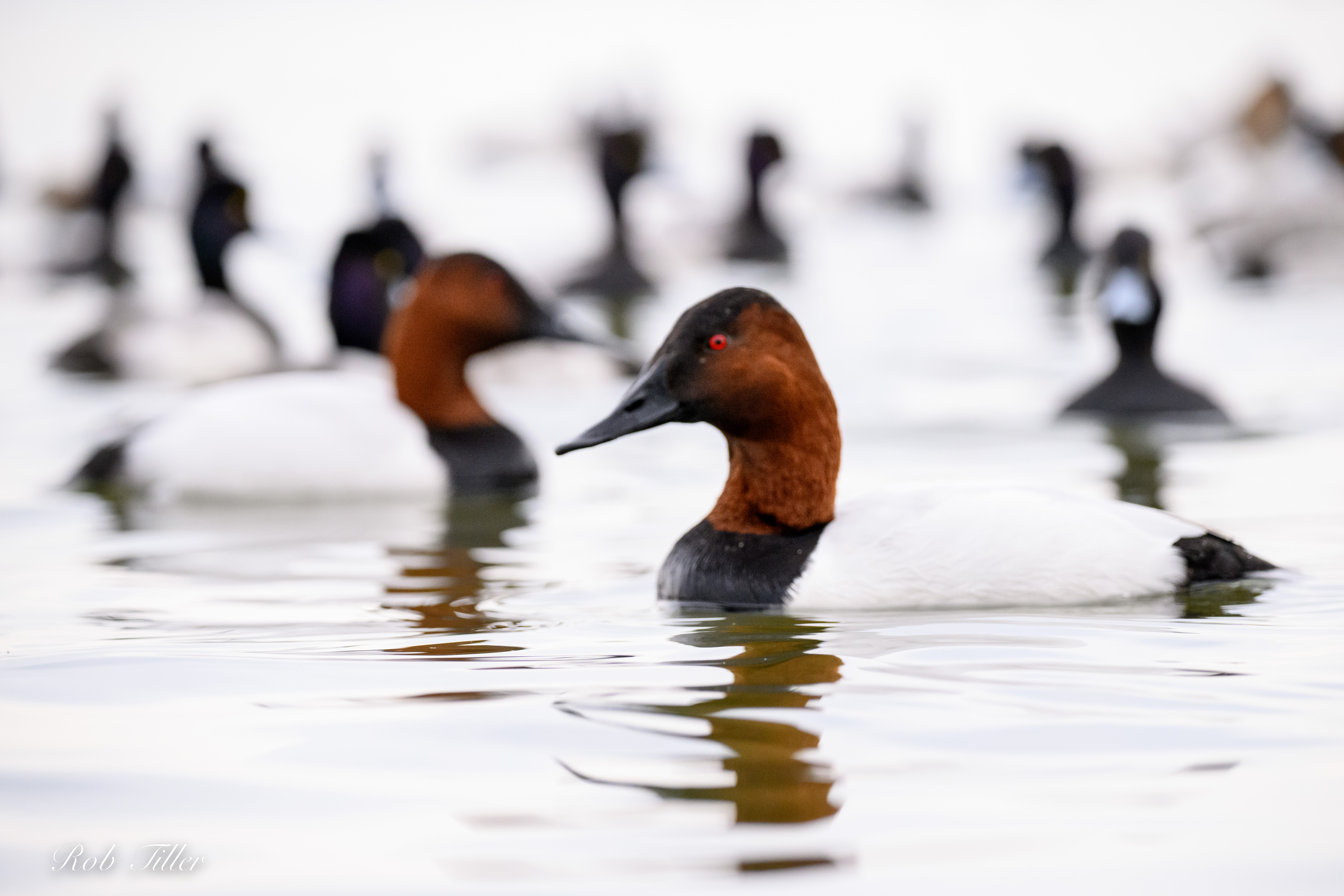
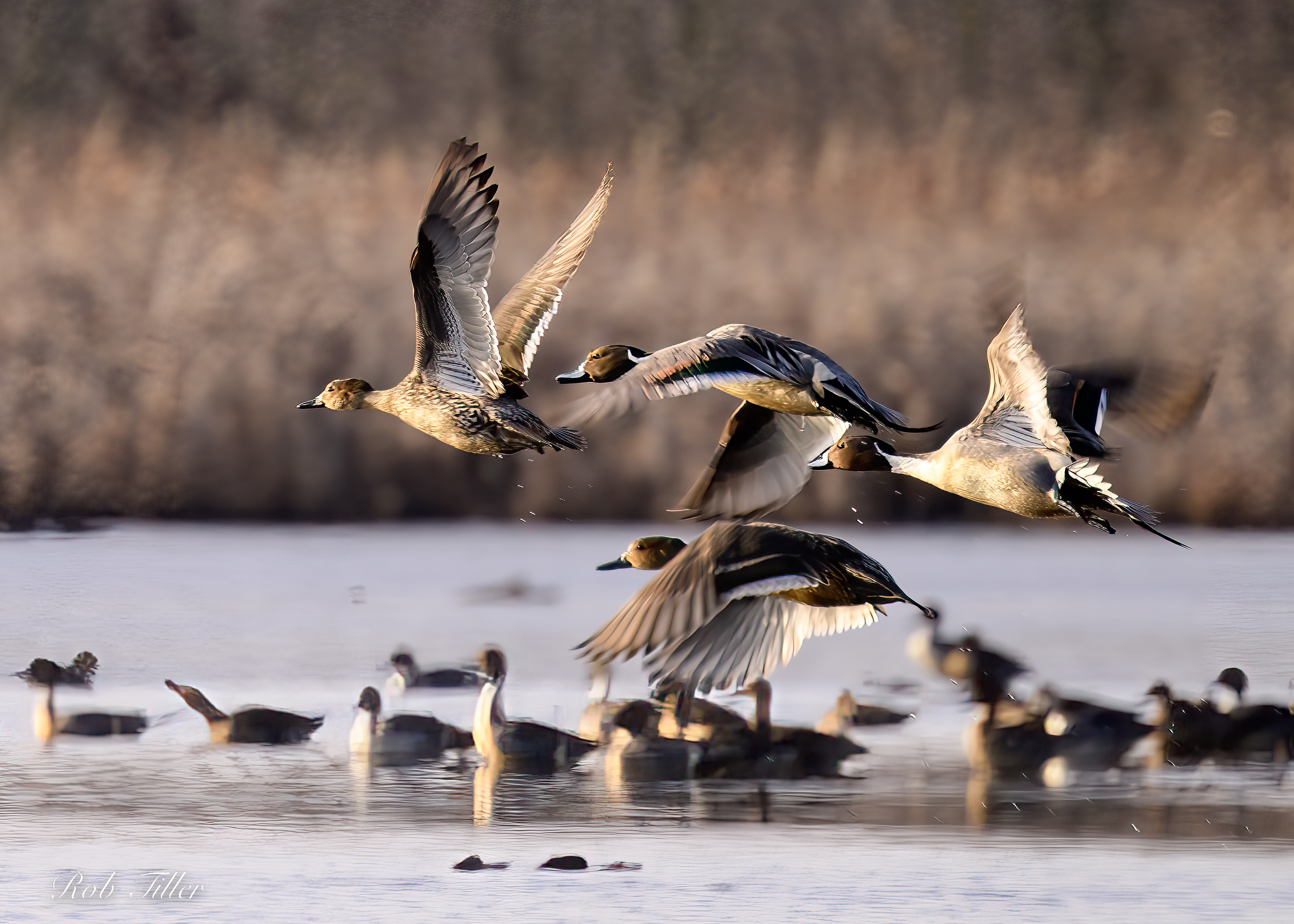
A couple of weeks ago, a friend and I headed up to the Delmarva peninsula for a photography workshop featuring wintering ducks.  We put on waders and got in the waters of the Chesapeake Bay near Cambridge, Maryland.  There were hundreds of beautiful ducks and other water birds, flying in and swimming close.

From a distance, ducks on the water can look peaceful.  But up close, it’s clear they swim fast and are constantly on the lookout.  Their lives are not easy.  

We also went to the Blackwater Wildlife Refuge to look for various other creatures, including short-eared owls.  We saw various eagles, harriers, and great blue herons, a fox, and, after a lot of looking, a SE owl – my first, which was kind of a thrill.  The sun was setting, but I managed to get one shot.

As much as I enjoyed seeing the uncommon birds, I also got joy from the more common ones.  We see a lot of mallards in the course of a normal year, and it’s easy to forget about their amazing colors.  I liked this flying shot, and also one of two mallard drakes having a squabble.

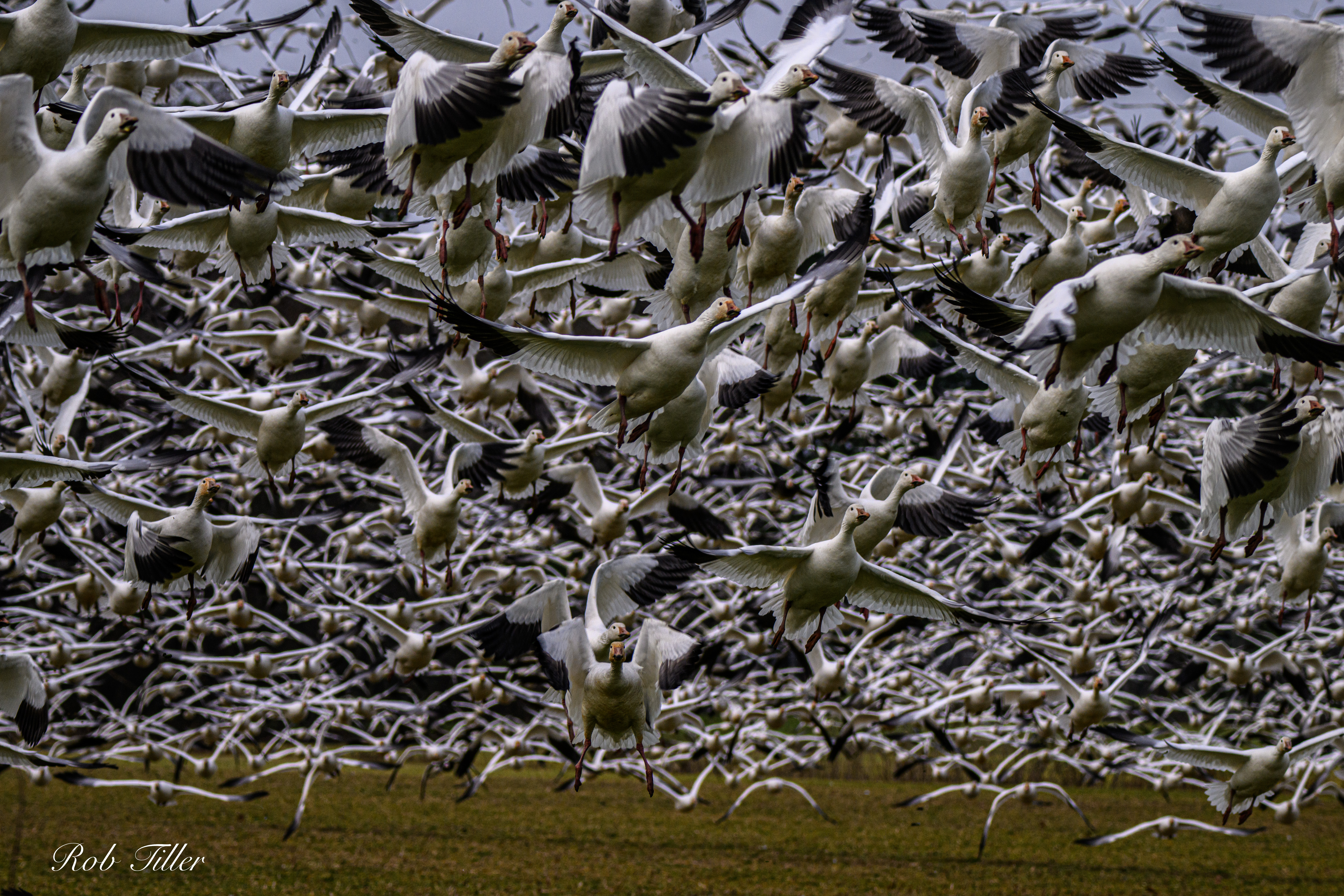
We saw a vast accumulation of snow geese grazing in a farm field.  Something (maybe a fox) startled them, and they all took wing in an instant, with some of them headed directly at us.  They made an amazing racket.  It was so exciting I forgot to worry about the possibility of being hit by one of these good-size, fast fliers.  We noticed after the big launch that a few birds were still on the ground, apparently wounded by collisions during the take off.  Clearly, it’s not easy flying in a crowd.  

The workshop was organized by Shoot the Light, Chas Glatzer’s outfit, and led by Joe Subolefsky.  I had thought Chas would be the leader, and was disappointed at first to learn otherwise, but I was very happy working with Joe.  He knew a lot about the wildlife and about making interesting images with mirrorless cameras (the kind I’m using now).  

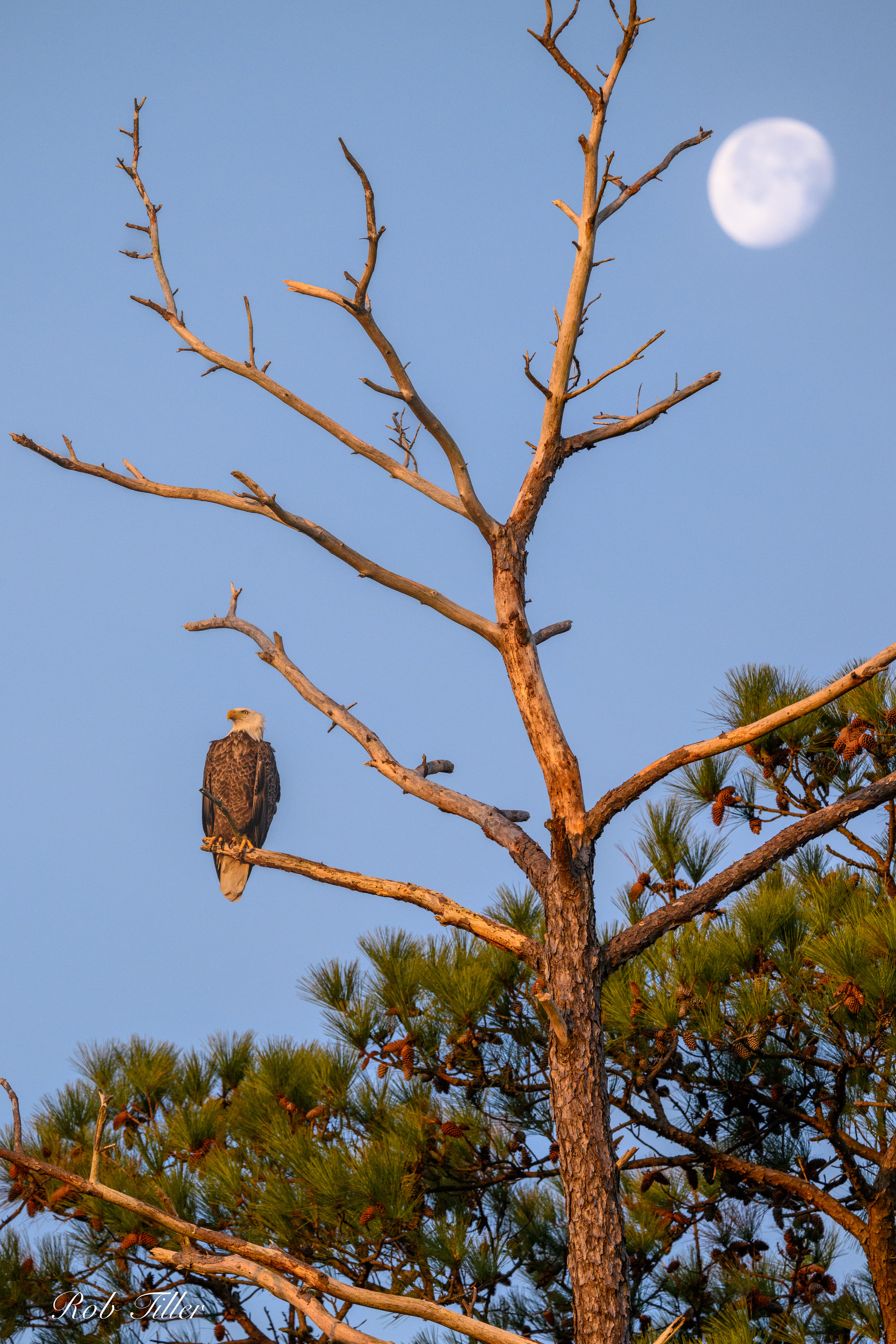
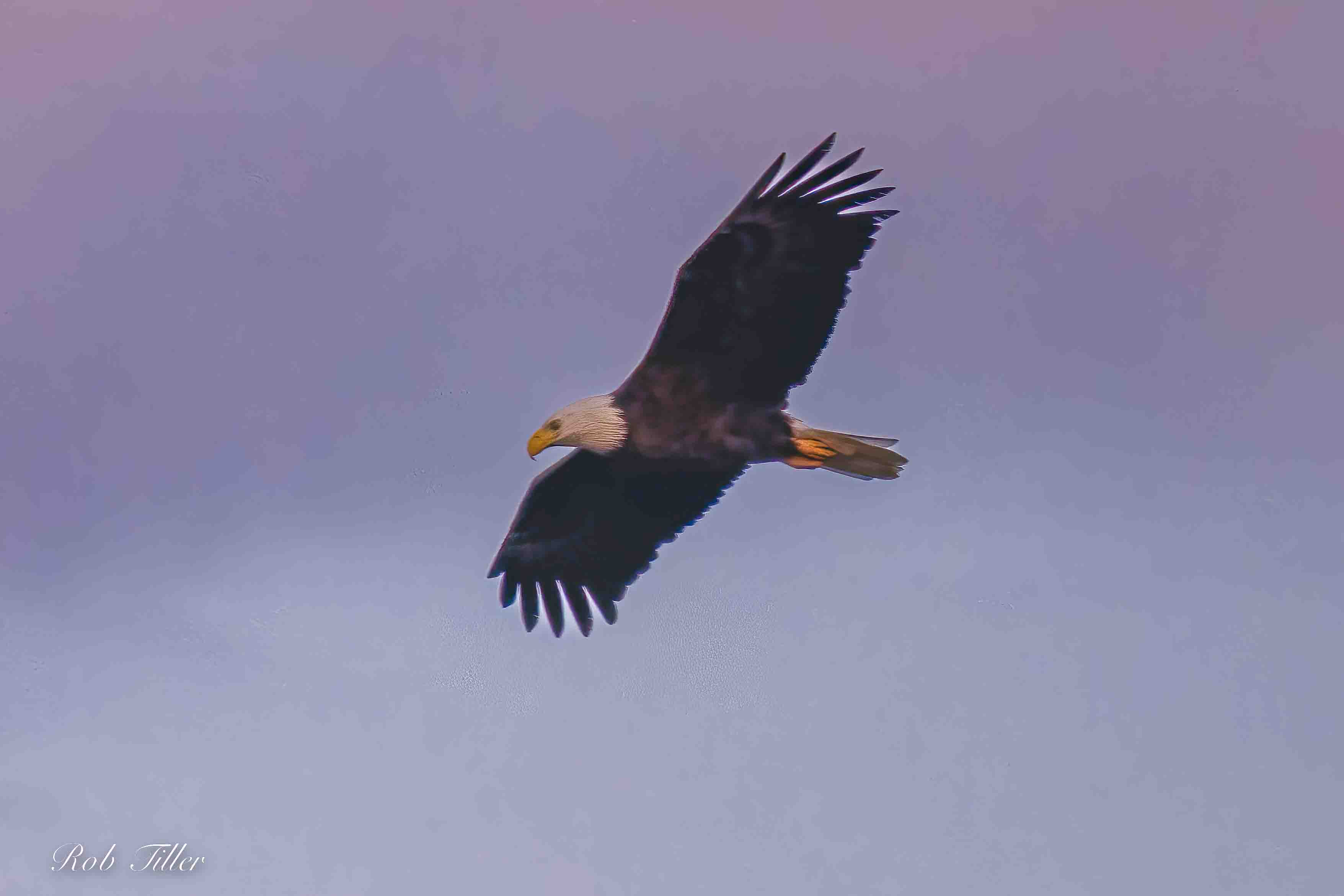
Speaking of birds, Sally and I had a special opportunity to visit the American Wildlife Refuge, a bird rescue center in Clayton, N.C.  There were quite a few big birds there who’d been hit by cars or otherwise injured, including barred owls, a great horned owl, red-tailed hawks, broad-winged hawks, Cooper’s hawks, vultures, and a bald eagle.  Most of these were on the road to recovery and were expected to resume their life in the wild.  The barred owls  were especially curious to see us, and sat together on a branch watching us intently.

We talked with the head of the organization, Steve Stone, who is a fully licensed and very experienced wildlife rehabilitator.  He is effectively a full time volunteer who has devoted much of his life to helping injured birds.  We were happy to be able to donate to support this work, and hope others will do so.  The web site is http://awrefuge.org/

Until last week, I’d never volunteered for a medical research project, but I  decided to sign up as a subject for a study of a new flu vaccine being developed by Pfizer.  I met the age and vaccine criteria (over 65 and not vaccinated for flu).  After a telephone interview, I went in for another interview, along with a physical exam.  

It was more involved than I expected.  But I got a shot of either the current flu vaccine or the experimental mRNA one.  Other than the needle prick, nothing bad happened.  And I got a non-de-minimis payment:  $150!  

Big white birds, intelligent bees, Ultra, and the tree lady

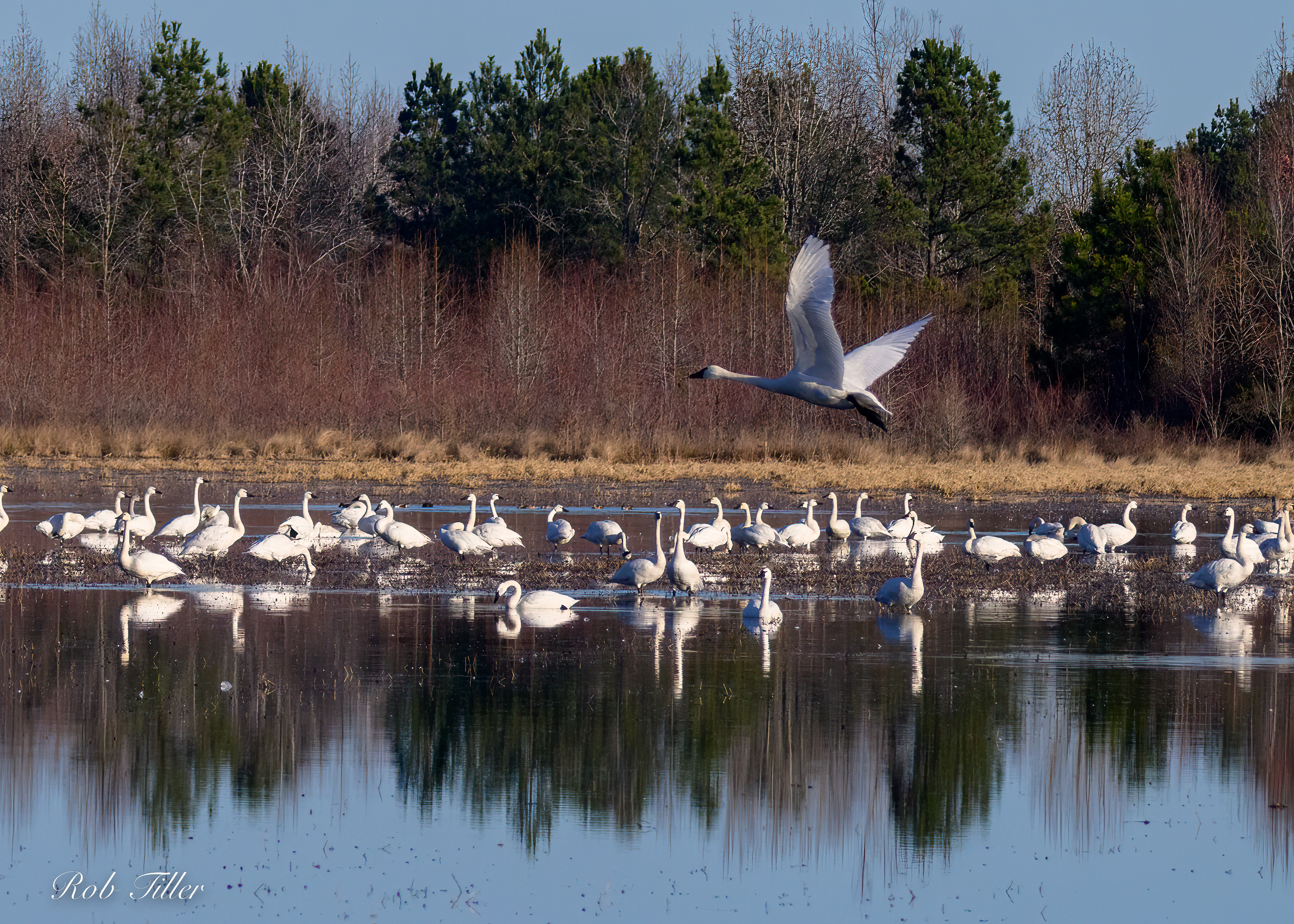
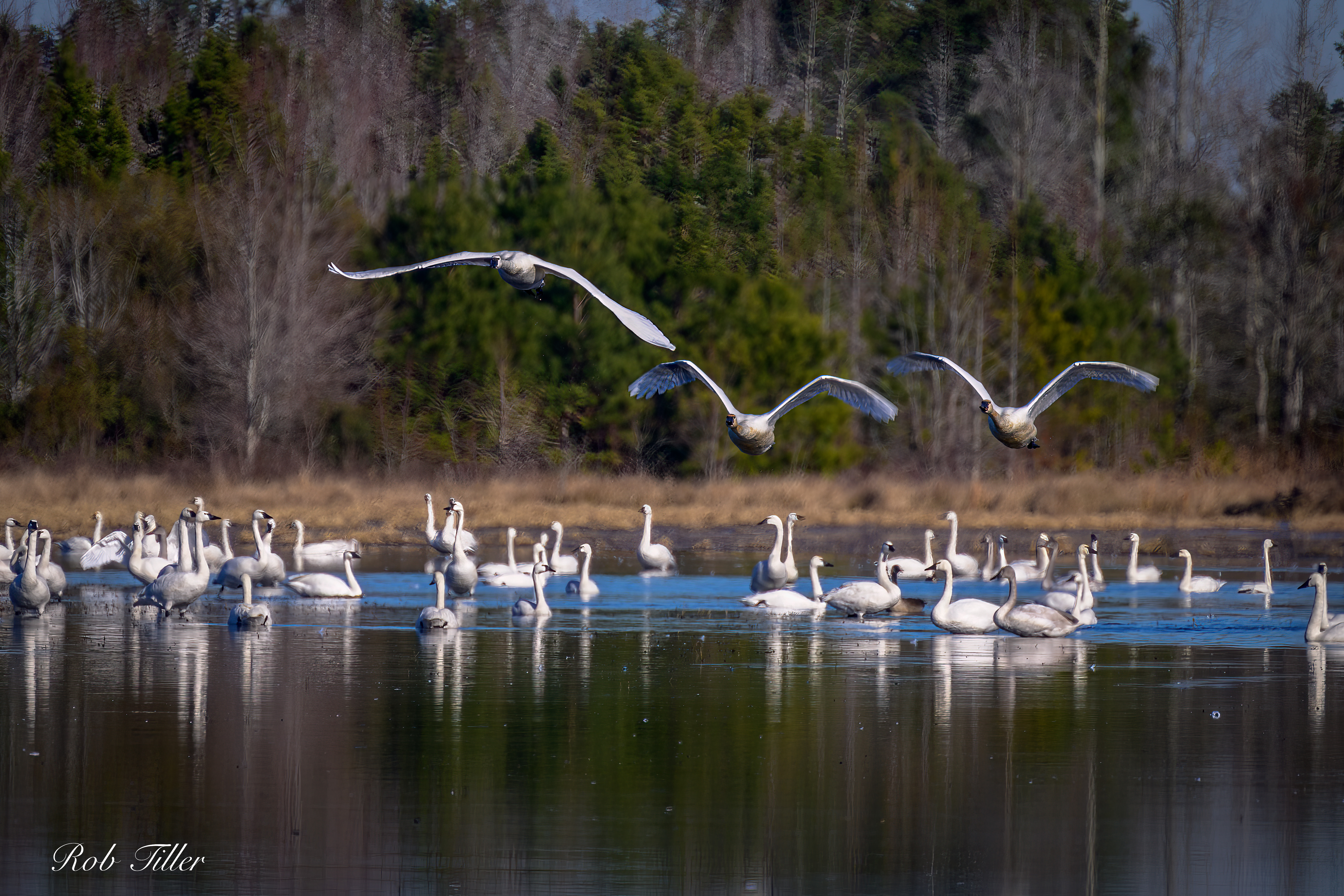
Last week I drove to eastern North Carolina to check on the visiting wild birds.  Some hundreds of tundra swans were there.  These big white birds nest on the Arctic tundra and migrate long distances to winter at places like Pungo Lake.  They really are majestic, swimming calmly or climbing the air.  I watched them for quite a while, flying, landing, feeding, preening, and having minor disputes.

Shortly after sunrise I also saw thousands of snow geese in a riotous murmuration, circling around a farm field, landing, then taking off again.  It was thrilling.  What were they up to?  They vocalize as they fly, and perhaps they’re debating how to group themselves and where to go for the day.  Or perhaps that’s just their ritual, their way to greet the sunrise.  

We have a lot to learn about the minds of other animals.  A new book I’m reading, The Mind of a Bee, by Lars Chittka, shows that most of what I was taught about bees back in the day was ridiculously wrong.  Chittka, a professor, discusses the special qualities of bee perception, communication, and behavior.  He makes a convincing case that individual bees have memories and solve complex problems of navigation, flower biology, and structural engineering.  It’s hard not to conclude that they have a kind of intelligence.  

On the drive out east, I listened to Rachel Maddow’s new podcast, Ultra.  The subject is American Nazis in WWII, including a couple of dozen members of Congress who collaborated with Hitler’s government.  One group, inspired by the rabidly antisemitic Father Coughlin (the most popular radio personality of his time), stockpiled arms and planned to overthrow the U.S. government. 

 I enjoy learning about American history, and like to think my knowledge is above average.  But the Ultra story was a chapter I’d never heard anything about.  I’d had the impression that in WWII, there was hardly any disagreement among Americans on the proposition that Nazism was wrong and needed to be opposed with all our strength.  But thanks to Rachel and her team, I now get that it wasn’t that simple.  

The January 6 insurrection, election denialism, QAnon conspiracy thinking, and the MAGA penchant for violence and repression now make more sense.  As disturbing as these ideas are, it’s clear that they aren’t random or isolated.  

Fascist fears and longings have been part of our story for a long time. For some, there’s real appeal in the idea of finding unity behind an inspired dictator to beat down a supposedly grave threat.  It’s easy to condemn this kind of extremism.  But it’s better to understand it as part of a long-standing culture that adherents did not consciously choose.  It might make us less judgmental and angry, and able to help the extremists calm down and perhaps find a measure of sanity and peace.    

On a happier note, I was glad to see the Washington Post featured a good piece by Sarah Kaplan on Suzanne Simard. Simard is a pioneering plant biologist who made key discoveries relating to how trees in forests behave.  (She was the model for a character in Richard Powers’ excellent 2018 eco-novel, The Overstory.)  She discovered that mycorrhizal fungi connected to tree roots facilitate living forest communities.  

Kaplan wrote, “Through decades of study, Simard and other ecologists have revealed how fungi and trees are linked in vast, subterranean networks through which organisms send messages and swap resources. The findings have helped revolutionize the way the world sees forests, turning static stands of trees into complex societies of interdependent species, where scenes of both fierce competition and startling cooperation play out on a grand scale.”  

Simard’s current big experiment is called the Mother Tree Project.  She’s designed different environments to see how trees and their associated fungi networks fare.  It seems pretty clear that the logging methods generally used today are not sustainable, and she’s looking for a better way. 

Some local birds, visiting Old Salem, off-roading in Uwharrie, and a few thoughts on biodiversity

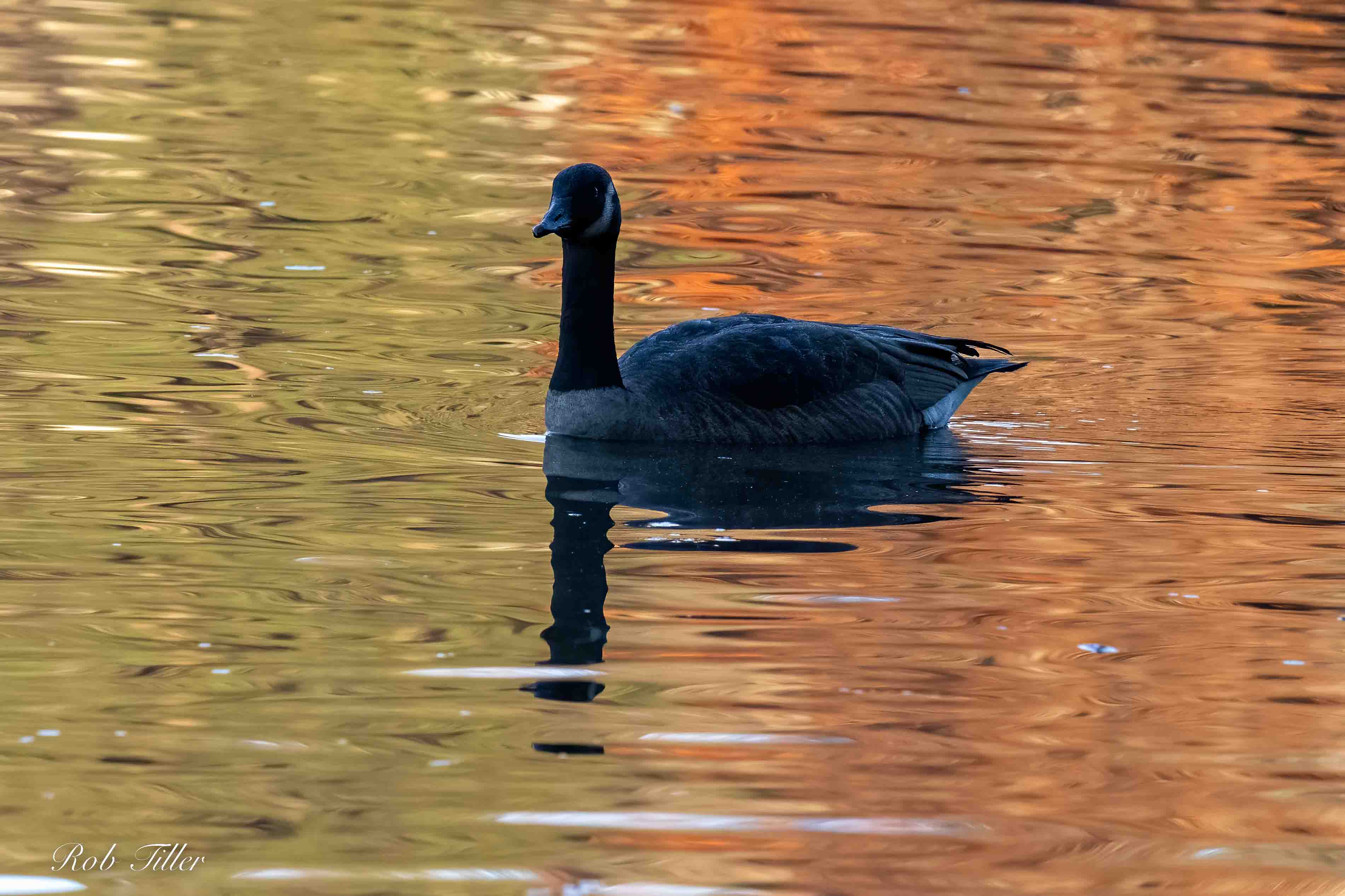
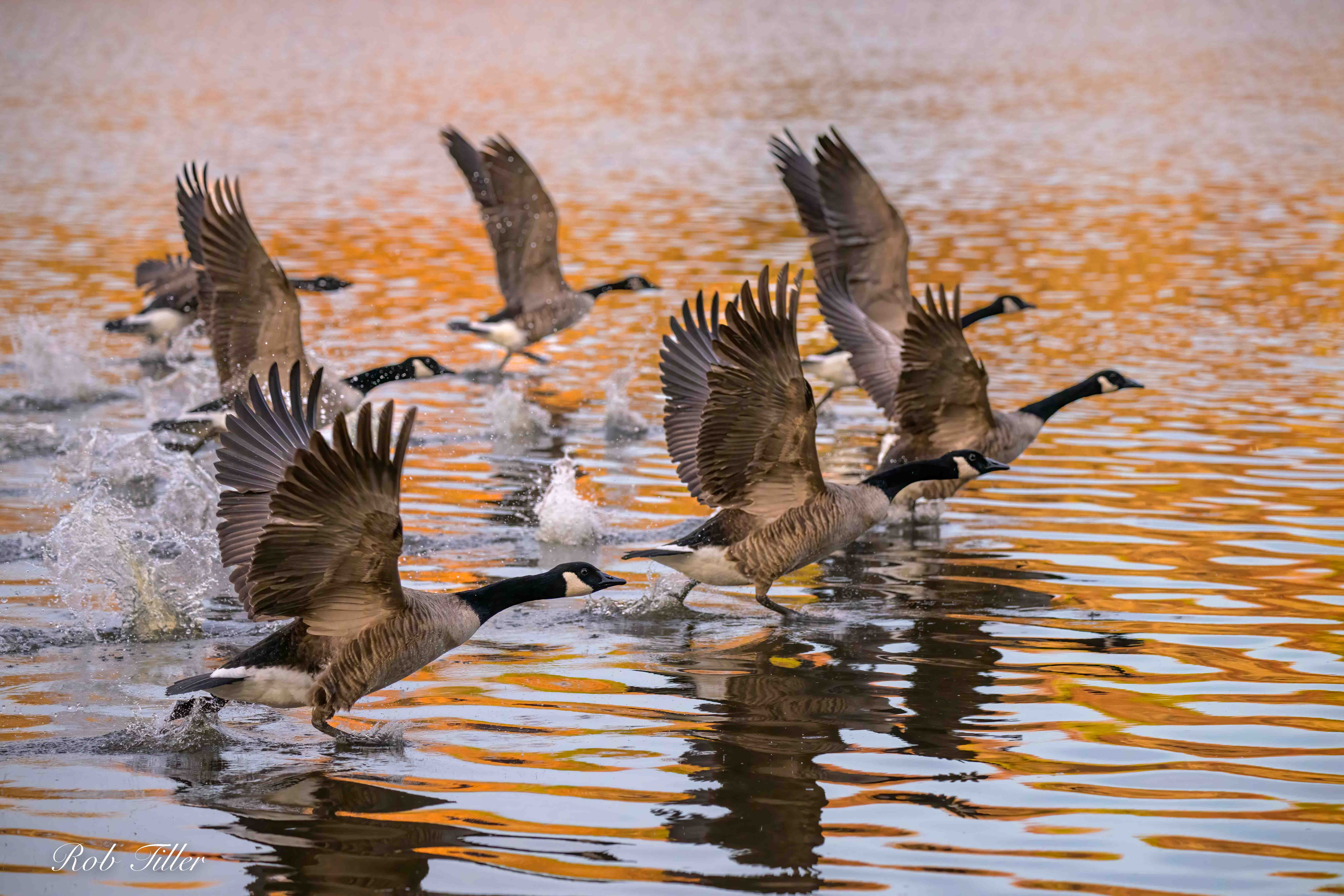
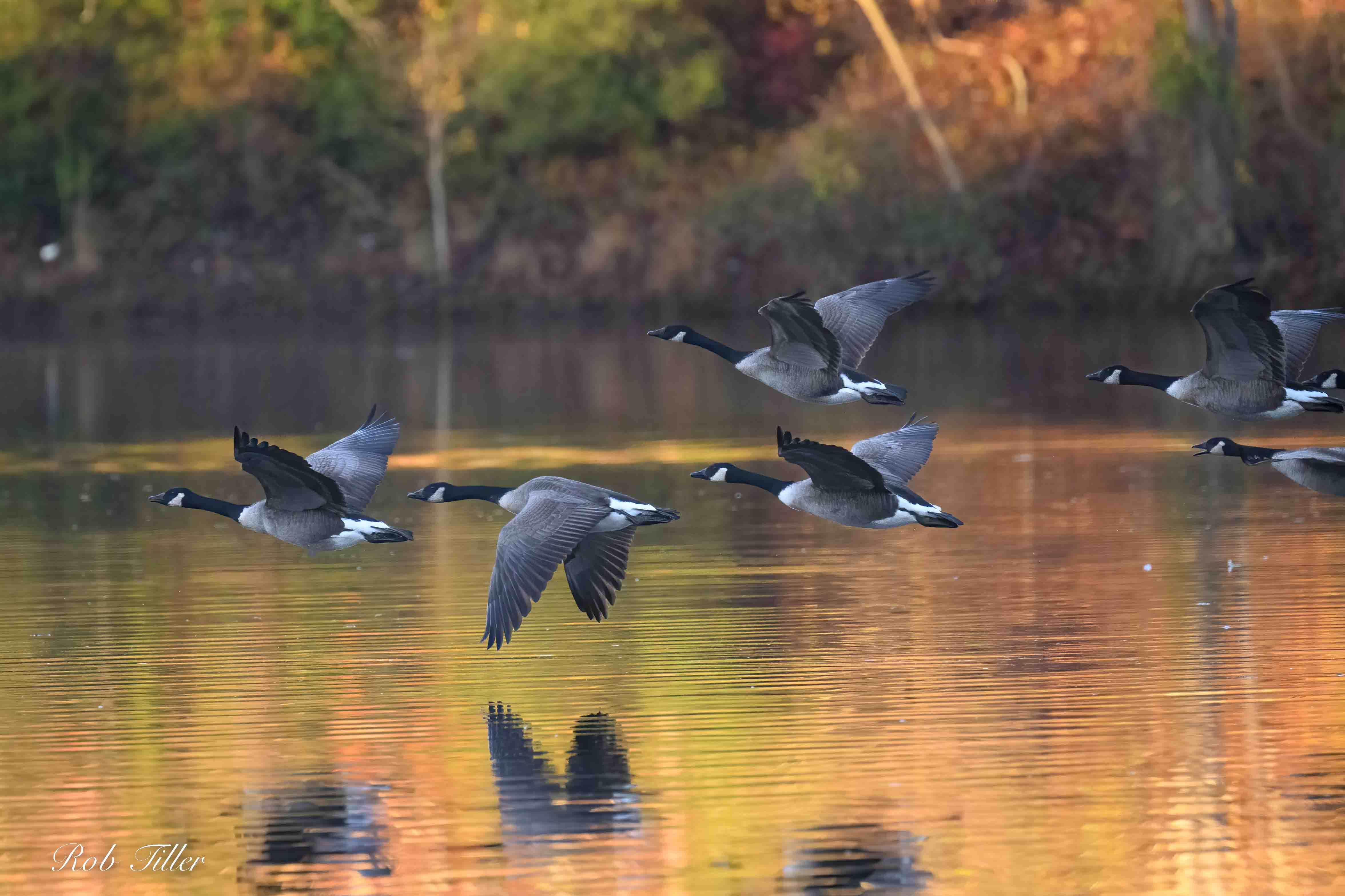
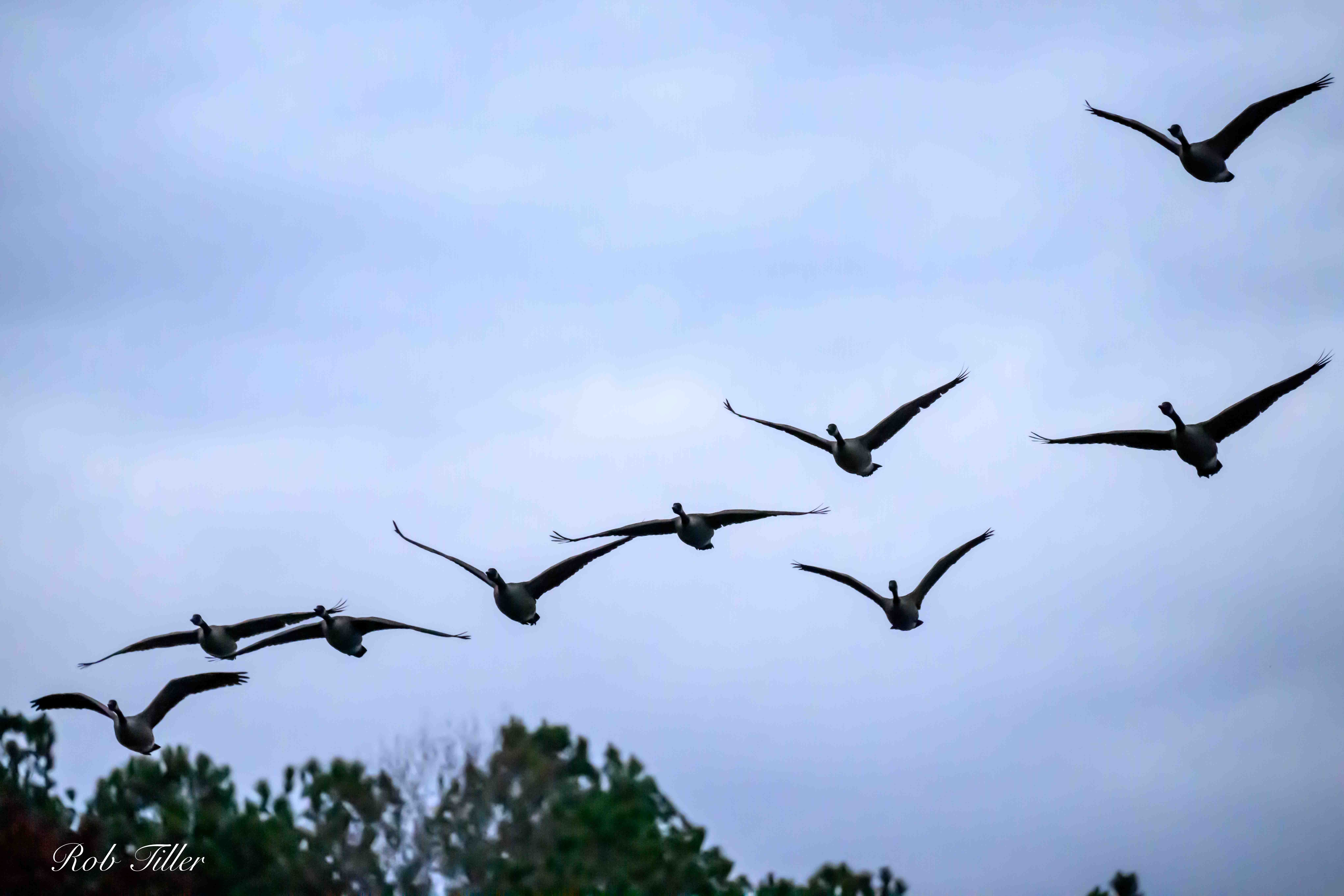
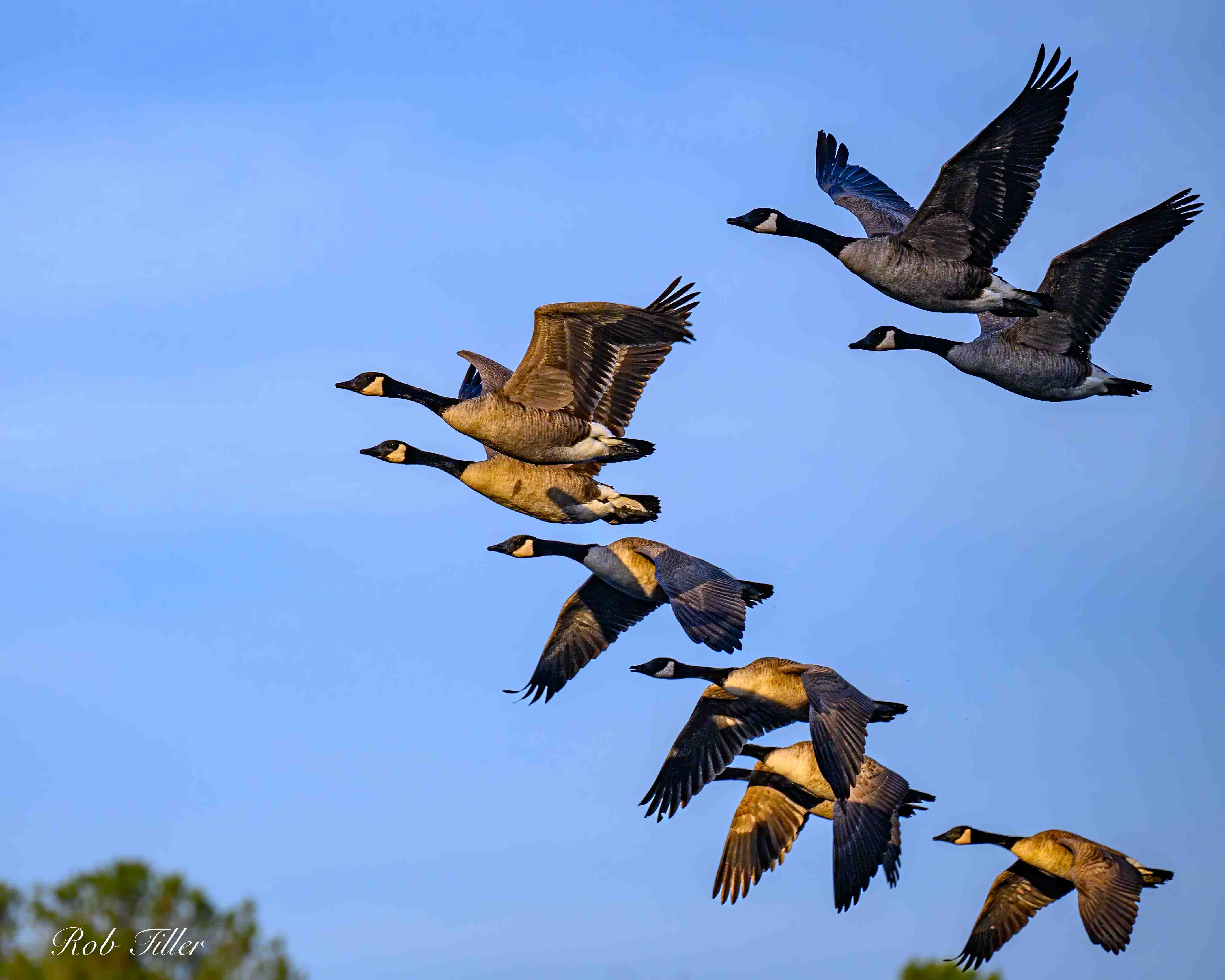
I’ve been getting up early to photograph the birds at local lakes in Raleigh.  The Canada Geese start flying right after sunrise, and most have gone elsewhere or settled back down for breakfast within 45 minutes.  It’s fun to hear their discussions and to see them gathering and taking off.  

After the birds have flown, I take a run around the lake, which is about 2 miles.  Later I check the photos to see if any seem to say something non-obvious about the birds, and experiment with processing to see if that unusual element can speak any clearer.  Here are a few that I liked.

Last weekend, Sally and I took a short holiday trip to Winston-Salem to see old friends and have a look through Old Salem, the restored Moravian town founded in the 17th century.  We enjoyed seeing the town and learning a bit about colonial life there.  A brass band played traditional carols in the square.   

Although the dominant narrative of Old Salem depicts a harmonious and innovative religious community, I figured there must be some dissonant notes that were worth hearing about.  We had a chats with a couple of the docents about difficult subjects, including slavery and subjugation of women.  They were friendly and knowledgeable, and readily acknowledged that not everything was sweetness and light in the early days.  

We were fortunate to get into the Candle Tea at the Single Brothers House without a reservation.  There we had a nice time singing some Christmas carols, which were a happy part of our childhood, and hearing once again the Biblical account of Jesus’ birth.  I’m not a believer any more, but I like that part of the Bible, in which all agree that a new baby is a miracle.   

On a different note, a couple of days later I did an adventure driving trip to Uwharrie National Forest.  It’s a large (50 thousand acre), mountainous (well, small mountains), green place in piedmont North Carolina.  The Forest Service maintains trails there for hiking, horseback riding, and off-road driving.  I wanted to test out my new Subaru Forester Wilderness, which claimed to be able to run off road with rugged 4X4s, at least to a certain point.

I stuck to the trails marked easy or moderate, which were a lot more challenging than I expected.  There were various spots where big rocks, mud, and trees had to be negotiated while moving forward, sideways, and up or down, sometimes all at once.  It reminded me of skiing black diamond trails — a lot slower, but similarly demanding and absorbing.    

I used my Subaru’s special off-road gearing system, called X Drive, and made it back to the paved road with no substantial damage.  I was proud of my Wilderness!  The Uwharrie trails were closed for the winter on December 15, but we’re looking forward to more adventures in the spring.

It was good to see the NY Times prominently featuring a piece on biodiversity.  As you may know, but many don’t, human civilization has caused enormous damage to other species.  Per the Times, “a million species are threatened with extinction, many within decades.” Biodiversity is declining at the fastest rate in human history.

The Times piece made the case that  humans should be concerned about the loss of other species, because it is likely to harm humans, including affecting food and water supplies.  While that’s true, there’s more to it than that.  Ruthlessly exploiting and destroying the non-human world is horrific and wrong under any definition of morality.

The threats to many species are caused by loss of habitat.  This problem is separate from, but in places connected to, climate change.  Humans have been gradually taking over huge areas where animals and plants once lived.  One of the big problems is destruction of forests to create more areas of agriculture, with much of that agriculture related to feeding farm animals that are then slaughtered for food.  

The Times piece noted that 200 nations have been holding a large meeting in Montreal with a view to addressing the biodiversity crisis.  Just this past weekend, the gathering (uncharmingly nicknamed COP15) came to an agreement on the 30 by 30 solution:  saving 30 percent of the planet’s land and oceans by 2030.   This sounds like progress, certainly, though it doesn’t seem quite  fair that one species (us) among millions would consider itself entitled to 70 percent of the planet.  

Almost all of us have been taught that humans are a unique species that is superior to all others, and that we’re entitled to dominate and exploit other species in whatever way we like.  This idea is so deeply embedded that it seems like part of nature, rather than just an idea.  But some are starting to see that it’s a poisonous idea, almost impossible to defend in terms of reason or ethics.  

Alternative conceptions of human life are possible. Life can be approached in terms of ecological systems, with the multitude of life forms having many interconnections with their environments and each other.  Our human lives are connected in many ways to the lives of other species, and those connections are key to survival and happiness both for us and others.  

For example, humans and other animals could not survive without plants that capture energy from the sun, and many plants could not survive without the insects and other creatures that pollinate them.   The principle is simple, though the details are endless.   The starting point is becoming aware of the diversity of life and the need for that diversity.  That should make us less heedless.  As we realize that our human wants and needs are not the only thing that matters, we become less miserable, and cause less misery.  

Our current political problems, including extreme polarization, are closely related to our hierarchical view of the natural world. We put humans at the top of the pecking order, and rank animals and plants at the bottom.  Most of us are taught that non-human life forms are  worth thinking about only if they can be exploited or pose a danger to us.  Thus we don’t know very much about the rest of nature, or even see the point of knowing more.  This ignorance is part of the source of our biodiversity crisis.  
This kind of hierarchical thinking also separates human groups, with the same result.  That is, in our culture, we normally rank males over females, white over non-white, native over non-native, and so on, in an unwritten but intricate caste system, with privileges accruing in the top-most ranks and getting scarce in the bottom ones.  The more privileged castes are taught to keep separate from those less privileged, and they come to fear those considered lower.  The fear is understandable, as extreme inequality can make the less privileged angry and resentful.  

Adopting an ecological approach to animals and plants could help us begin to overcome the worst of our human hierarchies.  Under an ecological approach, we’d notice more of our interconnections, and the value of considering differing customs and viewpoints.  Our polarized politics would be less polarized, because we wouldn’t be so fearful of our differences in appearance and culture.  We’d likely find that, just as with the different ethnic foods we enjoy, our physical and  cultural differences can be something to relish.   

Starting to miss Antarctica and its animals

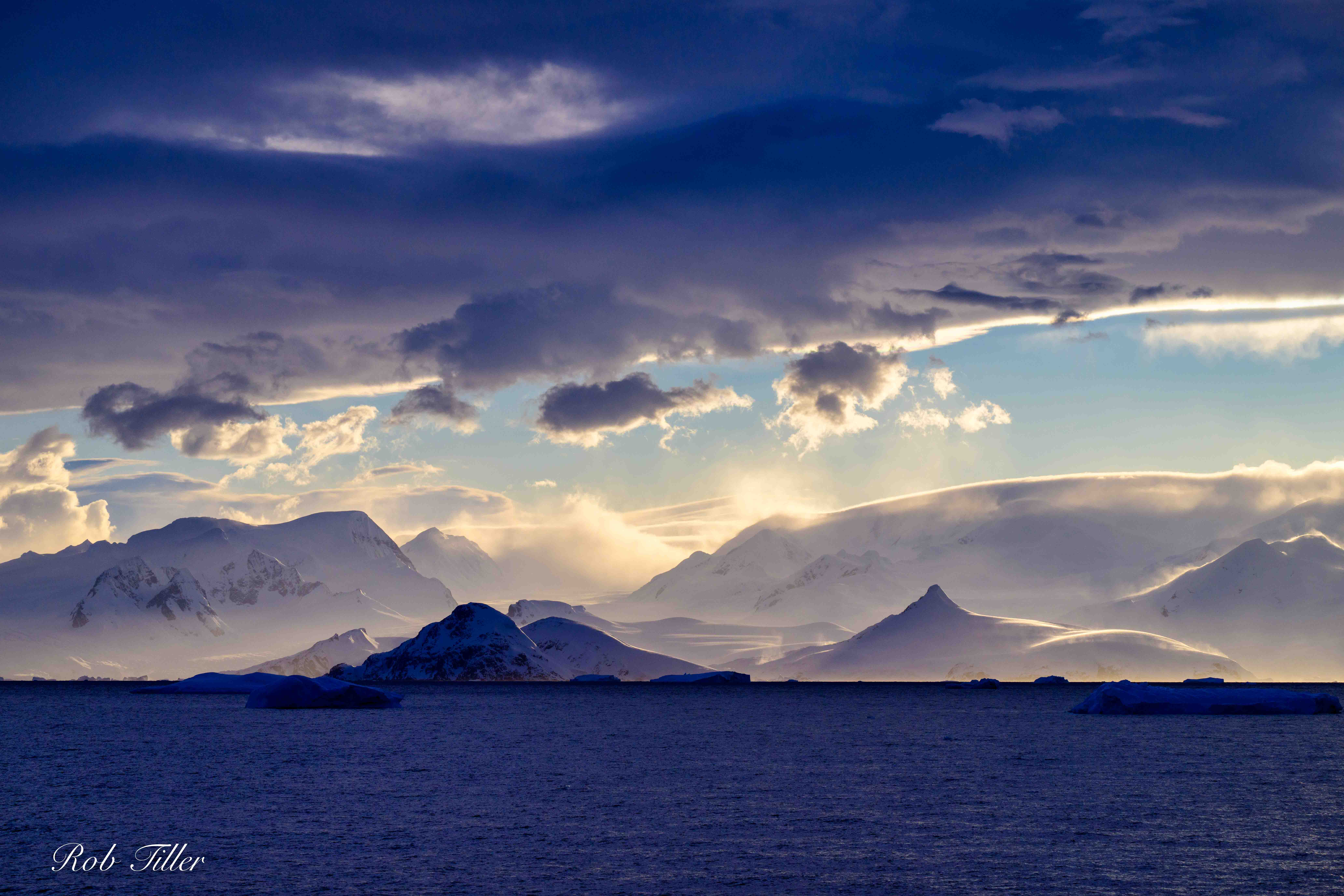
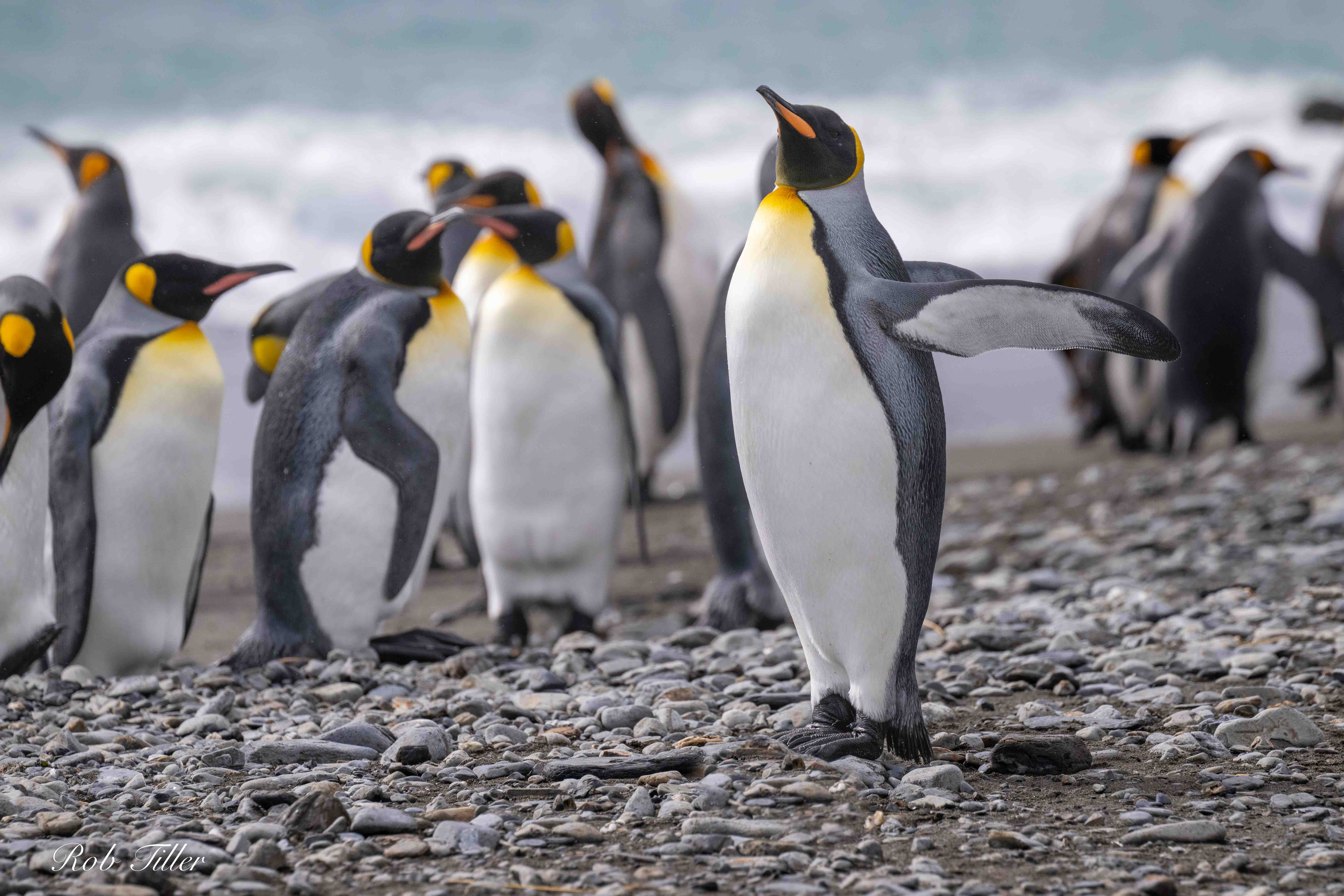
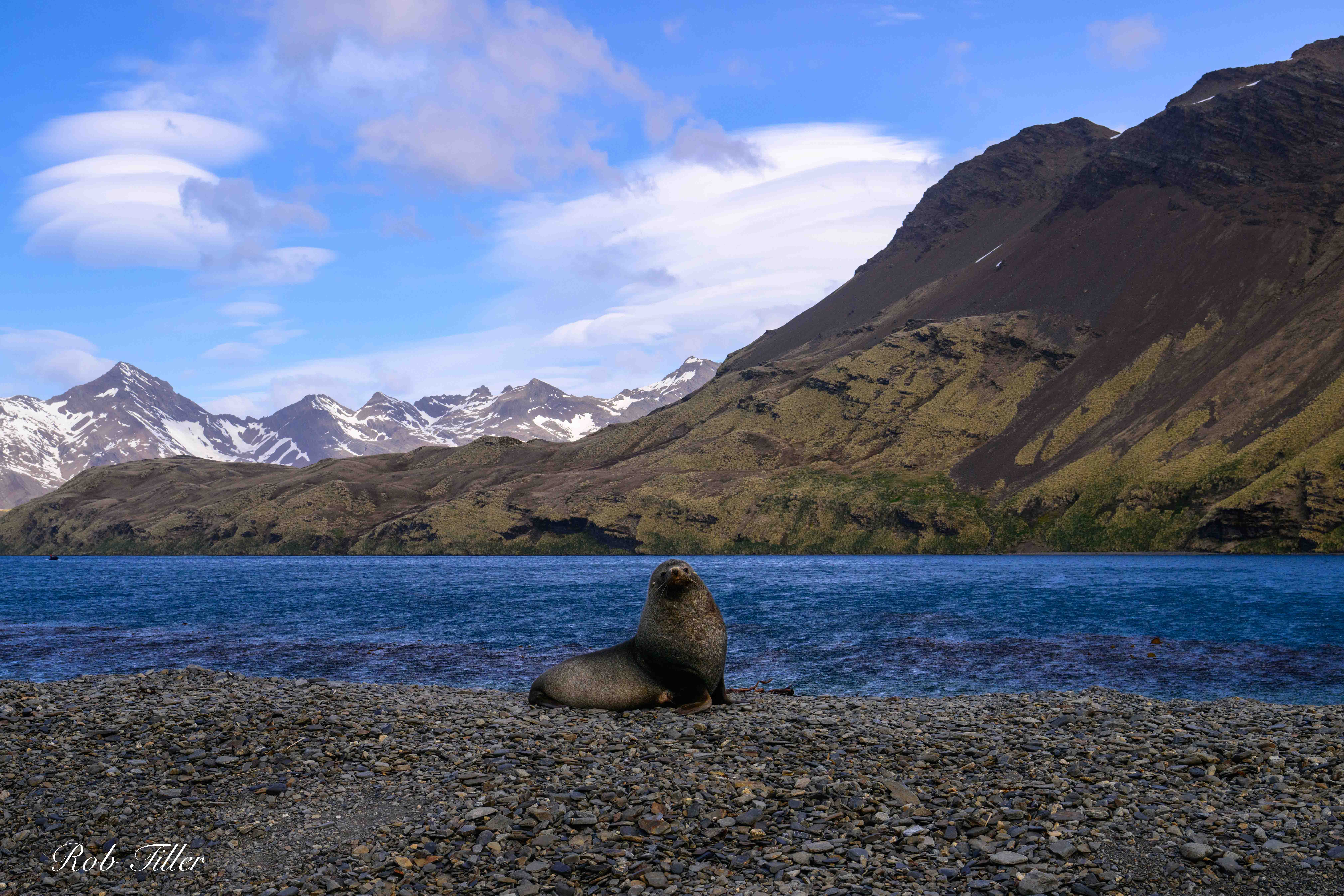
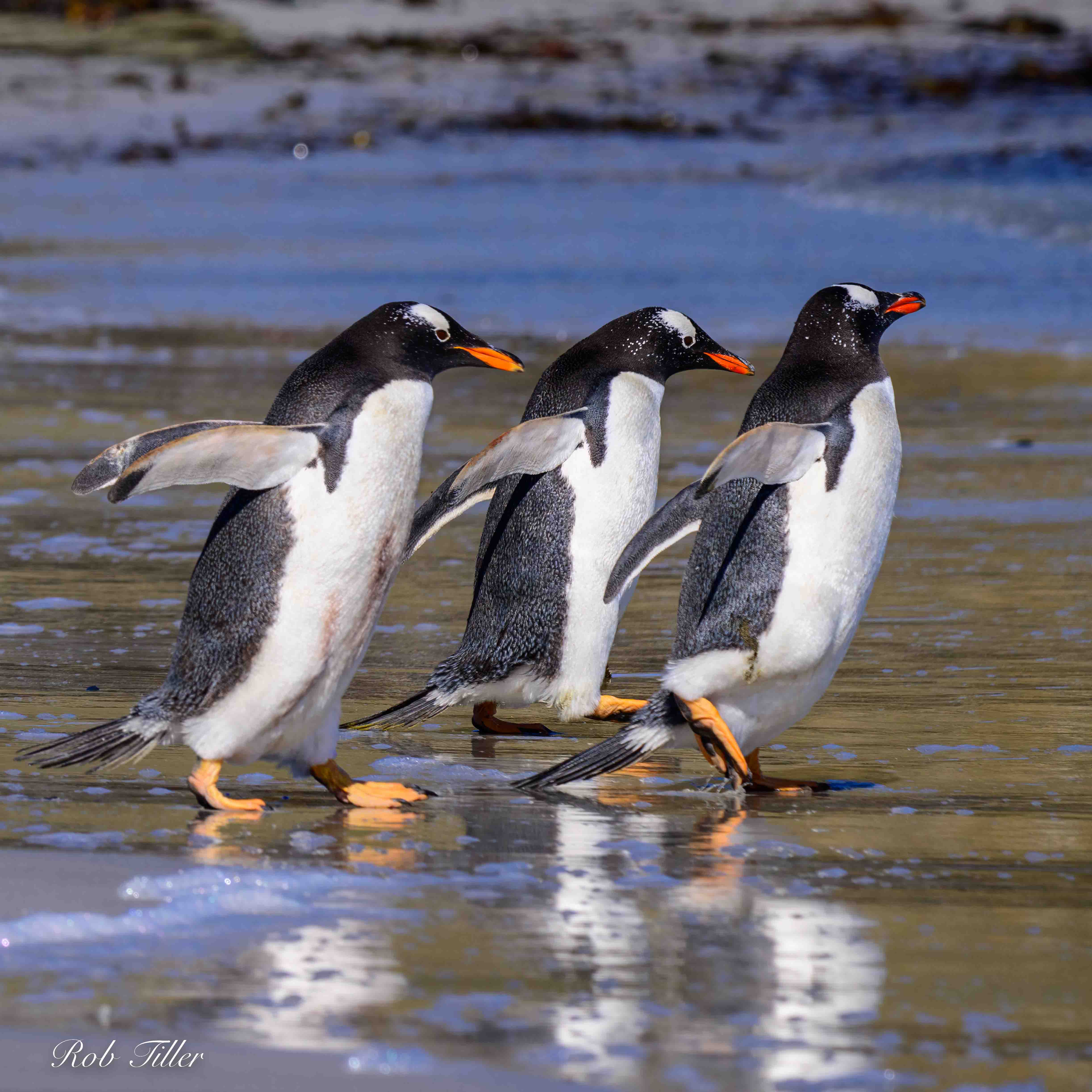
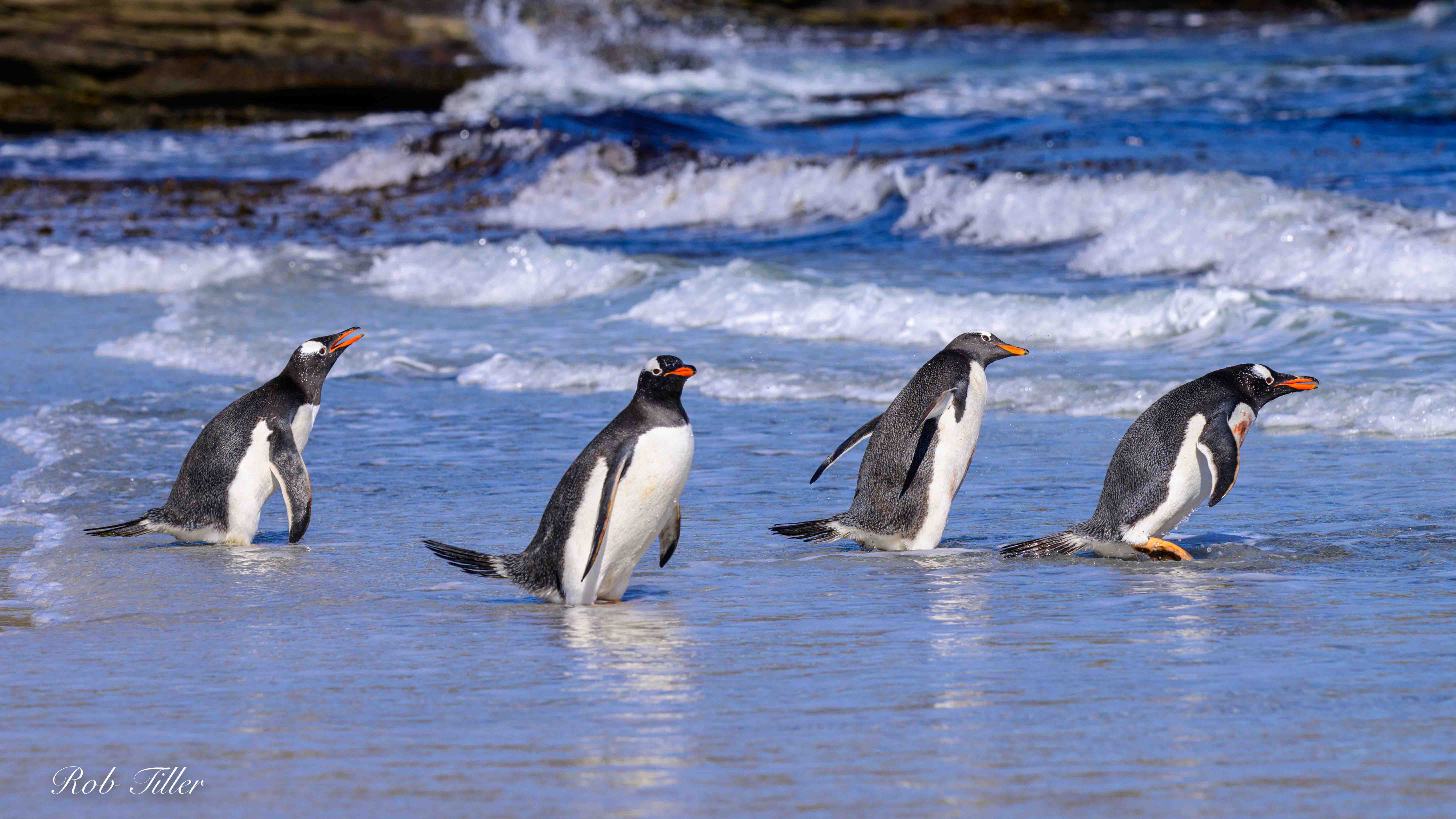
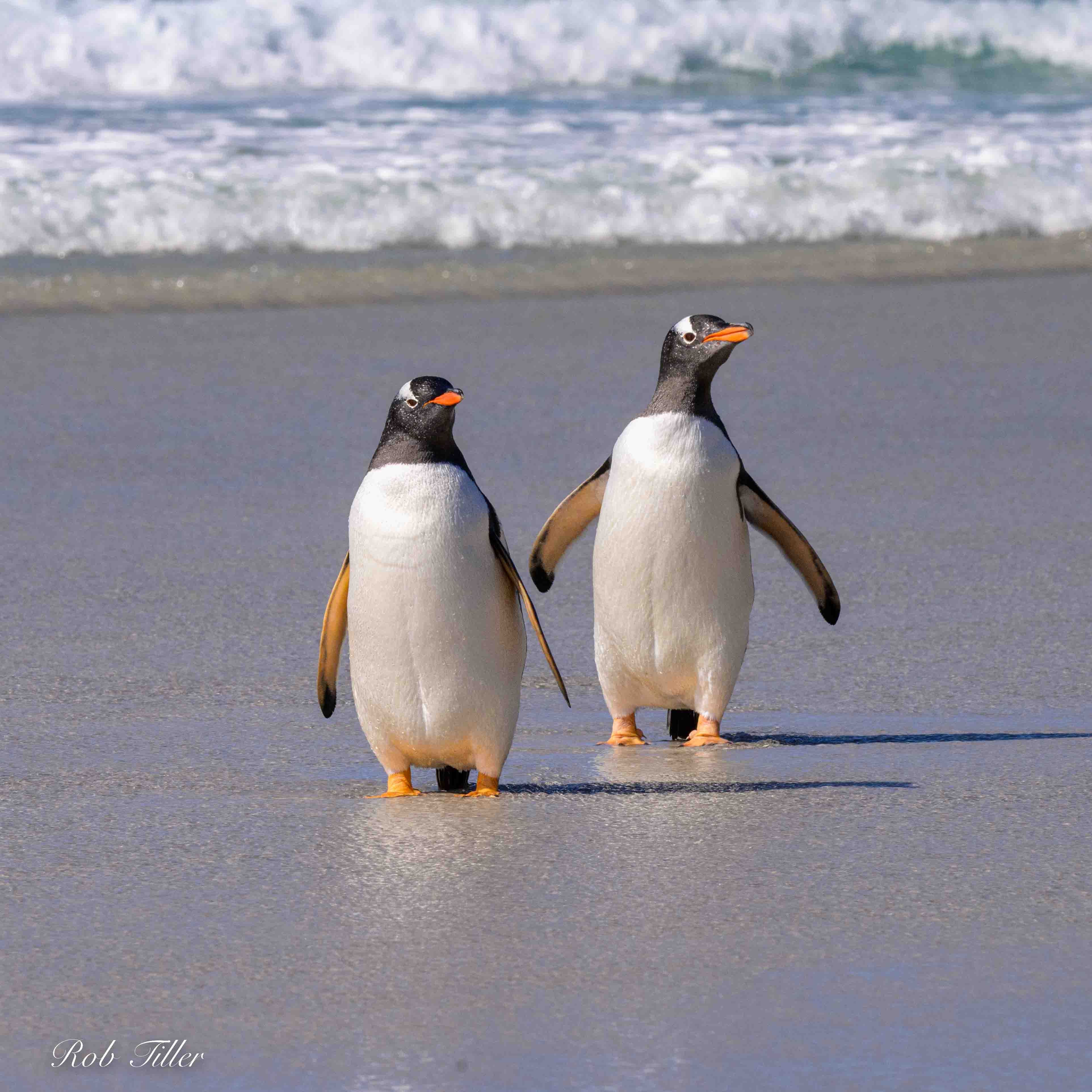
Looking back through the photographs I made on my Antarctic trip, I’m still reflecting on how challenging the voyage was.  But I’m starting to think about how much I want to go back.  It was uniquely beautiful, and thought provoking.

I came away with an enriched conception of non-human animals, and how humans can relate to them.  It reinforced my view that there’s no inherent right for us to use them without considering them as communities and individuals.  Even though it’s generally accepted, there’s something deeply misguided in our conception that non-human animals are inferior to humans such that they may be exploited as we see fit.

In rough Antarctic waters, the cooks and wait staff of the Ushuaia did a surprisingly good job of feeding us three meals a day, including providing something for the vegetarians on board.  Both lunch and dinner included dessert, which I and my shipmates ate, sometimes because it tasted so good, and sometimes just to pass the time.  
Anyhow, this all added up to a lot of desserts.  The result was that now, weeks after the end of the trip, I still have no interest in anything sweet.  My life-long sweet tooth has changed, which is probably a good thing. 

Eating involves a lot of choices.  I continue to think that a plant-based diet, involving little or no killing or exploiting animals, is best.  It seems self-evident to me that needlessly and cruelly killing other creatures is wrong – fatal to them, and also demeaning to us.  

The health benefits of a plant-based diet are also well documented. These include looking and feeling better, and lower risk of the common major diseases associated with eating animals, including heart disease, colon cancer, and Type 2 diabetes.  If decency and health weren’t reasons enough, it’s becoming more widely understood that animal agriculture is a major contributor to global warming and all the destruction that comes with climate change.

These facts seem vitally pertinent to me, but most people manage to ignore them.  It’s strange, but then again, it’s extremely common for people to carry around beliefs that have no relation to reality, and to tolerate risks that seem to me very worrisome. Fortunately, most of the time, an individual’s ideas don’t do much harm to the individual or to others.

However, I think our ideas about eating animals are more consequential, which is why I think they’re worth discussing.  At the same time, I don’t want to pointlessly add to the general angst and feelings of hopelessness. Fortunately, the situation with animals is far from hopeless. In fact, moving away from eating animals and eating a healthier plant-based diet is not that hard. Lots of people are doing it.

Apropos of animals and food, this week I heard a new podcast with a focus on the lives of farm animals and industrialized farming. Leah Garces, president of Mercy for Animals, speaks with Ezra Klein about how the low cost of meat is not really such a good thing.  The system is extremely profitable for a few producers, subsidized by taxpayers and protected by law, miserable for most of the farmers involved, and of course, horrific for the animals.  

This food system seems fully entrenched, long supported by political and economic power.  But, as with our changing climate, the chickens are coming home to roost:  industrial animal agriculture is causing more deadly pollution, increased antibiotic resistance, animal-based pandemics, exhaustion of arable land, loss of rainforests, and of course, the psychological trauma of complicity in massive animal suffering.  Again, the word is getting around.  

On a different note, I’m continuing my project of reading “classic” novels that I encountered as a youth, and just finished one that intersects with issues of animals and food:   The Jungle, by Upton Sinclair.  

This is a book some of us were forced to read in high school as one of the “great books.”  I finished it last week, and didn’t think it was exactly great. The writing was sometimes clunky, and the shape ungainly.  But it was undeniably powerful and brave in its account of industrialized animal slaughter in early 20th century, and the brutal exploitation of the immigrants who did most of the dirty work. 

Is The Jungle still relevant?   Well, the meat industry has gotten a number of states to pass “ag-gag” laws, which make it a crime to document what goes on in the slaughter houses that supply our grocery stores and restaurants.  It makes you wonder what they don’t want anyone to see.   I’d bet that they think, rightly, that a close up view of modern industrial slaughter operations would be very bad for business.

Of course, I very much doubt our modern slaughter houses are anywhere close to as filthy and disease-ridden as what Sinclair described, but, as Leah Garces explains in the recent podcast, they are still full of misery.  Garces’s organization is working to help animal farmers transition to growing other products.  She thinks (and I agree) that if we don’t like the system, criticizing it is not enough:  it’s important to find and support better alternatives.