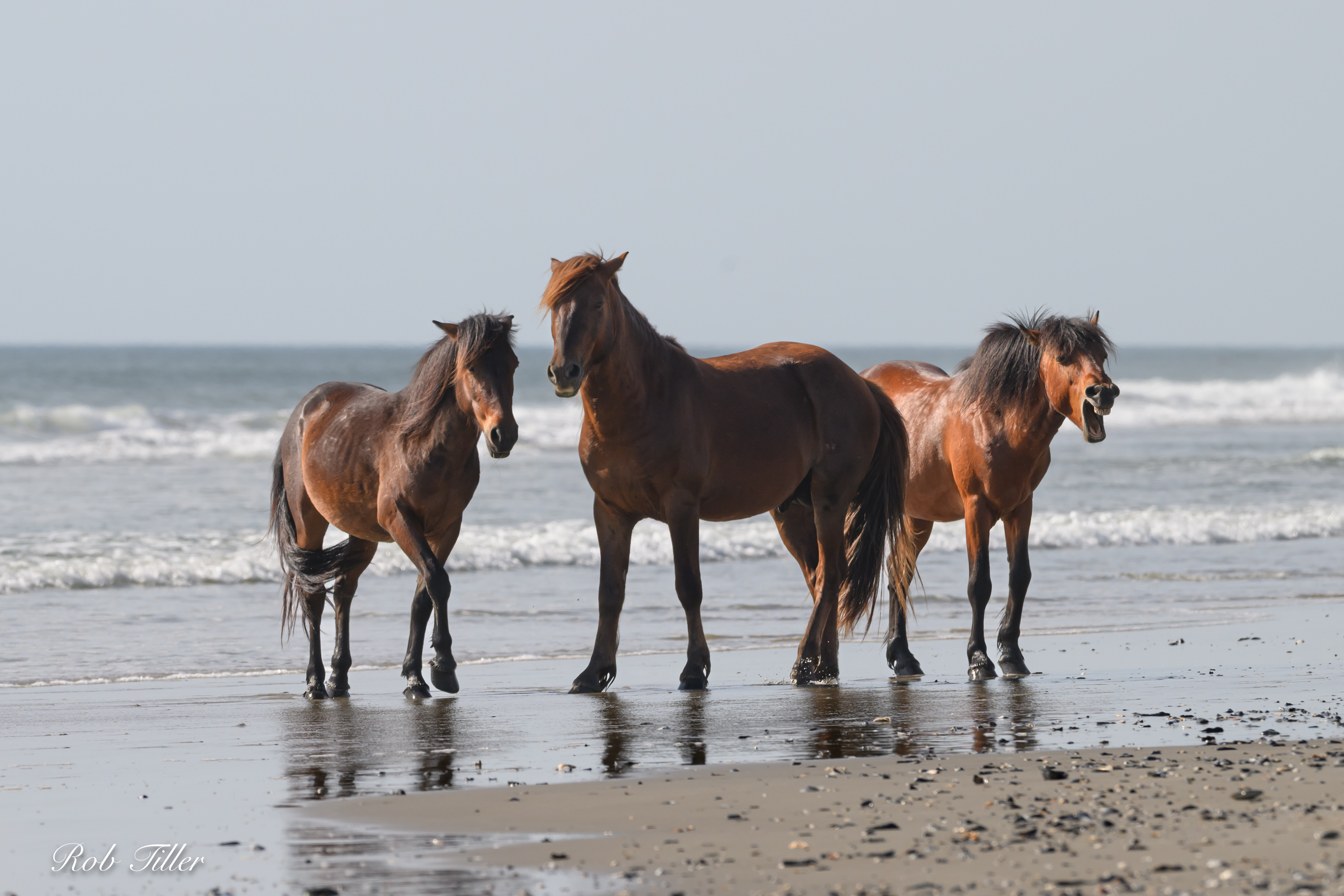
The Casual Blog

Category: Uncategorized

Skiing in Canada, and trying to articulate some of the problems with Trump

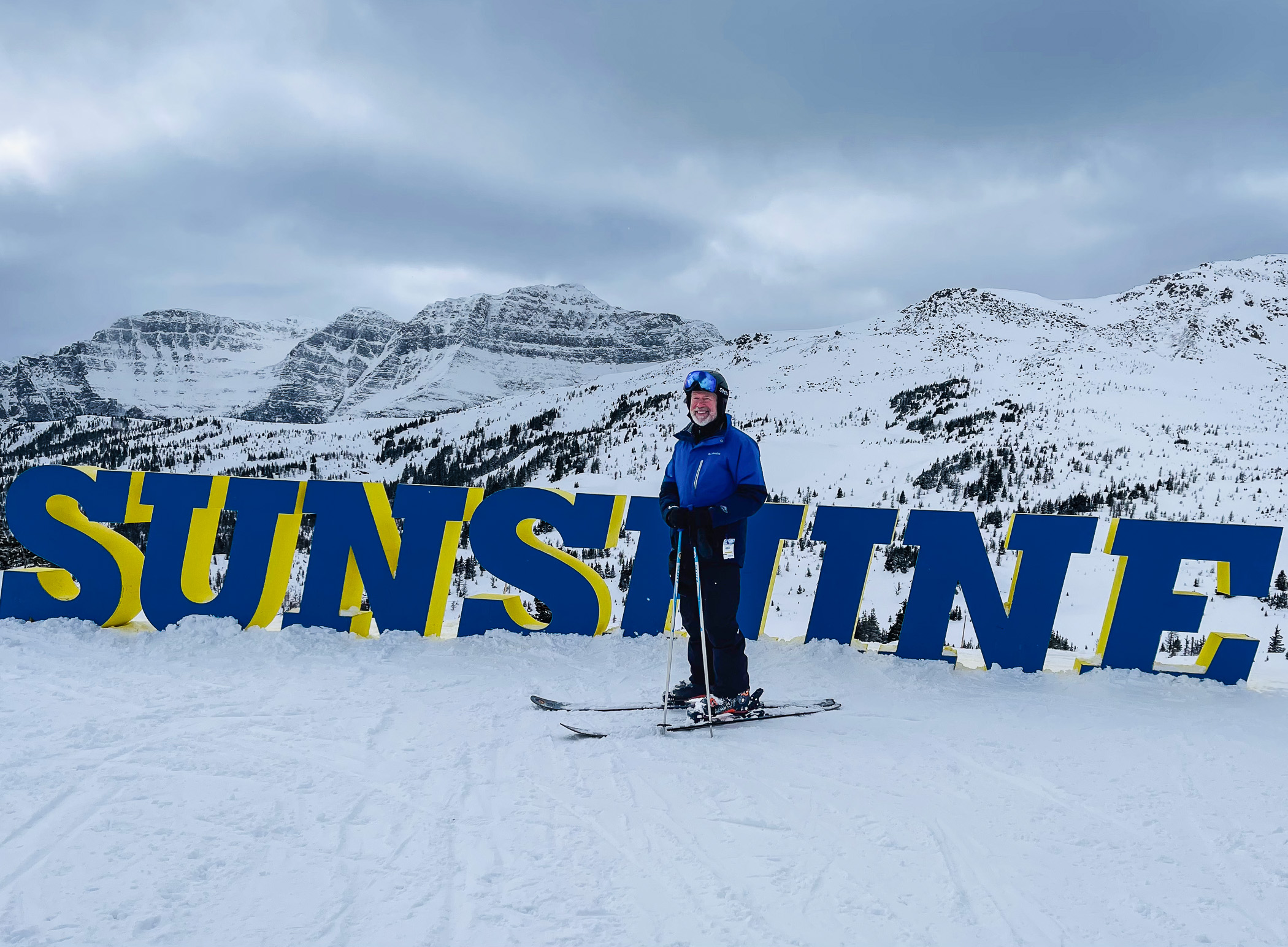
Last week I got to ski in Banff National Park in Alberta, Canada.  It was amazingly beautiful there, with vistas that rivaled the Alps.  There had been less-than-average snowfall, but there was enough coverage for many excellent runs through varied and challenging terrain.  I sampled the Lake Louise area, and spent the majority of my time at the Sunshine resort.

The trip was organized by the Raleigh Ski and Outing Club, which I recently joined.  As a new member, I found the group friendly and welcoming.  There were quite a few very good skiers, and it helped my skiing to hang with them.  

I was a little worried that the Canadians would be upset with American visitors, because of the recent threats by Trump to punish the country economically and possibly take it over.  Happily, the Canadians we met were nice as could be, though I’m sure that a lot of them are distressed at the new Trump policies.  

Since returning to the USA, I’ve been spending a lot of time with the news, trying to understand what’s happening to my country.  There’s so much to process that it can be overwhelming.  

It feels as though we’ve had a coup, with a small group seizing power and upending the existing order.  This is not extraordinary, in the sense that it has happened in many countries before.  What’s unusual is that we (that is, a bare majority of us) elected the coup instigators, and this is the USA, which has a long history of political stability.

The new Trump administration has moved with lightning speed to dismantle the existing framework of government and put in place values and policies antithetical to our laws and traditions.  Recent polls show that a lot of these initiatives are not supported by the majority, but there’s still a substantial minority that continues to approve of Trump. 

The remaining support for Trump confirms that, despite being stupid in many ways, he has a remarkable talent for propaganda.  He labels his ideas very simply and keeps repeating them.  It matters not if his labels distort or reverse the original meaning of words.  The constant repetition, like water on rock, tends to erode critical thought.

To successfully resist the new Trump program, we resistors need to call out the distortions, and also to communicate better by simplifying our language.   Where possible, we need to be direct and uncomplicated.  With that in mind, I’m offering the following seven-question quiz to highlight a few of the most alarming new initiatives, including some words in boldface that might serve as touchstones.

QUIZ – ARE YOU OK WITH TRUMP?

  1. Are you in favor of tanking the economy?  Prices of groceries and other necessities are going up, as Trump is driving us toward an economic disaster with his bizarre tariffs.  The stock market has dropped like a rock.  Business leaders are scared of what he’s doing and scared to object.  
  1. Do you support corruption in government?  Trump has fired officials who served as watchdogs for government misconduct and has declared a non-enforcement policy for anti-bribery laws.  This makes sense if one intends to loot the state and reward cronies by allowing them to do likewise, as authoritarian regimes often do.  Likewise, Trump is encouraging business fraud and corruption by shuttering the Consumer Finance Protection Board.  See Sen. Murphy’s recent speech for more on this:  https://youtu.be/hycoCYenXls?si=CJqnRPXx5OUaqw6J
  1. Are you opposed to free speech?   Trump is threatening and punishing traditional media that displease him.  Media outlets are writing him checks to settle his baseless lawsuits (see previous question on corruption) and toning down their critical coverage.  He’s previously proposed to shoot peaceful protestors.  His people have just arrested a foreign-legal resident for protesting the Israeli slaughter of Palestinians.  He has promised there will be more arrests to come.  
  1. Are you in favor of white supremacy?  The Trump initiative to suppress diversity, equity, and inclusion is simply a rebranding of old-fashioned racism, misogyny, and xenophobia.  Repeat:  his anti-DEl program is really barely disguised pro-racism, pro-misogyny, and pro-xenophobia.  Trump’s DEI bans, blaming airline disasters on DEI, and his firing of accomplished black and female military leaders shows that this initiative is both serious and crazy.  
  1. Do you prefer cruelty to decency and kindness?  Trump has cut off aid to starving children.  He’s stopping medical care for HIV and other patients.  He is gutting agencies that serve those less fortunate.  He is imprisoning migrants who have lived productive lives here for years or decades.  He is denying the humanity – indeed, the very existence – of transgender people.  
  1. Do you think it is better to address serious problems based on ignorance or science?  Trump is declining to endorse vaccines to prevent preventable serious diseases.  He’s shutting down scientific research into fundamental health issues.  He denies the reality of climate change that threatens civilization.  Indeed, he is pushing for producing and using more fossil fuels that will accelerate global warming.  
  1. Do you support brutal autocrats and the betrayal of democratic allies?  Trump has withdrawn support for Ukraine and threatened to withdraw from NATO.  He’s threatened to seize territory in Canada, Panama, and Greenland.  Meanwhile, he expresses continued affection for kleptocratic war criminal Vladimir Putin.  

END   

Pencils down.  How did you do?  Of course, this list doesn’t hit every Trump disaster currently in progress, but you get the idea – the indecency and outrageousness of a lot of the Trump initiatives can be stated in pretty simple terms.  

There are also some Trump initiatives that are harder to simplify, like upending the constitutional order by refusing the directives of Congress and the courts, undermining the rule of law through baseless pardons and baseless prosecutions, and decimating the federal workforce that’s foundational to our system of justice, our defense, protection of our environment, and many basic services.  But for those too, simpler is better, at least as a starting point.  

Admittedly, it will probably never be possible to persuade committed MAGA-ites that Trump’s program is disastrous.  There are those whose minds are made up, and sadly for them, they’re likely to be among the first to face serious adverse consequences from their leader.  But there are still plenty of folks who voted for him who will consider changing horses at the next opportunity.  Let’s see if we can improve our communications to help them see that changing is a good idea.  

Discovering Japan, and reimagining politics and immigration

Tokyo from the Grand Hyatt hotel

I’m finally getting over jet lag from our two-week trip to Japan.  Sally and I covered a lot of territory to get there, and a lot while there – Tokyo, Shuzenji (a small hot springs town), Kyoto, and Niseko in the north for a few days of skiing.  We used the Tokyo subway, an amazing bullet train, and local taxis.  There were, as always, a few travel glitches, but I really loved Japan.

Of course, the Japanese are a lot like us, and western culture has had a big impact on their culture.  Tokyo is the largest city in the world (with 37 million people) and very modern.  But we focused particularly on traditional Japanese places and activities, like older neighborhoods, gardens, castles, Buddhist temples, and Shinto shrines.  At Shuzenji, we stayed at Asaba, a beautiful traditional inn, or ryokan, and tried hot spring bathing and traditional food served in our room.  We got a quick look at a geisha in Kyoto.   

Everywhere, we found the people to be kind and respectful.  We did not know Japanese, and some of the people we dealt with knew very little English.  But this was not a big problem.  We always managed to get the essential matters worked out with gestures and expressions.  I’d planned to rely on Google Translate, but actually never needed it.  

Traditionally the Japanese are more oriented toward cooperation than people in the US.  They generally try to avoid conflict, and are very considerate.  People were wonderfully quiet on the subway.  We found that even the cars were quieter than here.  

They seemed to be very proud of their culture and its achievements.  The people we met were very pleased to hear that we drove Japanese cars, used Japanese electronics, and loved Japanese cameras.  But everywhere people bowed a lot, expressing respect.  

This was even true in Hokkaido, the northernmost island of Japane, where we skied four days at Niseko and one at Rusutsu.  Hokkaido is famously snowy, and draws a very international clientele.  Although we didn’t get fresh snow, there was plentiful snow of fine quality – light and dry.  The slopes were a bit crowded, and the runs a bit shorter than we’d have liked, but there was plenty of good terrain. The lift attendants bowed as we got on and off, which was charming.  

Getting introduced to Japan was inspiring.  We enjoyed the beauty of the art, the gardens, the temples, and traditional clothing.  But for me, the most thought provoking aspect was the Japanese system of values, with its emphasis on respect and kindness.  

As the new Trump regime is coming online, it’s clear that these are not its animating values.  Greed, selfishness, and cruelty seem to be its defining characteristics, and it seems almost naive to hope for compassion and generosity.  But the Japanese (who, of course, have their problems and their bad eggs) reminded me that there are workable alternatives for a successful society.

I’m trying to stay positive, and keep in mind that Trump’s program might not result in total catastrophe.  There are a lot of people – probably a majority – who are not in favor of cruelty to immigrants, persecuting political opponents, denying women their bodily autonomy, vilifying sexual minorities, encouraging racial discrimination, accelerating climate change, attacking biodiversity, banning books, encouraging political violence, firing competent government employees, suppressing opposition media, discouraging vaccines, denying food to starving children, betraying allies, encouraging bribery, and so on.  The worst case Trump agenda will have a lot of opposition, and might not work out.  

Along with opposition, we can also start the hard process of working out a better system.  We now know that the system we thought was stable and good enough was not.  Our checks and balances have not effectively checked and balanced, and aren’t making much progress in solving  our pressing problems.  People want change.  We need to step back and be more imaginative with regard to our political possibilities.  

For example, instead of our usual bare-bones political involvement and barely there representation, we might try ranked choice voting and projects by citizens chosen by lottery.  We might get dark money out of politics.  We might limit Supreme Court power with term limits.  We could even define some new constitutional objectives, like ensuring that everyone has decent housing, food, and healthcare.  We might try politics based not on fear and demagoguery, but rather on courage and compassion.      

There was an interesting short article in the Economist of January 25 about recent developments in Somalia.  Somalia is desperately poor, and its government barely works.  But it has developed a good cellphone network, and people are solving a lot of practical problems with WhatsApp groups.  Online groups organize courts to resolve conflicts and raise money for insurance systems.  Who’d have thought WhatsApp could be politically transformative?  It’s a reminder that new solutions to problems can emerge unexpectedly.

One final note: immigration seems to be the issue with the most resonance for Trump, who frightens people with his braying about a non-existent invasion of foreign criminals. Softer versions of this false narrative have been accepted across the political spectrum. Thankfully, a new piece by Lydia Polgreen in the NY Times effectively counters this narrative. Polgreen makes clear that the US and other countries are shooting themselves in the foot with ill-conceived immigration restrictions. With falling birthrates, the rich world needs more workers. History shows that past immigration restrictions have hampered economic growth and innovation, and relaxing such restrictions has accomplished the opposite.

In her insightful piece, Polgreen concludes,

In our vastly more interconnected world, hard borders and iron-fisted control is a fantasy. Migration has always involved great sacrifice, especially for those who leave home. But it also requires the people in the places migrants alight to see beyond the immediate shock of living alongside new people from different places and conceive the long-term possibilities such arrivals always bring.

Being with geese, The Dawn of Everything, and what to do about nukes

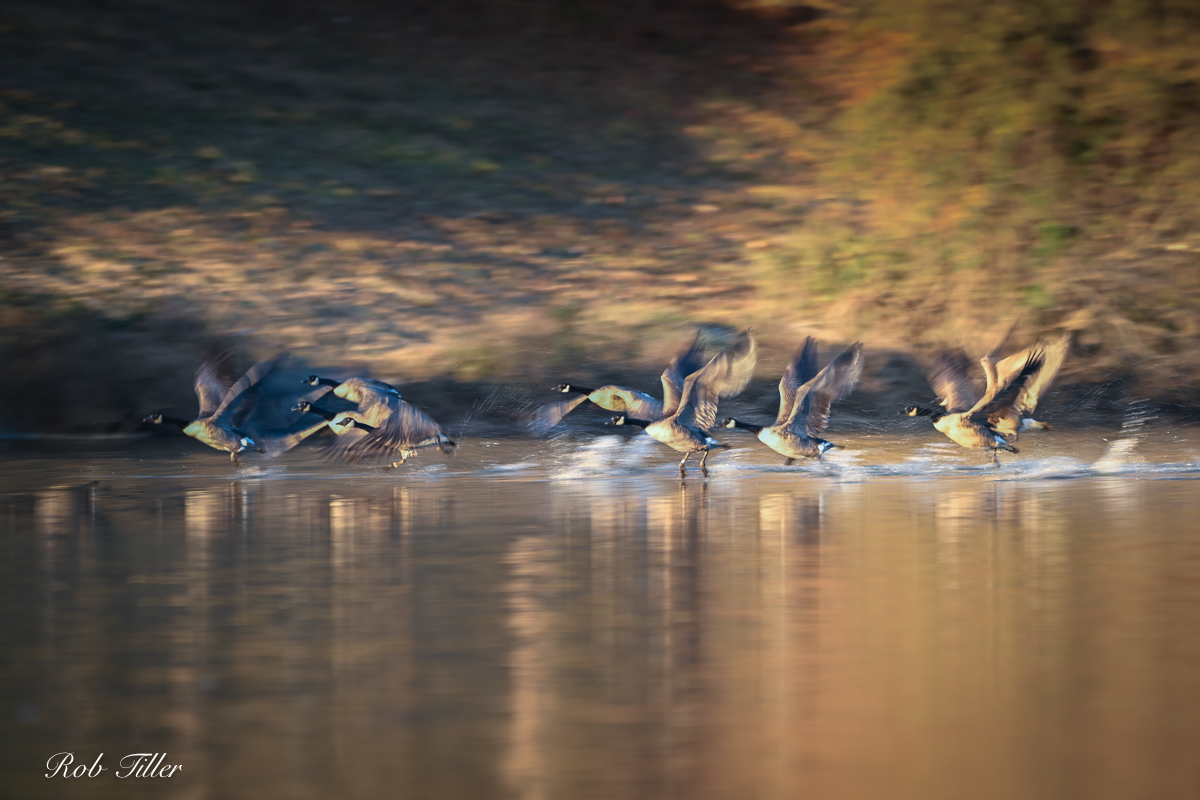
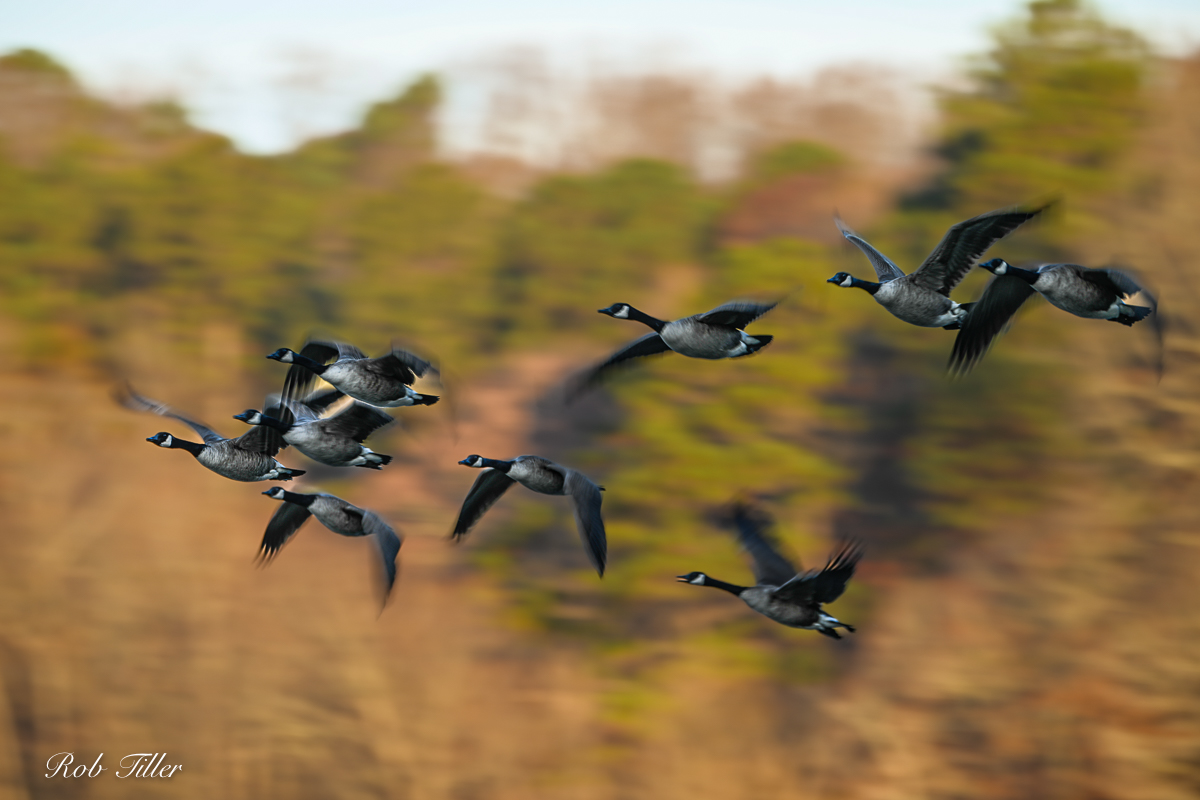
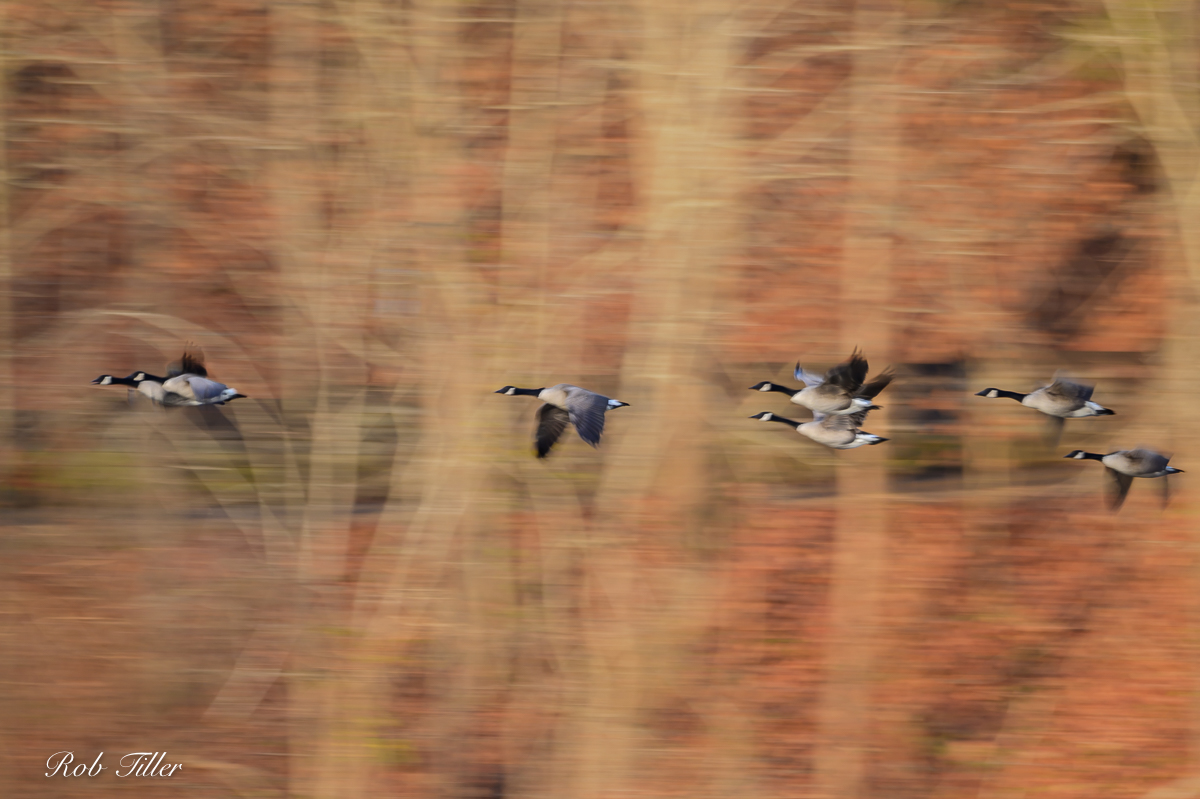
It’s been a busy travel year for me, which has been great, but wearing, so I’ve been enjoying not traveling in these last weeks of the year.  To keep up my photography skills, I’ve been dragging myself out of bed when it’s still dark and cold and taking my gear down to Shelley Lake.

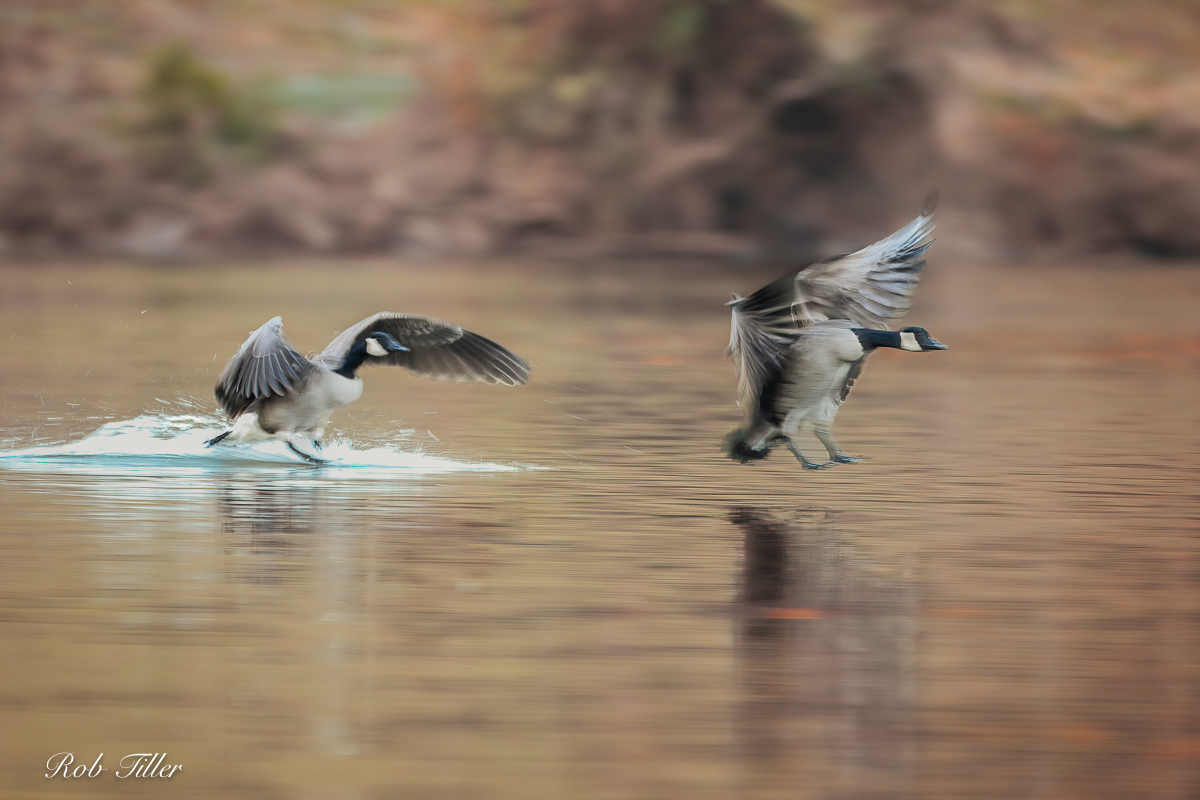
I like sitting there with the Canada geese as they paddle about, honk, and eventually take off for their morning flying exercises.  I’ve been trying to capture the wildness of their take offs and landings, with only limited success.  The actual events are really exciting, but for photographic purposes the birds are usually too far away, heading in the wrong direction, or in suboptimal light.  Or I commit one of a thousand possible operator errors.  Anyhow, I’ve yet to get the perfect shot, but here are a few that I liked.  

We’ve had a happy holiday season with family gatherings, and I’m conscious of many things to be grateful for.  In the background, though, I’ve been struggling with how to think about our new political reality.  It feels like we’re entering into a dark period.

One of the gifts of reading history (or for me more recently, listening to history podcasts) is perspective: our species has made it through many dark periods. We know that the Romans had a good number of terrible rulers, as did medieval Europe. The same is almost certainly true of more ancient civilizations. In spite of everything, we’re here.

For more perspective, I heartily recommend The Dawn of Everything by David Graeber and David Wengrow, which I’ve been re-reading (actually, listening to). The main subject is the development of human civilizations beginning around 10,000 years ago.  The book draws on recent scholarship to challenge the standard narrative that there was a linear progression from hunter gatherers to early farmers to urban settlements to the modern world, with increasing levels of hierarchy and authority at each stage.

Instead, Graeber and Wengrow draw on specialist research to demonstrate that there were early societies that organized without relying mainly on farming and without settled hierarchies.  Other societies adopted authoritarian forms and later abandoned them.  They show that, at least until relatively recently (as in, say, the last three hundred years), the nation state was not the primary form of societal organization.  Rather, societies experimented with many different systems.  

This analysis has a hopeful aspect.  Although some of our prehistoric ancestors were cruel and violent, people continued to innovate.  Our food production system and other technologies do not necessarily dictate a certain type of political organization.  Fundamental change is possible.  

A plausible understanding of the election of Donald Trump is that there is deep dissatisfaction with our existing system and a hunger for change.  It seems unlikely to me that Trump will satisfy that hunger.  It may be that we will eventually find our way to a new era of social innovation, with better solutions to our serious challenges.

One of those pressing challenges is what to do about nuclear weapons.  I know this is not a pleasant topic, but it’s vitally important that we deal with it.  The possibility of accidental nuclear accidents and nuclear war is very real.  Indeed, as a recent article pointed out, a highly classified U.S. war game in the 1980s found that any nuclear war scenario inevitably led to escalation and finally  annihilation. 

On this score, I want to highlight a recent opinion piece in the NY Times by Beatrice Fihn, former executive director of the International Campaign to Abolish Nuclear Weapons.  She fully recognizes the strength of the common belief that nuclear weapons are, if not sensible, an inevitable fact of life, but she effectively challenges that belief.  

Fihn writes, 

Contrary to popular belief, nuclear weapons are remarkably inefficient tools of war. They are clumsy, expensive, and lack practical military utility. Their use would result in catastrophic destruction, potentially wiping out hundreds of thousands of innocent civilians and spreading radioactive contamination across borders and generations. It is hard to envisage a scenario in which a state would be better off choosing to use a nuclear weapon over a conventional weapon, given the significant harm it would cause both to that nation and to its allies. Even nuclear-armed nations openly acknowledge that these weapons should never be used.

Change is possible, as Fihn demonstrates.   The international order has largely reached consensus on banning chemical weapons, and nuclear stockpiles have been greatly reduced since the Cold War.  Most nations have chosen not to create nuclear weapons, and most have signed the United Nations’ Treaty on the Prohibition of Nuclear Weapons.  But we stand at a moment when the United States, Russia, and China seem to be committing to a new nuclear arms race.  

Fihn contends that we as individuals can meaningfully contribute to addressing this terrible situation.  She writes,

So how can individuals contribute? First, recognize your power. A key tool is to change the way we talk about nuclear weapons. Instead of thinking of them as magical tools, we should talk about them as being irrational and useless for any real life military situation. Instead of discussing nuclear weapons in terms of abstract theoretical concepts like strategic stability and mutually assured destruction, we should center conversations on the facts and scientific evidence of what happens when these weapons are used or tested. We can all start questioning common assumptions that these weapons are designed to keep us safe and expose the irrationality of a national security strategy based on threatening to commit collective global suicide.
If you’re a student, organize campus discussions. If you’re a professional, engage through your networks. If you are an artist, use your skills to address these issues.

Get in touch with your elected representatives but don’t forget to also engage with city councils, state representatives and community groups. Cities and local authorities are becoming more involved in statecraft and diplomacy. Getting your city or state on board with the growing number of local authorities that are taking action on this can help build a new generation of political leaders taking on this issue.

Fihn also proposes confronting the major corporations that are responsible for nuclear weapons, including Boeing, Lockheed Martin, and Northrop Grumman.  She cites the divestment campaigns against big tobacco and fossil fuel companies as possible models.  

For Fihn, the path off of the nuclear precipice requires a change of attitude, and that can only happen through “persistent, collaborative effort.”   We might as well give that a shot.

Visiting Yosemite, and some thoughts on lies in America

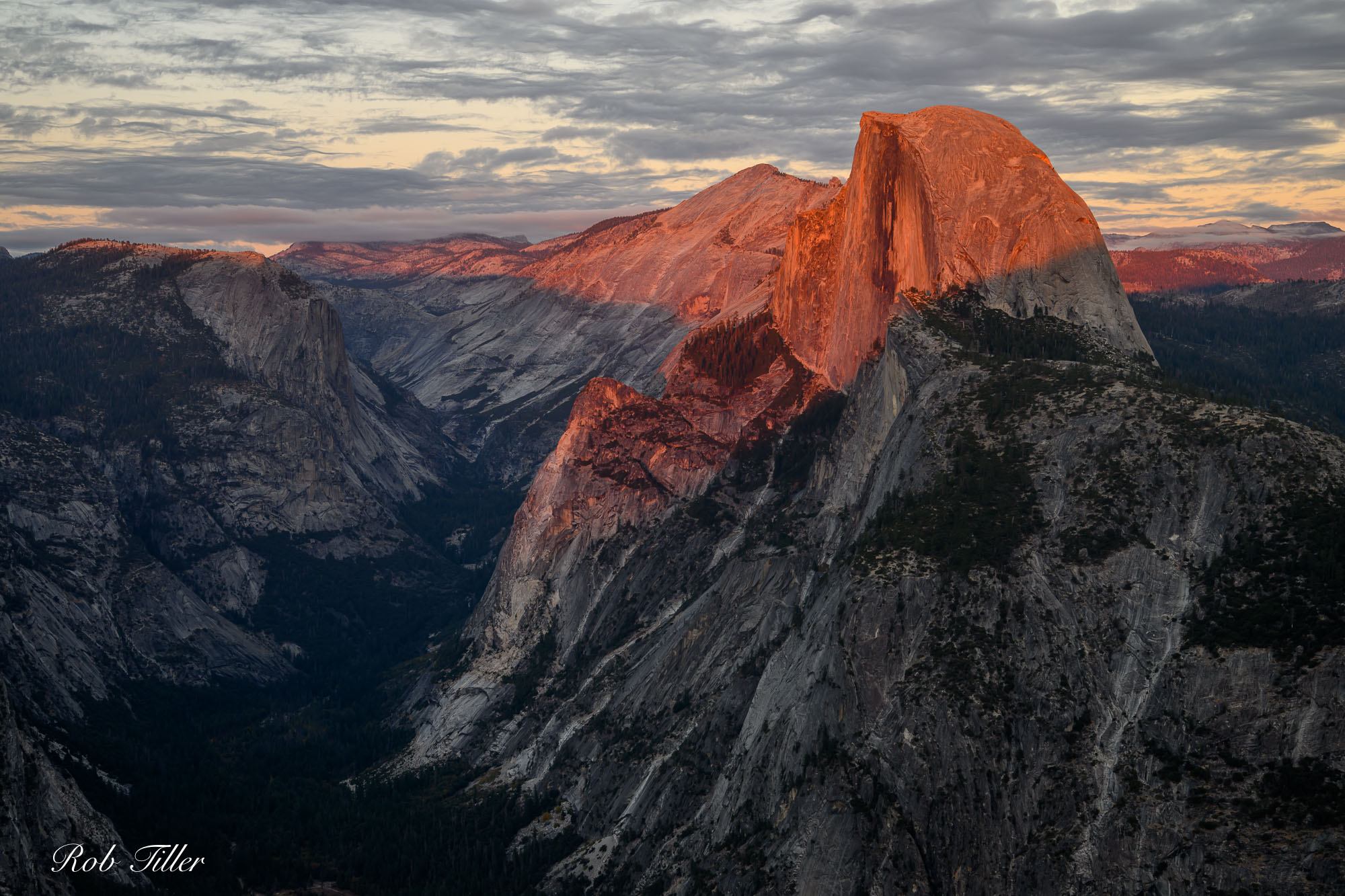
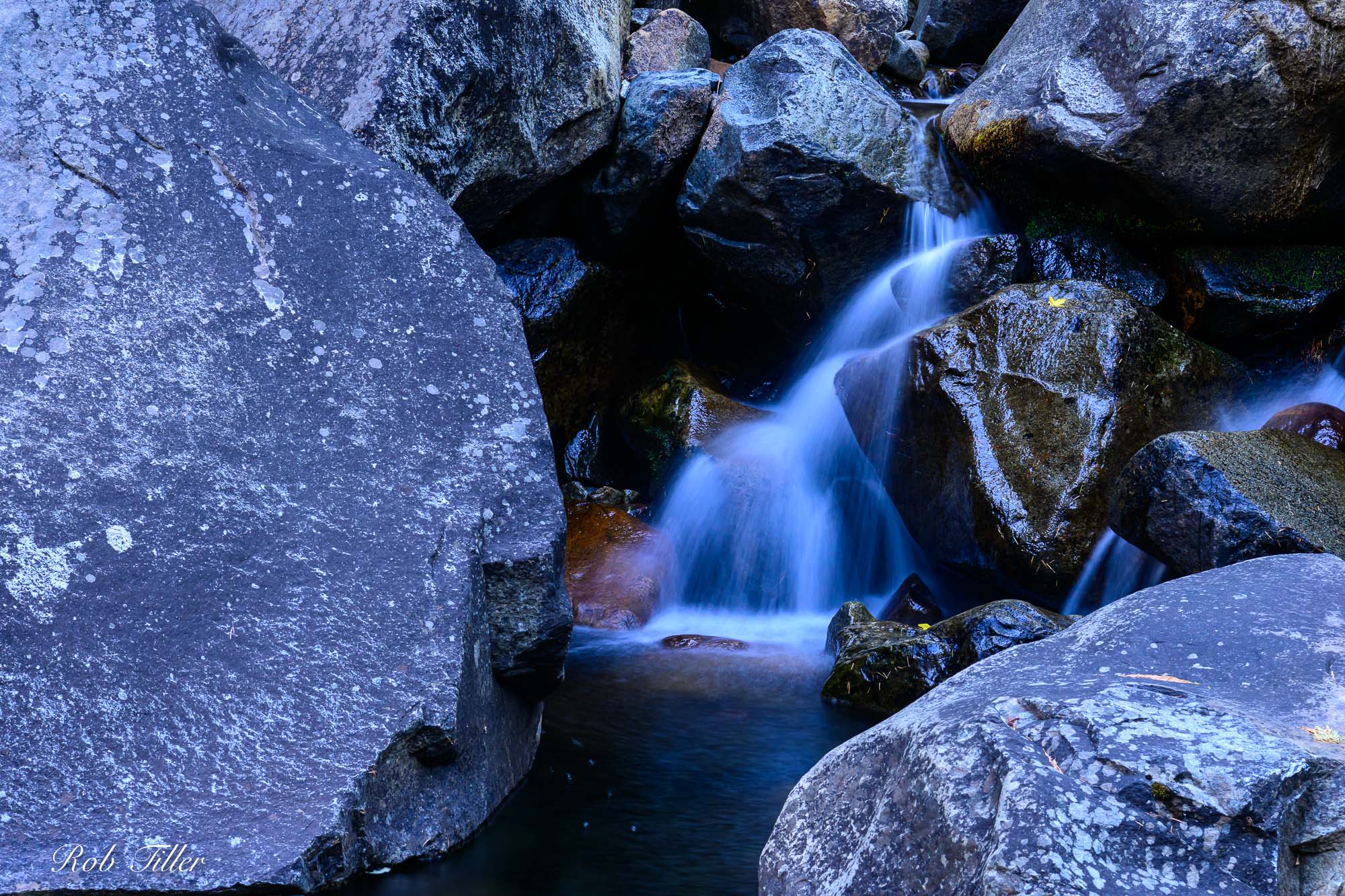
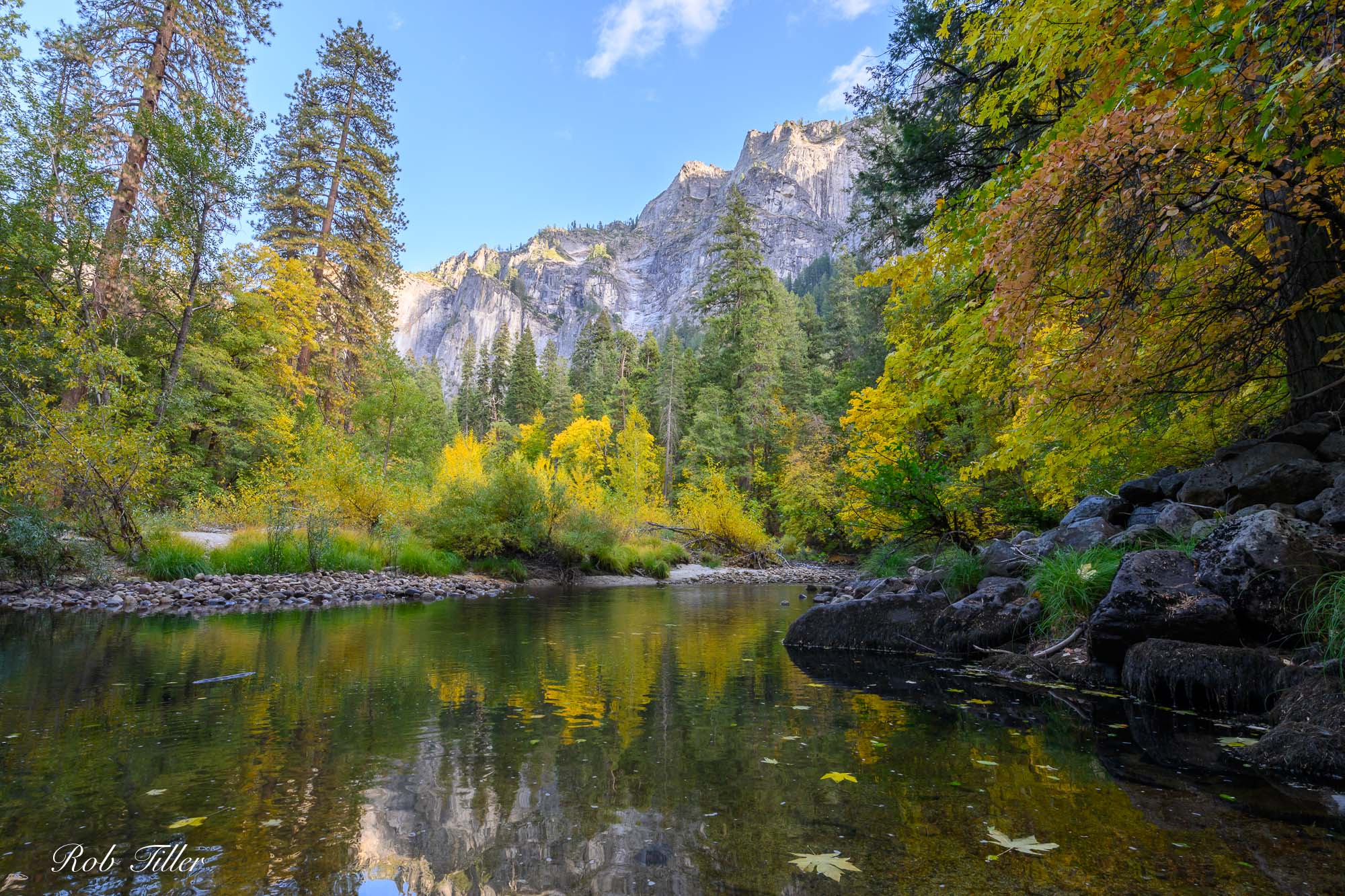
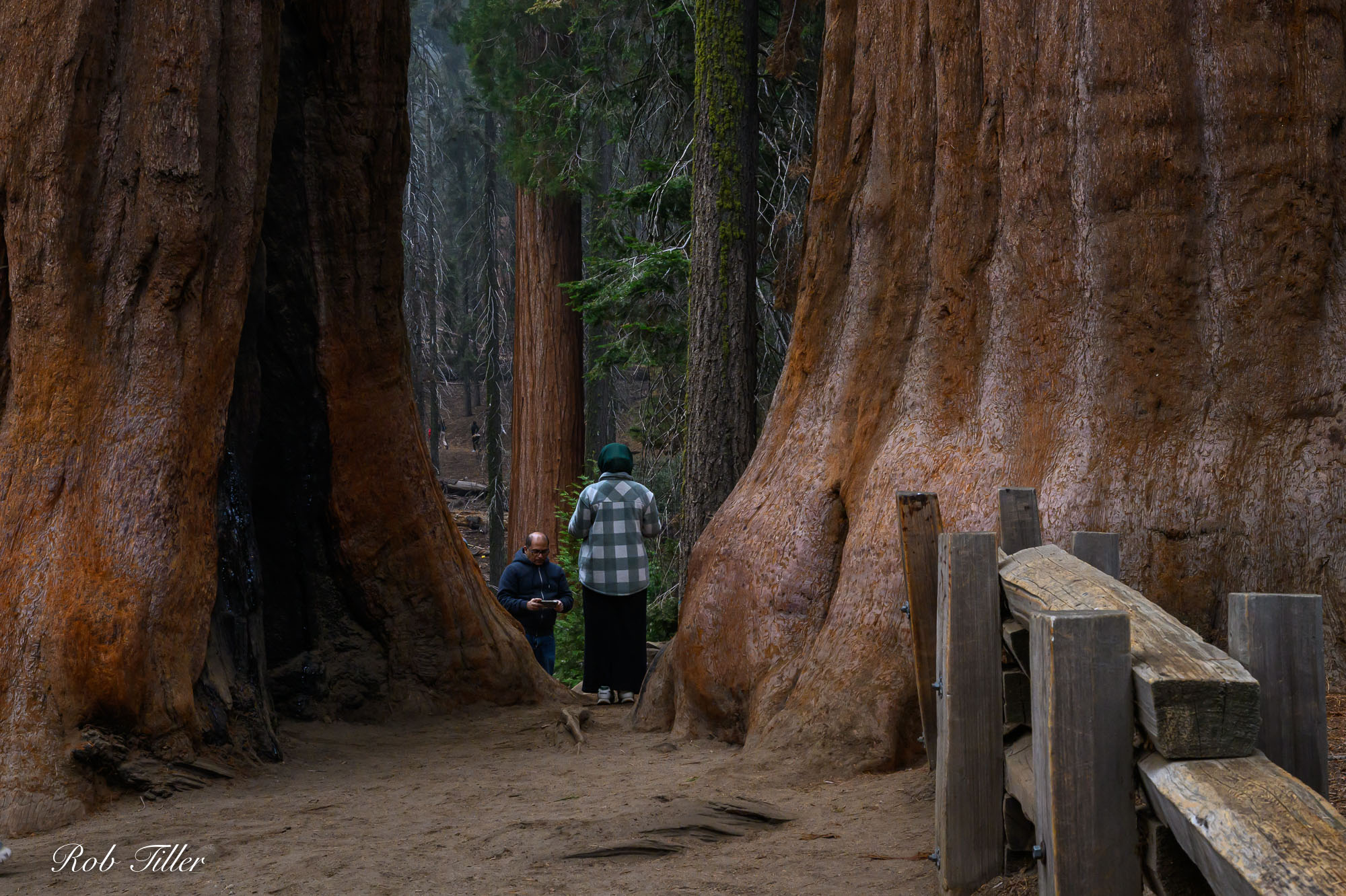
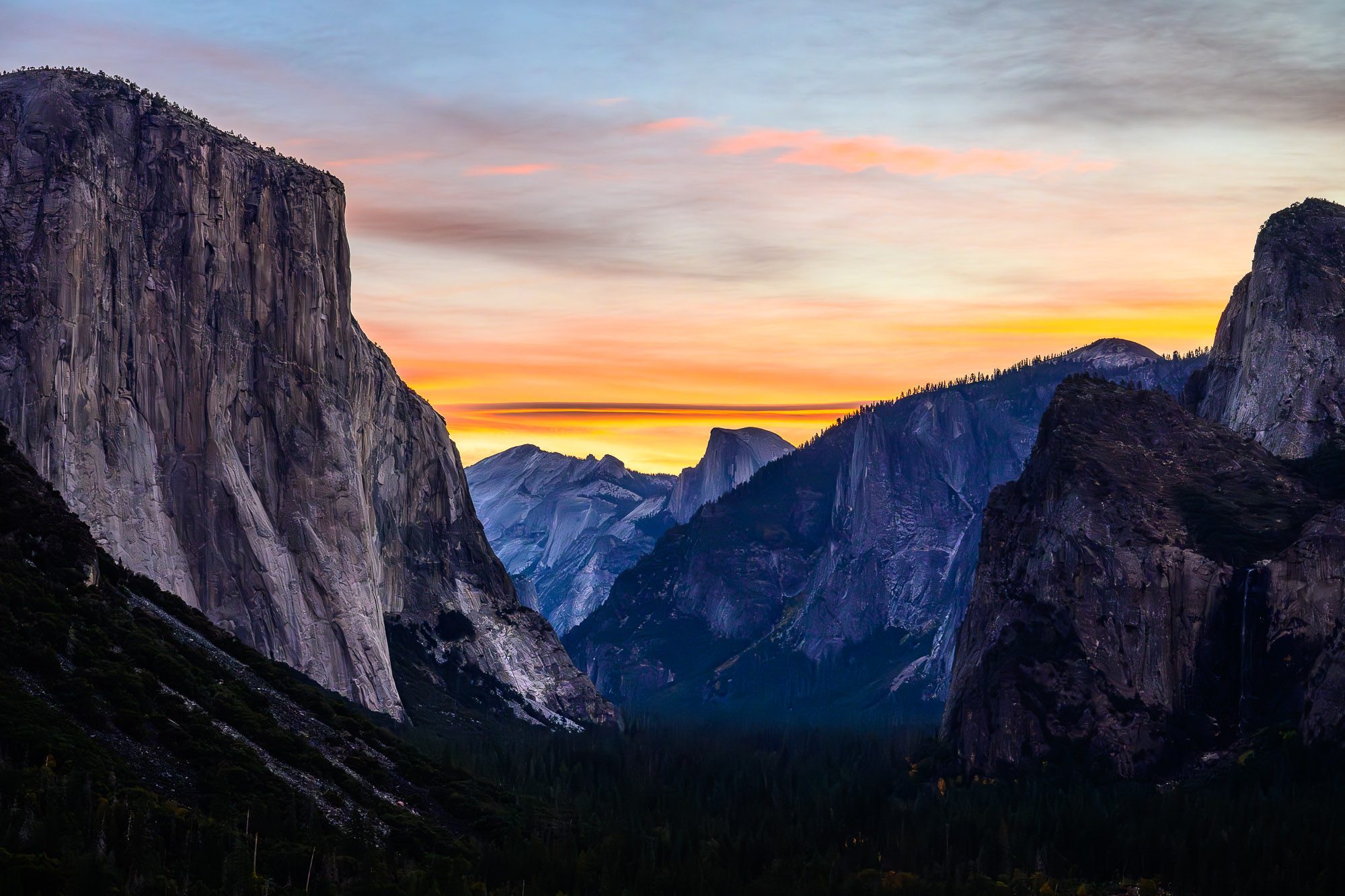
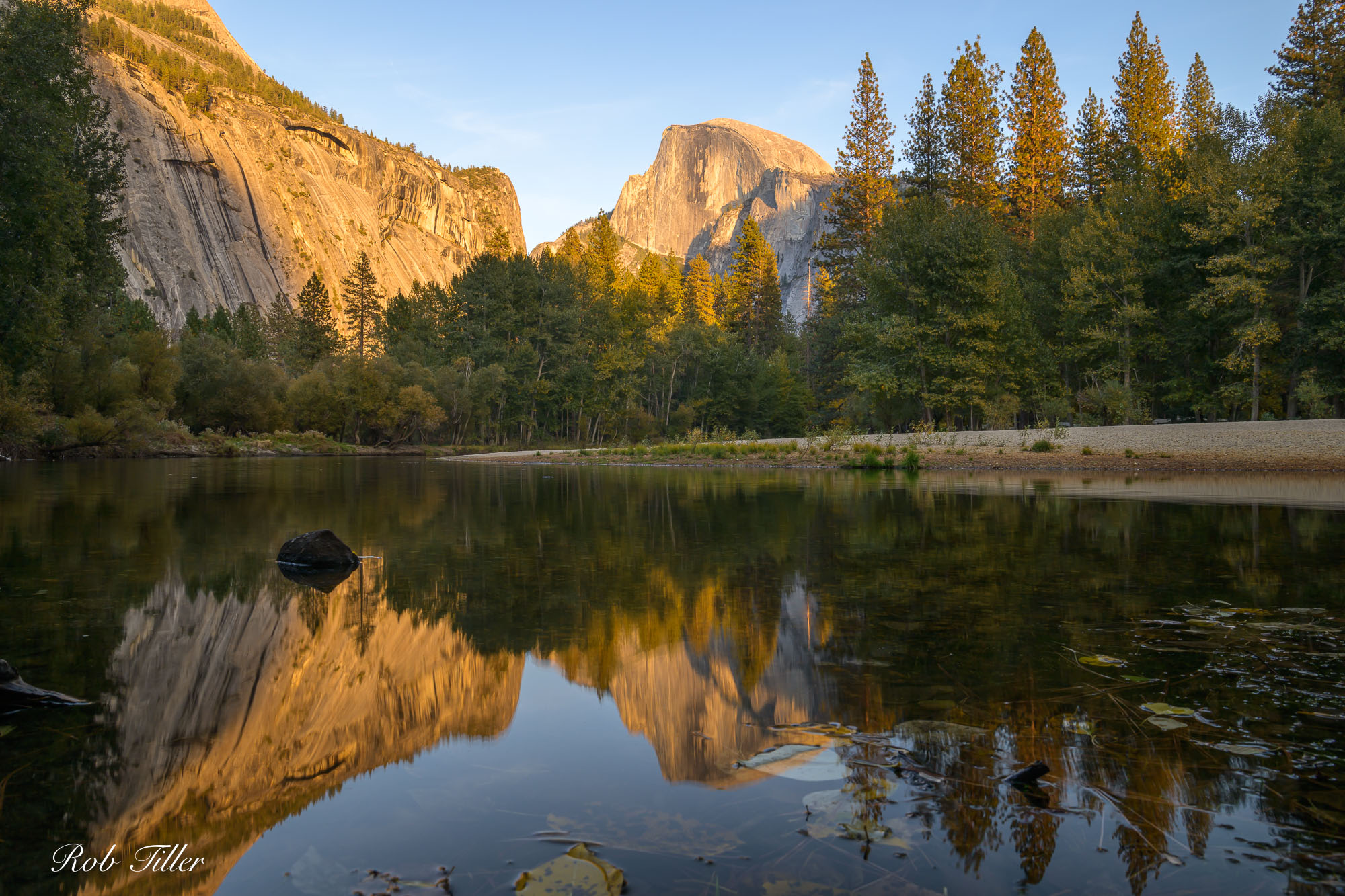
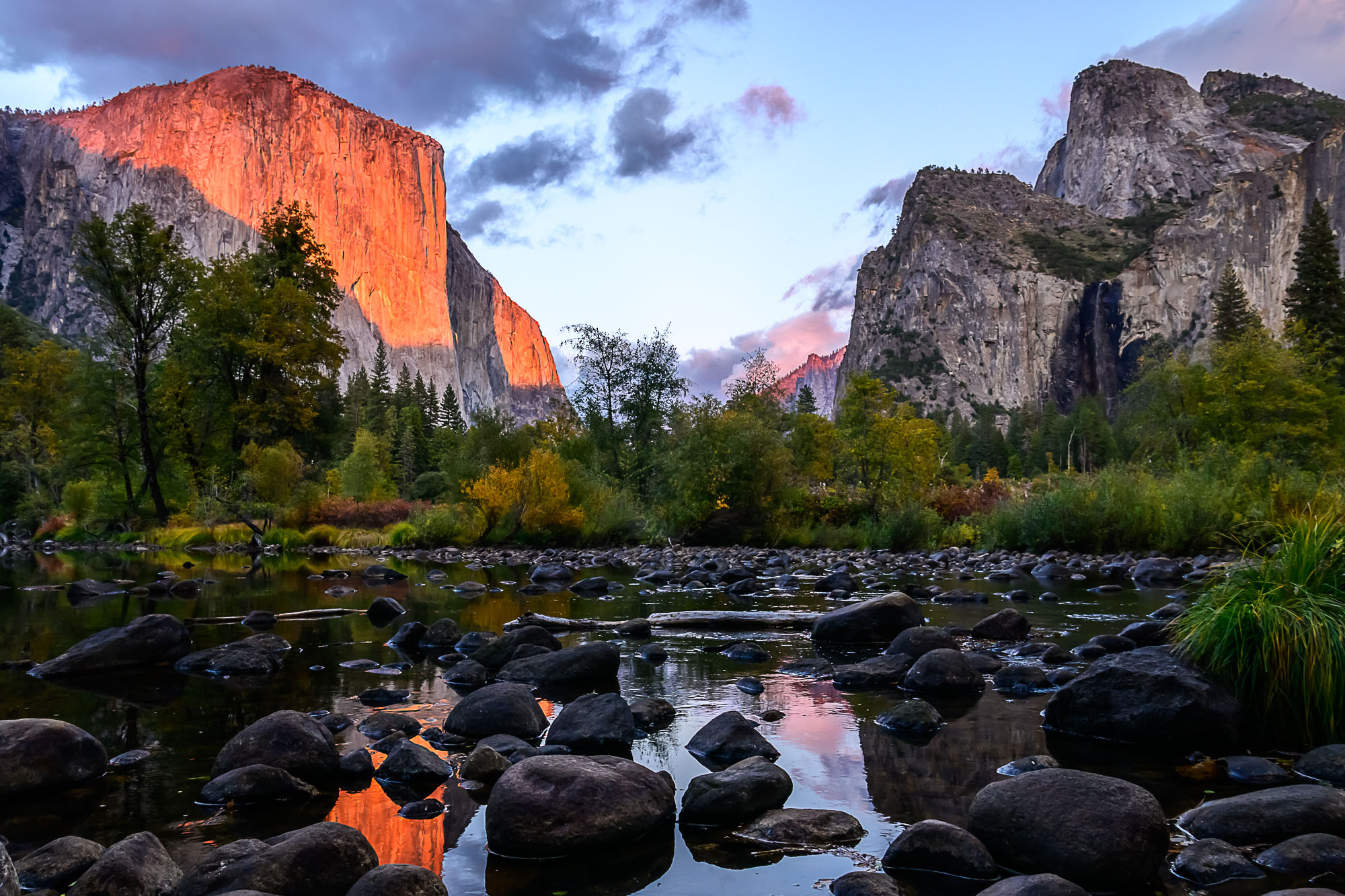
Last week I visited Yosemite National Park, which had resplendent fall colors beneath its towering granite peaks. There I was part of a photography group led by Gary Hart.  Gary was the nicest guy, and he did a great job directing us to some beautiful places and helping us improve our work.  Then I went by myself to Sequoia National Park and Kings Canyon to see the giant sequoia trees and mountain vistas.  The pictures here are a few of the ones I liked.  

My flight from Los Angeles to Raleigh was a red eye that arrived the morning of election day.  I was tired and jet lagged, and underprepared for the election of Trump.  I’d done some phone-bank work for Harris, and managed to convince myself that most likely she would win.  But, of course, she didn’t.  It was a painful disappointment.

The pain is still raw, but I’m trying to be mindful and curious as to how a majority of American voters could have decided that Trump was the better choice.  The pundits I’ve been reading and hearing have various theories, and no doubt there are many factors at play.  But so far I haven’t heard much about what looks to me like the most important one.

There seems to be general agreement that a big part of the Trump success was serious dissatisfaction with the current establishment.  The price of groceries, gas, and housing made people unhappy.  It wasn’t surprising that people wanted those problems addressed.

But why would anyone think that Trump would be the guy to do it?  His prior handling of the economy and other real world problems was erratic and inept.  His policy statements in this campaign were either extremely vague or kooky.  His mental capacity, never great, showed signs of major deterioration.  He was not only untrustworthy; he was constantly and shamelessly dishonest.  

Amazingly, though, Trump’s shameless dishonesty accounted for much of his success. His lack of any sense of shame made him immune to criticism, and willing to lie on a massive scale that overwhelmed all efforts at rational thought.  

Of course, some people felt insecure and frustrated about their economic circumstances.  But Trump managed to turn those understandable feelings into fear and rage.  He relentlessly presented the message that America was a hellscape of economic failure and crime.  Just as relentlessly, he blamed those supposed problems on invading immigrants, whom he characterized as criminals and rapists.  

This was all a preposterous lie.  Crime rates are down from the Trump years, and the economy has by most measures improved.  Immigrants are not invading en masse, and those who are here are more law-abiding than the native born.  Indeed, immigrants are a big part of our economic success story, and that has been true throughout our history.  

So how did the lie work?  Most of us are suspicious of those who look and sound different from us.  Our natural suspicion as to differences in skin color, language, and customs is usually manageable.  After all, we live in a multi-racial, multi-cultural society which in many regards works well.  But Trump stoked normal anxieties into a raging fire of  xenophobia and racism, and proposed a wonderfully simple solution to all those unpleasant feelings – get rid of the scapegoats.

This was certainly not a new idea.  Through the last five hundred years, Jews have been treated as scapegoats by various demagogues.  And of course, various other out groups have been treated as sacrificial victims to solve political problems.  

Indeed, Trump made clear enough that immigrants were not his only scapegoats.  There were scapegoats to fit with a potpourri of resentments and prejudices:  people of color, Jews, Muslims, women, gays, journalists, scientists, lawyers, teachers, liberals, government bureaucrats, and anyone who opposed him were attacked directly or indirectly as enemies of the state.  

Possibly the saddest and most ridiculous scapegoating was on our tiny minority of trans people.  Could anyone actually believe that trans folks were a serious threat?  The Trump people clearly thought so, since they spent many millions of dollars on anti-trans political advertising.  Watching those ads playing over and over, I assumed that most people would see through them as cruel and absurd.  I’m afraid, though, that a lot of people didn’t.  

We live in an age of misinformation that we haven’t yet understood how to correct for.  A great many of our traditional newspapers are no longer in business.  Right-wing media, such as Fox News, the Sinclair Broadcast Group, certain podcasts, and talk radio in the vein of Rush Limbaugh have become the primary news sources for many.  By and large, they amplify Trumpist lies and stay silent as to the truth.

At the same time, social media such as Twitter/X, TikTok, and Facebook are virulent sources of conspiracy theories and confusion.  Traditional, fact-based journalism has a hard time competing.  It’s hard for unwelcome truths to compete with exciting lies.  

Trump’s people appear to have grasped the value of these new opportunities for spreading big lies.  They also learned from twentieth century fascist movements that even obvious and transparent lies may come to be seen as true if repeated often enough.  

To begin to address Trumpism, we can start by calling out the big lies, rather than pretending that all this is normal and acceptable.  It was disheartening that the Harris campaign failed to do this with Trump’s dystopian immigration narrative, and instead adopted a dialed down version of that narrative.  Perhaps they concluded that correcting that scapegoat narrative couldn’t be done in the short time before the election.  In any case, there’s no doubt that it would have been difficult.  Big lies are powerful.   

Now we’ve got a large population infected with the culture of Trumpian lies.  They view actual journalism as fake news, and Trump opponents as Satanist pedophiles.  Arguing with them probably won’t help.  We can and should give them respect, compassion, and kindness.  We should gently and gradually reassure them that we are not Satanists or pedophiles.  Will that, plus measured doses of actual truth, be enough?  

We won’t know for a while.  Given that Trump lies about everything, it’s possible he won’t follow through on his deportation program, locking up his enemies, and the other Project 2025 ideas that would likely crash the economy and cause enormous misery.  If he does, it’s nearly certain that MAGA folks will experience bitter disillusion and massive voters’ remorse.  Perhaps a new and better politics will emerge from the ashes.   

More on our South African safari and new discoveries on birds and plants

I finally finished going through the thousands of pictures I took during our South Africa safari, and found a few more I wanted to share. 

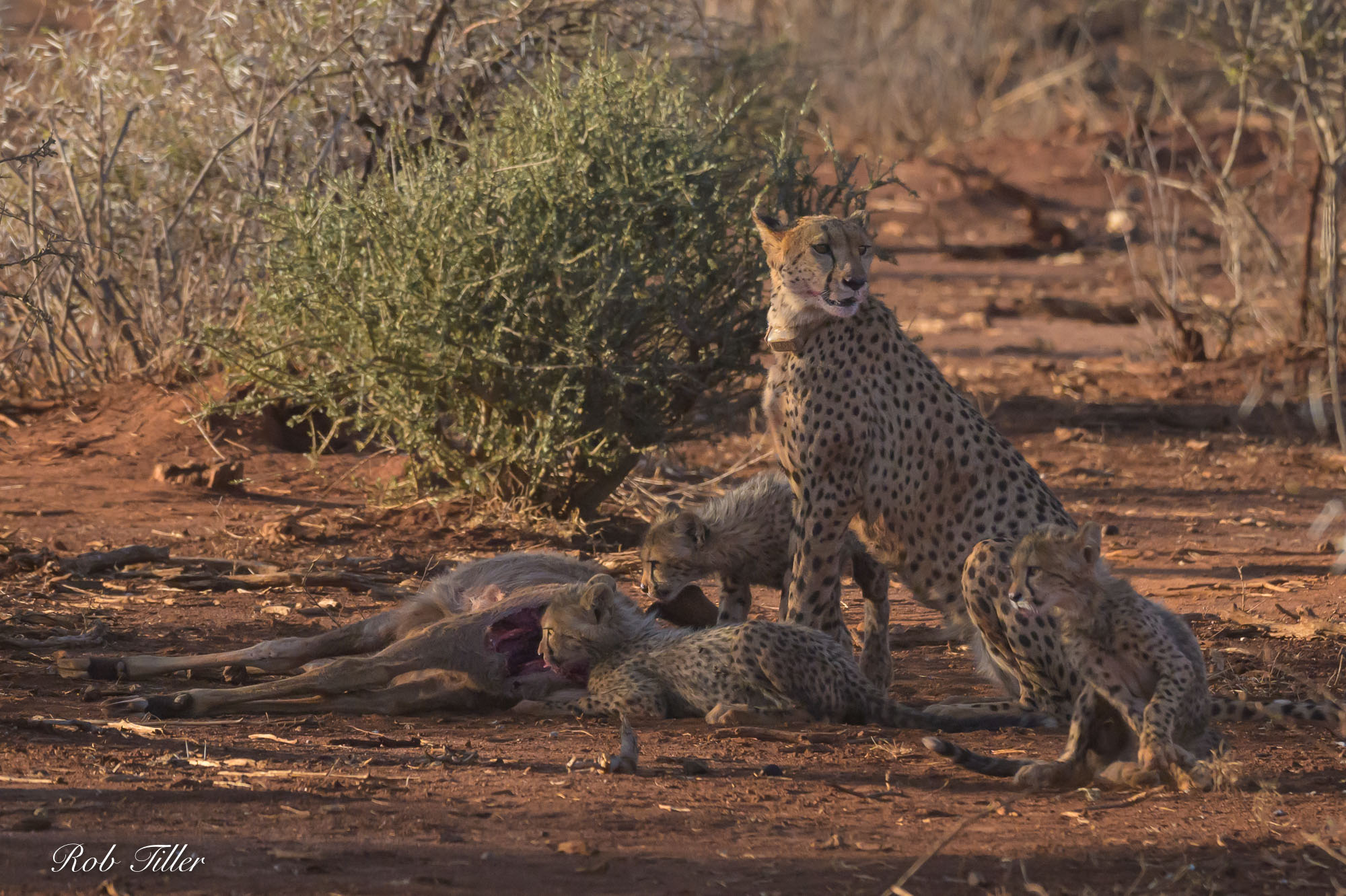
During the safari, we saw animals doing many of the things we know they have to do, like eating, drinking, bathing, teaching their young, and mating.  We didn’t see any actual kills, but we did see several big cats feeding on recent kills.   I debated whether to share photographs of those, since it’s unavoidably sad, and perhaps upsetting, to deal with the death of a beautiful creature like an impala.  But I also see an element of beauty in the predator and his or her success.  

The lions, leopards, and cheetahs must kill to survive and to feed their young.  It’s just the way they’re made.  It turns out that it’s quite difficult for them to hunt successfully, and they often fail.  Grazing animals are highly sensitive to predator risks, and most of them are, when healthy, either faster or stronger than their predators.  On this trip, we watched a hidden lion lie in ambush for lengthy periods hoping, unsuccessfully, for an unwary zebra or impala.  

The grazing animals that the big cats catch are generally the old, young, or ill.  In fact, their hunting is important for the health of the grazing herds.  It  keeps diseases in check and prevents overpopulation and overgrazing that would lead to more death.  Nature generally manages to keep things remarkably well balanced among predators, prey, and plants, when there isn’t human interference.

There’s a vast amount that we do not know about nature, which is exciting, in a way:  there’s so much more to learn.  This week the New Yorker had a lively and interesting piece by Rivka Galchen about what scientists are learning about bird song. 

I’ve been interested in bird song for many years, but mainly as a way to identify birds that won’t allow themselves to be seen.  From watching flocks of big birds like tundra swans and Canada geese, I’d come to suspect that their vocalizations allowed them to coordinate their travels together.  Now researchers are confirming the suspicion that their sounds have a lot of communicative content.  

Scientists have long recognized that birds make specific alarm calls, and are learning that some of those calls differentiate the threats of, say, a hawk or a snake.  It turns out that bird parents make sounds while incubating their eggs that the developing baby bird learns.  We’re learning that bird communication is more complex than we thought, which indicates that their intelligence is more complex than we thought.  

With fall arriving, it’s gotten a bit chilly for me to have my morning tea on our deck, but when it’s mild I like to sit out there as the sun is rising and listen to the birds.  I’ve been using the Merlin app to identify calls and songs I don’t already know.  The app has gotten a lot better over the last couple of years, and is almost always accurate, at least as to the birds I’m familiar with.  

Speaking of the natural world, I’m in the midst of a remarkable book about plants:  The Light Eaters:  How the Unseen World of Plant Intelligence Offers a New Understanding of Life on Earth, by Zoe Schlanger.  Schlanger has reviewed the scientific literature and interviewed leading botany experts researching how plants sense the world and deal with their environments.  Her style is friendly and approachable, and her content is at times mind blowing.  

It turns out that plants are much more  proactive than we used to think.  There are species that modify their chemistry in response to predators to make themselves less appetizing.  There are ones that send out chemical signals to warn others of their kind of particular predators.  Some even send out chemical signals to summon insects that will prey upon the plants’ enemies.  

There is considerable evidence that plants respond to touch.   Some researchers have found that they respond to certain sounds, which we might call hearing.  They modify their behavior to avoid threats and to improve their nutrition.  The puzzle is that they lack a clear hearing organ, like an ear, or a centralized interpretive organ, like a brain.  How they do it is yet to be discovered.  

But it’s hard to avoid the thought that plants are in some sense conscious.  Schlanger recognizes that the idea of plant intelligence is still controversial in the botanical science world, and gives credit to scientists for being cautious and careful.  In this time of great anxiety about the human world of politics and war, her new book is a welcome reminder that, quite apart from humans, the world has been and continues to be full of wonders.   

Our safari in South Africa

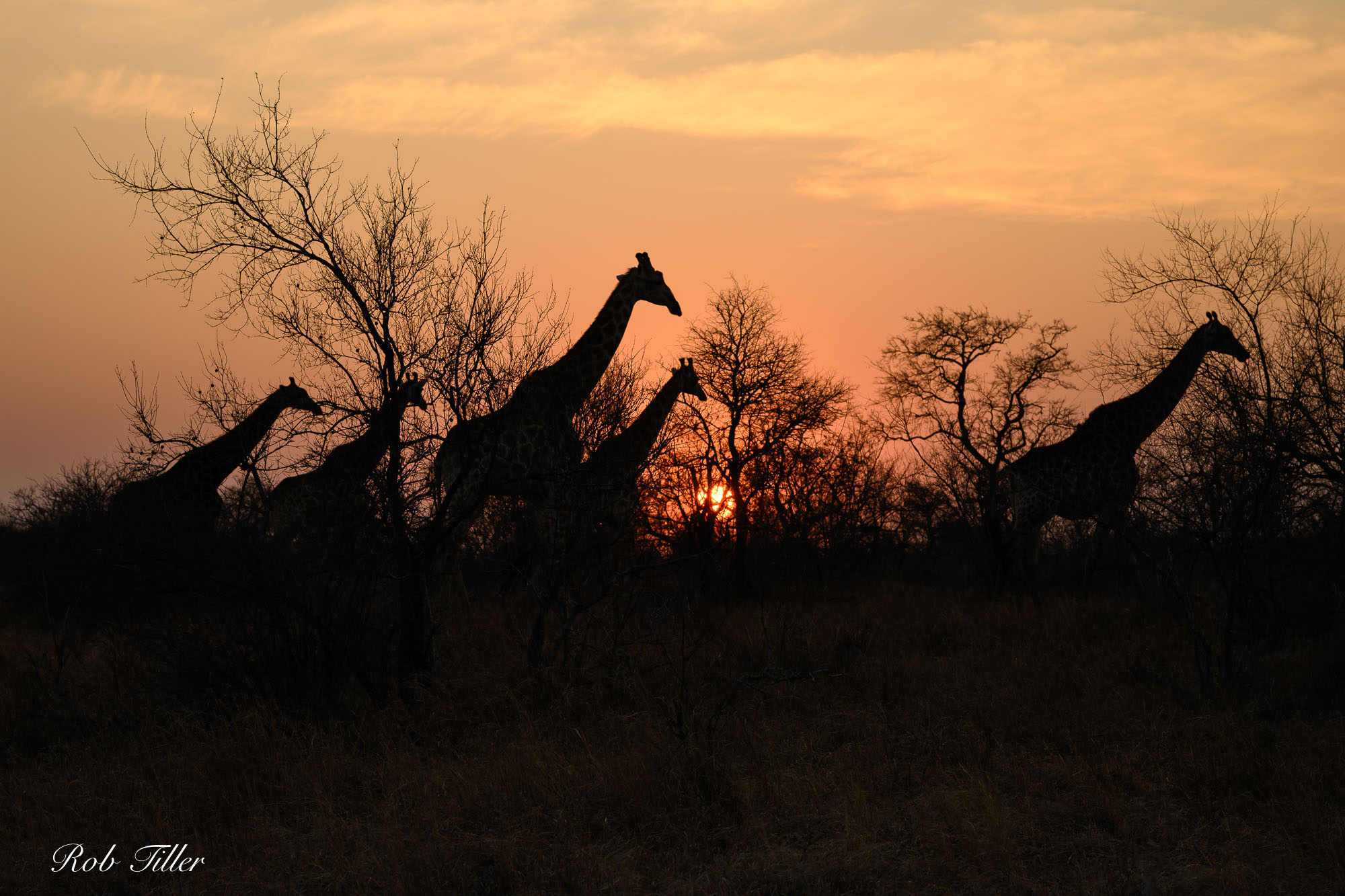
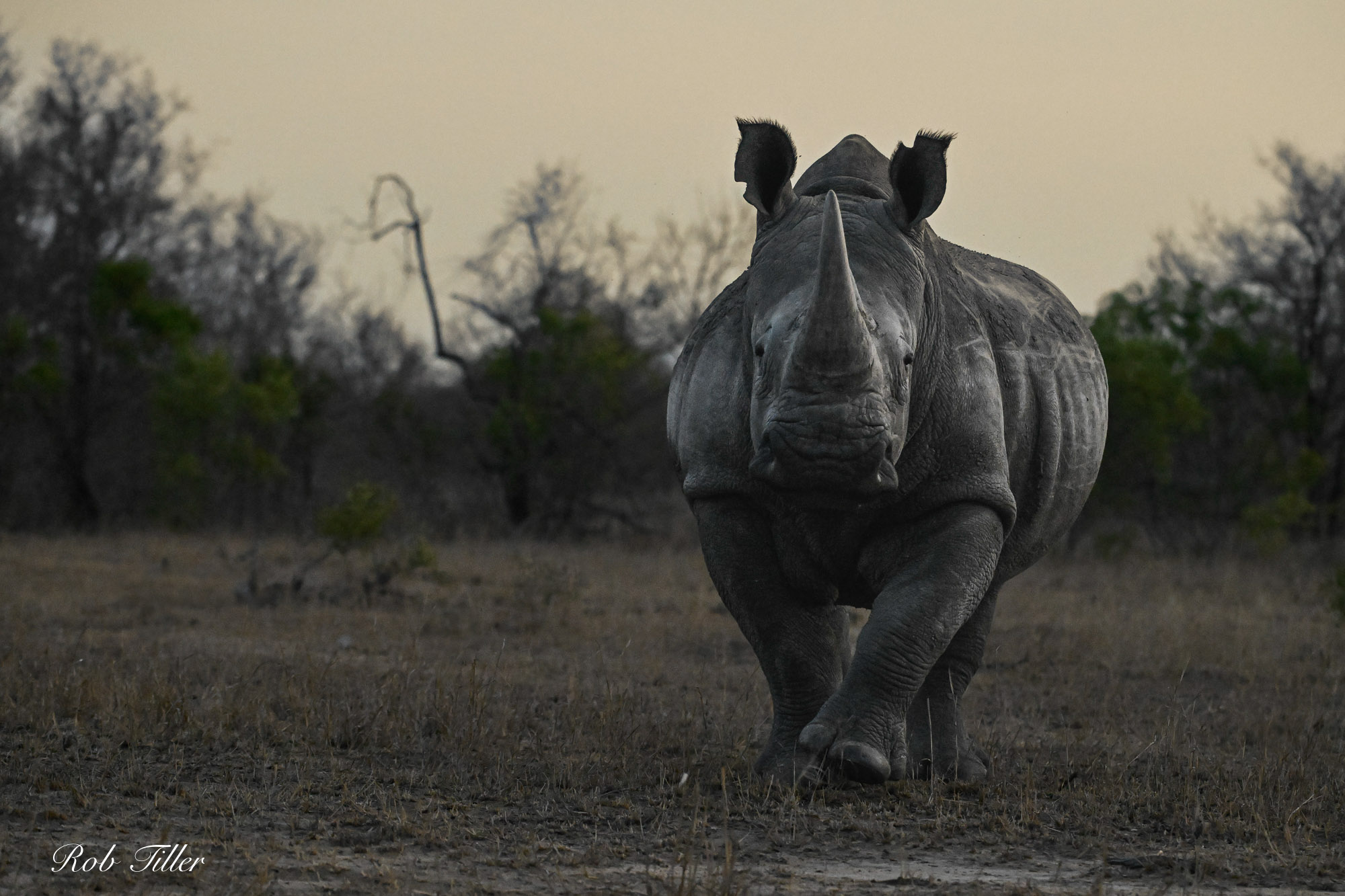
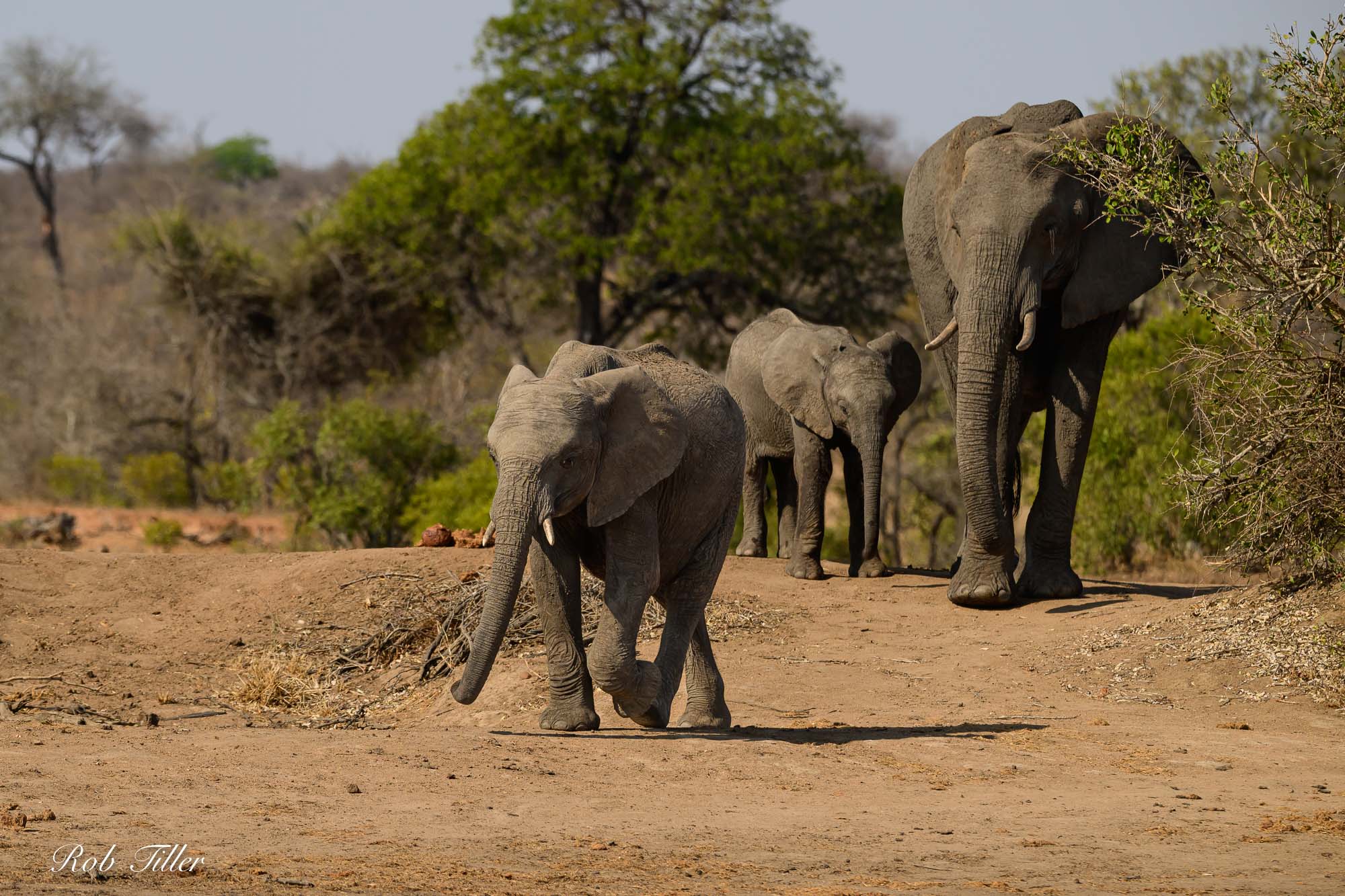
Last week Sally and I got back from a two-week safari trip to South Africa.  The travel was grueling, but it was fantastic to see so many animals living there.  I took thousands of photos and haven’t had time to look through them all.  But I’ve taken a quick pass through the first few days’ worth, and found some I wanted to share, along with some thoughts related to the trip.

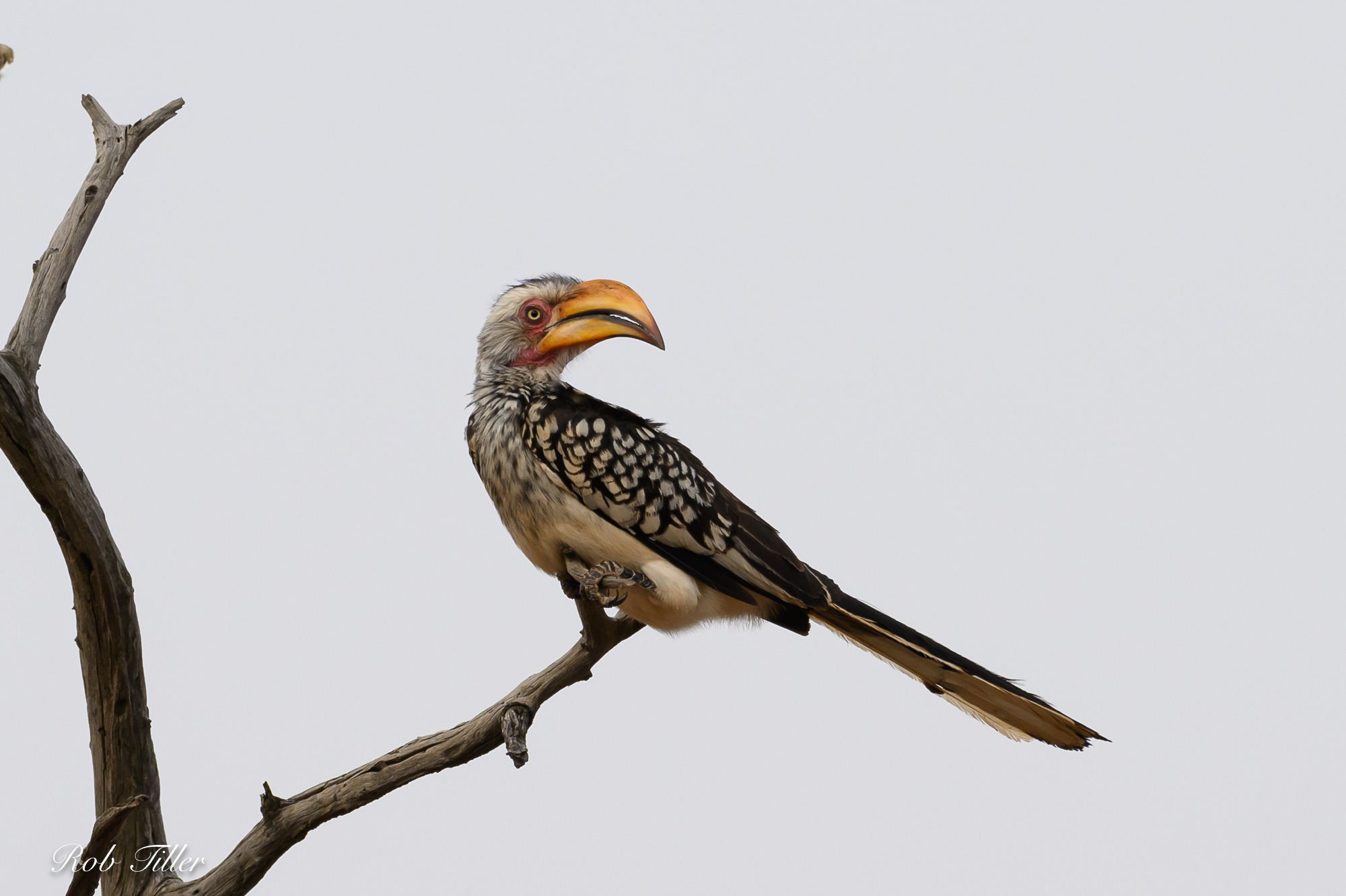
Nature is amazingly creative!  Seeing such a variety of its creations up close was, for me, a kind of religious experience – maybe a Taoist one.  It highlighted the fascinating web of relationships between animals, plants, microbes, soil, and water.  Over time, evolution keeps coming up with new designs and new solutions.  In a time of a lot of human misery and confusion, time in the South African bush helped me take a longer and more hopeful view.  

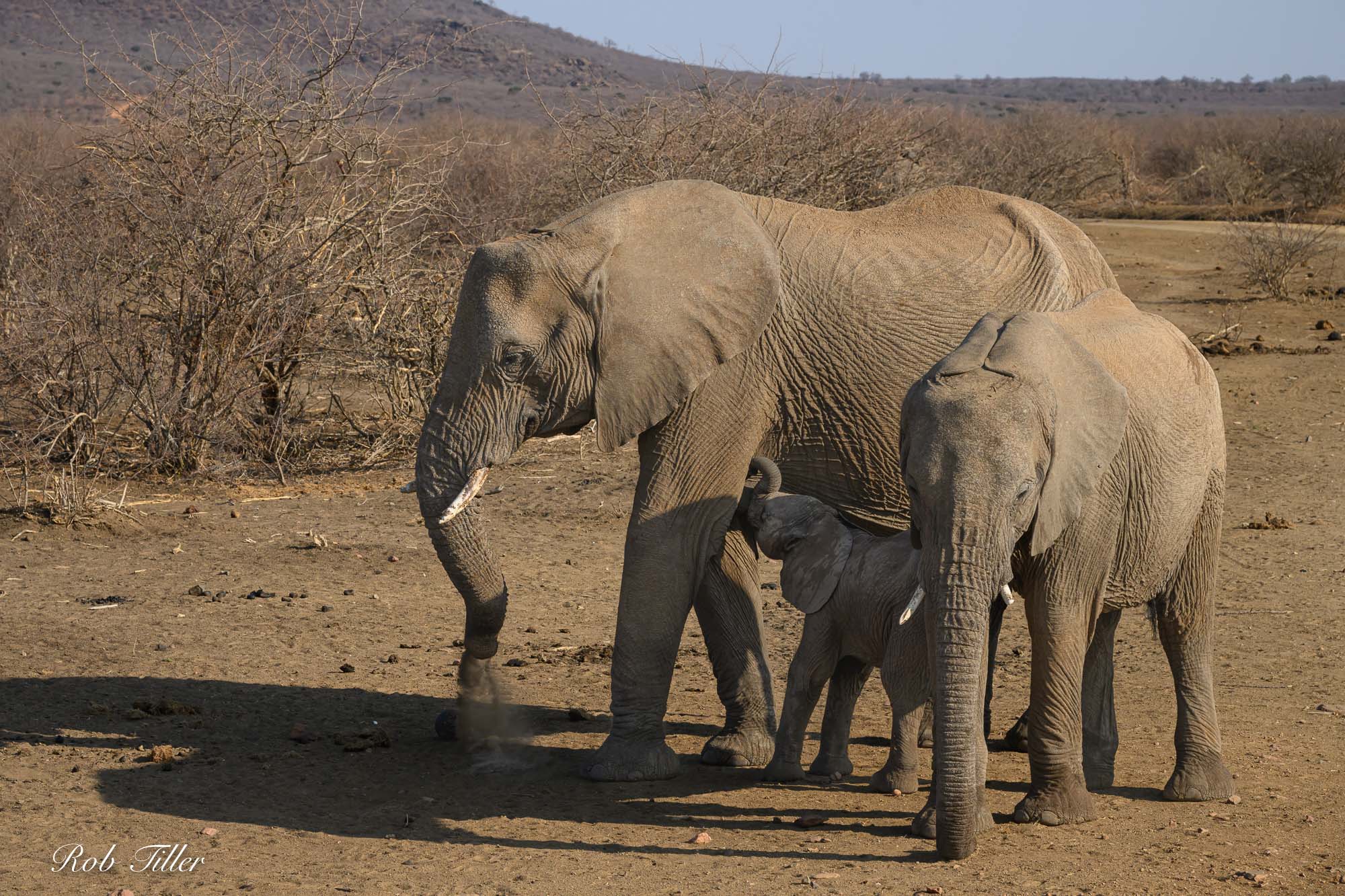
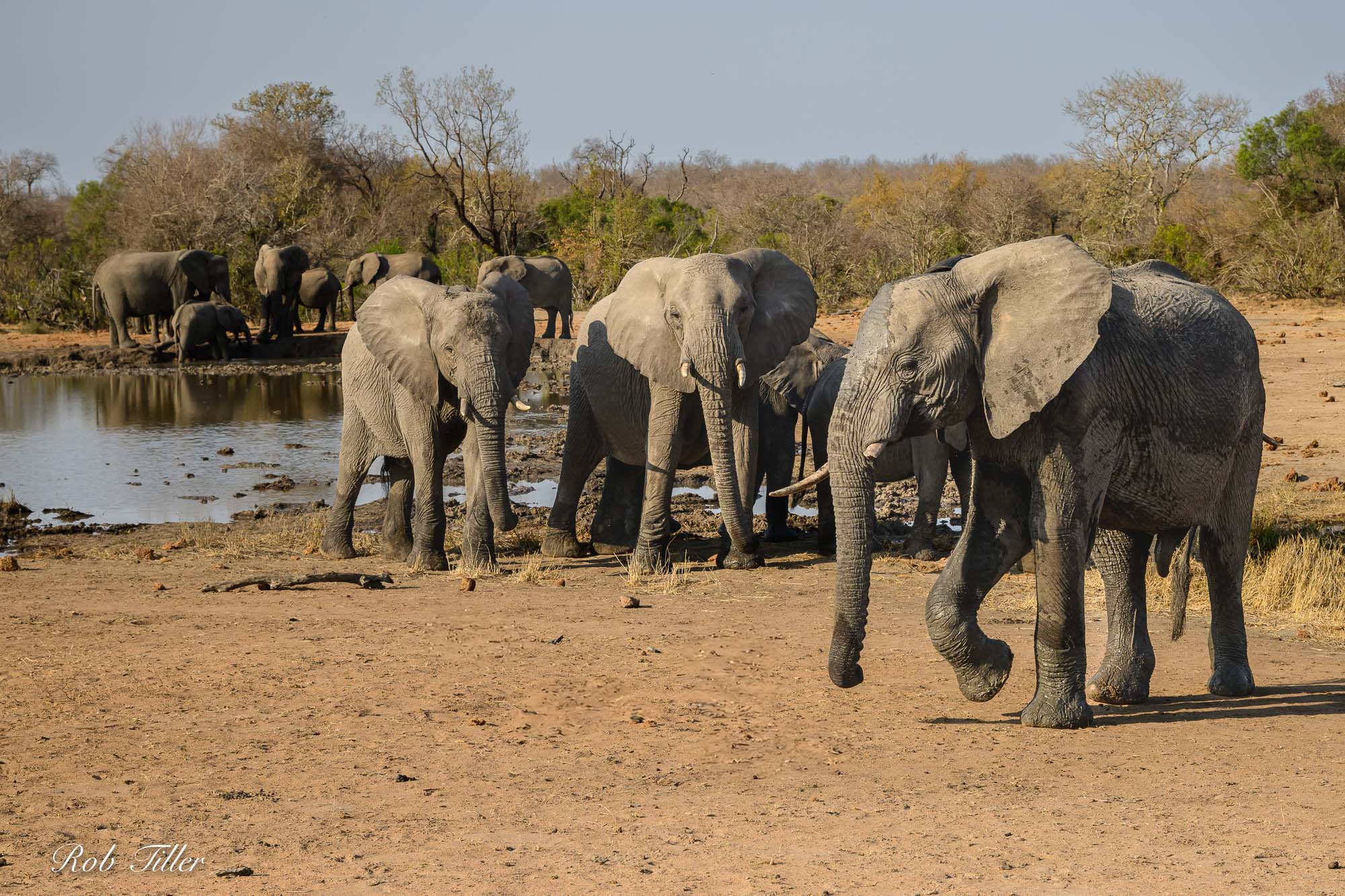
I especially enjoyed watching the animals’ relationships with their families and others.  Some species, like elephants, are very social, and seem to enjoy being with their families and herds.  An important part of their lives is working together to find nourishment and take care of the young ones. 

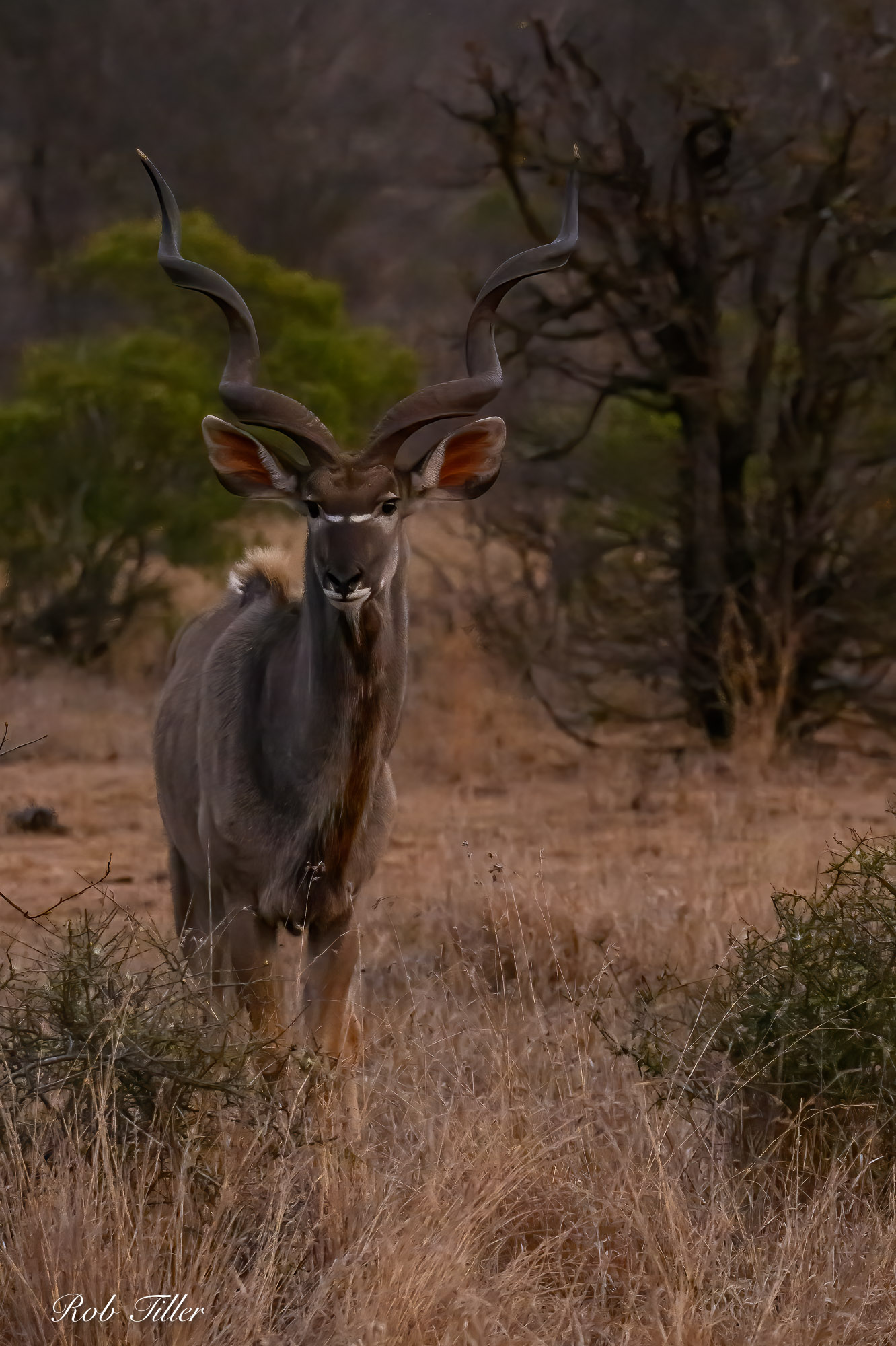
Kudu

 On this trip I was seeing the animals more as individuals, rather than just representatives of a species.  I started to see some differences in their personalities, such as that some were more wary than others.  Some like to be clean, and others less so.  Some of them were clearly curious about us humans, a species they might never have seen before.  

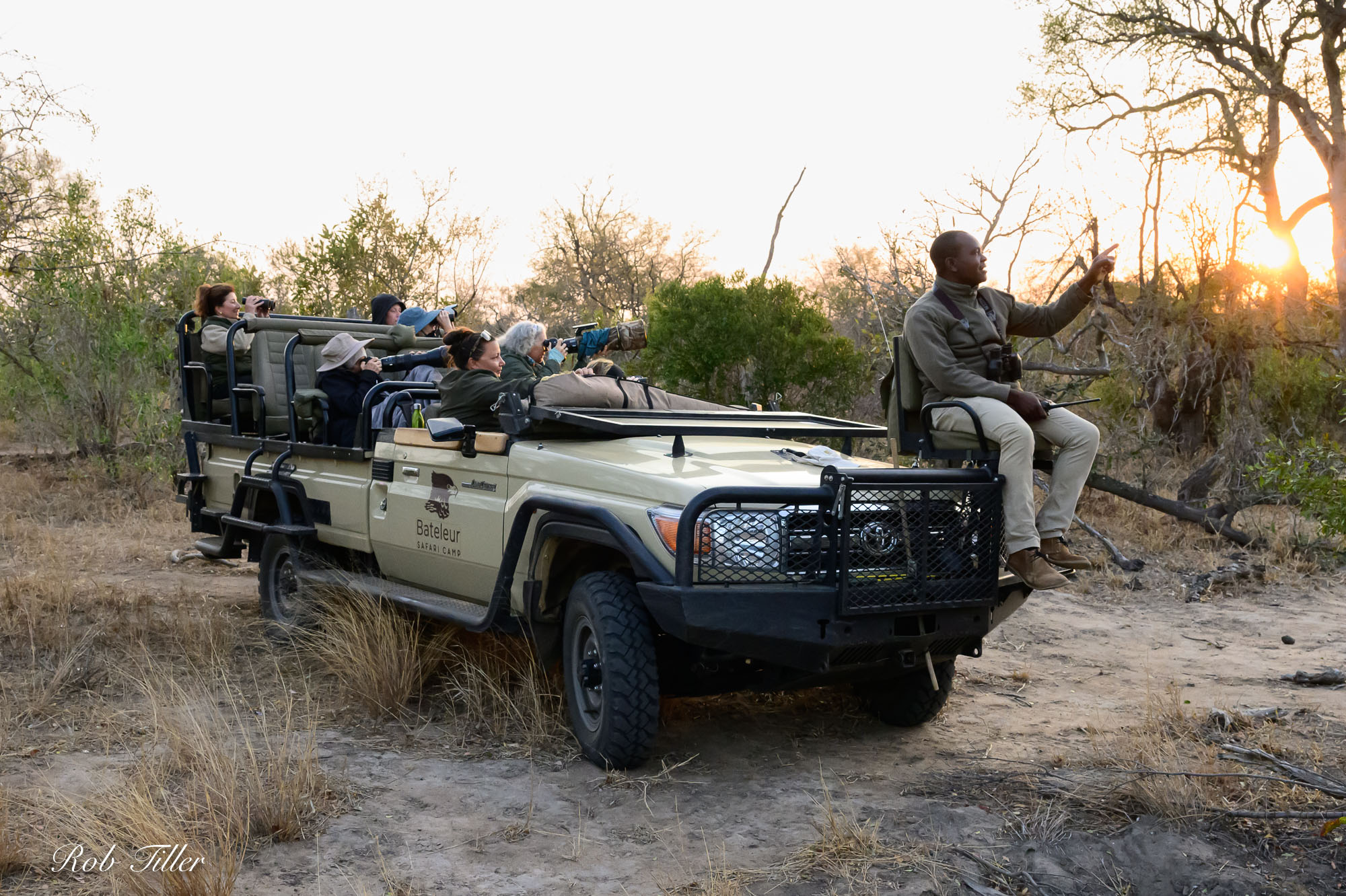
We  traveled with a small group of wildlife photographers organized and led by my friend Jennifer Hadley with Noelle van Muiden.  We spent five nights in the Timbavati Game Reserve, which is just to the northeast of Kruger National Park, and five nights in Mandikwe Game Reserve just south of Botswana.  Our Timbavati camp, Bataleur, was extremely comfortable, and Mandikwe Hills was truly luxurious.  We had friendly service and fine food.

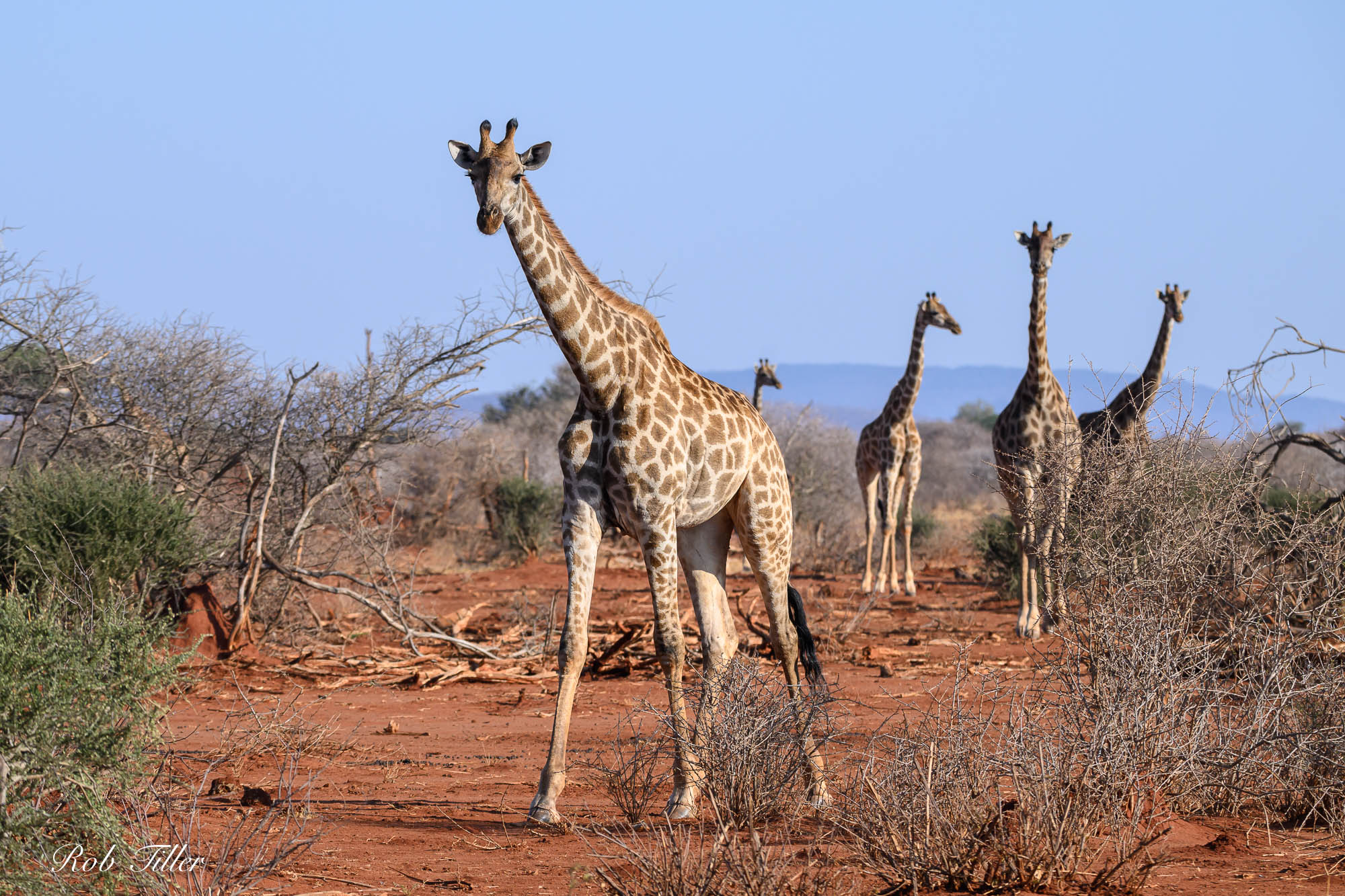
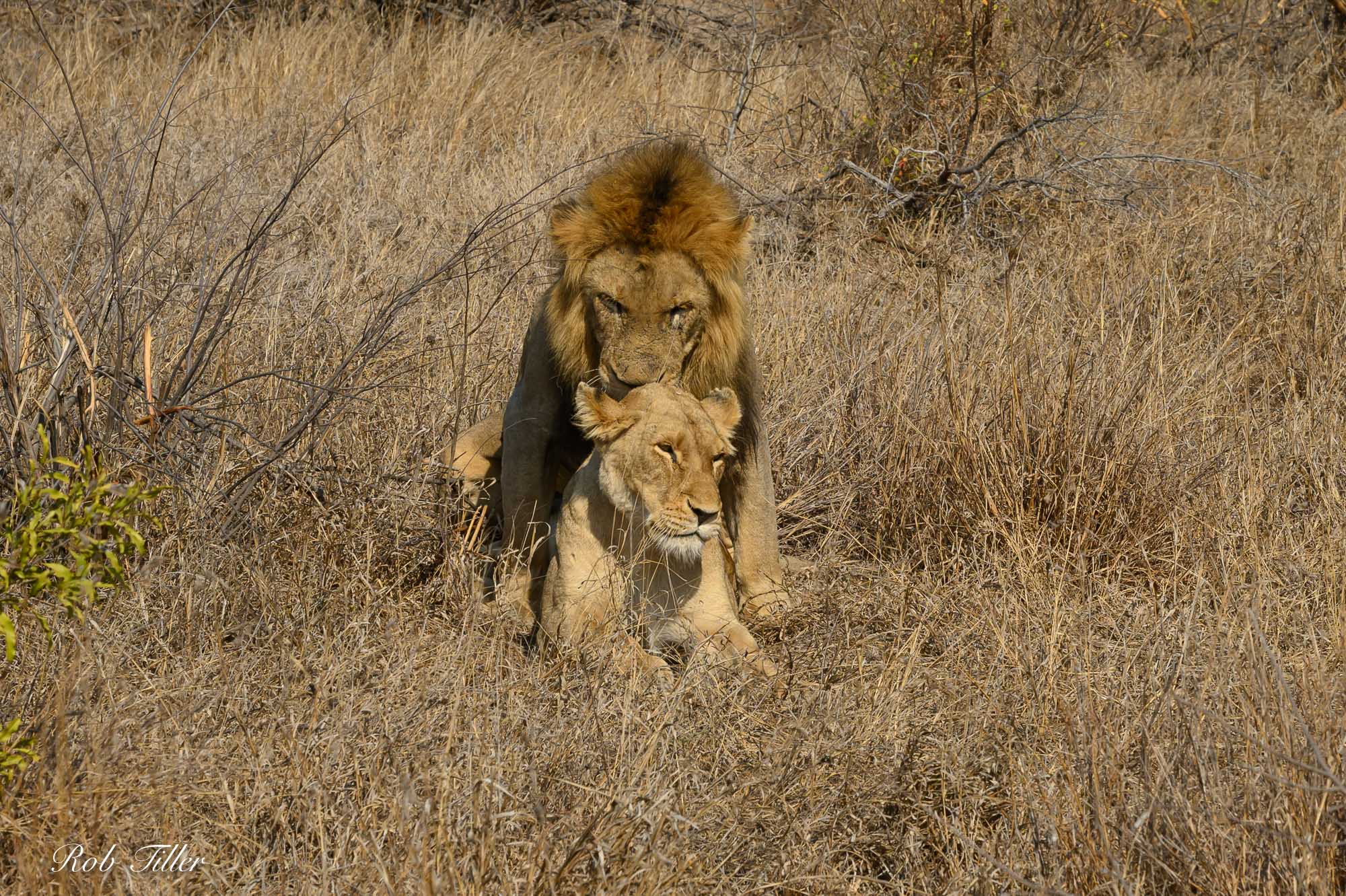
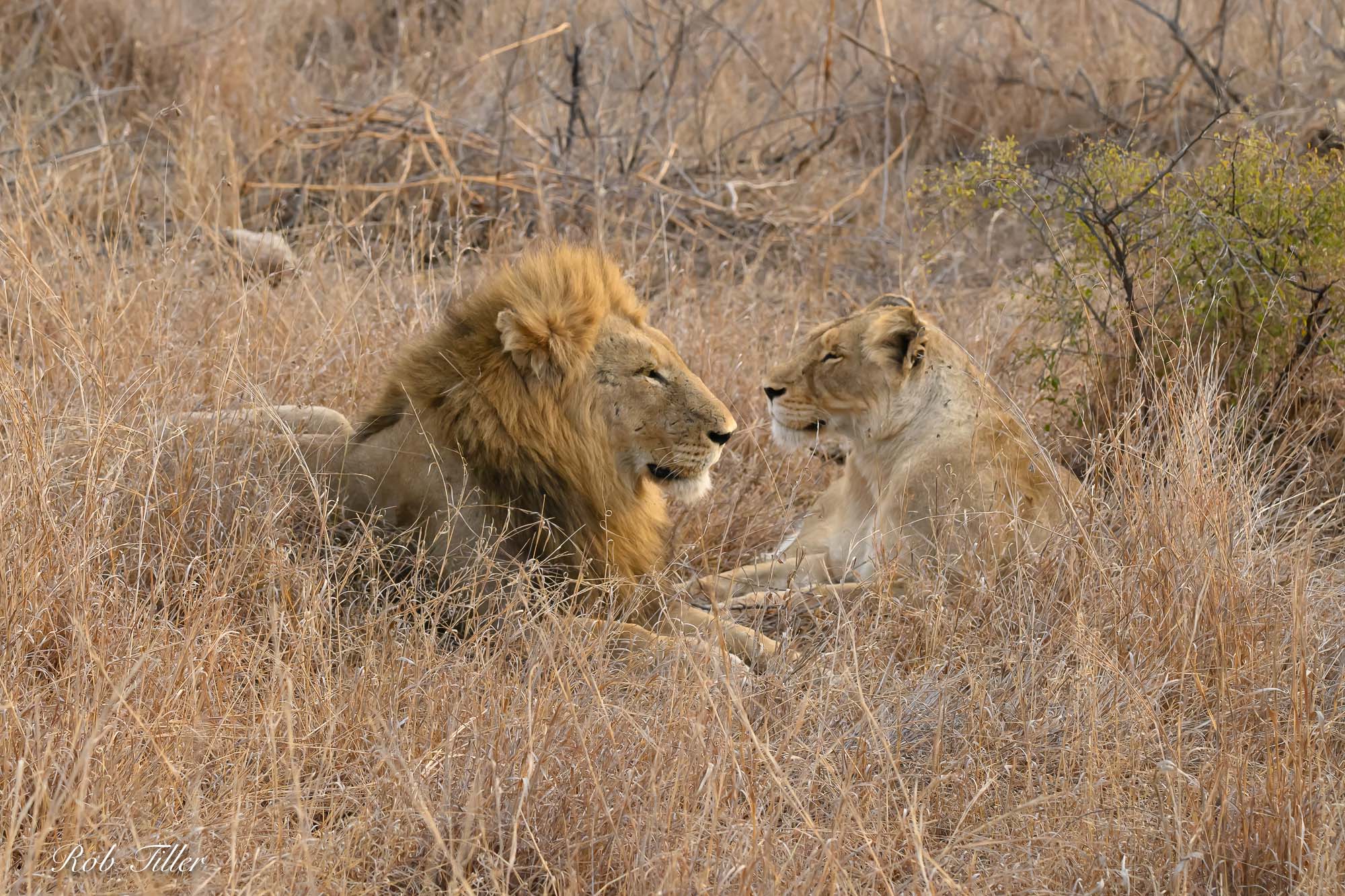
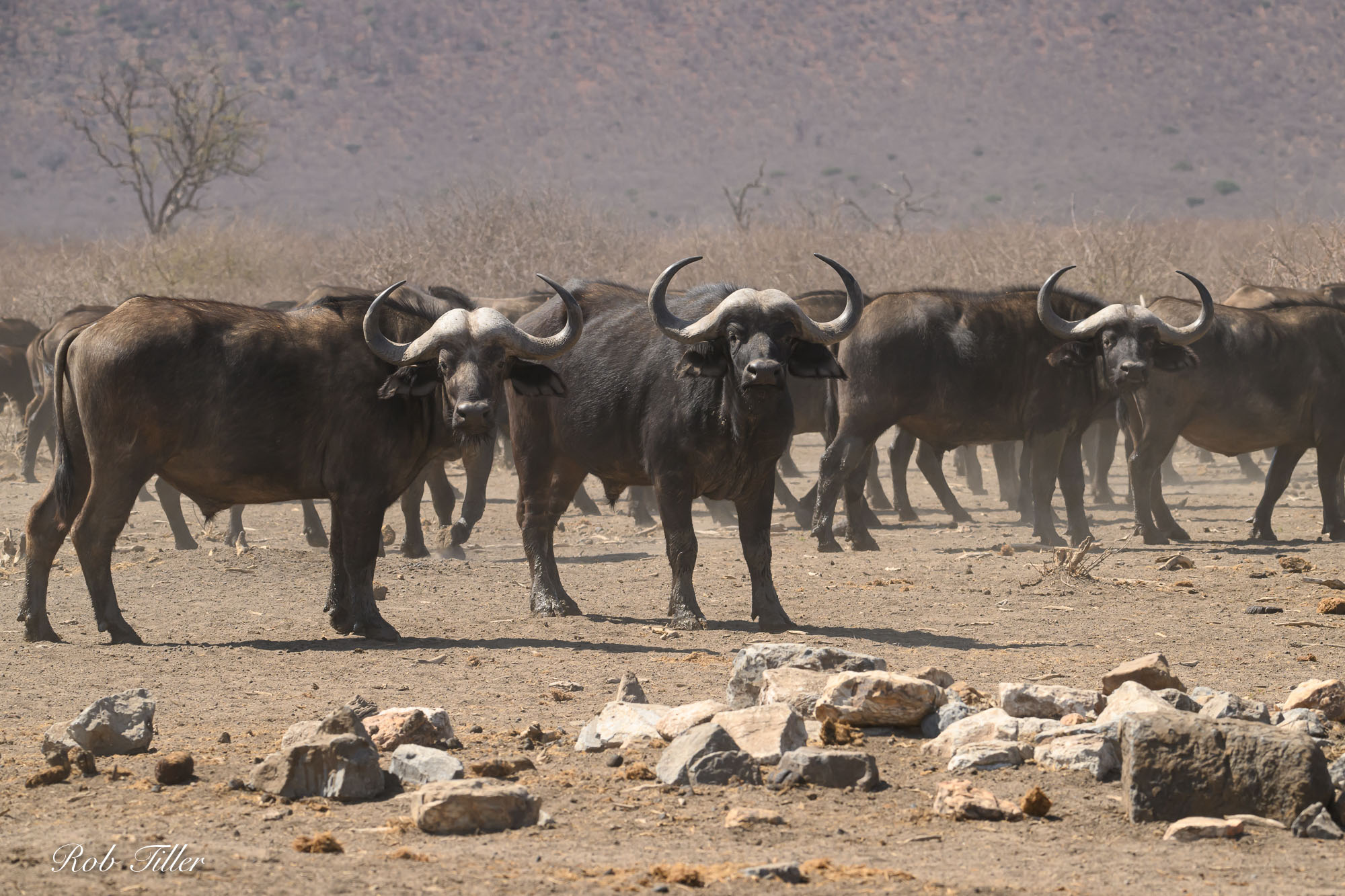
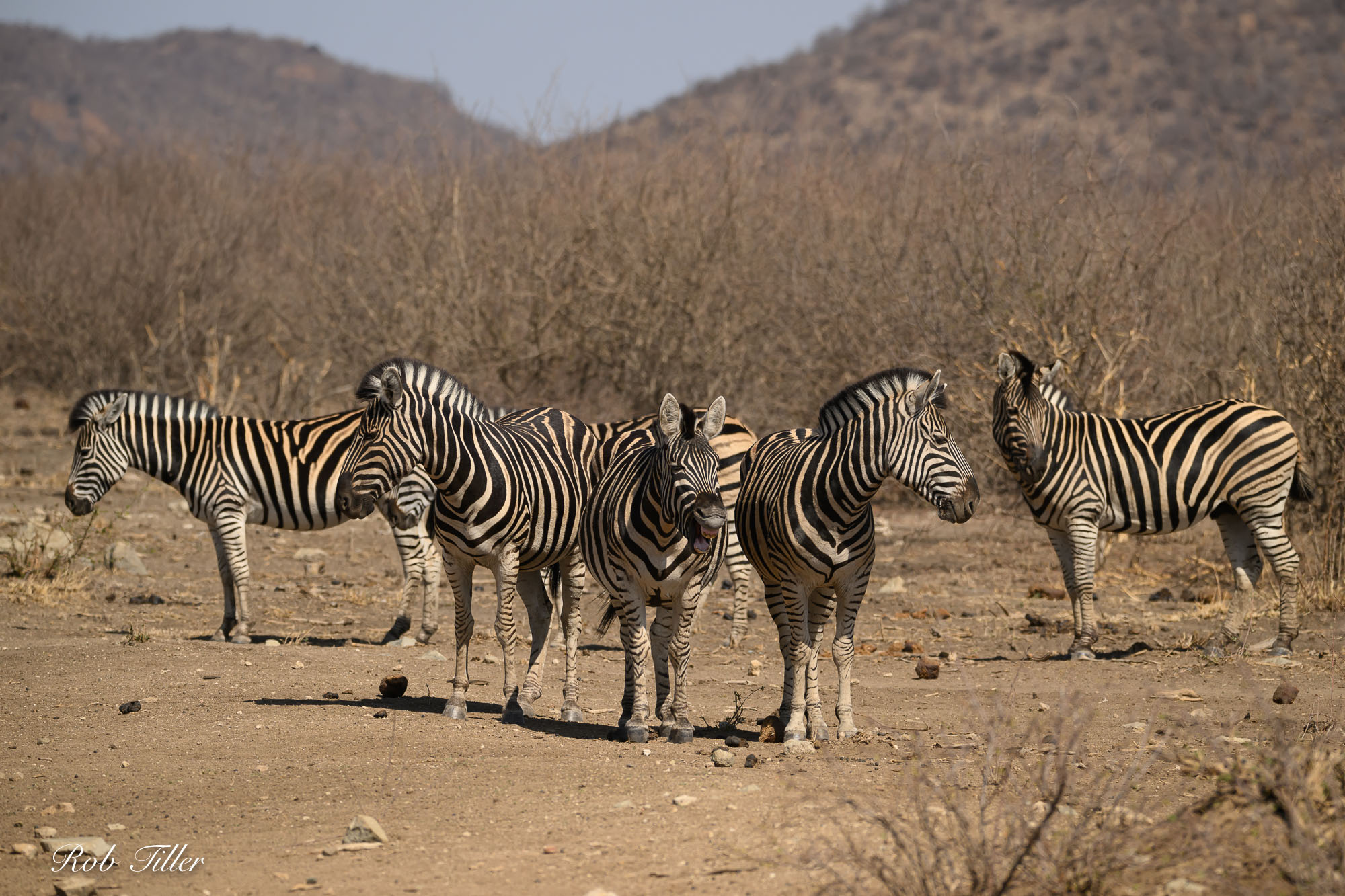
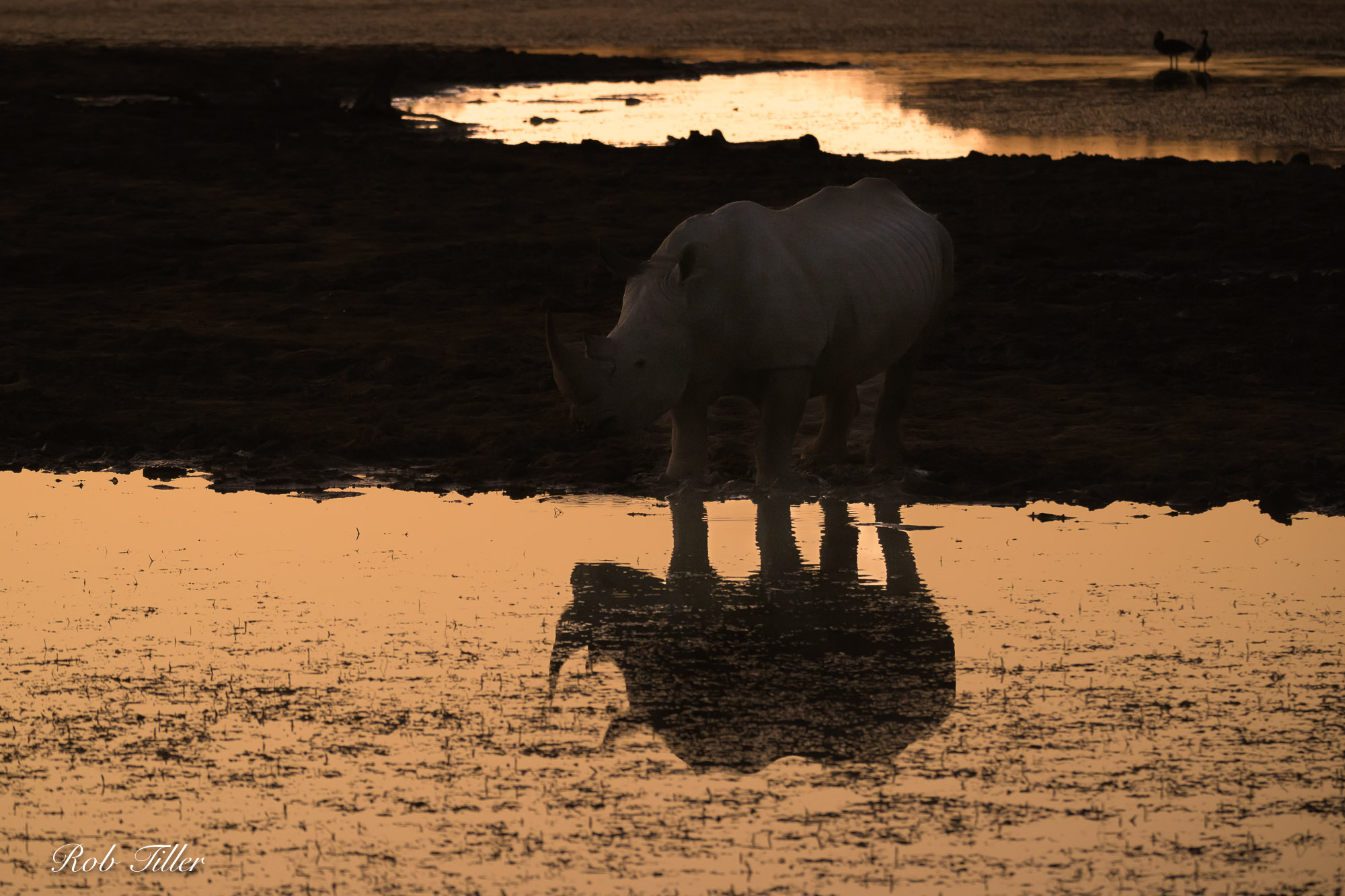
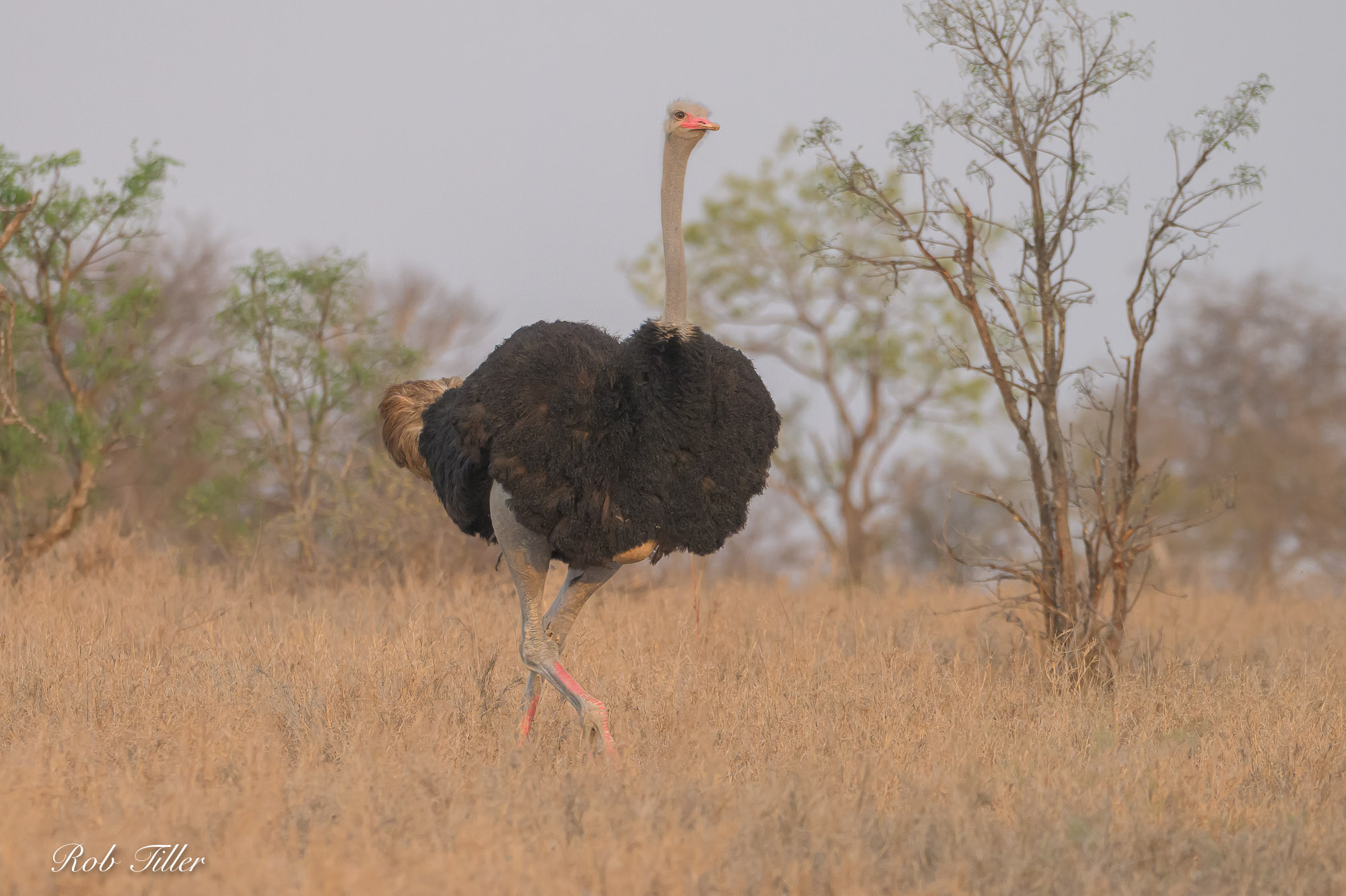
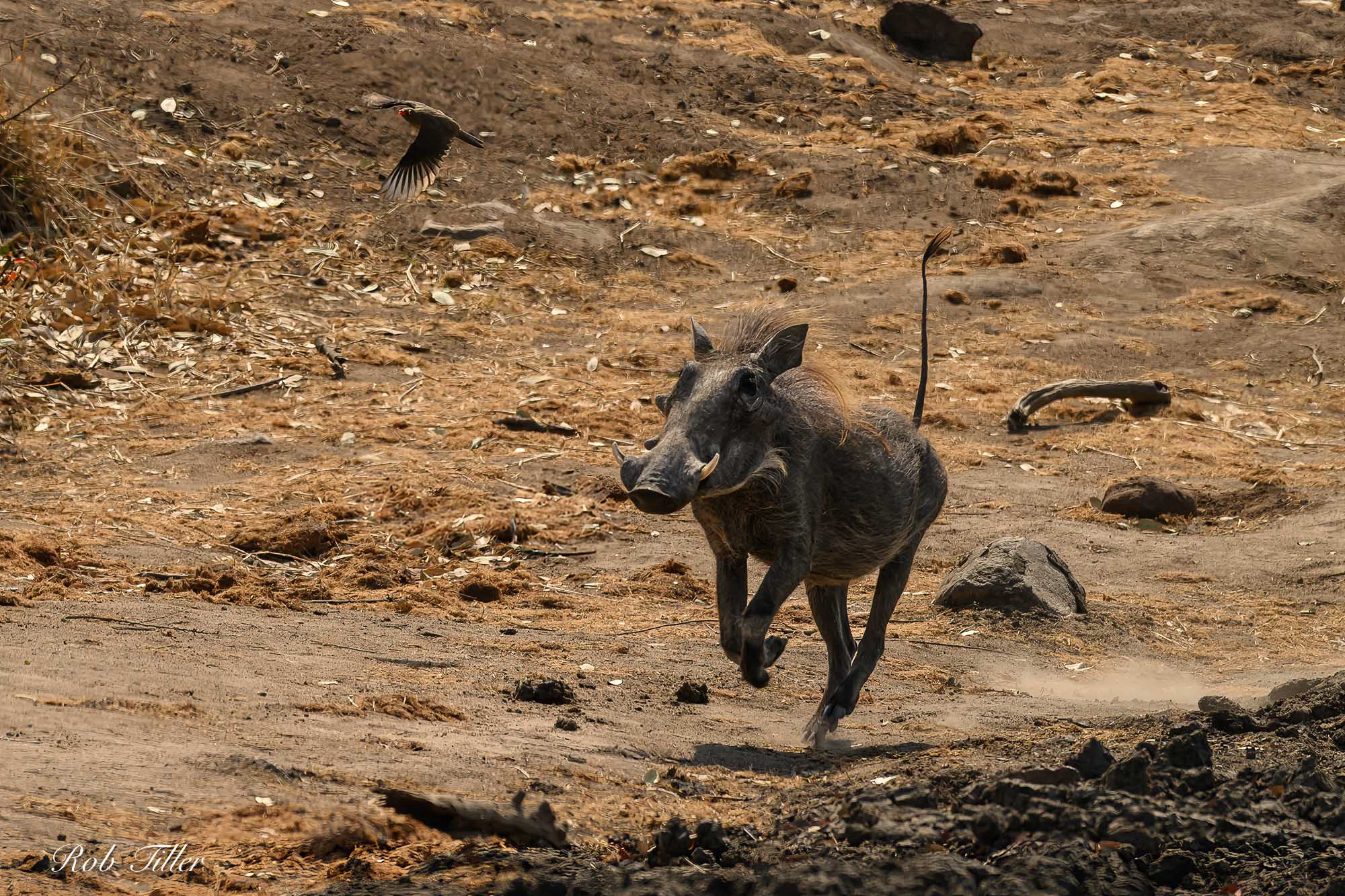
Best of all, there were big animals all around us.    We had numerous good views of the so-called big five (elephants, lions, leopards, rhinoceros, and buffalo) and many others just as remarkable, including cheetahs, giraffes, impalas, kudus, zebras, ostriches, warthogs, and wildebeests.  

Our days began when it was still dark.  After a quick snack, at 5:00 a.m. we loaded our gear and ourselves onto a big Toyota Land Cruiser.  The vehicle was topless, with three rows of bench seats behind the driver and a seat on the hood for our tracker.  

On the cold mornings, we stayed warm with blankets and hot water bottles.  When it warmed up, the blankets were useful for protecting our cameras from the dust.  We rode along over bumpy roads, and sometimes rugged off-road areas, for extended periods.  

Our game drives generally started off heading towards an area where a rare species like a cheetah or rhino had recently been sighted.  But en route we almost always came across other interesting big things, like elephants and giraffes, or smaller ones, like hyenas and mongoose.  Sometimes we were quite close to the animals.  We took most of our photographs from inside the vehicle, but we also did a bit of trekking.    
When we were on foot, Noelle gave us some lessons in tracking, and did some actual tracking to locate lions, rhinos, and other creatures.  I had recently read The Tracker, by Tom Brown, and learned a bit about tracking as a skill set, but still, it was impressive to see Noelle and our tracker agreeing on estimates of the time the animals had passed and what they were likely up to.    

There are no bathrooms out in the bush, but there are limitless places to go when the need arises.  Once, after I’d stepped behind a tree, I heard Noelle say I should hurry along.  I took the time needed to do what I had to do, then returned to the vehicle.  It turned out I’d been about 25 yards from a sleeping lion.  Fortunately, he’d kept on sleeping.  

Hyena

We normally returned to camp in the late morning to eat and relax, and then went out again in mid-afternoon. At times we would sit and watch sleeping predators for a while in hopes they would get up, or exotic nesting birds in hopes they would fly.  We also enjoyed sitting at watering holes as various creatures came by to have a drink.  

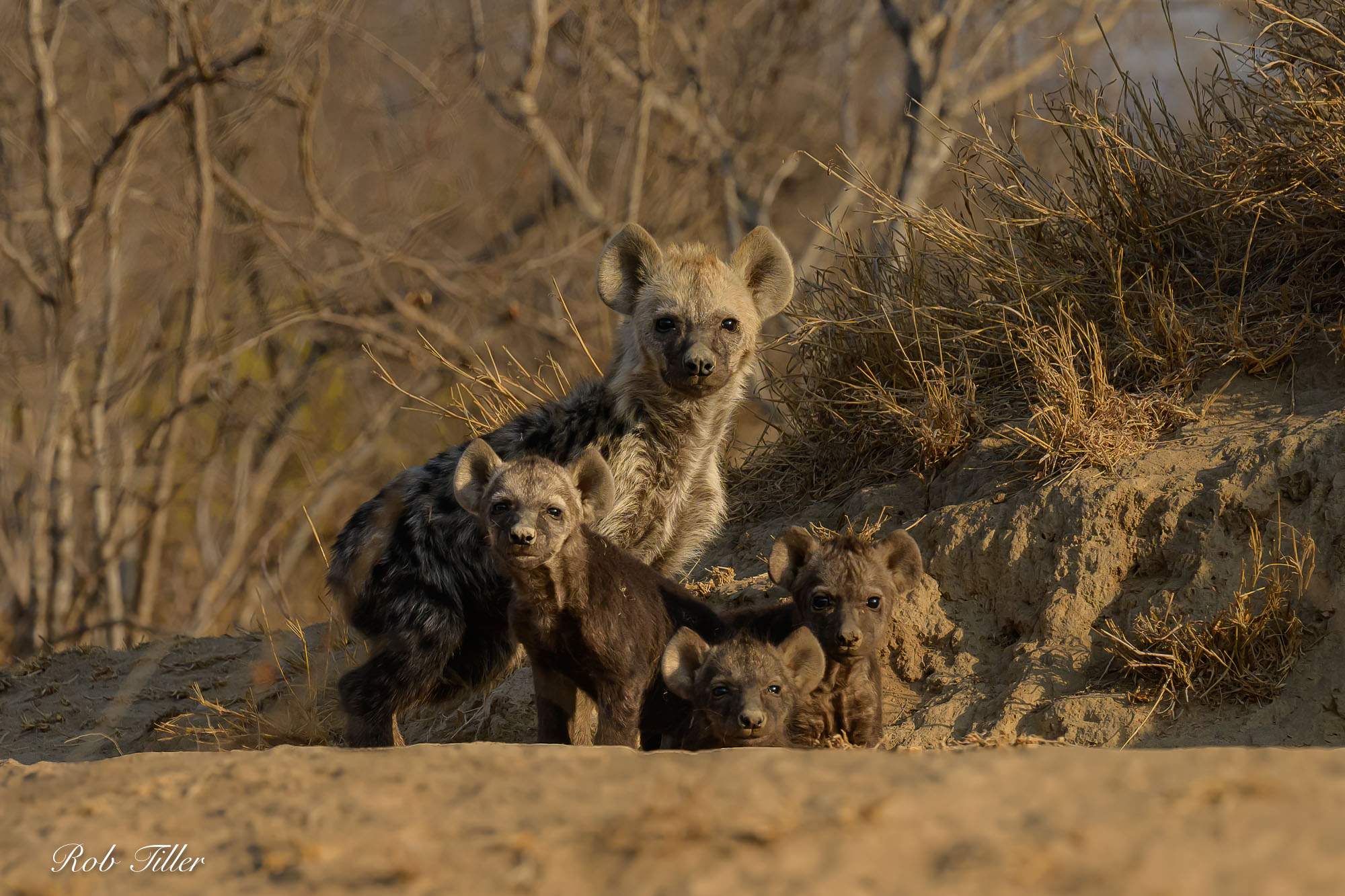
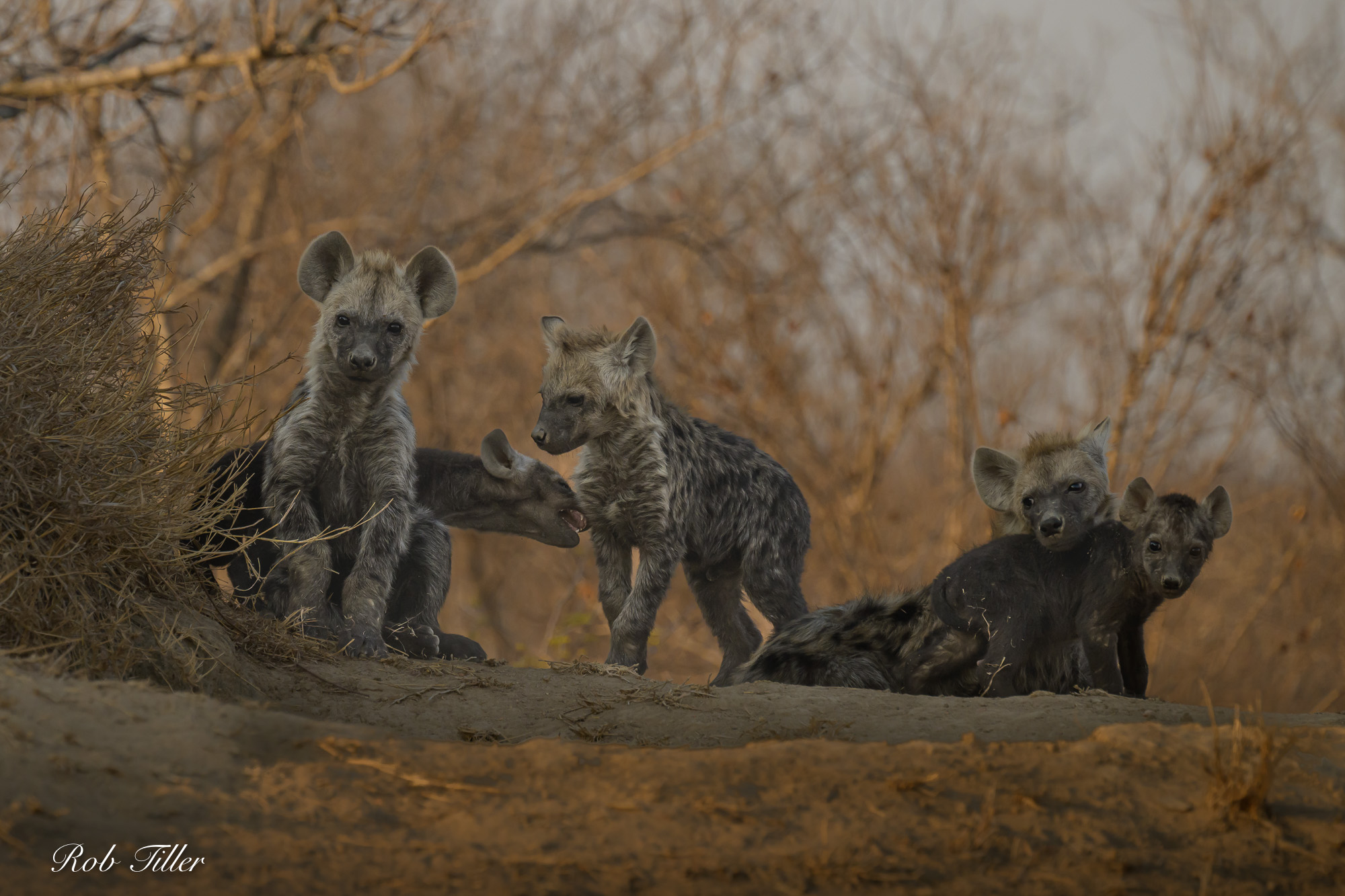
Hyena pups

The variety and beauty of the different animals continues to amaze me, as does the variety of complex systems within the ecosystem.  Every creature plays a role, whether it be spreading seeds, consuming dead creatures, or culling the herds.  The game reserves are a reminder of what is possible when humans give some room and respect to other species.   

Unfortunately, we’ve taken over much of the habitat that non-human animals once lived on, and animal populations continue to fall worldwide.  Per a new report from the World Wildlife Fund, over the past 50 years animal populations have declined by 73 percent.  The full Living Planet Report is available here

This decline has cascading effects.  According to the chief scientist of the World Wildlife Fund, “Vertebrate populations underpin ecosystem health and the services we get from ecosystems like stable climate, abundant and clean water, healthy soils to grow food, productive fisheries that supply people with protein…. If you have that kind of decline in vertebrate populations around the globe, you’re going to have troubles supporting and sustaining human health and well-being over time.”

Warthog

The terrible loss of animals has a number of causes, but a major one is loss of habitat when wild areas are used to produce grain for animals raised as food for humans.  About 40 percent of habitable land is used for such purposes.  The report notes that one simple thing we can do to mitigate this problem is to eat less meat.  

One last note: this week I was cheered to learn that the Nobel Peace Prize went to Nihon Hidankyo, a Japanese group of atomic bomb survivors that has worked to raise awareness of the horrors of nuclear weapons. The Washington Post reported on this here.  

Somehow we’ve gotten used to the possibility that civilization could be destroyed in a few minutes with the enormous nuclear weapons currently deployed, and just don’t think about it.  Indeed, in the US, almost none of us know that we’re currently in the process of spending hundreds of billions on new nuclear weapons and facilities.  See this NY Times report

This issue is not on the political discussion agenda, and it should be.  To me, arms racing and rolling the dice on nuclear annihilation seems crazy, and it seems like simple sanity to work for arms control as a high priority.  Of course, others apparently disagree, but surely we should talk about it.  

A week at the beach, dogs vs pigs, and the communist menace

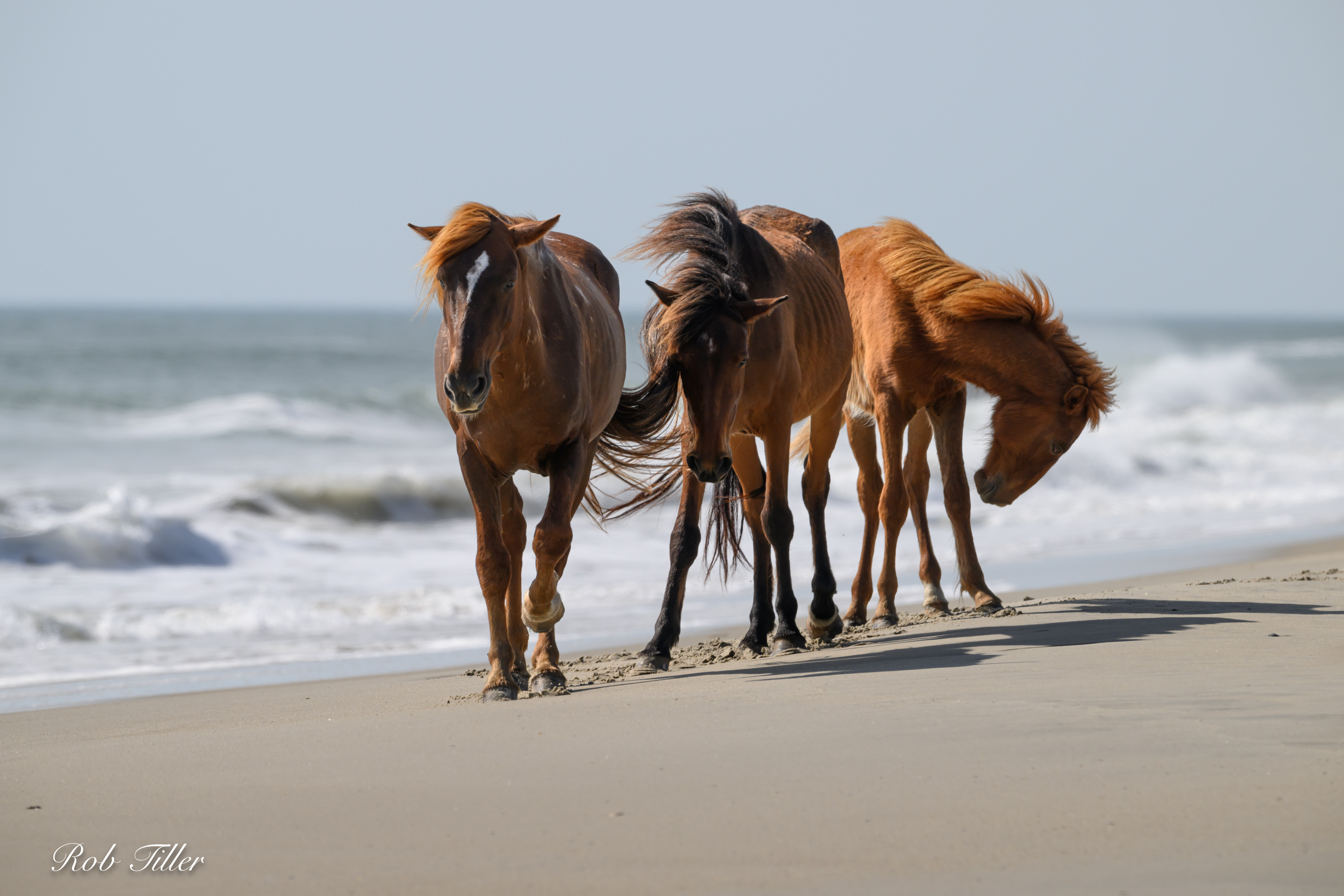
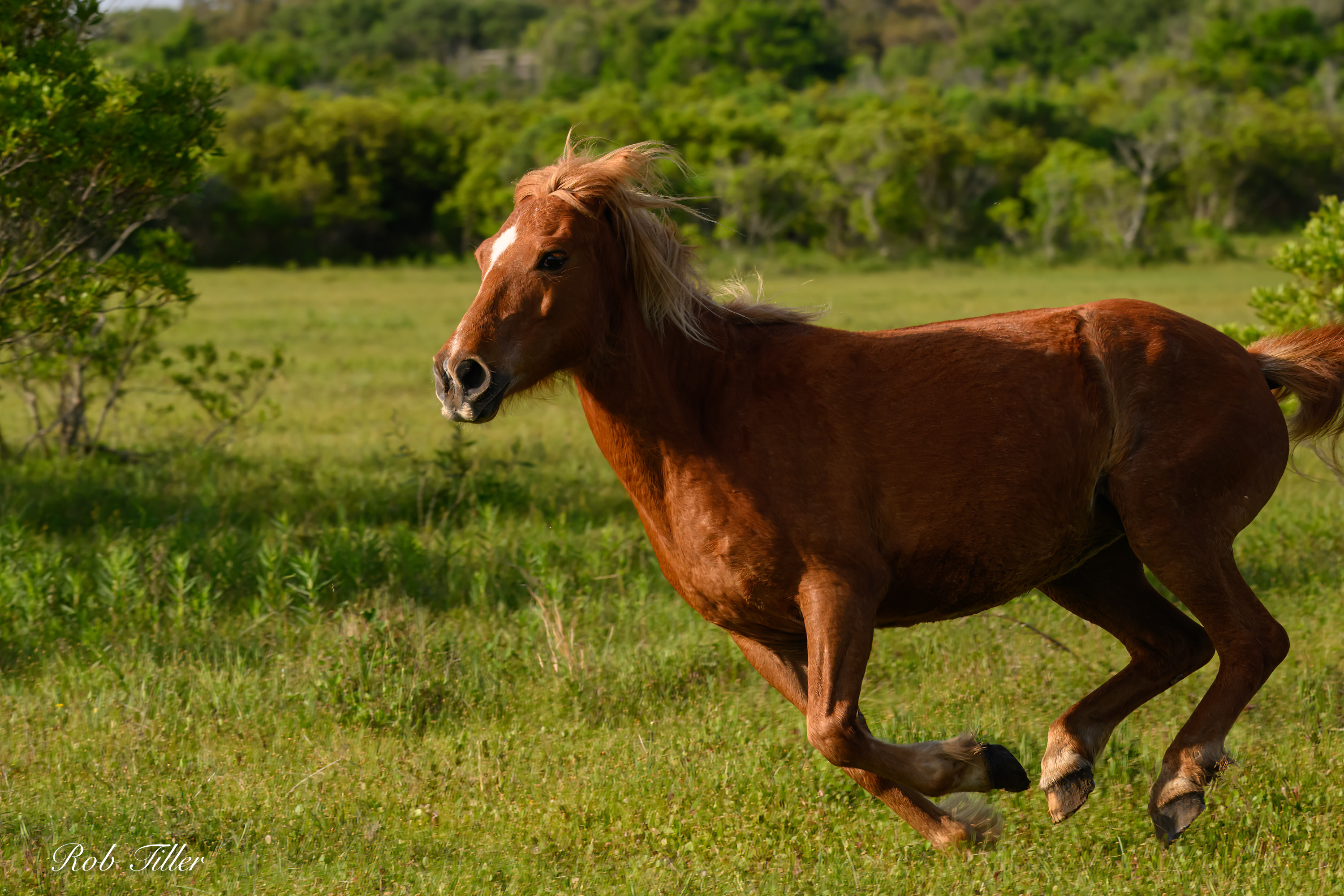
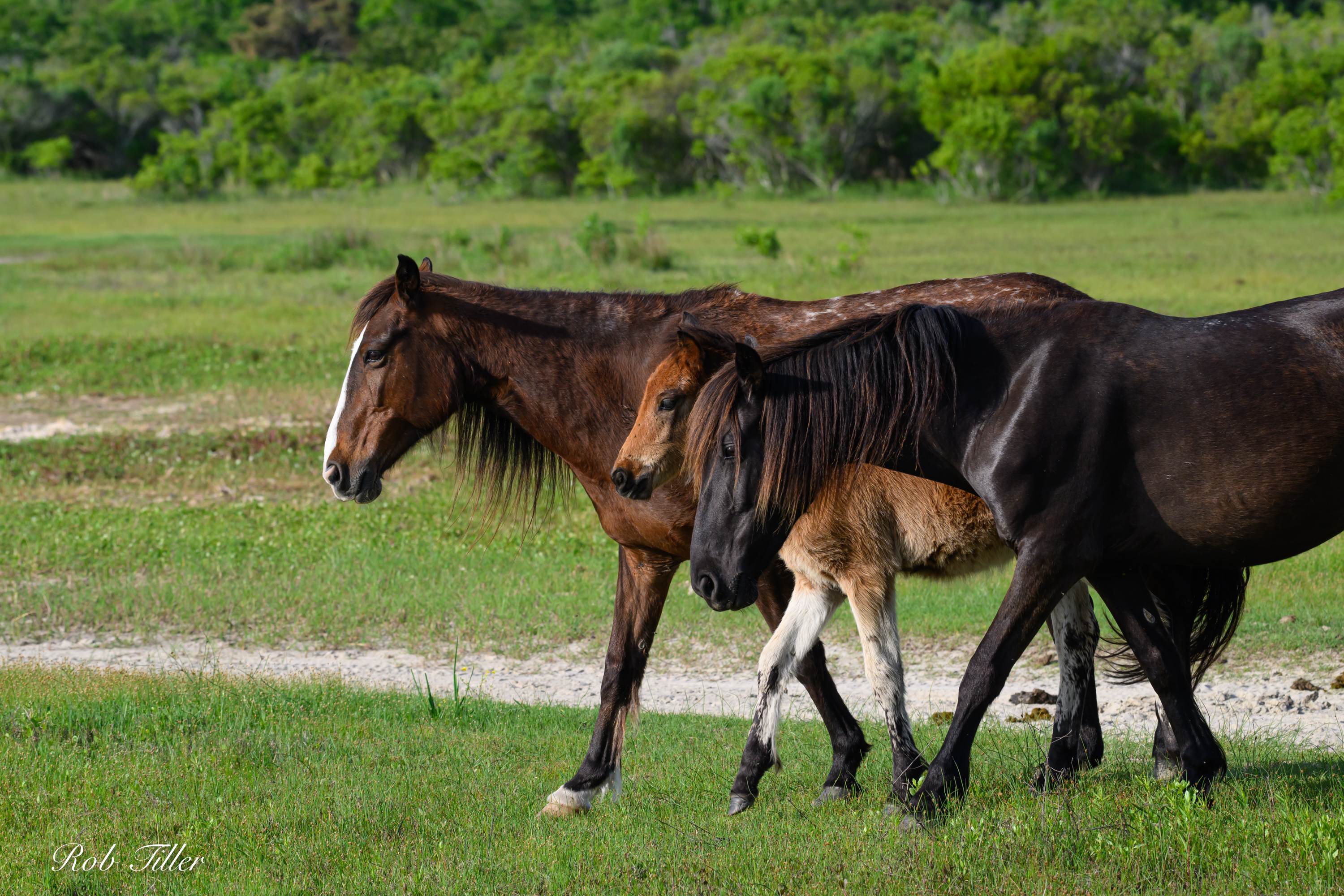
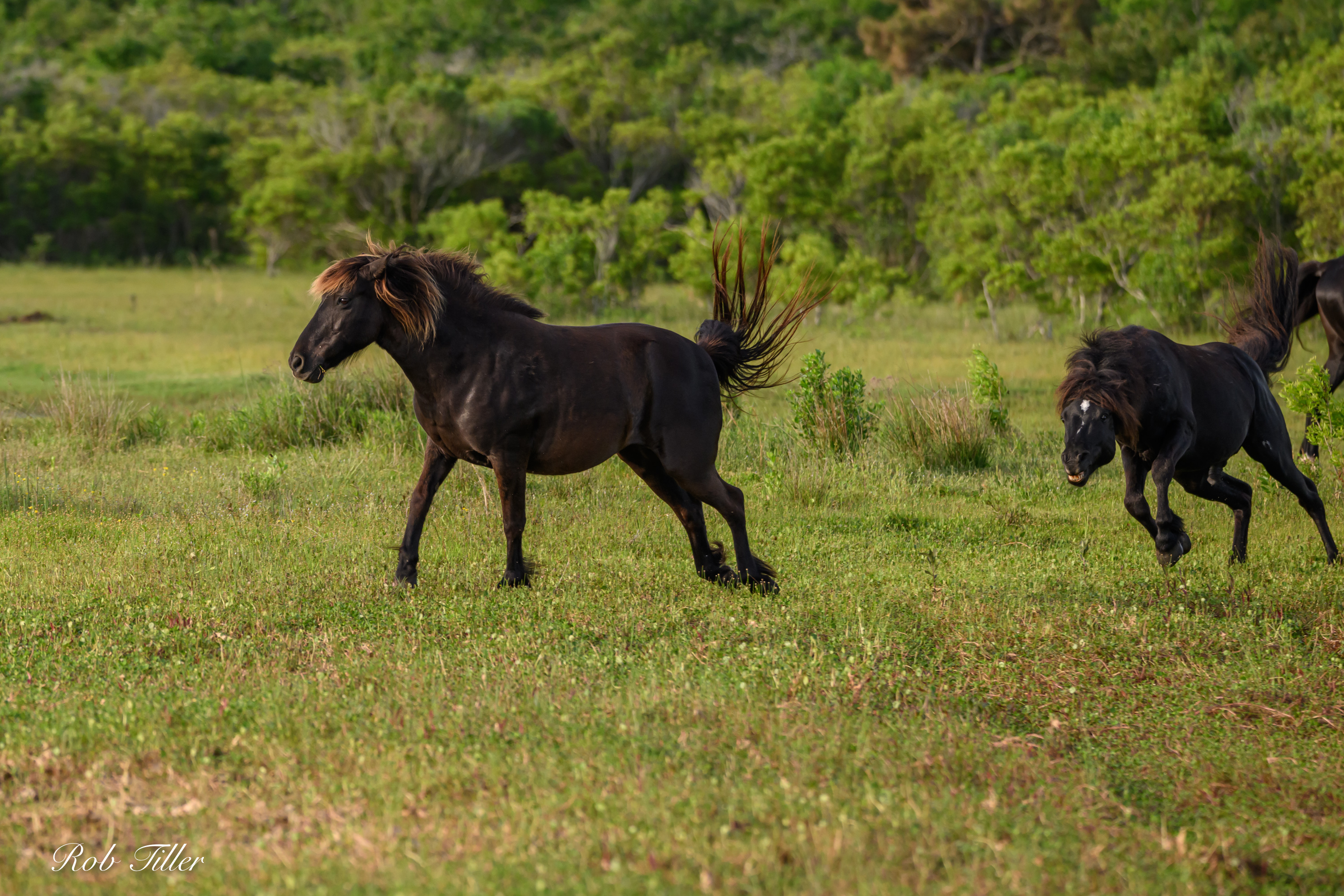
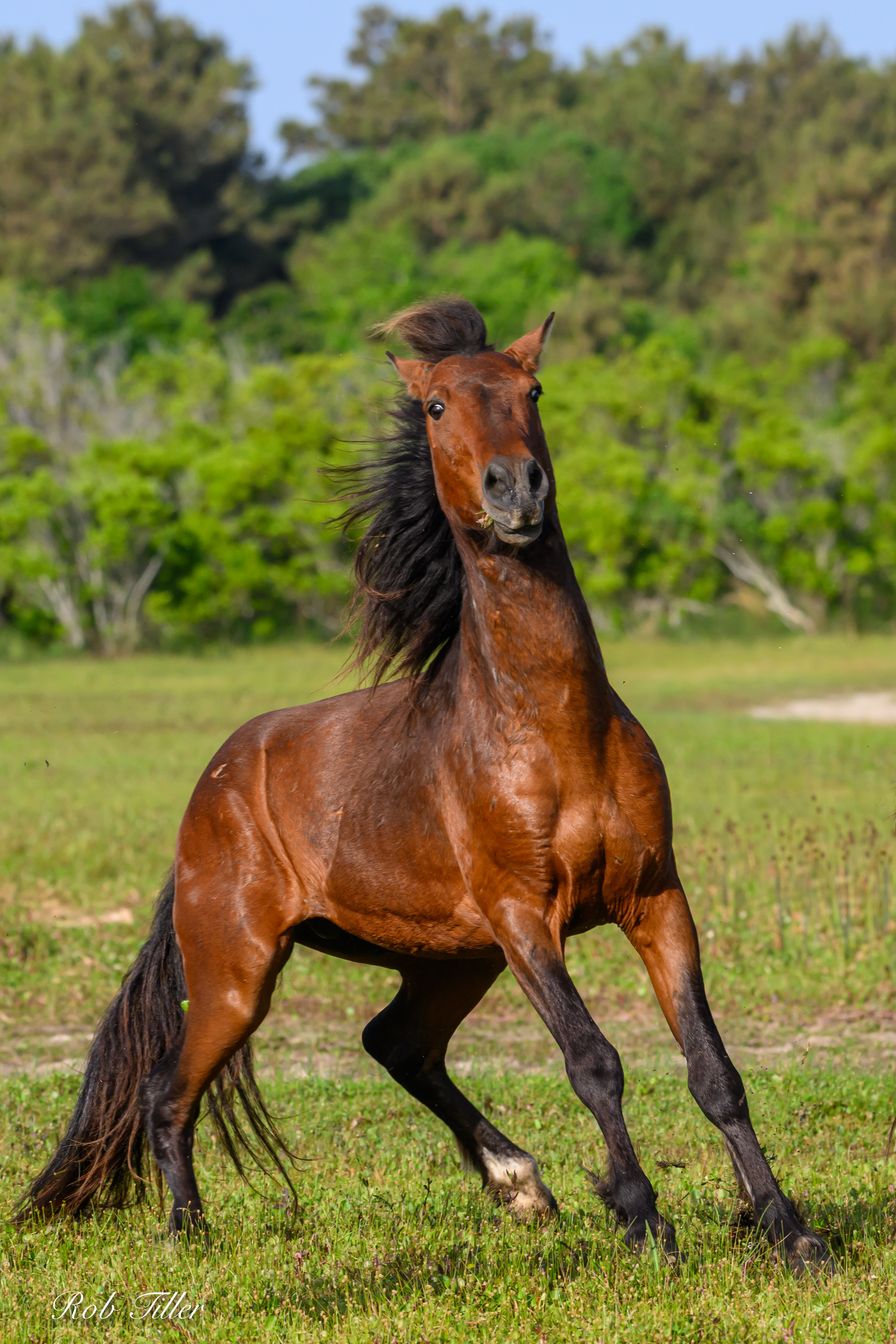
Last week we rented a house at the Outer Banks and had a family gathering.  We walked on the beach, played in the pool, rode bikes, read books, watched the Olympics, and enjoyed each other’s company.  I also took some pictures of wild horses at Carova and shore birds at Corolla, a few of which are here.

In photographing the wild horses, I generally try to catch them in natural-looking settings, and avoid showing roads and structures.  But that’s misleading, in a way.  A lot of the time the horses are grazing in front yards and walking along the sandy roads.  They’re really part of everyday human life in that part of the Outer Banks.  It was good to see most of them looking healthy, and some had new foals. 

Some mornings I walked on the Corolla beach looking for sanderlings and other shore birds.  In places there were good-sized flocks of the little sandpipers running away from the waves, then speeding back and probing for edibles with their sharp beaks.  Some of them were not at all shy of me.  But they’d fly off when a jogger got too close, or a dog came bounding toward them.  

Speaking of dogs, Nicholas Kristof had a thought-provoking column recently about dogs and pigs.  He noted how much we love our dogs, which is great, but also odd, considering how cruel we are to farm animals.  The similarities between these mammals seems pretty obvious – indeed, pigs are smarter than dogs – but somehow we’ve worked them into disconnected ethical categories.  We would never eat our dogs, but many of us are quite comfortable eating pigs.  

Kristof put it bluntly:

Just as today we wonder how people like Thomas Jefferson could have been so morally obtuse as to own and abuse slaves, our own descendants will look back at us and puzzle over how 21st-century humans could have tolerated factory farming and the systematic abuse of intelligent mammals, including hogs.


“Farmed animals are just as capable of experiencing joy, social bonds, pain, fear and suffering as the animals we share our homes with,” Leah Garcés, the president of Mercy for Animals, told me.

This is a lot more that could be said about this issue, but I’ll leave it there for now.  Except for noting, I used to think people mostly agreed on the key differences between right and wrong.  But Kristof reminds us that, at least in some important areas, such as animal rights, people differ amazingly in their basic morality.  Another example of surprising differences on basic morality concerns human rights and the rule of law. 

I used to take it for granted that almost everyone in the U.S. had high regard for our traditional constitutional rights (like privacy and freedom of speech and religion), fair elections, and equality under the law.  The various authoritarian alternatives that empower a charismatic strongman leader and silence dissent, such as fascism and Soviet-style communism, were, I assumed, generally viewed as bad.

But with the ascendance of Trump, this assumption is now highly questionable.  Trump has boldly declared his support for measures that are characteristic of authoritarian systems.  These include his intention to pervert the legal system to reward friends and punish enemies, to use the military to quash political protests, vilifying minorities, dehumanizing immigrants, otherizing gender non-typicals, and attacking women’s bodily autonomy.  

His support in the presidential election is currently around 50 percent.  I’m hopeful that some of that 50 percent have not got round to examining what he actually stands for and will reconsider their support.  But a significant portion plainly have no problem with his racism, his xenophobia, his transphobia, his rejection of fair elections, and his calls for violence.  They may be fine people in certain regards, but they have very surprising views on right and wrong.  

I just finished listening to a recent podcast series called Ultra (season 2) that puts our situation in a helpful perspective.  Produced and narrated by Rachel Maddow, it concerns the aftermath of WWII, and focuses on the rise of Joe McCarthy and his movement.  

Most of us were taught that McCarthyism was centered around an exaggerated fear of communism and false claims that communists were taking over the country.  We might know that in the mid 1950s McCarthy as a U.S. Senator rose to power by leading an effort to persecute ordinary people for sympathizing with communism, and in fact destroyed careers and lives.  But McCarthyism seemed relatively short lived.   We, or at least I, didn’t know, before listening to Ultra, that it was a mass movement that was driven in part by Nazi sympathizers and ideology, and its spirit is still with us.
McCarthy was a corrupt politician, a compulsive liar, and a remorseless bully, and his dishonesty and brutality were plain to see at the time.  But there were apparently millions who didn’t mind any of that.  They considered him a great leader and supported his looniest ideas.  Shortly before he died, a project began to move him into the presidency through subverting the election of 1956.  

Ultra doesn’t bother pointing up the parallels between McCarthy and Trump, presumably because they’re so obvious (the lies, the corruption, the sedition).  It is particularly striking that Trump and his team have been trying to label the Harris team as communists.  Alarmist and baseless name-calling is standard operating procedure in Trumpworld, and sometimes, as in McCarthy’s time, it works.  

But somehow I doubt it will work this time.  For anyone not already deeply infected with the Trump virus, any acquaintance with  Harris and Walz will put the lie to Trump’s attempt to label them as communists or otherwise wildly radical.  It remains to be seen whether the great start of their campaign will hold up.  It’s by no means clear that they will win.  But things look more hopeful than they have for a long time. 

Heat, horses, and Poverty

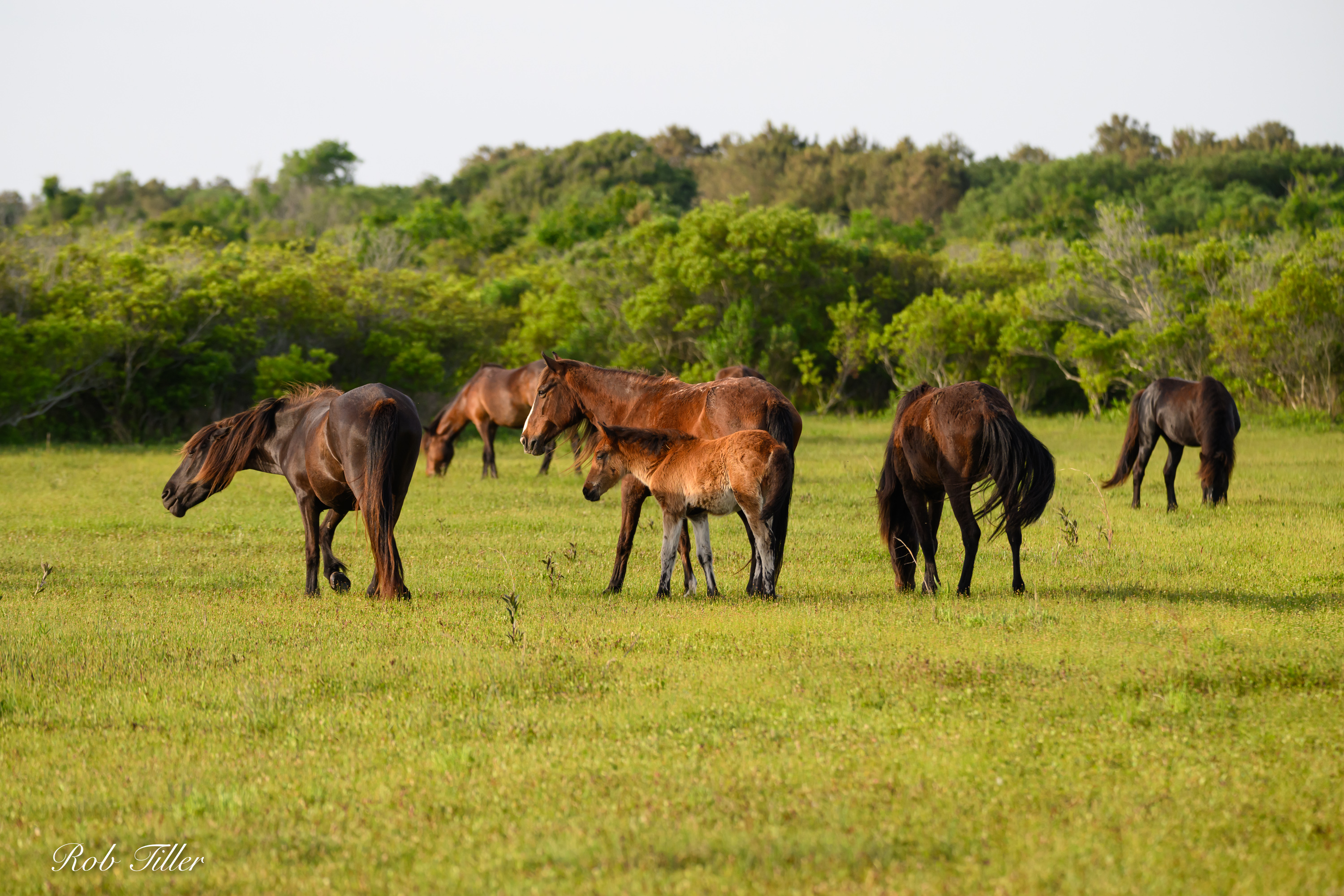
High temperatures and high humidity in Raleigh have made outdoor activities pretty miserable.  Stuck inside more,  I finally managed to sort through the pictures I took in May of the wild horses at Corolla, NC.  I saw thirty-some in one day in a pasture and on the beach.  

The horses had some disagreements between their family groups, which resulted in a few chases and kicks.  They could run very fast, but mostly they just grazed peacefully or enjoyed the ocean breeze.  They seemed to have a good attitude towards life.  

Again, about that heat:  we’re regularly setting new records for highs in these parts, as is the planet as a whole.  And of course, with the heat come other problems, like  floods, draughts, tornados, hurricanes, and wildfires, not to mention famines, water shortages, pandemics, failed economies, mass migration, and war.  It’s gotten harder and harder to deny we have a climate crisis that we created and we must address, although some still do.

Denialism is a core plank of the Trump movement.  One of the projects in Project 2025, the detailed list of policies proposed by Trump administration veterans and aspirants, includes the break up of the National Oceanic and Atmospheric Administration.  NOAA is the parent of the national Weather Service, which provides the raw data for most of the weather reporting that industry, the military, and you and me rely on.  According to Project 2025, NOAA is “one of the main drivers of the climate change alarm industry.”  Who knew?

Along with muzzling or dismembering NOAA, Project 2025 proposes downsizing agencies focusing on climate research, including the EPA, weakening environmental regulations, curtailing renewable energy support, and expanding fossil fuel development.  Trump told a group of oil execs that for $1 billion in contributions, he’d allow new oil drilling projects and reverse regulations that limited their profits.  

It’s shameful, but not surprising, that fossil fuel interests find it normal to put profits above all else, but it’s hard to understand why others not mad with greed would be willing to go along with a program to further degrade the environment.  The Trump-MAGA opposition to climate mitigation could be partly about wishful thinking, as in, we wish we didn’t have this terrible problem which will be hard to address, so let’s pretend we don’t.  And of course, Trumpists are inclined to oppose anything that non-Trumpists support, up to and including trying to save the planet.  

Anyhow, as most people surely know by now, our planet is in dire straits, and without strong measures the climate emergency will become an ever-widening disaster.  The Biden presidency took some meaningful steps toward addressing this emergency, including the Inflation Reduction Act, but much more is needed.  It’s a safe bet that a Harris administration will continue this work. If you are considering voting for Trump, I hope you will reconsider and instead support facing and fixing our climate crisis.  
If you can stand one more serious subject: I finished reading Poverty, by America, by Matthew Desmond, and recommend it.  I knew, as we all know, that we have poverty in the US, but in this short book Desmond brought it into better focus, in a way that was at once challenging and surprisingly hopeful.  

Poverty, by America helps us understand that poverty doesn’t just mean not having inadequate housing or other necessities.  It also means insecurity and anxiety, health problems, depression, addiction, and other personal difficulties. 

Desmond challenges the narrative that poverty is inevitable and the poor are mainly responsible for it. At the same time, he isn’t buying the idea that the wealthy are mainly responsible for their own good fortune, rather than the beneficiaries of lucky birth circumstances and government preferences.  The extreme inequality between rich and poor in America is deplorable, and indefensible.

It isn’t pleasant to realize that most of us who are not poor have acquiesced in this system, and are to some degree complicit in it.  We like having low prices, and adopt the narrative that that requires low-paid labor.  Most of us aren’t really opposed to government assistance.  Indeed, the non-poor are by far the greatest beneficiaries of government welfare, through such subsidies to the well-to-do as the mortgage interest deduction, favorable tax rates for capital gains, and student loans.  

This is a longstanding and chronic situation, but Desmond refuses to give up hope.  He points out both small and large reforms that would ameliorate poverty.  One main one is to quit tolerating tax cheating by the wealthy and raise their taxes to something closer to the historical and international norm.  The additional revenue could fund better schools, better housing, and better opportunities.  

Democracy on the ropes

Summer is definitely here in Raleigh:  uncomfortably hot and humid.  I’m spending more time indoors, and finally finished sorting through the photographs I took while traveling in the spring.  In this post, I wanted to share a few more of the photos I took in St. Augustine of roseate spoonbills, great egrets, snowy egrets, wood storks, and tricolored herons, and a few thoughts on recent political events. 

In less than a week, we’ve just had two extreme events in our national political life.  President Biden crashed and burned in his debate with Donald Trump, substantially increasing the chances that Trump will win the presidency in November.  And the Supreme Court almost completely immunized Trump from criminal liability for his effort to overthrow the government in 2021.  It decreed that the next president is free to commit crimes, heinous or otherwise, that are in any way related to his official duties.  

This Supreme Court decision (which I, as a former Supreme Court clerk, had the training to read, and did read) is truly shocking.  By holding that the president acting as president is not subject to criminal law, it fundamentally changes the nature of the presidency to something like a monarchy.  In view of the definite possibility that a convicted felon, an incorrigible career grifter without any apparent moral restraint, will be our next president, the decision seems wildly irresponsible.  

There was more than a whiff of corruption in the Trump White House, as Trump’s businesses raked in billions of dollars.  He has promised to use the Department of Justice to persecute political opponents.  He has proposed shooting peaceful protesters and shoplifters.  He sought IRS audits of his enemies.  He directed the persecution of tax-paying immigrants and the kidnapping of immigrant children.  Not least, he encouraged a violent attack on Congress in an attempt to nullify the 2020 election.  

Trump has shown no hint of moderating his inclinations.  In his first term, subordinates sometimes discouraged or resisted his most outrageous proposals, but that is much less likely to happen if he’s reelected.  Non-MAGA true believers will be excluded from significant roles.  The true believers will know that Trump can and does protect those who carry out his orders with pardons.  

Also, those collaborators will now understand that if they are accused of criminal activity ordered by Trump, the Supreme Court will probably be on their side.  The Court’s new theory of the need for extreme Executive power may mean protection for those who implement Executive crimes.  In sum, the new decision increases the already high risk that electing Trump as President will be a disaster for American democracy.  

One of the benefits of studying history is perspective; it can help us take a longer view of our current situation.  For example, it’s helpful to remember that our republic has survived crises in the past, like the Civil War, the corruption of the gilded age, the ascendance of the Ku Klux Klan, American Nazis during World War II, and the McCarthy red scare.  We also survived Trump I. At the moment, I feel more despairing than hopeful for American democracy, but I’m trying not to give up hope.  

Visiting big birds in Florida, healthy eating, and some thoughts on Nazism

I went down to St. Augustine, Florida, a couple of weeks ago to photograph some of the big wading birds there.  I took a lot of photos at the Alligator Farm, where there’s a rookery of nesting great egrets, snowy egrets, cattle egrets, little blue herons, tricolored herons, wood storks, white ibises, and (my favorite) roseate spoonbills.  The birds hatch their chicks in trees over a big pond area full of alligators.  Apparently the birds feel safe and protected from tree-climbing predators there.

It really was quite wonderful to see all these creatures flying, fighting, mating, working on their nests, and feeding the chicks.  I haven’t had time to go through all the thousands of pictures I took, but I did make one pass through the ones from April 26, when we had some beautiful light.  These ones were all taken that day.  

At times I feel a bit of an odd duck for caring about birds, but I was reassured by a great little essay in the NY Times on how birding can change your life.  The essay is by Ed Yong, who wrote An Immense World, a fine book about the sensory worlds of non-human animals.  

Yong describes describes some of the nuts and bolts of learning how to identify birds.  But the really interesting discussion was how he found himself changed by birding.  He discovered a new connection to nature and new appreciation for the small wonders of life.  He found himself living more in the present, and with a greater appreciation for his own life, just as it is.  

I’m not as serious a birder as Yong – I don’t keep a life list or take on arduous travel to see one new species.  But I’m still studying up on resident species when I go to a new place, and working to identify birds I’m not familiar with.  I heartily endorse Yong’s view that birds make life better.

Speaking of animals, we saw a recent documentary series on Netflix that I recommend:  You Are What You Eat.  It centers on a nutrition study at Stanford University of identical twins.  The idea was to discover how much different diets affected genetically identical people.  

The big takeaway was that a plant-based diet was generally much more healthy than other options.  The series also notes, without hammering on, how animal agriculture is terrible for the climate and for both farmed and wild animals.  Despite the serious content, the filmmakers managed to leaven their presentation with some humor.   

Finally, I want to recommend a good podcast series called The Rest Is History. The format is a conversation between two Brits, Tom Holland and Dominic Sandbrook, about a historical period or incident that they’ve gotten interested in.  They are funny and smart, and some of the subjects are fascinating.  

I found their series on the rise of German Nazism particularly interesting.  Holland and Sandbrook investigated how an ideology that they (and most of us) regard as bizarre and inhuman could have seemed exciting and completely valid to many Germans of that time. 

Discussing Nazism is a delicate business, since it understandably arouses strong emotions.  It’s uncomfortable, and we tend to think it’s not worth the bother, assuming that we know everything worth knowing about it anyway.  Of course, that’s unlikely, since like all mass movements, it was complicated.  But it’s possible to be clear that the systematic mass murder of Jews and other groups by the Nazis was horrific, while also wondering about what German leaders and ordinary Germans were thinking as crimes against humanity took shape.  

As Holland and Sandbrook note, the Nazis believed they were acting based on science, and were addressing an existential threat to their nation.  Some of such thinking is still with us.  Eugenics, the “science” of superior and inferior races, was integral to their thinking, and it was then considered actual (rather than crackpot) science in many other places, including the US.   

The Germans of the 1920s and 30s feared for their future, based on widespread poverty and the postwar economic crisis.  They sought to explain their problems by identifying scapegoats, including especially the Jews.  Their anger and fear of supposedly inferior races and cultures is not so different from the hostility towards immigrants that is now a central feature of politics in the US and Europe.  

The Nazi leadership effectively used the modern media of the time, including radio and film, to amplify their message. Holland and Sandbrook point up a program to get a radio within earshot of every German so that they could not avoid hearing Hitler’s speeches.  The incessant repetition of lies about Jews and others made it hard to keep contrary views in mind.  Our social media is different, but likewise tends to create information bubbles that can separate us from reality.  

Holland and Sandbrook suggest that the impulses of Germans who supported Nazism, like the desire for excitement and hostility to out groups, is pretty normal.  Humans are social animals, and our behavior is powerfully influenced by those around us.  Once Nazism attained a degree of popular support, doubters were more inclined to go along with the crowd, as people normally do.  And once the movement was strong enough, dissenters were either squashed or silenced themselves.

From time to time, I’ve wondered what I would have done if I’d been a German in the 1930s as the Nazis rose to power and took over the country. We know from studying Germany’s experience that most people were swept along without dissenting, and it’s possible that I would have been one of that herd.  Of course, I like to think I’d have been unusually independent and courageous, but it’s hard to be sure.  

Anyhow, the Rest Is History podcast series on Nazism is thought provoking and timely.  We know from Germany’s experience that facism can happen to countries populated by people who are generally sane and decent.  I dearly hope the US is not headed in such a direction, but it’s clearly not impossible.  It’s worth taking the time to look closer at Germany’s history, and do everything we can to go in a better direction.