Break Glass: Fascism in America
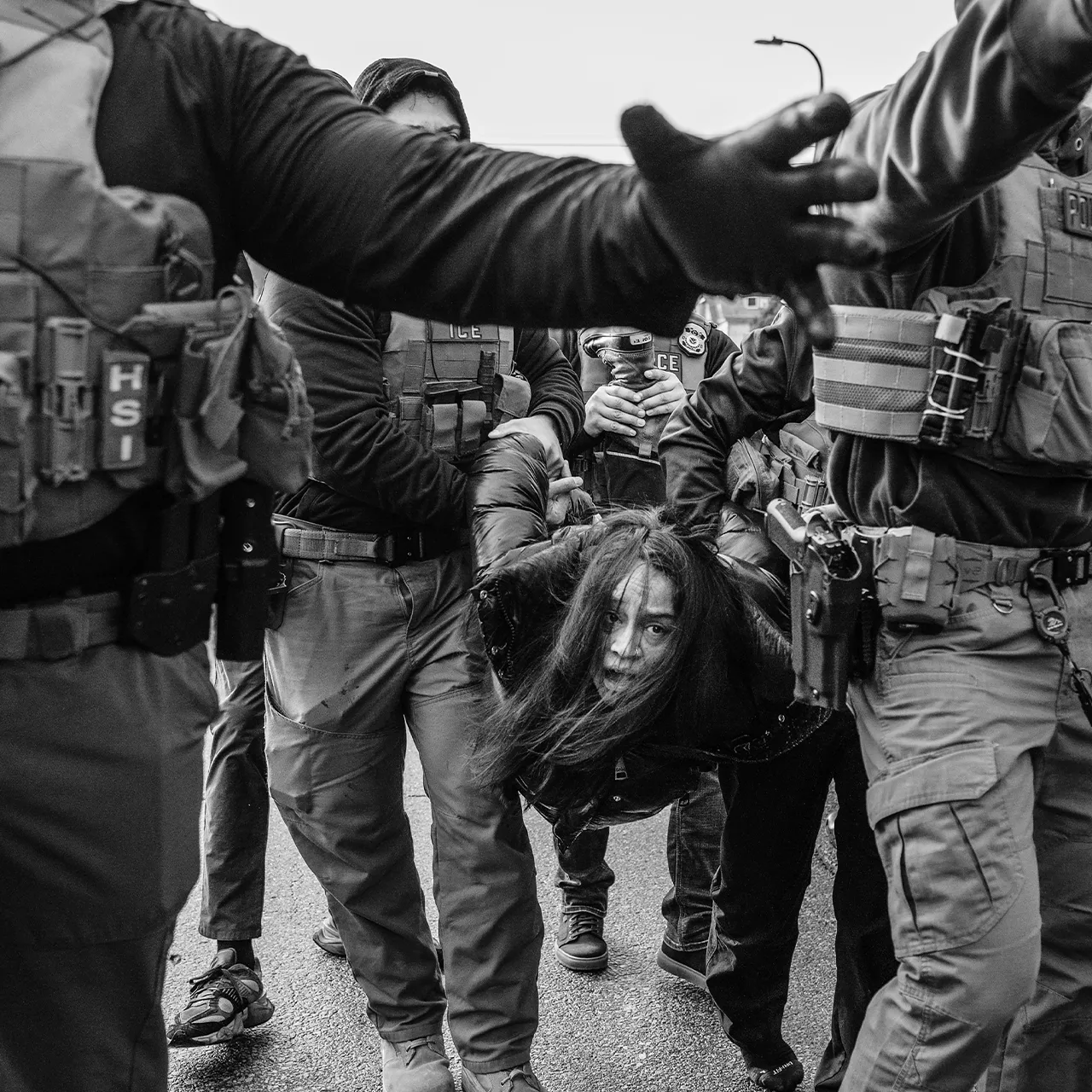
This cover of the Economist magazine accompanies the headline, “ICE’s impunity is a formula for more violence. Is America’s president building his own paramilitary machine?” The photograph effectively answers the question. A bunch of armed thugs are roughing up a terrified young woman, and they’re coming right at us. The photographer, Victor J. Blue, should get a Pulitzer.
It really is hard to process what is happening in America right now. Our fundamental systems and values are under attack. It’s hard to stay calm, and hard to think clearly. But it’s important to keep trying. The stakes could not be higher.
I just finished reading How Fascism Works: The Politics of Us and Them, by Jason Stanley, and highly recommend it. It’s a short book, but quite brilliant in the light it shines on our current problems.
In brief, Stanley explains that fascism works by promoting a mythic past, where the nation was supposedly strong and pure (e.g. “great again”). In this worldview, the greatness of the nation has been degraded by immigrants, racial minorities, religious and ethnic minorities, sexual minorities (“deviants”), and dissidents. Nature has decreed that these groups be subservient to the dominant group (white Christian males, in the US case), and to the Leader.
The true victims, in the fascist worldview, are the dominant group, and “law and order” is necessary to correct this injustice. “Law” has a new and different meaning here. Immigrants and minorities are presumptive “criminals” – that is, inherently evil and subhuman – and the Leader and his supporters are inherently lawful, no matter how criminal. Violence against “them” (all of those other than the dominant group) is justified and necessary to protect the nation’s dominant culture. The idea of fair and equal treatment under the law no longer applies.
Fascism attempts to render debate difficult, if not impossible, by discrediting all sources of information other than the Leader. Thus traditional sources of authority, like universities, scientists, and journalism cannot be tolerated (“woke” or “fake news”). Conspiracy theories and emotional appeals are the coin of the realm. Terms switch meanings a la Orwell (“war is peace, freedom is slavery”). Peaceful protest is labeled terrorism, while militarized goon squads incite real terror. Truth is whatever the Leader says it is.
Stanley also has some concrete recommendations for responding to the strategies of fascism. A primary one is calling out fascist lies and supporting the institutions that help build a shared factual reality, including the free press, universities, and the judiciary. Stanley counsels resistance to the “us versus them” dehumanization strategy by building alliances across marginalized groups and strengthening empathy. He also recommends education that counters the myth of past greatness and purity and promotes critical thinking.
Until now, I’ve avoided applying the fascist label to Trump and MAGA, because it seemed alarmist. But it seems like we’ve come to a break glass moment. If Trump can have his goons assault and murder protestors in broad daylight with no accountability, slander protestors as terrorists and insurrectionists, and make clear his readiness to steal the 2026 election, with no immediate prospect of our existing political institutions stopping him, we’re in a new and terrifying place.
As to elections, there is no reason to doubt that Trump is ready, willing and able to steal the 2026 election, since he tried and nearly succeeded in doing so in 2020. He’s announced various voting practice changes that would stack the deck in his favor. He’s demanding state voter records and threatening states that aren’t cooperating. His minions are talking about deploying his paramilitary forces at the polls. This week he sent the FBI to Fulton County, Georgia to seize election records from 2020 in what looks like a trial run for overturning future unfavorable results.
The NY Times had an editorial a few days ago laying out the threat to free elections later this year. The editorial board recommended that concerned citizens get involved in poll watching and other activities to decrease the likelihood of election interference. Good ideas.
Another thing we can do is to watch and learn from the resistance efforts in Minneapolis and elsewhere. Ordinary folks are finding the strength and courage to confront Trump’s paramilitary goon squads. They’re working out new tactics, with cell phones and whistles. And they’re succeeding! People are starting to wake up, as shown by Trump’s sinking poll numbers. It could be a long fight, but Trump’s fascism could fail.






















































































 The Casual Blog