A safari in Zambia
In October I went on a two-week safari trip to Zambia, and thought I’d share some pictures and thoughts.
The photography trip was organized and led by my friend, master photographer Jennifer Hadley, who invited me to come after another person cancelled. Our group was small (3 other folks), friendly, and serious about photography.
Zambia is a landlocked country in southern Africa which was once known as Northern Rhodesia. It’s bordered by eight countries: Democratic Republic of the Congo, Tanzania, Malawi, Mozambique, Zimbabwe, Botswana, Namibia, and Angola. It has more than 70 ethnic groups who speak dozens of languages. It has extreme inequality and extreme poverty, with most of the people living on less than $2.15 a day. But happily, it’s generally considered peaceful and safe. And there’s amazing wildlife.
To get there, I flew to Johannesburg, and then to Lusaka, the capital. From there we took a flight to Mfuwe, where we met our local guide and loaded up for a long bumpy drive into South Luangwa National Park. We stayed at two handsome camps with modern conveniences, where we had numerous visits by big animals.
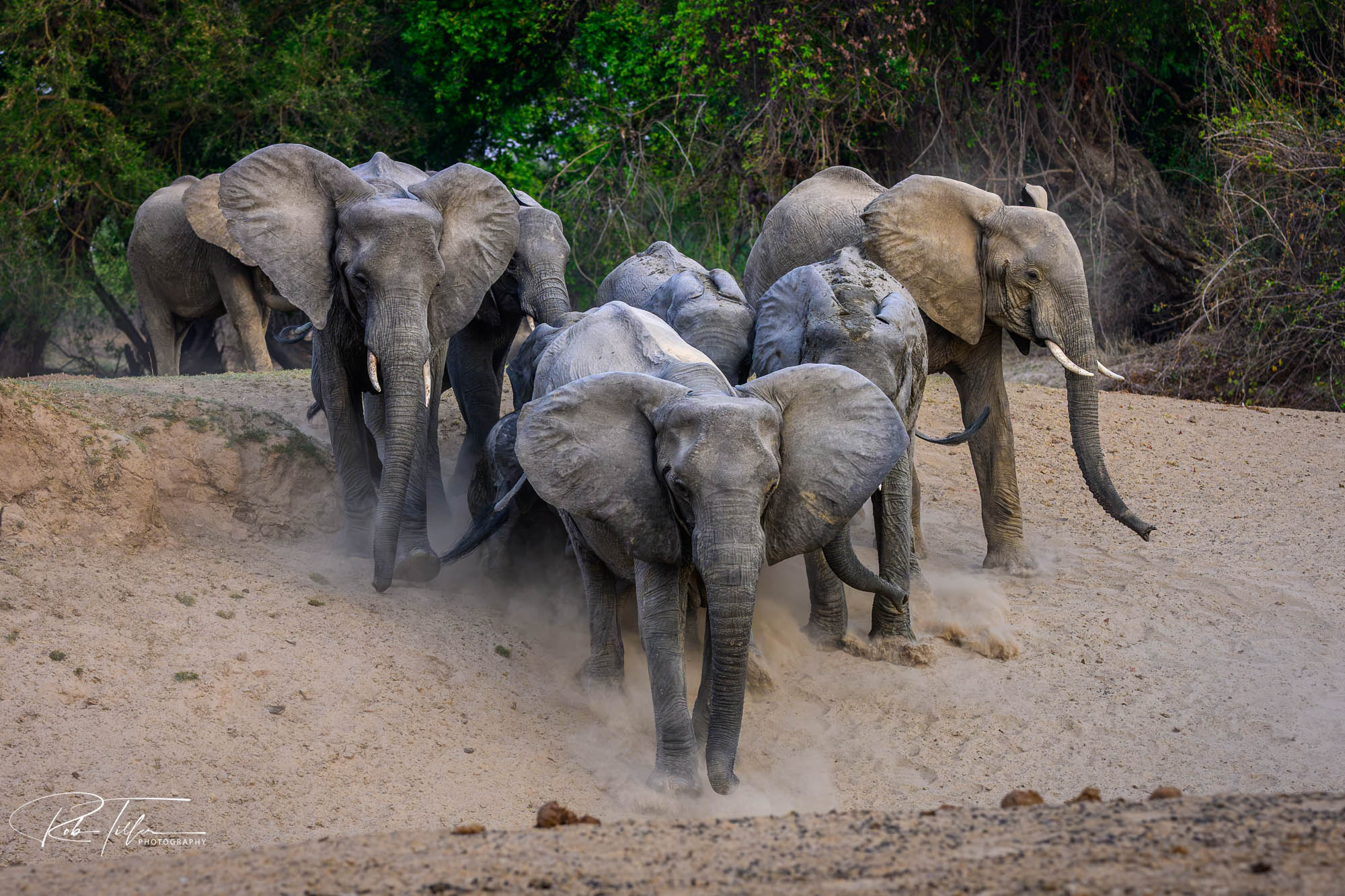
South LuTaoangwa is big – slightly larger than Yellowstone. It has two seasons – wet and dry. I understand that it is inundated in the rainy season, and difficult or impossible to get around. We were there at the end of the dry season, when the animals tend to congregate at the river and at watering holes.
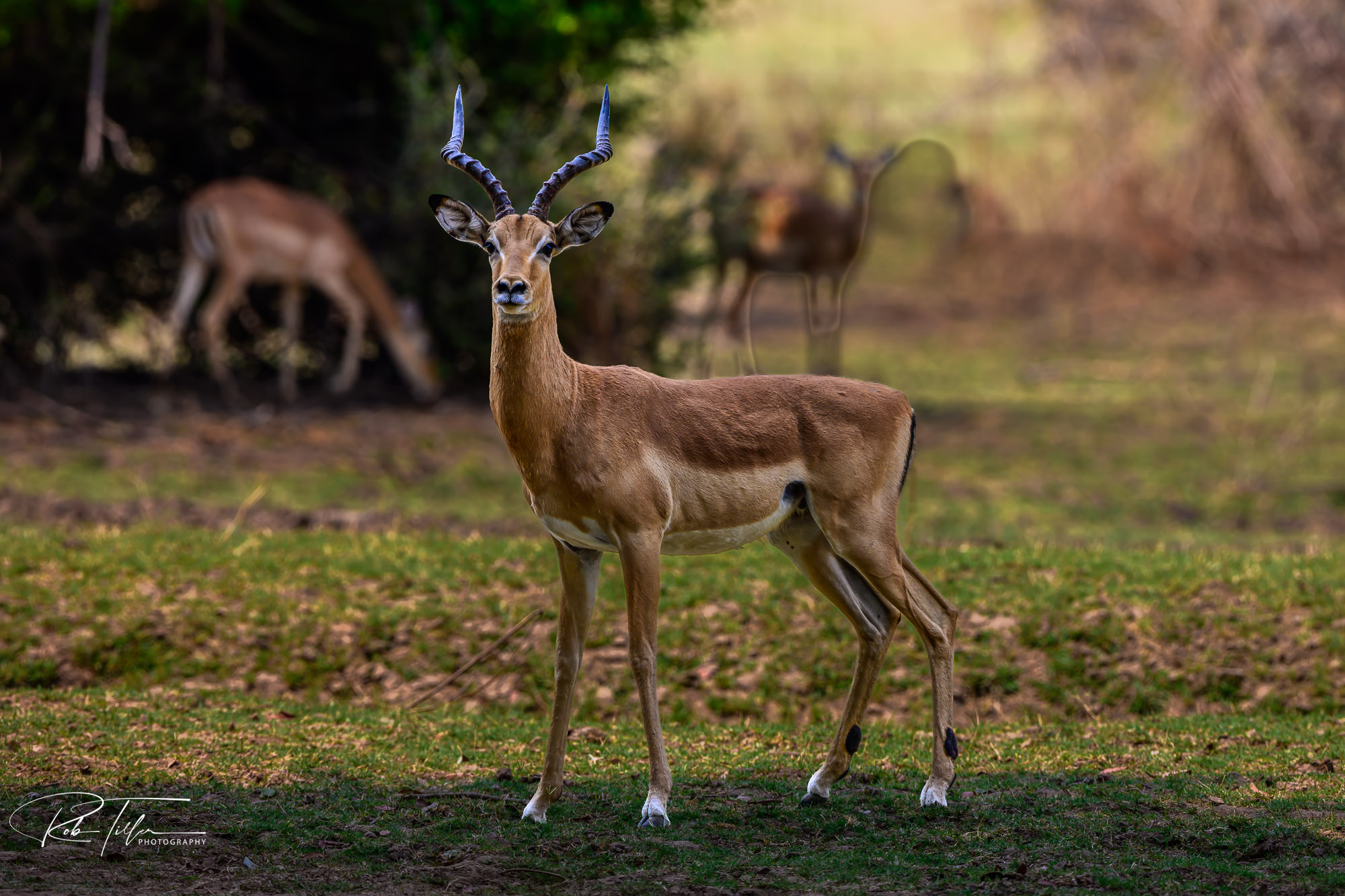
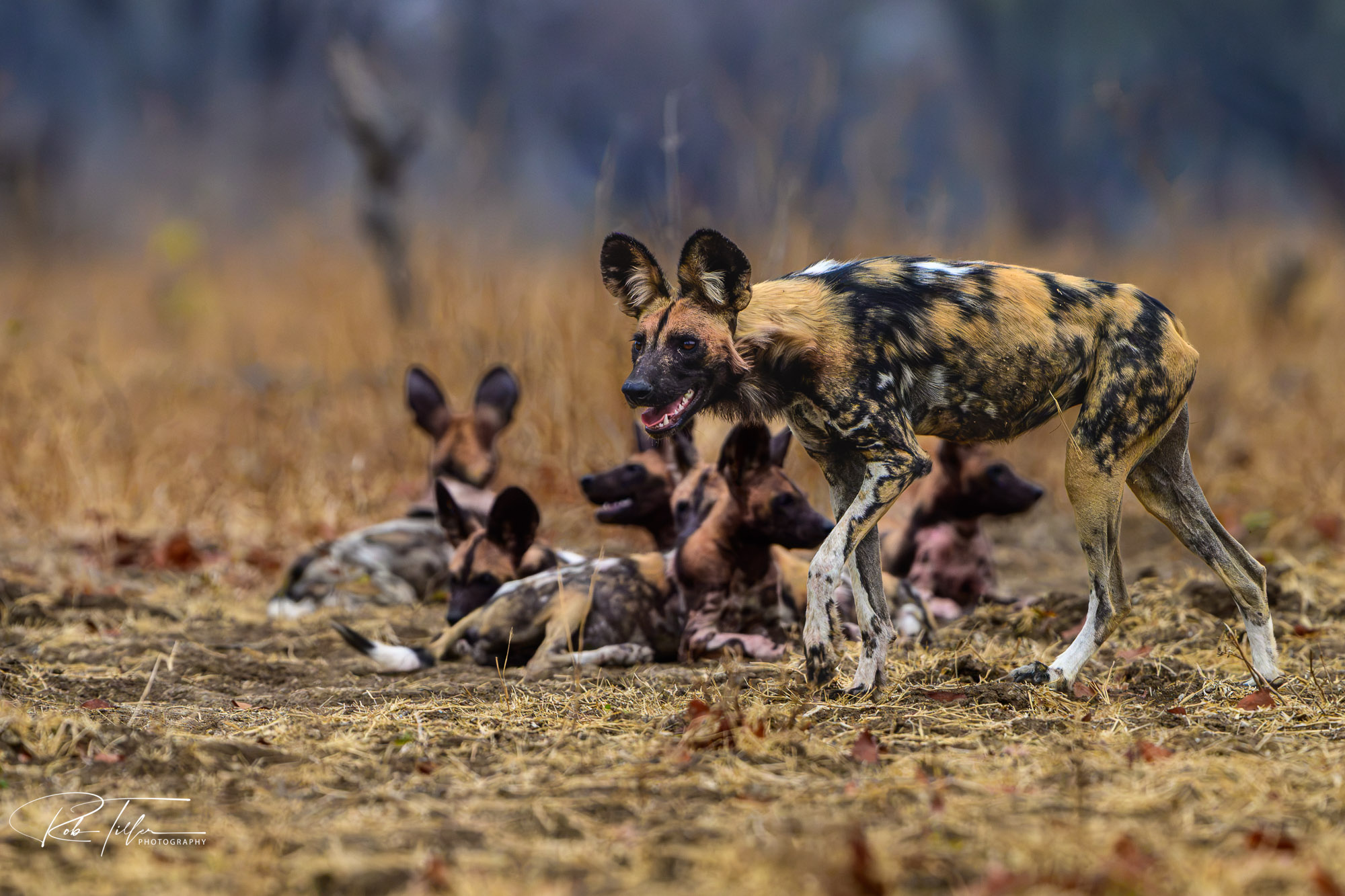
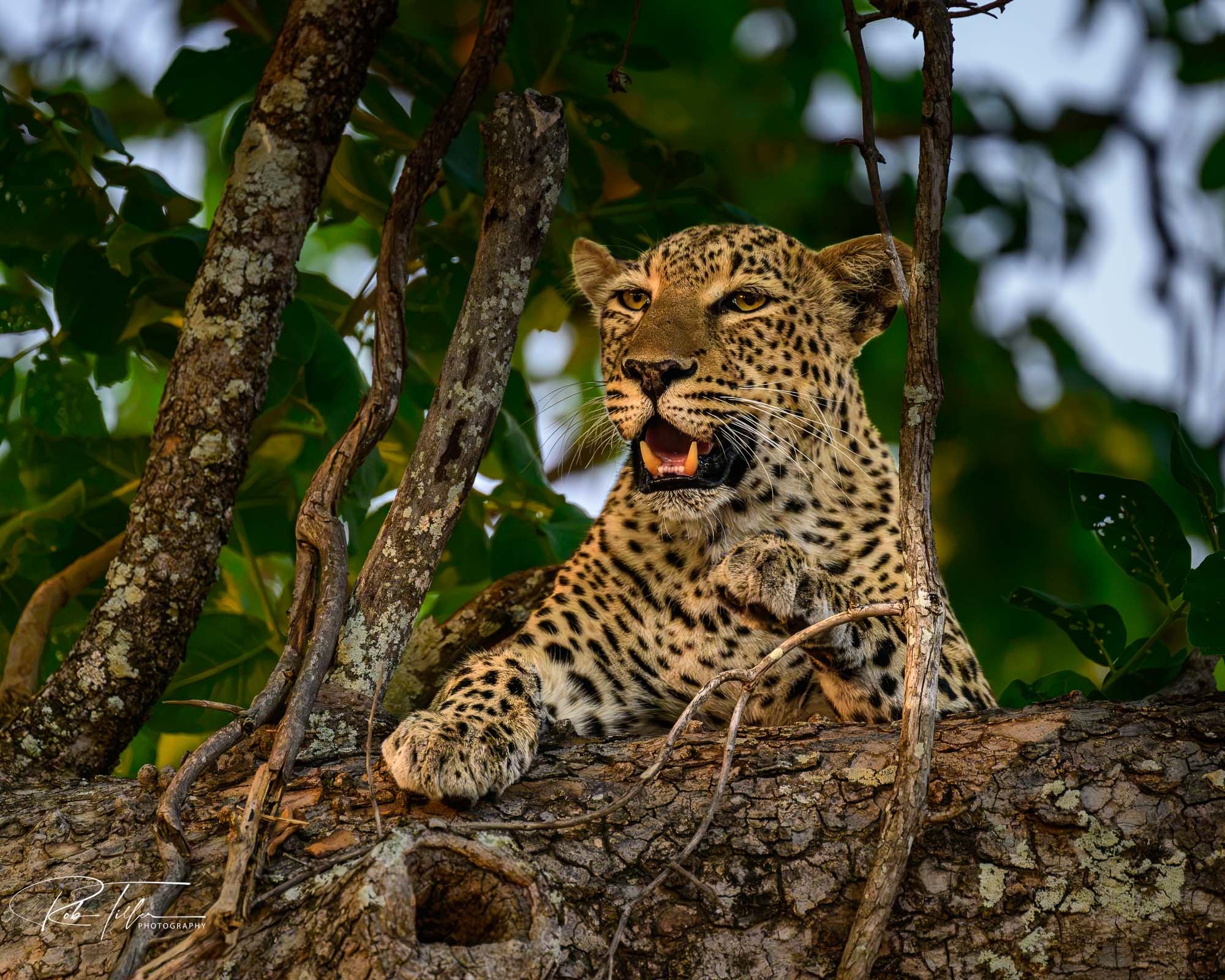
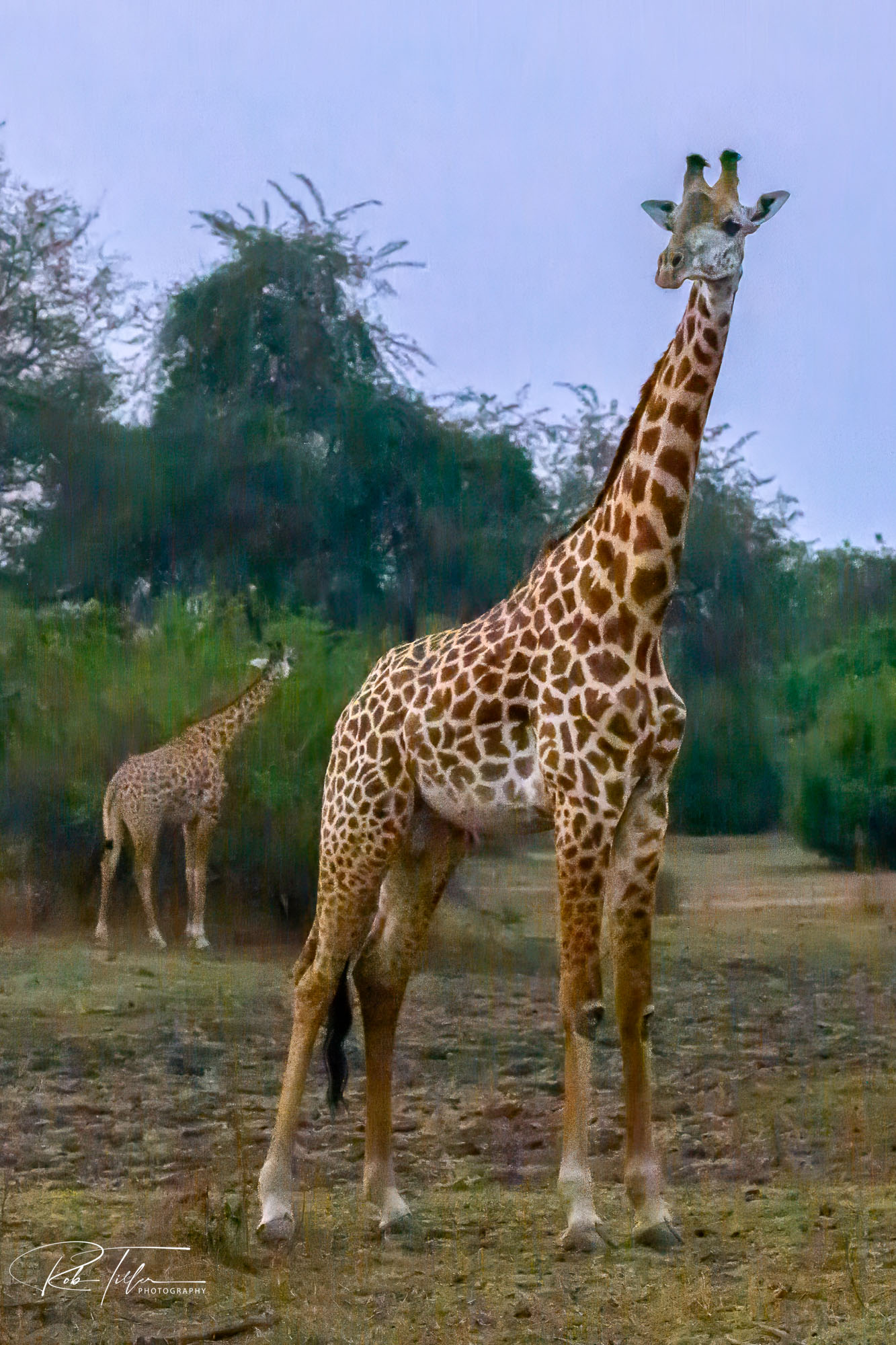
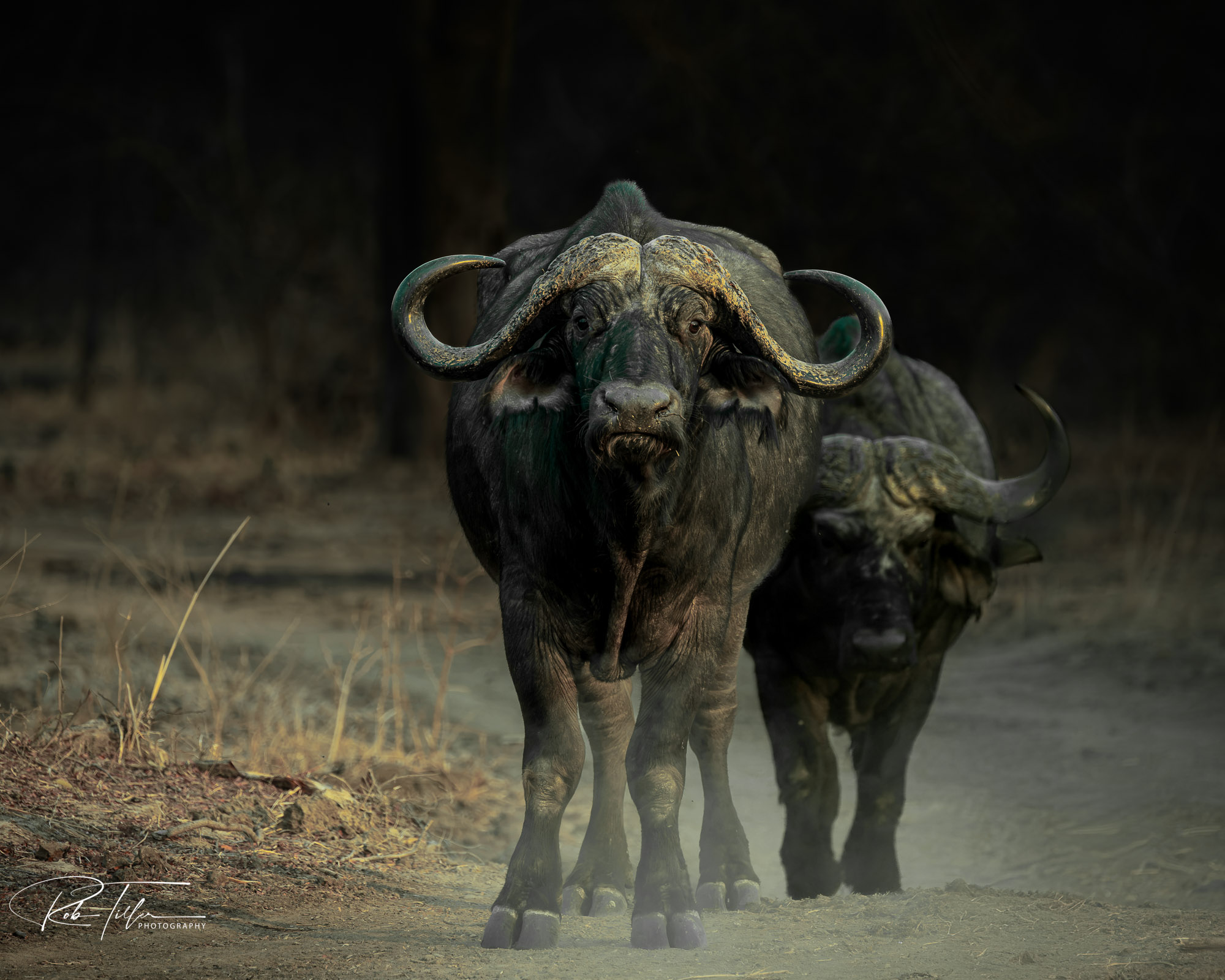
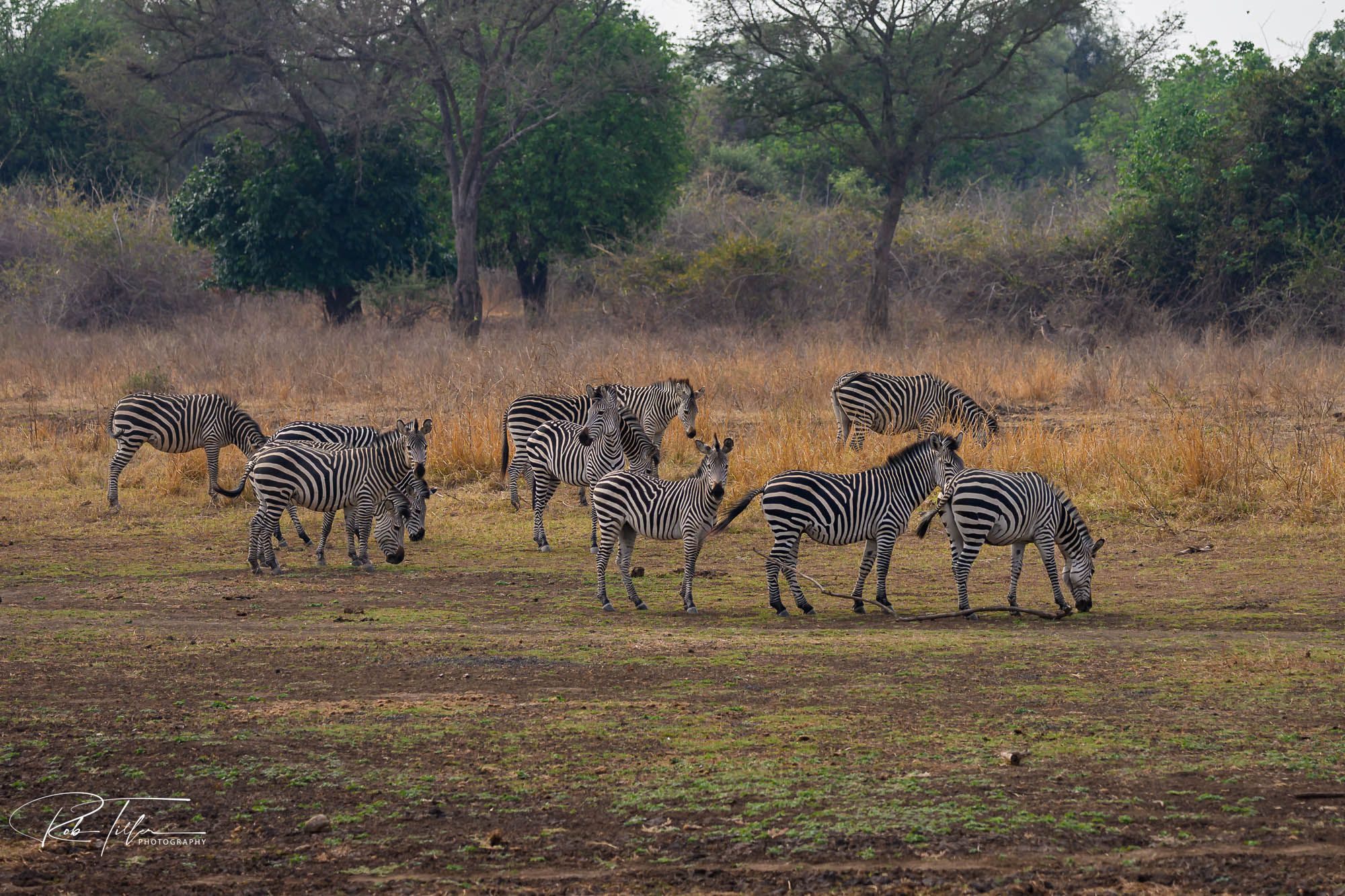
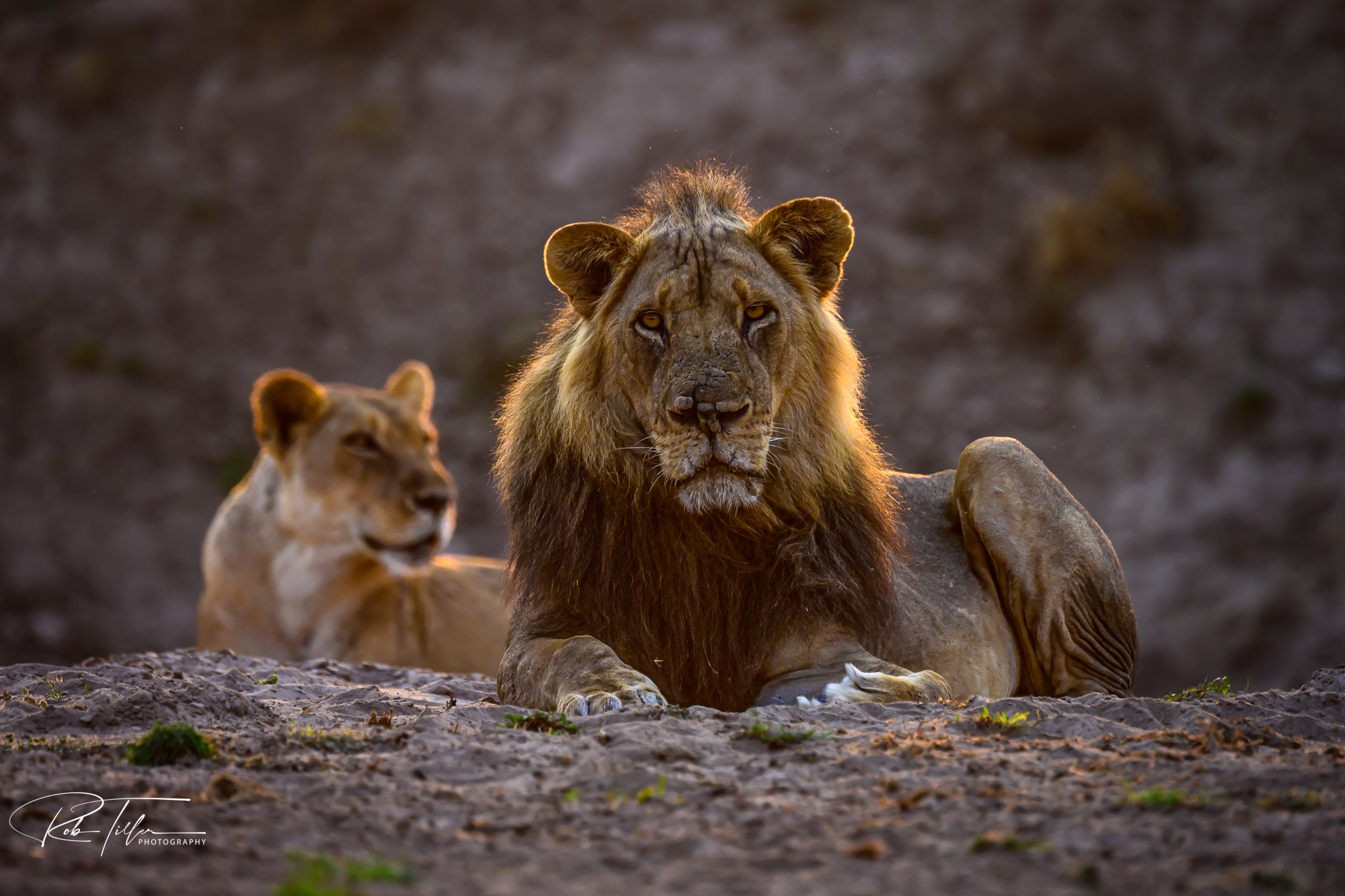
I was hoping to see lots of fascinating animals, and did. These included lions, leopards, elephants, Cape buffalos, hippopotamuses, crocodiles, giraffes, zebras, impalas, kudus, waterbucks, wildebeests, warthogs, hyenas, wild dogs, monkeys, baboons, and many gorgeous birds. For hours every day we drove along paths in an open four-row four wheel drive vehicle, stopping when we came upon animal activity. We observed, among other dramas, mating leopards, hunting lions, bathing elephants, fighting hippos, and wild dogs fleeing from hyenas. We were often the only people around.
Jennifer wrote up lively and interesting field notes about our adventures, which are here.
It was good to step away from the current anxieties of our civilization, including politics and technology, and reorient. Recently I’ve been spending more time with the Tao Te Ching, the ancient book of wisdom attributed to Lao Tzu which is the foundational text of Taoism.
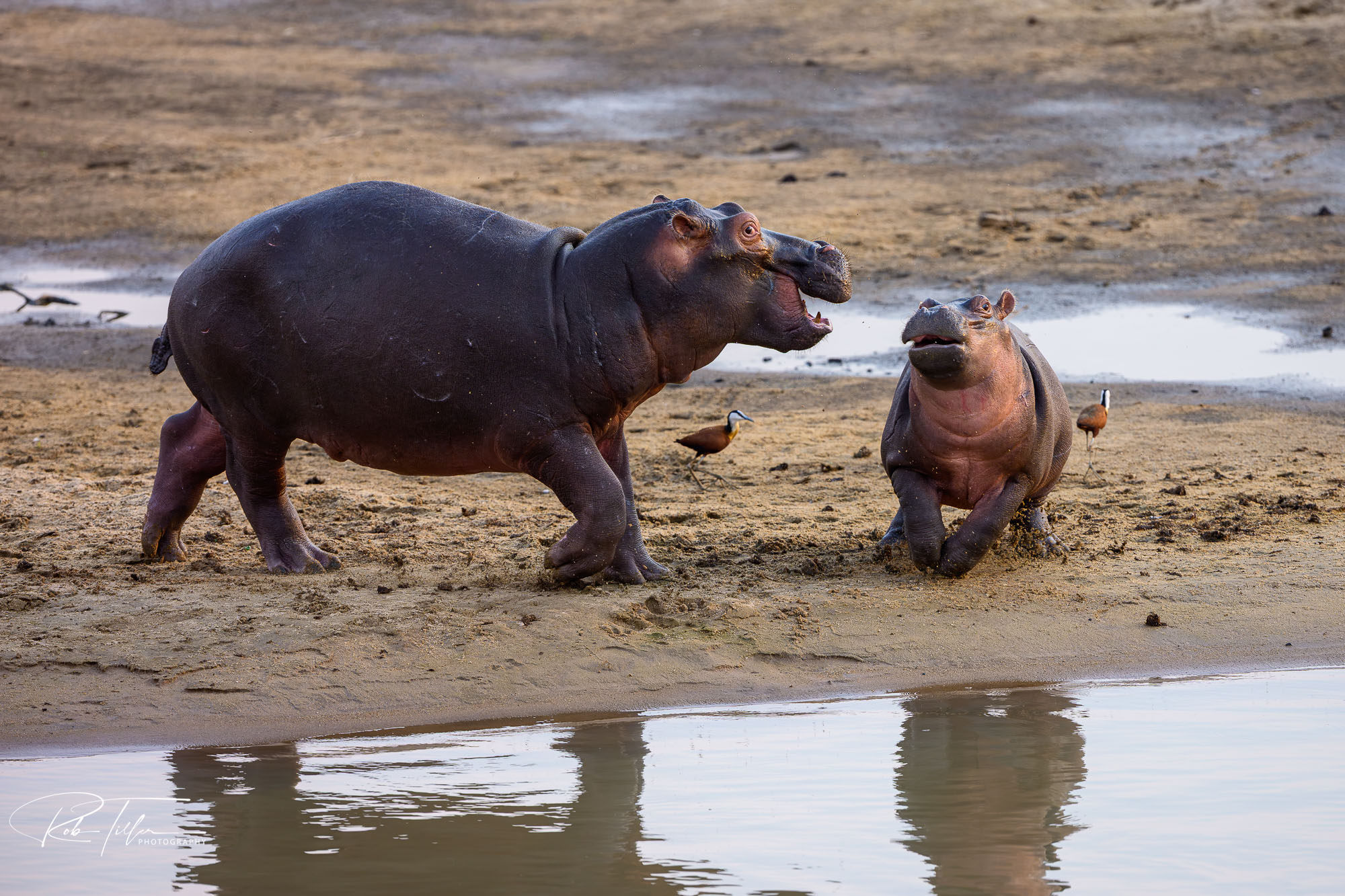
The Tao Te Ching proposes regarding nature as a teacher. We can learn from water, earth, and growing things habits of attentiveness, receptivity, flexibility, and humility. This approach is the polar opposite of the traditional Western mindset, which treats nature as something separate from us which is to be dominated and exploited.
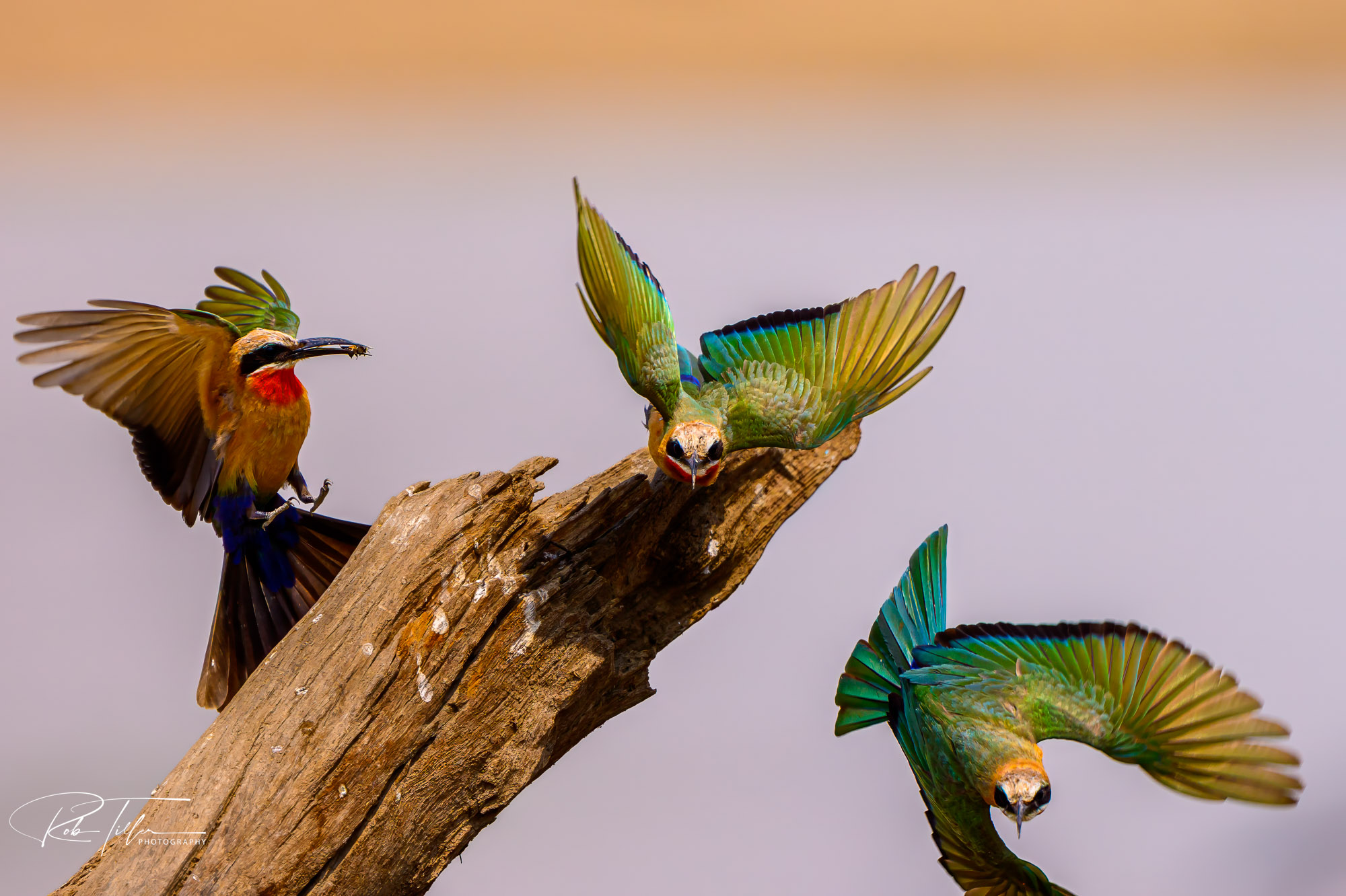
In South Luangwa, the land, the plant life, and the animals were fascinating in their interrelationships. Creatures as diverse as elephants, giraffes, and warthogs peacefully shared the same areas. Baboons and birds cooperated in warning others of nearby predators. Predators kept the populations of grass-eaters healthy and in check. No creatures took more than they needed to live.