A Safari in India
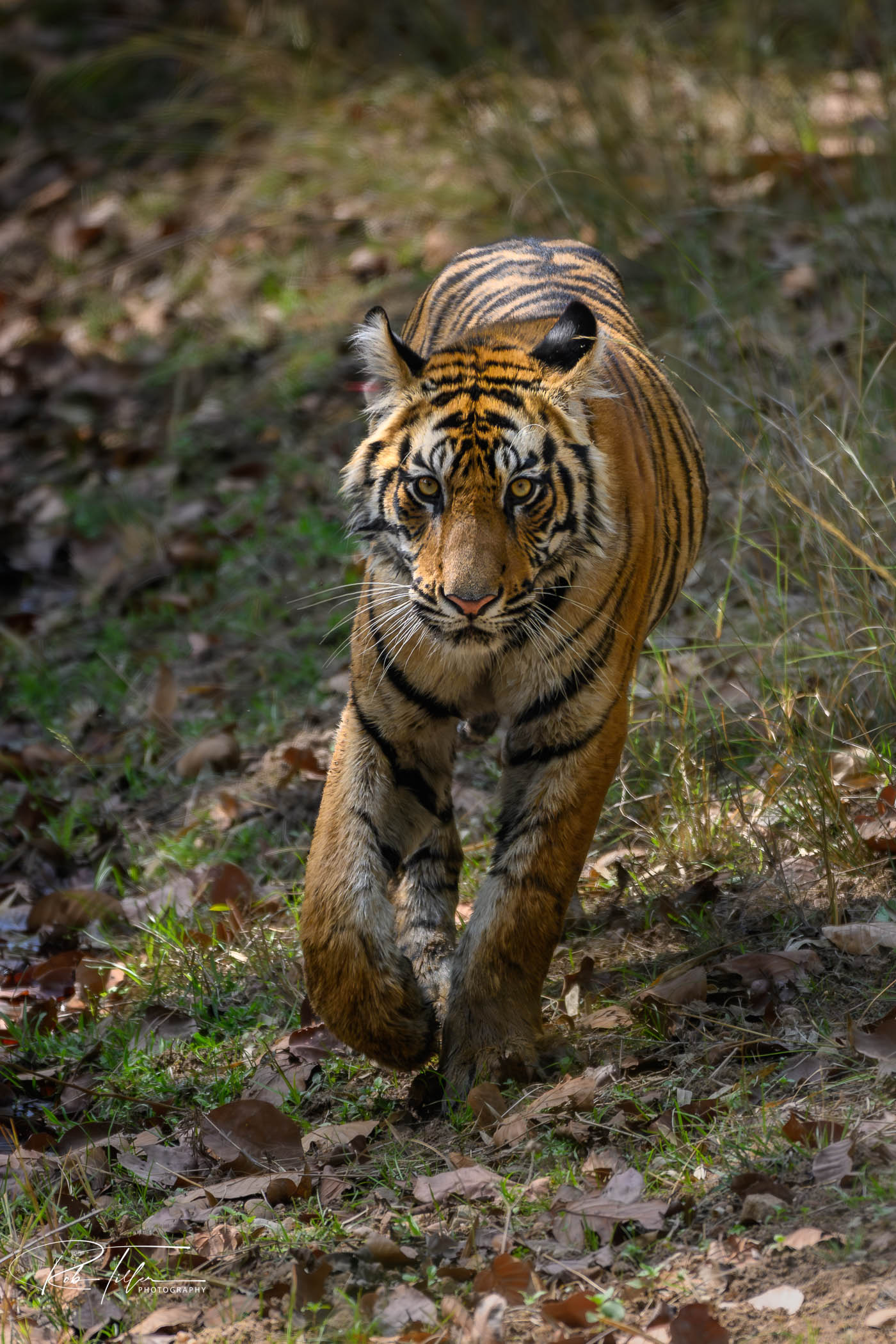
In April, I went to India for a wildlife safari. It was a hard trip, but very rewarding.
The trip was organized by my friend Jennifer Hadley, an excellent wildlife photographer, organizer, and leader. Our group of 8 photographers started in Delhi, then flew to Jabalpur. From there we took a bus to Kanha Earth Lodge outside Kanha National Park. Kanha apparently was the original inspiration for The Jungle Book. We spent a few days there, then took a long bus ride to Bandhavgarh National Park, where we stayed for a few days at Tree House Hideaway.

We spent many hours every day riding along rough trails looking for interesting animals. It was cool in the mornings, but quite warm in the afternoons. There were slow periods, but other times when the action was too fast to follow everything.
I was especially excited and moved by the tigers. We saw 11 different individuals. They seemed unworried and unimpressed by us, and occasionally walked close to our vehicles. Other times, they’d take a long nap, or go for a swim.

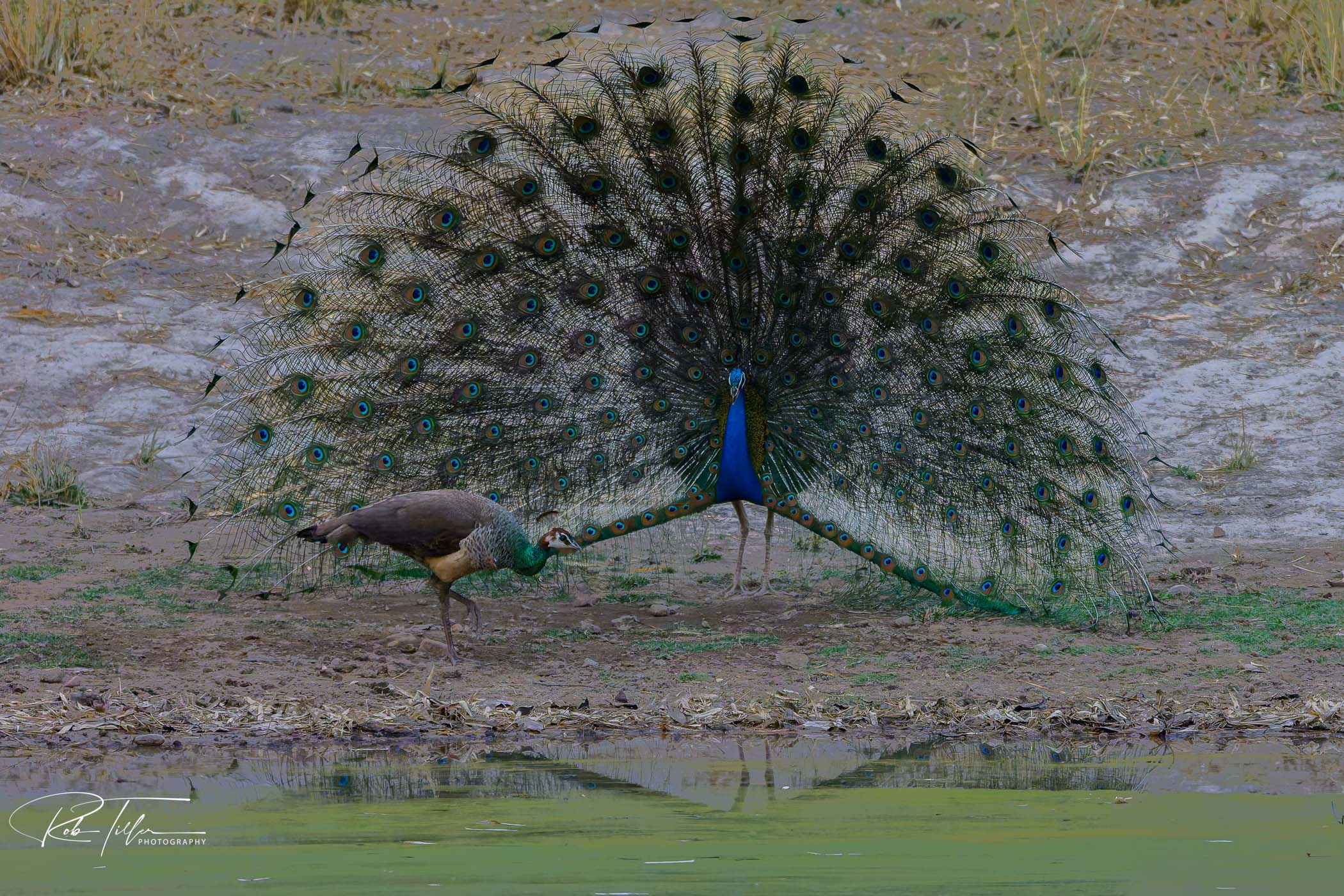
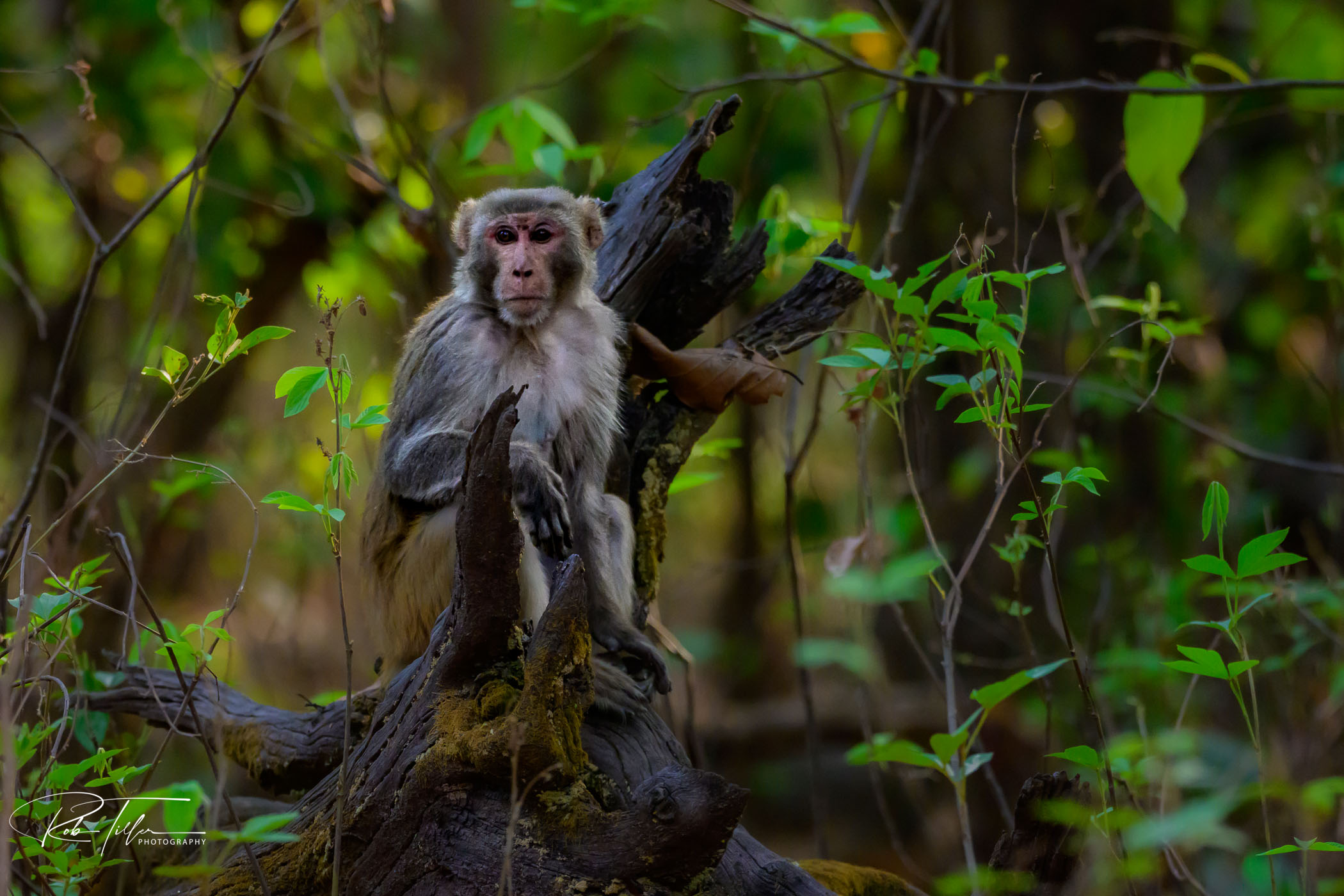
We also saw good numbers of the various types of local deer, hyenas, gaur, wild boar, mongoose, and lots of langur monkeys. We saw one leopard and one sloth bear. There were a lot of amazing birds. I particularly loved the peacocks, and saw a few males displaying their amazing tails and doing their dance.
It was a great privilege to have time with all these animals, and to see some of the beauty of India. There were, of course, aspects that were disturbing, like the rural poverty. Airport security was unusually annoying, as officials required us to unpack every piece of camera equipment and confiscated harmless tools. But these impressions were not as strong as the beauty.
As regular visitors to the Casual Blog will know, I often use this space to set out some political thoughts, which in recent times have focussed on the Trump disaster. My normal practice is to read a lot, reflect for a while, and see if I have anything that might be helpful to say.

I continue to read and reflect, but lately it’s been hard to find any epiphanies. By now we’re almost numb to the flood of outrageous lies, the shameless corruption, the perversion of the justice system, the threats to free elections, vendettas against political enemies, denigration of minorities, persecution of immigrants, attacks on protestors, threats to the free press, bullying of allied countries, abetting pollution and global warming, and his weird obsession with putting his name on things and desecrating historical sites.

A lot of the Trump disastrous initiatives are complicated or abstract, like his undermining of democracy and his crypto grift schemes, and not very easy to keep track of. So it may be worth focusing on one that’s very concrete, and hard to dispute: Trump’s mass murders.
The murders range from big to gigantic. Trump is responsible for murdering almost 200 alleged drug smugglers on small boats in the Caribbean and eastern Pacific, and proudly publicizing the murders on the internet as though they were video games. He’s directed unprovoked attacks on Venezuela and Iran that have killed thousands.
He’s suspended international medical and other aid that has resulted in the deaths of hundreds of thousands from disease and starvation, and is projected to kill millions more. He’s repeatedly threatened to start a nuclear holocaust that could kill hundreds of millions.

Of course, Trump is not the only one responsible for these atrocities; his minions are also implicated. Those of us who continue to support these crimes are entitled to a share of the blame. The same goes for those of us who fail to oppose them.
So what is to be done? Before we talk about organizing and politics, we need to make sure we don’t lose our minds. It’s a challenge to maintain mental and emotional stability. Meditation can help. According to a new Washington Post piece,
Studies suggest meditation may increase brain thickness in areas related to emotional regulation and sensory processing, and that it may reduce emotional reactivity, boost cognitive functions such as focus and attention, and improve stress resilience. Meditating can also make you more resilient to stress and your body less reactive to it, decreasing blood pressure, heart rate and stress hormone levels.
The article cites research indicating that even two or three minutes of meditation can be helpful. It includes some basic meditation instructions. I like the Insight Timer app, which also has lots of good guidance.