Discovering Japan, and reimagining politics and immigration
by Rob Tiller

I’m finally getting over jet lag from our two-week trip to Japan. Sally and I covered a lot of territory to get there, and a lot while there – Tokyo, Shuzenji (a small hot springs town), Kyoto, and Niseko in the north for a few days of skiing. We used the Tokyo subway, an amazing bullet train, and local taxis. There were, as always, a few travel glitches, but I really loved Japan.
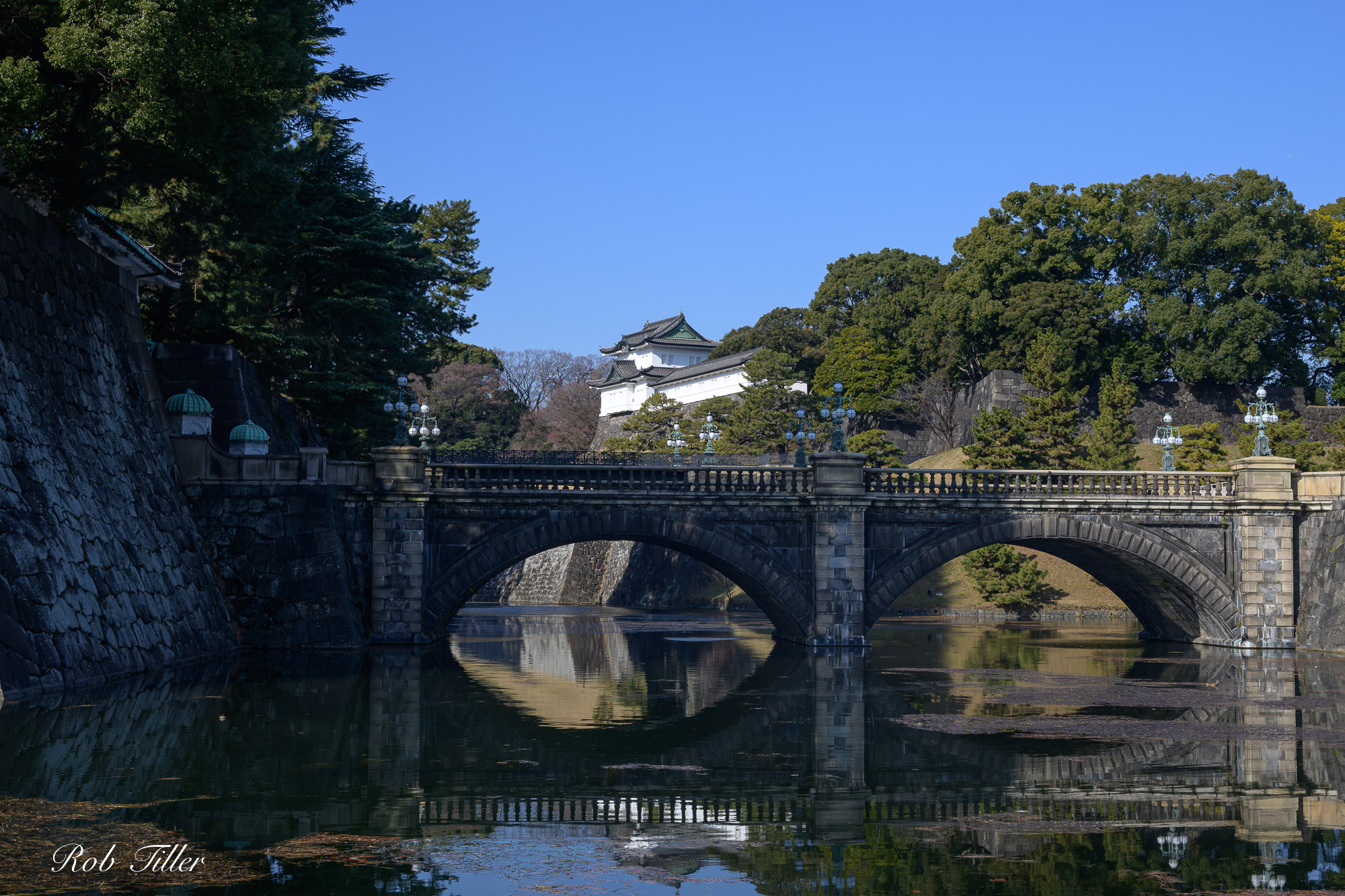
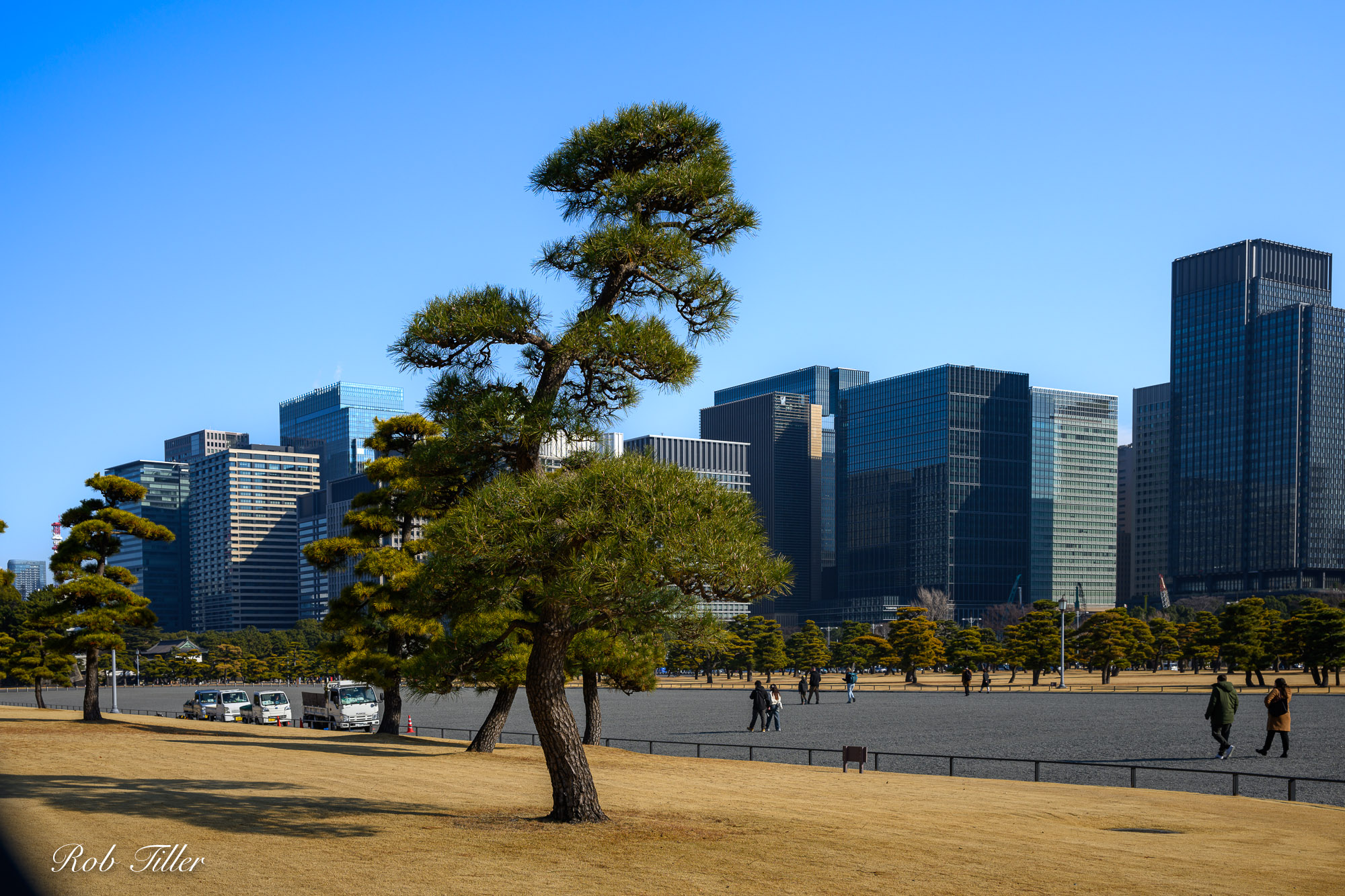
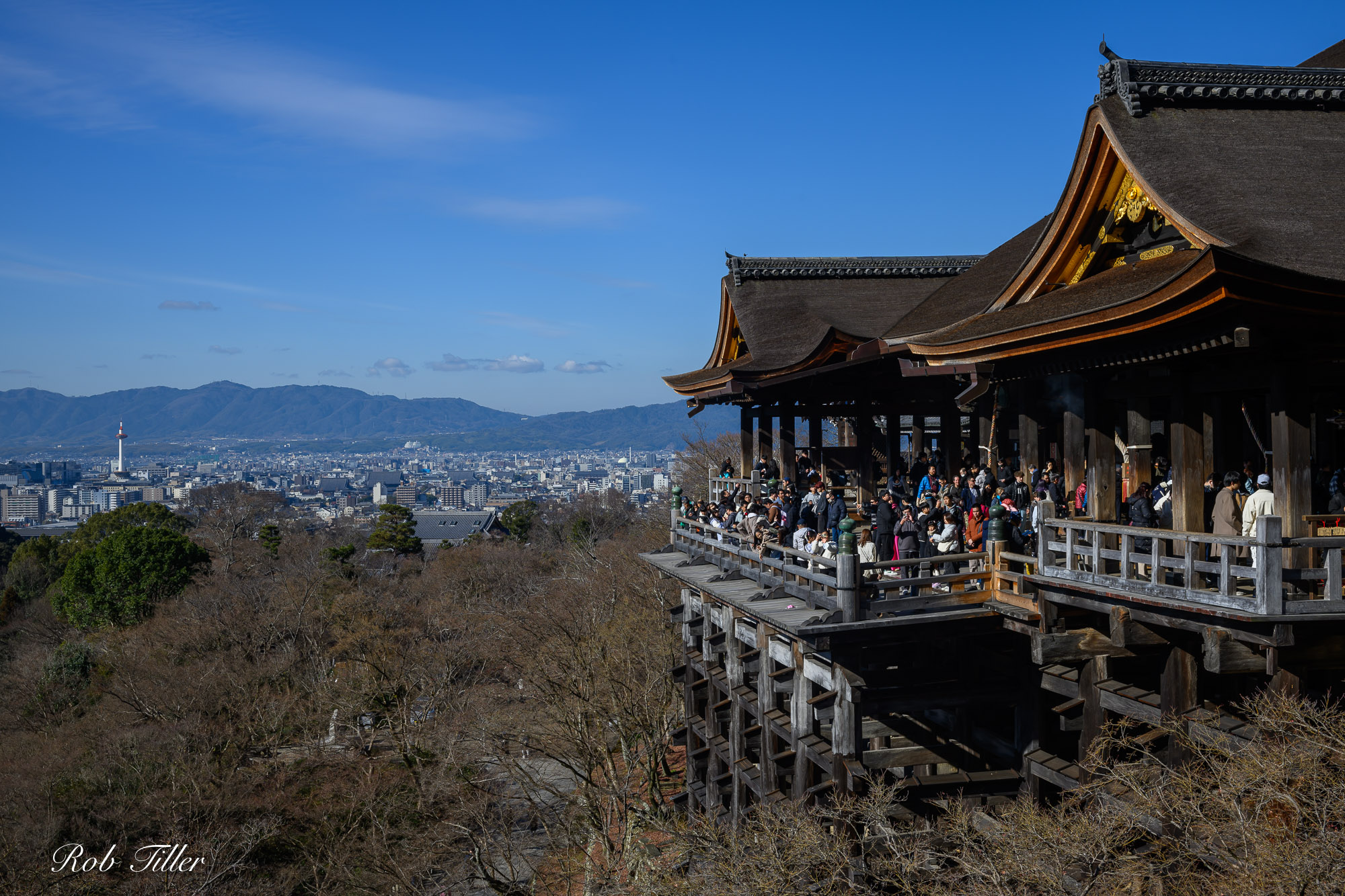
Of course, the Japanese are a lot like us, and western culture has had a big impact on their culture. Tokyo is the largest city in the world (with 37 million people) and very modern. But we focused particularly on traditional Japanese places and activities, like older neighborhoods, gardens, castles, Buddhist temples, and Shinto shrines. At Shuzenji, we stayed at Asaba, a beautiful traditional inn, or ryokan, and tried hot spring bathing and traditional food served in our room. We got a quick look at a geisha in Kyoto.

Everywhere, we found the people to be kind and respectful. We did not know Japanese, and some of the people we dealt with knew very little English. But this was not a big problem. We always managed to get the essential matters worked out with gestures and expressions. I’d planned to rely on Google Translate, but actually never needed it.
Traditionally the Japanese are more oriented toward cooperation than people in the US. They generally try to avoid conflict, and are very considerate. People were wonderfully quiet on the subway. We found that even the cars were quieter than here.
They seemed to be very proud of their culture and its achievements. The people we met were very pleased to hear that we drove Japanese cars, used Japanese electronics, and loved Japanese cameras. But everywhere people bowed a lot, expressing respect.
This was even true in Hokkaido, the northernmost island of Japane, where we skied four days at Niseko and one at Rusutsu. Hokkaido is famously snowy, and draws a very international clientele. Although we didn’t get fresh snow, there was plentiful snow of fine quality – light and dry. The slopes were a bit crowded, and the runs a bit shorter than we’d have liked, but there was plenty of good terrain. The lift attendants bowed as we got on and off, which was charming.

Getting introduced to Japan was inspiring. We enjoyed the beauty of the art, the gardens, the temples, and traditional clothing. But for me, the most thought provoking aspect was the Japanese system of values, with its emphasis on respect and kindness.
As the new Trump regime is coming online, it’s clear that these are not its animating values. Greed, selfishness, and cruelty seem to be its defining characteristics, and it seems almost naive to hope for compassion and generosity. But the Japanese (who, of course, have their problems and their bad eggs) reminded me that there are workable alternatives for a successful society.
I’m trying to stay positive, and keep in mind that Trump’s program might not result in total catastrophe. There are a lot of people – probably a majority – who are not in favor of cruelty to immigrants, persecuting political opponents, denying women their bodily autonomy, vilifying sexual minorities, encouraging racial discrimination, accelerating climate change, attacking biodiversity, banning books, encouraging political violence, firing competent government employees, suppressing opposition media, discouraging vaccines, denying food to starving children, betraying allies, encouraging bribery, and so on. The worst case Trump agenda will have a lot of opposition, and might not work out.

Along with opposition, we can also start the hard process of working out a better system. We now know that the system we thought was stable and good enough was not. Our checks and balances have not effectively checked and balanced, and aren’t making much progress in solving our pressing problems. People want change. We need to step back and be more imaginative with regard to our political possibilities.

For example, instead of our usual bare-bones political involvement and barely there representation, we might try ranked choice voting and projects by citizens chosen by lottery. We might get dark money out of politics. We might limit Supreme Court power with term limits. We could even define some new constitutional objectives, like ensuring that everyone has decent housing, food, and healthcare. We might try politics based not on fear and demagoguery, but rather on courage and compassion.

There was an interesting short article in the Economist of January 25 about recent developments in Somalia. Somalia is desperately poor, and its government barely works. But it has developed a good cellphone network, and people are solving a lot of practical problems with WhatsApp groups. Online groups organize courts to resolve conflicts and raise money for insurance systems. Who’d have thought WhatsApp could be politically transformative? It’s a reminder that new solutions to problems can emerge unexpectedly.

One final note: immigration seems to be the issue with the most resonance for Trump, who frightens people with his braying about a non-existent invasion of foreign criminals. Softer versions of this false narrative have been accepted across the political spectrum. Thankfully, a new piece by Lydia Polgreen in the NY Times effectively counters this narrative. Polgreen makes clear that the US and other countries are shooting themselves in the foot with ill-conceived immigration restrictions. With falling birthrates, the rich world needs more workers. History shows that past immigration restrictions have hampered economic growth and innovation, and relaxing such restrictions has accomplished the opposite.
In her insightful piece, Polgreen concludes,
In our vastly more interconnected world, hard borders and iron-fisted control is a fantasy. Migration has always involved great sacrifice, especially for those who leave home. But it also requires the people in the places migrants alight to see beyond the immediate shock of living alongside new people from different places and conceive the long-term possibilities such arrivals always bring.
 The Casual Blog