Some good changes — a new house, and new ways of thinking about animals
by Rob Tiller

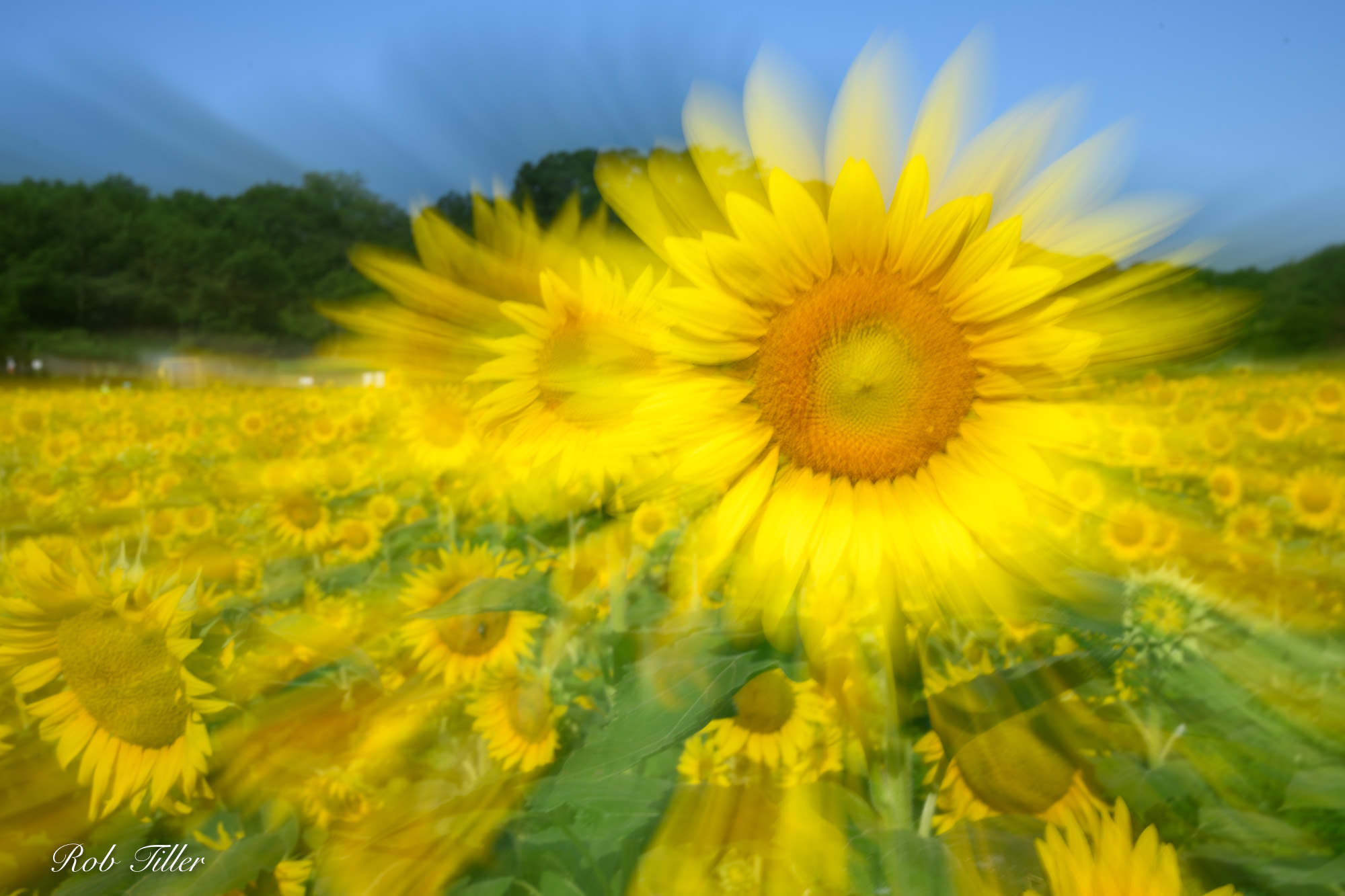
For quite a while, I’ve wanted to organize and share some of my favorite photographs. Finally, it has happened: my son, Gabe Tiller, built a website for me, and it’s now live. Along with nature photography, it has links to my Instagram, YouTube, and Casual Blog communications, and information on buying prints. If you’re interested in having a look, the address is robtillerphotography.com.
In other news, last week we moved from our twelfth floor condo downtown (see view above) to a ranch house in north Raleigh. We’d been in the condo for fourteen years, and were mostly happy there, but ready for a change. The new place is closer to our sweet baby granddaughter, and convenient to other things we like to do. We’ve got more space inside and out. We’re particularly excited to have big trees all around, with lots of songbirds, and deer that come by to munch the grass in the backyard.

Of course, moving is a pain. It took me two days of opening and sorting through boxes to find the book I’d been reading with enthusiasm – Justice for Animals, by Martha Nussbaum. Nussbaum takes on a difficult subject that I’ve thought a lot about – how humans can better relate to other animals. The way we do it now mostly ranges from indifference to unspeakable cruelty. It’s a big step to start seeing non-human animals as beings worthy of respect and concern, but after that, there are still many uncertainties as to how to think about and change our longstanding practices.
Nussbaum is an eminent university philosopher, but fortunately, her book is intended for a wider audience. Her central idea is what she calls the Capabilities Approach, which proposes that we treat all animals (including humans) so as to enable them to flourish. This means understanding a creature’s inherent capacities, such as their perceptual abilities, and striving to allow them to have opportunities to do the things that are important to them, like eating food they like and socializing.
Under Nussbaum’s approach, it is clearly wrong to cause animals to suffer, whether in factory farms, laboratories, or neglectful homes. She offers a helpful way of thinking about how to correct some of our worst practices. At the same time, she reminds us of the awe and wonder of the natural world. If that sounds interesting, you might enjoy her book.
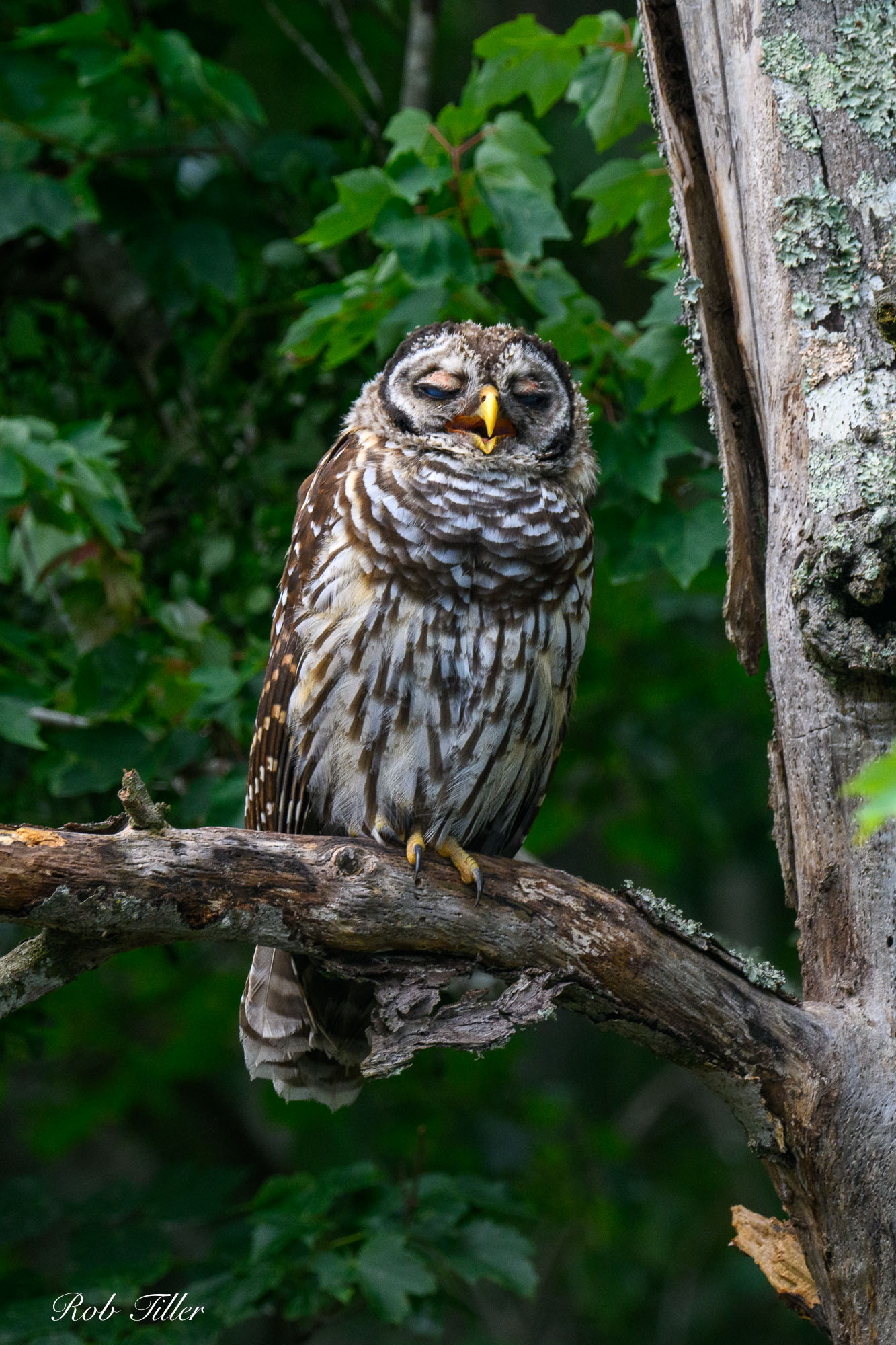
Speaking again of photography and nature, I wanted to flag a fine short essay by Lewis Hyde from last week in the New York Times. His subject is nature viewed through the prism of his lifelong passion for butterflies. He explains that carrying a butterfly net, even though he no longer kills the insects, leads to a more intense quality of attention. I suspect that this is much the same as carrying a camera into the field for nature photography.
Hyde observes,
But the pleasure of hunting derives from something more subtle than the congruence of image and fact. By virtue of looking for butterflies, you are differently aware of everything that is not butterfly. Once the eyes adjust, many wonders are illuminated by the halo of your search image. To see that there are no butterflies on the bark of a tree, you must see the bark of the tree and, by a curious inversion, the thing not hunted suddenly is freshly revealed. The search image is wholly mental, after all, and all that fails to match it is strikingly not. There it is, the bark of a tree! Vividly it is not in the mind. Often I find myself staring in a seizure of wonder at some simple thing — a disc of moss on the path, a column of ants in a crack of dried mud, deer scat in sunlight — that I would never have seen so clearly or with such surprise if I were not hunting for something that is not those things and is not there.
I’ve had much the same experience in the field doing nature photography. As much as I enjoy finding animals and trying to make good photographs, a big part of my enjoyment is something that is unphotographable – perceiving and appreciating the larger natural world.
 The Casual Blog